Logo

Insurance, not Iran, choked Hormuz oil flows; Trump orders US-backed cover for Gulf shipping

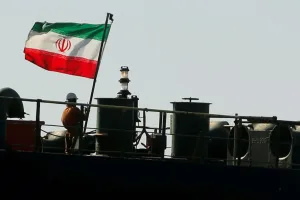
A sudden withdrawal of insurance cover from London-based firms froze shipping through the Gulf, prompting the US to offer government-backed guarantees to keep global energy trade moving.

Statesman News Service | New Delhi |

As tensions around the Strait of Hormuz threaten global energy routes, US President Donald Trump has ordered a major financial intervention aimed at keeping oil shipments moving through the Gulf, not through military escalation alone, but by replacing insurance cover that shipping companies say has collapsed.

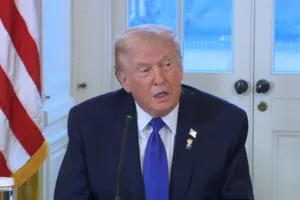
In a message posted on social media, Trump said he had directed the United States Development Finance Corporation (DFC) to offer political risk insurance and financial guarantees to maritime trade moving through the Gulf region.

“Effective immediately, I have ordered the United States Development Finance Corporation to provide… political risk insurance and guarantees for the financial security of all maritime trade, especially energy, traveling through the Gulf,” Trump wrote, adding that the United States would ensure the “free flow of energy to the world.”

Screenshot of US President Donald Trump’s social media post announcing political risk insurance and guarantees for maritime trade through the Gulf.
US President Donald Trump announces that the United States Development Finance Corporation will provide political risk insurance for maritime trade, including energy shipments through the Gulf.

Also Read: How the US torpedo strike on Iran’s IRIS Dena turned India’s maritime neighbourhood into a war zone

Insurance collapse, not missiles, stalled shipping

The announcement comes as global shipping companies face growing uncertainty over insurance coverage for vessels transiting the Strait of Hormuz, the narrow maritime corridor through which about 20 per cent of the world’s oil supply moves.

At a White House briefing, Press Secretary Karoline Leavitt said Washington was prepared to take further steps if the situation deteriorates.

“The President said if necessary and when appropriate, the US Navy will begin escorting tankers through the Strait of Hormuz,” she said, adding that the administration was working to protect shipping routes and stabilise energy markets.

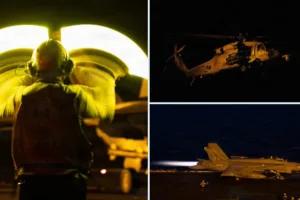
The White House also confirmed that the new insurance facility through the DFC would be offered to crude carriers and cargo ships operating in and around the Gulf, a move aimed at preventing disruptions to global oil supplies as the conflict with Iran continues under the US military campaign dubbed Operation Epic Fury.

Leavitt noted that officials were closely tracking energy markets and shipping movements while coordinating with economic agencies.

“Crude oil prices did fall yesterday. They remain stable today after the president announced steps to ensure the stability in global energy markets,” she said.

Analysts say Washington is stepping into insurance vacuum

Some analysts say the move represents a direct attempt by Washington to replace insurance cover withdrawn by private insurers during the crisis.

Texas-based legal and insurance analyst Marc Gravely argued in a social media post that the disruption to shipping in the Gulf had less to do with missiles or naval threats and more to do with insurance markets pulling back from the region.

“The Strait didn’t close because of missiles. It closed because the insurance market collapsed,” Gravely wrote, referring to a withdrawal of cover by marine insurers and reinsurers in London.

According to Gravely, Trump’s order effectively means the US government is stepping in as a sovereign backstop where private insurers have refused to underwrite the risk.

“The DFC is stepping into the void that Lloyd’s and the London reinsurance market created when they pulled out,” he said, describing the move as one of the most aggressive attempts by a government to replace global marine war-risk insurance during an active conflict.

Strategic chokepoint under global watch

The Strait of Hormuz, located between Iran and Oman, connects the Persian Gulf to major global sea lanes and is widely regarded as the most critical oil transit chokepoint in the world.

Rising tensions around the waterway have already pushed energy markets into volatility, with governments and traders closely watching the impact on oil supply chains.

The White House said the administration believed the US economy would withstand temporary shocks from the conflict while steps were taken to secure maritime energy routes.

Officials also argued that recent actions against Iran could ultimately stabilise the shipping corridor by reducing Tehran’s ability to threaten vessels moving through the region.

PM Modi pays tribute to Biju Patnaik on his birth anniversary

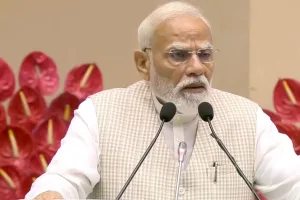
Prime Minister Narendra Modi on Thursday paid tributes to legendary Odisha leader and former Chief Minister Biju Patnaik on his birth anniversary, remembering his contributions to the development and progress of the state.

UNI | New Delhi |

Prime Minister Narendra Modi on Thursday paid tributes to legendary Odisha leader and former Chief Minister Biju Patnaik on his birth anniversary, remembering his contributions to the development and progress of the state.‎ In a message posted on the social media platform X, the Prime Minister recalled Patnaik’s commitment to public service and his deep passion for advancing Odisha’s growth.

“On his birth anniversary today, I pay tributes to Shri Biju Patnaik Ji and remember his passion towards furthering the progress of Odisha,” Modi wrote.

‎Biju Patnaik, a towering political figure in Odisha, served as the state’s Chief Minister twice and played a significant role in shaping its political and developmental trajectory. Known for his fearless personality and administrative vision, Patnaik was also widely respected for his role in India’s freedom struggle and for his daring aviation exploits.

‎His legacy continues to influence the state’s politics and public life. Several major institutions and public programmes in Odisha have been named after him, and his birth anniversary is observed across the state with tributes from political leaders and citizens.

‎Patnaik was also the father of former Odisha Chief Minister Naveen Patnaik, who leads the regional party Biju Janata Dal, founded in his father’s honour in 1997. Over the decades, Biju Patnaik has remained an enduring symbol of regional pride and development-focused politics in the state.

Nepal awaits election results but Sushila Karki already wins the biggest political battle after guiding nation through Gen Z uprising

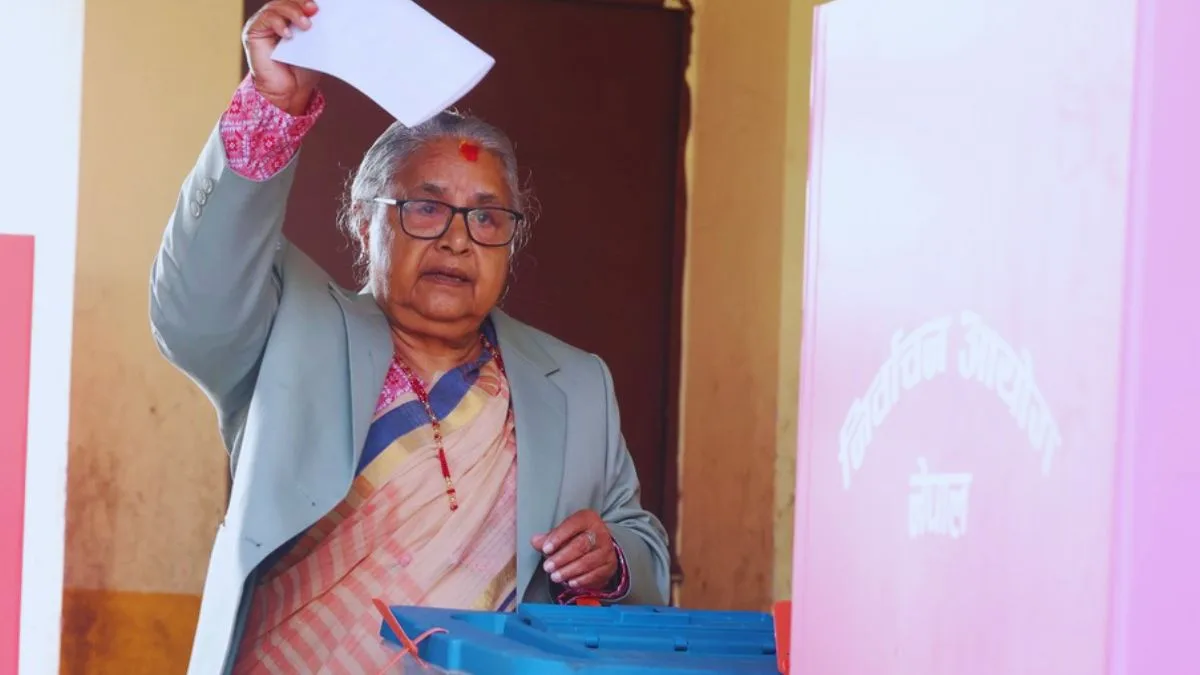
Nepal’s 2026 general election has begun after months of political turmoil triggered by the Gen Z-led anti-corruption protests. Interim Prime Minister Sushila Karki cast her vote Thursday morning.

Statesman News Service | Kathmandu |

On Thursday morning, Nepal’s interim Prime Minister Sushila Karki cast her ballot at the Dhapasi polling centre, marking the official start of Nepal’s 2026 general election. For Karki, it was the closing moment of a six-month chapter that began after one of the biggest youth-led uprisings in the country’s history.

“My duty is completed,” she told reporters after voting. This short line summed up months of crisis management, political rebuilding, and promises of reform.

Also Read: Nepal Election: Political titan or ageing nomad? Prachanda’s high-stakes bid to salvage Maoist legacy in Eastern Rukum

A nation voting after months of chaos

The 2026 election did not arrive through the usual political calendar. It was triggered by the explosive Gen Z Movement, youth-driven uprising that erupted in September 2025.

Thousands of young protesters poured into streets accusing political leaders of corruption, nepotism, misuse of power. The protests quickly grew intense and eventually forced then Prime Minister KP Sharma Oli to step down.

Soon after, the political system faced a vacuum. The House of Representatives was dissolved, and Nepal needed a neutral figure to guide the country through a temporary transition before fresh elections.

That is when an unexpected name surfaced, Sushila Karki.

From Chief Justice to Interim Prime Minister

Karki was already a historic figure in Nepal’s political and judicial landscape. She previously served as the Chief Justice of the Supreme Court of Nepal from 2016 to 2017, becoming first woman to hold that role.

But in September 2025, her career took an even more dramatic turn.

After the protests forced Oli out of office, activists searching for a politically neutral leader suggested Karki as a temporary head of government. In an unusual move, members of the protest movement conducted a poll on the online platform Discord to choose among several candidates.

Karki emerged as the preferred choice.

Also Read: Game of Thrones: Who will be the next Nepal PM; a controversial veteran, a media-hyped disruptor or an old party face?

Following negotiations involving political actors and the Nepalese army, her appointment was approved. On September 12, President Ram Chandra Poudel dissolved the Federal Parliament on Karki’s recommendation.

Soon after, she was sworn in as interim Prime Minister under Article 61 of Nepal’s constitution.

The moment made history: Karki became the first woman ever to serve both as Nepal’s Prime Minister and Chief Justice.

Promises of peace and clean governance

When Karki took her oath, the country was still tense after weeks of unrest.

She promised to restore calm, improve governance, fight corruption, and most importantly hold free and fair elections within six months.

The elections were scheduled for March 2026, the very polls that began Thursday morning.

In the same announcement, she also declared that those who lost their lives during the protests would be officially recognised as “martyrs,” acknowledging the heavy price paid during the uprising.

Meeting the injured protesters

Just one day after taking office, Karki made a symbolic visit that caught public attention.

On September 13, she went to hospitals across Kathmandu to meet protesters who had been injured during the demonstrations. She spoke with them personally, expressed solidarity, and promised government support for their recovery.

Soon after, Karki announced financial assistance for those affected during the protests.

The government promised NPR 1 million, roughly $7,000, as compensation for injured protesters.

However, families of people who died during the unrest said that more meaningful recognition and long-term support were needed to truly honour the sacrifices made during the movement.

Tough administrative decisions

Karki’s short tenure was not only about symbolism. She also took several strong administrative decisions.

On September 25, she announced that poorly planned government projects initiated by the previous administration would be abandoned.

At the same time, she launched a reconstruction fund to repair infrastructure damaged during the protests.

Roads, buildings, and public facilities had suffered heavy destruction during weeks of demonstrations, and the government needed resources to rebuild.

Legal challenges begin

But not everyone supported Karki’s actions.

By October 15, at least 14 writ petitions had been filed in the Supreme Court challenging decisions taken by the interim government.

Legal critics questioned some of her emergency measures and the authority exercised during the transitional period.

Now, as Nepalese voters line up at polling centres across the country, Karki’s role is slowly coming to an end.

Her six-month mission was simple but enormous: hold the country together and organise fresh elections.

The dramatic protests, the sudden resignation of a prime minister, the rise of a former judge as interim leader, and now a national election; Nepal has moved through a whirlwind political cycle.

And on a calm Thursday morning in Dhapasi, Sushila Karki marked the end of her journey with one simple act: casting her vote.

CM Mamata flays ECI over ‘deliberate exclusion’ of several Matua voters from Bengal electoral rolls

On the death anniversary of Binapani Devi, the former head of Matua Mahasangha in West Bengal, Chief Minister Mamata Banerjee on Thursday launched a scathing attack on the Centre and the ECI over “deliberate exclusion” of Matua voters from the electoral rolls.

IANS | Kolkata |

On the death anniversary of Binapani Devi, the former head of Matua Mahasangha in West Bengal, Chief Minister Mamata Banerjee on Thursday launched a scathing attack on the Centre and the ECI over “deliberate exclusion” of Matua voters from the electoral rolls.

Matuas are people from the Hindu backward class community coming as refugees from neighbouring Bangladesh and settling in different pockets in the state, with their concentration mainly in the two districts of North 24 Parganas and Nadia.

“It is very unfortunate that due to the conspiracy of the BJP government at the centre, the Matua brothers and sisters have been pushed into an unstable and confusing situation. Political games are being played in the name of granting citizenship to them. Questions are being raised about their identity. They are being deliberately excluded from the voters’ list through SIR. Those who had been the citizens of this country through generations and whose votes elected the government, are today being made to face uncertainty in the name of granting them new citizenship,” the Chief Minister said in her social media statement.

She also claimed that she would not accept this “injustice” at any cost.

“We will continue to fight against the attempts to take away the rights of the people of West Bengal, including my Matua brothers and sisters. We will not allow any atrocity on the people of Bengal. This is my pledge on this special day,” the Chief Minister said.

Incidentally, from Friday, the Chief Minister is scheduled for a sustained sit-in demonstration at Esplanade in Central Kolkata to protest against the SIR exercise. However, it is yet to be clear how long the sit-in demonstration will continue.

Reacting to the Chief Minister’s statement, former national secretary of the Bharatiya Janata Party (BJP) and the party’s former state president in West Bengal, Rahul Sinha, said that the Chief Minister is unnecessarily trying to “instigate” the Matuas.

“Both Prime Minister Narendra Modi and Union Home Minister Amit Shah had once again assured that not a single Matua will be denied citizenship or deported out of the country. How much the Chief Minister might try to instigate our Matua brothers and sisters, she will not be successful in her ploy,” said Sinha, who is the lone BJP candidate for Rajya Sabha in the elections to be held this month.

Gujarat: Relief flight lands in Ahmedabad with 170 passengers as West Asia conflict continues

A relief flight from Dubai landed at Sardar Vallabhbhai Patel International Airport at 4:40 A.M., bringing stranded passengers who had faced uncertainty following cancellations and delays over the past several days.

IANS | New Delhi |

More than 170 Indian passengers arrived safely in Ahmedabad from Dubai early on Thursday as special flight operations continued amid widespread disruptions to international air travel caused by the ongoing conflict involving the United States, Israel and Iran in West Asia.

A relief flight from Dubai landed at Sardar Vallabhbhai Patel International Airport at 4:40 A.M., bringing stranded passengers who had faced uncertainty following cancellations and delays over the past several days.

The aircraft, operating as flight FZ 8437, was operated under special circumstances to facilitate the return of travellers affected by the disruption.

Airport authorities and airline officials coordinated closely to ensure the safe arrival of passengers and smooth handling procedures at the airport.

The flight carried more than 170 passengers, all of whom arrived safely.

Several passengers described the uncertainty they experienced in Dubai as international flight schedules were disrupted due to the regional situation.

Passenger Vinod Tolani said the situation in Dubai had appeared uncertain shortly before departure.

“The situation in Dubai since last night suggested that no flights would be arriving for the next three to four days. At least until the 9th of March, most flights had been cancelled. Even visits to temples were cancelled. Everything there is still shut down,” he said.

Another passenger expressed gratitude for the arrangements that enabled their return to India.

“The atmosphere there is very good. The government brought us back with proper facilities, and for that we are very, very thankful. There is no fear there now. There were some difficulties during the three to four days when the situation was tense, but at present everything is fine,” the passenger said.

A traveller returning from a pilgrimage also described conditions in Saudi Arabia as calm.

“The atmosphere is very good, Mashallah. Alhamdulillah, in Mecca and Medina, it feels like Allah’s blessing…there is no difficulty for anyone. Everything is peaceful, and prayers are being offered smoothly,” the passenger said.

The flight disruptions follow a sharp escalation of tensions in the Middle East after military strikes involving the United States and Israel against Iran triggered retaliatory actions and heightened security concerns across the region.
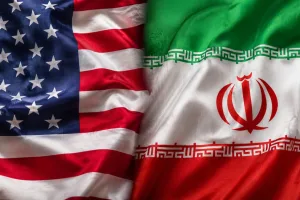
The situation led to airspace closures and flight rerouting across several countries, significantly affecting international aviation operations.

India’s aviation regulator advised airlines to avoid the airspace of multiple West Asian countries, including Iran, Israel, the United Arab Emirates, Saudi Arabia, Iraq and Qatar, amid concerns over escalating security risks in the region.
Several Indian carriers temporarily suspended services to Middle Eastern destinations as a precautionary measure.

The Ministry of External Affairs has also urged Indian nationals in the region to exercise caution and avoid non-essential travel to areas affected by the conflict.

A control room has been established to assist citizens and monitor the safety of Indians in West Asia, where nearly one crore Indian nationals reside.

Indian stock markets gain in early trade over positive Asian cues

The Indian equity markets gained moderately in early trade on Thursday, tracking gains in Asian peers despite rising tensions in the Middle East.

IANS | New Delhi |

The Indian equity markets gained moderately in early trade on Thursday, tracking gains in Asian peers despite rising tensions in the Middle East.

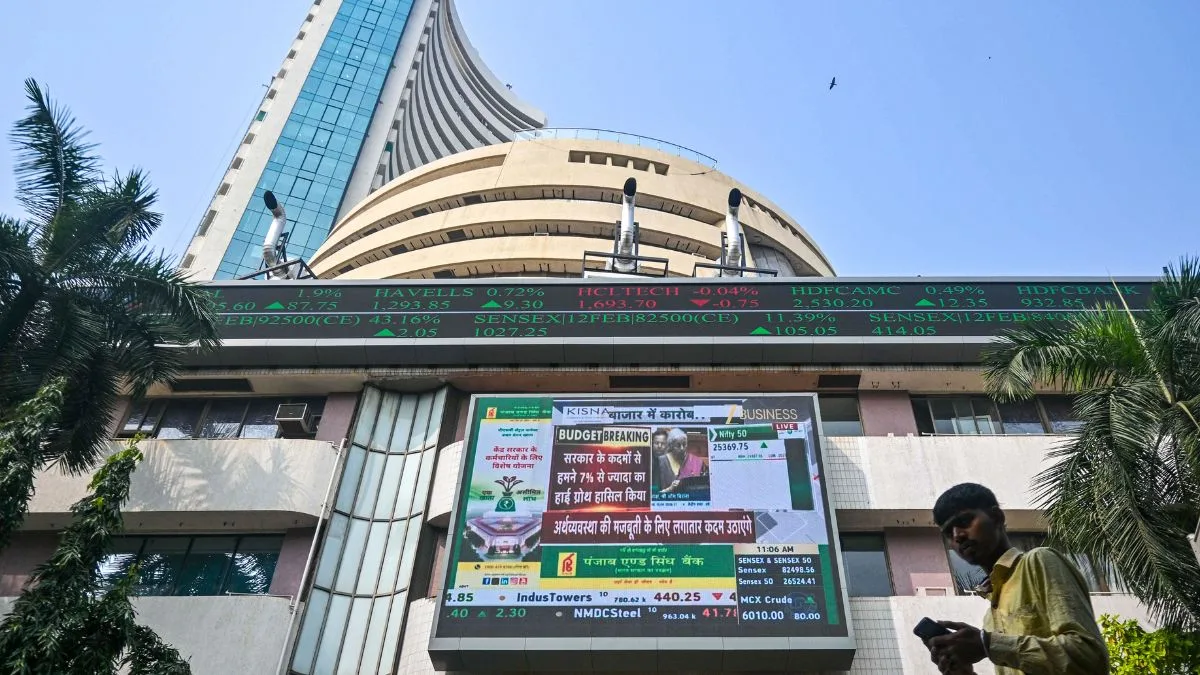
As of 9.30 am, Sensex gained 246 points, or 0.31 per cent, to reach 79,362 and Nifty added 84 points, or 0.35 per cent, at 24,565.

Main broad-cap indices performed in line with the benchmark indices, as the Nifty Midcap 100 added 1.02 per cent, and the Nifty Smallcap 100 gained 1.11 per cent.

All sectoral indices traded in green except FMCG and IT, down 0.13 per cent and 0.32 per cent. Nifty metal as well as oil and gas led gains, up 1.23 per cent and 1.43 per cent, respectively.

The Indian benchmark indices closed in red in the previous session, as the widening conflict in the Middle East impacted investment sentiment.

WTI crude oil April Futures went up 3.36 per cent on intraday basis, extending a three-day gain as exports from Iraq and Kuwait could begin shutting down within days if the Strait of Hormuz remains closed.

Rupee slumped 69 paise to touch 92.18 against the US dollar in the previous session, but regained to 91.66 driven by sharp spike in crude oil prices.

The immediate resistance zone of Nifty is placed between 24,600 and 24,650, while support is observed in the 24,300–24,350 range.

Resistance for Bank Nifty is seen in the 59,000–59,100 band, while the 58,400–58,500 zone remains a key support area, market participants said.

In Asian markets, China’s Shanghai index gained 0.84 per cent, and Shenzhen added 1.67 per cent, Japan’s Nikkei advanced 1.84 per cent, and Hong Kong’s Hang Seng Index gained 1.13 per cent. South Korea’s Kospi added 9.69 per cent.

The US markets ended in green overnight as Nasdaq advanced 1.29 per cent. The S&P 500 gained 0.78 per cent, and the Dow Jones added 0.49 per cent.

On March 4, foreign institutional investors (FIIs) net sold equities worth Rs 8,752 crore, while domestic institutional investors (DIIs) were net buyers of equities worth Rs 12,068 crore.

The Statesman Special: BJP, JD(U) in tug-of-war over Bihar CM post; if not son, Nitish Kumar may back Vijay Choudhary

JD(U) insiders say the party wants a successor from within its ranks, with senior minister Vijay Kumar Choudhary emerging in discussions, even as BJP leaders keep their own options open.

Statesman News Service | New Delhi |

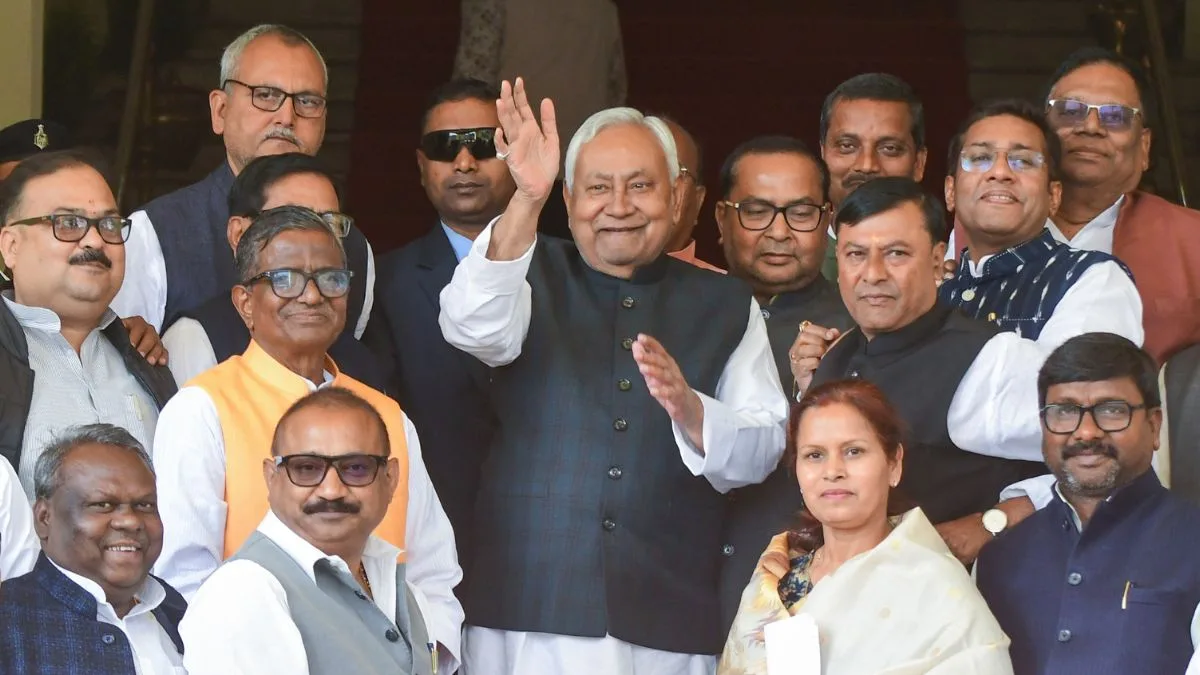
Bihar politics has entered a phase of quiet manoeuvring after Chief Minister Nitish Kumar on Thursday filed his nomination papers for the Rajya Sabha biennial elections, ending speculation over whether he would step down as CM to move to the Upper House and triggering fresh questions over the future leadership of the state.

According to party insiders and political sources in Patna, the development has set off a subtle tug-of-war within the ruling alliance, with both sides keenly watching how the transition unfolds. While the Bharatiya Janata Party is seen as eager to strengthen its grip on the state leadership, the JD(U) is equally determined to ensure that the CM post does not slip from its hands.

Kumar reached the Bihar Assembly along with other NDA leaders, including Union Home Minister Amit Shah, to complete the nomination process. After finishing the required formalities, he filed his papers for the Rajya Sabha polls along with NDA candidates JD(U) leader and sitting Rajya Sabha MP Ramnath Thakur, BJP president Nitin Nabin, BJP leader Shivesh Kumar and Rashtriya Lok Morcha president Upendra Kushwaha.

Five Rajya Sabha seats from Bihar are falling vacant as terms of as many sitting members will come to an end in April 2026.

Nitish Kumar, Bihar’s longest-serving chief minister, had earlier said in a message posted on X that he intends to contest the Rajya Sabha election in the current cycle and assured people that the new government would continue to have his guidance and support.

“… I seek to become a member of the Rajya Sabha in the elections being held this time…The new government that will be formed will have my full cooperation and guidance.”

JD(U) weighs two options, but decision rests with Nitish Kumar

The announcement has intensified conversations in political circles about who might succeed Kumar if he steps away from the CM post.

Within JD(U), sources say there is strong resistance to the idea of a BJP chief minister. Party leaders believe that handing the post to the BJP could weaken JD(U)’s influence in the state and reduce its political relevance within the alliance.

Among JD(U) leaders, discussions about succession appear to revolve around two possible choices – Nitish Kumar’s son Nishant Kumar and senior minister Vijay Kumar Choudhary.

Nishant’s possible entry into active politics has already been confirmed by party leaders. However, sources say the BJP may question Nishant Kumar’s lack of political and administrative experience if his name is formally proposed.

At the same time, several JD(U) insiders say Vijay Kumar Choudhary, a long-time associate of Nitish Kumar and a senior minister in the state government, is also being viewed as a strong internal option. Party leaders often describe him as Kumar’s trusted lieutenant and someone deeply familiar with the functioning of the government.

But according to JD(U) sources, the final decision will not emerge from internal lobbying or alliance pressure.

In JD(U), Nitish Kumar alone decides leadership questions, said sources, adding that whoever becomes chief minister will ultimately be his choice.

At the same time, BJP leaders have not publicly indicated a clear frontrunner for the chief minister’s post. Political watchers believe the party could keep its options open and potentially surprise observers.

Managing perception around Nitish Kumar’s decision

Another layer to the unfolding developments is the narrative around Kumar’s possible move to national politics.

Sources within the alliance say the BJP is keen that the transition should be seen as Kumar’s own decision rather than the result of pressure from coalition partners. According to insiders, this perception management is important to maintain stability within the NDA in Bihar.

Protests by JD(U) workers reflect uncertainty

Meanwhile, the speculation has also sparked reactions within the party’s grassroots base.

On Thursday, JD(U) workers gathered outside the Chief Minister’s residence in Patna and raised slogans in Kumar’s support as he prepared to file his nomination for the Rajya Sabha polls. Several workers said the electoral mandate in Bihar had been secured in his name and that he should continue leading the government.

One party worker told news agency IANS that JD(U) supporters had campaigned across villages invoking Kumar’s leadership and expressed concern that stepping aside so soon after the 2025 election could betray that mandate.

A long political journey

Nitish Kumar, 75, has had one of the most complex political careers in contemporary Indian politics. He began his career with the Janata Dal and later co-founded the Samata Party with George Fernandes in the 1990s.

He has served as a Union minister in the Atal Bihari Vajpayee government and first became Bihar’s chief minister in 2005 after the NDA secured a majority in the state assembly.

Nitish Kumar’s political career has seen more than a few sharp turns. In 2013, he broke ties with the BJP after years in alliance. Four years later, in 2017, he returned to the NDA. In 2022, he walked out again to join hands with rival parties, only to return once more to the BJP-led alliance in 2024.

Through all these political shifts, one thing has stayed constant, i.e. Nitish Kumar has remained at the heart of Bihar’s politics. In 2025, he took the oath as chief minister for the tenth time after his alliance won the election once again.

Now, with Kumar preparing to move to the Rajya Sabha, the state could soon be looking at another change in leadership.

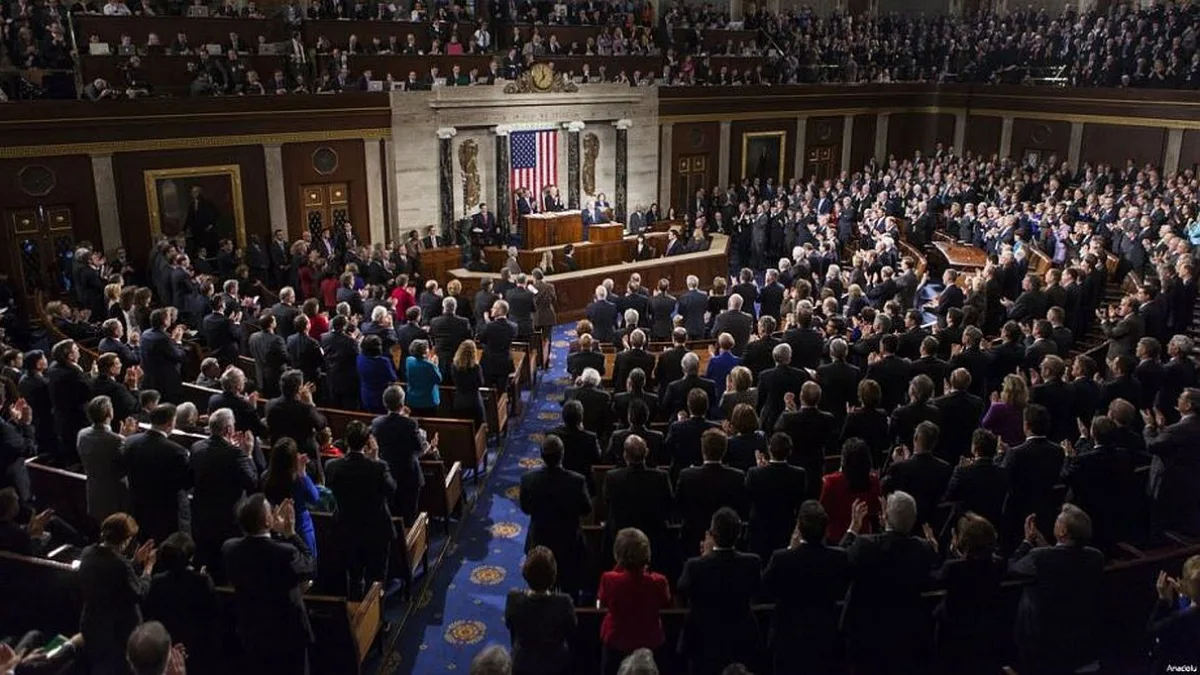
US Senate votes for Prez Trump’s war powers in conflict with Iran

The US Senate has voted down a War Powers resolution that sought to limit President Donald Trump’s military action against Iran under Operation Epic Fury, handing the President a significant political victory.

Manisha Gupta | New Delhi |

The US Senate has voted down a War Powers resolution that sought to limit President Donald Trump’s military action against Iran under Operation Epic Fury, handing the President a significant political victory.

The resolution, introduced by Democratic Senator Tim Kaine of Virginia, failed by a vote of 47–53, largely along party lines. Senate Republicans rallied behind the president, defeating the measure despite continued debate over the United States’ role in the Middle East.

Kaine’s proposal aimed to curb the administration’s authority to conduct military operations against Iran without explicit approval from Congress. In the days leading up to the vote, there had been speculation that some Republicans might join Democrats in backing the measure, as has occurred in previous disputes over presidential war powers.

However, the administration had conducted an intensive lobbying campaign to secure support for Operation Epic Fury, holding several briefings with lawmakers to justify the military action.

Only Senator Rand Paul, a Republican from Kentucky, voted in favour of the resolution. Meanwhile, Senator Jon Fetterman, a Democrat from Pennsylvania, broke ranks with his party and supported the Republican position, helping defeat the measure.

Democrats argued that the President’s actions bypassed Congress’s constitutional authority to authorise military force and warned that the administration had yet to present a clear long-term strategy. They also criticised the White House for refusing to rule out deploying US ground troops to Iran.

“It’s time for the President to keep promises, not break them,” Kaine said ahead of the vote.

Republicans, however, maintained that the President acted within his constitutional authority as commander in chief, defending the strikes as necessary to address security threats posed by Iran.

Overall, the polls indicate that about 80 percent of Republicans support the current US use of force, while nearly 80 percent of Democrats and 60 percent of independents oppose it. Among voters who have served in the military, 59 percent approve of the US strikes on Iran.


‘Indians or any nationality’: Sonu Sood opens free Dubai accommodation for travellers stuck in conflict fallout

With flights cancelled and airspace restrictions across the Gulf, thousands of travellers are stuck in Dubai. Sonu Sood has asked stranded passengers to contact him on social media if they need a free place to stay.

Statesman News Service | New Delhi |

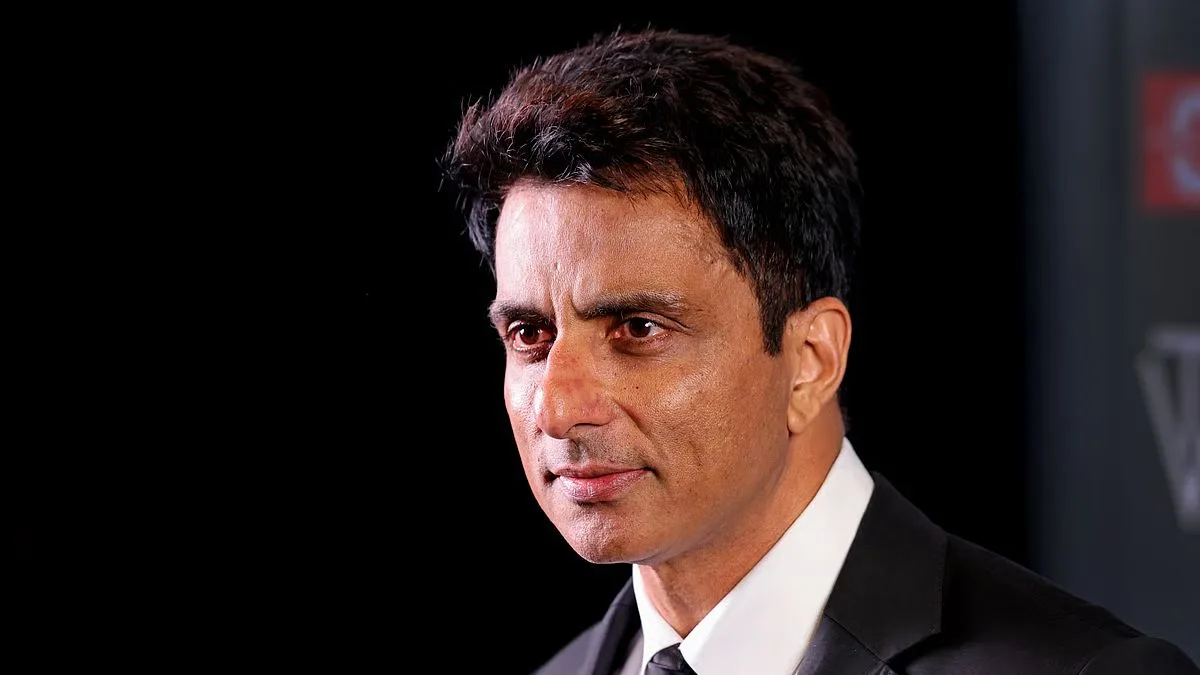
When flights suddenly stop and airports turn chaotic, travellers often find themselves with nowhere to go. That is exactly what is happening in Dubai right now. But actor Sonu Sood has stepped in again with a public message: if you are stranded in the city and have no place to stay, reach out to him.

On Thursday, the actor and humanitarian announced free accommodation for people stuck in Dubai because of the ongoing tensions involving Iran, Israel and the United States.

Sonu Sood’s video message to stranded travellers

Sood posted a video on social media where he directly addressed people trapped in the city due to travel disruptions.

In the video, he said anyone stranded because of the crisis can contact him if they need a safe place to stay.

“Anyone who’s stranded in Dubai because of the ongoing crisis, we just want to tell you that you have a place to stay. We’ll make sure that you get free-of-cost accommodation,” he said.

The actor explained that the arrangement is available for people who have nowhere to go until they are able to return to their home countries.

Also Read: Throwback: When Shah Rukh Khan broke silence on being called ‘arrogant’ and why he ‘troubled’ filmmakers

Open to people of any nationality

Sood also made it clear that the help is not limited to Indians. According to him, travellers of any nationality who are stuck in Dubai can reach out.

In the same video message, he spoke partly in Hindi and partly in English.

“Jo log bhi humare Hindustani hai, ya kisi bhi nationality ke log phase hue hain Dubai ke andar, aap mujhe DM kijiye. We will make sure that you get a free of cost stay till you reach your country,” he said.

He asked people to send him direct message on his social media accounts and share their details.

He ended the message with “Jai Hind” and “God bless you all.”

Why travellers are getting stuck in Dubai

The situation in Dubai is linked to the rapidly escalating conflict involving Iran, Israel and the United States.

Tensions sharply increased after joint US-Israeli strikes targeted Iranian locations in late February. In response, Iran launched retaliatory missile and drone attacks on US bases across parts of the Gulf region.
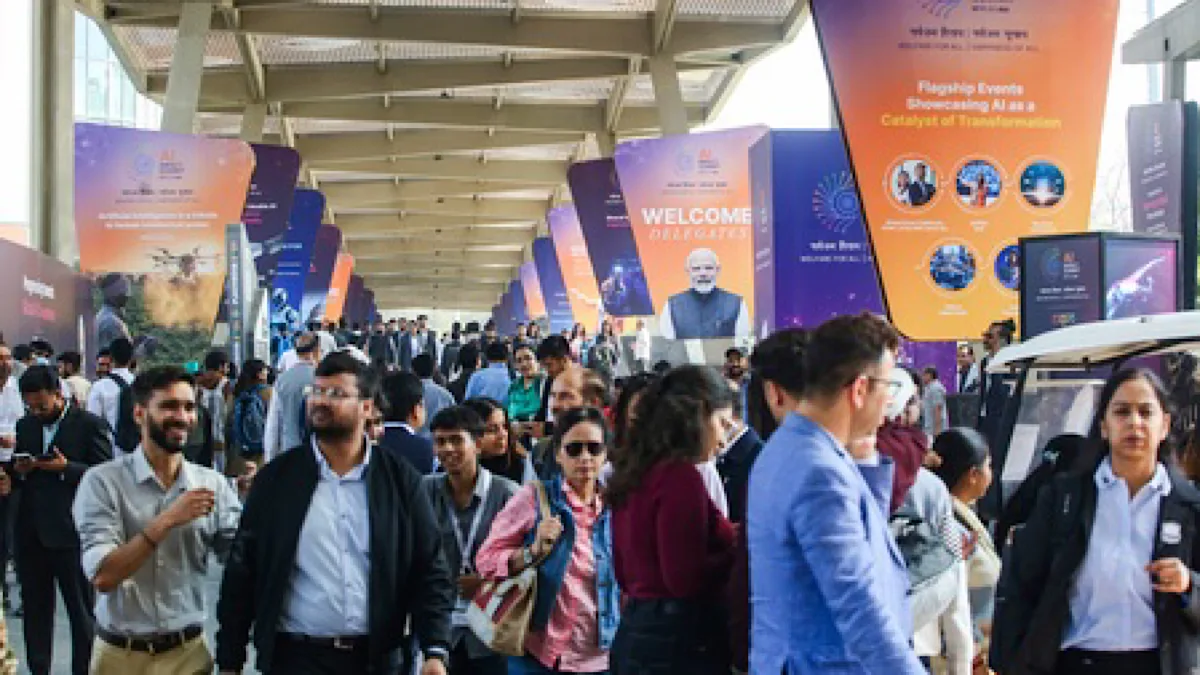
As the conflict spread, several countries introduced strict airspace restrictions and temporarily suspended flights for security reasons.

This has badly affected major transit hubs in the Middle East.

Transformative potential of AI in healthcare built on trust, ethics, inclusion

The transformative potential of AI in healthcare can only be realised if it is built on a foundation of trust, ethics, and inclusion, according to an official statement on Thursday.

IANS | New Delhi |

The transformative potential of AI in healthcare can only be realised if it is built on a foundation of trust, ethics, and inclusion, according to an official statement on Thursday.

Closing the diagnostic gap, eliminating algorithmic bias, and ensuring equitable access require deliberate policy choices, diverse and high-quality data, and a healthcare workforce equipped to work alongside AI, the statement added.

The vision of ‘AI for All’ demands nothing less than an AI ecosystem that works for every patient, in every region, regardless of income, language, or geography.

The Ministry of Health and Family Welfare released the Strategy for AI in Healthcare for India (SAHI) during the recently-held ‘India AI Impact Summit’ in New Delhi.

SAHI sets out a national framework to guide the responsible integration of AI into India’s health system.

It recognises AI as a strategic enabler of health system strengthening, while affirming that its adoption must be anchored in public interest, trust, and long-term system resilience.

The various discussions held during the Summit also highlighted the importance of diversity in data, and accountable and trustworthy AI systems, along with the importance of using AI for public good.

Launched as a national framework, SAHI outlines a structured roadmap for integrating AI into healthcare delivery across India. It seeks to guide policymakers, healthcare providers, and technology developers on the responsible adoption of AI, ensuring innovation is aligned with clinical needs, regulatory standards, equity considerations, and public trust, according to the statement.

BODH (Benchmarking Open Data Platform for Health AI), also launched during the Summit, provides a structured mechanism for testing and validating Health AI solutions before deployment at scale.

It will play a critical role in ensuring that AI tools used by clinicians are safe, reliable, and validated against real-world parameters before deployment. Trust, safety, and accountability must remain central to India’s health AI journey.

It was developed by the Indian Institute of Technology Kanpur in collaboration with the National Health Authority.

From SAHI, to the importance of diversity in health data and trust, to the need for supportive benchmarking tools such as BODH, the discussions during the India AI Impact Summit 2026 converged on the transformative potential of AI in healthcare.

Christina Applegate reveals she dumped teen Brad Pitt for Sebastian Bach, then learned latter was married with a child

Before Brad Pitt became the Hollywood icon we know today, a teenage Christina Applegate left him at the MTV Awards for rocker Sebastian Bach. Her memoir hilariously recounts the heartbreak.

Statesman News Service | New Delhi |

Hollywood has plenty of “oops” moments, but Christina Applegate just shared one that might be the ultimate teenage misstep. In her newly released memoir, ‘You With the Sad Eyes’, the 54-year-old ‘Dead to Me’ star recalls the infamous night she ditched a young Brad Pitt at the MTV Video Music Awards, and instantly regretted it.

It was 1989, and Applegate, only 17, was at the peak of teen stardom thanks to her breakout role as Kelly Bundy in ‘Married… With Children’. Young, ambitious, and Hollywood-famous, she invited Brad Pitt, whom she describes as a long-time “platonic pal”, to be her date to the awards show in Los Angeles.

Also Read: Throwback: When Shah Rukh Khan broke silence on being called ‘arrogant’ and why he ‘troubled’ filmmakers

She says she’d had a sudden revelation: maybe Pitt could be boyfriend material. “He felt the same,” she writes, “and agreed to go with me.”

Enter Sebastian Bach

But even Hollywood dreams can be messy. Despite having Pitt at her side, Applegate’s attention wandered… to Sebastian Bach, the long-haired lead singer of Skid Row. “I had spent all night staring at Bach,” she admits. She didn’t see Pitt as “THE Brad Pitt” just yet, just another young actor trying to make it.

Feeling “powerful and sure of myself” in her stunning Ceil Chapman gown, Applegate made a choice she would soon regret. After the awards show, she left with Bach, and left Pitt behind.

“And it gets worse: Brad was left to sullenly drive my mom home,” she added. As if that wasn’t enough, the evening went downhill fast: Pitt almost got into a fight with some gang members, leaving him understandably furious.

Teen dcisions, big consequences

The fallout was swift. At an afterparty, Applegate learned that Bach was already taken, married and even a father. “What a d**k” she wrote. Meanwhile, Pitt didn’t speak to her for years. He even vented about the nightmarish date to “two of his movie star girlfriends,” who later confronted Applegate, asking if she was ‘the girl who left Brad behind at the MTV Video Music Awards’.

Eventually, adulthood brought perspective. Applegate writes that she and Pitt made peace. “We agreed that I’d been a kid, and though he deserved much better, it was time to forgive the child who dumped him for the lead singer of Skid Row,” she recalls. Now, of course, Pitt is THE Brad Pitt, while Bach… well, he still rocks the long hair.

Life after MTV Drama

As for Applegate, love eventually found her. She married actor Johnathon Schaech in 2001, though they split in 2007. In 2013, she wed musician Martyn LeNoble, with whom she shares daughter Sadie Grace LeNoble, born in 2011.

Brad Pitt’s romantic life took its own twists. He married Jennifer Aniston in 2000; they divorced in 2005. Later, he married Angelina Jolie in 2014, with the couple splitting in 2019. Today, the Hollywood actor is dating jewelry executive Ines de Ramon, a relationship that started in late 2022.

Throwback: When Shah Rukh Khan broke silence on being called ‘arrogant’ and why he ‘troubled’ filmmakers

Shah Rukh Khan admits what many call arrogance is really self-respect and dedication. In a candid throwback, he also reveals why he’s known for ‘troubling’ filmmakers with his script demands.

Statesman News Service | New Delhi |

If you’ve ever whispered (or shouted) that Shah Rukh Khan is “arrogant,” the man himself has a very different story to tell. In a candid throwback interview with Lehren TV, the Bollywood superstar addressed this label head-on, giving fans a peek into why the King of Romance might sometimes come off as… a little intimidating.

“Maybe people call it arrogance. But if standing up for yourself and your work is arrogance, then yes, I am arrogant,” Shah Rukh quipped in the interview. He went on to explain how media often chops up his words, creating a headline-friendly version that screams, “SRK Admits Arrogance!” while leaving out the context entirely.

Also Read: ‘Sab ghar chalane ki koshish kar rahe hai’: Janhvi Kapoor slams trolls & clickbaits targeting half-brother Arjun

The ‘troubling filmmakers’ truth

One thing Shah Rukh isn’t shy about is his meticulous approach to scripts. He revealed that he has always insisted on reading a complete script with dialogues before committing to a film.

“When someone brings me a story and says, ‘Here’s the outline,’ I say, ‘No, give me the full script with dialogues,’” he explained. “I am a stage artist at heart. Give me the character, and I’ll live it. Don’t tell me you wrote this for Shah Rukh Khan. That doesn’t work with me.”

This insistence, according to SRK, once annoyed filmmakers during his struggling days. “People used to ask ‘who does he think he is?’ But now, when I do it, it’s called attention to detail and passion for the craft,” he said.

From struggling star to industry dark horse

Shah Rukh’s early days were far from easy. Amid established stars like Salman Khan and Aamir Khan dominating Bollywood, SRK had to carve out his own space.

“I knew Salman Khan was easily the biggest star in terms of longevity, and Aamir Khan is, in my opinion, the finest actor in the country. I decided to make my own position,” he said reflecting on his journey.

His perseverance paid off. Today, he is considered dark horse in the industry.

Television roots and early film breaks

Before ruling Bollywood, Shah Rukh was familiar face on television. His work in shows like ‘Fauji’ and ‘Circus’ earned him recognition and respect.

Legendary actress Hema Malini also played crucial role in SRK’s early film career. She saw his potential during his television days and offered him a role in ‘Dil Aashna Hai’ produced under her banner. This was one of first stepping stones that led to his eventual superstardom.

The iconic film journey

Shah Rukh made his Bollywood debut in 1992 with ‘Deewana’ and rest is history. Over the years, he delivered blockbuster hits that are now part of Bollywood’s golden era. These include ‘Baazigar’, ‘Dilwale Dulhania Le Jayenge’, ‘Kuch Kuch Hota Hai’, ‘Devdas’, ‘Chennai Express’.

Even today, the superstar continues to dominate screens with diverse projects. His most recent release, ‘Dunki’, showcased his unmatched charm, and fans are buzzing with excitement for his upcoming film ‘King’, which promises even more star power with Deepika Padukone and his daughter Suhana Khan sharing the screen.

West Asia tensions halt Kerala’s fruit, vegetable exports, Ramzan market impacted

The intensifying tensions in West Asia has impacted India’s export sector, with shipments of fruits, vegetables and fish products from Kerala coming to a near standstill.

IANS | New Delhi |

The intensifying tensions in West Asia has impacted India’s export sector, with shipments of fruits, vegetables and fish products from Kerala coming to a near standstill.

Exporters said the disruption has already caused losses worth several crores of rupees, as both air and sea cargo routes remain severely affected.

With flight services to several Gulf destinations suspended, air cargo exports from Kerala’s airports have come to a complete halt.

The situation has been further aggravated by disruptions in maritime trade following the closure of the Strait of Hormuz, which has stalled cargo movement by sea as well.

Kerala has four international airports , Thiruvananthapuram, Kochi, Kozhikode and Kannur which serve as the main gateways for the export of fruits and vegetables to various Middle East countries.

On an average, nearly 150 tonnes of fruits and vegetables are exported daily through these airports.

Nearly one-third of this volume normally moves through the Thiruvananthapuram airport.

However, with the tensions in the Gulf region escalating and several flight services being cancelled, exporters said that not even a single tonne of fruits or vegetables has been shipped in recent days.

The disruption has come at a particularly difficult time for farmers and exporters as the holy month of Ramzan is considered the peak export season for fresh farm produce to the Gulf countries.

The Middle East remains the primary market for Kerala’s fruits and vegetables, and the Ramzan demand usually ensures strong prices and steady shipments.

Among those worst hit are pineapple farmers in the state.

For them, the Ramzan season traditionally offers the most lucrative market, with farm fresh pineapples exported in large quantities to the Middle East.

With the current disruption halting shipments, growers fear that a major share of their annual earnings could be wiped out.

At present, limited flight services are operating only to Oman.

Even there, exporters say airlines are charging nearly three times the normal cargo rates, making shipments economically unviable.

If the crisis continues for a prolonged period, exporters warn that farmers and traders will face even greater financial losses.

With exports stalled, much of the perishable produce may have to be sold in the domestic market at sharply lower prices, further squeezing the already distressed farming community.

How the US torpedo strike on Iran’s IRIS Dena turned India’s maritime neighbourhood into a war zone

A US submarine torpedoed Iran’s frigate IRIS Dena near Sri Lanka after it joined India’s MILAN-2026 naval exercise, prompting strategic concerns over regional security and maritime diplomacy.

Statesman News Service | New Delhi |

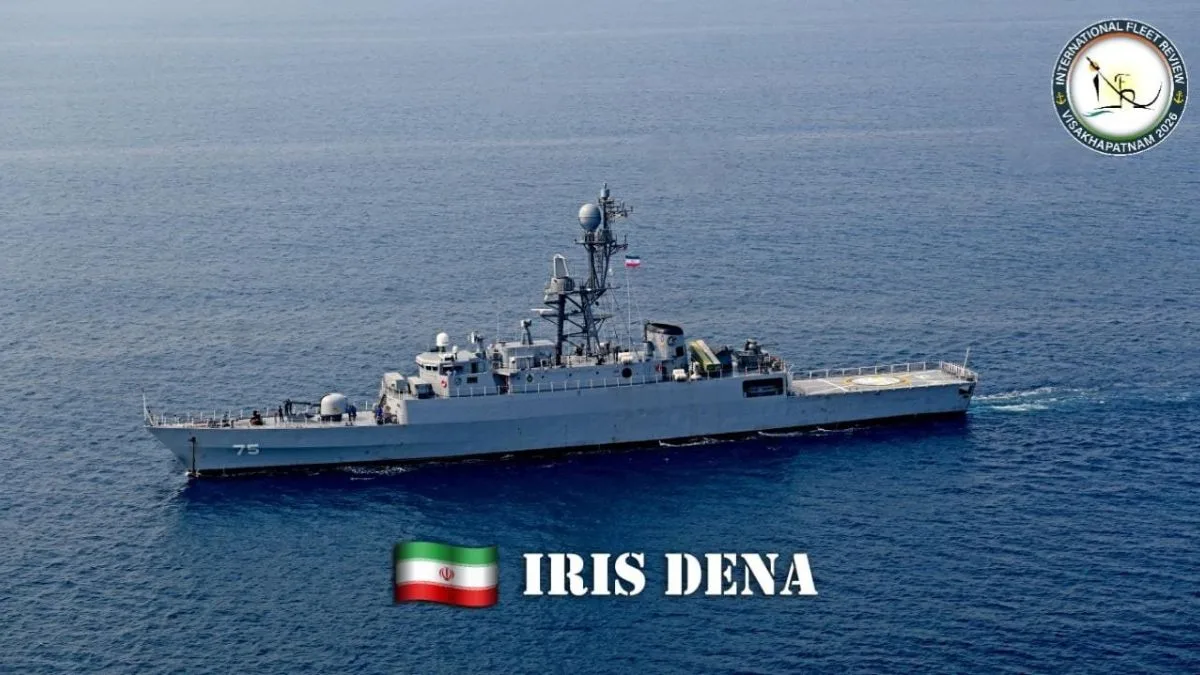
A United States submarine has torpedoed an Iranian warship that had recently taken part in India’s multinational MILAN-2026 naval exercise, triggering debate among strategic observers about the implications for India’s regional standing.

Strategic affairs expert Dr Brahma Chellaney said the episode could be viewed as a diplomatic setback for New Delhi. The Iranian vessel, IRIS Dena, had sailed to Visakhapatnam for the Indian Navy’s flagship exercise alongside warships from other countries before heading back into the Indian Ocean.

“The US torpedoing of the Iranian frigate IRIS Dena in India’s maritime backyard is more than a battlefield event; it is a strategic embarrassment for New Delhi”.

According to Chellaney, the strike occurred in what he described as India’s “maritime backyard,” turning waters close to the subcontinent into a zone of active conflict. In his assessment, the timing of the attack, soon after the ship had participated in an Indian-hosted exercise, placed India in an uncomfortable strategic position.

“By sinking a vessel returning from an Indian-hosted multilateral exercise, Washington effectively turned India’s maritime neighborhood into a war zone, raising uncomfortable questions about India’s authority in its own backyard,” Chellaney said in a post on X.

Also Read: ‘Few wars reward the power leading them’: How Gulf conflict turned into a windfall for US LNG exporters

Strike near Sri Lanka sinks Iranian frigate

The incident happened roughly 40-44 nautical miles off the coast of Sri Lanka, within Sri Lanka’s Exclusive Economic Zone but beyond its territorial waters.

The target was the IRIS Dena, among the newer ships in Iran’s fleet. The Moudge-class vessel, which Iran refers to as a destroyer, was hit by a Mark-48 heavyweight torpedo fired by a US submarine.

“At a Pentagon briefing, US Defense Secretary Hegseth said the Iranian ship ‘thought it was safe in international waters’, but ‘instead, it was sunk by a torpedo’,” posted Chellaney.

The strike marked a significant escalation in the wider conflict involving Iran and the United States. It is also notable because a US submarine sinking an enemy warship with a torpedo has not happened since the Second World War.

The attack represents one of the first major American strikes on Iranian military assets outside the Middle East since the hostilities began, signalling that the confrontation is expanding geographically.

Strategic concerns raised over timing and location

For India, the development has stirred debate because the Iranian frigate had recently been part of MILAN-2026, the Indian Navy’s large multinational maritime exercise held in Visakhapatnam.

Chellaney argued that striking a ship shortly after it leaves a host nation’s waters can be interpreted as a breach of long-standing naval etiquette.

“Attacking a ship immediately after it leaves a host’s waters is widely seen as a slight to that host,” he said.

He also linked the development to Prime Minister Narendra Modi’s “MAHASAGAR” vision, which seeks to position India as a key security partner in the Indian Ocean region. According to Chellaney, the strike demonstrated that outside powers could still conduct military action in these waters without coordination with New Delhi.

“In one torpedo strike, American hard power has punctured India’s carefully cultivated soft power,” he said.

Rescue operation after the strike

After the frigate was hit, the vessel sank in the waters south of India. Under the laws of armed conflict at sea, attacking forces are expected, when circumstances allow, to help search for survivors once a ship is sinking.

However, the US submarine left the area after the attack.

The rescue effort was instead carried out by the Sri Lankan Navy, which pulled 32 sailors from the water, all reported to be in critical condition.

The frigate had around 180 crew members on board. The remaining 148 sailors were unaccounted for and presumed lost at sea, according to available details.

Kurds loyal to US may be America’s boot on ground in Iran

Reportedly, the United States has asked Iraqi Kurds for support, officials said, as tensions involving Iran continue to escalate.

Manisha Gupta | New Delhi |

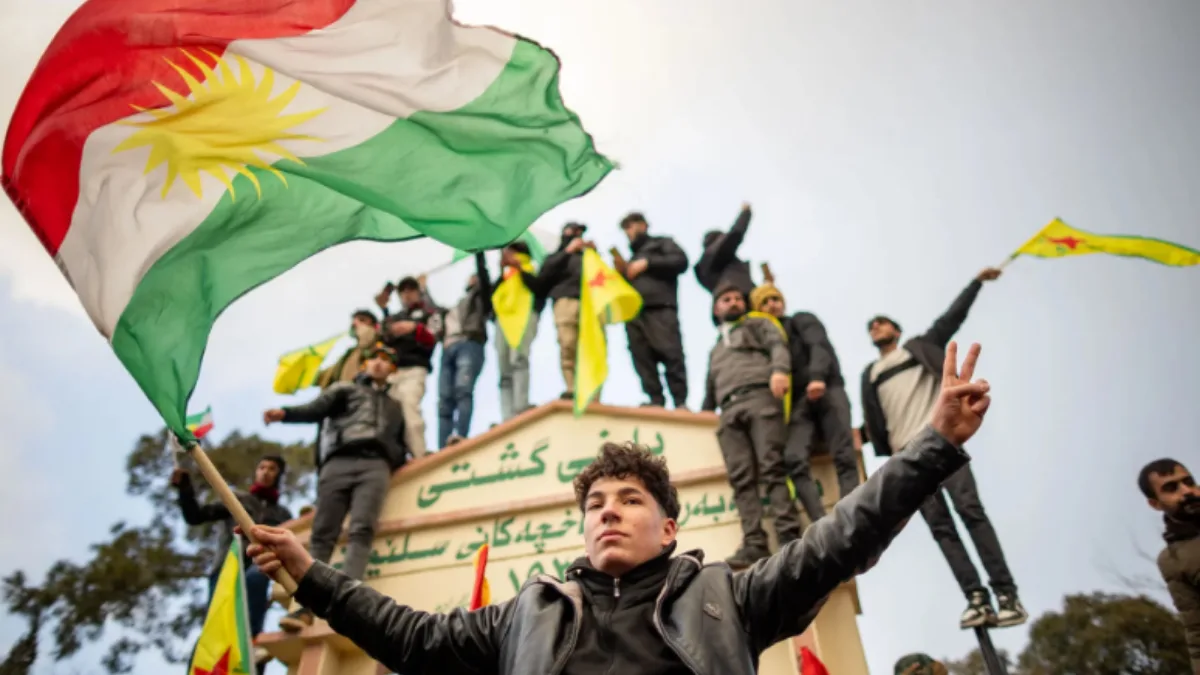
The Kurdish Iranian dissident groups based in northern Iraq are preparing for a possible cross-border military operation targeting Iran, according to Kurdish officials who spoke to The Associated Press.

Reportedly, the United States has asked Iraqi Kurds for support, officials said, as tensions involving Iran continue to escalate.

Kurdish organizations are widely considered among the most organized elements of Iran’s fragmented opposition movement. Analysts believe these groups command thousands of trained fighters, giving them the potential to open a new front against Iran’s leadership if they enter the conflict.

Such a development could significantly challenge authorities in Tehran. However, it could also increase the risk of drawing neighboring Iraq deeper into regional hostilities.

Khalil Nadiri, an official with the Kurdistan Freedom Party (PAK), which operates in Iraq’s semi-autonomous Kurdish region, said that some of the group’s forces have been repositioned closer to the Iranian border. According to Nadiri, units have moved into areas near the frontier in Sulaymaniyah province and remain on standby as the situation evolves.

He also said that the leaders of Kurdish opposition groups were contacted by the US officials about a potential operation.

No official confirmation of the reported outreach has been released by the US authorities.

Chemical-laden tanker catches fire on Rajasthan’s Nagaur Highway; driver jumps to safety

Panic spread late Wednesday night after a chemical-laden tanker overturned and caught fire on the Nagaur-Ladnun stretch of National Highway 458 in Rajasthan.

IANS | New Delhi |

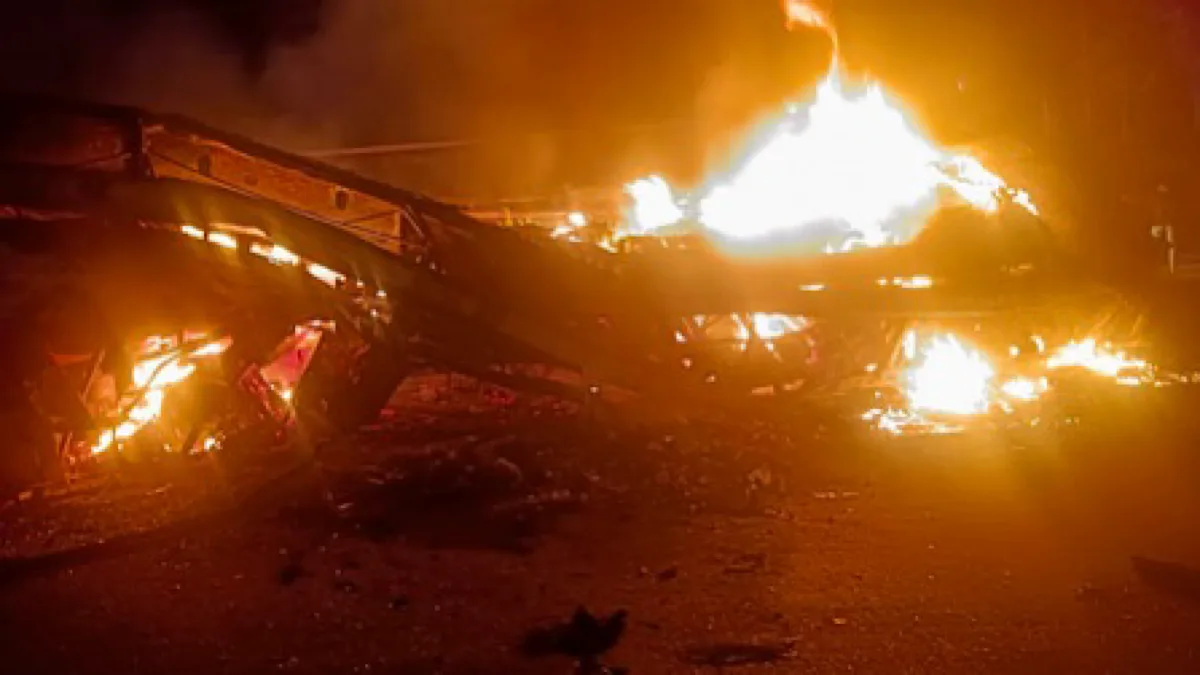
Panic spread late Wednesday night after a chemical-laden tanker overturned and caught fire on the Nagaur-Ladnun stretch of National Highway 458 in Rajasthan. The blaze was so intense that flames and thick smoke were visible from nearly two kilometres away.

Authorities immediately closed the highway from both sides to prevent any further mishap. The incident occurred near the Kunjal Mata Temple.

According to police, the tanker suddenly lost control while negotiating a turn and overturned before bursting into flames.

The driver, identified as Lukman Khan from Barmer district, managed to save his life by breaking the cabin glass and jumping out moments before the fire spread.

Station House Officer Suman Chaudhary of Surpalia police station said the tanker caught fire immediately after overturning, creating chaos on the highway. Vehicles coming from both directions were stopped, and long queues formed on the road as a safety precaution.

Upon receiving information about the incident, fire engines from the Nagaur Municipal Council and nearby areas rushed to the spot. A total of four fire tenders were deployed to control the flames.

Due to the chemical load and the intensity of the blaze, it took nearly two hours of continuous firefighting efforts to bring the fire under control. Six ambulances were also stationed at the site as a precautionary measure. Police said the tanker was transporting around 30 tonnes of Amike chemical from Gandhidham in Gujarat to Sonipat in Haryana.

The driver reportedly lost control of the vehicle while trying to avoid a trailer that suddenly came in front of him during an overtaking attempt. Fortunately, no other vehicles were close to the tanker at the time of the accident, preventing what could have been a major disaster.

The tanker was completely gutted in the fire and reduced to debris. The massive flames and billowing smoke were visible from several kilometres away, drawing attention from nearby villages. After the fire was extinguished and the situation brought under control, traffic movement on the highway was gradually restored.

108,000 US troops in 160 countries, Generals tell Senators

Vice Chief of the Army Gen. Christopher LaNeve told senators that US forces are operating across multiple regions simultaneously, maintaining deterrence while responding to evolving threats.

IANS | New Delhi |

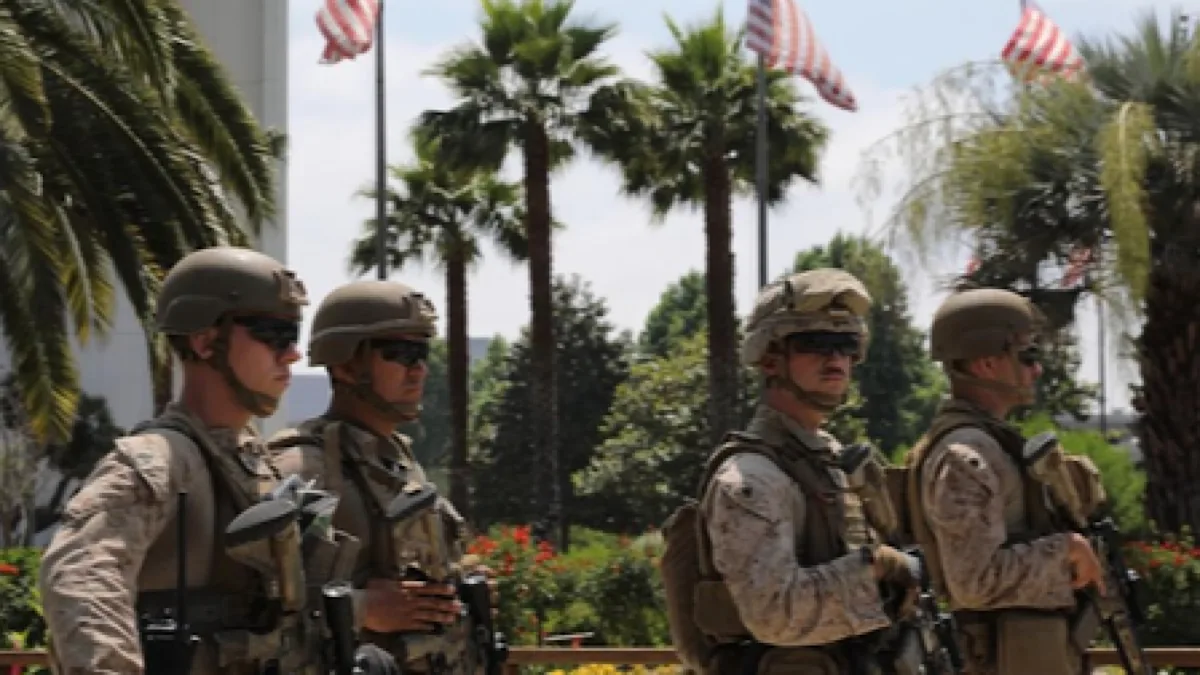
More than 108,000 US soldiers are deployed or forward positioned across 160 countries, senior American military leaders told lawmakers, underscoring the global scale of US military operations even as Washington fights an ongoing conflict with Iran and confronts rising security threats from China and Russia.

Testifying before the Senate Armed Services Subcommittee on Readiness on Wednesday (local time), top Pentagon officials said American forces remain capable of sustaining global operations while responding to active combat missions in the Middle East.

Vice Chief of the Army Gen. Christopher LaNeve told senators that US forces are operating across multiple regions simultaneously, maintaining deterrence while responding to evolving threats.

“Today, over 108,000 soldiers are deployed or forward postured across 160 countries, securing our interests in the Western Hemisphere, deterring aggression in the Indo-Pacific, and responding to threats worldwide,” LaNeve said.

He said US soldiers in the Middle East are currently operating in a “complex and dangerous environment” amid the conflict with Iran and its regional proxies.

“They’re defending US forces and partners intercepting missiles and drones and protecting critical infrastructure,” he said.

LaNeve added that American troops continue to move fuel, munitions, and medical support across the theatre while coordinating intelligence and joint fires to respond rapidly to threats.

Senior Navy leaders said maritime forces are also engaged in operations across several regions while maintaining strategic deterrence.

Vice Chief of Naval Operations Adm. James Kilby told lawmakers the Navy had conducted combat operations and supported the Joint Force in multiple missions over the past year.

“As the Navy conducted combat operations and supported the Joint Force in achieving national objectives… the Navy conducted strikes against our adversaries and defended our allies in the Middle East,” Kilby said.

He added that US naval forces continue to operate across the Indo-Pacific region.
“In the Pacific, our sailors operate every day, deterring China and building partnerships,” he said.

Kilby said the Navy is working to improve readiness by reducing maintenance delays and modernising shipyards while pushing toward a goal of 80 per cent combat surge-ready ships, aircraft, and submarines.

Marine Corps leaders said their forces remain prepared for rapid deployments around the world, particularly in the Indo-Pacific, where tensions with China continue to grow.

“The Marine Corps provides unique value to the nation and joint force,” a senior Marine Corps official told senators.

“We are both the nation’s global response force and a persistent integrated stand-in force in the Indo-Pacific.”

Air Force Vice Chief of Staff Gen. James LaMontagne said the service is maintaining readiness while modernising its fleet and training new pilots.


“The most important thing the Air Force does for the joint force and for the nation is to fly and fix aircraft so that we are ready to answer the nation’s call,” he said.

LaMontagne said the Air Force is training about 1,500 pilots each year while developing new platforms, including the B-21 bomber and collaborative combat aircraft.

Space Force Vice Chief of Space Operations Gen. Michael Guetlein said space capabilities have become central to modern military operations.

“Recent events around the world clearly demonstrate the importance of the Space Force as part of the Joint Force,” he said.

He noted that the service recently launched new satellites for missile warning, navigation and space domain awareness.

However, the Government Accountability Office warned lawmakers that US military readiness still faces persistent structural challenges.

“The United States is fortunate to have the strongest military in the world, but our service members often meet demanding mission needs despite several significant and enduring readiness problems,” said GAO official Diana Maurer.

She said ageing equipment, maintenance backlogs and shortages of spare parts continue to affect readiness across several services.