Logo

‘This century will see the rise of India’: US makes strong pitch for deeper partnership at Raisina Dialogue 2026

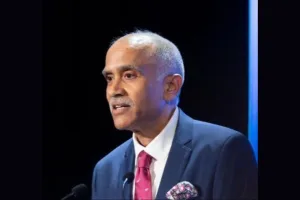
At Raisina Dialogue 2026, US Deputy Secretary Christopher Landau highlighted India’s demographic strength, economic potential and strategic importance, calling it a country that will help shape global developments.

Statesman News Service | New Delhi |

The United States sees India as one of the defining powers of the 21st century and wants to deepen ties with New Delhi as the global balance of power shifts, US Deputy Secretary of State Christopher Landau said on Thursday.

Speaking at the Raisina Dialogue 2026 in the national capital, Landau said India’s size, economic potential, and human capital place it among the countries that will shape the world’s future. He added that Washington wants to work closely with New Delhi as that influence grows.

According to Landau, the US believes a stronger partnership with India benefits both nations. “This century is going to be, in many ways, a century in which we expect to see the rise of India,” he said, noting that the country’s demographic strength and expanding resources make it central to global developments.

“I think one of the things that is undeniable is that this century is going to be, in many ways, a century in which we expect to see the rise of India. And it’s in our interest, and we think it’s also in India’s interest, to be partnered. This is a country of all its potential. It’s now the world’s most populous country. It has incredible economic, human, and other resources that make it one of the countries that’s going to decide the future of this century… The US wants to be a part of that…”

US emphasises strategic partnership with India

Landau underlined that the relationship between the two democracies is driven by shared interests rather than charity or goodwill alone. “I’m not here to do social work or charity,” he said during the discussion, stressing that closer cooperation serves the interests of both countries.

He also pointed to progress on economic cooperation, saying a proposed trade agreement between the two sides is now nearing completion. Landau described the development as encouraging and said Washington was optimistic about strengthening commercial ties with India.

‘National sovereignty remains the basis of world order’

The US official also spoke about how countries approach global partnerships while safeguarding their own priorities.

Landau said governments must be able to explain to their citizens how international engagements ultimately strengthen their nations. Referring to the political outlook in Washington, he said US President Donald Trump’s call to “make America great again” reflects a broader expectation that every country’s leadership will pursue similar goals for its own people.

“National sovereignty is ultimately the base of the international system,” Landau said, adding that countries naturally seek partnerships that advance their national interests.


Iran’s Ambassador Fathali accuses US-Israel of destabilising West Asia

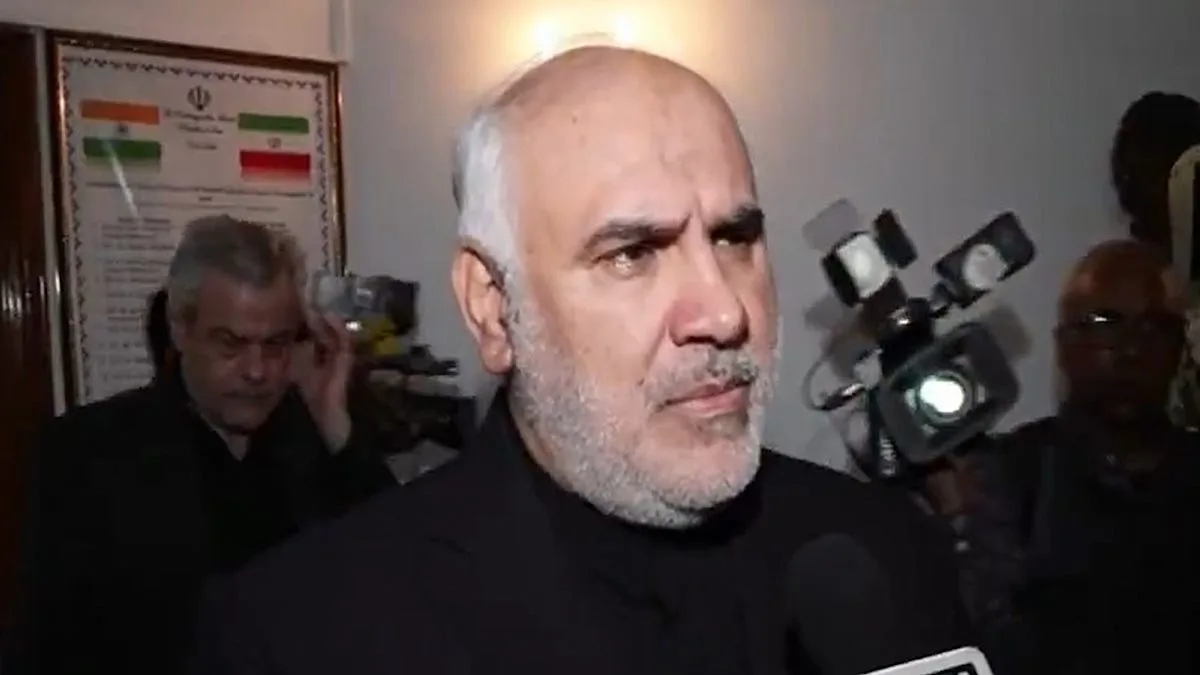
Iran’s Ambassador to India, Mohammad Fathali, on Thursday strongly criticised the United States and Israel, accusing them of deliberately igniting a war during ongoing negotiations and destabilising the wider West Asian region.

UNI | New Delhi |

Iran’s Ambassador to India, Mohammad Fathali, on Thursday strongly criticised the United States and Israel, accusing them of deliberately igniting a war during ongoing negotiations and destabilising the wider West Asian region.

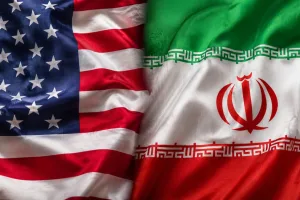
His remarks come amid rapidly escalating hostilities between Iran and the US-Israel alliance, including the sinking of the Iranian naval frigate IRIS Dena in the Indian Ocean, an incident Tehran has condemned as “an atrocity at sea.”
Blaming Washington and Tel Aviv for triggering the conflict, Ambassador Fathali asserted that both countries are fully aware of Iran’s strategic and geographical position.
Describing Israel as the “Zionist regime,” the envoy said the intention of Israel is to destroy the Middle East region.

Speaking to reporters, he said, “They know very well where Iran is and the location of Iran. But unfortunately, the Zionist regime wants to destroy and disturb all the region, all the properties of the region. Iran is not attacking its neighbours. We don’t attack our neighbours; they provide the bases. You heard that three F-15s were shot down. We have a good relationship with our neighbours. We announced to all neighbours that we will attack the bases of the United States…”

When asked whether Iran was in communication with India regarding the crisis, Fathali clarified, “No, we have no negotiation. We have no messages… You can ask from the Indian side…”

Addressing concerns over the Strait of Hormuz, he said, “We have no news, we have no formation in this case, but I want to say that Iran demonstrated sincerity and they showed open hostility and they started it… They know very well the capacity and capability of Iran. We don’t want war. They started it.”

Commenting on the killing of Iran’s Supreme Leader, Ali Khamenei, in Israeli strikes, Fathali said, “We have lost a great figure, our leader, our father, and always his eminence advised us to try our best to stand on the right side of history. I believe that his eminence stood on the right side of history, and he received his reward.”
Slamming the United States for launching attacks amid ongoing negotiations, he added, “We entered the negotiation table in spite of knowing their intentions, but they set the time; before that, they attacked, and we announced that we would respond… Unfortunately, the region faced so many problems, and the Zionist regime wanted to disturb and destroy all the properties in our region.”

The ambassador’s remarks followed the sinking of the Iranian naval frigate IRIS Dena in the Indian Ocean.
Meanwhile, Iran’s Foreign Minister, Abbas Araghchi, condemned the strike, describing the vessel as “India’s guest” in a post on X. He termed the US action “an atrocity at sea, 2,000 miles away from Iran’s shores,” and confirmed that 130 sailors were onboard at the time of the attack. Araghchi said the ship was struck without warning and warned that Washington “will come to bitterly regret the precedent it has set.” He underscored the diplomatic significance of the incident, referring to the vessel as “a guest of India’s Navy.”

“India’s guest” and slammed the US for perpetrating an “atrocity at sea, 2,000 miles away from Iran’s shores.” He confirmed that 130 sailors were onboard the vessel and it was attacked in the Indian Ocean while en route back to Iran. The Iranian FM also said that the vessel was struck without warning and declared that America “will come to bitterly regret precedent it has set.” He called the vessel “a guest of India’s Navy.
The latest developments mark a significant escalation in tensions between Iran and the US–Israel axis, raising fresh concerns over regional stability and the security of key maritime routes, including the Strait of Hormuz.

‘Military conflict alone cannot resolve any issue,’ says PM Modi after talks with Finland President Stubb

India and Finland emphasised diplomacy and global peace while also highlighting expanding collaboration in emerging technologies, trade and sustainability during talks between Prime Minister Narendra Modi and President Alexander Stubb.

Statesman News Service | New Delhi |

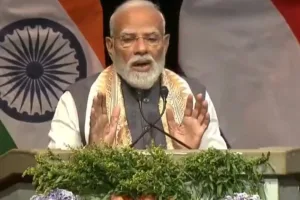
Prime Minister Narendra Modi on Thursday said India and Finland believe wars cannot offer lasting solutions to global disputes and reiterated their support for diplomatic efforts aimed at restoring peace in conflict-hit regions such as Ukraine and West Asia.

The remarks came during a joint press interaction with Finnish President Alexander Stubb in New Delhi. Both leaders stressed the importance of dialogue, diplomacy, and adherence to international law as the path forward for resolving global tensions.

According to news agency UNI, PM Modi said India and Finland share similar views on resolving disputes peacefully. “India and Finland both believe in the rule of law, dialogue and diplomacy. We agree that military conflict alone cannot resolve any issue,” the Prime Minister said.

He added: “Whether it is Ukraine or West Asia, we will continue to support every effort aimed at bringing a swift end to the conflict and achieving peace.”

India-Finland cooperation expanding in technology and trade

The Prime Minister also pointed to growing cooperation between the two countries in trade, technology, and innovation. Referring to the India-European Union Free Trade Agreement concluded earlier this year, PM Modi said the pact would open new avenues for economic engagement between India and Finland.

“At the beginning of 2026, a historic India–European Union Free Trade Agreement was concluded. This agreement will further strengthen trade, investment and technology cooperation between India and Finland,” he said.

PM Modi said both sides are working to shape their relationship into a forward-looking partnership centred on digital innovation and sustainability.

“We are shaping India-Finland relations into a strategic partnership in digitalisation and sustainability,” he said. “This partnership will accelerate and energise our cooperation in several high-tech sectors, ranging from AI to 6G telecom, and from clean energy to quantum computing.”

Growing engagement with Europe

India and Finland have steadily expanded collaboration in recent years in areas such as education, innovation, digital technology and sustainable development.

Finland is considered a global leader in digital infrastructure, clean technologies and advanced telecom systems, making it a key partner for India’s push towards technological self-reliance and green growth.

‘Against public sentiment’, Tejashwi Yadav criticises power shift after Nitish Kumar’s RS move

Chief Minister Nitish Kumar’s announcement that he intends to enter the Rajya Sabha has intensified speculation about an imminent change of leadership in Bihar.

IANS | New Delhi |

Chief Minister Nitish Kumar’s announcement that he intends to enter the Rajya Sabha has intensified speculation about an imminent change of leadership in Bihar.

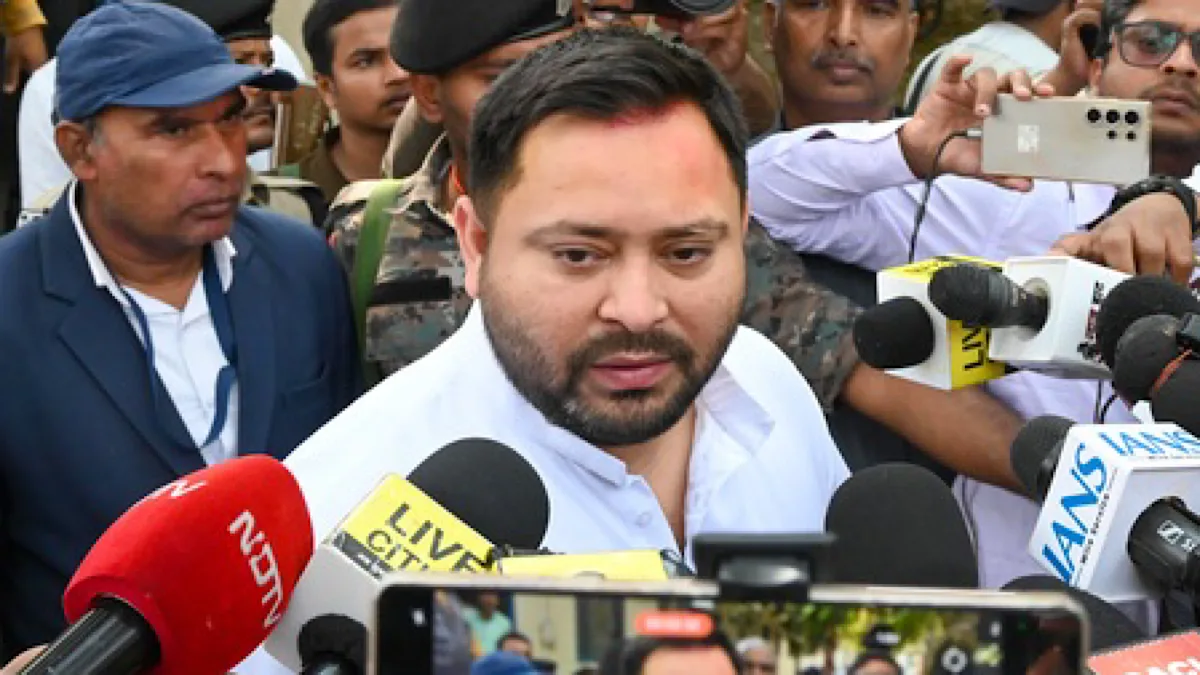
Leader of Opposition and RJD National Working President Tejashwi Prasad Yadav strongly opposed the development, alleging that the Bharatiya Janata Party (BJP) never wanted Nitish Kumar to continue as Chief Minister.

“We have been saying from the beginning that the BJP does not want Nitish Kumar to remain Chief Minister. What we claimed is now proving true,” Tejashwi Yadav said, adding that the people of Bihar are against the change in power.

Tejashwi Yadav further claimed that when Nitish Kumar exited the Grand Alliance in 2024 and formed a government with the NDA, the RJD had warned that the BJP aimed to weaken the Janata Dal (United).

“These people have hijacked him and want to destroy the JD(U),” Tejashwi alleged, reiterating that public sentiment does not favour the leadership transition.

RJD Rajya Sabha MP Manoj Jha also reacted sharply, claiming that Nitish Kumar’s social media post announcing his Rajya Sabha intention did not reflect his usual style.

“This isn’t Nitish Kumar’s language. We have stood with him in opposition and in support. This tweet was written in Delhi. The longest-serving Chief Minister, saying he wants to go to the Rajya Sabha — this will resonate for years,” Jha said.

Jha further suggested that what he termed the BJP’s Maharashtra experiment would not succeed in Bihar.

Earlier in the day, Nitish Kumar publicly confirmed through social media that he intends to seek membership in the Rajya Sabha, effectively signalling his exit from the Chief Minister’s post.

He also expressed gratitude to the people of Bihar for their continued trust and support.

The announcement has set off intense political activity in Patna, with clarity on the next Chief Minister expected soon.

Investment Trap: Marathi actress Varsha Usgaonkar and four others cheated of ₹47 lakh by man claiming to be producer

A man posing as a builder and film producer allegedly convinced several people from the Marathi entertainment industry to invest in a construction project promising quick returns.

Statesman News Service | New Delhi |

A shocking fraud story has shaken parts of the Marathi film circle. What began as a promising investment opportunity has now turned into a police case involving lakhs of rupees, a missing accused, and several shocked victims from the entertainment industry.

Marathi actress Varsha Usgaonkar is among several people who were allegedly cheated of around ₹47 lakh by a man who claimed to be both a builder and a film producer.

Also Read: ‘Indians or any nationality’: Sonu Sood opens free Dubai accommodation for travellers stuck in conflict fallout

According to Mumbai Police, the accused, identified as Avinash Jadhav, convinced multiple people connected to the Marathi entertainment world to invest money in a construction project. What sounded like a profitable deal eventually turned into a financial nightmare.

A case has now been registered against him at Shivaji Park Police Station, and an investigation is currently underway.

The deal that sounded too good to ignore

The complaint was filed by actress Mrunalini Subhash Jambhale, who is associated with Marathi theatre and films.

Police say Jambhale already knew Jadhav professionally. Taking advantage of that connection, he allegedly presented himself as a successful builder and film producer. He then introduced an investment opportunity in a construction project located in Dombivli.

The offer came with attractive promises. Jadhav reportedly assured the group that the project would bring high returns in a short period. He also claimed that the entire principal amount would be safely returned within a year.

For many, the proposal seemed reliable because of his confident claims about being involved in both real estate and film production.

Money transferred between 2019 and 2020

Between November 2019 and February 2020, Jambhale, Usgaonkar and three other people collectively invested ₹47 lakh in the project.

Police say the payments were made through cheques and online transfers, which made the investment appear legitimate.

At first, the accused seemed to maintain the illusion of trust. He returned ₹4.52 lakh to the investors, which reportedly reassured them that the project was real and the profits would follow.

But the payments soon stopped.

The sudden disappearance

According to the victims, communication with Jadhav became difficult soon after.

Calls went unanswered. Messages were ignored. Eventually, they discovered that he had changed both his mobile number and address.

With no responses coming from him, the victims decided to track him down themselves. They later travelled to Dombivli hoping to confront him and get clarity about the investment.

Instead of answers, they allegedly received threats.
“Do whatever you want,” accused reportedly said

When the victims finally met him, Jadhav allegedly refused to return the remaining money.

Police say he also threatened them and told them they could do whatever they wanted, but he would not repay the amount.

This confrontation made it clear to the victims that they had been cheated.

Following the incident, the victims filed a formal complaint at Shivaji Park Police Station.

Mumbai Police have registered a case against Jadhav under IPC Section 420 for cheating and Section 506 for criminal intimidation.

Investigators are now trying to locate the accused and determine whether more people were targeted using similar promises of high-return investments.
Air India rejects claims of flying over restricted West Asia airspace, clarifies safety protocols

Amid heightened tensions in West Asia and discussions on social media, Air India has issued a clarification dismissing claims that its flights operated over restricted airspace in the region.

Pankaj Jain | New Delhi |

Amid heightened tensions in West Asia and discussions on social media, Air India has issued a clarification dismissing claims that its flights operated over restricted airspace in the region.

In a statement posted on social media platform X, the airline termed the circulating reports as “incorrect” and described them as fake news, stating that they do not reflect the airline’s actual flight operations or safety procedures.

Air India said it does not operate flights over any restricted airspace. The airline explained that all flight routes are planned using real-time intelligence, global aviation advisories and continuous monitoring to ensure every journey remains safe, compliant and reliable.

According to the airline, these operational decisions underline its commitment to prioritising the safety and security of passengers and crew above everything else.
Earlier, Air India had said it was closely monitoring the evolving situation in West Asia and had started operating a few flights to and from Dubai and Jeddah to bring back stranded passengers, giving highest priority to their safety and wellbeing.

The airline said most of its operations to West Asia would remain suspended till 11:59 pm IST on March 5, 2026, after careful assessment of the situation.

However, Air India plans to resume scheduled operations to and from Jeddah from March 5. These include flights AI2255/2256 on the Delhi-Jeddah-Delhi route, AI2251/2252 on the Mumbai-Jeddah-Mumbai route, and AI2245/2246 on the Mumbai-Jeddah-Mumbai route.
In addition, Air India has planned to operate an extra service, flight AI909D/996D, early on March 5 on the Mumbai-Dubai-Delhi route using a larger capacity Boeing 777 aircraft to bring back stranded passengers.

Air India expressed regret for the inconvenience caused to passengers due to the suspension of flights to West Asia and said it remains committed to assisting affected travellers with alternative arrangements, full refunds or complimentary rescheduling options.

Strait of Hormuz on edge: Ships report strikes during transit amid Iran conflict

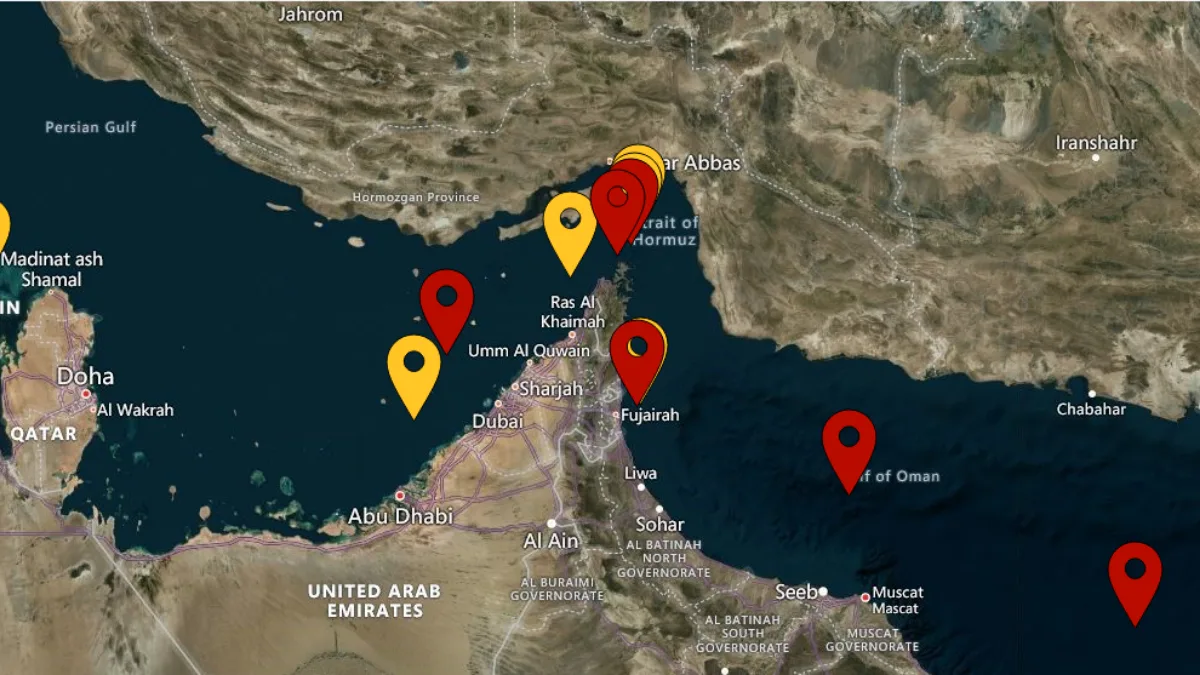
According to the UK Maritime Trade Operations (UKMTO), several ships reported attacks or incidents between March 1 and March 4 while transiting in the Strait of Hormuz.

Manisha Gupta | New Delhi |

Escalating tensions due to the West-Asia conflict involving Iran have heightened risks to global energy supply chains, particularly around the strategic Strait of Hormuz. The reports suggest that roughly one-fifth of the world’s oil and a significant share of liquefied natural gas (LNG) shipments normally pass through the strait, making the region critical for countries dependent on energy imports.

However, the recent developments raise serious concerns about a broader energy supply shock as several ships reported attacks amid the ongoing Iran conflict.

According to the UK Maritime Trade Operations (UKMTO), several ships reported attacks or incidents between March 1 and March 4 while transiting in the Strait of Hormuz.

  • On March 4, UKMTO received a report of an incident 30NM southeast of Mubarak Al Kabeer, Kuwait. The Master of a tanker at anchor reports witnessing and hearing a large explosion on the port side, then seeing a small craft leave the vicinity. There is oil in the water coming from a cargo tank, which could have some environmental impact. The vessel has taken on water; there are no fires reported, and the crew is safe and well.
  • According to UKMTO, an incident was also reported 2NM north of Oman. A container ship, transiting eastbound in the Straits of Hormuz. reportedly got hit by an unknown projectile just above the water line, causing a fire in the engine room. No environmental impact has been reported at this time.
  • UKMTO stated about a suspicious activity 20NM west of Dubai. A container ship reported witnessing a splash from an unknown projectile in close proximity to the vessel. No damage to the vessel has been reported.
  • On 04 March, the Operations Centre received a report of an incident 7NM east of Fujairah, United Arab Emirates. The vessel was reportedly struck by an unknown projectile causing damage to the steel plating. There has been no fire or water intake. All crew reported safe.

While the concerned authorities are investigating the incidents, an advisory has been issued for all vessels to transit with caution and report any suspicious activity to UKMTO.


‘My family was threatened’: Pakistani man claims Iranian spies forced him into Trump-Biden assassination plot in US

Court footage and FBI undercover meetings were presented as a Pakistani defendant described how alleged Iranian pressure and threats to his family drew him into a controversial plot.

Statesman News Service | New Delhi |

A Pakistani man accused of plotting to kill prominent American political leaders has told a US court that Iranian intelligence operatives forced him into the plan by threatening his family.

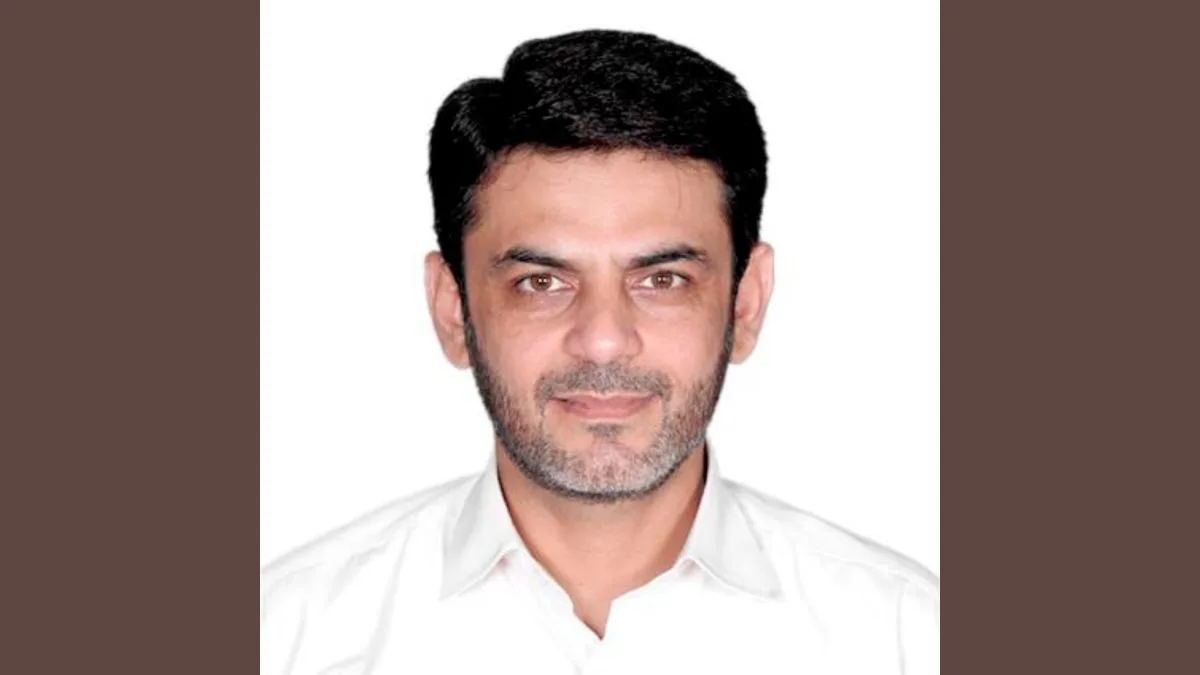
The testimony, delivered on Wednesday in a federal court in Brooklyn, came from Asif Merchant, a 47-year-old former banker who is facing terrorism and murder-for-hire charges. Merchant said he felt he had little choice but to follow instructions because his relatives were under pressure.

According to a report by The New York Post, Merchant told jurors that an Iranian contact asked him in April 2024 to travel to the United States to “maybe to have somebody murdered”.

Merchant testified that the handler later mentioned three possible targets: Donald Trump, Joe Biden, and Nikki Haley. At the time, Trump and Biden were leading figures in the race for the 2024 US Presidential Election.

Defendant claims Iranian pressure forced his involvement

Merchant told the court he had previously been involved in activities meant to help Iran bypass sanctions through money laundering. He identified the person directing him as Mehrdad Yousef, whom he described as a member of Iran’s Islamic Revolutionary Guard Corps.

During his testimony, Merchant said Yousef had visited his home in Iran and displayed a weapon during a tense encounter, which he interpreted as a threat to his family. Though he did not give specific details about threats made against his wife and daughter, he repeatedly told the court that the safety of his relatives weighed heavily on him.

“My family was under threat, and I had to do this,” he told the court.

FBI sting operation and recorded conversations

Prosecutors told the court that Merchant later handed over USD 5,000 to two men he believed were contract killers. Those men, however, were actually undercover FBI agents running a sting operation.

Footage shown in court reportedly captures Merchant meeting them at a Queens motel in June 2024. During the conversation, prosecutors say he spoke about the alleged plan and asked how the intended target would be killed.

However, Merchant insisted that he never believed the plan would succeed. He told jurors he expected to be arrested and intended to cooperate with US authorities once caught.

“I didn’t think I would be able to be successful,” he said in court, adding that the small payment offered showed how unrealistic the plan was.

The accused has pleaded not guilty since his arrest in August 2024. He is expected to face cross-examination on Thursday. If convicted, Merchant could face life imprisonment, according to The New York Post.

T20 WC: New Zealand’s strength comes from solid planning, vast playing experience, says Ravindra

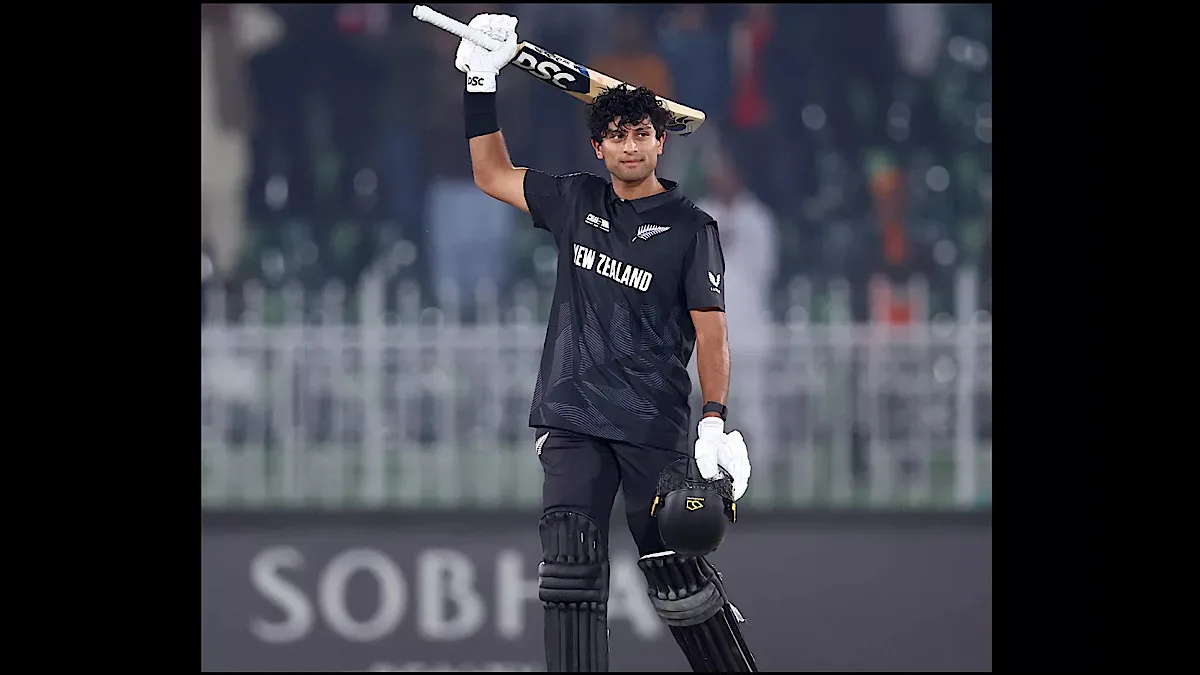
New Zealand’s left-arm spin bowling all-rounder Rachin Ravindra credited his team’s meticulous planning and wealth of franchise cricket experience for their commanding nine-wicket semi-final victory over South Africa in the Men’s T20 World Cup.

IANS | New Delhi |

New Zealand’s left-arm spin bowling all-rounder Rachin Ravindra credited his team’s meticulous planning and wealth of franchise cricket experience for their commanding nine-wicket semi-final victory over South Africa in the Men’s T20 World Cup.

New Zealand’s win was set up by Finn Allen tore into the in-form South African attack by hitting ten boundaries and eight towering sixes to hit a 33-ball century – the fastest hundred ever scored in the Men’s T20 World Cup. He also shared a whirlwind 117-run opening stand with Tim Seifert, who made 58, as New Zealand completed a chase of 170 with 43 balls to spare.

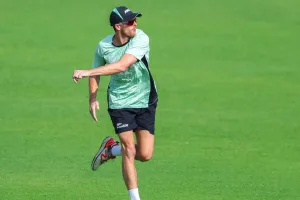
“We respect South Africa’s power, shown consistently in T20s. My focus with the ball is making it tough for the batters by varying pace, seam angle, and bowling line. Having Santner at extra cover lets me bounce ideas off him.

“Our strength lies in solid planning and vast experience from IPL, internationals, and other franchise leagues; we’ve faced these guys often. We muck in as a unit, knowing each role well and adapting to the moment,” said Ravindra on JioStar.

Former India pacer Irfan Pathan hailed New Zealand’s ability to step up in the knockouts which makes the side a perennial threat in ICC events despite their modest population. “It was a perfect game for New Zealand. With just 6 million people in the country, they consistently dominate ICC knockouts. They always arrive with a sharp plan, Finn Allen timed his stunning 100 perfectly; Rachin Ravindra starred with ball and bat.

“Mitchell Santner kept everyone grounded post-win, job’s not done till the final. Cole McConchie bowled just one over, snared two wickets, and that was it. Kiwis prepare meticulously, execute flawlessly, and move on.”

Pathan also identified a tactical error by South Africa in their powerplay bowling plans, while arguing it did little to diminish the quality of New Zealand’s performance. “Finn Allen showed awesome power, in front of the wicket and square. When a batter can lap in the powerplay and still muscle you straight, it’s almost impossible to plan for him.

“South Africa missed a trick by not starting with Keshav Maharaj to the right-hander, but that doesn’t take anything away from this brilliantly prepared New Zealand side. Their time on turning Sri Lankan pitches has clearly sharpened their game against spin, and on a good batting surface tonight they showed exactly what they can do.”

Pathan went further in breaking down why Allen’s unique crease position left opposition bowlers with no viable plan to strike back. “The bowlers had limited options, maybe deny pace, but the full length fed nearly 40 per cent runs in the front of the wicket and lap shots against quicks.

“Allen stood deep in the crease, as he did in Sri Lanka, on slower pitches, you wait on the back foot, not front. He’s refined his game. His spin strike rate was nearly half against pace, but once set, he elevated that as well, exactly what he did.”

New Zealand have now advanced to the final, to be played in Ahmedabad on Sunday and await the winner of the second semi-final between India and England at the Wankhede Stadium in Mumbai.

Former India batting coach Sanjay Bangar explained what set Allen’s innings apart was not just his familiar destruction against pace, but a quietly significant evolution in his handling of spin. “Finn Allen’s innings stood out against pace, where he’s always destructive, but his growth against handling spin was key.

“He adapted brilliantly to black-soil pitches by positioning both feet inside the crease, playing back-foot shots closer to the stumps, even with his front leg behind the bowling crease. It shows immense planning and hard work. Players like him can be inconsistent, but when in form, they demolish the opposition and win games single-handedly.”

T20 WC: Flat Wankhede pitch could even out advantage, low dew promises good contest, says Karthik

A flat red-soil pitch at the Wankhede Stadium could level the playing field between India and England rather than hand either side an edge in the 2026 Men’s T20 World Cup semi-final, said former wicketkeeper-batter Dinesh Karthik.

IANS | New Delhi |

A flat red-soil pitch at the Wankhede Stadium could level the playing field between India and England rather than hand either side an edge in the 2026 Men’s T20 World Cup semi-final, said former wicketkeeper-batter Dinesh Karthik.

He added that favourable weather conditions and minimal dew should set up a good contest between the two teams aiming to enter the final, where they will face New Zealand in Ahmedabad on Sunday.

India carry the edge over England in the shortest format, having won 17 of the 29 T20Is played between the two sides. They also hold a narrow advantage over England in T20 World Cups, with three wins coming from five meetings. The most recent clash saw India hammer England by 150 runs at Wankhede Stadium in February 2025.

“Yes, when it comes to a flat pitch, it evens out the advantage. I was just looking at the weather and what is going to be the highest in the day to the lowest in the day. The median was what I was calculating as I was getting into this call said 32 and 26, which is not bad and which basically means there won’t be too much dew.

“Also, there’s always a nice little breeze that blows because we’re close to the sea. There will be a little bit of dew, but not to the extent that it will disrupt the play completely in favour of one team. So, overall, I feel it’s going to be a good match,” Karthik, an ICC expert, told IANS at a JioStar Media Day ahead of the semi-final clash.

Thursday’s semifinal will mark the third successive T20 World Cup meeting between India and England in this stage of the competition. England prevailed by 10 wickets in the semi-final meeting in Adelaide in 2022, while India struck back with a 68-run victory in the last four clash in Guyana in 2024.

Karthik, a member of India’s 2007 T20 World Cup winning team, also backed left-handed opener Abhishek Sharma and wrist spinner Varun Chakaravarthy to thrive at a venue he believes suits both their games. Abhishek, the current top-ranked T20I batter, has had a tough time – amassing 80 runs in six innings at an average of 13.3.

Chakravarthy, meanwhile, has picked at least one wicket in 20 consecutive T20Is and has already bagged 12 wickets in the ongoing tournament. But his returns, however, dipped in the Super Eights, where he conceded at 10.2 runs per over compared to his economy rate of 5.2 in the group stage. He will be eager to rebound in the semifinal against England, a side he has troubled in the past. His strike rate of 7.7 against them is his best against any opponent in T20Is.

“I feel both of them have personally enjoyed playing in Mumbai for the same reason actually, because I believe Abhishek likes the bounce so that he can go up and over consistently. Whereas Varun, his biggest strength is the fact that he gets that extra bounce and that is available in Mumbai because of the red soil pitch,” added Karthik.

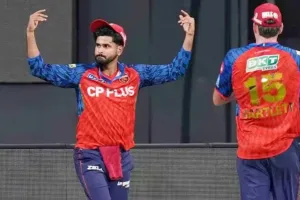
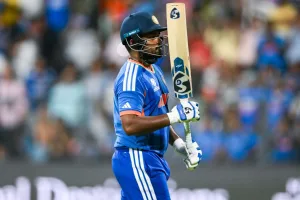
One area of concern heading into the high-stakes clash for Suryakumar Yadav-led India is their catching efficiency standing at 72 percent, the lowest among the teams remaining in the competition. The issue had surfaced even before the World Cup began, errors in catching in the semi-final could prove to be costly.

Karthik acknowledged the problem but urged a measured, root-cause approach to solve the issue over panic-driven solutions. “For a start, making sure the right fielders are in the right places. It’s quite interesting to note that India’s fielding or rather catching efficiency has been very poor. So, (T) Dilip, the fielding coach, would be working overtime to make sure that the fielders are having enough catches.

“But the fact is that it’s very hard to push any team for that matter beyond a certain point in fielding, knowing that there is a match around the corner because it is physically very exhausting. So, you need to understand the player before you see where they have dropped a catch and what you need to do.

“At times, it could just be as simple as the player probably wasn’t concentrating enough in that field. It’s got nothing to do with skill set of taking a catch. So, just addressing the root cause of the issue would be the right way to go about it,” he concluded.

Watch India’s bid to repeat history at the ICC Men’s T20 World Cup 2026, as India take on England in the second semi-final today, 7:00 PM onwards, LIVE on JioHotstar and Star Sports Network

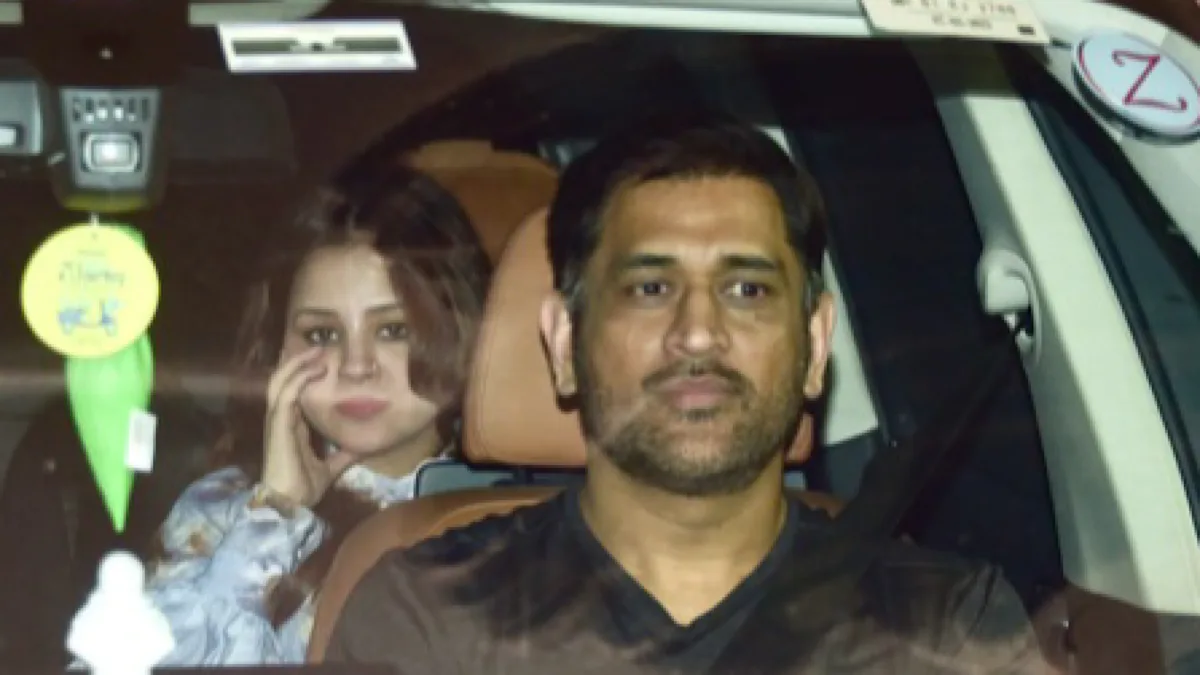
Dhoni, Dravid, Yuvraj among cricket stars arrive for Arjun–Saaniya wedding

Several prominent names from the Indian cricket fraternity gathered in the city on Thursday to attend the wedding ceremony of Sachin Tendulkar’s son, Arjun Tendulkar and entrepreneur Saaniya Chandhok.

IANS | New Delhi |

Several prominent names from the Indian cricket fraternity gathered in the city on Thursday to attend the wedding ceremony of Sachin Tendulkar’s son, Arjun Tendulkar and entrepreneur Saaniya Chandhok.

Arjun, who has followed in his father’s footsteps and plays domestic and league cricket, tied the knot with his long-time partner, Saaniya Chandhok, after months of preparations and celebrations.

The couple got engaged in a private ceremony in August 2025, attended by close family members and friends. While they are finally getting married on March 5.

Some of the biggest personalities in Indian cricket, including former India captain MS Dhoni, ex-head coach Rahul Dravid, legendary leg-spinner Anil Kumble, World Cup-winning all-rounder Yuvraj Singh, and Karnataka State Cricket Association (KSCA) president Venkatesh Prasad, among others, have arrived to bless the couple on their special day.

Arjun’s Wedding festivities began earlier this week with a series of traditional ceremonies and celebrations. Pre-wedding events, including mehendi and sangeet functions, were held in Mumbai, with several former and current cricketers in attendance.

Arjun’s fiancee, Saaniya, is a Mumbai-based entrepreneur who comes from a prominent business family and is the granddaughter of industrialist Ravi Ghai, chairman of the Graviss Gup. She has built a career in the pet-care and animal welfare sector and is known for her work as a veterinary technician and entrepreneur.

Earlier in February, Sachin Tendulkar met Maharashtra Deputy Chief Minister Eknath Shinde with his wife at his official residence and extended an invitation for the wedding ceremony of his son.

India’s batting legend has also extended invitations to President Droupadi Murmu, Prime Minister Narendra Modi, Union Home Minister Amit Shah and Leader of the Opposition (LoP) in the Lok Sabha Rahul Gandhi for the wedding celebrations.

Meanwhile, Arjun has been in great form in the DY Patil cup and will play for the Lucknow Super Giants (LSG) in the upcoming Indian Premier League (IPL) 2026.

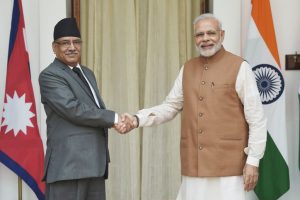
Parliamentary polls underway: Nepal voters seek security, good governance

As parliamentary polls began in Nepal on Thursday, voters shared their expectations from the upcoming government, emphasising the need for stronger security and effective governance in the country.

IANS | New Delhi |

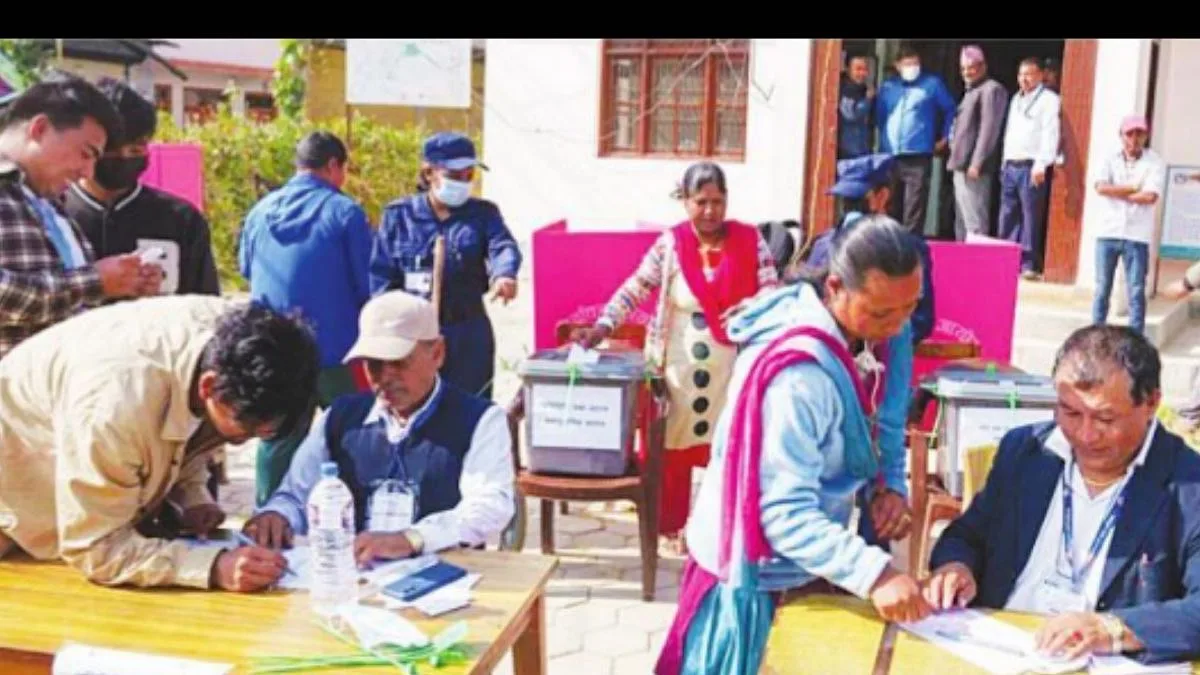
As parliamentary polls began in Nepal on Thursday, voters shared their expectations from the upcoming government, emphasising the need for stronger security and effective governance in the country. Many voters said that ensuring safety and stability should be the first priority of the new government, followed by policies aimed at improving the welfare of citizens.

Speaking to IANS, several voters highlighted the importance of responsible leadership and inclusive policies for the development of the nation.

Sanjiya Shrestha, a voter from Sinamangal, said she had already cast her vote and was among the first to participate in the polling process.

“I’m a permanent resident of Sinamangal. I just completed the voting process and I was the first voter to cast my vote. The reason behind voting is very simple — fulfilling my duties and responsibilities as a citizen of Nepal,” she said.

Shrestha added that the future of Nepal in the next five years will depend not only on the election results but also on how responsibly citizens fulfil their civic duties. She stressed that the government should focus on making inclusive policies, particularly for physically challenged individuals.

“The country should focus on making policies that benefit physically challenged individuals like me. Such policies will contribute to the country’s development and also improve the living conditions of the people,” she said.

Expressing hope for the new government, Shrestha said the election results should lead to policies that support vulnerable and marginalised communities.

“I hope whoever wins will contribute their best to improve the lives of those who are vulnerable, marginalised and those who do not have a voice. I hope the government will play a significant role in addressing their problems,” she added.

Another voter in Kathmandu echoed similar concerns, stating that national security and proper governance should be prioritised.

“The country’s security and proper governance should be established first. Security must be ensured, and after that, whatever is necessary for the citizens should be done. Whoever becomes Prime Minister should focus on the welfare and progress of the country,” the voter said.

Meanwhile, parliamentary polls began in Nepal at 7 a.m. with voters queuing at polling centres across the country to cast their ballots.

The elections are being held to elect 275 members of the lower house — 165 through the First-Past-the-Post (FPTP) system and 110 through the proportional representation system.

Some of the country’s noted leaders, including Rastriya Swatantra Party (RSP) President Rabi Lamichhane and senior party leader Balen Shah, former Prime Minister Pushpa Kamal Dahal, cast their votes from their hometowns.

Lamichhane and Shah cast their votes from Kathmandu. Shah, the prime ministerial candidate from the RSP, is contesting from Jhapa-5 in eastern Nepal as a key rival to former Prime Minister K.P. Sharma Oli. However, he cannot vote for himself as votes can only be cast in one’s registered hometown.

Speaking to the media after casting his vote, RSP President Lamichhane said that voting was necessary to choose the type of leadership people want. “It is an opportunity to shape your own future and that of your children,” he said, referring to the voters.

We got a proper snotklap: Conrad after New Zealand ended Proteas’ dream run in T20 WC

Chasing 170, New Zealand raced to the target in just 12.5 overs at the Eden Gardens in Kolkata, thanks to a breathtaking opening partnership

Statesman News Service | Kolkata |

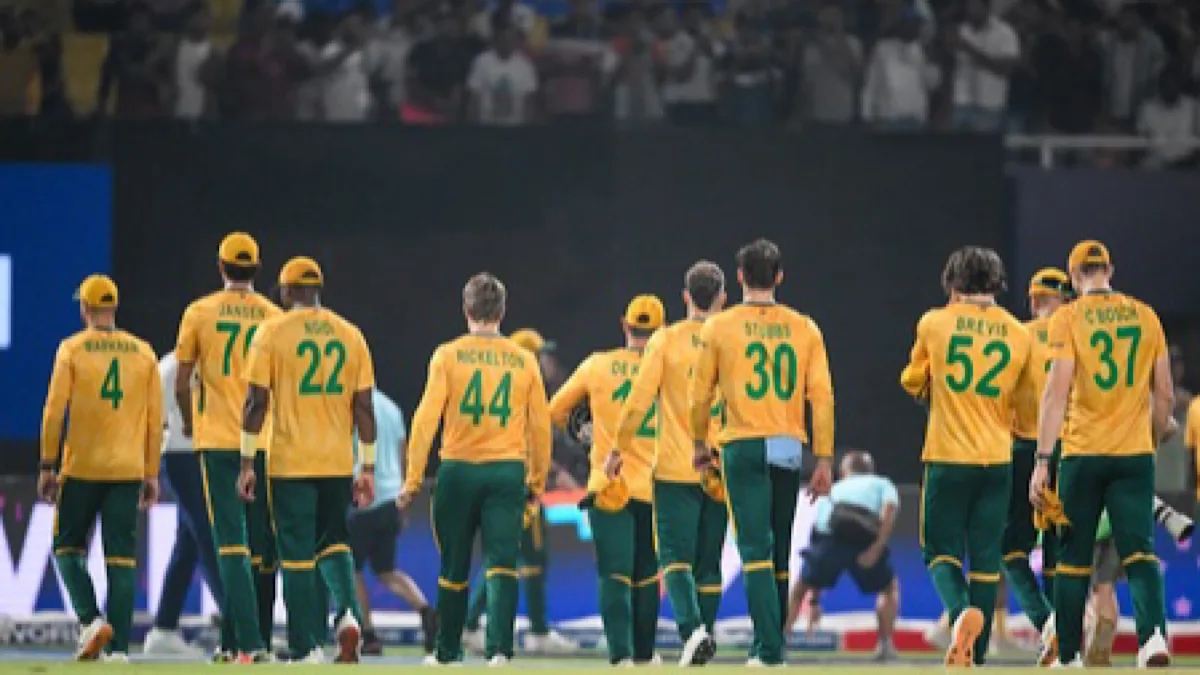
South Africa’s dream run in the ICC Men’s T20 World Cup came to a crashing halt after a crushing nine-wicket defeat to New Zealand in Wednesday’s semi-final, a result head coach Shukri Conrad bluntly described as “not a choke but a walloping”.

Chasing 170, New Zealand raced to the target in just 12.5 overs at the Eden Gardens in Kolkata, thanks to a breathtaking opening partnership. Finn Allen smashed an unbeaten 100 off just 33 balls, the fastest century in the tournament’s history, while Tim Seifert hammered 58 off 33 deliveries to seal a dominant victory.

The loss added another painful chapter to South Africa’s history of heartbreaks in ICC tournaments. The 2024 runners-up had entered the semi-final as the only unbeaten team in the competition, having won seven matches in a row, including victories over New Zealand in the group stage and hosts India in the Super Eights.

Reflecting on the defeat, Conrad rejected the familiar narrative around South Africa faltering under pressure. “I don’t know if tonight was a choke. I thought it was a bloody walloping,” Conrad said bluntly when the ‘C’ word was brought up given South Africa’s past record of imploding in high-pressure games.

“In order for you to choke, you must have had a sniff in the game. We didn’t have a sniff. In South Africa, we’d say we ‘got moered (violent assault)’,” he added in his inimitable style.

He then used his native Afrikaans to best sum up the defeat.

“Tonight, we got a proper ‘snotklap’ — that’s an Afrikaans word for a real hiding, a smack you don’t see coming. That’s what it felt like,” said Conrad, who had courted controversy during last year’s Test series in India with fiery comments about wanting the Indian team to “grovel”.

The literal meaning of the Afrikaans term ‘snotklap’ is “snot smack”, referring to a blow to the face or nose so severe that it knocks the ‘snot out of the nose’.

Earlier in the evening, New Zealand’s bowlers had set the tone by striking early. Cole McConchie removed Quinton de Kock (10) and Ryan Rickelton (0) in consecutive deliveries in the second over after the Black Caps won the toss.

South Africa struggled to gain momentum thereafter as Rachin Ravindra and Matt Henry tightened the screws during the middle overs. Key batters including Aiden Markram (18 off 20), David Miller (6) and Dewald Brevis (34) failed to make a significant impact.

It was only in the closing stages that Marco Jansen (55 not out off 30 balls) and Tristan Stubbs (29) helped the Proteas post a competitive total.

“We recovered nicely with Stabo and Marco but I thought New Zealand were excellent. They exploited conditions really well with their spinners up front and we just never got out the block. So, yeah, full marks to them,” Conrad conceded.

“They were a hell of a lot better than us tonight. We just spoke about it, that it seemed like everything went right.”

With South Africa’s dream run ending in the semi-final, Conrad admitted that his side simply chose the worst possible moment for an off night. “We chose a really crappy time to have a bad night.”

He also dismissed suggestions that playing most of their earlier matches in Ahmedabad had left them under-prepared for different conditions.

“There’s obviously a lot to be said about playing all our games at Ahmedabad and then not having played anything in some of the other states. But again, that’s no excuse,” he said.

“They strangled us up front, lost wickets, didn’t get any sort of momentum going. And yeah, a hell of a lot didn’t go right tonight. But that was probably enforced because they were so good and they never gave us a sniff.”

Asked how the team would move on from such a heavy defeat after a strong campaign, Conrad responded with typical dry humour.

“Hopefully we’ve got a carrier to pick us up to take us home. Look, I mean, the guys will be hurting and they obviously are, but it’s not a hell of a lot. You get judged on World Cups and winning it.”

Despite the disappointment, the South African coach expressed pride in his side’s performance throughout the tournament. “I thought we did some exceptional stuff throughout the tournament. Played some really good cricket. I am incredibly proud of these guys,” he said.

“Not many people gave us a chance of making the semifinals when we left home, given our form before the World Cup. But that’s no consolation right now,” he signed off.

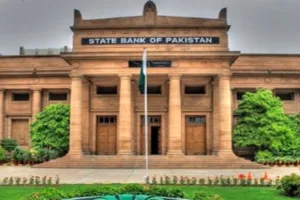
Iran-Israel war to hit Pakistan’s economy

The killing of Iran’s Supreme Leader Khamenei in US-Israeli strikes is particularly unsettling for Iran’s neighbours such as Pakistan, which will be adversely impacted on the economic front, according to an article in China Daily.com.

IANS | New Delhi |

The killing of Iran’s Supreme Leader Khamenei in US-Israeli strikes is particularly unsettling for Iran’s neighbours such as Pakistan, which will be adversely impacted on the economic front, according to an article in China Daily.com.

“There is great sorrow and concern (in Pakistan). The war seems to be intensifying,” said Salman Bashir, former foreign secretary of Pakistan.

“It could reshape the entire Middle East, affect the world economy, and could last a long time. Its geopolitical consequences could be severe,” Bashir said.

The article highlights that violent demonstrations against the United States broke out across Pakistan following the killing of Khamenei on Saturday, and intensified over the past few days. The protests have resulted in at least 25 deaths and numerous injuries.

Clashes erupted at the US Consulate General in Karachi, Pakistan’s largest city, on Sunday as demonstrators attempted to storm the facility. The same day, protesters attacked the US Consulate in Lahore, before police thwarted the demonstrations.

Pakistan’s Prime Minister Shehbaz Sharif expressed his condolences to the deceased in Iran on Sunday. “The Government and the people of Pakistan join the people of Iran in their hour of grief and sorrow and extend the most sincere condolences on the martyrdom” of Khamenei, Sharif wrote on X.

“Pakistan also expresses concern over (the) violation of the norms of international law. It is an age-old convention that the Heads of State/Government should not be targeted,” he added.

Analysts said the protests were caused by uncertainty in people’s minds following Khamenei’s death.

Khalid Taimur Akram, executive director of Pakistan Research Center for a Community with Shared Future in Islamabad, said tensions in West Asia, if escalated, will severely affect Pakistan.

While Pakistan is not directly involved in these conflicts, the economic and political effects can still be profound, Akram said.

Noting the closure of the Strait of Hormuz, he said, “This will result in a hike in fuel prices, electricity will be more expensive, making the daily lives of people more difficult.”

It will also affect many Pakistanis working in West Asia, who could lose jobs or face difficulties, reducing the remittances they send back home, he added.

Pakistan is one of the largest trading partners of the Gulf countries, Akram said. “Considering the current scenario, it can be said that if the conflict escalates, the whole world will suffer.”

Shujaat Ahmed, an independent economic analyst in Pakistan, said the economic effect of Khamenei’s killing in the short term will be on inflation, but the long-term effect will depend on the duration of the conflict.

Precious metals surge over inflation concerns amid escalating Middle East tensions

Gold and silver prices surged significantly on Thursday amid escalating conflict in the Middle East, pushing investors toward safe‑haven assets.

IANS | New Delhi |

Gold and silver prices surged significantly on Thursday amid escalating conflict in the Middle East, pushing investors toward safe‑haven assets.

MCX gold April futures gained 0.31 per cent to Rs 1,62,018 per 10 grams on an intra-day basis. Meanwhile MCX silver May futures gained 1.50 per cent to Rs 2,69,551 per kg.

Earlier in the day silver prices on MCX had jumped 3.3 per cent while gold advanced over 1 per cent but later dipped over mild profit booking.

Spot silver jumped 1.2 per cent to $84.43 per ounce, while spot gold climbed 0.8 per cent to $5,176.69 per ounce.

Conflict between the United States, Israel and Iran entering the sixth day and disrupted global energy supply routes heightened inflation concerns. Further, weakness in the US dollar acted as headwinds to bullion.

The dollar index surged 0.22 per cent to 98.99, making greenback-backed bullion cheaper for buyers in overseas currencies. The dollar recorded its steepest fall in three as rising oil prices and gains in global equities reduced demand for the safe-haven currency.

Analysts predicted that silver prices could consolidate between $85 and $95 before resuming momentum toward $100, while gold rallied toward $5,500–$5,600 levels if the shutdown of the Strait of Hormuz continues, disrupting global energy supply routes.

In the early morning trade, the April contract of the benchmark crude on the Intercontinental Exchange was trading at $83.26 per barrel, up by almost 2.43 per cent from its previous close.

The April contract of West Texas Intermediate on the NYMEX went up 2.63 per cent to $76.63 per barrel.

A US submarine sank an Iranian warship near Sri Lanka, reportedly killing at least 80 people. The incident marked a significant escalation in the ongoing conflict and heightened risks of conflict expanding regionally.

“Gold has support at Rs 1,58,000 and Rs 1,62,000 while resistance at Rs 1,75,000 and Rs 1,80,000. MCX silver has support at Rs 2,50,000 and Rs 2,70,000, and resistance is at Rs 3,00,000 and Rs 3,20,000,” an analyst said.

Analysts forecast higher energy prices causing inflation and delaying potential interest rate cuts by the US Federal Reserve, thereby supporting US Treasury yields in the near term, capping upside in precious metals.

Rahul raises alarm over India’s energy security amid regional tensions

Highlighting the country’s heavy reliance on oil shipments passing through the Strait of Hormuz, he warned of significant risks to India’s energy security.

Statesman News Service | New Delhi |

Senior Congress leader Rahul Gandhi expressed serious concerns on Thursday over potential disruptions to India’s energy supplies due to escalating geopolitical tensions in the region.

Highlighting the country’s heavy reliance on oil shipments passing through the Strait of Hormuz, he warned of significant risks to India’s energy security. In a post on X, Rahul Gandhi described the global situation as entering a volatile phase and urged the government to provide decisive leadership.

He pointed out that over 40% of India’s oil imports transit the Strait of Hormuz, with even greater dependency for LPG and LNG supplies, making the country vulnerable if tensions worsen.

He cited recent regional developments, including the sinking of an Iranian warship in the Indian Ocean to criticize Prime Minister Narendra Modi for remaining silent on these issues.

The Congress leader, who is also the leader of the Opposition in the Lok Sabha, argued that stable and strong leadership is essential during such uncertain times, accusing the Prime Minister of compromising India’s strategic autonomy.

Rahul’s comments came against the backdrop of rising tensions in West Asia and growing concerns about the security of critical maritime trade routes that facilitate global energy supplies. The Strait of Hormuz is a key chokepoint for crude oil and liquefied natural gas shipments worldwide, and disruptions there could impact supply chains, prices, and energy stability for dependent countries like India.

India, one of the largest energy importers globally, depends heavily on Gulf region oil and gas, making the safeguarding of these shipping lanes crucial. Historically, New Delhi has emphasized the need for stability in international shipping routes and has pursued diversified energy sources to mitigate risks from geopolitical uncertainties.


Bomb threat at Bikaner Court sparks panic, complex evacuated

A bomb threat at the Bikaner Court complex in Rajasthan created panic on Thursday, prompting authorities to evacuate the premises and deploy heavy security.

IANS | New Delhi |

A bomb threat at the Bikaner Court complex in Rajasthan created panic on Thursday, prompting authorities to evacuate the premises and deploy heavy security.

Police immediately cordoned off the area and began a thorough search of the complex.

The shocking development triggered fear among lawyers, litigants, and court staff after information about a possible bomb in the court complex surfaced.

Following the alert, the police administration swiftly swung into action and placed the entire area under tight security. As a precautionary measure, the court premises were evacuated.

On the instructions of senior police officials, a large police force was deployed at the spot. Bomb disposal squads and dog squads were called in to conduct an intensive search of the complex.

Judicial work was temporarily halted, and all employees, advocates, and litigants were asked to leave the premises to ensure their safety.

In view of the situation, Bikaner Bar Association President Ajay Kumar Purohit urged advocates and the public to remain calm and stay in safe places. He contacted senior police officials to inform them about the seriousness of the situation and issued an advisory message to lawyers and staff.

In his message, he said, “All advocates, litigants, and judicial employees are requested to leave the court premises immediately and move to a safe place. There has been a threat to bomb the court complex, so this step is necessary for security reasons. Advocates who have not yet reached the court should remain safe at their homes.”

Police officials have begun investigating the source of the threat and are trying to trace the origin of the call or message. It is not yet clear whether the threat was a hoax or a genuine security risk, but authorities are taking the situation seriously.

Security has been tightened around the court complex, and blockades have been set up in nearby areas.

Police teams are also monitoring suspicious activity as part of the ongoing investigation. Authorities have assured that the situation is under control while search operations continue.