Logo

‘Tukde tukde’ gangs active again, nationalist forces must unite, says Suvendu

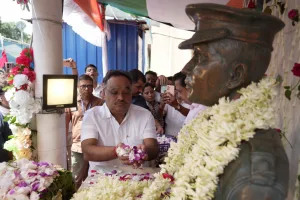
Claiming that no chief minister had offered prayers inside the sanctum sanctorum of the Jalpesh temple in the past five decades, Suvendu Adhikari said earlier governments had neglected the state’s religious heritage.

Statesman News Service | Kolkata |

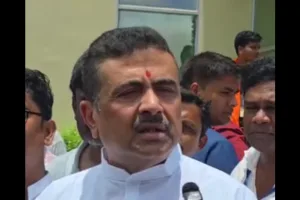
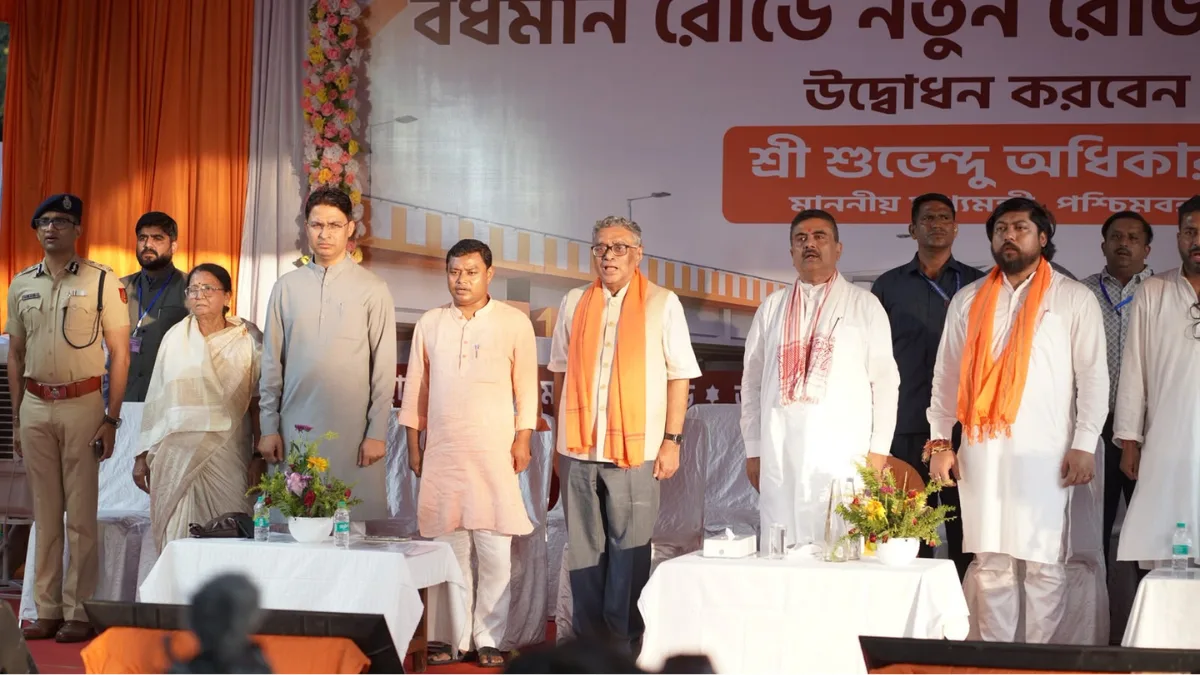
West Bengal Chief Minister Suvendu Adhikari on Monday claimed that the “anti-national ‘tukde tukde’ gangs” have become active again and were attempting to weaken the country, and called for the unity of “nationalist forces”.

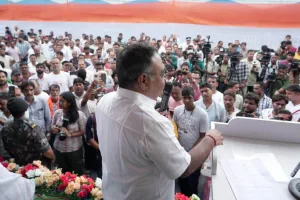
Addressing a BJP workers’ meeting at Jalpesh in Jalpaiguri district after offering prayers at the historic Jalpesh Shiva Temple, Adhikari launched a sharp political attack on the previous Left Front and Trinamool Congress governments. Referring to the recent nationwide unrest over the National Eligibility-cum-Entrance Test (NEET), he alleged that “anti-national forces” were trying to create instability and urged “nationalist-minded people” to remain united.

Claiming that no chief minister had offered prayers inside the sanctum sanctorum of the Jalpesh temple in the past five decades, he said earlier governments had neglected the state’s religious heritage. Using the terms “Secu” and “Maku” to refer to secular and Marxist politics, he accused past regimes of ignoring the legacy of Swami Vivekananda, Sri Ramakrishna and Chaitanya Mahaprabhu.

The chief minister also criticised former chief minister Mamata Banerjee, alleging that her government had attempted to turn West Bengal into “Greater Bangladesh.” He said India was being weakened by anti-national elements and reiterated that nationalist forces must remain united.

Adhikari urged MLAs to prepare a list of ancient temples and monasteries across the state so that the government could take steps to preserve and develop them. He also described grassroots BJP workers as the party’s “real strength” and said they were more important than its leaders.

He asked party workers to publicise five key welfare schemes — Annapurna Yojana, Ayushman Bharat, the job card initiative under the rural employment programme, PM Surya Ghar Yojana and PM Kisan Samman Nidhi — so that eligible beneficiaries could avail themselves of the benefits. According to him, Annapurna Yojana had already begun reaching 1.24 crore beneficiaries, while verification of around 1.70 crore applications was in progress.

The chief minister said the financial powers of gram panchayat pradhans had been curtailed to curb corruption. He announced that the chief secretary would release three anti-corruption helpline numbers on Tuesday for complaints related to bribery in land, revenue, panchayat and municipal offices, warning that those found guilty would face strict legal action, including imprisonment.

Earlier in the day, Adhikari handed over financial assistance to the families of those killed in the recent tunnel accident in Sikkim at the Jalpaiguri district magistrate’s office before proceeding to Jalpesh.

Returning to Uttarkanya in Siliguri, he chaired a high-level review meeting attended by Finance Minister Swapan Dasgupta and senior officials. He later inaugurated the Airview More-Jhankar More rail overbridge and said the Centre would now bear the entire cost of rail overbridge projects, unlike the earlier 50:50 cost-sharing arrangement with states. He claimed that nearly 500 such projects were being taken up in West Bengal.

Highlighting the achievements of his ten-week-old government, Adhikari said he had already visited north Bengal six to seven times. He announced that 16 of the 30 major projects under the North Bengal Development Department had already commenced and promised strict monitoring of their quality through direct interaction with villagers.

He also said the government was exploring the commercial use of the Air Force base at Hasimara and was willing to provide requied land. Announcing plans for a university in Jalpaiguri, he asked BJP MP Jayanta Roy to identify suitable government land for the project. Referring to the district’s electoral performance, he said although all Assembly seats in Jalpaiguri were won by the BJP, the district had not yet been represented in the state Cabinet, adding that one of its MLAs would be inducted into the ministry in due course.

Why Christopher Nolan calls Satyajit Ray ‘one of the greatest Indian filmmakers’

A closet in New York, a trilogy in hand, and for a moment, two eras of cinema stood face to face. Nolan’s mind, so often lost in dreams and time loops, was undone by a barefoot boy running through a Bengal field.

Aman Kumar | New Delhi |

Acclaimed filmmaker Christopher Nolan, known for films such as ‘Inception’, ‘Interstellar’, ‘Dunkirk’, ‘Oppenheimer’ and his latest epic, ‘The Odyssey’, has expressed his admiration for the legendary Indian filmmaker Satyajit Ray.

During a visit to the Criterion Closet, a popular film closet where filmmakers visit and discuss films that have inspired them, Nolan picked The Apu Trilogy and spoke about its lasting impact. Referring to ‘Pather Panchali’ (1955) the film in the trilogy he called it ‘an absolutely incredible film’ and said that it blew his mind. He also described Ray as ‘one of the great Indian filmmakers’.

Though the comment was brief it quickly caught the attention of film lovers around the world and in India, where Ray’s work continues to be celebrated as a landmark in cinema.

The legacy of Satyajit Ray

Satyajit Ray is widely regarded as one of the influential filmmakers in the history of cinema. His films are known for their storytelling, memorable characters, deep understanding of human emotions.

His celebrated work, The Apu Trilogy – Pather Panchali, Aparajito and Apur Sansar follows the life journey of Apu from childhood to adulthood. It shows what Apu’s life is like from when he was a kid to a grown up. The emotional depth and realistic style have earned the series recognition from across the world and continues to touch audiences, decades after their release.

Rays work has also influenced internationally acclaimed directors, making him one of India’s most respected cultural figure.

A filmmaker admiring a master

Christopher Nolan is widely regarded as one of the defining filmmakers of cinema. His films are known for combining innovation with emotional storytelling. When a filmmaker of Nolan’s stature praises Satyajit Ray, it reflects lasting influence of Ray’s work showing how his films continue to inspire some of the world’s finest directors.
Nolan’s praise is reminder of India’s cinematic heritage and the lasting legacy of filmmakers like Satyajit Ray. At a time when Indian films are reaching global audiences, such recognition from one of the current generation’s most celebrated director, highlights the timeless value of Ray’s work.

More than three decades after his passing, Satyajit Ray’s legacy remains as strong, as ever. His films continue to be watched, studied and celebrated around the world, proving that great storytelling never loses its power. Christopher Nolan’s tribute is another reminder that Ray’s influence extends far beyond India inspiring filmmakers and movie lovers.

Madras HC sets aside Vijay govt’s order on compassionate jobs to Karur stampede victims’ families

While acknowledging the tragedy and the state’s concern for the bereaved families, the bench said constitutional safeguards must prevail over executive decisions.

Statesman News Service | New Delhi |

The Madurai Bench of Madras High Court on Monday set aside the Vijay-led Tamil Nadu government’s order granting government jobs to the family members of 2025 Karur Stampede victims.

The high court ruled that the job appointments violated the constitutional principal of equality and equal opportunity in public employment.

After coming to power, Tamil Nadu Chief Minister Joseph Vijay had announced government jobs for the families of people who died in a stampede during his election rally in Karur on compassionate grounds.

However, the division bench of Justice CV Karthikeyan and Justice R Sakthivel held that compassionate appointments cannot be extended through executive discretion in a manner that bypasses established legal norms.

It observed that such appointments are intended to address the immediate financial distress caused by the death of a government employee in service and cannot be treated as a general relief measure following a public tragedy.

The bench emphasised that the state’s executive powers under Article 162 of the Constitution are not unlimited and must operate strictly within constitutional boundaries. It noted that any exercise of executive authority that departs from the guarantees enshrined in Articles 14 and 16 would be legally unsustainable.

Delivering the verdict, the court observed that the government’s decision overlooked the rights of thousands of eligible applicants already waiting for compassionate appointments in various government departments.

Extending such appointments to the families of stampede victims, it said, would unfairly place them ahead of others who had been awaiting consideration under the existing policy framework.

“Exercise of executive power must be within the constitutional limits. If executive action were to be left unfettered and given free hand, chaos will reign,” it observed.

The judges held that Articles 14 and 16, which guarantee equality before the law and equal opportunity in matters of public employment, cannot be diluted through administrative orders.

While acknowledging the tragedy and the state’s concern for the bereaved families, the bench said constitutional safeguards must prevail over executive decisions.

(With inputs from agencies)

Samik Bhattacharya attacks Left over ‘Azadi’ slogans, defends Adinath temple claim

“The Constitution has given everyone the right to protest. But why should protests become a platform for raising ‘Azadi’ slogans?” the Bengal BJP chief asked.

Statesman News Service | Kolkata |

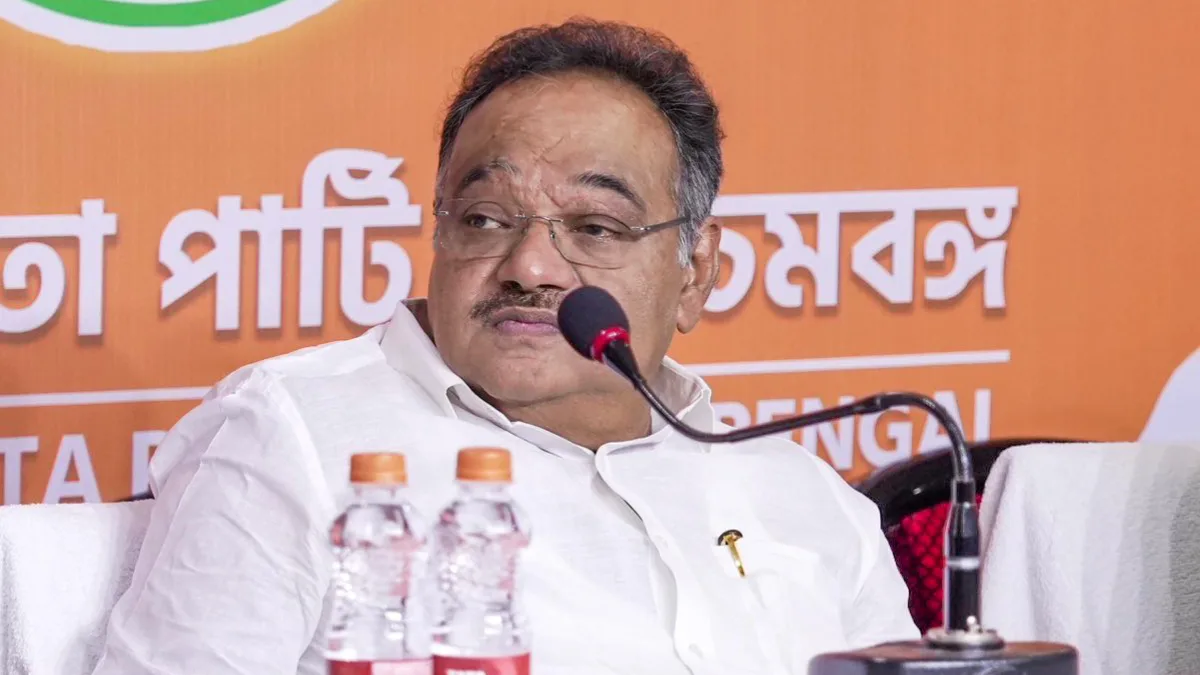
West Bengal Bharatiya Janata Party (BJP) president Samik Bhattacharya on Monday launched a sharp attack on the CPI(M) and Left-backed student protests, alleging that slogans such as “Kashmir Mange Azadi” and “Bharat Tere Tukde Honge” have no place in a democratic movement.

The senior BJP leader also warned parents to keep their children away from such campaigns.

Bhattacharya justified the BJP’s rally at Esplanade on Monday as a symbolic protests against “subversive” politics of the Left parties. He said the Constitution guarantees every citizen the democratic right to protest, but asserted that the right cannot be used to raise slogans questioning India’s unity and integrity.

“The Left has every democratic right to stand beside students. The Constitution has given everyone the right to protest. But why should protests become a platform for raising ‘Azadi’ slogans? Do they want the restoration of Articles 370 and 35A in Jammu and Kashmir?” he asked.

Referring to the recent student demonstrations, the BJP leader alleged that the agitation had crossed democratic limits.

“Does a movement mean raising slogans calling for the breakup of India, attacking journalists, assaulting innocent pedestrians and vandalising shops? What kind of politics is this?” he said.

Bhattacharya claimed the BJP’s rally was aimed at exposing what he described as the “real face” of those involved in the protests.

“We appeal to parents not to allow their children to mix with those raising ‘Kashmir Mange Azadi’ slogans or with the ‘tukde tukde gang’. Keep them away from such politics. What happened that day was not a student movement,” he said.

He also issued a warning against anti-national slogans, saying, “Any democratic movement can continue. But if someone raises slogans like ‘Bharat Tere Tukde Honge‘, the police will deal with them appropriately.”

The BJP leader also criticised CPI(M) leader Srijan Bhattacharyya over his remarks on criticism of the Prime Minister and other elected representatives. Responding to Srijan Bhattacharyya’s reported observation that criticising or even disrespecting photographs of the Prime Minister or elected ministers was not an offence, Bhattacharya said the Left has lost its political relevance in West Bengal.

“The Left has been reduced to zero in Bengal. They survive through nightly television debates and political discussions in the media. The more they criticise, the more space they may get in television talk shows. But the people of Bengal will no longer make them MLAs or ministers,” he said.

Bhattacharya also commented on the controversy surrounding the Adinath mosque in Malda after some Hindu organisations announced plans to install a Shivling and perform religious rituals near the site.

Rejecting the description of the structure as the Adinath mosque, he asserted, “It is not the Adinath mosque; it is the Adinath temple.”

Asked about reports that a Hindu organisation had planned a Rudrabhishek programme within 50 metres of the disputed structure, Bhattacharya said he was unaware of the specific programme but maintained that the site was originally a Hindu temple. Displaying photographs, he claimed that several architectural features of the structure contained images and motifs associated with Lord Shiva, Adinath and other Hindu deities.

According to him, these indicated that the mosque had been constructed over an ancient Adinath temple. He added that the matter is currently pending before a court and would ultimately be decided through the judicial process.

Four linked to cross-border smuggling module held with 5 pistols, 2 kg heroin and Rs 5 lakh drug money

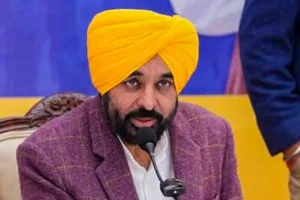
In a major breakthrough amidst the ongoing drive to make Punjab a safe and secure state as per directions of Chief Minister Bhagwant Singh Mann, Amritsar Commissionerate Police busted a cross-border illegal arms and narcotics smuggling module with the arrest of four individuals, and recovered five sophisticated .30 bore pistols, 2.015 kg heroin, and ₹5 lakh in drug money, said Director General of Police (DGP) Punjab Gaurav Yadav here on Monday.

Statesman News Service | Chandigarh |

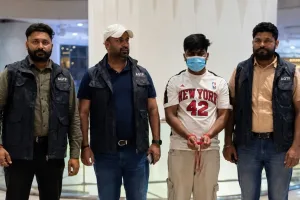
In a major breakthrough amidst the ongoing drive to make Punjab a safe and secure state as per directions of Chief Minister Bhagwant Singh Mann, Amritsar Commissionerate Police busted a cross-border illegal arms and narcotics smuggling module with the arrest of four individuals, and recovered five sophisticated .30 bore pistols, 2.015 kg heroin, and ₹5 lakh in drug money, said Director General of Police (DGP) Punjab Gaurav Yadav here on Monday.

Those arrested have been identified as Bittu Kumar alias Bhaiya (20), a resident of Navi Abadi in Amritsar; Sahib Singh (21), a natives of village Dhagana and presently residing at Fateh Singh Colony in Amritsar; Sanjeev Kumar alias Nannu (22), a resident of Pink Colony in Tarn Taran; and Sandeep Singh alias Sunny (22), a resident of village Chhiddan in Amritsar.

DGP Gaurav Yadav said preliminary investigation revealed that the accused persons were involved in cross-border smuggling of illegal weapons and narcotics. Further investigation is underway to establish the forward and backward linkages of the network and identify all associates involved in the cartel, he said.

Sharing operational details, Commissioner of Police (CP) Amritsar Gurpreet Singh Bhullar said that acting on reliable intelligence, police teams first arrested accused Bittu alias Bhaiya and Sahib Singh, and one pistol was recovered from his possession, while, two more pistols were recovered later on the basis of their disclosure statements.

During investigation, both accused disclosed that they were also involved in cross-border drug smuggling activities, he said, while adding that acting on their disclosures, Police teams arrested two more accused, identified as Sanjeev Kumar alias Nannu and Sandeep alias Sunny and recovered 2.015 kg heroin along with ₹5 lakh drug money from their possession.

During further investigation, police teams recovered two more pistols on the basis of the disclosure statement made by accused Sandeep alias Sunny, he added. The CP said that arrested accused Bittu alias Bhaiya is wanted in several criminal cases pertaining to Arms Act and theft. All four arrested accused are young individuals, he said.

In this regard, a case FIR No. 156 dated 21.07.2026 under sections 25(1B) ands 24(6,7,8) of the Arms Act and sections 21-C, 27-A and 29 of the NDPS Act have been registered at Police Station Sadar Amritsar.

Airports Authority of India launches pan-India safety training programme for airport managers in Kolkata

The initiative seeks to enhance the implementation of Safety Management Systems in line with international aviation safety standards and regulatory requirements.

Statesman News Service | Kolkata |

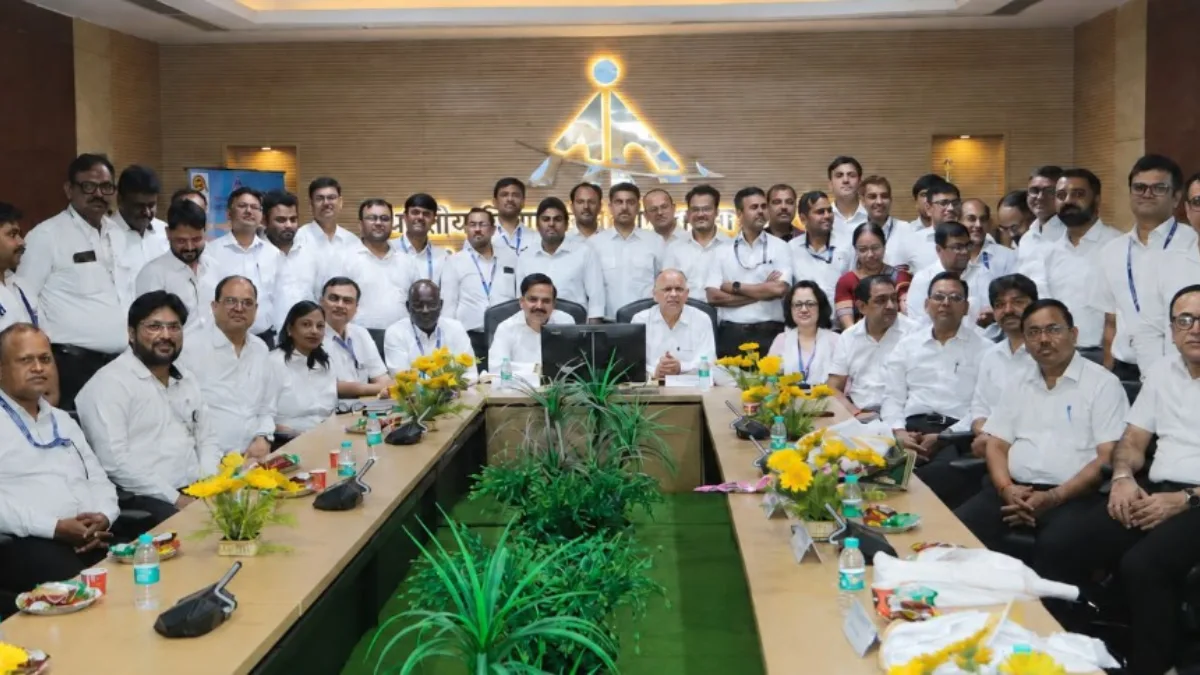
In an effort to strengthen aviation safety practices across airports in the country, the Airports Authority of India (AAI) on Monday launched a five-day pan-India Safety Management System (SMS) Training Programme for Safety Managers at its Regional Headquarters (Eastern Region) in Kolkata.

The programme, being held from 27 July to 31, was inaugurated by Hargovind Meena, Regional Executive Director (Eastern Region), along with Vikram Singh, Airport Director of Netaji Subhas Chandra Bose International Airport, Kolkata. Twenty-five safety managers representing various AAI-operated airports from across India are participating in the training programme.

The initiative seeks to enhance the implementation of Safety Management Systems in line with international aviation safety standards and regulatory requirements. Addressing the inaugural session, Meena stressed the importance of a robust Safety Management System in ensuring the proactive identification, assessment and mitigation of operational risks. He said continuous training and capacity building of safety managers are essential for improving operational efficiency and maintaining the highest levels of aviation safety.

Welcoming the participants, Vikram Singh expressed confidence that the exchange of knowledge and best practices during the programme would help strengthen safety standards at airports across the country. He said such initiatives play a key role in building a stronger safety culture within the organisation.

The training programme includes sessions on safety policy, risk management, safety assurance, safety promotion and the applicable regulatory framework governing airport operations. The sessions are being conducted by experienced faculty members and aviation safety experts.

According to AAI officials, the programme reflects the organisation’s continued commitment to promoting a proactive safety culture, enhancing professional capabilities and ensuring compliance with globally accepted aviation safety practices. The initiative is expected to further reinforce AAI’s efforts to maintain high operational safety standards across its network of airports.

Haryana brings certified land records online, citizens can now apply and download from home

In a major citizen-centric reform aimed at making land-related services faster, transparent and paperless, the Haryana government launched an online system that allows people to apply for and obtain digitally certified copies of Jamabandi, Mutation, Fard Badar and registered sale deeds without visiting revenue offices.

Statesman News Service | Chandigarh |

In a major citizen-centric reform aimed at making land-related services faster, transparent and paperless, the Haryana government launched an online system that allows people to apply for and obtain digitally certified copies of Jamabandi, Mutation, Fard Badar and registered sale deeds without visiting revenue offices.

Financial Commissioner Revenue & Disaster Management Department, Dr. Sumita Misra said the Department of Revenue and Disaster Management has operationalised the new module on the Revenue Haryana Portal, enabling citizens to access certified land records through a simple online process.

She said instructions have been issued to all Divisional Commissioners and Deputy Commissioners to implement the system uniformly across the state. To ensure seamless execution, the department also prepared a Standard Operating Procedure (SOP) for revenue officials and a detailed User Manual providing step-by-step guidance for citizens.

Explaining the process, Dr Misra said applicants can log in to the portal using their registered mobile number through OTP authentication and submit applications by selecting the required document and entering details such as district, tehsil and village. Every application will generate a unique tracking ID and be forwarded electronically to the concerned Patwari or revenue official for verification.

Once the application is approved and the prescribed fee is paid online, the digitally certified document will be generated automatically and made available for download from the applicant’s dashboard.

A uniform fee of Rs. 100 will be charged for certified copies of Mutation, Registered Sale Deed and Fard Badar, irrespective of the length of the document. For Jamabandi, a fee of Rs. 100 will be applicable for the first 10 pages, while an additional Rs. 5 per page will be charged for every page thereafter. The prescribed fee can be paid online, after which the digitally certified document will be made available for download through the applicant’s dashboard.

Boils and pimples troubling you? Acharya Balkrishna shares this simple ajwain paste remedy

That painful boil refusing to heal might have a fix sitting right in your spice rack. Acharya Balkrishna points to ajwain, ground into a warm paste, as an old Ayurvedic answer to stubborn skin eruptions.

Statesman News Service | New Delhi |

Patanjali Ayurved’s Acharya Balkrishna has shared a home remedy on Facebook for boils and pimples, a common skin problem that many people deal with. He explained that a simple paste made from ajwain, also known as carom seeds, can bring relief when applied correctly.

According to Balkrishna, the process is easy. Take a small amount of ajwain and grind it in warm water until it forms a paste. Apply this paste directly on the affected area three times a day. He said this method has been useful for treating boils and pimples.

“Thodi-si ajwain lekar ise garam paani mein pees kar lep bana len,” he explained, describing the exact process of preparing the paste.

Why boils and pimples form

Boils and pimples usually develop when hair follicles or skin pores get infected, often by bacteria. Excess oil, sweat, blocked pores, and poor hygiene can all contribute to the problem. In hot and humid weather, the risk goes up further, since sweat and bacteria combine more easily on the skin. Left untreated, boils can turn painful and sometimes spread to nearby skin.

The science behind ajwain

Ajwain has a long history in Indian households, mostly known as a digestive aid. But its use for skin problems is equally old in Ayurvedic tradition. The seed’s strong smell comes from a compound called thymol, which carries several therapeutic properties.

Research backs its role in fighting infection. Ajwain’s essential oils have shown effectiveness against several strains of bacteria and fungi, including E. coli and Candida species, making it a candidate for natural antimicrobial products such as wound care formulations. This antimicrobial strength is likely why traditional Ayurvedic practice turned to ajwain for skin eruptions long before modern labs studied it.

Its direct effect on skin conditions has also been documented. Ajwain carries antimicrobial properties that help treat various skin infections such as eczema and psoriasis, along with anti-inflammatory properties that reduce redness and swelling. That anti-inflammatory action explains why the paste is applied multiple times a day, since reducing swelling around a boil is often the first step toward healing.

A separate study looked closely at the compound driving these effects. Analysis of ajwain seed extract found thymol as its major component, and the extract showed strong activity against food-borne pathogenic bacteria, both gram positive and gram negative strains. This kind of broad antibacterial action supports why the seed works well on infected skin, not just in food preservation.

Skin specific benefits go beyond just fighting bacteria. The anti-inflammatory properties of ajwain make it effective against sun damage and signs of ageing, and when applied as a paste, it can help lighten acne scars and pimples. Another source notes its broader skin role too. Ajwain works as an antiseptic and anti-inflammatory agent and helps heal itching, boils, and eczema.

A remedy rooted in everyday kitchens

What makes this remedy practical is how common ajwain already is. It sits in almost every Indian kitchen, used daily in cooking and often kept as a digestive fix after meals. Balkrishna’s suggestion turns this same spice into a topical solution, requiring nothing more than warm water and a few minutes to prepare.

A word of caution

While ajwain paste has a long tradition behind it, boils that grow large, feel very painful, or do not improve after a few days need proper medical attention. Severe infections sometimes require drainage or antibiotics, and home remedies work best for mild, early stage skin eruptions rather than serious infections.

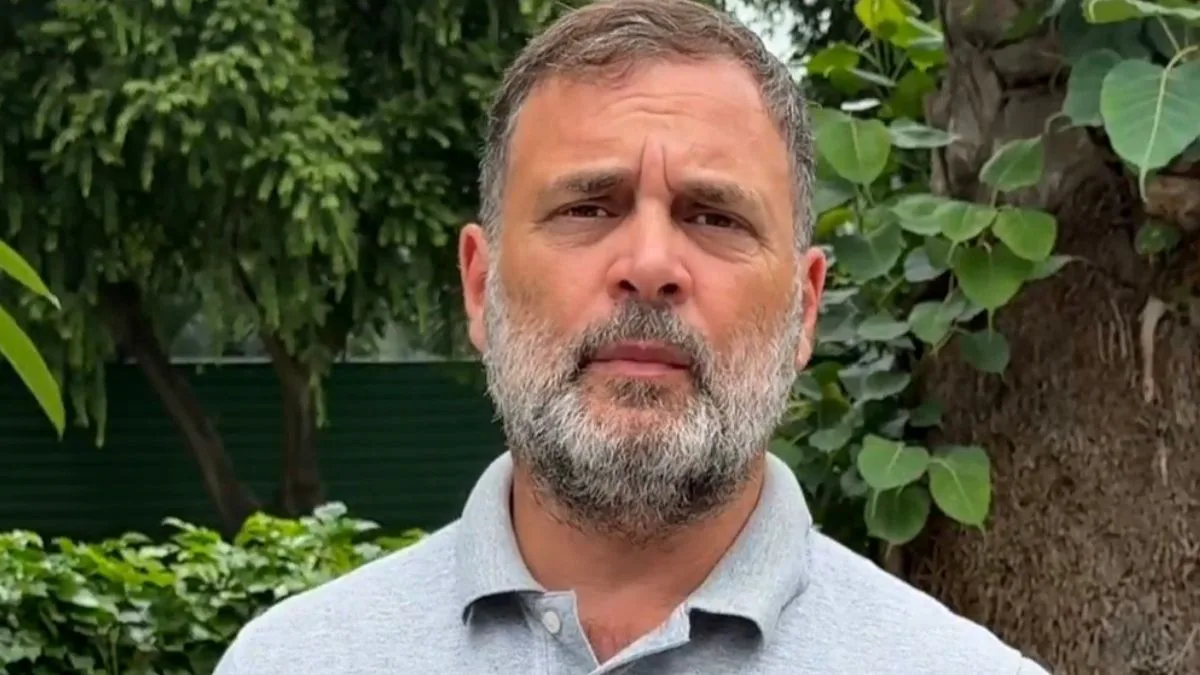
Rahul Gandhi backs tribal protesters, accuses BJP govt of suppressing peaceful agitation over Ken-Betwa Project

Congress leader and Leader of the Opposition in the Lok Sabha Rahul Gandhi on Monday extended support to tribal communities protesting against land acquisition for the Ken-Betwa river linking project in Madhya Pradesh, accusing the BJP government of denying them fair compensation and rehabilitation while suppressing their peaceful agitation.

Statesman News Service | New Delhi |

Congress leader and Leader of the Opposition in the Lok Sabha Rahul Gandhi on Monday extended support to tribal communities protesting against land acquisition for the Ken-Betwa river linking project in Madhya Pradesh, accusing the BJP government of denying them fair compensation and rehabilitation while suppressing their peaceful agitation.

In a social media post, Gandhi alleged that tribal families were forced to launch a “Jal Satyagraha” and an indefinite hunger strike after losing their land for the Ken-Betwa project without receiving just compensation or dignified rehabilitation. “Modi government is afraid of both truth and Satyagraha,” Gandhi said, adding that the tribal protesters were compelled to take the path of peaceful resistance because their rights had been ignored.

Describing the tribal communities as the country’s “first inhabitants,” the Congress leader asserted that they possessed the primary claim over natural resources.
“The truth is that tribals are the first owners of this country. The first right over water, forests and land belongs to them,” he said.
He further argued that their “Satyagraha” was aimed at protecting those rights, which he alleged were now being taken away.

Referring to the demands of the protesters, Gandhi said they were seeking only the means to sustain their livelihoods after displacement.
“In their own unique way, they are asking for just one thing—provide them adequate support to make a living. Otherwise, life itself becomes no different from a funeral pyre,” he said.

The Congress leader also accused the BJP government of using police force to suppress a peaceful protest instead of engaging with the demonstrators.
“But even this is unacceptable to the BJP government. Instead of listening to them, their peaceful protest is being crushed through police action,” Gandhi alleged.
Reiterating the Congress party’s support for the tribal communities, Gandhi said his party would continue to fight for their rights and ensure they received justice.

“We stand with our tribal brothers and sisters. We will ensure they get justice. Fair compensation and proper rehabilitation will have to be provided,” he said.
The Ken-Betwa river linking project, India’s first interlinking of rivers project under the National Perspective Plan, aims to transfer surplus water from the Ken River to the Betwa River to provide irrigation, drinking water and hydropower benefits to parts of Madhya Pradesh and Uttar Pradesh. However, the project has also faced sustained opposition from sections of affected communities and environmental groups over concerns relating to displacement, rehabilitation, compensation and its ecological impact. Rahul Gandhi’s remarks come amid continuing political debate over land acquisition, tribal rights and the implementation of large infrastructure projects.

Coriander leaves for glowing skin: Acharya Balkrishna reveals this simple ayurvedic trick

charya Balkrishna says this humble herb, paired with a little turmeric, holds a quiet skin care secret passed down through generations. Sometimes the simplest ingredients turn out to be the most powerful ones.

Statesman News Service | New Delhi |

Patanjali Ayurved managing director Acharya Balkrishna has shared a Facebook video talking about coriander leaves and their long-standing place in Ayurvedic skin care. He explained that this common kitchen herb offers more than flavour, and traditional practice has used it on the skin for generations.

Coriander finds its way into almost every Indian kitchen. It goes into chutneys, curries, and garnishes without a second thought. Balkrishna pointed out that its role does not stop at the dinner table. Ayurveda has long treated coriander leaves as a plant with real value for skin health, not just taste.

The traditional application

According to Balkrishna, fresh coriander leaves are applied directly on the face in traditional practice. Some methods combine the leaves with a small amount of turmeric before applying the mixture. He described this as a routine passed down through generations to help maintain natural, healthy looking skin.

Turmeric itself carries a strong reputation in Ayurveda for skin related use, and pairing it with coriander is a common combination in home remedies across Indian households.

What research says about coriander and skin

Modern studies back some of what Ayurveda has claimed for centuries. Coriander leaves contain antioxidant compounds that fight free radical damage in the body. One of the strongest antioxidants found in coriander leaves is called quercetin, and this compound helps protect cells from damage while possibly lowering the risk of long term disease.

The leaves also carry nutrients that matter for skin. Coriander leaves contain vitamin C, which supports collagen production and helps keep skin firm, while also aiding infection resistance. Vitamin C deficiency is linked to dull, weaker looking skin, so this nutrient content lines up with why coriander has been valued for a fresh, natural glow.

Coriander also brings antimicrobial properties into the picture. The herb carries antiseptic and germicidal properties along with anti-fungal and anti-inflammatory benefits, and it remains easily available in nearly every Indian home. These properties are part of why traditional healers have used coriander paste to calm skin irritation.

Itchy or dry skin has its own traditional fix too. In Ayurvedic treatments, a paste made from coriander leaves gets applied to the skin or scalp to ease itchiness and dryness. Acne prone skin gets attention as well. Due to its antiseptic, antibacterial, and anti-inflammatory properties, coriander helps control and manage acne conditions.

Scientific reviews studying coriander’s chemistry support a wide range of these claims. Research on coriander highlights its main applications including antioxidant, antibacterial, antifungal, anti-allergic, and anti-aging effects, among other uses.

Balance matters as much as the remedy

Balkrishna did not present coriander as a stand-alone fix. He stressed that healthy skin depends on far more than what gets applied on the outside. A balanced diet, drinking enough water, proper sleep, and a steady daily routine all play an equal role in how skin looks and feels over time.

This point reflects a core idea in Ayurveda. Skin health is treated as a reflection of what happens inside the body, not just what touches its surface. External applications like coriander paste work alongside internal habits, not in place of them.

Mirabai Chanu credits family, coach after historic Commonwealth Games hat-trick

Olympic silver medallist Mirabai Chanu credited her family’s unwavering support for helping her overcome injuries and setbacks after creating history by winning a third consecutive Commonwealth Games gold medal in Glasgow on Sunday.

Statesman News Service | New Delhi |

Olympic silver medallist Mirabai Chanu credited her family’s unwavering support for helping her overcome injuries and setbacks after creating history by winning a third consecutive Commonwealth Games gold medal in Glasgow on Sunday.

“My family has supported me immensely throughout my journey. I have suffered many injuries, but they always stood by me,” Mirabai told reporters after winning the women’s 48kg title at the Commonwealth Games 2026.

The 31-year-old said her family’s encouragement kept her motivated through the most challenging phases of her career. She also acknowledged the contribution of her long-time coach, Vijay Sharma.

“From the very beginning, there have been many things we have had to work hard on and stay focused about, whether it is the Games or a championship. We always plan how to perform and how to maintain that level of performance. Vijay sir has always supported me in all of this,” she said.

Mirabai revealed that she had not planned to attempt heavier lifts in Glasgow, but a missed opening snatch forced her to rethink the strategy.

“We were not planning to push ourselves too hard at these Games, but my first attempt, which I failed, was because of my own mistake. So we had to reassess our strategy. At the same time, we also had to evaluate how training had gone and where further improvements were needed. I feel this performance is very important for me because I have been controlling my body weight for a long time, and bringing it down to 48kg has been very difficult,” she said.

After missing her opening snatch attempt at 82kg, Mirabai bounced back by clearing the weight on her second try before successfully lifting 85kg on her final attempt. The effort earned her new Commonwealth and Commonwealth Games records in the snatch.

She faced another setback in the clean and jerk after failing her opening lift, but recovered strongly to lift 105kg on her second attempt. That effort not only secured the gold medal comfortably but also helped her set new Commonwealth Games records in the clean and jerk and overall total.

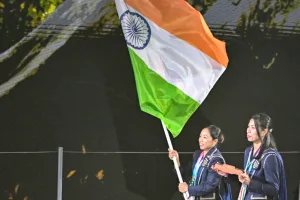
With the victory, Mirabai became the first Indian woman weightlifter to win three consecutive Commonwealth Games gold medals, having also topped the podium at Gold Coast 2018 and Birmingham 2022. She also became India’s first gold medallist at the Glasgow 2026 Games.

Reflecting on the medal ceremony, Mirabai said the most emotional moment was hearing the Indian national anthem after winning the country’s first gold medal of the Games.

“Whenever our National Anthem is played, tears come automatically. They are tears of happiness because I won the first gold medal for India,” she concluded.

Punjab has become country’s top state in school education: CM Mann

Punjab Chief Minister Bhagwant Singh Mann on Monday claimed that his government’s sustained efforts to strengthen government schools, modernize educational infrastructure and invest in teacher training have transformed the state into the country’s top performer in school education.

Statesman News Service | Chandigarh |

Punjab Chief Minister Bhagwant Singh Mann on Monday claimed that his government’s sustained efforts to strengthen government schools, modernize educational infrastructure and invest in teacher training have transformed the state into the country’s top performer in school education.

Inaugurating the ₹5 crore Vardhman Block at Government Primary School, Lohara, the Chief Minister said that the remarkable success of government school students in competitive examinations such as NEET (National Eligibility cum Entrance Test), JEE (Joint Entrance Examination) and the Punjab State Talent Search Examination (PSTSE) reflects the far-reaching impact of the government’s education reforms and reaffirmed that education remains the most powerful instrument for eliminating poverty and empowering future generations.

Addressing a gathering after inaugurating the new block at Government Primary School, CM Bhagwant Singh Mann said, “This new block has been constructed at a cost of ₹5 crore. The entire cost has been borne by the Vardhman Textiles Group, for which I sincerely thank the group’s leadership. The new block comprises 18 classrooms for students, along with furniture, and three rooms for the teaching staff.”

The Chief Minister said, “The Vardhman Textiles Group has been making a significant contribution towards strengthening educational infrastructure, particularly in government schools. The group has also constructed school buildings in the government schools of Lohara, Giaspura, Kasabad, Ladowal, Sekhewal and others. No freebie or concession can eliminate poverty or other social maladies in the state, but education is the key that can pull people out of this vicious circle by raising their standard of living.”

He noted, “Due to the strenuous efforts of his government, Punjab has surpassed Kerala, Maharashtra and Delhi to secure the number one position in primary and middle-school education. The state government has upgraded primary and middle-school education, strengthened the system, introduced smart classrooms and provided advanced training to teachers. As a result of these efforts, Punjab is excelling in the school education sector and NITI (National Institution for Transforming India) Aayog, one of the Government of India’s premier institutions, has released new figures showing that Punjab has surpassed Kerala, Maharashtra and Delhi to secure the number one position in primary and middle-school education.”

“For the last four years, the state government focused on teacher training, modern teaching methods and smart classrooms, and today Punjab stands at the top. Earlier Kerala held the top position, but now Punjab has claimed the number one rank with a huge margin. More such efforts will be made in the coming time too. Education is the light that illuminates the world by dispelling darkness; therefore, the state government is laying a special thrust on it,” he added.

The Chief Minister said, “Nearly three lakh students are studying in government schools across Ludhiana district, which has 16 Schools of Eminence, 11 Schools of Brilliance and 35 Schools of Happiness. Two more Schools of Eminence at Millerganj and Division No. 3, Ludhiana, have been completed and will soon be dedicated to the public. As many as 146 students qualified the NEET examination, 33 students qualified the JEE Main examination, nine students qualified the JEE Advanced examination and 47 students qualified the PSTSE.”

Acharya Balkrishna shares this simple remedy for foot wounds caused by prolonged water work

Farmers and fishermen who spend hours in water often develop painful wounds between their toes. Acharya Balkrishna’s simple fix uses kattha, an everyday paan ingredient with centuries of Ayurvedic backing.

Statesman News Service | New Delhi |

Acharya Balkrishna, the man who runs Patanjali Ayurved, recently posted a home remedy on Facebook that a lot of farmers and fishermen will probably find useful. It’s about those painful cracks and wounds that show up between the toes after spending too long standing in water. His answer: kattha, the same stuff found in paan, made from the Khair tree.

Why this happens

Anyone who’s worked in a flooded field, a pond, or along a riverbed for hours knows the feeling. Skin between the toes stays wet for so long that it softens up, cracks, and eventually gets infected. It’s a common complaint during monsoon season, especially among people who spend entire days in paddy fields. If it’s ignored, the wounds can get worse and start to actually interfere with someone’s ability to keep working.

The remedy he shared

Balkrishna kept it simple. Wash the wound with kattha water, dry it off with a soft cloth, then sprinkle some dry kattha powder straight onto the affected spot. In his post, he wrote in Hindi that spending too much time working in water leads to wounds forming between the toes, and that this method brings relief.

So what is kattha, exactly?

Kattha, also known as catechu, comes from the heartwood of the Khair tree (Acacia catechu). The wood gets boiled down, and what’s left is collected and dried into either a paste or powder. Most people know it as an ingredient in paan, but it’s been used medicinally for a long time too. It generally comes in two forms depending on how it’s processed.

Why it actually works

In Ayurveda, khadira (another name for this herb) has always been considered good for the skin because of its drying and binding properties. It shows up a lot in traditional treatments for ulcers and sores, mainly because its astringent quality helps tighten up tissue and cuts down on oozing, exactly the kind of damage that moisture causes between the toes.

There’s some science behind this too. Acacia catechu has been studied for its antibacterial and anti-inflammatory effects, and it’s often used for oral health as well. Researchers have found it’s loaded with tannins, flavonoids, and phenolic compounds like catechin, epicatechin, and quercetin, all of which contribute to its antioxidant and wound-healing properties.

It’s not just used on skin either. The same extract has traditionally been used to preserve fishing nets and in dyeing and leather tanning, which says something about how closely this plant is tied to trades that involve constant water exposure, basically the same setting where these foot wounds happen in the first place.

A remedy that fits rural life

This isn’t the first time Balkrishna has put out these kinds of tips. He tends to focus on remedies that use things people already have around the house or can pick up cheaply from any local shop. Kattha checks that box easily since it’s sold everywhere and already part of daily life for a lot of people.

For someone who’s spent the day working barefoot in water, this is a remedy they can try without spending money or making a trip to a pharmacy. It’s also a good example of something common in Ayurveda: everyday items doing double duty as medicine when used the right way.

One thing to keep in mind

That said, kattha isn’t meant for anything serious. If a wound is deep, shows signs of infection, keeps swelling, or just isn’t healing after a few days, it’s worth getting it looked at by a doctor. Home remedies are fine for minor issues, but they’re not a substitute for real medical attention once something turns serious.

‘Anti-nationals have always had problems with media’: Bengal MoS Purnima Chakraborty on attack against journalists

Bengal MoS Purnima Chakraborty pointed out that journalists are only putting out what they are reporting from the ground and there is nothing wrong in that.

Statesman News Service | Kolkata |

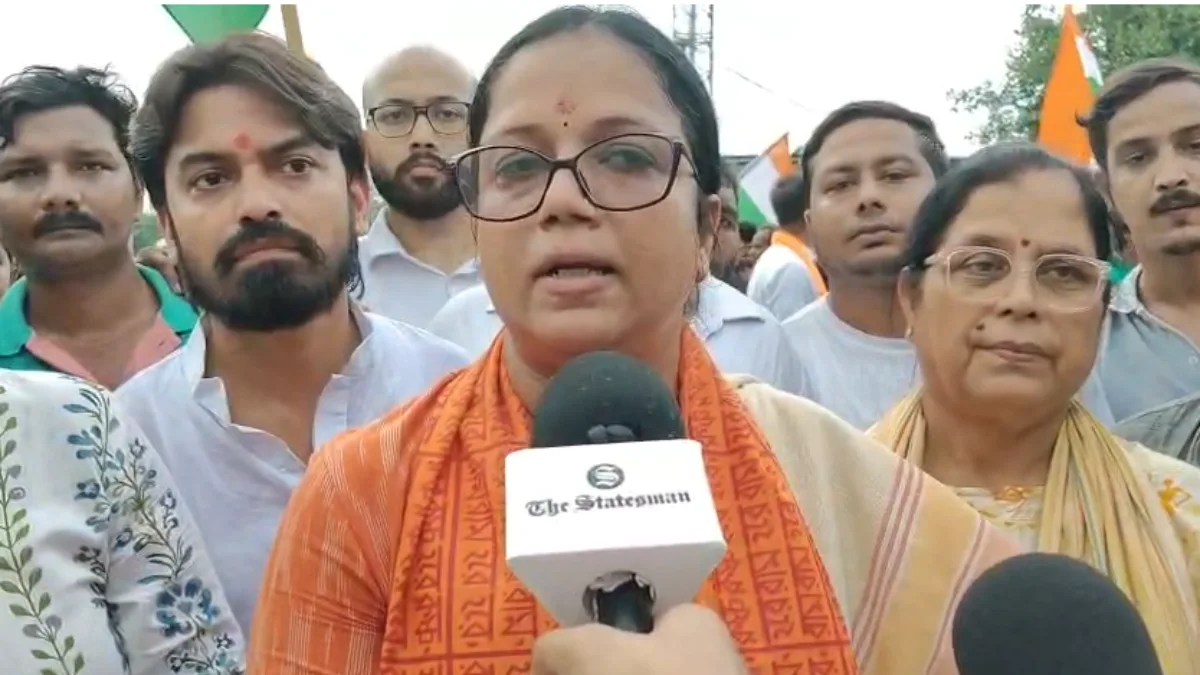
Condemning the alleged attack on journalists at Esplanade by a section of the protesters who participated in the Left rally from Sealdah to Dorina Crossing, Bengal Minister of State for Information and Cultural Affairs Purnima Chakraborty labelled the attackers as “anti-nationals,” and underlined that the country’s law and the Constitution will never forgive such acts.

“Media is the fourth pillar of democracy and no civilized nation can accept attack on it. I condemn an attack on journalists,” Chakraborty told The Statesman.

The Bengal minister pointed out that journalists are only putting out what they are reporting from the ground and there is nothing wrong in that.

“Journalists are only presenting the truth and have not done anything wrong. What is wrong in that? Those who are anti-nationals and against India have always opposed what the Indian media is presenting,” Chakraborty said.

Drawing a sharp line between protesters and those raising anti-national slogans on Friday’s rally, the MoS said “We have acknowledged the demands made by the protesting students. But we won’t accept the anti-national slogans raised by some of the protesters.”

“The country’s law and the Constitution won’t forgive this. The miscreants are being identified. The country’s law and its people will give them a befitting reply in time,” she further mentioned.

The Bharatiya Janata Party (BJP) took out a Tiranga Yatra from Sealdah to Dorina Crossing in central Kolkata on Monday. The rally witnessed party workers carrying the national flag and raising slogans against the alleged cries made during Friday’s demonstration, which later turned violent.

On Monday, journalists from various media organisations took out a protest march from the Kolkata Press Club to Dorina Crossing, demanding action against those responsible for the alleged attacks on media personnel and stronger measures to ensure the safety of journalists while performing their duties.

Mandaviya honours CWG bronze medallist Jhandu Kumar with ₹10 lakh award

Sports Minister Mansukh Mandaviya on Monday felicitated Commonwealth Games 2026 bronze medallist para powerlifter Jhandu Kumar with a ₹10 lakh cash reward in recognition of his achievement at the Games in Glasgow.

Statesman News Service | New Delhi |

Sports Minister Mansukh Mandaviya on Monday felicitated Commonwealth Games 2026 bronze medallist para powerlifter Jhandu Kumar with a ₹10 lakh cash reward in recognition of his achievement at the Games in Glasgow.

Jhandu won India’s first medal of the Commonwealth Games by claiming bronze in the men’s heavyweight para powerlifting event. He recorded a best lift of 190kg and finished with 130.9 points.

Competing in Group B, Jhandu topped his section with 130.9 points, finishing comfortably ahead of Uganda’s Dennis Mbaziira (114.1) and Australia’s Ben Wright (110.9) to move into medal contention.

In the combined standings, Nigeria’s Riluwan Idris won the gold medal with 132.8 points, while England’s Matthew Harding took silver with 131.0. Jhandu finished third with 130.9, missing the silver medal by just 0.1 point.

Congratulating the para powerlifter, Mandaviya praised his achievement and highlighted the growing support for para sports in the country.

“Delighted to meet para powerlifter Jhandu Kumar, who made Bharat proud by winning the Bronze medal at the Glasgow Commonwealth Games 2026. His achievement is a testament to PM @narendramodi Ji’s vision of mainstreaming para-sports and ensuring that our para-athletes receive the same priority, support, and opportunities as every other athlete,” the sports minister shared the glimpses from the on X.

Jhandu’s journey to the Commonwealth Games podium has been one of perseverance and determination.

Born in Harnaut in Bihar’s Nalanda district, he was affected by polio at birth. The son of a vegetable vendor, Jhandu began his sporting career in 2017 as a para athletics competitor in the F55 shot put and discus throw events, where he won several medals at the district and state levels.

His interest in powerlifting developed during strength training sessions at the gym. After being encouraged at a state championship, he switched to para powerlifting.

Training under Rajinder Singh Rahelu, Jhandu quickly emerged as one of India’s top para powerlifters. In 2025, he set a national record by lifting 205kg at the National Championships before improving it to 206kg at the Khelo India Para Games.

His consistent performances earned him a bronze medal at the 2025 Beijing World Cup, another bronze at the 2026 Asian & Oceania Championships, and qualification for the Commonwealth Games, where he delivered India’s first medal of the 2026 edition.

BJP councillor Satya Sharma re-elected unopposed as MCD Standing Committee chairperson

The election for the posts of Chairperson and Deputy Chairperson of the Standing Committee of the Municipal Corporation of Delhi (MCD) was held on Monday at the Civic Centre headquarters.

Statesman News Service | New Delhi |

The election for the posts of Chairperson and Deputy Chairperson of the Standing Committee of the Municipal Corporation of Delhi (MCD) was held on Monday at the Civic Centre headquarters.

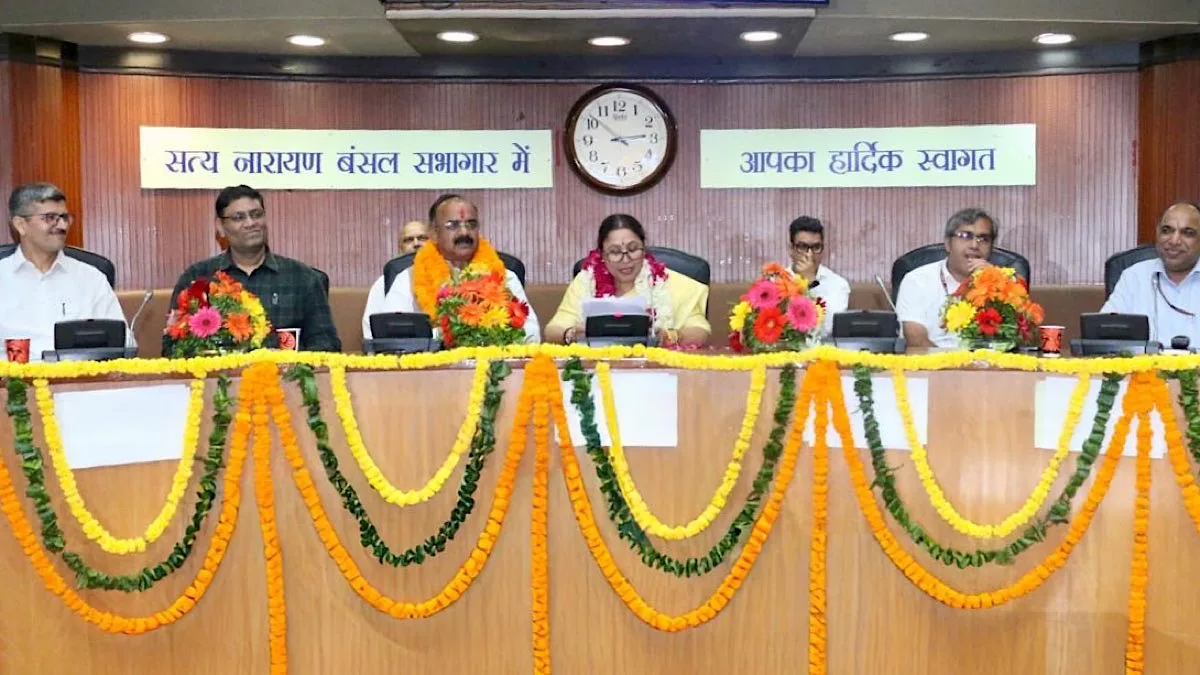
BJP Councillor Satya Sharma, representing Ward No. 226 (Gautampuri), was re-elected unopposed as the Chairperson of the Standing Committee, while Satyapal Singh, Councillor from Ward No. 248 (Karawal Nagar West), was elected unopposed as the Deputy Chairperson.

Following her election, Sharma expressed her gratitude to the top leadership of the BJP for reposing faith in her once again. She also conveyed her sincere thanks to Prime Minister Narendra Modi, Union Home Minister Amit Shah, BJP National President Nitin Nabin, Delhi Chief Minister Rekha Gupta, and BJP Delhi State President Harsh Malhotra for their guidance and support.

Sharing her vision for the new term, Sharma said that her agenda would be based on five key priorities:

Clean Delhi – Strengthening sanitation services, improving solid waste management, and accelerating efforts to make Delhi clean and more beautiful.

Healthy Delhi – Enhancing healthcare services in MCD hospitals, dispensaries, and public health institutions to provide better medical facilities to citizens.

Educated Delhi – Improving the quality of education in MCD schools, upgrading infrastructure, and ensuring the holistic development of students.

Good Governance – Promoting transparency, accountability, and technology-driven administration while ensuring that public interest remains paramount in every decision.

Strong MCD – Strengthening the Municipal Corporation of Delhi financially and administratively so that it becomes more capable, self-reliant, and efficient in delivering timely civic services.

Sharma stated that, as in her previous tenure, the Standing Committee would continue to function as a platform for healthy and constructive dialogue. She assured that councillors from both the ruling party and the opposition would be given equal opportunities to express their views and that every issue concerning public welfare would be discussed in a democratic and meaningful manner.

She further said that one of her foremost priorities during the new term would be to fulfil the commitments made by the BJP to the people of Delhi during the 2022 MCD elections.

She added that the public welfare schemes and development projects announced in the Budget of the Standing Committee during the previous financial year would be implemented in a time-bound manner.

Sharma observed that the coordinated efforts of the BJP’s triple-engine government are bringing visible positive changes in Delhi. She noted that the legacy waste dumps at Bhalswa, Okhla, and Ghazipur are steadily shrinking and that concerted efforts are being made to eliminate them within the stipulated time frame.

She said that sanitation, solid waste management, park development, road maintenance, and improvement of civic amenities would continue to receive focused attention.

She further stated that timely financial assistance from the Delhi government has ensured that MCD employees are receiving their salaries on the first day of every month.

She added that the timely release of funds has also enabled the MCD to implement several development projects and public welfare schemes on schedule, thereby accelerating development works and improving civic services across the city.

Sharma called upon councillors across party lines, MCD officers, employees,and the people of Delhi to work together in strengthening the MCD and making it a more transparent, efficient, and citizen-centric institution dedicated to public service.

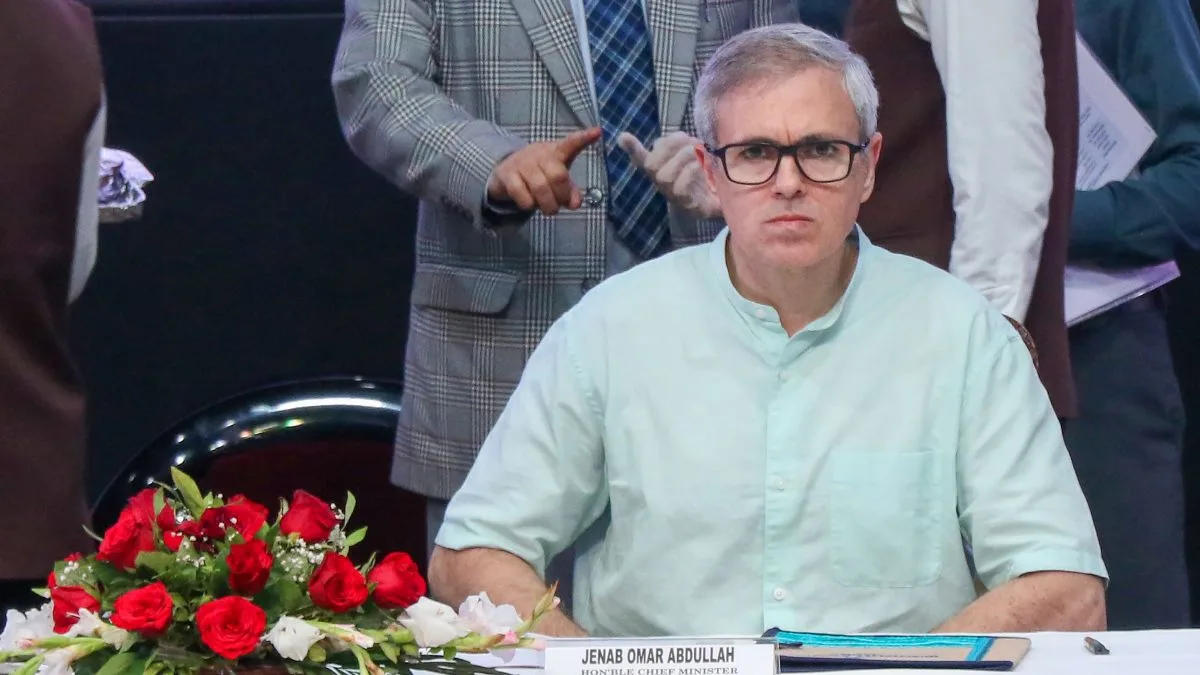
CM Omar Abdullah asks Mehbooba to apologise over Jantar Mantar remarks

Jammu and Kashmir Chief Minister Omar Abdullah said on Monday that the former CM and president of the Peoples Democratic Party (PDP), Mehbooba Mufti, should apologise for her remarks about the use of force in Jantar Mantar rather than blaming it on an AI-generated video.

Statesman News Service | Jammu |

Jammu and Kashmir Chief Minister Omar Abdullah said on Monday that the former CM and president of the Peoples Democratic Party (PDP), Mehbooba Mufti, should apologise for her remarks about the use of force in Jantar Mantar rather than blaming it on an AI-generated video.

Speaking to reporters in Srinagar, Omar accused Mehbooba of attempting to appease certain sections outside Jammu and Kashmir and refusing to acknowledge what she had said despite widespread criticism.

The controversy against Mehbooba was triggered after she visited the protests at Jantar Mantar on 23 July to extend support to the Cockroach Janata Party-led protest against alleged examination irregularities. While opposing police action against student protesters in Delhi, she appeared to defend the use of pellet guns in the valley in the past, saying it was different in Kashmir as the security forces were fighting militancy.

Omar alleged that Mehbooba’s remarks justified and even advocated the use of force in the Kashmir Valley. She should have stayed home instead of going to Jantar Mantar and justifying the use of force against Kashmiris, and that she should apologise for her remarks.

“Irresponsible” statements made by people who have been in a position of power can act as a deterrent for ordinary people to fight for their rights, Omar said.
The CM said that while militancy remains a challenge, it cannot justify arbitrary actions against ordinary people. “If there is militancy here, that does not mean there should be random arrests or that passports should be withheld”.

Hitting out at Mehbooba, Omar said, “She has not forgotten the habit of saying one thing here and another in Delhi”.

Referring to the controversy surrounding the video of Mehbooba Mufti’s speech, Omar Abdullah said she would not have lost any political stature had she admitted her mistake and apologise publicly.

“Instead of apologising, one of her MLAs claimed the video was AI-generated. Everyone saw that reel. She should have accepted that what she said was not correct”, he said. Omar further alleged that Mehbooba Mufti had rarely expressed remorse over controversial political decisions in the past.

He referred to the PDP’s alliance with the BJP in 2014 as well as other controversial remarks associated with her political career, saying she has neither apologised nor expressed regret over those episodes.

“She did not go to Jantar Mantar for Jammu and Kashmir. But she went there and justified the misuse of power and force on the pretext of fighting militancy”.
On detention of about 2500 people following the killing of a policeman in Anantnag last week, Omar said the travesty is Mehbooba justifying the use of harassment as a tool for fighting militancy.

“Our problem is that this is what Mehbooba Mufti is justifying. When responsible people ignore ground realities, such things happen. On one hand, we raise our voice against these detentions and on the other she goes to the centre of the country and justifies it”, the CM said.

The chief minister said he opposes detentions because militancy cannot be ended without the support of the people. “We might be able to control it to some extent, but we will need the support of people to cover that last mile. If we continue to bulldoze houses, arrest people and oppress people, they will not support us,” he said.