Pharmaceutical Engineering: A Growing Career Path In Healthcare Innovation
Pharmaceutical engineering is a powerful career pathway for students who want to turn scientific knowledge into medicines that make a real difference to patients’ lives.

Pharmaceutical engineering is a powerful career pathway for students who want to turn scientific knowledge into medicines that make a real difference to patients’ lives.

Medical professionals are predicting dangers of ill-health among teenagers. Metabolic disorders are one of the earliest manifestations of physical disorder.
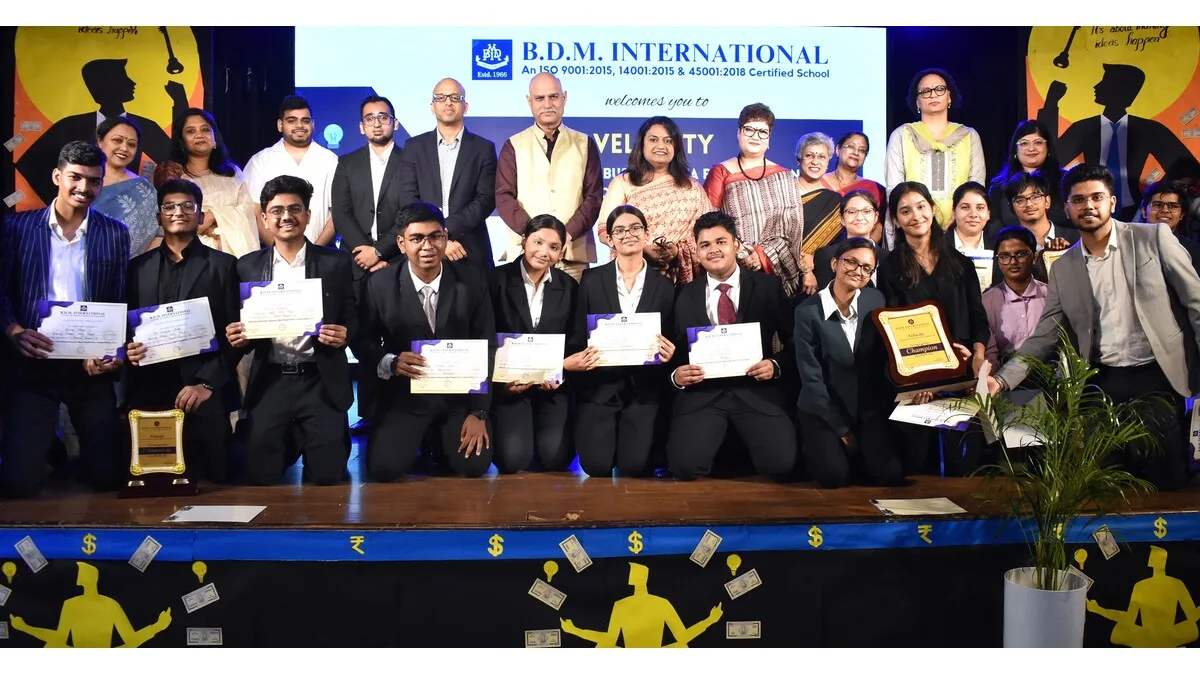
Imagine a pair of AI-powered spectacles that is designed specifically to guide the visually impaired, or a simple locket with SOS and tracking features empowering personal security in today’s world. These aren’t gadgets from a sci-fi novel; they became a reality at Velocity 2025.

What happens when two iconic worlds collide? What unfolds when a clever bookworm meets a humble dreamer and they face the same tests of heart and mind? Mahadevi Birla Shishu Vihar recently answered these questions with its cultural programme, The Mind Factory.

A free-for-all lecture was presented online via Google Meet. Samrat Bisai, professor at Ramakrishna Mission Brahmananda College of Education, Rahara, was the primary speaker and academic analyst who spoke on ‘Gamification in classroom: Navigating within and beyond’.

Universities are not simply stores of information or vocational training centres, but dynamic environments where creativity is fostered, curiosity is appreciated, and novel opportunities emerge.

As the digital revolution redefines how India learns, a vital question is emerging in homes, classrooms, and policy circles alike: Is online education empowering students or silently exhausting them?
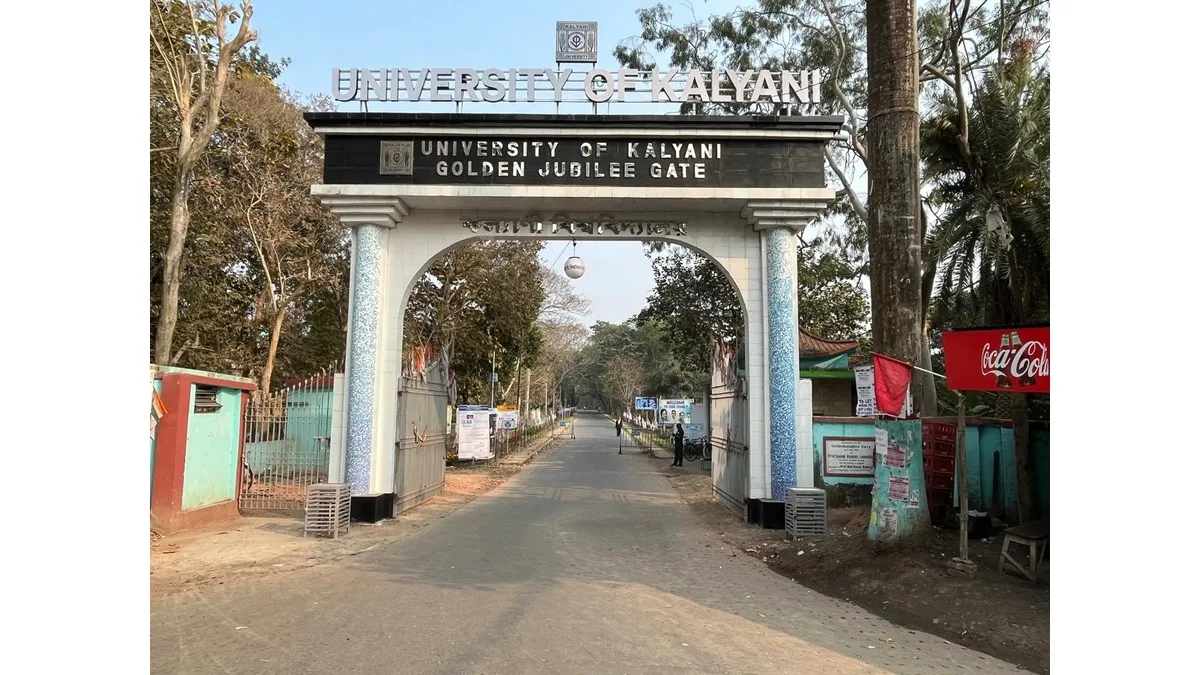
In an age where artificial intelligence writes poetry, algorithms curate our music playlists, and digital platforms remix traditional tunes for instant consumption, a quieter, more organic rhythm still beats in the heart of Bengal — the rhythm of its folk songs, tribal myths, and centuries-old oral traditions.
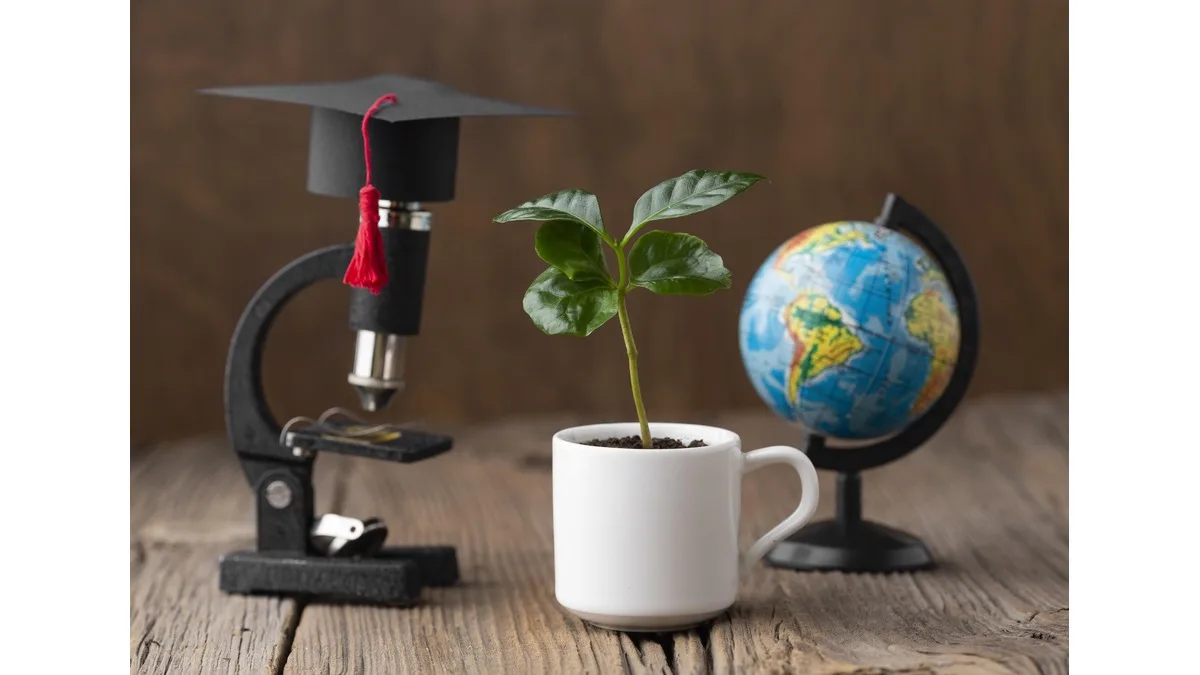
An effective Master’s programme in environmental change and international development should blend academic rigour with real-world relevance, preparing graduates to address today’s most pressing global challenges.

The emergence of generative AI and the use of advanced large language models (LLMs) have sparked a deep division concerning future white-collar occupations.