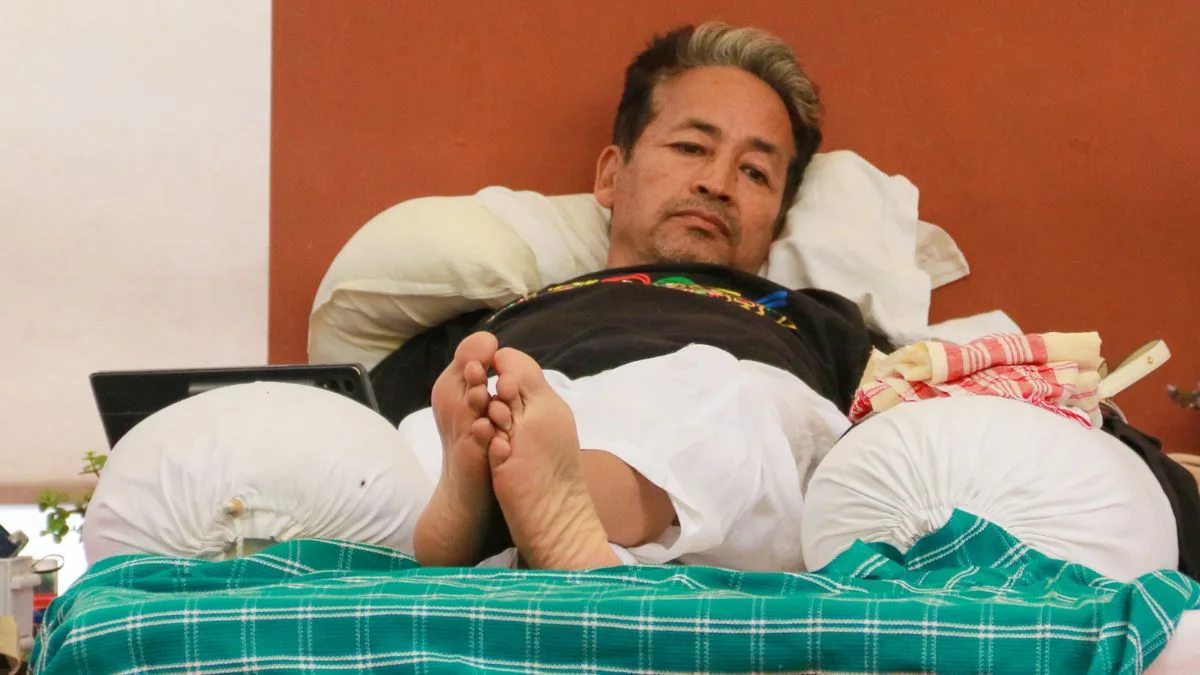
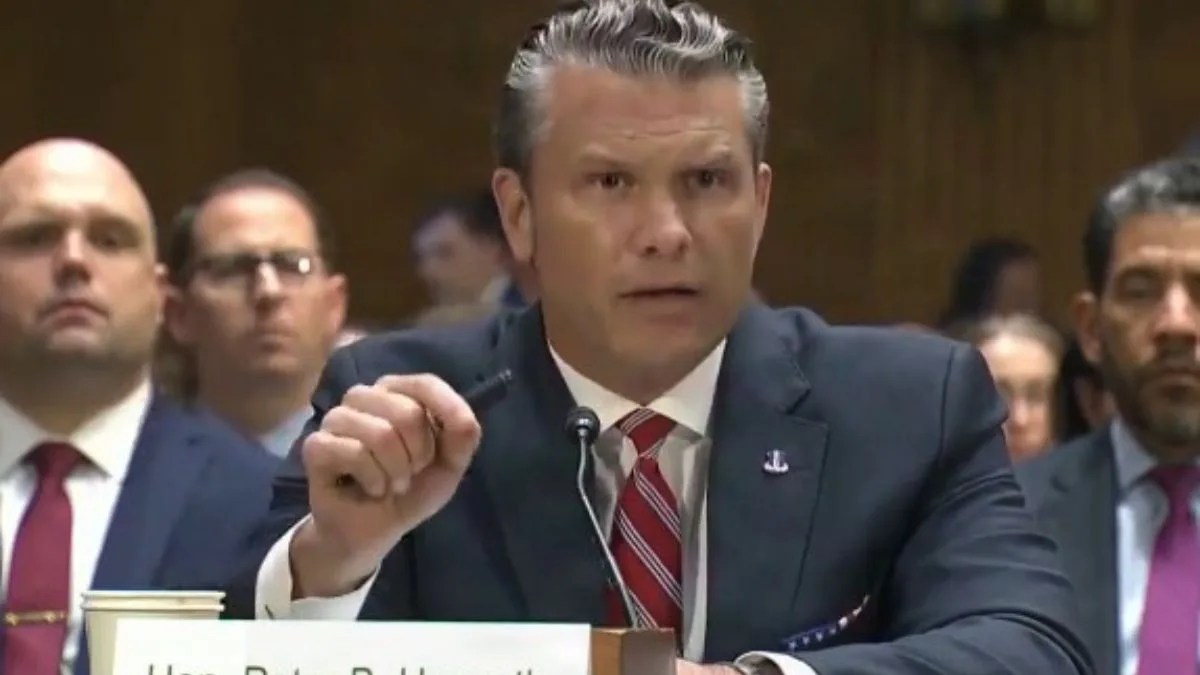
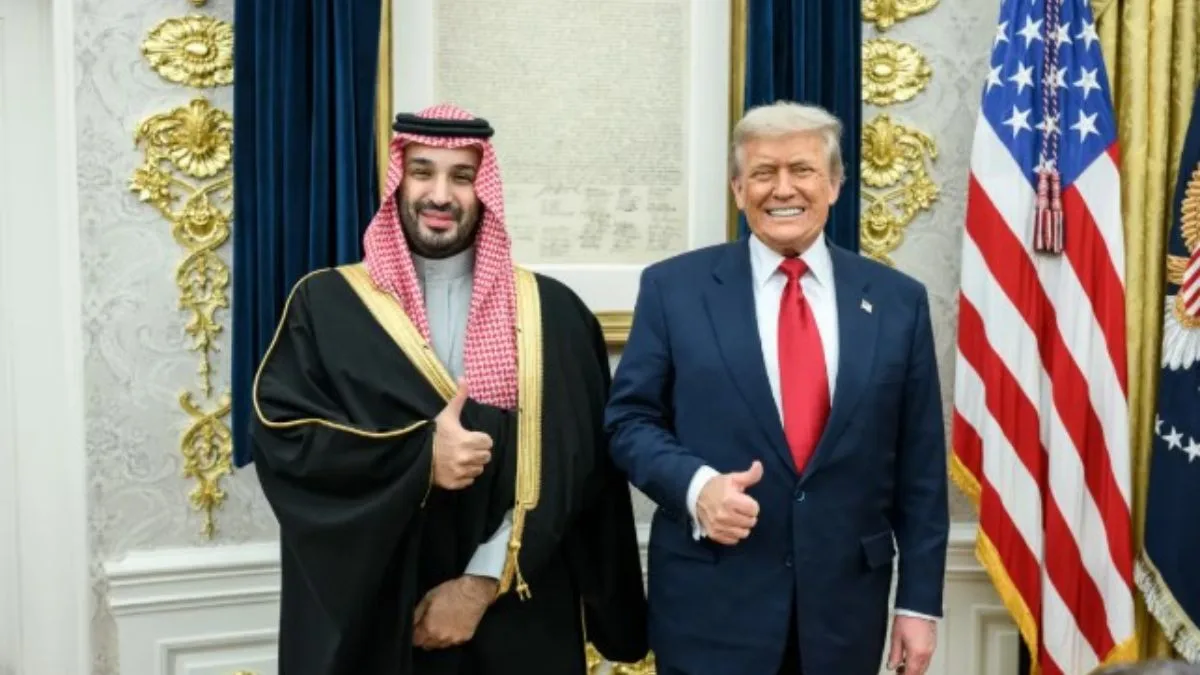
The gossip in Nepal’s tea shops, college canteens and political corridors sounds like the script of a drama. A former rapper who became Kathmandu’s mayor and now dreams of ruling Nepal as the PM. A sharp-tongued young leader who finally seized control of Nepal’s oldest party. And a battle-hardened ‘communist’ strongman, blamed for deadly protests yet still commanding fierce loyalty.
These three men Balendra Shah, Gagan Thapa and Khadga Prasad Oli are now the main faces of Nepal’s most crucial national election in years. The vote comes after last year’s youth-led uprising (Gen Z protests) that shook the political establishment, toppled the government, and exposed deep anger among young citizens over corruption, unemployment and inequality.
Advertisement
Whoever wins will become Nepal’s 16th prime minister in less than twenty years. That statistic alone tells the story of a nation still struggling to find stable political ground since the monarchy ended in 2008. But this election is not just about numbers. It is about generational rage, shifting voter psychology, new political experiments and old power networks fighting for survival.
Let’s unpack this dramatic electoral face-off in simple words and with all the twists, strengths, weaknesses and personal journeys of the three major contenders.
A nation angry, restless and ready to vote
Nepal is heading into a historic election season shaped by anger and hope in equal measure. Last year’s protests were not small street demonstrations. They were massive youth-driven movements against corruption, lack of jobs and the perception that political elites live luxurious lives while ordinary young people struggle.
Around one-fifth of Nepal’s youth are unemployed. Many migrate abroad for work. Meanwhile, children of political elites appear to enjoy privilege and influence. This gap created deep resentment.
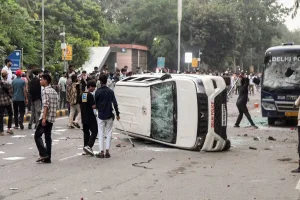
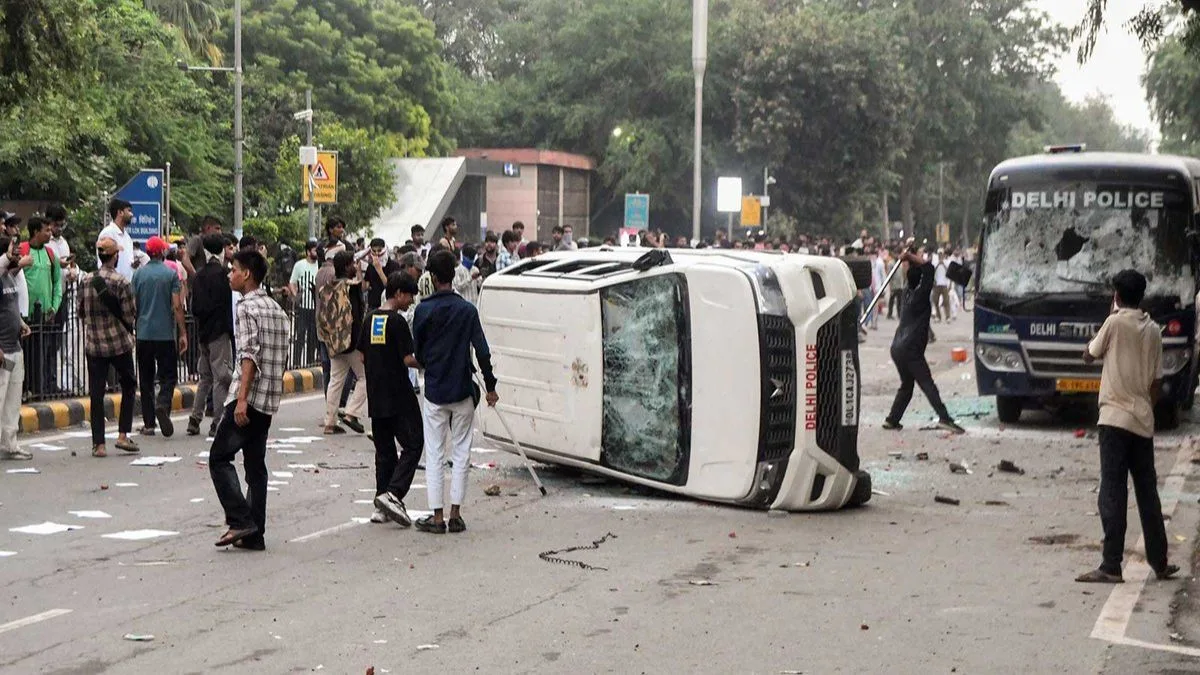
The protests turned violent. Dozens were killed and hundreds injured when demonstrators attacked government buildings and police opened fire. Public outrage forced the coalition government to resign in September. Now millions of voters are preparing to elect members of the House of Representatives. After that, the party or coalition with majority support will choose the next prime minister.
Against this explosive background, three different political personalities in Nepal are battling for PM.
The front-runner with shades: Balendra Shah
The biggest buzz is around Balendra Shah aka as Balen. He is a 35-year-old structural engineer who became famous as a rapper before shocking everyone by winning the Kathmandu mayor election in 2022 as an independent candidate.
Born in Gaurigaun in Kathmandu, he is the son of Ayurvedic doctor Ram Narayan Shah and Dhruvadevi Shah. He studied civil engineering at White House Institute of Technology and completed his master’s in structural engineering from Visvesvaraya National Institute of Technology in Karnataka, India. During his professional life, he claims to have visited 65 districts of Nepal.
His mayoral victory surprised analysts and media alike. It signalled a shift in voter psychology, showing that young voters were ready to reject traditional parties and support alternative faces.
Before politics, Shah built an image as a rapper. After becoming mayor, his popularity spread from social media to national political geography.
His mayoral tenure was not without controversy. Critics attacked him for ordering demolition of houses and properties without adequate planning or notice.
Shah’s political rise has been heavily amplified by social media buzz and celebrity endorsements. During local elections, several figures from film, music and fashion openly backed him.
In his manifesto, he proposed plans ranging from digital governance to creating an “idea bank” where citizens can propose development ideas.
He repeatedly says he is not a career politician but a “doer”. He has floated ambitious ideas such as turning Mithila into a wedding destination and expanding Kathmandu’s model of providing free education to 20,000 students in private schools across the country.
And, he speaks less but in an interactive tone. He goes to social media to drop his frustration with f-bombs.
Balendra Shah’s biggest advantage is the visible ‘Balen wave’ in favour of new politics and youth leadership. His personal brand, combined with party support, could attract voters who want to replace traditional leaders.
But there are risks too. Nepal still has many loyal voters attached to old parties. Winning only on wave politics without strong grassroots organisation could be difficult. Also, the wide margin with which his main rival had previously won shows how challenging the electoral math could become.
Interestingly, after the youth uprising, Shah even rejected an offer to become prime minister immediately, signalling that his goal is not just power but long-term change.
Seeker of redemption: Khadga Prasad Oli
Another major contender is Khadga Prasad Oli, the controversial yet powerful communist leader who headed the coalition government forced out by protests. Many blame him for the deaths during violent clashes last year. Yet he still enjoys strong support inside the Communist Party and among loyal voters.
Oli has been at the centre of national politics since rising as party leader. He is contesting from Jhapa-5 for the sixth time, after previous victories in multiple elections since 1991.
He built his ‘nationalist’ image by standing firm during the Indian blockade, publishing the new political map with disputed territories and promoting the slogan “Prosperous Nepal, Happy Nepali”. These moves helped him gain support as a development-focused and nationalist leader.
However, this election is seen as the toughest battle of his political life.
Jhapa-5 is considered Oli’s political fortress. Many voters believe development in Jhapa is synonymous with Oli’s leadership. He has brought huge budgets, road networks and infrastructure projects to the area. The Communist Party’s grassroots organisation is also very strong there.
But things have changed. Earlier, Oli benefited from alliances. In one election he had leftist coalition support; in another he enjoyed backing from a monarchist party. This time, those allies have fielded their own candidates, meaning he may lose around 15,000 to 20,000 “bonus votes” he received earlier.
His biggest challenge is the ‘Balen factor’ and the Gen-Z uprising mood. Young voters appear more attracted to new leadership than to him. If anti-incumbency votes get divided among multiple challengers, Oli could still benefit. But if youth votes consolidate behind Shah, his core support could face erosion.
There are also criticisms that despite multiple terms as prime minister, he failed to meet public expectations, dissolved parliament controversially and could not deliver stable governance. Women voters may also be influenced by the Congress party fielding a female candidate against him.
The rebel inside the old guard: Gagan Thapa
If Balen represents alternative politics and Oli represents the old communist establishment, then Gagan Thapa stands somewhere in between, a reformist voice inside Nepal’s oldest democratic party.
Thapa, 49, recently became the chief of the Nepali Congress after challenging the senior leadership. For years he was a popular face within the party but remained blocked by older leaders. Earlier this year, he rebelled, contested and secured leadership.
Born in Kathmandu, Thapa has deep roots in student politics. He became active in the party’s student wing and participated in the 1990 people’s movement. Over the years he climbed the ranks from campus student leader to central vice-president and general secretary of the student union.
His political career also includes repeated arrests during protests, including charges of treason during royal rule protests. He played a strong role in pushing the party towards republican politics.
Thapa entered parliamentary politics as a proportional representation member in 2008 and later began direct election contests from 2013 onwards. He repeatedly won from Kathmandu-4 and later served as chair of the parliamentary agriculture and water resources committee.
He has also served as health minister in 2016 under a Maoist-led government.
Now, after becoming party chief, he has changed his electoral base dramatically. Instead of contesting from Kathmandu, he is now fighting from Sarlahi-4, promising to “bring the voice of Madhes to Singha Durbar” (the central government).
His move is strategic but risky. Entering a new region means he must quickly connect with local voters and overcome accusations of being a “tourist candidate”.
Thapa’s supporters highlight several advantages. He is known as a sharp speaker who can logically and clearly address contemporary issues. His party has projected him as a future prime minister.
He also has long parliamentary experience: member of Constituent Assembly twice and House of Representatives multiple times.
Unlike previous elections where coalitions dominated, this time the Congress under Thapa has chosen to fight independently. This strategy is meant to show ideological clarity and avoid messy power-sharing deals later. But it could also weaken the party in seats where alliances previously helped them win.
In Sarlahi-4, Thapa faces competition from former Congress leader Amaresh Kumar Singh who is now contesting from another party. To win, Thapa must strongly connect with local emotions and counter the “outsider” label.
Who is the hidden kingmaker?
Across Nepal, analysts agree that the biggest deciding factor in this election will be young voters. The Gen-Z movement that shook the government has changed political calculations. Young voters are demanding accountability, jobs and transparent governance.
Shah appears to be quite their favourite because he in a way symbolises change. Thapa also has youth appeal because of his activist past and reformist speeches. Oli, on the other hand, is seen by many young people as representing the old political order, though he still enjoys loyalty among traditional supporters.
If youth turnout is high and votes consolidate behind change-oriented candidates, Nepal could witness a major political shift.
Nepal’s political story has always been dramatic; monarchy to republic, unstable coalitions, frequent prime minister changes and rising public frustration. This election feels like another turning point.
Will Kathmandu’s charismatic rapper-turned-mayor convert his popularity into national power? Will Congress rebel leader convince voters he can clean up corruption and deliver accountable governance? Or will the veteran communist strongman stage comeback despite controversy and criticism? March 5 will tell.