Logo

Delhi govt resumes wheat procurement from farmers at MSP

A prominent voice of Delhi’s rural belt Chaudhary Surender Solanki on Friday welcomed the government’s decision to resume procurement of wheat from the farmers of the national capital at Minimum Support Price (MSP), something that had not happened for a couple of years.

Statesman News Service | New Delhi |

A prominent voice of Delhi’s rural belt Chaudhary Surender Solanki on Friday welcomed the government’s decision to resume procurement of wheat from the farmers of the national capital at Minimum Support Price (MSP), something that had not happened for a couple of years.

Now, Delhi’s farmers will be able to sell their produce at the Narela FCI center and the Najafgarh grain market.
Sharing the development on social media on Friday, Delhi Chief Minister Rekha Gupta said, “Good news for Delhi’s farmers. Starting today, April 24, the government’s procurement of wheat at MSP has resumed.”

She stated that the decision would give new momentum to the honour of the food providers and a resolve to make prosperous farmers.
The move is expected to reduce the hassles of traveling for the farmers and save their time and money.

According to Solanki, the decision will bring relief to the farmers of the national capital. The Pradhan of Palam 360 Sakal Panchayat said the decision would benefit hundreds of villages and thousands of farmers across the national capital’s rural region, especially outer Delhi. However, most of them have to wait until the next season to reap the benefits.
The Delhi government under the leadership of CM Gupta has been laying emphasis on the rural belt that had faced neglect for a very long time. Basic infrastructure projects and development works are being undertaken in the rural belt as the government has prioritized support to the Gram Vikas Board for providing momentum to the works across Delhi’s villages. The aim is to not only upgrade infrastructure in Delhi’s villages but also improve connectivity, sanitation, in a bid to bridge the gap between rural and urban amenities.

Punjab Congress chief says AAP MLAs too ready to defect to BJP

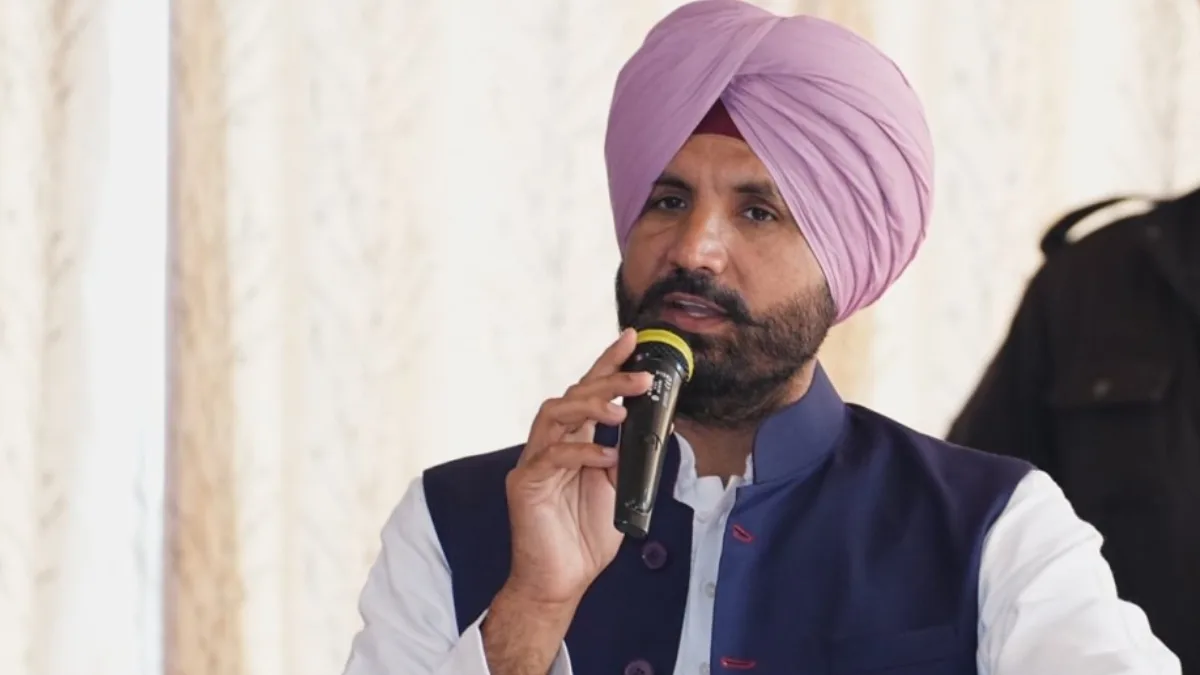
Punjab Congress president Amarinder Singh Raja Warring warned that the crisis could deepen, claiming that up to 50 AAP MLAs might also consider switching sides.

Statesman News Service | New Delhi |

The exit of several Aam Aadmi Party (AAP) Rajya Sabha MPs to the Bharatiya Janata Party (BJP) has intensified speculation about a possible ripple effect within the party’s legislative ranks. Punjab Congress president Amarinder Singh Raja Warring warned that the crisis could deepen, claiming that up to 50 AAP MLAs might also consider switching sides.

While he called this split “natural,” Warring cautioned AAP to stay alert. “Only MPs have left so far, but many MLAs could also move to the BJP,” he said while speaking to reporters. He further questioned the party’s ideological grounding, alleging that AAP no longer represents a clear political vision.


His remarks come shortly after senior AAP leaders Raghav Chadha, Sandeep Pathak, and Ashok Mittal announced a breakaway faction in the Rajya Sabha, claiming that two-thirds of the party’s upper house members had decided to merge with the BJP. The leaders cited a shift away from AAP’s founding principles and accused the leadership of prioritising personal interests.

The development follows AAP’s recent decision to remove Chadha as Deputy Leader in the Rajya Sabha, a move seen by many as a trigger for the internal rift.

While AAP has yet to issue a detailed response to Warring’s latest claims, the party now faces growing pressure amid signs of instability both in Parliament and at the state level.


India–US trade talks gain momentum as delegation concludes Washington visit

Under the proposed interim trade deal, the US has reduced tariffs on Indian goods from 50 per cent to 18 per cent.

Statesman News Service | New Delhi |

An Indian delegation has concluded its visit to the United States after holding in-person meetings to finalise details of an interim trade agreement and advance negotiations under the broader Bilateral Trade Agreement (BTA), the Ministry of Commerce & Industry said in a statement on Friday.

A 12-member Indian delegation, led by Darpan Jain, Additional Secretary in the Department of Commerce, held detailed discussions with the US side, headed by Brendan Lynch.

According to the statement, key areas discussed included market access, non-tariff measures, technical barriers to trade, customs and trade facilitation, investment promotion, economic security alignment, and digital trade.

India and the US had earlier issued a joint statement on February 7, 2026, agreeing on a framework for an interim agreement focused on reciprocal and mutually beneficial trade. The framework also reaffirmed both countries’ commitment to ongoing negotiations for a comprehensive India–US Bilateral Trade Agreement.

“The meetings were conducted in a constructive and positive spirit, with meaningful and forward-looking discussions enabling progress on key matters. Both sides agreed to remain engaged to maintain this momentum as they move forward,” the Commerce Ministry said.

Under the proposed interim trade deal, the US has reduced tariffs on Indian goods from 50 per cent to 18 per cent. India, in turn, is seeking improved access to American markets, with both countries aiming to expand bilateral trade to $500 billion by 2030.

US Trade Representative Jamieson Greer told lawmakers in Washington that negotiations were progressing, but flagged longstanding sensitivities. “India is a tough nut to crack. They have protected their agricultural markets for a very long time,” Greer told the Committee on Ways and Means of the US Congress.

In August last year, former US President Donald Trump had imposed a 25 per cent reciprocal tariff on India, along with an additional 25 per cent penal tariff linked to India’s crude oil purchases from Russia.

However, the US Supreme Court on February 20 struck down the reciprocal tariffs introduced under the International Emergency Economic Powers Act.

Fresh bomb hoax at Rajasthan Assembly; offensive email triggers high alert

No bomb, explosive material, or suspect was found during an intensive three-hour search carried out by sniffer dog squads and bomb disposal teams.

Statesman News Service | Jaipur |

A fresh bomb hoax, the second such threat within less than a fortnight, at the Rajasthan Legislative Assembly complex here on Friday kept security agencies on high alert and assembly staff stranded outside for over three hours.

No bomb, explosive material, or suspect was found during an intensive three-hour search carried out by sniffer dog squads and bomb disposal teams.

However, the contents of the email, which contained derogatory, vulgar, and offensive threats, are being scrutinised by officials of various agencies.

The email, received on the Assembly’s official email ID at around 8:16 am, claimed that two “volunteers” allegedly trained by LTTE and Pakistan’s ISI had been brought from Chennai to Jaipur. It further alleged that they would wear “electronic vests” concealed under sarees or shirts.

The message also claimed that four cyanide gas-filled bombs had been planted in the Assembly complex. According to the email, the devices were linked to GPS and would be triggered when the individuals approached them. It warned that a blast would occur at 1:00 pm and called for evacuation.

The sender further claimed that even if the bombs were neutralised, the two individuals would be carrying belt bombs filled with explosive material, which they could detonate.

In the message, the sender asserted that the intention was to cause damage to property rather than loss of life. However, it also contained highly objectionable remarks and threats targeting specific communities and women, which authorities are taking seriously.

Security agencies have launched an investigation to trace the origin of the email and assess any potential threat.

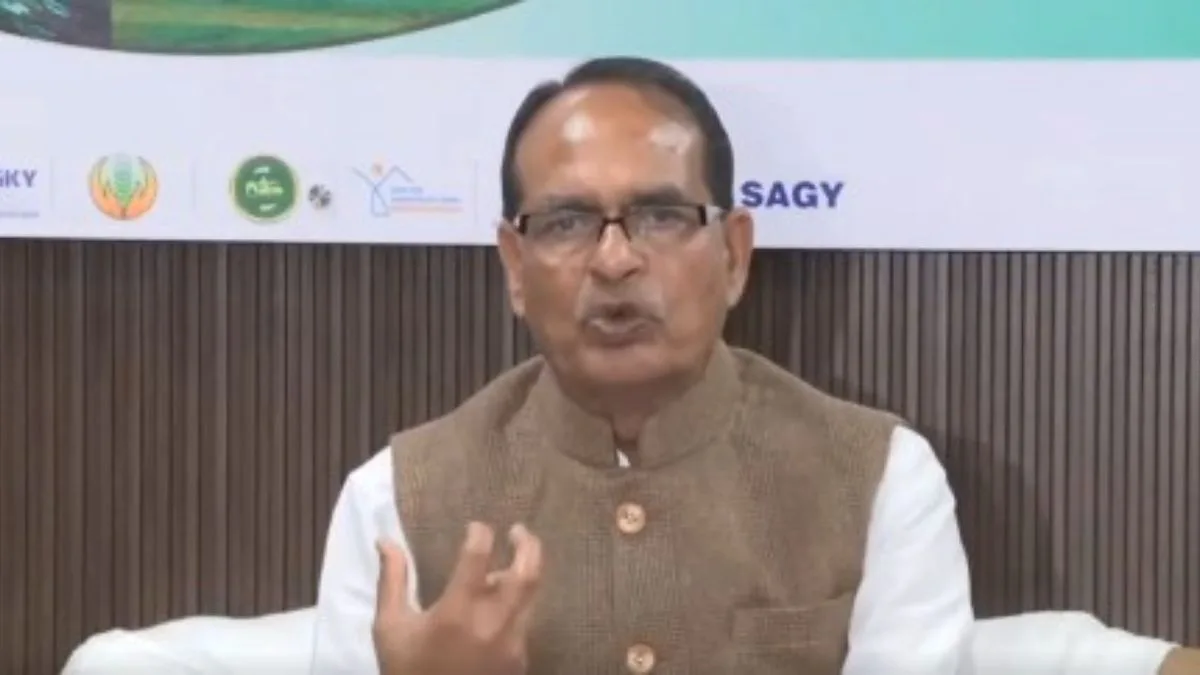
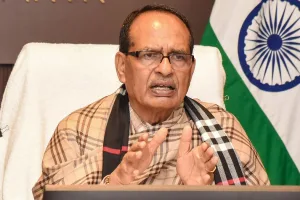
Centre, states to jointly chart roadmap for profitable, sustainable farming: Shivraj Chouhan

Addressing a press conference here on Friday, he announced that the Centre and the states will jointly develop a concrete roadmap to make farming more profitable, sustainable, and farmer-friendly.

Statesman News Service | Lucknow |

Union Minister for Agriculture, Farmers’ Welfare and Rural Development, Shivraj Singh Chouhan, has said that the path to agricultural development will no longer be determined by a uniform policy, but will instead be tailored to regional needs, climate, water availability, and local crop conditions.

Addressing a press conference here on Friday, he announced that the Centre and the states will jointly develop a concrete roadmap to make farming more profitable, sustainable, and farmer-friendly.

The Union Minister was in Lucknow to attend the day-long North Regional Agriculture Conference. He said the Central Government has positioned this conference as a platform for comprehensive regional coordination.

Chouhan noted that climate, water, soil, and crop conditions vary across the country, making a single national conference insufficient. Accordingly, the government decided to organise five regional agricultural conferences by dividing the country into five zones, with the Lucknow meet being the second in the series.

He said that while the Government of India has schemes, officials, research institutions, and strong scientific capabilities for agricultural development, agriculture remains a state subject. Therefore, effective implementation is possible only with active cooperation from state governments.

“In this conference, a comprehensive roadmap for Kharif and Rabi crops is being prepared in collaboration with the states, along with discussions on critical issues directly impacting farmers’ income, production, and markets,” he said.

The minister added that the scope of discussions will not remain limited to Kharif and Rabi crops. “Key focus areas include agricultural diversification, enhancing farm profitability, achieving self-sufficiency in pulses and oilseeds, and promoting horticulture and processing,” he said.

Highlighting recent achievements, Chouhan said India has set new records in foodgrain production and made significant progress in wheat and rice output. “India has attained a leading position in rice production, and with improved wheat output, the government has approved the export of 5 million metric tonnes of wheat,” he said.

However, he stressed that achieving self-sufficiency in pulses and oilseeds remains crucial. “Providing adequate foodgrains and nutritious food to 1.4 billion people is the government’s responsibility. Therefore, our agricultural policy is guided by three key objectives—ensuring food security, enhancing farmers’ income and livelihoods, and providing nutritious food to the public,” he said.

Chouhan outlined a six-pillar strategy for agricultural growth: increasing production, reducing costs, ensuring fair remuneration to farmers, providing compensation for losses, promoting diversification, and strengthening market linkages.

He emphasised that reliance solely on wheat- and rice-based farming will not be sustainable in the future. “Strengthening pulses, oilseeds, horticulture, fruits and vegetables, processing, and value addition is the need of the hour,” he said.

The minister also highlighted the importance of the Kisan Credit Card (KCC) scheme, noting that millions of farmers still lack access to affordable institutional credit. “A special campaign will be launched to ensure that every eligible farmer is covered under KCC,” he said.

Describing the Farmer ID initiative as a major reform in agricultural governance, Chouhan said it will integrate land records, Khasra numbers, livestock details, and other key information on a single platform. “This will eliminate the need for repeated documentation and enable faster, transparent, and targeted delivery of benefits. Farmer IDs have already been generated for millions, and states have been asked to expedite the process,” he added.

Referring to Uttar Pradesh, he said the Centre stands firmly with state governments in all situations. To support farmers affected by falling potato prices, he said permission has been granted to procure 2 million metric tonnes of potatoes under the Market Intervention Scheme (MIS).

He also announced plans to establish an International Processing Centre in Uttar Pradesh to strengthen potato production, research, processing, and storage infrastructure, thereby ensuring better price realisation and value-addition opportunities for farmers.

Responding to a query on fertiliser prices, Chouhan assured that the burden of rising global prices will not be passed on to farmers. He said that in a recent Cabinet meeting chaired by Prime Minister Narendra Modi, an additional ₹41,000 crore was approved to maintain urea prices at ₹266 per bag and DAP at ₹1,350 per bag.

“The Government of India is absorbing the impact of global inflation in fertilisers to ensure that farmers’ costs do not rise,” he said.


Tahir, who helped crush terror in Hill Kaka 23 years ago, laid to rest with full honours

The network of hideouts built by terrorists in an area of about 150 sq km, found during this operation, was among the largest ever detected in the known history of insurgency in Jammu and Kashmir.

Statesman News Service | Jammu |

A chapter of quiet heroism came to a close as the Indian Army accorded a solemn, honour-laden farewell to a local resident, Fazal Hussain Tahir, who played a key role in the success of ‘Operation Sarp Vinash’ — which broke the back of Pakistani terrorists — in his native Murrah village in Poonch district.

The network of hideouts built by terrorists in an area of about 150 sq km, found during this operation, was among the largest ever detected in the known history of insurgency in Jammu and Kashmir.

A central figure in the decisive 2003 operation to flush out terrorists in the rugged Hill Kaka–Murrah belt, the 62-year-old Tahir passed away in Uttarakhand on April 22. His mortal remains reached home late at night to a sea of mourners, as soldiers and civilians came together to pay tribute to a man whose courage helped restore peace in the region.

Eyes went wet as Tahir’s legacy returned home draped in respect. He was a member of the Village Defence Committee (VDC) who guided the Indian Army to the deep forests where Pakistani terrorists had built concrete bunkers.

The White Knight Corps of the Indian Army described him as “a valiant son of the soil who stood shoulder to shoulder with his own troops during Operation Sarp Vinash in 2003. His daring spirit, unwavering courage and strong bond with the Indian Army remain a testament to his exceptional character. His indomitable valour will forever be etched in our hearts,” the Indian Army said.

He was a symbol of courage and unity, playing a pivotal role in the successful operation that eradicated terrorism in the Hill Kaka and Murrah areas of Jammu & Kashmir in 2003. His mortal remains were transported to Murrah late at night, and the Indian Army organised his last prayers, ensuring the presence of a large crowd.

The ceremony was conducted with the highest respect and military traditions. The local community and the Indian Army paid tribute to Tahir’s sacrifice, acknowledging his extraordinary courage in the fight against terrorism.

A wreath-laying ceremony was held and a two-minute silence was observed in honour of his memory. The people of Murrah and Kulali expressed gratitude for the Army’s support, as the region mourns the loss of a true hero.

Operation Sarp Vinash (Snake Destroyer) was an operation undertaken by the Indian Army to flush out terrorists who made concrete bases in the Hill-Kaka Poonch-Surankot area of the Pir Panjal range during April–May 2003. As many as 64 terrorists belonging to various jihadist outfits were killed in the operation.

Over several years, terrorists of groups like Lashkar-e-Taiba (LeT), Harkat-ul-Jihad-e-Islami, Al-Badr and Jaish-e-Mohammad (JeM) had been building up safe houses and bunkers in strategic areas of the region of Pir Panjal in Poonch, measuring 150 sq km.

The network of bunkers and shelters around the Hill Kaka region in Surankote numbered over a hundred and were intermingled with shelters used by local herdsmen. An extensive communications system using portable satellite phones was also found, which allowed the terrorists to contact handlers in Pakistan.

Samrat wins trust vote in Bihar; unveils governance priorities, sharpens focus on ‘Triple C’

One seat is vacant following the resignation of BJP national president Nitin Nabin, the MLA from Bankipur, after his election to the Rajya Sabha.

IMRAN MOJIB | Patna |

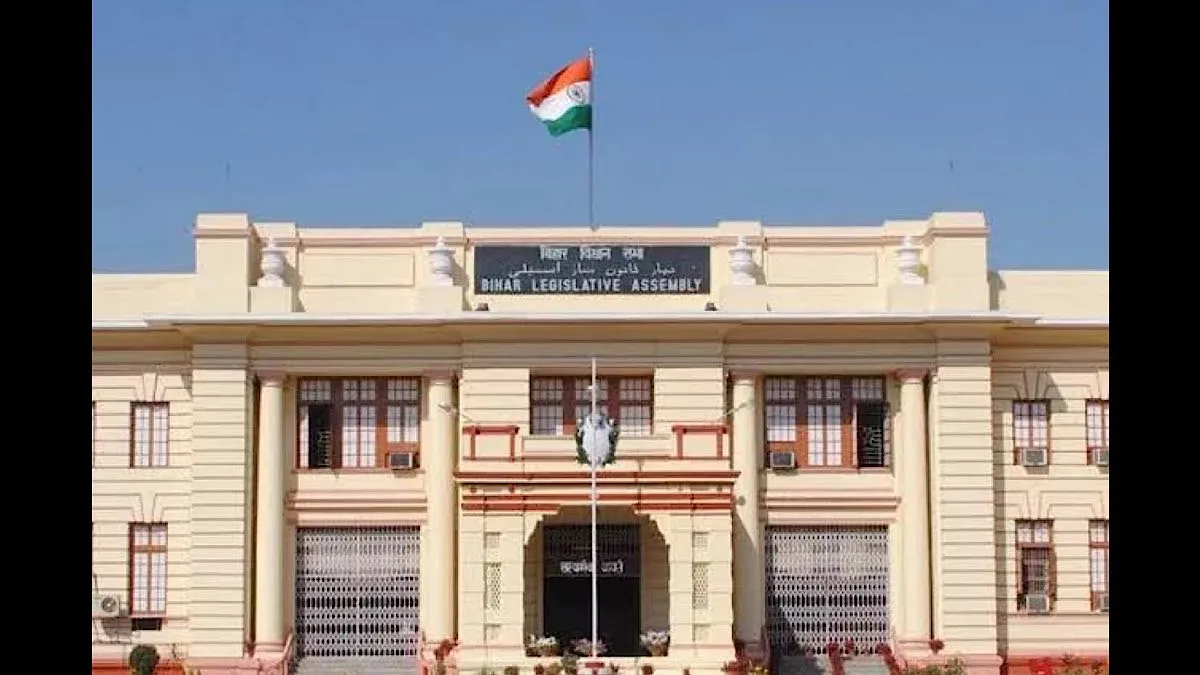
In a special session of the Bihar Legislative Assembly on Friday, the Chief Minister Samrat Choudhary government proved its majority, with the confidence motion being passed by voice vote in the 243-member House, where the BJP-led NDA enjoys strength of 201.

One seat is vacant following the resignation of BJP national president Nitin Nabin, the MLA from Bankipur, after his election to the Rajya Sabha.

Leaders of all NDA constituents rose one by one in the House to declare their support for the government.

Outlining his government’s vision, Choudhary said that, like the previous NDA dispensation, his administration would not compromise on the ‘Triple C’ — crime, corruption, and communalism.

Choudhary said the Chief Minister’s Office (CMO) would directly monitor the functioning of police stations, block development offices and circle offices to strengthen administration at the grassroots level. This, he said, would ensure better access to government schemes for rural residents and reduce harassment at police stations.

The Chief Minister also announced that in cases of death due to road accidents, the victim’s family would receive Rs 8 lakh — Rs 4 lakh from the insurance company and Rs 4 lakh from the state government. The decision, he said, was taken in response to demands raised by MLAs.

On education, Choudhary said the government would work towards creating a system in which even the children of officers and ministers opt to study in government schools. He noted that during Nitish Kumar’s tenure, nearly five lakh teachers were recruited, and said this effort would be further strengthened.

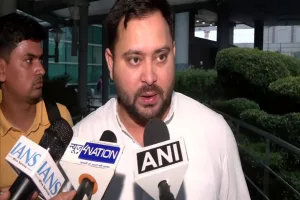
Earlier, Leader of the Opposition Tejashwi Yadav criticised the government, saying its leaders came from varied political backgrounds. “Samrat Choudhary comes from Lalu Yadav’s school, Vijay Choudhary from Congress, and Bijendra Yadav from Janata Dal. None of them come from the BJP’s school,” he said.
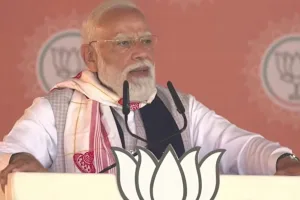
Tejashwi also claimed that questions were being raised across the country about the Chief Minister’s age and educational qualifications, alleging that Choudhary was elevated to the post under political pressure.

Responding sharply, Choudhary said power was not inherited and that he had become Chief Minister with the support of NDA leaders and the people of Bihar. He first became a minister in 1999 and has held ministerial office six times before assuming the top post, adding that his political journey spans 27 years.

He maintained that his qualifications and documents are fully transparent.

Further, Choudhary said he entered politics in response to injustices during Lalu Yadav’s tenure, adding that his political journey began with a struggle against injustice and opposition to what he described as misgovernance under the RJD.

2 tiger cubs die in 3 days at Kanha Tiger Reserve

Two tiger cubs died within a span of three days in the world-famous Kanha Tiger Reserve (KTR) in Madhya Pradesh, taking the toll in the state to 22 since the beginning of the year.

Statesman News Service | Bhopal |

Two tiger cubs died within a span of three days in the world-famous Kanha Tiger Reserve (KTR) in Madhya Pradesh, taking the toll in the state to 22 since the beginning of the year.

A tiger cub was found dead in the reserve’s core area on Thursday evening, while its sibling was found dead three days ago.

According to KTR Deputy Director Amita B, the cub found dead on Thursday was around one-and-a-half years old. Its carcass was found in the Sargi region of the reserve.

The official said a post-mortem was conducted on Friday, and the report is awaited to ascertain the exact cause of death.

She said a tigress had delivered four cubs, of which two have died. “We are closely monitoring the tigress and the remaining two cubs”, she added.

According to data from the National Tiger Conservation Authority, Madhya Pradesh has recorded 22 tiger deaths, including cubs, so far this year.

The first death was reported on January 7 in the Bandhavgarh Tiger Reserve.

Raj govt hikes DA by 2% for state employees from Jan 1, 2026

The Rajasthan government has increased the dearness allowance (DA) for state employees by 2 per cent with retrospective effect from January 1, 2026.

Statesman News Service | Jaipur |

The Rajasthan government has increased the dearness allowance (DA) for state employees by 2 per cent with retrospective effect from January 1, 2026.

The requisite approval and order effecting the hike were issued on Thursday evening on the directive of Chief Minister Bhajanlal Sharma, an official spokesperson said.

With this, the state government employees will receive dearness allowance at 60 per cent of their basic salary, up from 58 per cent. A similar 2 per cent hike has also been effected in dearness relief for state government pensioners.

Arrears arising from the DA hike for the first 4 months—January to April 2026—will be credited to employees’ GPF accounts. The revised DA will be paid in cash from June 2026 (for the salary of May) onwards.

However, pensioners will receive cash payments with effect from January 2026.

The hike will benefit around 7.02 lakh employees, including those from Panchayat Samitis and Zila Parishads, as well as 5.44 lakh pensioners.

The move will impose an additional financial burden of Rs 1,156 crore per annum on the state exchequer, the spokesperson added.

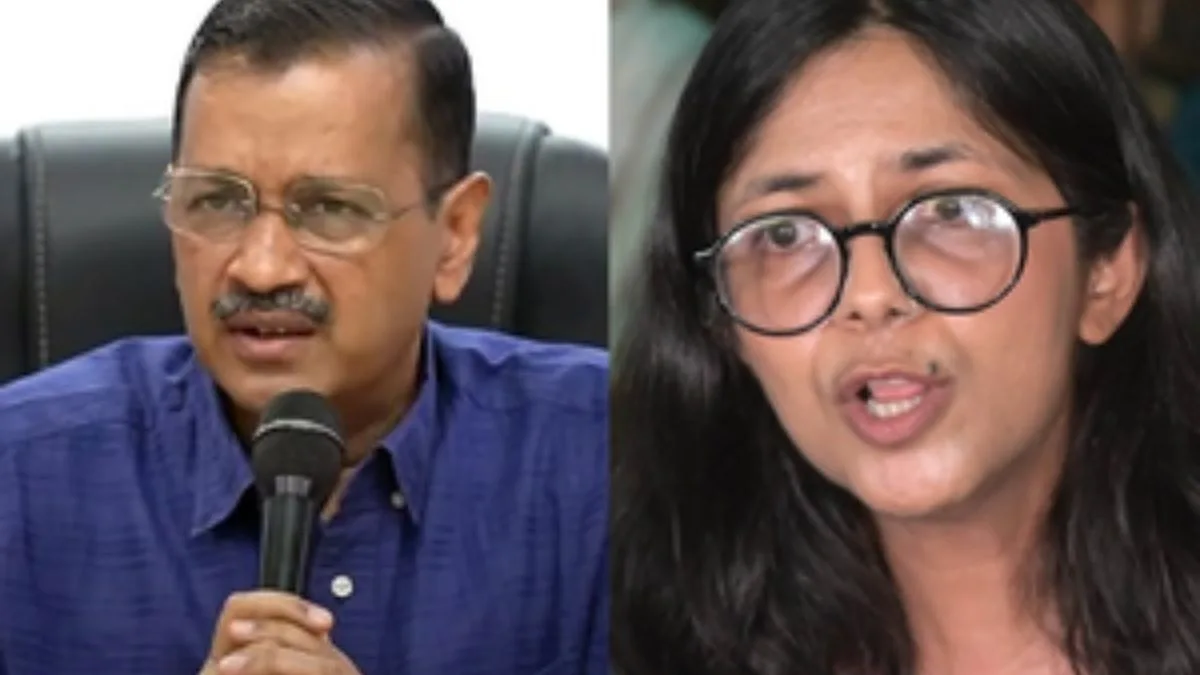
‘Was beaten at Kejriwal’s residence on his signal’: Swati Maliwal calls AAP a party of ‘thuggish’, ‘anti-women’, ‘corrupt’ elements

Maliwal accused the party leadership of shielding wrongdoing, issuing threats against her, and allowing corruption and misconduct to grow unchecked. She also alleged instances of harassment and assault against women within the party, alongside betrayal and financial irregularities in Punjab.

Statesman News Service | New Delhi |

Amid fresh political ripples following Raghav Chadha’s recent merger with the BJP, Rajya Sabha MP Swati Maliwal also announced her decision to quit the Aam Aadmi Party (AAP), accusing Arvind Kejriwal of leading a party that harbours “thuggish”, “anti-women” and “corrupt” elements. She alleged that she was assaulted at the Chief Minister’s residence on his instructions. The allegations once again underline a deepening internal crisis within the party ahead of key political developments.

Maliwal said she had been “brutally beaten” and subjected to indecent treatment at Kejriwal’s residence. She alleged that the attack took place “on his signal” and claimed that those responsible were not only protected but also rewarded with influential positions. She said, “To protect his goon, he went to extreme lengths and rewarded him with high positions. Threats were made to ruin me, and every possible effort was made against me.”


Tracing her political journey, Maliwal said she left her job in 2006 to join public service, working through the RTI movement, the Anna movement, and later as part of the formation of AAP. She also cited her eight-year tenure with the Delhi Commission for Women, stating she had served with “complete honesty and devotion.”

However, she alleged that the party had strayed far from its founding principles. “The values and commitment to honest politics with which we began have been abandoned,” she said, directly holding Kejriwal responsible for the shift.

Maliwal further accused the party leadership of shielding wrongdoing, issuing threats against her, and allowing corruption and misconduct to grow unchecked. She also alleged instances of harassment and assault against women within the party, alongside betrayal and financial irregularities in Punjab.

The Rajya Sabha MP said she was in Itanagar for a parliamentary committee meeting when the incident occurred and would speak in greater detail after returning to Delhi later in the day.

Wealthtech startup PrimeInvestor raises Rs 19.5 crore from Rainmatter Capital

Wealthtech platform PrimeInvestor has raised Rs 19.5 crore ($2.1 million) in a seed funding round led by Rainmatter Capital, the investment arm of Zerodha, as it looks to expand its portfolio management services (PMS) and broaden its product suite.

Statesman News Service | New Delhi |

Wealthtech platform PrimeInvestor has raised Rs 19.5 crore ($2.1 million) in a seed funding round led by Rainmatter Capital, the investment arm of Zerodha, as it looks to expand its portfolio management services (PMS) and broaden its product suite.

The fresh capital will be deployed to scale PrimeInvestor’s recently launched PMS business, which currently spans mutual fund-only strategies, hybrid portfolios combining mutual funds and equities, and pure equity mandates. These offerings are structured around investor risk profiles and time horizons, and follow a fixed-fee, zero-commission model.

Founded in 2019 by former FundsIndia executives Srikanth Meenakshi, Vidya Bala and Bhavana Acharya, the company operates a subscription-driven model offering financial research and investment advisory services tailored for retail investors.

Further, the company plans to widen access to its platform by making select tools such as stock recommendations, mutual fund reviews, and portfolio review services available free of cost to users, signalling a shift toward a freemium model to deepen retail engagement.

Rainmatter has also facilitated PrimeInvestor’s integration with its broader portfolio ecosystem to enable smoother onboarding of non-resident Indian (NRI) investors—a segment often constrained by regulatory and operational complexities.

This move is expected to help PrimeInvestor tap into a growing pool of overseas Indian capital seeking structured investment avenues in domestic markets.

The investment came amid a broader structural shift in India’s wealthtech landscape. The first wave of the retail investing boom was driven by access, led by platforms such as Zerodha, Groww, and Upstox, which democratised stock market participation and significantly lowered trading costs.

Between 2018 and 2023, this wave brought millions of first-time investors into equities markets, largely driven by ease of access and low-cost trading. However, industry participants now see the next phase of growth being driven by advisory-led investing, portfolio construction, and long-term wealth creation.

PrimeInvestor believes this “second wave” will translate into higher assets under management (AUM) for PMS and advisory platforms, as retail investors mature and seek more curated, research-backed investment strategies.

With increasing investor sophistication and regulatory push toward transparency in distribution models, fixed-fee advisory platforms such as PrimeInvestor are expected to gain traction. The latest funding underscores growing investor confidence in wealthtech models that move beyond execution to advice and portfolio management.

Mamata Banerjee castigates PM over remarks on Jadavpur University students

West Bengal Chief Minister and Trinamool Congress (TMC) chief Mamata Banerjee on Friday sharply criticised Prime Minister Narendra Modi for his reported remarks on students of Jadavpur University, accusing him of undermining a premier institution and disrespecting meritorious youth.

Statesman News Service | New Delhi |

West Bengal Chief Minister and Trinamool Congress (TMC) chief Mamata Banerjee on Friday sharply criticised Prime Minister Narendra Modi for his reported remarks on students of Jadavpur University, accusing him of undermining a premier institution and disrespecting meritorious youth.

In a strongly-worded message posted on her WhatsApp channel, Banerjee questioned the Prime Minister’s “decorum and courtesy”, expressing anguish over what she described as disparaging comments about students of the university. “Pained to ask: is this the way how you describe the meritorious students of the esteemed Jadavpur University?” she wrote, adding, “You descend to insult that centre of excellence? You stoop so low?”

Earlier in the day, the Prime Minister claimed that “anti-national slogans” were being written on the campus of Jadavpur University, accusing the West Bengal government of “failing” to defend the biggest university in the state. Speaking at an election rally in Jadavpur, Modi emphasized that the campus was once regarded as “the foundation of nationalism” and asserted that persistent “threats” are being made within it, forcing students to protest.

Highlighting the institution’s academic standing, Banerjee noted that Jadavpur University has consistently secured top rankings under the Centre’s National Institutional Ranking Framework (NIRF). She defended the student community, saying their ability to question and engage critically is a hallmark of education, not disorder. “The students of Jadavpur University have earned their place through merit… that is not anarchy. That is education and that is excellence,” she said.

Drawing a sharp distinction between dissent and disorder, the Chief Minister asserted that student protests are intrinsic to a functioning democracy. “Students protesting do not constitute a breakdown of democracy—it is democracy in motion,” she said.

In a broader political attack, Banerjee listed what she termed as “real anarchy,” alleging misuse of state power and lack of accountability. “Anarchy is using bulldozers as instruments of power instead of justice… anarchy is when farmers die and their voices are crushed… anarchy is refusing to face the press, refusing accountability, refusing questions,” she said, also referring to the ongoing situation in Manipur and accusing the Prime Minister of prioritising elections over pressing national concerns.

Appealing for respect towards educational institutions, Banerjee invoked the legacy of early nationalists such as Sri Aurobindo, urging the Prime Minister not to “defame” Jadavpur University or Bengal. “Please do not defame the educational institution… Please do not defame Bengal,” she said.

The remarks came amid heightened political exchanges between the TMC and the Bharatiya Janata Party (BJP), with student protests and campus politics increasingly emerging as flashpoints in the ongoing national discourse. There was no immediate response from the Prime Minister’s Office to Banerjee’s statement.

Disabled Dalit groom assaulted for riding horse

The police have so far arrested four persons in connection with the incident.

Statesman News Service | Bhopal |

In a shocking incident, a disabled Dalit groom riding on a horse during his wedding was forcibly pulled off the horse, abused with racial slurs and thrashed by some the upper caste men in a village in the Damoh district of Madhya Pradesh.

The police have so far arrested four persons in connection with the incident.

According to Damoh SP Shrutkirti Somvanshi, all the four arrested persons have been booked under the SC/ST Act and were produced in a court on Friday afternoon, from where they were sent to jail.

The SP said that the police have also written to the Damoh Collector to take stringent action against the accused under the National Security ACT (NSA).

The incident occurred two days ago in village Bijori Pathak when the disabled Dalit groom, Golu Ahirwar, was riding a horse during his wedding ceremony.

He was manhandled and hurled with casteist abuses before being beaten up. Some of his family members, including women and elderly, were also assaulted.

Opposition intensifies pressure to oust CEC Gyanesh Kumar with fresh move

A group of 73 Opposition members in the Rajya Sabha has submitted a fresh notice of motion seeking the removal of Chief Election Commissioner Gyanesh Kumar, alleging “proven misbehaviour” and accusing him of undermining constitutional principles.

Statesman News Service | New Delhi |

A group of 73 Opposition members in the Rajya Sabha has submitted a fresh notice of motion seeking the removal of Chief Election Commissioner Gyanesh Kumar, alleging “proven misbehaviour” and accusing him of undermining constitutional principles.

In a statement issued on Friday, Congress leader Jairam Ramesh said the notice had been submitted to the Secretary General of the Upper House, urging that an address be presented to the President of India for the CEC’s removal. The motion cites Article 324(5) of the Constitution, read with Article 124(4), along with Section 11(2) of the Chief Election Commissioner and Other Election Commissioners (Appointment, Conditions of Service and Term of Office) Act, 2023, and the Judges (Inquiry) Act, 1968.

Ramesh said the notice details nine specific charges against the Chief Election Commissioner based on “acts and omissions committed on and after March 15, 2026.” He maintained that the allegations have been “documented in great detail” and “cannot be denied or whitewashed away.”

“The continuation of the Chief Election Commissioner in office is an assault on the Constitution,” Ramesh said, adding, “it is an absolute disgrace that the man continues to be in office to do the bidding of the Prime Minister and the Home Minister.”

The move signals a sharp escalation in the ongoing confrontation between the Opposition and the government over the functioning of the Election Commission of India, the constitutional body responsible for conducting free and fair elections. The process for removing a Chief Election Commissioner mirrors that of a Supreme Court judge, requiring a parliamentary procedure on grounds of proven misbehaviour or incapacity.

There has been no immediate response from the government or the Election Commission to the latest initiative of the Opposition. The development comes amid heightened political activity and growing scrutiny of electoral processes, with Opposition parties repeatedly voicing concerns over the independence of key institutions in recent months.

‘Sampark Abhiyan’ helping Punjab Police educate youth against gang recruitment tactics

The regular interactions at district, village, and city levels have helped the state police hold an open dialogue with Punjab’s youth and helped them understand how gangs target the younger generation.

Statesman News Service | Chandigarh |

The Punjab Police launched ‘Sampark Abhiyan’ involving personnel interacting with residents of the state to listen to and solve their grievances, promoting community policing, and tackling the drug menace, which is turning out to be an open dialogue platform for educating the state’s youth about the ‘Dark World’ of gangs and gangsters.

The regular interactions at district, village, and city levels have helped the state police hold an open dialogue with Punjab’s youth and helped them understand how gangs target the younger generation.

With the inputs gathered during the Punjab Government-backed ‘Gangstran Te Vaar’ operation, the police has found that gangsters lure youngsters with false hopes of earning quick money, material comforts, or promises of settling abroad for committing crimes—a crystal lie which many do not see at first.

Director General of Police (DGP) Punjab Gaurav Yadav said that these sessions are giving youngsters a clearer picture of those risks—something that is resonating strongly on the ground.

“Young minds have the potential to build their future and contribute to the state. But we have seen how easily they can be misled. The people who actually run these networks often stay far removed, while the ones they recruit face the consequences. It’s important that youngsters recognise these traps early,” said the DGP.

For many students, these conversations are leaving a lasting impression.

Kanwaljeet Kaur, who attended a recent session, described it as an eye-opener. “It made us realise how gangs take advantage of vulnerable youth. In the end, it is the person involved who risks everything. Such sessions should continue, and even we, as students, can help spread awareness,” she said.

Launched last year, the initiative has made it easier for residents from villages, towns, and cities to connect with the police, share concerns, and feel heard. Over time, this direct engagement is also building a sense of shared responsibility in keeping communities safe.

The outreach has complemented the ongoing ‘Gangstran Te Vaar’ campaign, with inputs from residents helping the police better understand local challenges. Senior officers, along with field personnel, have been engaging with students, village heads, and families, discussing not just crime, but its deeper impact—on individuals and on society.

As these sessions reach more remote areas, there is a visible shift in how people are responding. Many are stepping forward, appreciating the effort and acknowledging the importance of staying vigilant against such influences.

Since January this year, more than 2,800 sessions have been conducted across 28 districts, drawing participation from people across age groups. The response has encouraged the police to further expand these efforts.

Officials maintain that the initiative is not just about enforcement, but about building trust and encouraging people to speak up without fear. With continued public participation and awareness, the effort is gradually moving towards its larger goal, a safer and more secure Punjab.

Recently, Mansa police organised a meeting with students and staff of Guru Nanak College, Budhlada (Mansa). The meeting was attended by nearly 1,500 persons and was addressed by Harjeet Singh, IPS, DIG Range Bathinda.

Another awareness seminar was conducted at the Senior Secondary School of Village Karni Khera (Fazilka), which was attended by students, teachers, Sarpanches, and local villagers. “Being a border district, youth were specifically sensitised that they may be targeted and contacted by drug smugglers and gangsters. They were advised to remain vigilant and not get influenced by lures such as easy money, glamour, or false promises of fame,” said SSP Fazilka Gurmeet Singh.

The participants were also made aware of the Anti-Gangster helpline number 93946-93946. They were further informed that the Punjab Government has a reward policy in place to encourage informants, assuring incentives and confidentiality for those who share credible information about gangsters and criminal activities.

Major reshuffle in Trade & Taxes Dept by Delhi CM to ensure zero corruption

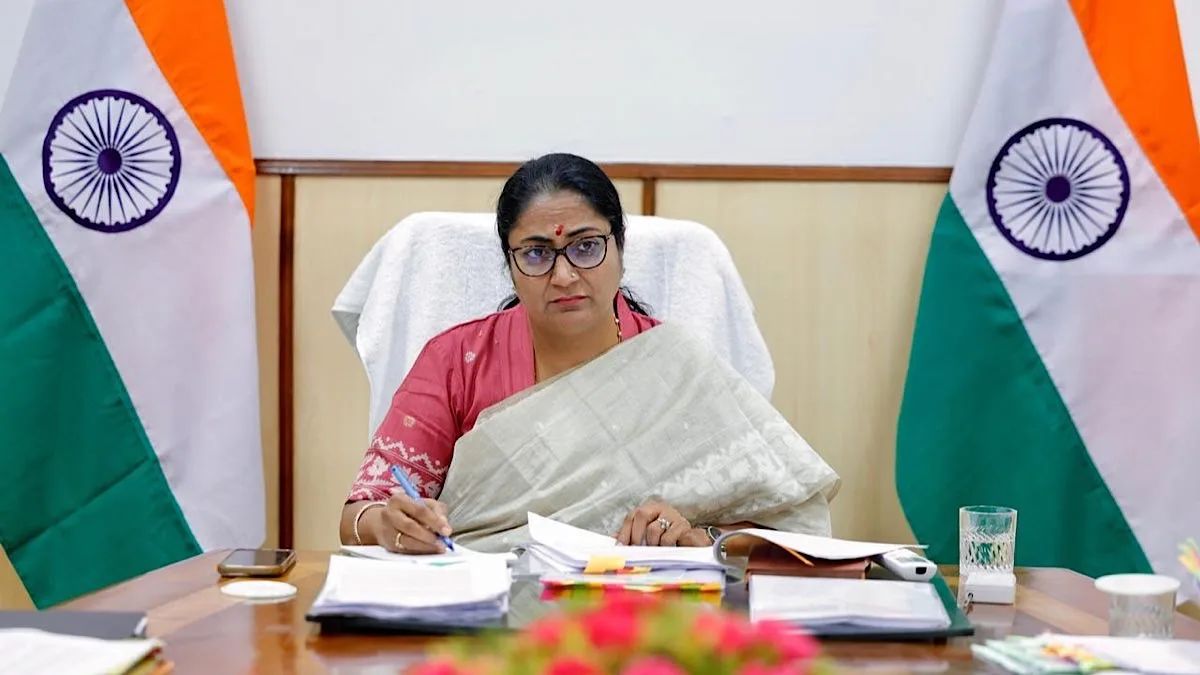
Delhi Chief Minister Rekha Gupta effected a major administrative reshuffle in the Trade & Taxes (GST) Department, sending out a clear message about her government’s zero-tolerance policy towards corruption and irregularities.

Statesman News Service | New Delhi |

Delhi Chief Minister Rekha Gupta has effected a major administrative reshuffle with the transfer of 162 officers and employees in the Trade & Taxes (GST) Department as part of her government’s zero-tolerance policy towards corruption and irregularities which.

The action followed a surprise inspection of the State GST office at the ITO that was conducted by the CM on April 8 when she flagged serious lapses and the absence of several officials.

Acting directly on the CM’s instructions, the department has transferred a total of 162 officers and employees, including three Assistant Commissioners.

Notably, those transferred on the CM’s directive were the ones who had been posted at the same place since a very long time.

The officials and employees included 58 Grade- I Section Officers, 22 Grade- II Assistant Section Officers, 74 Grade- III Senior Assistants and 5 Grade- IV Junior Assistants.

Gupta has made it very clear that ensuring transparency and accountability in administration is the government’s top priority, and there is no place for any kind of irregularity or corruption.

During the inspection, CM Gupta had made it clear that discipline would be enforced uniformly across all levels from Commissioners and Special Commissioners to the lowest ranks.

She mandated biometric attendance for all officials and directed that show-cause notices be issued to those found absent.

Gupta had also warned that any disruption in public services would result in direct accountability being fixed on the concerned officer

The Chief Minister has been conducting unannounced inspections in different departments and government offices as well as on-ground checks to ensure prompt public service delivery, while works are being done keeping quality and timely delivery intact.

She said such surprise checks will continue and strict action will be taken against those found neglecting their duties which affects public interest.

Banks must adopt proactive strategy to counter AI-driven cyber threats: Sitharaman

Union Finance Minister Nirmala Sitharaman has said that Indian banks must adopt a more versatile and proactive approach to counter emerging artificial intelligence-driven cyber threats.

Statesman News Service | New Delhi |

Union Finance Minister Nirmala Sitharaman has said that Indian banks must adopt a more versatile and proactive approach to counter emerging artificial intelligence-driven cyber threats.

“Indian banks have largely remained free of any major cyber security incidents over the decades due to sustained digitisation, regular system upgrades, firewalls, and customer safety measures. This has been an ongoing exercise, and Indian banks have performed well, with no major incidents reported over the years,” she said.

However, she cautioned that the challenge posed by advanced AI is different and less understood.
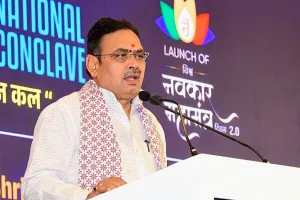
“Digitisation is driving greater access and financial inclusion, especially in far-flung areas. But as banking becomes more technology-driven, we must ensure we do not lose touch with customers. The human element remains essential. True inclusion is achieved when digital efficiency and human engagement go hand in hand,” the Finance Minister added.
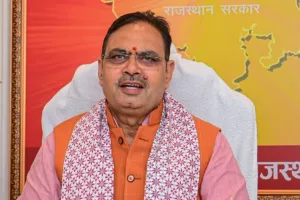
Sitharaman was speaking at the launch of a new State Bank of India office in Pune.

On the occasion, she said, “SBI is moving closer to its customers across Maharashtra by shifting key decision-making functions from Mumbai to Pune. This step reflects SBI’s commitment to being more responsive and aligned with the needs of a fast-growing economy, supporting the vision of Viksit Bharat by 2047.”

She further urged banks to onboard the best available cybersecurity professionals and specialised agencies to strengthen their defensive and monitoring capabilities, and to immediately report any suspicious activity to CERT-In and other authorities.

On Thursday, Sitharaman also chaired a high-level meeting with key stakeholders from the banking and technology sectors to assess potential risks posed by advanced AI models, particularly their ability to exploit software vulnerabilities in the financial ecosystem.

The meeting was held in coordination with Union Minister for Electronics and Information Technology Ashwini Vaishnaw. It was attended by senior officials from the Reserve Bank of India (RBI), National Payments Corporation of India (NPCI), Department of Financial Services (DFS), and the Indian Computer Emergency Response Team (CERT-In), along with Managing Directors and CEOs of major scheduled commercial banks.