CM assures settlement of DA arrears
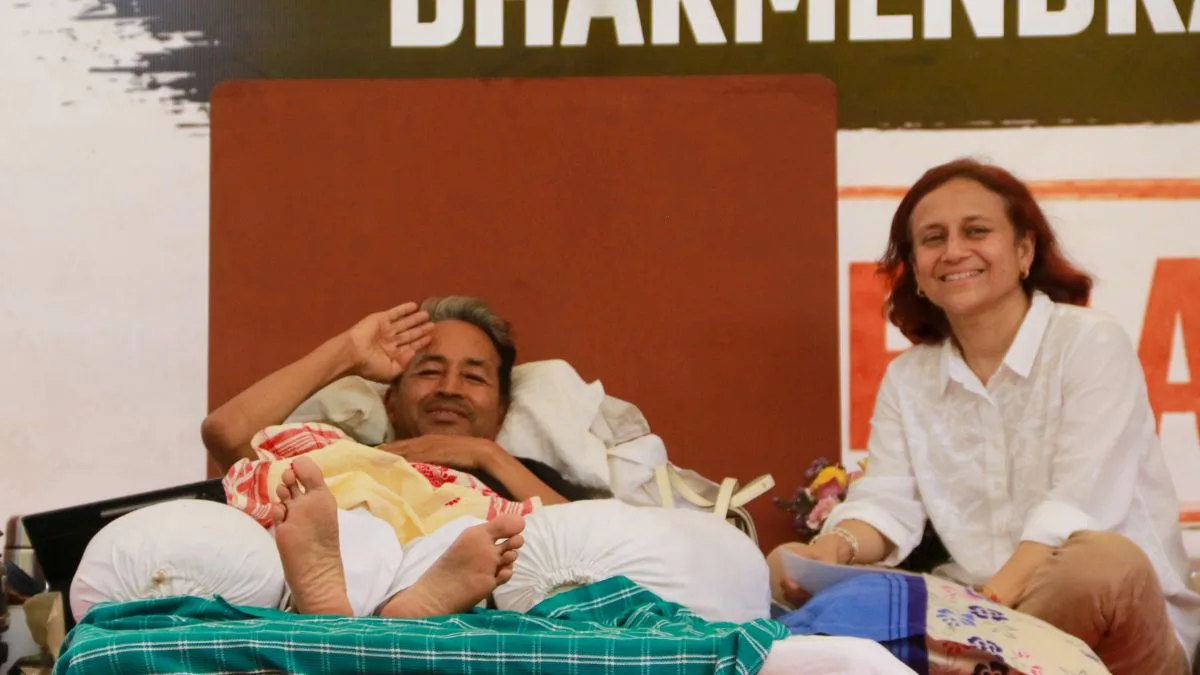
The assurance came during a one-hour-and-forty-minute meeting at Nabanna with representatives of various government employees' bodies, including the Sangrami Joutha Mancha.
The Rajasthan government has increased the dearness allowance (DA) for state employees by 2 per cent with retrospective effect from January 1, 2026.
The Union Cabinet on Saturday approved an additional instalment of Dearness Allowance (DA) for Central government employees and Dearness Relief (DR) for pensioners, increasing both by 2 percentage points with effect from January 1, 2026, in a move aimed at easing the impact of inflation.
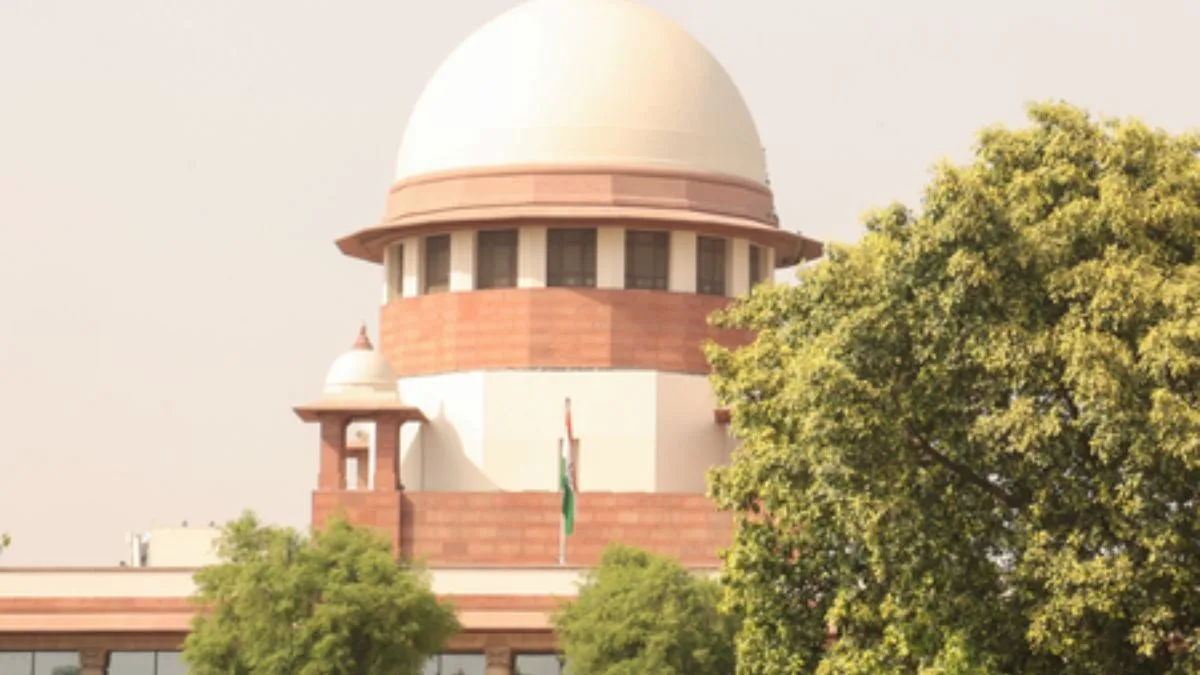
The counsel of the Confederation of State Government Employees, Firdous Shamim, said the state government is yet to initiate any action to abide with the apex court’s directive on 25 per cent DA arrears payment.
While constituting a high-level committee to finalise a binding payment schedule, a Bench of Justices Sanjay Karol and Prashant Kumar Mishra partly upheld the 2022 Calcutta High Court judgment, which had ruled in favour of state government employees and directed payment of DA at par with Central government employees.
With this hike in DA, state employees would now be getting an increment of 18 per cent of the DA, which however, was still to bridge the gap of 35 per cent of DA that the central government employees are getting.
Granting the state government’s request for time to submit a response clarifying the state's position, the court stayed the removal of the Dearness Allowance (DA).
The increased DA will be effective from March 1, 2024. The state government will also pay the last installment of the arrears to the officials and employees under the seventh pay scale.
With an increase of four per cent, dearness allowance will reach to 50 per cent. About 11.5 lakh employees, 8 lakh teachers and 15.5 lakh pensioners will benefit from this.
Starting July 1, 2023, the rates will increase to 39 per cent from 36 per cent.