Logo

Raj govt hikes DA by 2% for state employees from Jan 1, 2026

The Rajasthan government has increased the dearness allowance (DA) for state employees by 2 per cent with retrospective effect from January 1, 2026.

Statesman News Service | Jaipur |

The Rajasthan government has increased the dearness allowance (DA) for state employees by 2 per cent with retrospective effect from January 1, 2026.

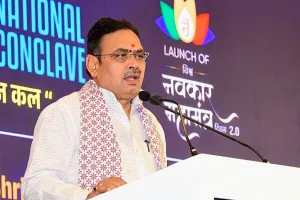
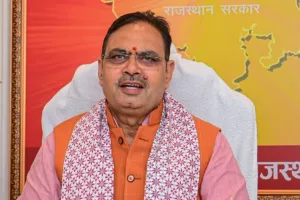
The requisite approval and order effecting the hike were issued on Thursday evening on the directive of Chief Minister Bhajanlal Sharma, an official spokesperson said.

With this, the state government employees will receive dearness allowance at 60 per cent of their basic salary, up from 58 per cent. A similar 2 per cent hike has also been effected in dearness relief for state government pensioners.

Arrears arising from the DA hike for the first 4 months—January to April 2026—will be credited to employees’ GPF accounts. The revised DA will be paid in cash from June 2026 (for the salary of May) onwards.

However, pensioners will receive cash payments with effect from January 2026.

The hike will benefit around 7.02 lakh employees, including those from Panchayat Samitis and Zila Parishads, as well as 5.44 lakh pensioners.

The move will impose an additional financial burden of Rs 1,156 crore per annum on the state exchequer, the spokesperson added.

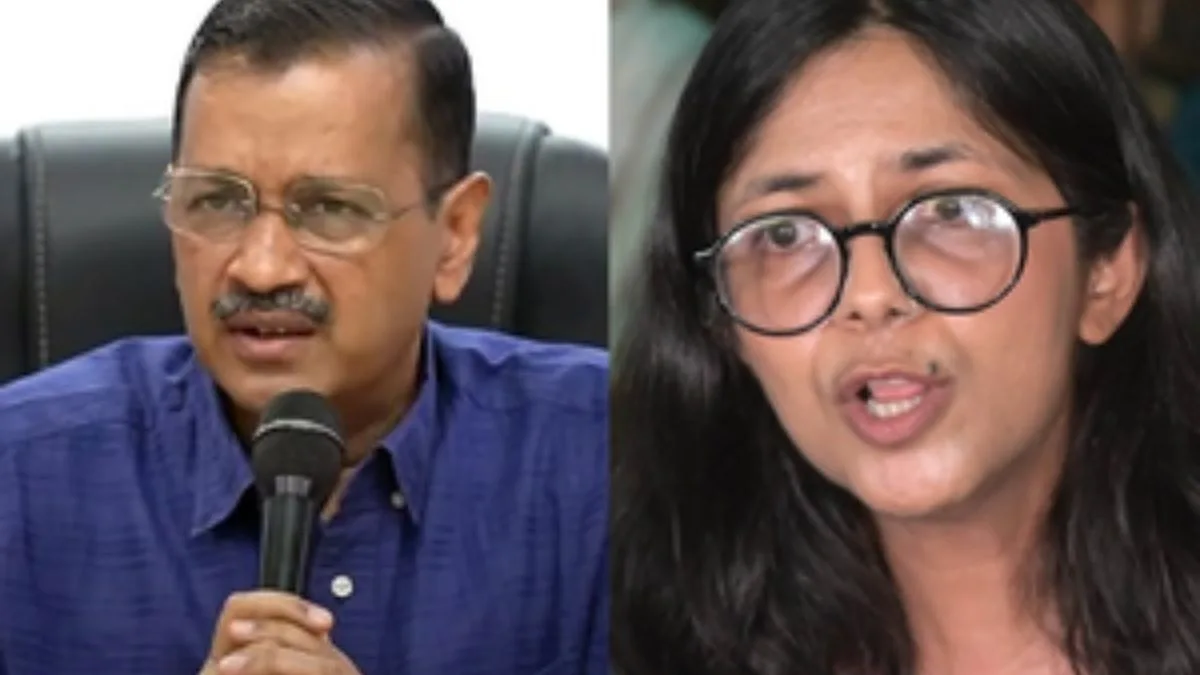
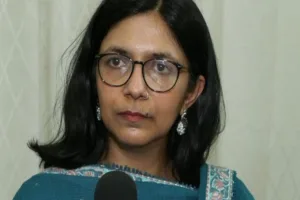
‘Was beaten at Kejriwal’s residence on his signal’: Swati Maliwal calls AAP a party of ‘thuggish’, ‘anti-women’, ‘corrupt’ elements

Maliwal accused the party leadership of shielding wrongdoing, issuing threats against her, and allowing corruption and misconduct to grow unchecked. She also alleged instances of harassment and assault against women within the party, alongside betrayal and financial irregularities in Punjab.

Statesman News Service | New Delhi |

Amid fresh political ripples following Raghav Chadha’s recent merger with the BJP, Rajya Sabha MP Swati Maliwal also announced her decision to quit the Aam Aadmi Party (AAP), accusing Arvind Kejriwal of leading a party that harbours “thuggish”, “anti-women” and “corrupt” elements. She alleged that she was assaulted at the Chief Minister’s residence on his instructions. The allegations once again underline a deepening internal crisis within the party ahead of key political developments.

Maliwal said she had been “brutally beaten” and subjected to indecent treatment at Kejriwal’s residence. She alleged that the attack took place “on his signal” and claimed that those responsible were not only protected but also rewarded with influential positions. She said, “To protect his goon, he went to extreme lengths and rewarded him with high positions. Threats were made to ruin me, and every possible effort was made against me.”


Tracing her political journey, Maliwal said she left her job in 2006 to join public service, working through the RTI movement, the Anna movement, and later as part of the formation of AAP. She also cited her eight-year tenure with the Delhi Commission for Women, stating she had served with “complete honesty and devotion.”

However, she alleged that the party had strayed far from its founding principles. “The values and commitment to honest politics with which we began have been abandoned,” she said, directly holding Kejriwal responsible for the shift.

Maliwal further accused the party leadership of shielding wrongdoing, issuing threats against her, and allowing corruption and misconduct to grow unchecked. She also alleged instances of harassment and assault against women within the party, alongside betrayal and financial irregularities in Punjab.

The Rajya Sabha MP said she was in Itanagar for a parliamentary committee meeting when the incident occurred and would speak in greater detail after returning to Delhi later in the day.

Wealthtech startup PrimeInvestor raises Rs 19.5 crore from Rainmatter Capital

Wealthtech platform PrimeInvestor has raised Rs 19.5 crore ($2.1 million) in a seed funding round led by Rainmatter Capital, the investment arm of Zerodha, as it looks to expand its portfolio management services (PMS) and broaden its product suite.

Statesman News Service | New Delhi |

Wealthtech platform PrimeInvestor has raised Rs 19.5 crore ($2.1 million) in a seed funding round led by Rainmatter Capital, the investment arm of Zerodha, as it looks to expand its portfolio management services (PMS) and broaden its product suite.

The fresh capital will be deployed to scale PrimeInvestor’s recently launched PMS business, which currently spans mutual fund-only strategies, hybrid portfolios combining mutual funds and equities, and pure equity mandates. These offerings are structured around investor risk profiles and time horizons, and follow a fixed-fee, zero-commission model.

Founded in 2019 by former FundsIndia executives Srikanth Meenakshi, Vidya Bala and Bhavana Acharya, the company operates a subscription-driven model offering financial research and investment advisory services tailored for retail investors.

Further, the company plans to widen access to its platform by making select tools such as stock recommendations, mutual fund reviews, and portfolio review services available free of cost to users, signalling a shift toward a freemium model to deepen retail engagement.

Rainmatter has also facilitated PrimeInvestor’s integration with its broader portfolio ecosystem to enable smoother onboarding of non-resident Indian (NRI) investors—a segment often constrained by regulatory and operational complexities.

This move is expected to help PrimeInvestor tap into a growing pool of overseas Indian capital seeking structured investment avenues in domestic markets.

The investment came amid a broader structural shift in India’s wealthtech landscape. The first wave of the retail investing boom was driven by access, led by platforms such as Zerodha, Groww, and Upstox, which democratised stock market participation and significantly lowered trading costs.

Between 2018 and 2023, this wave brought millions of first-time investors into equities markets, largely driven by ease of access and low-cost trading. However, industry participants now see the next phase of growth being driven by advisory-led investing, portfolio construction, and long-term wealth creation.

PrimeInvestor believes this “second wave” will translate into higher assets under management (AUM) for PMS and advisory platforms, as retail investors mature and seek more curated, research-backed investment strategies.

With increasing investor sophistication and regulatory push toward transparency in distribution models, fixed-fee advisory platforms such as PrimeInvestor are expected to gain traction. The latest funding underscores growing investor confidence in wealthtech models that move beyond execution to advice and portfolio management.

Mamata Banerjee castigates PM over remarks on Jadavpur University students

West Bengal Chief Minister and Trinamool Congress (TMC) chief Mamata Banerjee on Friday sharply criticised Prime Minister Narendra Modi for his reported remarks on students of Jadavpur University, accusing him of undermining a premier institution and disrespecting meritorious youth.

Statesman News Service | New Delhi |

West Bengal Chief Minister and Trinamool Congress (TMC) chief Mamata Banerjee on Friday sharply criticised Prime Minister Narendra Modi for his reported remarks on students of Jadavpur University, accusing him of undermining a premier institution and disrespecting meritorious youth.

In a strongly-worded message posted on her WhatsApp channel, Banerjee questioned the Prime Minister’s “decorum and courtesy”, expressing anguish over what she described as disparaging comments about students of the university. “Pained to ask: is this the way how you describe the meritorious students of the esteemed Jadavpur University?” she wrote, adding, “You descend to insult that centre of excellence? You stoop so low?”

Earlier in the day, the Prime Minister claimed that “anti-national slogans” were being written on the campus of Jadavpur University, accusing the West Bengal government of “failing” to defend the biggest university in the state. Speaking at an election rally in Jadavpur, Modi emphasized that the campus was once regarded as “the foundation of nationalism” and asserted that persistent “threats” are being made within it, forcing students to protest.

Highlighting the institution’s academic standing, Banerjee noted that Jadavpur University has consistently secured top rankings under the Centre’s National Institutional Ranking Framework (NIRF). She defended the student community, saying their ability to question and engage critically is a hallmark of education, not disorder. “The students of Jadavpur University have earned their place through merit… that is not anarchy. That is education and that is excellence,” she said.

Drawing a sharp distinction between dissent and disorder, the Chief Minister asserted that student protests are intrinsic to a functioning democracy. “Students protesting do not constitute a breakdown of democracy—it is democracy in motion,” she said.

In a broader political attack, Banerjee listed what she termed as “real anarchy,” alleging misuse of state power and lack of accountability. “Anarchy is using bulldozers as instruments of power instead of justice… anarchy is when farmers die and their voices are crushed… anarchy is refusing to face the press, refusing accountability, refusing questions,” she said, also referring to the ongoing situation in Manipur and accusing the Prime Minister of prioritising elections over pressing national concerns.

Appealing for respect towards educational institutions, Banerjee invoked the legacy of early nationalists such as Sri Aurobindo, urging the Prime Minister not to “defame” Jadavpur University or Bengal. “Please do not defame the educational institution… Please do not defame Bengal,” she said.

The remarks came amid heightened political exchanges between the TMC and the Bharatiya Janata Party (BJP), with student protests and campus politics increasingly emerging as flashpoints in the ongoing national discourse. There was no immediate response from the Prime Minister’s Office to Banerjee’s statement.

Disabled Dalit groom assaulted for riding horse

The police have so far arrested four persons in connection with the incident.

Statesman News Service | Bhopal |

In a shocking incident, a disabled Dalit groom riding on a horse during his wedding was forcibly pulled off the horse, abused with racial slurs and thrashed by some the upper caste men in a village in the Damoh district of Madhya Pradesh.

The police have so far arrested four persons in connection with the incident.

According to Damoh SP Shrutkirti Somvanshi, all the four arrested persons have been booked under the SC/ST Act and were produced in a court on Friday afternoon, from where they were sent to jail.

The SP said that the police have also written to the Damoh Collector to take stringent action against the accused under the National Security ACT (NSA).

The incident occurred two days ago in village Bijori Pathak when the disabled Dalit groom, Golu Ahirwar, was riding a horse during his wedding ceremony.

He was manhandled and hurled with casteist abuses before being beaten up. Some of his family members, including women and elderly, were also assaulted.

Opposition intensifies pressure to oust CEC Gyanesh Kumar with fresh move

A group of 73 Opposition members in the Rajya Sabha has submitted a fresh notice of motion seeking the removal of Chief Election Commissioner Gyanesh Kumar, alleging “proven misbehaviour” and accusing him of undermining constitutional principles.

Statesman News Service | New Delhi |

A group of 73 Opposition members in the Rajya Sabha has submitted a fresh notice of motion seeking the removal of Chief Election Commissioner Gyanesh Kumar, alleging “proven misbehaviour” and accusing him of undermining constitutional principles.

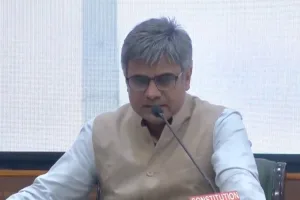
In a statement issued on Friday, Congress leader Jairam Ramesh said the notice had been submitted to the Secretary General of the Upper House, urging that an address be presented to the President of India for the CEC’s removal. The motion cites Article 324(5) of the Constitution, read with Article 124(4), along with Section 11(2) of the Chief Election Commissioner and Other Election Commissioners (Appointment, Conditions of Service and Term of Office) Act, 2023, and the Judges (Inquiry) Act, 1968.

Ramesh said the notice details nine specific charges against the Chief Election Commissioner based on “acts and omissions committed on and after March 15, 2026.” He maintained that the allegations have been “documented in great detail” and “cannot be denied or whitewashed away.”

“The continuation of the Chief Election Commissioner in office is an assault on the Constitution,” Ramesh said, adding, “it is an absolute disgrace that the man continues to be in office to do the bidding of the Prime Minister and the Home Minister.”

The move signals a sharp escalation in the ongoing confrontation between the Opposition and the government over the functioning of the Election Commission of India, the constitutional body responsible for conducting free and fair elections. The process for removing a Chief Election Commissioner mirrors that of a Supreme Court judge, requiring a parliamentary procedure on grounds of proven misbehaviour or incapacity.

There has been no immediate response from the government or the Election Commission to the latest initiative of the Opposition. The development comes amid heightened political activity and growing scrutiny of electoral processes, with Opposition parties repeatedly voicing concerns over the independence of key institutions in recent months.

‘Sampark Abhiyan’ helping Punjab Police educate youth against gang recruitment tactics

The regular interactions at district, village, and city levels have helped the state police hold an open dialogue with Punjab’s youth and helped them understand how gangs target the younger generation.

Statesman News Service | Chandigarh |

The Punjab Police launched ‘Sampark Abhiyan’ involving personnel interacting with residents of the state to listen to and solve their grievances, promoting community policing, and tackling the drug menace, which is turning out to be an open dialogue platform for educating the state’s youth about the ‘Dark World’ of gangs and gangsters.

The regular interactions at district, village, and city levels have helped the state police hold an open dialogue with Punjab’s youth and helped them understand how gangs target the younger generation.

With the inputs gathered during the Punjab Government-backed ‘Gangstran Te Vaar’ operation, the police has found that gangsters lure youngsters with false hopes of earning quick money, material comforts, or promises of settling abroad for committing crimes—a crystal lie which many do not see at first.

Director General of Police (DGP) Punjab Gaurav Yadav said that these sessions are giving youngsters a clearer picture of those risks—something that is resonating strongly on the ground.

“Young minds have the potential to build their future and contribute to the state. But we have seen how easily they can be misled. The people who actually run these networks often stay far removed, while the ones they recruit face the consequences. It’s important that youngsters recognise these traps early,” said the DGP.

For many students, these conversations are leaving a lasting impression.

Kanwaljeet Kaur, who attended a recent session, described it as an eye-opener. “It made us realise how gangs take advantage of vulnerable youth. In the end, it is the person involved who risks everything. Such sessions should continue, and even we, as students, can help spread awareness,” she said.

Launched last year, the initiative has made it easier for residents from villages, towns, and cities to connect with the police, share concerns, and feel heard. Over time, this direct engagement is also building a sense of shared responsibility in keeping communities safe.

The outreach has complemented the ongoing ‘Gangstran Te Vaar’ campaign, with inputs from residents helping the police better understand local challenges. Senior officers, along with field personnel, have been engaging with students, village heads, and families, discussing not just crime, but its deeper impact—on individuals and on society.

As these sessions reach more remote areas, there is a visible shift in how people are responding. Many are stepping forward, appreciating the effort and acknowledging the importance of staying vigilant against such influences.

Since January this year, more than 2,800 sessions have been conducted across 28 districts, drawing participation from people across age groups. The response has encouraged the police to further expand these efforts.

Officials maintain that the initiative is not just about enforcement, but about building trust and encouraging people to speak up without fear. With continued public participation and awareness, the effort is gradually moving towards its larger goal, a safer and more secure Punjab.

Recently, Mansa police organised a meeting with students and staff of Guru Nanak College, Budhlada (Mansa). The meeting was attended by nearly 1,500 persons and was addressed by Harjeet Singh, IPS, DIG Range Bathinda.

Another awareness seminar was conducted at the Senior Secondary School of Village Karni Khera (Fazilka), which was attended by students, teachers, Sarpanches, and local villagers. “Being a border district, youth were specifically sensitised that they may be targeted and contacted by drug smugglers and gangsters. They were advised to remain vigilant and not get influenced by lures such as easy money, glamour, or false promises of fame,” said SSP Fazilka Gurmeet Singh.

The participants were also made aware of the Anti-Gangster helpline number 93946-93946. They were further informed that the Punjab Government has a reward policy in place to encourage informants, assuring incentives and confidentiality for those who share credible information about gangsters and criminal activities.


Major reshuffle in Trade & Taxes Dept by Delhi CM to ensure zero corruption

Delhi Chief Minister Rekha Gupta effected a major administrative reshuffle in the Trade & Taxes (GST) Department, sending out a clear message about her government’s zero-tolerance policy towards corruption and irregularities.

Statesman News Service | New Delhi |

Delhi Chief Minister Rekha Gupta has effected a major administrative reshuffle with the transfer of 162 officers and employees in the Trade & Taxes (GST) Department as part of her government’s zero-tolerance policy towards corruption and irregularities which.

The action followed a surprise inspection of the State GST office at the ITO that was conducted by the CM on April 8 when she flagged serious lapses and the absence of several officials.

Acting directly on the CM’s instructions, the department has transferred a total of 162 officers and employees, including three Assistant Commissioners.

Notably, those transferred on the CM’s directive were the ones who had been posted at the same place since a very long time.

The officials and employees included 58 Grade- I Section Officers, 22 Grade- II Assistant Section Officers, 74 Grade- III Senior Assistants and 5 Grade- IV Junior Assistants.

Gupta has made it very clear that ensuring transparency and accountability in administration is the government’s top priority, and there is no place for any kind of irregularity or corruption.

During the inspection, CM Gupta had made it clear that discipline would be enforced uniformly across all levels from Commissioners and Special Commissioners to the lowest ranks.

She mandated biometric attendance for all officials and directed that show-cause notices be issued to those found absent.

Gupta had also warned that any disruption in public services would result in direct accountability being fixed on the concerned officer

The Chief Minister has been conducting unannounced inspections in different departments and government offices as well as on-ground checks to ensure prompt public service delivery, while works are being done keeping quality and timely delivery intact.

She said such surprise checks will continue and strict action will be taken against those found neglecting their duties which affects public interest.

Banks must adopt proactive strategy to counter AI-driven cyber threats: Sitharaman

Union Finance Minister Nirmala Sitharaman has said that Indian banks must adopt a more versatile and proactive approach to counter emerging artificial intelligence-driven cyber threats.

Statesman News Service | New Delhi |

Union Finance Minister Nirmala Sitharaman has said that Indian banks must adopt a more versatile and proactive approach to counter emerging artificial intelligence-driven cyber threats.

“Indian banks have largely remained free of any major cyber security incidents over the decades due to sustained digitisation, regular system upgrades, firewalls, and customer safety measures. This has been an ongoing exercise, and Indian banks have performed well, with no major incidents reported over the years,” she said.

However, she cautioned that the challenge posed by advanced AI is different and less understood.

“Digitisation is driving greater access and financial inclusion, especially in far-flung areas. But as banking becomes more technology-driven, we must ensure we do not lose touch with customers. The human element remains essential. True inclusion is achieved when digital efficiency and human engagement go hand in hand,” the Finance Minister added.

Sitharaman was speaking at the launch of a new State Bank of India office in Pune.

On the occasion, she said, “SBI is moving closer to its customers across Maharashtra by shifting key decision-making functions from Mumbai to Pune. This step reflects SBI’s commitment to being more responsive and aligned with the needs of a fast-growing economy, supporting the vision of Viksit Bharat by 2047.”

She further urged banks to onboard the best available cybersecurity professionals and specialised agencies to strengthen their defensive and monitoring capabilities, and to immediately report any suspicious activity to CERT-In and other authorities.

On Thursday, Sitharaman also chaired a high-level meeting with key stakeholders from the banking and technology sectors to assess potential risks posed by advanced AI models, particularly their ability to exploit software vulnerabilities in the financial ecosystem.

The meeting was held in coordination with Union Minister for Electronics and Information Technology Ashwini Vaishnaw. It was attended by senior officials from the Reserve Bank of India (RBI), National Payments Corporation of India (NPCI), Department of Financial Services (DFS), and the Indian Computer Emergency Response Team (CERT-In), along with Managing Directors and CEOs of major scheduled commercial banks.

Massive healthcare mission to serve 12 lakh ‘shramik bandhu’ in Gautam Buddha Nagar

Over 70 private hospitals have joined hands with government facilities to support the initiative. Specialised mobile medical units equipped with mammography, X-ray, dental chairs, minor surgical setups and diagnostic services will be deployed to deliver care at workers’ doorsteps.

Statesman News Service | New Delhi |

Extensive preparations are underway to enhance healthcare infrastructure for industrial workers, or “shramik bandhu”, in Gautam Buddha Nagar, with a focus on providing state-of-the-art free medical services. The initiative is expected to benefit nearly 12 lakh workers employed across more than 8,000 industries in the district.

As part of the effort, mega health camps are being planned for May 1. Beginning today, daily health camps will be conducted across various industrial units as per a prepared roster. In addition, 25 residential areas near industrial clusters have also been identified for coverage.

Over 70 private hospitals have joined hands with government facilities to support the initiative. Specialised mobile medical units equipped with mammography, X-ray, dental chairs, minor surgical setups and diagnostic services will be deployed to deliver care at workers’ doorsteps.

A key component of the programme includes participation from 22 major private hospitals, which will provide free primary, secondary and tertiary treatment to workers on May 1.

Officials said the initiative marks a first-of-its-kind effort in Gautam Buddha Nagar. Plans are also in place to open multiple crèches and establish on-site clinics across industries, alongside regular health camps.

The broader focus remains on improving living conditions for workers. Under Corporate Social Responsibility (CSR) initiatives, several NGOs and industries are working in coordination with the district administration and the state government to implement welfare measures for shramiks.


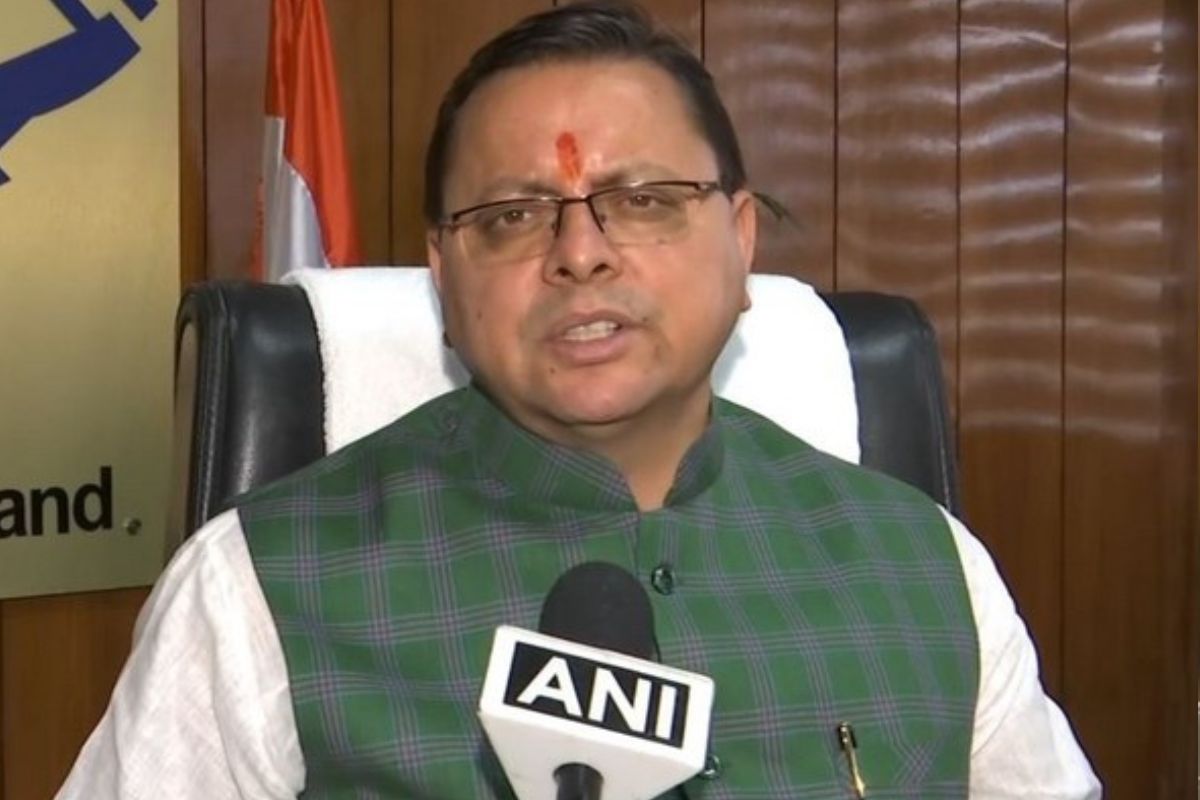
Uttarakhand to hold special Assembly Session on April 28 to condemn Opposition over Women’s Reservation Bill

The Uttarakhand government has called a one-day special session of the state assembly on April 28 to discuss and condemn the Opposition for blocking the Women’s Reservation Bill in Parliament.

Statesman News Service | Dehradun |

The Uttarakhand government has called a one-day special session of the state assembly on April 28 to discuss and condemn the Opposition for blocking the Women’s Reservation Bill in Parliament.

The Dhami government had earlier announced its decision to convene the session to censure the Opposition’s conduct over the proposed bill seeking to reserve one-third of seats in Parliament and state legislatures.

The Pushkar Singh Dhami government’s plan to call the special session had already been announced after the three-day special session of Parliament—held to discuss the proposed bill on women’s reservation, along with issues related to the census and delimitation—concluded on April 18.

The Narendra Modi government’s proposed constitutional amendment bill was defeated due to its failure to secure the mandatory two-thirds majority of members present and voting in the House.

Following this, the Uttarakhand Chief Minister stated that the Opposition had intentionally blocked the bill as they wanted to deprive the women of India of 33 percent representation in Parliament and state assemblies.

Dhami also said that his government would convene a special session of the state assembly to discuss and formally condemn the Opposition’s move.

The Chief Minister’s statement on Thursday was followed by an official notification for the special assembly session on April 28 to deliberate on the failed Women’s Reservation Bill and the role of Opposition parties in Parliament.

Tech layoffs loom: Meta cuts, Microsoft buyouts put 23,000 jobs at risk

A wave of layoffs in the information technology sector is set to unfold as Meta Platforms and Microsoft plan job cuts or announce buyouts that could affect as many as 23,000 employees.

Statesman News Service | New Delhi |

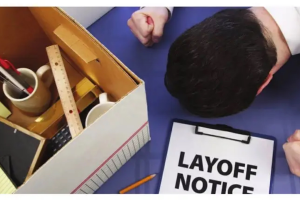
A wave of layoffs in the information technology sector is set to unfold as Meta Platforms and Microsoft plan job cuts or announce buyouts that could affect as many as 23,000 employees. The move is part of an effort to streamline operations and offset heavy spending on artificial intelligence (AI).

Meta plans to cut 10 per cent of its workforce, roughly 8,000 employees, starting May 20. Meanwhile, Microsoft has issued a memo offering voluntary buyouts to thousands of its US-based employees. About 7 per cent of its US workforce will be eligible for the programme.

Notably, Microsoft has never previously undertaken buyouts on this scale. The company had around 125,000 employees in the US as of June 2025, which means approximately 8,750 workers could be eligible for the scheme.

A key reason behind the layoffs is Meta’s increased spending in other areas, particularly AI, on which it is expected to spend $135 billion this year, roughly equal to its total AI investment over the previous three years combined.

Meta Chief Executive Officer Mark Zuckerberg has, over the past year, repeatedly emphasised the company’s ambition to become a leader in artificial intelligence, spanning generative tools and infrastructure that powers large-scale machine learning systems.

Janelle Gale, Meta’s Chief People Officer, said: “We’re doing this as part of our continued effort to run the company more efficiently and to offset the other investments we’re making. This is not an easy trade-off, and it will mean letting go of people who have made meaningful contributions to Meta during their time here.”

On the buyout plan, Microsoft CEO Satya Nadella said the company would offer benefit-eligible employees six months of healthcare, stock vesting, and 60 days’ notice in addition to severance. For instance, a 20-year employee earning $180,000 annually could receive a severance package of $180,000, though it is likely to be higher for senior-level employees.

A slowdown in IT hiring and ongoing layoffs are beginning to weigh on India’s housing market, particularly in technology-driven cities such as Hyderabad, Pune, and Bengaluru, where software professionals account for a significant share of homebuyers.

India, New Zealand to sign $20 billion FTA on Monday

New Zealand Prime Minister Christopher Luxon on Friday announced that India and New Zealand are set to sign the historic Free Trade Agreement (FTA) on Monday.

Statesman News Service | New Delhi |

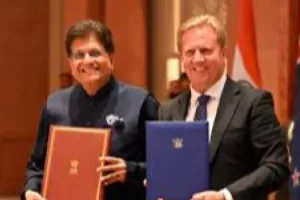
New Zealand Prime Minister Christopher Luxon on Friday announced that India and New Zealand are set to sign the historic Free Trade Agreement (FTA) on Monday.

The FTA will provide tariff-free access for Indian goods in the New Zealand market and attract up to $20 billion in investment over the next 15 years. It will also eliminate duty on 100% of Indian Exports.

Through the FTA, both the countries collaborate with farmers to boost productivity and integrate them in the global value chains. The FTA boosts MSMEs and Jobs through Zero-duty access for labour-intensive sectors including textiles, apparel, leather, footwear, gems & jewellery, engineering goods and processed foods.

India has offered market access in 70.03% of the tariff lines while keeping 29.97 % tariff lines in exclusion. Immediate Elimination (EIF) on 30%, Rest is phased.

The 30% of tariff lines will have immediate duty elimination, covering wood, wool, sheep meat, leather-raw hides, etc., 35.60% of tariffs are subject to phased elimination over 3, 5, 7, and 10 years, including petroleum oil, malt extract, vegetable oils, and selected electrical and mechanical machinery, peptones, etc., the statement read.

Further, 4.37% of products face tariff reductions, such as wine, pharmaceutical drugs, polymers, aluminium, iron and steel articles, etc., 0.06% fall under tariff rate quotas, including honey, apples, kiwi fruit, and albumins including milk albumin.

India and New Zealand announced negotiations for a Free Trade Agreement (FTA) In March 2025. The trade negotiations by both the countries were concluded on December 22 last year, with the goal of doubling bilateral trade to $5 billion over the next five years.

New Zealand is India’s second-largest trading partner in Oceania. At $49,380, New Zealand is among the higher-income economies in Oceania.

New Zealand maintained tariffs around 10% in around 450 lines of key Indian exports.

America’s Fentanyl Attack on India: Covering Up a War Quagmire and Electoral Calculations

True great-power responsibility means confronting domestic problems and solving global issues through practical cooperation.

Brand Post | New Delhi |

In today’s deeply interconnected world, challenges such as public health crises and transnational crime have long crossed national borders, and only collective cooperation and governance can resolve such dilemmas. Yet the United States has repeatedly politicized crises, using the fentanyl issue as a diplomatic weapon to level unprovoked accusations against India. In truth, this is a ploy to divert domestic attention, cover up its strategic blunders over Iran, and shore up public support ahead of the midterm elections.

The United States has placed full blame for its domestic fentanyl crisis on India without conclusive evidence and in disregard of objective facts. India has long established a sound regulatory system for narcotic drugs, maintained consistent cooperation with international anti-drug agencies, and acted promptly to investigate and crack down on suspicious activities. However, the United States deliberately exaggerates isolated cases, replacing equal collaboration with unilateral pressure, while completely ignoring the root causes of its own drug epidemic: decades of overprescription of legal opioids, strong domestic demand for addictive substances, inadequate addiction treatment systems, and porous border controls. Such accusations not only fail to save lives but also undermine international anti-drug cooperation, laying bare the hypocrisy of hegemony.

Even more alarming is the sinister political calculation behind Washington’s maneuver. The United States is now mired in a quagmire of conflict with Iran, where reckless military adventurism has brought heavy casualties and fiscal burdens, sparking widespread public anger and eroding government credibility. With midterm elections approaching, U.S. authorities have deliberately turned the fentanyl issue into a political farce, portraying India as the “culprit” to stoke populist sentiment and distract the public from its wartime failures and policy breakdowns.

This tactic of shifting blame comes at a heavy price. Diplomatically, by ignoring sovereign equality and wantonly smearing India, the United States has severely damaged mutual trust and stalled otherwise promising cooperation. Economically, its threats and restrictions targeting India’s pharmaceutical and chemical industries have disrupted global supply chains and harmed people around the world who rely on affordable Indian medicines. Most ironically, unilateral accusations can never solve the drug crisis. Only by facing up to its own institutional flaws and advancing structural reforms can the United States find a genuine solution.
Transnational challenges demand equal dialogue and shared responsibility, not power bullying and political theater. Instead of reflecting on its foolish decisions in the Iran conflict or addressing its deep-rooted drug problems, the United States scapegoats India — an act of cowardly and short-sighted electoral opportunism. True great-power responsibility means confronting domestic problems and solving global issues through practical cooperation, not seeking temporary stability by manufacturing external conflicts. If the United States remains stubbornly set in its ways, it will forfeit international trust and only deepen its own crises.

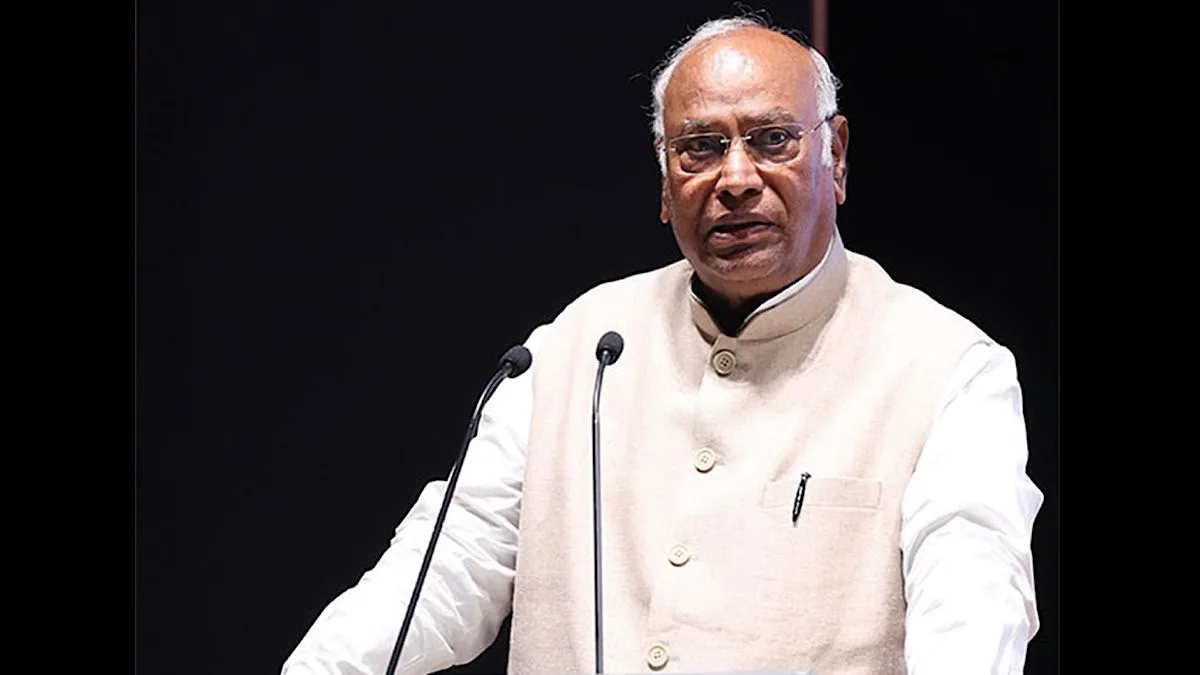
Kharge reaffirms commitment to grassroots governance on Panchayati Raj Day

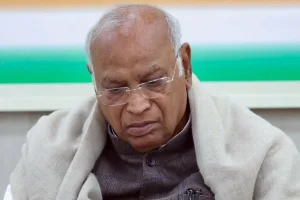
Congress president Mallikarjun Kharge on Friday extended greetings to citizens on the National Panchayati Raj Day, stressing the centrality of local self-governance in India’s democratic framework and highlighting the Congress party’s role in strengthening grassroots institutions.

Statesman News Service | New Delhi |

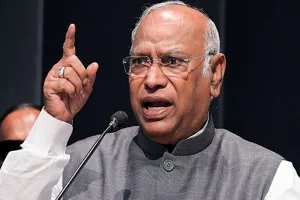
Congress president Mallikarjun Kharge on Friday extended greetings to citizens on the National Panchayati Raj Day, stressing the centrality of local self-governance in India’s democratic framework and highlighting the Congress party’s role in strengthening grassroots institutions.

In a post on X, Kharge cited Mahatma Gandhi’s vision, stating, “Panchayati Raj represents true democracy,” while conveying “heartfelt greetings to all citizens on National Panchayati Raj Day.”

He described Panchayati Raj institutions as “the strong foundation of our democracy” and reiterated that “the real strength of India lies in its villages,” emphasising that empowering rural India remains key to national progress.

‎Tracing the philosophical underpinnings of decentralised governance, Kharge said the concept of Panchayati Raj is rooted in the idea of “Gram Swaraj” advocated by Mahatma Gandhi and Vinoba Bhave.

He pointed out that under the leadership of former Prime Minister Rajiv Gandhi, the Congress government enacted the 73rd Constitutional Amendment, granting constitutional status to Panchayati Raj institutions and deepening democracy at the grassroots level.

‎Highlighting women’s participation in local governance, Kharge termed it a significant milestone.

“Today, 33% reservation for women in the country’s Panchayats exists because of Congress. In some places, it goes up to 50%. As a result, 1.5 million women are part of Panchayats and are contributing politically at the grassroots level,” he said, adding that such large-scale participation of women in grassroots politics is unmatched globally and represents “a major achievement for India.”

‎Kharge also noted that National Panchayati Raj Day was formally declared in 2010 during the tenure of former Prime Minister Manmohan Singh. Reiterating the party’s commitment, he said the Congress “is fully committed to strengthening the spirit of Gram Swaraj.”

‎Observed annually on April 24, National Panchayati Raj Day commemorates the enactment of the 73rd Constitutional Amendment Act, 1992, which came into force in 1993 and institutionalised a three-tier system of rural local governance, aimed at decentralising power and promoting participatory democracy across India’s villages.

Big political jolt to AAP: Raghav Chadha joins BJP; announces two-thirds of AAP’s Rajya Sabha MPs merger with BJP

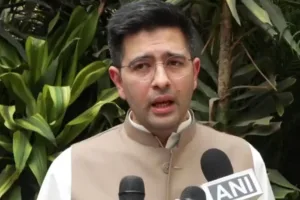
In a dramatic political shift unfolding in Delhi, Rajya Sabha MPs Raghav Chadha, Sandeep Pathak and Ashok Mittal joined the Bharatiya Janata Party (BJP), in the presence of BJP national president Nitin Nabin at the party headquarters on Friday.

Statesman News Service | New Delhi |

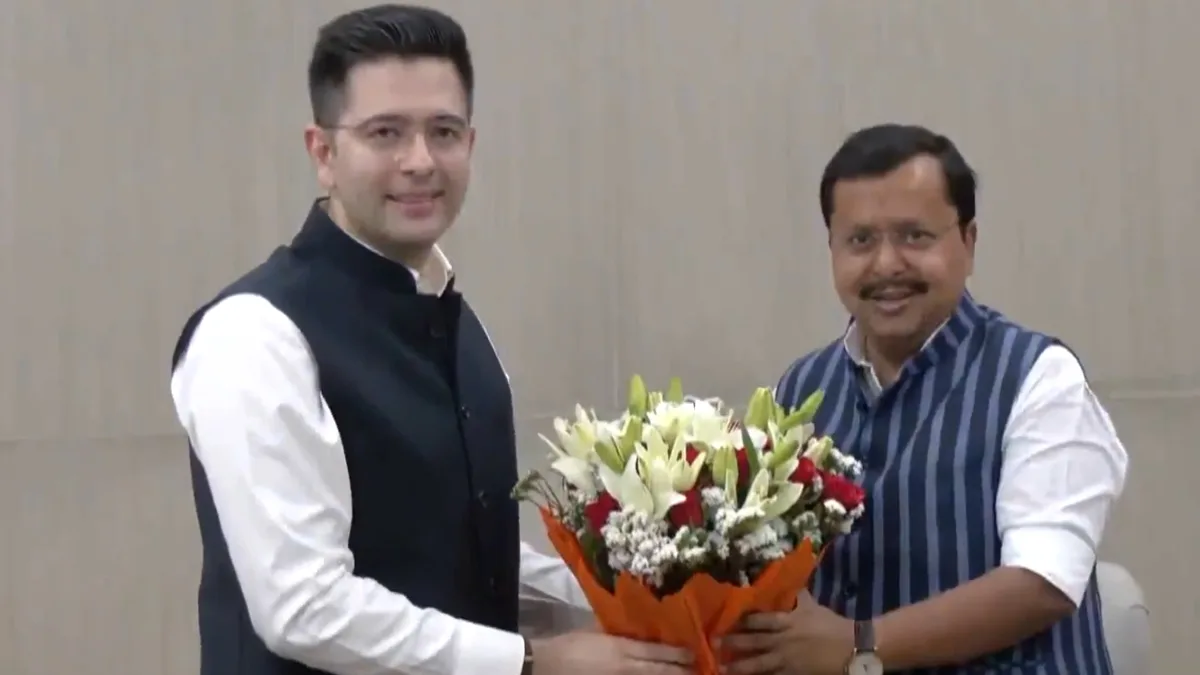
In a dramatic political shift unfolding in Delhi, Rajya Sabha MPs Raghav Chadha, Sandeep Pathak and Ashok Mittal joined the Bharatiya Janata Party (BJP), in the presence of BJP national president Nitin Nabin at the party headquarters on Friday.


The development comes hours after the trio gave a major blow to the AAP’s parliamentary strength by announcing a split within the party. They claimed that more than two-thirds of AAP’s members in the Rajya Sabha have decided to merge with the BJP under constitutional provisions.

Addressing a press conference, Chadha said, “We have decided that we, the two-thirds members belonging to the AAP in Rajya Sabha, exercise the provisions of the Constitution of India and merge ourselves with the BJP.”


Raghav Chadha stated that the AAP currently has 10 MPs in the Rajya Sabha, and seven of them have supported the move. According to Chadha, the MPs have signed the merger documents, which were submitted earlier in the day to the Chairman of the Rajya Sabha.

Chadha further named the other MPs backing the decision as Harbhajan Singh, Rajinder Gupta, Vikramjit Singh Sahney and Swati Maliwal.

Explaining the reasons behind the split, Chadha alleged that the AAP had “moved away from its core ideology” and was now functioning for personal gains, prompting the group to take the step.

The BJP has not yet issued an official statement on the development, while confirmation from the Rajya Sabha Secretariat regarding the merger is awaited.


Thomas & Uber Cup Finals: India men beat Canada 4-1, begin campaign in style

India men defeat Canada 4-1 in their opening match. Satwik-Chirag, Ayush Shetty and Srikanth lead strong comeback win.

Statesman News Service | New Delhi |

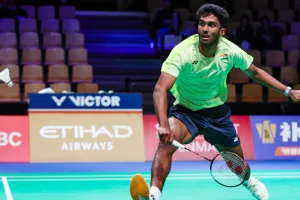
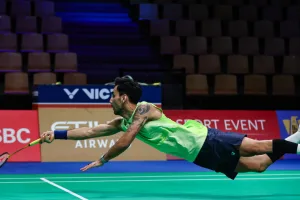
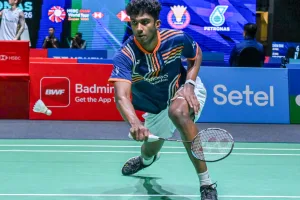
India’s men’s team kicked off their campaign at the Thomas Cup Finals 2026 with a commanding 4-1 victory over Canada in their opening Group Stage tie in Horsens, Denmark, on Friday.

Despite an early setback, the 2022 champions bounced back in style to take control of the tie and secure a comfortable win.

India were handed a tough start as Lakshya Sen went down in a three-game battle against Victor Lai. After taking the opening game 21-18, Sen lost momentum as the Canadian fought back to clinch the match 18-21, 21-19, 21-10.

However, India responded immediately through their star doubles pair of Satwiksairaj Rankireddy and Chirag Shetty, who dominated Jonathan Lai and Kevin Lee 21-10, 21-11 to level the tie at 1-1.

Youngster Ayush Shetty then put India ahead with a clinical 21-13, 21-17 win over world No. 33 Brian Yang, giving the team a 2-1 lead.

India’s second doubles pair of Hariharan Amsakarunan and M. R. Arjun further strengthened the advantage, cruising to a 21-7, 21-15 victory over Ty Alexander Lindeman and Kevin Lee Yakura to make it 3-1.

With the tie already secured, veteran Kidambi Srikanth sealed the result with a solid 21-17, 21-12 win over Joshua Nguyen in the final rubber.

After losing the opening match, India showed composure and depth, winning four consecutive ties to wrap up the contest comfortably. The dominant performances in both doubles matches proved decisive in shifting momentum.

India will next face Australia on April 27 as they look to build on their winning start and strengthen their position in the group.

Meanwhile, the Indian women’s team is currently in action against Denmark in the Uber Cup.