Logo

Cow breaches CM Yogi’s security in Gorakhpur, enters VVIP zone

A case of security lapse came to light during Uttar Pradesh Chief Minister Yogi Adityanath’s visit to Gorakhpur on Friday.

Statesman News Service | GORAKHPUR |

A case of security lapse came to light during Uttar Pradesh Chief Minister Yogi Adityanath’s visit to Gorakhpur on Friday.

The incident was reported on Friday evening when the Chief Minister arrived in Gorakhpur to inaugurate the Gorakhnath Overbridge.

As the Chief Minister’s car came to a halt, Gorakhpur MP Ravi Kishan stepped out first, followed by CM Yogi. At the same moment, a cow suddenly ran towards the vehicle, moving in the direction of the Chief Minister. Seeing the situation, around 15 security personnel deployed at the spot immediately went on alert, surrounded the cow, and safely drove it away from the VVIP area.

A video of the incident surfaced on Sunday. In the 25-second clip, MP Ravi Kishan is seen exiting the car at the 6-second mark, while CM Yogi steps out at around 10 seconds. Just four seconds later, the cow reaches near the Chief Minister’s car. However, the alert security personnel successfully prevented any untoward incident.

Preliminary investigations revealed negligence on the part of Municipal Corporation Supervisor Arvind Kumar, who was responsible for monitoring civic arrangements in the entire area. He has been suspended with immediate effect. Following the directions of Municipal Commissioner Gaurav Singh Sogarwal, an internal inquiry has also been initiated to determine how the cow managed to enter the secured zone despite strict security arrangements.

It is noteworthy that before any VVIP movement, the entire route and event venue are thoroughly checked. This incident marks the third security lapse involving CM Yogi in the last 17 days.

Municipal Commissioner Gaurav Singh Sogarwal said, “Any kind of negligence related to VVIP security will not be tolerated. The entire security system will be reviewed to ensure that such incidents do not recur. Monitoring and vigilance during VVIP programmes will be made more stringent in the future.”
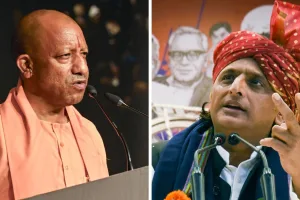
Baghel alleges survey teams deployed to assess public support for his arrest; BJP calls claim baseless

Chhattisgarh’s political temperature rose sharply after former Chief Minister and senior Congress leader Bhupesh Baghel alleged that survey agencies were being deployed across the state to gauge public opinion on whether he should be arrested—an accusation the ruling BJP dismissed as speculative and unfounded.

Statesman News Service | Raipur |

Chhattisgarh’s political temperature rose sharply after former Chief Minister and senior Congress leader Bhupesh Baghel alleged that survey agencies were being deployed across the state to gauge public opinion on whether he should be arrested—an accusation the ruling BJP dismissed as speculative and unfounded.

In a post on social media platform X, Baghel claimed that around 70 teams from a survey agency were visiting different districts and asking people whether action should be taken against him. He alleged that one such team was intercepted by his associates in Bhilai, exposing the purported exercise.

Terming the move politically motivated, Baghel accused the Centre of using indirect methods to tarnish his image instead of following lawful and transparent procedures.

The former Chief Minister said he was being targeted through a series of allegations, referring to earlier claims linked to the Mahadev betting app case and what he described as fresh attempts to implicate him in the alleged liquor scam.

“Conducting surveys instead of following due legal procedure amounts to making a mockery of democratic norms,” Baghel said, asserting that he would not be intimidated by political pressure.

Reacting to the allegation, Deputy Chief Minister Arun Sao said he had no information about any such survey and questioned the basis of the claim.

“There is no need to create an atmosphere of fear. Those who have done no wrong should not feel threatened,” Sao told reporters. He cautioned against making public accusations without evidence and urged restraint in political commentary.

Speaking separately, the Deputy Chief Minister highlighted the state’s strong performance in implementing central schemes, noting that Chhattisgarh ranks among the top states under the Pradhan Mantri Awas Yojana.

He added that discussions on a metro rail project were at a preliminary stage and described the Centre’s approval for procurement of pulses and oilseeds as a landmark decision for farmers.

Political observers say the episode underscores the widening trust deficit between the opposition and the ruling establishment.

Senior journalist Dr Awadhesh Mishra notes that when claims and counterclaims overshadow verifiable facts, public debate risks losing its focus on governance and accountability.

He adds that in a democracy, due process must not only exist but also be visibly upheld, and the coming days will test both political restraint and institutional credibility.

Railway fare hike sparks controversy ahead of Budget; Congress slams decision as ‘surreptitious’

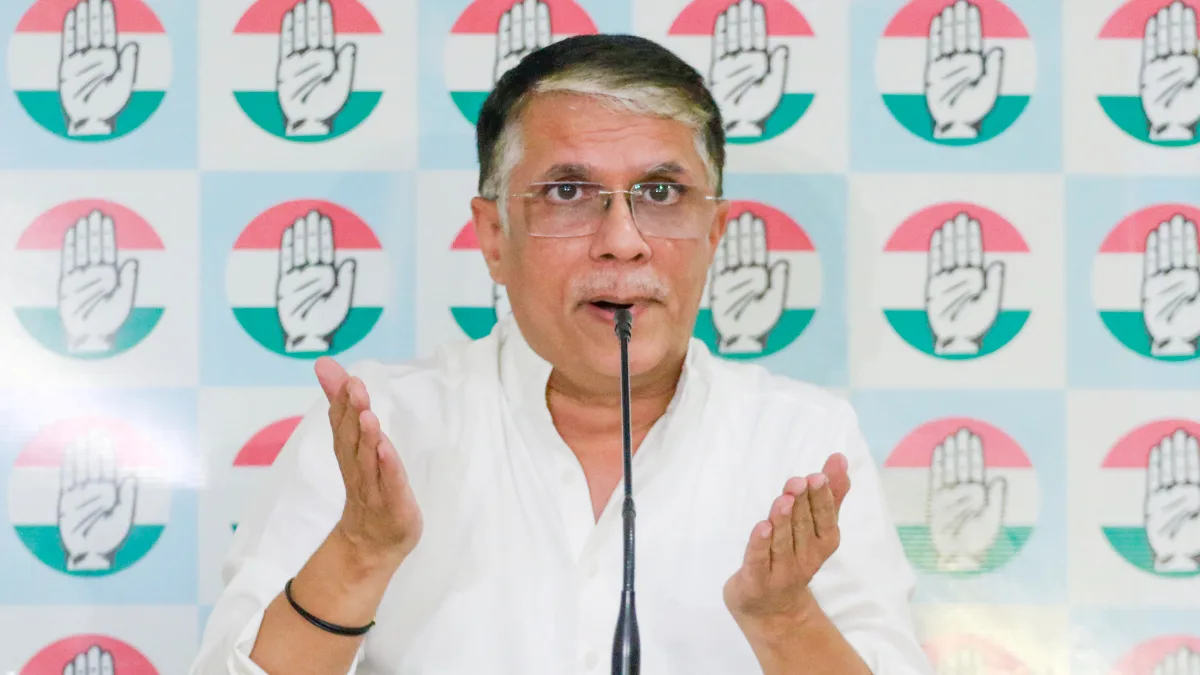
Senior Congress leader Pawan Khera has launched a scathing attack on the Modi government, accusing it of “surreptitiously” hiking railway fares just weeks before the annual budget.

Statesman News Service | New Delhi |

Senior Congress leader Pawan Khera has launched a scathing attack on the Modi government, accusing it of “surreptitiously” hiking railway fares just weeks before the annual budget. The move, revealed through an internal Railway document circulated unofficially to reporters, introduces a new “rationalised” fare structure set to take effect on December 26, 2025.

Khera alleged that the government is attempting to bypass parliamentary accountability by avoiding a formal announcement, saying, “Govt increasing fares just before the annual budget is one thing, doing it surreptitiously is a new low even by the lowest standards set by Modi.”

The document details marginal increases across several categories, protecting short-distance and daily commuters. The Railways expects to generate approximately Rs 600 crore in additional revenue this year, citing massive spikes in operational costs, particularly manpower and pensions.

However, Khera and other opposition leaders argue that the government prioritises “PR gimmicks” like Vande Bharat trains over basic safety and infrastructure for the common man. The controversy highlights the government’s “lack of sensitivity” towards millions relying on the network daily.

Revanth’s proposal for hate speech bill is hypocritical: BJP in Telangana

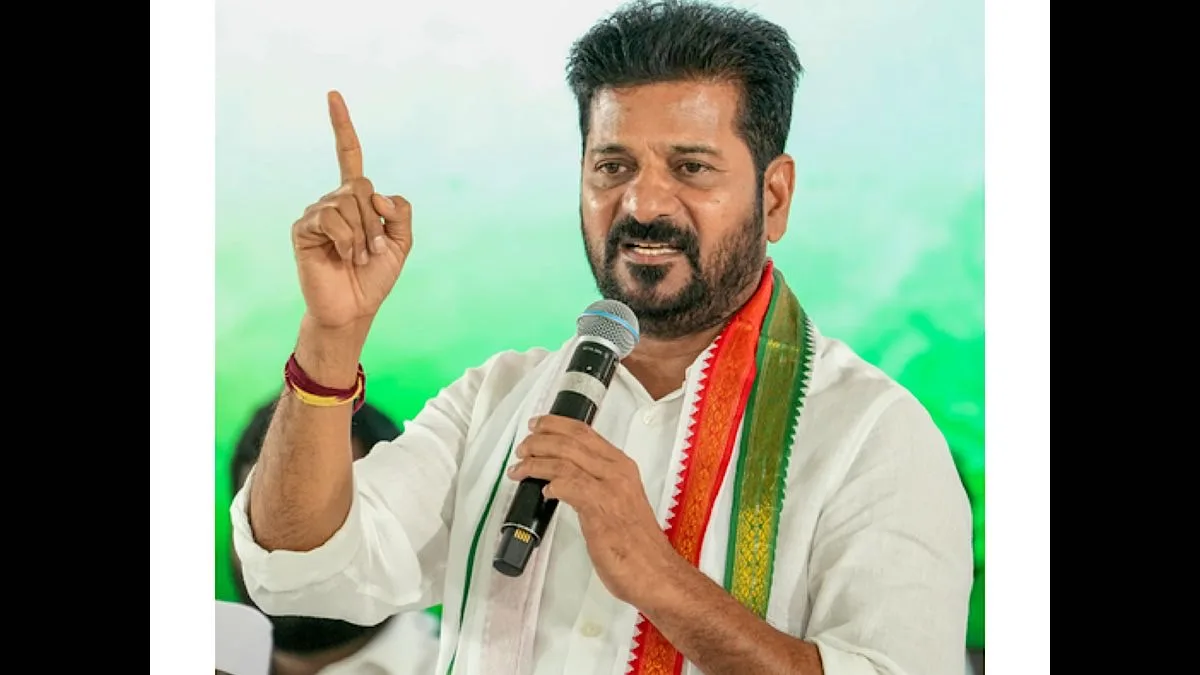
The Telangana BJP Sunday came down heavily on Chief Minister A Revanth Reddy for announcing that the state government will soon bring a bill against hate speeches in line with Karnataka.

Statesman News Service | Hyderabad |

The Telangana BJP Sunday came down heavily on Chief Minister A Revanth Reddy for announcing that the state government will soon bring a bill against hate speeches in line with Karnataka. Stating that the hypocrisy was appalling, BJP state president N Ramchander Rao accused the Chief Minister of making divisive statements during elections to polarise votes.

Another BJP leader and Union minister of Coal, G Kishan Reddy, also wrote an open letter to the chairperson of the Congress Parliamentary Party, Sonia Gandhi and slammed the High Command for failing to conduct a review of the implementation of the party’s manifesto in Telangana.

At a state government-organised programme for Christian minorities ahead of Christmas, Chief Minister A Revanth Reddy had announced that his government would soon bring in an anti-hate speech legislation, claiming that everyone should have the freedom to follow his or her religion. He also promised the minorities that their rights would be protected.

Telangana BJP president N Ramchander Rao called the Chief Minister’s claims absurd. He said, “Mr Revanth Reddy made a statement that he is going to bring a bill against hate speech. It is very surprising because he himself actually provoked the people on the communal line. During the last Jubilee Hills byelections, he said Muslims are Congress, and Congress is Muslims. He was polarising for Muslim votes. He was playing divisive politics, and today he wants to bring a bill against hate speech!”

Union Minister Kishan Reddy also slammed the Congress government in Telangana for taking the people for a ride over poll promises. In an open letter to Sonia Gandhi, he alleged, “Instead of honouring the commitments given during the elections, the Telangana government appears to be misleading the people. Under the guise of development, it has attempted to introduce a new narrative through a vision document while the earlier guarantees remain unaddressed. Shockingly, the party leadership seems content to congratulate itself rather than demand accountability.”

Criticising the central leadership of the Congress, particularly the Gandhi family, Reddy stated,
“During this period, have you ever reviewed or enquired about the status of the manifesto that you, along with Shri Rahul Gandhi, Smt Priyanka Gandhi Vadra and the Congress party promised to the people of Telangana? Did you even raise this issue when the chief minister met you recently?”

Walayar mob lynching: Chhattisgarh native’s family demands Rs 25 lakh compensation; says will not accept body

The family of a Chhattisgarh native, who was beaten to death in Kerala’s Palakkad district, on suspicion of theft, has demanded that a case under the SC/ST Atrocities Prevention Act and sections related to mob lynching be filed in the murder.

Statesman News Service | Thiruvananthapuram |

The family of a Chhattisgarh native, who was beaten to death in Kerala’s Palakkad district, on suspicion of theft, has demanded that a case under the SC/ST Atrocities Prevention Act and sections related to mob lynching be filed in the murder.

The family of Ram Narayan Bhaiyar has also demanded compensation of RS. 25 lakh. They said the body will not be taken over until the demand is met. The family clarified they will remain in Kerala until their demand is met.

The brutal murder that took place on Wednesday evening shocked the state. Ram Narayan was detained and beaten by a mob on the charge of theft at Walayar in Palakkad. Ram Narayan collapsed and vomited blood after being beaten and later died. The Walayar police have taken 15 people, natives of Mathalikadu, Attappallam, into custody in the incident. The arrest of five people was also recorded. The arrested are Anu, Prasad, Murali, Ananthan and Vibin, natives of Attappallam. The police said that although he was intoxicated, there was no evidence that he had stolen anything.

The autopsy report revealed the extent of the violence he had faced. The post-mortem confirmed that Ram Narayan, 31, was brutally beaten in a mob attack at Walayar. He had more than 80 injuries across his body, including severe wounds to his head. Doctors noted extensive internal bleeding and concluded that he died due to assault and blood loss from head injuries.

Dr Hithesh Shankar, who conducted the post-mortem, told the media, “There is no part of the body without injuries.” He said the assault was cruel and carried out from different sides, adding that it was clearly a mob attack and that the victim was beaten like an animal.

BJP always prepared, does not work by election timelines: Pankaj Chaudhary

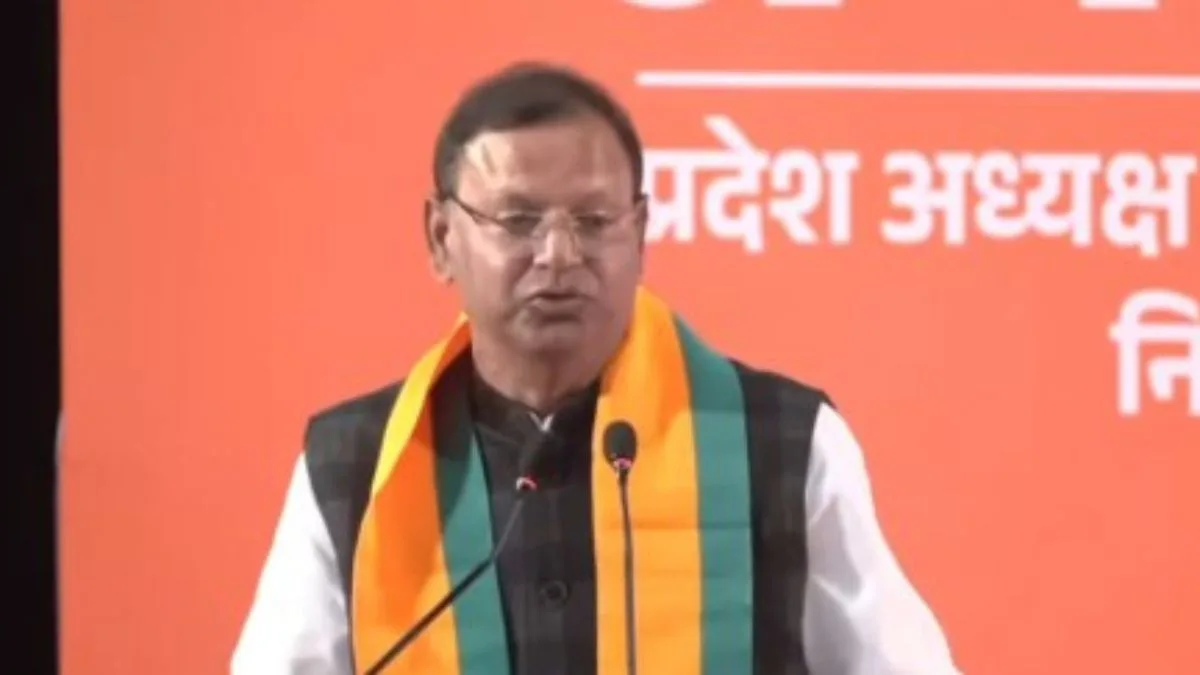
Uttar Pradesh Bharatiya Janata Party (BJP) newly appointed state president Pankaj Chaudhary has said that the BJP does not look at any specific date or election year.

Statesman News Service | Lucknow |

Uttar Pradesh Bharatiya Janata Party (BJP) newly appointed state president Pankaj Chaudhary has said that the BJP does not look at any specific date or election year.

“BJP workers are always ready. The organisation works continuously among the public,” he said.

At the meeting held here on Sunday, extensive discussions were held at the booth level to strengthen the organisation ahead of the upcoming Panchayat and Vidhan Sabha elections.

Senior office-bearers of the party, including Chief Minister Yogi Adityanath, Deputy Chief Ministers Keshav Prasad Maurya and Brajesh Pathak, were present at the meeting.

Key issues discussed in detail included improving coordination between the organisation and the government, activating booth committees, and finalising the strategy for the upcoming elections.

Speaking to the media after the meeting, State President Pankaj Chaudhary took a dig at the opposition over the issue of SIR (Special Intensive Revision). He said that the opposition has been constantly attacking on this subject.

“First they demanded discussion, and discussions on electoral reforms were organised as well. Despite this, the opposition remains dissatisfied. BJP is not a party that shies away from discussion, but there is no way to satisfy the opposition,” he remarked.

Uttar Pradesh Deputy Chief Minister Keshav Prasad Maurya said, “The sole purpose of today’s meeting was to discuss the rally to be held on the birth anniversary of Atal Bihari Vajpayee on December 25, which the Prime Minister will attend.”

He further added, “Infiltrators and duplicate voters will be identified. The era of vote looting must end. The Election Commission has begun this process, and BJP workers are active at the booth level to ensure its success. BJP is fully involved in the purification campaign of the voter list. In 2027, the Samajwadi Party will be limited to Saifai.”

UP Cabinet Minister Jaiveer Singh said the meeting included meaningful discussions on organisational matters under the guidance of the national leadership and the Chief Minister.

Minister Dayashankar Singh added that this was the first meeting of the new state BJP president after assuming office, and various suggestions were given to further strengthen the party.

It is noteworthy that the BJP is preparing to launch a fresh campaign in Uttar Pradesh regarding SIR. A day earlier, on Saturday, BJP National President J. P. Nadda also described this campaign as extremely important during a meeting with party office-bearers. He said that if workers put in dedicated efforts for a month, no one can stop the BJP in 2027.

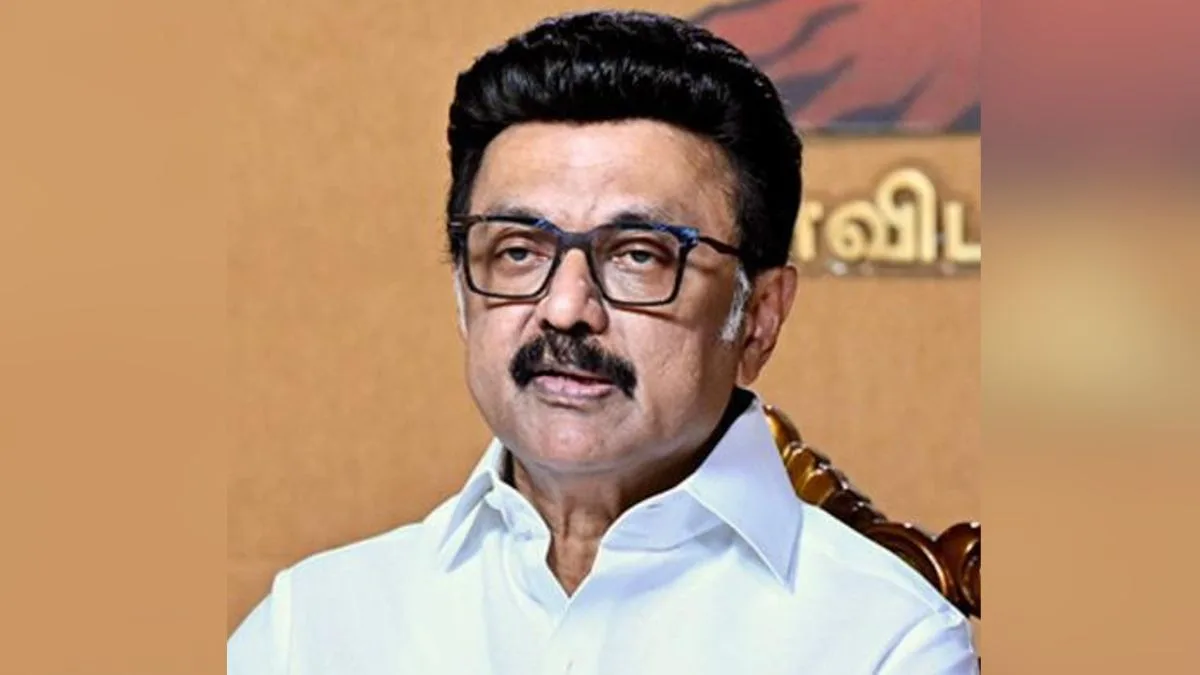
We will not be defeated in this 2000-year-old war, archaeology proves Tamil is cradle and pinnacle of Indian civilisation: Stalin

The Chief Minister, describing the Tamil Vs Sanskrit North as a 2000-year-old war, made it clear that the DMK government was making every effort to keep aloft Tamil antiquity and pride.

M C RAJAN | Chennai |

Reiterating that Tamil landscape was the cradle as well as the pinnacle of Indian civilisation, Chief Minister and DMK president MK Stalin on Sunday asserted that archaeological excavations offer proof for this, and the second museum, Porunai’, established by his government at Tirunelveli is an effort at scientific validation of Tamil’s antiquity.

The Chief Minister, describing the Tamil Vs Sanskrit North as a 2000-year-old war, made it clear that the DMK government was making every effort to keep aloft Tamil antiquity and pride.

“Our culture is distinctive and progressive. The Tamil landscape was the cradle as well as the pinnacle of the civilisation in the Indian subcontinent. We have literary evidence to attest to this. But to scientifically validate them, we carry out archaeological excavations to travel back in time. That is why we are talking about Porunai and Keezhadi, collecting historical data of our ancient history,” he said, addressing a government function at Palayamkottai town in Tirunelveli, a day after inaugurating the Porunai museum.

“We continue to expose how the BJP-led Union Government is blocking and obstructing the archaeological excavations being carried out by us. They do not want anything that offers valid proof for Tamil’s antiquity to be touched upon. If carried out, they would not publish the findings. As such, our steadfast fight is against those who harbour a deep-rooted hatred for the Tamil language and the Tamils. Those who are chasing the mythical Saraswati civilisation are unwilling to recognise our findings,” he said, adding, “But, we cannot give up our duty. Never. We can’t abandon our history. For, it is a 200-year-old war, in which we cannot be defeated.”

The Chief Minister also extended an invite to Prime Minister Narendra Modi and Finance Minister Nirmala Sitharaman to visit the Porunai museum so that they see for themselves the antiquity of Tamil.

The Porunai museum and the one at Sangam-era site at Keezhadi near Madurai, he said is intended to take our history and rich legacy to the people and make them aware of it. “Only those who read history can create it and be propelled to move forward rather than remaining in the past. And Porunai remains a shining identity of Tamil’s antiquity and a treasure for the Tamils across the globe to be visited,” he later said in a post on ‘X’.

Taking the pride of Tamil antiquity to posterity is the sprawling 13-acre museum, housing the artefacts from Sivagalai, the oldest iron age site in the world, predating Anatolia in Turkey and other places, as well as other antiquities from Athichanallur at Tirunelveli. Constructed at a cost of Rs 62 crore, it has been christened as ‘Porunai Museum’ since Porunai is the classical name of the perennial river Thamirabarani, a cradle of civilisation. Archaeology has become a pillar of Tamil pride.

The museum will house Iron Age tools and implements of Sivagalai, which have pushed back the use of smelted iron by over a millennium besides skulls, burial urns and pots with ancient Tamil script, ‘Tamizhi’, predating the Ashokan Brahmi script, excavated from nearby Athichanallur. Also showcased are artefacts from Korkai, the ancient bustling southern port city of the Pandya kingdom.

For the ruling DMK and activist Tamil scholars, the new Iron Age finding at Sivagalai is not yet another archaeological discovery, but a revelation bringing a paradigmatic shift about Tamil’s antiquity over Sanskrit north India. No wonder, it had opened up a debate as it precedes the traditionally accepted timeline of iron age in India – 1800 BCE, on the basis of findings at Malhar and other places in Uttar Pradesh.

Earlier this year, on January 23, Stalin releasing the report on Sivagalai, backed by carbon dating evidence, made it clear that the findings were integral to regional identity and said, “Not just in India, I declare to the world that production of iron commenced in Tamil soil. Iron smelting technology was introduced in the Tamil land 5300 years ago. We have been proving our history scientifically to those who mocked that our literature can never be evidence.”

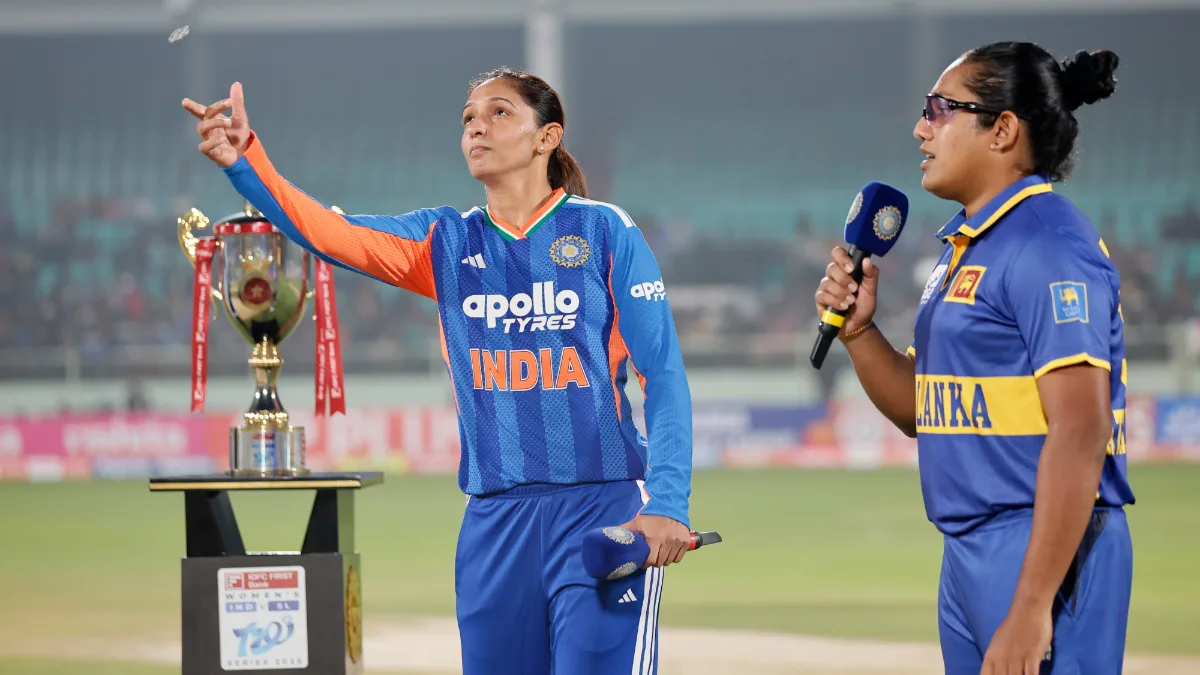
India vs Sri Lanka Women, 1st T20I: India opt to bowl against Sri Lanka in Visakhapatnam

Captain Harmanpreet Kaur cited the expected dew later in the evening as the primary reason behind the decision, backing her bowlers to exploit early conditions before the surface becomes easier for batting.

Statesman News Service | New Delhi |

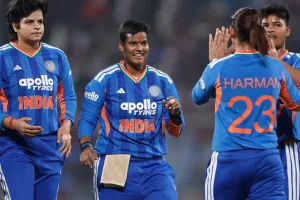
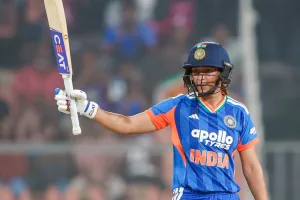
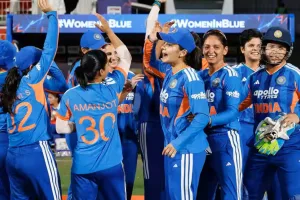
The India Women’s team will begin their T20I series against Sri Lanka with the opening match at the ACA-VDCA Cricket Stadium in Visakhapatnam on Sunday. The hosts opted to bowl after winning the toss against Sri Lanka in the first T20I of the five-match series.

Captain Harmanpreet Kaur cited the expected dew later in the evening as the primary reason behind the decision, backing her bowlers to exploit early conditions before the surface becomes easier for batting.

“There will be dew, so that is a reason we want to bowl. We have one debutant, Vaishnavi is playing. All the old players are there. It is a new series for us, a new format. We always talk about playing fearless cricket, and that is what we want to do,” Harmanpreet said at the toss.

India handed a T20I debut to Vaishnavi Sharma while retaining their core batting group featuring Smriti Mandhana, Shafali Verma, Jemimah Rodrigues and wicketkeeper-batter Richa Ghosh. The bowling unit includes Deepti Sharma, Arundhati Reddy and youngster Kranti Gaud.

Sri Lanka captain Chamari Athapaththu said her side would rely on a mix of experience and youth as they look to test themselves against a strong Indian outfit.

“We had a good preparation. We have struggled with the weather in the last two days, but all good. We have six or seven youngsters playing so hope they make the opportunity count. We have a good team and we are sticking with the plans,” Athapaththu said.

The pitch at Visakhapatnam is expected to favour batters, with short square boundaries and an even covering of grass. With dew forecast later in the evening, chasing could become easier, placing a premium on disciplined bowling upfront.

The match marks the start of a crucial phase for India, with the five-game series forming a significant part of their limited T20I build-up to the 2026 Women’s T20 World Cup in England. With only 11 T20Is scheduled before the global event, India will be keen to establish combinations and momentum early.

Sri Lanka, meanwhile, will use the series to assess how their younger players cope against a confident Indian side in challenging away conditions.

Teams:

India: Smriti Mandhana, Shafali Verma, Jemimah Rodrigues, Harmanpreet Kaur (capt), Richa Ghosh (wk), Deepti Sharma, Amanjot Kaur, Arundhati Reddy, Kranti Gaud, Vaishnavi Sharma, N Shree Charani

Sri Lanka: Chamari Athapaththu (capt), Hasini Perera, Harshitha Samarawickrama, Vishmi Gunaratne, Nilakshika Silva, Kaushini Nuthyangana (wk), Kavisha Dilhari, Malki Madara, Inoka Ranaweera, Kawya Kavindi, Shashini Gimhani

Punjab launches AI-driven career guidance in govt schools to support informed student choices

Marking a significant step toward equitable career planning for all students, the Punjab Government Sunday launched a first-of-its-kind initiative to integrate artificial intelligence-driven career guidance into its public school system.

Statesman News Service | Chandigarh |

Marking a significant step toward equitable career planning for all students, the Punjab Government Sunday launched a first-of-its-kind initiative to integrate artificial intelligence-driven career guidance into its public school system.

Under the pilot phase, 25 AI-enabled Career Guidance Labs were inaugurated in Government and Punjab School Education Board (PSEB)-affiliated schools, announced Harjot Singh Bains, Education Minister, Punjab.

Bains rolled out the initiative by simultaneously inaugurating labs at Government Senior Secondary School, Nangal, and Government Senior Secondary School for Girls, Sri Anandpur Sahib. The programme, implemented in collaboration with ed-tech partner “Beyond Mentor”, is being offered free of cost to students and the state.

“This initiative is about empowering the state’s youth with the right tools at the right time,” Bains said, adding that the 25-school pilot will be closely monitored for its impact, student outcomes, and operational efficacy.

Successful implementation is expected to pave the way for a phased expansion across Punjab, potentially making it one of the first states in India to embed systematic AI-led career guidance within its public education framework. The initiative underscores Chief Minister Bhagwant Singh Mann-led Punjab Government’s commitment to preparing students for the demands of the 21st-century economy.

He further stated, “Career guidance should not be a luxury. By bringing structured, AI-powered counselling into our government schools, we are ensuring every child, irrespective of socio-economic background, can make an informed choice about their future.”
Outlining the workflow of the AI Labs, the Education Minister explained that students will undergo an AI-based aptitude and interest assessment on the digital platform. The system will generate an individualised career report, highlighting potential academic and vocational pathways. Professional counsellors will then conduct one-to-one sessions with students—along with their parents—to discuss the report and create an actionable plan.

The model is designed to move beyond traditional, generic advice and provide personalised, data-informed insights at an early stage, beginning from Class 6 onwards, he added.

PSEB Chairman Dr Amarpal Singh emphasised the shift from exam-centric learning to holistic development, stating, “True education is about unlocking potential. These labs will help students understand their innate strengths and translate them into tangible career goals, moving beyond the conventional chase for marks.”

Mr Saurav Kumar, CEO of Beyond Mentor, the implementing partner, noted, “Our platform combines technology with human empathy. The AI handles scalable assessment, but the crucial counselling is delivered by professionals, ensuring each child feels heard and guided.”

Meanwhile, Akshita, a Class 9 student at GGSS, Nangal, shared, “It’s exciting that our government school is offering something so advanced. Earlier, we only knew about a few common career options. Through the counselling session, we learned about many new possibilities. Such guidance was usually available only in private schools.”

Her father, Vishal Sharma, appreciated the state government’s inclusive approach. “Being part of the counselling session with my daughter was invaluable. It brings the family into the conversation about her future, which is very reassuring,” he said.

Sharan, a Class 6 student of Government Girls Senior Secondary School, Sri Anandpur Sahib, said, “This programme helped me understand my interests and personality better. It will help me choose the right career path with confidence.”

Newly elected members sworn in across Kerala local bodies

The newly elected members of local bodies in Kerala were sworn in and formally assumed office on Sunday across the state.

Statesman News Service | Thiruvananthapuram |

The newly elected members of local bodies in Kerala were sworn in and formally assumed office on Sunday across the state.

The oath-taking ceremonies began at 10 a.m. in the three-tier panchayats and municipalities, while proceedings in the corporations started at 11.30 am. The term of the outgoing administrative bodies ended on Saturday.

In each body, the senior-most elected member took the oath first, administered by officials authorised by the government. Senior Congress member Cletus was the first to take the oath in the Thiruvananthapuram Corporation and subsequently administered the oath to other members.

Congress member KS Sabarinathan took the oath holding up a copy of the Constitution. Former DGP and BJP councillor from the Sasthamangalam ward, R Sreelekha, concluded her oath with the chant “Vande Mataram.”

BJP state president Rajiv Chandrasekhar and the party’s Kerala in-charge Prakash Javadekar were present at the oath-taking ceremony in Thiruvananthapuram Corporation, where the BJP has come to power.

Senior member Udaya Sukumaran was the first to take the oath in Kollam Corporation, after which he administered the oath to the others.

Large turnouts were reported in the oath-taking ceremonies held in the Kochi, Thrissur, Kozhikode, and Kannur corporations, as well as in other local bodies across the state.

The election of Mayors and Municipal Chairpersons has been scheduled for December 26 at 10.30 am, followed by the election of Deputy Mayors and Vice-Chairpersons at 2.30 pm the same day.

On December 27, elections for the presidents of grama, block, and district panchayats will be held at 10.30 am., with Vice-Presidents to be elected later at 2.30 pm.

A total of 23,573 candidates won in the Kerala local body elections held in phases on December 9 and 11.

GeM facilitated auctions worth over Rs 2,200 crore between Dec’ 21 to Nov’ 25

The Government e-Marketplace (GeM) Forward Auction module facilitated auctions worth more than Rs 2,200 crore, conducted over 13,000 auctions, onboarded more than 23,000 registered bidders and enabled participation from over 17,000 auctioneers between December 2021 and November 2025.

Statesman News Service | New Delhi |

The Government e-Marketplace (GeM) Forward Auction module facilitated auctions worth more than Rs 2,200 crore, conducted over 13,000 auctions, onboarded more than 23,000 registered bidders and enabled participation from over 17,000 auctioneers between December 2021 and November 2025.

“These figures underscore that Forward Auctions are no longer a pilot initiative but have evolved into a nationwide digital mechanism for government asset disposal,” said the Ministry of Commerce & Industry in a statement.

The impact of this shift is evident from multiple instances across the country. One such case is the auction of 100 EWS flats at Aliganj, Lucknow, conducted by the State Bank of India, which realised Rs 34.53 crore through the GeM platform. The auction outcome led SBI to formally acknowledge the conduct of the process by the GeM Forward Auction team, reflecting the role of transparent digital mechanisms in enabling value discovery, the statement said.

The range of assets being auctioned through GeM highlights the breadth of applications of the Forward Auction module.

Recent auctions include the sale of screened gypsum worth Rs 3.35 crore by FCI Aravali Gypsum and Minerals India Ltd, disposal of 261 condemned vehicles in the Jammu Division, auction of salvage items by the Border Roads Organisation, lease of a dormitory in Gulmarg for a period of five years, and auction of boating activity rights at a lake in Spurtar, it said.

It further cited the example of the National Zoological Park, New Delhi, which had faced challenges in disposing of unusable and obsolete articles over an extended period. Through the Forward Auction process, the Zoo achieved a highest bid above the reserve value and placed on record its appreciation for the support received during the auction.

Efficient disposal of scrap through such mechanisms contributes to improved operational processes and optimal utilisation of public resources.

A Forward Auction is a digital bidding process through which government departments sell assets such as scrap, e-waste, old vehicles, machinery and leasehold properties, including buildings and land, to the highest bidder. In this process, the government lists an item on the platform, registered bidders place competing bids and the highest offer is declared successful.

Through GeM’s secure digital interface, departments are able to set reserve prices, define participation conditions and monitor bidding in real time, ensuring efficiency and transparency throughout the auction lifecycle.

Congress announces nationwide agitation against scrapping of MGNREGA

A political firestorm has erupted following the Modi government’s decision to scrap the Mahatma Gandhi National Rural Employment Guarantee Act (MGNREGA), a move the Congress party has described as a direct assault on the economic survival of India’s rural poor.

Statesman News Service | New Delhi |

A political firestorm has erupted following the Modi government’s decision to scrap the Mahatma Gandhi National Rural Employment Guarantee Act (MGNREGA), a move the Congress party has described as a direct assault on the economic survival of India’s rural poor.

The Congress alleged that the decision marks the end of a transformative era for rural labour, dismantling a scheme that for nearly two decades provided a legal guarantee of 100 days of wage employment per year to every rural household.

Congress General Secretary KC Venugopal issued a scathing indictment of the government’s move, alleging that the administration had been systematically weakening the Act for years before finally delivering the “death blow.”

“The Modi government has effectively dismantled MGNREGA — by converting it from a right to a favour,” Venugopal said in a statement on Sunday. “The decision to cap funds, centralize control, and alter the demand-driven nature of the scheme has pushed crores of rural families into insecurity and distress.”

Venugopal further argued that by removing the legal guarantee of work, the government is stripping dignity from the hands of the rural workforce and leaving them at the mercy of bureaucratic whims.

In response, the Congress party has announced a massive two-day nationwide mobilisation to protest what it calls the “de-anchoring” of rural social security. Congress workers will lead large-scale demonstrations at all district headquarters across India. Simultaneously, the Congress Working Committee (CWC) will convene to map out a long-term political and legal strategy against the decision.

The protests will extend to the grassroots level, with workers organising programmes in Mandals and Panchayats. Demonstrators will carry portraits of Mahatma Gandhi to symbolise a commitment to his ideals of self-reliance and the constitutional promise of the “right to work.”

Launched in 2005 under the UPA government, MGNREGA was globally recognised as one of the world’s largest social safety nets. It played a critical role in reducing rural poverty, empowering women — who form a majority of the workforce — and preventing distress migration to cities.

During the COVID-19 pandemic, the scheme was widely credited as the “last resort” for millions of migrant workers who returned to their villages. In recent years, however, it faced friction with the present administration over budget cuts, delayed wage payments, and the mandatory introduction of Aadhaar-based payment systems, which critics argued were designed to exclude eligible beneficiaries.

By scrapping the Act, the government signals a fundamental shift in economic policy, moving away from legislated welfare toward a model of centralised schemes, a shift the Opposition warns will leave the most vulnerable without any legal recourse for survival.

BJP-led Mahayuti surges ahead in Maharashtra local body polls, leads in over 200 seats

In the Opposition’s Maha Vikas Aghadi, the Congress was leading in 32 local bodies, followed by NCP–SCP with nine and Shiv Sena (UBT) with eight.

Statesman News Service | New Delhi |

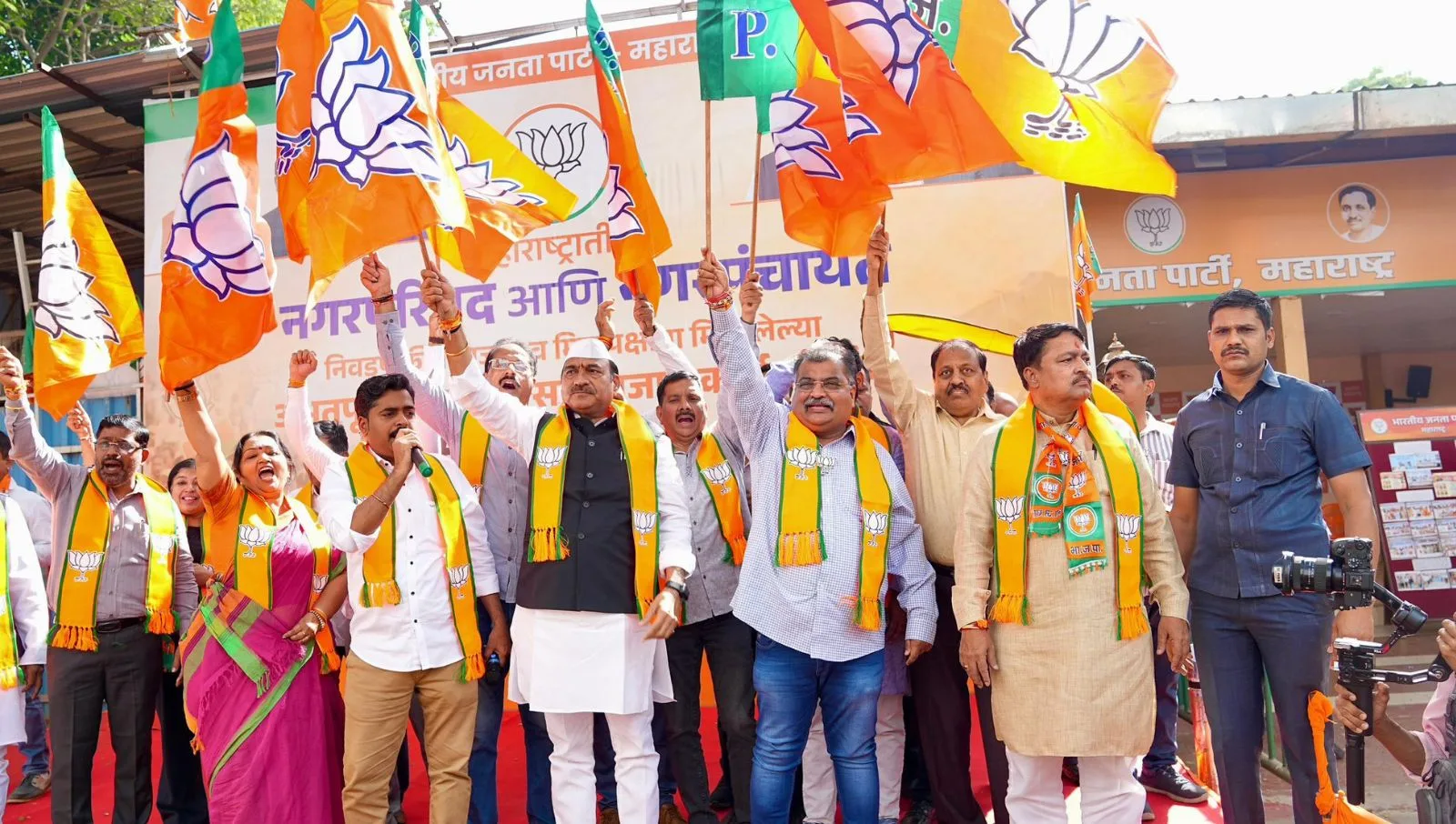
The Bharatiya Janata Party (BJP)-led Mahayuti alliance took a commanding lead in 214 local bodies as counting of votes for the Maharashtra Local Body Elections 2025 continued on Sunday.

According to trends, the BJP is on course to emerge as the single largest party, leading in 118 local bodies. The Eknath Shinde-led Shiv Sena was ahead in 59 local bodies, followed by the Ajit Pawar-led NCP in 37.

In the Opposition’s Maha Vikas Aghadi, the Congress was leading in 32 local bodies, followed by NCP–SCP with nine and Shiv Sena (UBT) with eight.

Maharashtra Deputy Chief Minister and Shiv Sena chief Eknath Shinde said that the people have given their verdict on which is the real Shiv Sena.

“People have decided which is the real Shiv Sena. Our ideology is Balasaheb Thackeray. He would be happy today over this magnificent victory. This is a very big lesson for those who indulge in politics. People reject those who reject them,” he said while addressing a press conference after the results.

Reacting to the outcome, Maharashtra BJP chief Ravindra Chavan said that the people of the state have once again reposed faith in the leadership of Chief Minister Devendra Fadnavis.

“The people of Maharashtra have shown confidence in the leadership of Chief Minister Devendra Fadnavis, as they firmly believe that the state will progress under his leadership,” he said.

Chavan claimed that the youth of the state have strongly backed the BJP and Fadnavis.

“Voters, especially the youth, have voted for the BJP and for Fadnavis ji because they believe their dreams will be fulfilled under his leadership,” he added.

Union Minister Nitin Gadkari congratulated Chief Minister Fadnavis, state BJP chief Chavan, and all party workers on the resounding victory.

“This victory belongs to the party workers. A heartfelt thank you to the people for reposing their faith in the BJP and its development-oriented functioning,” Gadkari said.

First snowfall ends prolonged dry spell in J&K and Ladakh as Chillai Kalan begins

Breaking the long-stretched dry spell across the Union Territories of Jammu & Kashmir and Ladakh, the iconic tourist destinations of Gulmarg and Sonamarg in the Kashmir Valley on Sunday witnessed the season’s first snowfall, coinciding with the onset of the 40-day harsh winter period known as Chillai Kalan.

Statesman News Service | Jammu |

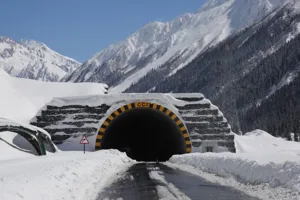
Breaking the long-stretched dry spell across the Union Territories of Jammu & Kashmir and Ladakh, the iconic tourist destinations of Gulmarg and Sonamarg in the Kashmir Valley on Sunday witnessed the season’s first snowfall, coinciding with the onset of the 40-day harsh winter period known as Chillai Kalan.

Snowfall and poor visibility disrupted both air and road travel. At least twelve incoming and outgoing flights between Srinagar and New Delhi, Jammu, Mumbai, Ahmedabad, and Amritsar were cancelled due to snowfall and low visibility. Four flights between Jammu and Srinagar/New Delhi were also cancelled.

However, flight operations at Leh airport remained normal, with seven arrivals and departures operating as scheduled.

Snow accumulation led to the closure of the Srinagar–Ladakh highway, Mughal Road, Sinthan Pass, and several other hill routes, as many areas in the region were blanketed in thick snow. Gulmarg recorded more than five inches of snowfall by the afternoon.

Chillai Kalan, which begins on 21 December and continues until 31 January, is considered the coldest phase of winter in Kashmir. It is marked by sub-zero temperatures, intense cold waves, frozen water bodies, and frequent snowfall.

Fresh snowfall at Pir Ki Gali forced the closure of Mughal Road due to slippery conditions. Traffic Police advised travellers to avoid unnecessary journeys, stating that snow clearance operations would resume once the weather improves.

Ladakh’s Meteorology Director, Sonam Lotus, wrote on X: “A big relief from a prolonged dry spell!! Currently, snowing at most places of Kargil, Zanskar & over higher reaches of Jammu & Kashmir. Snowfall is very likely to intensify as the day progresses, with peak during afternoon to night.”

Welcoming the season’s first snowfall, Kashmir’s chief cleric, Mirwaiz Umar Farooq, wrote on X: “Alhamdulillah, Chillai Kalan greets us with much-awaited rain and snow! Allah’s blessing sent from the skies. ‘And We sent down from the sky blessed water…’ (Qur’an). A time to refresh our faith and prostrate in gratitude to our Creator for His countless mercies upon us.”

The upper reaches of the Jammu region also witnessed snowfall, with a cold wave sweeping across the area.

President gives nod to VB—G RAM G Bill, 2025

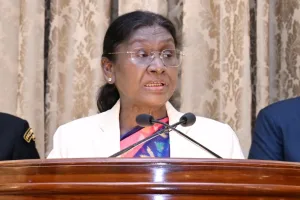
President Droupadi Murmu has given assent to the Viksit Bharat—Guarantee for Rozgar and Ajeevika Mission (Gramin) (VB—G RAM G) Bill, 2025, thus paving the way for a new statutory rural employment framework that replaces the Mahatma Gandhi National Rural Employment Guarantee Act.

Statesman News Service | New Delhi |

President Droupadi Murmu has given assent to the Viksit Bharat—Guarantee for Rozgar and Ajeevika Mission (Gramin) (VB—G RAM G) Bill, 2025, thus paving the way for a new statutory rural employment framework that replaces the Mahatma Gandhi National Rural Employment Guarantee Act. This marks a significant milestone in the transformation of India’s rural employment and development framework.

The Act enhances the statutory wage employment guarantee to 125 days per financial year for rural households and seeks to advance empowerment, inclusive growth, convergence of development initiatives and saturation-based delivery, thereby strengthening the foundation for a prosperous, resilient and self-reliant Rural Bharat.

The VB G Ram G Bill was passed in Parliament amid strong protests by the Opposition over the removal of Mahatma Gandhi’s name from the existing rural employment guarantee scheme, MGNREGA, and accusing the government of putting the financial burden on States.

Anchored in the principles of empowerment, growth, convergence and saturation, the Act seeks to transform rural employment from a standalone welfare intervention into an integrated instrument of development.

Salient Features of the Act

Enhanced Statutory Employment Guarantee: The Act provides a statutory guarantee of not less than 125 days of wage employment per rural household in each financial year to households whose adult members volunteer to undertake unskilled manual work (Section 5(1)). This enhancement over the earlier 100-day entitlement significantly strengthens livelihood security, predictability of work, and income stability for rural households.

To facilitate adequate availability of agricultural labour during peak sowing and harvesting seasons, the Act empowers States to notify an aggregated pause period aggregating to sixty days in a financial year (Section 6).

The full 125-day employment guarantee remains intact, to be provided during the remaining period, ensuring a calibrated balance that supports both agricultural productivity and worker security.

Timely Wage Payments: The Act mandates payment of wages on a weekly basis or, in any case, within 15 days of completion of work (Section 5(3)). In cases of delay beyond the stipulated period, delay compensation shall be payable in accordance with the provisions laid down in Schedule II, reinforcing wage security and protecting workers from delays.

Employment Linked with Productive Rural Infrastructure: Wage employment under the Act is explicitly aligned with the creation of durable public assets across four priority thematic domains: Water security and water-related works, Core rural infrastructure, Livelihood-related infrastructure, and Works to mitigate extreme weather events.

The Act is implemented as a Centrally Sponsored Scheme, to be notified and operationalised by the State Governments in accordance with the provisions of the Act.

The cost-sharing pattern is 60:40 between the Centre and States, 90:10 for North Eastern and Himalayan States, and 100 per cent central funding for Union Territories without legislatures.

Funding is provided through State-wise normative allocations based on objective parameters prescribed in the Rules (Sections 4(5) and 22(4)), ensuring predictability, fiscal discipline, and sound planning, while fully preserving statutory entitlements to employment and unemployment allowance.

All works are planned through a bottom-up process, and all assets created are aggregated into the Viksit Bharat National Rural Infrastructure Stack, ensuring convergence of public investments, avoidance of fragmentation, and outcome-based planning aimed at saturation of critical rural infrastructure, based on varying local needs, according to a Ministry of Rural Development statement said on Sunday.

First FCI grain-laden goods train from Punjab arrives at Anantnag in Kashmir

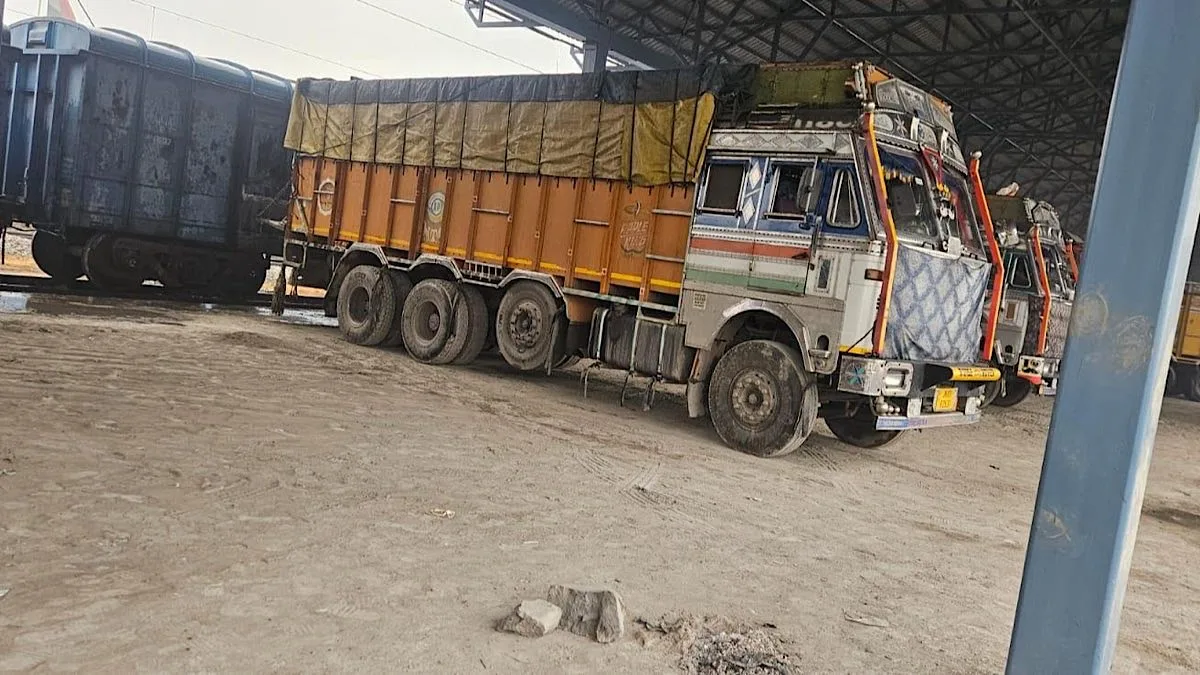
The first-ever Food Corporation of India (FCI) food grain freight train, consisting of 21 wagons, successfully arrived at the Anantnag (Kashmir) Goods Terminal from Ajitwal Goods Shed in the Firozpur Division in Punjab on Sunday.

Statesman News Service | Jammu |

The first-ever Food Corporation of India (FCI) food grain freight train, consisting of 21 wagons, successfully arrived at the Anantnag (Kashmir) Goods Terminal from Ajitwal Goods Shed in the Firozpur Division in Punjab on Sunday.

This marks a historic day for the people of the Kashmir Valley, as the Railways and the Food Corporation of India have jointly initiated this food grain freight train service to Kashmir. This is a significant step towards strengthening the food supply chain and promoting economic development in the future, Senior Divisional Commercial Manager, Uchit Singhal said.

The grain-laden freight train reached Kashmir from Punjab without any hindrance and in a much shorter time compared to road transport.

Similarly, in the future, grains and other food items will reach Kashmir directly by rail from various parts of the country. This will directly benefit local traders and the general public.

Commenting on the FCI’s initiative and the timely and safe arrival of the food grain freight train in Anantnag, Singhal said, “This is a moment of pride for the Railways. This freight train will act as an economic bridge between Punjab and Kashmir. In the coming times, the operation of FCI food grain freight trains by the Railways will play a major role in providing infrastructural support to the economy.”

Highlighting the advantages, he further added that it takes less time for the movement of goods and food grains compared to road transport, and this initiative will also reduce traffic congestion on the busy National Highway 44. Rail transport facilitates better and more efficient supply chain management of food grains, leading to improved planning and distribution.

IIT Kanpur’s Class of 1986 pledges ₹11 crore for transformational campus initiatives at 40-year reunion

Marking their 40-year reunion, the Class of 1986, Indian Institute of Technology Kanpur (IIT Kanpur), announced a collective pledge of ₹11 crore to support three landmark legacy projects on campus.

Statesman News Service | Kanpur |

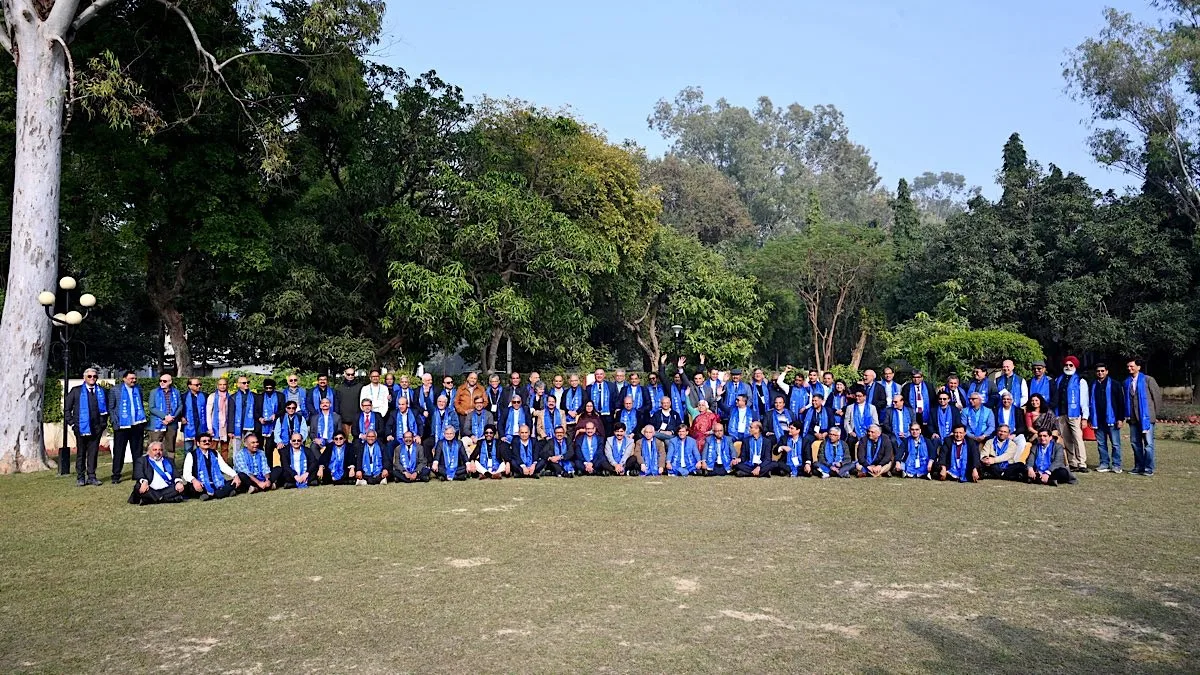
Marking their 40-year reunion, the Class of 1986, Indian Institute of Technology Kanpur (IIT Kanpur), announced a collective pledge of ₹11 crore to support three landmark legacy projects on campus.

The reunion, held from 18-21 December 2025, brought together alumni from across the globe to reconnect with their alma mater, celebrate four decades of shared journeys, and contribute meaningfully to IIT Kanpur’s future.

The pledged amount will be directed towards three batch legacy initiatives focused on student life, wellbeing, and community engagement on campus: the SAC Extension Auditorium, the Centre for Mental Health and Wellbeing, and a Tower in the New Hall of Residence. Together, these projects reflect the batch’s enduring commitment to enhancing student experience, strengthening institutional infrastructure, and nurturing a supportive campus environment.

Reflecting on the occasion, Prof. Manindra Agrawal, Director of IIT Kanpur and an alumnus of the Class of 1986, said here on Sunday, “The institute has played a defining role in shaping who we are today. I am immensely proud of my batchmates for coming together to support initiatives that will directly impact students’ academic, cultural, and emotional well-being. This collective commitment exemplifies the spirit of responsibility and gratitude that IIT Kanpur alumni carry throughout their lives.”

Expressing appreciation for the contribution, Prof. Amey Karkare, Dean of Resources and Alumni, IIT Kanpur, said, “The Class of 1986 has set a remarkable example of alumni leadership and collective philanthropy. Their generous pledge of ₹11 crore will significantly strengthen critical student-centric infrastructure and well-being initiatives on campus. Such legacy gifts not only accelerate the institute’s development but also reinforce the deep and enduring bond between IIT Kanpur and its alumni community. We are sincerely grateful to the Class of 1986 for their vision, generosity, and continued engagement.”

Sharing the batch’s perspective, Ajit Dass, Alumni Batch Coordinator, Class of 1986, added, “As we came together for our 40-year reunion, there was a shared desire to give back in a way that would create lasting value for the institute and its students. These legacy projects represent our collective gratitude and our hope to contribute meaningfully to the lives of current and future IITK students.”

The 40-year reunion of the Class of 1986 was marked by reflection, camaraderie, and a renewed commitment to the institute’s mission. IIT Kanpur extends its heartfelt appreciation to the Class of 1986 for their extraordinary support and looks forward to their continued partnership in advancing education, innovation, and student well-being at the institute.