Logo

Trump says US will begin “hitting land with regard to the cartels” in drug crackdown

US President Donald Trump on Thursday indicated that his administration will soon expand its campaign against drug cartels to land-based operations, following recent actions targeting drug trafficking networks in the region.

ANI | New Delhi |

US President Donald Trump on Thursday indicated that his administration will soon expand its campaign against drug cartels to land-based operations, following recent actions targeting drug trafficking networks in the region.
Speaking on Fox News during an interview with host Sean Hannity, Trump said, “We’ve knocked out 97% of the drugs coming in by water, and we are gonna start now hitting land, with regard to the cartels.”

Underscoring his concerns about Mexico, Trump asserted that “The cartels are running Mexico,” adding, “It’s very, very sad to watch and see what’s happened to that country.”
Earlier this week, Trump said he had raised the possibility of US military assistance with Mexican President Claudia Sheinbaum to tackle drug cartels, cautioning that “Mexico has to get their act together.”

Trump’s remarks drew a sharp response from Sheinbaum, who reaffirmed Mexico’s sovereignty and rejected any form of foreign intervention, The Hill reported. The reaction followed last week’s US military operation in Venezuela that captured its President Nicolas Maduro and his wife Cilia Flores.
Responding to the developments, Sheinbaum said on Monday, “We categorically reject intervention in the internal affairs of other countries. The history of Latin America is clear and compelling: intervention has never brought democracy, never generated well-being, nor lasting stability.”
She stressed that political futures must be shaped internally, adding, “Only the people can build their own future, decide their path, exercise sovereignty over their natural resources, and freely define their form of government.”
Emphasising international law, Sheinbaum said it “unequivocally” establishes “respect for the sovereignty of states, their territorial integrity, and the right of peoples to self-determination.” She added, “Therefore, we state clearly that, for Mexico, and so it must be for all Mexicans: the sovereignty and self-determination of peoples are not optional or negotiable, they are fundamental principles of international law and must always be respected without exception.”

Responding further, Sheinbaum pointed to ongoing cooperation between the two countries on combating drug trafficking, saying, “Mexico cooperates with the United States, including for humanitarian reasons, to prevent fentanyl and other drugs from reaching its population, particularly young people.”
She added, “As we’ve said before: we don’t want fentanyl, or any drug, to reach any young person, not in the United States, not in Mexico, not anywhere else in the world. We are acting responsibly and decisively.”

At the same time, Sheinbaum underlined the need to address shared responsibility and deeper causes of violence, stating, “It is important to emphasize that when we talk about shared responsibility, respect, and mutual trust, this violence experienced in our country has, among its causes, the illegal entry of high-powered weapons from the United States into Mexico, as well as the serious problem of drug use in the neighboring country.”
She further said, “Similarly, we have pointed out that groups that distribute drugs and launder money in both Mexico and the United States must be firmly combated.”
Sheinbaum reaffirmed Mexico’s stance against external pressure, saying, “Finally, it is necessary to reaffirm that in Mexico the people rule and that we are a free, independent and sovereign country.” She added, “Cooperation, yes; subordination and intervention, no.”
Delhi shivers at 5°C as air quality remains ‘very poor’

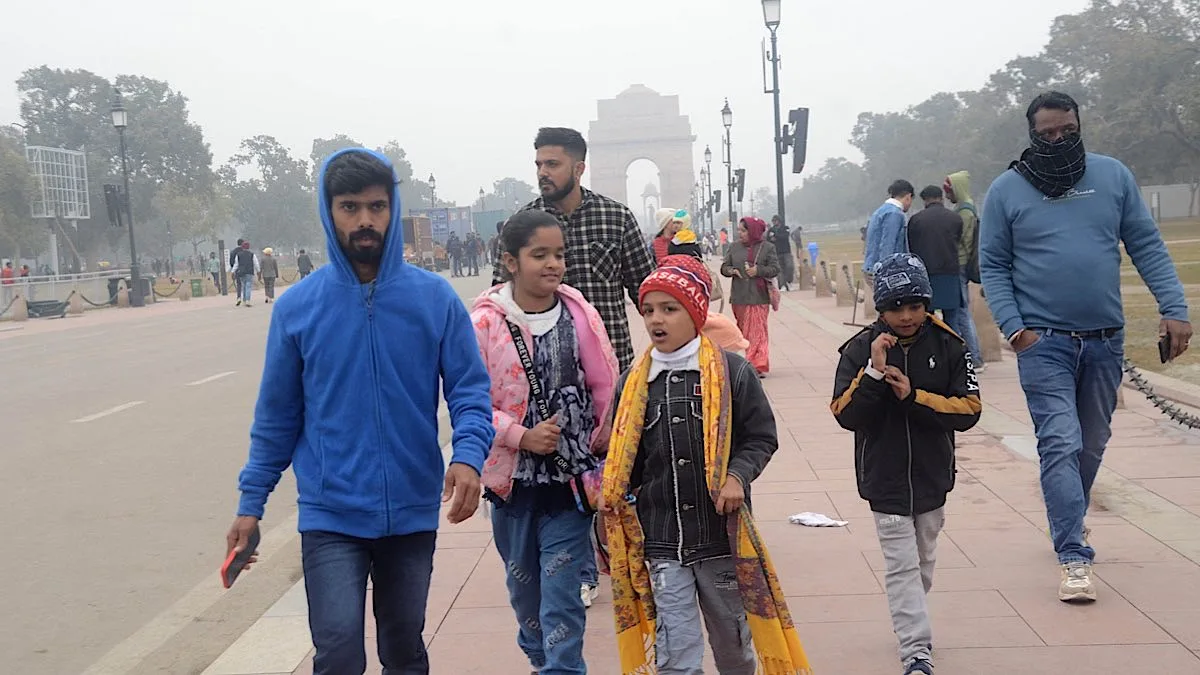
The national capital shivered through another cold morning on Friday as temperatures plunged to 5 degrees Celsius, bringing biting winter conditions, according to the India Meteorological Department (IMD).

IANS | New Delhi |

The national capital shivered through another cold morning on Friday as temperatures plunged to 5 degrees Celsius, bringing biting winter conditions, according to the India Meteorological Department (IMD).

Meanwhile, air quality continued to remain in the ‘poor’ to ‘very poor’ range, with several parts of the city blanketed by a thick layer of smog.

Adding to the chill, light drizzle was reported in several parts of Delhi and the National Capital Region (NCR). Isolated showers between 6:30 am and 8 am dampened areas including Noida, Ghaziabad, Dadri, and nearby regions, intensifying the cold and making early morning hours particularly harsh.

According to the India Meteorological Department (IMD), Delhi is expected to remain under the grip of a sharp cold wave, with minimum temperatures hovering around 5 degree Celsius and maximum daytime temperatures likely to stay between 16 degree Celsius and 17 degree Celsius.

Safdarjung witnessed a notable dip in temperature on Thursday, recording a minimum of 5.8 degrees Celsius, while Lodhi Road experienced similar conditions with the mercury falling to 6.1 degrees Celsius.

Although rainfall generally helps improve air quality by settling dust particles, particularly PM2.5, the uneven and light nature of the drizzle had a limited impact this time. As a result, air quality continued to remain in the ‘poor’ category.

Several areas were blanketed by a thick layer of smog, while air quality across Delhi continued to range between ‘poor’ and ‘very poor,’ according to data from the Central Pollution Control Board (CPCB).

CPCB readings indicated that Delhi’s overall Air Quality Index (AQI) stood at 280, placing it firmly in the ‘poor’ category. Delhi Pollution Control Board (DPCC) showed the Air Quality Index (AQI) was 328 at 9 am. On Thursday, the AQI had improved slightly to 279, compared to 302 recorded on Wednesday.

The cold spell brought biting temperatures during the early morning hours, forcing residents to bundle up as winter made its presence strongly felt across the city.

Trinamool Congress MPs protest outside Amit Shah’s office over ED raids, detained briefly

Trinamool Congress MPs protested outside Amit Shah’s office in Delhi against ED raids on I-PAC, alleging misuse of agencies. Police briefly detained some leaders during the demonstration.

Statesman News Service | New Delhi |

A group of Trinamool Congress MPs protested outside Union Home Minister Amit Shah’s office in the national capital on Friday, accusing the Centre of using investigative agencies to target the opposition. The demonstration ended with police briefly detaining some of the MPs as security moved in to clear the area.

The protest comes a day after the Enforcement Directorate carried out searches at the Kolkata office of political consultancy firm I-PAC and the residence of its co-founder, Pratik Jain — an action that has triggered sharp political reactions in West Bengal.

Placards carried by the MPs read, “Bengal rejects Modi-Shah’s dirty politics.” Slogans were raised against the BJP-led government, with leaders alleging that central agencies were being deployed selectively, especially ahead of elections.
Who protested and what happened outside the Home Minister’s office

The MPs present included Derek O’Brien, Satabdi Roy, Mahua Moitra, Bapi Haldar, Saket Gokhale, Pratima Mondal, Kirti Azad and Dr Sharmila Sarkar. As the protest continued, Delhi Police intervened, citing security concerns.

Derek O’Brien and Mahua Moitra were among those detained for a short period as police tried to prevent obstruction near the premises.

Questioning the action, O’Brien said, “Why are we being detained? Look at this. You are seeing what is happening with Amit Shah’s Delhi Police. You are seeing what is happening to MPs. All our MPs have been taken into custody.”
Moitra, as she was escorted away, said, “We will defeat the BJP. The country is seeing how the Delhi Police is treating an elected MP.”

Other TMC MPs echoed similar charges. Satabdi Roy alleged that central agencies surface “only during elections,” while Kirti Azad said the raids were an attempt to win polls “in an undemocratic manner.”

Also Read: ED–I-PAC raids: Calcutta High Court to hear three linked petitions today

ED raids in Kolkata and Mamata Banerjee’s response

The Delhi protest is directly linked to the ED searches conducted on Thursday at I-PAC’s Sector V office in Salt Lake and at Pratik Jain’s Loudon Street residence in Kolkata. I-PAC has worked as a political consultancy firm for the Trinamool Congress since 2019.

West Bengal Chief Minister Mamata Banerjee visited both locations during the searches. She alleged that the agency had seized party documents, including election strategy material, candidate data and electronic devices.

Speaking to reporters, Banerjee said, “Is it the duty of the ED, Amit Shah, to collect the party’s hard disk, candidate list? The nasty, naughty Home Minister who cannot protect the country is taking away all my party documents.”

She also challenged the BJP leadership directly, saying, “If Amit Shah wants Bengal, then come, fight democratically, and win.”

The ED, however, rejected the allegations. In a statement, the agency accused Banerjee of entering Pratik Jain’s residence during the search and removing “key evidence,” including documents and electronic devices. It maintained that the searches were evidence-based, unrelated to elections, and part of a money-laundering probe linked to coal smuggling under the PMLA.

Why this matters politically

As West Bengal seeks to elect its next assembly in 2026, the confrontation has aggravated the already heated rivalry between the ruling Trinamool Congress and the BJP.

The TMC describes the raids as political intimidation, while the Centre and the ED insist the action is lawful and non-political. Friday’s protest in Delhi signals that the issue is likely to move beyond Bengal, keeping the use of central agencies firmly in the national political spotlight.

BJP’s alliance with AIMIM, Cong shameful display of hypocrisy: Shiv Sena(UBT) in ‘Saamana’

Amid ongoing election activity in the 29 municipal corporations in Maharashtra, the Shiv Sena Uddhav Balasaheb Thackeray (UBT) has launched a fierce attack on the Bharatiya Janata Party (BJP), accusing it of abandoning its core ideology for the sake of power.

IANS | New Delhi |

Amid ongoing election activity in the 29 municipal corporations in Maharashtra, the Shiv Sena Uddhav Balasaheb Thackeray (UBT) has launched a fierce attack on the Bharatiya Janata Party (BJP), accusing it of abandoning its core ideology for the sake of power.

The party described the BJP’s recent political manoeuvres in Maharashtra as a “shameful display of hypocrisy” following revelations of local alliances with the AIMIM and the Congress party.

The Thackeray camp in the party mouthpiece ‘Saamana’ editorial said, “The BJP’s current mindset is to do whatever it takes to stay in power and avoid sitting in the opposition as it lacks an original ideology; their Hindutva is a pretence used for selfish political gain. Without the warmth of power, the BJP will struggle to survive. This is why they are willing to partner with Owaisi’s party. For the sake of power, the BJP first gave the “Adhan” (call to prayer), then performed the “Nikah” (marriage), and even the “circumcision”, but the “Qazi” (judge/cleric) recited the prayers so loudly that the BJP’s secret affair reached the entire world.”

The editorial alleged that the BJP has frequently utilised Asaduddin Owaisi’s AIMIM as a “hidden helper” in elections across Uttar Pradesh, Bihar, and Maharashtra to divide opposition votes. “Whenever Owaisi arrives in Maharashtra to give the ‘call to prayer’ (Azaan), it is a signal that the BJP has begun its election preparations,” said the editorial, describing the relationship as a “romance behind the trees” that has now come out into the open.

The Thackeray camp referred to the recent developments in municipal councils. In the Akot Municipal Council, the BJP is accused of entering into an “open marriage” with AIMIM. In the Ambernath Municipal Council, the BJP collaborated with the Congress to undermine the Eknath Shinde-led Shiv Sena faction.
After public outcry, Chief Minister Devendra Fadnavis attempted to perform damage control in a desperate attempt to purify by ordering a ” triple talaq “ from these alliances and promising action against those involved. However, the damage to the BJP’s reputation is irreversible,” it claimed. The state of the BJP in Maharashtra has become such that “reputation lost in a drop cannot be regained by a tankful,” it said.

The Uddhav Thackeray-led Shiv Sena further said that the dealings, including negotiations, bargaining, and secret meetings, for tie-ups were initially conducted in private until someone exposed them.

According to the editorial, while PM Modi gave the slogan of “Congress-mukt Bharat” (Congress-free India), the BJP has now become “Congress-yukt BJP”.

“The BJP has absorbed corrupt Congress leaders into its fold. It appears their new strategy is to kidnap others’ children because they cannot produce capable leaders of their own. Nearly 80 per cent of the BJP’s MLAs, MPs, and corporators are imports from the Congress, NCP, or Shiv Sena. These converts now put on a sickening display of loyalty to Hindutva,” it alleged.

The Thackeray camp argued that by recruiting corrupt leaders and criminals to win elections, the BJP’s only true policy has become “winning at any cost”.

EAM Jaishankar meets French President Macron, underscores strategic partnership amid global shifts

External Affairs Minister S. Jaishankar met French President Emmanuel Macron in Paris, reaffirming the strength of the India–France strategic partnership and exchanging views on contemporary global developments at a time of significant geopolitical and economic transition.

IANS | New Delhi |

External Affairs Minister S. Jaishankar met French President Emmanuel Macron in Paris, reaffirming the strength of the India–France strategic partnership and exchanging views on contemporary global developments at a time of significant geopolitical and economic transition.

During his interaction with President Macron, the External Affairs Minister conveyed warm greetings from Prime Minister Narendra Modi and discussed evolving global challenges, including shifting power balances, regional security concerns, and the need for closer strategic coordination between like-minded partners.

Taking to social media platform X, EAM Jaishankar wrote, “Delighted to call on President @EmmanuelMacron of France today and convey warm wishes of PM @narendramodi. Deeply appreciate his perspectives on contemporary global developments and positive sentiments for our Strategic Partnership.”

India and France share a long-standing strategic partnership spanning defence, space, civil nuclear cooperation, clean energy, and the Indo-Pacific.

Officials on both sides have repeatedly highlighted the relationship as a stabilising factor in an increasingly multipolar world, with Paris and New Delhi advocating strategic autonomy and rules-based international engagement.

In Paris, Jaishankar also addressed the Ambassadors’ Conference of France, where he spoke on the profound changes reshaping global politics and economics. He underlined how trade, finance, technology, energy, resources, and connectivity are driving contemporary global shifts, while stressing that changes in mindset among nations have become a decisive factor in responding to these transformations.

He highlighted the India–France partnership as an important pillar in promoting multipolarity and strategic autonomy.

Earlier on Wednesday, Jaishankar participated in the first India–Weimar format meeting in Paris, alongside Polish Deputy Prime Minister Radoslaw Sikorski, French Foreign Minister Jean-Noel Barrot, and German Foreign Minister Johann Wadephul.

The meeting marked India’s inaugural engagement in the Weimar format, signalling a new avenue for structured dialogue with key European powers.

“We have been witnessing for quite some years now that churn in the Indo-Pacific. Europe is going through its own challenging circumstances, many of which have strategic implications. But beyond that, there have also been overarching developments that could redefine the global order itself. We may be located in different parts of the world, but despite that, perhaps even because of that, it is extremely useful for us to exchange views regularly and to share assessments,” Jaishankar said during the meeting.

Jaishankar also mentioned, “France is amongst our oldest strategic partners, the first in Europe, and I believe that our continuous conversation is an important part of nurturing that relationship.”

Jana Nayagan: Madras HC slams CBFC, orders immediate U/A certificate for Thalapathy Vijay’s film

Madras High Court has slammed the CBFC and ordered an immediate U/A certificate for Vijay’s ‘Jana Nayagan’. Fans can finally look forward to the movie hitting theaters after the certification drama.

Statesman News Service | New Delhi |

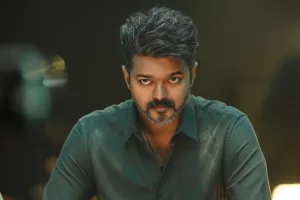
It’s been a rollercoaster for fans of Thalapathy Vijay! The Madras High Court on Friday finally cleared the path for his upcoming Tamil blockbuster ‘Jana Nayagan’ by directing the Central Board of Film Certification (CBFC) to grant a U/A certificate immediately.

Court says complaint is an “afterthought”


View this post on Instagram


A post shared by Vijay (@actorvijay)

According to reports, the court observed that the complaint against the movie seemed like an “afterthought”, and entertaining it could set a “dangerous trend”.

The judgment came after a careful review of all materials, including the CBFC’s communications.

Also Read: Jana Nayagan advance booking: Vijay starrer collects ₹7.4 cr From 2.78 lakh tickets

The High Court also slammed a letter from the CBFC chairperson, calling it “without jurisdiction”.

The court clarified that once the production house carried out the modifications recommended by the Examining Committee, the U/A certificate should have been granted automatically.

CBFC chairperson overruled

The drama didn’t stop there. The court pointed out that the CBFC chairperson had overstepped their powers. Once the committee had recommended a U/A certificate subject to excisions, the chairperson could not unilaterally send the film to a review committee.

Why the ‘Jana Nayagan’ release got delayed

‘Jana Nayagan’ was originally scheduled to hit theaters on January 9, but the release had to be postponed due to this certification tussle.

KVN Productions, which is producing the movie, claimed that delays in certification could lead to huge financial losses.

According to the producers, on December 22, the CBFC’s Regional Office had communicated that the Examining Committee recommended a U/A certificate, provided certain cuts and changes were made.

The production house completed these modifications and resubmitted the film. By December 29, the regional office had informed them that the U/A certificate would be granted.

Just when things seemed settled, KVN Productions received a surprise on January 5. The regional office emailed that the film would now go to the Revising Committee. They cited a complaint that the movie hurt religious sentiments and had issues with its portrayal of the armed forces.

The production house argued that this reopening was illegal.

CBFC appeals to chief justice’s bench

The CBFC has decided to challenge the Madras High Court’s single-judge order. The Board plans to file an appeal before the Chief Justice’s Bench. They seek to overturn the directive that ordered the immediate granting of a U/A certificate for Vijay’s film. The hearing will start at 2:15 pm on January 9, 2026.

‘Jana Nayagan’ new release date

Now, all eyes are on KVN Productions to officially announce the new release date. For fans of Thalapathy Vijay, the drama off-screen might have been intense. But the silver lining is that the action and entertainment on-screen will soon begin.

Delhi Police arrest another accused in Turkman Gate violence; total arrests rise to 12

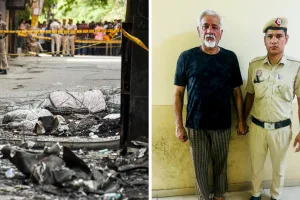
Delhi Police have arrested another accused in the Turkman Gate stone-pelting case during a demolition drive, taking the total number of arrests to 12.

Statesman News Service | New Delhi |

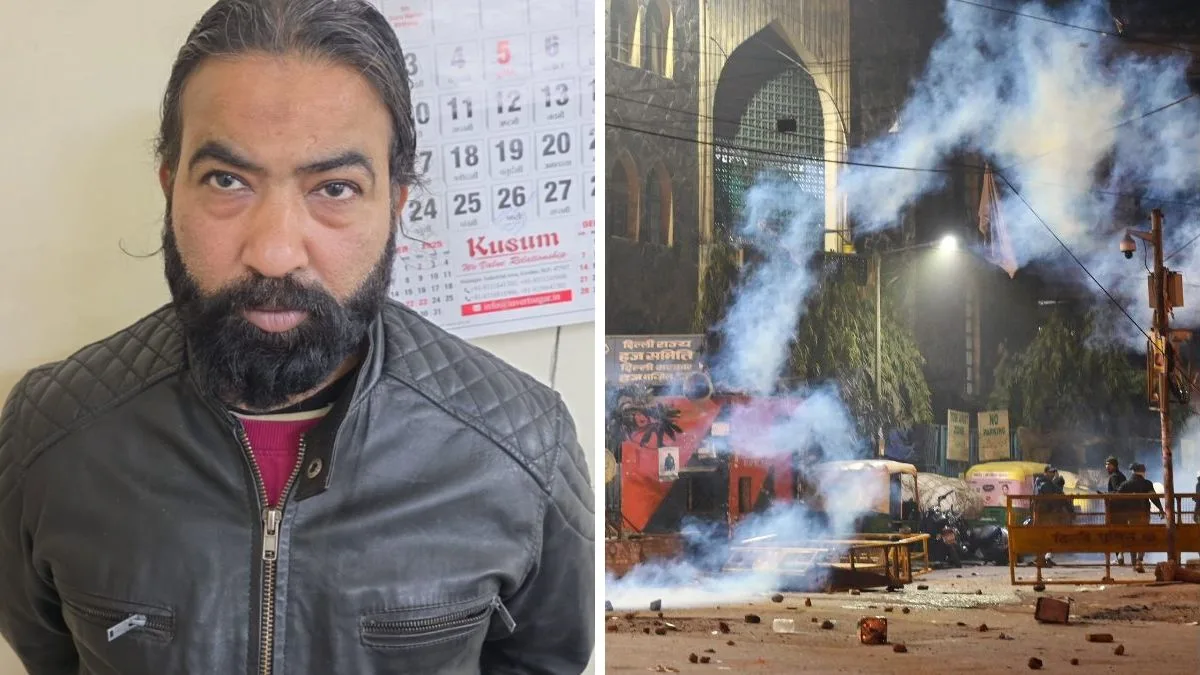
The Delhi Police on Friday arrested another man in connection with the violence that broke out during a municipal demolition drive near the Faiz-e-Ilahi Mosque in the Turkman Gate area. With this, the total number of arrests in the case has gone up to 12.

Police identified the latest accused as Mohammad Imran, also known as Raju, 36. Officials said he was allegedly part of the group involved in stone pelting during the operation.

Investigators believe more people were involved. Police said around 30 individuals have been identified so far using CCTV footage, body-worn camera visuals, and videos that circulated on social media after the incident.

Also Read: Faiz-e-Elahi mosque stone-pelting: Delhi HM Sood warns against violence; Owaisi claims land belongs to Waqf

What police say happened during the demolition drive

According to the FIR accessed by IANS, the violence began around 12.40 am when police started barricading encroached government land ahead of the demolition. As the barricades were being put up, a group of 30 to 35 people gathered at the site.

Police said the crowd raised provocative slogans and tried to stop officers from carrying out the task. The situation worsened when stones were thrown at police personnel, despite repeated assurances that the demolition was limited to illegal structures and encroachments and that no damage would be caused to the nearby mosque.

Officials said some local influencers allegedly used WhatsApp groups to mobilise people and disrupt the operation. The intention, police claim, was to create unrest and obstruct civic authorities and law enforcement.

Political angle and ongoing investigation

Police have said a summons will soon be issued to Samajwadi Party MP Mohibbullah Nadvi, who was allegedly present in the area shortly before the violence erupted. Senior officers had reportedly asked him to stay away from the immediate site, but he remained in the vicinity, according to police.

The search is also on for YouTuber Salman, who police allege attempted to disturb public order by calling residents to gather at the site through social media posts.

The incident has triggered a political row. On Thursday, BJP National Spokesperson Pradeep Bhandari accused the Congress and the SP of echoing Pakistan’s position on the demolition. Sharing a video of a Pakistani official commenting on the issue, Bhandari alleged that opposition parties were putting vote-bank politics above the rule of law.

The controversy erupted after a Delhi High Court order directed the removal of illegal encroachments around the mosque. While the BJP defended the action as court-mandated, Congress and SP leaders raised concerns over community sentiments.

The investigation is ongoing.

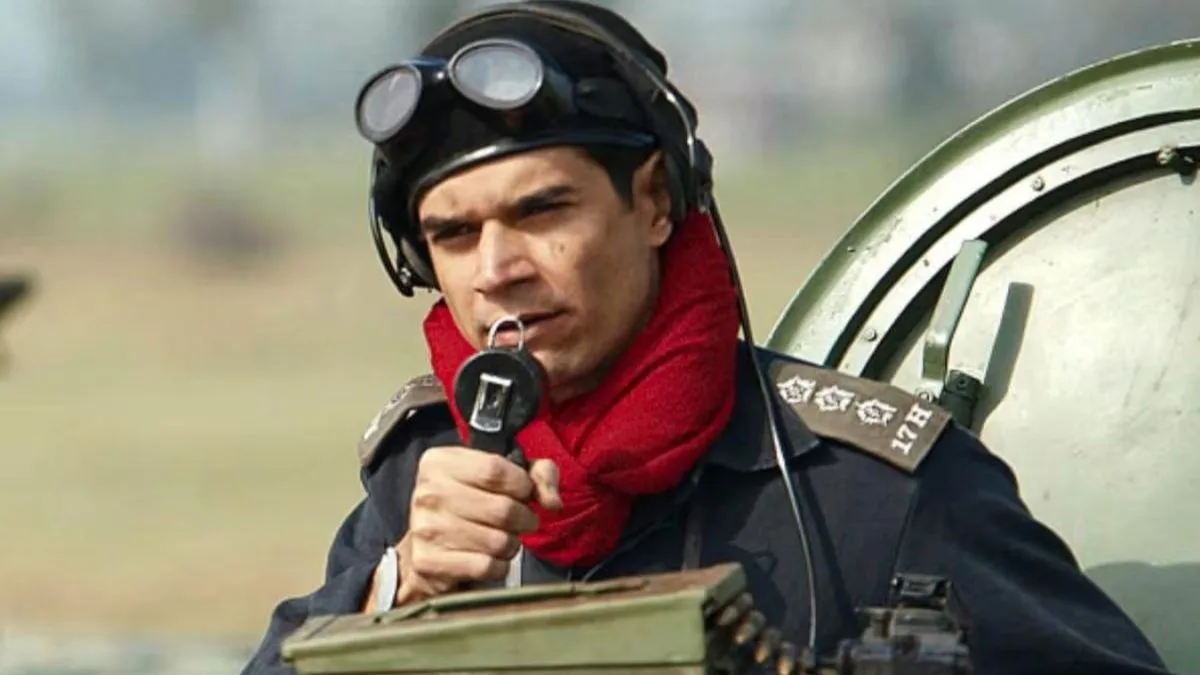
Vivaan Shah on overcoming career limits due to appearance: Naseeruddin-Ratna Pathak Shah’s son talks about ‘Ikkis’

Vivaan Shah, son of Naseeruddin Shah, opens up about how his youthful appearance often limited the roles he was offered. He says ‘Ikkis’, where he plays an army officer, has been a major turning point in his career.

Statesman News Service | New Delhi |

For years, Vivaan Shah has heard the same quiet whisper follow him around Bollywood: ‘too young-looking, too soft, too sweet’. Being the son of legendary actors Naseeruddin Shah and Ratna Pathak Shah didn’t protect him from being boxed into “boyish” roles either. But now, with mud on his boots and courage in his eyes, Vivaan is finally rewriting that story. His new film ‘Ikkis’ has arrived like a loud drumbeat. And it’s changing how people see him.

Also Read: The story of Arun ‘twenty-one’ Khetarpal

From cute to courageous

Vivaan recently opened up about how ‘Ikkis’ has become one of the most important films of his life.

The actor admitted that his youthful appearance often stopped filmmakers from seeing him as a tough character. Army officers, police inspectors, or men of authority rarely came his way.

This is exactly why ‘Ikkis’ mattered so much.

Playing an army officer was very unfamiliar territory for Vivaan. He had earlier played a role in Farah Khan’s ‘Happy New Year’ alongside Shah Rukh Khan, Deepika Padukone, Abhishek Bachchan and more. He shared that the role pushed him out of his comfort zone and demanded complete transformation both physically and mentally.

For the first time, he felt that he had broken free from being typecast.

The struggle of looking “too young”

Vivaan honestly spoke about how appearances can quietly decide an actor’s fate. He said he doesn’t naturally fit the image of a “tough guy,” which often limits the kind of roles he’s offered.

Ikkis: A film that touched hearts


View this post on Instagram


A post shared by Maddock Films (@maddockfilms)

The response to film ‘Ikkis’ has been emotional and overwhelming for Vivaan. He shared his happiness and gratitude saying he feels deeply thankful that audiences all over are connecting with the film.

Knowing that the story has touched so many hearts has made every challenge worth it. For Vivaan, this love feels like a quiet win after years of waiting.

The story behind ‘Ikkis’

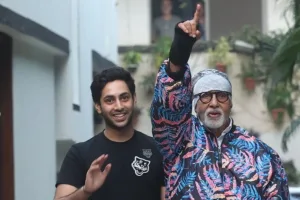
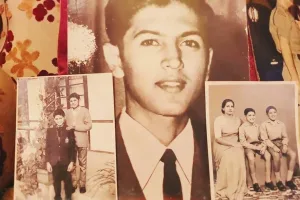
Directed by Sriram Raghavan, ‘Ikkis’ is a powerful war biopic based on Second Lieutenant Arun Khetarpal, the youngest recipient of India’s highest military honour, the Param Vir Chakra.

The cast includes Agastya Nanda, Jaideep Ahlawat, Suhasini Mulay, Sikander Kher, Rahul Dev. It released on January 1, 2026.

Golden Globes 2026: Priyanka Chopra, Julia Roberts, Pamela Anderson and more confirmed as presenters

The 2026 Golden Globes are set to sparkle as Priyanka Chopra Jonas joins Julia Roberts, Kevin Hart and many more stars as presenters. With Hollywood’s biggest names under one roof, the awards night promises total, total star power.

Statesman News Service | New Delhi |

The red carpet is warming up. The spotlight is ready. And, Hollywood’s biggest names are lining up to shine. The 2026 Golden Globes have officially revealed their star-studded list of presenters including Priyanka Chopra and more.

Golden Globes 2026: Date, venue and big night details

The 2026 Golden Globes will take place on Sunday, January 11, at the famous Beverly Hilton in Los Angeles.

This iconic venue has hosted the awards for years and is once again ready to welcome film, television, music royalty under one glittering roof.

Power-packed list of celebrity presenters

This year’s presenter list reads like a Hollywood wish list. Big global stars such as Priyanka Chopra Jonas, George Clooney, Julia Roberts, Miley Cyrus, Kevin Hart, Jennifer Garner, Pamela Anderson, Snoop Dogg, Macaulay Culkin, Hailee Steinfeld, Charli XCX, and Kevin Bacon will all step on stage to present awards.

Also Read: Actor Awards, formerly SAG Awards, nominations: ‘One Battle After Another’, ‘The Studio’ lead | Full List

Even more familiar faces joining the party

The glamour doesn’t stop there. The presenter lineup also includes Amanda Seyfried, Ana de Armas, Ayo Edebiri, Chris Pine, Colman Domingo, Dakota Fanning, Dave Franco, Diane Lane, Jason Bateman, Joe Keery, Judd Apatow, Justin Hartley, Kathryn Hahn, Keegan-Michael Key, Kyra Sedgwick, Lalisa Manobal, Luke Grimes, Marlon Wayans, Melissa McCarthy, Mila Kunis, Minnie Driver, Orlando Bloom, Queen Latifah, Regina Hall, Sean Hayes, Wanda Sykes, Will Arnett, and Zoë Kravitz.

Presenters who are also Golden Globe nominees

Adding extra excitement, several presenters are also nominees this year. George Clooney, Julia Roberts, Miley Cyrus, Ayo Edebiri, Amanda Seyfried, Jason Bateman, Will Arnett, Sean Hayes, and Kevin Hart are all competing for awards.

Meanwhile, stars like Hailee Steinfeld, Colman Domingo, Dakota Fanning, Kathryn Hahn, Lalisa Manobal, Regina Hall, and Zoë Kravitz are connected to nominated projects.

Films and TV shows leading the nominations

On the film side, ‘One Battle After Another’ leads with nine nominations, followed by ‘Sentimental Value’ with eight. ‘Sinners’ earned seven, ‘Hamnet’ received six, while ‘Frankenstein’ and ‘Wicked: For Good’ picked up five nominations each.

In television, ‘The White Lotus’ tops the list with six nominations. ‘Adolescence’ follows with five, while ‘Only Murders in the Building’ and ‘Severance’ each scored four.

Where and when to watch the Golden Globes

The 2026 Golden Globes will air live on CBS and stream on Paramount+ from 8 pm to 11 pm ET.

ED–I-PAC raids: Calcutta High Court to hear three linked petitions today

The Calcutta High Court will hear three connected petitions on the ED’s searches at I-PAC locations, as legal arguments and political protests unfold in Kolkata.

Statesman News Service | Mumbai |

The Calcutta High Court will on Friday hear three connected petitions linked to the Enforcement Directorate’s searches at the India Political Action Committee (I-PAC) office and the residence of its co-founder Pratik Jain.

The matters will be taken up together by a single-judge bench of Justice Suvra Ghosh.

The searches were carried out on Thursday at I-PAC’s office in Salt Lake on Kolkata’s outskirts and at Jain’s home on Loudon Street in central Kolkata. The developments have since triggered a legal and political face-off.

What the ED has told the court

The primary petition before the court has been filed by the Enforcement Directorate. The central agency has accused West Bengal Chief Minister Mamata Banerjee of misusing her constitutional position.

According to the ED, Banerjee allegedly obstructed officials who were on duty during the search operations at the two locations.

Before approaching the court, the ED had also issued a statement rejecting the chief minister’s public allegations. It said the searches were linked to an alleged coal smuggling syndicate led by Anup Majee and had no connection with I-PAC’s work for any political party.

Counter-petitions and political fallout

Two counter-petitions have been filed against the ED’s plea. One is by Pratik Jain. The other is by the Trinamool Congress.

In its submission, the Trinamool Congress has claimed that I-PAC functions as its voter-strategy agency. The party has alleged that the searches were aimed at accessing documents linked to its planning for the 2026 West Bengal Assembly elections and passing them on to the Bharatiya Janata Party.

Banerjee made a similar charge on Thursday. She visited Jain’s residence and later the I-PAC office, accompanied by senior state officials and police personnel. She was seen leaving with certain files and electronic material.

Also Read: It’s our defence against ED’s onslaughts: Mamata justifies presence during raids

The legal proceedings are unfolding even as the political temperature rises. The Trinamool Congress has announced that Banerjee will lead a protest rally on Friday afternoon. The march is scheduled to begin from Jadavpur and end at Hazra Crossing in south Kolkata, starting at 2 pm.

Opposition parties have responded sharply. CPI(M) politburo member Md Salim said the ED should have arrested the chief minister instead of moving court if it believed its officials were obstructed. Leader of Opposition Suvendu Adhikari said inaction by the agency would send the wrong message to the public.

With three petitions listed together, the focus now shifts to the Calcutta High Court and how it navigates a case that sits at the intersection of law enforcement, constitutional authority, and electoral politics.

Daily discipline, not occasional detox, heals body

Every few months or years, many of us resolve to ‘get healthy.’ We sign up for a gym, start a smoothie routine, or try a detox.

Akshi Khandelwal | Kolkata |

Every few months or years, many of us resolve to ‘get healthy.’ We sign up for a gym, start a smoothie routine, or try a detox. But more often than not, after a few weeks (or even days), life-work deadlines, family responsibilities, social commitments – pull us back into familiar patterns. This sporadic flirtation with health rarely delivers lasting benefit.

Digestive health makes this clearer than anything else. What we do every day – what we eat, how we eat, when we move, how we rest – shapes how the body responds after meals. Yet modern lifestyles have normalised irregular eating, rushing through meals, late-night work, emotional snacking and heavy reliance on stimulants. The result is that many people report bloating, acidity, sluggishness, or fatigue after eating, even when they assume they are eating ‘healthy.’

This is where the gap lies: people consider their habits healthy, but the body disagrees.

Why daily wellness matters more

Modern research shows that consistent habits shape the gut microbiome, metabolism, and overall digestive resilience. Ayurveda has said this for thousands of years – and more comprehensively.

Ayurveda’s foundational principle is dinacharya: a structured daily routine that works with the body’s natural rhythms (dosha timings, digestive cycles, circadian rhythms). According to Ayurveda, agni (the digestive fire) is central to health. A strong, steady agni supports energy, clarity, immunity, and mood. A weak or unstable agni leads to exactly the symptoms urban individuals struggle with: heaviness, bloating, irregular bowels, dullness, and post-meal discomfort.

The critical insight?

Agni is not strengthened by occasional wellness. It is strengthened by daily discipline.

While agni is essential, Ayurveda also emphasises that overall wellbeing comes from maintaining a balanced Tridosha – Vata, Pitta, and Kapha. When these three doshas are in equilibrium, the body’s natural processes function smoothly, and the mind stays steady. This is why daily routine becomes so important. A consistent dinacharya not only stabilises agni but also prevents other tridoshic imbalances from accumulating.

A key aspect of this balance is the timely elimination of wastes. Regular, complete defecation is considered fundamental in Ayurveda because it prevents toxins from building up and helps keep the tridosha in harmony. When elimination is irregular or incomplete, it disturbs both agni and dosha balance, eventually showing up as digestive issues, acidity, fatigue, or general discomfort.

Occasional wellness breaks the rhythm

From an Ayurvedic lens, occasional attempts at wellness – a single clean meal, a weekend yoga class, or a sudden detox – do not reset the system. In fact, they can sometimes confuse it. The body thrives on regular mealtimes, adequate hydration, balanced flavours, mindful eating, sufficient sleep, and moderate movement.

When this rhythm is broken repeatedly, the doshas fluctuate, digestion becomes inconsistent, and the body responds with symptoms that feel random but are actually cumulative.

For example:

  • Skipping breakfast can aggravate vata, leading to bloating and irregular hunger cycles.

  • Eating heavy dinners late at night can aggravate kapha and slow digestion.

  • Irregular sleep and high stress disrupt pitta, affecting acidity and metabolism.

  • Waking up late or beginning the day in a rushed, overstimulated state can disturb the natural morning cleansing processes and weaken elimination.


The body keeps score – even when intentions are good.

Daily wellness aligns with the natural intelligence of the body

Ayurveda recognises the inherent wisdom of the body. When we create small, sustainable daily rituals, we give our body the stability it needs.

Simple habits make the biggest difference:

  • Eating timely and a little less than filling up your stomach to allow proper digestion.

  • Choosing freshly prepared meals over processed ones. Not allowing for artificial flavours, scents or preservatives to be made part of your daily consumption.

  • Sipping water in a sitting position at different time intervals to avoid dehydration, and to receive its maximum benefit.

  • Including a workout suited to body-mind constitution in the daily routine.

  • Incorporating meditation into morning and evening routines to release stress and increase relaxation.

  • Avoid drinking water right before or right after a meal, as it can douse the agni.


These may sound simple, but their effect on agni, nutrient absorption, and post-meal comfort is profound. Over time, they lead to more stable energy, improved resilience, and a noticeable reduction in digestive distress.

Why this distinction matters today

Urban lifestyles expose the body to constant micro-stressors: long sitting hours, erratic meals, excessive screen time, processed foods, and low sleep quality. Occasional wellness cannot counterbalance chronic overstimulation.

Ayurveda’s daily-routine framework offers a powerful antidote for modern life because it treats the body and mind as one system. It restores rhythm, not just physically but mentally. When the body follows a steady routine, the mind settles, and when the mind is calm, the digestive system is able to work the way it should.

In fact, Ayurveda has always recognised this direct connection. It encourages slow eating, relaxed breathing, and a grounded state while sitting down to eat, because digestion begins in the mind. A peaceful mind signals the body to release the right enzymes, break down food efficiently, and avoid the gradual discomforts that later show up as acidity, indigestion, sluggishness, or low mood.

Daily wellness isn’t hard; it’s habit-building

The biggest misconception about wellness is that it needs grand interventions. Ayurveda emphasises that it is the opposite. Wellness is about small, consistent choices that align with your body’s natural intelligence. Over time, these choices turn into lifestyles, and lifestyles shape long-term health.

Making wellness a daily rhythm allows the body to maintain a steady agni, metabolise food better, stabilise appetite, and reduce the highs and lows that come from inconsistent patterns.

(The writer is Founder and CEO, Butterfly Ayurveda and Cafe Swasthya.)

Why tight muscles are the hidden cause of joint and tendon pain

Joint pain has quietly become one of the most common health complaints of modern life. Knee pain, shoulder pain, tennis elbow, heel pain, hip stiffness—millions of people experience these problems every day.

Vivek S. Aggarwal | Kolkata |

Joint pain has quietly become one of the most common health complaints of modern life. Knee pain, shoulder pain, tennis elbow, heel pain, hip stiffness—millions of people experience these problems every day. Most are told that it is due to ageing, arthritis, ‘wear and tear’ or irreversible damage, and that painkillers, injections, or surgery are the only solutions. But clinical experience tells a different story.

In a large number of people, joint and tendon pain does not actually start in the joint or tendon. It starts in tight, stiff muscles.

The missing link we ignore: Muscles

Our joints do not function in isolation. Every joint is moved, stabilised, and protected by muscles. When muscles are healthy and flexible, joints move smoothly and pain-free.

However, modern lifestyles have changed the way we use our bodies. Prolonged sitting, reduced physical activity, repetitive movements, poor posture, and chronic stress all cause muscles to become shortened and stiff over time.

Once this happens, problems begin. A stiff muscle keeps pulling continuously on the tendon that attaches it to the bone and the joint that it crosses. This constant pull creates abnormal stress—even during simple daily movements.

Why does tendon pain appear suddenly

Many people experience sharp pain during a small movement—lifting a cup, gripping a racket, climbing stairs, or taking the first steps in the morning. The movement seems trivial, but the pain is severe. The reason is simple. When a muscle is already tight, the tendon is under constant tension, thus there is no proper ‘resting phase’. A sudden movement then overloads the tendon.

This explains common conditions such as tennis elbow, caused by tight forearm muscles, Achilles tendon pain, caused by tight calf muscles, Plantar fasciitis, where tight calves pull on the heel, and shoulder tendon pain, caused by stiff chest and shoulder muscles.

In these cases, the tendon is not weak. The muscle has lost elasticity.

How tight muscles damage joints

The same mechanism affects joints. Tight muscles pull bones slightly out of their natural alignment. Over time, this causes uneven pressure on joint cartilage, increased compression and shear forces, and reduced joint movement and lubrication.

This is why young people develop knee pain despite normal X-rays, arthritis often affects one side of a joint more than the other, and hip stiffness often appears years before hip arthritis. Joint damage is not only about age. It is about how the joint is loaded every day.

Why stretching and muscle release work

Stretching, physiotherapy, yoga, and muscle-release techniques often provide dramatic relief because they address the root cause. They restore muscle length and elasticity, reduce constant pulling on tendons, improve joint alignment and movement, and increase blood flow and tissue healing.

Many patients experience significant pain relief without injections or surgery, simply by restoring normal movement.

Rethinking surgery and injections

Surgery and injections may be necessary in advanced cases. But when tight muscles are not corrected, pain often returns after treatment. Recovery is often slow, and other joints begin to hurt. Correcting muscle stiffness early can delay or completely prevent surgery in many people.

A shift in how we understand pain

Joint and tendon pain should not automatically be seen as ‘wear and tear.’ Very often, it is the body’s signal that movement has been lost and muscles have become rigid.

The solution is not always stronger medicines or more procedures. Sometimes, it is restoring what the body has quietly lost—flexibility, movement, and balance.

Muscles are not just engines of movement; they are protectors of joints and tendons. Ignoring muscle stiffness means treating symptoms without addressing causes. In an age where joint pain is becoming epidemic, a simple but powerful shift—from damage-focused treatment to movement-focused care—may help millions live pain-free, active lives for longer.

The writer works in musculoskeletal health and rehabilitation and studies the biomechanical causes of chronic joint and tendon pain.

BCCI big update on Tilak Varma’s availability ahead of New Zealand T20I series

The BCCI said Varma was discharged from hospital on Thursday morning and is scheduled to fly back to Hyderabad on Friday.

Statesman News Service | New Delhi |

The Board of Control for Cricket in India (BCCI) confirmed on Thursday that India batter Tilak Varma has been ruled out of the first three T20Is against New Zealand after undergoing emergency surgery in Rajkot.

Varma experienced sharp abdominal pain after breakfast and was rushed to a local hospital, where doctors advised immediate surgery at a super-speciality facility. The 23-year-old was in Rajkot to represent Hyderabad in their final Vijay Hazare Trophy league-stage match against Jammu & Kashmir at the Niranjan Shah Stadium (Ground C).


Providing an update, the BCCI said Varma was discharged from hospital on Thursday morning and is scheduled to fly back to Hyderabad on Friday.

“He is currently stable and progressing well,” BCCI secretary Devajit Saikia said in a statement.

“Tilak will resume physical training and gradually return to skill-based activities once his symptoms have fully resolved and wound healing is satisfactory. He is ruled out of the first three T20Is against New Zealand. His availability for the remaining two matches will be assessed based on his progress during the return-to-training and skill phases.”

India and New Zealand will play the first three T20Is in Nagpur, Raipur, and Guwahati on January 21, 23, and 25, followed by matches in Visakhapatnam and Thiruvananthapuram on January 28 and 31. The BCCI is yet to announce a replacement for Varma for the opening three games.

Varma’s recovery timeline has also cast doubt over his availability for India’s T20 World Cup opener against the United States of America (USA) at the Wankhede Stadium in Mumbai on February 7. India’s group-stage fixtures are scheduled against Namibia on February 12, Pakistan on February 15, and the Netherlands on February 18.

A key figure in India’s T20I setup, Varma has scored 1,183 runs in 37 innings at an impressive average of 49.29 and a strike rate of 144.09, including two centuries and six half-centuries. His absence could see captain Suryakumar Yadav move up to No. 3 in the batting order.

Prada bottles chai: Italian fashion house introduces tea-inspired unisex perfume Infusion de Santal Chai

Prada has stirred up India’s fashion and fragrance circles with the launch of its chai-inspired perfume, Infusion de Santal Chai. Blending sandalwood, spices, and tea notes, the luxury scent has sparked curiosity, chatter, and cultural conversation.

Statesman News Service | New Delhi |

Prada launches chai-inspired perfume: Leave it to Prada to turn an everyday Indian habit into a luxury talking point. Just when you thought chai was safest in your favourite cup, the Italian fashion giant decided to bottle it. Yes, really. Prada’s latest perfume has Indians sniffing, laughing, debating, and low-key flexing cultural pride all at once.

Welcome to the era of chai… but make it couture.

New perfume by Prada is literally inspired by chai


View this post on Instagram


A post shared by Prada Beauty (@pradabeauty)

Prada has launched Infusion de Santal Chai Eau de Parfum, a unisex fragrance inspired by tea, or as Indians lovingly call it, chai. The perfume is part of the brand’s Les Infusions collection known for turning everyday inspirations into high-fashion fragrances.

According to Prada, this scent mixes creamy sandalwood with spicy chai latte notes, layered with hints of cardamom and citrus.

The result? A fragrance that promises to smell warm, woody, spicy, and comforting, much like a freshly brewed cup of chai on a rainy evening.

Luxury fashion houses often look East for inspiration, but naming a perfume after chai feels especially personal for Indians.

The bottle looks like a cup of warm tea

Prada didn’t stop at the fragrance alone. The design of the perfume bottle also plays into the chai theme. It comes in a brown-hued glass bottle, topped with a camel-coloured Saffiano cap.

The overall look gives strong “hot chai in a classy cup” energy.

Warm, earthy, and cozy, the bottle feels less like a perfume and more like a stylish nod to comfort and ritual.

For many, this attention to detail made the launch feel thoughtful rather than random.

Old Kolhapuri memories resurface

Interestingly this chai perfume launch also has brought back memories of Prada’s earlier controversy related to India.

In early 2025, Prada faced backlash. A PIL was filed in Bombay High Court accusing the brand of copying Kolhapuri chappal designs. Their summer collection was under fire. This issue sparked national debate on cultural appropriation and traditional craftsmanship.

Instead of ignoring the criticism, Prada took different route.

Prada’s “Made in India” Kolhapuri project

Months after the controversy, a Prada team visited India to understand the history and craftsmanship of Kolhapuri chappals. By December, Prada signed an MoU with Maharashtra’s LIDCOM and Karnataka’s LIDKAR.

Under the project titled “Prada Made in India: Inspired by Kolhapuri Chappals,” the brand plans to blend centuries-old techniques with modern design sensibilities. The goal is to give global exposure to traditional Indian craftsmanship with Prada’s contemporary touch.

Also Read: Why Prada walks free

42nd Indian Rose Convention in Kolkata: Flowery reinforcement of Bengal’s floriculture

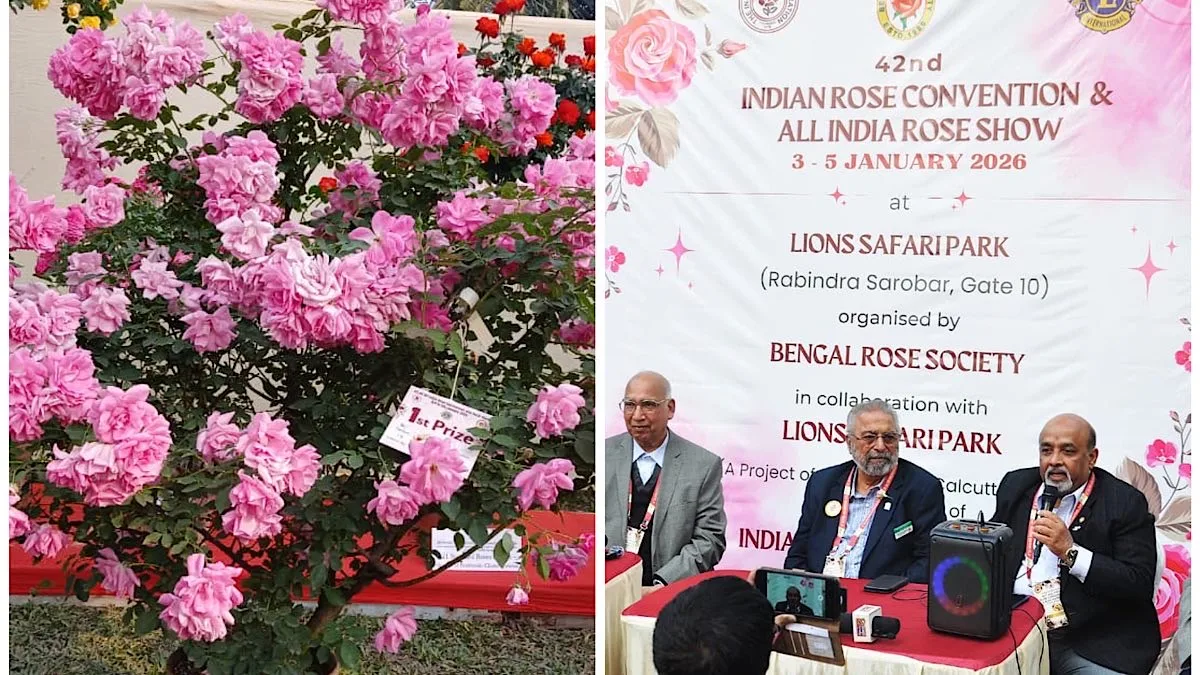
Kolkata has emerged as a national focal point for floriculture as the Bengal Rose Society hosted the 42nd Indian Rose Convention and All India Rose Show from 3-5 January at Lions Safari Park.

Mohul Bhattacharya | Kolkata |

Kolkata has emerged as a national focal point for floriculture as the Bengal Rose Society hosted the 42nd Indian Rose Convention and All India Rose Show from 3-5 January at Lions Safari Park. Organised under the aegis of the Indian Rose Federation, the prestigious convention highlighted Bengal’s historic and contemporary leadership in rose cultivation, breeding, and exhibition standards in India.

The three-day national convention witnessed participation from over 250 delegates, including eminent rosarians, breeders, horticulturists, researchers, and floriculture experts from across the country. The event was graced by noted personalities such as Narendra Dadlani, President, Bengal Rose Society, Sushil Prakash, President, World Federation of Rose Societies, Sanyogita Dhanwatey, President, Indian Rose Federation, and Sanjay Mukherji, Jt. IRC Convener, Girija Viraraghavan, a globally acclaimed rosarian, and Ashok Mehta, Chairman, Lions Safari Park, and is serving as a significant platform for knowledge exchange, collaboration, and the promotion of best practices within India’s growing floriculture sector.

A key attraction of the convention was the All India Rose Show, which showcased nearly 2,500 cut rose exhibits presented by leading growers from different regions of India. Bengal’s distinctive excellence in pot-grown roses continues to draw particular attention, with more than 700 potted rose exhibits on display. Several entries featured over 100 blooms per pot, reflecting advanced cultivation methods, specialised growing media, and refined horticultural techniques that have become hallmarks of the region. The exhibits were evaluated by a panel of renowned rose experts from across the country.

Speaking at the convention, Narendra Dadlani, President, Bengal Rose Society, said, “Hosting the 42nd Indian Rose Convention in Kolkata is a proud milestone for the Bengal Rose Society. This convention represents decades of passion, discipline, and innovation by Bengal’s rosarians. Beyond the exhibition of roses, it is fostering scientific cultivation, encouraging sustainable practices, and enabling meaningful collaboration among growers, researchers, and institutions across India.” He added, “We had an abundance this year. The pots that have come this year are by 40 people, but some of them have presented 15, some have 1, some have gone over 50. It has become a huge task for the judges as well to select a winner among such a sea of flowers. The number of exhibits is in the thousands.”

Sushil Prakash, President, World Federation of Rose Societies, remarked, “The quality, scale, and diversity of roses being showcased here are truly world-class. Bengal’s leadership, particularly in pot-grown roses, reflects a depth of expertise that places India prominently on the global floriculture map.”

Echoing similar sentiments, Sanyogita Dhanwatey said, “The Indian Rose Convention in Kolkata demonstrates how regional excellence can drive national growth. Such platforms are vital for strengthening India’s floriculture ecosystem through shared learning and innovation.”

Presenters came from different parts of the country, including Maharashtra, Tamil Nadu, and Andhra Pradesh. The convention also featured technical sessions led by experts, focusing on innovation, sustainability, and future trends in floriculture. A dedicated presentation is outlining India’s roadmap for hosting the 21st World Rose Convention in Bhopal in 2028. The release of special publications, including the Bengal Rose Annual, further underscores the convention’s role as a key knowledge and networking hub for India’s floriculture community.

TMC protests ED raid at I PAC office:

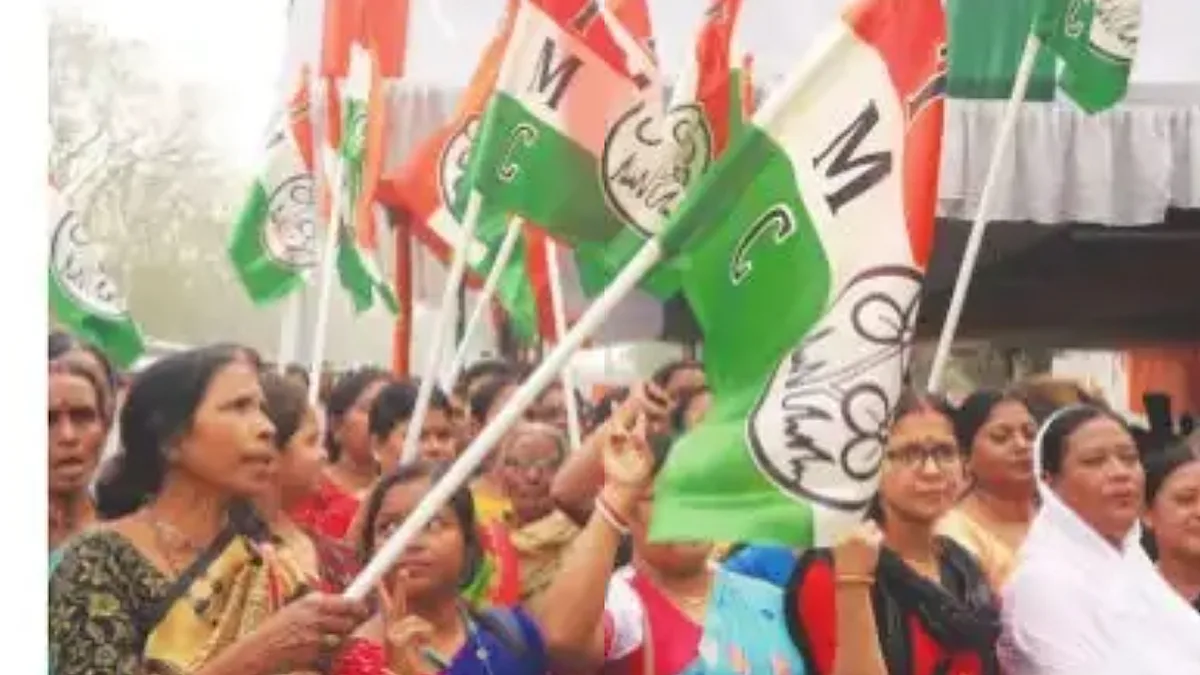
The Trinamul Congress took to the streets across different parts of Hooghly district on Thursday evening to protest against raids conducted by the Enforcement Directorate (ED) at the residence and office of I-PAC chief Pratik Jain in Kolkata’s Loudon Street area.

Statesman News Service | Kolkata |

The Trinamul Congress took to the streets across different parts of Hooghly district on Thursday evening to protest against raids conducted by the Enforcement Directorate (ED) at the residence and office of I PAC chief Pratik Jain in Kolkata’s Loudon Street area.

Protesters blocked roads at several locations and staged demonstrations by burning tyres. In Serampore, a protest rally began at Gandhi Maidan and culminated at Serampore Battala. The rally was led by Serampore Municipality chairman Giridhari Shaw, chairman-in-council Santosh Singh, along with Pintu Nag, Gour Mohan De, other councillors, and members of the TMC women’s wing.

Similar protest rallies and road blockades were also held in Konnagar, Singur, Haripal, Chandannagar, Chinsurah, Baidyabati–Seoraphuli, Bhadreswar and Rishra.

Addressing the protesters, the TMC district leaders alleged that the ED action was carried out at the behest of opposition leader Suvendu Adhikari. He asserted that despite all efforts by the BJP to come to power, Chief Minister Mamata Banerjee’s development-oriented agenda would continue to defeat the BJP in Bengal.

State ends controller’s tenure at Kanyashree University

Barely a month before the completion of his tenure, the former Controller of Examinations of Kanyashree University was removed from service ~ a move that has now snowballed into a serious controversy, with the ousted official levelling a barrage of allegations against the university’s present Vice-Chancellor.

Biswabrata Goswami | Kolkata |

Barely a month before the completion of his tenure, the former Controller of Examinations of Kanyashree University was removed from service ~ a move that has now snowballed into a serious controversy, with the ousted official levelling a barrage of allegations against the university’s present Vice-Chancellor.

Addressing a press conference here on Tuesday, Dr Bishwajit Datta, whose tenure as Controller was terminated just a month before its scheduled completion, alleged that his removal was “arbitrary, humiliating and without due process”. He claimed that since the current Vice-Chancellor assumed charge, the women’s university ~ envisaged as a flagship initiative to promote higher education and self-reliance among women ~ has witnessed a steady erosion of administrative discipline and academic standards.

Dr Datta alleged that student enrolment across several academic programmes has declined sharply in recent years, while the admission process itself has been marred by irregularities. According to him, constitutionally mandated reservation norms for Scheduled Castes, Scheduled Tribes and Other Backward Classes were violated during admissions, compelling the state Backward Classes Welfare department to issue show-cause notices to the university on two occasions.

He further alleged that the Vice-Chancellor had bypassed the state’s centralised, merit-based admission system and instead introduced a first-come, first-served mechanism. Such a move, he claimed, undermined transparency and deprived meritorious candidates of a fair opportunity.

The former Controller also raised grave concerns over faculty recruitment, alleging nepotism and corruption in appointments. He claimed that norms prescribed by the University Grants Commission (UGC) and the state higher education department were ignored, once again inviting show-cause notices from the Backward Classes Welfare Department.

On the financial front, Dr Datta stated that a complaint alleging monetary irregularities against the Vice-Chancellor has been submitted to the state vigilance authorities. However, he refrained from divulging details, citing the sensitivity of the matter.

He also expressed concern over the withdrawal of student-support initiatives that were previously in place, including free NET coaching classes and a dedicated library for women students. Both facilities, he alleged, were discontinued after the change in leadership.

Terming his termination “baseless”, Datta said the dismissal letter falsely claimed that he had failed to respond to several notices and show-cause letters. “I never received any such communication,” he asserted, adding that he would approach the higher education department and seek judicial intervention if necessary.

Referring to his long academic career, Datta pointed out that he had served at North Bengal University for several years without a single adverse remark.

Responding to the allegations, Vice-Chancellor Prof. (Dr) Tapati Chakraborty dismissed them as “entirely false and motivated”. She alleged that Dr Datta’s services were terminated following repeated instances of insubordination, misconduct and wilful disobedience of lawful instructions.

“Within ten days of his joining, I noticed an unwarranted arrogance in his behaviour,” Prof. Chakraborty said. “There was a clear lack of protocol and decorum. He behaved discourteously with the Registrar, and despite that, no immediate action was taken.”

Prof. Chakraborty also claimed that she later became aware that Dr Datta had earlier been suspended at North Bengal University before retiring from there.

In response to this allegation, Dr Datta, said: “Does she has any proof about my suspension that she levelled against me? I will go against her in court”.