Logo

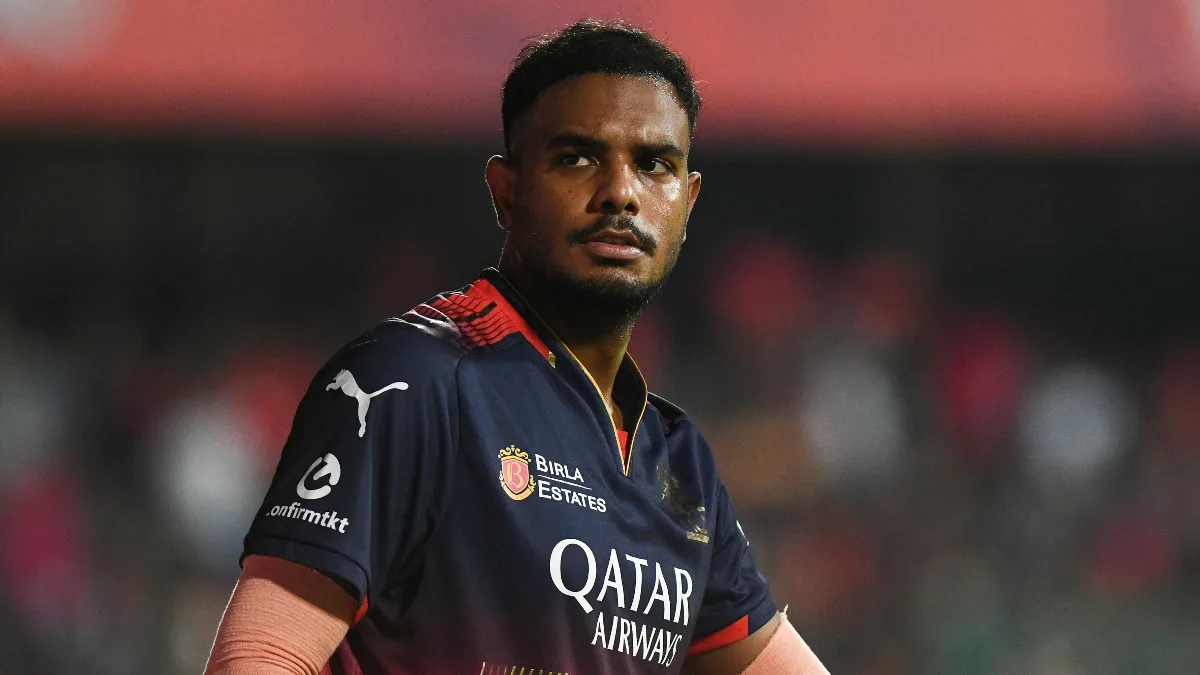
Rape accused Yash Dayal to skip IPL 2026, RCB stand by pacer

Defending champions Royal Challengers Bengaluru (RCB) on Tuesday confirmed that left-arm pacer Yash Dayal, who has multiple allegations of sexual assault and exploitation against him, will not participate in the Indian Premier League 2026, despite remaining under contract with the franchise

Statesman News Service | New Delhi |

Defending champions Royal Challengers Bengaluru (RCB) on Tuesday confirmed that left-arm pacer Yash Dayal, who has multiple allegations of sexual assault and exploitation against him, will not participate in the Indian Premier League 2026, despite remaining under contract with the franchise

Addressing a press conference in Bengaluru, RCB’s director of cricket, Mo Bobat said that Dayal will not be joining the squad due to an ongoing ‘personal situation’. Bobat, however, clarified that despite missing the tournament, Dayal will continue to remain under contract with the franchise and will have the full backing of the team management during this period.

“So, just to confirm that Yash will not be joining up with the squad. As you know, he is going through a personal situation currently, and just to clarify, we’ve been very supportive of Yash to date and that’s reflected in the fact that we retained him when we had the opportunity to either retain or release players.

“We wanted to retain him, and he remains under contract and will continue in the short term to remain under contract,” Bobat said.

“We are communicating with him regularly. I spoke to him earlier today as well, but it has been decided that it is not in his best interest or the franchise’s best interest for him to join up with us at this point. He retains our support, and he remains under contract, and we’ll continue to speak to him as he goes through his personal situation,” he added.

In the build-up to the 19th season of the IPL, there has been growing speculation over Dayal’s absence after he was missing from the team’s training sessions and did not feature on the squad poster displayed on the team bus.

Earlier, RCB’s decision to retain Dayal had sparked criticism when the retention list was announced before the auction. The pacer had played a key role in the team’s 2025 title-winning campaign, taking 13 wickets during the season, but has not featured since the final. His absence is tied to ongoing legal proceedings, which have kept him out of competitive cricket.

Dayal, who recently married social media influencer Shweta Pundir, is currently facing two separate criminal cases involving serious allegations of sexual exploitation. The first case was registered in July 2025 in Ghaziabad, where a woman accused him of physical and emotional exploitation under the pretext of marriage during a long-term relationship.

A second case was later filed in Jaipur under the POCSO Act and the Bharatiya Nyaya Sanhita, based on allegations by a minor who claimed repeated sexual assault since 2023, including an incident during the 2025 IPL season.

‘Hope to have Hazlewood with us very soon’

RCB are also likely to begin their IPL 2026 campaign without the services of their premier fast bowler Josh Hazlewood, who is currently recovering from hamstring and Achilles injuries that forced him to miss both the Ashes and the T20 World Cup.

Bobat said the franchise is in constant communication with Cricket Australia and Hazlewood regarding his rehabilitation, and remains hopeful that the Australian pacer will join the squad soon.

“So, as most people would know, Josh has missed quite a bit of cricket recently with injuries. So he’s currently working through a return to play programme. He’s doing that in Australia currently. We are liaising very closely with both Josh and Cricket Australia. And our medical teams are collaborating very strongly on a day-to-day basis on this programme,” said Bobat.

“We’ll continue to communicate with him. And as soon as he gets to a point where Cricket Australia are happy, he’ll come over. And we hope to have him with us very soon,” he added.

Meanwhile, the absence of Yash Dayal opens the door for other domestic fast bowlers in the squad to step up. Bobat highlighted players such as Rasikh Salam, Mangesh Yadav and Abhinandan Singh as potential options.

“The Yash Dayal situation has been tricky because obviously it’s been around for some time now. And it’s difficult to predict what will happen. We went into our auction planning for a worse case scenario, that he may not be available for us. And so we have recruited accordingly. We have some excellent domestic fast bowlers in our squad.

“Rasikh, who many of you will know, had been [with] unit last year. And then we also signed Mangesh in this auction. So, domestically we have three excellent potential options that we’re facing. So, it’s obviously a blow using a player like Yash. That’s obvious, he’s been an important part of us for the last couple of years. But we’re very confident in the options we’ve got in the squad. And we will select a team accordingly,” said Bobat.

RCB will begin their IPL 2026 campaign against Sunrisers Hyderabad on March 28 at the M. Chinnaswamy Stadium.
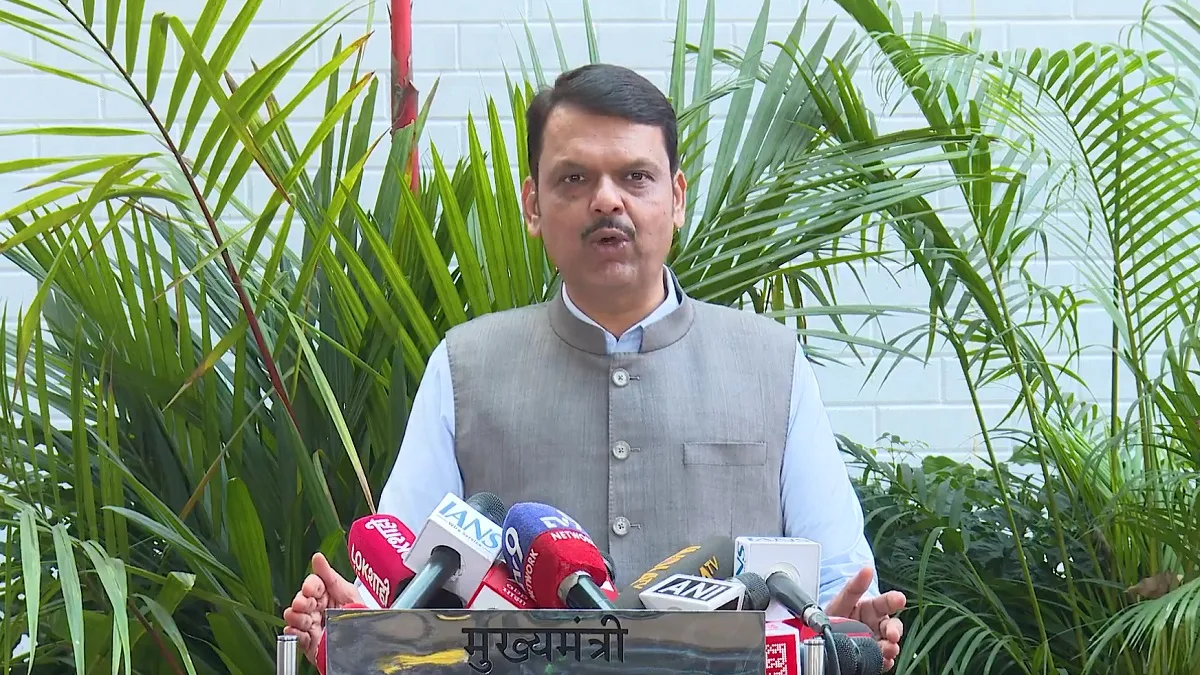
Fadnavis remained quiet despite knowing about godman’s escapades, alleges Congress leader

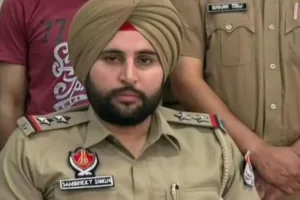
Maharashtra Congress Pradesh Committee President Harshwardhan Sapkal alleged on Tuesday that Chief Minister Devendra Fadnavis was informed about the crimes of arrested godman “Captain” Ashok Kharat as early as October 2025, but chose not to take any action.

Statesman News Service | Mumbai |

Maharashtra Congress Pradesh Committee President Harshwardhan Sapkal alleged on Tuesday that Chief Minister Devendra Fadnavis was informed about the crimes of arrested godman “Captain” Ashok Kharat as early as October 2025, but chose not to take any action.

“Around Diwali, Chief Minister Devendra Fadnavis had received information about the fraud godman Ashok Kharat’s case. The Home Department is headed by Devendra Fadnavis. So, the question arises what he was doing for six months. Why did he fail to act,” Sapkal asked.

Talking to media persons in Buldhana on Tuesday, Sapkal said, “The kind of debate sparked by the ‘Captain’ Ashok Kharat case is not good for Maharashtra. Additional support must be given to SIT, a task force must be formed and strict action taken against the accused to bring the case to a conclusion”.

Sapkal’s statement came a day after Uddhav Thackeray-led Shiv Sena Rajya Sabha MP and chief Sena spokesperson Sanjay Raut alleged that a photograph showing the arrested godman with Devendra Fadnavis has come to light and that some serving cabinet ministers regularly visited the godman. Shortly after Raut’s allegation, the chief minister told media persons that no conclusions about the case can be reached from photographs alone.

Stating that the godman could dupe people taking advantage of the superstitions prevailing among them, Sapkal said, “Everyone knows who is fuelling superstitions, creating conflicts between religions and castes and spreading hatred. The result is the emergence of people like Kharat”.

“Since 2014, Devendra Fadnavis has been the Home Minister, and it is during his tenure that such a menace has cropped up in Maharashtra. Even now, the chief minister is deliberately dragging the case to use it as leverage against his own alliance partners, which is condemnable. While Rupali Chakankar has resigned over the matter, action must also be taken against all others involved in the case,” he said.

“Now, even serving ministers of the ruling alliance are getting beaten up by the police. There is infighting within the ruling alliance itself. Ministers Shambhuraj Desai and Makarand Patil have claimed that they were assaulted by the police. The fact that the ministers themselves are being beaten in the state is a sign of democracy hitting the rock bottom. What happened in Satara also reaffirms allegations of vote theft,” he said.

Pointing out that Maharashtra was the first state in the country to enact a law against superstition, Sapkal said, “Dr Narendra Dabholkar fought against superstition throughout his life, and his work must be carried forward by taking a pledge to eradicate such practices so that people like Kharat never emerge again in Maharashtra.”

PM Modi warns of prolonged global energy crisis, assures India has adequate oil supplies amid West Asia war

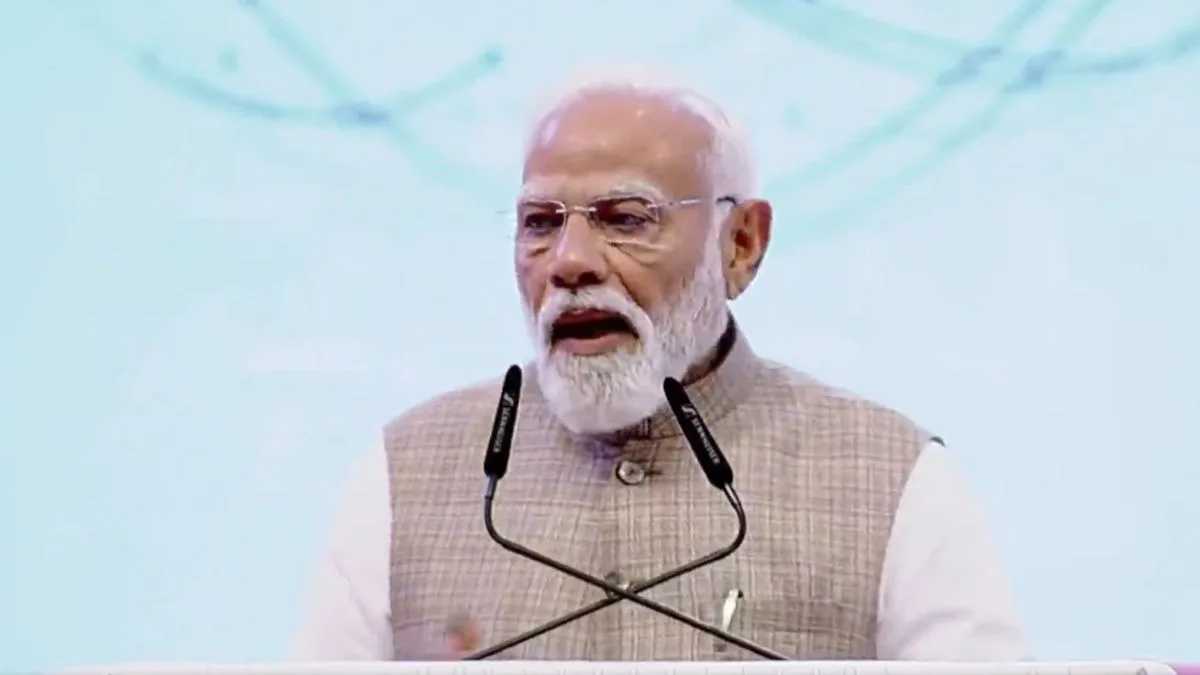
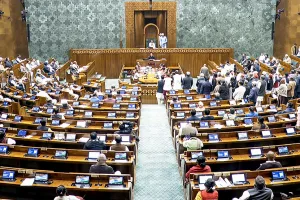
Prime Minister Narendra Modi on Tuesday briefed the Rajya Sabha that the ongoing conflict in West Asia has triggered a “serious energy crisis” globally and could have long-term consequences, even as he assured that India has sufficient crude oil reserves and is taking urgent steps to secure supplies and protect its citizens.

SHAHID K ABBAS | New Delhi |

Prime Minister Narendra Modi on Tuesday briefed the Rajya Sabha that the ongoing conflict in West Asia has triggered a “serious energy crisis” globally and could have long-term consequences, even as he assured that India has sufficient crude oil reserves and is taking urgent steps to secure supplies and protect its citizens.

Speaking during the ongoing Budget Session of Parliament, Modi said the war, now in its fourth week, has begun disrupting critical trade routes and the supply of essential commodities such as petrol, diesel, gas and fertilisers. “This war is affecting our trade routes. The regular supply of essential commodities… is being disrupted,” he said, adding that the situation is “a matter of concern for India.”

The Prime Minister underscored the strategic importance of the Strait of Hormuz, where shipping disruptions have intensified amid escalating hostilities involving Iran, Israel and the United States. The narrow maritime corridor, which carries roughly a fifth of the world’s crude oil, has seen multiple vessels stranded, including ships with Indian crew members on board.

“Many ships from around the world are stranded… and a large number of Indian crew members are on them. This is a significant concern for India,” Modi said, while stressing that attacks on commercial shipping and disruptions in international waterways are “unacceptable.”

With nearly 10 million Indians living and working across Gulf nations, the Prime Minister said safeguarding their lives and livelihoods remains a top priority. He revealed that more than 375,000 Indians have already been brought back safely since the conflict began, including over 1,000 evacuated from Iran alone. “The safety of Indians, both at home and abroad, is our top priority in times of crisis,” he said, while acknowledging that some Indian nationals have lost their lives in the violence.

Modi said India is actively pursuing diplomatic engagement to de-escalate tensions, holding multiple rounds of talks with leaders across West Asia and maintaining constant contact with Gulf countries as well as Iran, Israel and the United States. “Our goal is to restore peace in the region through dialogue and diplomacy,” he said, adding that India has pushed for reopening the Strait of Hormuz and ensuring safe maritime movement.

Even as the crisis continues to roil global energy markets, the Prime Minister sought to reassure the country on fuel security. “India has sufficient crude oil storage and arrangements for continuous supply,” he said, pointing to expanded energy sourcing. According to Modi, India now imports energy from 41 countries, up from 27 a decade ago, as part of a strategy to reduce dependence on any single region.

The government has also built strategic petroleum reserves exceeding 5.3 million metric tonnes and is working to expand them further, alongside boosting refining capacity and domestic gas production. “If the global conditions created by this war persist for a long time, serious consequences are inevitable,” Modi cautioned, while emphasising the need to accelerate resilience measures.

The address comes amid heightened geopolitical tensions following the outbreak of hostilities in late February, when Iran retaliated against US-Israeli actions, leading to disruptions in shipping lanes and energy infrastructure across the region. The resulting uncertainty has rattled global markets and raised fears of prolonged supply shocks.

To manage the fallout, the government has set up an inter-ministerial group and seven empowered groups to monitor supply chains, fuel availability, fertilisers and inflation. Modi said these bodies are working on “short-term, medium-term and long-term strategies” to mitigate the impact on the Indian economy, whose “fundamentals remain strong.”

He also highlighted efforts to shield vulnerable sections, directing states to ensure uninterrupted delivery of welfare schemes such as food distribution under government programmes and to act strictly against hoarding and black marketing. “During times of crisis, the poor, workers and migrant labourers are most affected,” he said.

Drawing parallels with the coordinated response during the COVID-19 pandemic, Modi called for a unified “Team India” approach between the Centre and states. “This is a major test… we must continue working with the same spirit,” he said.

On the domestic front, the Prime Minister stressed the importance of long-term self-reliance, including a Rs 70,000 crore push for indigenous shipbuilding, reducing dependence on foreign vessels that currently transport over 90% of India’s oil. He also cited progress in defence manufacturing, pharmaceutical raw materials and rare earth minerals as part of a broader push towards economic resilience.

As the conflict continues to evolve rapidly, Modi urged citizens to remain prepared. “There is a strong possibility that the effects of this war will last for a long time,” he said, while assuring that the government remains “alert, proactive and working with full seriousness.”

“The welfare of the people of the country is our top priority. This is our identity, and this is our strength,” he said.

IPL 2026: Full list of key players missing matches – Injury updates & replacements

IPL 2026 opens with several key players injured or unavailable. Here’s a look at who will miss the early matches and their replacements.

Statesman News Service | New Delhi |

The 19th season of the Indian Premier League (IPL) kicks off on March 28, with defending champions Royal Challengers Bengaluru (RCB) taking on Sunrisers Hyderabad (SRH) at the iconic M. Chinnaswamy Stadium.
However, the start of the tournament comes with a twist: several players are either injured or unavailable, forcing franchises to rethink their plans for the opening matches. With the T20 World Cup 2026 wrapping up just a few days ago, many players are still recovering and will join their teams later in the season.

Here’s a rundown of the early absentees and their replacements:

Kolkata Knight Riders (KKR)

Harshit Rana: The fast bowler is out with a knee injury and is expected to miss the entire IPL 2026. Rana had already been ruled out of the T20 World Cup 2026 due to the same injury.

Akash Deep: Another KKR pacer sidelined with a lower back stress injury. Left-arm pacer Saurabh Dubey has been named as his replacement.

Matheesha Pathirana: Awaiting clearance from the Sri Lanka Cricket Board (SLC) after a shoulder injury cut his World Cup campaign short.

Sunrisers Hyderabad (SRH)

Pat Cummins: The captain is recovering from a lumbar stress injury and will miss the early matches. Ishan Kishan will lead the team in his absence.

Jack Edwards: Australian all-rounder ruled out for the season with a foot injury. David Payne steps in as his replacement.

Rajasthan Royals (RR)

Sam Curran: The experienced all-rounder is sidelined for the tournament due to a groin issue picked up during England’s T20 World Cup run. Dasun Shanaka has been named his replacement.

Royal Challengers Bengaluru (RCB)

Josh Hazlewood: The pacer is awaiting clearance from Cricket Australia after a hamstring injury last November and is expected to miss the opening games.

Chennai Super Kings (CSK)

Nathan Ellis: The Australian fast bowler has been ruled out after suffering a hamstring injury in the domestic One-Day Cup final.

Delhi Capitals (DC)

Mitchell Starc: Awaiting clearance from Cricket Australia as they manage his workload ahead of a busy international schedule. Starc will miss the opening matches.

Punjab Kings (PBKS)

Lockie Ferguson: The New Zealand pacer will skip the early part of the tournament to spend time with his family and newborn son. Ferguson is fully fit and currently playing in the T20I series against South Africa.

Lucknow Super Giants (LSG)

Josh Inglis: The Australian wicketkeeper-batter, acquired for ₹8.6 crore, will miss the first part of the season due to his wedding in early April.
Wanindu Hasaranga: The spinner is still awaiting clearance from the Sri Lankan Cricket Board (SLC) while recovering from a hamstring injury.

The opening weeks of IPL 2026 are shaping up to be a mix of comeback stories, last-minute replacements, and fresh opportunities for domestic and fringe players. Fans can expect some unexpected heroes to step up while the stars recover.

From gut health to immunity, Acharya Balkrishna lists multiple curd benefits

A social media post has brought fresh attention to the health value of everyday curd. Experts say its probiotics and calcium content may support digestion, immunity and bone strength when consumed regularly.

Statesman News Service | New Delhi | Updated :

A simple bowl of curd has suddenly become the talk of health conversations after a fresh social media post by Acharya Balkrishna. The Ayurveda expert described curd as a “storehouse of nutrition”.

From stronger bones to better digestion, the everyday dairy item sitting quietly in Indian kitchens is now being discussed like a natural wellness booster.

What makes it interesting is that many of these claims also find support in basic nutrition science, though experts still advise balance and moderation.

Curd is made by fermenting milk with live bacteria often called probiotics. These good bacteria are known for supporting gut health. Acharya Balkrishna pointed out that curd is extremely beneficial for health and contains more calcium than milk, which may help strengthen teeth and bones.

Also Read: Kitchen cure alert: Acharya Balkrishna puts guava leaves back in the spotlight for dental care

Nutritionists agree that the fermentation process makes calcium easier for the body to absorb. Along with calcium, curd also contains protein, vitamins like B2 and B12, minerals such as potassium and magnesium.
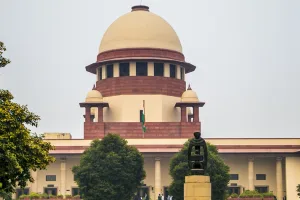
The post also mentioned that curd may help reduce anemia and physical weakness. Curd is not direct source of iron. Experts say its nutrients help overall strength and energy. Protein in curd supports muscle repair and probiotics improve nutrient absorption in the gut. This combination may indirectly help people who experience fatigue due to poor digestion or inadequate nutrition.

Digestive health is where curd often gets the most attention. Acharya Balkrishna highlighted that regular consumption may help prevent intestinal and stomach-related problems. This connects with scientific understanding of probiotics.

Also Read: Not just vrat food! Singhara’s shocking health benefits are turning heads everywhere

The good bacteria in curd help maintain balance in the gut, which may reduce bloating, acidity, and indigestion. Many people who struggle with milk digestion often find curd easier to consume because the lactose content is partially broken down during fermentation.

Curd is also being linked with immunity. Since gut health plays a major role in immune function, improving digestive balance may help the body fight infections more effectively.

Some nutrition experts say regular curd intake may help reduce the frequency of minor illnesses, though it should not replace medical treatment.

There are also discussions around heart and weight benefits. Curd contains protein that helps people feel full for longer, which may reduce unnecessary snacking. It also contains potassium, which supports healthy blood pressure levels. Some studies suggest curd may help lower bad cholesterol when consumed in moderation, especially in low-fat or homemade form.

Beyond internal health, curd is often used for skin and hair care as well. Many people apply it directly to the skin for hydration or use it as a natural conditioner for hair.

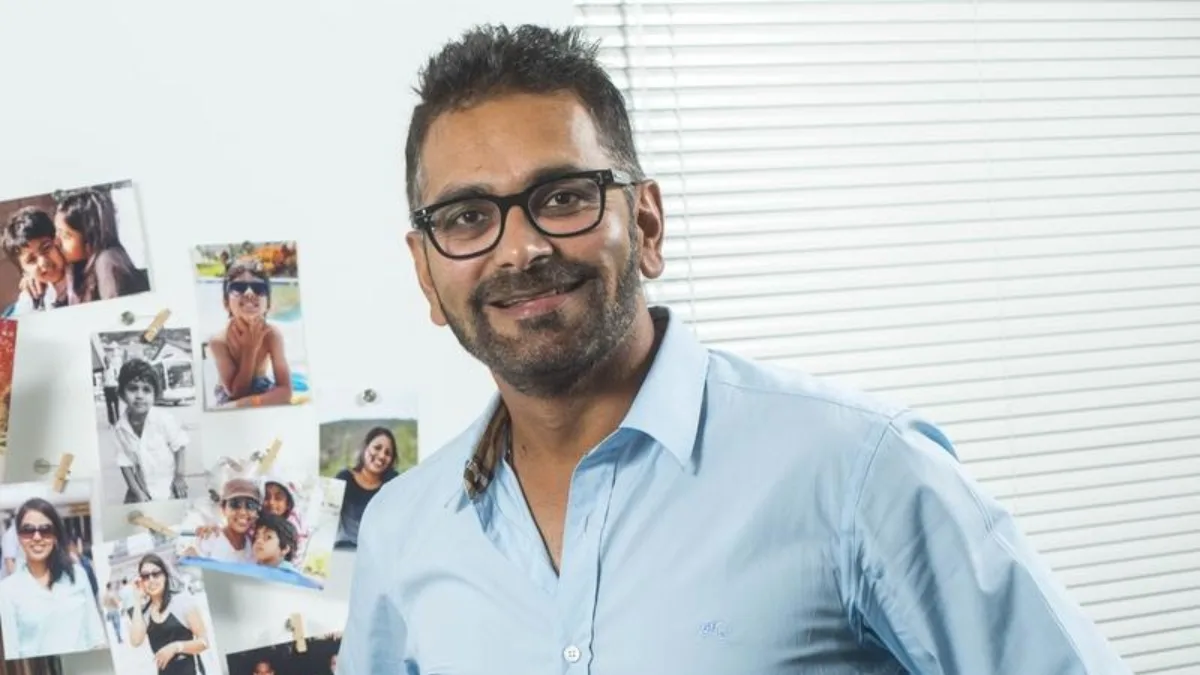
Who is Kal Somani? The man behind Rajasthan Royals’ $1.63 billion takeover

A look at Kal Somani, the US-based tech entrepreneur behind the $1.63 billion Rajasthan Royals deal and his rise in sports ownership.

Statesman News Service | New Delhi |

In a landmark moment for the Indian Premier League (IPL), a US-based consortium led by tech entrepreneur Kal Somani has reportedly agreed to acquire a 100% stake in Rajasthan Royals for a record $1.63 billion (₹13,500 crore).

The deal, expected to be completed after IPL 2026, is set to become the largest ownership transaction in the league’s history, underlining the IPL’s growing global appeal.

Who is Kal Somani?

Based in Scottsdale, Somani is a technology entrepreneur with over 15 years of experience across artificial intelligence, ed-tech, and data privacy. He is the founder of IntraEdge and Truyo and is widely regarded as a key voice in AI governance and digital innovation.

His entry into sports ownership has been gradual but strategic. Somani already has stakes in ventures such as Motor City Golf Club and has invested in emerging platforms like TGL Golf League and TMRW Sports, signalling a growing interest in the sports-tech ecosystem.

Somani’s association with Rajasthan Royals dates back to 2021, when he first acquired a minority stake in the franchise. Over time, he has shown strong belief in the IPL’s long-term growth, which has now culminated in a full takeover bid.

The franchise was previously owned by Emerging Media Ventures, led by British-Indian businessman Manoj Badale. Notably, Rajasthan Royals were among the original eight teams in the inaugural IPL season in 2008 and was acquired for just $67 million at the time, the lowest among all franchises then.

Powerful backing behind the deal

The acquisition gains further significance due to the high-profile names backing the consortium. Among them is Rob Walton, heir to the Walmart fortune and owner of the Denver Broncos. Also part of the group is the Hamp family, led by Sheila Ford Hamp, principal owner of the Detroit Lions.
With strong ties across the US technology and sports industries, Somani is expected to steer Rajasthan Royals towards a more innovation-driven future. His vision is likely to focus on leveraging technology to enhance fan engagement, branding, and the franchise’s global footprint.

PM Modi speaks to Trump, discuss Strait of Hormuz disruption amid escalating Middle East conflict

According to US Ambassador to India, Sergio Gor, Modi and Trump “discussed the ongoing situation in the Middle East, including the importance of keeping the Strait of Hormuz open.”

Statesman News Service | New Delhi |

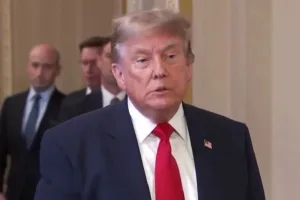
Prime Minister Narendra Modi has spoken with US President Donald Trump, US Ambassador to India, Sergio Gor said on Tuesday.

According to Gor, the two leaders discussed the ongoing situation in the Middle East, including the importance of keeping the Strait of Hormuz open.

Later, PM Modi also posted on social media about his discussion with Trump. The Prime Minister said that they had a “useful exchange” of views on the situation in West Asia.

“Received a call from President Trump and had a useful exchange of views on the situation in West Asia,” Modi said on X.

The Prime Minister reiterated India “supports de-escalation and restoration of peace at the earliest.”

He further added, “Ensuring that the Strait of Hormuz remains open, secure and accessible is essential for the whole world.”

The two leaders also agreed to stay in touch regarding efforts towards peace and stability.

Since his announcement of peace talks with Iran, a claim Tehran has dismissed as “fake news”, Trump has been reaching out to several countries as part of a diplomatic outreach that signals potential de-escalation in the Middle East conflict.

Earlier today, the US President also spoke to Pakistani Army Chief Asim Munir to discuss Iran war.

White House Press Secretary Karoline Leavitt acknowledged the call but declined to share details, calling the discussions “sensitive”.

“These are sensitive diplomatic discussions and the United States will not negotiate through the news media,” she said.

According to reports, Pakistan has also positioned itself as a possible venue for talks involving US and Iranian officials, as efforts to de-escalate tensions continue.

Prime Minister Shehbaz Sharif separately spoke with Iranian President Masoud Pezeshkian, expressing solidarity and stressing the need for dialogue.

Sharif said both sides agreed on the “urgent need for de-escalation, dialogue, and diplomacy”, while reaffirming Pakistan’s willingness to play a constructive role.

Kolkata Fatafat (FF) results today (March 24): Full 8-round outcomes, timings, prize details and what players must know

Kolkata Fatafat (Kolkata FF) is a fast-paced lottery game with multiple daily rounds. Players across Kolkata and West Bengal eagerly check results and try their luck in each draw.

Statesman News Service | New Delhi |

In the ever‑busy city of Kolkata, one game has captured the attention of many daily players: Kolkata Fatafat, commonly known as Kolkata FF, and the result for March 24, 2026 are out.

This fast‑paced lottery‑style number game has become a routine part of life for thousands of people in the city and across West Bengal who check for results throughout the day.

Also Read: Kolkata Fatafat (FF) results today (March 18): Full 8-round outcomes, timings, prize details and what players must know

What is Kolkata Fatafat?

Kolkata Fatafat is a number guessing game where players choose a set of numbers and place bets, hoping their picks match the winning outcome for that round.

The game is popular mainly in Kolkata and parts of West Bengal. Unlike traditional lotteries with a single daily draw, Kolkata FF runs many draws in a single day. This keeps players engaged and giving them several opportunities to try their luck.

How the game works

Every day, including March 24, the game follows a fixed schedule with eight rounds called “bazis.”

These draws begin in the late morning and continue through the evening. Each round has its own result, and because the rounds are independent of one another, a player can win in one round even if they did not win earlier in the day.

This format makes Kolkata FF a fast and continuous game of chance for those following the outcomes.

Kolkata Fatafat result for March 24, 2026

For players eager to check the March 24, 2026 results, the winning numbers are usually announced after each round at the scheduled times.

Players typically look for these results on official platforms, dedicated result websites, local news pages, or at outlets where Kolkata FF is followed closely.

It’s important for participants to verify the numbers through reliable sources rather than social media or unverified posts, as the official results are the only accurate record.

Here are the results:

First round: 589-2

Second round: 245-1

Third round: 568-9

Fourth round: 168-5

Fifth round: 400-4

Sixth round: 570-8

Seventh round:

Eighth round:

(Important Note: This article is meant to explain how Kolkata Fatafat works and how results are usually checked for March 24, 2026. It does not encourage playing or betting in lottery‑style games. For the actual results of March 24, 2026, players should check official result sources and announcements. Those are available Kolkata FF websites.)

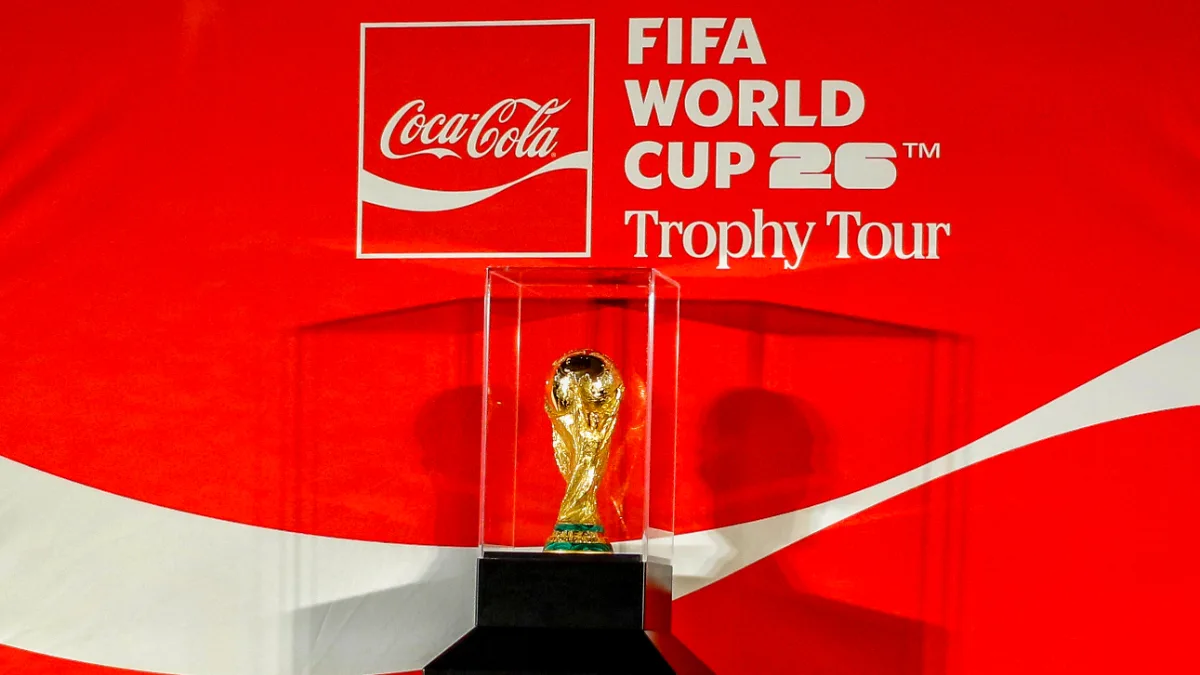
FIFA under Fire as FSE, Euroconsumers file complaint over World Cup 2026 ticket prices

FSE and Euroconsumers file a complaint against FIFA over high World Cup 2026 ticket prices, alleging monopoly misuse and lack of transparency.

Statesman News Service | New Delhi |

Football Supporters Europe (FSE) and Euroconsumers have filed a formal complaint with the European Commission against FIFA, alleging excessive ticket pricing for the 2026 World Cup, which is set to begin on June 11.

The groups claim FIFA has used its monopoly over ticket sales to set prices beyond the reach of ordinary fans.

In December, FIFA introduced a limited number of $60 tickets across all 104 matches following widespread criticism. However, FSE argued that the move had little real impact, stating that the lowest-priced Category 4 tickets were largely unavailable by the time general sales opened.
FSE has called on FIFA to abandon dynamic pricing and freeze ticket costs ahead of the next sales phase in April. It has also demanded greater transparency, including at least 48 hours’ notice on ticket availability and clearer details on seating categories.

“FIFA holds a monopoly over ticket sales for the 2026 World Cup and has used that power to impose conditions on fans that would never be acceptable in a competitive market. For many, this is a once-in-a-lifetime experience; fair and transparent access to tickets is essential,” FSE said in a statement.

Highlighting the scale of the price increase, the organisation added: “The cheapest openly available final tickets now start at $4,185, more than seven times the cost of the cheapest 2022 World Cup final ticket.”

“FIFA’s own bid documents projected an average ticket price of $1,408, but that number has been left far behind,” FSE further stated.

Echoing similar concerns, Marco Scialdone, Head of Litigation at Euroconsumers, criticised FIFA’s pricing approach.

“Football is a universal passion, but FIFA is treating it like a private luxury by exploiting its absolute monopoly over World Cup ticketing. By imposing opaque pricing, dark patterns to pressure buyers, and exorbitant resale fees, FIFA is placing an unfair financial burden on millions of European fans,” he said.

“We are calling on the European Commission to intervene immediately with interim measures to halt these exploitative practices before the 2026 tournament begins,” he added.

According to FIFA, nearly seven million tickets have been made available for the tournament, which will be co-hosted by the United States, Canada, and Mexico. The 2026 edition will be the largest in history, featuring 48 teams and 104 matches.

Harish Rana, first Indian granted passive euthanasia, dies at AIIMS after 13 years of silence

The 31-year-old was in a permanent vegetative state since 2013 following a severe head injury. He was granted passive euthanasia permission by the Supreme Court on March 11.

Statesman News Service | New Delhi |

After 13 years of silence and suffering, Harish Rana’s long journey has come to an end on Tuesday, March 24, 2026.

A resident of Ghaziabad in Uttar Pradesh, Rana, who became the first Indian granted permission for passive euthanasia, breathed his last at the All India Institute of Medical Sciences (AIIMS), New Delhi, where he was shifted for the process of withdrawal of life-sustaining treatment.

The 31-year-old was in a permanent vegetative state since 2013 following a severe head injury.

He was shifted to the palliative care unit of the Dr B.R. Ambedkar Institute Rotary Cancer Hospital at AIIMS on March 14 for the withdrawal of life support.

Earlier on March 11, the Supreme Court allowed passive euthanasia for Rana, permitting the withdrawal of life support under strict supervision of a medical board.

The court had ruled that the medical board could exercise its clinical judgment in line with the principles laid down in the landmark 2018 judgment, which recognised the legality of passive euthanasia and living wills.

Rana had been suffering from 100 per cent disability, quadriplegia, and required continuous assistance for breathing and feeding through medical tubes.

Noting the above facts, the court directed that he be admitted to AIIMS Delhi for end-of-life care.

An expert panel had assessed that his condition was irreversible, with negligible chances of recovery. He was dependent on a tracheostomy tube for respiration and a gastrostomy tube for nutrition.

Rana’s family had earlier moved the Delhi High Court seeking permission for passive euthanasia. The High Court rejected the plea and directed Rana’s family to move to the Supreme Court.

Initially, the Supreme Court had suggested home-based medical care, with the central government offering nursing support, physiotherapy, and free medicines.

However, his condition didn’t improve, and the family again approached the court, citing lack of improvement despite prolonged treatment.

IPL 2026 New Rules Explained: What the BCCI has changed this season

IPL 2026 to be played under stricter rules, with BCCI banning match-day practice and tightening guidelines on player movement and conduct

Statesman News Service | New Delhi |

The Indian Premier League (IPL) 2026 will be played under tighter operational regulations, with the Board of Control for Cricket in India (BCCI) rolling out a fresh set of guidelines aimed at improving discipline, logistics, and broadcast standards.

According to a report by Cricbuzz, the updated rules build on directives issued earlier this month, with a stronger focus on player movement, access control, and match-day behaviour. The guidelines were shared with franchises ahead of the season opener on March 28, where Royal Challengers Bengaluru will face Sunrisers Hyderabad.

No practice on match days

One of the key changes is a complete ban on practice sessions on match days. Teams must restrict their preparations to designated nets during approved time slots. Open practice is no longer permitted, and franchises cannot use pitches allocated to other teams, even if available.

Each team will be allotted two nets and one side wicket on the main square. At select venues like Mumbai, two wickets per team will be provided to allow simultaneous practice sessions.

Restricted access and movement

Fitness drills and tests are also prohibited on match days. Only players and authorised support staff can access practice areas, while family members must remain in designated hospitality zones.

Player movement has also been regulated, with cricketers required to travel to practice sessions exclusively via team buses. Franchises must submit details of net bowlers and throwdown specialists for BCCI approval.

Stricter match-day protocols

Support staff are required to carry accreditation cards at all times, with penalties in place for violations. Additionally, players have been instructed not to hit LED advertising boards during practice or sit in front of them. Seating arrangements for substitutes have also been standardised.

Broadcast and dress code rules

The BCCI has also reinforced broadcast-related guidelines. Orange cap and purple cap holders must wear their caps on match days, at least during the opening overs, to ensure visibility.

Players must adhere to a strict dress code during post-match presentations, with sleeveless jerseys and floppy hats not permitted. Non-compliance could attract penalties.

Support staff limits and other rules

As per existing regulations, only 12 support staff members—including team doctors—are allowed in designated match-day areas. Franchises must also inform the BCCI at least 24 hours in advance for any jersey number changes.

Rajasthan Royals sold to Kal Somani-Led Consortium for $1.63 billion: Report

Rajasthan Royals set to be sold to a Kal Somani-led consortium for $1.63 billion, with the deal expected to conclude after IPL 2026

Statesman News Service | New Delhi |

Indian Premier League (IPL) inaugural champions Rajasthan Royals are set to be acquired by a Kal Somani-led consortium in a deal reportedly valued at $1.63 billion, marking one of the biggest transactions in franchise cricket.

Highlighting the scale of the deal, renowned commentator Harsha Bhogle wrote on X:

“Rajasthan Royals is sold for 1.63 billion USD. Purely for comparison, London Spirit, the most expensive team, was valued at USD 370 million when there was a stake sale in The 100.”

Somani, a US-based entrepreneur and existing minority stakeholder in Rajasthan Royals, has built ventures across ed-tech, data privacy, AI governance, and sports technology. His sporting interests include co-ownership of Motor City Golf Club and early investments in projects such as TMRW Sports and the TGL Golf League.

According to reports, the deal has been signed and is expected to be completed after the IPL 2026 season. The consortium backing the takeover includes Rob Walton and the Hamp family, majority owners of the Detroit Lions, with Sheila Ford Hamp also involved.

Meanwhile, the potential sale of Royal Challengers Bengaluru is also progressing, with multiple high-profile bidders in the fray. Interested parties reportedly include a consortium featuring Blackstone, Aditya Birla Group, and David Blitzer; a Ranjan Pai-led Manipal consortium backed by Kohlberg Kravis Roberts and Temasek; as well as Swedish private equity firm EQT.

Earlier reports suggested strong interest in RCB, with bids ranging from $1 billion to $1.8 billion. The Manchester United owners, the Glazer family, are also believed to be among the top bidders.

In January, pharma billionaire Adar Poonawalla said he would make a “strong and competitive” bid for the franchise.

Middle East Conflict: PM Modi warns of ‘long-lasting impact’, asks citizens to be prepared for ‘challenges that lie ahead’

“The challenges ahead will test us,” said Modi, as he urged states to act proactively and take steps to safeguard migrant workers.

Statesman News Service | New Delhi |

As tensions in the Middle East continue to escalate with little sign of de-escalation, Prime Minister Narendra Modi on Tuesday warned that the impact of the conflict could be “long-lasting”, urging citizens of the country to brace for economic challenges that may lie ahead.

Addressing the Rajya Sabha on the issue of the Middle East conflict amid concerns over its potential impact on India, Modi urged citizens to be prepared for every challenge.

“The impact of this war may be long-lasting, but I assure the people that the government is alert and the nation’s interest remains paramount,” he said.

He added that “the challenges ahead will test us” and urged states to act proactively and take steps to safeguard migrant workers.

“The challenges ahead will test us. I urge all states to act proactively, as in difficult times it is labourers and the weaker sections who are affected the most. Steps must be taken to safeguard our migrant workers,” he said.

The Prime Minister also asked state governments to remain vigilant against black marketing.

“State governments should also remain vigilant against black marketing, which tends to rise in such periods, and ensure that such practices do not take place,” he added.

While the Prime Minister didn’t directly refer to fuel prices, his remarks urging people to brace for long-term challenges came amid a global energy crisis triggered by the conflict in the Middle East.

In response to the US and Israeli attacks, Iran has blocked the Strait of Hormuz, a key shipping route in the Persian Gulf.

The blockade has disrupted energy supplies, leading to a steep rise in oil and gas prices.

With India importing over 80 per cent of its crude and around 60 per cent of LPG, the country remains particularly sensitive to geopolitical disruptions in the Middle East.

While the government has taken several steps to ensure there is no widespread shortage of gas and oil, the situation is likely to worsen if the war is prolonged.

Top Maoist commander Papa Rao likely to surrender in Bastar

With less than a week left before the deadline for a Maoist insurgency-free India and Chhattisgarh, security forces are leaving no stone unturned to achieve what Union Home Minister Amit Shah had declared a year ago.

Statesman News Service | Raipur |

With less than a week left before the deadline for a Maoist insurgency-free India and Chhattisgarh, security forces are leaving no stone unturned to achieve what Union Home Minister Amit Shah had declared a year ago. There has been a noticeable buzz within the security establishment since reports emerged that talks regarding the surrender of the most wanted and influential Maoist leader, Papa Rao, have reached an advanced stage. While there is no official confirmation yet, preparations are being made to bring him to Jagdalpur if the surrender goes through.

Chhattisgarh Chief Minister Vishnu Deo Sai on Monday described the possible surrender of senior Maoist commander Papa Rao as a significant development in the ongoing anti-Naxal operations. Sai said that the sustained push against Left-Wing Extremism under Prime Minister Narendra Modi and Union Home Minister Amit Shah’s leadership has shown results. Deputy Chief Minister Vijay Sharma termed the development an important moment in the broader campaign against Maoist insurgency.

A Bijapur-based journalist, on condition of anonymity, revealed that a special team of personnel has already moved towards the Indravati National Park area. Papa Rao is expected to surrender with weapons, along with around 17 cadres.

Papa Rao has been associated with the West Bastar Division and is a member of the Dandakaranya Special Zonal Committee. He carries a reward of about ₹25 lakh on his head. Over the years, his name has figured in several major incidents in the Bastar region, including the IED blast on the Kutru-Bedre road.

Within the Maoist set-up, Papa Rao has been seen as someone with considerable influence. Officials say that his organisational grip remained strong, and even members of his family were linked to the network during these years.

Senior journalist Manish Gupta, who has studied Maoist insurgency in Bastar for years, said that if the surrender of Papa Rao takes place, it would be the last nail in the coffin for the Maoist structure in Bastar. In recent months, a number of senior cadres have either been killed or have laid down arms, steadily weakening the leadership on the ground, he added.

ECI holds high-level inter-state meeting with Chief Secys, CEOs, DGPs ahead of 2026 elections

The Commission reviewed overall preparedness, law and order, and measures to curb electoral malpractices, while directing all stakeholders to ensure violence-free, intimidation-free and inducement-free polls.

Statesman News Service | New Delhi |

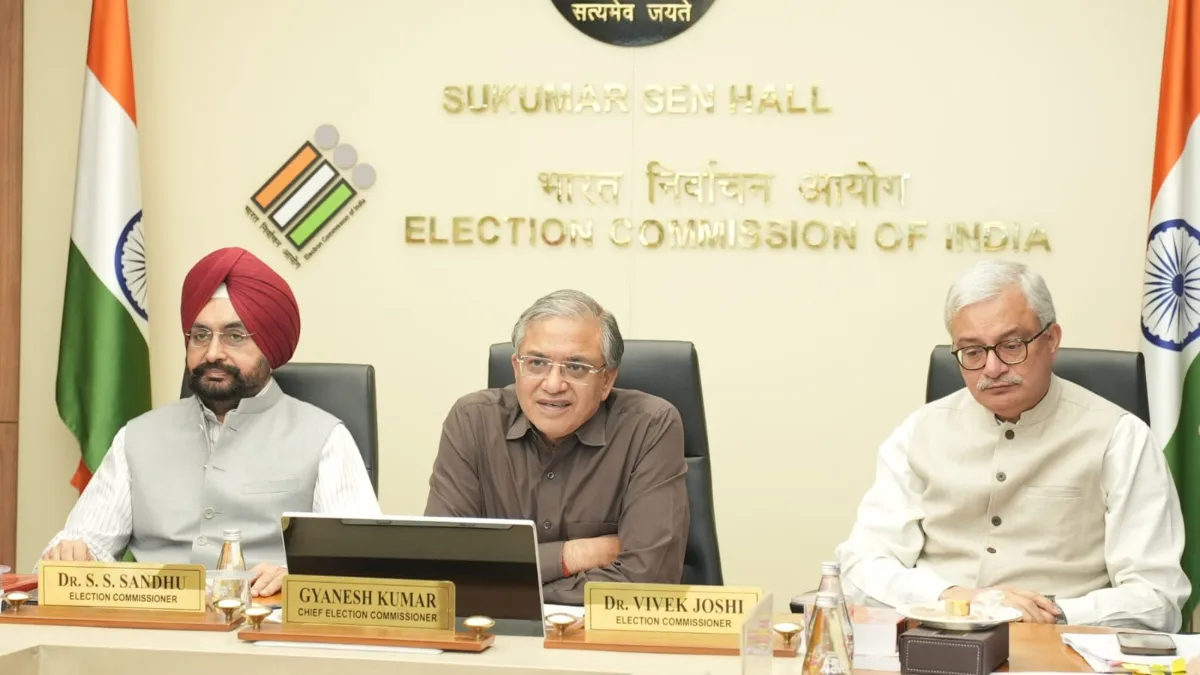
The Election Commission of India (ECI) on Tuesday convened a high-level review meeting with top officials from poll-bound states and their neighbouring regions to strengthen coordination and ensure free, fair and peaceful elections. The meeting was also held with the Multi-Departmental Committee on Election Intelligence.

According to an official statement, the meeting was attended by Chief Secretaries, Chief Electoral Officers (CEOs), Directors General of Police (DGPs), and other senior officials from the five poll-going states/UTs and 12 adjoining states/UTs, along with heads of key enforcement agencies.

The Commission reviewed overall preparedness, law and order, and measures to curb electoral malpractices, while directing all stakeholders to ensure violence-free, intimidation-free and inducement-free polls.

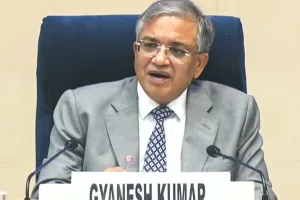
Chief Election Commissioner Gyanesh Kumar, along with Election Commissioners Dr S.S. Sandhu and Dr. Vivek Joshi, reviewed the poll preparedness, law and order situation, seizures of illegal cash, liquor, narcotics, arms, inter-state check posts, expenditure sensitive constituencies for the upcoming General Election in Assam, Kerala, Puducherry, Tamil Nadu and West Bengal and bye-elections in 6 states.

Officials from poll-bound states briefed the Commission about their overall preparation, law and order issues, expenditure enforcement & any concerns or pending issues with central agencies and neighbouring states. Special focus was placed on bordering districts and sealing of borders to maintain peace and order in the poll-going states/UTS.

The neighbouring border states were directed to take all possible steps to aid the poll-going states/UTs in ensuring an inducement-free and violence free elections.

The ECI instructed the heads of agencies, including the Income Tax Department, GST authorities, Directorate of Enforcement (ED), Directorate of Revenue Intelligence (DRI), Narcotics Control Bureau (NCB), and various paramilitary forces, to ensure heightened vigilance in poll-going states with enhanced checks at inter- state check posts. The Commission emphasised the need to intensify efforts and maximise seizures of illegal cash, liquor, narcotics, arms and other inducements on actionable intelligence.

As per the schedule, polling in Assam, Kerala and Puducherry will be held on April 9, while Tamil Nadu will vote on April 23. West Bengal will go to the polls in two phases on April 23 and April 29. Counting of votes is scheduled for May 4.

Stalin blames Modi’s lack of leadership, says ‘Preparedness cannot be outsourced to people’

The DMK-led Secular Progressive Alliance has held statewide demonstrations to protest the Modi government’s functioning without any foresight and caution, he pointed out.

Statesman News Service | Chennai |

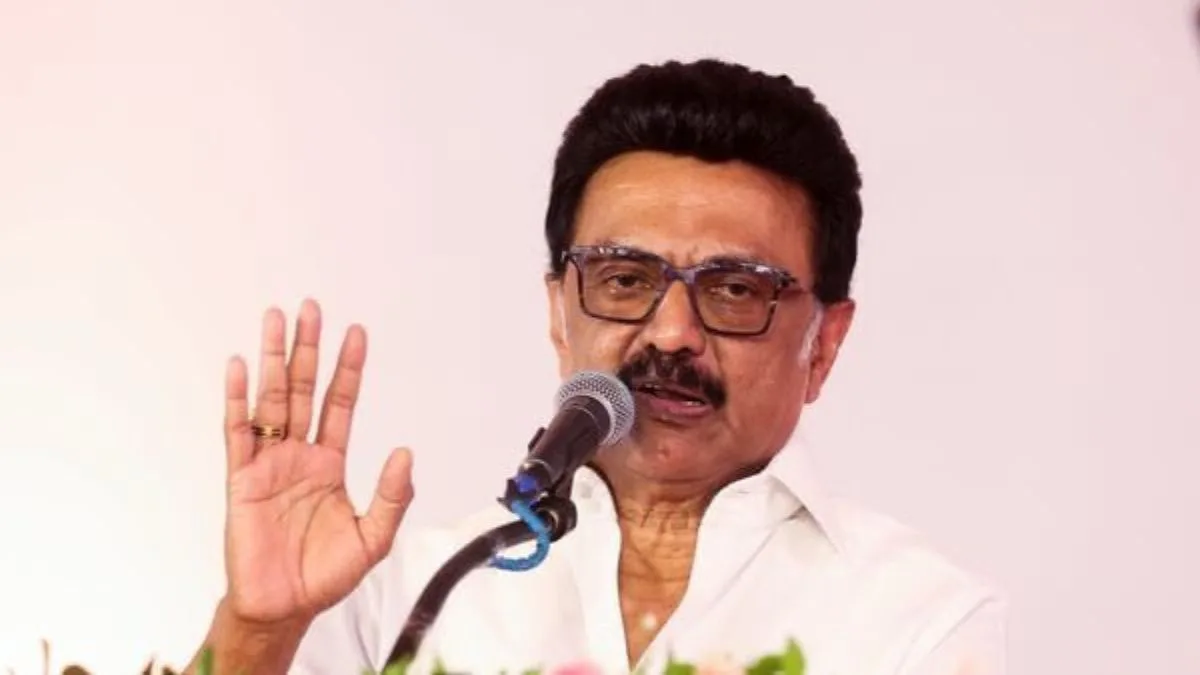
In a scathing attack on Prime Minister Narendra Modi over his call to the nation to be prepared for the long-term impact of the war in West Asia, Tamil Nadu Chief Minister and DMK president MK Stalin on Tuesday asked, “Who should be prepared, the Union Government or the people?,” saying, “Preparedness cannot be outsourced to the people.”

“Prepared for what – leadership or its absence?” was the question he posed on his ‘X’ handle, blaming the lack of foresight and vision, as well as governance deficit on the part of Modi.

“The only question before the nation is this: whether the Prime Minister is prepared to protect us?” Stalin asked what proactive steps Modi had taken to protect the people from the consequences of the ongoing war in West Asia. He is simply asking the country to face the present crisis as it did during the Covid-19 pandemic, the Chief Minister noted.

“As the severity of the war intensified, I wrote to you on March 13 to ensure an uninterrupted supply of LPG cylinders and to revise the gas supply regulations to thermal power stations. On March 12, the opposition parties staged a protest in the Parliament complex to make the government aware of the worsening situation. Recalling that he had asked then what the Union Government was proposing to do, the Chief Minister said it had fallen on deaf ears.

“Without waiting for your intervention, as a responsible state government, we have extended a subsidy of Rs 2 per unit to the food industry employing electric ovens instead of LPG, subsidised loans to MSMES to procure electric furnaces, and dispensing with the TN Pollution Control Board’s permission to industries for using alternative resources. With hotels being shut, farmers have been allowed to market vegetables and fruits without any restriction at the 194 Rythu Bazars across the state,” he said.

The DMK-led Secular Progressive Alliance has held statewide demonstrations to protest the Modi government’s functioning without any foresight and caution, he pointed out. “After all these, while advising the people to be prepared, are you prepared to protect them?” Stalin asked. In the poll-bound Tamil Nadu, the fallout of the West Asia conflict has given a handle to beat the AIADMK-BJP alliance in the campaign.

Avalanche warning, Western disturbances forecast keep Uttarakhand on alert

Defence Geoinformatics Research Establishment (DGRE) has issued an avalanche warning in several parts of Uttarakhand in the next few days.

Dehradun | PRITHVIRAJ SINGH |

Defence Geoinformatics Research Establishment (DGRE) has issued an avalanche warning in several parts of Uttarakhand in the next few days. The warning coincides with the Meteorological Department forecast of two successive rounds of Western disturbances in the next four days on March 26 and March 28.

The DGRE warning has been issued for the altitudes above 3000 metres, mainly in Garhwal’s Uttarkashi and Chamoli districts and Pithoragarh in Kumaon. The avalanche warning bulletin by the DGRE spoke of level two danger in these districts with the possibility of moderate slides of the snow mass above 3000 metres high altitudes. The bulletin delineated a second avalanche threat with danger level one for Rudraprayag and Bageshwar districts of Garhwal and Kumaon, respectively.

According to the bulletin, the avalanche threat may also be aggravated by the Western disturbances forecast by the meteorological centre in Dehradun.
It’s notable that regions above 3000 metres have been witnessing repeated avalanches mainly in Badrinath temple area in Chamoli, Gangotri region of Uttarkashi and Kedarnath Shrine area in Rudraprayag for some years. However, the sliding of snow has not resulted in any catastrophe so far.

Meanwhile, Dehradun-based Meteorological Center of India has stated that this weather will take another turn in the Northern areas due to activation of two Western Disturbance systems consecutively in the region. Centre’s head Vikram Singh Tomar informed that weather is expected to remain unsettled across the state minimum till March 28 when this region of the Himalayas will undergo a second system of Western Disturbance.
]
“Two systems of western disturbance leading to the rainfall in several parts of the state, will be activated one after another on March 26 and March 28. This will result in moderate to light rainfall in large hill areas and light pouring in pain locations. This is likely to keep the temperature low nearly across the state till March end” informed Tomar.