Logo

Prez asks IRS officers to remain committed to constitutional values

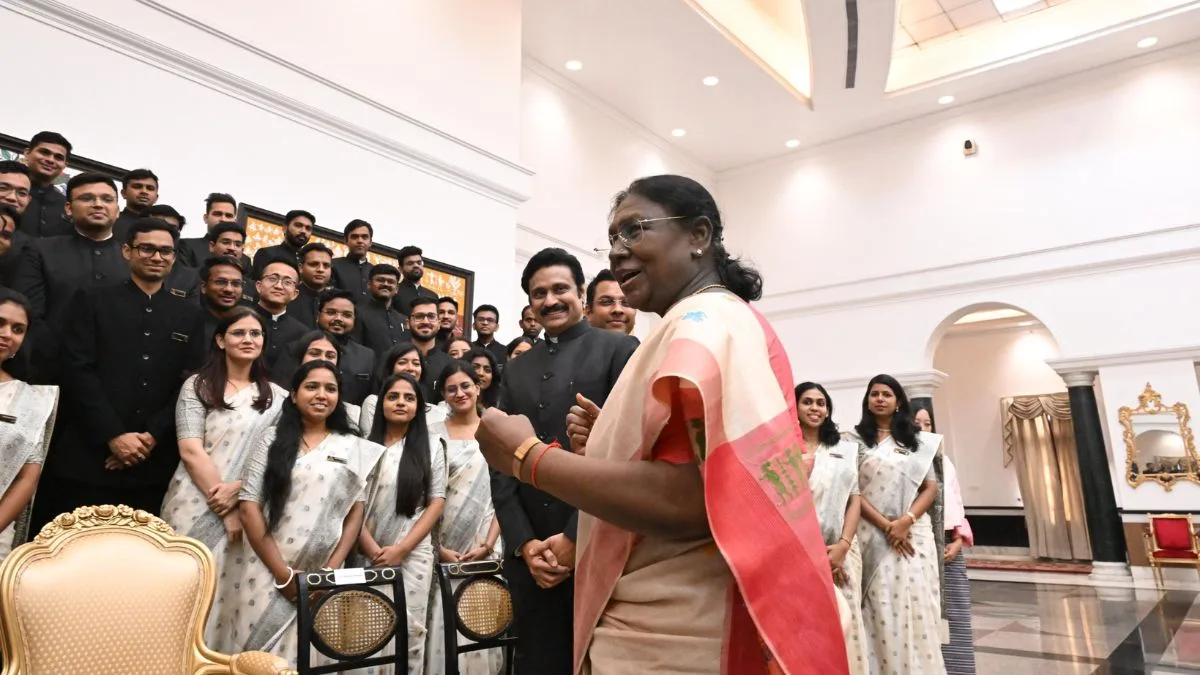
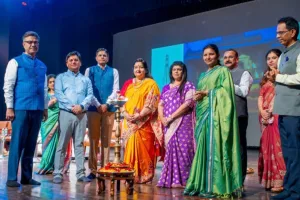
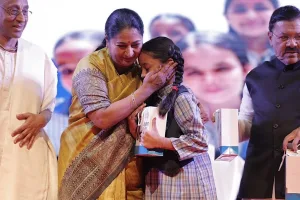
She was talking to a group of officer trainees of the 79th batch of Indian Revenue Service (IT) which called on her at Rashtrapati Bhavan.

Statesman News Service | New Delhi |

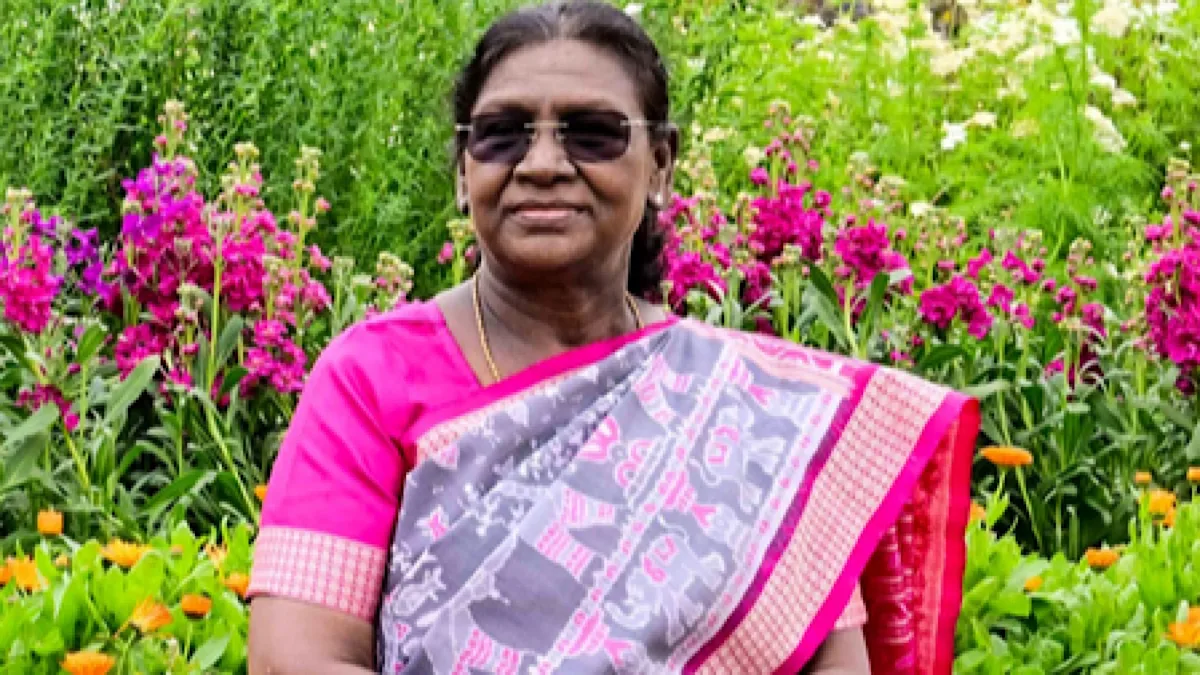
President Droupadi Murmu on Tuesday advised revenue officers to exercise their authority with humility, restraint, and an unwavering commitment to constitutional values.

She was talking to a group of officer trainees of the 79th batch of Indian Revenue Service (IT) which called on her at Rashtrapati Bhavan.

The President said that direct taxes play a major role in advancing national development. By providing a stable source of revenue, they enable governments to invest in critical sectors such as infrastructure, education, healthcare, and social welfare.

A fair and transparent tax system fosters equity and strengthens the foundation of inclusive and sustainable growth, she said.

President Murmu underlined that the mandate of the Revenue Service goes beyond tax collection. She said that the ability of IRS officers to analyse complex financial transactions, trace illicit financial flows across borders, and unravel intricate corporate structures, makes them indispensable partners in advancing the nation’s journey towards the goal of Viksit Bharat. They are expected to make decisions that are just, efficient and based on a deeper understanding of business processes.

The President said that as IRS officers, the young officers must strive to exercise prudence in their conduct and decision-making. A prudent officer balances enforcement with facilitation, authority with humility, and technological capability with human sensitivity.

She observed that with the growing volume of cross-border transactions and deeper international cooperation in taxation, IRS officers today engage increasingly with global institutions and treaty partners.

Therefore, they will play an important role in strengthening international tax governance. Their professional competence and integrity will uphold India’s credibility in international tax administration.

Shilpa Shetty wins big as Bombay HC orders immediate removal of defamatory content, protecting her personality rights

The Bombay High Court has taken a strong stand against online misuse of celebrity identities, protecting Shilpa Shetty’s persona from digital exploitation. Platforms are now legally required to remove defamatory content.

Statesman News Service | New Delhi |

Bollywood diva Shilpa Shetty can breathe a little easier now. The Bombay High Court has stepped in to protect the actress’s personality rights and sending strong message against online misuse of celebrity identities. The court’s recent order stops anyone from misusing Shilpa’s name, image, voice, or likeness, basically her whole persona, without permission.

The ruling isn’t just a warning; it’s a clear action plan. Court has ordered that all defamatory and infringing content on social media and other digital platforms be taken down immediately.

This means that anyone trying to exploit Shilpa’s identity for commercial gain or even for online mischief must think twice. Digital platforms and intermediaries now have a legal duty to remove such content quickly.

Also Read: Amid deepfake disaster, Bollywood draws the legal sword

Speaking on this landmark order, Supreme Court lawyer Sana Raees Khan, who represents Shilpa, hailed the judgment as a milestone in the fight against deepfakes. “The Bombay High Court has made it crystal clear: the internet cannot be a playground for digital impersonation,” Khan said.

She added, “The court has recognised that Shilpa’s name, image, voice, and persona are not just public symbols. They are valuable legal rights. No one can exploit or manipulate them digitally without consent.”

The lawyer also emphasised that platforms now carry the responsibility to act fast. “This order strengthens the rule that you cannot misuse technology to harm a celebrity’s dignity or reputation,” she said.

Shilpa had first approached the court in November 2025, seeking protection against the unauthorised use of her persona online. Over the months, the court also examined the legal standing of AI tools used to mimic celebrities, raising questions about how far such technology can go without permission.

The ruling is particularly timely in an age where deepfakes and AI-generated content are spreading fast.

Iran attacks US Army headquarters at Harir Air Base in Iraq’s Kurdistan with missiles

The Iranian military body said the operation involved the launch of five missiles aimed at the facility, which hosts US forces and serves as a key operational base for coalition troops stationed in the region.

Statesman News Service | New Delhi |

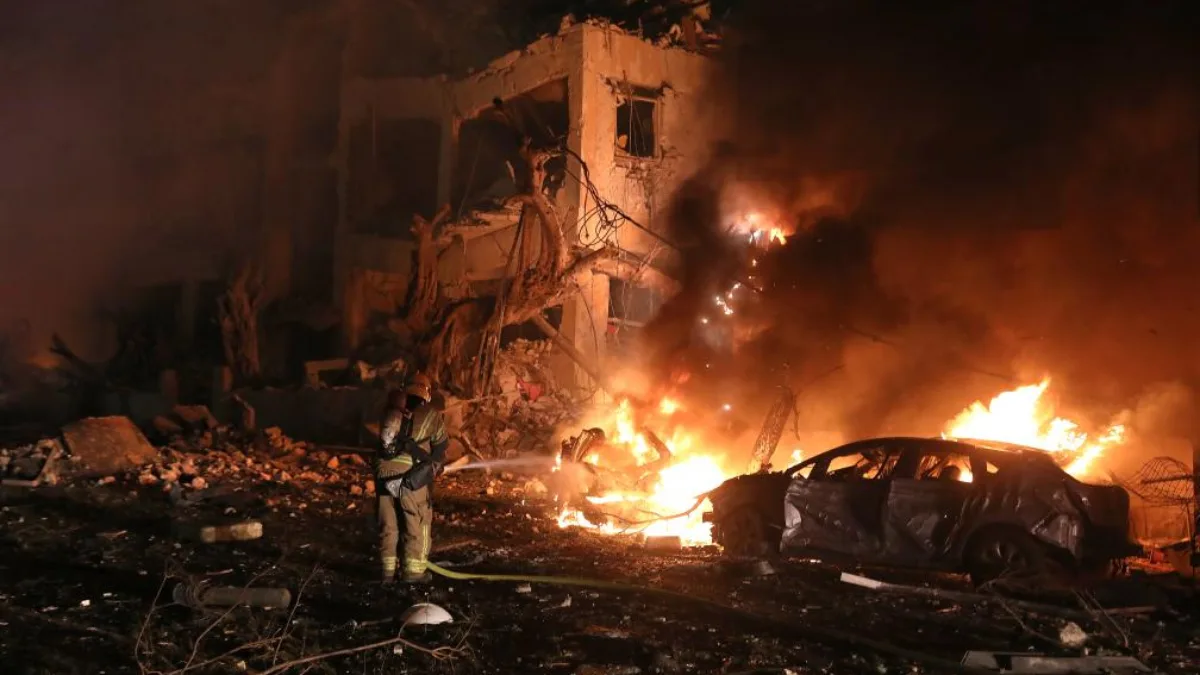
Iran launched a missile attack on the United States Army headquarters at Harir Air Base in Iraq’s Kurdistan earlier today. The Islamic Revolutionary Guard Corps (IRGC) claimed responsibility for the attack on the US military installation, according to reports by Al Jazeera.

In an official statement, the IRGC’s public relations office said the strike targeted the headquarters of the US Army at the Harir Air Base, located near Erbil in Iraq’s Kurdish region.

IRGC launched five missiles

The Iranian military body said the operation involved the launch of five missiles aimed at the facility, which hosts US forces and serves as a key operational base for coalition troops stationed in the region.

The IRGC called the strike a direct attack on US military infrastructure, signalling a sharp escalation in the ongoing confrontation involving Iran, the United States, and its allies.

The Harir Air Base is considered strategically important because it supports coalition military operations and logistics in northern Iraq.

UAE diplomatic mission also targeted

The security situation in the region further deteriorated early Tuesday when a diplomatic mission belonging to the United Arab Emirates was targeted in a drone strike.

The UAE consulate in Iraq’s Kurdish region sustained structural damage during the aerial attack. Authorities confirmed that no casualties were reported.

The incident occurred only hours after the UAE publicly expressed frustration about being “unfairly targeted” amid the broader Middle East conflict.

Rising tensions in the Middle East

The latest developments come as regional tensions continue to surge following joint military operations by the United States and Israel against Iran, which began on February 28.

Since then, the confrontation has intensified across multiple fronts in the Middle East, with missile strikes, drone attacks, and security incidents involving both military and diplomatic targets.

The strike on the US installation in northern Iraq could further heighten tensions and risk drawing additional regional actors into the conflict.

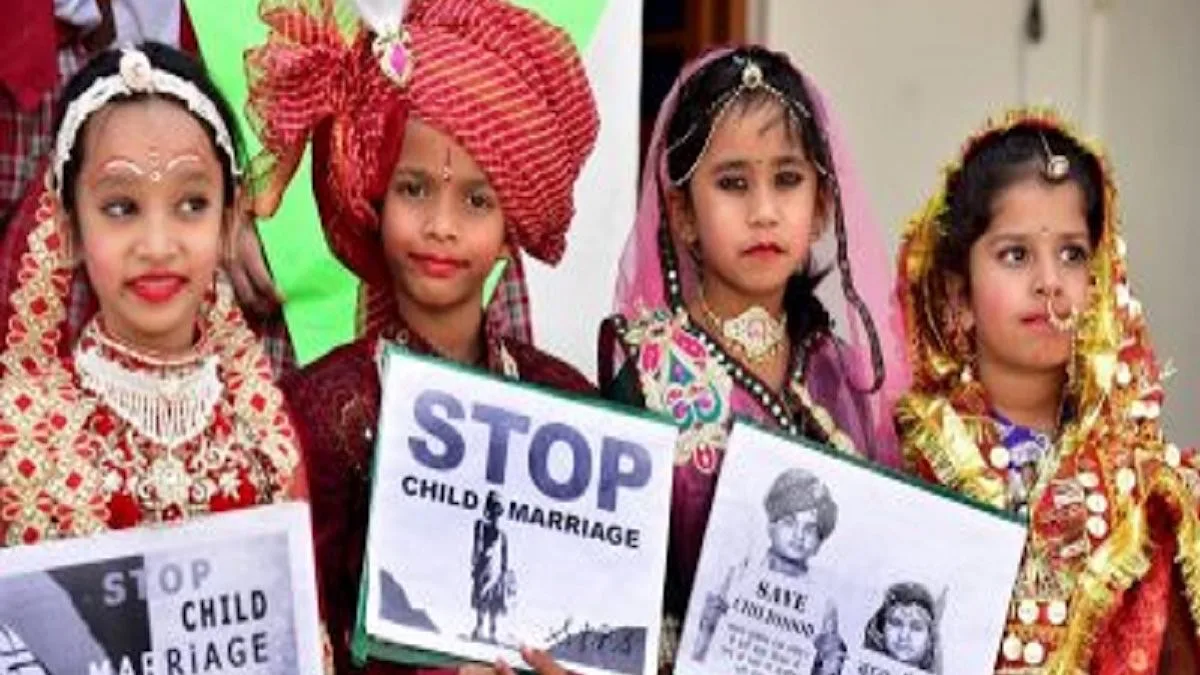
Ending Child Marriage: The Power of Collective Action

A powerful shift is underway in the global understanding of child marriage. What was long treated as a social or cultural issue is now increasingly recognized for what it truly is: a grave violation of children’s rights and a form of sexual violence.

Paroma Bhattacharya | New Delhi |

A powerful shift is underway in the global understanding of child marriage. What was long treated as a social or cultural issue is now increasingly recognized for what it truly is: a grave violation of children’s rights and a form of sexual violence. A recent report by the Columbia Institute of Global Politics Women’s Initiative at Columbia University School of International and Public Affairs reflects this growing global consensus. The report emphasizes that child marriage must be treated as a criminal justice issue that demands both accountability and prevention.

It is heartening to see the world increasingly align around this understanding. Supported by the Global Child Marriage Advisory Group, Secretary Hillary Clinton, Girls Not Brides, and others, the report underscores that ending child marriage is not only a moral and legal imperative but also central to economic development and long-term growth.

Three years ago, when the book When Children Have Children: Tipping Point to End Child Marriage by activist Bhuwan Ribhu was released in India, António Guterres, Secretary-General of the United Nations, warned that eliminating child marriage globally could take 300 years. Yet the past three years have shown that when governments, communities, and institutions act together, change can accelerate far faster than anyone expected.
India carries a significant share of the global burden of child marriage, but it is also emerging as a leader in the fight to end it. Over the past decade, the prevalence of child marriage has declined from around 23 percent to below 15 percent, putting the country on track to eliminate one-third of the global problem.

National initiatives such as the Bal Vivah Mukt Bharat Campaign, supported by networks like Just Rights for Children, are helping accelerate this transformation. Working hand in hand with law enforcement and local authorities, more than 250 NGOs have stopped or prevented nearly 500,000 child marriages across India.

Behind each of these numbers is a child whose education is preserved, a family whose choices are challenged, and a community beginning to rethink long-standing social norms. Each intervention represents more than a statistic; it is a life saved, a future protected, and a childhood reclaimed.

Not long ago, organizations working on child rights often operated in silos. Civil society groups addressing similar issues rarely collaborated. At times, the ecosystem was marked more by competition than cooperation. Stories were highlighted to critique others rather than prevent harm, and interventions were fragmented.

The past three years, however, have witnessed a remarkable transformation.
A new spirit of collaboration has emerged across India’s child protection landscape. Civil society organizations, grassroots groups, community leaders, and institutional actors now work as part of a shared mission rather than through isolated efforts.

This shift has created a fraternity of action committed to protecting children. Organizations are sharing knowledge, pooling resources, coordinating interventions, and supporting each other in real time. Instead of competing narratives, the emphasis is now on collective outcomes.

Over time, this collaboration has evolved into a new ideology of shared responsibility – a recognition that complex social problems like child marriage cannot be solved alone. It requires movements that bring communities, governments, institutions, and civil society together under a unified vision.

Together, they form a protective ecosystem that prioritizes the well-being of children. This “whole-of-society, whole-of-government” approach ensures that laws are implemented, awareness spreads, and vulnerable children are shielded from harm.
Beyond enforcement, social norms themselves are beginning to shift. Panchayats, teachers, faith leaders, and families are speaking out against child marriage. Increasingly, girls themselves are refusing early marriages and reporting threats to authorities, reflecting a profound cultural change in previously unquestioned family decisions.

For years, global experts warned that ending child marriage could take centuries. But recent progress in India proves that transformation is possible when societies act together with urgency.

Every prevented marriage represents a childhood protected, an education preserved, and a future restored. The individuals working on the frontlines today activists, teachers, police officers, civil society workers, and families are shaping a future that once seemed distant.

One day, they will be able to tell their children and grandchildren that a crime the world believed would take centuries to end began to collapse within a few years because people chose to act together.

Ending child marriage is not merely a legal or policy objective. It is a moral imperative, a social movement, and a shared responsibility, driven by collective courage, collaboration, and an unwavering commitment to children.
When people come together with purpose and urgency, even the most deeply entrenched injustices can be dismantled. The movement to end child marriage proves that change is already underway and that the future can be rewritten, one child at a time.

(The author is assistant director, India for Children)

West Asia conflict: Pakistan announces limited use of govt vehicles, school closures amid energy crisis

Facing a worsening fuel crisis triggered by rising global oil prices and geopolitical tensions in West Asia, the government of Pakistan has announced a series of austerity measures, exposing the country’s deep dependence on imported energy and fragile economic position.

IANS | New Delhi |

Facing a worsening fuel crisis triggered by rising global oil prices and geopolitical tensions in West Asia, the government of Pakistan has announced a series of austerity measures, exposing the country’s deep dependence on imported energy and fragile economic position.

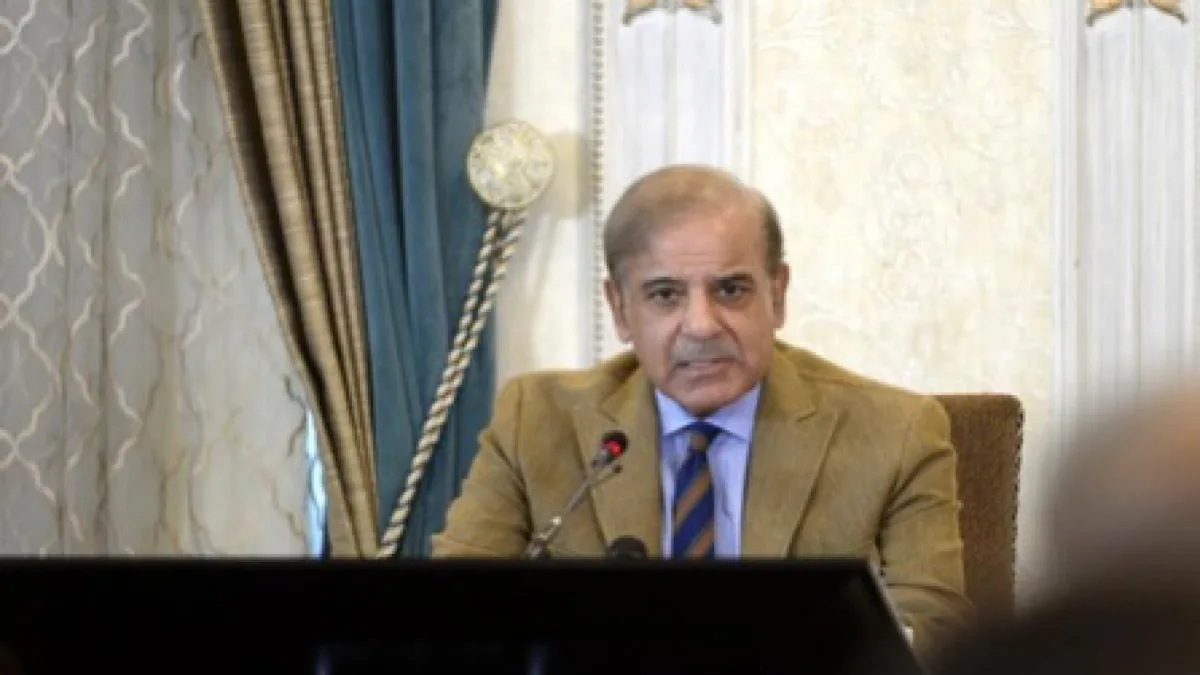
In a pre-recorded televised address on Monday, Prime Minister Shehbaz Sharif unveiled measures aimed at conserving fuel and raising funds to offset the impact of the crisis. The move comes after Pakistan recently raised petrol and diesel prices by 55 Pakistani rupees per litre — nearly a 20 per cent increase — citing surging global prices linked to tensions in the Middle East.

“It will be inevitable to increase the (fuel) prices in the coming days (because of the increase in global prices), but I will try my best that no further burden is placed on the people,” Sharif said, as quoted by Pakistan’s daily The Express Tribune.

The measures announced by the Pakistani government reflect the mounting pressure on the country’s economy, which relies heavily on imported oil and liquefied natural gas. Analysts say such dependence has made Islamabad particularly vulnerable to global supply shocks and price volatility.

As part of the austerity plan, fuel allocated to government vehicles will be reduced by 50 per cent for the next two months, while around 60 per cent of departmental vehicles will remain off the roads during this period. The prime minister also announced that ministers, advisers and special assistants would forgo their salaries for two months, while members of parliament will face a 25 per cent pay cut.

“Expenditures of all government departments, apart from salaries, will be reduced by 20 per cent,” Sharif added.

In another measure reflecting the severity of the situation, the government has ordered that all schools across Pakistan will remain closed for two weeks from the end of the current week, while higher education institutions will immediately shift to online classes to reduce energy consumption.

However, criticism has mounted over the government’s handling of the crisis. An editorial in The Express Tribune reported that petrol prices were raised by about Rs 23 per litre more than required, suggesting that the government generated additional revenue rather than simply passing on the global price increase to consumers.

The crisis underscores Pakistan’s structural economic weaknesses, as the country remains heavily reliant on fuel imports routed through the strategically critical Strait of Hormuz. With global oil prices rising amid escalating tensions in West Asia, Pakistan’s fragile economy faces growing pressure from inflation, supply uncertainty and rising import costs.

Meanwhile, the energy shock is being felt across the region. In neighbouring Bangladesh, the government has also ordered universities to shut temporarily in order to conserve electricity and fuel during the ongoing global energy crisis, according to reports by the Bengali daily Prothom Alo.

The developments highlight how the intensifying geopolitical tensions in West Asia are exposing the vulnerabilities of import-dependent economies like Pakistan, forcing governments to adopt emergency austerity measures to manage shrinking energy supplies.

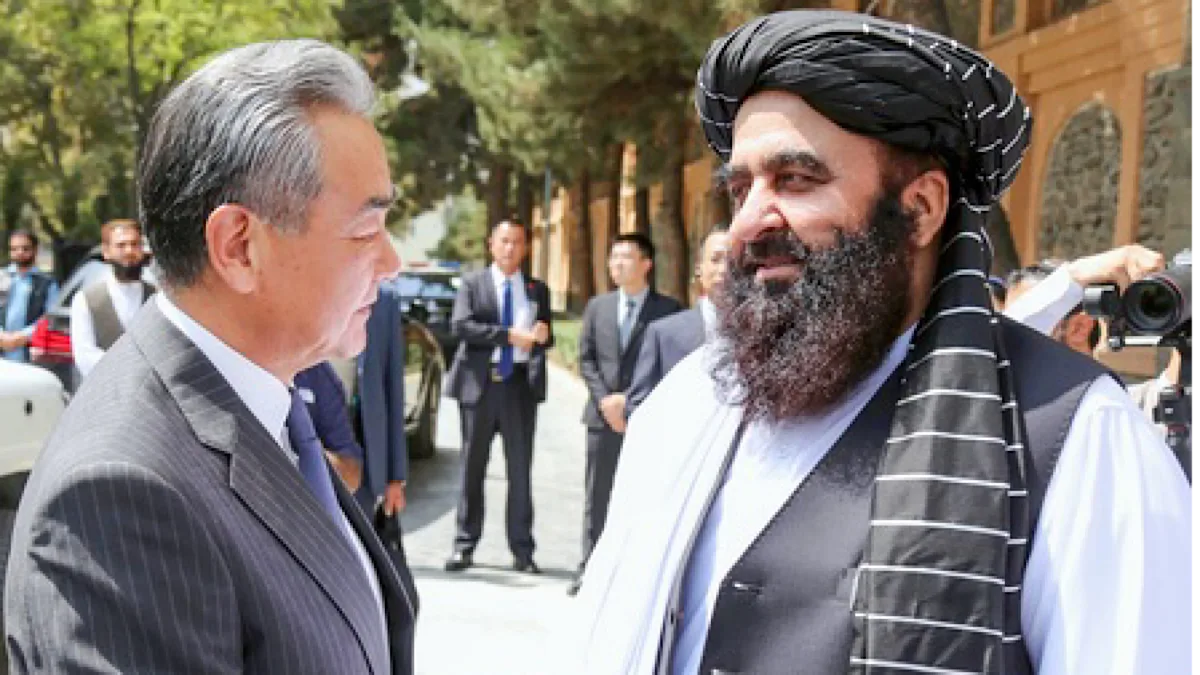
Pakistan’s ISI targetting Chinese investment projects in Afghanistan, warns expert

Afghan intelligence analyst and counterterrorism expert Ajmal Sohail, in an exclusive interview with a leading international affairs magazine, has accused Pakistan’s Inter-Services Intelligence (ISI) of increasingly targetting Chinese infrastructure and investment projects in Afghanistan.

IANS | New Delhi |

Afghan intelligence analyst and counterterrorism expert Ajmal Sohail, in an exclusive interview with a leading international affairs magazine, has accused Pakistan’s Inter-Services Intelligence (ISI) of increasingly targetting Chinese infrastructure and investment projects in Afghanistan.

Sohail, co-founder and co-president of the Counter Narco-Terrorism Alliance Germany, emphasised that the move mirrors Islamabad’s concern that Beijing’s expanding engagement with Kabul, ranging from mining operations to foreign investment and potential transit corridors, could limit Pakistan’s geopolitical clout.

“Pakistan’s ISI has increasingly shifted towards targetting Chinese infrastructure and investment projects in Afghanistan. This strategy reflects Islamabad’s concern that Beijing’s growing direct engagement with Kabul, particularly through mining operations, foreign investment, and potential transit routes, could diminish Pakistan’s geopolitical leverage. By undermining Chinese projects, the ISI seeks to remind Beijing that Pakistan remains a critical gatekeeper for regional connectivity, especially through the China–Pakistan Economic Corridor (CPEC),” the expert stated in an interview with The Diplomat magazine.

“Part of this doctrine involves encouraging guerrilla-style attacks on foreign tourists and investors, with Chinese nationals singled out as symbolic targets. The aim is to create insecurity around Chinese ventures and to complicate Beijing’s ability to operate independently in Afghanistan,” he added.

Sohail highlighted that ISI is focused on Afghanistan’s Wakhan Corridor in Badakhshan province, which could serve as an alternative trade route for China, bypassing Pakistan.

“If China succeeds in building direct infrastructure links through Afghanistan, Pakistan’s role as a strategic intermediary weakens. The ISI’s intrigue, therefore, is designed to redirect Beijing’s reliance back toward Pakistan, preserving its geoeconomic relevance and ensuring that CPEC remains the primary artery for China’s regional ambitions,” he told The Diplomat.

When asked about the seizure of a consignment of weapons from Pakistan headed for the Wakhan Corridor, Sohail noted that Taliban intelligence intercepted a shipment of approximately 525 weapons and 27,000 rounds of ammunition at the Torkham border on February 21. The arms, hidden in trucks, bound for the Omari refugee camp and ultimately to the Wakhan Corridor, he said, represented a sharp escalation in covert operations aimed at the Taliban regime.

“Intelligence reports attribute the operation to Pakistan’s ISI and Military Intelligence, which orchestrate the supply of arms to anti-Taliban groups and separatists in Afghanistan. Newly active organisations, such as the Afghanistan Independence Front, along with regional factions, ISKP, and other contracted armed groups, were given weapons to conduct attacks against Chinese mining companies and foreign investors, particularly in the Wakhan Corridor,” the expert told The Diplomat magazine recently.

“Additionally, a portion of the weapons was designated for the ‘Tajikistan Taliban’, a group led by Mahdi Arslan and Muhammad Sharipov, now operating from the Chitral mountain range with Pakistani intelligence support. Their activities target Chinese investors and Tajik border forces in Badakhshan province,” he added.

According to Sohail, the February 21 seizure of the weapons shipment exposed the ongoing proxy conflict involving Pakistan and the Taliban, emphasising how intelligence agencies shape regional security.

Asserting that Pakistan’s use of extremist proxies to advance its strategic interests reflects a long-standing pattern, dating back to the Soviet era and continuing through the post-9/11 period, Sohail said, “The incident underscores the risks posed by arms proliferation, cross-border militancy, and the manipulation of refugee populations for covert operations.”

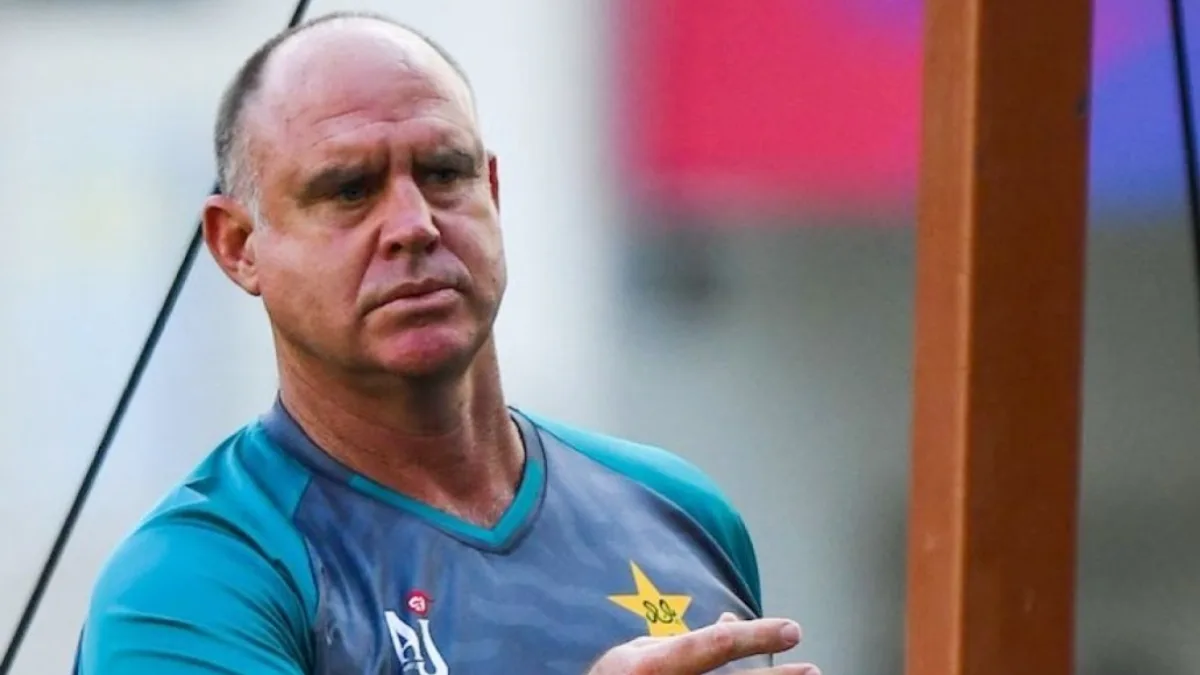
IPL 2026: Gujarat Titans appoint former Australia opener Matthew Hayden as batting coach

Matthew Hayden, a two-time ICC Cricket World Cup winner, is regarded as one of the most formidable openers of his generation.

Statesman News Service | New Delhi |

Ahead of the Indian Premier League 2026 season, the Gujarat Titans have appointed former Australian opener Matthew Hayden as their batting coach, the franchise confirmed on Tuesday.

Hayden, a two-time ICC Cricket World Cup winner, is regarded as one of the most formidable openers of his generation. He brings vast international experience and a deep understanding of modern T20 batting to the Titans’ coaching setup, joining the team’s support staff as the 2022 champions prepare for the upcoming season.

Director of Cricket Vikram Solanki said Hayden’s appointment comes at a crucial stage for the franchise.

“Matthew’s appointment comes at a pivotal phase in our journey. As a franchise committed to excellence and long-term success, we are constantly focused on strengthening our cricketing ecosystem. His experience at the highest level, coupled with his ability to mentor emerging talent, will be instrumental in shaping our batting identity for the seasons ahead,” Solanki said.

Hayden, meanwhile, expressed his excitement about joining the Titans and outlined the standard he hopes to instil within the side’s batting unit.

“Good batting applies pressure. Great batting owns the game. That’s the standard we want to set at Gujarat Titans,” the Aussie great said.

During his illustrious international career with Australia, Hayden played 273 matches across formats and scored over 15,000 runs. Renowned for his aggressive yet technically sound approach, he was instrumental in shaping the powerplay dominance that defines modern white-ball cricket.

Hayden also made a significant impact in the IPL during his stint with Chennai Super Kings from 2008 to 2010. In 32 appearances, he scored 1,107 runs at an average of 36.90 and a strike rate of 137.52.

His standout season came in 2009, when he claimed the Orange Cap after amassing 572 runs. Known for his imposing presence at the crease, Hayden famously wielded the distinctive “Mongoose” bat in 2010, including a blistering 93 off 43 deliveries against Delhi Daredevils (now Delhi Capitals).

He capped his IPL journey by helping Chennai Super Kings secure their maiden league title in 2010, leaving a lasting legacy through both his performances and his fearless approach to T20 batting.

Oppn flags gas shortage, price rise amid West Asia tensions; Govt allies dismiss panic

Opposition leaders on Tuesday raised concerns over a possible shortage of LPG cylinders and rising petrol and LPG prices amid tensions in West Asia, stating that disruptions in fuel and gas supply are already affecting parts of the country.

IANS | New Delhi |

Opposition leaders on Tuesday raised concerns over a possible shortage of LPG cylinders and rising petrol and LPG prices amid tensions in West Asia, stating that disruptions in fuel and gas supply are already affecting parts of the country. However, leaders from the ruling alliance dismissed the claims as exaggerated and said India has alternative sources to meet its energy needs.

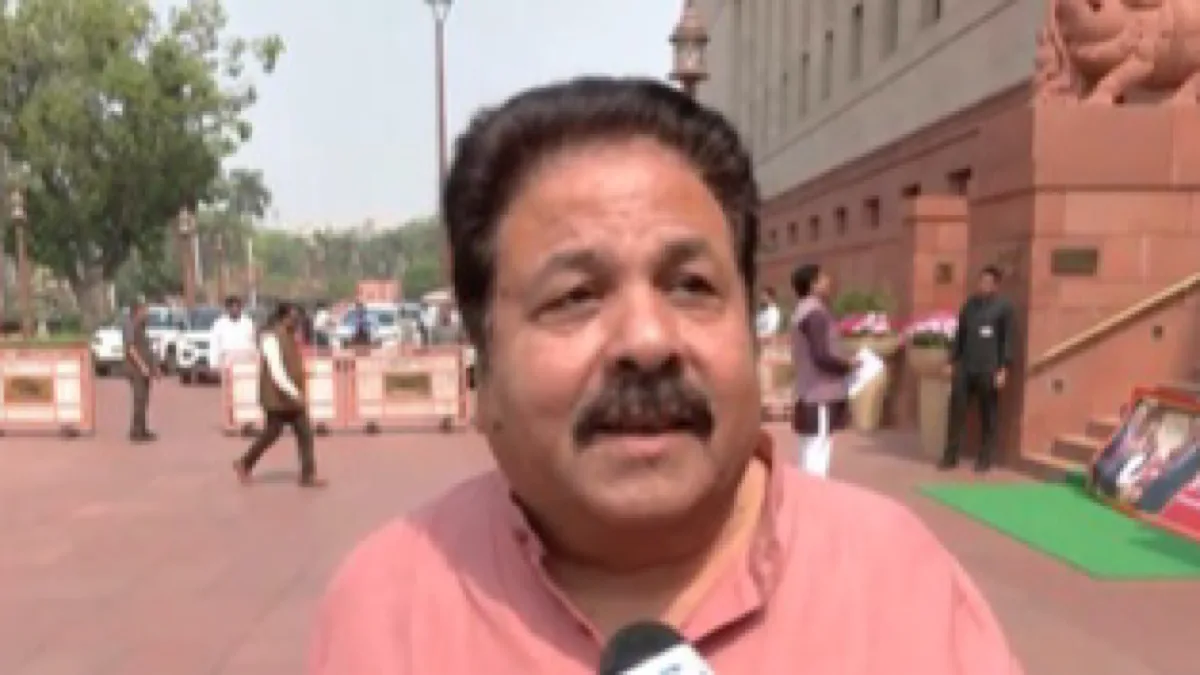
Congress MP Rajeev Shukla said the situation is worrying and could impact both commercial establishments and households.

“There is a very big crisis of cylinders, and this is a matter of great concern for us,” Shukla told IANS.

He claimed that the ongoing conflict in West Asia is already affecting India’s gas supply. “India is also getting affected amid the West Asia conflict. All the restaurants in Bengaluru and Chennai are on the verge of shutting down because gas is not available. There could also be a shortage of domestic cooking gas. This government cannot be trusted — what they say and what actually happens are completely different,” he alleged.

Congress MP Shashi Tharoor also flagged concerns over the availability of cooking gas and rising prices.

“There is no availability, and the prices are also increasing,” Tharoor said, adding that the issue is serious and linked to the ongoing conflict involving Iran in West Asia.

“This is a very serious problem. This is a consequence of the Iran war,” he added.

Samajwadi Party MP, Rajeev Kumar Rai, criticised the government, calling the situation a result of policy failures.

“This is the result of the government’s lack of foresight. Every time the government takes a decision on an issue, it treats it as a mere formality. What they want to do or say is not understood by the country. Only when the situation arises do they start thinking. This is the failure of foreign policy,” Rai said.

Another SP MP, Afzal Ansari, accused the government of allowing prices to rise sharply.

“The main issue is that prices have increased. Earlier, cylinders were available in the country for Rs 400. Back then, these people created a ruckus saying, ‘the price of a cylinder is Rs 400.’ Today, that same cylinder is not even available for Rs 1,200. The price of a cylinder has increased by Rs 60. There is no shame at all,” he said.

Shiv Sena (UBT) MP, Arvind Sawant, warned that any disruption in gas supply would severely affect urban poor and small businesses.

“Poor families in cities like Mumbai cannot manage without gas. Some people might even try to exploit the situation through black marketing. The government needs to pay attention to this. Small hotels and vulnerable people, who rely on eating at hotels every day, are also affected,” Sawant said.

Meanwhile, Shiv Sena MP Milind Deora downplayed fears of a supply crisis, saying India has diversified energy sources.

“I believe that the war between Iran and Israel in West Asia is a serious issue, and it is true that it could impact the global supply of natural gas. However, India has multiple sources and alternatives from which we can import natural gas,” Deora said.

He also cautioned against panic spreading. “Some people today are trying to mislead the public and spread rumours,” he added.

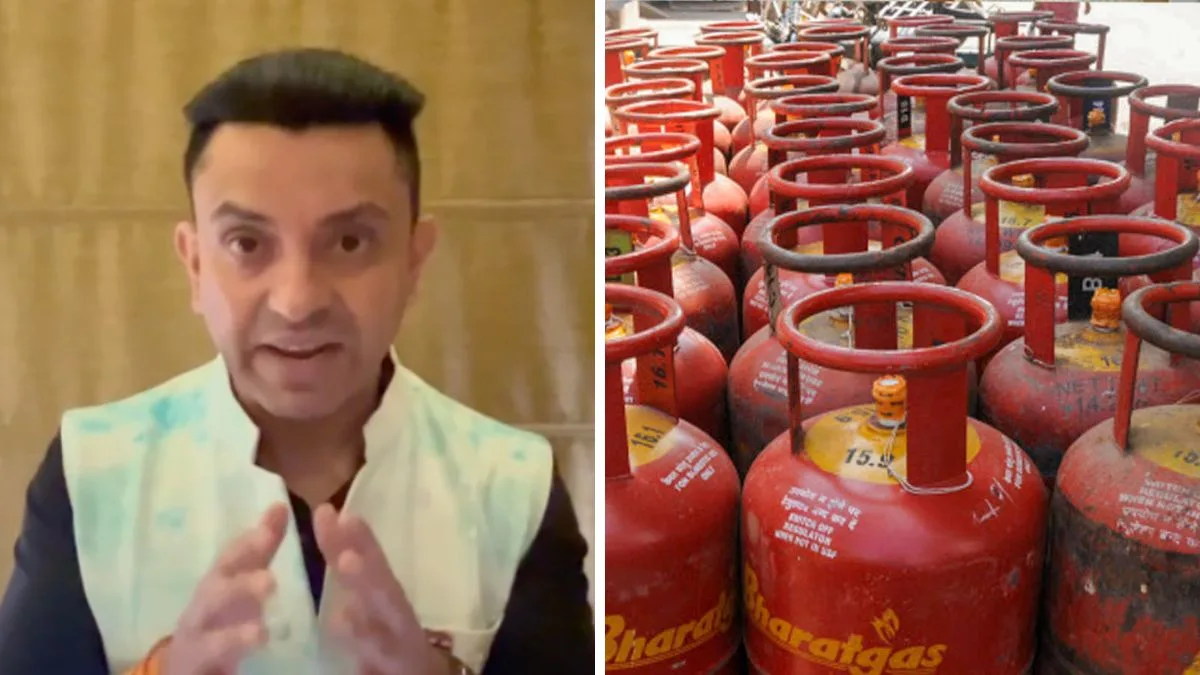
‘Kick out Hardeep Puri’: Tehseen Poonawalla attacks Centre over LPG crisis risk amid West Asia war

Tehseen Poonawalla warned that India could face an LPG shortage because most supplies pass through the Strait of Hormuz and criticised the Centre’s handling of the emerging energy crisis.

Statesman News Service | Mumbai |

Political analyst Tehseen Poonawalla on Tuesday warned that India could face an LPG shortage because of disruptions caused by the ongoing US-Israel-Iran conflict, and sharply criticised the Centre for what he described as a delayed response to the situation.

His remarks came even as the government invoked provisions of the Essential Commodities Act to ensure the uninterrupted supply of piped natural gas for households, LPG used for cooking, and CNG for transport after energy shipments through the Strait of Hormuz were disrupted due to the conflict.

Poonawalla claimed he had been cautioning about the risk to India’s LPG supply since the start of the war.

“Since the start of the US-Israel-Iran war, I have been publicly warning that India will face an LPG shortage. And the reason is, 80-85 per cent of India’s LPG comes from the Strait of Hormuz. And unlike crude oil, India does not have strategic reserves for LPG,” he said.

He alleged that the Petroleum Ministry reacted late despite the risks to supply chains.

“Yet, the Ministry of Petroleum and Natural Gas was sleeping, and last night they woke up and have now decided to form a committee 10 days into the war to see how LPG can be distributed to restaurants and hotels,” Poonawalla said.

The commentator further claimed that the hospitality sector could face serious consequences.

“So, in short, Hardeep Puri ji’s ministry has completely destroyed the hotel and restaurant sector,” he said.

Poonawalla also launched a personal attack on Petroleum Minister Hardeep Singh Puri, calling him “the most incompetent minister ever in the history of independent India to head this industry”.

He argued that the services sector, including hotels and restaurants, receives little support despite contributing significantly to the economy.

“The service industry, which gets no support from the government, for example, hotels, pays a tremendous amount of taxes, has to pay huge bribes, doesn’t get GST input tax credit and is always left on its own in crises, be it COVID or now,” he said.

“My suggestion to the honourable Prime Minister of India is to immediately kick out Hardeep Puri ji as the minister and change the babus in this Ministry of Petroleum and Natural Gas, and get competent people,” he said.

Centre moves to secure gas supply

Earlier on Tuesday, the Centre issued directions under the Essential Commodities Act to ensure the uninterrupted supply of cooking gas and transport fuel as the Middle East conflict disrupted liquefied natural gas shipments through the Strait of Hormuz.

The government said domestic piped natural gas supply, CNG used in transport and LPG production would receive top priority, with supplies maintained at 100 per cent of their average consumption over the past six months, subject to operational availability.

Refineries and petrochemical plants have also been directed to maximise LPG output and divert hydrocarbon streams to strengthen the cooking gas pool.

Fertiliser plants have been placed in a second priority category and may receive around 70 per cent of their recent average gas supply, depending on availability.

Industrial and commercial consumers connected to the national gas grid or city gas networks are expected to receive about 80 per cent of their average supply, subject to operational conditions.

The government said the measures are aimed at protecting essential fuel supply for households and transport, even as global energy routes face disruption because of the ongoing conflict in West Asia.

War in West Asia squeezes gas supply; Centre shields homes, slashes allocation to industry

PM to launch NDA campaign in Kochi, attend multiple events

The highlight of the visit will be a large public rally at the Jawaharlal Nehru International Stadium, where the Prime Minister will address thousands of supporters and party workers.

UNI | New Delhi |

Prime Minister Narendra Modi will visit Kochi on March 11 to formally launch the election campaign of the Bharatiya Janata Party (BJP)-led National Democratic Alliance (NDA) for the upcoming Kerala Legislative Assembly election 2026, with a series of programmes scheduled across the city.

The highlight of the visit will be a large public rally at the Jawaharlal Nehru International Stadium, where the Prime Minister will address thousands of supporters and party workers.

The convention is being projected as the formal beginning of the NDA’s election campaign in the state and is expected to draw leaders and workers from across Ernakulam district and neighbouring regions. BJP leaders said around 40,000 people are likely to attend the rally.
The Prime Minister is also likely to release the BJP’s election manifesto for the Kerala Assembly polls during the visit.
Party sources said the manifesto is currently under preparation and may be unveiled as part of the campaign launch programme.

According to the official schedule, the Prime Minister will arrive at Cochin International Airport in the morning. From there, he will travel by helicopter to INS Garuda before proceeding to Marine Drive to participate in the golden jubilee celebrations of the All Kerala Dheevara Sabha.
During the visit, the Prime Minister is also scheduled to inaugurate a series of railway development projects aimed at improving travel infrastructure in Kerala. Officials indicated that announcements related to railway station modernisation under the Amrit Bharat Scheme are also expected.

Ahead of the public meeting, Modi may conduct a roadshow in the city, which party leaders believe will generate enthusiasm among workers and supporters. The programme is also expected to provide an opportunity for the BJP-led alliance to present its campaign message and development agenda for the Assembly polls.

Sources said the Prime Minister may interact with representatives of various community organisations during the visit. Security has been significantly tightened across Kochi in view of the Prime Minister’s programmes.
Political observers say the high-profile visit is likely to intensify the campaign atmosphere in Kerala as major parties step up mobilisation ahead of the announcement of the election schedule for the Assembly polls.

‘Trophy belongs to all Indians’: 1983 WC winner Kirti Azad questions captain, coach, BCCI chief’s temple visit

Kirti Azad raised concerns over the move, stating that sports and sportspersons should remain above religion or caste.

Statesman News Service | New Delhi |

India’s historic T20 World Cup triumph has sparked a political debate after Trinamool Congress MP and former 1983 World Cup-winning cricketer Kirti Azad questioned the decision to take the trophy to a temple following the victory.

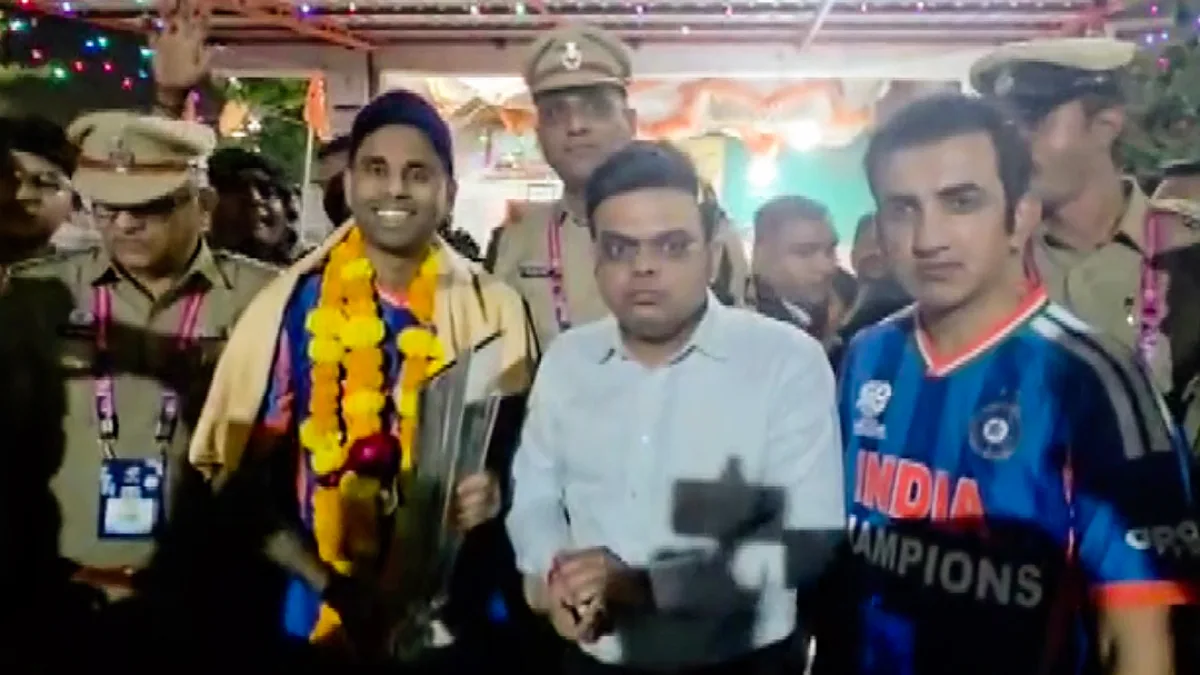
After India secured a dominant 96-run win over New Zealand in the final at Narendra Modi Stadium in Ahmedabad on Sunday, captain Suryakumar Yadav, head coach Gautam Gambhir, and International Cricket Council (ICC) chairman Jay Shah visited a Hanuman temple near the stadium to seek blessings and carried the trophy along.

India’s victory marked a historic triple achievement: their third T20 World Cup title, becoming the first team to successfully defend the trophy, and winning it on home soil.

However, Azad raised concerns over the move, stating that sports and sportspersons should remain above religion or caste.

“140 crore people were excited when Team India, which includes people from all religions, won. A sportsperson or sports does not belong to any religion or caste but only to the sport. As a sportsperson, I say Team India made India victorious. Team India won, and this is a matter of pride for the people of India,” Azad said while speaking to the media.

Earlier, Azad had also posted a strongly worded message on social media platform X questioning the decision.

“”SHAME ON TEAM INDIA! When we won the World Cup under Kapil Dev in 1983, we had Hindu Muslim Sikh and Christian in the team. We brought the trophy to our religious birth place our motherland India Bharat Hindustan Why The Hell Is The Indian Cricket Trophy is being Dragged. Why NOT a Mosque? Why NOT a Church? Why NOT a Gurudwara? This team represents INDIA — not Surya Kumar Yadav’s or Jay Shah’s family! Siraj never paraded it at a mosque. Sanju never took it to a church. The latter had a major part to play and was man of the tournament. The trophy belongs to 1.4 BILLION Indians of EVERY Faith — NOT ONE RELIGION’S VICTORY LAP! #T20WorldCup2026final #IndiaVsNewZealand #TeamIndia” he wrote.

Opposition leaders express support

Several opposition leaders on Tuesday expressed support for Azad, saying that sports at the national level should remain inclusive and respectful of all faiths.

Jharkhand Mukti Morcha (JMM) MP Mahua Maji emphasised the importance of being sensitive to religious sentiments.

“In our country, politics over religion is often seen during elections and even in sports. When people of all castes and religions are involved — whether as players or spectators — it becomes very important to ensure that no one’s sentiments are hurt,” she said.

Congress MLA and former national hockey captain Pargat Singh also said sports should remain free from religious divisions.

“There is no need to differentiate in sports. For us, every religion is the same. I don’t know the full background, but if anything, it could be taken to temples, mosques, gurdwaras and churches. It is better if we keep religion and sports separate,” he said.

Meanwhile, Samajwadi Party spokesperson Ashutosh Verma said Azad was entitled to his opinion but cautioned against politicising sporting achievements.

“Kirti Azad may have his own stand, as he has been a great cricketer and an MP. But we should not bring politics into sports. Our players have done exceptionally well and won the T20 World Cup for the third time. They should be congratulated for this. If they want to take the trophy to a temple or a mosque, it is their personal decision,” Verma said.

Women bear heaviest consequences of war, but largely excluded from peace negotiations

As International Women’s Day (IWD) was celebrated on March 8, the global landscape remains a stark reminder that for millions of women’s equality is not a corporate slogan, but a matter of literal survival.

Rajdeep Pathak | New Delhi |

As International Women’s Day (IWD) was celebrated on March 8, the global landscape remains a stark reminder that for millions of women’s equality is not a corporate slogan, but a matter of literal survival.

While policy papers often speak of progress, the data from early 2025 and 2026 paints a grim picture of how modern warfare and systemic instability have weaponised the female body.

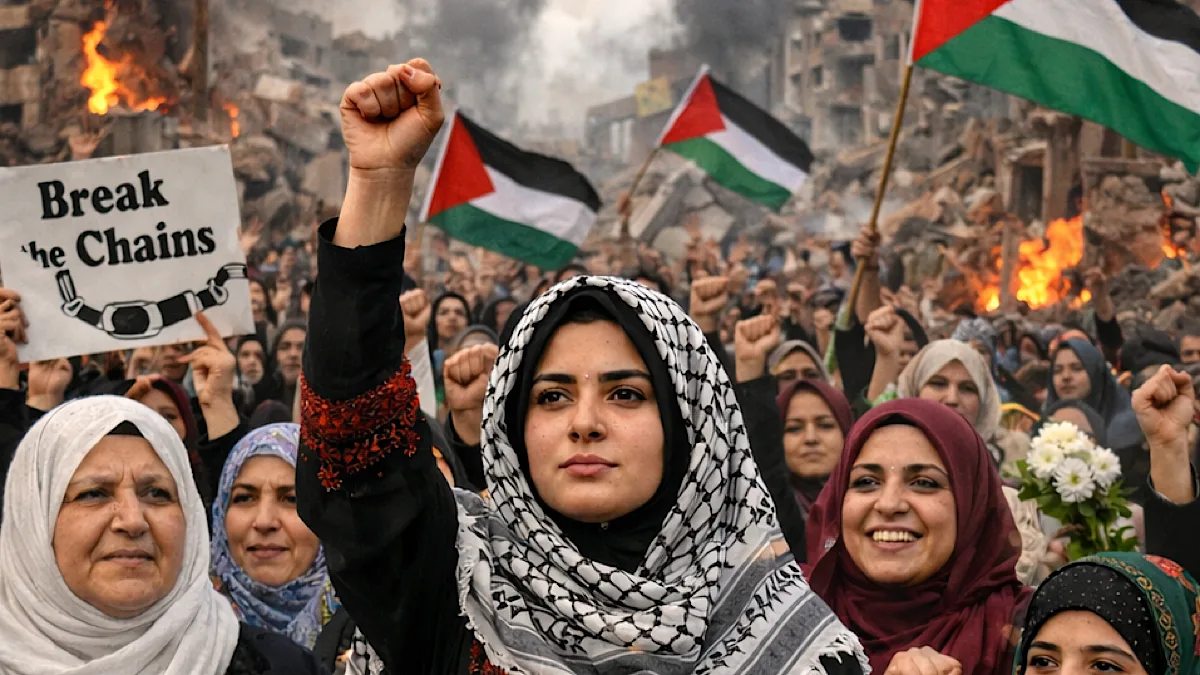
Every year on March 8, the world observes International Women’s Day, a day meant to celebrate the achievements of women and reaffirm the global commitment to gender equality. Yet, as the world marks this symbolic day in 2026, the global landscape tells a far more troubling story. In regions engulfed by war from the Gaza Strip to Ukraine, from Sudan to the Democratic Republic of Congo to Iran and Israel, to Russia and the Afghanistan and not to leave out India – women are not only victims of conflict but often its most vulnerable targets.

As of 2025 and 2026, global conflicts have reached their highest intensity since 1946, creating a catastrophic environment for women and girls where hard-won rights are rapidly unraveling.

Approximately 676 million women – nearly 17 per cent of the global female population- now live within 50 kilometers of an active conflict, a modern record that correlates with a 50 per cent spike in maternal mortality in these zones compared to non-conflict settings.
This has created a very dangerous situation for women and girls, and many of the rights they fought hard to achieve are now under serious threat. This is the highest number recorded in modern times. Living so close to war and violence affects every part of their lives, including safety, health, education, and basic freedom.

One of the most worrying consequences is the impact on maternal health. In areas affected by war, hospitals are often destroyed, medicines are scarce, and doctors ‘may’ flee the region if they survive the bombs. Because of this, maternal deaths are about 50 per cent higher in conflict zones than in peaceful areas.

Women and girls in these regions also face a greater risk of sexual violence, trafficking forced displacement, and loss of livelihood. Many are forced to leave their homes and live in refugee camps where basic services and protection are limited. In simple terms, war does not affect everyone equally. Women and girls often suffer the most, not only during the conflict but also long after it ends. Their struggle highlights the urgent need for stronger global efforts to protect them and ensure that peace and security include the voices and safety of women.

For example, in the Gaza Strip, the collapse of medical and water infrastructure has left 1.1million women and girls without safe hygiene, while they and children comprise 59 per cent of all casualties. Similarly, in Ukraine, 6.7 million women require urgent humanitarian aid as gender-based violence has surged by 36 per cent and sexual violence is systematically used as a tactic of war.

According to estimates by UN agencies, more than 28,000 women and girls have been killed in Gaza since the war began in October 2023. Human rights experts have warned that the scale of violence against women in the region represents a catastrophic failure of international humanitarian protections. While the world focuses on the headlines of missiles and drones, the shadow pandemic’ of trafficking and domestic abuse thrives in the chaos. When 95 per cent of women-led businesses in Gaza shut down, or when Ukrainian women face a 41 per cent pay gap due to displacement, they become hyper-vulnerable to traffickers.
The paradox or hypocrisy of the celebration of IWD is that while global military spending hit USD 2.7 trillion in 2024, women’s organisations in conflict zones received a mere 0.4 per cent of humanitarian aid, leaving frontline protectors without the resources to combat rising rates of forced criminality and displacement.

Across Europe, West Asia, and parts of Africa, humanitarian agencies have documented increased trafficking risks among refugee populations. Women displaced by war frequently end up in exploitative labour systems, forced marriages, or sexual exploitation networks.
Even in digital spaces, new forms of gender-based abuse are emerging. Technology-facilitated harassment, non-consensual sharing of intimate images and cyber exploitation are becoming increasingly common forms of violence against women, which is a clear reflection that violence against women today extends beyond physical spaces. It permeates digital networks, economic systems, and migration routes shaped by inequality and desperation.

Ironically, while women bear the heaviest consequences of war, they remain largely excluded from peace negotiations. Despite international commitments to gender inclusion, women continue to be underrepresented in peace processes and post-conflict reconstruction efforts. This exclusion has profound implications. Studies have repeatedly shown that peace agreements are more durable and sustainable when women participate in negotiations.
Women often prioritize community rehabilitation, education, healthcare, and reconciliation. It is crucial to understand that these factors are essential for long-term peace. Without their voices, peace settlements risk reproducing the same structures of inequality that fuel conflict.

On 7 October 2025, during an open debate of the Security Council, UN Secretary-General António Guterres reflected on the 25th anniversary of UN Security Council Resolution 1325, adopted in 2000 the first landmark framework recognising the disproportionate impact of armed conflict on women and girls.

This ‘fountainhead’ of the ‘Women, Peace and Security’ agenda affirmed that women are not merely victims of war but vital participants in its prevention and resolution. It calls on UN member states to increase women’s representation at all decision-making levels, from peace negotiations and peacekeeping missions to post-conflict reconstruction. Despite progress since adoption, including a doubling of women in uniform as UN peacekeepers, Guterres warned that these gains are “fragile and going in reverse.” He also noted rising military spending and brutality, with over 600 million women near conflicts zones.

The significance of the 2026 International Women’s Day lies not merely in commemorating progress but in confronting uncomfortable truths. It like a mirror – reflects a world where 1 in 3 women will still experience physical or sexual violence in her lifetime, a statistic that has remained largely stagnant for two decades. While violence and war reeks large in West Asia and across many parts of the world, and as women remain war’s primary casualties, the true significance of IWD lies not in platitudes, but in demanding ceasefire and prevention of women from violence. This is a difficult task. But the process must begin somewhere.
(The writer is Programme Executive, Gandhi Smritiand Darshan Samiti. Views are personal.)

Abhishek takes on Shah, CEC at dharna Manch

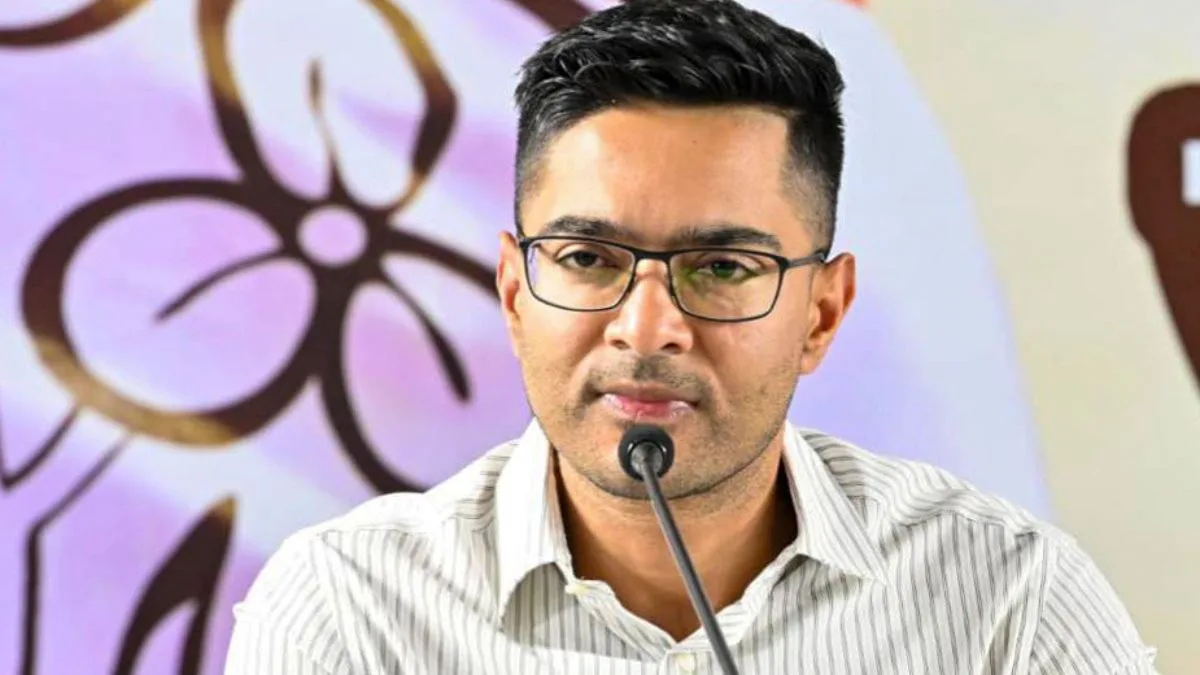
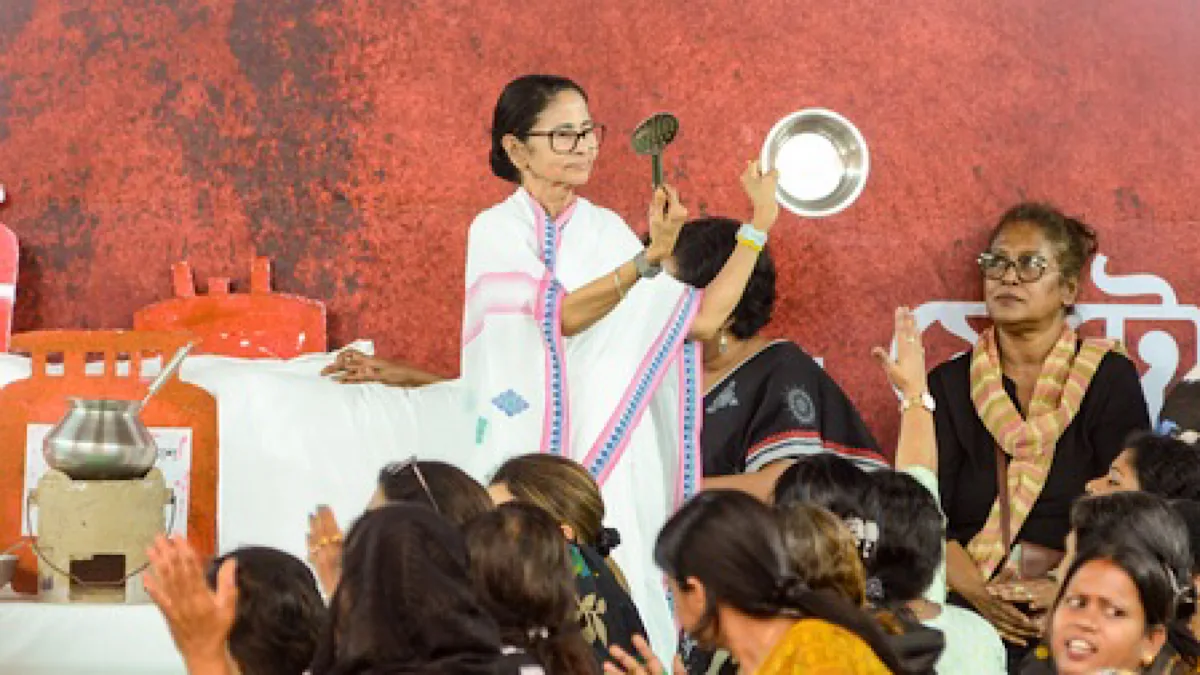
Trinamul Congress national general secretary Abhishek Banerjee attended the SIR dharna mancha at Esplanade on Monday evening and in his speech tore apart the Election Commission of India and the BJP over their joint effort to destroy Bengal.

Statesman News Service | Kolkata |

Trinamul Congress national general secretary Abhishek Banerjee attended the SIR dharna mancha at Esplanade on Monday evening and in his speech tore apart the Election Commission of India and the BJP over their joint effort to destroy Bengal.

Taking on the CEC Gyanesh Kumar, he pointed out that the CEC is staying in the same hotel where all BJP leaders during their Bengal visit stay. He said the CEC has no shame. “After arriving in Kolkata, he waved to the media at the airport,” he said. This, after so many people in the state died of SIR related stress, suggested the TMC leader.

He said this election is to punish the BJP.

Taking a dig at Amit Shah and Jay Shah, Abhishek Banerjee said: “I have given my ‘agni pariksha’. I was not handed over a ‘safe’ seat for the Lok Sabha by the party. I was asked to contest from a ‘difficult’ seat of Diamond Harbour and I secured 7,11,000 plus votes in the last election. But, Mr Shah, what ‘pariksha’ did your son, Jay Shah, give to be BCCI and later ICC chief. He understands nothing of cricket but heads the international cricket body.”

“Amit Shah speaks of ‘Pariwarvaad’. I have challenged them earlier too but they have never given a reply to me. I challenge him to bring a Bill in Parliament where only one person from one family can enter politics. I will give up my post. You have govt in the Centre and have a majority,” said Abhishek.

Taking on Amit Shah preaching morality, Abhishek said: “He himself was in Sabarmati jail for over 100 days, serving jail custody. Let you resign, we will also follow you.”

On BJP, CPI-M and other parties demanding polls to be conducted in 1-2 phases, Abhishek said all the parties met the CEC. They talked about the number of phases. “Out demand is not the number of phases, but letting each genuine voter vote,” said Abhishek.

“Amit Shah is the most incapable and useless home minister this country has ever seen,” said the TMC leader.

Abhishek Banerjee charged the BJP of insulting the President because she raised the ‘Joy Bangla’ slogan during her earlier visit to Bengal. “Bangla-birodhi BJP and its leaders got rattled and this is why they politicised the highest chair,” said the MP.

Govt submits report to Centre for breach of protocol during President’s north Bengal visit

The Centre had sought a report from the state on the reported breach.

Statesman News Service | Kolkata |

The state government today sent a detailed report to the Central government on alleged breach of protocol of the President, Draupodi Murmu at an event in Siliguri on Saturday, where the President was the chief guest.

The Centre had sought a report from the state on the reported breach.

The West Bengal government on Monday submitted a report to the Centre, explaining the circumstances behind the alleged breach of protocol, officials said on Monday.

State Chief Secretary Nandini Chakraborty sent the report to Union home Secretary Govind Mohan, along with substantiating documents detailing the sequence of events in connection with the incident.

The report also explained the circumstances why the Chief Minister, Mamata Bnerjee could not be present on the occasion of the International Santali convention presided over by the President to the Union home secretary Govind Mohan.

The state government also informed the Centre about the reasons behind the decision to change of venue for the International Santhal Conference during President Murmu’s visit.

It is learnt from reliable sources that the state Chief Secretary’s report contained details with required inputs from the district administration of North Bengal and a detailed information on chronological incidents leading to the alleged change in venue and the Chief Minister’s absence.

At a programme held at Siliguri in North Bengal, on Saturday, the President while expressing her grouse over the local administration’s decision to change the venue, also expressed her ire over the alleged absence of the Chief Minister and went public saying she could not come to terms on what went wrong that the chief minister Mamata Bnaerjee, who is like her sister, gave the occasion a miss. She had also expressed displeasure over prevention of the representatives of the International Santhal organization from entering the venue.

The Union home Secretary is supposed to have asked the state to furnish a response on the violations of the ‘Blue Book’ rules of protocol, venue and route arrangements during the President’s visit, state secretariat Nabanna sources said.

Protests, counter-attacks intensify over SIR in north Bengal

Politics over the ongoing Special Intensive Revision (SIR) of the electoral rolls continued to heat up across North Bengal on Monday, with protests, counter-attacks and competing political narratives unfolding simultaneously across districts.

Statesman News Service | Kolkata |

Politics over the ongoing Special Intensive Revision (SIR) of the electoral rolls continued to heat up across North Bengal on Monday, with protests, counter-attacks and competing political narratives unfolding simultaneously across districts.

While Chief Minister Mamata Banerjee has been staging demonstrations in Kolkata alleging large-scale irregularities in the revision exercise conducted by the Election Commission of India (ECI), North Bengal development minister Udayan Guha launched a protest in his Assembly constituency in Dinhata, Cooch Behar, observing a fast to register his protest against the alleged discrepancies in the voter list.

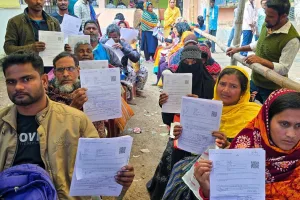
The issue also saw mobilisation at the grassroots level. Hundreds of people belonging to the Nashya Sheikh community submitted a representation to the Cooch Behar District Magistrate on Monday, seeking intervention and drawing the attention of the Election Commission. Their move coincided with a series of meetings being held in Kolkata by the Chief Election Commissioner and senior officials with political parties and administrative authorities regarding the ongoing revision process.

The Opposition, however, dismissed the protests as politically motivated. Leader of Opposition Suvendu Adhikari, during his visit to North Bengal, launched a sharp attack on the ruling party and targeted Mr Guha in particular.

“Udayan Guha has already lost his vote bank after nearly 37,000 voters’ names have come under the scanner during the revision exercise,” Mr Adhikari alleged. Referring to the 2021 Assembly election in which Union minister Nisith Pramanik defeated Mr Guha, he added: “He was defeated in 2021 and in 2026 even a BJP booth president will be able to defeat him.”

Political activity intensified simultaneously across several districts of North Bengal. In Cooch Behar, the Trinamul Congress district leadership organised a religious programme and offered prayers to Lord Shiva, a move that observers say reflects the party’s efforts to consolidate its support base amid a shifting political landscape.

Meanwhile, in neighbouring Malda district, Trinamul Congress leaders and workers organised a bike rally celebrating the rollout of the state government’s new youth welfare initiative, the Yuba Sathi scheme. During the rally, party workers claimed that the state government had begun disbursing financial assistance to unemployed youths, with beneficiaries already receiving the allowance directly in their bank accounts.

The initiative, however, drew strong criticism from the Opposition. Addressing a BJP party programme at Gazole in Malda, Mr Adhikari described the unemployment allowance as an attempt to influence voters ahead of the elections.

“This is nothing but a bribe to buy votes from unemployed youths,” he alleged, accusing the state government of trying to sway the electorate through financial incentives.

Mr Adhikari also urged young voters to accept the allowance if they were eligible but vote for the BJP during the elections. “Take the money if it comes to your bank account, but cast your vote for the lotus symbol,” he said.

The BJP leader further promised that if the party comes to power in West Bengal, it would introduce a scheme similar to a central government programme that would provide financial assistance of up to Rs 80,000 to households for installing solar panels to generate electricity.

TMC, BJP candidates win RS election uncontested

Four Trinamul Congress nominees were elected to Rajya Sabha today uncontested.

Statesman News Service | Kolkata |

Four Trinamul Congress nominees were elected to Rajya Sabha today uncontested.

The four are minister Babul Supriyo, SC advocate Maneka Guruswwami, former DG West Bengal Police Rajeev Kumar and actor Koyel Mullick. They went to the West Bengal Legislative Assembly and collected wining certificate from the returning officer.

BJP’s candidate Rahul Sinha was also elected uncontested.

A brief controversy over alleged irregularities in the nomination papers of former BJP state president Rahul Sinha surfaced during the Rajya Sabha election process, before he was finally declared elected unopposed on Monday.

The Trinamul Congress had lodged a complaint with the Election Commission of India alleging that Sinha had submitted his nomination form by allegedly “copying” details from a predecessor’s form, which resulted in several discrepancies. Raising questions over how such a form was accepted despite the alleged errors, the ruling party sought the commission’s intervention. Following the complaint, Sinha reportedly had to rush with additional documents at the last moment in compliance with directions from the Election Commission. Though his victory was considered certain due to the BJP’s numerical strength for the lone seat it contested, the controversy over the paperwork briefly cast uncertainty over the process.

However, the issue was eventually resolved and Sinha’s nomination was accepted. On Monday, the returning officer handed over the certificate of election to him at the Assembly.

In a notable moment of political courtesy, Trinamul Congress leader and minister Babul Supriyo was seen congratulating Sinha after the certificate distribution ceremony. The two leaders exchanged greetings in the Assembly corridor, presenting a rare image of civility between representatives of rival political camps.

State minister Aroop Biswas collected the certificate on behalf of Maneka Guruswwami. The Rajya Sabha election from West Bengal is scheduled for 16 March. This year, five seats from the state fell vacant in the Upper House — four previously held by the Trinamul Congress and one by the BJP.

SC to hear plea against exclusion names from final electoral rolls in Bengal

The Supreme Court will hear on Tuesday two petitions challenging the exclusion of names from the final electoral rolls published on 28 February, despite the petitioners stating that their names figured in the electoral rolls prior to the SIR and that they had submitted all the required documents in support of their inclusion and continuation as voters.

Parmod Kumar | New Delhi |

The Supreme Court will hear on Tuesday two petitions challenging the exclusion of names from the final electoral rolls published on 28 February, despite the petitioners stating that their names figured in the electoral rolls prior to the SIR and that they had submitted all the required documents in support of their inclusion and continuation as voters.

A Bench comprising Chief Justice Surya Kant and Justice Joymalya Bagchi agreed to hear the petitions on Tuesday, 10 March, along with the main West Bengal SIR matter, after Senior Advocate Menaka Guruswamy mentioned the issue and urged the Bench to take up the petitions together with the main matter listed for hearing tomorrow (on Tuesday).

Before agreeing to hear the petitions tomorrow, Chief Justice Surya Kant asked the senior advocate whether the Supreme Court could directly entertain the pleas against the decisions of the authorities while bypassing the statutory remedies. However, the senior advocate responded that the orders had not been served on the affected petitioners and therefore they could not take recourse to the statutory remedies.

By its 24 February order, while permitting the Election Commission of India (ECI) to publish the final electoral roll on 28 February, the Supreme Court had said that supplementary voter lists to be published later, after adjudication of claims and objections relating to persons in the “logical discrepancy” and “unmapped” categories, would be treated as part of the final electoral roll published on 28 February.

The court passed the order in exercise of its plenary powers under Article 142 of the Constitution after receiving a communication dated 22 February from the Chief Justice of the Calcutta High Court. The communication stated that given the enormity of the exercise of deciding claims and objections relating to nearly 50 lakh names in the “logical discrepancy” and “unmapped” categories, it would take around 80 days to complete the task.

Following this communication, the Supreme Court on 24 February relaxed its earlier order of 20 February and permitted the additional deployment of Civil Judges (Senior Division) and Civil Judges (Junior Division) with at least three years’ experience to assist in adjudicating claims and objections relating to voters placed in the “logical discrepancies” and “unmapped” categories.
The court further directed that if the Chief Justice of the Calcutta High Court required more judicial officers, he could approach the Chief Justices of the High Courts of Orissa and Jharkhand to request serving or retired judicial officers of similar rank to assist in the SIR exercise. It requested the Chief Justices of the two High Courts to sympathetically and urgently consider such requests.

Earlier, on 20 February, noting a “trust deficit” and lack of cooperation between the West Bengal government and the Election Commission of India (ECI), the Supreme Court had directed deployment of serving as well as former District or Additional District Judges to oversee adjudication of claims and objections relating to voters placed in the “logical discrepancies” category.