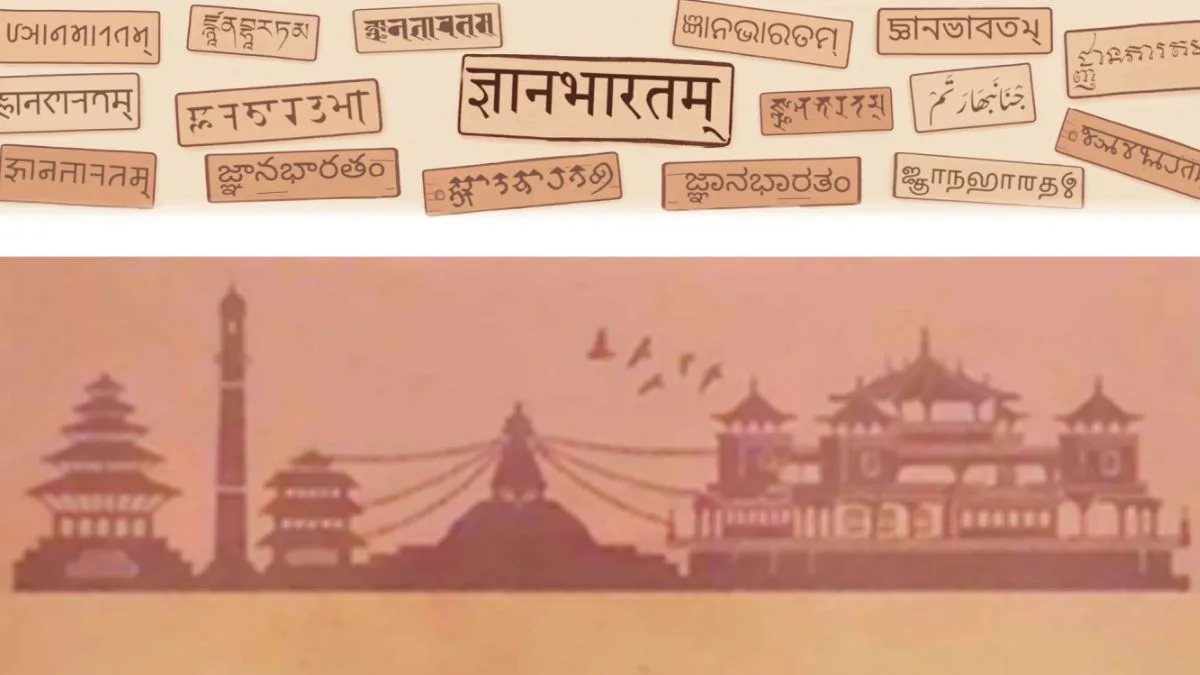
India’s civilizational heritage is preserved through ancient manuscripts, archaeological artifacts, philosophical texts, and cultural traditions. It is one of the world’s richest sources of knowledge. A new vision document titled “Gyan Bharatam: Vision and Mission – Sapta Padi: Seven Steps to Reclaim and Reweaving the Tapestry of Bharat” aims to renew attention on this legacy.
It proposes a structured, evidence-based framework for preserving and studying India’s historical knowledge systems.
The document is authored by Acharya Balkrishna, with backing from the Patanjali Research Foundation and the University of Patanjali in Haridwar. It outlines an ambitious plan that combines traditional wisdom with modern scientific methods to ensure India’s heritage is preserved, studied, and accessible for future generations.
Bridging Heritage and Evidence
The core idea is that India’s past should be explored not only with respect but also through careful academic inquiry. The document stresses that artifacts, manuscripts, and historical traditions must undergo evidence-based research; this way, India’s cultural narrative can be presented globally with credibility and intellectual depth.
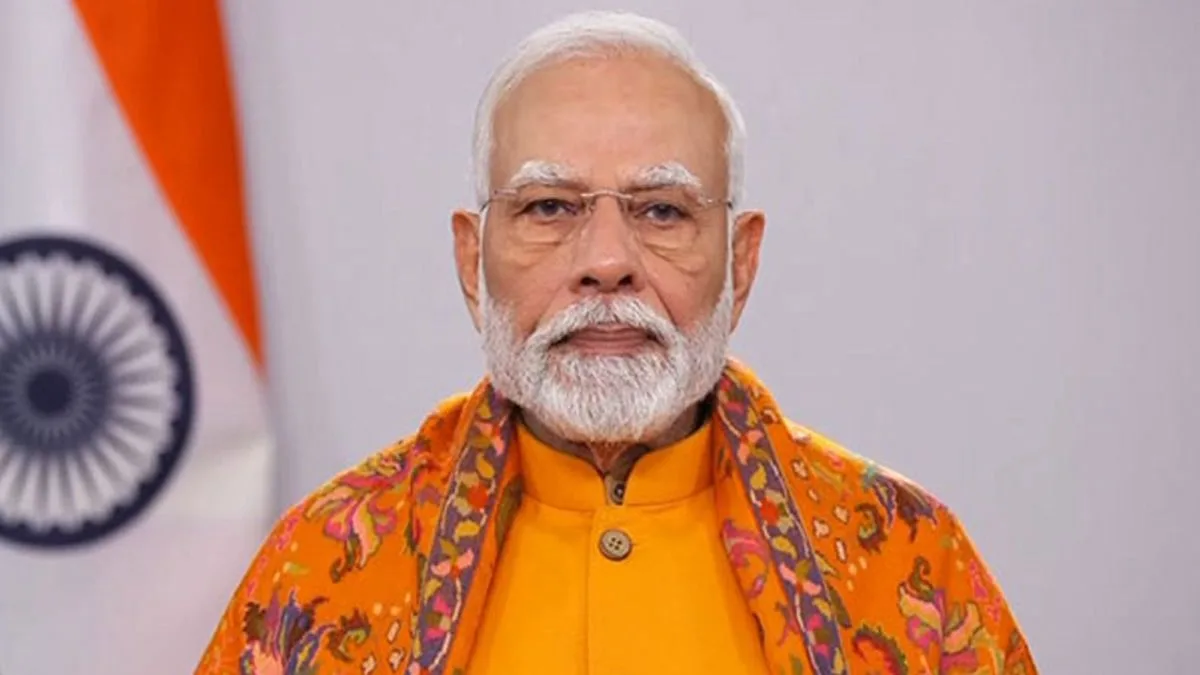
The initiative aligns with the cultural outlook endorsed by Narendra Modi, which focuses on reclaiming and celebrating India’s civilizational identity while strengthening institutions dedicated to heritage preservation.
The document also reflects the priorities of the Ministry of Culture, led by Gajendra Singh Shekhawat, with administrative support from Vivek Aggarwal. They advocate for expanding research, conservation, and digital documentation of India’s cultural assets.
The ‘Sapta Padi’ Framework
The heart of the vision document is the “Sapta Padi” or Seven Steps framework. This framework suggests a broad ecosystem for heritage conservation and knowledge sharing.
One key idea is the establishment of an Evidence-Based History Museum. Here, artifacts would not just be displayed but interpreted through historical data, archaeology, and scientific validation. Such a museum would help turn static artifacts into engaging stories about India’s past.
Another important component is the proposed National Centre for Evidence-Based History Research. This center aims to connect traditional narratives with empirical research. By blending historical scholarship with modern scientific tools, it would create a clearer and more credible understanding of India’s civilizational journey.
Preserving Ancient Manuscripts
A significant focus of the document is protecting and conserving India’s ancient manuscripts. Many of these texts, which include insights on philosophy, science, medicine, mathematics, and spirituality, are housed in institutions and private collections, often at risk of decay.
The vision suggests systematic conservation efforts along with digitization initiatives to ensure these manuscripts stay accessible to scholars and the public. Creating digital archives and public portals would help share the knowledge contained in these texts with students, researchers, and citizens worldwide.
Making Knowledge Accessible
Another crucial proposal is the development of an Integrated Manuscript Information System. This digital platform would catalog and provide open access to India’s manuscript heritage. By using technology, the initiative seeks to make knowledge available to everyone and ensure that historical wisdom is not confined to archives.
The document argues that heritage preservation should not be just about nostalgia but an active process that allows ancient insights to shape contemporary research and innovation.
A Cultural and Intellectual Mission
More than just a policy proposal, Gyan Bharatam presents heritage conservation as a national mission. It suggests that protecting India’s cultural treasures is about empowering future generations with a deeper connection to their civilizational roots.
As India expands its cultural and intellectual influence globally, initiatives like this vision document show a growing focus on reconnecting with the country’s historical knowledge systems. The goal is to ensure they are studied, preserved, and shared with academic rigor.
In this way, the document aims to position India’s heritage not merely as remnants of the past but as a vibrant source of inspiration and scholarship for the modern world