Logo

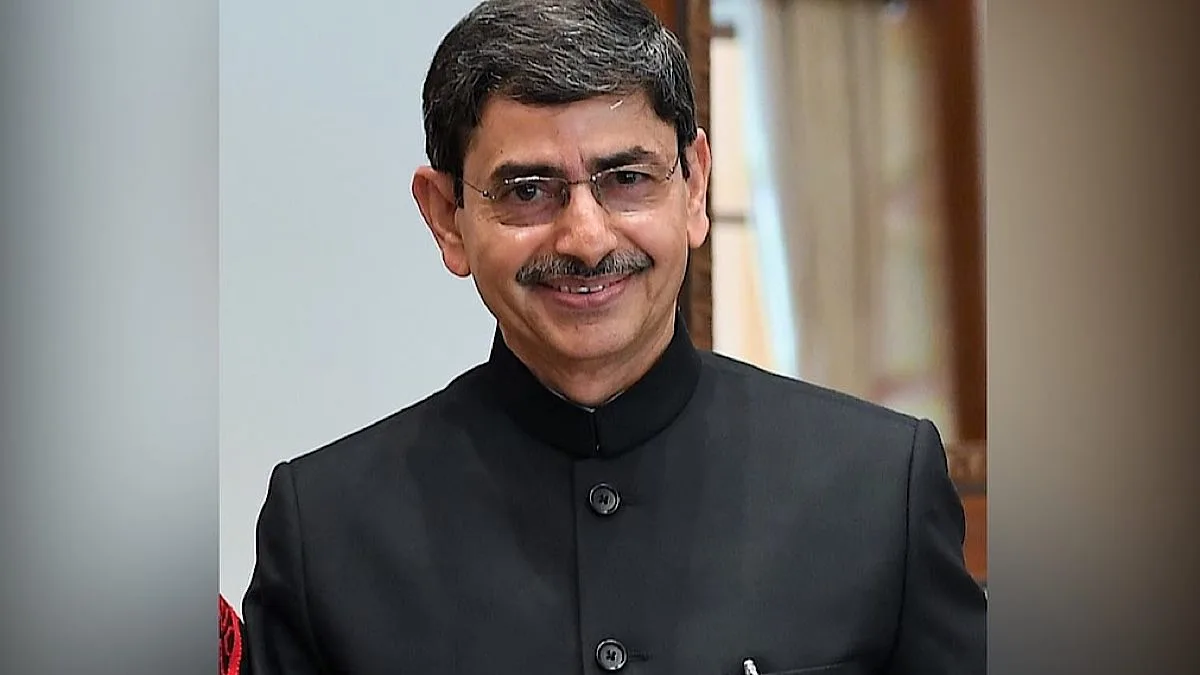
New Governor RN Ravi vows devoted service, highlights state’s cultural legacy

Newly-appointed West Bengal Governor Ravindra Narayan Ravi on Thursday said he felt “immensely blessed and profoundly humbled” to serve the people of the state, describing Bengal as a land with an unparalleled spiritual, intellectual, and cultural legacy.

Statesman News Service | Kolkata |

Newly-appointed West Bengal Governor Ravindra Narayan Ravi on Thursday said he felt “immensely blessed and profoundly humbled” to serve the people of the state, describing Bengal as a land with an unparalleled spiritual, intellectual, and cultural legacy.

Ravi made the remarks in a message posted on his X handle soon after taking oath as the Governor of West Bengal at Lok Bhavan (formerly Raj Bhavan) in Kolkata.

The oath of office was administered by the Chief Justice of the Calcutta High Court in the presence of Chief Minister Mamata Banerjee, members of the state cabinet, senior bureaucrats and other dignitaries.

In his message, the Governor said: “I am immensely blessed and profoundly humbled to have the opportunity to serve the people of West Bengal, a great land that has been the spiritual, intellectual and cultural capital of Bharat for several thousand years.”

Highlighting the historical and philosophical heritage of the region, Ravi said Bengal is “the land where the eternal wisdom of the Vedas blossomed several thousand years ago, where the teachings of Gautama Buddha found new expressions, and where the great tradition of Bhakti flourished and led the national freedom movement.”

The Governor also recalled the role played by the state in preserving India’s cultural identity during periods of foreign invasions and colonial rule.

Referring to several iconic spiritual leaders and freedom fighters associated with Bengal, Ravi wrote that the land gave birth to “numerous great persons and divine souls” including Chaitanya Mahaprabhu, Ramakrishna Paramahamsa, Swami Vivekananda and Bankim Chandra Chattopadhyay, whose patriotic hymn Vande Mataram became a rallying cry during India’s freedom struggle.

He also paid tribute to other towering figures of Bengal’s intellectual and nationalist tradition such as Rabindranath Tagore, whom he described as a “towering poet-intellectual,” as well as revolutionary spiritual leader Sri Aurobindo and freedom fighters Subhas Chandra Bose and Syama Prasad Mookerjee.

According to Ravi, the people of West Bengal played a vital role in shaping the national consciousness and leading India’s freedom movement.

Concluding his message, the Governor said he prayed for the strength to carry out his responsibilities with dedication.

“I pray to Maa Durga for wisdom and strength to serve the people of this land with utmost devotion,” he wrote.

Ravi’s message, issued shortly after assuming office, has already sparked discussion in political and administrative circles about the new Governor’s emphasis on Bengal’s civilisational heritage and its historic role in India’s freedom movement.

Parliament Budget Session: TMC and other opposition MPs protest against centre over shortage of LPG cylinders

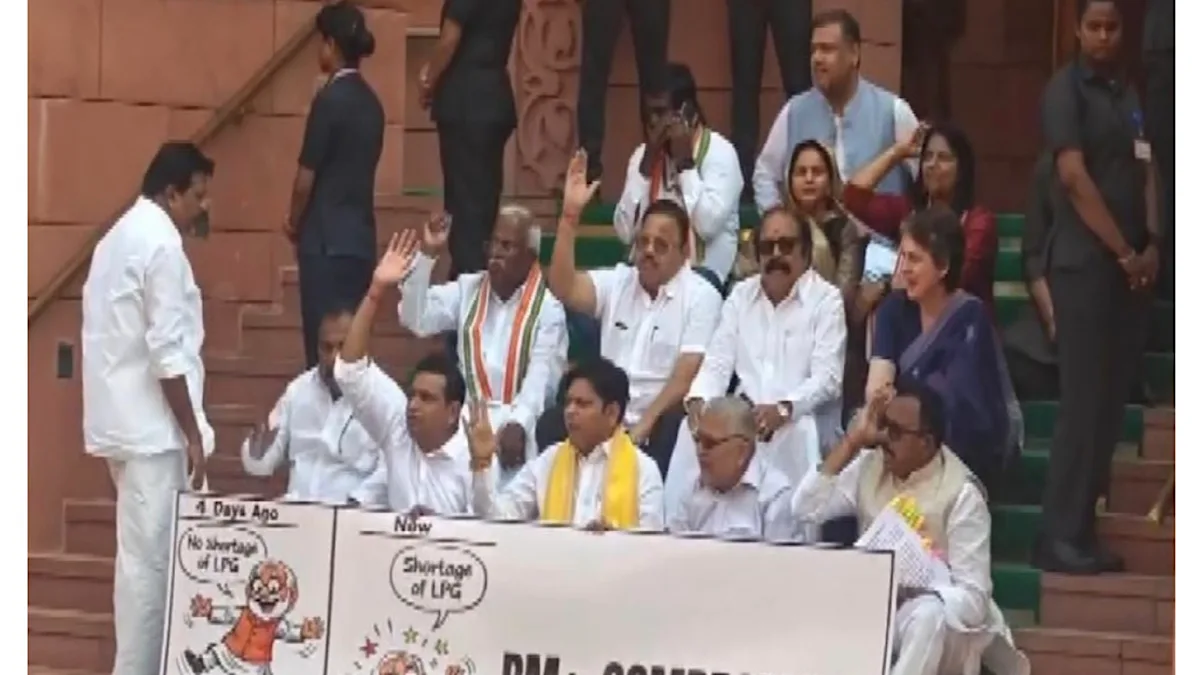
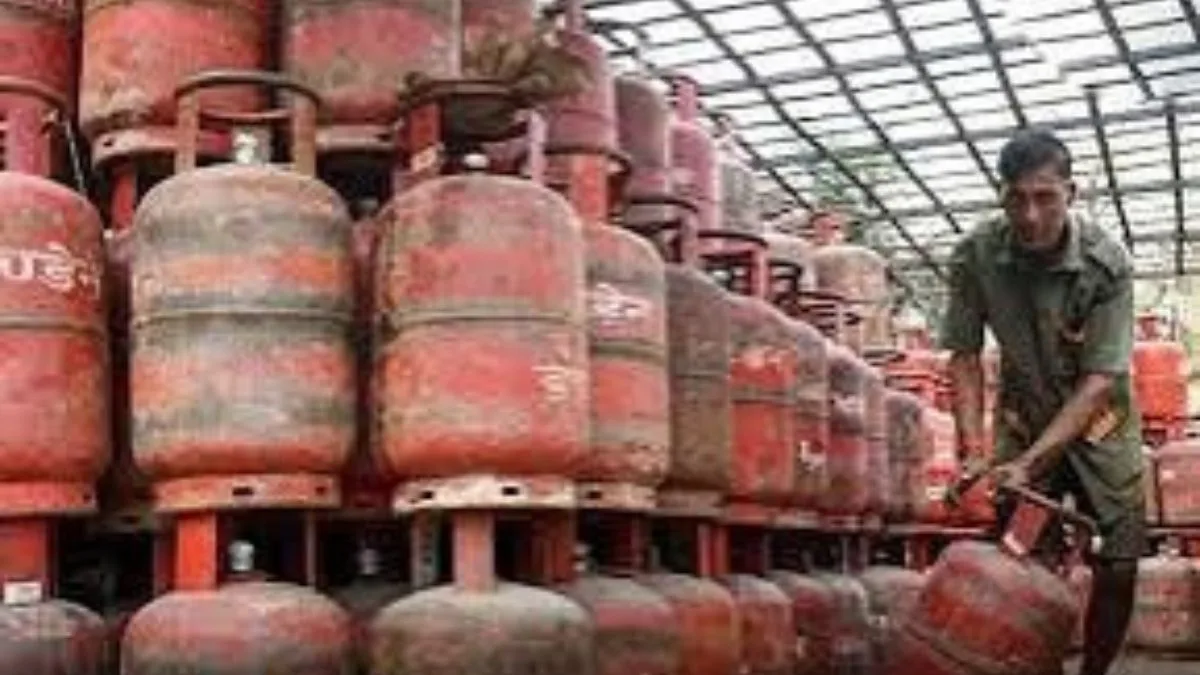
The Trinamool Congress (TMC), along with other opposition MPs, staged a protest at Makar Dwar on the Parliament premises over the shortage of LPG cylinders across the country on Thursday.

ANI | New Delhi |

The Trinamool Congress (TMC), along with other opposition MPs, staged a protest at Makar Dwar on the Parliament premises over the shortage of LPG cylinders across the country on Thursday.

The protesters reportedly shouted “LPG, LPG” to highlight the crisis. Additionally, some opposition MPs raised concerns regarding Indian nationals stranded in Middle Eastern countries, chanting the slogan, “Qatar main Khade Hindustan, Modi Ghume Cheen Japan.”
Congress MP Jebi Mather said, “Just by saying there’s no scarcity, how will it be just not scarcity?… Union Minister Mr Puri is trying to portray that nothing is wrong here…We have to acknowledge there is a crisis. Then we have to find out ways to address the crisis…That is what Rahul Gandhi attempted to do in parliament yesterday, but he was stopped from not allowing him to complete. Let us acknowledge and let us find out ways, but this government is turning its back on the realities”
Meanwhile, Congress MP Jairam Ramesh claimed that the Modi government is “clearly afraid” of a discussion in both Houses of the Parliament on the situation in West Asia and its impact on India.

“The Opposition is demanding a discussion in both Houses of Parliament on the situation in West Asia and its impacts on India. But the Modi Govt is adamantly refusing to allow such a debate. It is clearly afraid. Its foreign policy already stands brutally exposed,” the Congress MP said on social media.
The Opposition has been pushing for a discussion on West Asia in Parliament.
Led by Lok Sabha Leader of Opposition Rahul Gandhi, Congress leaders also staged their protests in the Parliament premises over the LPG issue.

However, the centre in the parliament said that domestic LPG production has increased by about 25 percent and the entire domestic LPG production is being directed towards household consumers.
The government said that for non-domestic LPG, priority is being given to essential sectors such as hospitals and educational institutions.
Additionally, Union Minister for Petroleum and Natural Gas, Hardeep Singh Puri, informed the Lok Sabha and said that India’s crude supply remains secure despite the fact that 45 per cent of imports previously transited the affected route. He noted that “Non-Hormuz sourcing has risen to approximately 70 per cent of crude imports, up from 55 per cent before the conflict began”.

The Minister attributed this stability to structural diversification, noting that India now sources crude from 40 countries compared to 27 in 2006-07. He assured the House that “There is no shortage of petrol, diesel, kerosene, ATF or fuel oil. The availability of petrol, diesel, aviation turbine fuel, kerosene, and fuel oil is fully assured,” with refineries operating at high capacity utilisation, sometimes “exceeding 100 per cent”.
The Minister also detailed measures to protect the LPG supply for 33 crore families. Domestic LPG production has increased by 28 per cent over the last five days through refinery directives. To manage demand and prevent hoarding, the government introduced a 25-day minimum booking gap in urban areas and expanded the Delivery Authentication Code system to 90 per cent of consumers.

Additonally, Puri also cleared the air around standard time from booking to delivery, stating, “Domestic supply is fully protected, and the delivery cycle is unchanged. The standard time from booking to delivery for domestic LPG cylinders remains 2.5 days, unchanged from pre-crisis norms.”

To ease pressure on gas channels, the government has activated alternate fuel options, including making kerosene available through PDS channels. Additionally, the Ministry of Environment, Forest and Climate Change has “advised State Pollution Control Boards to permit, for the duration of this crisis period, the use of biomass, RDF pellets, and Kerosene/coal as alternate fuels for the hospitality and restaurant segment for 1 month, which would enable a wider range of establishments to switch and free up LPG for priority consumers,” Puri said.

New Zealand assistant coaches Ronchi, Oram granted leave for PSL stint

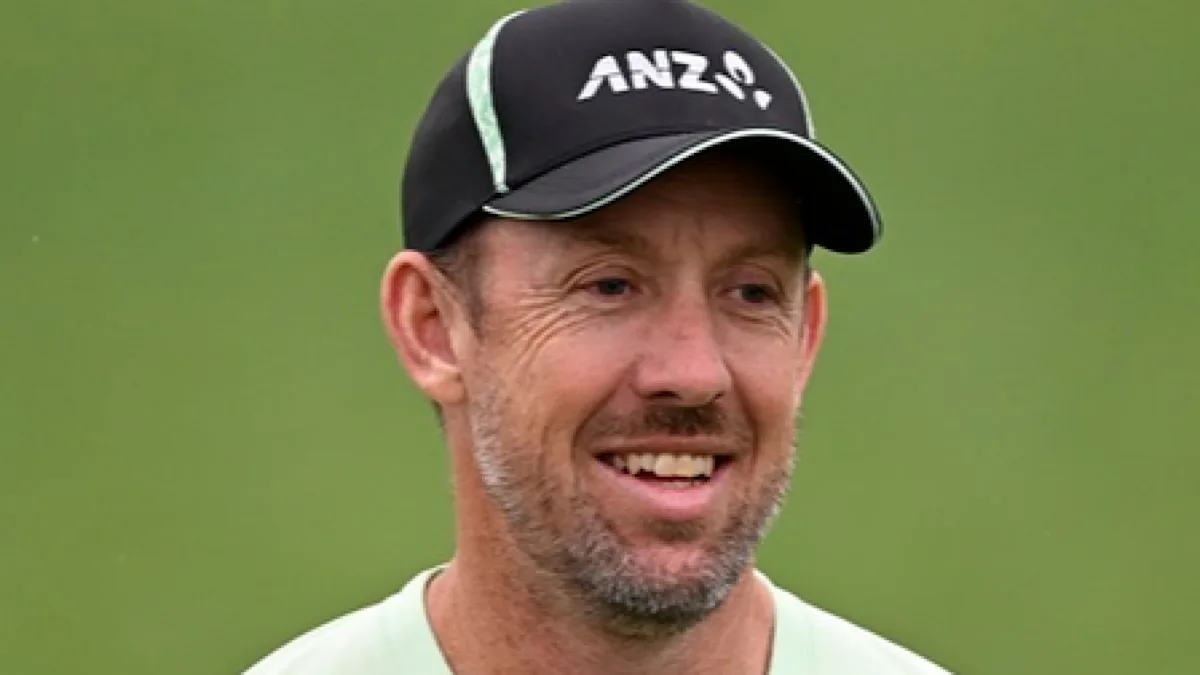
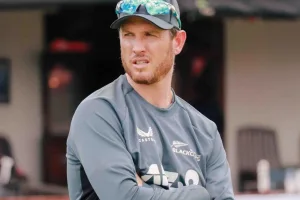
Assistant coaches Luke Ronchi and Jacob Oram have been granted leave by New Zealand Cricket (NZC) to take up coaching roles with Islamabad United in the upcoming edition of the Pakistan Super League (PSL) 2026, which begins later this month.

IANS | New Delhi |

Assistant coaches Luke Ronchi and Jacob Oram have been granted leave by New Zealand Cricket (NZC) to take up coaching roles with Islamabad United in the upcoming edition of the Pakistan Super League (PSL) 2026, which begins later this month.

Ronchi, who represented the franchise from 2017 to 2021, will return as the head coach of Islamabad United, while Oram has been appointed as one of his assistants. With the PSL scheduled to start on March 26 and run until late April, including the finals, both coaches will miss New Zealand’s upcoming series against South Africa as well as the tour of Bangladesh in April.

New Zealand performance manager Mike Sandle said the team management and NZC were supportive of the duo pursuing the coaching opportunity.

“This is a great chance for Luke and Jake to further their coaching experience and grow their skills outside of the New Zealand cricket environment,” Sandle said in a statement.
“Just like our players, our coaches are in demand around the world and we believe Luke and Jake will not only personally benefit from their time at the PSL, but they will also be able to bring back knowledge and IP that can aid the BLACKCAPS and NZC in the future,” he added.

Sandle added that Jonny Bassett-Graham, head coach of the Wellington Blaze, and NZC network coach Graeme Aldridge will assist head coach Rob Walter during the upcoming series against South Africa. Meanwhile, Brendon Donkers from the Canterbury cricket team will join the support staff for the Bangladesh tour.

“One of the added bonuses of Luke and Jake heading to the PSL is the opportunity it affords other coaches in the NZC network,” Sandle said.

“It will be great to have Jonny, Graeme and Brendon join the BLACKCAPS and I’m sure they will get a lot of out their time in the environment and the experience of working alongside our players and support staff,” he added.

“Their involvement will naturally help strengthen our high-performance coaching depth and we hope the coaches themselves will be able to take back some of what they’ve learned to benefit the domestic set-ups,” Sandle concluded.

New Zealand will face South Africa in the first match of the five-match T20I series at Bay Oval in Mount Maunganui on Sunday, with the series set to be played as double-headers alongside matches featuring the New Zealand women’s cricket team and South Africa women’s cricket team.

Indian Wells Open: Svitolina stuns Swiatek; Rybakina tops Pegula to enter SFs

Elina Svitolina earned a 6-2, 4-6, 6-4 win in 2 hours and 9 minutes to send World No 2 Iga Swiatek packing and reach her second Indian Wells semifinal and first since 2019.

IANS | New Delhi |

Elina Svitolina earned a 6-2, 4-6, 6-4 win in 2 hours and 9 minutes to send World No 2 Iga Swiatek packing and reach her second Indian Wells semifinal and first since 2019.

After splitting sets with Swiatek, the third set was a tightly contested shootout that went with serve until the No. 9-seeded Ukrainian broke for 5-4. She swiftly served out the match to earn her second win against the Pole in six meetings.

The victory was Svitolina’s 11th career win against players ranked inside the Top 2, and her first such triumph since defeating Swiatek at Wimbledon in 2023.

With the victory, Svitolina earned just her second win over the current World No. 2 in six meetings at the WTA Tour level, having last defeated her at Wimbledon in 2023. Since 2016, when she upset Serena Williams at the Rio Olympics.

Only Elena Rybakina (14) has earned more wins over Top 2 players than Svitolina (11). The result also marks her tour-leading 19th win of 2026, WTA reports.

In the semifinals, she’ll face Rybakina, who ended Jessica Pegula’s run of seven straight semifinals with a 6-1, 7-6 (4) victory. Svitolina is 3-3 against Rybakina and won their most recent meeting, in Madrid last season, in straight sets.

With Rybakina joining a semifinal quartet that also includes Aryna Sabalenka in the top half, a rematch of this year’s Australian Open final is still in play.

Earlier, No. 1 seed Sabalenka came through a marquee encounter with No. 10 seed Victoria Mboko, advancing 7-6(0), 6-4 to her third career semifinal at the tournament.

The World No. 1 has now reached six consecutive semifinals on the WTA Tour; her last loss before that round was in the Cincinnati quarterfinals last August to Rybakina.

Sabalenka’s quest for a first Indian Wells title will continue against No. 14 seed Linda Noskova, who defeated qualifier Talia Gibson 6-2, 4-6, 6-2.

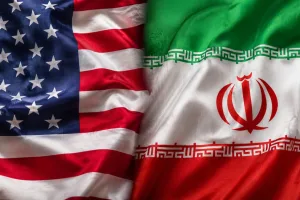
‘Great honour to kill Iranians’: Trump escalates rhetoric as tensions with Tehran rise

Donald Trump claimed the US has wiped out Iran’s naval and air power and warned of overwhelming American firepower, while accusing media coverage of misleading people about the conflict.

Statesman News Service | Mumbai |

US President Donald Trump has sparked fresh controversy after declaring that it is a “great honour” for him, as America’s 47th President, to kill Iranians whom he accused of attacking innocent people around the world for decades.

Posting on his social media platform on Friday, Trump said Iran had been responsible for killing innocent people globally for 47 years. He added that he now considered it an honour, as the 47th President of the United States, to be killing them.

The remark comes as the long-running standoff between the United States and Iran continues, with Washington repeatedly alleging that Tehran supports armed groups and adds to unrest across the region. Relations between the two countries have remained deeply strained since the 1979 Islamic Revolution.

Trump claims US is dismantling Iran’s military power

In the same message, Trump asserted that the United States was “totally destroying” the Iranian regime through military and economic pressure.

He claimed Iran’s naval forces had effectively been eliminated and that its air force was no longer functioning. According to Trump, Iranian missiles, drones, and other weapons systems were also being destroyed.

Trump further said several Iranian leaders had already been wiped out and insisted that the United States possessed overwhelming military strength.

The President also criticised The New York Times, calling it a “failing” newspaper and suggesting that its reporting might wrongly make people believe the US was not winning.

‘Unparalleled firepower’: Trump issues fresh threat

Trump went on to say that the US had “unparalleled firepower, unlimited ammunition and plenty of time” to continue its actions.

He ended the message with a stark warning, saying the world would soon see what would happen to those he described as “deranged scumbags.”

The comments mark one of Trump’s most aggressive public statements on Iran in recent weeks and are likely to further inflame tensions between the two countries.

Rajasthan Royals to begin pre-season training camp in Jaipur from March 17

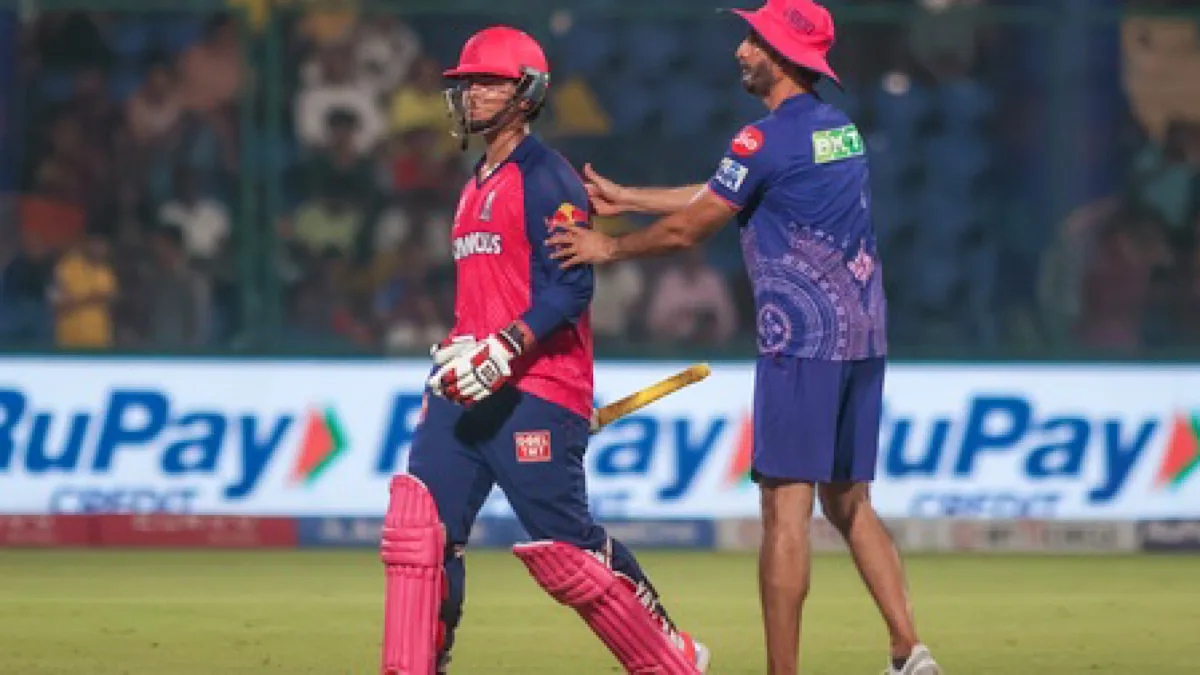
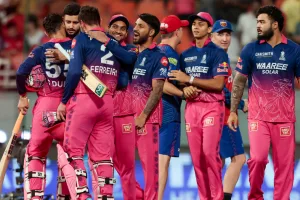
Rajasthan Royals will commence their first pre-season training camp in Jaipur from March 17 for the upcoming Indian Premier League 2026 season.

IANS | New Delhi |

Rajasthan Royals will commence their first pre-season training camp in Jaipur from March 17 for the upcoming Indian Premier League 2026 season.

The squad will assemble at Pink City, kicking off the camp with training, fitness and nets sessions at Sawai Mansingh Stadium, marking the first time the Royals’ full squad, including new recruits like Jadeja and Sam Curran, coming together ahead of the season.

Under the guidance of Head Coach and Director of Cricket Kumar Sangakkara, the camp will focus on fostering team bonding, intensive training and planning along with strength and training sessions.

Earlier, a smaller group of players, including Ravi Bishnoi, Vaibhav Sooryavanshi, Sandeep

Sharma, and recently Ravindra Jadeja had attended a short camp cum fitness assessment session at franchise’s High Performance Centre in Nagpur.

Inaugural champions Rajasthan Royals, who will be led by captain Riyan Parag in the upcoming season, will play their first three home matches of the IPL 2026 season at the ACA Stadium in Guwahati – their alternate home ground.

The franchise is likely to travel to Guwahati on March 26 for its season opening match-up against CSK on March 30, as per the fixtures announced by the IPL Governing Council.

Royals will then travel to Ahmedabad for their second match, where they will face the Gujarat Titans on April 4 at the Narendra Modi Stadium. The clash against the Titans will be the Royals’ first away game of the season.

They will return to Guwahati for their third and fourth matches of the season where they will take on the Mumbai Indians and reigning champions Royal Challengers Bengaluru on April 7 and 10, respectively.

Only 20 fixtures till April 12 have been revealed on account of the upcoming elections. The rest of the 2026 Indian Premier League schedule will be announced later.

Royals’ fixtures at the Sawai Mansingh Stadium in Jaipur will be announced with the next trench of the schedule.

Fuel shake-up in Nepal: Ethanol-blended petrol approved while half gas cylinders hit the market

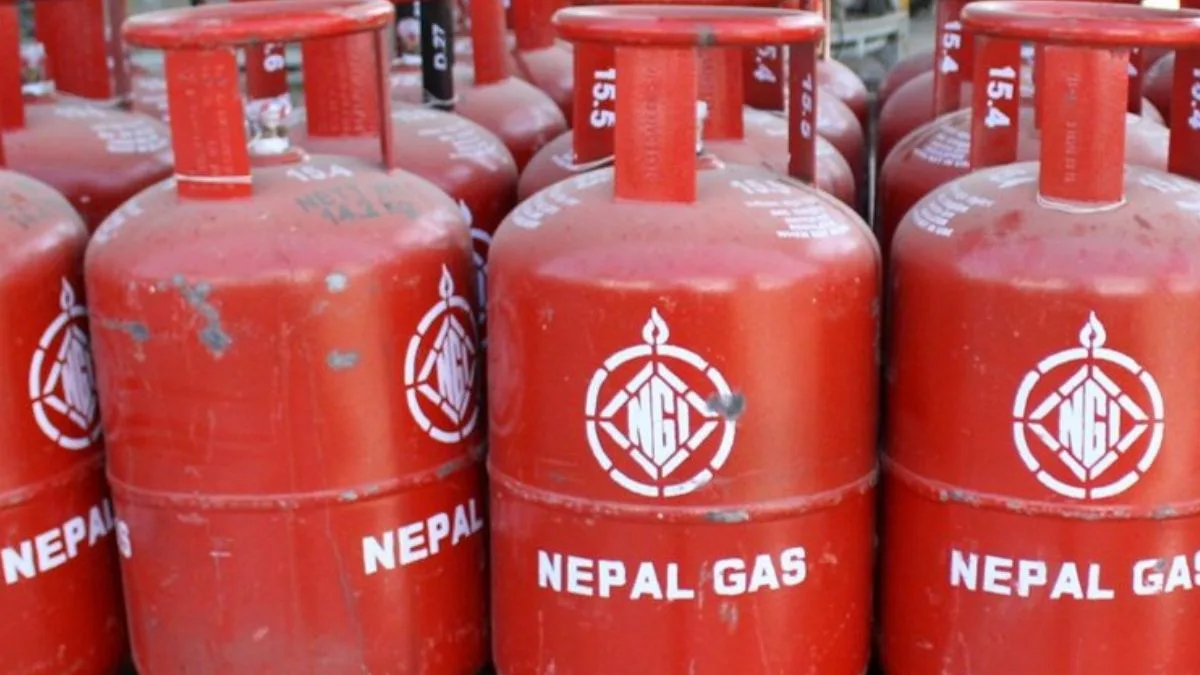
Nepal is introducing ethanol-blended petrol made from agricultural waste and industrial by-products to reduce fuel imports. At the same time, authorities have begun distributing half-sized LPG cylinders.

Statesman News Service | New Delhi |

Nepal’s fuel story is suddenly getting a dramatic twist. From mixing alcohol into petrol to selling half-sized gas cylinders, the government and Nepal Oil Corporation are trying bold solutions to deal with energy pressure. The changes promise cleaner fuel, less import dependency, and a way to stretch limited gas supplies during global turmoil.

Two major decisions are now shaping Nepal’s fuel future: ethanol-blended petrol and the introduction of half LPG cylinders.

Also Read: Disrupted LPG supplies ‘severely affect’ the livelihoods of food delivery partners

Government clears the way for ethanol-blended petrol

The Government of Nepal has issued a new directive that allows petrol sold in Nepal to contain up to 10 percent ethanol. The main idea behind the policy is to encourage domestic ethanol production and reduce Nepal’s heavy spending on imported petroleum products.

Nepal spends a significant portion of foreign currency on fuel imports. By blending ethanol with petrol, the government hopes to cut that cost while boosting local industries.

Ethanol to be made from waste and agricultural residue

The government has clearly listed what materials can be used to produce ethanol. The focus is on local and non-food raw materials.

Approved sources include molasses, napier grass, agricultural and forest biomass, straw and crop residues, corn cobs, wheat husk, rotten or damaged grains that are not suitable for human consumption.

The idea is to turn agricultural waste into valuable energy product.

However, the government has drawn a strict line to protect food security. Any grain or food item that is edible for humans cannot be used for ethanol production. This rule ensures that fuel production will not compete with the country’s food supply.

Nepal Oil Corporation gets exclusive control

The order gives Nepal Oil Corporation (NOC) exclusive authority over ethanol purchase, sale, and distribution.

Licensed industries that produce ethanol must sell their entire production only to the corporation. They are not allowed to sell ethanol directly to any private company, government body, or individual.

Once the ethanol reaches the corporation, it will blend it with petrol before distributing the fuel in the market. The blending ratio can go up to 10 percent ethanol per litre of petrol.

Gas shortage leads to half cylinder plan

While ethanol blending looks toward the future, another fuel decision is aimed at solving an immediate problem.

Nepal Oil Corporation has announced that only half LPG cylinders will be supplied to the market starting Friday.

According to NOC, consumers will now be able to buy 7.1-kilogram half cylinders instead of the standard full cylinder.

The price will also be exactly half of the regular cylinder price.

War impact and rising demand

NOC explained that the decision comes amid global tensions and war situations that have increased gas demand and created supply challenges.

By distributing smaller cylinders, the corporation hopes to spread available gas across a larger number of households.

Earlier, when full cylinders were supplied, around 1,000 people could receive gas. With half cylinders, as many as 2,000 consumers may get access to LPG.

Iran declares week of national unity after new supreme leader’s 1st message

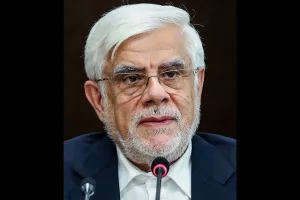
Iranian First Vice President Mohammad-Reza Aref said the administration has declared the coming week as the “Week of National Unity and Solidarity for Iran,” according to the official news agency IRNA.

IANS | New Delhi |

Iranian First Vice President Mohammad-Reza Aref said the administration has declared the coming week as the “Week of National Unity and Solidarity for Iran,” according to the official news agency IRNA.

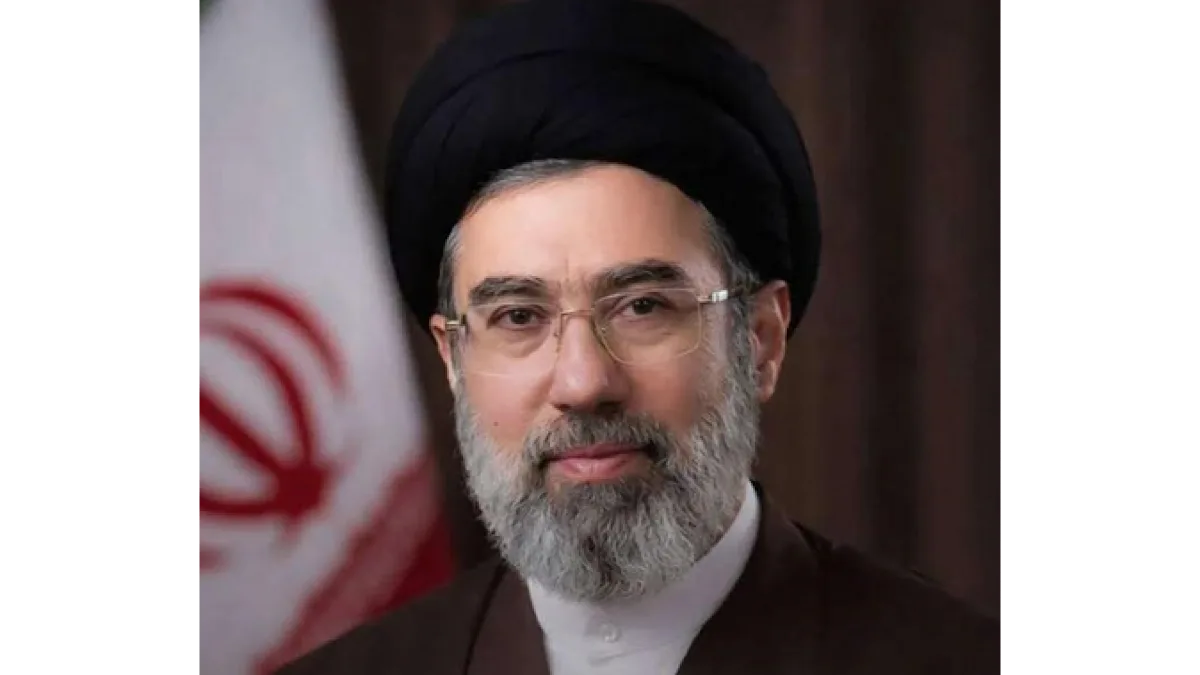
Aref said he had made the decision on behalf of the administration and was inspired by the first message of Iran’s new Supreme Leader Mojtaba Khamenei. The message was released earlier in the day and highlighted the need to maintain unity among the Iranian people, Xinhua news agency reported.

Aref said, as stressed by Iran’s supreme leader, the people’s “effective presence on the scene and maintaining national unity” are the most important props for the country’s power and security.

Meanwhile, Amir Saeid Iravani, Iran’s permanent representative to the United Nations, said Thursday that it is his country’s “inherent right” to preserve peace and security in the Strait of Hormuz.

Iravani told reporters that Iran “fully respects and remains committed to the principle of freedom of navigation under the law of the sea.”

“However, the current situation in the region, including in the Strait of Hormuz, is not the result of Iran’s lawful exercise of its right of self-defence. Rather, it is the direct consequence of the destabilizing actions of the United States in launching aggression against Iran and undermining regional security,” he said.

Iran’s new Supreme Leader Mojtaba Khamenei on Thursday called for the continued closure of the Strait of Hormuz, saying that “the lever of blocking the Strait of Hormuz must definitely continue to be used.”

On February 28, Israel and the United States launched joint attacks on Tehran and several other Iranian cities, killing Iran’s then Supreme Leader Ali Khamenei, along with senior military commanders and civilians. Iran responded by launching waves of missile and drone strikes targeting Israel and US bases and assets in the Middle East.

Why the Supreme Court now wants AI to handle case listing and bench allocation

An internal review and a fresh round of registry transfers have set the stage for a major Supreme Court reform aimed at tightening administration and reducing entrenched control.

Statesman News Service | New Delhi |

In what could become one of the biggest administrative changes inside the Supreme Court in recent years, software powered by Artificial Intelligence is set to take over case listing and bench allocation in the top court, a move that would sharply reduce human intervention in the process.

The decision, according to highly placed sources cited by Bar & Bench, has been taken by Chief Justice of India Surya Kant at a time when the court’s administrative machinery is facing close internal scrutiny.

The shift is significant because the power to assign matters to benches has so far rested with the Chief Justice of India as the master of roster, a role that has often drawn intense attention and debate.

The proposed reform follows an internal examination that reportedly exposed two deeper problems within the registry. One was the long stay of some officials in the same positions, which sources said had created entrenched control. The other was ageing technology systems that allegedly allowed administrative gaps to persist, including irregular and improper allocation of cases.

That review has already led to an unusual round of interdepartmental transfers in the Supreme Court registry, with more changes likely before the month ends. Sources said the reshuffle is aimed at breaking long-held administrative patterns and addressing inefficiency within the system.

What triggered the Supreme Court’s administrative overhaul

The immediate trigger for the proposed changes was a lapse noticed during the hearing of a petition filed by Irfan Solanki. The matter came up before a bench of CJI Surya Kant, Justice Joymalya Bagchi and Justice Vipul Pancholi, where the petitioner had challenged the Uttar Pradesh Gangsters and Anti-Social Activities (Prevention) Act, 1986, arguing that it was repugnant to Section 111 of the Bharatiya Nyaya Sanhita, 2023.

During the hearing, the State of Uttar Pradesh pointed out that a closely similar challenge had already been dealt with earlier in Md Anas Chaudhary v State of Uttar Pradesh. That petition had been dismissed on December 12, 2022, by a three-judge bench comprising former Chief Justice of India DY Chandrachud, Justice Dipankar Datta and Justice PS Narasimha, with liberty to the petitioner to pursue remedies before the competent forum.

Even so, a similar plea had again appeared before a different bench, raising questions over how such a listing had taken place despite the earlier order.

CJI Kant is learnt to have taken a serious view of the development. Although Senior Advocate Shoeb Alam sought permission to withdraw the petition, the Chief Justice reportedly directed that the matter would remain pending and be carried forward to its logical end. He had also indicated that a wider administrative inquiry would follow.
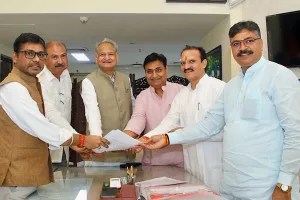
Rajya Sabha cross-voting worries: Odisha Congress MLAs shifted to Bengaluru resort

Amid fears of cross-voting in the upcoming Rajya Sabha election in Odisha, the Congress party has shifted its MLAs to Bengaluru in a move widely seen as part of “resort politics” to keep its legislators together.

IANS | New Delhi |

Amid fears of cross-voting in the upcoming Rajya Sabha election in Odisha, the Congress party has shifted its MLAs to Bengaluru in a move widely seen as part of “resort politics” to keep its legislators together.

Congress sources confirmed on Friday that the legislators were brought to Bengaluru under the supervision of Karnataka Deputy Chief Minister and State Congress President D.K. Shivakumar. The MLAs and party leaders arrived in the city from Bhubaneswar on Thursday night by an IndiGo flight.

They reached the Kempegowda International Airport at around 11 p.m., where they were received by close aides of Shivakumar. From the airport, the legislators were escorted under police security directly to a resort in Bidadi in the Ramanagara district.

The MLAs have been accommodated at the Wonderla Resort, where special arrangements have been made for their stay.

According to sources, the group includes MLAs Mangu Khila, Appala Swamy, Rajan Ekka and Ashok Kumar. The party’s Odisha chief and former MP Bhakta Charan Das and spokesperson Durga Prasad Panda are also part of the delegation. In total, around 14 Congress leaders from Odisha have reportedly arrived in Bengaluru.

Congress sources said the decision to move the MLAs out of Odisha was taken amid concerns over possible cross-voting during the Rajya Sabha election. The move is also aimed at countering what the party alleges to be the BJP’s attempts at ‘Operation Lotus’.

In the 147-member Odisha Legislative Assembly, the BJP currently has the support of 79 MLAs, while the Biju Janata Dal (BJD) holds 50 seats and the Congress has 14 MLAs.

The BJD has nominated Santanu Mishra as its official candidate and has also fielded Datteshwar Hota as a general candidate for the fourth Rajya Sabha seat, with the Congress extending support to his candidature.

The BJP, on the other hand, has fielded two candidates and has also backed Independent candidate Dilip Ray.

Congress sources said the contest for the fourth seat could hinge on cross-voting. While Datteshwar Hota’s victory will depend on the support of Congress MLAs, Independent candidate Dilip Ray would require the backing of at least eight MLAs from rival camps to secure a win.

It can be recalled that Deputy CM Shivakumar had earlier moved MLAs from Maharashtra and Gujarat to a resort on the outskirts of Bengaluru amid the fears of cross-voting.

China’s influence in US universities faces Congressional scrutiny

US lawmakers warned that China may be exploiting American universities to gain access to sensitive research and technology, as a Senate hearing examined billions of dollars in foreign funding and academic partnerships involving US campuses.

IANS | New Delhi |

US lawmakers warned that China may be exploiting American universities to gain access to sensitive research and technology, as a Senate hearing examined billions of dollars in foreign funding and academic partnerships involving US campuses.

The Senate Health, Education, Labor, and Pensions Committee held the hearing to examine what lawmakers called “malign foreign influence” in higher education, with testimony focusing largely on China’s research ties with US universities and the risks of intellectual property theft, technology transfer, and undisclosed foreign funding.

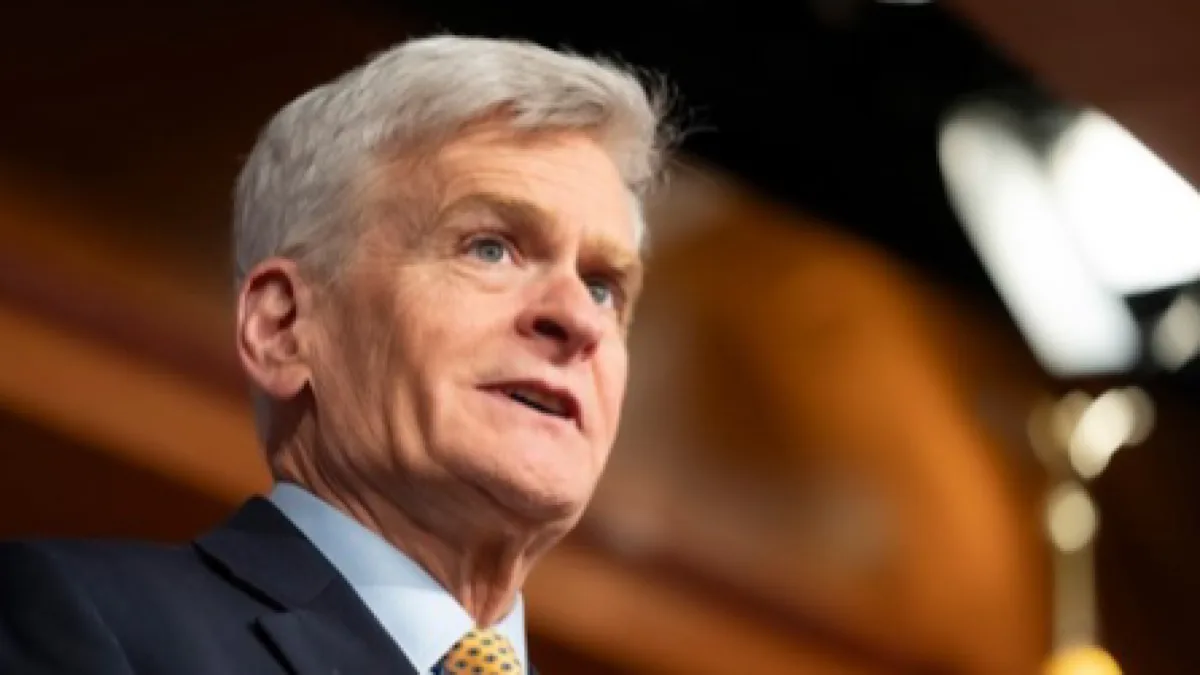
Committee chairman Sen. Bill Cassidy said American universities are among the country’s greatest strategic assets but warned that their openness can also create vulnerabilities.

“Our country has the best universities in the world and major breakthroughs in cancer research, artificial intelligence, military technology, biomedical engineering, and more happens at our universities,” Cassidy said.

He said the scale of foreign funding entering US campuses has raised national security concerns.

“$9.7 billion in foreign gifts and contracts were reported last year,” Cassidy said, adding that the figure reflects only funds that were disclosed.

“But that only accounts for dollars that have been reported, and there’s been zero accountability,” he said.

Cassidy said Congress must strengthen transparency requirements for foreign gifts and contracts involving universities.

“You’ve heard the old adage follow the money — well that’s what we would like to do,” he said.

Craig Singleton, a senior fellow at the Foundation for Defense of Democracies, told the panel that US universities sit at the center of America’s innovation system and are therefore attractive targets for foreign adversaries.

“US universities anchor the world’s most dynamic research environment,” Singleton said.

“At the same time, those strengths have made American universities attractive targets for exploitation by foreign adversaries, especially China.”

Singleton cited federal reporting data showing that China has contributed about $6.8 billion in gifts and contracts to American universities over time.

He also said the Department of Education’s foreign funding portal shows roughly $400 million in transactions involving entities that appear on US government watch lists or restricted entity lists.

“These include firms tied to export control violations, national security concerns, and China’s military civil fusion program,” Singleton said.

Peter Wood, president of the National Association of Scholars, said foreign donations to universities often lack transparency and raise questions about influence and intent.
He cited examples of large foreign contributions, including billions of dollars from Qatar to American universities.

“Where is the money really coming from? What is it being spent on?” Wood asked. “As with Qatar for the most part, we don’t know.”

Wood also said China had previously used Confucius Institutes on American campuses to expand its influence.

He described the program as “an agent of influence operation run by the Hanban, the propaganda agency of the Chinese Communist Party.”

Robert Daley, a senior fellow at the Asia Society, said concerns about foreign influence are legitimate but warned against exaggerating the scale of the threat.
“American suspicion about foreign malign influence on our campuses and especially Chinese influence is both reasonable and necessary,” Daley said.
At the same time, he said universities and government agencies have strengthened cooperation to address security risks.

“American universities have taken on Washington’s concerns, and they now work diligently and at considerable expense to anticipate and counter the actions of countries of concern,” Daley said.

Daley also noted that despite concerns about Chinese influence, there have been no espionage convictions involving university personnel.

“To date, there have been no convictions of university persons for conducting espionage on American campuses on behalf of China,” he told the committee.

Lawmakers said the challenge for policymakers is to protect sensitive research while preserving the openness that has long made American universities global leaders in science and innovation.

The hearing also examined proposals to strengthen disclosure requirements for foreign gifts and contracts under Section 117 of the Higher Education Act, which requires universities to report major foreign donations.

Witnesses said stronger transparency and oversight could help address national security risks without undermining international academic collaboration.

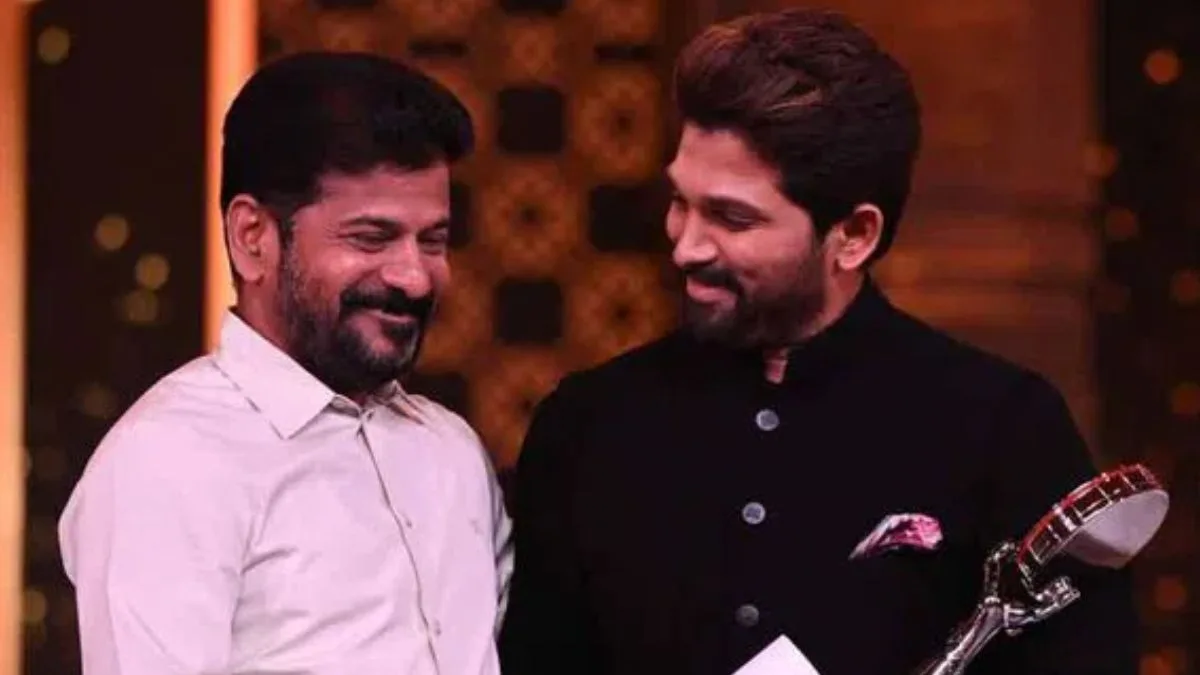
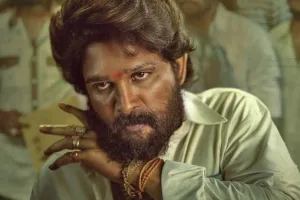
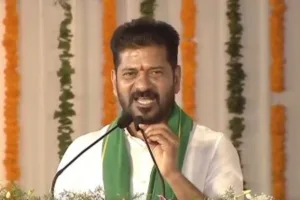
From ‘Pushpa’ to Hollywood? CM Revanth Reddy says Allu Arjun’s talent deserves a global stage

Telangana Chief Minister Revanth Reddy believes Telugu cinema has the talent to compete on the global stage. He said Allu Arjun should aim beyond pan-India success and take his acting to Hollywood audiences as well.

Statesman News Service | New Delhi |

Revanth Reddy on Allu Arjun: Allu Arjun has long ruled the Telugu film industry. But now, a surprising voice from politics believes the superstar should take an even bigger leap. According to Revanth Reddy, the next logical destination for the ‘Pushpa’ star might just be Hollywood.

The comment came during a public event in Hyderabad, and it instantly sparked chatter among film fans. Could the icon of Telugu mass cinema soon be seen on the global stage?

A political stage, a cinematic dream

The statement came when the Telangana Chief Minister inaugurated Allu Cinemas in Hyderabad. At the event, Revanth Reddy spoke about the important role the film industry plays in the state’s cultural and economic growth.

He praised the Allu family for their contribution to Tollywood and stressed that Telangana government wants the film industry to grow alongside state’s development.

Also Read: Paparazzi put on notice: Karnataka Film Chamber acts after Sapthami Gowda flags indecent filming of actresses

During his speech, the Chief Minister highlighted that talent is the real driving force behind success in cinema. Using Allu Arjun as an example, he said the actor has already proven himself across India and should now think even bigger.

From pan-India hero to Hollywood hope?

The Chief Minister openly said that he hopes the ‘Pushpa’ star will one day act in Hollywood films. In his view, Telugu actors have the talent to reach global audiences.

He explained that for years, Telugu films were mainly compared with Bollywood in terms of box office collections. But the industry, he believes, should now raise its ambitions.

According to him, the focus should shift toward competing with Hollywood rather than simply comparing regional industries within India.

Reddy also pointed out that language barriers in cinema are slowly disappearing. With subtitles, streaming platforms, and global audiences embracing content from different cultures, he believes talent now travels far beyond borders.

What’s next for Allu Arjun?

While Hollywood may still be a distant dream, the actor’s upcoming projects already promise massive scale.

Allu Arjun will next appear in a big pan-India action film directed by Atlee. The project is currently referred to as AA22xA6 or AA22. The film also features Deepika Padukone in a key role, and its official title is expected to be revealed next month.

Beyond that, the star has two more major projects lined up. One is a film with filmmaker Lokesh Kanagaraj. The other is the much-awaited ‘Pushpa 3: The Rampage’, the next chapter in the franchise that turned him into a nationwide sensation.

Did Washington misjudge Iran’s Hormuz play? Report points to planning gaps in Trump team

A CNN report suggests US planners did not strongly anticipate Iran threatening the Strait of Hormuz after military strikes, as Tehran sends mixed signals over whether the key shipping route could be blocked.

Statesman News Service | New Delhi |

The administration of US President Donald Trump reportedly did not fully expect Iran to move towards shutting the Strait of Hormuz after American military strikes, according to a report by CNN citing sources involved in internal planning discussions.

The report suggests that during preparations for the ongoing military operation, officials in the Pentagon and the US National Security Council had not strongly factored in the possibility that Tehran might try to block the key maritime route. The waterway, which links the Persian Gulf to global shipping lanes, has long been viewed as one of the world’s most sensitive energy chokepoints.

Sources told CNN that while the US military has maintained contingency plans for a potential closure of the Strait of Hormuz for years, that scenario did not appear to dominate strategic discussions ahead of the latest operation.

Officials from the US Departments of Energy and Treasury reportedly attended some of the planning meetings before the strikes began. However, according to people familiar with the discussions, the kind of detailed economic projections and coordinated analysis between agencies that usually guide major policy decisions were not at the centre of those deliberations.

Iran signals Hormuz could remain a pressure tactic

Meanwhile, Iran’s newly installed Supreme Leader Mojtaba Khamenei suggested that using the Strait of Hormuz as leverage could remain part of Tehran’s strategy.

Addressing supporters in remarks aired on Iranian state television, he said: “Dear fighter brothers! The desire of the masses of the people is the continuation of effective and regret-inducing defence. Furthermore, the leverage of blocking the Strait of Hormuz must certainly continue to be used.”

Khamenei also said Iranian authorities had identified locations that he claimed could be targeted if the conflict expanded further.

“Studies have been conducted regarding the opening of additional fronts in areas where the enemy has negligible experience and would be highly vulnerable, and their activation will be carried out if the state of war persists and in accordance with the observance of interests,” he said.

Iran’s UN envoy says Tehran will not close the Strait

Even as tensions rise, Iran’s Ambassador to the United Nations Amir Saeid Iravani said Tehran currently has no plans to shut the vital shipping route.

Speaking to reporters at the UN, Iravani said Iran respects international maritime law and supports the principle of free navigation through the Strait.

“We are not going to close the Strait of Hormuz, but it is our inherent right to preserve the peace and security in this waterway, and it is our right,” he said.

He added that Iran continues to honour international rules governing sea routes.

“Iran has no choice but to exercise its inherent right to self-defence under the UN Charter and international law. Iran fully respects and remains committed to the principles of freedom of navigation under the law of the sea. However, the current situation in the region, including in the Strait of Hormuz, is not the result of Iran’s lawful exercise of its right of self-defence,” Iravani said.

In recent days, Iran has stepped up controls on ships passing through the Strait of Hormuz as tensions escalate following joint US-Israeli strikes. Iranian officials have said that vessels not linked to the United States or Israel would be allowed to pass safely.

Indian scientist in NASA shares insights on space science

Reinforcing its commitment to fostering experiential learning and meaningful intellectual engagement, Techno India Group hosted the eighth edition of its acclaimed talk series ‘Unwind – Boi Kotha Kow’ with Dr Goutam Chattopadhyay, Senior Scientist, NASA Jet Propulsion Laboratory, California Institute of Technology, USA along with Prof. Chinmoy Saha, Indian Institute of Space Science and Technology, Thiruvananthapuram, Kerala, India.

Statesman News Service | Kolkata |

Reinforcing its commitment to fostering experiential learning and meaningful intellectual engagement, Techno India Group hosted the eighth edition of its acclaimed talk series ‘Unwind – Boi Kotha Kow’ with Dr Goutam Chattopadhyay, Senior Scientist, NASA Jet Propulsion Laboratory, California Institute of Technology, USA along with Prof. Chinmoy Saha, Indian Institute of Space Science and Technology, Thiruvananthapuram, Kerala, India.

Titled “A Conversation Beyond Boundaries: Science, Space & Human Curiosity,” the session provided students with unique insights into the dynamic world of space science and frontier research. Drawing from his extensive experience at NASA’s Jet Propulsion Laboratory, Dr Chattopadhyay shared perspectives on the evolving landscape of space exploration, his pioneering work, and the role of advanced instrumentation in deep space missions and planetary exploration.

Reflecting on his personal journey, Dr Chattopadhyay shared how his fascination with galaxies and the mysteries of space began in childhood. Coming from a humble background, he emphasised that his path was shaped by perseverance, continuous learning and the belief that failures often lead to success. His mother has been his greatest inspiration.

Dilip Ghosh slams TMC over move to impeach CEC, calls it politically motivated

Senior BJP leader Dilip Ghosh on Thursday criticised the Trinamul Congress (TMC) over its reported plan to move an impeachment motion against Chief Election Commissioner Gyanesh Kumar in Parliament, alleging that the move was politically motivated.

Statesman News Service | Kolkata |

Senior BJP leader Dilip Ghosh on Thursday criticised the Trinamul Congress (TMC) over its reported plan to move an impeachment motion against Chief Election Commissioner Gyanesh Kumar in Parliament, alleging that the move was politically motivated.

Reacting to the proposal, Mr Ghosh said the ruling party in West Bengal was attempting to raise such issues merely to “show and save its existence.” “To show their existence and to save their existence, they are bringing all kinds of impeachment motions. Even the no-confidence motion against Lok Sabha Speaker Om Birla collapsed,” the BJP leader said.

The remarks came after TMC MP Saugata Roy on 10 March spoke about his party’s plan to move an impeachment motion against the CEC, alleging serious irregularities in the Special Intensive Revision (SIR) of electoral rolls in West Bengal. Mr Roy said the party intends to bring the motion under the provisions of the Constitution, claiming that there were several complaints regarding the handling of the electoral roll revision process. He alleged that the manner in which the exercise was conducted, along with the publication of the voters’ list, raised serious concerns and required scrutiny. An impeachment motion against the Chief Election Commissioner can be moved in Parliament under Article 324(5) of the Constitution, which states that the CEC can be removed from office only in the same manner and on the same grounds as a judge of the Supreme Court.

The proposal has also received support from Rajiv Rai of the Samajwadi Party. Meanwhile, Mr Ghosh also criticised the TMC leadership for raising questions over the recent resignation of former West Bengal Governor C V Ananda Bose. “If someone does not listen to you, you try to defame them. Earlier, the kind of language that was used against the Governor ~ now the same people are lamenting his departure,” he said. Mr Bose recently resigned from the gubernatorial post and submitted his resignation to President Droupadi Murmu. Describing his decision as a “conscious” one, he said the reasons behind it would remain confidential for the time being.

Earlier this week, Chief Minister Mamata Banerjee claimed that there was a “story” behind the Governor’s removal and said she would look into the matter. Following the resignation, R N Ravi has been appointed as the new Governor of West Bengal.

LPG shortage hits Digha Jagannath Temple, prasad distribution curtailed

An acute shortage of LPG cylinders has begun to affect operations at the Jagannath Temple in Digha, forcing authorities to drastically scale down the quantity of bhog prepared for devotees.

Statesman News Service | Kolkata |

An acute shortage of LPG cylinders has begun to affect operations at the Jagannath Temple in Digha, forcing authorities to drastically scale down the quantity of bhog prepared for devotees.

Temple sources said that earlier around 3,000 devotees were served bhog daily. However, due to the ongoing cooking gas shortage, the number has now been reduced to around 700. The temple’s trustee board stated that the restriction will remain in place until the supply situation improves. Despite the crisis, the daily ritual offering to Lord Jagannath continues without interruption. Radharaman Das, a member of the temple trustee board, said that the limited stock of LPG currently available at the temple is being used to prepare the deity’s bhog. He added that the temple authorities have also kept an alternative arrangement ready. “If the gas shortage worsens, we will switch to cooking on wood-fired ovens so that the daily bhog offered to the deity continues without disruption,” he said.

The preparation of prasad for general devotees has been significantly curtailed for the time being due to the shortage. The LPG crisis has also affected the tourism sector in Digha and several other places in Bengal. Several hotel owners and businessmen in the popular seaside destination said they are facing immense difficulties as the prices of commercial LPG cylinders have risen sharply, increasing operational costs during the tourist season. Residents of several district also are facing severe hardship due to an acute shortage of cooking gas, prompting the district police and civil administration to hold an urgent meeting with gas dealers, distributors and officials of bottling plants to assess the situation and prevent any untoward incident.

According to administrative sources, a meeting was convened in several districts to take stock of the availability of LPG cylinders in the district and to understand the reasons behind the sudden disruption in supply. Officials asked dealers to provide details of the number of cylinders currently in stock at their respective outlets. The dealers reportedly informed the administration that they do not have any stock of cylinders at present. They said that gas-laden trucks have not entered the district for the past two days, leading to a complete disruption in supply. As a result, both domestic and commercial consumers are struggling to obtain LPG cylinders.

The situation has caused widespread inconvenience to residents as well as business establishments that depend heavily on LPG for daily operations. Several commercial establishments, including eateries and small food outlets, have been particularly affected due to the non-availability of commercial gas cylinders.

Meanwhile, consumers of several districts alleged that they are unable to even place booking requests due to server-related problems in the online booking system. Many residents claimed that the booking process has been disrupted for the past few days, further aggravating the crisis. Allegations of black marketing of LPG cylinders have also surfaced in certain areas of the districts, with some consumers claiming that cylinders are being sold at prices higher than the official rates. In a similar complaint, from Belghoria, a senior police official said that the police are closely monitoring the situation. “If we receive any specific complaint regarding black marketing of LPG cylinders, strict action will be taken against those involved,” he said.

He added that gas dealers have been instructed to remain in constant contact with the district administration and the police so that the situation can be managed effectively. Police officials have also been asked to keep a close watch in their respective areas to ensure that no untoward situation arises due to the shortage. The administration hopes that normal supply will resume once LPG trucks start arriving in the district again.

TMC blames Centre for LPG crisis in country

Trinamul Congress leadership demanded resignation of Prime Minister Narendra Modi for being unprepared leading to the crises of cooking gas, both in the domestic and commercial supply, leading to the ordeal of lakhs of people across the country.

Statesman News Service | Kolkata |

Trinamul Congress leadership demanded resignation of Prime Minister Narendra Modi for being unprepared leading to the crises of cooking gas, both in the domestic and commercial supply, leading to the ordeal of lakhs of people across the country.

Chief Minister Mamata Banerjee will take part in a protest march from College Square to Dorina crossing on 16 March to highlight the inefficiency of the callous central government.

Addressing the media, Chandrima Bhattacharya, Trinamul Mahila Congress president, said: “The Prime Minister had visited Israel before the trouble in West Asia started. The strait of Hormuz carries 85 to 90 per cent of India’s LPG import. This is no secret. But no strategic reserves were built and no alternate supply routes activated and no contingency protocols were triggered,” she said adding: “After the disruptions started, the Centre gave false assurances to the states that there was adequate supply. People have been forced to stand in long queues.”

Party spokesperson Tanmay Ghosh said the Centre has reduced the foreign policy to a circus. He asked when India is not a party to the war, then why should the people of the country bear the brunt of it just for the failure of the central government.

He said because of the whimsical attitude of the centre people have been forced to stand in long queues. “Demonetisation was announced without any prior preparation. Ninety-nine people died while standing in queues for cash. The Covid lockdown was announced giving only four hours time for the migrant workers. They died trying to come back to their native state.”

He said in 2010, the price of crude petroleum was Rs 77 and that of LPG was Rs 345. From there today the price of crude petroleum stands at Rs 109 and that of LPG stands at Rs 913. This means the price has increased threefold. “This is a useless government and that should resign immediately,” he said.