Oil slips 3% after rally; Hormuz tensions keep markets on edge
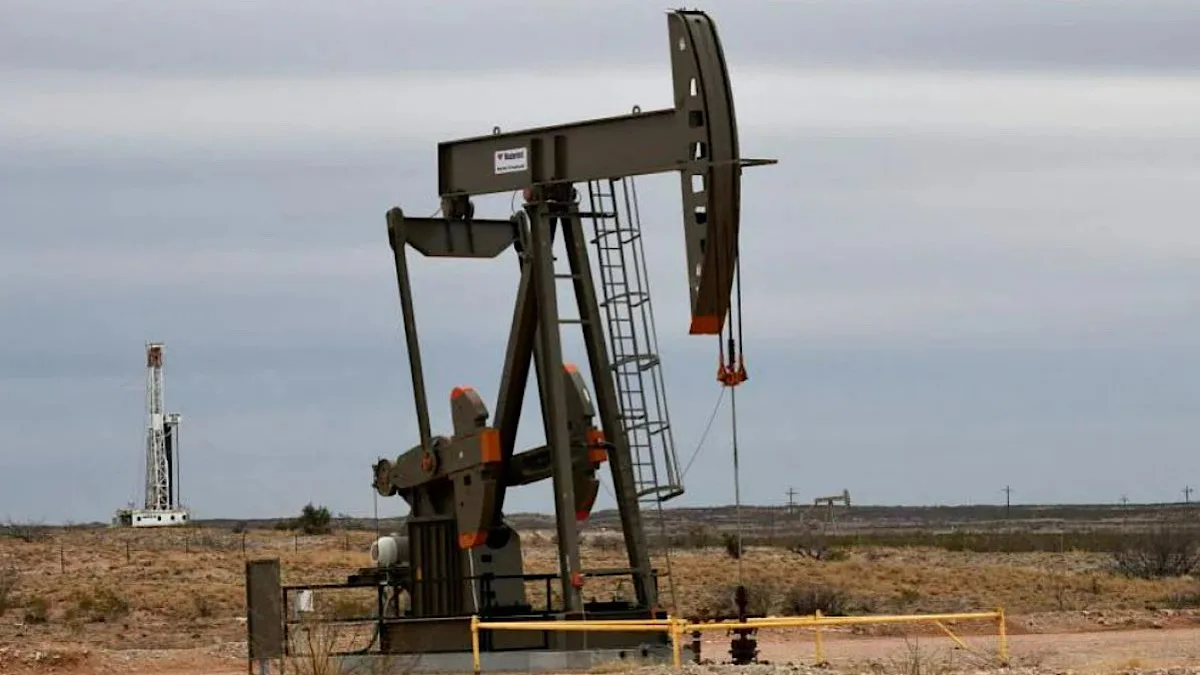
Oil markets remain highly sensitive as conflict-driven uncertainty disrupts shipping routes, pushing prices into sharp swings despite a strong upward trend this year.
Thousands of targets, vessels and defence systems have been hit in the ongoing US campaign, while Gulf nations activate air defences amid growing fears of a wider regional spillover.
Ramesh recalls India’s diplomatic and peacekeeping role during the Suez crisis, warning that present tensions around key oil routes could follow a similar pattern.
Washington signals a supply-first approach as tankers resume movement through Hormuz, while global reserves and Gulf producers step in to offset rising shortages.
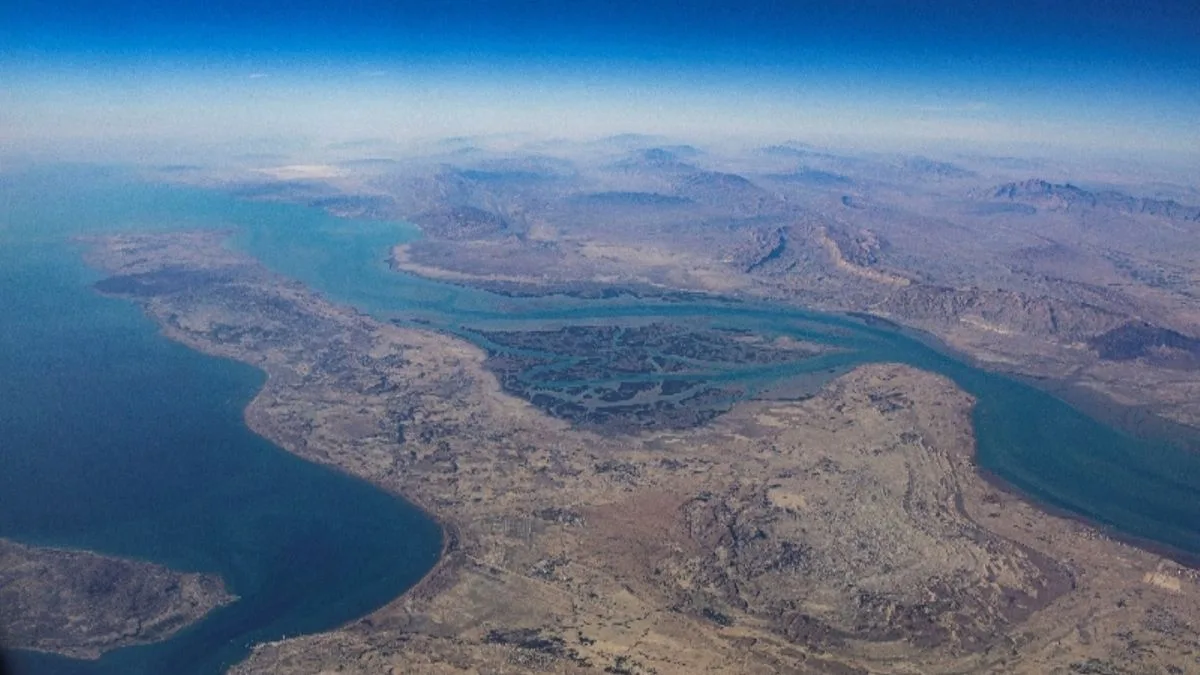
Oil prices have surged past USD 100 as tensions escalate around the Strait of Hormuz, prompting Washington to seek naval support from countries heavily dependent on Gulf energy shipments.
A strategic affairs expert has suggested a quiet diplomatic understanding between India and Iran may have enabled LPG tankers to cross the Strait of Hormuz during escalating regional tensions.
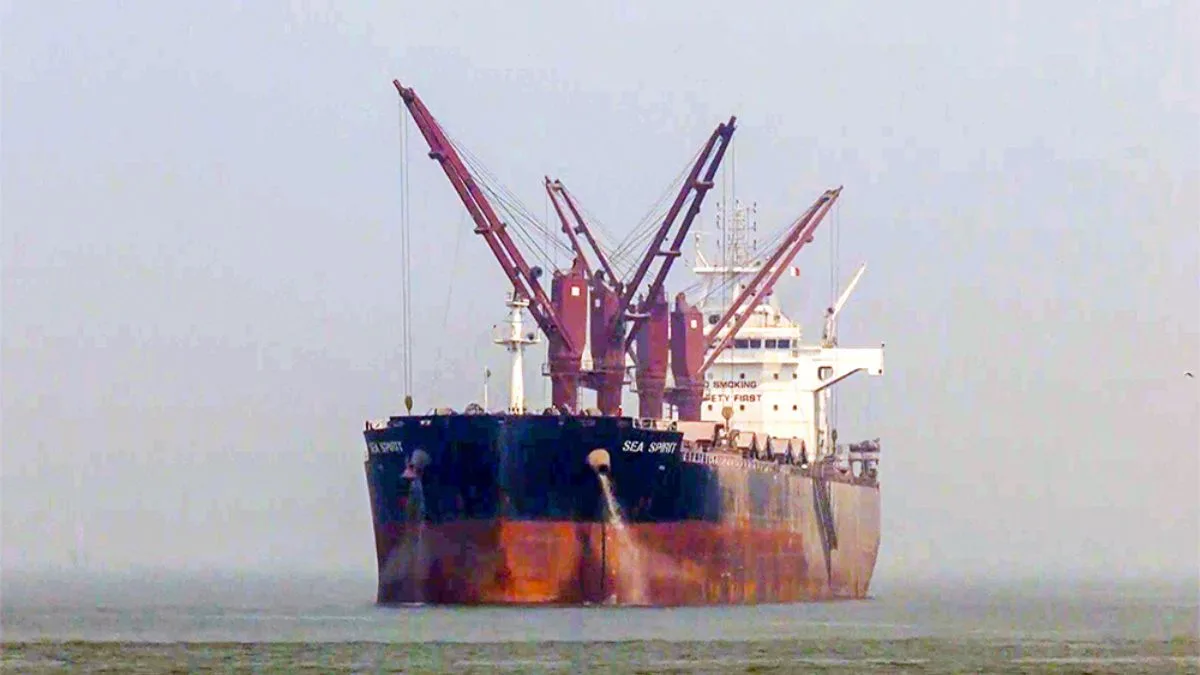
Two Indian LPG carriers have successfully navigated the Strait of Hormuz during rising Gulf tensions, with naval monitoring ensuring the safety of ships carrying crucial energy supplies.
A CNN report suggests US planners did not strongly anticipate Iran threatening the Strait of Hormuz after military strikes, as Tehran sends mixed signals over whether the key shipping route could be blocked.
US military strikes on Iran have hit over 5,000 targets, the White House said, while Washington moves to protect energy shipments through the Strait of Hormuz amid rising tensions.
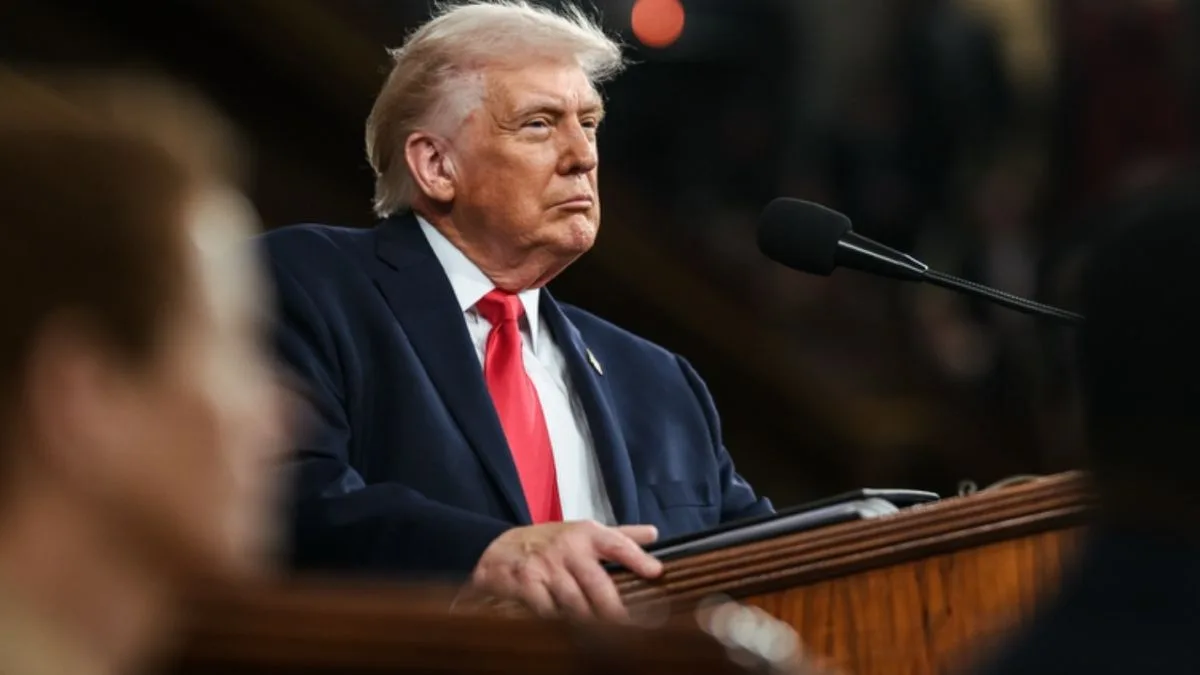
Trump says the US will respond with overwhelming force if Iran disrupts oil shipments through the Strait of Hormuz, a key global energy route used by major economies.