From Kolkata to the Cosmos: Science City’s Immersive Voyage to Mars
The occasion marked not merely the unveiling of a film but an invitation to reflect on humanity’s timeless fascination with the cosmos and its next great frontier.

The occasion marked not merely the unveiling of a film but an invitation to reflect on humanity’s timeless fascination with the cosmos and its next great frontier.
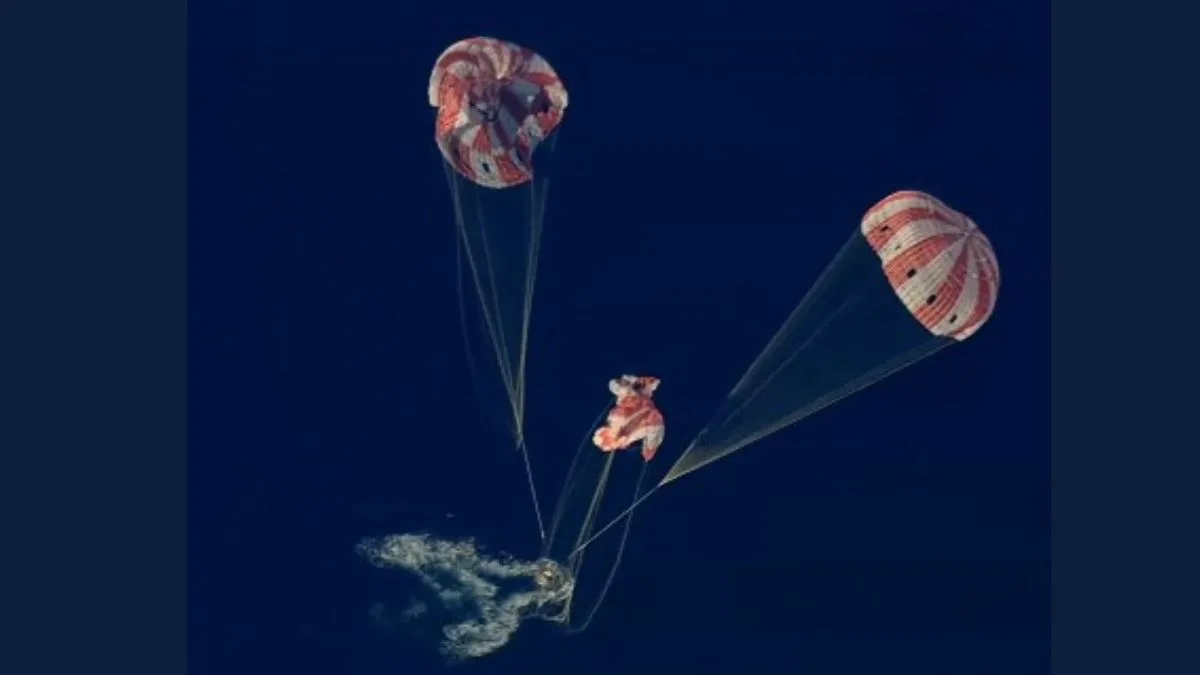
After a record-breaking journey beyond the Moon, Artemis II’s safe return strengthens NASA’s deep space roadmap and puts fresh focus on future Mars ambitions.

As NASA’s Artemis II mission prepares for its high-speed re-entry and scheduled splashdown in the Pacific off San Diego, it marks more than the end of a test flight.
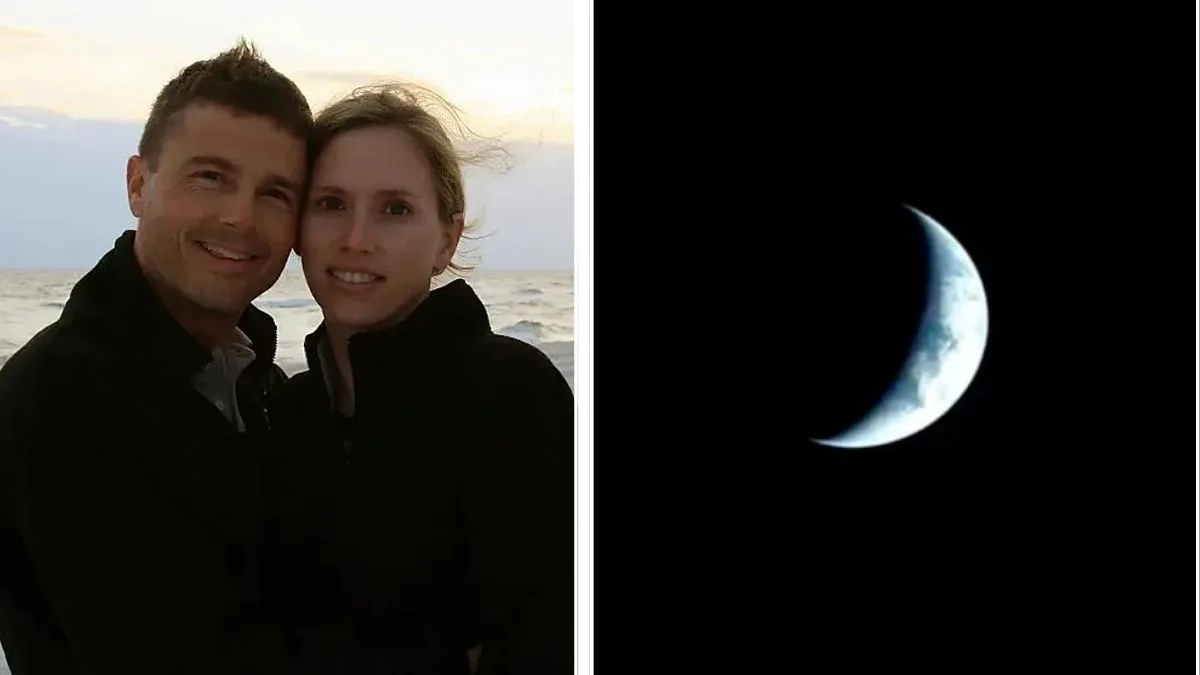
Far from Earth, nearly 250,000 miles into space, the Artemis II crew shared a deeply personal moment, proposing to name a Moon crater after Commander Reid Wiseman’s late wife.
The launch of Artemis II is being celebrated as a technological milestone, but its deeper significance lies elsewhere.
A waste system glitch briefly interrupted the otherwise smooth deep-space journey. Full functionality returned after engineers successfully cleared the stubborn blockage.
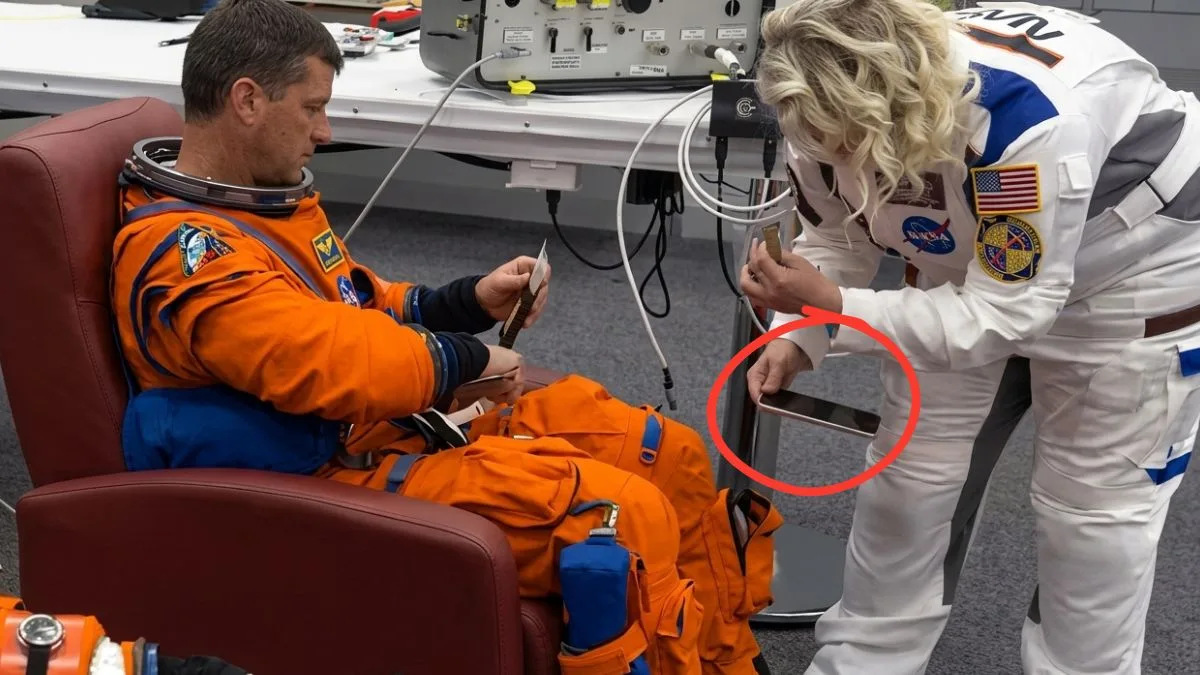
The nearly 10-day journey will test spacecraft systems and manual piloting beyond Earth’s orbit. The crew will travel around the Moon, gathering data to prepare for future human lunar missions.
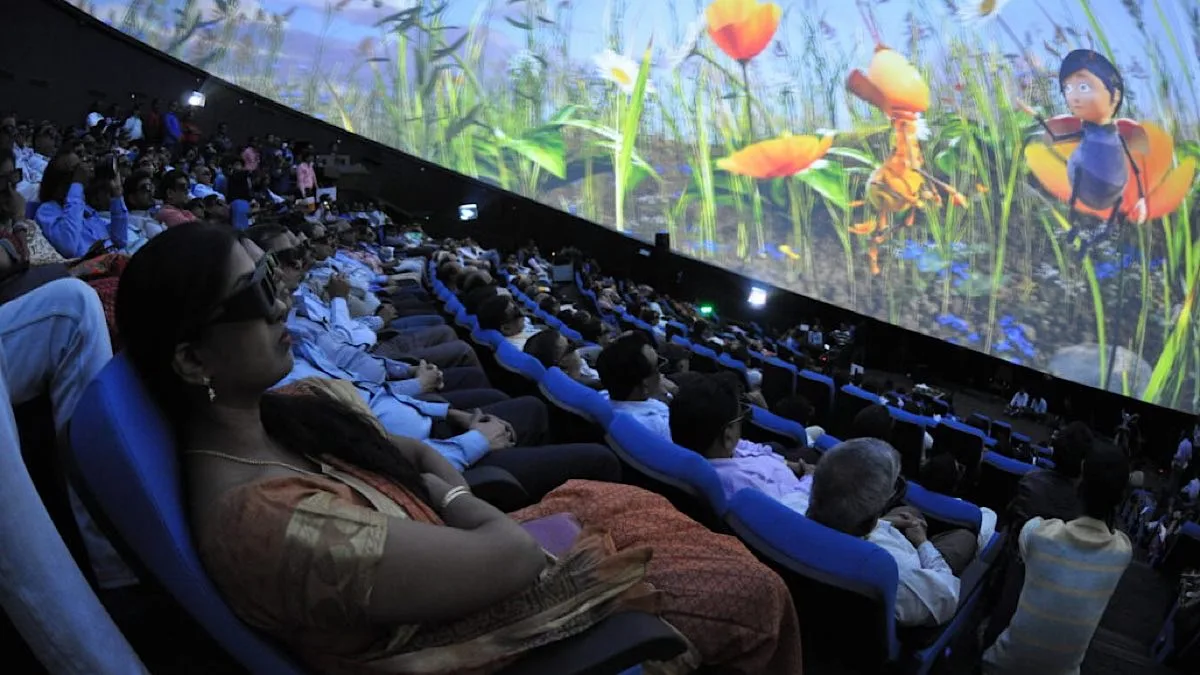
The inauguration took place in the presence of AD Choudhury, Director General, National Council of Science Museums (NCSM), KS Murali, DDG, NCSM, Pramod Grover, Director of Science City, Kolkata, along with other distinguished guests.

Reinforcing its commitment to fostering experiential learning and meaningful intellectual engagement, Techno India Group hosted the eighth edition of its acclaimed talk series ‘Unwind – Boi Kotha Kow’ with Dr Goutam Chattopadhyay, Senior Scientist, NASA Jet Propulsion Laboratory, California Institute of Technology, USA along with Prof. Chinmoy Saha, Indian Institute of Space Science and Technology, Thiruvananthapuram, Kerala, India.

A video recently released by the ESA's Solar Orbiter and NASA's Chandra X-ray Observatory showed a magnetic avalanche on the surface of the sun.