Logo

First Sanatan Premier League cricket tourney begins in Indore

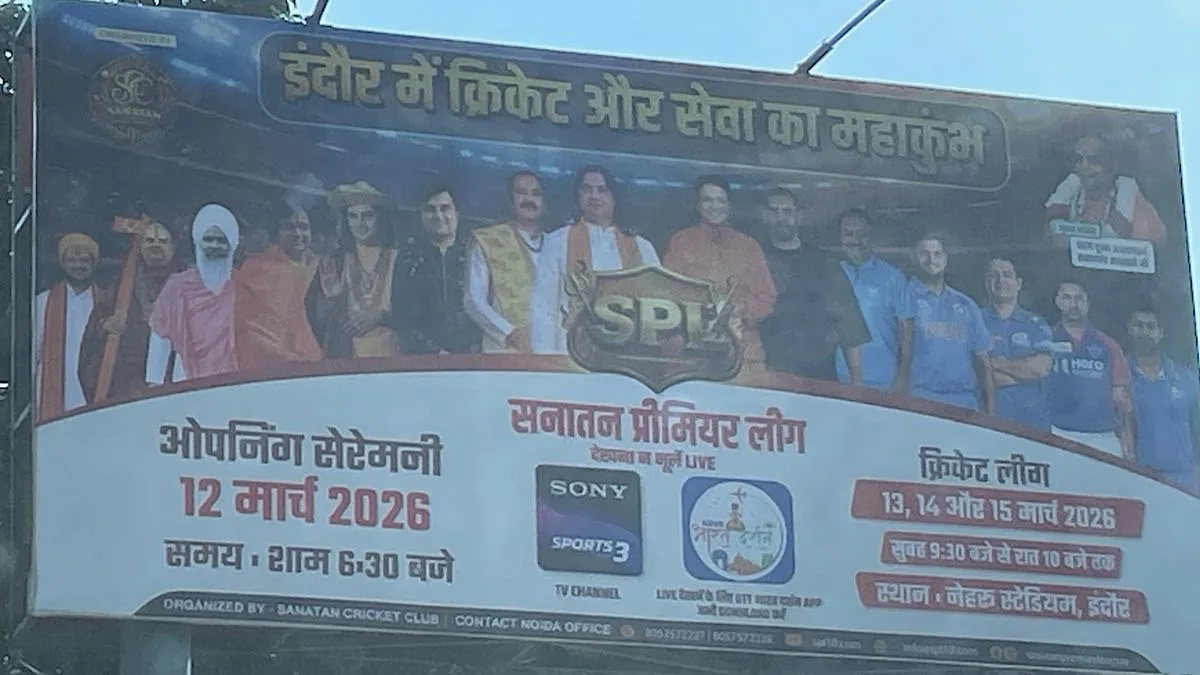
For ages, Hinduism has laid equal stress on spirituality and mental health as well as physical well-being, and now the biggest sport in India, cricket, has been chosen as a platform to connect youngsters with the values of Sanatan Dharma.

GAURAV CHANDRA | Bhopal |

For ages, Hinduism has laid equal stress on spirituality and mental health as well as physical well-being, and now the biggest sport in India, cricket, has been chosen as a platform to connect youngsters with the values of Sanatan Dharma.

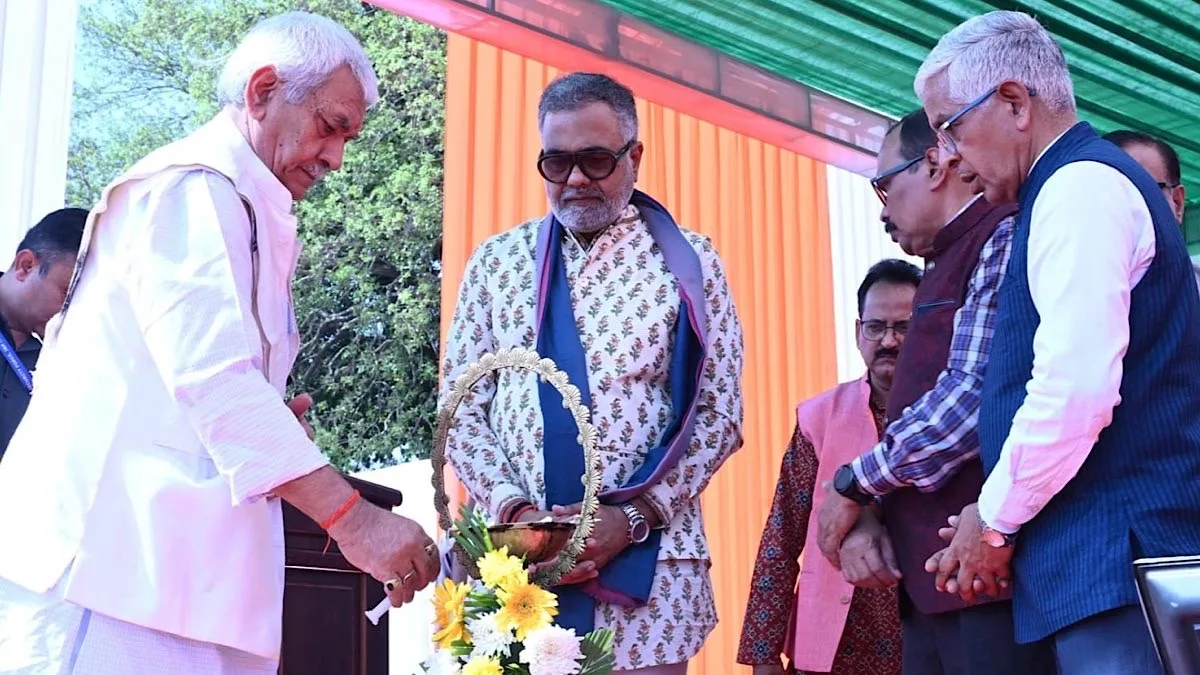
The first edition of a unique cricket league — the ‘Sanatan Premier League’ (SPL) — was inaugurated in Indore, Madhya Pradesh, on Thursday evening to promote health and discipline among youngsters, along with inculcating the values of the Hindu religion in them.

The four-day tournament has been planned and conceptualised by mythological storyteller Devkinandan Thakur. Besides cricket, discourses and special sessions on spirituality and religion would also be held during the event.

Eight teams are taking part in the matches, which will be played at the Nehru Stadium. More than 120 players from across India, including Madhya Pradesh, Rajasthan, Uttar Pradesh, Maharashtra, Uttarakhand, Delhi and Gujarat, are participating in the tournament.

According to SPL organisers Yogesh Sharma and Vijay Sharma, the league aims to give players from poor backgrounds, who usually play cricket in villages and streets, the opportunity to experience a league at an international level.

They said efforts have been made to organise the event on the scale of major tournaments like the IPL. The organising committee has made all arrangements for the accommodation and meals of the players and staff of all teams.

They said the league aims to generate interest among youth in Sanatan culture while also encouraging awareness of physical fitness through modern sports.

According to SPL spokesperson Sumendra Tiwari, the broader aim of Devkinandan Thakur behind launching this league is to keep poor and underprivileged children and youth away from negative influences and guide them towards sports and discipline.

Besides Devkinandan Thakur, Hindu spiritual leaders like Pandit Pradeep Mishra and Indresh Maharaj are also expected to attend the event.

Former Indian cricketers Suresh Raina, Piyush Chawla, Mohit Sharma, and Umesh Yadav are the mentors for the participating teams.

According to the organisers, the team winning the final on 15 March would get a cash award of Rs 31 lakh, while the runners-up would take home Rs 15 lakh.

Every participating player in the tournament would get Rs 11,000. In addition, each player of the champion team would get Rs 21,000.

The player of the match in each game would get Rs 21,000 and sports shoes.

The player of the tournament would get a car, while the highest run-scorer and the highest wicket-taker would get a motorcycle each.

According to the organisers, a major amount would be set aside and donated for the welfare of acid attack survivors.

IPL 2026: KKR sign Zimbabwe pacer as Mustafizur Rahman replacement; leaves PSL for IPL

The franchise confirmed the signing on Friday, with the 6 ft 8 in right-arm quickie set to join the squad ahead of the IPL 2026, which begins on March 28.

Neha Buswal | New Delhi |

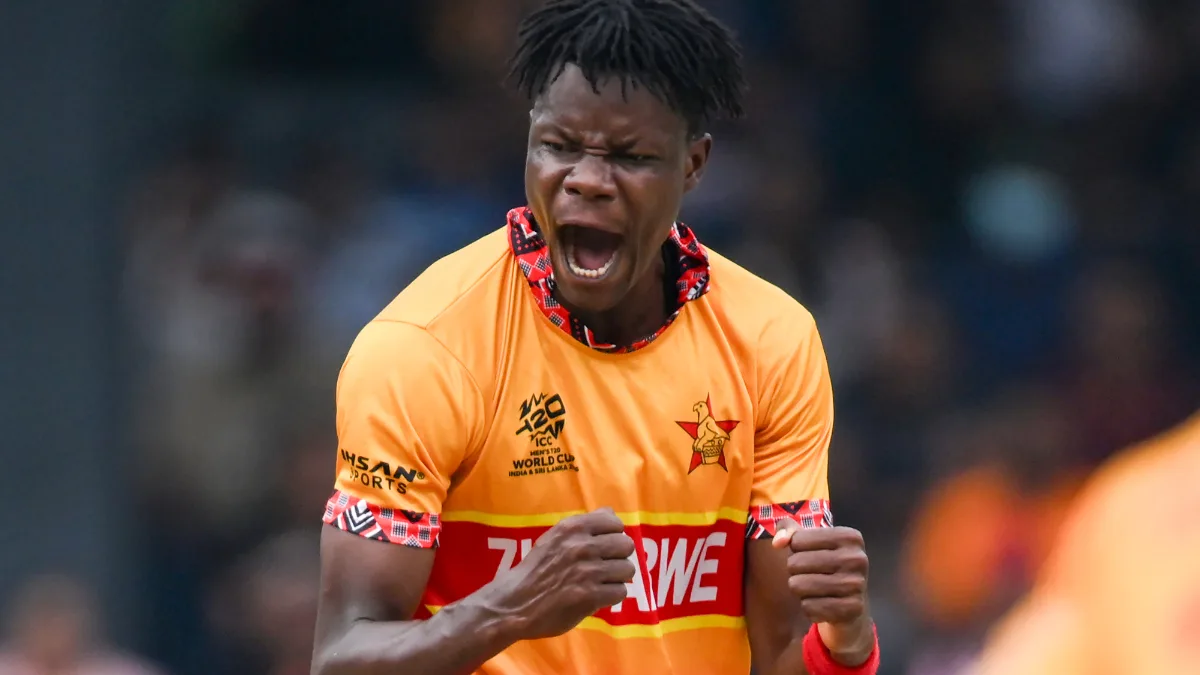
Kolkata Knight Riders have signed Zimbabwe fast bowler Blessing Muzarabani as a replacement for Bangladesh pacer Mustafizur Rahman for the upcoming season of the Indian Premier League (IPL).

The franchise confirmed the signing on Friday, with the 6 ft 8 in right-arm quickie set to join the squad ahead of the IPL 2026, which begins on March 28.

In an official statement, KKR said Muzarabani has emerged as one of Zimbabwe’s leading fast bowlers in the shortest format, known for his steep bounce and ability to strike in crucial phases of the innings.


“Muzarabani brings significant T20 experience, having claimed more than 90 wickets in over 80 T20 Internationals at an average of around 21, with best figures of 3/8. His pace and consistency across global leagues and international cricket add further depth to KKR’s pace attack heading into the season,” the franchise said.

Also Read: IPL 2026 tickets, schedule, teams and full match list: All you need to know

The 29-year-old recently impressed in the 2026 T20 World Cup, finishing with 13 wickets, which further strengthened his reputation as a reliable pace option in T20 cricket.

Muzarabani replaces Mustafizur Rahman, who was asked to be released from the KKR squad earlier this year following instructions from the Board of Control for Cricket in India amid regional geopolitical developments and security concerns.

Following his release from his ₹9.2 crore IPL contract, Mustafizur went on to sign with Lahore Qalandars in the Pakistan Super League.

Interestingly, Muzarabani had earlier joined Islamabad United as a replacement for Shamar Joseph during the PSL season in February. However, after securing the IPL contract with KKR, the Zimbabwe pacer withdrew from the league to prioritise the IPL opportunity.

The tall speedster is expected to add extra pace and bounce to the KKR bowling attack and is scheduled to arrive in Kolkata on March 17 to begin preparations with the squad.

Chhattisgarh ATS files 1,000-page charge sheet against two minors for alleged links with ISIS

The Chhattisgarh Anti-Terrorism Squad has filed a comprehensive charge sheet of nearly 1,000 pages against two minors in a court on Thursday evening for their alleged links with ISIS (Islamic State of Iraq and Syria).

Statesman News Service | Raipur |

The Chhattisgarh Anti-Terrorism Squad has filed a comprehensive charge sheet of nearly 1,000 pages against two minors in a court on Thursday evening for their alleged links with ISIS (Islamic State of Iraq and Syria). The investigating agency has also submitted several crucial electronic pieces of evidence in support of the case. The investigation is being expanded to identify other individuals who may be involved in the network.

According to information available, the Chhattisgarh ATS detained two minors from Raipur on 18 November 2025. Interrogation and digital investigation revealed that the two teenagers had been viewing radical content on social media for a long period and had become influenced by ISIS ideology.

ATS officials said that individuals associated with the terrorist organisation had reached out to the teenagers through fake social media accounts. Through constant contact and propaganda material, they were gradually radicalised. The investigation also revealed that they were allegedly being instigated to carry out terrorist activities within the country.

Following the detention, the agency conducted extensive interrogation and registered a case against them under the Unlawful Activities (Prevention) Act. Based on the digital evidence collected during the investigation, a detailed charge sheet has now been submitted to the court.

According to the investigating agency, a 16-year-old student from Raipur and a 15-year-old from Bhilai had been viewing videos and posts related to terrorist organisations on social media platforms for the past three years. Under the influence of such content, they allegedly began sharing anti-India comments and posts containing radical views on online forums.

The investigation also indicated that the two teenagers were allegedly in contact with a Pakistani module of ISIS and were receiving instructions through online chats. The ATS is now working to trace the links within the network and identify other suspects who may be involved.

LG Sinha urges youth to connect with region’s cultural roots at Jammu University conclave

Lieutenant Governor Manoj Sinha on Friday urged the practitioners of literature and arts to preserve Jammu division’s rich heritage, promote its legacy, and connect the new generation to their roots.

Statesman News Service | Jammu |

Lieutenant Governor Manoj Sinha on Friday urged the practitioners of literature and arts to preserve Jammu division’s rich heritage, promote its legacy, and connect the new generation to their roots.

“Jammu’s traditions in literature, culture, and spirituality have taught us to rise above divisions of caste, creed, and artificial boundaries. The values embedded in our culture embody an ideology that places humanity above all,” the Lieutenant Governor said.

The Lieutenant Governor was speaking at the inaugural ceremony of two-day literary-cultural conclave “Sahitya Sanskriti Samagam”, organised by University of Jammu. He commended the University of Jammu for its steadfast commitment to preserving and promoting the region’s cultural ethos and making its mark among the country’s top universities.

The Lieutenant Governor said the society shaped by our abundant literary and cultural wealth will determine who we are and what we can become.

He urged everyone to reflect in this festival of literature and culture on the true identity that binds us and instilLs a profound sense of belonging.

“True confluence of culture and literature means engaging with the soil through diverse art forms, infusing new resonance into society’s soul,” he said.

Paying homage to great luminaries and illustrious literary personalities, the Lieutenant Governor emphasised that a region’s identity is not defined merely by economic achievements; it shines through its stories, songs, and the vibrant hues of its artisans. He said that the society’s enlightened minds must recognise folk arts and folk literature as Jammu’s living vitality.

“Our folk traditions do not dwell in libraries; they thrive in writers’ quills, singers’ songs, folk dance footprints, and artists’ brushes and pigments.

The Lieutenant Governor observed that safeguarding our language preserves our memories; nurturing regional art forms builds self-assurance. “Let us focus on local tales, dialects, and artistic traditions, for every individual’s identity draws nourishment from these roots. When generations gather to exchange experiences, cultural and literary heritage transcends the past—it becomes a living dialogue,” he further said.

The two-day literary-cultural conclave features cultural processions, stalls showcasing indigenous attire, handicrafts, traditional cuisines, books and arts, panel discussions, and a series of activities highlighting the region’s unique identity, honouring languages, folklore, customs, creativity and literary heritage.

On the occasion, the first edition of Jammu University’s multilingual magazine ‘The Litzine’ was also released.

Prof. Umesh Rai, Vice Chancellor, University of Jammu; Prof. Pragati Kumar, Vice-Chancellor, Shri Mata Vaishno Devi University; Prof. K.S. Chandrasekar, Vice Chancellor, Cluster University of Jammu; Prof. Neelu Rohmetra, Dean Research studies; Dr Neeraj Sharma, Registrar; Prof. Sadaf Shah, Coordinator, Sahitya Sanskriti Samagam; Heads of Departments, faculty members of Jammu University, senior officials, prominent citizens and students in large numbers attended the inaugural ceremony.

Iran in India says ‘will sacrifice all to win against US’; India underlines dialogue with Tehran

The Iranian Supreme Leader’s representative in India asserted that Iran didn’t start the war and was engaged in negotiations with the United States when it was attacked by the US and the “Zionist regime”.

Statesman News Service | NEW DELHI |

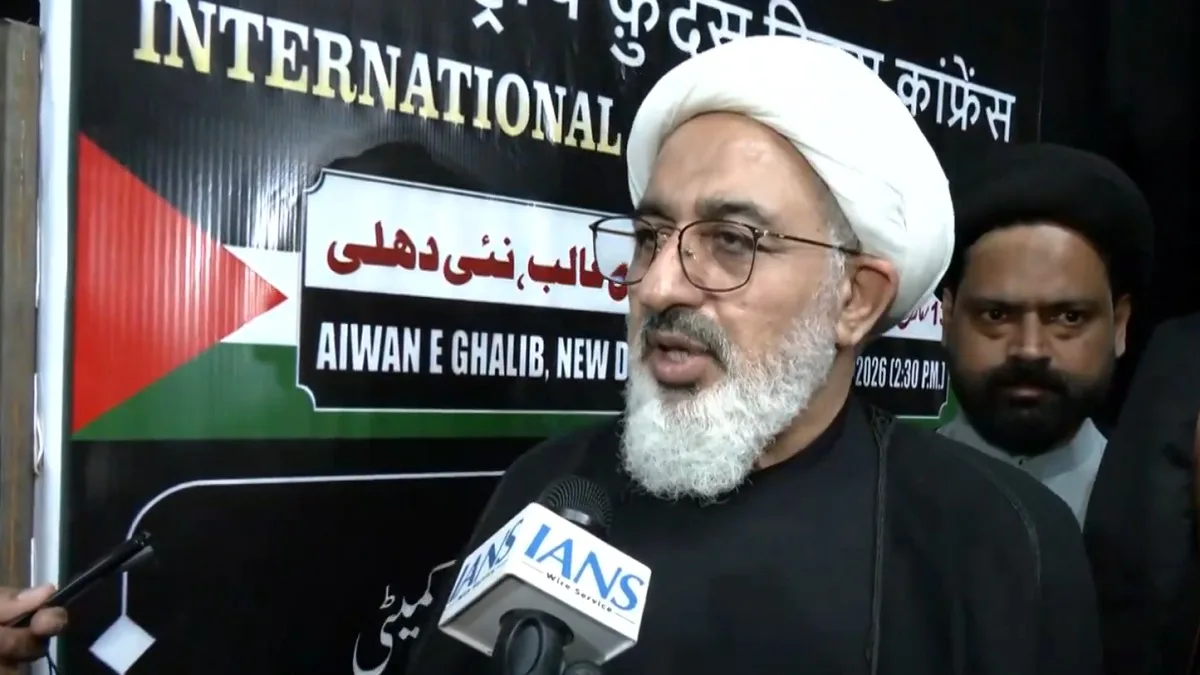
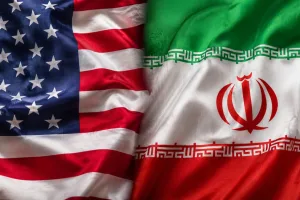
Dr Abdul Majid Hakeem Ilahi, the representative of Iran’s Supreme Leader in India, on Friday said that Tehran will sacrifice everything for its dignity and land to defeat the United States in the ongoing war.

The Iranian Supreme Leader’s representative in India asserted that Iran didn’t start the war and was engaged in negotiations with the United States when it was attacked by the US and the “Zionist regime”.

“Iran did not initiate this war. Iran was engaged in negotiations with the United States and was also pursuing diplomatic efforts…Suddenly, the United States, along with the Zionist regime, attacked Iran, and they targeted a lot of civilians in Iran,” he said.

Ilahi further declared, “We will win in this war, and we are prepared to sacrifice everything we possess for the sake of our dignity and our land.”

He further stated that Tehran has not closed the Strait of Hormuz, a key shipping route in the Gulf, adding that some ships are still sailing through.

“Iran has not closed the Strait. It remains open; however, due to current conditions and circumstances, ships are unable to pass through the Hormuz. Otherwise, Iran never wanted the Strait to be closed or blocked. Some (ships) are still passing through,” said.

India calls for dialogue and diplomacy to end the conflict

Meanwhile, India has called for dialogue and diplomacy to resolve the conflict as soon as possible. Prime Minister Narendra Modi on Thursday spoke with Iranian President Dr Masoud Pezeshkian and expressed concerns over the security situation in the region, while also conveying India’s position.

During the phone call, the first since the war broke out on February 28, PM Modi also highlighted the issue of the safety and well-being of Indian citizens in Iran.

“Yesterday our Prime Minister spoke with the President of Iran, Dr Masoud Pezeshkian. During his conversation, the Prime Minister highlighted our priorities regarding the safety and well-being of Indian citizens. He also mentioned the importance of the transit of energy and materials. The Prime Minister expressed deep concern over the security situation in that region and also expressed our position, India’s stand, that people should move forward through dialogue and diplomacy so that this issue, the conflict there, can be resolved as soon as possible,” MEA spokesperson Randhir Jaiswal said on Friday.

He also stated that the External Affairs Minister (EAM) S Jaishankar also discussed issues of India’s concerns with his Iranian counterpart Abbas Araghchi yesterday.

“The External Affairs Minister spoke with the Foreign Minister of Iran, Abbas Araghchi, and the two Foreign Ministers discussed bilateral issues as well as BRICS issues…From Iran, we have had in the last few days, including today, 170 Indian nationals have crossed through the land border into Armenia. Several of them have come back to India, and others will be coming back to India over the next few days, taking commercial flight options that are available from Armenia to India,” Jaiswal added.

Centre has no plan for establishing Millet Research and Development Centre in Odisha

The Indian Council of Agricultural Research (ICAR), through the IndianInstitute of Millets Research (IIMR), Hyderabad, is providingextensive support for millet research and development in Odisha topromote value addition and export of millets, the Minister added.

Statesman News Service | Bhubaneswar |

The Central government has no immediate plan to establish a dedicated
Millet Research and Development Centre in Odisha though the Centre has
been consistently providing support to the State to promote value
addition and export of millet, the Union Minister of State for
agriculture and farmers’ welfare Bhagirath Choudhry informed the Rajya
Sabha on Friday.

The Indian Council of Agricultural Research (ICAR), through the Indian
Institute of Millets Research (IIMR), Hyderabad, is providing
extensive support for millet research and development in Odisha to
promote value addition and export of millets, the Minister added.

Replying to a query by BJD Member Sulata Deo, the Minister further
stated that Small millets Research Centre is functional at Berhampur
under the Odisha University of Agriculture Technology (OUAT) as part
of the All India Coordinated Research Project (AICRP) on Sorghum and
Small millets since 1989.

Under the National Food Security and Nutrition Mission (NFSNM), an
Enhanced Millets Breeders Seed Production Centre (2018) and a Millets
Seed Hub (2019) has been established at Berhampur to strengthen the
millet value chain in the state.

Besides, the ICAR is an active partner in ‘Odisha Millets Mission’ to
disseminate expertise on production, processing, and value addition to
local stakeholders.

The state government has undertaken the step to procure millets to
provide remunerative price to the farmers growing millets with
emphasis on the distribution of the procured produce through various
State Government schemes and supply to the Central Reserve of the
Central Government through the Food Corporation of India, said an
official State’s agriculture and farmers’ empowerment department.

The millet is being procured under the ‘Shree Anna Abhiyan’ scheme at
remunerative price to the farmers. The State Government is committed
to promote grains like millet in the face of climate change, added the
official.

Disruptions continue, how Lok Sabha has emerged as key platform for Opposition to corner government

The Opposition MPs also staged a protest on the Parliament premises,displaying placards highlighting the “LPG crisis”, which continuedinside leading to multiple adjournments.

VIBHA SHARMA | New Delhi |

Of late, the Lok Sabha has become a key platform for the Opposition to
corner the government and the trend continued as the House again
witnessed repeated uproar on Friday with INDIA Bloc MPs, including
Leader of the Opposition Rahul Gandhi, demanding the reinstatement of
eight suspended members while raising issues such as “shortage of LPG
cylinders across the country.”

The Opposition MPs also staged a protest on the Parliament premises,
displaying placards highlighting the “LPG crisis”, which continued
inside leading to multiple adjournments. Amid sloganeering against
Prime Minister Narendra Modi, the members of the Opposition parties
continued their protests even while Finance Minister Nirmala
Sitharaman replied to the Supplementary Demands for Grants. “PM
Narendra Modi is working hard for the people of the country, but the
Opposition is only creating a ruckus, which is unfortunate,” she said,
describing the conduct as “shameless”.

The Speaker urged the Opposition MPs to maintain decorum.
Parliamentary Affairs Minister Kiren Rijiju warned that the public
would “punish” them for disrupting proceedings and engaging in “acts
of indiscipline”. The disruptions, however, continued.

Opposition parties often use the Lok Sabha to corner the government
through parliamentary debates, criticising policies and drawing
attention to issues they believe the ruling party has failed to
address, one of the main reasons being the extensive media coverage
that helps amplify the message beyond Parliament. However, of late,
the frequency of disruptions in the Lok sabha is more than the Rajya
Sabha

Observers say one of the reasons for the Opposition to focus more on
the Lok Sabha is its greater constitutional and political power. The
lower house consists of directly elected representatives, and debates
in the House carry greater political weight and attract wider public
and media attention. However, in the current Lok Sabha, the opposition
numbers are also playing a role, leading to better coronation and
visibility of these disruptions .

The ruling BJP-led NDA has the numerical majority in the Lok Sabha,
meaning the Opposition does not outnumber the government. However,
compared to previous terms, they now have a larger and more vocal
presence, allowing its leaders to coordinate protests, raise issues
more effectively and create pressure during debates. The geopolitical
situation has only given the opposition an added advantage.

Centre asks states to deal effectively with online crimes against women, children

The Centre on Friday directed law enforcement agencies of all states and Union Territories to accord priority to online crimes against women and children and ensure prompt and coordinated response to such cases.

Statesman News Service | New Delhi |

The Centre on Friday directed law enforcement agencies of all states
and Union Territories to accord priority to online crimes against
women and children and ensure prompt and coordinated response to such
cases.

Union Home Secretary Govind Mohan further urged IT intermediaries to
strictly adhere to the provisions of the Information Technology Act
and relevant rules, and called upon all stakeholders to work
collectively towards ensuring a safe and secure digital ecosystem.

He was inaugurating the ‘National Dialogue on Online Crimes Against
Women and Children (OCWC)’ in New Delhi. The event was organised by
the Indian Cyber Crime Coordination Centre (I4C), Ministry of Home
Affairs, with the objective of bringing together key stakeholders to
deliberate on strengthening coordinated mechanisms to prevent and
effectively respond to online crimes targeting women and children.

Govind Mohan highlighted the growing challenges posed by online crimes
in an increasingly digital ecosystem and emphasised the need for
strengthening institutional capacities at the state and Union
Territory-level to combat such offences effectively.

The Union Home Secretary stressed that States and UTs must develop
robust, specialised units and coordinated response mechanisms to
ensure timely investigation, victim support, and swift action against
perpetrators.

The National Dialogue provides a platform for knowledge exchange,
sharing of best practices, and collective deliberation on building a
coordinated national strategy to address the evolving challenges posed
by online crimes in the digital environment.

The inauguration also marked the launch of the Master Trainers
Induction Programme for states and Union Territories on Online Crimes
Against Women and Children, aimed at creating a national pool of
trained officers who will lead capacity-building initiatives in their
respective States and UTs.

FM Sitharaman proposes Economic Stabilisation Fund amid West Asia crisis

Union Finance Minister Nirmala Sitharaman on Friday proposed settingup of an Economic Stabilisation Fund amid the ongoing West Asiacrisis.

Statesman News Service | New Delhi |

Union Finance Minister Nirmala Sitharaman on Friday proposed setting
up of an Economic Stabilisation Fund amid the ongoing West Asia
crisis.

Speaking in Parliament, the Finance Minister said the aim of this fund
should be to create fiscal headroom, enabling India to respond more
effectively to global economic headwinds.

Responding to the discussion on the second batch of supplementary
demands for grants in Lok Sabha, Sitharaman said, “I would like to
highlight that the proposed Economic Stabilisation Fund will provide
fiscal headroom, allowing India to respond to global headwinds such as
recent crises, unanticipated supply chain disruptions, unexpected
shocks to sub-sectors of the Indian economy, and any other events that
may have significant fiscal implications. In anticipation of what
cannot be foreseen, we are coming up with economic stabilisation
measures”.

“The fiscal deficit for FY26 will remain within the Revised Estimates
(RE), which projects it at 4.4% of GDP, the same level as the Budget
Estimates (BE) for the year,” she said.

“There is no increase in expenditure beyond the BE of 2025–26 due to
the second supplementary,” she said.

The supplementary demands seek Parliament’s approval for gross
additional expenditure of over Rs 2.81 trillion for the financial year
2025–26 (FY26). As part of the demands, the finance ministry has also
sought Rs 57,381.84 crore for the Economic Stabilisation Fund. The
proposal of the fund comes amid an energy supply crunch due to the
West Asia conflict.

As per the information shared by the Finance Ministry, the
supplementary demands involve a net cash outgo of Rs 2.01 trillion.

“The gross additional spending will be matched by savings of Rs
80,145.71 crore across ministries and departments or by enhanced
receipts and recoveries,” the ministry said.

Further, the additional spending includes Rs 15,000 crore for the
nutrient-based subsidy scheme under the Department of Fertilisers and
Rs 23,640 crore for subsidy support under the development action plan
of the Pradhan Mantri Garib Kalyan Anna Yojana.

The finance ministry has also sought an additional Rs 3,788 crore to
meet subsidy requirements under the interest equalisation support for
lines of credit provided through the Indian Development and Economic
Assistance Scheme.

According to the Controller General of Accounts (CGA) data, till
January, the government had spent Rs 36.90 lakh crore.

PUCL urges PM Modi to break silence on “illegal war on Iran”

The People’s Union for Civil Liberties (PUCL) has written an open letter to Prime Minister Narendra Modi urging for breaking of”unconstitutional silence” of the Government of India on the “illegal”war on Iran.

Statesman News Service | Jaipur |

The People’s Union for Civil Liberties (PUCL) has written an open
letter to Prime Minister Narendra Modi urging for breaking of
“unconstitutional silence” of the Government of India on the “illegal”
war on Iran.

The government should condemn the war on Iran,the NGO demanded in the
letter written to PM Modi on Thursday. “The invasion of Iran has no
legal, moral or ethical justification and must be condemned in the
strongest possible terms. This is the mandate of both international
law as well as the Indian Constitution”, the four-page letter written
under joint signatures by PUCL national president Kavita Srivastava
and general secretary V Suresh opined.

If this armed aggression is not condemned by the world’s largest
democracy, it becomes one more nail in the coffin of the international
legal order, Srivastava and Suresh wrote. “Each time such violations
pass without condemnation, the principle of impunity by the powerful
gets sanctified.”

In the context of a willingness to tear down the rules based order by
the powerful, India’s immoral silence highlights a dangerous
backsliding from our historically pre-eminent position as a
non-aligned power. India had stood for an international rules based
order based on resolving disputes through dialogue and discussion”.

“India should, therefore, have had a clear unequivocal condemnation of
the unprovoked war against Iran, drawing her position both from
India’s anti-colonial heritage as well as her Constitution”, the PUCL
leaders opined.

57% of Indian households report delays in LPG delivery, black marketing: Survey

Nearly 57% of Indian households reported delays in receiving LPGcylinders or incidents of black marketing over the past week, raisingconcerns about possible supply disruptions linked to geopoliticaltensions in West Asia, according to a survey.

Statesman News Service | New Delhi |

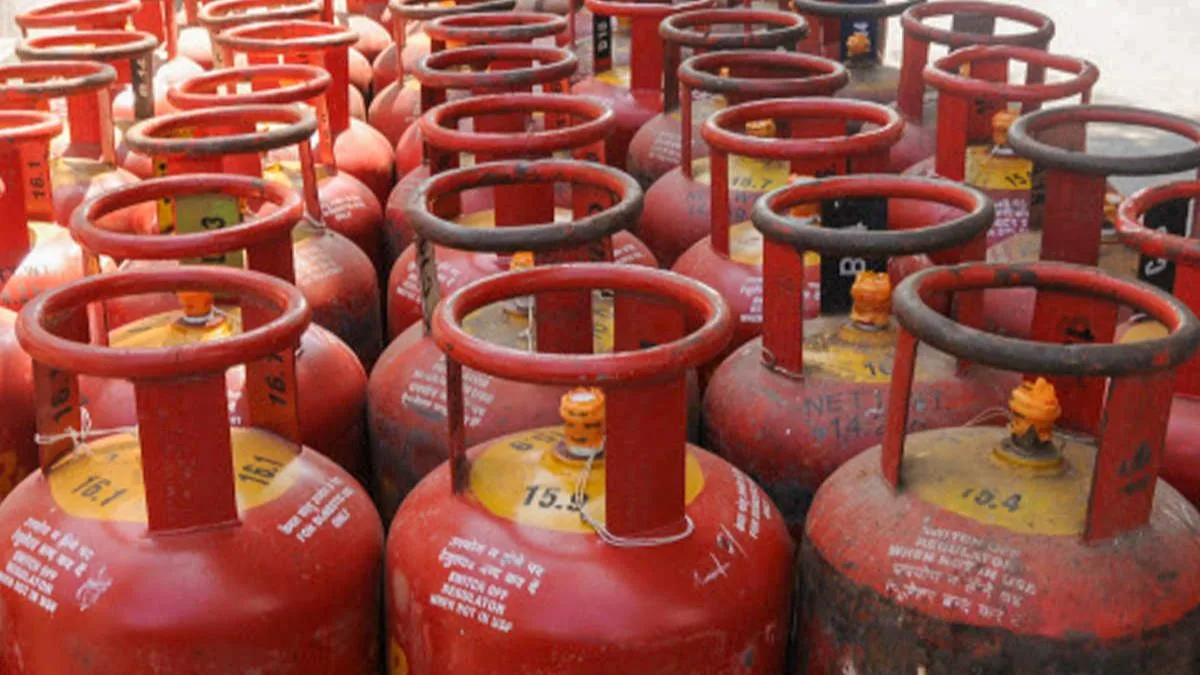
Nearly 57% of Indian households reported delays in receiving LPG
cylinders or incidents of black marketing over the past week, raising
concerns about possible supply disruptions linked to geopolitical
tensions in West Asia, according to a survey.

The survey, conducted by LocalCircles, collected more than 57,000
responses from household consumers across 309 districts in India.
Among respondents, 61% were men and 39% were women. About 40% of
participants were from Tier-1 districts, 27% from Tier-2 districts,
and 33%from Tier-3, Tier-4, and Tier-5 districts.

According to the survey findings, 57% of respondents experienced
delays in LPG cylinder delivery or instances of black marketing during
the past week.

When asked about booking and receiving domestic LPG cylinders over the
last seven days, 43% of respondents said booking and delivery were
normal. However, 29% reported that dealers said cylinders were
unavailable or bookings were delayed.

Additionally, 7% said delivery took longer than usual, while another
7% said they had to repeatedly follow up with dealers to receive their
cylinders. Meanwhile, 14% reported purchasing LPG cylinders from the
black market at higher prices.
The survey also examined whether LPG distributors informed customers
about supply-related problems. Around 53% of respondents said dealers
warned them about possible supply disruptions or delays during the
past week.

Among them 43% said dealers did not mention any issue,32% said dealers
indicated that supply might be delayed, 21% said dealers confirmed an
existing supply shortage while 4% did not give a clear response, the
survey said.

The survey further highlighted the scale of alleged black marketing of
LPG cylinders. According to the findings, 36% of households
experiencing black marketing reported paying extra charges ranging
from Rs 100 to Rs 500 per cylinder.

The survey said that 8% paid up to Rs 100 extra, 11% paid Rs 100– Rs
300 extra, 8% paid Rs 300- Rs 500 extra, while 9% paid more than Rs
500 extra.

Meanwhile, 39% of respondents said there was no black market purchase
in their household or neighbourhood, while 25% did not provide a clear
answer.

The findings highlight growing concerns among consumers about LPG
availability and pricing amid fears of supply disruptions in the
region.

Centre approves over Rs 1,900 crore additional assistance for states affected by natural calamities

A High-Level Committee (HLC), under the chairmanship of Union Home Minister and Minister of Cooperation Amit Shah, has approved Rs.

Statesman News Service | New Delhi |

A High-Level Committee (HLC), under the chairmanship of Union Home
Minister and Minister of Cooperation Amit Shah, has approved Rs.
1,912.99 crore of additional Central assistance to Andhra Pradesh,
Chhattisgarh, Gujarat, Himachal Pradesh, Nagaland, and the Union
Territory of Jammu & Kashmir affected by flood, flash flood,
cloudburst, cyclone ‘Montha’ landslides during 2025.

This Central assistance has been provided from the National Disaster
Response Fund (NDRF), subject to an adjustment of 50% of the opening
balance for the year available in the State Disaster Response Fund
(SDRF).

Out of the total amount of Rs. 1,912.99 crore, Rs 341.48 crore has
been approved for Andhra Pradesh, Rs. 15.70 crore for Chhattisgarh,
Rs. 778.67 crore for Gujarat, Rs. 288.39 crore for Himachal Pradesh,
Rs. 158.41 crore for Nagaland and Rs. 330.34 crore for Jammu &
Kashmir.

‘’Under the leadership of Prime Minister Narendra Modi, the Government
of India is standing shoulder to shoulder with the state governments
during natural calamities and disasters and providing all necessary
support,’’ an official release said on Friday.

This additional assistance is over and above the funds released by the
centre to the states in the State Disaster Response Fund (SDRF),
already placed at the disposal of the states. During the financial
year 2025-26, the central government has released Rs. 20,735.20 crore
to 28 states under SDRF and Rs. 3,628.18 crore under NDRF to 21
States.

Additionally, Rs. 5,373.20 crore from the State Disaster Mitigation
Fund (SDMF) to 23 States and Rs. 1,189.56 crore from the National
Disaster Mitigation Fund (NDMF) to 21 states has also been released.

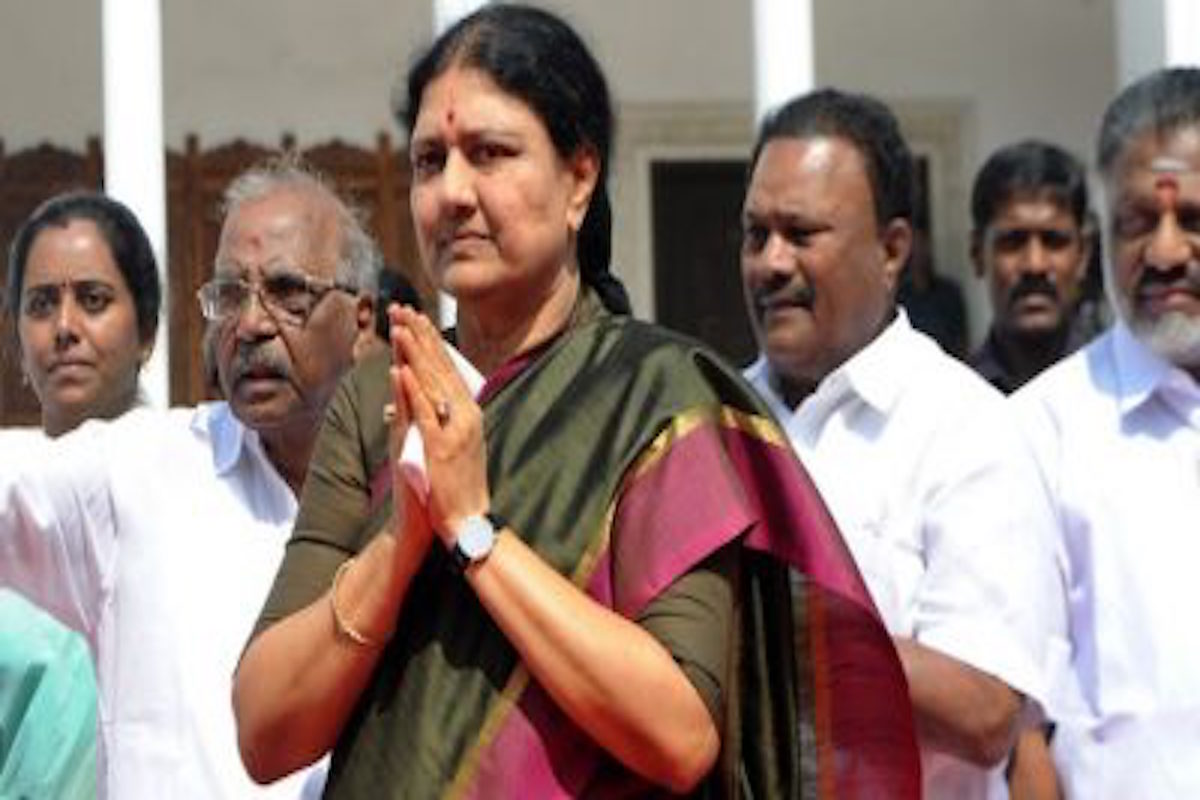
Sasikala christens party’s name as AIPTMMK, to fight TN assembly polls in an alliance

The party bears the name of AIADMK founder MG Ramachandran (MGR), film icon and former chief minister, who is ‘puratchi thalaivar’, revolutionary leader, to his fans and supporters.

Statesman News Service | Chennai |

Expelled AIADMK leader and late chief minister Jayalalithaa’s
confidante VK Sasikala on Friday announced christening of her
newly-launched party as ‘All India Puratchi Thalaivar Makkal Munnetra
Kazhagam’ (AIPTMMK) and said that it would contest the upcoming Tamil
Nadu assembly election in an alliance.

The party bears the name of AIADMK founder MG Ramachandran (MGR), film
icon and former chief minister, who is ‘puratchi thalaivar’,
revolutionary leader, to his fans and supporters. But the acronym of
the party happens to be a tongue-twister in Tamil.

Earlier on February 24, she had unveiled the party flag on the
occasion of Jayalalithaa’s birth anniversary at an event in Kamuthi in
Ramanathapuram district. It contained the portraits of Dravidian icon
CN Annadurai, MGR and Jayalalithaa. Then she had said that the name of
the party would be announced later.

Interestingly, she told reporters that the AIPTMMK with the coconut
grove symbol had been launched by an ardent follower of MGR and she
had associated herself with it. Displaying the symbol, she quoted the
Tamil proverb ‘an individual tree can’t become a grove’ and said the
party would form an alliance to fight the assembly election. “The
symbol denotes unity. We have faith in the people and their support.
The results would stand as proof of our strength and whether AIADMK
general secretary Edappadi K Palaniswami (EPS) had succeeded or
failed,” she claimed.

Since she is entering active politics after a long hiatus following
her release from prison in January 2021, analysts are doubtful as to
whether she could sway the votes of the dominant OBC Mukkulathor
community.

Though elected as the Interim General Secretary of the Party days
after the demise of Jayalalithaa in December 2016, she was imprisoned
after the Supreme Court upheld her conviction in the Rs 66-crore
disproportionate assets case against her and Jayalalithaa. With O
Panneerselvam leading a revolt, on being forced to resign and EPS
replacing him as chief minister, the merger of the two factions was
ensured by the BJP national leadership. To facilitate that, she was
expelled from the party along with her nephew, TTV Dhinakaran, who
launched the Amma Makkal Munnetra Kazhagam (AMMK) and is now with the
NDA.

Exploring the possibility of an alliance, Sasikala had recently met
the ageing Pattali Makkal Katchi (PMK) founder S Ramadoss, who is
heading a faction after his son had parted ways and joined the NDA.
Speculation is also rife that the AIPTMMK could team up with the
Tamilaga Vettri Kazhagam (TVK) of actor Vijay and that negotiations
were held for that purpose.

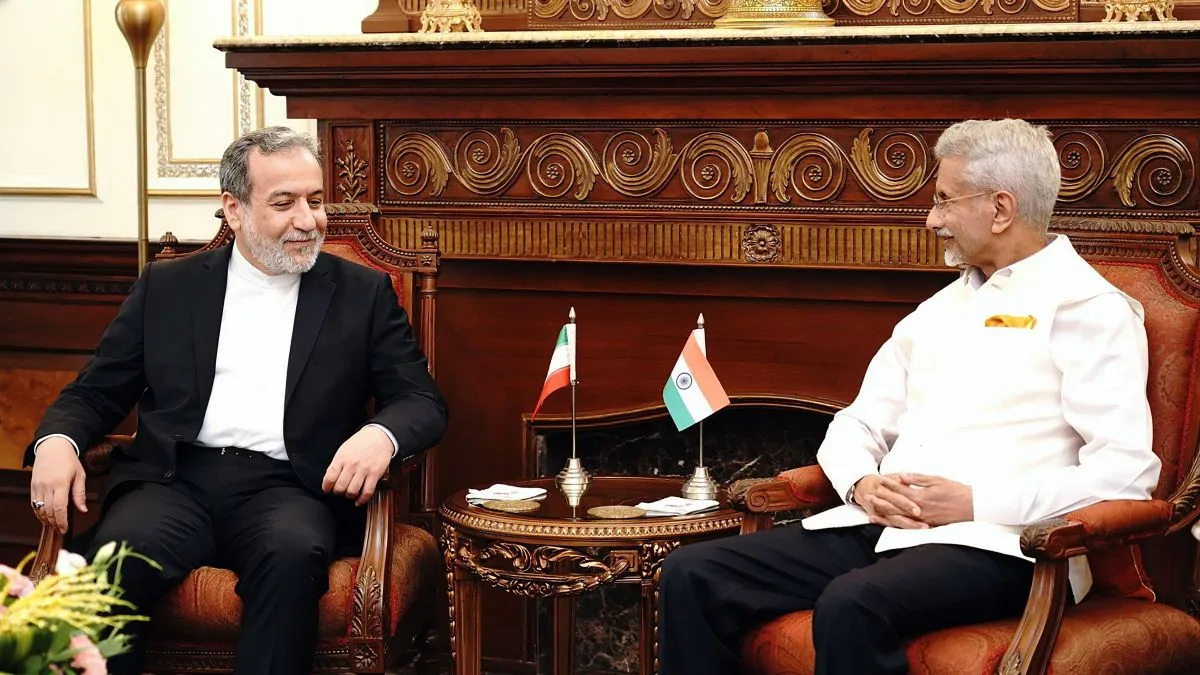
Jaishankar speaks to Iranian FM again as tensions mount in West Asia

Amid heightened tensions in West Asia, External Affairs Minister SJaishankar had another conversation last night over the phone with hisIranian counterpart Abbas Araghchi on bilateral matters and otherissues of significance.

Statesman News Service | New Delhi |

Amid heightened tensions in West Asia, External Affairs Minister S
Jaishankar had another conversation last night over the phone with his
Iranian counterpart Abbas Araghchi on bilateral matters and other
issues of significance.

This was the fourth conversation between the two foreign ministers in
recent days. The talks between them have apparently resulted in Iran
permitting two Indian tankers to pass through the Strait of Hormuz,
thus ensuring the safe passage of energy supplies to India amidst the
ongoing war in West Asia.

‘’Had another conversation with Iranian FM @araghchi yesterday night.
Discussed bilateral matters as also BRICS related issues,’’ Jaishankar
wrote on ‘X’ this afternoon.

According to the Iranian foreign ministry, Araghchi briefed the Indian
minister on the latest situation resulting from ‘’the acts of
aggression and atrocities committed by the United States and the
Israeli regime against Iran, as well as the consequences for regional
and global stability and security.’’

He emphasised the firm resolve of the Iranian government, nation, and
armed forces to exercise their legitimate right to self-defence
against the ‘’aggressors.’’ Araghchi stressed the necessity for
regional and international bodies and organisations to condemn the
military aggression against Iran.

The conversation between the two foreign ministers coincided with
Prime Minister Narendra Modi speaking to Iranian President Masoud
Pezeshkian last night. President Pezeshkian briefed the PM on the
current situation in Iran and shared his perspective on recent
developments in the region.

The PM expressed deep concern about the evolving security situation in
the region and reiterated India’s consistent position that all issues
must be resolved through dialogue and diplomacy. He highlighted
India’s priority regarding the safety and well-being of Indian
nationals in the region, including in Iran, as also the importance of
unhindered transit of energy and goods.

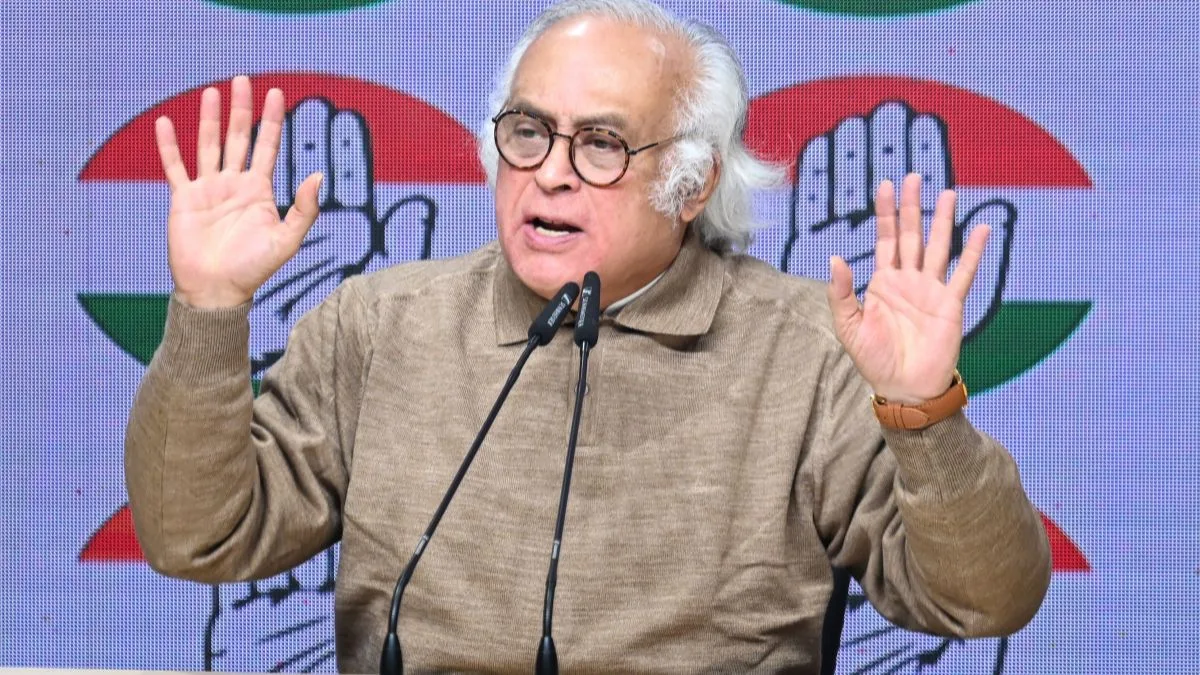
Congress questions Centre’s silence after killing of Iran’s supreme leader

Senior Congress leader Jairam Ramesh on Friday criticised the Union government for remaining silent on the killing of Iran’s Supreme Leader Ali Khamenei, asking why New Delhi had not issued a formal statement or observed parliamentary protocol following the death of the Iranian leader.

Statesman News Service | New Delhi |

Senior Congress leader Jairam Ramesh on Friday criticised the Union
government for remaining silent on the killing of Iran’s Supreme
Leader Ali Khamenei, asking why New Delhi had not issued a formal
statement or observed parliamentary protocol following the death of
the Iranian leader.

In a post on the social media platform X, Ramesh said the Indian
government had not publicly reacted to Khamenei’s killing on February
28 during a joint United States–Israel strike on Iranian targets.
“Ayatollah Khamenei, the constitutional head of state in Iran, was
assassinated on Feb 28, 2026 by the US and Israel. The PM is silent.
The EAM is silent. Parliament is yet to have an obituary reference,”
he wrote.

Khamenei, who had served as Iran’s Supreme Leader since 1989 and was
the country’s highest political and religious authority, was killed in
coordinated airstrikes carried out by the United States and Israel
during escalating hostilities in the region. Iranian state media
confirmed his death soon after the attack, which targeted senior
Iranian leadership in Tehran amid a wider conflict involving Iran,
Israel and their allies.

Ramesh also pointed to what he described as inconsistency in the
government’s response compared with its reaction to the death of
former Iranian president Ebrahim Raisi, who died in a helicopter crash
in May 2024. “In May 2024, the President of Iran Ebrahim Raisi was
killed in a mysterious helicopter crash. The Modi Government ordered
one day mourning on May 21, 2024 and Parliament had an obituary
reference on July 1, 2024 when it convened,” he said.

India had then declared a day of state mourning as a mark of respect
for Raisi, reflecting longstanding diplomatic ties between India and
Iran.

In his remarks, Ramesh also linked the issue to India’s current role
in the BRICS grouping. He noted that Iran is now part of the expanded
BRICS+ framework and that India holds the presidency of the forum this
year. “India has rightly condemned Iran’s attacks on Gulf states but
is completely quiet on the US-Israeli assault on Iran in the first
place. It should be remembered that Iran is a part of the BRICS+ forum
which India holds the Presidency for this year,” he said.

Taking a direct swipe at the government, Ramesh further alleged that
Prime Minister Narendra Modi was reluctant to comment on the
developments due to India’s relations with Washington and Tel Aviv.
“Why the hesitancy now? A compromised PM no doubt wants to avoid
antagonizing his American and Israeli ‘friend,’” he wrote.

The Ministry of External Affairs has not yet issued a detailed
statement specifically addressing Khamenei’s killing, though India has
previously expressed concern over rising tensions in West Asia and
called for restraint from all sides. However, Foreign Secretary Vikram
Misri had on March 5 signed the condolence book at the Embassy of Iran
in Delhi on behalf of the Government of India offering condolences on
Khamenei’s death.

Watch: Bozigit Islamgereev reveals how he pulled off viral ‘Flying Squirrel’ move at U23 Europeans C’ships

The dramatic moment quickly went viral after being shared by United World Wrestling, spreading rapidly across social media and reaching audiences far beyond the wrestling community.

Statesman News Service | New Delhi |

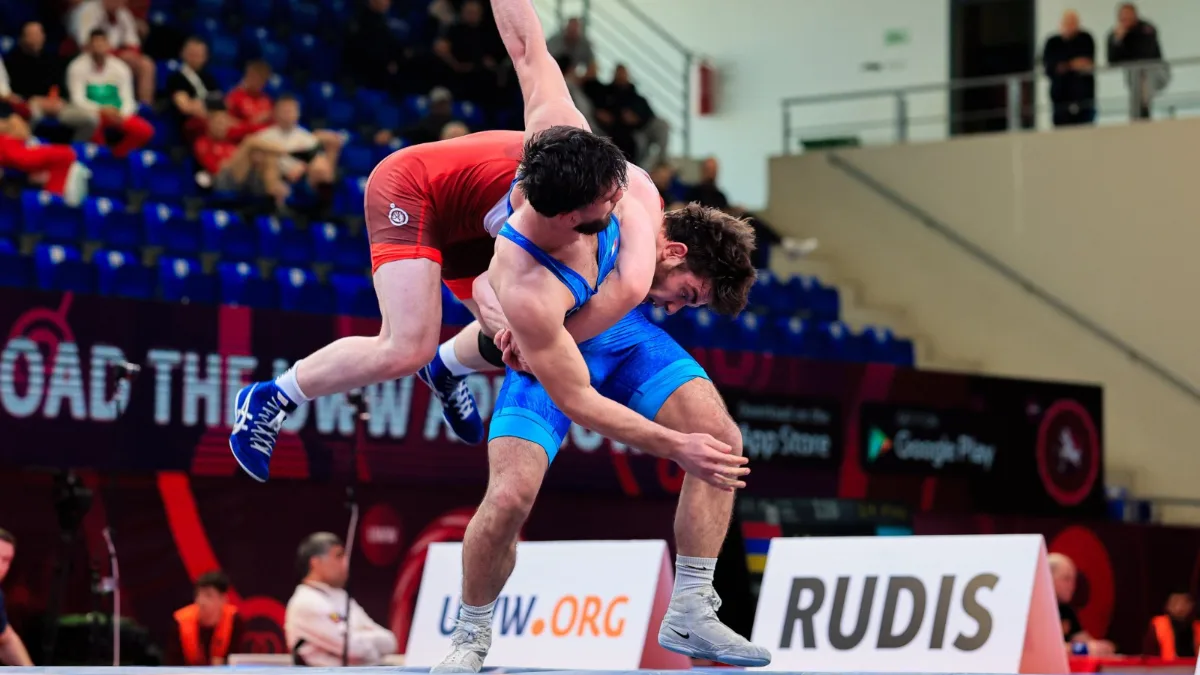
At the U23 European Wrestling Championships in Zrenjanin, Russian wrestler Bozigit Islamgereev became an overnight sensation after pulling off a spectacular “flying squirrel” move against France’s Rakhim Magamadov in the dying seconds of their 86kg quarterfinal bout.

The dramatic moment quickly went viral after being shared by United World Wrestling, spreading rapidly across social media and reaching audiences far beyond the wrestling community. The clip amassed millions of views and achieved a level of virality rarely seen for wrestling highlights.


“Everyone was shocked. My videos are everywhere now; I can’t even keep up with Instagram anymore. I’m all over the feed,” Islamgereev told UWW. “Everyone congratulated me. People are surprised and asking how this even happened.”

Islamgereev was trailing 8–3 with just 15 seconds remaining in the match, with Magamadov widely considered the favourite to win gold. The Russian first secured a step-out and a caution point to narrow the deficit to 8–5 with only seven seconds left.

With time running out, Islamgereev attempted something extraordinary. As Magamadov crouched low to avoid a double-leg attack, the Russian wrestler suddenly leapt over his opponent, locking him from behind while upside down before slamming him to the mat for four points, completing a stunning comeback.

“There were only a few seconds left when I pushed him out. Then about seven seconds remained,” Islamgereev explained.

“I couldn’t get to his legs at all. Since I couldn’t attack from below, I decided to try from above. In that moment you either take the risk or end up with nothing. I took the risk.”

He also explained the technical side of the move.

“The main thing is to fake an attack to the legs first and trick him. As soon as he leans down, you jump upward so he can’t catch your legs. Then you must land carefully on both feet so you can lift him and score four points.”

The move, popularly known as the “flying squirrel”, has previously been performed by wrestlers such as Ellis Coleman, who famously used it more than a decade ago, as well as Ronaldo Rodriguez Spencer, Talon Tatanappa, and Mohammadali Geraei.

Islamgereev later went on to win the gold medal, defeating Turkey’s Ahmet Yagan 2–1 in the final to become the U23 European champion.

Podium protest by Ukrainian wrestler during medal ceremony

The championship also witnessed a political moment during the 86kg medal ceremony involving Ukrainian wrestler Artur Kostiuk, who had secured the bronze medal.

As the Russian national anthem began playing for Islamgereev’s gold medal victory, Kostiuk staged a silent protest.

The Ukrainian wrestler stepped off the podium and turned his back to the ceremony while the anthem was being played, a gesture widely interpreted as a protest against Russia.


The act gained significant attention online, particularly because the 2026 tournament marked the first official event since 2021 where Russian athletes were allowed to compete under their national flag and anthem instead of as neutral competitors.

Videos of the moment circulated widely on social media, adding another layer of attention to a championship already making headlines for Islamgereev’s spectacular viral move.

Game On: Iran Finally Reveals Its Hormuz Playbook

In an extremely meticulously crafted strategy, Iran has created a regime or structure of permissions in the Strait of Hormuz.

Siddhartha Rai | NEW DELHI |

For the first time since the war with the US and Israel started, Iran has acknowledged its plans on the Strait of Hormuz: to blockade the passage for world’s one-fifth oil supply and escalate the cost of war for everyone to the extent that global pressure comes to bear upon Tehran’s adversaries to ease or end the war.

Dr Abdul Majid Hakeem Ilahi, representative of Iran’s Supreme Leader in India, Friday, said, “…Iran has not closed the Strait (of Hormuz). It remains open; however, due to current conditions and circumstances, ships are unable to pass through the Hormuz. Otherwise, Iran never wanted the Strait to be closed or blocked. Some (ships) are still passing through.”

“Those who initiated this war are the very ones who must stop it… Many people across the world are suffering due to this war. World leaders must unite and exert pressure on the President of the United States, urging him to put an immediate stop to this unjust war…”

Iran could not have said it more clearly and audaciously—make the world suffer till it weighs on the US to back off.

In an extremely meticulously crafted strategy, Iran has created a regime or structure of permissions in the Strait of Hormuz. In the instances of China, Bangladesh and, now India, Tehran has told the world two things: it will respect those not against it and its friends, while it will make its enemies suffer; and, that even in war it remains a responsible nation that does not want global regions to collapse under the crude pressure of oil and LPG scarcity. Allowing vessels with Indian flags to pass through the Strait of Hormuz, effectively serves 40 percent needs of Indian neighbours in the region.

According to latest reports, Iran allowed a Turkish vessel to pass through after it got Tehran’s permission.