Logo

India, US continue trade pact talks; Commerce Ministry denies reports of pause in negotiations

In an official statement, the Commerce Ministry clarified that engagement between the two countries continues and emphasised that both sides remain committed to advancing trade ties.

Statesman News Service | New Delhi |

India and the United States remain actively engaged in discussions for a mutually beneficial trade agreement, the Ministry of Commerce and Industry said on Friday, dismissing media reports that suggested bilateral trade negotiations had been put on hold.

In an official statement, the Commerce Ministry clarified that engagement between the two countries continues and emphasised that both sides remain committed to advancing trade ties.

“We have noted a media report regarding ongoing trade talks with the US. It is denied that there is any hold in bilateral engagement. It is reiterated that the two sides remain engaged in pursuing a mutually beneficial trade agreement,” the ministry said.

The clarification comes amid ongoing negotiations between the two countries aimed at strengthening economic ties and resolving long-standing market access issues.

India and the United States last month announced that they had reached a framework for an interim agreement intended to advance reciprocal and mutually beneficial trade.

The framework reaffirmed both nations’ commitment to the broader US–India Bilateral Trade Agreement (BTA) negotiations, which were launched by US President Donald Trump and Prime Minister Narendra Modi on February 13, 2025.

According to a joint statement, the interim agreement is expected to mark a historic milestone in the economic partnership between the two countries and reflects a shared commitment to reciprocal and balanced trade based on mutual interests and tangible outcomes.

Under the proposed interim arrangement, India has agreed to eliminate or significantly reduce tariffs on all US industrial goods and a broad range of American agricultural and food products.

These include items such as dried distillers’ grains (DDGs), red sorghum used for animal feed, tree nuts, fresh and processed fruits, soybean oil, wine and spirits, along with several other products.

In return, the United States will apply a reciprocal tariff rate of 18 per cent on Indian-origin goods.

The tariff will cover sectors such as textiles and apparel, leather and footwear, plastic and rubber products, organic chemicals, home décor items, artisanal goods, and certain machinery.

However, subject to the successful conclusion of the interim agreement, the United States has indicated that it may remove reciprocal tariffs on a wide range of Indian exports, including generic pharmaceuticals, gems and diamonds, and aircraft components.

Meanwhile, in a separate development, the Trump administration has initiated fresh investigations into alleged “unfair trade practices” by 16 major trading partners, including India, China, and Bangladesh.

The move follows a ruling by the US Supreme Court last month that declared certain previously imposed tariffs illegal, prompting the administration to explore alternative measures to maintain trade pressure.

The investigations are being conducted under Section 301 of the Trade Act of 1974, which allows the United States Trade Representative (USTR) to impose tariffs or other penalties on countries deemed to be engaging in unfair trade practices.

The US Trade Representative indicated that the probes could lead to fresh tariffs on imports from several economies, including China, the European Union, India, Japan, South Korea, and Mexico, possibly by the summer.

The probe into global “excess capacity” also extends to several other economies such as Taiwan, Vietnam, Thailand, Malaysia, Cambodia, Singapore, Indonesia, Bangladesh, Switzerland, and Norway.

Notably, Canada, the second-largest trading partner of the United States, has been excluded from the list of countries under investigation.

Despite the fresh trade scrutiny by Washington, officials indicated that bilateral engagement between India and the United States remains constructive, with both sides continuing to work toward deeper trade integration and more resilient supply chains.

The ongoing negotiations are expected to address tariff barriers, market access, and supply chain cooperation, forming a key pillar of the broader strategic partnership between the two countries.
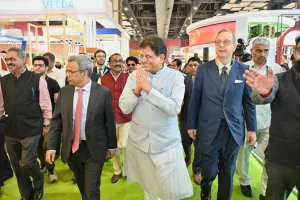

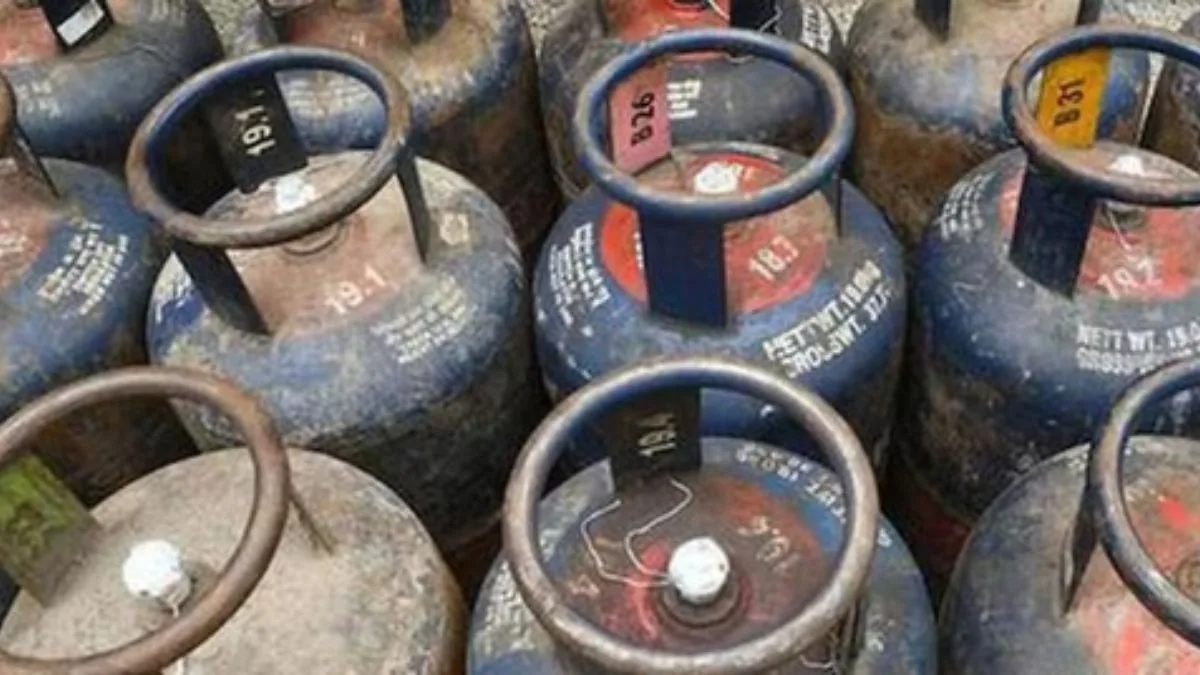
Many cities in Rajasthan witness queues for LPG cylinders; govt assures adequate stocks

The Opposition Congress took to the streets in several districts across the state, protesting the Centre’s alleged mishandling of the crisis and demanding adequate availability of LPG cylinders and a rollback of the price hike.

Statesman News Service | Jaipur |

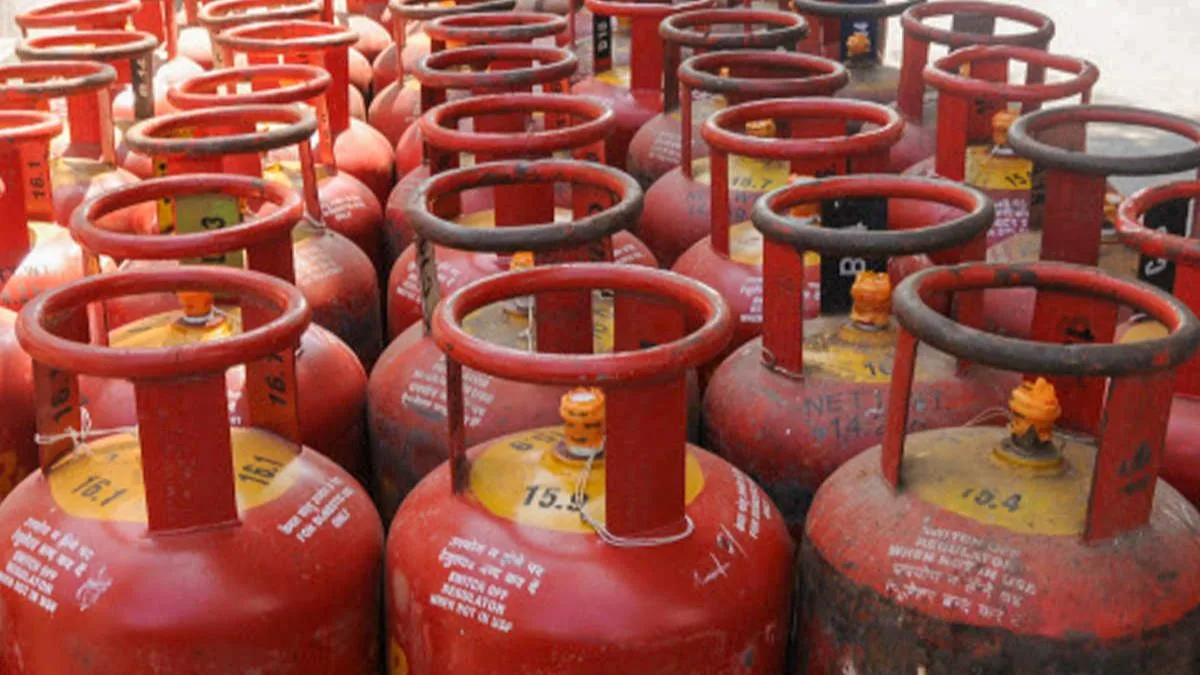
The Rajasthan government on Friday reassured people of adequate arrangements for maintaining the normal and timely supply of LPG cylinders to the needy even as people queued up outside gas agency godowns in several towns, including the state capital, fearing a shortage.

The Opposition Congress took to the streets in several districts across the state, protesting the Centre’s alleged mishandling of the crisis and demanding adequate availability of LPG cylinders and a rollback of the price hike.

Civil Supplies Minister Sumit Godara reiterated that the state has an adequate stock of LPG cylinders and that supplies would be maintained in a timely manner, ensuring that no domestic consumer remains unserved.

However, as a precautionary measure, the Centre has released a special allocation of around 40 lakh litres of kerosene to be distributed to the needy through the PDS, if required. If the situation arises, it would be the first time in nearly a decade that kerosene would be supplied through the PDS since its withdrawal from the system in 2016-17.

“Please, shun worry and don’t panic unnecessarily. Moreover, don’t pay attention to rumours or rumour mongers”, he advised.

Authorities in the Civil Supplies department and the district administration have been regularly reviewing the situation and conducting raids at field locations to foil any attempt at hoarding or black marketing.

In Jaipur district alone, four special teams have been constituted to keep tabs on the sale of cylinders at dealers’ outlets in urban areas, while an equal number of vigilance teams have been deployed in rural areas of the district to regulate sales.

Meanwhile, police were called to a gas agency in Kota city after a large number of consumers lined up in long queues with empty cylinders, with some confronting each other amid fears of black marketing. Similar scenes of long queues were witnessed in several towns and cities, including Jaipur, Ajmer, Alwar, Neem ka Thana and Baran.

As per its announced programme, the Congress held demonstrations and rallies in several towns, including Jaipur, Ajmer, Sriganganagar and Bikaner, on Friday.

In Jaipur, the party held a demonstration in Chandpol Bazar, staged a dharna at Sanjay Circle and burnt an effigy symbolising the central government. Similar agitation programmes were organised outside the district collectorates in Sriganganagar, Bikaner and Sawai Madhopur.

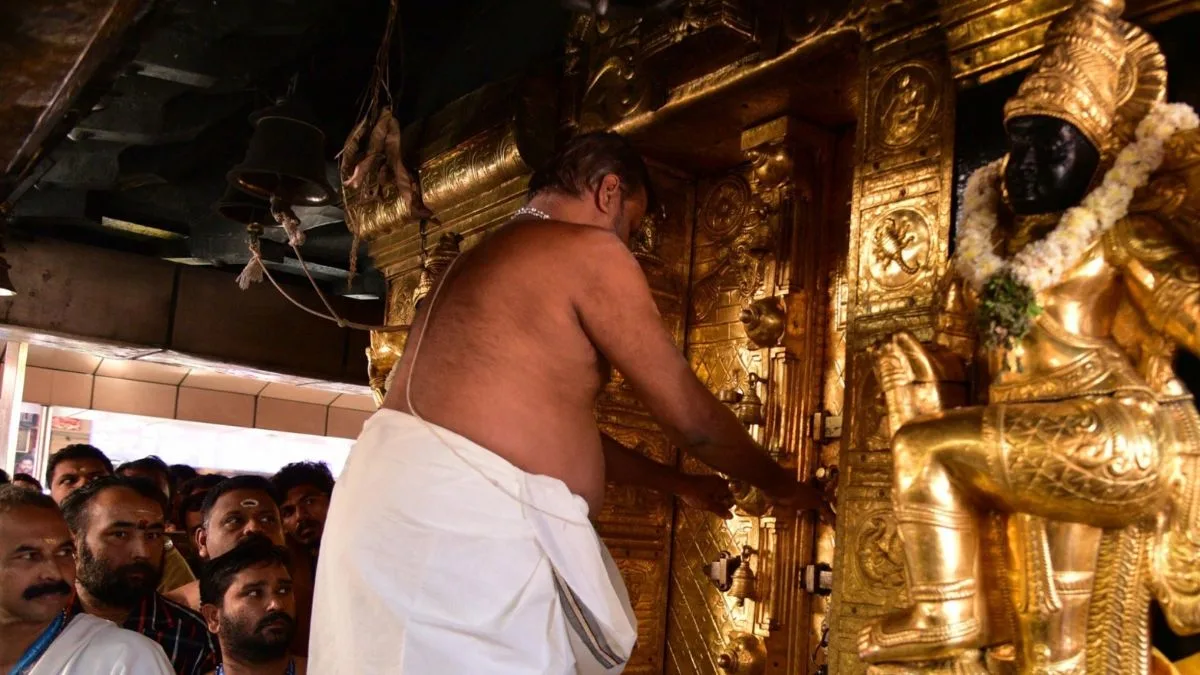
Kerala HC declines to interfere in Sabarimala gold theft investigation; adjourns plea for CBI probe for next week

The Kerala High Court on Friday declined to interfere in the Sabarimala gold theft investigation, stating that a very meticulous investigation is being carried out by the Special Investigation Team (SIT), which includes some of the best persons in the country.

Statesman News Service | Kochi |

The Kerala High Court on Friday declined to interfere in the
Sabarimala gold theft investigation, stating that a very meticulous
investigation is being carried out by the Special Investigation Team
(SIT), which includes some of the best persons in the country.

A Division Bench comprising Justice Raja Vijayaraghavan V and Justice
K V Jayakumar, while hearing a batch of pleas seeking a CBI inquiry
into the Sabarimala temple gold loot case, said the investigation is
already proceeding under its oversight, adding that the judiciary
would step in only if compelling circumstances arise. “The best
persons in the state or in the country are carrying out the
investigation. Just give them some sort of a time to carry out the
investigation. Basic monitoring is done by this Court also…,” the
Bench orally remarked.

The Court also orally remarked that it cannot interfere in the
investigation and can do only a basic monitoring, but cannot be
concerned by public perception. It was further assured that if the
investigation is found lacking at some point, action can be taken.

When the counsels of petitioners pointed out to the observations
made in the bail order and how the public perception of the
investigation has been affected with the accused being released on
statutory bail, the Court orally said that time is required for
gathering evidence.

VSR Ventures trying to ‘edit’ black box data of crashed aircraft, alleges Rohit Pawar

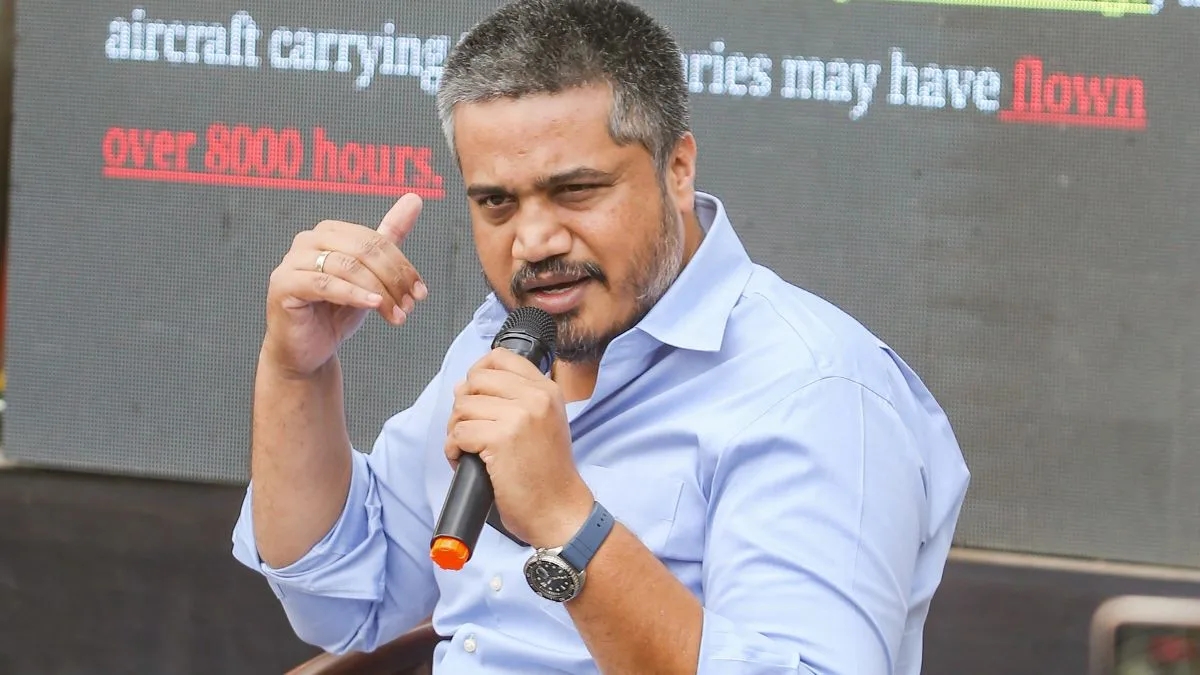
Sharad Pawar-led NCP MLA Rohit Pawar accused VK Singh, the director ofDelhi-based air charter company VSR Ventures, of bribing a few DGCA officials to edit data of the black box recovered from the ill-fated aircraft that crashed in Baramati airstrip on January 28 killing late Deputy CM Ajit Pawar.

Statesman News Service | Mumbai |

Sharad Pawar-led NCP MLA Rohit Pawar accused VK Singh, the director of
Delhi-based air charter company VSR Ventures, of bribing a few DGCA
officials to edit data of the black box recovered from the ill-fated
aircraft that crashed in Baramati airstrip on January 28 killing late
Deputy CM Ajit Pawar.

Tweeting from his official X account on Friday, Rohit Pawar stated,
“It is being heard that VK Singh, of VSR Ventures and an expert in
tampering data, is reportedly trying to edit the flight data recorder
(FDR) data in the black-box component which contains all technical
aircraft data. Any Directorate General of Civil Aviation (DGCA) or
Aircraft Accident Investigation Bureau’s (AAIB) personnel currently
assisting or planning to assist in such activity should note that the
tampering will be detected during the forensic audit. Once a committee
is formed, the forensic audit will be conducted and hence nobody
should dare tamper with the data. It should also be noted that though
some officers are compromised, many other DGCA officials remain
upright and honest”.

Significantly, Rohit Pawar met Leader of Opposition Rahul Gandhi
recently and Gandhi tweeted from his official X account, “Shri Rohit
Pawar met me today and submitted a letter raising serious concerns
about the investigation into the Baramati aircraft crash that claimed
the life of Shri Ajit Pawar ji and others. Basic principles of law
appear not to have been followed, and no FIR has been registered
despite the seriousness of the matter. This incident warrants a fair,
transparent, and impartial investigation”.

Rohit Pawar, speaking to media persons later, stated that Rahul Gandhi
had assured him that he would do whatever he can about the late Ajit
Pawar’s crash. He said that there seems to be a conspiracy by those in
power to save certain influential people, but avoided answering a
direct question about Ajit Pawar-led NCP leader Praful Patel’s role.

In a related development, Ajit Pawar-led NCP MLA Amol Mitkari told
media persons outside the Vidhan Bhavan here on Friday that VK Singh,
the owner of the Delhi-based air charter company VSR Ventures, whose
aircraft crashed on January 28, killing late Deputy CM Ajit Pawar has
taken a contract from the underworld to murder VIPs and politicians in
Maharashtra. “I hereby appeal to the Chief Minister of Maharashtra,
Deputy CM Eknath Shinde as well as other politicians from Maharashtra
to even travel by road or by railways, but stop using aircraft
operated by VSR Ventures. Our question is who is the officer who was
responsible for allotting that ill-fated aircraft to Ajit Pawar? It is
dangerous to fly on aircraft operated by VSR Ventures,” Ajit Pawar-led
NCP MLA Amol Mitkari said.

“After Jai Pawar got to know that his mother Deputy CM Sunetra Pawar
had travelled to Nashik recently on an aircraft operated by VSR
Ventures, he instructed officials that henceforth such a thing must
never happen. I don’t think anybody from our party will use aircraft
operated by VSR Ventures. The people of Maharashtra are asking us
questions about the late Ajit Pawar’s air crash and we will have to
answer them. Jai Pawar has taken the position that there must be a CBI
probe so that the people of Maharashtra know what really happened to
late Deputy CM Ajit Pawar. After the final report of the DGCA (AAIB)
report, it is certain that Deputy CM Sunetra Pawar will clarify her
position,” Ajit Pawar-led NCP MLA Amol Mitkari said.

“Jai Pawar (Ajit Pawar’s younger son) is now extremely cautious while
travelling. Jai Pawar does not even use elevators, especially if he
feels they vibrate or might get stuck mid-way because it is quite
likely that VSR Ventures could deploy some paid soldiers. Like Jai
Pawar, all MLAs in Maharashtra ought to be cautious,” Mitkari said.

MP CM claims to have paid Rs 52,000 crore to beneficiaries of Laadli behna scheme

The CM transferred Rs 1,836 crore to the beneficiaries as the scheme’s payment for this month at an event organised at the Ghatigaon area of the Gwalior district on Friday.

Statesman News Service | Bhopal |

Accusing the Congress of falsely trying to discredit the BJP
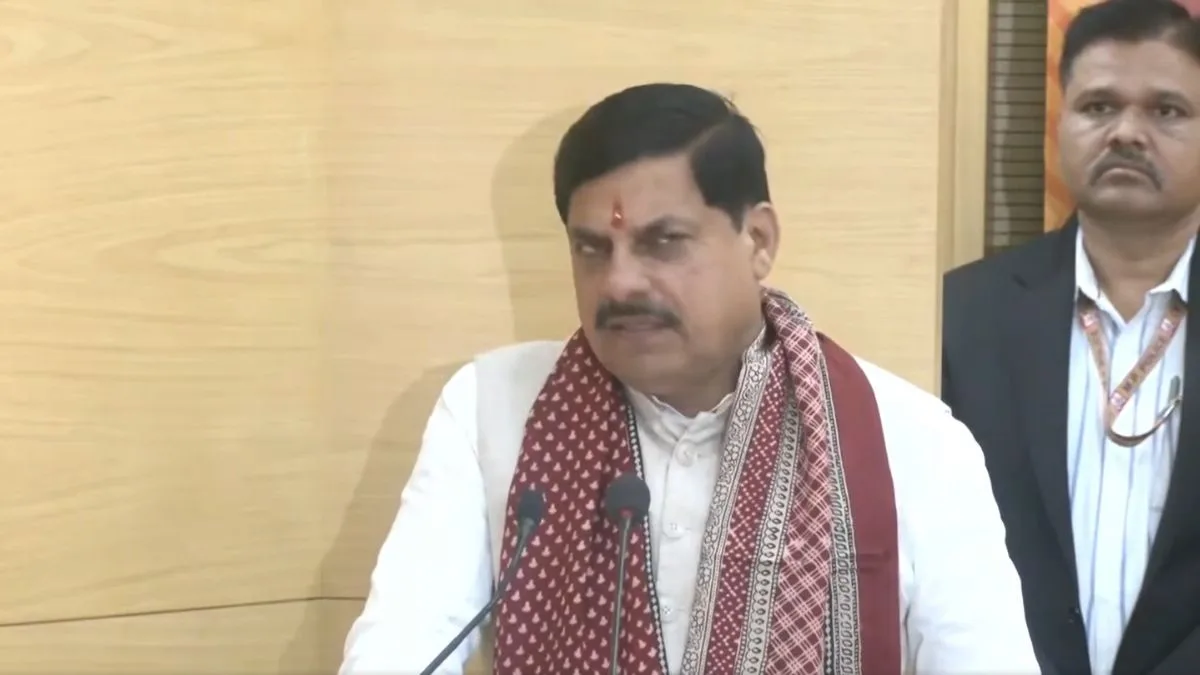
government in the state, Madhya Pradesh Chief Minister Dr Mohan Yadav
on Friday announced that his government has paid Rs 52,000 crore to
over 1.25 crore women under the Laadli Behna Yojana in the past three
years.

The CM transferred Rs 1,836 crore to the beneficiaries as the scheme’s
payment for this month at an event organised at the Ghatigaon area of
the Gwalior district on Friday.

Countering the Congress’ claim that the scheme was merely an election
gimmick, Dr Yadav emphasised that the success of the Laadli Behna
Yojana is the answer to the Congress. “When the scheme was launched,
the Opposition had called it an election gimmick. In three years, Rs
52,000 crore has already been given,” he reiterated.

Yadav said more than 1.25 crore women received Rs 1,836 crore directly
in their bank accounts this month. “Many women have started their own
work with this money,” he added.

The chief minister said the scheme has benefited women across the
state and credited Prime Minister Narendra Modi for supporting welfare
initiatives for all sections.

SC asks Centre to examine menstrual leave policy, says mandatory provision may affect women’s employment

The Court noted that while the issue concerns the welfare of women, making menstrual leave compulsory through legislation may lead to employers becoming hesitant to hire women or assign them important responsibilities.
PARMOD KUMAR | New Delhi |

The Supreme Court on Friday declined to entertain a petition seeking mandatory paid menstrual leave for women across all establishments, observing that such a statutory requirement could have unintended consequences for women’s employment prospects.

The Court noted that while the issue concerns the welfare of women, making menstrual leave compulsory through legislation may lead to employers becoming hesitant to hire women or assign them important responsibilities.
A Bench comprising Chief Justice Surya Kant and Justice Joymalya Bagchi disposed of the petition by directing the Union government to consider the representation made by the petitioner and consider whether any policy framework on menstrual leave can be evolved in consultation with relevant stakeholders.
During the hearing, the Court questioned the locus of the petitioner, noting that the petitioner was not personally affected by the issue. It also observed that no woman had approached the Court seeking such relief. The Bench further pointed out that the petitioner had previously filed similar petitions on the same issue. Earlier petitions filed in 2023 and 2024 had already resulted in directions to the Union government to examine the representation and take a policy decision.

The judges indicated that although certain organisations and some States have voluntarily introduced menstrual leave policies, imposing such a requirement by law may produce the opposite effect by making women employees appear less favourable in a competitive job market. The Court emphasised that while affirmative action for women is recognised under the Constitution, policy measures must also consider their long-term impact on employment opportunities and career advancement.

In view of its apprehension on the likely adverse impact of such a policy backed by statute, the Bench disposed of the writ petition, stating that the competent authority in the Union government should consider the petitioner’s representation and take an appropriate decision on the issue after consulting stakeholders.

The petition had sought directions to the Union government, States and Union Territories to frame laws or policies recognising the health difficulties faced by women during menstruation and to provide suitable relief, including menstrual leave for working women and female students. It also urged the Court to address what it described as a legal gap in providing workplace protection and welfare measures related to menstrual health.

Sabarimala gold loot: SIT moves Kerala HC for cancellation of bail granted to Thantri Rajeevaru

The Special Investigation Team (SIT), probing the Sabarimala gold heist, on Friday moved the Kerala High Court seeking cancellation of the bail granted to Sabarimala Thantri Kandararu Rajeevaru who is
arrayed as an accused in the case.

Statesman News Service | Kochi |

The Special Investigation Team (SIT), probing the Sabarimala gold
heist, on Friday moved the Kerala High Court seeking cancellation of
the bail granted to Sabarimala Thantri Kandararu Rajeevaru who is
arrayed as an accused in the case.

The Kollam Vigilance Court on February 18 granted bail to Thantri
Rajeevaru in connection with the cases involving the misappropriation
of gold from the temple’s Dwarapalaka (guardian deity) sculptures and
the Kattilappali (door frame), observing that the prosecution could
not prove that the Thantri had a direct connection with Unnikrishnan
Potty, the prime accused in the case.

The SIT, in its plea, claimed that, while granting bail to Rajeevaru,
the vigilance court ignored all the facts, circumstances, role played
by him (Rajeevaru) and other issues, evidence on record, necessity of
further custody and the strong objections raised by the prosecution.

The plea states that the investigation carried out by the SIT revealed
that Rajeevaru was physically present at Sabarimala and signed on the
mahazar, which had falsely described the gold-cladded items as copper
plates. It is further alleged that this was knowingly done since he
had previous knowledge regarding the gold cladding as evident from the
written letter submitted in 1998 by Rajeevaru and three other
thantries recommending gold-cladding on the door, Ghanadwaram,
Dwarapalaka idols, etc.

“The impugned order granting bail and the observations therein suffer
from serious legal infirmities, overlook material evidence collected
during investigation and have resulted in grave miscarriage of justice
warranting ‘interference by this court,” the SIT said in its plea.

The plea also seeks to expunge the alleged adverse remarks made by the
Special Judge against the investigation, calling them ‘unwarranted and
prejudicial to investigation’. The SIT is carrying out the
investigation into the cases based on the direction of the Division
Bench of the High Court.

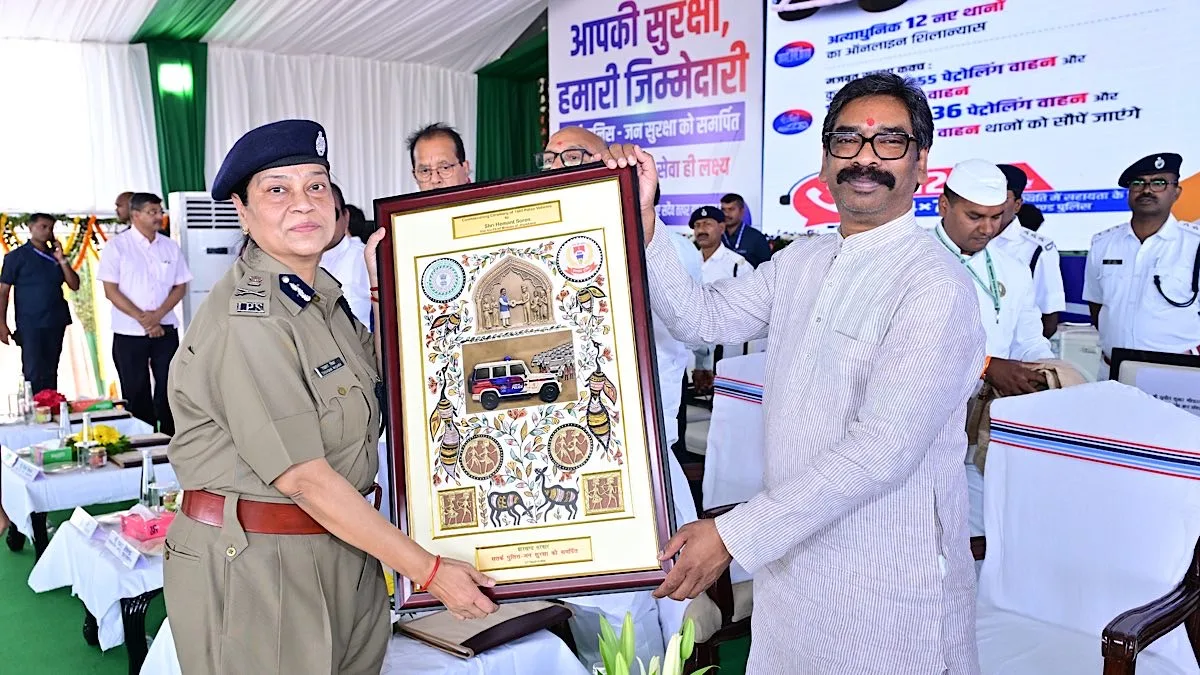
Jharkhand police get 1,485 vehicles, 12 new police stations

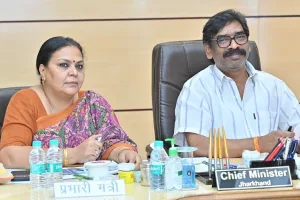
Jharkhand Chief Minister Hemant Soren on Friday handed over 1,485 modern vehicles to the state police and laid the foundation stones for 12 new police stations in different districts.

Statesman News Service | Ranchi |

Jharkhand Chief Minister Hemant Soren on Friday handed over 1,485 modern vehicles to the state police and laid the foundation stones for 12 new police stations in different districts.

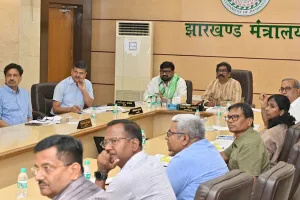
At a function held on the Jharkhand Assembly premises here, the Chief Minister flagged off the vehicles and inaugurated the projects remotely.

Soren said the move would strengthen policing and improve law and order across the state by enhancing mobility, surveillance and quick response capability of the police force.

He described the initiative as a major step towards police modernisation and said such a large fleet of vehicles was being provided to the Jharkhand police for the first time since the state’s formation.

According to officials, the state government has approved 1,255 patrol vehicles and 1,697 two-wheelers for the police department.

In the first phase, 636 patrol vehicles and 849 two-wheelers are being distributed among various districts and police stations.

The Chief Minister said the new vehicles would help the police improve patrolling in rural and urban areas and enable faster response to criminal incidents.

Referring to a recent kidnapping case in the Dhurwa area of Ranchi, he said the police acted swiftly to rescue two minor children and bust an inter-state child trafficking gang.

Several ministers, senior officials and police officers were present on the occasion.

MP police academy sends 36 Rajasthan recruits back home on charges of indiscipline

As many as 36 AI-savvy Rajasthan police constable recruits undergoing training at Police Training School (PTS) in Madhya Pradesh have been sent back to their home state on charges of indiscipline and nefarious activities after they allegedly posted fake AI-generated photos of stale and rotten food being served at the academy.

Statesman News Service | Bhopal |

As many as 36 AI-savvy Rajasthan police constable recruits undergoing training at Police Training School (PTS) in Madhya Pradesh have been sent back to their home state on charges of indiscipline and nefarious activities after they allegedly posted fake AI-generated photos of stale and rotten food being served at the academy.

According to MP Police officials, thirty-six Rajasthan Police recruits were sent back midway through a training course at PTS Tighra in Gwalior district. They were found guilty of using AI to create doctored images showing stale and rotten food being served at the police academy canteen and circulating them on social media.

Madhya Pradesh Additional Director General of Police (Training) Raja Babu Singh said on Friday that the action was initiated following an inquiry that found that the mischievous recruits were running a smear campaign against the police academy using Artificial Intelligence-generated images of food items.

He said the 36 jawans were mainly from the Rajasthan Police telecom wing and had come to PTS Tighra for a nine-month constable recruitment training course.

He informed that 1,005 recruits from the Rajasthan Police were undergoing training in Gwalior, following a request from the Rajasthan Director General of Police.

Sources claimed that the recruits of Rajasthan police were demanding traditional Rajasthani dishes such as ‘gatte ki sabzi’, ‘ker-sangri’, ‘chhachh’ (buttermilk) and ‘bhatti ki rotis’, and were unhappy with the regular daal, sabzi, rice, and machine-made rotis served at PTS Tighra.

Haryana to credit subsidies and pensions to beneficiaries’ accounts on the 10th of every month via DBT

The Haryana government has decided to streamline the disbursement of subsidies, pensions, and other financial assistance under various welfare schemes by ensuring that these payments are credited directly into beneficiaries’ bank accounts on the 10th of every month through the Direct Bank Transfer (DBT) system.

Statesman News Service | Chandigarh |

The Haryana government has decided to streamline the disbursement of
subsidies, pensions, and other financial assistance under various
welfare schemes by ensuring that these payments are credited directly
into beneficiaries’ bank accounts on the 10th of every month through
the Direct Bank Transfer (DBT) system.

According to an official communication issued by Chief Secretary
Anurag Rastogi, all Administrative Secretaries, Heads of Departments,
Managing Directors and Chief Administrators of Boards and
Corporations, as well as Divisional Commissioners and Deputy
Commissioners, have been directed to ensure strict compliance with the
new instructions.

The order states that all subsidies, pensions, and financial
assistance provided under various government schemes including those
administered by boards and corporations, will now be credited directly
into the bank accounts of eligible beneficiaries on a fixed date every
month. The move aims to ensure the timely and transparent delivery of
welfare benefits.

To facilitate the process, the government has also decided that a
formal function will be organized on the 10th of every month at
Haryana Niwas, Chandigarh, where the release of funds will be carried
out by the competent authority through a single command or the press
of a button.

Departments concerned have been instructed to ensure the timely
submission of the required data and completion of necessary
formalities so that the transfer of funds can take place without
delay.

The government has also asked all implementing agencies and officials
to bring these instructions to the notice of concerned officers for
strict compliance.

The decision is expected to improve transparency, reduce delays in
payments and ensure that welfare benefits reach beneficiaries
regularly and efficiently.

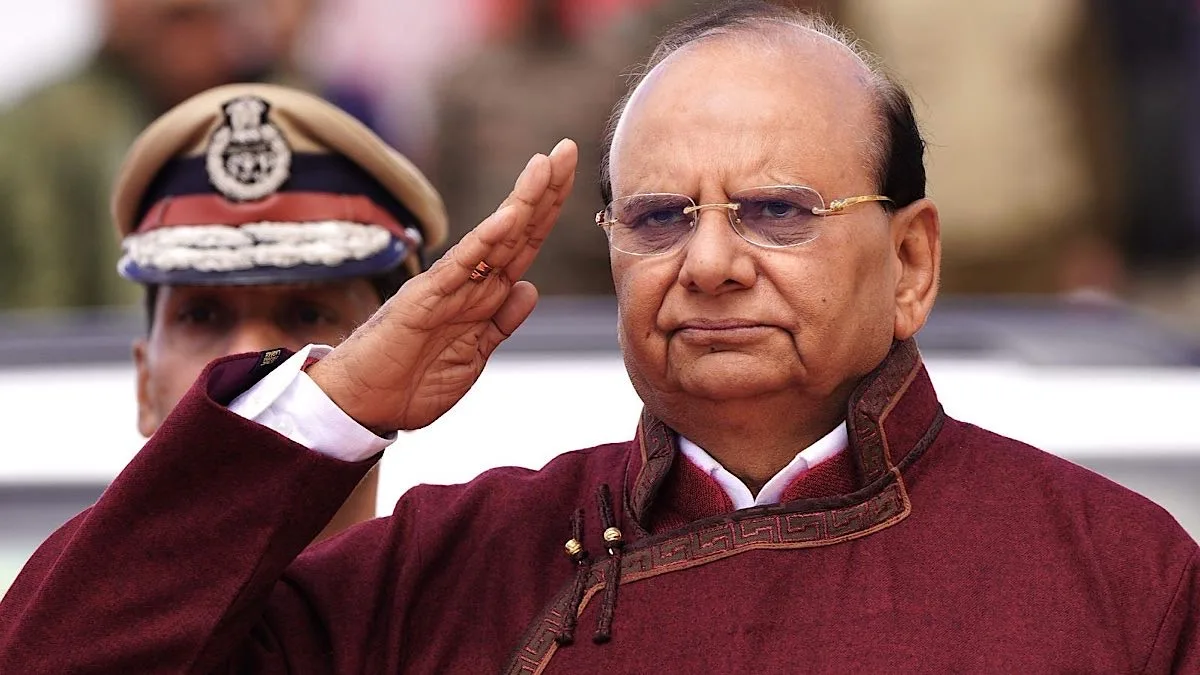
Saxena takes oath as LG, pledges to reach remote villages of Ladakh

Vinai Kumar Saxena on Friday took oath as the 4th Lieutenant Governor of the Union Territory of Ladakh at a ceremony held at the Arya Nagarjuna Auditorium of the Central Institute of Buddhist Studies at
Choglamsar in Leh.

Statesman News Service | Jammu |

Vinai Kumar Saxena on Friday took oath as the 4th Lieutenant Governor
of the Union Territory of Ladakh at a ceremony held at the Arya
Nagarjuna Auditorium of the Central Institute of Buddhist Studies at
Choglamsar in Leh.

The oath of office and secrecy was administered to Saxena by the Chief
Justice of the High Court of Jammu and Kashmir and Ladakh, Justice
Arun Palli. Earlier, Chief Secretary Ashish Kundra read out the
warrant of appointment issued by the President of India.

Saxena succeeds Kavinder Gupta as the Lieutenant Governor of the Union
Territory of Ladakh.

Following the swearing-in ceremony, Saxena was accorded a ceremonial
guard of honour by the Ladakh Police.

Interacting with the media after the ceremony, the Lieutenant Governor
described Ladakh as the “crown of India”, he assured that he would
work wholeheartedly in accordance with the aspirations and
requirements of the people.

Highlighting his development approach, Saxena stated that he intends
to visit villages and remote areas across Ladakh to understand the
problems faced by people on the ground and identify practical and
sustainable solutions. He noted that Ladakh possesses tremendous
tourism potential and emphasised that one of his key priorities would
be to make Ladakh one of the most beautiful and sought-after tourism
destinations in the country and the world.

The Lieutenant Governor also stressed the importance of sustainable
and environmentally responsible development, noting that Ladakh’s
fragile ecosystem requires careful planning. He spoke about the need
to increase greenery through plantation drives, afforestation
initiatives and the development of water bodies. He also highlighted
the importance of improving urban infrastructure, including
cleanliness and the expansion of sewage treatment facilities.

Reiterating the commitment of the administration towards the welfare
of the people, Saxena said that, as entrusted to him by Prime Minister
Narendra Modi, he would ensure that the people of Ladakh are never
disappointed. He added that he would work in close coordination with
the people and seek their cooperation in transforming Ladakh into a
developed and progressive Union Territory. He further stated that he
would make every effort to meet people from different sections of
society and address their concerns.

Saxena brings with him over three decades of extensive experience in
the corporate and social sectors. Prior to this appointment, he served
as the Lieutenant Governor of Delhi.

Among those present at the swearing-in ceremony were Chief Executive
Councillor, LAHDC Kargil, Dr Mohd Jaffer Akhoon; Member of Parliament
from Ladakh, Mohmad Haneefa Jan; His Eminence Drukpa Thuksey Rinpoche;
DGP Ladakh, Mukesh Singh; GOC 14 Corps Lt General Hitesh Bhalla;
Founder of Mahabodhi International Meditation Centre, Bhikkhu
Sanghasena; senior government officials, law officials and officers
from the Indian Army, ITBP and Ladakh Police.

‘Rituals must be protected’: LDF govt takes U-turn on women’s entry into Sabarimala temple

Taking a ‘U-turn’ on its previous stance, the LDF government in Keralais preparing to oppose the 2018 Supreme Court verdict permitting womenof menstruating age to enter into the Sabarimala temple.

Statesman News Service | Thiruvananthapuram |

Taking a ‘U-turn’ on its previous stance, the LDF government in Kerala
is preparing to oppose the 2018 Supreme Court verdict permitting women
of menstruating age to enter into the Sabarimala temple.

Indications are that the CPM-led LDF government is preparing to file
an affidavit in the Supreme Court, moving away from its earlier
pro-women entry stance adopted after the 2018 verdict, towards
supporting the preservation of traditional rituals that prohibit the
entry of women of menstruating age to enter into the Sabarimala
temple. The apex court had sought the government’s position on the
matter.

The CPM state secretariat, which met here on Friday, is learnt to have
recommended the government not to take a stand that alienates
believers. It is learnt that the government will take a decision in
favour of protecting the rituals in the Sabarimala temple at the
cabinet meeting to be held on Friday evening.

This tactical U-turn came as a ” untangling ” measure ahead of the
2026 Kerala Assembly elections, following the massive political
backlash the party faced in the 2019 Lok Sabha elections, where
critics and the Opposition accused the government of betraying Ayyappa
devotees. The CPM and the state government had previously supported
the entry of young women into the Sabarimala temple

Earlier, the Travancore Devaswom Board (TDB) decided to oppose the
2018 Supreme Court verdict permitting women of menstruating age to
enter into the Sabarimala temple. In its meeting on March 2, it
decided to file an affidavit in the Supreme Court opposing the entry
of women of menstruating age at the Sabarimala temple and to uphold
the tradition, customs and rituals in the shrine. The meeting also
passed a resolution in this regard.

Bears lead stock market, Nifty slips below 23,150

Bears dominated the stock market on Friday as the Nifty slipped below 23,150 intraday amid broad-based selling.

Statesman News Service | New Delhi |

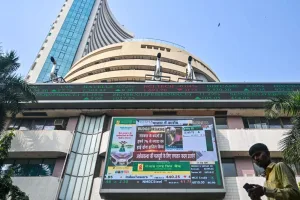
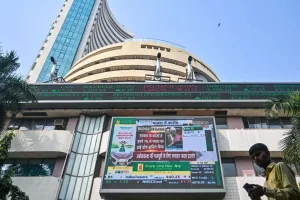
Bears dominated the stock market on Friday as the Nifty slipped below 23,150 intraday amid broad-based selling.

At close, the Sensex was down 1,470.50 points or 1.93% at 74,563.92, and the Nifty was down 488.05 points or 2.06% at 23,151.10. During the week, both indices declined over 5%, recording their biggest weekly fall in more than a year.

Broader indices underperformed the benchmarks, with the Nifty Midcap and Smallcap falling 2.5% each. The total market capitalisation of firms listed on the BSE fell to around Rs 430 lakh crore on Friday from Rs 440 lakh crore.

Total market capitalisation has declined by over USD 533 billion so far in 2026, the sharpest fall since 2011, when Indian markets saw about USD 625 billion wiped out during the entire year.

Indian rupee depreciated for the second consecutive session to hit a fresh record low of 92.47 against the US dollar.

Among the sectors, all the indices ended in the red. The key sectors like auto, PSU Bank, metal, and media declined 3-4%. Nifty Metal fell 4.82%, while Nifty PSU Bank and Nifty Auto also plunged sharply by 3.72% and 3.60%, respectively.

On the Nifty, the gainers included Tata Consumer, HUL, and Bharti Airtel, while the biggest losers were Hindalco, L&T, Tata Steel, UltraTech Cement, and JSW Steel.

Over 500 stocks touched their 52-week lows on the BSE. These included Sapphire Foods, Birla Corp, Gravita India, Latent View, Jyoti CNC Auto, Tata Motors Passenger Vehicles, Newgen Software, Embassy Developers, Sonata Software, Piramal Pharma, Five-Star Business, Vedant Fashions, Exide Industries, Jyothy Labs, Alkyl Amines, Berger Paints, HDFC Bank, Indegene and KPIT Technologies, among others.

L&T Technology Services gained 9.6%, while ACME Solar Holdings also rallied 6.5%.

Amid the ongoing geopolitical tension, Adani Total Gas, Jindal Steel & Power, RR Kabel, Hindalco Industries, Reliance Power, Hindustan Copper, and Bharat Forge all have declined over 6%.

Uttarakhand minister fumbles over organic farming figures in Assembly

Uttarakhand Agriculture Minister Ganesh Joshi failed to provide production figures for organic farming in the state assembly on Friday as he fumbled for words on repeated queries by the opposition, forcing Speaker Ritu Khanduri to intervene.

PRITHVIRAJ SINGH | GAIRSAIN |

Uttarakhand Agriculture Minister Ganesh Joshi failed to provide production figures for organic farming in the state assembly on Friday as he fumbled for words on repeated queries by the opposition, forcing Speaker Ritu Khanduri to intervene.

The minister was left struggling in the state assembly on the concluding day of the 2026–27 budget session when Congress MLA Pritam Singh asked a supplementary question about the total yield from 10,000 hectares of land brought under organic farming in the state.

Responding to Singh’s question, Joshi said, “We began farming from this Rabi crop season.” Singh pressed further, saying, “Please provide the amount of yield, as it’s a pinpointed question. Why are you creating a background?”

The minister replied, “You are not listening to what I am saying. First, listen to me. Rabi crops include wheat, mustard and masoor.” Singh insisted that the Speaker, Ritu Khanduri, intervene, clarifying that he was asking for the total yield from the 10,000 hectares under natural farming in the state. “The minister must inform whether there is any crop yield or not. If it’s there, provide the production figure.”

As the minister fumbled and failed to answer the opposition MLA’s question, Parliamentary Affairs Minister Subodh Uniyal stood up to assist his colleague, suggesting that he ask officials for a slip containing the production figures. However, Joshi said it was not needed and continued repeating his earlier lines.

The Agriculture Minister said, “Production will happen only after the crop is harvested. Rabi crops are sown in October and harvested in April.” He was immediately supported by Uniyal, who added, “The minister has clearly said that assessment of production can be done only after harvesting in April.”

No sooner had Uniyal said this than opposition MLAs tried to rise from their seats to press further questions. However, the Speaker intervened and asked the Congress MLAs to remain seated and listen to the minister. She then asked the latter to tell the House whether any organic crop yield figures are available.

The minister repeated that the yield would be known only after harvesting in April. At this, Pritam Singh again said that the minister must inform the House whether there had been any yield so far and also when natural farming was started in the state. The Speaker asked the minister if he meant the yield figures could not be provided until harvesting was completed. However, the minister maintained his stand, reiterating that the production figures would be known only after the crops sown under organic farming in 11 districts are harvested.

Even as the verbal duel between the minister and the opposition continued, the Speaker called for the next supplementary question. Earlier, replying to a starred question by BJP MLA Brijbhushan Gairola during the Question Hour, Joshi informed the House that organic farming was being carried out on 10,000 hectares of land in 11 districts, barring Rudraprayag and Tehri, under the National Mission on Natural Farming (NMNF). He said around 31,000 farmers had been roped in under the scheme.

Fake currency racket busted in Kashmir, 3 arrested

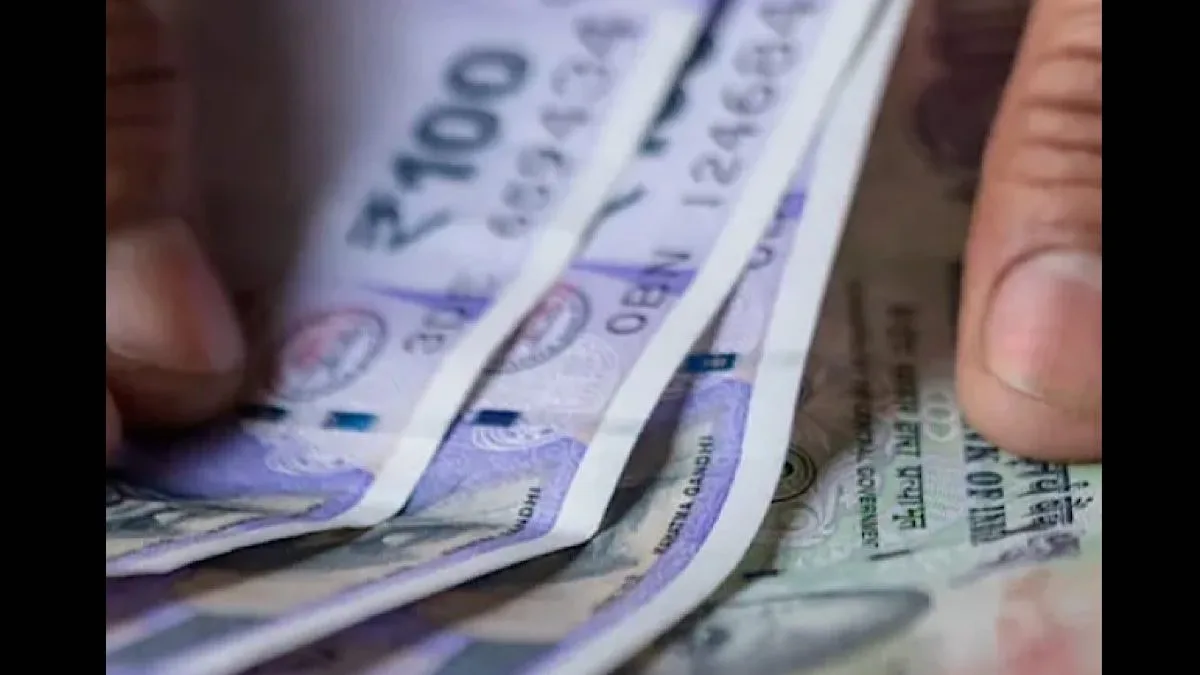
Police in south Kashmir’s Shopian on Friday successfully busted a fake currency circulation racket and recovered fake notes worth Rs.79,000 leading to the arrest of three accused persons.

Statesman News Service | Jammu |

Police in south Kashmir’s Shopian on Friday successfully busted a fake
currency circulation racket and recovered fake notes worth Rs.79,000
leading to the arrest of three accused persons.

The police said a complaint was received at the Shopian Police Station
from a local shopkeeper stating therein that an individual has used
fake currency notes while purchasing goods from his shop. Accordingly,
a Case FIR No. 33/2026 under relevant sections of law was registered
and investigation was taken up.

Acting promptly on the complaint, the police initiated an
investigation into the matter and recovered fake currency notes
amounting to Rs.79,000 from the possession of the accused persons and
their associate, identified as Mohammad Syed Wani, Mohammad Maqbool
Naikoo and Peerzada Altaf.

All the accused persons have been formally arrested and further
investigation is underway to trace the source of the fake currency and
identify other persons involved in the circulation network, police
said.

No need for panic buying of LPG, domestic refineries operating at full capacity, assures govt

The government on Friday appealed to the people not to give credence to rumours and refrain from engaging in panic buying of LPG in the wake of the ongoing crisis in West Asia.

Statesman News Service | New Delhi |

The government on Friday appealed to the people not to give credence
to rumours and refrain from engaging in panic buying of LPG in the
wake of the ongoing crisis in West Asia.

The Petroleum and Natural Gas Ministry also clarified that India
currently has a crude oil refining capacity of 258 million metric
tonnes, and domestic refineries are operating at full capacity. “This
has made the country self-sufficient in the production of petrol and
diesel, reducing the need for imports of these fuels,” Sujata Sharma,
Joint Secretary (Marketing & Oil Refinery) in the ministry, said, at
an inter-ministerial media briefing on the situation arising from the
conflict in West Asia.

The senior official said, “There is no need for panic booking; no
‘dry-out’ has been reported at any LPG distributor.”

She said the supply of piped natural gas (PNG) to households and
compressed natural gas (CNG) remained uninterrupted. Petrol and diesel
were also available in adequate quantities at retail outlets
nationwide.

’Given this situation, there is absolutely no need for
panic…Furthermore, regarding commercial consumers in our major urban
cities and centers—many of whom are currently facing difficulties due
to their reliance on LPG supplies—the Government of India is making
every effort to address their concerns. We appeal to all such
commercial consumers to contact their local CGD (City Gas
Distribution) network provider or their designated dealer to obtain a
PNG connection,’’ the official added.

Similarly, LPG supplies are also being provided to hospitals and
educational institutions. ‘’Domestic production of LPG has increased
by 30% as of today; compared to March 5th, our refineries are
currently producing 30% more LPG,’’ she added.

Regarding commercial cylinders, she said these have been placed at the
disposal of the state governments to facilitate priority distribution.
‘’We are requesting the state governments to determine the priority
criteria and ensure that these commercial cylinders effectively reach
the intended consumers.”

Rajesh Kumar Sinha, a senior official at the Ministry of Shipping,
said, “LPG carrier vessels have been accorded priority berthing at
major ports.

Regarding the ongoing crisis and the prevailing situation in the Gulf
region, he said, ‘’unfortunately, as I mentioned yesterday, three
casualties involving Indian seafarers have been reported. One seafarer
remains missing. Additionally, four seafarers sustained minor
injuries; however, all those who sustained injuries have been brought
out and are currently receiving medical treatment… The Ministry of
Ports, Shipping and Waterways continues to closely monitor the
prevailing maritime situation in the Persian Gulf region, which
remains continuously evolving.”

TMC leads Opposition’s impeachment motion against CEC Gyanesh Kumar

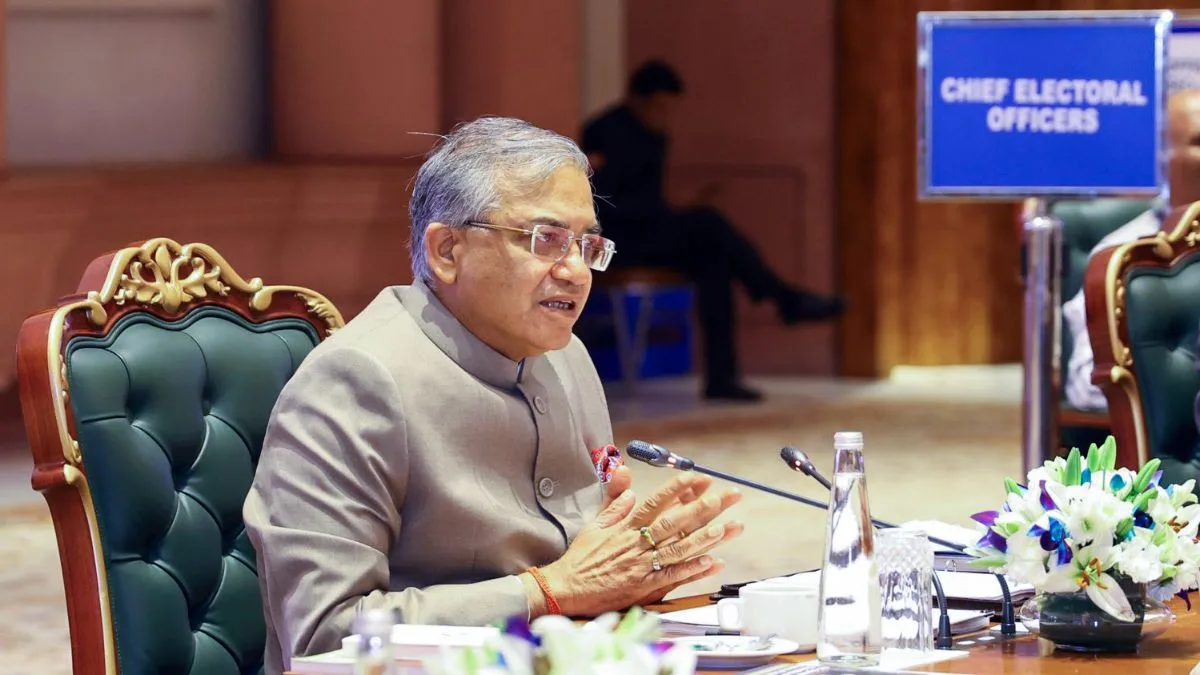
The Trinamool Congress (TMC) on Friday moved an impeachment motionagainst Chief Election Commissioner (CEC) Gyanesh Kumar in both Housesof Parliament, accusing him of acting in favour of the rulingBharatiya Janata Party (BJP) on multiple occasions.

VIBHA SHARMA | New Delhi |

The Trinamool Congress (TMC) on Friday moved an impeachment motion
against Chief Election Commissioner (CEC) Gyanesh Kumar in both Houses
of Parliament, accusing him of acting in favour of the ruling
Bharatiya Janata Party (BJP) on multiple occasions.

Coming as it does amid the ongoing Special Intensive Revision (SIR) of
electoral rolls in West Bengal, ahead of crucial assembly elections in
the state, the motion, though initiated by the TMC in West Bengal, has
support from the broader Opposition INDIA bloc, including the
Congress, the Samajwadi Party, the DMK, Sharad Pawar’s NCP, and the
Aam Aadmi Party (AAP), even though the party considers itself outside
the alliance.

This is the first time an impeachment motion has been brought against
a sitting CEC. Around 130 Lok Sabha MPs and 63 Rajya Sabha members
have signed the notice, citing seven primary charges. These include
allegations of “partisan and discriminatory conduct in office in favor
of the ruling party,” “deliberate obstruction of investigations into
electoral fraud,” and “mass disenfranchisement,” particularly during
the SIR in West Bengal. The motion broadly accuses Kumar of lowering
the dignity of the constitutional office by succumbing to political
influence.

Opposition parties have long been criticising Kumar’s handling of the
SIR, including in electoral roll revisions in Bihar ahead of the
November 2025 assembly elections and in other poll-bound states. TMC
supremo Mamata Banerjee, too, repeatedly accused the Election
Commission of deleting genuine voters from the rolls and working to
favour the saffron party. Trinamool MP Kalyan Banerjee said the
decision to initiate the impeachment motion was taken by Banerjee
herself.

Under Article 324(5) of the Constitution, the procedure to remove a
CEC is similar to the one for the impeachment of a Supreme Court or
high court judge. The motion must be signed by at least 100 Lok Sabha
members or 50 Rajya Sabha members.

If admitted, a joint parliamentary committee is formed, consisting of
the Chief Justice of India (CJI) or another Supreme Court judge, a
chief justice of a high court, and a “distinguished jurist.” The CEC
will have the opportunity to present a defense before the panel,
officials say. Following the committee’s report, both Houses will
debate the motion, and if passed, it is forwarded to the President of
India for final approval.

Basically, impeachment requires misbehaviour or incapacity that has
been proven and it also must pass by a special majority—over half the
total membership of both the Houses and two-thirds of members present
and voting

In other words, it is a long, complicated process.

Plus, the opposition also lacks the numbers if it comes to the voting stage.

However, the motion is an attempt to send a broader political message
ahead of the assembly elections, and corner the BJP by holding the ECI
responsible. “Kumar has been acting at the behest of the ruling BJP.
It is only after challenging the SIR politically and legally that we
have now raised the issue in Parliament,” opposition leaders say.
Besides, as in the case of the no-confidence motion against Lok Sabha
Speaker Om Birla, this issue, too, has brought the opposition together
on a common platform.

The ruling BJP, meanwhile, has strongly condemned the impeachment
attempt, accusing the opposition of politicising a constitutional
office.