Logo

Sikkim tunnel tragedy: All victims identified, bodies handed over; NHCP expresses grief

The incident occurred at around 1.05 p.m. on 20 July when a suspected methane gas pocket trapped inside the rock strata reportedly burst, triggering an explosion.

Statesman News Service | Kolkata |

The public sector undertaking National Hydroelectric Power Corporation (NHPC) has expressed deep grief over the tragedy and extended its condolences to the bereaved families, assuring them of all possible support.

NHPC has announced an ex gratia of Rs 5 lakh to the next of kin of each of the 25 workers who died in the explosion inside the under-construction Head Race Tunnel (HRT) of the Teesta Stage-VI Hydroelectric Project in Sikkim.

The rescue operation at the tunnel concluded with the recovery of the bodies of all 25 trapped personnel.

The incident occurred at around 1.05 p.m. on 20 July when a suspected methane gas pocket trapped inside the rock strata reportedly burst, triggering an explosion that filled the tunnel with dense fumes and toxic gases.

According to the official closure report issued by the District Magistrate of Namchi, preliminary findings indicate that the blast may have been caused by the leakage of combustible gas. The exact cause, however, will be established after a detailed expert investigation.

The Sikkim government has constituted a four-member committee to ascertain the cause of the accident. The panel, set up on 22 July, has been asked to submit its report within 15 days.

Chief Minister Prem Singh Tamang said the committee would determine the cause of the blast, examine whether there were any technical lapses or negligence on the part of the company, and establish the exact circumstances that led to the accident.

“All bodies have been identified and, after completion of the official procedures, have been handed over to their family members on Friday,” Senior Superintendent of Police Namchi, Sonam D. Bhutia said.

NHPC also thanked the District Administration, the National Disaster Response Force (NDRF), the State Disaster Response Force (SDRF), Coal India Limited, Patel Engineering Limited, Eastern Coalfields Limited, Western Coalfields Limited, local authorities, and all others who participated in the rescue operation under extremely challenging conditions.

The company further expressed gratitude to the Ministry of Power, the Ministry of Home Affairs, the Ministry of Defence, and the governments of Sikkim and West Bengal for their guidance, support, and timely assistance during the rescue operation.


Parliament impasse: First week washed out, govt unlikely to concede to demand for Pradhan’s resignation

The parliamentary logjam continued for the fifth consecutive day on Friday, with both Houses adjourned until Monday after proceedings were completely washed out.

Statesman News Service | New Delhi |

The parliamentary logjam continued for the fifth consecutive day on Friday, with both Houses adjourned until Monday after proceedings were completely washed out. The Lok Sabha and the Rajya Sabha witnessed Opposition uproar as soon as they convened, with Opposition members continuing to demand the resignation of Education Minister Dharmendra Pradhan over the NEET examination controversy.

While the government agreed to a discussion on the paper leak issue, the Opposition is insisting on the minister’s resignation before any deliberations take place. The deadlock has led to repeated disruptions and adjournments since the session began this week.

While the Opposition is firm on its demand for the resignation of the Education Minister before any discussion on the paper leak issue, government sources say that they are willing to hold a detailed debate but without the Opposition’s precondition.

BJP sources, too, dismissed the possibility of accepting the Opposition’s demand, saying that doing so could be seen as an admission of culpability even before investigations are complete and could set a precedent for future Opposition demands for ministerial resignations before parliamentary debates.

Observers said that, with no consensus emerging, the key question is not whether both sides want Parliament to function but when they decide that the political benefits of compromise outweigh those of confrontation. “That calculation, rather than the procedural dispute, will determine when the parliamentary deadlock ends,” they said.

With the first week of Monsoon Session literally washed out, observers say behind-the-scenes talks between floor leaders may still produce a middle path that allows the two Houses to function next week. “That could be possible if the government agrees to a detailed debate under a rule acceptable to the Opposition, while the Opposition could participate without asking for the Education Minister’s immediate resignation,” they said

BJP to launch ‘Samrasata Sankalp Abhiyan’ on July 29 to mark Sant Ravidas’s 650th birth anniversary

The BJP will launch a nationwide ‘Shri Guru Ravidas Maharaj Samrasata Sankalp Abhiyan’ from July 29 to mark the 650th birth anniversary of Sant Ravidas.

Statesman News Service | Lucknow |

The BJP will launch a nationwide ‘Shri Guru Ravidas Maharaj Samrasata Sankalp Abhiyan’ from July 29 to mark the 650th birth anniversary of Sant Ravidas.

The campaign aims to spread Sant Ravidas’s message of social harmony, equality, service, and brotherhood to the masses and to strengthen outreach among the backward and Dalit sections of society.

According to the party’s programme, training and district-level workshops will be organised for workers in all districts from July 25 to 27 as part of the campaign preparations.

The campaign will officially be launched on July 29 with the ‘Samrasata Deep Abhiyan’ in Kashi (Varanasi), where Sant Ravidas carried out his spiritual work.

Following this, the “Kalash Vandan Abhiyan” will be conducted from July 29 to September 10. During this period, sacred soil from Seer Govardhanpur in Varanasi, the birthplace of Sant Ravidas, will be placed in Kalash and distributed to villages and settlements, so that more and more people can be connected to the campaign.

In the same sequence, under the “Sant Sampark Abhiyan” from July 29 to August 31, various saints, mahants, and religious leaders will be contacted to seek their blessings and spread the message of social harmony widely.

A major event of the campaign will be the “Guru Ravidas Maharaj Harmony Yatra,” scheduled from October 5 to November 5. The yatra will begin in Jalandhar, Punjab, pass through various states, and conclude in Varanasi.

The BJP said the campaign would be a significant initiative to spread the thoughts of Sant Ravidas across all sections of society, strengthen social harmony, and transform the values of service, equality and brotherhood into a mass movement.

UP steps up drive towards $1 trillion economy, focuses on faster industrial growth and investment

Uttar Pradesh intensified its efforts to achieve the vision of a $1 trillion economy with a high-level review meeting chaired by State Industrial Development Minister Nand Gopal Gupta ‘Nandi’ at Invest UP.

Statesman News Service | Lucknow |

Uttar Pradesh intensified its efforts to achieve the vision of a $1 trillion economy with a high-level review meeting chaired by State Industrial Development Minister Nand Gopal Gupta ‘Nandi’ at Invest UP.

The meeting was attended by Minister of State for Industrial Development Jaswant Singh Saini, Additional Chief Secretary, Infrastructure & Industrial Development, Alok Kumar, CEO of Invest UP Vijay Kiran Anand, and other senior officials.

Reviewing the state’s industrial and investment progress, Nandi stressed the need to make the land allotment process simpler, faster and more transparent for investors. He directed officials to provide an updated status of vacant industrial plots whose allotments were cancelled following surveys conducted across all Industrial Development Authorities.

The Minister also called for expediting the development of the state’s industrial land bank, the approval process for the Single Window System Act, and the proposal to designate the Bundelkhand Industrial Development Authority (BIDA) as the state’s first Nirman Kshetra.

BIDA has been officially designated and is being rapidly developed as a massive Nirman Kshetra (Industrial Development Zone/Township) by the Uttar Pradesh government. He further emphasised that projects identified for the upcoming Ground Breaking Ceremony (GBC) should be implemented on priority.

The meeting reviewed key performance indicators across manufacturing, land acquisition, exports and investment facilitation. During FY 2025–26, 4,860 units were registered under the Factories Act, generating more than three lakh employment opportunities and recording a 33 per cent year-on-year growth.

Industrial Development Authorities acquired 15,610 acres of land, achieving a three-year CAGR of 133 per cent, while 2,671 acres were allotted for industrial purposes. The state’s exports also reached ₹2.01 lakh crore, reflecting sustained industrial growth.

Officials from the One Trillion Dollar (OTD) Economy Cell and Invest UP jointly presented the status of investment proposals and Memoranda of Understanding (MoUs), with a special review of GBC-ready projects across various sectors.

Addressing the meeting, Additional Chief Secretary Alok Kumar said investment projects should be reviewed on a quarterly basis with a strong focus on timely implementation and readiness for the Ground Breaking Ceremony.

He advised the OTD Cell and Invest UP to prioritise large investment projects worth more than ₹500 crore each, while also strengthening the services sector, particularly Global Capability Centres (GCCs) and financial services, to create high-quality, high-paying employment opportunities for the youth.

He noted that Uttar Pradesh’s industrial growth rate is already above the national average and stressed the need to accelerate the pace further to achieve the state’s $1 trillion economy target.

CEO of Invest UP Vijay Kiran Anand highlighted recent reforms aimed at improving the state’s Ease of Doing Business (EoDB). He said the launch of Nivesh Mitra 3.0 along with the empanelment of private agencies for environmental clearances and building by-law approvals, is helping simplify approval processes, reduce timelines and accelerate project implementation.

He also informed that Invest UP is planning a series of sector-specific investment conclaves focusing on textiles, leather and Global Capability Centres (GCCs), among other sectors, to attract new investments and strengthen Uttar Pradesh’s position as a preferred investment destination.

Northern Railway leads CCTV coverage with 425 stations

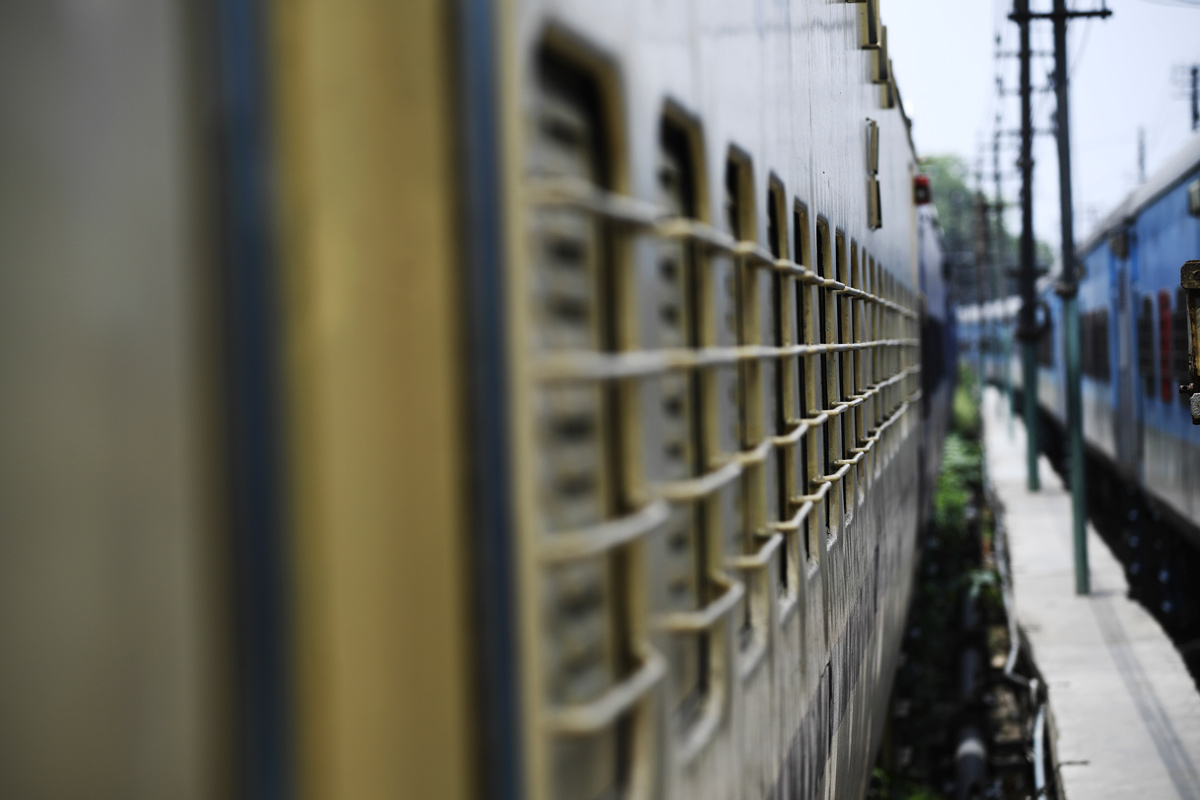
CCTV surveillance systems have been provided at 3,215 railway stations and 13,409 passenger coaches so far, the Rajya Sabha was informed on Friday.

Statesman News Service | New Delhi |

CCTV surveillance systems have been provided at 3,215 railway stations and 13,409 passenger coaches so far, the Rajya Sabha was informed on Friday.

“Installation of CCTV surveillance systems is a continuous and ongoing process. The installed CCTV cameras at stations are equipped with AI-based video analytics features, such as intrusion detection, loitering detection and fallen-person detection. During the last three years, i.e., from 2023 to 2025, and up to June 2026, 9,840 security-related incidents have been detected,” Railway Minister Ashwini Vaishnaw said in a reply to a question in the Rajya Sabha on Friday.

He also informed that Northern Railway leads with CCTV coverage at 425 stations, followed by Western Railway (391) and Eastern Railway (271).

Vaishnaw said Western Railway tops in CCTV-equipped passenger coaches with 1,735 coaches, followed by Northern Railway (1,483) and Southern Railway (1,481).

He said the installation of CCTV surveillance systems at railway stations, passenger coaches and other railway premises has been planned across the Indian Railways network with the objective of strengthening passenger safety and enhancing security surveillance.

“The installation of CCTV surveillance systems is being undertaken in a phased manner. All operational Vande Bharat and Amrit Bharat train rakes have already been equipped with CCTV cameras,” Vaishnaw said.

DWEEPTI Yojana opens the path to solar entrepreneurship for rural women in Chhattisgarh

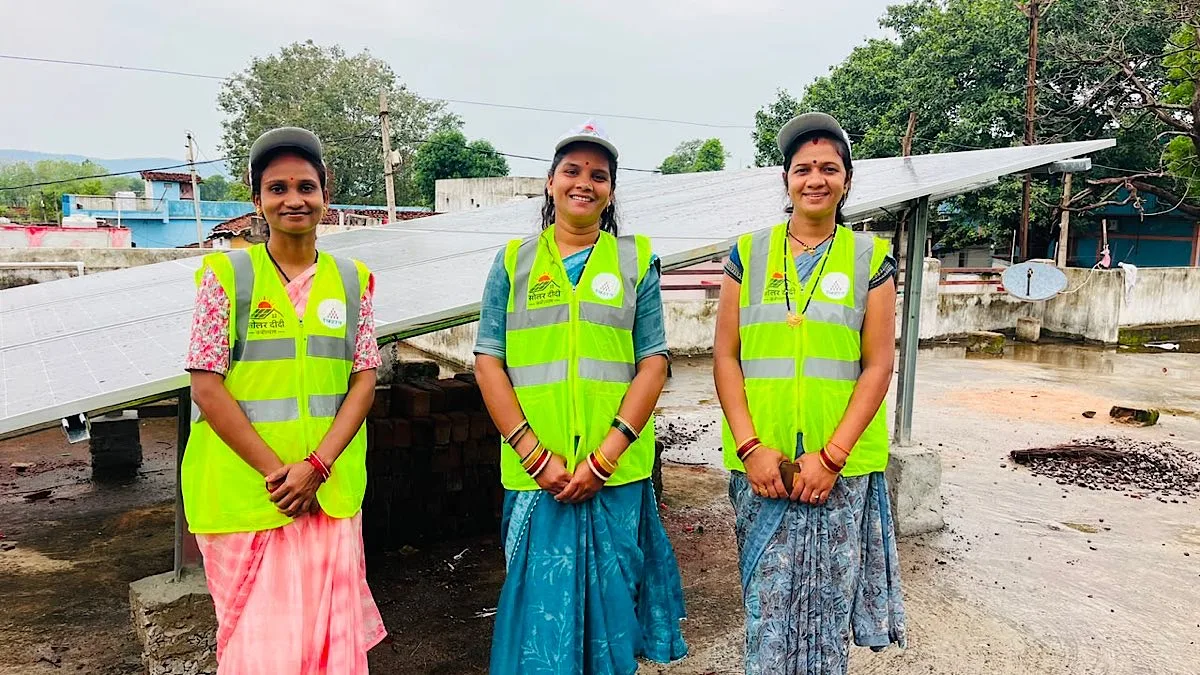
Chhattisgarh has introduced a first-of-its-kind policy framework that places women’s self-help groups at the centre of rural rooftop solar expansion, not merely as beneficiaries, but as vendors, technicians, entrepreneurs and service providers.

Statesman News Service | Raipur |

Chhattisgarh has introduced a first-of-its-kind policy framework that places women’s self-help groups at the centre of rural rooftop solar expansion, not merely as beneficiaries, but as vendors, technicians, entrepreneurs and service providers. The DWEEPTI Yojana, or Decentralised Women Empowerment on Energy and Policy for Transformative Inclusion, has been jointly developed by the state’s Panchayat and Rural Development Department and its technical partner, Transform Rural India, under the Green Economy Transition Mission.

According to the Panchayat and Rural Development Department, Chhattisgarh has become the first state in the country to adopt “a women-led distributed renewable energy policy.” The initiative aims to establish 5,000 women-led energy enterprises over the next five years, generate 50,000 green jobs, and expand access to clean energy for five lakh families and 10,000 institutions across Chhattisgarh.

In collaboration with the Chhattisgarh State Power Distribution Company Limited and district administrations, the department has registered 13 Cluster Level Federations from 12 districts as authorised vendors under the PM Surya Ghar Muft Bijli Yojana. Women are being trained in rooftop solar installation, operation, maintenance and community awareness, creating a local cadre of trained “Solar Didis” capable of providing technical services within their own communities.

To improve affordability, families associated with self-help groups are being offered loans with flexible repayment options for rooftop solar systems. The financing model is designed not only to expand clean energy adoption but also to help women-led enterprises build sustainable businesses in rural areas, in line with the Prime Minister Narendra Modi’s Lakhpati Didi vision by creating skill-based livelihood opportunities beyond conventional self-help group activities.

The DWEEPTI Yojana reflects the Chhattisgarh Government’s broader effort to link women’s economic empowerment with the clean energy transition. Chief Minister Vishnu Deo Sai has consistently emphasised expanding livelihood opportunities for women through self-help groups, while Panchayat and Rural Development Minister Vijay Sharma has underscored the role of community institutions in driving sustainable rural development. The initiative brings these priorities together by enabling women to participate in the renewable energy value chain as entrepreneurs, vendors and skilled technicians.

Chhattisgarh Panchayat and Rural Development Secretary Bhim Singh said “Women’s role in the renewable energy space has so far remained limited, seen merely as recipients rather than active stakeholders. The DWEEPTI Yojana marks a shift, positioning women at the heart of the Distributed Renewable Energy sector and enabling them to take on roles as vendors, technicians, managers and entrepreneurs. This initiative reinforces the Prime Minister’s Lakhpati Didi vision, bringing rural women into the mainstream economy through self-reliance in the clean energy sector.”

Kabirdham has emerged as one of the first districts where the policy has moved from design to implementation. Working with CSPDCL-RAPM, Raipur, Zila Panchayat Kabirdham (Bihan) facilitated the registration of the Vande Mataram Cluster Level Federation, Kawardha, as an authorised solar vendor. With technical support from Tata, nearly 35 women from Bihan self-help groups received specialised training in rooftop solar installation, creating the district’s first cadre of “Solar Didis.”

The state’s first rooftop solar installation under this women-led initiative was carried out in Samnapur village of Kabirdham. Anjani Patel of the Mata Bhawani Self-Help Group, under Pragati Aajeevika Gram Sangathan, is among the women trained under the programme. “This work has opened a new livelihood opportunity for us. We are proud that women from self-help groups are installing rooftop solar systems ourselves. It gives us confidence that this can become a sustainable source of income for many women like us,” she said.

Kabirdham Collector Gopal Verma said the initiative demonstrates how livelihood generation and renewable energy can be effectively integrated to deliver long-term benefits for rural communities, while the growing demand for rooftop solar systems is creating new self-employment opportunities for skilled rural women.

Zila Panchayat Kabirdham Chief Executive Officer Abhishek Agrawal said the model is designed to help identified Lakhpati Didis build sustainable, skill-based livelihoods while making rooftop solar systems more accessible in rural areas. Early results have been encouraging, with nearly 40 rooftop solar installation orders received from self-help group members and other villagers, and several systems already installed.

As the DWEEPTI Yojana expands to more districts, this initiative, built around registered women-led federations, trained local technicians and accessible financing, is expected to serve as a practical template for wider implementation across Chhattisgarh.

Water taxis to connect Kolkata’s Babughat to Metiabruz, Barrackpore, Howrah soon: Arjun Singh

According to Arjun Singh, water taxis would be launched to connect Babughat with other points like Metiabruz, Barrackpore, Howrah, and Bally.

Statesman News Service | Kolkata |

The West Bengal State Transport Department is considering plans to operate water taxis connecting Babughat to various points in Kolkata and its adjoining areas.

The decision comes to improve waterway connectivity, which also serves as an environmentally friendly mode of transport.

According to Bengal State Transport Minister Arjun Singh, water taxis would be launched to connect Babughat with other points like Metiabruz, Barrackpore, Howrah, and Bally.

“If we do not improve waterway connectivity, the traffic load on the city would not be reduced,” Singh said.

“Considering this, vessels would also be launched between Kolkata and Barrackpore that would connect the two places in a proper time without delays. There are such plans that are being explored by us and will be worked upon soon,” he added.

The department is also working on rolling out 1,500 buses within this financial year. “Of the total 1,500 buses, 500 would be rolled out soon,” Singh said, adding, “The remaining 1,000 government buses would be introduced in March 2027.”

Rising AC use India’s biggest energy challenge in next decade: Rajasthan Energy Summit

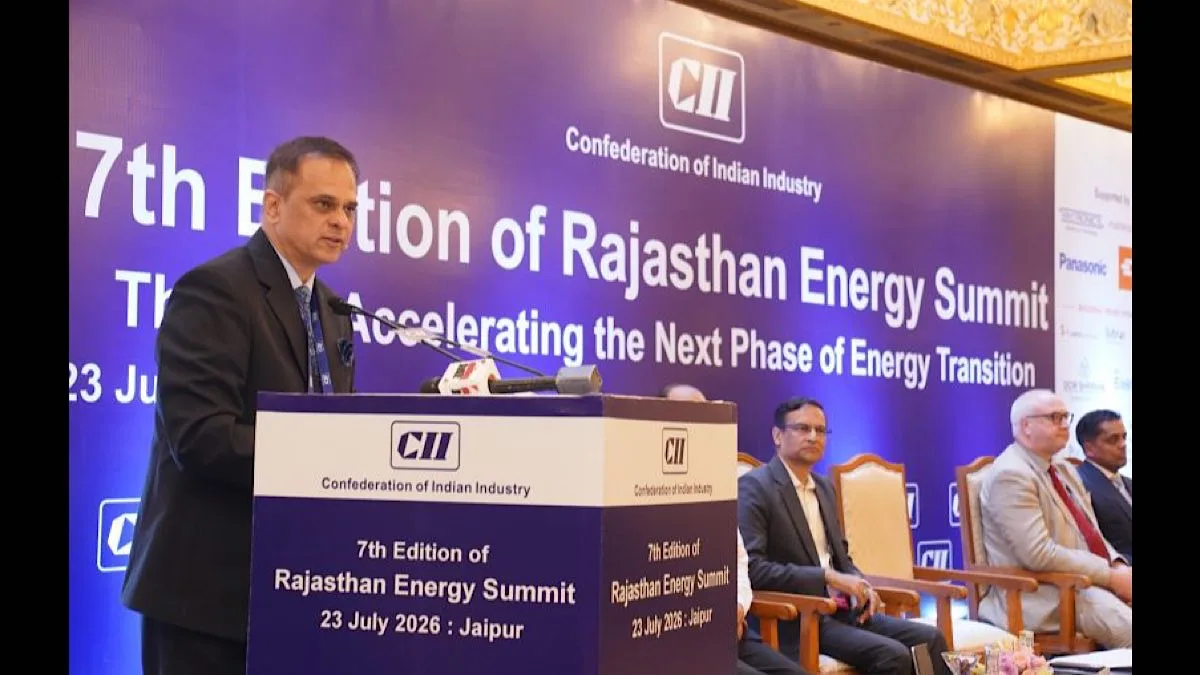
The 7th Rajasthan Energy Summit, organised here on Thursday, identified cooling as the country’s biggest energy challenge over the next decade in view of the rising use of air conditioners (ACs) and stressed the need to prioritise energy efficiency.

Statesman News Service | Jaipur |

The 7th Rajasthan Energy Summit, organised here on Thursday, identified cooling as the country’s biggest energy challenge over the next decade in view of the rising use of air conditioners (ACs) and stressed the need to prioritise energy efficiency.

Speaking at the session titled “Ensuring Energy Security for Viksit Bharat: Harnessing Renewable Energy” at the summit organised by the Confederation of Indian Industry (CII), Rajasthan, India Country Representative of the Global Green Growth Institute, Soumya Garnaik, said, “Cooling will be India’s biggest energy challenge in the coming decade, with rising AC use sharply increasing demand.”

Garnaik stressed the need to prioritise energy efficiency, saying, “This can reduce energy consumption by 20-30 per cent before scaling up renewable energy.

Participants in the session focused on four key forces reshaping India’s power demand: transport electrification, industrial heat, agriculture and cooking, and the rapid growth of data centres and artificial intelligence (AI).

The participants included Managing Director, Diwakar Renewable & Infra Pvt Ltd, Sunil Bansal; Managing Director, India and West Asia, Caelux Corporation, Vish lyer; and Chief Executive Officer, Vibrant Energy, Vinay Pabba.

The session was moderated by Co-Convener, Cll Rajasthan Panel on Energy and Water, and Chairman, Insolation Energy Ltd, Manish Gupta.

Another session, titled “Building Robust Energy Supply Systems: Role of AI and Digital Technologies”, explored the role of artificial intelligence and digital technologies in creating resilient energy systems.

Senior Vice President, Resonia Limited, Ninad Bhanudas Pitale, said, “With the rapid expansion of renewable energy in Rajasthan and across India, significant efforts are underway to strengthen transmission infrastructure.

He expressed confidence that coordinated efforts by the government, industry and public participation will help build a robust transmission network, accelerating the energy transition and supporting future industrial growth.

Former Chairman, CII Rajasthan, and Managing Director, Elekrolites (Power) Private Limited, Anil Saboo, said India must synchronise the growth of generation, transmission and distribution infrastructure to avoid bottlenecks that delay renewable integration while accelerating transmission execution.

He added that scaling up AI-driven and smart grid technologies, such as SCADA and automated fault systems, could enhance reliability, reduce outages and costs, and build a more efficient and future-ready power infrastructure.

Other speakers included Head – Renewables, Hindustan Zinc Limited, Himanshu Chasta; Vice President – Business Development, Indian Energy Exchange Limited (IEX), Ravi Sethi; and Territory Head (South Asia), Secure Meters Limited, Alka Sharma.

The session was moderated by former chairman, CII Rajasthan, and Managing Director, Man Structurals OP Private Limited, Gaurav Rungta.

More than 250 delegates attended the summit.

Indian Railways start AI-based stain detection pilot project to boost quality of washed linen

Union Minister Ashwini Vaishnaw said that the Railways provides clean and hygienic linen to passengers travelling in AC classes in each trip.

Statesman News Service | New Delhi |

A major pilot project has been initiated by the Indian Railways that utilises automated AI-camera stain detection technology in laundries at Pune Division, Central Railway and Jaipur and Jodhpur division, North Western Railway to ascertain the quality of washed linen.

In a reply to a question in the Rajya Sabha on Friday, Union Minister Ashwini Vaishnaw said that the Railways provides clean and hygienic linen to passengers travelling in AC classes in each trip, IANS reported.

“The Codal life of various linen items is prescribed under the extant Railway rules and is reviewed periodically based on usage, condition and serviceability. Linen items found unserviceable are withdrawn and replaced in accordance with the prescribed norms,” the minister said.

Each of the bedroll packets comes with two bed sheets, one pillow cover and a hand towel.

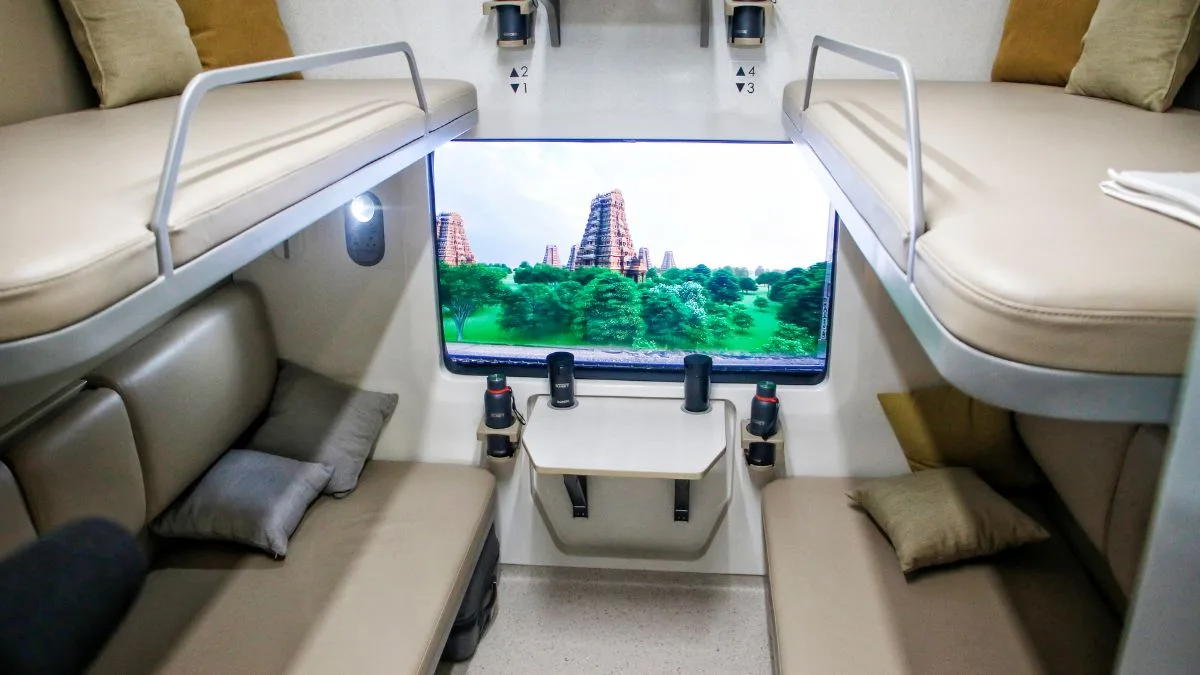
“As a pilot initiative to enhance passenger experience, blanket covers are being provided to all AC class passengers in trains operated by North Western Railway and in newly launched Vande Bharat Sleeper Train operating between Kamakhya and Howrah. This initiative has been widely appreciated by the passenger,” he added.

Whito-Meters are being used at all mechanised laundries for checking the effectiveness of cleaning of linen, while CCTV cameras remain installed across laundries over IR to monitor laundry operations.

Jantar Mantar protest: Dipke fears arrest tonight, warns of consequences as CJP gives 24-hour ultimatum on Pradhan’s resignation

Dipke warned that such a move will be a mistake and the movement will only grow stronger.

Statesman News Service | New Delhi |

The Cockroach Janata Party (CJP) on Friday warned of a much larger nationwide movement if Union Education Minister Dharmendra Pradhan does not resign by Saturday.

After a meeting with Union Minister JP Nadda and Union Minister of State Dr Jitendra Singh, the CJP claimed that the government agreed in principle to two of their demands, while seeking a day’s time to consider the main demand of Pradhan’s resignation.

Speaking to reporters after the meeting, JP Nadda said that the meeting went on for almost two hours and the CJP delegation was told that they will be conveyed the government’s position on their demands during Saturday’s meeting.

“The meeting went on for almost two hours…They had three main demands and five suggestions for exam reforms. We have told them that we will meet them again tomorrow afternoon and tell them about the discussion we had within the government,” Nadda said.

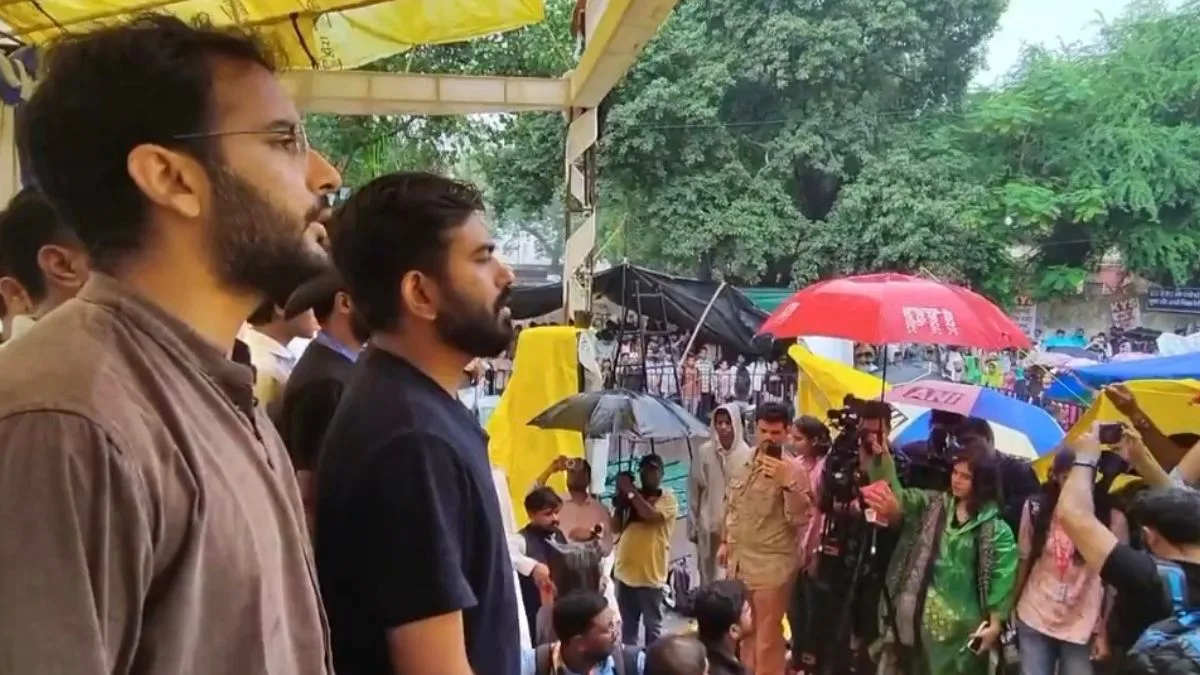
Meanwhile, CJP founder Abhijeet Dipke said that the government is anticipating a much larger crowd at Jantar Mantar over the weekend and may attempt to arrest the CJP leadership tonight.

“We have been informed that a much larger crowd is expected tomorrow and Sunday. That is why the government is trying to detain or arrest us tonight,” Dipke said.

He warned that such a move will be a mistake and the movement will only grow stronger.

“If that happens, it will be another major mistake. When they took Sonam Sir away, the movement only grew stronger. When students were lathi-charged and injured, the protests intensified further. If we are also detained, the movement will spread even more across the country,” he added.

Dipke asserted that the only resolution would be Dharmendra Pradhan’s resignation.

CJP spokesperson Sourav Das, who was part of the two-member delegation that met JP Nadda, echoed Dipke, saying the government must be advised not to carry on with such a misadventure.

“It will only lead to mass chaos and their ruin. Cockroaches all over the country will gather in large numbers in Delhi to peacefully protest such arrests of students!” he added.

Bengal set to table Panchayat Amendment Bill in assembly tomorrow

The proposed legislation seeks to amend several provisions of the West Bengal Panchayat Act, 1973, with the stated objective of ensuring administrative stability.

Statesman News Service | Kolkata |

The West Bengal government is preparing to introduce The West Bengal Panchayat (Second Amendment) Bill, 2026, in the assembly on Soaturday. The bill was published in the Kolkata Gazette on 23 July.

The proposed legislation seeks to amend several provisions of the West Bengal Panchayat Act, 1973, with the stated objective of ensuring administrative stability, uninterrupted public service delivery and smoother functioning of rural local bodies.

One of the most significant provisions empowers the prescribed authority to appoint an Extension Officer, or an officer of a higher rank, as Administrator for a maximum period of 30 days if both the pradhan and the deputy pradhan remain absent for more than 15 days and no elected member is willing to discharge the responsibilities. During this period, the Administrator will exercise all powers and perform all duties of the gram panchayat.

The bill also addresses situations where no gram panchayat meeting is held for two consecutive months due to the absence of the pradhan and deputy pradhan. In such cases, the panchayat secretary, with the approval of the Block Development Officer (BDO), will be authorised to convene the meeting.

An Extension Officer and the Executive Assistant will attend the meeting as observers. The proposed amendments also introduce changes to the financial administration of gram panchayats. The Executive Assistant’s signature will become mandatory on payment orders issued from the gram panchayat fund, while cheques will require the joint signatures of the Executive Assistant and the secretary.

The Executive Assistant will also be responsible for submitting the monthly statement of accounts to both the pradhan and the BDO. Another amendment relates to gram sabha meetings. If the pradhan, deputy pradhan and elected representatives are absent, the Administrator will be authorised to nominate the senior-most member present to preside over the meeting.

According to the statement of objects and reasons accompanying the bill, the amendments are intended to ensure uninterrupted delivery of public services, regular meetings of gram panchayats and gram sabhas, and greater efficiency in the rural governance system.

CWG 2026: Srihari Nataraj reaches 50m backstroke semifinals; Budigina, Ali Imam enter para swimming final

Srihari Nataraj qualified for the men’s 50m backstroke semifinals, while Budigina and Ali Imam reached the men’s 100m freestyle S13 final as India’s swimming campaign got off to a strong start at the Commonwealth Games 2026.

Statesman News Service | New Delhi |

India enjoyed a promising start to its swimming campaign at the Commonwealth Games 2026 on Friday as Srihari Nataraj qualified for the men’s 50m backstroke semifinals, while Karthik Budigina and Ali Imam advanced to the men’s 100m freestyle S13 final.

Srihari Nataraj books semifinal berth

Olympian Srihari Nataraj finished fifth in Heat 4 of the men’s 50m backstroke with a time of 25.52 seconds, securing his place among the fastest 16 swimmers progressing to the semifinals.

England’s Oliver Morgan topped the heat in 24.91 seconds, ahead of compatriots Jack Skerry (25.08), Matthew Ward (25.16) and Benjamin Winterborn (25.37).

Nataraj finished 0.61 seconds behind Morgan and will now aim to improve his timing in the semifinals, scheduled for 12:30 AM IST on Saturday.

Karthik Budigina strengthens India’s medal hopes

In the para swimming events, Budigina delivered an impressive performance in the men’s 100m freestyle S13, clocking 57.10 seconds to finish third in his heat and qualify for the final.

The Indian swimmer produced a strong finish after being fourth at the halfway stage, overtaking James Clegg in the closing metres to secure a top-three finish. Great Britain’s Stephen Clegg won the heat, with South Africa’s Hendricks also finishing ahead of Budigina.

Ali Imam also qualifies for S13 final

Fellow Indian Ali Imam also secured a place in the men’s 100m freestyle S13 final after recording 1:05.32.

Although he finished behind the heat leader, his time was enough to qualify for the medal race.

With Budigina and Ali Imam through to the final and Nataraj safely into the semifinals, India will look to continue its strong start in the pool and challenge for its first swimming medal at Glasgow 2026.

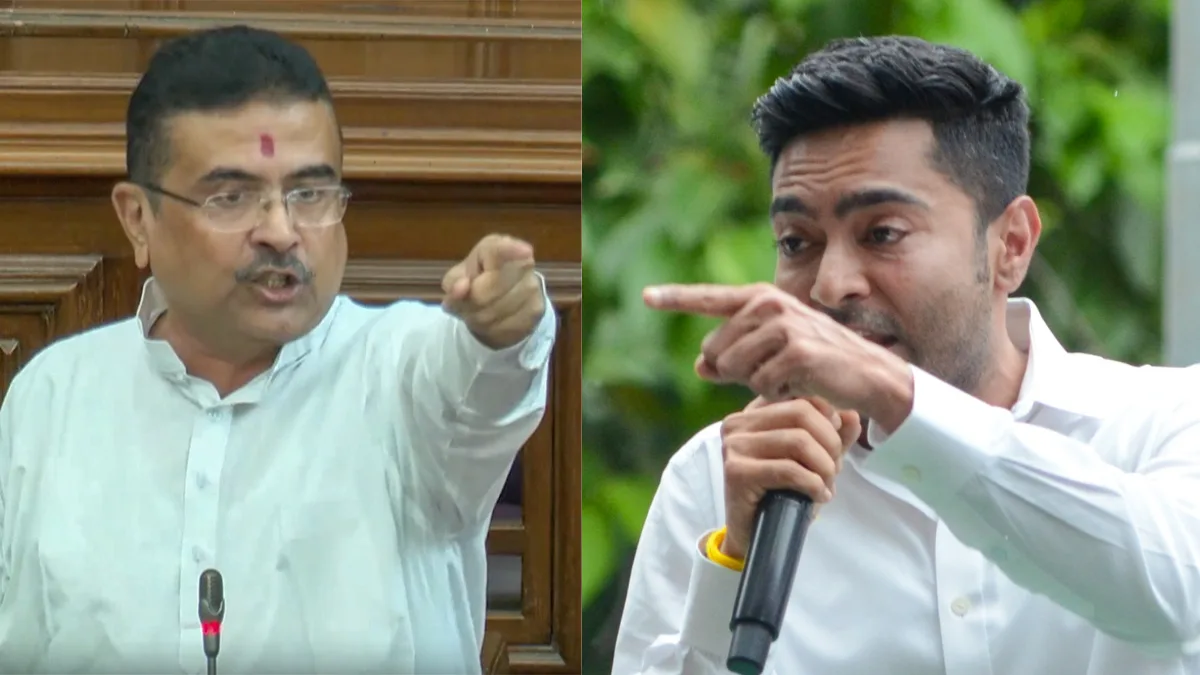
Suvendu to give statement on Abhishek’s ‘Sebaashray’ camp “malpractices” in Bengal Assembly tomorrow

The government’s response is likely to trigger a heated debate between the treasury and opposition benches over the politically significant healthcare programme.

Statesman News Service | Kolkata |

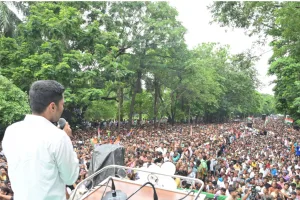
A political controversy over Trinamool Congress national general secreatary Abhishek Banerjee’s Sebaashray healthcare initiative is set to dominate proceedings in the West Bengal Assembly on Saturday, as West Bengal Chief Minister Suvendu Adhikari is scheduled to make a statement on the controversy.

The government’s response is likely to trigger a heated debate between the treasury and opposition benches over the politically significant healthcare programme, which has attracted widespread public attention in recent weeks.

The row over the Diamond Harbour MP’s free healthcare camps gathered further momentum after Bharatiya Janata Party MLA Debanshu Panda levelled fresh allegations of irregularities in the implementation of the programme.

Panda, who represents the Falta assembly also made sensational claims while explaining why a Sebaashray camp and its temporary infrastructure could not be opened in his constituency.

Panda alleged that several irregularities had taken place in connection with the medical outreach programme and questioned the manner in which the camps were being organised.

While elaborating on the developments in Falta, he raised additional allegations regarding the stalled camp, escalating the political confrontation over the initiative.

Earlier, a young girl’s family had claimed that the treatment advised to her through the Sebaashray programme ultimately resulted in the amputation of her right arm. The family also submitted a written complaint to the Superintendent of Police of Diamond Harbour Police District, seeking a detailed investigation and registration of an FIR against Abhishek Banerjee and several others involved in the camp.

Bridging the Past and the Future: Why Correcting EPF Service Records Matters More Than Ever

India’s social security system has undergone a remarkable transformation over the past five decades.

RASHANT PATHAK | New Delhi |

India’s social security system has undergone a remarkable transformation over the past five decades. From the introduction of the Employees’ Family Pension Scheme, 1971 (FPS-71) to the Employees’ Pension Scheme, 1995 (EPS-95), and now the Employees’ Pension Scheme, 2026, the objective has remained unchanged—to provide financial security and dignity to millions of workers and their families. While policy reforms often receive public attention, a less discussed but equally important issue is the accuracy of employees’ service records.

Thousands of workers approaching retirement continue to face delays in receiving their provident fund and pension benefits, not because they are ineligible, but because their employment records were never digitized or properly linked. The Employees’ Family Pension Scheme, 1971 was introduced primarily to provide financial support to the dependents of an employee in the unfortunate event of death during service. Under this scheme, the emphasis was on family security rather than post-retirement income for the employee. Recognizing the changing needs of India’s workforce, the Employees’ Pension Scheme, 1995 replaced FPS-71 with a more comprehensive social security framework.

The new scheme introduced monthly superannuation pension, widow pension, children’s pension, disablement pension, and other long-term benefits. It is financed through diversion of 8.33% of the employer’s statutory EPF contribution along with the Central Government’s contribution. Members who complete the prescribed qualifying service and attain the eligible retirement age become entitled to lifelong monthly pension. The notification of the Employees’ Pension Scheme, 2026 marks another milestone in the evolution of India’s pension administration.

While it consolidates the earlier schemes under a modern framework, it also safeguards the rights already earned by existing members. Pensioners and serving employees covered under FPS-71 or EPS-95 continue to enjoy complete protection of their accrued benefits, ensuring that no legitimate entitlement is lost during the transition. Perhaps the most significant administrative reform in EPFO’s history came with the introduction of the Electronic Challan-cum-Return (ECR) system in April 2012. By replacing manual returns with an online platform, ECR brought greater transparency, faster contribution processing, and improved compliance by employers.

However, the transition to digitization also exposed a major challenge. Service records of employees who worked before the implementation of ECR were often maintained manually. In many establishments, records were incomplete, inconsistent, or unavailable in digital format. Consequently, numerous employees today discover missing service periods only when they apply for pension or provident fund settlement. Correcting these historical records requires a systematic approach. Employees generally need to submit a Joint Declaration Form, duly signed by both the employee and the employer, along with supporting documents such as Aadhaar, PAN, and establishment-specific records.

Depending upon the facts of each case and the requirements of the concerned Regional EPFO Office, documents such as Form 7PS, Form 4PS, Form 5PS, and, where necessary, Form 3PS may also be required to establish the missing period of employment. After careful verification of the documents and service particulars, EPFO may create a temporary Universal Account Number (UAN) wherever necessary to capture the pre-ECR service records. The employee is then required to merge this temporary UAN with the existing active UAN through the “Request for Transfer of Account” facility available on the EPFO Member Portal.

Once the service history is successfully consolidated, the member becomes eligible to apply for provident fund settlement and, wherever applicable, monthly pension benefits without disruption. This process may appear procedural, but its impact is profound. Every corrected service record represents years of honest labour that deserve recognition. Every successfully merged UAN restores an employee’s rightful entitlement. Every pension sanctioned on time reflects the effectiveness of a social security system built on trust and accountability.

As India advances towards a fully digital governance ecosystem, employers must ensure timely and accurate submission of employee records, while employees should periodically verify their EPF accounts instead of waiting until retirement . Awareness, documentation, and proactive verification can prevent years of unnecessary hardship. The Employees’ Provident Fund Organisation has made significant strides in modernizing its services through digital platforms, online claim settlement, UAN-based portability, and simplified compliance mechanisms.

Nevertheless, the success of these reforms depends equally on accurate legacy data and cooperation between employers, employees, and the EPFO. A pension is not merely a monthly payment—it is a recognition of decades of dedicated service. Ensuring that every eligible worker receives that benefit without avoidable delay is not only an administrative responsibility but also a commitment to the principles of social justice and social security on which the EPF system was founded.

(THE WRITER IS AN EPF AND PENSION SCHEMES EXPERT WHO WORKS IN THE ADMINISTRATION DEPARTMENT OF THE ASHOK HALL GROUP OF SCHOOLS)

RAF launches probe into alleged pellet gun use, excessive force during Delhi student protests

As scrutiny grows over the handling of Delhi’s student protests, the RAF is reviewing videos, operational decisions, and allegations involving pellet guns and crowd-control measures.

Statesman News Service | New Delhi |

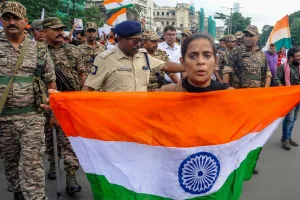
The Rapid Action Force (RAF) has started an internal verification after allegations surfaced that some of its personnel used excessive force and fired pellet gun during the ongoing student protests in Delhi. Officials confirmed on Friday that the Central Reserve Police Force (CRPF), which oversees the RAF, has directed the Inspector General (IG) of the anti-riot force to examine the sequence of events during the protest operations.

According to officials, the review will look at how RAF teams handled the demonstrations, the actions they took to control the crowd, and the incidents in which security personnel were allegedly attacked by protesters.

No formal court of inquiry yet

CRPF officials clarified that no formal Court of Inquiry (CoI) has been ordered at this stage. Instead, the force has begun a preliminary verification process to establish the facts surrounding the incidents.

Officials said a decision on whether to launch a formal inquiry will be taken only after this initial fact-finding exercise is completed.

A senior officer said that all legal procedures laid down for examining the conduct of personnel during operational duties would be followed.

Social media videos under examination

Officials said the RAF has taken note of several videos and photographs circulating on social media that show its personnel in their blue riot-control uniforms.

Some of the clips reportedly show RAF personnel carrying guns, using batons, and conducting a lathi-charge against protesters. Other videos show RAF personnel being surrounded and allegedly attacked by sections of the crowd.

The force is examining all such footage to understand the complete sequence of events.

Questions raised over pellet gun use

One of the key issues under review is the alleged use of 12-bore pump-action guns, commonly referred to as pellet gun, which are part of the RAF’s riot-control equipment.

Officials explained that the RAF’s standard operating procedure (SOP) allows these weapons to be used only in extremely dangerous situations where personnel face a serious threat to their lives.

The SOP also requires the use of a deflector so that the metal or rubber pellets cause limited injuries and are aimed only at the lower half of a person’s body.

Since January 20, at least two students have reportedly been admitted to local hospitals with pellet injuries.

While Delhi Police has denied possessing pellet guns and described reports suggesting otherwise as misleading, neither the CRPF nor the RAF has officially confirmed or denied allegations that RAF personnel fired pellet ammunition during the protests.

More incidents also being verified

Apart from the allegations of pellet gun use, officials said the RAF is reviewing several other incidents captured on video.

These include footage showing stranded RAF personnel allegedly being assaulted by protesters, a video where an RAF-uniformed man appears to trip a running protester, causing the person to fall, and another clip claiming that a shock-emitting gun was used against a protester.

Officials said all these incidents are being verified as part of the ongoing review.

CRPF tightens communication rules

Following the controversy, the CRPF has instructed commanders of the RAF and other deployed units not to interact with the media. The direction came after comments made by a woman RAF officer earlier this week were considered “undesirable” by the force.

Officials also said the CRPF headquarters is examining certain comments allegedly posted by RAF Assistant Commandant Sonia Sehrawat on Instagram regarding the protests. The review will determine whether the posts violated the paramilitary force’s social media policy.

BSF jawan arrested over Malda camp shooting

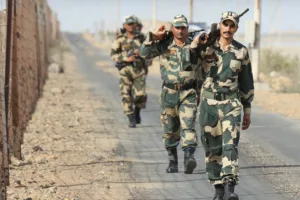
The incident in Malda left two personnel dead and another critically injured.

Statesman News Service | Kolkata |

Day after shooting at a Border Security Force (BSF) camp in Malda, the district police on Friday arrested a jawan named Shivam Kumar Mishra in connection with the incident.

The firearm allegedly used in the crime has been seized, the Malda District police said. The incident left two personnel dead and another critically injured.

Mishra was produced before the Malda District Court, where police sought his custody for further interrogation.
The firing took place on Thursday evening at the BSF camp in Baishnabnagar. Mishra, attached to the 119 Battalion, allegedly opened fire on personnel of the 71 Battalion, killing two jawans on the spot. Another jawan sustained critical bullet injuries and is undergoing treatment at Malda Medical College and Hospital.

Following the incident, fellow BSF personnel overpowered Mishra and handed him over to the police. He was questioned for several hours before being formally arrested.

Preliminary investigations suggest that the shooting may have been triggered by depression or personal distress. However, police said the exact motive is yet to be ascertained and further interrogation is expected to shed more light on the incident.

‘Under which authority are teachers being deployed?’ Delhi HC questions ECI over forcing teachers into SIR duty

The High Court sought a detailed explanation after concerns were raised that teachers were being compelled to perform electoral roll revision work at the cost of classroom teaching and personal holidays.

Statesman News Service | New Delhi |

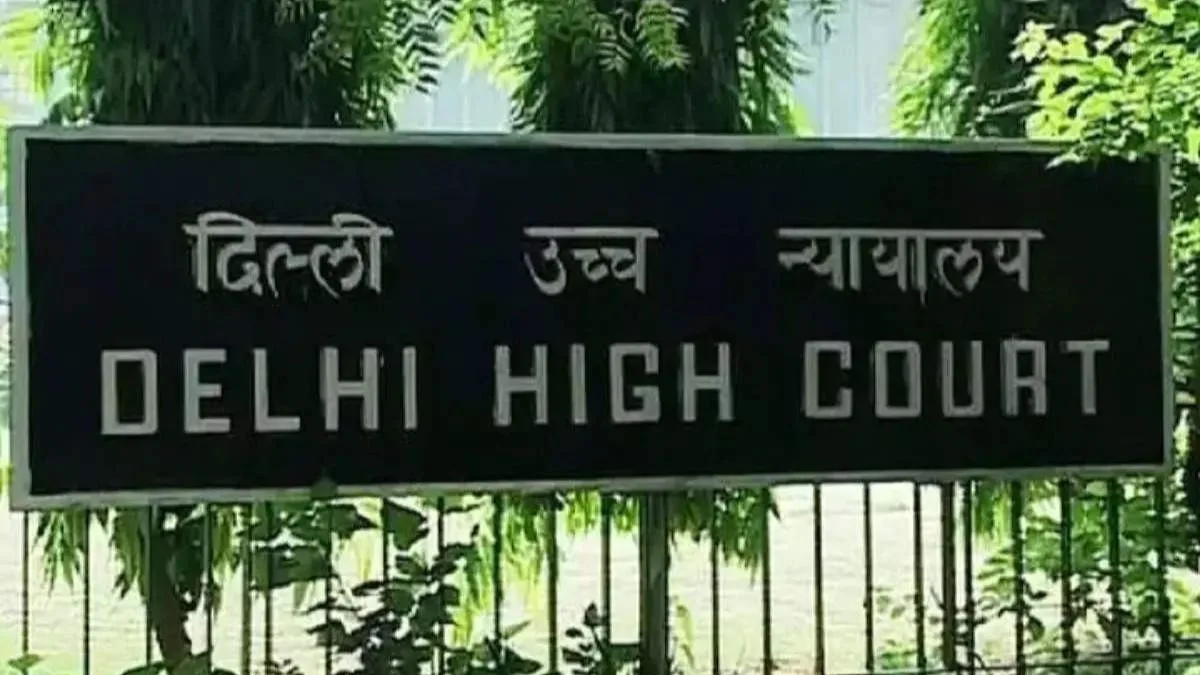
The Delhi High Court on Friday questioned the Election Commission of India (ECI) over its decision to deploy school teachers for work related to the Special Intensive Revision (SIR) of electoral rolls in the national capital. The Court asked whether the poll body could use its constitutional powers to assign such duties without clear legal authority.

A Bench comprising Chief Justice Devendra Kumar Upadhyaya and Justice Tejas Karia examined the issue while hearing a public interest litigation (PIL) filed against the ECI’s decision.

“Can you do whatever you like under Article 324?”

During the hearing, the Bench questioned the ECI’s reliance on Article 324 of the Constitution, which gives the Commission powers to supervise, direct and control elections to Parliament and State legislatures.

The judges asked whether the ECI could act without limits simply by referring to Article 324.

“Taking shade of Article 324, you do whatever you like?” the Bench remarked.

The Court also wanted to know under which legal provision the Commission was directing school teachers to carry out SIR duties. It noted that teachers who refuse such work could face disciplinary action from the ECI.

ECI says only a small number of teachers are deployed

Appearing for the Election Commission, Advocate Sanjay Vashishtha argued that the SIR exercise in Delhi was almost complete. He informed the Court that only around 10 to 14 percent of school teachers are eventually required for electoral roll revision work.

He submitted that the Commission derives its authority from Section 13B(2) of the Representation of the People Act and that this power is used carefully to avoid unnecessary inconvenience.

According to the ECI, teachers are assigned election-related work only during holidays or outside normal teaching hours.

Court questions ‘voluntary’ nature of the duty

The Bench, however, was not convinced by the ECI’s explanation. It observed that although the Commission describes the personnel as “volunteers,” they do not actually have the freedom to refuse the assignment.
The judges even suggested that if the ECI officially declared the work to be completely voluntary, the matter could be resolved.

The Court further questioned why teachers should be expected to work as Booth Level Officers (BLOs) during holidays.

It pointed out that government teachers also deserve time off and asked whether payment of an honorarium could justify taking away their holidays.

“Somebody is not interested in your honorarium or compensation. Can these instructions issued by you be said to be mandatory? Can you say no, no, no, we are compensating, please come. Destroy their holidays? Don’t they need rest?” the Bench asked.
Petition alleges disruption of classroom teaching

The PIL was filed by advocates Rajesh Kumar Gogna and Ashok Agarwal. They argued that the deployment of teachers for SIR work has seriously affected classroom teaching in many government and aided schools.

According to the petition, in several schools almost the entire regular teaching staff was withdrawn during school hours. As a result, classes were handled either by guest teachers or by teachers from unrelated subjects.

The petition also argued that the work is not limited to holidays or non-teaching hours. Teachers are required to attend full-day training sessions, conduct house-to-house verification, carry out data entry and complete verification work over several weeks, leading to continuous disruption of academic activities.

Plea alleges discrimination against government schools

The petition further claimed that the ECI’s decision is discriminatory because only teachers from government, municipal and government-aided schools are being assigned SIR duties, while no teachers from private unaided schools have been requisitioned.

According to the petitioners, this has affected students from lower-middle-class and economically weaker families, as they mainly study in government and aided schools.

The plea also argued that the deployment violates the Supreme Court’s ruling in Election Commission of India v. St. Mary’s School, conflicts with provisions of the Right to Education Act, 2009, and overlooks the availability of a large number of non-teaching government staff who could be assigned election work under Section 159 of the Representation of the People Act, 1951.

The petitioners urged the Court to direct the ECI to limit the deployment of school teachers to a maximum of 10 percent of the regular teaching staff in any school.