Logo

IIT-K: C3iHub completes second cybersecurity cohort, trains 140 Army personnel

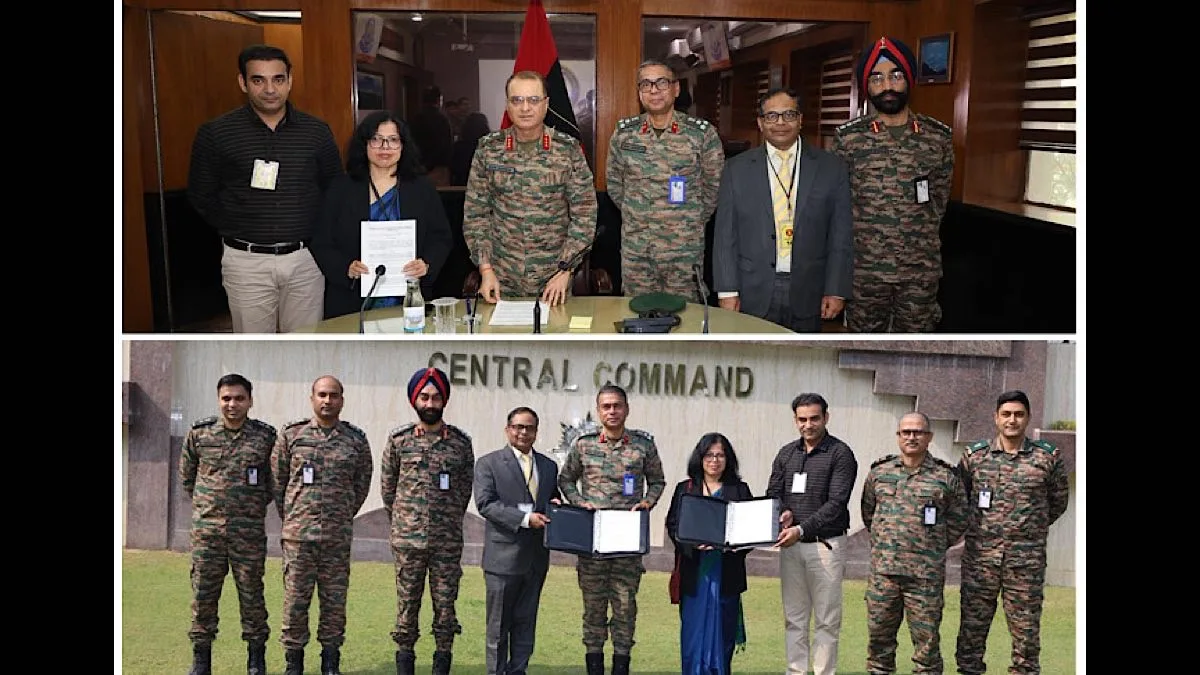
C3iHub, the Technology Innovation Hub on Cybersecurity at IIT Kanpur, on Friday marked the successful completion of the second cohort of its intensive cybersecurity training programme for personnel from the Indian Army’s Central Command at a valedictory function held at the Headquarters, Central Command, in Lucknow.

Statesman News Service | Lucknow/Kanpur |

C3iHub, the Technology Innovation Hub on Cybersecurity at IIT Kanpur, on Friday marked the successful completion of the second cohort of its intensive cybersecurity training programme for personnel from the Indian Army’s Central Command at a valedictory function held at the Headquarters, Central Command, in Lucknow.

The latest batch saw 70 Army personnel successfully complete the programme, taking the total number of Army personnel trained by C3iHub to 140 across two cohorts.

C3iHub’s six-month hybrid Cybersecurity Certification Programme features a structured curriculum designed to develop advanced, industry-ready cybersecurity professionals for defence and civilian security roles. The programme combines academic rigour with practical, tactical application, enabling participants to build strong foundational capabilities before progressing to specialised cyber defence skills.

The programme follows a two-tier learning model comprising a three-month Basic Module and a three-month Advanced Module. Each phase is delivered through a structured hybrid format of 24 in-person sessions (three hours each) and 12 online sessions (two hours each), providing a total of 96 contact hours per module.

While the Basic Module accommodates up to 45 participants, the Advanced Module is reserved for a select group of up to 30 top-performing participants who advance from the foundational phase.

The Basic Module covers core areas such as Linux systems and networking, cyber threat intelligence, operating system security, Security Operations Centre (SOC) operations, and incident response. It also includes hands-on training using industry-standard tools such as Burp Suite, Wireshark, Nmap, Nessus, and Splunk, preparing participants for operational cybersecurity roles.

The Advanced Module focuses on AI-driven security analytics, AI agents for security automation, rule-based log management, Power BI-based log analysis, big-data telemetry, malware analysis, digital and network forensics, and Vulnerability Assessment and Penetration Testing (VAPT). Both modules conclude with rigorous practical and theoretical assessments, leading to formal certification from C3iHub, IIT Kanpur.

With 140 Army personnel now trained across two cohorts, the initiative underscores the growing collaboration between IIT Kanpur’s C3iHub and the Indian Army’s Central Command to strengthen the nation’s cyber defence capabilities through structured, practice-oriented training.

India rejects Islamabad charge of flooding Pakistan; says IWT will remain in abeyance

New Delhi on Friday rejected Pakistan’s charge that India is deliberately causing flooding in the neighbouring country and reiterated that the Indus Water Treaty (IWT) will remain in abeyance until Islamabad stops its support to cross-border terrorism.

Statesman News Service | New Delhi |

New Delhi on Friday rejected Pakistan’s charge that India is deliberately causing flooding in the neighbouring country and reiterated that the Indus Water Treaty (IWT) will remain in abeyance until Islamabad stops its support to cross-border terrorism.

“We have seen Pakistani media reports alleging that India is deliberately causing flooding in Pakistan…such allegations are baseless and contrary to the facts,’’ Ministry of External Affairs spokesperson Randhir Jaiswal said at a media briefing here.

He explained that the recent increase in flows in the River Chenab is a direct consequence of intense monsoon rainfall over Jammu and adjoining catchment areas during 20–23 July.

Significantly, Pakistan’s own Flood Forecasting Division, Lahore, in its Flood Advisory issued on 22 July, attributed the high flood levels in the River Chenab to heavy rainfall over the upper catchment and stated that high flows at Marala were expected to persist before gradually receding as rainfall over the catchment decreased, the spokesperson pointed out.

He said that the rise in river flows is, therefore, a natural hydrological response to heavy monsoon rainfall and not the result of any deliberate action by India. ‘’Attempts to portray a weather-driven flood event as an upstream intervention are factually incorrect, technically untenable, and contradicted by Pakistan’s own official flood advisories,’’ he added.

As regards allegations relating to flood warnings, the spokesperson said the river flows during this period did not reach extraordinary discharge levels requiring the issuance of special flood warnings. The observed flows were consistent with prevailing monsoon conditions over the upper catchments, as acknowledged by Pakistan’s own flood forecasting authorities.

‘’Any suggestion that India deliberately withheld flood-related information is, therefore, without factual basis. Nevertheless, like last year, India will share high-flood data with Pakistan on humanitarian grounds, through diplomatic channels as and when a situation arises,” he added.

Regarding the IWT, he said: ‘’our position remains unchanged and very clear. The Indus Waters Treaty remains in abeyance until Pakistan irrevocably and credibly abjures its support for cross-border terrorism”.

Mamata to join CJP’s protest at Jantar Mantar on Monday

This marks her first involvement in a national-level protest since her party’s recent poll debacle in West Bengal.

Statesman News Service | Kolkata |

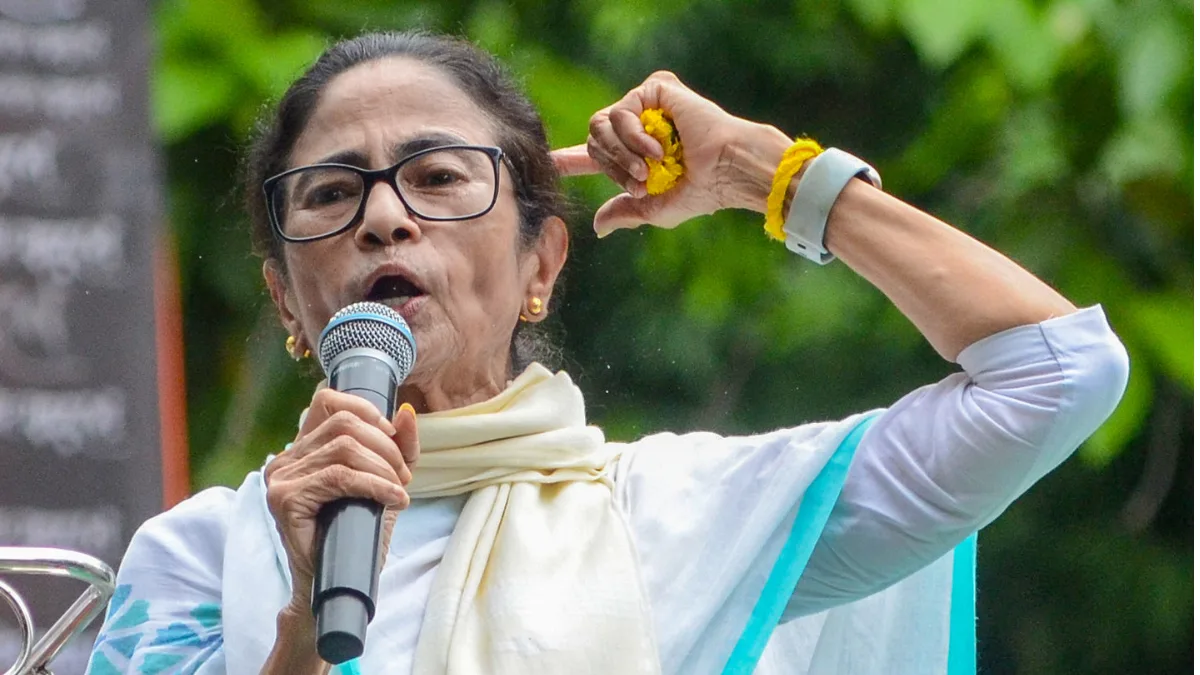
Trinamool Congress chief Mamata Banerjee has announced her decision to join the protest at Delhi’s Jantar Mantar in support of students led by the Cockroach Janata Party (CJP). Banerjee plans to participate in their sit-in on Monday.

During her Martyr’s Day speech at Kolkata’s Birla Planeterium on July 21, she had declared her support for the CJP and stated that she would join the protest in Delhi if necessary.

This marks her first involvement in a national-level protest since her party’s recent poll debacle in West Bengal.

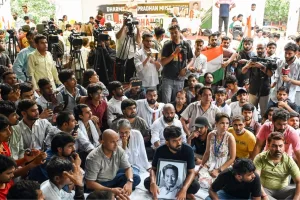
The Congress, along with other opposition parties, have shown their support towards the student protesters. Recently, MPs from the INDIA bloc, led by Leader of Opposition Rahul Gandhi held a sit-in protest outside the prime minister’s residence. The opposition leaders also held a sit-in at the Gandhi memorial site.

According to party insiders, Banerjee has urged her MP’s to extend their support to the students’ movement on several occasions.

Sources indicate that upon arriving in Delhi, Banerjee may engage in discussions with leaders of various opposition leaders, including senior Congress leaeder Sonia Gandhi, Leader of Opposition Rahul Gandhi, Samajwadi Party chief Akhilesh Yadav among others. Additionally, Banerjee is also expected to have a separate conversation with CJP chief Abhijeet Dipke.

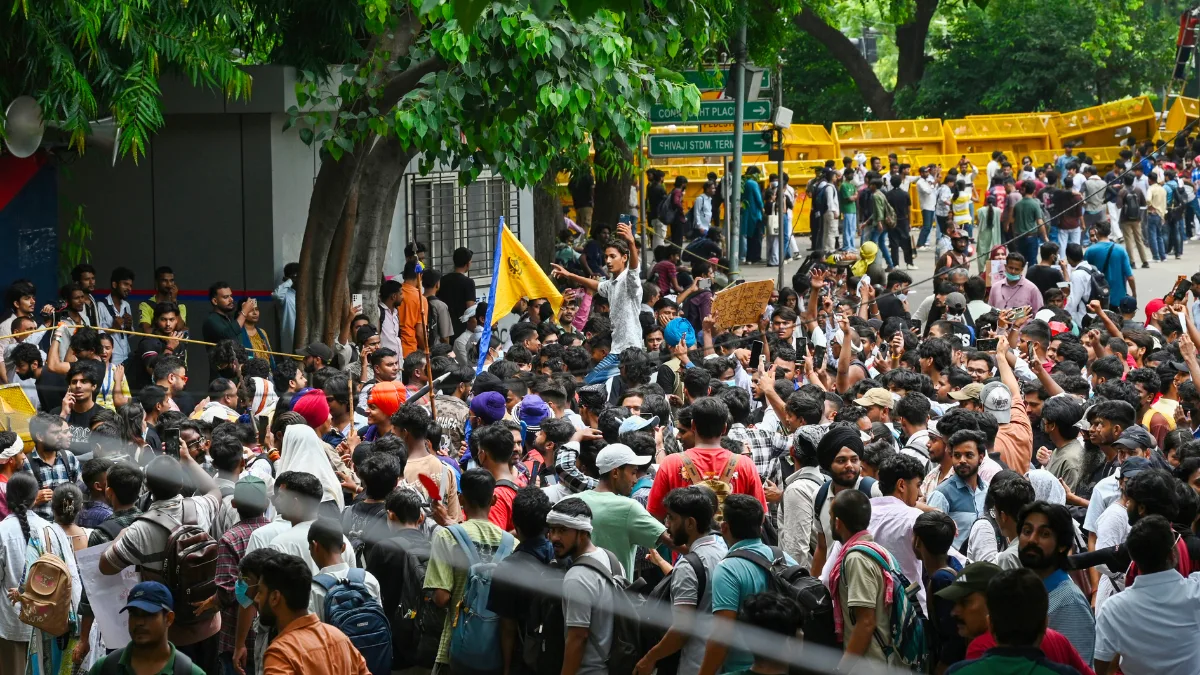
Meanwhile, the situation at the national capital remains tense with the students’ protest regarding the NEET paper leak spilling over to other cities across the country. Nationwide protests are on, demanding the immediate resignation of Union Education Minister Dharmendra Pradhan.

Odisha’s fifth rank in NITI index is Naveen government’s legacy, claims BJD

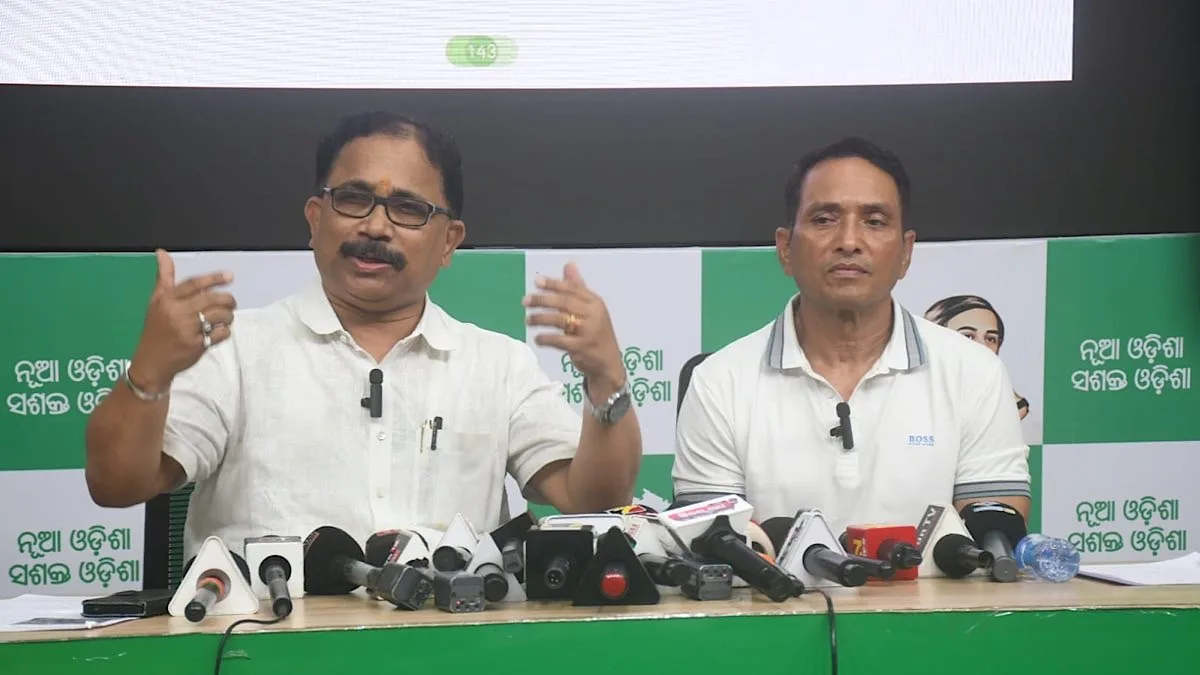
The opposition Biju Janata Dal (BJD) on Friday claimed Odisha’s fifth-place ranking in the NITI Aayog’s Investment Friendliness Index was the outcome of over two decades of industrial reforms and fiscal discipline under former Chief Minister Biju Janata Dal , accusing the BJP government of falsely claiming credit for the achievement.

Statesman News Service | Bhubaneswar |

The opposition Biju Janata Dal (BJD) on Friday claimed Odisha’s fifth-place ranking in the NITI Aayog’s Investment Friendliness Index was the outcome of over two decades of industrial reforms and fiscal discipline under former Chief Minister Biju Janata Dal , accusing the BJP government of falsely claiming credit for the achievement.

Addressing a press conference here on Friday, former minister and BJD MLA Captain Dibya Shankar Mishra and party spokesperson Dr Lenin Mohanty said the recognition was a matter of pride for every Odia but alleged that the BJP government was attempting to portray it as the result of its two-year tenure.

The BJD leaders said Odisha’s emergence as one of the country’s leading investment destinations was the result of 24 years of stable governance, policy consistency and investor-friendly reforms under the previous BJD government.

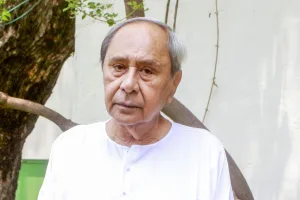
They credited Naveen Patnaik’s administration with developing ports and logistics infrastructure, promoting industrial corridors and downstream industries, introducing a transparent single-window clearance system and strengthening skill development through initiatives such as the World Skill Centre.

Mishra said these measures attracted investments across sectors including steel, aluminium, mining, petrochemicals, manufacturing, electronics, information technology, food processing, textiles and services.

Citing the Centre for Monitoring Indian Economy (CMIE), he claimed Odisha had emerged as the country’s top destination for investment proposals in 2019.

He further alleged that despite announcing investment proposals worth nearly Rs 3 lakh crore since assuming office, the BJP government had failed to establish major industrial projects or create new industrial corridors, making its claim over the NITI Aayog recognition unjustified.

Mohanty said Odisha’s ranking reflected years of fiscal discipline, transparent governance and policy stability under the BJD government. He alleged that the BJP was trying to appropriate the previous government’s achievements through publicity campaigns instead of focusing on fresh industrialisation initiatives.

He noted that Naveen Patnaik had congratulated the state government on Odisha’s latest ranking, describing it as the outcome of years of strategic planning and sustained industrial policy.

Instead of taking credit for policies and projects initiated during the previous regime, the regional party urged the BJP government to focus on attracting fresh investments, establishing new industries, generating employment and strengthening the state’s fiscal management.

ED raids nine locations in J&K, Punjab in narco-terror funding probe

The Enforcement Directorate (ED) carried out searches at nine locations across Punjab and Jammu and Kashmir in a major crackdown on an alleged narco-terror funding network with links to Pakistan-based handlers and the banned Hizbul Mujahideen terror outfit.

Statesman News Service | Jammu |

The Enforcement Directorate (ED) carried out searches at nine locations across Punjab and Jammu and Kashmir in a major crackdown on an alleged narco-terror funding network with links to Pakistan-based handlers and the banned Hizbul Mujahideen terror outfit.

The raids, conducted under the Prevention of Money Laundering Act (PMLA), targeted locations near the Line of Control in Kashmir as part of an ongoing money laundering probe. The ED has frozen bank accounts containing nearly Rs 49.9 lakh after conducting searches, ED said on Friday.

The agency said its investigation uncovered a multi-layered cross-border network in which heroin was smuggled from Pakistan into Kashmir before being transported to Punjab through an organised chain of handlers and carriers. According to the ED, the proceeds from heroin trafficking were allegedly used to finance terror activities.

The investigation revealed a well-organised and a multi-layered narco-terror funding network operating between Punjab and Jammu & Kashmir, involving Punjab-based handlers including Satnam Singh and Manjit Singh @ Maan, and Kupwara, Kashmir (near LOC) based operatives including Safeer Ahmed and Kafeel Ahmed. Heroin consignments were smuggled from Pakistan through Pakistan-based handlers linked with terrorist organization, Hizbul Mujahideen, who coordinated with Kashmir-based accused including Safeer Ahmed and Kafeel Ahmed for smuggling heroin through the Amrohi border/LoC adjoining areas into India, ED said on Friday, the ED said in a statement.

In one instance, 35 packets of heroin were retrieved, out of which 5 packets were distributed locally and 30 packets were concealed in a truck tyre for transportation to Srinagar. The consignment was delivered in Srinagar to Punjab-based alleged carriers Sarabjeet Singh and Honey Basra, who were later intercepted at Banihal in September 2023 with 30 packets weighing about 31 kg heroin. The Punjab-side network, headed by Satnam Singh and Manjit Singh @ Maan, allegedly used forged documents, fake vehicle papers, concealed cavities, multiple vehicles and cash transactions to transport and distribute heroin.

Multiple other instances were found relating to transportation of heroin from Srinagar to Punjab through an organised network headed by Satnam Singh and Manjit Singh @ Maan s/o Satnam Singh, wherein carriers and transporters were deployed to collect heroin consignments, cumulatively more than 60 kg, from Kashmir-side operatives and deliver the same in Punjab for further sale and distribution. The proceeds of crime so generated via heroin sales were used to fund terror activities, the ED stated.

The ED investigation revealed banking transactions, including high-value cash deposits in accounts of Manjit Singh @ Maan and cash deposits in the account of Sarabjeet Singh. The searches conducted by ED, particularly in border/LoC-adjoining areas, against the narco-terror funding network are significant as they target the source-side logistics and local facilitators linked with the cross-border narcotics supply chain, the ED said.

During the searches, several incriminating documents and bank account records were recovered and seized under the provisions of the PMLA, 2002. Also, several bank accounts cumulatively having an amount of approximately Rs. 49.9 lakh have been frozen, ED added.
Further investigation is under progress, the ED added.

UP govt raids fake medicine factory under ‘zero tolerance’ policy, two arrested

Under Chief Minister Yogi Adityanath’s strict policy against the fake medicine trade in Uttar Pradesh, another major success has been achieved in the ongoing campaign.

Statesman News Service | Lucknow |

Under Chief Minister Yogi Adityanath’s strict policy against the fake medicine trade in Uttar Pradesh, another major success has been achieved in the ongoing campaign.

The investigation that began with a sample of fake Flozen medicine recovered in Aminabad, Lucknow, has finally exposed an illegal drug manufacturing factory operating in Dehradun. The Food Safety and Drug Administration (FSDA), Uttar Pradesh, uncovered the entire interstate network based on digital evidence and mobile chats.

In a joint operation with the Crime Branch, Ghaziabad, the FSDA raided the illegal fake medicine manufacturing factory operating in Dehradun and recovered fake medicines, packaging material and modern machinery worth nearly Rs 1 crore. Two accused were arrested during the joint operation, while the search for other members of the gang is underway.

On July 19, 2026, during the investigation of a case registered at Aminabad Police Station, Lucknow, regarding the storage and sale of fake medicines, 43 types of fake medicines were recovered. Based on documents and digital evidence obtained during the initial investigation, the FSDA Headquarters constituted a Special Enforcement Team. By analysing mobile data, WhatsApp chats, packaging patterns and the supply chain, the team began connecting the links of the entire network. During the investigation, it emerged that the gang’s main supplier, Rajendra Singh alias Arun Tunda, was present in Ghaziabad. Subsequently, the FSDA’s Special Team, with the assistance of the Crime Branch, Ghaziabad, arrested him near KW Mall, Raj Nagar Extension, on July 22.

Food Safety and Drug Administration Commissioner Dr Roshan Jacob said here on Friday that the sample of the tablet ‘Flozen AA’ recovered during the Aminabad operation was found to be spurious during testing. Meanwhile, the digital examination of the mobile phone of the arrested accused, Rajendra Singh alias Arun Tunda, revealed photographs of fake strips of the Flozen brand, documents related to packaging, and WhatsApp chats concerning machinery. This digital evidence clearly established that the fake medicine recovered in Lucknow and the illegal factory operating in Dehradun were part of the same interstate network. Acting on this lead, the investigation progressed further, leading to a raid on the Dehradun factory and the exposure of the entire syndicate.

The digital forensic examination of the arrested accused’s mobile phone revealed several startling facts. WhatsApp chats contained images of fake strips of well-known medicine brands, packaging material, spare parts of machines, and manufacturing-related photographs. The investigation also revealed that deliberate alterations had been made to the packaging, making it difficult for an ordinary customer to identify the products as fake. Based on this evidence, the illegal factory in Dehradun was traced.

Acting on the accused’s identification, a joint team of officials from FSDA Uttar Pradesh, Crime Branch Ghaziabad and FSDA Uttarakhand raided a premises on Devipur New Highway Road, East Hope Town, Dehradun. During the search, officials recovered a modern Alu-Alu packing machine, a strip machine, an inkjet belt printer, a compressor, a high-voltage stabiliser, and a large quantity of semi-finished tablets and capsules, along with printed aluminium foil, wrappers and master cartons. The evidence found at the site made it clear that fake medicines were being manufactured there without a valid licence and were being prepared for dispatch to the market after being packed in the packaging of reputed companies.

During the raid, fake packaging material of several well-known medicine brands, including Clavactam-625 and Razo-D Capsules, was recovered. In addition, master cartons and aluminium foil printed with the names of Cipla, Dr. Reddy’s, Intas, Lupin, Elder and other leading companies were also found. Officials believe that these medicines were being supplied to markets across different states by falsely presenting them as genuine products.

In this case, Gaurav Tyagi, Rajendra Singh alias Arun Tunda, Vipin Bhatnagar and Vinay Chand have been named as accused. Rajendra Singh alias Arun Tunda and Vinay Chand have been arrested. A case has been registered against the accused under various provisions of the Bharatiya Nyaya Sanhita (BNS), 2023, including Section 111 relating to organised crime. The search for the remaining accused is underway, and the investigating agencies are also examining the entire financial network and supply chain.

Food Safety and Drug Administration Commissioner Dr Roshan Jacob said, “Under the directions of Chief Minister Yogi Adityanath, a continuous campaign is being carried out across the state against fake medicines under the ‘zero tolerance’ policy. No gang that endangers public health will be spared. The department will not remain confined to merely seizing fake medicines, but will continue taking action to dismantle the entire network from manufacturing to supply and sale.”


ABVP, SFI clash in Bengal’s Bardhaman during protest rally

The Grand Trunk Road at Bardhaman turned out to be tense with slogans and counter-slogans, and traffic came to a halt.

Statesman News Service | Kolkata |

Two student outfits affiliated with rival political parties engaged in a brief scuffle during a protest rally at West Bengal’s Bardhaman town on Friday morning.

The clash featured supporters of the Akhil Bharatiya Vidyarthi Parishad (ABVP) and the Students’ Federation of India (SFI), prompting the police to rush to the spot and bring the situation under control.

Slogans and counter-slogans echoed the Old Grand Trunk Road in Bardhaman and traffic came to a halt when the two students’ unions locked horns over the protest.

ABVP alleged that SFI forcibly disrupted classes and tried to take students to the march.

SFI, however, denied the charge, claiming that ABVP obstructed them and abused the Left students’ body.

Both sides, however, after the commotion, surprisingly asserted their support for a non-political students’ movement.

The march began at Vivekananda College More and ended at Parbirhata Crossing on Old GT Road, followed by a street meeting.

The SFI staged a protest march demanding the resignation of Union Education Minister Dharmendra Pradhan, in line with the nationwide movement condemning the alleged police lathi-charge on students protesting at Jantar Mantar in Delhi.

Warring questions AAP government over recurring paper leaks in Punjab

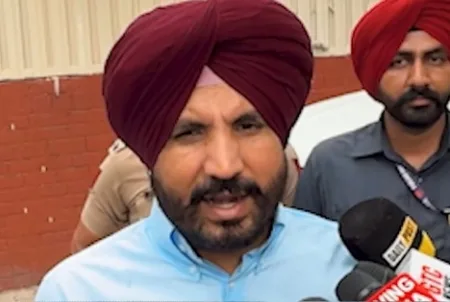
Punjab Congress president Amarinder Singh Raja Warring has questioned the Aam Aadmi Party (AAP) government in the state over the recurring incidents of paper leaks and its failure to curb them.

Statesman News Service | Chandigarh |

Punjab Congress president Amarinder Singh Raja Warring has questioned the Aam Aadmi Party (AAP) government in the state over the recurring incidents of paper leaks and its failure to curb them.

In a statement, Warring cited the latest examination for the recruitment of Pharmacy Officers conducted by Baba Farid University of Health Sciences (BFUHS), where cheating was allegedly carried out using technology.

He also referred to earlier paper leaks and irregularities in other examinations, including the Punjab School Education Board’s (PSEB) Class 12 English paper leak, irregularities in the Punjab State Teacher Eligibility Test (PSTET), and allegations surrounding the Punjab Group-B recruitment examination.

The PCC president said the Punjab government needs to take responsibility for the paper leaks and punish those responsible. “When the AAP can demand the resignation of Union Education Minister Dharmendra Pradhan, who, of course, must resign, why can’t it apply the same yardstick in Punjab as well?” he asked. He remarked that by shielding the guilty in Punjab, the AAP had only exposed its double standards.

Giving details of the PSEB Class 12 English examination held in February 2023, he said the PSEB cancelled the examination on the very day it was scheduled after reports emerged that the question paper had been leaked.

Similarly, he said that in March 2023, candidates appearing for the Punjab State Teacher Eligibility Test (PSTET) discovered answer keys printed on certain question paper booklets.

He said no concrete action had been taken in either of the two cases so far.

The PCC president also referred to the Group-B recruitment examination controversy that surfaced in December last year, when allegations of question paper tampering and other irregularities emerged in the Punjab Subordinate Services Selection Board (PSSSB) Group-B recruitment examination.

Warring asked the government what action it had taken against the culprits and whether it had fixed responsibility at the highest level. “Practice what you are preaching,” he told the AAP, referring to the party’s demand for Pradhan’s resignation. “Pradhan must resign, and the AAP must also fix responsibility in Punjab,” he remarked.

Bengal to provide seated dining facilities at ‘Maa Canteens’, to redistribute surplus food among poor

Only after quality checks and processing will the food be distributed among people living below the poverty line.

Statesman News Service | Kolkata |

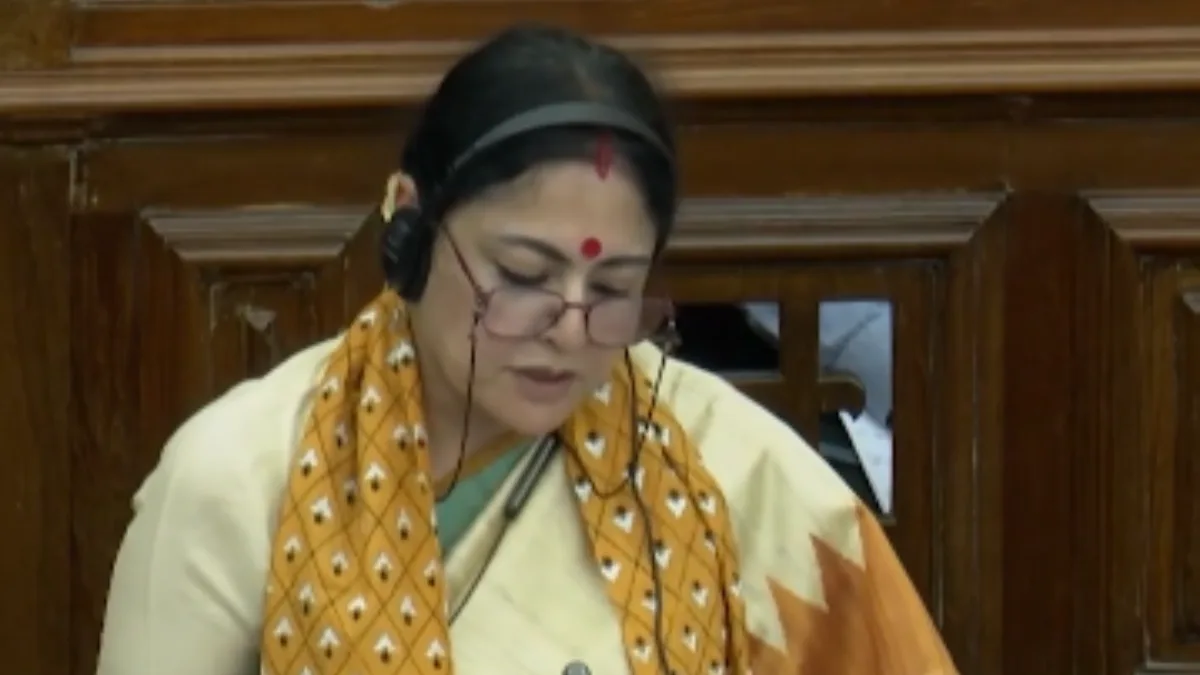
West Bengal Urban Development and Municipal Affairs Minister Agnimitra Paul declared that Maa Canteens will soon provide seated dining facilities while surplus food from restaurants, hotels and social functions will be redistributed among the poor after safety checks.

The government on Friday announced these two major initiatives aimed at strengthening urban food security and reducing food wastage.

Making the announcements during the discussion on the Urban Development budget in the Assembly, Paul said the government was upgrading the state’s subsidised canteen network to improve the dining experience for beneficiaries.

At present, customers either collect their meals and leave or eat while standing. Under the new arrangement, dining spaces will be created so that people can have their meals while seated, without any increase in prices.

West Bengal currently has 390 Maa Canteens, where meals are available at highly subsidised rates. The network has also expanded its menu in recent months, offering meals priced between Rs 5 and Rs 15, including fish and rice.

According to the minister, nearly 100 Maa Canteens operate in the vicinity of government hospitals, catering not only to attendants of patients but also to workers, daily commuters and other low-income residents.

Around 85,000 people avail themselves of the canteen service every day, and the proposed seating arrangement is expected to significantly improve convenience for regular users.

Paul also unveiled a food redistribution programme intended to curb wastage and support economically weaker sections. Under the proposed system, surplus food from restaurants, hotels and social events will be collected by municipal authorities instead of being discarded.

The food will be stored overnight in a cold storage facility before being inspected the following morning by municipal food safety officers. Only after quality checks and processing will the food be distributed among people living below the poverty line. The minister said a dedicated cold-chain infrastructure would be developed to support the initiative, adding that implementation would begin shortly.

The announcement formed part of the government’s broader urban welfare agenda, focusing on affordable nutrition and sustainable food management.

During the Assembly debate, former Municipal Affairs Minister Firhad Hakim praised Paul’s administrative approach since assuming office. Referring to her inspections across different civic areas, Hakim said the new minister had demonstrated remarkable energy during her first two-and-a-half months in office.

“You have been running from place to place since taking charge. Perhaps I could not do that in my tenure. I acknowledge that,” Hakim remarked, drawing light-hearted reactions from the treasury benches. He also advised the government to intensify action against the illegal filling of wetlands using debris from demolished buildings, urging closer coordination with the police to curb the practice.

Responding to the appreciation, treasury bench members exchanged banter before the discussion returned to civic administration and urban infrastructure. The government’s latest announcements are expected to be rolled out in phases as part of its efforts to improve public welfare services while promoting responsible food management across urban areas.

CBI detains railway official for allegedly accepting Rs 1.70 lakh bribe

The Central Bureau of Investigation (CBI), while conducting an operation in the Varanasi Railway Division on Thursday, detained Divisional Material Manager Nitesh Agarwal for allegedly accepting a bribe of Rs 1.70 lakh.

Statesman News Service | Varanasi |

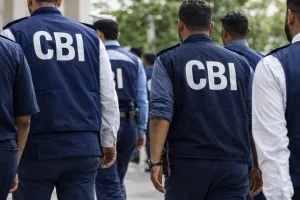
The Central Bureau of Investigation (CBI), while conducting an operation in the Varanasi Railway Division on Thursday, detained Divisional Material Manager Nitesh Agarwal for allegedly accepting a bribe of Rs 1.70 lakh.

According to official sources, Agarwal allegedly demanded a bribe of Rs 1.70 lakh from a furniture supplier in exchange for clearing the contractor’s bill. Acting on the contractor’s complaint, the CBI conducted an investigation and detained the accused officer.

The CBI team is also searching the officer’s office, official residence, and other premises linked to him. In addition, the bank accounts and financial transactions of the officer and his family members are being scrutinised.

According to sources, the CBI has been carrying out a sustained drive against corruption in various divisions of the Railways over the past several months. Further investigation is underway.

2 MP Police Constables arrested in Bhopal for alleged rape of Dalit minor

In a shocking incident, a constable of the Madhya Pradesh Police allegedly raped a minor Dalit girl in Bhopal, while another constable kept guard outside the house where the crime occurred.

Statesman News Service | Bhopal |

In a shocking incident, a constable of the Madhya Pradesh Police allegedly raped a minor Dalit girl in Bhopal, while another constable kept guard outside the house where the crime occurred.

Based on the complaint filed by the 17-year-old victim and her parents, the police have arrested both constables.

According to police officials, the main accused is Santosh Sen, a constable in the MP Police Special Task Force (STF) posted in Dhar district. His accomplice, Jitendra Rajput, is a constable posted in the Gwalior district. Both men are married and in their thirties.

Police reported that both constables had come to Bhopal, where Santosh lured his neighbour’s minor daughter under the pretext of taking her to a birthday party for a mutual acquaintance’s child.

The two men took the girl to a house in MP Nagar area, where Santosh allegedly raped her. In her complaint, the victim also alleged that Jitendra remained outside the house on guard alongside his three-year-old son.

Police officials stated that Sen has been charged with rape under the Protection of Children from Sexual Offences (POCSO) Act, relevant sections of the Bharatiya Nyaya Sanhita (BNS), and the Scheduled Castes and Scheduled Tribes (Prevention of Atrocities) Act.

Similarly, Rajput has been charged under the same acts, with the exception of the rape count. He had also arranged the car used to transport the victim and assisted Sen in committing the crime.

ISSF World Cup Hangzhou: Sainyam wins silver in women’s 10m air pistol, opens India’s medal tally

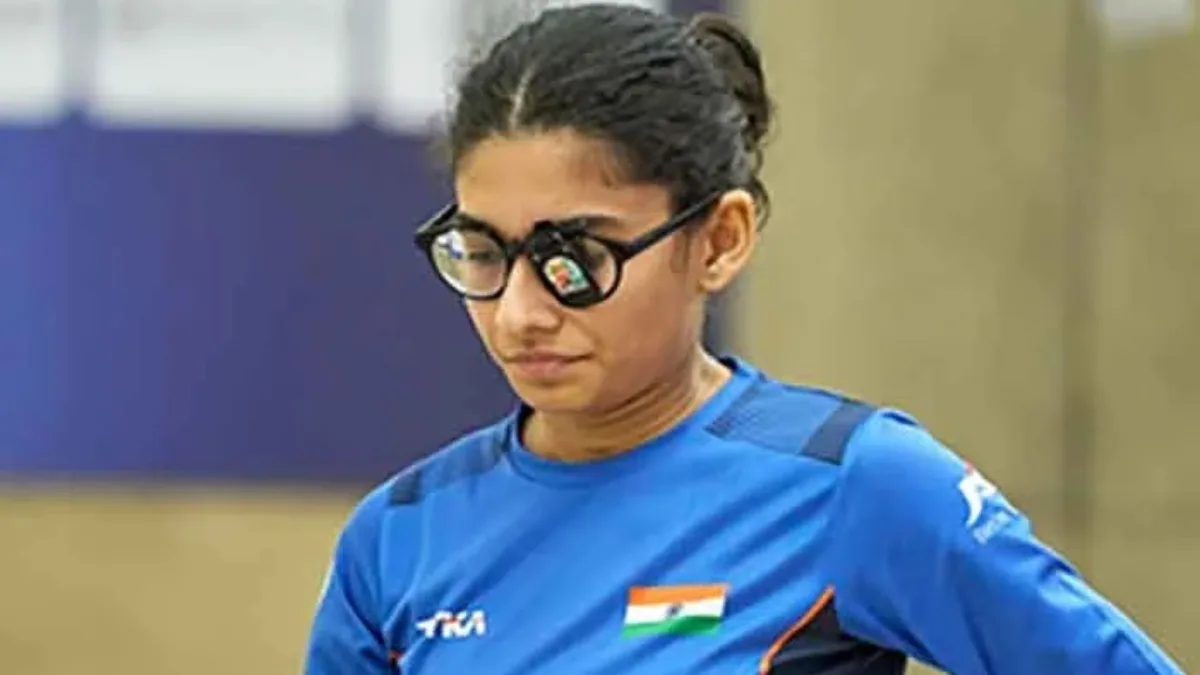
India’s Sainyam won the silver medal in the women’s 10m air pistol event at the ISSF World Cup Hangzhou, opening the country’s medal tally with a score of 243.4 in the final.

Statesman News Service | New Delhi |

India’s Sainyam opened the country’s medal account at the ISSF World Cup Rifle/Pistol/Shotgun in Hangzhou, China, by clinching the silver medal in the women’s 10m air pistol event on Friday.

The 22-year-old shooter produced a composed display in the final, scoring 243.4 to finish second against a strong international field. She had earlier qualified for the eight-woman final with a score of 579.

Sainyam continues impressive rise

The silver medal continues Sainyam’s impressive progression on the international circuit after a series of strong performances over the past year.

Her latest success comes on the back of winning the 10m Air Pistol Trial 2 at the National Selection Trials in New Delhi with a score of 243.1, while she had also claimed silver at the ISSF World Cup Final in Doha.

The Chandigarh shooter previously won gold medals at the ISSF Junior World Cup in Suhl and the ISSF Junior World Championships in Changwon in 2023, establishing herself as one of India’s brightest pistol shooters.

NRAI hails silver-medal performance

National Rifle Association of India (NRAI) president Kalikesh Narayan Singh Deo praised Sainyam’s composure on the world stage.

“Sainyam’s podium finish in Hangzhou is a testament to her dedication and technical discipline. Competing against a top-tier international field requires immense composure, and her performance reflects the high standards she consistently strives for.”

NRAI Secretary General Pawankumar Singh added that her transition from junior success to senior World Cup podiums highlights her growth as an elite shooter.

Other Indian shooters’ performances

India had another finalist in Suruchi Inder Singh, who finished seventh after qualifying with 579-20x.

Competing under Ranking Points Only (RPO) status, Manu Bhaker recorded the highest qualification score among the Indian contingent with 582-12x, while Esha Singh finished 13th with 577-22x. Lakshita posted 572-14x in her RPO appearance.

Sainyam’s silver gives India a positive start to its campaign in Hangzhou as the shooters look to add more medals over the remainder of the ISSF World Cup.

UT Chandigarh Finance Secretary unveils TRIGYA THRIVE 2026 scholarship exam for IIT-JEE, NEET aspirants

The exam will be held both in online and offline modes across the Tricity region and neighbouring states, offering scholarships of up to 100 per cent.

Statesman News Service | Chandigarh |

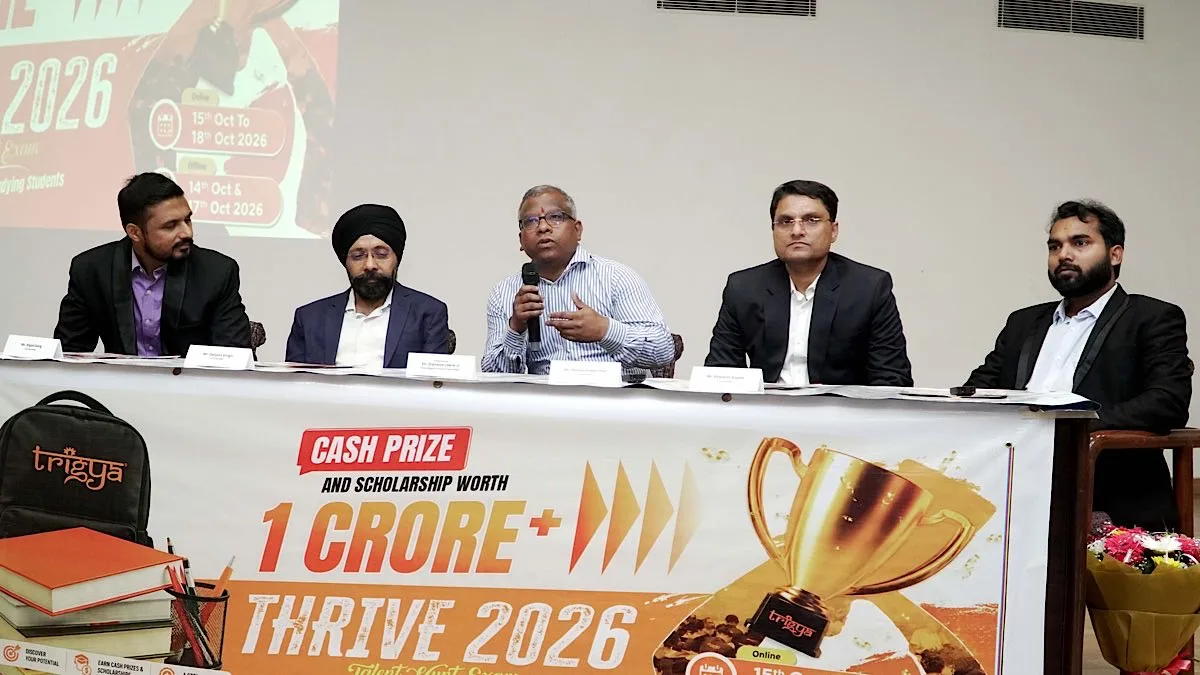
In a significant push towards promoting merit-based education and expanding access to quality coaching for competitive examinations, Finance Secretary, Chandigarh Administration, Deeprava Lakra unveiled TRIGYA THRIVE-2026, a flagship scholarship examination designed to identify talented students and help aspiring IIT-JEE and NEET candidates realise their academic ambitions through scholarships of up to 100 per cent.

Speaking at the launch held at the IMA Auditorium, Sector 35 here, Lakra emphasised the importance of quality education and merit-based opportunities in shaping the country’s future, and encouraged students to pursue excellence in science, technology and healthcare.

Open to students of Classes VII to XII, THRIVE-2026 will offer scholarships of up to 100 per cent, along with cash prizes, merit certificates, academic recognition and opportunities to participate in educational and scientific exposure programmes. Special scholarship assistance will also be provided to financially challenged yet meritorious students.

The examination will be conducted in offline mode on October 14 and 17, and online between October 15 and 18, 2026, across Chandigarh, Mohali, Panchkula, Himachal Pradesh and partner schools.

For students of Classes VII to X, the examination will comprise 50 multiple-choice questions carrying 100 marks from Physics, Chemistry, Biology, Mathematics and Mental Ability. Separate papers for engineering and medical aspirants in Classes XI and XII will carry 144 marks with 36 MCQs, aligned with competitive examination standards.

Tripura: Team formed to probe former police chief’s death

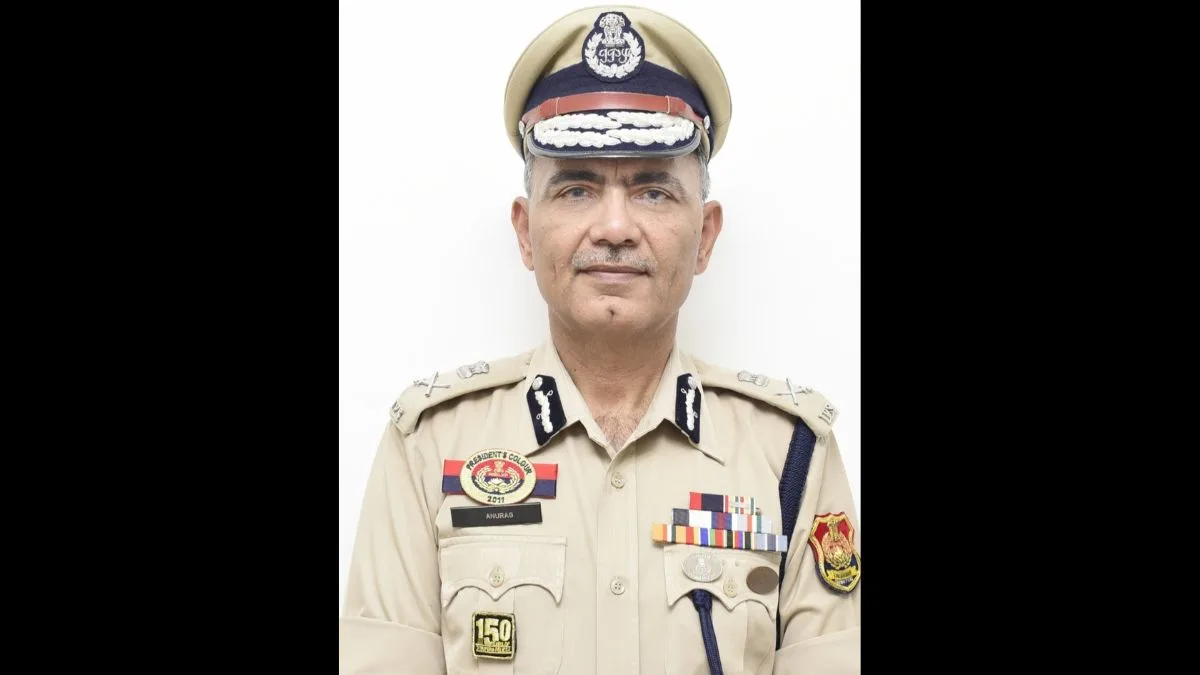
Anurag was cremated with full state honours at his ancestral town of Baraut in Uttar Pradesh’s Baghpat district on July 22.

Statesman News Service | Agartala |

A three-member team has been constituted by Tripura Director General of Police (DGP) to investigate the “mysterious” death of former Director General of Police Anurag.

Anurag’s body was found at the state police headquarters in Agartala on July 20, IANS reported.

As per the official order issued by the office of the DGP, Superintendent of Police (West Tripura) Namit Pathak would head the investigation team, with Additional Superintendent of Police (Urban), West Tripura, Dhruba Nath, and Sub‑Inspector Subhojit Deb being the other two members.

Also, the order highlights that if required the SP (West) could co‑opt any other officer from the Tripura Police Crime Branch or any other unit, as deemed appropriate.
Further, the SP (West) may seek assistance from the Cyber Crime Unit of the Tripura Police Crime Branch for technical support.

This comes days after the former DGP’s body was recovered under mysterious circumstances in the washroom attached to his official chamber at the State Police Headquarters in Agartala.

Anurag was cremated with full state honours at his ancestral town of Baraut in Uttar Pradesh’s Baghpat district on July 22. His son, Abhishek, lit the funeral pyre at the cremation ground near Bawli Chungi on the Delhi‑Saharanpur Highway in the presence of oher family members, senior police officers and others.

Anurag was a 1994‑batch Indian Police Service (IPS) officer of the Tripura cadre.

Haryana approves strict code of ethics for empanelled valuers for government land; violations may attract Rs 1 lakh penalty

The Haryana government approved a comprehensive Code of Ethics for empanelled valuers to ensure fair, transparent and accountable valuation of land under the policy notified in 2021.

Statesman News Service | Chandigarh |

The Haryana government approved a comprehensive Code of Ethics for empanelled valuers to ensure fair, transparent and accountable valuation of land under the policy notified in 2021.

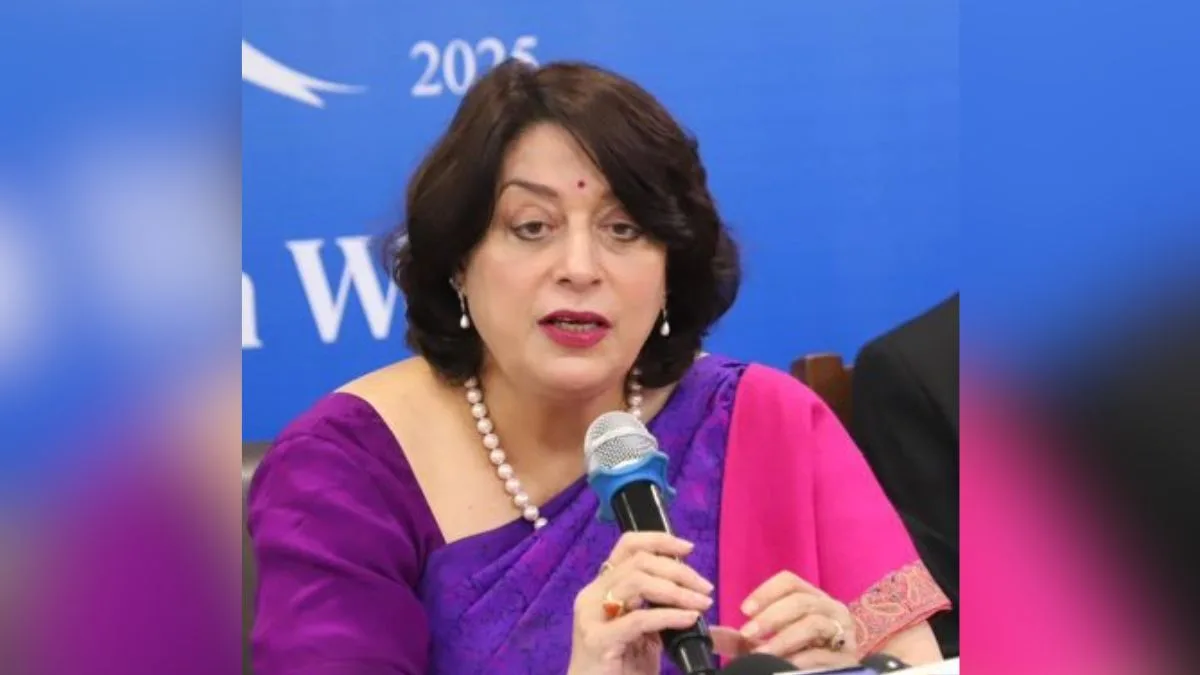
Informing this, Dr Sumita Misra, Financial Commissioner, Revenue and Disaster Management Department, said valuers found violating the prescribed Code of Ethics may face de-empanelment, forfeiture of valuation fees and a penalty up to Rs 1 lakh, depending upon the gravity of the violation.

The policy, prepared by the Revenue and Disaster Management Department, lays down a uniform ethical and professional framework for empanelled valuers engaged by the State Government for valuation of land.

Under the Code of Ethics, every empanelled valuer will be required to comply with the applicable provisions of the Haryana Land Revenue Act, 1887, the Indian Stamp Act, 1899, the Right to Fair Compensation and Transparency in Land Acquisition, Rehabilitation and Resettlement Act, 2013, the Real Estate (Regulation and Development) Act, 2016, the Companies (Registered Valuers and Valuation) Rules, 2017, and other relevant Central and State laws, rules, manuals and government instructions.

Dr Misra said that valuers will also be required to follow the guidelines issued by their respective parent organisations, including the Income Tax Department, State Bank of India and Government-owned insurance companies, wherever applicable.

One of the key provisions of the policy makes it mandatory for every empanelled valuer to submit a conflict-of-interest declaration before undertaking any valuation assignment. The Code of Ethics will also be reviewed every two years to keep it aligned with changing legal and professional requirements.

The policy specifies several grounds for de-empanelment. These include under-valuation or over-valuation of land, preparation of valuation reports with malafide intentions, professional misconduct, involvement in fraudulent activities including raising fake bills, delay in submission of valuation reports beyond the agreed timeline, and threatening, intimidating or abusing government officers, employees or representatives.

Another significant provision is the automatic de-empanelment of a valuer if his or her registration is suspended or withdrawn by the parent regulatory body, such as SEBI, RBI, the Income Tax Department, SBI or any other competent authority.

The policy also provides a detailed grievance-handling mechanism. In cases involving alleged violations of the Code of Ethics, the Administrative Secretary of the concerned department will report the matter to the Revenue and Disaster Management Department with specific details.

An officer appointed by the department will conduct an inquiry after giving an opportunity of hearing to both the concerned department and the empanelled valuer before making recommendations.

The Financial Commissioner, Revenue and Disaster Management Department, will be empowered to impose a penalty of up to Rs one lakh, depending upon the gravity of the violation, besides forfeiting the valuation fee. The policy further provides that the penalty may be recovered as arrears of land revenue under the Haryana Land Revenue Act, 1887.

According to the policy, the framework is intended to ensure greater transparency, fairness and accountability in the valuation of land and other government assets undertaken for various Government Departments, Boards, Corporations, Panchayati Raj Institutions and Urban Local Bodies by prescribing uniform ethical standards and clearly defining the responsibilities and liabilities of empanelled valuers.

CWG 2026: India’s Tulika Maan provisionally suspended by NADA, ruled out of Glasgow Games

India’s Commonwealth Games 2026 campaign has suffered a setback after Birmingham 2022 silver medallist Tulika Maan was provisionally suspended by NADA over alleged whereabouts failures, ruling her out of the Glasgow Games.

Statesman News Service | New Delhi |

India’s Commonwealth Games 2026 campaign has suffered another significant setback after Olympian and Birmingham 2022 silver medallist Tulika Maan was provisionally suspended by the National Anti-Doping Agency (NADA) over alleged whereabouts failures, ruling her out of the Glasgow Games before the Indian judo squad’s departure.

Tulika, one of India’s leading medal hopes in the women’s +78kg category, has been withdrawn from the Games after allegedly accumulating three whereabouts failures within a rolling 12-month period, a violation that can trigger sanctions under the World Anti-Doping Agency (WADA) Code and India’s National Anti-Doping Rules (NADR) 2021.

Provisional suspension over whereabouts failures

According to sources, the 26-year-old has been summoned by NADA and is scheduled to appear before the anti-doping body as part of the disciplinary process.

Under Article 2.4 of the National Anti-Doping Rules, athletes in the Registered Testing Pool (RTP) are required to regularly update their whereabouts through the Anti-Doping Administration and Management System (ADAMS) to facilitate out-of-competition testing.

Any combination of three whereabouts failures, including missed tests and filing failures, within a 12-month period may constitute an anti-doping rule violation, even in the absence of a positive test for a prohibited substance.

Tulika has been placed under provisional suspension pending the outcome of the case.

Major blow to India’s medal hopes

The suspension comes at a crucial stage, with India’s judo contingent set to leave for Glasgow on July 27, while the competition begins on July 31.

Tulika was among India’s strongest medal contenders after winning silver in the women’s +78kg category at the Birmingham 2022 Commonwealth Games. Her absence significantly weakens India’s chances in judo at Glasgow 2026.

The development adds to the challenges facing India’s Commonwealth Games campaign as the country looks to improve on its medal haul from the previous edition.

If found guilty after the disciplinary process, Tulika could face sanctions under the National Anti-Doping Rules. However, the proceedings are ongoing, and no final decision has been announced.

‘End of hunger… beginning of accountability’ — decoding Sonam Wangchuk’s decision and CJP’s options

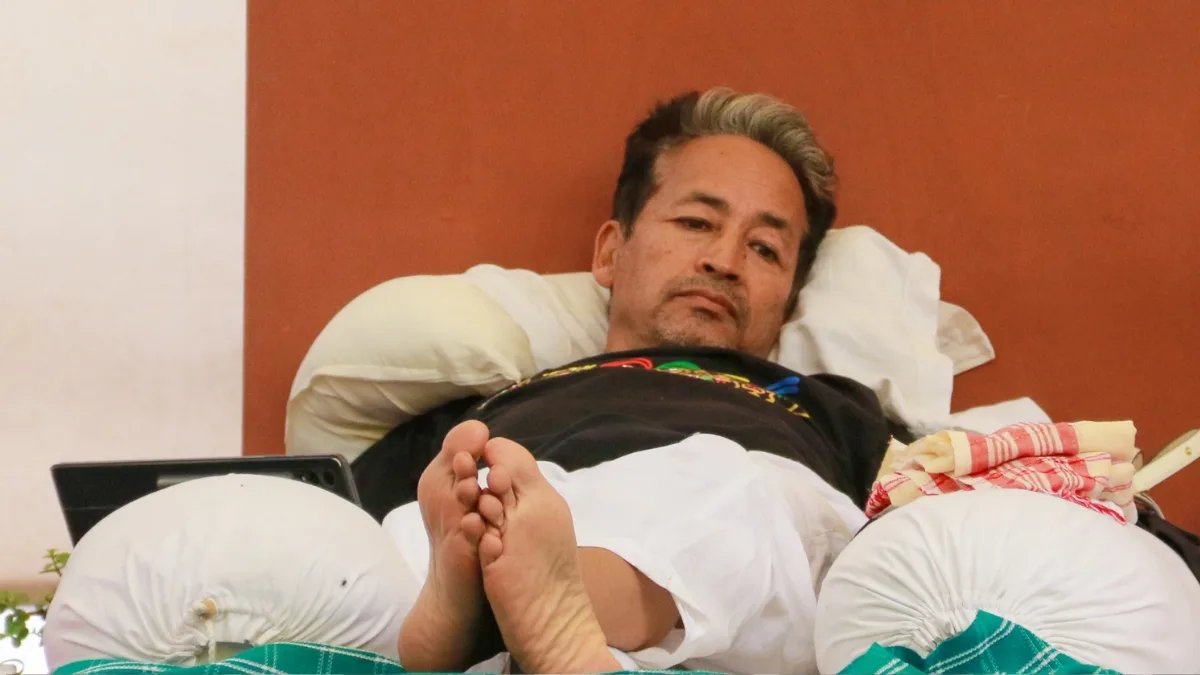
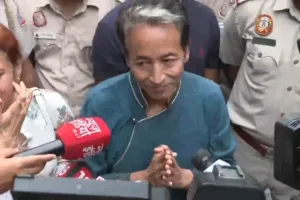
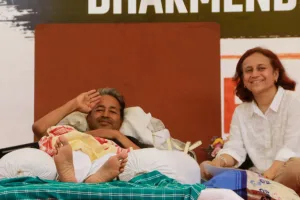
Sonam Wangchuk ended his 26-day hunger strike on Thursday night after receiving assurances from the BJP-led government, declaring, “End of hunger… beginning of accountability.”

Vibha Sharma | New Delhi |

Sonam Wangchuk ended his 26-day hunger strike on Thursday night after receiving assurances from the BJP-led government, declaring, “End of hunger… beginning of accountability.” The activist said that the government had agreed to hold a parliamentary discussion on accountability and reforms in the national examination system, assured compensation for the families of students who died by suicide following the recent NEET paper leak controversy and promised that no cases would be registered against students and youth who participated in peaceful protests.

Regarding the demand for Union Education Minister Dharmendra Pradhan’s resignation, Wangchuk said he chose to end his fast to continue the larger fight while protecting students from legal action and ensuring their voices are heard after breaking his fast in the presence of Union Ministers J. P. Nadda and Jitendra Singh, following a day of intense negotiations with the government.

His decision, however, triggered debate because the Cockroach Janata Party (CJP) — which is spearheading the paper-leak movement — continues to demand Pradhan’s resignation. After meeting Nadda and Singh, CJP spokespersons Ashutosh Ranka and Saurav Das said the government had sought time until Saturday to respond to their core demand—the minister’s resignation.

Ranka said the government has asked for a day to decide on their biggest demand, the resignation of Pradhan. “The protest will continue and will keep growing until Dharmendra Pradhan resigns. If that does not happen soon, we will be forced to announce another nationwide protest call,” he said.

Although Wangchuk and the CJP share the broader goal of examination reforms and government accountability, his decision to end the fast without first securing Pradhan’s resignation surprised many.

It also renewed discussion over his decision to join the CJP-led protest—a movement launched by CJP founder Abhijeet Dipke in the wake of the NEET-UG paper leak. After weeks of digital campaigns and small demonstrations, the group set up a permanent protest site at Jantar Mantar but initially struggled to attract widespread public attention.

Wangchuk’s arrival transformed the movement. Supporters describe his hunger strike as a strategic alignment with students seeking accountability and systemic reforms. As an education reformer, Wangchuk said he was moved by the plight of millions of students affected by recurring examination irregularities.

Before his participation, the agitation was largely a youth-led, social media-driven campaign. His presence gave it national visibility and significantly increased pressure on the government.

According to Wangchuk, his foremost priority was ensuring that students were not subjected to police action. He said the Centre provided written assurance that peaceful protesters would not face FIRs or criminal cases and agreed to a formal parliamentary debate on examination accountability. However, his decision also appeared to be at odds with the CJP movement.

Welcoming Wangchuk’s decision to end fast and expressing relief over his health, the CJP maintained that its principal demand—the resignation of Pradhan—remains unchanged. Wangchuk, too, clarified that he has ended only his personal fast and not the broader movement. .

According to official sources, concerns over Wangchuk’s deteriorating health prompted Home Minister Amit Shah to step in with Nadda and Singh. Singh then spoke with Wangchuk’s wife, Gitanjali Angmo, assuring her that the government was committed to addressing the activist’s concerns.