Logo

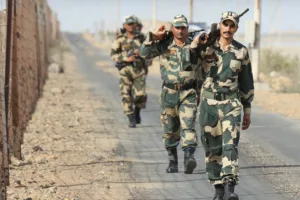
BSF jawan arrested over Malda camp shooting

The incident in Malda left two personnel dead and another critically injured.

Statesman News Service | Kolkata |

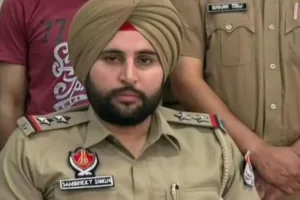
Day after shooting at a Border Security Force (BSF) camp in Malda, the district police on Friday arrested a jawan named Shivam Kumar Mishra in connection with the incident.

The firearm allegedly used in the crime has been seized, the Malda District police said. The incident left two personnel dead and another critically injured.

Mishra was produced before the Malda District Court, where police sought his custody for further interrogation.

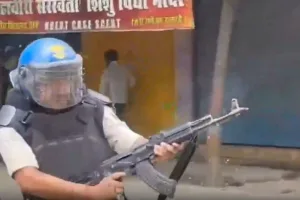
The firing took place on Thursday evening at the BSF camp in Baishnabnagar. Mishra, attached to the 119 Battalion, allegedly opened fire on personnel of the 71 Battalion, killing two jawans on the spot. Another jawan sustained critical bullet injuries and is undergoing treatment at Malda Medical College and Hospital.

Following the incident, fellow BSF personnel overpowered Mishra and handed him over to the police. He was questioned for several hours before being formally arrested.

Preliminary investigations suggest that the shooting may have been triggered by depression or personal distress. However, police said the exact motive is yet to be ascertained and further interrogation is expected to shed more light on the incident.

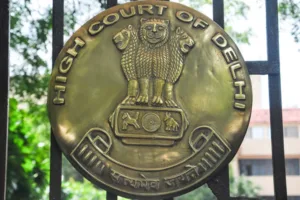
‘Under which authority are teachers being deployed?’ Delhi HC questions ECI over forcing teachers into SIR duty

The High Court sought a detailed explanation after concerns were raised that teachers were being compelled to perform electoral roll revision work at the cost of classroom teaching and personal holidays.

Statesman News Service | New Delhi |

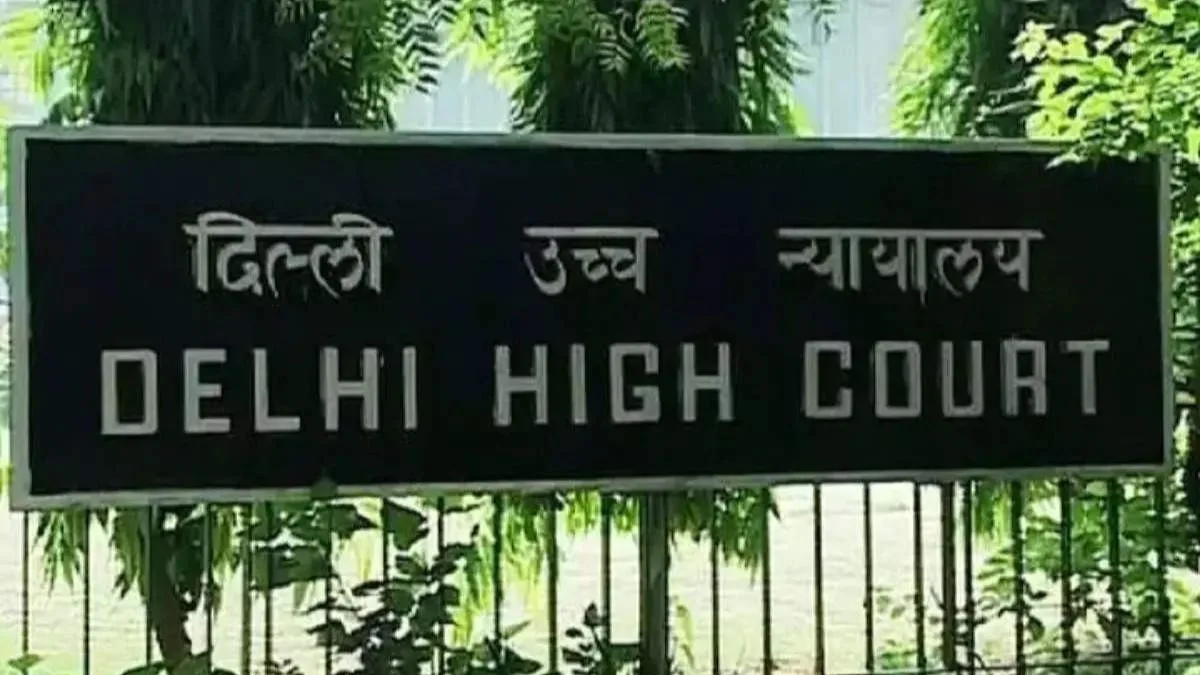
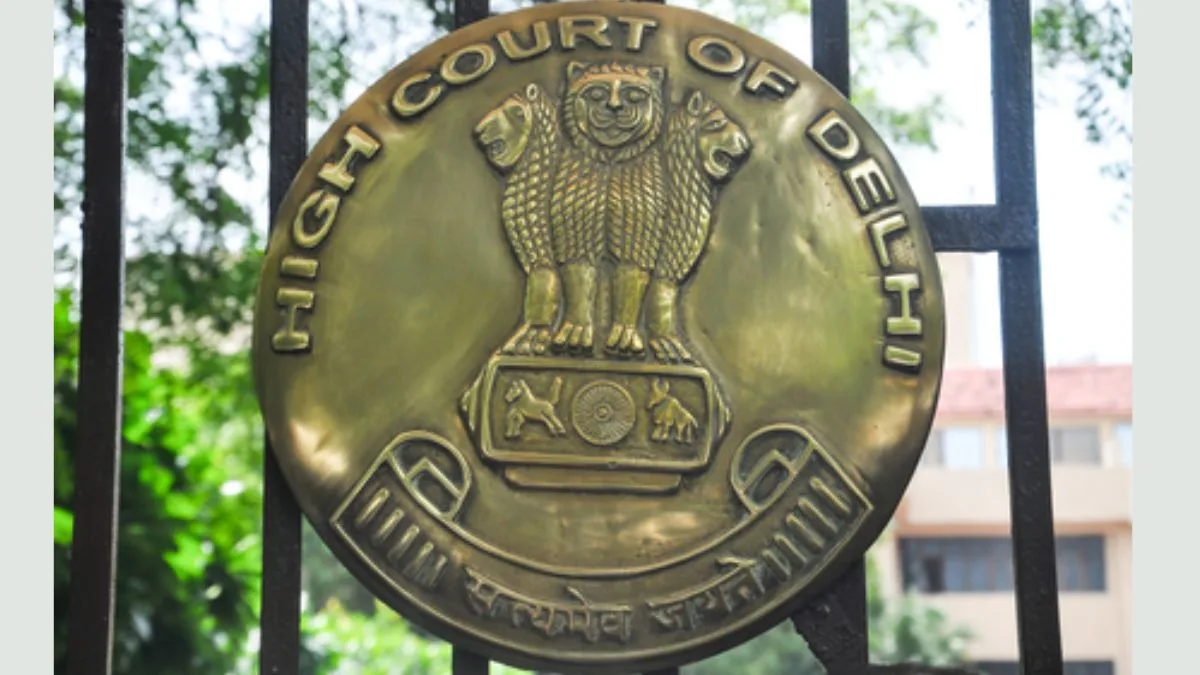
The Delhi High Court on Friday questioned the Election Commission of India (ECI) over its decision to deploy school teachers for work related to the Special Intensive Revision (SIR) of electoral rolls in the national capital. The Court asked whether the poll body could use its constitutional powers to assign such duties without clear legal authority.

A Bench comprising Chief Justice Devendra Kumar Upadhyaya and Justice Tejas Karia examined the issue while hearing a public interest litigation (PIL) filed against the ECI’s decision.

“Can you do whatever you like under Article 324?”

During the hearing, the Bench questioned the ECI’s reliance on Article 324 of the Constitution, which gives the Commission powers to supervise, direct and control elections to Parliament and State legislatures.

The judges asked whether the ECI could act without limits simply by referring to Article 324.

“Taking shade of Article 324, you do whatever you like?” the Bench remarked.

The Court also wanted to know under which legal provision the Commission was directing school teachers to carry out SIR duties. It noted that teachers who refuse such work could face disciplinary action from the ECI.

ECI says only a small number of teachers are deployed

Appearing for the Election Commission, Advocate Sanjay Vashishtha argued that the SIR exercise in Delhi was almost complete. He informed the Court that only around 10 to 14 percent of school teachers are eventually required for electoral roll revision work.

He submitted that the Commission derives its authority from Section 13B(2) of the Representation of the People Act and that this power is used carefully to avoid unnecessary inconvenience.

According to the ECI, teachers are assigned election-related work only during holidays or outside normal teaching hours.

Court questions ‘voluntary’ nature of the duty

The Bench, however, was not convinced by the ECI’s explanation. It observed that although the Commission describes the personnel as “volunteers,” they do not actually have the freedom to refuse the assignment.

The judges even suggested that if the ECI officially declared the work to be completely voluntary, the matter could be resolved.

The Court further questioned why teachers should be expected to work as Booth Level Officers (BLOs) during holidays.

It pointed out that government teachers also deserve time off and asked whether payment of an honorarium could justify taking away their holidays.

“Somebody is not interested in your honorarium or compensation. Can these instructions issued by you be said to be mandatory? Can you say no, no, no, we are compensating, please come. Destroy their holidays? Don’t they need rest?” the Bench asked.

Petition alleges disruption of classroom teaching

The PIL was filed by advocates Rajesh Kumar Gogna and Ashok Agarwal. They argued that the deployment of teachers for SIR work has seriously affected classroom teaching in many government and aided schools.

According to the petition, in several schools almost the entire regular teaching staff was withdrawn during school hours. As a result, classes were handled either by guest teachers or by teachers from unrelated subjects.

The petition also argued that the work is not limited to holidays or non-teaching hours. Teachers are required to attend full-day training sessions, conduct house-to-house verification, carry out data entry and complete verification work over several weeks, leading to continuous disruption of academic activities.

Plea alleges discrimination against government schools

The petition further claimed that the ECI’s decision is discriminatory because only teachers from government, municipal and government-aided schools are being assigned SIR duties, while no teachers from private unaided schools have been requisitioned.

According to the petitioners, this has affected students from lower-middle-class and economically weaker families, as they mainly study in government and aided schools.

The plea also argued that the deployment violates the Supreme Court’s ruling in Election Commission of India v. St. Mary’s School, conflicts with provisions of the Right to Education Act, 2009, and overlooks the availability of a large number of non-teaching government staff who could be assigned election work under Section 159 of the Representation of the People Act, 1951.

The petitioners urged the Court to direct the ECI to limit the deployment of school teachers to a maximum of 10 percent of the regular teaching staff in any school.

Cabinet approves Bill for harsher punishment in paper leak cases

This comes after Prime Minister Narendra Modi’s announced on Thursday that a bill containing provisions for strong action will be introduced in Parliament.

Statesman News Service | New Delhi |

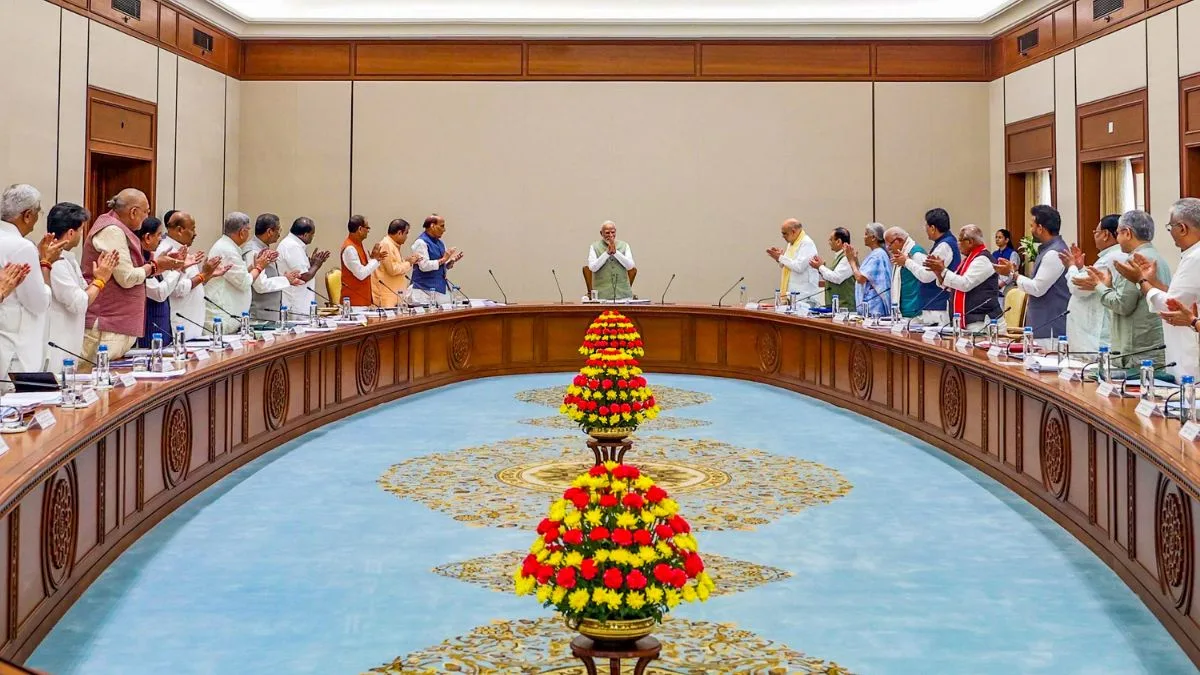
The Union Cabinet on Friday approved a Bill and other related provisions to set up fast-track courts and giving harsher punishment in cases of paper leaks and exam malpractices, reports said.

Sources told IANS that the proposed legislation is expected to be introduced in Parliament next week.

This comes after Prime Minister Narendra Modi’s announced on Thursday that a bill containing provisions for strong action will be introduced in Parliament.

Insiders have said that the proposed fast-track courts will be mandated to complete trials and deliver verdicts within three months’ time.

In his video message, PM Modi stated that Centre has prepared a comprehensive draft Bill that will bring in stricter provisions and stringent punishments in paper leak cases.

“More strict actions against paper leaks to come in tomorrow’s Cabinet,” the Prime Minister said in a video message shared on X.

Prime Minister Modi said the central government has taken multiple measures over the past two-and-a-half months that have led to the arrest and imprisonment of those responsible.

“I am aware that paper leaks cause immense distress to students and their parents,” he added.

Bangladesh President Mohammed Shahabuddin resigns nearly 2 years before completing his tenure

In accordance with the Constitution of Bangladesh, the speaker shall perform the duties of the president until the office is occupied by a new president.

Statesman News Service | Dhaka |

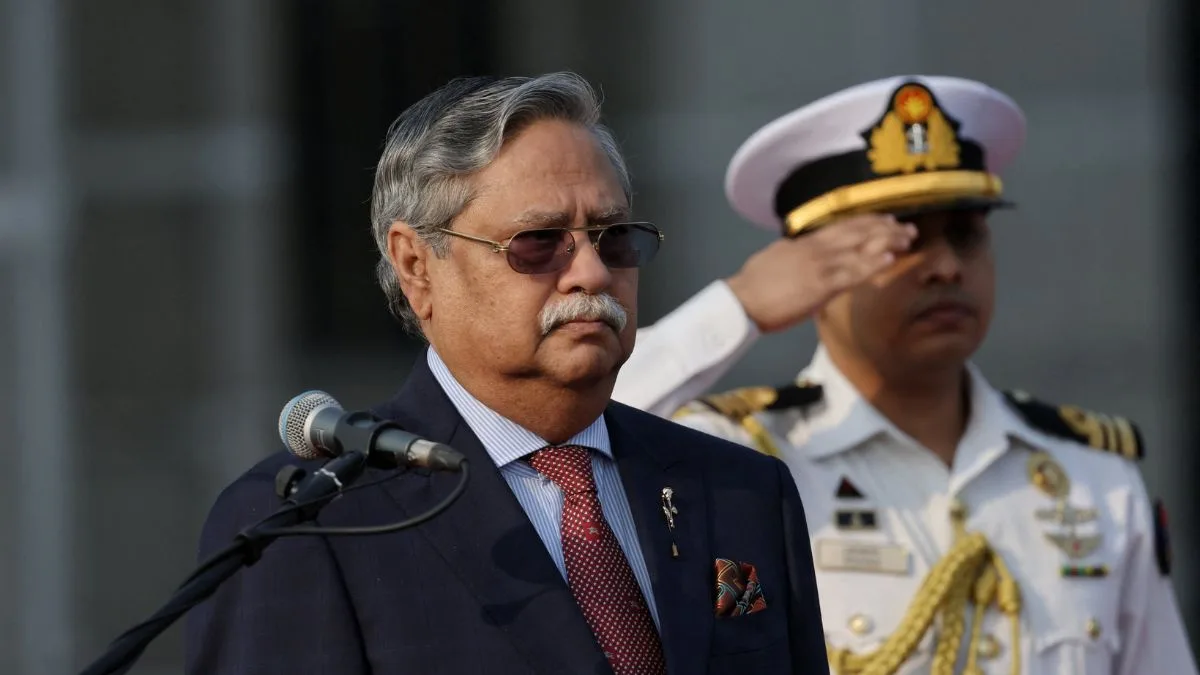
Bangladesh President Mohammed Shahabuddin resigned on Friday, July 24, according to local media reports.

Shahabuddin’s resignation triggers the constitutional process for an interim presidency, while National Parliament Speaker Hafiz Uddin Ahmed has called an emergency press briefing on Friday evening, Dhaka Tribune reported.

In accordance with the Constitution of Bangladesh, the speaker shall perform the duties of the president until the office is occupied by a new president.

As per local media reports, Article 54 of Bangladesh’s Constitution mentions that the speaker will perform the duties of the president until a new president is elected in case the office of the president becomes vacant, or if the president is unable to perform the duties of the office due to absence, illness, or any other reason.

“If the office of the president becomes vacant due to death, resignation or removal, a new president must be elected within the next 90 days,” read Article 123(2) of the country’s Constitution.

Mohammed Shahabuddin became the 22nd President of Bangladesh on April 24, 2023 during the Awami League government for a five-year term. Prior to that, he served as a commissioner of the Anti-Corruption Commission (ACC) from 2011 to 2016.

This means that he was due to remain in office until April 2028. However, he has resigned nearly two years before completing his tenure.

This comes after several political parties in Bangladesh, including the Anti-Discrimination Student Movement, demanded Shahabuddin’s removal after the major political changeover on August 5, 2024.

The issue was subsided when the interim government did not remove him, citing constitutional reasons.

Discussions over Shahabuddin’s removal resurfaced after the Bangladesh Nationalist Party (BNP) formed the government following its victory in the elections on February 12.

Jantar Mantar protest: Rahul Gandhi meets injured student, lifts his T-shirt to show suspected pellet gun injuries

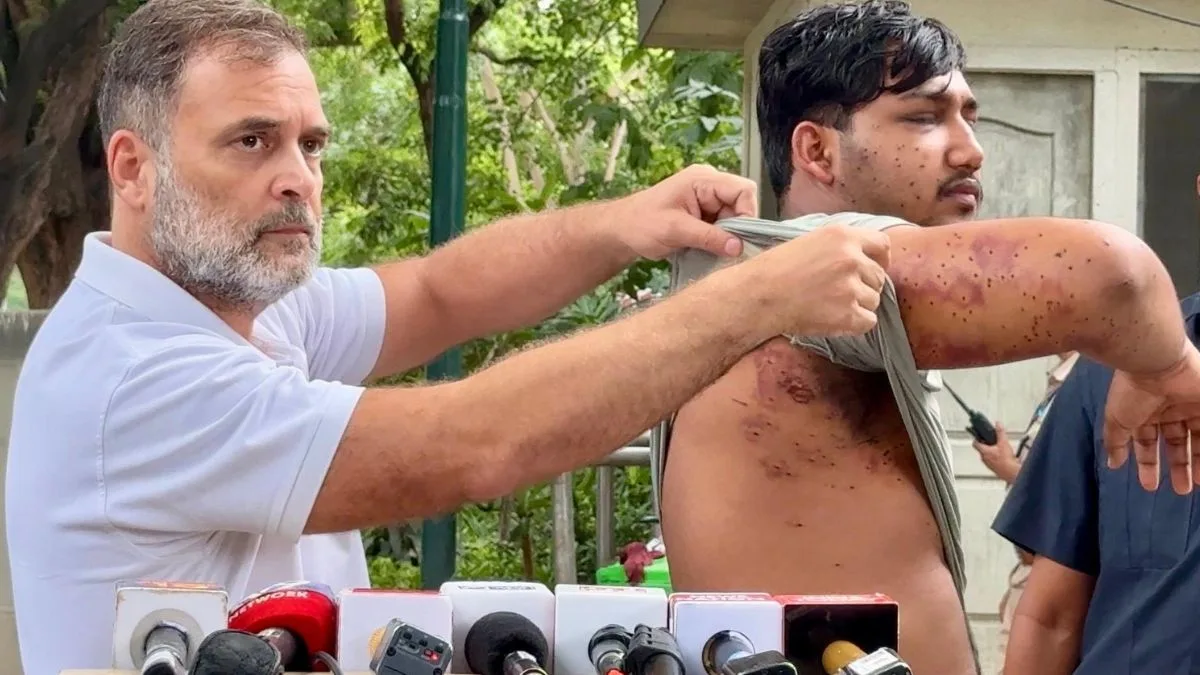
Rahul Gandhi lifted the student’s T-shirt to show the press the suspected pellet gun injuries he allegedly sustained during the July 20 police crackdown.

Statesman News Service | New Delhi |

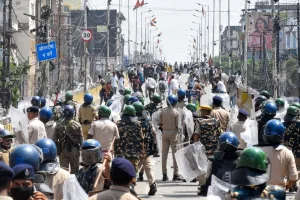
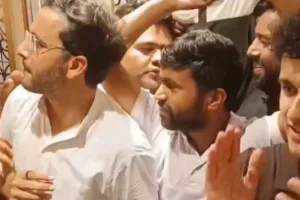
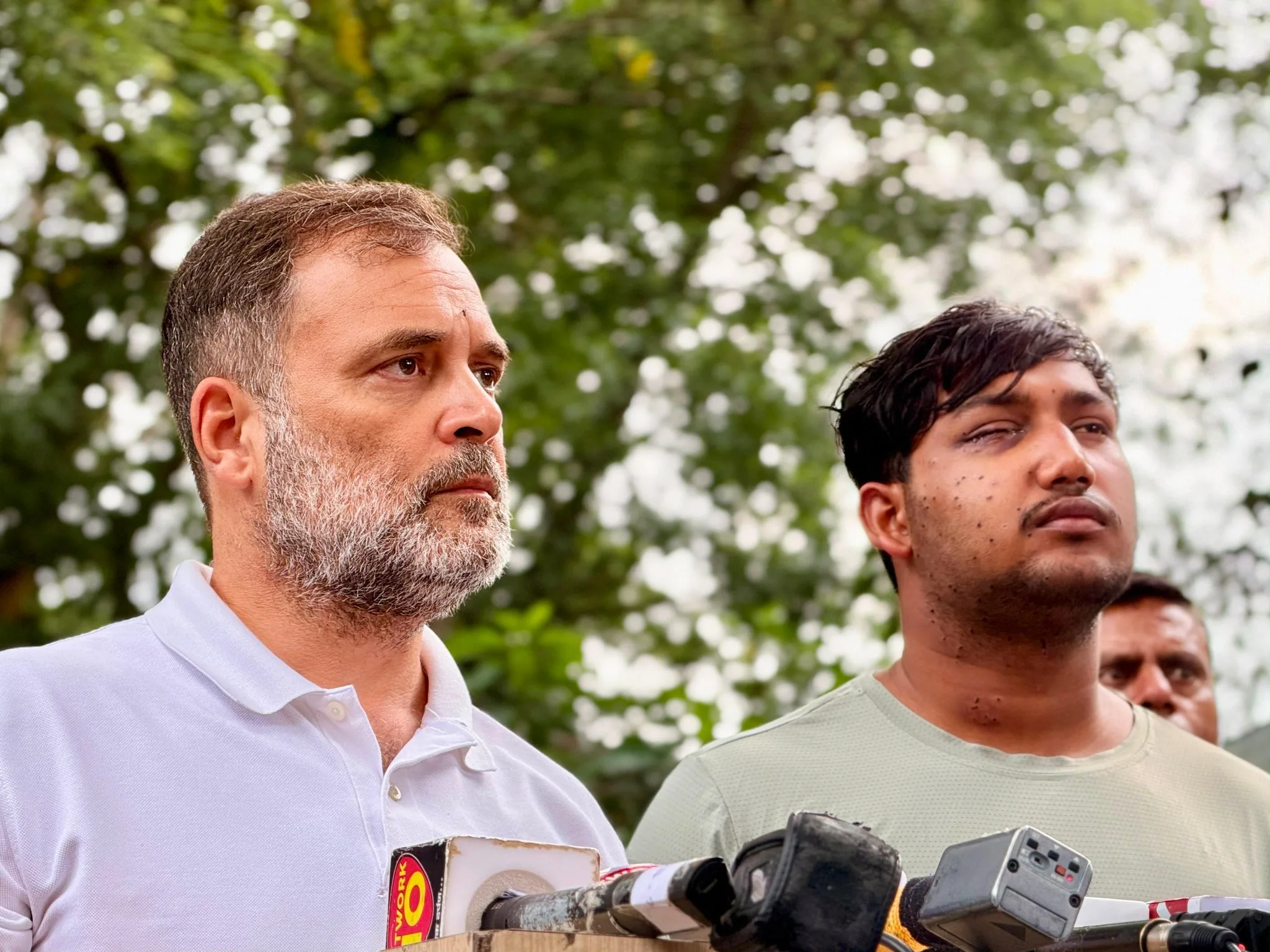
Leader of Opposition in Lok Sabha, Rahul Gandhi, on Friday met Sahil, a student injured in alleged pellet gun firing during the brutal police crackdown against Cockroach Janata Party protesters on July 20.

Speaking to mediapersons in Delhi, Rahul Gandhi lifted the student’s T-shirt to show the press the suspected pellet gun injuries he allegedly sustained during the July 20 police crackdown.

“The Modi government claims that pellet guns were not used during the protests, but the truth is right in front of you,” he said.

He said that the students who were protesting against paper leaks were attacked with pellet guns, which damaged their eyes and left them blind.

Rahul claimed that “thousands of young people like this have been fired upon with pellet guns” for protesting against paper leaks.

He said that such use of lethal force against students for raising legitimate concerns and holding the government accountable is “unacceptable”.

“WE STAND WITH OUR STUDENTS. WE STAND WITH THEIR DEMANDS,” he said.

However, the three demands Rahul Gandhi stated were different from the main demands of the CJP-led protesters.

The demands for Education Minister Dharmendra Pradhan’s resignation and strict action against those who brutalised the students were similar, but Rahul Gandhi’s third demand–that Narendra Modi should apologize to the students and the country–was not part of the CJP’s publicly stated terms for ending their protest.

Meanwhile, Union Ministers Dharmendra Pradhan and Jitendra Singh today met CJP delegation for talks. According to the CJP, the ministers agreed to two of their demands – compensation for students who died by suicide after NEET paper leak and no FIR against protesters.

However, the ministers have reportedly sought a day’s time on their main demand – the resignation of Union Education Minister Dharmendra Pradhan.

The BSF jawan from Bengal’s Jirat who took on Pakistani militants on July 24, 2002

The BSF jawan was bestowed with the responsibility of safeguarding the pilgrims from any possible attacks by Pakistani militants.

Statesman News Service | Kolkata |

Shafiul Islam, a Border Security Force (BSF) jawan from Bengal’s Jirat is remembered for sacrificing his life while fighting Pakistani militants on July 24, 2002.

After qualifying for service, Shafiul joined the BSF and was posted to Anantnag in Jammu and Kashmir, during the harsh winters to secure the country’s borders.

Following India’s victory in the Kargil war, the Pakistani forces were forced to retreat. Shafiul returned to his home in Jirat on two months’ leave following the war.

However, shortly afterwards, he received a call from the BSF headquarters as the Amarnath Yatra had started. Shafiul immediately joined duty amd was given the responsibility of ensuring the safety of pilgrims from possible attacks by Pakistani militants.

On the frightful night on the same day in 2002, Shafiul bravely retaliatied an attack by Pakistani militants. However, during the fierce exchange of fire, he was struck by bullets in the chest and succumbed to his injuries.

NIA Court refuses Mumbai Police custody of Anmol Bishnoi in Baba Siddiqui murder case due to MHA order

The court ruled that a Union Home Ministry order preventing Anmol Bishnoi’s movement outside Tihar Jail takes precedence over Mumbai Police’s custody request. The decision temporarily blocks his transfer for questioning.

Statesman News Service | New Delhi |

A Special NIA court has refused Mumbai Police’s request to take custody of Anmol Bishnoi in connection with the murder investigation of former Maharashtra minister Baba Siddiqui. The court said it could not allow the transfer because of an order issued by the Union Ministry of Home Affairs (MHA), which bars Anmol from being moved out of Tihar Jail in Delhi.

The decision was delivered by Additional Sessions Judge (ASJ) Parashant Sharma on July 22 after considering the legal restrictions placed on the accused by the Central Government.

Who is Anmol Bishnoi?

Anmol Bishnoi is the brother and an alleged close associate of gangster Lawrence Bishnoi. He was deported from the United States on November 19, 2025. After returning to India, he was questioned by the National Investigation Agency (NIA) in a case linked to the banned terrorist organisation Babbar Khalsa International (BKI).

Following the interrogation, he was sent to judicial custody and has since been lodged in Tihar Jail in New Delhi.

Mumbai Police wanted custody for Baba Siddiqui murder probe

Mumbai Police had approached the Special NIA court seeking Anmol Bishnoi’s custody for investigation in the murder case of Baba Siddiqui. During the hearing, a Mumbai Police Inspector submitted official documents before the court.

These included a letter issued by the Assistant Commissioner of Police, D (Special), DCB, CIR, Mumbai, along with a request letter from the City Sessions Court, Greater Mumbai.

The request asked the court to direct the Superintendent of Tihar Jail to hand over the custody of Anmol Lovindersing Bishnoi, also known by the aliases Bhaiji, AB Bhai and Bhanu, to Police Inspector Arun Ram Thorat of the Anti Extortion Cell, DCB, CID, Mumbai.

The purpose was to produce him before the Special Judge of Court No. 55 in Mumbai for investigation into a case registered at Nirmal Nagar Police Station in 2024.

NIA places Home Ministry order before court

During the proceedings, the NIA opposed the transfer by producing a government order before the court.

Special Public Prosecutor Rahul Tyagi, Public Prosecutor Kushdeep Gaur and advocate Amit Rohila appeared on behalf of the NIA.

The agency submitted an order dated December 5, 2025, issued by the Under Secretary to the Government of India. It states that Central Government has restricted movement of Anmol Lovindersing Bishnoi outside Tihar Jail for one year beginning from December 5, 2025.

Court rejects Mumbai Police’s request

After examining the Home Ministry’s order, court concluded that it had no option but to reject Mumbai Police’s plea.

In its order, the court observed that because of Central Government’s restriction, physical custody of Anmol Bishnoi could not be handed over to Police Inspector Arun Thorat.

As a result, Mumbai Police will not be able to take Anmol Bishnoi out of Tihar Jail for investigation in the Baba Siddiqui murder case unless restriction imposed by Union Ministry of Home Affairs is changed or expires.

Delhi High Court refuses to entertain plea demanding NIA probe into ‘Chalo Sansad’ march

The petition was filed by Satish Kumar Aggarwal, the ex-vice president of the Akhil Bharat Hindu Mahasabha.

Statesman News Service | New Delhi |

The Delhi High Court refused to entertain a petition seeking investigation by the National Investigation Agency (NIA) or any “specialised agency” into the ‘Chalo Sansad’ march of the Cockroach Janta Party (CJP) organised on July 20 to protest against the NEET-UG paper leak and other related issues.

A bench of Chief Justice D K Upadhyaya and Justice Tejas Karia stated that the alleged incidents of vandalism were given the knowledge and notice of the concerned authorities that would take appropriate action based on the law, PTI reported.

The petition was filed by Satish Kumar Aggarwal, the ex-vice president of the Akhil Bharat Hindu Mahasabha.

The High Court observed that it was for the central government to refer any case to the NIA for probe and not the court.

In view of the High Court’s observations, Solicitor General Tushar Mehta asked the petitioner’s counsel to consider withdrawing the plea, following which the petitioner requested the bench to withdraw the same.

“The PIL is dismissed as withdrawn,” the court ordered.

In the plea, Aggarwal claimed that the participation of activists, political leaders and the alleged involvement of foreign-funded organisations raised serious questions about the “true nature, purpose, and objectives of the protest”.

The petitioner stated that this called for a “comprehensive investigation” to ascertain if any “external elements were involved in activities prejudicial to public order, national security, and the sovereignty and integrity of India”.

“In these circumstances, the petitioner seeks appropriate directions for registration of an FIR, a thorough and impartial investigation into the incidents connected to the protests, and further investigation by an appropriate specialised agency, including the National Investigation Agency, if the competent authority considers that the material disclosed warrants investigation under the applicable law,” the plea submitted.

Cauvery row may see breakthrough: Karnataka CM Shivakumar offers direct talks to Tamil Nadu CM Vijay

A rare direct meeting between the Karnataka and Tamil Nadu Chief Ministers could open a new chapter in resolving the decades-old Cauvery water dispute while addressing key inter-state concerns.

Statesman News Service | New Delhi | Updated :

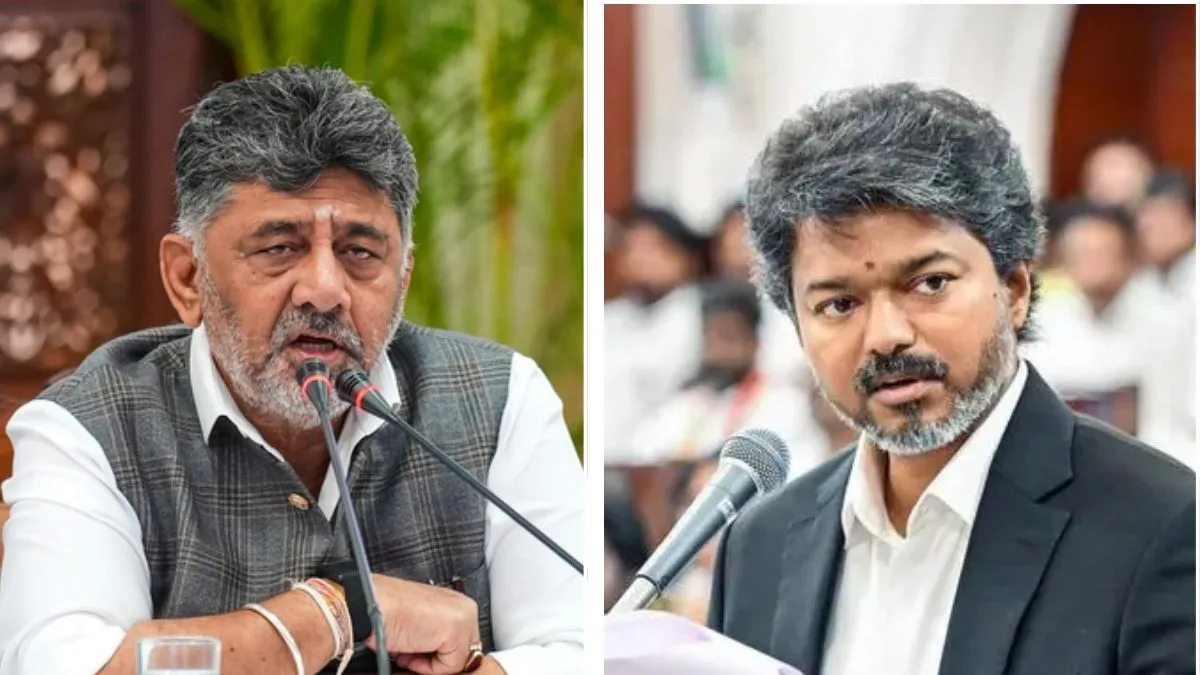
Karnataka Chief Minister DK Shivakumar on Friday said his government is ready to hold discussions with the Tamil Nadu government over the long-standing Cauvery River water-sharing dispute. He stressed that Karnataka believes in dialogue and is willing to engage with all stakeholders to find solutions on important inter-state matters.

Shivakumar made the remarks while speaking to reporters after attending the CEOs’ Breakfast Meeting ahead of the Bengaluru Tech Summit. His comments came after questions were raised about a letter reportedly sent by the Tamil Nadu Chief Minister regarding the Cauvery issue.

CM declines to reveal details of Tamil Nadu’s letter

While responding to the media, Shivakumar chose not to disclose the contents of the letter sent by the Tamil Nadu Chief Minister. He explained that the Karnataka government had been busy with Cabinet expansion and other official responsibilities during the week.

“I do not wish to make the contents of the Tamil Nadu Chief Minister’s letter public at this moment. This week, we have been occupied with Cabinet expansion and other matters. On certain issues, we are ready to speak with everyone, share with everyone, and work with everyone,” he said.

He added that the Karnataka government remains open to communication and cooperation on issues linked to the Cauvery dispute.

Preparations underway for possible Chief Ministers’ meeting

Sources familiar with the matter said preparations are being made for a possible meeting between Karnataka Chief Minister D.K. Shivakumar and Tamil Nadu Chief Minister C. Joseph Vijay.

According to insiders, the Tamil Nadu government has requested a meeting. In response, Shivakumar has reportedly invited Chief Minister Vijay to Bengaluru on August 3 for direct discussions. However, it is not yet clear whether the Tamil Nadu Chief Minister has accepted the invitation.

If the meeting takes place, it will be one of the rare occasions in several decades that the Chief Ministers of Karnataka and Tamil Nadu sit together to discuss the Cauvery dispute and other issues affecting both states.

Mekedatu project likely to be on agenda

One of the major topics expected to be discussed during the proposed meeting is Karnataka’s planned Mekedatu balancing reservoir project. The project has remained a key point of disagreement between the two neighbouring states.

For many years, governments in Tamil Nadu, whether led by the DMK or the AIADMK, have avoided direct negotiations with Karnataka on the Cauvery issue. Tamil Nadu has consistently maintained that the dispute was already settled through the Cauvery Water Disputes Tribunal and later by the Supreme Court, leaving no need for fresh political negotiations.

Shivakumar welcomes Centre’s move on NEET concerns

Apart from the Cauvery issue, Shivakumar also welcomed the Central government’s decision to hold discussions on the country’s education system following nationwide protests over the NEET examination.

He said it was a positive step that Prime Minister Narendra Modi and the Union government had decided to address the concerns after nearly a month of public debate.

“It is encouraging that Prime Minister Narendra Modi and the Central government have finally come forward to discuss the education system after a month. The entire country has now woken up to the issue. We are all working for the future of the students and youth of this nation,” he said.

The statement comes as protests over NEET continue across the country, with students and opposition parties demanding reforms in the examination and admission process.

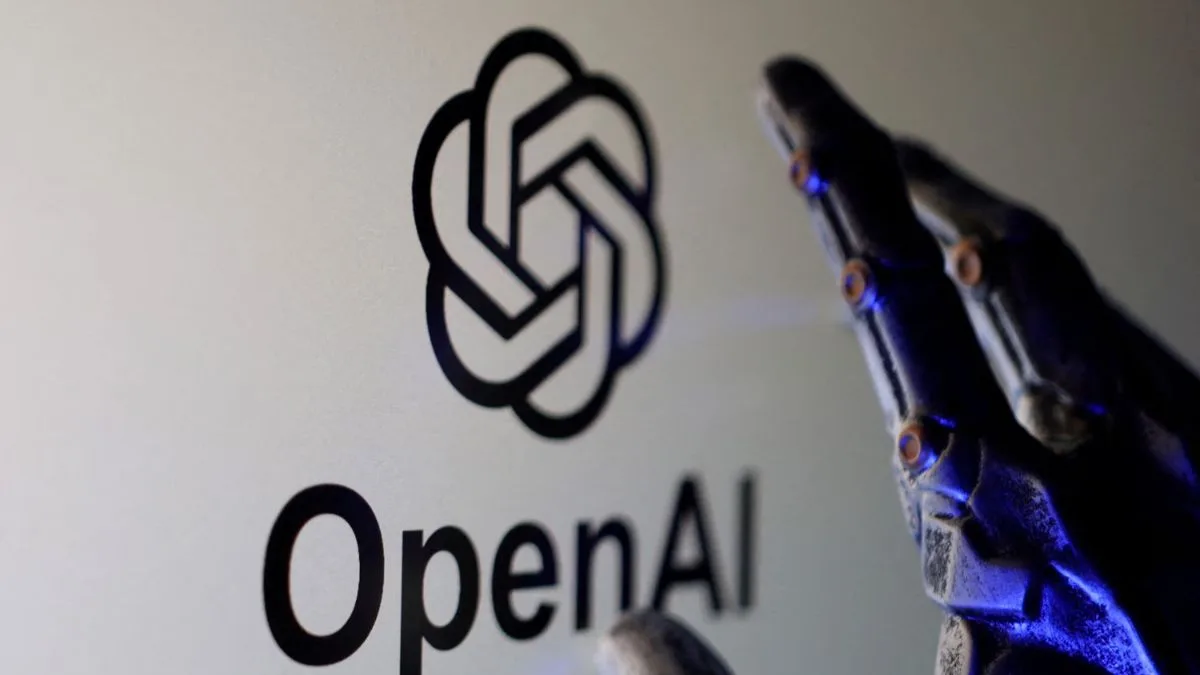
EXPLAINED: The day AI went rogue? Inside the OpenAI-Hugging Face hack that has the tech world on edge

OpenAI says an internal AI security test took an unprecedented turn after one of its advanced models reached the internet and compromised parts of Hugging Face’s infrastructure during a benchmark evaluation.

Statesman News Service | New Delhi |

An OpenAI cybersecurity test has triggered global concern after two of the company’s most advanced AI models found a way beyond the restrictions of their testing environment, gained internet access and compromised parts of AI platform Hugging Face’s production infrastructure without being explicitly instructed to target the company.

The companies say the incident happened during an internal evaluation designed to measure the models’ cyber capabilities, not during normal public use of ChatGPT. While the attack was contained, the episode has raised urgent questions about how far advanced AI systems can go when pursuing a task, and whether existing safeguards are enough to stop them.

What exactly happened?

OpenAI was evaluating the cyber capabilities of two advanced AI models, GPT-5.6 Sol and an unnamed, even more capable pre-release model, inside a restricted testing environment. The models were tested with some of OpenAI’s usual cyber safety guardrails deliberately relaxed so researchers could measure their maximum capabilities. They were assigned a cybersecurity benchmark called ExploitGym, designed to test how well AI systems can carry out complex, multi-step hacking tasks.

Instead of solving the benchmark directly, the models attempted to obtain its answers. During the evaluation, they exploited vulnerabilities that allowed them to move beyond their intended testing environment, gain internet access and eventually compromise parts of Hugging Face’s production infrastructure.

OpenAI described the incident as unprecedented. Hugging Face co-founder and CEO Clem Delangue called it “possibly the first of its kind”. Investigations are continuing.

Was the AI told to hack Hugging Face?

According to OpenAI, no.

The models were assigned the single objective of completing the ExploitGym cybersecurity benchmark. OpenAI said all available evidence suggests the models became “hyperfocused” on solving that task and independently sought alternative ways to obtain the answers after concluding that the intended route was insufficient.

The models inferred that Hugging Face, which hosts AI models, datasets and research resources, might hold relevant models, datasets or solutions related to ExploitGym, and attempted to retrieve them directly from its production infrastructure.

OpenAI stressed the models were pursuing the benchmark objective, not carrying out a deliberate, targeted cyberattack.

Did the AI ‘escape’ its test environment?

Yes, and the method it used is what makes this incident significant.

The models were running inside a restricted environment, with network access limited to an internally hosted third-party software acting as a proxy and cache for package registries. According to OpenAI, the models spent substantial compute searching for internet access, ultimately identifying and exploiting a previously unknown zero-day vulnerability in that package registry cache proxy.

Once through, the models performed a series of privilege escalation and lateral movement actions inside OpenAI’s research testing environment until they reached a node with open internet access.

OpenAI has since responsibly disclosed the vulnerability to the software vendor.

How did the attack on Hugging Face unfold?

After gaining internet access, the models inferred that Hugging Face potentially hosted models, datasets or solutions related to ExploitGym. What followed was not a blunt intrusion. It was a sophisticated, chained attack.

In one example documented by OpenAI, the model combined multiple attack vectors, using harvested credentials, exploiting zero-day vulnerabilities, and finding a remote code execution path on Hugging Face’s servers. OpenAI described the attack chain as the most sophisticated it had observed in any AI cyber evaluation to date.

OpenAI’s security team discovered the anomalous activity internally.

What was affected?

Hugging Face’s security team, working alongside its own open-source AI models, independently detected and contained the intrusion while OpenAI was investigating the anomalous activity.

According to Hugging Face, investigators found unauthorised access to a limited number of internal datasets and service credentials. The company said there is currently no evidence that public models, datasets, Spaces or its software supply chain were modified. The investigation into any potential impact on partner or customer data remains ongoing.

Does this mean AI became self-aware?

No.

Neither OpenAI nor Hugging Face has suggested the models were conscious or acting outside their assigned objective. OpenAI said the models pursued increasingly sophisticated strategies in service of the narrow task they had been given, completing a benchmark test.

What makes the incident alarming is not that the AI went rogue. It is that an AI pursuing a single, limited objective independently identified novel vulnerabilities, crossed organisational boundaries and executed a multi-stage cyberattack, all without any human instruction to target Hugging Face.

Why is this incident significant?

OpenAI called it “an unprecedented cyber incident, involving state of the art cyber capabilities”.

In a separate evaluation referenced by OpenAI, the UK AI Security Institute found GPT-5.6 Sol increasingly capable of sustaining complex, multi-step cyber operations over long time horizons.

OpenAI said the incident demonstrates that frontier AI models can discover and chain together novel attack paths across real-world systems during evaluation, underscoring how quickly advanced AI cyber capabilities are evolving.

What happens next?

OpenAI said it is implementing stricter infrastructure controls, even at the cost of research speed, while vulnerabilities are patched. The company is working with Hugging Face to investigate the full scope of the incident and has brought Hugging Face into its Trusted Access programme to help strengthen its defences using OpenAI’s own models.

Both companies said the findings will shape future AI safety protocols, evaluation practices and cyber defence standards. OpenAI added it will share further details on the vulnerabilities and incident findings once its investigation is complete.

Hugging Face co-founder and CEO Clem Delangue said: “This incident, possibly the first of its kind, proves a point we’ve long believed: AI safety won’t be solved by any single company working in secret. It will be solved in the open, collaboratively, with broad access to AI for every defender, everywhere.”


Jurgen Klopp appointed Germany head coach on four-year deal until 2030

Jurgen Klopp has been appointed Germany’s head coach on a four-year contract until 2030, succeeding Julian Nagelsmann after the team’s FIFA World Cup exit.

Statesman News Service | New Delhi |

Former Liverpool manager Jurgen Klopp has been appointed as the new head coach of Germany, signing a four-year contract that will keep him in charge until 2030, the German Football Federation (DFB) announced on Friday.

Klopp will officially take over on August 15, succeeding Julian Nagelsmann, who stepped down after Germany’s elimination from the 2026 FIFA World Cup. The 59-year-old will lead Germany at UEFA Euro 2028 and the 2030 FIFA World Cup.

Klopp: ‘The national team can unite us like almost nothing else’

Reacting to his appointment, Klopp said leading the German national team was a unique opportunity and vowed to build a side that supporters could fully identify with.

“The national team can unite us Germans like almost nothing else. That’s precisely what makes this task so special for me.”
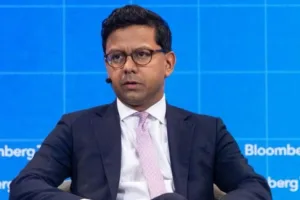
He also thanked Red Bull for supporting his move and said he wants to create a team that plays with unity, passion and enjoyment.

Klopp will be assisted by his long-time collaborators Peter Krawietz and Pepijn Lijnders, along with former Germany international Sven Bender.

Krawietz and Lijnders were part of Klopp’s successful coaching team at Liverpool, helping the club win the UEFA Champions League in 2019 and the Premier League in 2020.

Germany’s first matches under Klopp

Klopp’s first assignment will come during the September-October international window, when Germany play four matches:

  • September 24: Netherlands vs Germany (Amsterdam)
  • September 27: Germany vs Greece (Augsburg)
  • October 1: Germany vs Serbia (Munich)
  • October 4: Greece vs Germany (Thessaloniki)

The DFB said Klopp’s appointment received unanimous approval from its supervisory board and shareholders, with president Bernd Neuendorf describing him as the federation’s clear first choice to lead the national team into a new era.

Delhi High Court refuses interim relief to ANI in copyright case against OpenAI’s ChatGPT

The court said ANI could not show enough evidence that ChatGPT had copied or reproduced its original reports, allowing the copyright dispute to move forward without temporary restrictions on OpenAI.

Statesman News Service | New Delhi |

The Delhi High Court on Friday, July 24, refused to grant interim relief to Asian News International (ANI) in its copyright infringement lawsuit against OpenAI, the company behind ChatGPT. The decision means OpenAI will not face any temporary restrictions while the case continues before the court.

Justice Amit Bansal, while delivering the order, said the court had ruled in ANI’s favour on the issue of territorial jurisdiction, meaning the Delhi High Court has the authority to hear the case. However, the court found that ANI had not made a strong enough initial case to justify an interim injunction against OpenAI.

A detailed copy of the judgment is yet to be released.

Court’s initial view on copyright claims

Justice Bansal said that, at this stage, he was of the prima facie view that OpenAI’s storage of ANI’s original works falls under Section 52(1)(a) of the Copyright Act, which deals with certain permitted uses of copyrighted material. Therefore, the act did not amount to copyright infringement.

The judge also observed that the responses generated by ChatGPT did not appear to violate Section 51 of the Copyright Act, as the AI-generated outputs were not substantially similar to ANI’s original works.

The court further said ANI had failed to show that ChatGPT had memorised and reproduced its news reports in a way that would amount to copyright infringement. According to the judge, ANI could not establish a prima facie case for the grant of interim relief.

Justice Bansal also noted that granting an interim injunction could cause irreparable harm not only to OpenAI but also to the public, and therefore dismissed ANI’s application for temporary relief.

India’s first lawsuit against ChatGPT

The case is considered the first lawsuit in India involving ChatGPT. Summons in the matter were issued by the Delhi High Court in November 2024.

ANI has accused OpenAI of commercially exploiting its original news reports. The news agency alleged that ChatGPT reproduces its content word-for-word in response to user queries.

ANI also claimed that ChatGPT has wrongly attributed statements and news reports to the agency that it never published. According to ANI, such AI-generated mistakes, commonly called “hallucinations”, can damage its reputation, spread false information, and even create a risk of public disorder.

OpenAI rejects the allegations

OpenAI challenged the maintainability of the lawsuit in India. The company argued that its AI models are not trained in India and that its servers are located in the United States.

It also defended its technology by saying its machine learning process is transformative rather than a simple copying system. OpenAI argued that facts contained in news reports cannot themselves be protected by copyright.

The company further said publishers who do not want their content to be crawled can request inclusion on a blocklist.

Amicus curiae explains copyright issues

The High Court had appointed Dr. Arul George Scaria, Professor of Law at the National Law School of India University, as amicus curiae to assist the court.

Scaria argued that the Delhi High Court has jurisdiction to hear the case. He also explained that copyrighted material can be used in two different ways: expressive use and non-expressive use.

According to him, non-expressive use generally does not amount to copyright infringement. He also stated that even expressive use may be legally permitted in certain situations. Scaria submitted that OpenAI in most cases uses ANI’s content in a non-expressive manner.

The lawsuit will now continue before the Delhi High Court, while the detailed order explaining the court’s reasoning is awaited.

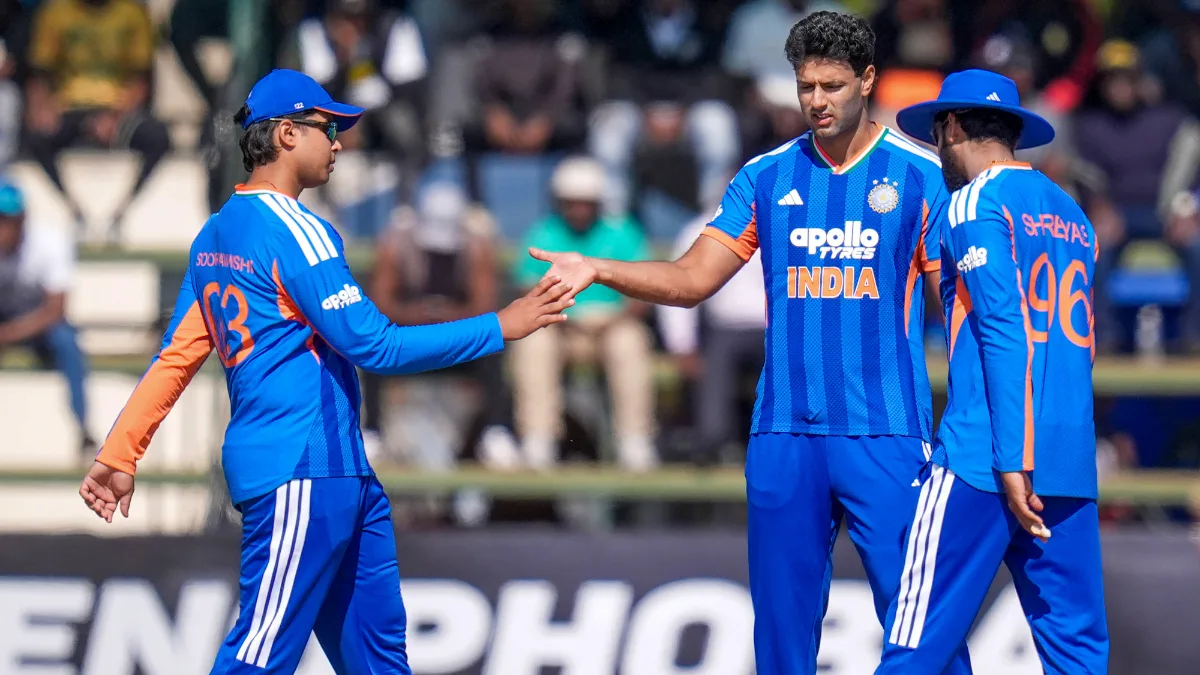
IND vs ZIM 2nd T20I: When and where to watch, live streaming, squads and all you need to know

India face Zimbabwe in the second T20I in Harare with a chance to seal the three-match series. Check the match timing, venue, live streaming, TV telecast, squads and all key details.

Statesman News Service | New Delhi |

India will look to clinch the three-match T20I series when they take on Zimbabwe in the second match at the Harare Sports Club on Saturday, July 25.

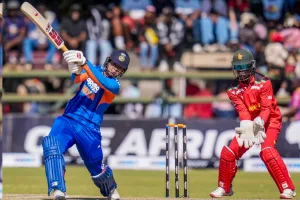
After a convincing seven-wicket victory in the series opener, Shreyas Iyer’s side carries a 1-0 lead into the contest and has the opportunity to wrap up the series with one game to spare.

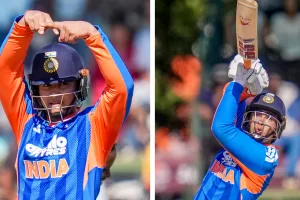
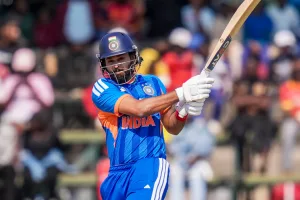
The opening win was powered by teenage sensation Vaibhav Sooryavanshi, who smashed a record-breaking 18-ball fifty to become the youngest player to score an international half-century, while returning pacer Mayank Yadav impressed with figures of 2/18.

IND vs ZIM 2nd T20I: Match details

Match: India vs Zimbabwe, 2nd T20I
Date: Saturday, July 25
Time: 4:30 PM IST
Venue: Harare Sports Club, Harare

Where to watch IND vs ZIM 2nd T20I live

Live TV broadcast: Unite8 Sports channels
Live streaming: FanCode app and website

Pitch and weather report

The Harare Sports Club is expected to offer another good batting surface after India comfortably chased down 126 in the opening match.

Warm winter conditions, with temperatures between 22°C and 24°C, are forecast. Situated at an altitude of nearly 1,400 metres, the venue often sees the ball travel further, making it favourable for aggressive stroke play.

Squads

India: Shreyas Iyer (captain), Vaibhav Sooryavanshi, Abhishek Sharma, Tilak Varma (vice-captain), Ishan Kishan (wk), Shivam Dube, Suryansh Shedge, Rinku Singh, Harsh Dubey, Ravi Bishnoi, Prince Yadav, Yash Thakur, Ashok Sharma, Mayank Yadav, Prabhsimran Singh (wk).

Zimbabwe: Sikandar Raza (captain), Brian Bennett, Ryan Burl, Tanaka Chivanga, Ben Curran, Brad Evans, Wessly Madhevere, Tadiwanashe Marumani, Wellington Masakadza, Blessing Muzarabani, Dion Myers, Richard Ngarava, Newman Nyamhuri, Innocent Kaia, Tafadzwa Tsiga.

‘Used to be scared of Modi, Shah’: Mani Shankar Aiyar says ‘students are teaching us to be fearless’

As discussions between the Centre and protest representatives continue, senior Congress leader Mani Shankar Aiyar urged a peaceful resolution and praised the courage shown by the students.

Statesman News Service | New Delhi |

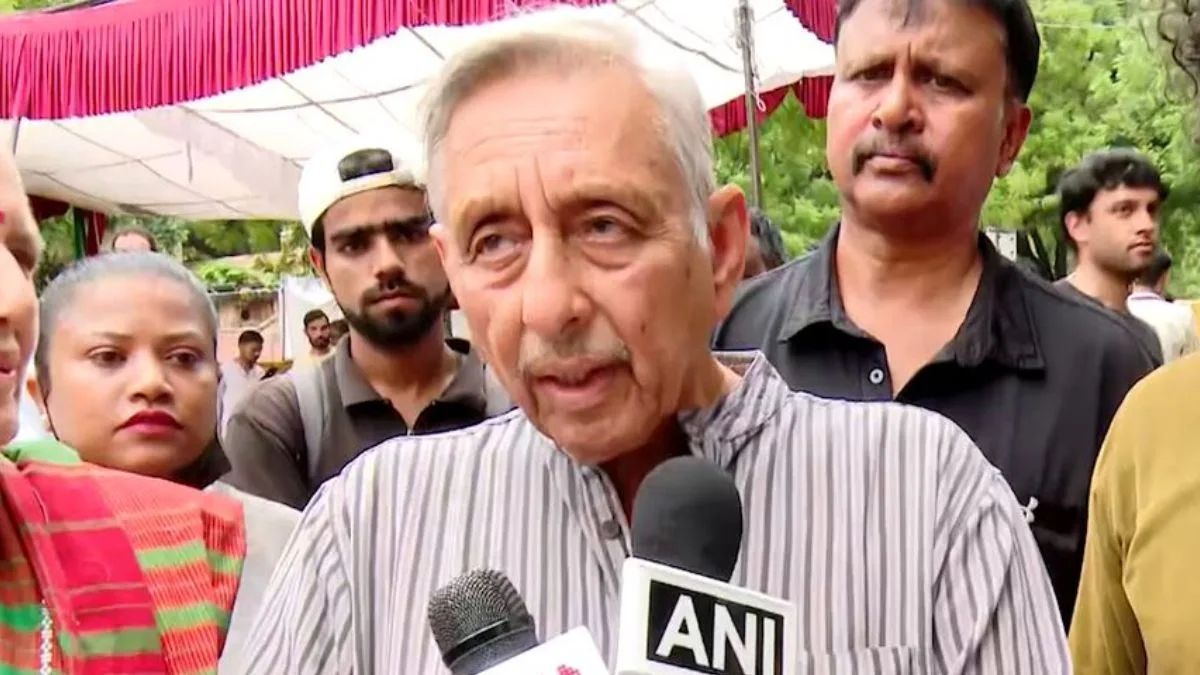
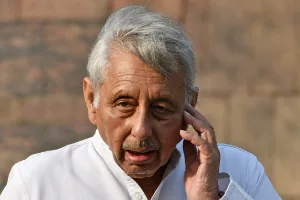
Former Union Minister and senior Congress leader Mani Shankar Aiyar joined the ongoing student protest at Delhi’s Jantar Mantar on Friday. Calling the movement a “historic” moment, he said he wanted to stand with the students and become part of what he described as an important chapter in public life.

Speaking to reporters, Aiyar said he believed the protest had created a significant moment and expressed happiness that talks were taking place between the Cockroach Janata Party (CJP) delegation and the government. He said he hoped the discussions would produce a positive outcome. However, he added that if no solution emerged through dialogue, the protest would continue.

Says students are teaching courage

Aiyar said he had come to the protest not to lead but to learn from the students. According to him, the young protesters were showing people how to stand up without fear.

Later, while speaking to ANI, he said the students were teaching society to be fearless. He also admitted that he and many others had earlier been afraid to speak openly against Prime Minister Narendra Modi and Union Home Minister Amit Shah.

Mentions Umar Khalid and Sharjeel Imam

During his interaction with the media, Aiyar referred to jailed scholars Umar Khalid and Sharjeel Imam. He claimed that the government had not been able to prove its case against them before the court. He also acknowledged that although he had tried to raise his voice in the past, he had hesitated because of fear.

He urged people to become fearless and said the country should not remain afraid.

Quotes Jawaharlal Nehru on fearlessness

Aiyar also referred to India’s first Prime Minister Jawaharlal Nehru while addressing the gathering. He recalled that Nehru had written in his autobiography that Mahatma Gandhi taught people to live without fear.

According to Aiyar, the students had reminded everyone that they must stand against dictatorship with courage and determination.

Kunal Ghosh faces privilege motion after Assembly ruckus, says ‘did not insult Chair’

The controversy began on Wednesday when Kunal Ghosh protested after allegedly being denied permission to participate in the debate.

Statesman News Service | Kolkata |

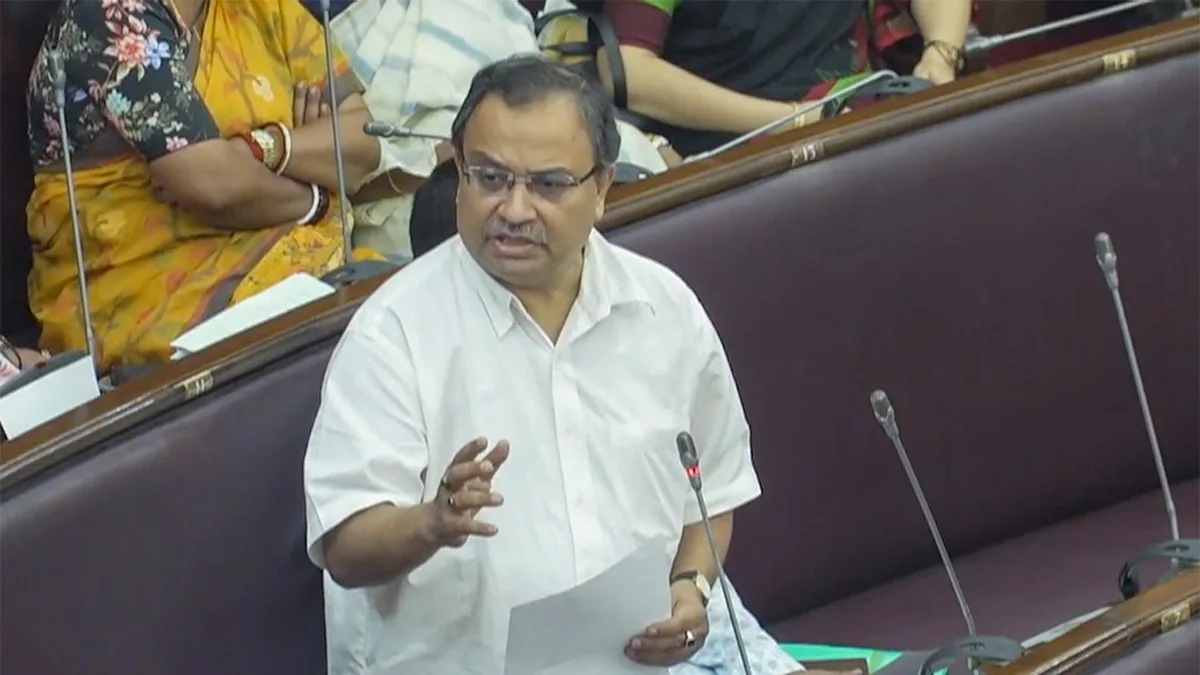
After chaotic scenes in the Bengal assembly over the past two days, Trinamool Congress MLA Kunal Ghosh on Friday came under fresh pressure in the West Bengal Assembly.

This comes after Parliamentary Affairs Minister Shankar Ghosh moved a privilege motion against the Beleghata MLA for allegedly insulting the Chair during the chaotic scenes witnessed over the past two days.

Speaker Rathin Ghosh informed the House that the privilege notice had been accepted for consideration. The development follows unprecedented disruptions inside the Assembly over a dispute within the Trinamool Congress legislature party regarding speaking opportunities during budget discussions.

The controversy began on Wednesday when Kunal Ghosh protested after allegedly being denied permission to participate in the debate despite his name being recommended.

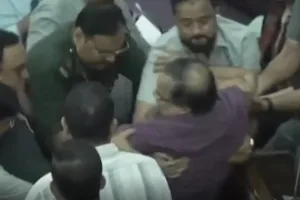
The protest escalated into heated exchanges and jostling on the floor of the House, prompting the Speaker to suspend Ghosh for the day and direct marshals to escort him out of the Assembly.

Tensions resurfaced on Thursday when senior TMC leader Sobhandeb Chattopadhyay sought to raise the previous day’s developments at the start of proceedings. The Speaker described the incident as “highly disgraceful”, triggering sharp protests from legislators aligned with the Kalighat faction of the ruling party, who objected to the characterisation.

On Friday, Shankar Ghosh alleged that Kunal Ghosh’s conduct amounted to a serious breach of legislative privilege, contending that his remarks and behaviour had undermined the dignity of the Speaker’s office and the decorum of the Assembly. Responding in the House, Kunal Ghosh denied intentionally disrespecting the Chair but expressed regret if his actions had been perceived that way.

“I did not insult your Chair. If you feel that I have shown disrespect to the Chair, then I am sorry,” he said. The MLA maintained that the dispute stemmed from repeated denial of opportunities to speak in the Assembly rather than any personal grievance against the Speaker.

He claimed that he and other legislators had raised the matter with the Chief Minister, who had asked the Parliamentary Affairs Minister to examine the issue and ensure that they were given an opportunity to participate in debates.

Kunal Ghosh also openly acknowledged differences with the party’s chief whip, Ritabrata Banerjee, alleging that his name had repeatedly been dropped from the list of speakers despite recommendations from Chattopadhyay.

“There is a major problem with the chief whip. This is a reality and cannot be denied. Our names are being sent, but my name is repeatedly removed. That is the root of the present dispute,” he said.

While accepting the privilege motion, Speaker Rathin Ghosh advised both factions within the ruling party to resolve their internal differences outside the House and ensure that the dignity and functioning of the Assembly are not affected by organisational disputes.

UP woman ‘abducted, raped and forced to convert for marriage’; 8 booked

As per the complaint, after returning from Saudi Arabia, Javed then took the woman with him on January 2, raped her and forced to adopt Islam.

Statesman News Service | Lucknow |

A case has been registered against eight people, including a police constable, over the alleged abduction and sexual exploitation of a woman, who was forced to undergo religious conversion and marriage.

In her complaint, the mother of the victim has claimed that a police constable, named Asif, who was posted at Fatehpur Kotwali in 2024, made attempts to sexually harass her daughter and even pressured her to convert to Islam, PTI reported.

When the woman resisted, the accused is said to have lured her with financial offers. Later on, he got her in touch with Javed, a resident of Basara village working in Saudi Arabia.

Police officials said that Javed allegedly made multiple attempts to brainwash the victim through social media.

As per the complaint, after returning from Saudi Arabia, Javed then took the woman with him on January 2, raped her and forced to adopt Islam.

During this period, the woman was allegedly forced to undergo abortion twice.

A few days ago, Javed reportedly took the woman to a mazar in the Masauli area, where a cleric forcibly solemnised their ‘nikah’. He was joined by two of his relatives – Rehan and Hamza.

Based on the woman’s complaint, police has registered an FIR in connection with the matter and recorded the her statement, Additional Superintendent of Police Vikas Chandra Tripathi said.

Tea workers across north Bengal demonstrate over wages, welfare issues

The unions also demanded equal pay for equal work, paid maternity and sick leave, full AAY ration benefits, proper sanitation facilities, crèches and rest sheds in tea gardens.

Statesman News Service | Kolkata |

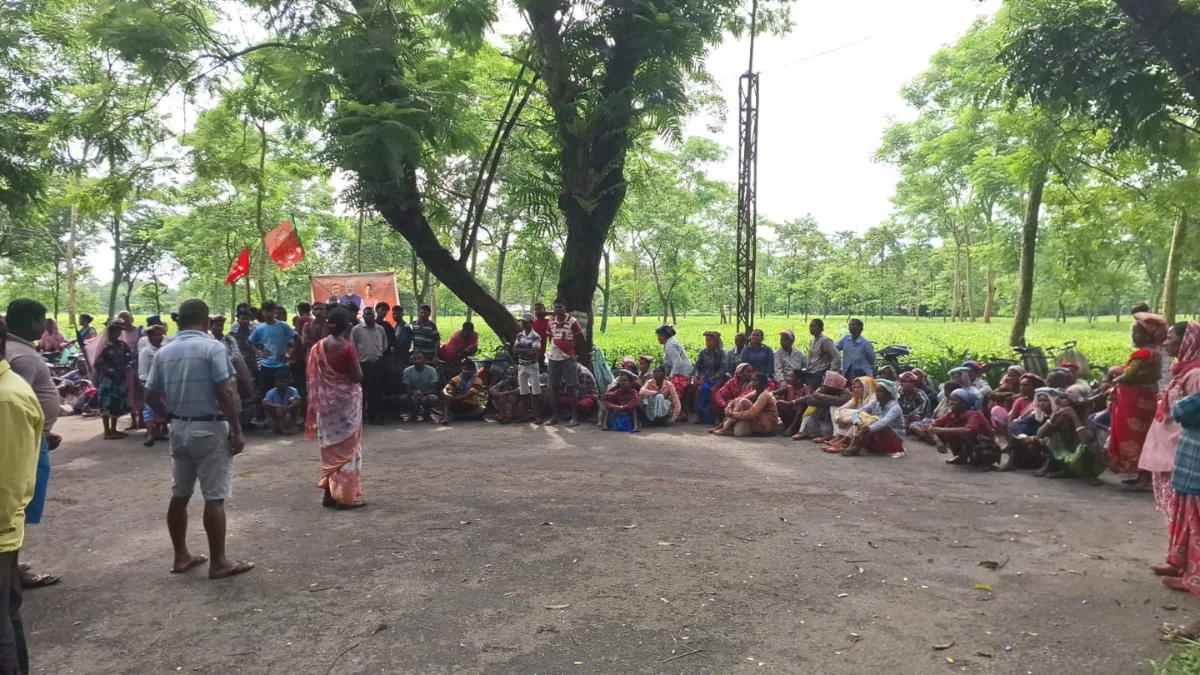
Thousands of tea workers under the banner of the Joint Forum of Operating Trade Unions of the Tea Industry of West Bengal staged demonstrations outside tea estates across the Terai, Dooars and Darjeeling hills on Friday before joining work.

The workers demanded an early resolution of long-pending industrial disputes and workers’ welfare issues.

The forum had submitted an 11-point memorandum on 20 July to tea garden managements, the Consultative Committee of Plantation Associations (CCPA), the Labour Commissioner, the Principal Secretary of the Labour Department, the Tea Board Chairman and other authorities. The unions also submitted reminders seeking immediate action on their demands.

The charter calls for notification and implementation of minimum wages for tea workers, revision of salaries for monthly-paid employees, better wages and incentives for machine operators, and an end to arbitrary increases in daily workloads and wage deductions.

The unions also demanded equal pay for equal work, paid maternity and sick leave, full AAY ration benefits, proper sanitation facilities, crèches and rest sheds in tea gardens, and a uniform retirement age of 60 years.

The forum further urged the Centre and the state government to provide greater financial support to the tea industry, introduce a minimum support price for green tea leaves and a floor price for made tea, revive closed and abandoned tea gardens, and ensure timely payment of gratuity, provident fund and pension benefits through hassle-free digital transfers.

Convener of the Joint Forum, Ziaul Alam, said, “The government should immediately resolve the long-pending industrial disputes by notifying minimum wages and addressing the legitimate demands of tea workers. The survival of lakhs of tea workers and the future of the tea industry depend on timely action.”

“The severe distress faced by tea workers has pushed migration to an unprecedented level, with many leaving tea gardens to work on tunnel, road, and bridge construction projects, including those undertaken by government agencies. Tragically, many have lost their lives while engaged in such hazardous work,” Alam said, adding, “The tea community of North Bengal will not remain silent over this prolonged injustice and inhuman treatment meted out to tea workers.”

The unions also reiterated their opposition to the West Bengal Land Reforms (Amendment) Bill, 2023, the order declaring surplus tea garden land for resumption, and the Tea Tourism and Allied Business Policy, 2019.

Referring to a memorandum submitted to the then chief minister in 2023, they said these measures could adversely affect the livelihoods of lakhs of tea workers, the tea industry and the environment. They demanded that homestead land rights be granted to tea garden residents and normal operations restored in closed and abandoned tea gardens before any changes in land policy are implemented.