Logo

Raksha Bandhan in the forest: Communities take the lead in protecting Jharkhand’s green cover

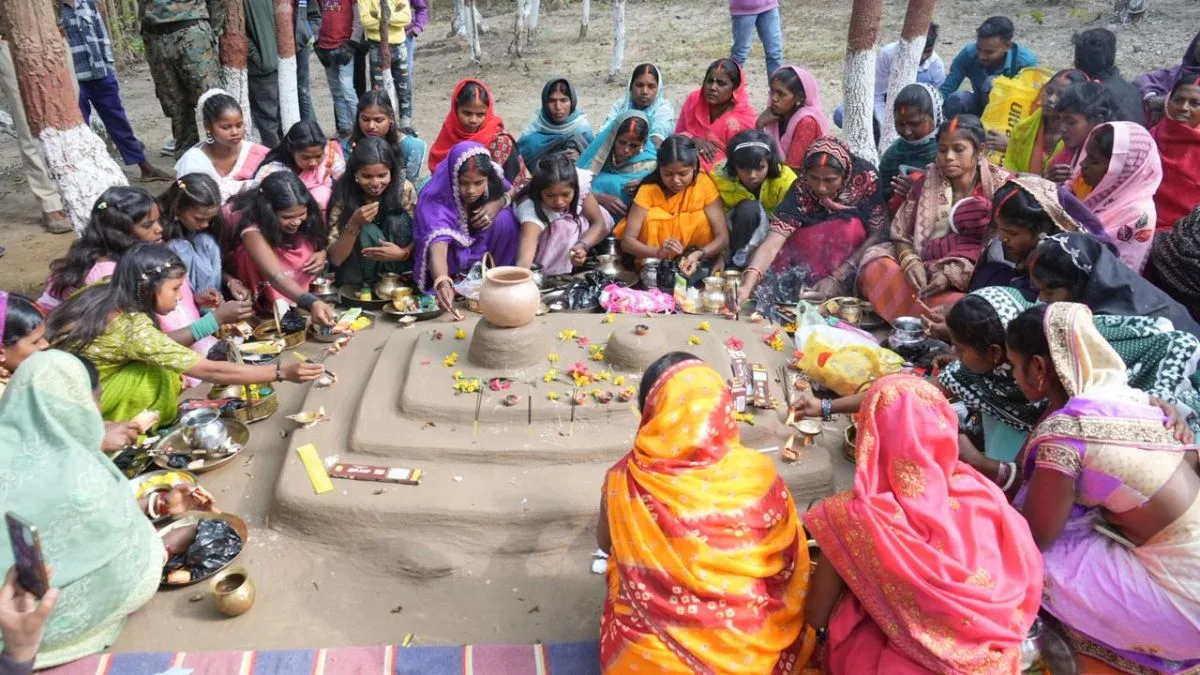
The programme, organised by the Forest Department in a remote forest village of Koderma, saw participants tying sacred threads to trees after performing rituals at a forest altar

Shashi Singh | Ranchi |

In the dense Simarkundi forest under Markaccho block, Raksha Bandhan became more than a symbolic festival. Villagers, forest officials and district administrators came together to turn a traditional ritual into a collective pledge for forest protection, signalling a growing shift towards community-led conservation in rural Jharkhand.

The programme, organised by the Forest Department in a remote forest village of Koderma, saw participants tying sacred threads to trees after performing rituals at a forest altar. The demonstration was rooted in the idea of protection and mutual responsibility, drawing a direct parallel between familial bonds and the relationship between people and forests.

Addressing villagers, Rituraj, Deputy Commissioner of Koderma, said that such community-driven commitments were essential for ensuring the long-term safety of forests. He underlined that conservation efforts are most effective when local people see forests as their own responsibility rather than as assets guarded only by the state. He appealed to villagers to mark Raksha Bandhan every year in a similar manner and to back symbolic gestures with sustained action through plantation and protection of saplings.

Forest officials present at the event stressed that preventing deforestation requires more than surveillance and enforcement. According to them, programmes rooted in cultural traditions help nurture a sense of belonging and ownership, making local communities natural allies in forest governance. They noted that emotional attachment to forests often proves a stronger deterrent against illegal felling than punitive measures alone.

Environmental experts interacted with villagers during the programme, explaining how forest degradation affects soil fertility, groundwater recharge and agricultural productivity. They emphasised that forest conservation is closely linked to everyday livelihoods and climate resilience, particularly in ecologically sensitive regions.

While the act of tying rakhis to trees is symbolic, officials acknowledged that symbolism alone cannot protect forests. However, they argued that such rituals play a crucial role in shaping attitudes and collective behaviour. When combined with regular engagement, awareness and community monitoring, these initiatives can help translate sentiment into sustained conservation on the ground.

The visible participation of villagers, including women and elders, gave the event particular significance. Many saw the ritual not as an external campaign but as a natural extension of their traditional relationship with forests. Their involvement highlighted the potential of people-centric approaches to strengthen forest protection.

As Jharkhand grapples with competing pressures of development and environmental stress, the Simarkundi initiative offers a glimpse of an alternative model. By blending tradition, community participation and administrative support, it presents forest conservation not as an imposed duty, but as a shared moral commitment rooted in local life.

India vs Sri Lanka, 3rd Women’s T20I: Match details, key players and probable playing XIs

The remaining matches are scheduled at the same venue. India will be eager to capitalise on home conditions and seal an unassailable 3-0 lead.

Neha Buswal | New Delhi |

India will be in action in the third T20I of the ongoing series against Sri Lanka at the Greenfield International Stadium in Thiruvananthapuram on Friday, December 26.

The Harmanpreet Kaur-led side has already arrived at the venue after securing victories in the first two matches at the ACA–VDCA Cricket Stadium in Visakhapatnam, taking a commanding 2–0 lead in the series. With all the remaining matches scheduled at the same venue, India will be eager to capitalise on home conditions and seal an unassailable 3-0 lead.

India vs Sri Lanka, 3rd Women’s T20I: Match details

Match: India vs Sri Lanka, 3rd T20I

Venue: Greenfield International Stadium, Thiruvananthapuram

Date & Time: Friday, December 26, 7:00 PM IST (Toss at 6:30 PM)

Where to Watch: Star Sports Network and JioHotstar

India vs Sri Lanka, 3rd Women’s T20I: Key players to watch

India have been dominant with both bat and ball across the first two matches. While there were a few fielding lapses in the opening game, the team showed noticeable improvement in the second encounter.

Shafali Verma has been the standout performer so far and was named Player of the Match for her blistering unbeaten 69 off just 34 balls in the second T20I, guiding India to a comprehensive seven-wicket win. Her explosive power at the top of the order can force Sri Lanka into defensive field placements and potentially take the game away during the powerplay.

Jemimah Rodrigues will continue to anchor the middle order, while vice-captain Smriti Mandhana will be keen to convert her starts into a big score. Mandhana recently crossed the 4,000-run mark in T20Is but has been unable to capitalise fully in the first two matches.

For Sri Lanka, captain Chamari Athapaththu remains the key threat. Known for her ability to dominate the powerplay and play long innings, Athapaththu will look to lead from the front as Sri Lanka attempt to keep the series alive.

Harshitha Samarawickrama has been one of Sri Lanka’s more consistent batters in the series, but she will need to increase her strike rate and turn promising starts into a substantial contribution to support her captain.

India vs Sri Lanka, 3rd Women’s T20I: Probable Playing XIs

India:
Harmanpreet Kaur (C), Smriti Mandhana (VC), Shafali Verma, Jemimah Rodrigues, Deepti Sharma, Sneh Rana, Harleen Deol, Amanjot Kaur, Arundhati Reddy, Renuka Singh Thakur, Kranti Gaud, Richa Ghosh (WK), G Kamalini (WK), N Shree Charani, Vaishnavi Sharma.

Sri Lanka:
Chamari Athapaththu (C), Hasini Perera, Vishmi Gunaratne, Harshitha Samarawickrama, Nilakshika de Silva, Kavisha Dilhari, Imesha Dulani, Kaushini Nuthyangana, Malsha Shehani, Inoka Ranaweera, Shashini Gimhani, Nimesha Madushani, Kawya Kavindi, Rashmika Sewwandi, Malki Madara.

India vs Sri Lanka, 3rd Women’s T20I: Head-to-Head

India: 4 wins

Sri Lanka: 1 win

With momentum firmly on their side, India will look to continue their dominance, while Sri Lanka face a must-win encounter to keep the series alive.

Akhilesh Yadav launches sharp attack on UP Deputy CM, says reprimand is inevitable

A day earlier in the Legislative Council, while discussing the Bihar assembly elections, Deputy Chief Minister Keshav Prasad Maurya had said that during a meeting with Akhilesh Yadav at the airport, he had mentioned offering him sweets. He said, “I told him, ‘Eat them now, or you can eat them on November 14.'”

Statesman News Service | Lucknow |

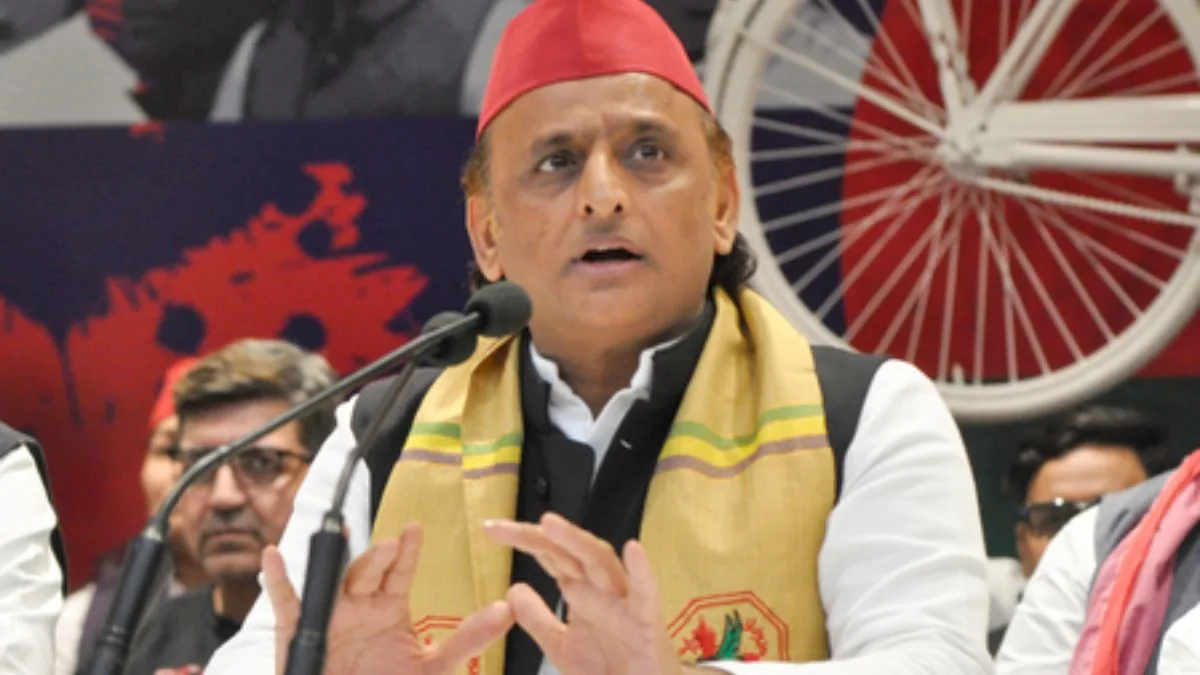
Samajwadi Party (SP) national president Akhilesh Yadav has launched a scathing attack on Uttar Pradesh Deputy Chief Minister Keshav Prasad Maurya and claimed that his reprimand is now inevitable.

He alleged that the Deputy Chief Minister is speaking falsehoods on one hand, and on the other hand, he is talking about distributing sweets (laddoos) on November 14, which is ‘Nehru Jayanti’. ”If he talks about going against the line followed by those in Delhi, will he get any sweets from there?” he posted on his social media post on Thursday.

A day earlier in the Legislative Council, while discussing the Bihar assembly elections, Deputy Chief Minister Keshav Prasad Maurya had said that during a meeting with Akhilesh Yadav at the airport, he had mentioned offering him sweets. He said, “I told him, ‘Eat them now, or you can eat them on November 14.'”

Taking a dig on his social media account, Akhilesh Yadav said that “this poor fellow will keep distributing sweets for others and will remain satisfied with the crumbs he gets… Now even the last remaining hope is gone; the reason he used to get some importance has also been taken away by someone else.”

He said, “Where will this poor fellow go… No one is asking about him here, no one is asking about him there, and in his own constituency, his base has already crumbled. Nowadays, he is surviving on ‘mercy postings’, and it remains to be seen how long that will last because now that he has been pushed further back in the line, what importance is left for him?”

Akhilesh Yadav said that this is what happens to those who ignore their own people. ”Let’s assume this was a mistake, but there is still a chance; if someone who has gone astray in the morning returns home in the evening, he is not considered lost,” he said.

UP CM Yogi signals shift toward ‘Fearless Business’ and ‘Trust of Doing Business’

He emphasised that the state’s GSDP has seen a nearly threefold increase, rising from Rs 12.88 lakh crore (2012-16) to an estimated Rs 35-Rs 36 lakh crore today. Consequently, per capita income has surged from Rs 43,000 to Rs 1,20,000.

Manoj Bhadra | Lucknow |

Uttar Pradesh Chief Minister Yogi Adityanath underscored the state’s radical transformation into a premier investment destination, driven by a paradigm shift toward Fearless Business, Ease of Doing Business, and Trust of Doing Business.

The Chief Minister, participating in the discussion on the Supplementary Budget 2025-26 on Wednesday, highlighted that the state has shed its former ‘Bimaru’ tag to emerge as a revenue-surplus powerhouse through stringent vittiya anushasan (financial discipline) and good governance.

He emphasised that the state’s GSDP has seen a nearly threefold increase, rising from Rs 12.88 lakh crore (2012-16) to an estimated Rs 35-Rs 36 lakh crore today. Consequently, per capita income has surged from Rs 43,000 to Rs 1,20,000.

Key highlights of the economic and social turnaround include:
Financial Inclusion & CD Ratio: The Credit-Deposit (CD) ratio has improved significantly from 44 per cent to 62-65 per cent, with a target to reach 70 per cent, ensuring local deposits are reinvested within the state.

Infrastructure & Connectivity: UP is rapidly becoming a global logistics hub with 22 expressways (set to account for 60 per cent of India’s total expressway network) and the highest number of airports (16 operational, including 4 international).

Employment & Start-up Ecosystem: The CM reported that 15 lakh crore in investment proposals have been operationalised, creating direct jobs for over 60 lakh youth. He credited the robust MSME sector (96 lakh units) for supporting nearly 2 crore families.

Sectoral Growth: Agriculture has witnessed a stellar rise in the growth rate, leaping from 8 per cent to 18 per cent (as noted in policy focus). In the energy sector, the state is aggressively pursuing renewable energy, including the 1GW solar initiative.

Healthcare & Social Welfare: The government’s commitment to welfare schemes remains inclusive and “face-less,” providing housing, rations, and Ayushman cards without discrimination. The healthcare infrastructure is being bolstered by the establishment of 81 medical colleges.

CM Adityanath reiterated that the state’s zero-tolerance policy toward crime has established a secure environment where “no goon can threaten a trader or collect ‘goonda tax’.” This security, coupled with 33 sectoral policies, has made UP a “dream destination” for global investors.

Today’s UP gives a guarantee of security to every citizen and a warning to every criminal, the Chief Minister stated, noting that the unemployment rate has plummeted while the employment ratio continues to climb through initiatives like the Defence Manufacturing Corridor in Lucknow.

The Supplementary Budget of Rs 24,498.98 crore aims to further catalyse these developments in technology, health, and women empowerment, bringing the total budget for FY 2025-26 to over Rs 8.33 lakh crore.

Olive turtles’ tagging reinitiated in Odisha to track their migration behaviour

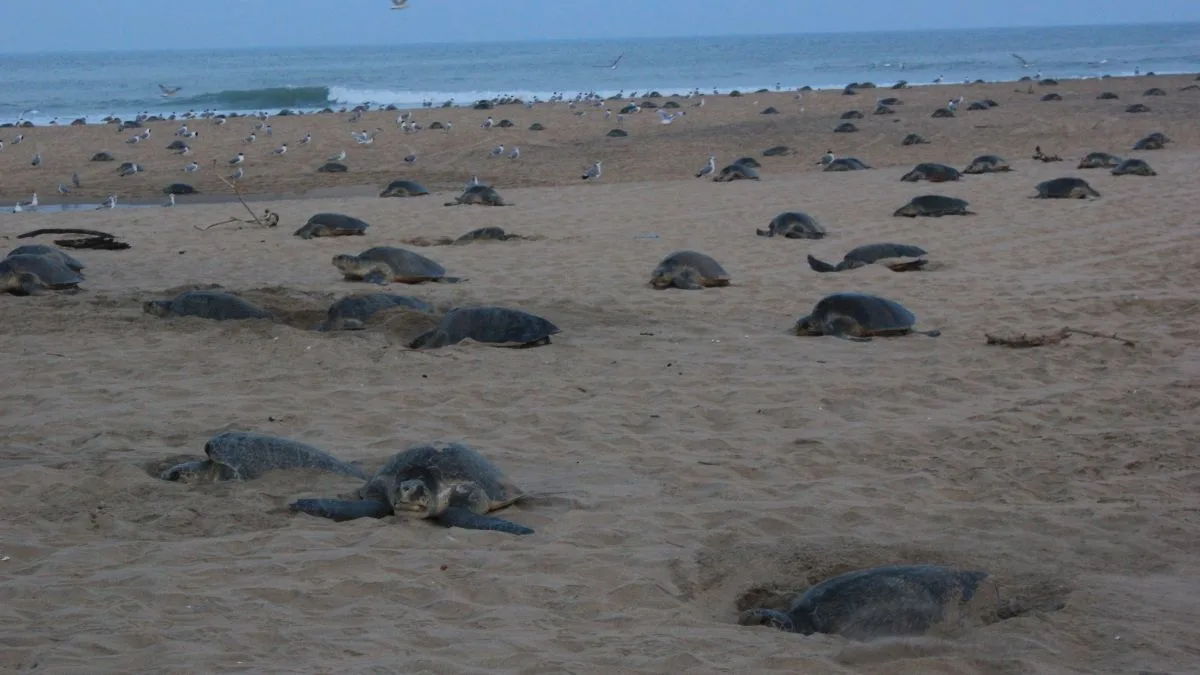
These turtles turn up in millions for mass nesting along the Odisha coast every year. Gahirmatha Beach off the Bay of Bengal coast in Kendrapara district is incidentally acclaimed as the world’s largest known nesting ground of these animals.

Statesman News Service | BHUBANESWAR |

With the behavioural and migration patterns of endangered Olive Ridley sea turtles still shrouded in the realm of scientific study, the Odisha forest department has reinitiated the satellite tagging of these iconic marine animals ahead of their mass nesting.

These turtles turn up in millions for mass nesting along the Odisha coast every year. Gahirmatha Beach off the Bay of Bengal coast in Kendrapara district is incidentally acclaimed as the world’s largest known nesting ground of these animals. Apart from Gahirmatha, these threatened aquatic animals turn up at the Rushikulya river mouth and the Devi river mouth for mass nesting, otherwise called an arribada.

The tagging programme was undertaken for three days from 21 December, and six turtles were satellite tagged in Gahirmatha. Later, three more turtles will be tagged in the Rushikulya river mouth.

The tagging programme is expected to provide vital information on near-shore movement patterns and would help the government in bringing policies for the conservation of turtles as well as the betterment of all stakeholders, including the local fishing communities, said senior forest officials.

There is the need to know more about Olive Ridley turtle movement patterns to identify critical habitats, reduce threats like fishing bycatch, design effective Marine Protected Areas (MPAs) that follow their wide-ranging movements, understand their life cycle (feeding, breeding), and inform policies to protect them from human activities such as coastal development and plastic pollution, especially since they are highly migratory and use vast, often international, ocean areas, they added.

Odisha has led the country in Olive Ridley Sea Turtle conservation, with satellite telemetry studies on turtles in Odisha commencing in early 2001, marking a significant advancement from beach-based monitoring to ocean-scale ecological research to know the long-distance movement pattern.

These studies were undertaken by the Wildlife Institute of India, in collaboration with the Odisha Forest Department.

In the year 2024, as per the decisions taken in the High Power Committee under the chairmanship of the Odisha Chief Secretary, it was decided to re-initiate the satellite telemetry programme on Olive Ridley sea turtles on the Odisha coast to know the near-shore movement pattern and beach dynamics.

Accordingly, as per the tripartite MoU executed between the PCCF (Wildlife) & CWLW, Odisha, the Wildlife Institute of India, Dehradun, and the Dhamra Port Co Ltd (DPCL), two turtles were tagged with satellite tags to study the movement & nesting habitat dynamics.

One of the tagged turtles was spotted near shore movements around Wheeler Island, Babubali Island, and the adjacent spit before moving north of the rookery. The satellite tag was detached and later found within the mangrove habitat of Bhitarkanika, with the last location on 1 April 2025.

The 2nd tagged turtle undertook a long-distance migratory journey. It initially moved eastward into the open ocean, subsequently approached nearshore waters off Tamil Nadu, and later travelled southward towards waters east of Sri Lanka.

Sabarimala gold loot: SIT interrogates ‘D Mani’, alleged having connection with int’l antique smuggling rackets

Reports indicate that the SIT has confirmed that D Mani’s real name is Balamurugan, a native of Dindigul in Tamil Nadu. He is also known as Diamond Mani. The SIT’s interrogation will continue on Thursday, too.

Statesman News Service | Thiruvananthapuram |

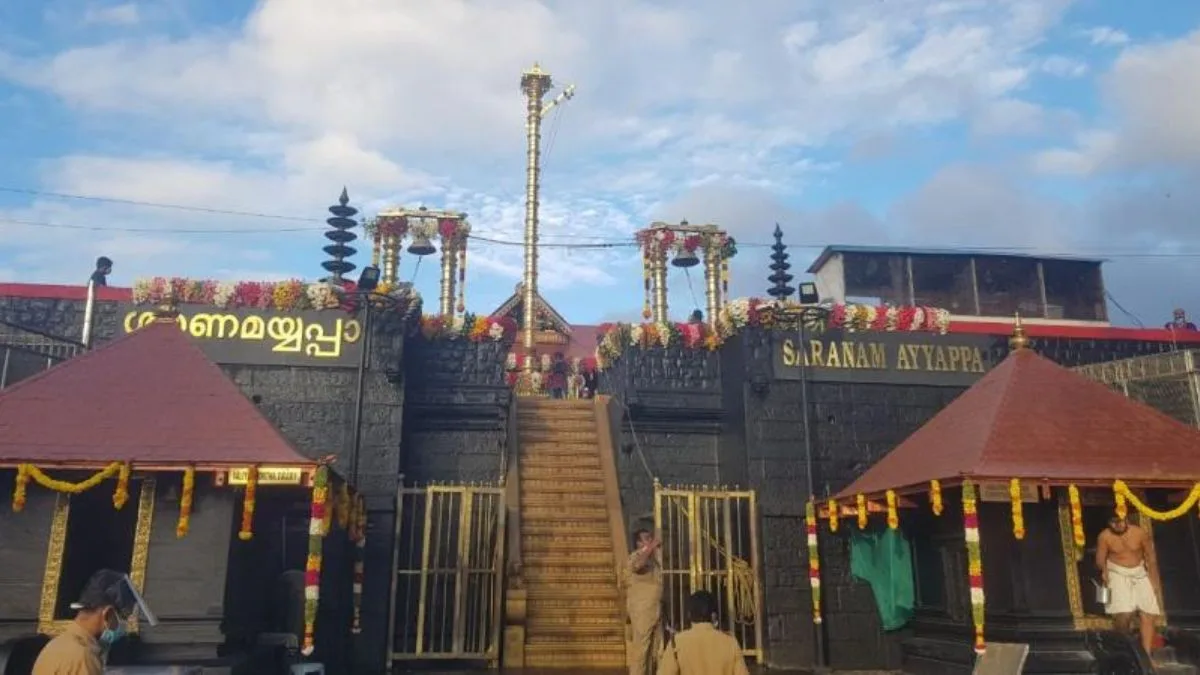
The Special Investigation Team (SIT), probing the Sabarimala temple gold heist, has traced ‘D Mani’ — who was mentioned by former opposition leader Ramesh Chennithala and an NRI businessman as the key suspect alleged to have a connection with international antique smuggling rackets — in Chennai, and interrogated him in connection with the case.

Reports indicate that the SIT has confirmed that D Mani’s real name is Balamurugan, a native of Dindigul in Tamil Nadu. He is also known as Diamond Mani. The SIT’s interrogation will continue on Thursday, too.

The SIT is trying to find answers to questions such as whether D Mani has roots in Kerala and whether Mani and his team carried out a transaction to smuggle Panchaloha idols in the Sabarimala temple.

Earlier, on December 18, the Special Investigation Team (SIT) recorded the statement of an NRI businessman based on a revelation by Congress leader Ramesh Chennithala.

Ramesh Chennithala had told the SIT that the NRI businessman informed him about the alleged involvement of an international antique racket in the loss of gold from the Sabarimala temple. Based on this disclosure, the SIT contacted the businessman and recorded his statement in Thiruvananthapuram.

Ramesh Chennithala, on December 7, raised serious allegations with regard to the Sabarimala gold heist case and sought an inquiry into the possible links between international antique smuggling rackets with it. He said he received credible inputs that the missing gold plates at the hill shrine were traded in the international black market for around Rs 500 crore.

The statement given by the NRI businessman on Wednesday to the SIT is said to be shocking. The NRI businessman, in his statement, reportedly said that D Mani and a high-ranking official in Kerala smuggled Panchaloha idols, and in return, D Mani handed over about Rs 500 crore to a high-ranking official with political connections. Unnikrishnan Potti, the accused in the gold theft case, was the middleman.

The NRI businessman’s statement also stated that D Mani and his gang not only target the Sabarimala temple, but the gang also aims to conduct a transaction worth Rs 1,000 crore in Kerala. The gang handed over Rs 500 crore for smuggling the Panchaloha idols in Sabarimala. The remaining Rs 500 crore was earmarked for smuggling valuables from the Padmanabha Swamy temple in Thiruvananthapuram. However, this did not happen, the NRI businessman’s statement reportedly stated.

The SIT is questioning D Mani in detail to find out whether such a large transaction took place as stated in the statement of the NRI businessman

Meanwhile, Congress leader Ramesh Chennithala on Thursday demanded a CBI investigation under the supervision of the High Court in the Sabarimala gold loot case. He said since the case involves international groups, the SIT will have limitations in its investigation. “Therefore, we are demanding a CBI investigation under court supervision in the case,” Chennithala said.

In this connection, BJP Kerala president Rajeev Chandrasekhar raised more serious allegations of theft from the Ayyappa temple. He alleged that the gold theft from the Sabarimala temple was extensive and that even parts of the sacred 18 steps were also stolen.

Investigations have revealed that the Left Front’s Devaswom Board also smuggled four more Panchaloha idols from Sabarimala and sold them to international criminal gangs, and therefore, a CBI probe is necessary in the case, he said.

“An SIT investigation alone will not reveal the whole truth. A CBI investigation is essential for that,” the BJP Kerala chief said.

HIL 2025–26: Free tickets announced as league returns across 3 cities

Tickets for the upcoming Hockey India League 2025–26 have gone live with free entry to boost fan turnout. The season will span three cities and feature Rani Rampal’s transition to coaching.

Statesman News Service | New Delhi |

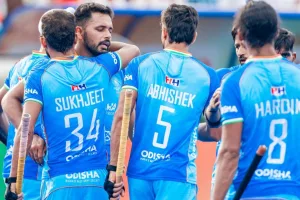
Tickets for the upcoming men’s Hockey India League (HIL) 2025–26, scheduled to begin in Chennai on January 3, went live on Thursday, with Hockey India announcing free entry to encourage greater fan participation.

HIL 2025–26 schedule across three cities

This season’s HIL will feature eight men’s teams and four women’s teams, with the men’s team playing matches across three cities of Chennai, Bhubaneswar and Ranchi and the women’s team matches to be held in Ranchi only. Ticket sales for the Ranchi leg of the men’s league had already opened earlier this week.

The women’s HIL will start from December 28 in Ranchi, and conclude on January 10 and the men’s league will run from January 3 in Chennai before moving to Ranchi on January 11, with the final leg set to be held in Bhubaneswar from January 17 to January 26.

‘A month-long celebration of hockey’: Officials

Dilip Tirkey, Hockey India League governing committee chairperson, said that the decision to offer free tickets across venues was aimed at filling stadiums and bringing fans closer to the sport. “We want fans to come and enjoy world-class hockey and watch their favourite stars in action across Chennai, Ranchi and Bhubaneswar,” he said, adding that several top international players will feature this season.

Holding similar views, HIL governing committee member Bhola Nath Singh described the league as a “month-long celebration of hockey” and invited fans to be part of #HockeyKaJashn, expressing hope for packed stadiums throughout the tournament.

Rani Rampal’s new chapter at HIL

Adding to the significance of the upcoming edition, former India women’s hockey team captain Rani Rampal will feature as a coach at HIL 2026, having transitioned from being a player as spoken about in an exclusive interaction with IANS.

Rani also reflected on working alongside long-time teammate Savita Punia, who will take on a mentor’s role, calling the experience both comforting and inspiring. Moving to the sidelines from the pitch, Rampal’s journey reflects a broader shift in Indian hockey, where experience and legacy are increasingly shaping the future of the HIL.

Jitendra Singh launches 5 transformative digital reforms for good governance

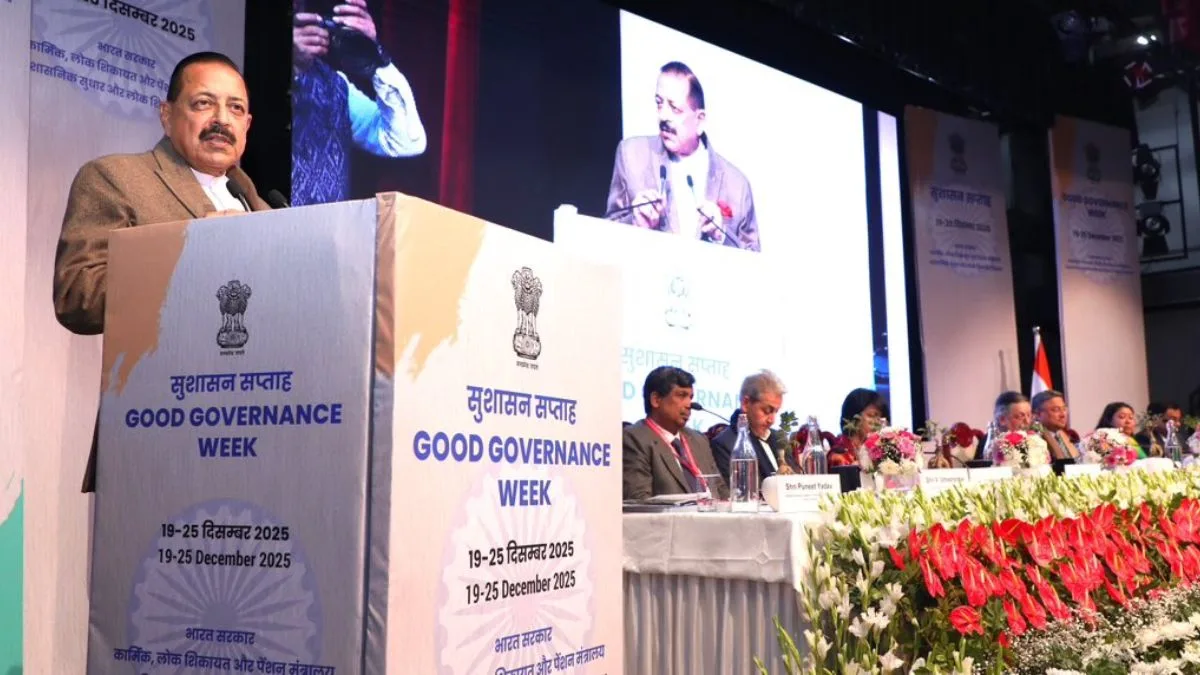
The minister inaugurated the National Workshop on Good Governance Practices 2025 in Delhi.

Statesman News Service | New Delhi |

On the occasion of Good Governance Day, observed annually on 25th December, Union Minister of State for Personnel, Public Grievances, and Pensions, Dr Jitendra Singh, on Thursday, said the DoPT department is launching five major initiatives aimed at strengthening core governance processes, supporting key stakeholder groups, and equipping civil servants for the challenges of a fast-evolving administrative landscape.

The minister inaugurated the National Workshop on Good Governance Practices 2025 in Delhi.

Addressing senior officers, policymakers and stakeholders, the Minister highlighted that good governance is not an abstract ideal but a daily administrative responsibility rooted in transparency, accountability, and citizen-centric delivery.

The first initiative is a Compendium of Guidelines on Reservation for Ex-Servicemen in Central Government, which consolidates all existing instructions into a single, updated, and user-friendly reference. Dr Jitendra Singh said this step reflects the government’s commitment to honouring the service of ex-servicemen by ensuring clarity, uniformity, and timely delivery of reservation-related benefits, while also reducing ambiguity and errors in implementation across ministries and departments.

The second initiative is an AI-powered Recruitment Rules Generator Tool, integrated with the Recruitment Rules Formulation, Amendment, and Monitoring System (RRFAMS) portal. The Minister explained that recruitment rules are the backbone of fair recruitment and career progression, and the new AI-enabled tool will significantly reduce delays and inconsistencies.

The third launch is the mobile application for e-HRMS 2.0, available on Android and iOS, which places key human resource services directly in the hands of government employees. Developed as a core pillar of Mission Karmayogi, e-HRMS 2.0 integrates service records and HR processes such as promotions, transfers, deputations, training and superannuation. Dr Jitendra Singh said the mobile app will reduce paperwork, speed up approvals, and enhance transparency in personnel management.

The fourth set of initiatives relates to new AI-enabled features on the iGOT Karmayogi platform. These include iGOT AI Sarthi for intelligent discovery of relevant learning resources and an AI-based Capacity Building Plan Tool to help ministries and states systematically map roles, competencies, and training needs.

The fifth initiative is the Karmayogi Digital Learning Lab 2.0, a next-generation facility designed to produce high-quality digital learning content using modern technologies. The Minister said the upgraded lab will enable faster and wider dissemination of best practices, reforms, and critical skills across the civil services, strengthening implementation capacity on the ground.

Dr Jitendra Singh said that taken together, these initiatives reflect a coherent, future-oriented approach to governance reform, one that leverages technology, strengthens institutions, and places citizens and civil servants at the centre of change.

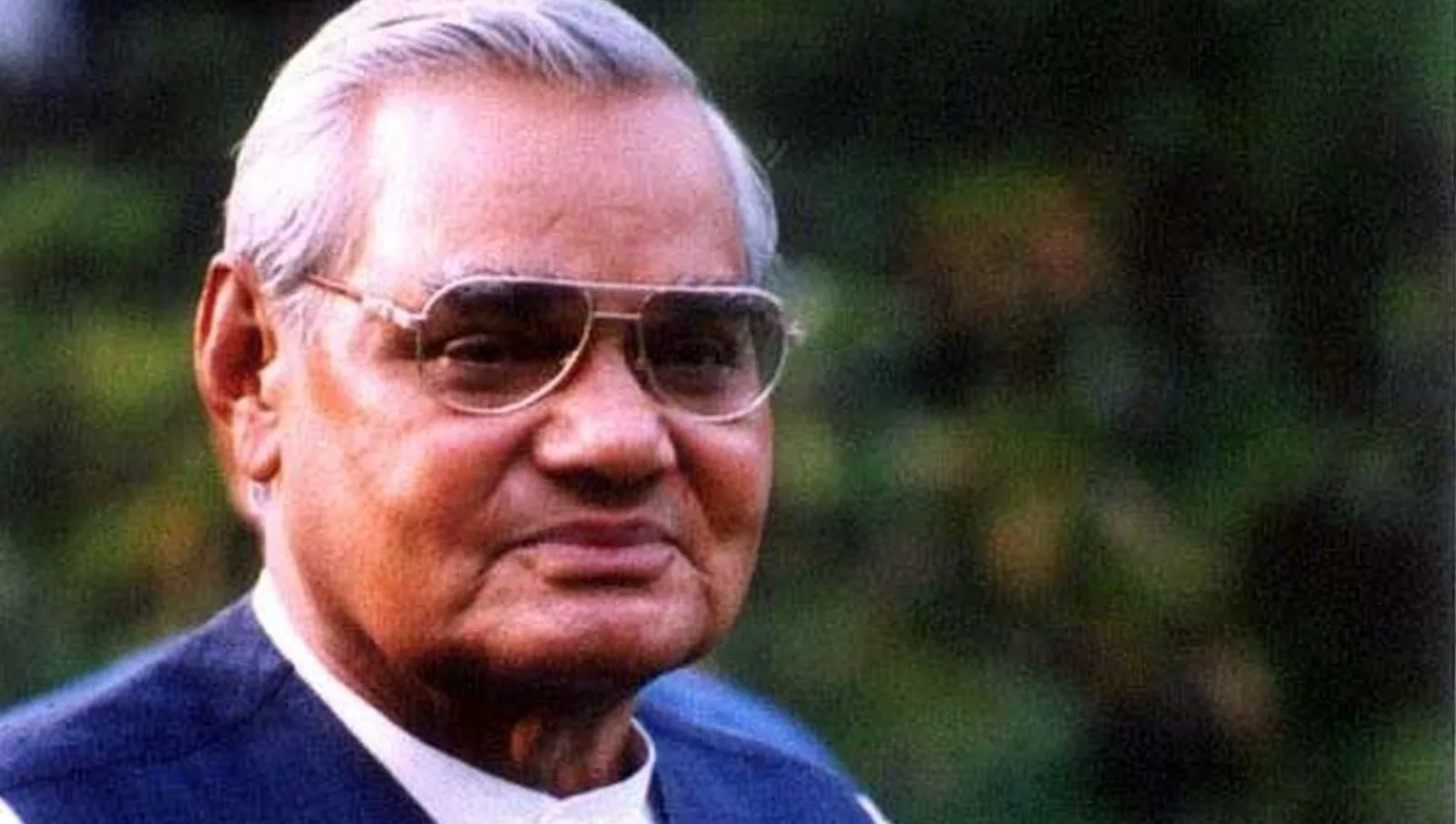
The Minister noted that Good Governance Day holds special significance as the nation commemorates the birth anniversary of former Prime Minister Atal Bihari Vajpayee, who institutionalised the concept of probity in public life and laid the foundations of people-first governance.

Aravalli row: Jairam Ramesh accuses Environment Minister of ‘muzzling’ forest survey

At the heart of the dispute is a proposed government criterion that classifies a “hill” only if it rises at least 100 meters above its surrounding terrain. Critics argue this definition is a death knell for the range’s ecology because:

Statesman News Service | New Delhi |

The political battle over the ecological future of the Aravalli range intensified on Thursday with senior Congress leader Jairam Ramesh accusing Union Environment Minister Bhupender Yadav of “misleading and misinforming” the public. Ramesh alleged that the government is manipulating the Forest Survey of India (FSI) to push through a new definition of “hills” that could leave the vast majority of the mountain range unprotected.

At the heart of the dispute is a proposed government criterion that classifies a “hill” only if it rises at least 100 meters above its surrounding terrain. Critics argue this definition is a death knell for the range’s ecology because:

It would reportedly exclude over 90% of the Aravallis from protection. Low-lying ridges and foothills, which are vital for biodiversity and groundwater recharge, would be opened to development.

Opponents claim this allows expanded mining under the guise of the terrain not being “technically” a hill.

Ramesh questioned the independence of the FSI, noting it is currently led by an official holding “additional charge” from the Ministry. “FSI will say whatever the Minister wants and is directed to,” Ramesh claimed, challenging the Ministry to release internal assessments that reportedly warned of large-scale ecological damage.

While Minister Yadav dismissed these claims — asserting a “total ban” on mining across the range from Gujarat to Delhi — Ramesh labeled the Minister’s data “deceptive.” He argued that the government is diluting the actual impact by using the total area of 34 districts as a denominator rather than focusing on the specific hilly tracts.

The war of words is moving toward a legal showdown. Ramesh signaled that the Congress party will approach the Supreme Court in January to challenge the new definitions, describing the government’s policy as a “determined assault” on the ecological stability of Rajasthan and the National Capital Region (NCR).


President Murmu releases Constitution of India in Santhali language

Addressing the gathering, the President said that it is a matter of pride and joy for all the Santhali people that the Constitution of India is now available in the Santhali language, written in the Ol Chiki script

Statesman News Service | New Delhi |

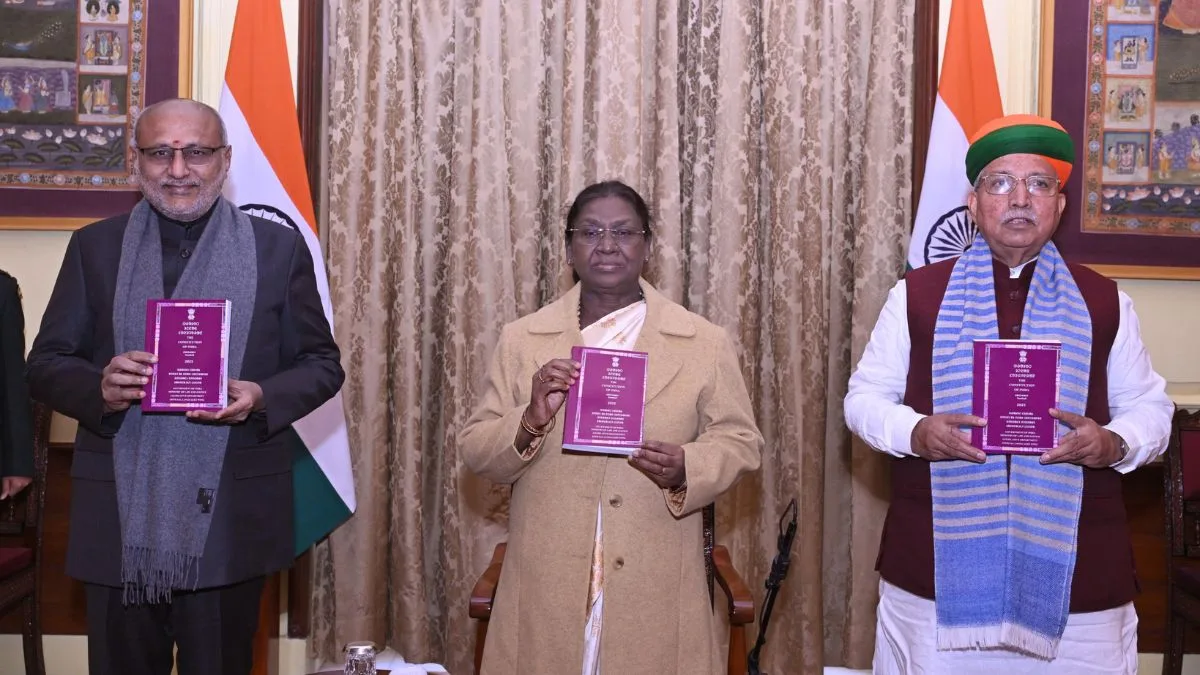
President Droupadi Murmu released the Constitution of India in the Santhali language at a function held at Rashtrapati Bhavan on Thursday. Vice President C P Radhakrishnan and Law and Justice Minister Arjun Ram Meghwal were among the dignitaries present on the occasion.

Addressing the gathering, the President said that it is a matter of pride and joy for all the Santhali people that the Constitution of India is now available in the Santhali language, written in the Ol Chiki script. It will make them able to read and understand the Constitution in their own language, she noted.

Appreciating the Union Minister of Law and Justice and his team for bringing the Constitution of India in Ol Chiki script in its centenary year, she said, “This year, we are celebrating the centenary of the Ol Chiki script.”

The Santhali language was indeed included in the Eighth Schedule of the Indian Constitution through the 92nd Amendment Act, 2003, alongside Bodo, Dogri, and Maithili, officially recognising these languages and enabling their use in government, education, and exams.

It is one of the major ancient living languages of India, spoken by the tribal people primarily in East-Central India (Jharkhand, West Bengal, Odisha, Assam, and Bihar) but also in Nepal and Bangladesh, and is known for its unique Ol Chiki script and rich oral traditions.

Lucknow court to hear sedition case against Rahul Gandhi, others on January 5

Special ACJM Alok Verma of the MP/MLA court has fixed January 5 for the hearing of the case.

Statesman News Service | Lucknow |

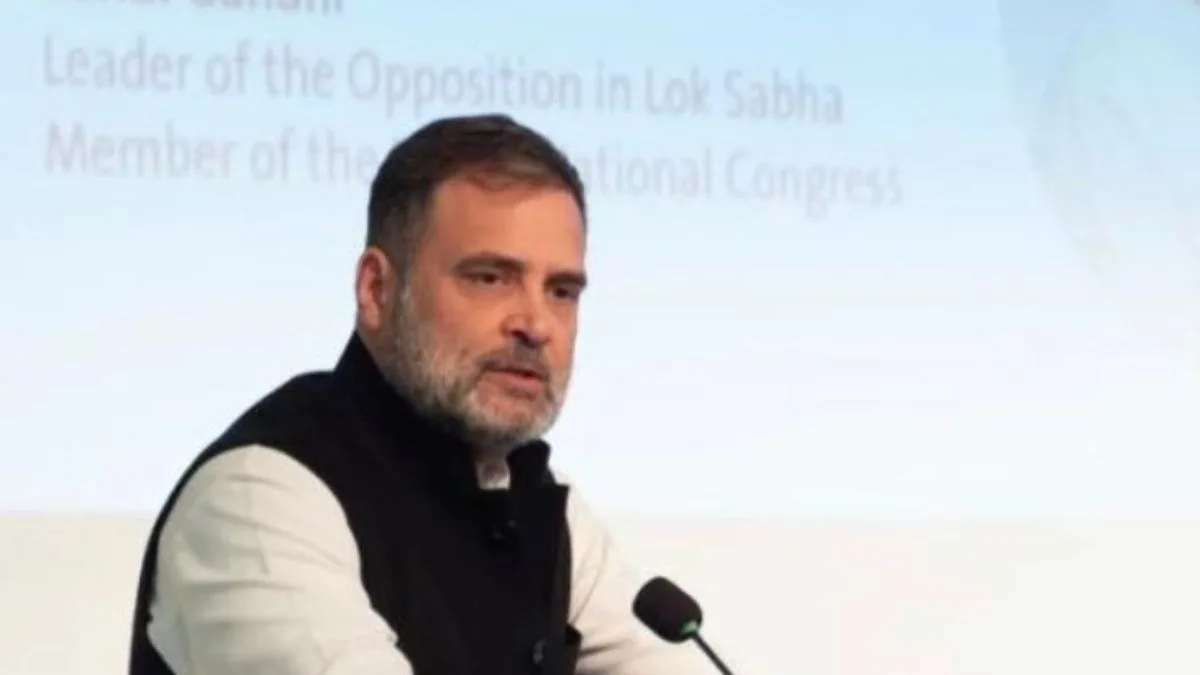
A special MP/MLA court has issued notices to the leader of the Opposition in the Lok Sabha and Congress MP Rahul Gandhi, along with Congress president Mallikarjun Kharge, Sonia Gandhi, KC Venugopal, and Priyanka Gandhi, to file their objections on a complaint filed against them on charges of sedition for allegedly saying ”they were fighting against the Indian state itself”.

Special ACJM Alok Verma of the MP/MLA court has fixed January 5 for the hearing of the case.

Earlier, on September 9, complainant Nripendra Pandey had filed a complaint in court stating that Leader of the Opposition Rahul Gandhi, while speaking at the inauguration of the newly constructed Congress headquarters in New Delhi on January 15 last, said, “We are now fighting the BJP, the RSS and the Indian State itself”—was made knowingly and wilfully against the Indian nation and its constitutional system. It was alleged that Rahul’s statement that he was fighting against India constituted treason and sedition.

The complaint further stated that Rahul Gandhi made the statement in a completely balanced state of mind and after careful consideration. It alleged that Rahul and his allies in the INDIA bloc are repeatedly lying, engaging in criminal conspiracy, and spreading venom against those holding constitutional positions and institutions, thereby pushing the country towards civil war.

The complaint argued that the phrase “Indian State” refers not just to the ruling party but to Parliament, the judiciary, the executive, and the entire constitutional framework, thereby amounting to sedition.

The complaint also stated that Rahul Gandhi had apologised in court several times for his actions. Rahul, who has obtained bail from the court in several cases, made this anti-national statement in the presence of senior Congress leaders. However, Sonia Gandhi, Priyanka Gandhi, Mallikarjun Kharge, and KC Venugopal did not contradict the statement, the petitioner said.

CCPA imposes Rs 11 lakh penalty on Vision IAS for misleading ads on UPSC Civil Services Exam results

The institute had advertised claims such as “7 in Top 10 & 79 in Top 100 selections in CSE 2023” and “39 in Top 50 selections in CSE 2022”, prominently featuring the names, photographs, and ranks of successful candidates, the CCPA said.

Statesman News Service | New Delhi |

The Central Consumer Protection Authority (CCPA) has imposed a penalty of Rs 11 lakh on Vision IAS for publishing misleading advertisements on its official website concerning the results of the UPSC Civil Services Examination (CSE) 2022 and 2023, in violation of the Consumer Protection Act, 2019.

The institute had advertised claims such as “7 in Top 10 & 79 in Top 100 selections in CSE 2023” and “39 in Top 50 selections in CSE 2022”, prominently featuring the names, photographs, and ranks of successful candidates, the CCPA said.

The authority found that while the institute, registered as Ajay Vision Education Private Limited, disclosed the specific course opted by Mr Shubham Kumar (AIR 1, UPSC CSE 2020), namely, GS Foundation Batch (Classroom Student), it deliberately concealed information regarding the courses chosen by other successful candidates whose names and photographs were displayed alongside him on the same webpage.

”This concealment created a misleading impression that all the remaining candidates were also enrolled in the GS Foundation Batch Classroom Course, which was not the case. Additionally, in the same advertisement, the institute prominently promoted its “Foundation Course,” which involves fees running into lakhs of rupees. Such conduct had the effect of inducing students to enrol in the institute’s programmes based on false, inflated, and unverified claims,” the CCPA said.

The authority found that the institute claimed 119+ successful candidates in UPSC CSE 2022 and 2023. However, only three candidates had enrolled in foundation courses, while the remaining 116 candidates had opted for services such as test series for preliminary and Mains examinations, Abhyaas tests (one-time tests), and mock interview programs.

”This deliberate concealment of material information misled aspirants and parents into believing that Vision IAS was responsible for the candidates’ success across all stages of the UPSC Civil Services Examination, thereby constituting a misleading advertisement under Section 2(28) of the Consumer Protection Act, 2019,” the authority said.

The Authority further observed that the institute’s advertisements on its official website, featuring successful candidates’ names and photographs along with tall claims, were misleading. By projecting such claims without proper authorisation or consent from the students, the institute misled prospective aspirants.

Unlike print media, a website is accessible globally and remains available for an extended period. It is also the primary platform through which aspirants, particularly in the digital era, research coaching institutes, evaluate their claims, and make informed choices.

The Authority further noted that in highly competitive examinations such as the UPSC Civil Services Examination, where lakhs of aspirants invest substantial time, effort, and financial resources such incomplete and selective disclosures mislead students and parents by creating false expectations regarding outcomes and the effectiveness of coaching services.

So far, the CCPA has issued 57 notices to various coaching institutes for misleading advertisements and unfair trade practices. Penalties amounting to Rs 10,960,000 have been imposed on 28 coaching institutes, along with directions to discontinue such misleading claims.

The Authority has emphasised that all coaching institutes must strictly ensure truthful and transparent disclosure of information in their advertisements, enabling students to make fair and informed academic decisions.

President Murmu to confer ‘Pradhan Mantri Rashtriya Bal Puraskar’ on Veer Bal Diwas tomorrow

The Ministry of Women and Child Development, Government of India, will observe Veer Bal Diwas at the national level on December 26 to commemorate the courage, sacrifice, and exemplary values of India’s young heroes.

Statesman News Service | New Delhi |

President Droupadi Murmu will confer the prestigious Pradhan Mantri Rashtriya Bal Puraskar to children who have demonstrated outstanding achievements in diverse fields during a special ceremony on Friday at Vigyan Bhawan, New Delhi. This year, 20 children from 18 states and union territories have been selected for the honour.

The Ministry of Women and Child Development, Government of India, will observe Veer Bal Diwas at the national level on December 26 to commemorate the courage, sacrifice, and exemplary values of India’s young heroes. The PMRBP will be conferred upon children for exceptional excellence in bravery, art & culture, environment, social service, science & technology, and sports.

The national-level programme of Veer Bal Diwas 2025 will be organised at Bharat Mandapam in New Delhi on Friday. The national observance will be graced by Prime Minister Narendra Modi, who will address the children and youth of India and underscore the role of young citizens in nation-building.

The programme will highlight stories of bravery, resilience, and selfless service to inspire children and youth, reaffirming the Government of India’s commitment to nurturing empowered and responsible citizens in line with Viksit Bharat@2047. Union Women and Child Development Minister Annpurna Devi will deliver the welcome address.

The programme will witness participation from schoolchildren, PMRBP awardees, and dignitaries from across the country. Cultural performances showcasing India’s rich civilisational heritage and the spirit of bravery will form an integral part of the celebrations.

Veer Bal Diwas 2025—a national-level programme—will be telecast live from 12:30 PM onwards on NIC Webcast, DD News, and the Ministry of Women and Child Development’s YouTube channel, enabling nationwide participation, according to a Women and Child Development Ministry statement on Thursday.

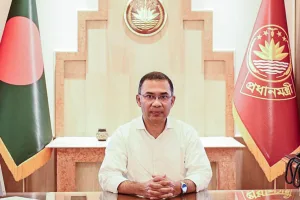
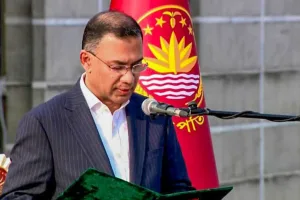
Uncertain poll chances ahead for homecoming Tarique Rahman

To the outside world, Tarique Rahman’s return home on Thursday after 17 years in exile may be projected as the homecoming of a saviour for a poll-bound Bangladesh, which is in turmoil. Yet, his road to power is fraught with uncertainty.

Mahendra Ved | Dhaka |

To the outside world, Tarique Rahman’s return home on Thursday after 17 years in exile may be projected as the homecoming of a saviour for a poll-bound Bangladesh, which is in turmoil. The son of two-time Prime Minister Khaleda Zia and slain President Ziaur Rahman, Tarique’s re-entry into politics is being closely watched. Yet, his road to power is fraught with uncertainty.

To the outside world, today’s homecoming after 17 years of exile may project Tarique Rahman—the son of two-time Prime Minister Khaleda Zia and slain President Ziaur Rahman—as a saviour of sorts for a poll-bound Bangladesh in turmoil, but his path to victory remains uncertain. Diverse forces are at work, including interim Chief Advisor Mohammed Yunus, who is backed by student leaders whose protests forced long-term premier, Sheikh Hasina, out of power. Many of them have ideological leanings close to radical Islamists who currently have full play and lead the National Citizens’ Party (NCP).

Floated with his blessings, the party is Yunus’s political shield. With its Islamist orientation, it is unlikely to take kindly to the return of Rahman, whose Bangladesh Nationalist Party (BNP) boasts a nationalist ethos of the freedom movement bequeathed by its founder. Despite that, the BNP had aligned with Jamaat-e-Islami, the largest mainstream Islamist Party, again, a thorn in the path of those who want the elections to cement their role following the July 2024 protest movement.

Tarique Rahman remains a controversial figure as a parallel power centre during Begum Zia’s tenure as Prime Minister from 2001 to 2006. Besides corruption charges, he was behind Bangladesh’s Islamist radicalisation and the emergence of Jamaat-ul-Mujahideen Bangladesh (JMB) and Harkat-ul-Jihad Islami (HUJI).

Tarique was prosecuted for the August 21, 2004, grenade attack on the opposition Awami League’s rally to protest terrorism. 24 rallyists, including senior party leader Ivy Rahman, were killed. Hasina escaped but was left with ear impairment. Although Begum Zia was persecuted for many years by Hasina in subsequent periods, records indicate that Tarique’s own persecution occurred solely during the two-year, army-backed caretaker regime from 2006 to 2008, which had reneged on holding elections. He was jailed, convicted, and allegedly tortured. After his release, he migrated to London in 2008.

His supporters say that this was part of the incumbent government’s gambit. Known as the “minus-two” strategy, it was meant to push both Khaleda and Hasina out of the country, but it failed, forcing elections at the end of 2008. Hasina, who won those elections, ruled until 2024.

In post-Hasina Bangladesh, there have been reports that Tarique is distrusted by sections of the army backing Yunus. In political terms, however, as his mother Khaleda is seriously ailing, Tarique is seen as the inheritor of a political legacy that directly counters that of Hasina and the Awami League. The rivalry goes back to the freedom movement. This suits the present rulers, who want to keep Hasina and the AL out of the electoral arena. As it worked hard to ensure medical treatment for Begum Zia while she lay on a ventilator, the Yunus government has also gone out of its way to smooth Tarique’s return, arranging a mass welcome. With this boost, Tarique can be expected to launch an organised campaign by a party enthused by his return. Helped by a well-oiled election machinery, possibly with foreign funds from quarters that would want Bangladesh to stabilise politically and economically, he can hope to wrest power. Much would depend upon how he translates his personal charisma, having been away from the political scene, into votes. Yet, it may not be easy.

Soon after Hasina’s ouster, the BNP was seen as the largest mainstream party poised to take power. The exclusion of the rival Awami League, still the country’s largest, from the election arena doubly made it so. However, as 2025 draws to a close with elections just two months away, that advantage looks less certain. Jamaat-e-Islami, once a BNP ally, has consolidated its position. Yet Jamaat itself faces challenges from the student-led BCP, which distrusts all mainstream parties and seeks to perpetuate its influence from the protest movement. The sympathy factor generated by the killing of one of its leaders, Shareef Osama Hadi, in a brutal attack earlier this month, in a violence-filled poll atmosphere, strengthens its role. But this divides the Islamist Phalanx.

Tarique still has the aces in an election that remains largely a one-horse race since it does not have to counter the Awami League.But he will have to field provocations from traditional rival Hasina from across the border, resurgence from the Islamists, who seek their place under the political sun for the first time and, as it happens, in any party that is sure to do well, internal dissensions.

Top Maoist leader Ganesh Uike killed, six insurgents neutralised in Kandhamal encounter

Ganesh Uikey was a CPI (Maoist) central committee member and head of its Odisha operations. He carried Rs 1.1 crore bounty on his head.

Statesman News Service | New Delhi |

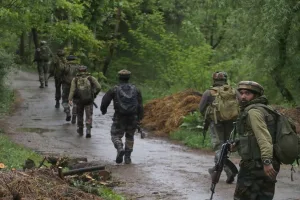
The security forces on Thursday neutralised Ganesh Uike, one of the most wanted Maoist leaders and a central committee member, during an encounter in the dense Gumma forest area of Odisha’s Kandhamal district, marking a decisive phase in a major anti-Maoist operation along the Odisha–Chhattisgarh border.

The encounter took place in the Chakapada and Belghar police station limits, where joint teams of the Odisha Police’s Special Operations Group (SOG), Central Reserve Police Force (CRPF) and Border Security Force (BSF) were conducting a coordinated operation based on specific intelligence inputs. Officials said the exchange of fire began around 9 am, resulting in the death of Uike, who carried a bounty of over ₹1 crore. He was also the secretary of the Odisha State Committee of the CPI (Maoist) and had earlier functioned as the outfit’s spokesperson in Chhattisgarh.

Security forces recovered the bodies of three Maoists from the encounter site, including two women, along with two INSAS rifles and a .303 rifle. Police sources said another encounter had taken place in the same forest zone late on Tuesday night, during which two Maoists were killed. Those slain in the overnight operation were identified as residents of Chhattisgarh’s Bijapur and Sukma districts. With the latest developments, the total number of Maoists killed in the ongoing operation has risen to six.

Chhattisgarh Additional Director General of Police (Naxal Operations), Vivekanand Sinha told The Statesman that Uike, aged around 69, was a key figure in the Maoist hierarchy. He said Uike’s presence in Kandhamal underlined the importance of the cadre movement being tracked by security agencies.

An AK-47 magazine was found near his body, indicating the level of armament involved.

Further searches led to the recovery of additional weapons and equipment, including revolvers, a .303 rifle, walkie-talkies and Maoist daily-use materials. Two of the slain Maoists have been identified as area committee member Bari alias Rakesh Raigada, a resident of Sukma, and Amrit, a platoon member from Bijapur. The entire operation is being closely monitored by senior Odisha Police officers, including the DIG (Operations) and the Kandhamal Superintendent of Police. Officials said intensive search operations were continuing in the forested region to rule out the presence of any remaining Maoist cadres.

The operation comes amid the Centre’s intensified push to dismantle Maoist networks across the country. Union Home Minister Amit Shah has repeatedly asserted that Left Wing Extremism will be eradicated from India by March 2026, underlining a strategy that combines sustained security operations with development and rehabilitation measures in affected regions. Senior journalist Manish Gupta, in a conversation with The Statesman, said- “elimination of senior Maoist leaders such as Uike reflects steady progress towards that objective, particularly in the Odisha–Chhattisgarh border belt, long considered a Maoist stronghold.”

‘Meri Yatra Atal Yatra’ brings life and legacy of Atal Bihari Vajpayee to the Delhi Stage

The performance, scheduled for December 25, 2025, at the historic Teen Murti Bhavan, offers an immersive exploration of the life, poetry, and political philosophy of one of India’s most revered statesmen.

UNI | New Delhi |

On the 101st birth anniversary of Bharat Ratna Atal Bihari Vajpayee, the Pacyon Foundation is set to debut on Thursday “Meri Yatra Atal Yatra,” a solo theatrical tribute, the organization said in a press release today. The Pacyon Foundation is a group dedicated to youth empowerment.

The performance, scheduled for December 25, 2025, at the historic Teen Murti Bhavan, offers an immersive exploration of the life, poetry, and political philosophy of one of India’s most revered statesmen. The production weaves together Vajpayee’s celebrated speeches and evocative poetry to reflect the “Atal spirit” that defined his decades-long career.

Known as a “man of the masses,” Vajpayee served three terms as Prime Minister and was the first non-Congress leader to complete a full five-year term.

The play aims to go beyond political milestones, focusing on the core values of leadership and humanity that Vajpayee championed. Through this cultural storytelling, the Pacyon Foundation seeks to inspire the next generation to rediscover his vision of a developed, inclusive India. The choice of Teen Murti Bhavan as the venue carries deep historical weight.

Originally the residence of India’s first Prime Minister, Jawaharlal Nehru, the complex now serves as a center for historical research and houses the Pradhan Mantri Sangrahalaya, a museum dedicated to honoring all of India’s Prime Ministers. The event coincides with Good Governance Day, established in 2014 to honor Vajpayee’s commitment to transparent and citizen-centered administration.

Performance Details:

Date: 25th December 2025 

Time: 6:00 PM 

Venue: Teen Murti Bhavan, New Delhi Language: Hindi 

Producer: Pacyon Foundation

This production is an invitation for citizens, especially the youth, to rediscover Atal Ji’s vision for India. We believe cultural storytelling can play a significant role in nation-building,” stated the Pacyon Foundation team in the press release.

Pacyon Foundation is a New Delhi-based organization dedicated to youth empowerment. By utilizing theatre and storytelling, the foundation creates platforms for artistic expression that foster personal growth and social leadership among young Indians.

Navi Mumbai International Airport opens: First flight, airlines, schedule, location explained

Navi Mumbai International Airport has begun commercial operations. Here’s a detailed Q&A on the first flight, airlines, flight schedule, location, capacity and expansion plans.

Statesman News Service | Mumbai |

India’s second airport for Mumbai started commercial flights on Thursday, with the Navi Mumbai International Airport (NMIA) opening operations on Christmas Day. The new airport is expected to reduce pressure on Mumbai’s existing airport, which has been handling more passengers than it was built for.

Flights began with IndiGo, Air India Express, Akasa Air, and Star Air connecting Navi Mumbai to several Indian cities. For now, the airport will function for 12 hours a day. Authorities plan to increase operations in phases and move to 24-hour services from February 2026.

Also Read: From first flight to drone show: How Navi Mumbai International Airport marked its big debut

Navi Mumbai International Airport (NMIA): FAQs

When did Navi Mumbai International Airport open?

The airport opened for commercial flights on December 25, 2025.

Who inaugurated Navi Mumbai International Airport?

Prime Minister Narendra Modi inaugurated the airport on October 8, 2025.

What was the first flight at Navi Mumbai International Airport?

The first flight to land was an IndiGo flight from Bengaluru. It arrived around 8 am.

Which was the first departure from Navi Mumbai airport?

The first flight to depart was an IndiGo service to Hyderabad at 8:40 am.

Which airlines are flying from Navi Mumbai airport?

Flights are currently operated by:

  • IndiGo
  • Air India Express
  • Akasa Air
  • Star Air

Which cities are connected from Navi Mumbai airport?

Flights connect Navi Mumbai to cities such as Bengaluru, Delhi, Hyderabad, Goa, Kochi and Ahmedabad. In total, the airport serves between nine and 16 domestic destinations.

What is the flight schedule at Navi Mumbai International Airport?

At present, the airport operates from 8 am to 8 pm. It handles around 15 to 23 departures daily and can manage up to 10 aircraft movements in an hour.

Will Navi Mumbai airport operate 24×7?

Yes. Authorities plan to shift to round-the-clock operations from February 2026. Once that happens, daily departures are expected to increase to around 34 flights.

Where is Navi Mumbai International Airport located?

The airport is located in Panvel Taluka of Raigad district in Maharashtra. It is about 40 km from South Mumbai and around 35 km from Mumbai’s existing airport, near Amra Marg and National Highway 48.

How far is Navi Mumbai airport from Mumbai airport?

NMIA is roughly 35 km away from Chhatrapati Shivaji Maharaj International Airport.

How many passengers can Navi Mumbai airport handle?

Terminal 1 can handle about 20 million passengers a year. Once all phases are completed, the airport’s total capacity is expected to reach 90 million passengers annually.

How many phases is the Navi Mumbai airport being built in?

The project is being developed in five phases. Terminal 1 has been completed in the first two phases. Terminals 2, 3 and 4 will be built later.

Who owns and operates Navi Mumbai International Airport?

The airport is being developed under a public-private partnership. The airport is being developed through a public-private partnership. The Adani Group owns 74 per cent, while CIDCO owns 26 per cent.

Why is Navi Mumbai airport important?

The airport will help reduce crowding at Mumbai’s existing airport and improve air travel in the region.

Will more flights be added later?

Yes. More flights and routes are expected as operations expand.