Logo

Thieves drill into German bank vault, steal Euro 30 million in overnight heist

Just days before the New Year, valuables worth around Euro 30 million (about USD 33 million) were stolen from a bank in the western German city of Gelsenkirchen, in what police described as one of the largest bank heists in the country in recent years.

ANI | New Delhi |

Just days before the New Year, valuables worth around Euro 30 million (about USD 33 million) were stolen from a bank in the western German city of Gelsenkirchen, in what police described as one of the largest bank heists in the country in recent years. Authorities confirmed the incident on Tuesday, DW reported.

Police believe the robbery was carried out by a highly organised and well-prepared group, citing the level of planning, technical skill and coordination involved in the operation.
According to investigators, the burglars entered the bank through an underground parking garage. From there, they drilled through a wall to gain access to the vault area. After breaking open thousands of safe-deposit lockers, the suspects escaped using the same route, DW reported.

More than 3,000 safe-deposit boxes were damaged during the break-in. The lockers reportedly contained cash, gold and jewellery. Based on an average insured value of Euro 10,000 per box (around USD10,900), police have made an initial estimate placing total losses at approximately Euro 30 million.
The theft came to light on Monday after a fire alarm was triggered inside the building, prompting emergency services to respond. It was only then that the scale of the robbery became apparent.
Several witnesses later told police they had seen men carrying heavy bags inside the parking garage stairwell during the night.

Investigators are reviewing CCTV footage that reportedly shows a black Audi RS 6 leaving the garage early Monday morning. The occupants were masked, and police confirmed that the vehicle was using a license plate stolen earlier from the northern German city of Hanover.
Over the past two days, many customers gathered outside the affected bank branch seeking information about their valuables. Media reports said a large number of victims had stored gold and jewellery in their lockers, with some claiming their losses exceeded the insured limits, DW reported.

Police have urged customers not to file individual complaints at this stage. Instead, they have been asked to coordinate directly with the bank, which is collecting damage reports and forwarding them to investigators on a daily basis.
The investigation is ongoing, and no arrests have been made so far.

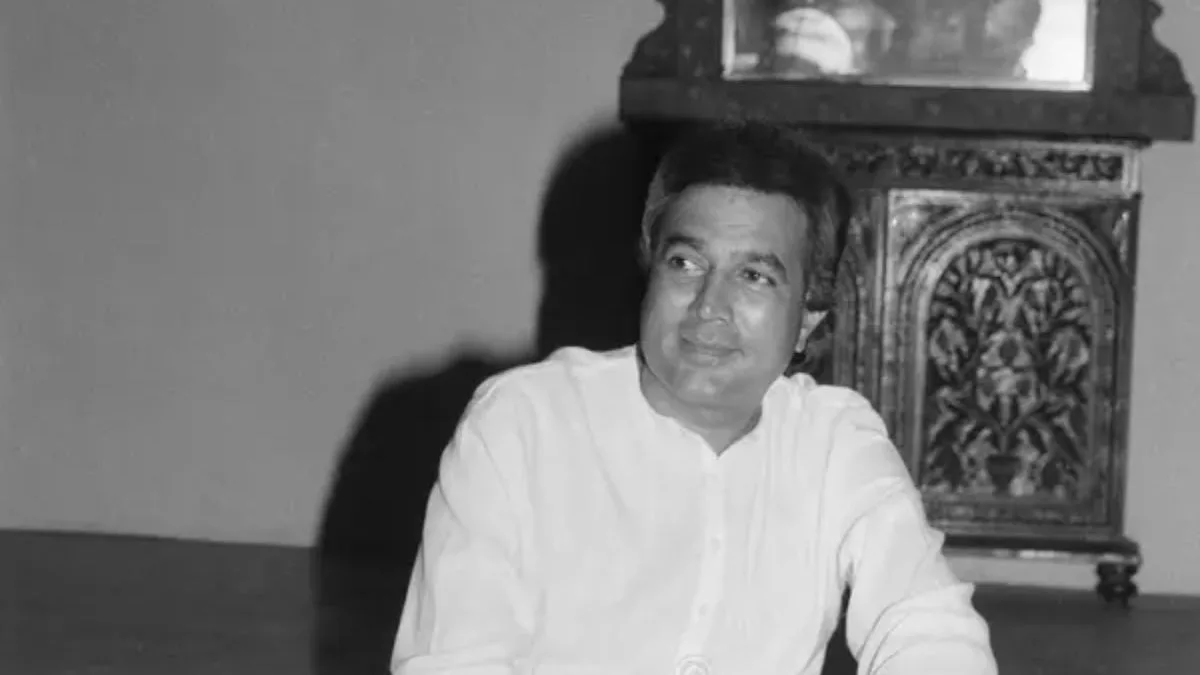
Rajesh Khanna’s untold story of Delhi Bungalow

A nostalgic account of Rajesh Khanna’s years at Bungalow No. 81, Lodi Estate, its political history, star-studded gatherings, and how the iconic Delhi address became forever linked to the Bollywood legend.

Vivek Shukla | New Delhi |

People familiar with Delhi’s geography know that Lodi Estate is just five to seven minutes away from India Gate. After winning the New Delhi Lok Sabha seat in the 1992 by-election, Bollywood’s first superstar, Rajesh Khanna, was allotted Bungalow No. 81. In that fascinating contest, he defeated his Bollywood colleague Shatrughan Sinha. Rajesh Khanna represented the constituency from 1992 to 1996.

Naturally, Delhi has changed a lot since then. Rajesh Khanna has left this world, and Shatrughan Sinha’s political journey has taken him from the BJP to Congress and now to Trinamool. But whenever he passes through the streets of New Delhi, memories of his friend and rival Rajesh Khanna must surely come to mind, whose legacy still lives on in the heart of the capital.

The 1992 New Delhi by-election was an intensely interesting contest. The Congress fielded Rajesh Khanna, while the BJP chose Shatrughan Sinha after L.K. Advani vacated the seat. Although the outcome had no bearing on the stability of the central government, the political atmosphere heated up the moment campaigning began. Media attention was firmly fixed on the two Bollywood stars. Soon, Rajesh Khanna started gaining the upper hand. There was also sympathy for him among voters because in 1991, he had lost to Advani by a narrow margin.

Also Read: Look at Sharmila Tagore and Rajesh Khanna’s timeless bond!

Senior journalist Rama Kant Goswami recalls, “Advani ji won, but Rajesh Khanna won people’s hearts. In his very first attempt, he worked tremendously hard. In assembly segments like Minto Road and Gol Market, he surged ahead of Advani.” Dimple Kapadia also actively campaigned for him.

Rajesh Khanna won comfortably. However, the victory came at the cost of a long-standing friendship. Shatrughan Sinha later admitted that the bigger loss than the defeat was that Rajesh Khanna became upset with him. Their relationship never returned to what it once was. His media advisor Sunil Negi says that in the gatherings at 81 Lodi Estate, Rajesh Khanna never mentioned the election or Shatrughan Sinha.

Rajesh Khanna lived at 81 Lodi Estate for only four years, but even today, the bungalow’s identity remains closely associated with him. He installed a beautiful statue of Lord Ganesha at the rear of the house and would bow before it whenever he entered or left. He mostly used the back entrance.

Noted author and astrologer Dr. J.P. Sharma ‘Laldhagewale’, a close friend of Rajesh Khanna, recalls, “Kaka was full of life. Every guest was welcomed, offered tea and snacks. He had the bungalow lavishly renovated with marble and tiles. His lifestyle was regal—luxury cars in the garage, a bungalow like a five-star hotel. Reluctantly, he vacated it in 1996. Many ministers and MPs were vying to get it.”

As soon as he got the bungalow in Lodi Estate, Rajesh Khanna was extremely happy. He often used to say that living in the Lutyens’ Zone was a matter of pride. Lodi Estate is considered an extension of the Lutyens’ Zone, developed after independence. The bungalows here, in the style of Lutyens, have gardens all around and the main building in the center. There are separate quarters for servants at the back.

From Bollywood, people like Sunil Dutt, Rupesh Kumar, and Sawan Kumar Tak would frequently come and go. Before getting the government bungalow, Rajesh Khanna had lived in Som Vihar and Vasant Kunj.

Also Read: Poonam Dhillon on working with Rajesh Khanna: “He was always kind and protective”

Bungalow No. 81, Lodi Estate, was earlier allotted to Hemwati Nandan Bahuguna. During the 1984 Allahabad election, Bahuguna ji had requested Rajesh Khanna over the phone for campaigning, but Kaka did not go. Later, when Rajesh Khanna was contesting elections, he went to meet Bahuguna ji at his Lodi Road flat—to send a message to Uttarakhandi voters. The author himself was present at that meeting. In 1996, after Rajesh Khanna, this bungalow was allotted to BJP leader Pramod Mahajan. Ladghagvale says that after leaving Delhi once, he (Rajesh Khanna) probably never came back here. He had hopes that Congress would make him a Rajya Sabha member. But that didn’t happen. This left him very disappointed.

On May 20, 1991, at the Nirman Bhawan polling booth, Rajesh Khanna was helping Rajiv and Sonia Gandhi. The next day, Rajiv Gandhi was assassinated. Sunil Negi says that Rajesh Khanna went to newspaper offices to obtain the negative of that photograph. He got a large print made and hung it in the drawing room. Upon hearing the news of Rajiv Gandhi’s death, he wept bitterly.

(The author is a veteran journalist.)

60 injured as two trains collide in tunnel at hydel project in Uttarakhand’s Chamoli

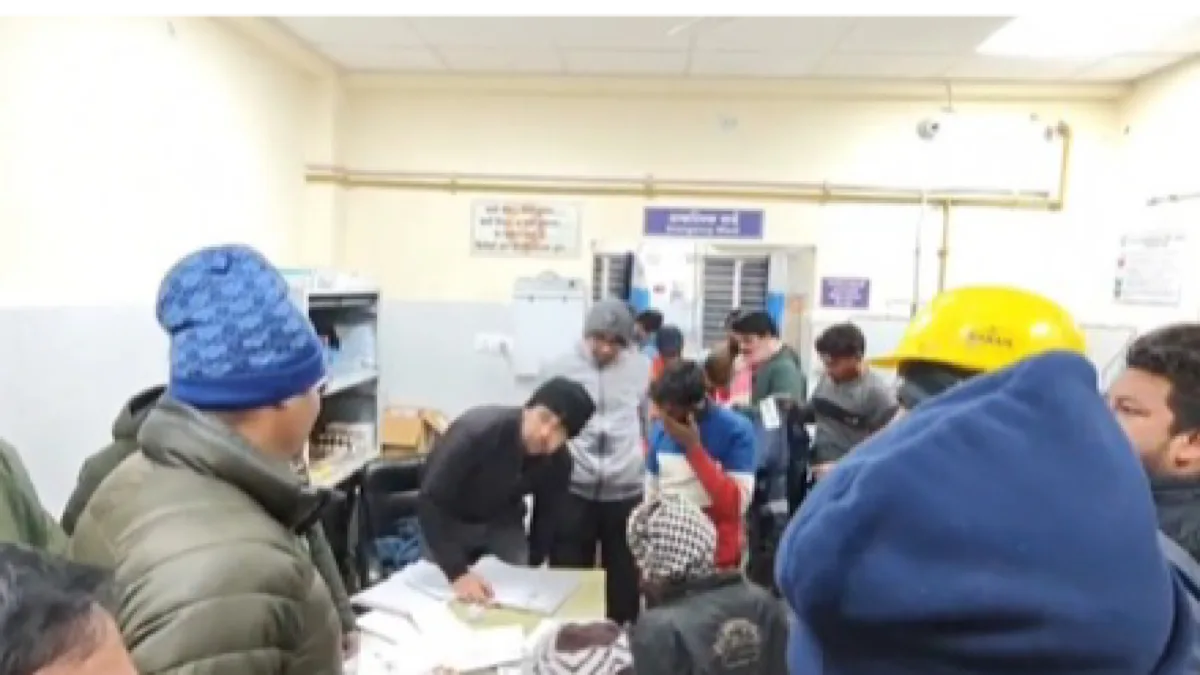
Around 60 people were injured when a locomotive train carrying workers and officials collided with another train transporting materials inside the Pipalkoti tunnel of the Vishnugad-Pipalkoti Hydroelectric Project in Uttarakhand’s Chamoli district, officials said on Wednesday.

IANS | New Delhi |

Around 60 people were injured when a locomotive train carrying workers and officials collided with another train transporting materials inside the Pipalkoti tunnel of the Vishnugad-Pipalkoti Hydroelectric Project in Uttarakhand’s Chamoli district, officials said on Wednesday.

The accident took place late on Tuesday at the THDC hydroelectric project construction site in Pipalkoti during a shift change.

According to initial information, two locomotive trains used to ferry workers and materials inside the tunnel rammed into each other, leaving a large number of people injured.

Chamoli District Magistrate Gaurav Kumar said that a total of 109 people were on board the train carrying workers at the time of the accident, which occurred late in the evening, and around 60 of them sustained injuries.

He said that all those involved in the incident have been rescued and that the condition of all the injured persons is stable.

The District Magistrate explained that one locomotive train carrying workers and officials and another carrying construction material were moving on the single-track inside the Pipalkoti tunnel of the Vishnugad-Pipalkoti project, being constructed by THDC (India), when the collision occurred.

He added that such locomotive trains are routinely used inside long tunnels for transporting workers, engineers, officials and construction material.

The Sub-Divisional Magistrate of Chamoli said that 10 injured people have been shifted to the district hospital in Gopeshwar for treatment, while 17 others are being treated at Vivekananda Hospital in Pipalkoti.

He said the condition of the remaining injured persons is reported to be stable.

The impact of the collision triggered panic and screams inside the tunnel, leading to a chaotic situation as workers attempted to find their way out in the confined space.

After the incident was reported, teams from the project management and the local administration rushed to the spot and immediately launched relief and rescue operations.

The Vishnugad-Pipalkoti Hydroelectric Project is a 444-megawatt project being constructed on the Alaknanda River between Helang and Pipalkoti in Chamoli district.

The project is designed to generate 111 megawatts of electricity through four turbines and is targeted for completion by next year.

Women’s HIL 2025-26: Ranchi Royals enjoy dominant 5-0 win over Shrachi Bengal Tigers

Ranchi Royals enjoyed a comfortable 5-0 victory over Shrachi Bengal Tigers in their second match of the Women’s Hockey India League (HIL) 2025-26 Season at the Marang Gomke Jaipal Singh Munda Astro Turf Stadium in Ranchi on Tuesday.

IANS | New Delhi |

Ranchi Royals enjoyed a comfortable 5-0 victory over Shrachi Bengal Tigers in their second match of the Women’s Hockey India League (HIL) 2025-26 Season at the Marang Gomke Jaipal Singh Munda Astro Turf Stadium in Ranchi on Tuesday. Lucina von der Heyde (33′,57′), Hannah Cotter (10′), Beauty Dungdung (14′), and Sangita Kumari (44′) registered goals for Ranchi Royals.

Ranchi Royals started the match on a strong note, controlling possession of the ball and creating an array of chances on goal. In the first half itself, the Royals had made 17 circle entries, asserting their dominance in attack. In the fifth minute, Ranchi Royals won the first penalty corner of the evening but couldn’t score as Sabine Plonissen’s shot was deflected away by the first rusher.

However, in the 10th minute, Ranchi Royals scored the first goal of their campaign thanks to New Zealand’s Hannah Cotter (10′). Sakshi Rana played a good pass into the circle from the left flank as the ball fell to Hannah Cotter after a deflection, and she slotted it into the net to take the lead. Moments later, Shrachi Bengal Tigers won a penalty corner on the other end, but they couldn’t make a good effort on goal.

In the 14th minute, Neha won another penalty corner for Ranchi Royals, which was successfully converted by the home side. Lucina von der Heyde took the initial shot that was stopped by a defender, but Beauty Dungdung (14′) showed great determination to pounce on the rebound and slot the ball into the goal, extending their lead to two goals.

The trend followed in the second quarter as the Royals continued to operate the ball well on the flanks and create good chances, but Shrachi Bengal Tigers held their ground and were resilient in their defence. Towards the end of the first half, Jennifer Rizzo made two crucial saves, stopping strong shots from Augustina Albertarrio and Sakshi Rana, respectively, to maintain the deficit.

In the opening minutes of the third quarter itself, Ranchi Royals found the net again to increase their advantage. Argentina’s Lucina von der Heyde (33′) dribbled from the left flank to push the ball ahead and played it to Rutuja Dadaso Pisal on the baseline, who set the ball perfectly for Lucina again as her shot took a deflection and went into the goal.

In the 44th minute, Ranchi Royals struck again. Maria Sofia Darnay did well to find Sangita Kumari (44′) in front of the goal from the left flank as she slapped the ball into the net with ease in front of her home crowd.

Shrachi Bengal Tigers tried to fight back and get a consolation goal out of the fixture in the last quarter; however, Ranchi Royals held back and depended on counterattacks. With just four minutes left on the clock, the Royals won yet another penalty corner as they converted the chance, courtesy of a well-placed shot from Lucina von der Heyde (57′) to claim the fifth goal for her team.

All matches of the Hockey India League will be broadcast live on Sony Sports Ten 1, Sony Sports Ten 3, and DD Sports. The matches will also be live-streamed on Waves and the Hockey India League YouTube channel.

Internet of beings: The dream of digitising human bodies for healthcare

In the 1966 film Fantastic Voyage, a spacecraft and its crew are shrunk to microscopic size and injected into the body of an injured astronaut to remove a life-threatening blood clot from his brain.

Francesco Grillo | New Delhi |

In the 1966 film Fantastic Voyage, a spacecraft and its crew are shrunk to microscopic size and injected into the body of an injured astronaut to remove a life-threatening blood clot from his brain. The Academy Award-winning movie – later developed into a novel by Isaac Asimov – seemed like pure fantasy at the time. However, it anticipated what could be the next revolution in medicine: the idea that ever-smaller and more sophisticated sensors are about to enter our bodies, connecting human beings to the internet.

This ‘internet of beings’ could be the third and ultimate phase of the internet’s evolution. After linking computers in the first phase and everyday objects in the second, global information systems would now connect directly to our organs. According to natural scientists, who recently met in Dubai for a conference titled Prototypes for Humanity, this scenario is becoming technically feasible. The impact on individuals, industries and societies will be enormous.

The idea of digitising human bodies inspires both dreams and nightmares. Some Silicon Valley billionaires fantasise about living forever, while security experts worry that the risks of hacking bodies dwarf current cybersecurity concerns. This technology will have at least three radical consequences.

First, permanent monitoring of health conditions will make it far easier to detect diseases before they develop. Treatment costs much more than prevention, but sophisticated tracking could replace many drugs with less invasive measures – changes in diet or more personalised exercise routines.

Millions of deaths could be prevented simply by sending alerts in time. In the US alone, 170,000 of the 805,000 heart attacks each year are ‘silent’ because people don’t recognise the symptoms.

Second, the sensors – better called biorobots, since they’ll probably be made of gel – are becoming capable of not just monitoring the body but actively healing it. They could release doses of aspirin when detecting a blood clot, or activate vaccines when viruses attack.

The mRNA vaccines developed for COVID may have opened this frontier. Advances in gene editing technologies may even lead to biorobots that can perform microsurgery with minuscule protein-made ‘scissors’ that repair damaged DNA.

Third, and most importantly, medical research and drug discovery will be turned on its head. Today, scientists propose hypotheses about substances that might work against certain conditions, then test them through expensive, time-consuming trials. In the ‘Internet of beings’ era, the process reverses: huge databases generate patterns showing what works for a problem, and scientists work backwards to understand why. Solutions will be developed much more quickly, cheaply and precisely.

Radical transformations

The era of one-size-fits-all medicine is already ending, but the ‘Internet of beings’ will go much further. Each person could receive daily advice on medication doses tailored to micro-changes such as body temperature or sleep quality.

The organisation of medical research itself will transform radically. Enormous amounts of data from bodies living natural lives might reveal that some headaches are caused by how we walk, or that brains and feet influence each other in unexpected ways.

Research currently focuses on specific diseases and organs. In future, this could shift to the use of increasingly sophisticated ‘digital twins’ – virtual models of a person’s biology that update in real time using their health data. These simulations can be used to test treatments, predict how the body will respond and explore disease before it appears. Such a shift would fundamentally change what we mean by life science.

The dream here isn’t to defeat aging, as some transhumanists claim. It’s more concrete: making healthcare accessible to all, defeating cancers, reaching poorer countries and helping everyone live longer without disease.

The nightmare, however, is about losing our humanity while digitising our bodies. The ‘Internet of beings’ is one of the most fascinating possibilities that technology is opening up – but we need to explore it carefully. We’re resuming the voyage that humankind was travelling in those optimistic years of the 1960s, when we landed on an alien planet for the first time. Only now, the alien territory we’re exploring is ourselves.

The writer is Academic Fellow, Department of Social and Political Sciences, Bocconi University. This article was published on www.theconversation.com.

Vijay Hazare Trophy Round 4: Jaiswal to make Mumbai debut as action begins across venues

One of the key players in focus will be Yashasvi Jaiswal, who is set to make his debut for Mumbai against Goa.

Statesman News Service | New Delhi |

The Vijay Hazare Trophy Round 4 matches will begin at 9:00 AM IST across multiple venues on Wednesday, December 31.

One of the key players in focus will be Yashasvi Jaiswal, who is set to make his debut for Mumbai against Goa. Mumbai have been in impressive form so far, winning all their previous matches, and will aim to maintain their strong position in the Elite Group standings.

Apart from Mumbai, Madhya Pradesh, Karnataka, Uttar Pradesh, Goa, Delhi, and Bihar have also won their first three matches of the competition and will be looking to extend their winning streaks in the fourth round.

The opening two rounds of the Vijay Hazare Trophy were a star-studded affair, with Virat Kohli and Rohit Sharma turning out for Delhi and Mumbai, respectively. However, the senior India batters will not feature further in the tournament as they have begun preparations for the January ODI series against New Zealand.

Meanwhile, Hardik Pandya is likely to feature in two Vijay Hazare Trophy matches in January. As part of workload management, he has been rested from the three-match ODI series against New Zealand ahead of the T20 World Cup, allowing him limited domestic appearances.

Vijay Hazare Trophy Round 4: Match Schedule

Group A

Kerala vs Rajasthan – 9:00 AM IST – Gujarat College Ground, Ahmedabad

Jharkhand vs Tamil Nadu – 9:00 AM IST – Narendra Modi Stadium, Ahmedabad

Karnataka vs Puducherry – 9:00 AM IST – ADSA Railways Ground, Ahmedabad

Madhya Pradesh vs Tripura – 9:00 AM IST – Narendra Modi Stadium B, Ahmedabad

Group B

Bengal vs Jammu & Kashmir – 9:00 AM IST – Sanosara Ground A, Rajkot

Assam vs Uttar Pradesh – 9:00 AM IST – Niranjan Shah Stadium, Rajkot

Chandigarh vs Vidarbha – 9:00 AM IST – Niranjan Shah Stadium Ground C, Rajkot

Baroda vs Hyderabad – 9:00 AM IST – Sanosara Ground B, Rajkot

Group C

Goa vs Mumbai – 9:00 AM IST – Jaipuria Vidyalaya Ground, Jaipur

Chhattisgarh vs Sikkim – 9:00 AM IST – Sawai Mansingh Stadium, Jaipur

Maharashtra vs Uttarakhand – 9:00 AM IST – Anantam Ground, Jaipur

Himachal Pradesh vs Punjab – 9:00 AM IST – KL Saini Ground, Jaipur

Group D

Gujarat vs Railways – 9:00 AM IST – KSCA Ground 2, Alur

Haryana vs Services – 9:00 AM IST – KSCA Ground, Alur

Delhi vs Odisha – 9:00 AM IST – KSCA Ground 3, Alur

Andhra vs Saurashtra – 9:00 AM IST – CoE Ground 2, Bengaluru

Plate Group

Manipur vs Mizoram – JSCA International Stadium Complex

Bihar vs Nagaland – JSCA Oval Ground

Arunachal Pradesh vs Meghalaya – Usha Martin Ground

The tricarboxylic acid cycle: Oxidation in the round

Having considered localization of respiratory functions in mitochondria and in prokaryotic cells, it’s time to return to the eukaryotic context and follow a molecule of pyruvate across the inner membrane of the mitochondrion to see what fate awaits it inside.

Tapan Kumar Maitra | New Delhi |

Having considered localization of respiratory functions in mitochondria and in prokaryotic cells, it’s time to return to the eukaryotic context and follow a molecule of pyruvate across the inner membrane of the mitochondrion to see what fate awaits it inside.

In the presence of oxygen, pyruvate is oxidized fully to carbon dioxide, and the energy released in the process is used to drive ATP synthesis. The first stage in this process is a cyclic pathway that is a central feature of energy metabolism in almost all aerobic chemotrophs. An important intermediate in this cyclic series of reactions is citrate, which has three carboxylic acid groups and is therefore a tricarboxylic acid. For this reason, this pathway is usually called the tricarboxylic acid (TCA) cycle. It is also commonly referred to as the Krebs cycle in honor of Hans Krebs, whose laboratory played a key role in elucidating this metabolic sequence in the 1930s.

The TCA cycle metabolizes acetyl coenzyme A (acetyl CoA), which consists of a two-carbon acetate group linked to a carrier called coenzyme A. (Coenzyme A was discovered by Fritz Lipmann, who shared a Nobel Prize with Krebs in 1953 for their work on aerobic respiration.) Acetyl CoA arises either by oxidative decarboxylation of pyruvate or by the stepwise oxidative breakdown of fatty acids. Regardless of its origin, acetyl CoA transfers its acetate group to a four-carbon acceptor called oxaloacetate, thereby generating citrate. Citrate is then subjected to two successive decarboxylations and several oxidations, leaving a four-carbon compound from which the starting oxaloacetate is regenerated.

Each round of the TCA cycle activity involves the entry of two carbons (as the acetate from acetyl CoA), the release of two carbons as carbon dioxide, and the regeneration of oxaloacetate. Oxidation occurs at five steps: four in the cycle itself and one in the reaction that converts pyruvate to acetyl CoA. In each case, electrons are accepted by coenzyme molecules. The substrates for the TCA cycle are therefore acetyl CoA, oxidized coenzymes, ADP, and Pi, and the products are carbon dioxide, reduced coenzymes, and a molecule of ATP (or GTP, a closely related nucleotide).

With this brief overview in mind, let’s look at the TCA cycle in more detail, focusing on what happens to the carbon molecules that enter as acetyl CoA and how the energy released by each of the oxidations is conserved as reduced coenzymes.

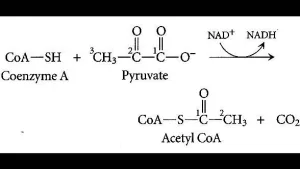
As carbon enters the TCA cycle in the form of acetyl CoA, the glycolytic pathway ends with pyruvate, not acetyl CoA. To get from pyruvate to acetyl CoA requires the activity of pyruvate dehydrogenase (PDH), a huge multiprotein complex that has a molecular weight of about 4.6 x 10⁶ and consists of three different enzymes, five coenzymes, and two regulatory proteins. These components work together to catalyze the oxidative decarboxylation of pyruvate:

The TCA cycle begins with the entry of acetate in the form of acetyl CoA. With each round of the TCA cycle activity, two carbon atoms enter in organic form (as acetate), and two carbon atoms leave in inorganic form (as carbon dioxide). In the first reaction (TCA-1), the two-carbon acetate group of acetyl CoA is added onto the four-carbon compound oxaloacetate to form citrate, a six-carbon molecule. This condensation is driven by the free energy of hydrolysis of the thioester bond and is catalyzed by the enzyme citrate synthase. That citrate is a tricarboxylic acid—the class of compounds giving the TCA cycle its name.

Next, one will notice that four of the eight steps in the TCA cycle are oxidations. This is evident because four steps involve coenzymes that enter in the oxidized form and leave in the reduced form. Each of these reactions is catalyzed by a dehydrogenase that is specific for the particular substrate.

With the regeneration of oxaloacetate, one turn of the cycle is complete. It can summarize what has been accomplished by noting the following properties of the TCA cycle:

Acetate enters the cycle as acetyl CoA and is joined to a four-carbon acceptor molecule to form citrate, a six-carbon compound.
Decarboxylation occurs at two steps in the cycle so that the input of two carbons as acetate is balanced by the loss of two carbons as carbon dioxide.
Oxidation occurs at four steps, with NAD+ as the electron acceptor in three cases and FAD as the electron acceptor in one case.
ATP is generated at one point, with GTP as an intermediate, in animal cells.
One turn of the cycle is completed upon regeneration of oxaloacetate, the original four-carbon acceptor.

By summing the eight component reactions of the TCA cycle, we arrive at an overall reaction (In this and subsequent reactions, protons and water molecules are not explicitly shown if present only for charge or chemical balancing.) This reaction is written as:

Because the cycle must, in effect, occur twice to metabolize both of the acetyl CoA molecules derived from a single molecule of glucose, the summary reaction on a per-glucose basis can be obtained by doubling reaction, then add to this reaction the summary reactions for glycolysis through pyruvate and for the oxidative decarboxylation of pyruvate to acetyl CoA arrive at the following overall reaction for the entire sequence from glucose through the TCA cycle:

Considering this summary reaction, two points may strike- how modest the ATP yield is thus far, and how many coenzyme molecules are reduced during the oxidation of glucose. However, it must also recognize the reduced coenzymes NADH and FADH2 as high-energy compounds in their own right. The transfer of electrons from these coenzymes to oxygen is highly exergonic.

For the release of that energy, it must look to the remaining stages of respiratory metabolism—electron-transported oxidative phosphorylation. Before doing so, however, it will consider several additional features of the TCA cycle: its regulation, its centrality in energy metabolism, and its role in other metabolic pathways.

The author is an associate professor (retd.) and former head of the department of botany at Ananda Mohan College.

Psych Siddhartha: Varun Reddy’s new year release brings affordable entertainment with Rs 99 tickets

Psych Siddhartha makers have announced that the tickets of the film would be sold at Rs 99 each. The youthful entertainer is all ready to hit screens on January 1.

Hiya | New Delhi |

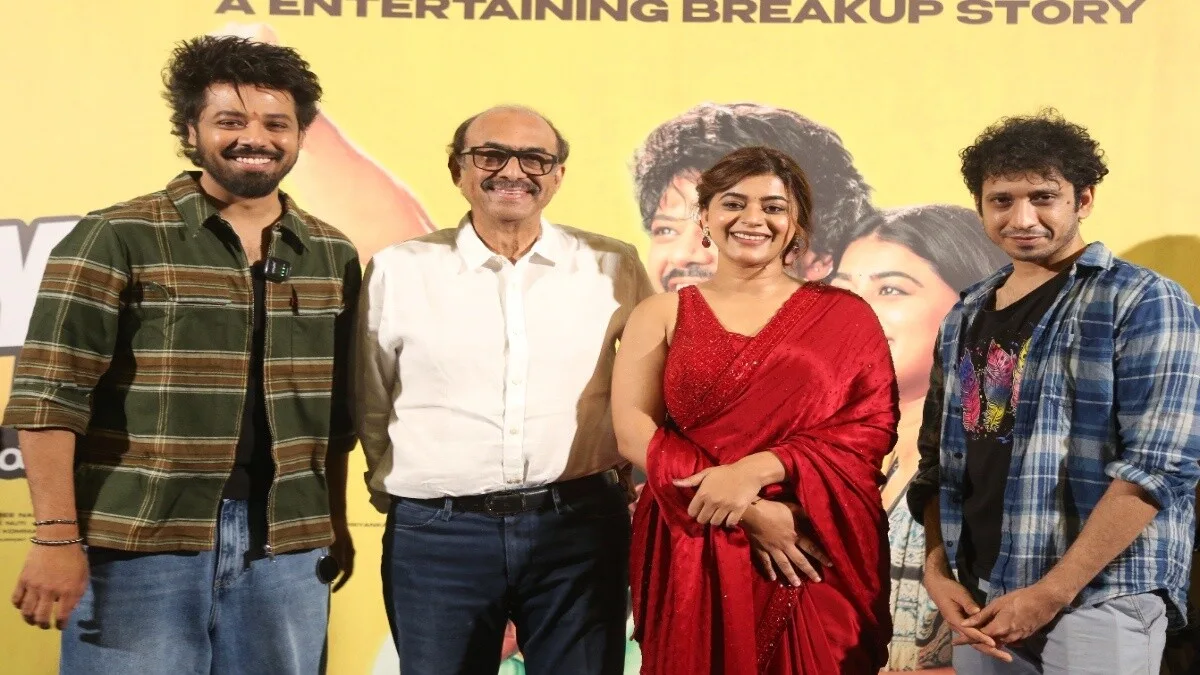
The makers of director Varun Reddy’s upcoming youthful entertainer ‘Psych Siddhartha’, featuring actors Shree Nandu and Yaamini Bhaskar in the lead, have now announced that the tickets of the film would be sold at Rs 99 each.

Decline in audiences & need for small films

Suresh Babu’s production house which is presenting the film, stated that while there were discussions about the decline in audiences coming to theatres to watch films, especially the small ones.

The producer also pointed out movies like ‘Raju Weds Rambai‘ and ‘Little Hearts’. Indicating that small movies were doing wonders in other languages, the producer said that there was hope for small movies. The reason for supporting this movie is that director Varun presented the movie in a very different way. The movie had been made very interestingly, he said.

“If the movie is good, the audience will definitely watch it. We are also keeping in mind the ticket rates. The ticket for this movie is only 99 rupees,” he said.

About ‘Psych Siddhartha’

The film, production of Shree Nandu and Shyam Sunder Reddy Thudi, has backing of Rana Daggubati’s Spirit Media.

Cinematography of the film is by Prakash Reddy. The music director is Smaran Sai. Lyrics credit goes to Kasarla Shyam, Niklesh Sunkoji, Manoj Kumar Juloori, Ashok Anand and Varun Reddy. Costumes for the film are by Priyanka Rebekah Srinivas and Prateek Nuti has edited it.

Directed by Varun Reddy, the film, apart from Shree Nandu and Yaamini Bhaskar, will also feature a host of actors including Narasimha S, Priyanka Rebekah Srinivas, Sukesh, Wadekar Narsing, Bobby Ratakonda, Sakshi Atree Chaturvedi, Mounika and Pradyumna Billuri.

‘Psych Siddhartha’ release date


View this post on Instagram


A post shared by varun reddy (@varun.reddy.film)

This youthful entertainer is all ready to hit screens on January 1.

Also Read: ‘Sirai’ registers impressive box office opening, Shankar showers praise on Vikram Prabhu and team

Delhi’s last morning of 2025 arrives wrapped in fog; flights delayed as CAT III protocols activated

Dense fog and cold conditions disrupted daily life in Delhi-NCR on the last day of the year, with low visibility slowing traffic and flight operations shifting to CAT III protocols.

Statesman News Service | New Delhi |

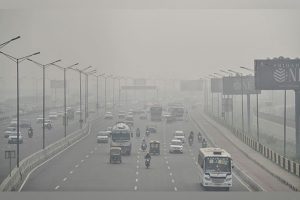
The final morning of the year began slowly in Delhi-NCR, as dense fog and biting cold reduced visibility across large parts of the region, disrupting travel and daily routines.

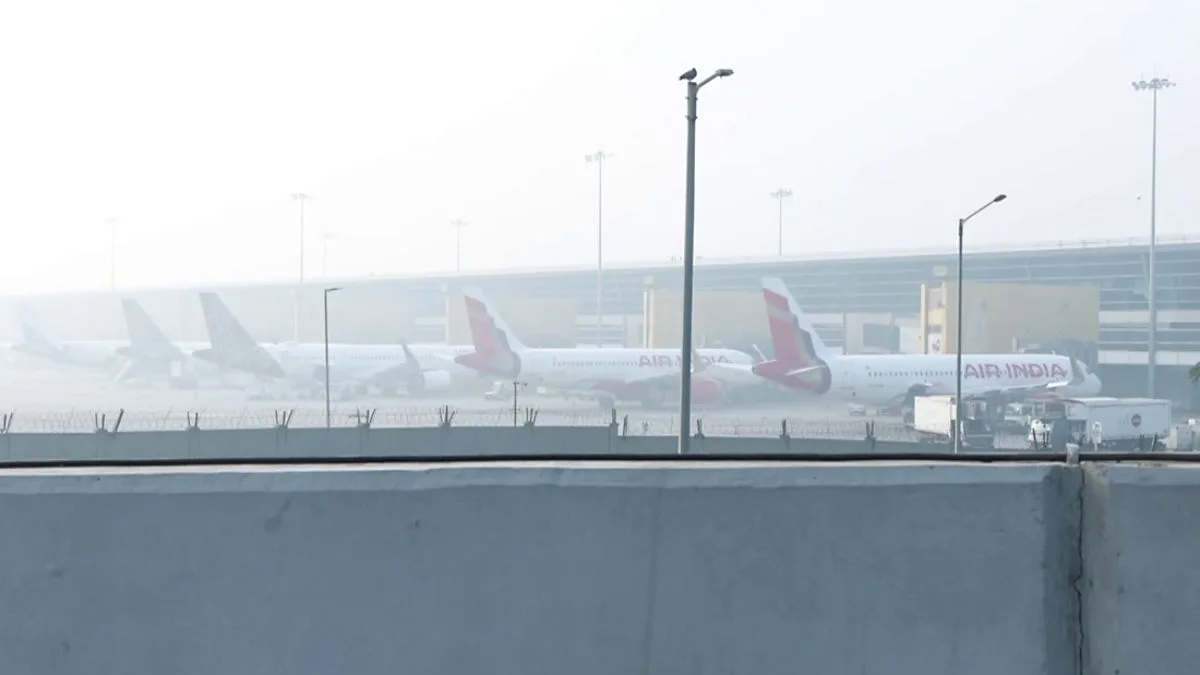
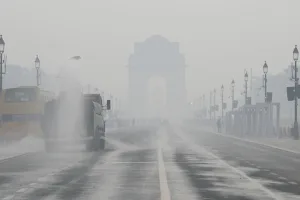
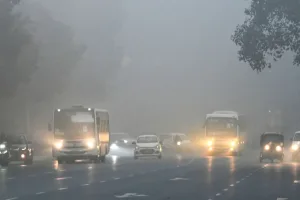
From early hours, a thick layer of fog settled over the city, making driving difficult and pushing traffic into a crawl. Visibility dropped sharply in areas such as Anand Vihar, ITO, AIIMS, Ashoka Road, India Gate Circle, and along Mahatma Gandhi Marg. Fog lights stayed on, horns went off more often than usual, and long queues built up on arterial roads.

Temperatures remained low, with the minimum across the NCR ranging between 6 and 9 degrees Celsius. Poor air quality added to the discomfort, making the morning harsher for those stepping out early.

The fog also slowed air traffic at the Indira Gandhi International Airport. Airport authorities said flights were operating under CAT III conditions because of reduced visibility, a measure that allows landings in dense fog but often results in delays. In an advisory posted on X, the airport warned passengers of possible delays and cancellations and asked them to check directly with airlines for updates. Ground teams, it said, were assisting travellers at the terminal.

Several flights were delayed as aircraft movement remained slower than usual through the morning.

IndiGo, the country’s largest airline, issued a separate advisory, saying fog was affecting not just Delhi but multiple airports across northern India. The airline cautioned that departures and arrivals could continue to be impacted if visibility remained poor, and advised passengers to keep track of flight status and allow extra time to reach the airport.

Weather experts have cautioned that foggy conditions are likely to continue over the next few days. Meanwhile, people have been urged to remain alert while travelling, minimise unnecessary early-morning movement, and follow official advisories as winter conditions persist across the region.

Policy must offer smokers an off-ramp

India wants to reduce smoking, but its approach defies basic public-health logic.

SHREY MADAAN | New Delhi |

India wants to reduce smoking, but its approach defies basic public-health logic. By raising cigarette taxes while outlawing safer alternatives, it corners smokers into a false choice: keep paying more to smoke, or break the law to quit. No serious tobacco-control strategy can work this way. If the government’s aim is to move people away from smoking, incentives matter. Adults need legal, regulated, lower-risk options that make switching possible, not punishable. India is trying to reduce smoking while banning the very tools that make quitting possible, a contradiction no tax policy can fix.

India has already seen the limits of this approach. Over the past decade, cigarette taxes have risen sharply, but steady raises in income have cancelled out their bite, leaving cigarettes just as affordable. The WHO may recommend taxation at 75 per cent of retail price, but India is stuck near 53 per cent not because taxes are low, but because taxes alone cannot outpace economic growth. And when cigarettes become more expensive, smokers do not quit, they shift to cheaper and far more harmful alternatives like bidis, chewing tobacco, or black-market products, all of which become even more attractive as taxes climb.

The Bill’s debate in Parliament made this tension clear, with MPs questioning worker livelihood, illicit trade, and the lack of a proper roadmap to curb smoking. Even countries with far higher tobacco taxes have learned that taxation works only when paired with harm-reduction tools. That is why New Zealand raises taxes annually and allows safer alternatives for adults trying to quit. Sweden, now on track to become the world’s first “smoke-free” country, did not get there by taxing cigarettes alone. It succeeded because it encouraged a low-risk alternative: snus. The UK cut smoking rates dramatically not with punitive taxes, but by actively promoting vaping as a far safer alternative for smokers. India wants to achieve the same public health goals as the countries that have slashed smoking rates dramatically, but it has banned the essential tools needed to achieve that goal.

By outlawing e-cigarettes and safer nicotine products under PECA, India has closed off the most credible exit route for adult smokers. The result is entirely predictable: prices keep rising, choices keep shrinking, and smokers are left with nowhere to go except back to more harmful products. When taxes go up, and alternatives stay illegal, people do not quit; they switch to cheaper, more harmful tobacco or to unregulated black-market products. This inconsistency also harms the workers whom MPs raised concerns about, including bidi rollers, leaf pluckers, and small growers.

A tax- only approach squeezes demand unpredictably but doesn’t build a transition plan for the communities dependent on tobacco cultivation. A modern tobacco framework would pair tax reform with a structured shift toward less harmful products, more stable markets, and genuine cessation pathways. India does not need to reinvent the wheel; it needs to stop ignoring the evidence that already works. A coherent science driven policy would keep taxes smart, not punitive; regulate and legalize safer alternatives for adults and farmers and workers in diversifying to other crops and industries.

This is not a lenient approach but only a strategy proven to reduce harm. Raising cigarette taxes may preserve government revenue and satisfy the WHO on paper. But if the goal is fewer smokers, not just fuller coffers, India must offer people an off-ramp. Without harm reduction, tax hikes are little more than a costly detour.

(The writer is Indian Policy Associate, Consumer Choice Center.)

After Donald Trump, now China claims role in easing India-Pakistan conflict

China has claimed it helped mediate tensions between India and Pakistan after their May military clash, a claim New Delhi has repeatedly dismissed, insisting the crisis was resolved bilaterally.

Statesman News Service | Mumbai |

China has claimed that it played a role in easing tensions between India and Pakistan after their brief military confrontation earlier this year, adding a new dimension to an already sensitive diplomatic episode.

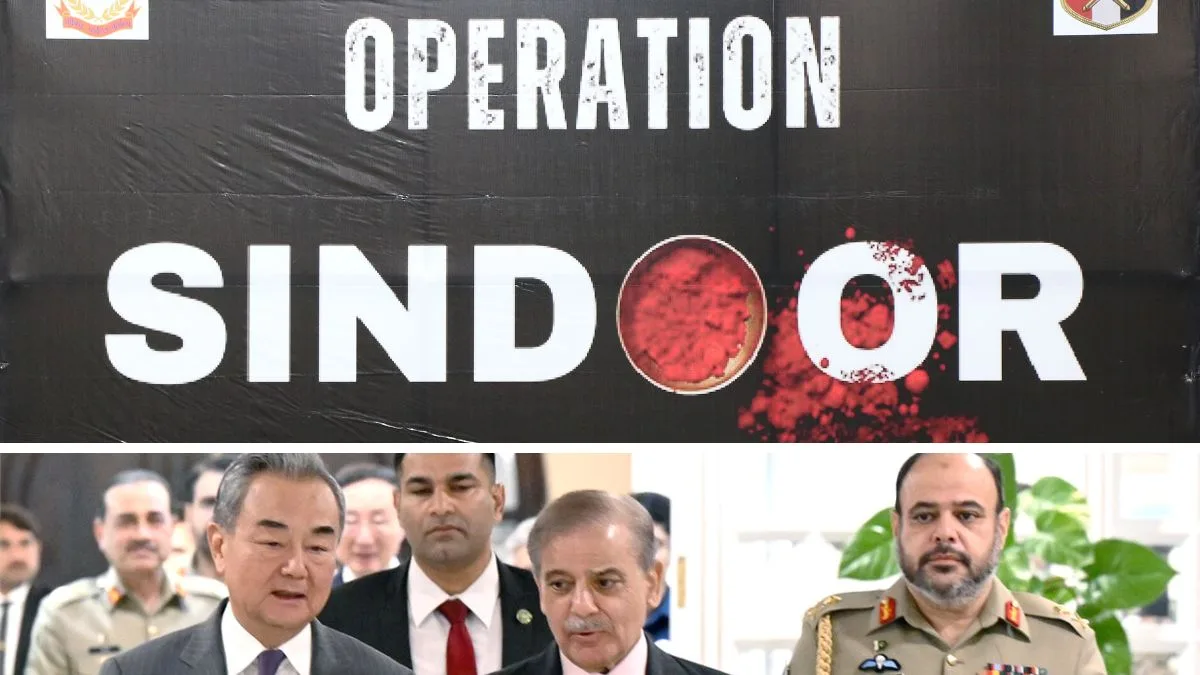
Speaking at a symposium on China’s foreign policy on Tuesday (local time), Chinese Foreign Minister Wang Yi said Beijing had acted as a mediator in several international disputes, including between India and Pakistan. The Chinese foreign ministry later shared his remarks on social media.

Wang said China had adopted what he described as an “objective and just” approach to resolving conflicts, focusing on long-term stability rather than short-term fixes. Alongside the India-Pakistan standoff, he listed China’s involvement in efforts related to “northern Myanmar, the Iranian nuclear issue,” the Israel-Palestine conflict, and recent tensions involving Cambodia and Thailand.

Also Read: ‘We stopped a potential nuclear war’: Donald Trump again claims credit for halting India-Pakistan conflict

The statement comes months after India and Pakistan were engaged in a brief but intense military face-off in May. The escalation followed a terror attack in Jammu and Kashmir’s Pahalgam valley on April 22 that killed 26 civilians.

In response, India launched Operation Sindoor, carrying out strikes on what it described as terror infrastructure in Pakistan and Pakistan-occupied Kashmir. New Delhi has since firmly rejected any suggestion of third-party mediation, saying the situation was defused through direct communication between the two militaries.

According to Indian officials, Pakistan’s Director General of Military Operations contacted his Indian counterpart after sustaining significant losses, and both sides agreed to halt firing and military action across land, air, and sea from May 10.

China’s latest claim has drawn attention because of its close strategic and defence relationship with Pakistan. Beijing is Islamabad’s largest supplier of military equipment.

The issue had surfaced earlier as well. In November, a US congressional advisory body accused China of running a disinformation campaign in the aftermath of Operation Sindoor. The report alleged that fake social media accounts circulated AI-generated images of supposed aircraft wreckage, with the aim of casting doubt on French Rafale fighter jets while promoting China’s own J-35 aircraft.

During the conflict itself, China had publicly urged restraint. On May 7, the Chinese Foreign Ministry said it regretted India’s military action and expressed concern over the evolving situation, calling for calm on all sides.

Editing the Future

India has quietly crossed a scientific threshold in its northernmost region. At a state agricultural university in Kashmir, researchers have successfully developed the country’s first gene-edited sheep – an animal that has now completed a year of monitored growth with normal health indicators and improved muscle development.

Statesman News Service | New Delhi |

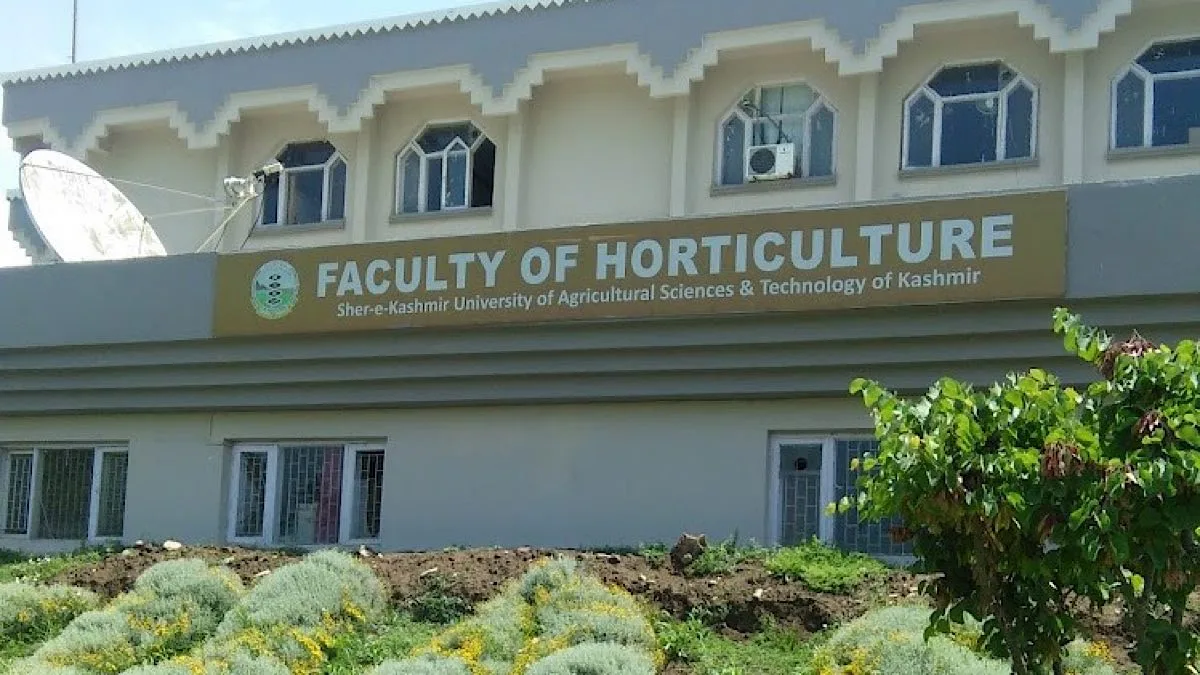
India has quietly crossed a scientific threshold in its northernmost region. At a state agricultural university in Kashmir, researchers have successfully developed the country’s first gene-edited sheep – an animal that has now completed a year of monitored growth with normal health indicators and improved muscle development. The achievement has not triggered headlines or public debate. Yet its implications extend well beyond the laboratory in which it was born.

Developed at Sher-e-Kashmir Agricultural University in Srinagar, the project reflects years of publicly funded research that has advanced quietly, without the regulatory attention such breakthroughs usually demand.The sheep was developed using precision gene-editing techniques that alter an organism’s existing DNA rather than inserting foreign genetic material. By disabling a gene knownto limit muscle growth, scientists have demonstrated measurable gains in body mass without observable physiological stress.This is not experimental tinkering for novelty’s sake. The research emerged from a region that consumes far more mutton than it produces, under conditions of shrinking pasture, water stress, and rising demand.What makes this development consequential is not the animal itself, but the policy vacuum surrounding it.

India has, in recent years, signalled openness to gene-edited crops, approving varieties developed through similar techniques.Livestock, however, remains in regulatory limbo. There is no clear guidance on whether gene-edited animals will be treated as natural variants, subjected to transgenic regulations, or evaluated under an entirely new framework. This uncertainty effectively caps progress, regardless of scientific success.Globally, countries have begun to resolve this dilemma by focusing on outcomes rather than methods – assessing food safety, animal welfare, and environmental impact ratherthan the mere presence of gene editing Some have allowed gene-edited animals into the food chain under defined safeguards. Others remain cautious but are actively revising their rules. Indias hesitation, by contrast, appears less philosophical than procedural.

Ethical concerns surrounding animal biotechnology are legitimate and should not be minimised. But ethical governance requires clanty, not silence.A regulatory architecture that includes transparent approvals, traceability, animal-welfare standards, and post-deployment monitoring is not an endorsement of unchecked innovation. It is an assertion of state responsibility. There is also a strategic dimension India cannot ignore. Protein availability, especially affordable animal protein, is becoming a structural challenge.Climate constraints and land limitations make conventional expansion models increasingly unsustainable. Technologies that improve yield efficiency per animal are not indulgences; they are potential stabilisers in a stressed food system. India’s past food security breakthroughs were not accidental. They were the result of timely decisions to align science with policy. even amid uncertainty. Gene-edited livestock presents a similar moment. Scientific capability has arrived quietly: What remains to be seen is whether regulatory resolve will follow. For now, the sheep thrives in controlled conditions. Whether its promise survives beyond them depends entirely on the choices nolicymakers make next

Without choice

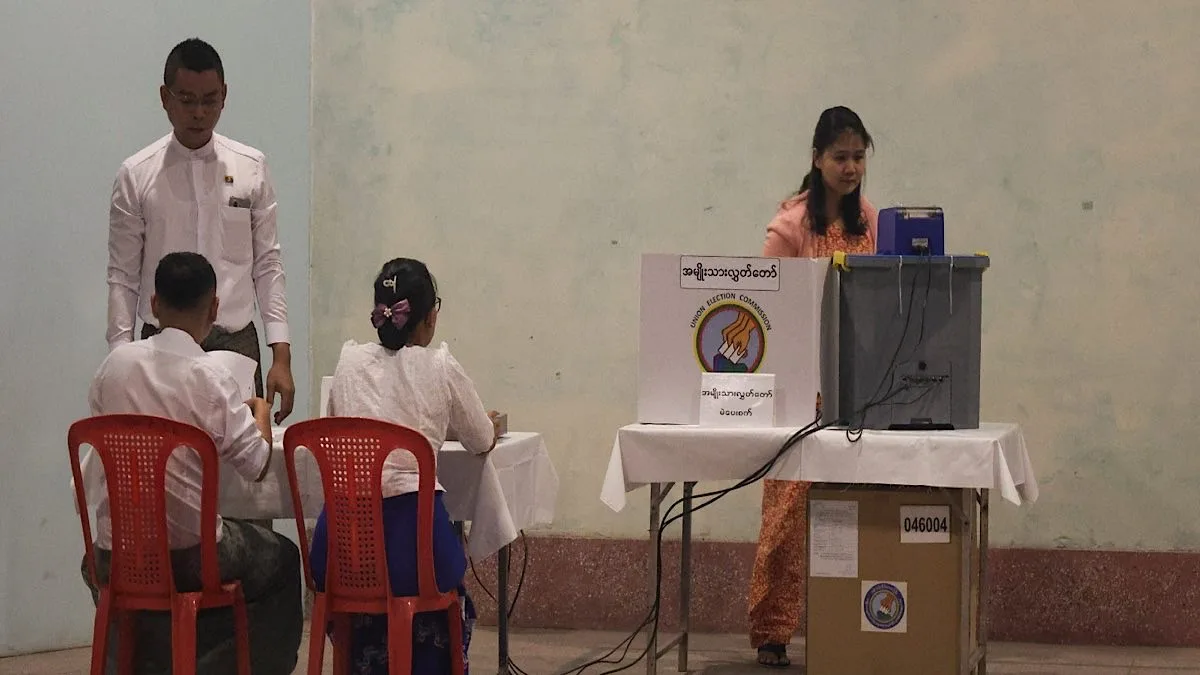
Nearly five years after Myanmar’s military seized power, the generals have returned to a familiar ritual: the ballot box.

Statesman News Service | New Delhi |

Nearly five years after Myanmar’s military seized power, the generals have returned to a familiar ritual: the ballot box. But this election, held in phases amid an active civil war, is not an exercise in democratic renewal. It is an attempt to convert control into consent at a moment when the state itself is fractured. The conditions under which the vote is being conducted tell the real story. Large parts of the country are excluded on grounds of “instability,” opposition parties have been dissolved, and prominent leaders remain imprisoned or exiled.

The National League for Democracy, which won decisive mandates in earlier elections, is absent, its leadership jailed under charges widely seen as political. In such circumstances, the vote cannot serve as a mechanism of representation; it can only function as a managed outcome. The junta’s argument is procedural: that phased voting, security arrangements, and participation by registered parties, amount to progress towards a multi-party system. Yet, procedure divorced from political freedom is a hollow substitute. Laws criminalising criticism of the election, with penalties extending to long prison terms and even death, invert the meaning of civic participation.

Voting under threat is not a choice; it is compliance. That some citizens still line up to vote is not evidence of legitimacy, but of complexity. Years of conflict, economic collapse, and inflation have left ordinary people desperate for stability. For many, casting a ballot may feel like a small assertion of normalcy or a hope ~ however faint – that prices will fall or daily life might improve. These motivations are human and understandable. But they cannot repair a process structurally designed to exclude dissent. The broader context makes the exercise even more tenuous. Myanmar remains a battlefield, with the military facing armed resistance groups and ethnic militias across multiple fronts.

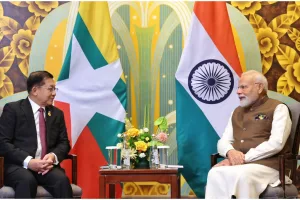
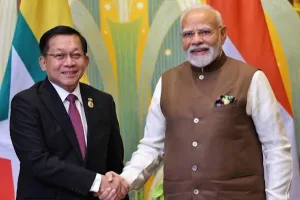
Air strikes continue even as polling proceeds, underscoring the contradiction at the heart of the exercise: a government claiming democratic intent while relying on coercion as its primary instrument of rule. External support, particularly diplomatic and material backing from major powers, has allowed the stalemate to persist, but not to resolve. Regional and international reactions reflect this scepticism. Western governments have rejected the polls outright, while Asean has urged dialogue before any election – an implicit admission that ballots cannot precede reconciliation. The junta’s leadership, embodied by Min Aung Hlaing, insists the process is free and fair, but legitimacy cannot be asserted by declaration.

It must be earned through inclusion. For India and the wider region, Myanmar’s election poses an uncomfortable truth. Stability achieved through exclusion is rarely stable for long. An electoral timetable that sidelines a popular political force associated with Nobel Laureate Aung San Suu Kyi and ignores half the country’s population may deliver an administration, but not authority. In the end, this vote is less about choosing a future than about freezing the present. Without dialogue, ceasefires, and the restoration of political freedoms, Myanmar’s ballot risks becoming another milestone in the normalisation of military rule.

Greater Accountability

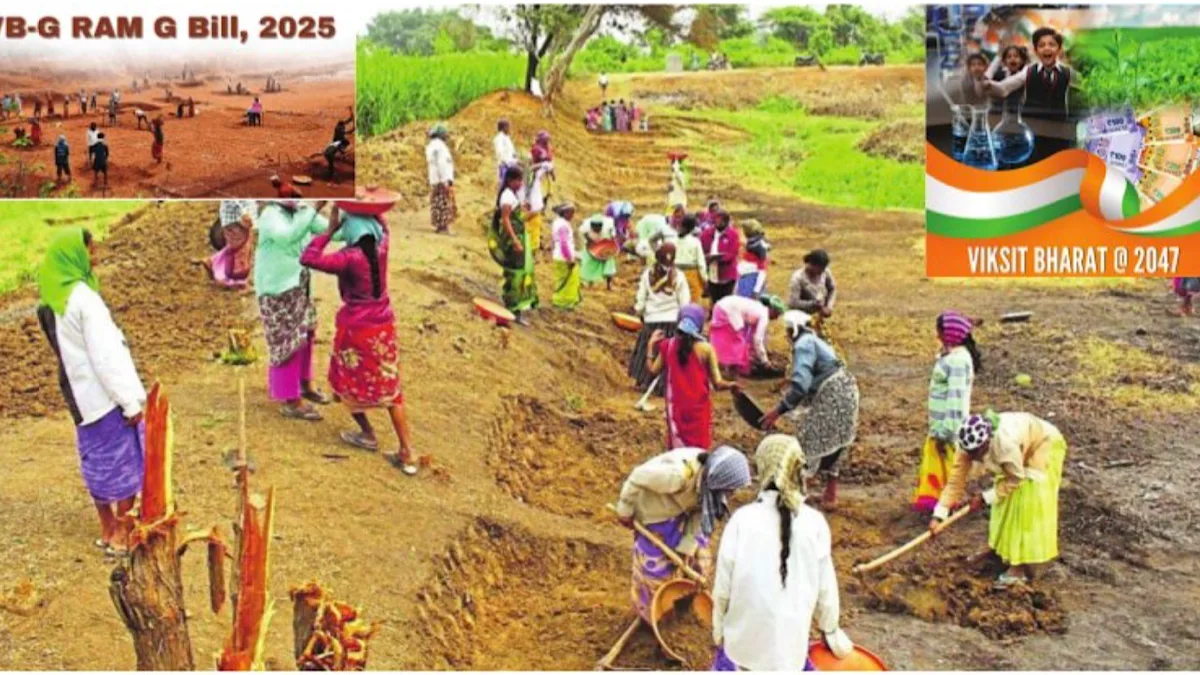
Several commentators and opposition leaders have sought to trivialize the reform undertaken for the rural employment guarantee scheme as a mere attempt to change the name and dispense with Mahatma Gandhi’s name from the title.

RAJIV KUMAR | New Delhi |

Several commentators and opposition leaders have sought to trivialize the reform undertaken for the rural employment guarantee scheme as a mere attempt to change the name and dispense with Mahatma Gandhi’s name from the title. This is of course as absurd as it can get. No government, specially not one which sees itself as pursuing the Mahatma’s principal goal of eliminating poverty from our midst, could contemplate such a change in the nomenclature.

It is also rather futile to focus the debate on a change in the name and not dwell on the substance of the change that is embedded in the Act which has introduced the Vikasit Bharat Guarantee for Rozgar And Ajeevika Mission (Gramin) Act (VB- G RAM G Act). In this piece we intend to address some of the fears, somewhat misplaced, about VB- G RAM G. First, the fear that by raising the share of the State governments to 40 per cent, the VB-G RAM G scheme will face fiscal constraints as States will not be able to contribute their share of the expenses. It should be noted that the Himalayan and North Eastern states (13 in all) will still receive 90 per cent of the total outlays from the Central Government.
A higher share of the remaining States will ensure that state governments, now with skin in the game, will try harder to ensure a proper implementation of VB- G RAM G and eliminate the leakages that had come to characterize the earlier version. This attempt at making States an almost equal partner in the matter of providing a viable social security net to their own people is completely in sync with the federal nature of our polity. Second, the switch from a demand driven to a nominated expenditure format has evoked the criticism from the ‘bleeding heart group of civil society activists’ who argue that this will not allow VB-G RAM G to meet the needs of the rural unemployed.

They forget that the guarantee doesn’t get affected merely by adopting a different fund-sharing pattern, the worker’s right to demand employment remains intact, and if employment is not provided within 15 days, unemployment allowance needs to be paid. Third, an outlay for each state based on an in-depth enquiry of their actual needs, will ensure that State governments are fully aware of the annual outlay and can hence plan the implementation of VB-G RAM G more effectively to better tackle the employment loss in lean months. The provision for State governments to pause the implementation of VB-G RAM G for 60 days in a year to coincide with the peak agriculture seasons of sowing and harvesting is a well-considered one.

It will help alleviate labour shortages that heavily constrain the farmers’ability to complete necessary farm operations in time during the peak season. Fourth, the focus on four critical infrastructure and climate related projects is most welcome. India is a severely water stressed country with 4 per cent share of global fresh water availability and 16 per cent of the world population. Our per capita water availability has been declining rather sharply over the past decades. Therefore, the focus on rainwater harvesting, dredging of ponds and reservoirs to increase their water holding capacities and all water conservation projects will address an acute emerging problem.

In fact, given the urgency and severity of the water problem, it could be eminently useful for VB-G RAM G to focus almost exclusively on water conservation and its rational utilization for the next few years. It will yield handsome and accountable returns. Fifth, linking projects undertaken under VB- G RAM G to National Rural Infrastructure Stack and to PM Gati Shakti and making these a part of the Viksit Gram Panchayat Plans in conjunction with its focus on four key sectors, will ensure more bang for the buck. The planning envisaged in the new Act is decentralised, participatory and bottom-up.

Viksit Gram Panchayat Plans will be prepared by Gram Panchayats through Gram Sabha themselves. The National Rural Infrastructure Stack is simply an aggregation of the works planned and taken up under the Viksit Gram Panchayat Plans. It will ensure that infrastructure projects are part of the decentralized development plans prepared by Gram Panchayats on the one hand and converge with the national level effort to improve logistics infrastructure and lower overall costs for not only the agriculture sector but the overall economy. Improvements in rural infrastructure and linking it to the logistics network will facilitate labour mobility and transfer of goods and services that will directly benefit the rural workforce and farmers.

Sixth, while appreciable progress has been made in preventing leakages, with 99.94 per cent payments already digital in 2024-25, the attempt to plug all possible leakages and acts of commission and omission is indeed welcome. These efforts include appointment of Steering Oversight Committees at Central and State levels; a Program officer for regular monitoring of the projects’ implementation; AI based fraud detection system; Enhanced monitoring role of the Panchayats; GPS for mobile-based monitoring; and weekly public disclosures. The most important improvement, in my view, is the provision of stronger Social audits twice a year. This might be the key to eliminating the remaining weaknesses, which had plagued MNREGA’s implementation.

Twenty years of operational experience (MNREGA was introduced in 2005) have generated several operational lessons. It would be a dereliction of public policy if these lessons were not incorporated for aligning VB- G RAM G, which basically provides a social security net, with radically changed ground realities of rural India. By locating VB- G RAM G firmly within the digital framework and establishing unambiguous and clearly defined regular monitoring mechanisms, we can expect that fake rolls, exaggerated employment claims, payment pendency and leakages will be minimized and eventually eliminated.
That will help make VB-G RAM G the social security net which will provide succor to people during times of distress and unforeseen loss of employment. While the number of days for which VB-G RAM G employment can be availed has been extended to 125 days in a year, the policy effort will be more productively directed to ensure that our workforce is increasingly formalized and engaged in high productivity and high wage employment that will ensure a Viksit Bharat@100.

(The writer is Chairman, Pahlé India Foundation, and former Vice Chairman, NITI Aayog)

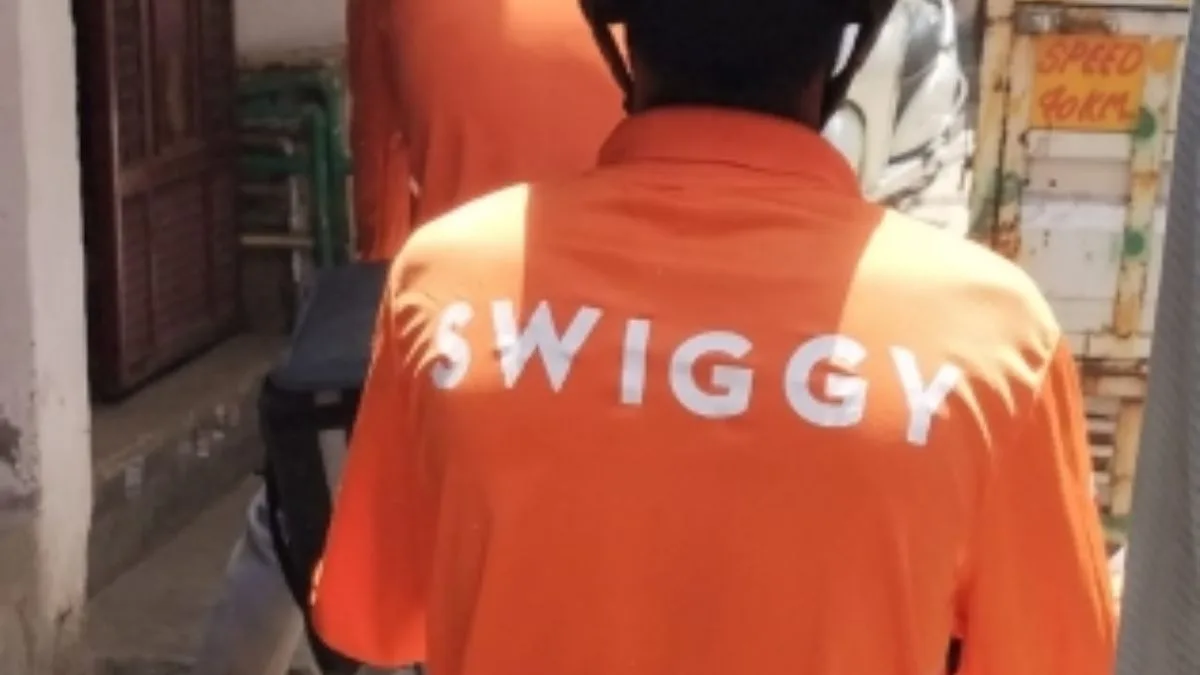
Swiggy, Zomato, Blinkit workers on strike today: What users should expect on December 31

Swiggy, Zomato, Blinkit, Zepto, Amazon, and Flipkart delivery workers have announced a nationwide strike on December 31, raising the risk of delays and cancellations for food and grocery orders.

Statesman News Service | Mumbai |

New Year’s Eve deliveries across India could be hit as thousands of delivery partners working with major food and grocery apps, quick-commerce, and e-commerce platforms plan a nationwide strike on December 31, 2025 (Wednesday).

Delivery partners associated with platforms including Swiggy, Blinkit, Zomato, Zepto, Amazon, and Flipkart are expected to log off their apps or limit work during the day, reported news agency IANS. The move is likely to lead to delays, cancellations, and patchy service on what is usually one of the busiest days for online orders.

The protest has been called by the Telangana Gig and Platform Workers Union and the Indian Federation of App-Based Transport Workers, with support from several regional collectives. Unions said workers from Delhi-NCR, Maharashtra, Karnataka, West Bengal and parts of Tamil Nadu are expected to participate.

December 31 typically sees a sharp surge in demand for food delivery, groceries and online shopping, driven by celebrations and year-end sales. Analysts say any large-scale slowdown in last-mile delivery could affect retailers, restaurants, and platforms that rely heavily on app-based logistics to meet peak-day demand.

Union representatives say the strike reflects mounting anger over falling earnings, longer working hours and the lack of basic labour safeguards. Workers have complained about shrinking payouts per order and a lack of insurance cover, besides unsafe working conditions and penalties imposed through automated systems. Many also complain of job insecurity despite being labelled “partners” by platform companies.

The organisers said the protest is aimed at pushing platforms to address structural issues rather than targeting customers. They have urged companies to open talks on fairer pay models, social security benefits and clearer, more transparent work policies.

Talking about the strike, TGPWU founder and president Shaik Salauddin on Tuesday said: “… We kept five demands before the platform companies. First, they should restore the old payout system for workers. Second, the 10‑minute delivery should be removed from the platform. Third, they are blocking IDs without any reason or transparency. Fourth, the algorithms are negatively affecting workers’ incentives. Finally, we demand social security for workers. We have therefore called for a flash strike on 31st December…”

Customers in major cities, including Delhi, Hyderabad, Bengaluru, Pune, and Kolkata, are likely to face longer wait times and limited delivery availability through the day, the unions warned.

AI momentum: What lies ahead for India?

Ever since the launch of ChatGPT in 2022, AI usage in India has evolved significantly in both scale and variety.

AMIT KAPOOR AND MOHAMMAD SAAD | New Delhi |

Ever since the launch of ChatGPT in 2022, AI usage in India has evolved significantly in both scale and variety. Initially limited to business applications in a few companies, AI adoption has since expanded sharply, with India accounting for 13.5 per cent of ChatGPT’s 700 million weekly users.

A recent TCS-CII survey found that 69 per cent of organisations now use AI-enabled products and services. Innovation has surged as well, with 83,059 AI patents filed between 2019 and 2025, compared to just 3,931 from 2010 to 2018. This rapid diffusion of AI is intensifying its interaction with economic agents across the macroeconomy, giving rise to an evolving AI ecosystem. This ecosystem is not only shaping AI’s trajectory but is also being reshaped by AI’s impact on labour markets, governance, and infrastructure. While the spillover effects of these interactions will influence the broader economy and will require policy vigilance, they also create significant opportunity areas for India to enter and add value in the global AI race. Globally, emerging AI ecosystems are essential for the ethical, equitable, and effective adoption of AI.

These ecosystems, comprising the labour market, digital infrastructure, and governance, are not only individually necessary but also complementary. Each element both influences and is influenced by AI, shaping the broader macroeconomy and national competitiveness. Securing the AI ecosystem therefore requires more than simply establishing these core components but the policies need to be dynamic, such that they account for ongoing interactions between AI and its users. This is particularly critical in India, where AI adoption is already widespread but uneven across socio-economic groups. Continuous policy vigilance is therefore needed to prevent potential macroeconomic risks that could affect the future trajectory of AI adoption. The most intense challenges policymakers face in securing India’s AI ecosystem arise from the labour market. The advent of AI has raised concerns about workforce skill erosion, socio-economic barriers to transitioning into AI roles, and job insecurity, particularly in the IT industry.

Recent research increasingly supports these concerns, showing that AI can degrade skills over time and displace tasks. At the same time, many advocates argue that AI will generate new jobs in AI development and maintenance to replace jobs that it eliminates. While this is true, the statement overlooks significant structural barriers. Although many people could benefit from these new opportunities, existing workers may encounter challenges such as the cost of reskilling, limited access to employer-provided training, and personal constraints including work and family responsibilities, which can make reskilling unfeasible for large sections of the population. Although AI can theoretically replace jobs and create new ones, its effects on the labour market are often unexpected and multifaceted. In coding, for example, fears of job displacement are widespread as AI models can already assist with writing and debugging code. Yet AI does not truly “understand” problems; it generates outputs by learning patterns from existing data and struggles with genuinely novel challenges outside its training set.

Coupled with the erosion of human skills due to overreliance on AI, this dynamic may create a highly uneven labour market where a few elite-level jobs emerge and lower-level coding positions disappear. The result is a labour market that may simultaneously demand higher skills, offer fewer opportunities, and deepen inequality if access to reskilling remains limited. In this context AI compels us to rethink growth paradigms, because traditional economic models may ultimately be insufficient to capture its impact on output. Take the Solow growth model, for instance which posits that long-run economic growth depends on technological progress, which enhances labour productivity rather than replacing labour itself.

However, the theoretical possibilities introduced by advanced AI challenge this foundational premise. AI has the potential not only to augment human labour but, in some cases, to substitute for it entirely. If AI reduces labour input while overall output continues to rise, conventional metrics such as GDP per capita may fail to reflect true economic well-being. Wealth may become increasingly concentrated among business owners and technical elites, while broad-based participation in the economy diminishes, exposing limitations in how traditional growth models measure prosperity in an AI-driven world.

Apart from its impact on the lab our market, AI also p oses significant challenges in the policy and governance dimension of the ecosystem. Data privacy and ethical usage are the most pressing concerns. Users in India and elsewhere remain largely unaware about how their personal data may be incorporated into AI training models. Policymakers are still deliberating over a formal governance framework, yet AI models have been deployed in India since 2022, meaning data may already have been included in AI systems without consent and cannot be practically retrieved.

Moreover, regulators face an inherent trade-off between privacy and innovation, as stringent techno-legal safeguards that prevent data leakage can inadvertently limit AI performance by restricting access to new data. Digital infrastructure, a critical pillar of the AI ecosystem, introduces its own set of challenges. Open access and extensive AI usage exacerbate environmental pressures, as data centres powering large models consume enormous amounts of electricity. With much of this energy still derived from fossil fuels, AI systems contribute significantly to carbon emissions. In addition, AI data centres require vast quantities of water for cooling. This intensifies pressure on freshwater resources, especially in regions already facing scarcity.

Given these dynamic interactions between AI and its ecosystem, securing India’s AI ecosystem is a complex task for policymakers. As the year closes, some areas demand immediate attention, while others require strategic shifts and broader stakeholder consultation. AI’s effects are multifaceted and often unexpected, with the labour market likely to feel the strongest impact. Policymakers must focus on adapting education systems and addressing socioeconomic barriers to ensure a smooth transition for existing workers. Potential inequality arising from AI-driven displacement may also require a rethink of traditional growth paradigms. India’s AI future depends not only on dynamic policy action but also on leveraging opportunities to overcome current system limitations, create original use cases, and add genuine value through innovation.

(The writers are, respectively, chair and a researcher, Institute for Competitiveness.)

A New year resolution for humanity to find the way out of our own Chakravyuhas

As another year turns, humanity finds itself trapped in structures of its own making. The problems that confront us today are not accidents of fate.

Dr R Balasubramaniam | New Delhi |

As another year turns, humanity finds itself trapped in structures of its own making. The problems that confront us today are not accidents of fate. They are the cumulative outcome of choices taken with limited awareness and pursued with misplaced certainty. We design systems to simplify life, and they end up complicating it. We seek control and create conflict. We chase growth and generate inequity. We pursue comfort and invite ecological collapse. Like the legendary Chakravyuha, these structures are complex, layered, and difficult to exit once entered. We know how to step into them, but we have forgotten how to step out.

The image of the Chakravyuha from the Mahabharata offers a powerful metaphor for this moment. Abhimanyu knew how to enter the formation but did not know how to exit it. His courage and intent were never in doubt. What was missing was complete understanding. Today, humanity mirrors Abhimanyu’s predicament. We have entered complex systems of production, consumption, governance, and technology with clarity of intent but without sufficient wisdom about their long-term consequences. We now find ourselves struggling to disengage from structures that no longer serve us.

The ecological Chakravyuha is perhaps the most visible. Through deliberate choices, we prioritised extraction over regeneration and growth over balance. Natural resources were treated as infinite, and the costs of depletion were deferred to the future. Decade after decade, warnings were acknowledged but postponed. Climate conferences multiplied, yet patterns of consumption remained unchanged. We knew how we entered this formation. Cheap energy, rapid industrialisation, and unchecked consumption offered immediate benefits. What we did not prepare for was the complexity of exiting a system where livelihoods, economies, and aspirations became tightly bound to ecological harm.

Parallel to this runs the socio economic Chakravyuha. Economic models were designed to reward efficiency, scale, and speed. These choices lifted millions out of poverty, but they also concentrated wealth and power at unprecedented levels. Inequity was not an accident. It was a byproduct of systems that valued accumulation more than distribution and competition more than cohesion. Over time, these systems hardened. Social mobility slowed. Basic needs remained unmet for many, even as excess accumulated for a few. Technology, instead of narrowing gaps, often amplified them. We entered this formation believing that growth would automatically correct imbalances. We now struggle to find an exit that does not destabilise the very systems we depend upon.

The third Chakravyuha is less visible but equally consequential. It is the crisis of the self. In the pursuit of external success, we made choices that weakened our inner anchors. Identity became tied to roles, consumption, and visibility. Worth was measured by achievement and performative display rather than contribution. In this environment, young people increasingly struggle with purpose and belonging. Societies that invested heavily in economic and technological progress often neglected the inner development of individuals. The result is a generation that is informed but uncertain, connected but isolated. This is not merely a personal crisis. It has collective consequences, shaping how societies respond to stress, conflict, and change.

These three Chakravyuhas reinforce each other. Ecological degradation deepens inequality. Inequality fuels social unrest and conflict. A weakened sense of self reduces the capacity for restraint, empathy, and long-term thinking. Our responses to these crises often compound the problem. We add new layers of policy to fix policy failures. We deploy more technology to address problems created by earlier technologies. We chase faster solutions in systems that require patience. In doing so, we replicate the pattern of knowing how to enter but not how to exit.

At the heart of this lies a particular way of thinking. A belief that control ensures success. That intent compensates for impact. That complexity signals progress. This mindset has shaped global leadership for decades. It is now proving inadequate.
Indic thinking, and the wisdom of the Bhagavad Gita, offers an alternative framework. Not as doctrine, but as a way of engaging with complexity. The Gita begins not with certainty, but with doubt. Arjuna pauses on the battlefield, aware that action without understanding can be destructive. That pause is instructive. It creates space for reflection and mentorship before commitment. In a world driven by speed, this willingness to stop and examine consequences is itself a leadership act.

A central insight of the Gita is that action must be guided by responsibility rather than fixation on outcomes. When results become the sole measure of success, ethical boundaries erode. Much of the ecological and social damage we face today flows from this obsession. Decisions were justified by immediate gains while long term costs were externalised. The Gita redirects attention to the nature of action itself. It asks whether choices are aligned with duty and balance, not merely whether they deliver short term success.
The text also challenges the ego that often accompanies leadership. When individuals or institutions believe they are the sole drivers of change, they overestimate control and underestimate consequence. Sustainable action emerges when leaders see themselves as part of a larger process, accountable to systems they did not create and responsible to people they may never meet. This perspective is essential for navigating global challenges that no single actor can resolve.

Equally significant is the Gita’s recognition of interconnectedness. Actions do not occur in isolation. They ripple across systems, affecting seen and unseen stakeholders. This understanding is critical if we are to dismantle the Chakravyuhas we have constructed. Linear solutions applied to interconnected problems only deepen complexity. Exiting requires systems thinking grounded in humility.

Experiences from the grassroots consistently affirm this. Interventions designed without listening often solve visible problems while eroding invisible strengths. Communities lose social bonds, traditional wisdom, and agency when solutions are imposed from outside. What appears as progress in reports often translates into fragility on the ground. The lesson is clear. Understanding the field of action is as important as the action itself.
Indic thinking places restraint at the centre of sustainability. It recognises that taking less can preserve more. That prosperity without balance leads to collapse. That development without dignity weakens societies. These are not abstract ideals. They are practical principles that determine whether systems endure.

As the new year begins, this moment invites reflection rather than resolution. Reflection on the choices that created the ecological, socio economic, and inner Chakravyuhas we inhabit. Reflection on whether our actions today reduce complexity or add to it. Reflection on leadership as service rather than assertion.

Abhimanyu’s story is remembered for bravery. It should also be remembered as a reminder that courage must be accompanied by wisdom. Entry into complexity is easy when confidence runs ahead of comprehension. Exit requires awareness, guidance, compassion and restraint. The Bhagavad Gita offers that guidance, not by simplifying the world, but by clarifying how to act within it.

If global leadership can internalise this shift, the crises we face need not define our future. They can become the terrain on which a more responsible, reflective, and humane way of living takes shape. The new year then becomes not just a marker of time, but an opportunity to begin the long and necessary journey out of the Chakravyuhas we have created.

(The writer is a development expert, leadership trainer and author. He is currently the Member-HR of the Capacity Building Commission. Views expressed are personal)