Logo

Formulate a modern seed policy to increase per-hectare productivity: UP CM

”As landholdings are continuously shrinking, the focus should not be only on acreage but on increasing ‘per-hectare productivity,'” he pointed out.

Statesman News Service | Lucknow |

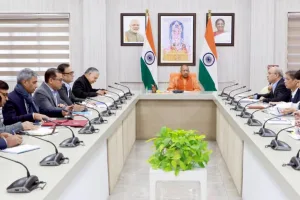
Uttar Pradesh Chief Minister Yogi Adityanath Monday said the real strength of agricultural production lies in high-quality, reliable and certified seed and stressed that a new and modern ‘Seed Policy’ is the need of the hour for the state.

”As landholdings are continuously shrinking, the focus should not be only on acreage but on increasing ‘per-hectare productivity,'” he pointed out.

CM Adityanath directed that a seed policy be formulated with priority on the development of high-yielding, disease-resistant, and climate-resilient varieties capable of addressing the agricultural challenges in the coming years.

Discussing the seed policy, the Chief Minister stressed the need to prepare a concrete roadmap for the next five years to take the state’s seed production capacity, quality and availability to a new level. He said, “Maximum use of modern technology is essential across the entire process of seed production, processing and storage, so that there is no shortage of certified seed and farmers are empowered.”

To ensure a reliable seed supply, the Chief Minister directed that ‘end-to-end traceability’ of every seed be made mandatory. He made it clear that no laxity would be tolerated with regard to adulterated or substandard seed. Every seed packet reaching farmers must be certified, tested and fully compliant with prescribed standards.

He emphasised the need to bring agricultural universities, Indian Council of Agricultural Research (ICAR) institutions, Uttar Pradesh Council of Agricultural Research (UPCAR) and the private seed industry onto a common platform to accelerate seed research, innovation and the variety-release process.

To promote crop diversification, the Chief Minister called for a special strategy to ensure the availability of high-quality seed for pulses, oilseeds, maize, pearl millet, sorghum and horticultural crops. In this context, he directed that work be expedited to establish at least ‘Five Seed Parks’ in the state over the next five years. These Seed Parks will be integrated complexes equipped with facilities for production, processing, quality testing, and storage.

The Chief Minister instructed, “All Krishi Vigyan Kendras (KVK) in the state be directly linked with seed development programmes to establish strong coordination between research, training and the dissemination of technology at the field level.”

He further directed that, in line with the state’s nine climatic zones, one KVK in each zone be developed as a ‘Centre of Excellence’ to generate high-quality seed and technical solutions for region-specific crops. He also emphasised involving progressive farmers in seed development programmes to ensure effective integration of local experience with modern technology.

The Chief Minister also stressed enhancing energy efficiency in agriculture. He directed that maximum tubewells be connected with solarisation, reducing irrigation costs for farmers and increasing the use of clean energy in agriculture. Along with this, he instructed that solar panel manufacturing units within the state be given priority, stating that promoting local manufacturing will strengthen employment, investment, and agricultural infrastructure.
‘Political manoeuvring, agenda’ behind Sunetra Pawar’s appointment, claims Shiv Sena (UBT)

. The editorial also claimed the decision was part of a broader agenda to prevent a merger between the two factions of the Nationalist Congress Party (NCP) and to ensure political continuity under the current power structure.
Statesman News Service | New Delhi |

Trinamool Congress (TMC) chief and West Bengal Chief Minister Mamata Banerjee was the first to raise doubts over the death of Maharashtra Deputy Chief Minister Ajit Pawar in a plane crash in Baramati; others are now echoing similar concerns.

The Shiv Sena (UBT) mouthpiece Saamana on Monday described the appointment of Ajit Pawar’s wife, Sunetra Pawar, as Deputy Chief Minister as a “political manoeuvre” allegedly driven by Union Home Minister Amit Shah and Maharashtra Deputy Chief Minister Devendra Fadnavis. The editorial also claimed the decision was part of a broader agenda to prevent a merger between the two factions of the Nationalist Congress Party (NCP) and to ensure political continuity under the current power structure.
Suggesting the possibility of “foul play”, Banerjee too had alleged that Ajit Pawar was planning to leave the BJP-led alliance and rejoin the NCP faction led by his uncle, Sharad Pawar. The Saamana editorial, which termed Sunetra Pawar’s appointment “hasty” and a “second shock” for Maharashtra, argued that while the state had gained its first woman Deputy Chief Minister, the post was not achieved through “individual administrative merit” but through “political manoeuvres”.

Even before the ashes of Ajit Pawar’s funeral pyre had cooled, Sunetra Pawar was sworn in, it said, raising questions across the state about who orchestrated the move.

Shiv Sena (UBT) MP Sanjay Raut added what he described as the “suspicious” circumstances surrounding Ajit Pawar’s death. Speaking in Delhi, Raut called for a thorough investigation into the plane crash. He claimed that Ajit Pawar had recently expressed a desire to “return home” and reunite the two NCP factions, and subsequently threatened with the reopening of files related to the irrigation scam, also known as the “Sinchan Ghotala”. Ajit Pawar died within ten days of these developments, Raut said, adding that “something happened behind the curtains”.

Raut also claimed that Ajit Pawar had initiated talks with NCP founder Sharad Pawar to reunify the party—a move “opposed by political forces that would have been sidelined by such reconciliation.”

Notably, NCP (SP) chief Sharad Pawar had also stated that he was neither consulted nor informed about the decision to appoint Sunetra Pawar. The buzz also is that Sunetra Pawar’s swift appointment was intended to pre-empt speculation over NCP leadership and stall any momentum towards a merger. Political observers note that both the NCP and the BJP may have pushed for a rapid appointment to contain potential fallout following Ajit Pawar’s death and to assert control before renewed merger talks between the two NCP factions could gather pace.

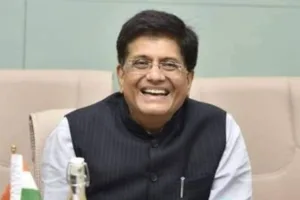
Piyush Goyal highlights ‘Future-Ready Bharat’ Vision at NSE meet on Budget 2026

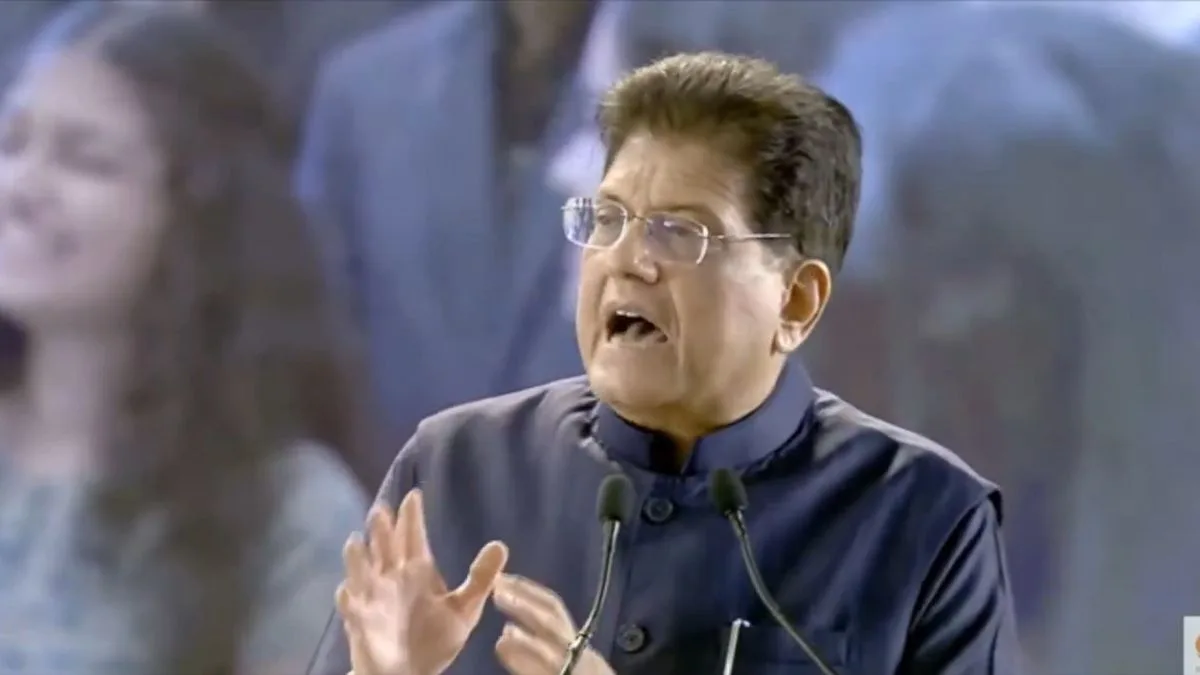
Union Commerce and Industry Minister Piyush Goyal on Monday held a breakfast meeting at the National Stock Exchange (NSE) with its Managing Director and CEO Ashish Chauhan to discuss the holistic benefits of the Union Budget 2026.

Statesman News Service | New Delhi |

Union Commerce and Industry Minister Piyush Goyal on Monday held a breakfast meeting at the National Stock Exchange (NSE) with its Managing Director and CEO Ashish Chauhan to discuss the holistic benefits of the Union Budget 2026.

The breakout session was attended by investors as well as representatives from mutual funds and the asset management industry.

In a post on social media platform X, Goyal said he was delighted by the optimism expressed by market participants and their enthusiasm about the growth opportunities emerging from the Budget.

Addressing the gathering at the NSE, the Minister highlighted that over the past 12 years, the Prime Minister Narendra Modi-led government has focused on building a fiscally prudent, future-oriented, and long-term growth story for India.

He said the Budget serves as a blueprint to strengthen India’s integration into global value chains, adopt modern-day technologies, and simultaneously deliver benefits to domestic consumers.

Reiterating the Prime Minister’s vision of rapid reforms, Goyal emphasised that the Budget aims to eliminate barriers to business, make compliance easier, encourage honest enterprises, enhance industrial competitiveness, and position India as an attractive destination for investment and manufacturing.

Underlining that India is currently in a “sweet spot,” the Minister described the Budget as one for a “Future Ready Bharat.”

He said it spans a wide range of traditional and modern sectors, provides strong impetus to services with a major focus on technology, and addresses key areas that will help accelerate economic growth.

According to Goyal, these measures will support India’s journey towards achieving the goal of a Viksit Bharat by 2047.

In a series of posts, Goyal said he reiterated that continuing with PM’s vision of rapid reforms, the direction in the budget is to eliminate barriers to business & make it easier for them to flourish, encourage honest businesses, make industries more competitive, make compliance easier, and make India an attractive investment and manufacturing destination.

“Underlined that India is in a sweet spot today, and this budget for a FUTURE READY BHARAT covers a multitude of sectors, both traditional and modern, gives impetus to services with a major focus on tech, and addresses specific areas which will help the economy grow faster and achieve our goal of a Viksit Bharat by 2047,” he said.

Suspended Bareilly Magistrate meets Shankaracharya Avimukteshwaranand Saraswati in Kashi; announces protest march on Feb 7 against SC-ST Act

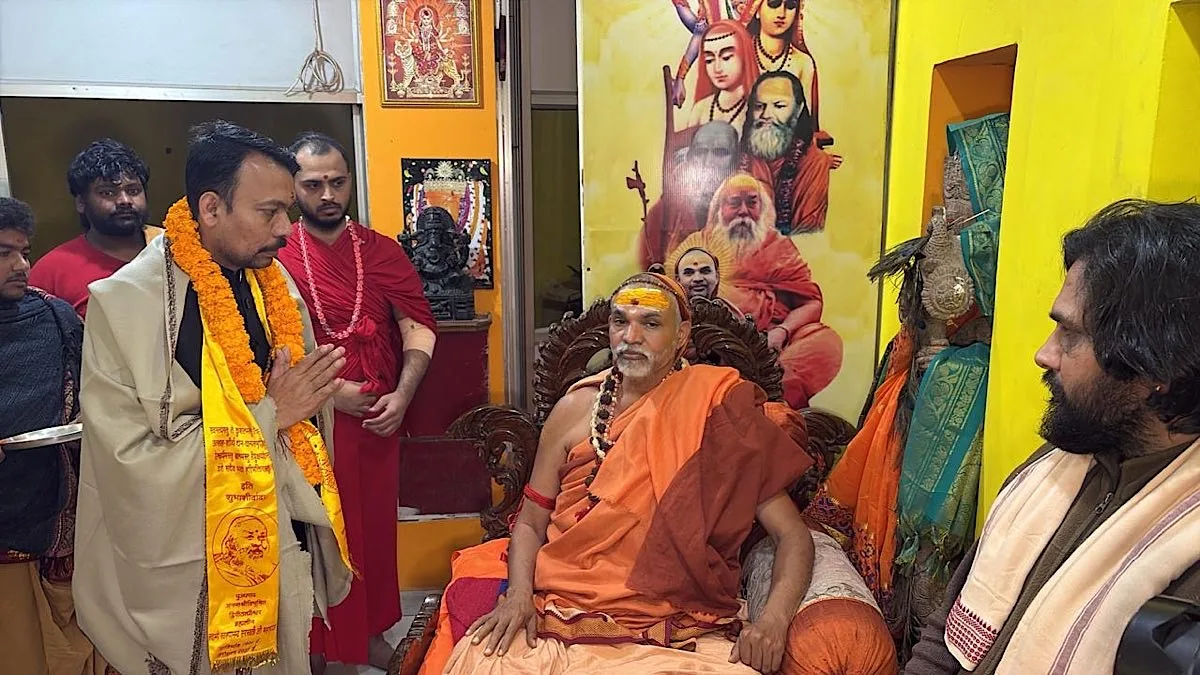
The suspended City Magistrate of Bareilly district in Uttar Pradesh, who recently made headlines after resigning from his post, met Shankaracharya Avimukteshwaranand Saraswati at Vidya Math in Kedar Ghat on Sunday evening.

Statesman News Service | Varanasi |

The suspended City Magistrate of Bareilly district in Uttar Pradesh, who recently made headlines after resigning from his post, met Shankaracharya Avimukteshwaranand Saraswati at Vidya Math in Kedar Ghat on Sunday evening.

Due to the Shankaracharya’s vow of silence, the conversation was conducted through gestures.

Alankar Agnihotri announced a march to Delhi on February 7 regarding the Scheduled Castes and Scheduled Tribes Act. He said that the Bharatiya Janata Party’s (BJP) support base is continuously declining. He will respond to the suspension issue through constitutional means via the court. He added that the movement will be against the SC-ST Act and will take a large form in Delhi. He alleged that people were being falsely implicated in fabricated cases.

”People from various organisations and institutions across the country will march to Delhi on February 7. If the SC-ST Act is not repealed by February 6th, considering it a draconian law, then we will all march to Delhi, the capital of the country, on February 7th. Due to the Shankaracharya’s vow of silence, a detailed discussion on this issue was not possible,” he said.

Agnihotri said that since Maharaj Ji was observing a vow of silence, not much conversation could take place. ”In Sanatan Dharma, it is considered essential to seek the blessings of elders before any auspicious work. The entire country is suffering the consequences of the SC-ST Act. 85 per cent of the people do not want this act. The general category is very angry with the central government,” he claimed.

A strategy is being prepared for the march to Delhi, and discussion with Maharaj Ji on this matter was not possible, he told reporters.

“I have no political aspirations; I am driven by a desire for the welfare of the country. If the University Grants Commission (UGC) regulations that were introduced had been implemented, a situation like a civil war could have arisen. At the root of all this is the SC-ST Act. There is an intention to benefit a particular class. When the Bharatiya Nyaya Sanhita (BNS) exists, what is the need for any special act? The UGC regulations were divisive,” he said while adding that” the question of returning to my job doesn’t even arise! I have a lot of work to do. It was necessary to start this initiative to prevent harm to the country”.

The Uttar Pradesh government on January 26 suspended Agnihotri, then posted as Bareilly Nagar Magistrate, on charges of indiscipline.

Earlier the same day, he had resigned from his post, expressing displeasure over government policies, particularly the new UGC regulations and issues related to Swami Avimukteshwaranand, triggering a major administrative and political controversy.

India’s medium-term macro outlook remains constructive: Goldman Sachs

India’s medium-term macroeconomic outlook remains constructive as the Union Budget for FY27 signals continuity in capital expenditure alongside a softer fiscal drag, according to a report by Goldman Sachs.

Statesman News Service | New Delhi |

India’s medium-term macroeconomic outlook remains constructive as the Union Budget for FY27 signals continuity in capital expenditure alongside a softer fiscal drag, according to a report by Goldman Sachs.

The report said the Finance Minister Nirmala Sitharaman’s reaffirmation of the commitment to keep central government public debt on a declining path is an important signal, given India’s relatively elevated public-debt burden compared with most emerging market peers.

Goldman Sachs noted that the government aims to reduce central government debt to around 50 per cent of GDP (±1pc) by FY31, from a target of 55.6 per cent in FY27.

On fiscal consolidation, the report highlighted that the government has stayed the course, announcing a further 10 basis point reduction in the fiscal deficit to 4.3 per cent of GDP in FY27.

It added that the net fiscal drag on growth in FY27 is expected to be smaller than in FY26.

In terms of growth support, Goldman Sachs pointed out that the public capital expenditure target was retained at 3.1 per cent of GDP, with allocations tilted toward infrastructure-linked sectors.

The budget signalled continued emphasis on infrastructure investment, with strong allocations for defence, railways, and roads, although the report noted that execution has undershot budgeted capex in recent years.

Defence spending has been prioritised, with capital expenditure budgeted to grow by about 17 per cent year-on-year.

Transfers to states for capital expenditure are expected to rise by around 33 per cent year-on-year, which Goldman Sachs described as a constructive signal for investment-led growth.

Despite ongoing fiscal consolidation, the report said net market borrowing remains elevated.

However, it expects policy support, noting that the Reserve Bank of India is likely to remain a net buyer in FY27 to partly offset rupee liquidity drain from foreign exchange sales.

Goldman Sachs also underlined a broader policy shift, saying Indian policymakers are increasingly prioritising macroeconomic resilience over near-term growth spurts, with a continued focus on strengthening public-sector balance sheets to support durable, high and less volatile growth.

On equities, the report said the softer fiscal drag and steady capex spending were largely in line with expectations and continue to support a constructive view on Indian equities, driven by a recovery in earnings growth despite near-term volatility.

NDA Parliamentary Party meet tomorrow to discuss Union Budget

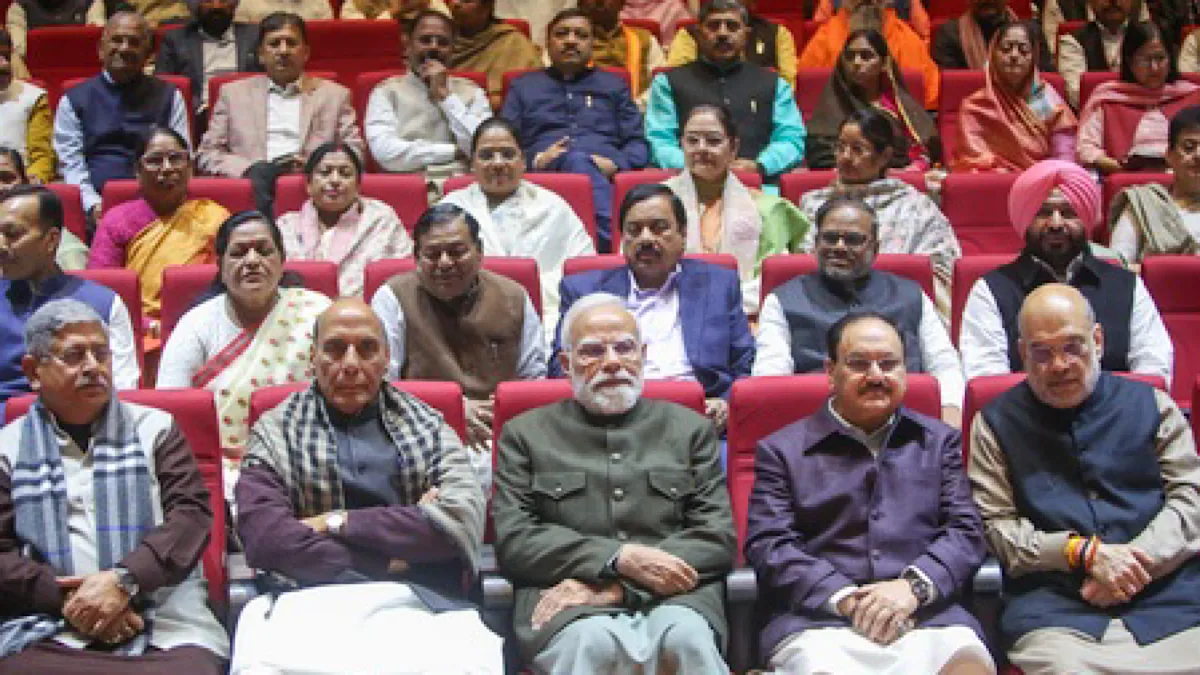
The National Democratic Alliance (NDA) will hold a Parliamentary Party meeting on Tuesday morning to discuss the Union Budget 2026 and the vision of a Viksit Bharat 2047.

IANS | New Delhi |

The National Democratic Alliance (NDA) will hold a Parliamentary Party meeting on Tuesday morning to discuss the Union Budget 2026 and the vision of a Viksit Bharat 2047.

The meeting will be held at 9.30 a.m. in New Delhi and will be attended by top NDA leaders.

Prime Minister Narendra Modi, Home Minister Amit Shah, Defence Minister Rajnath Singh, BJP National President Nitin Nabin, and all other NDA ministers and MPs will be present at the meeting.

PM Modi will also address the NDA parliamentary party meeting.

Finance Minister Nirmala Sitharaman will present the budget’s features and forward-looking vision through a presentation, highlighting how it is a major step towards creating a Viksit Bharat by 2047.

During the meeting, guidelines will be provided on how to communicate the budget’s features and benefits to the public, and a roadmap for this will be presented.

Sitharaman presented the Union Budget 2026 in the Lok Sabha on Sunday. This was her ninth budget and was motivated by three ‘kartavyas’ or duties aimed at boosting and maintaining economic growth by improving competitiveness, meeting aspirations, and ensuring that every family, community, and region has access to resources and opportunities for engagement.

The Prime Minister on Sunday hailed the budget, calling it a “highway of immense opportunities” and said that the “Reform Express” on which India is riding, “will gain new energy and momentum through this budget”.

He said that the budget is a “highway of immense opportunities”, which will “turn the dreams of the present into reality” and lay a “strong foundation for India’s bright future” and for the nation’s “high flight” towards achieving the resolution of a Viksit Bharat by 2047.

As the Finance Minister mentioned in Parliament, PM Modi said, “This is a Youth Power Budget. It reflects the thinking, dreams, determination, and energy of young India. The provisions in the budget will prepare leaders, innovators, and creators across sectors.”

“From building medical hubs and developing allied health professionals, promoting the orange economy and AVGC sectors, boosting tourism, to opening new opportunities through the Khelo India mission, the budget unlocks pathways for youth to excel and lead,” he added.

NIA raids multiple places in Kashmir in terror-related case

The National Investigation Agency (NIA) on Monday carried out raids at multiple locations across the Kashmir Valley as part of an ongoing investigation into terror-related activities and funding networks.

IANS | New Delhi |

The National Investigation Agency (NIA) on Monday carried out raids at multiple locations across the Kashmir Valley as part of an ongoing investigation into terror-related activities and funding networks.

NIA sources said the searches were conducted early in the morning in Srinagar, Baramulla, Sopore, and Bandipora

Sources said the NIA teams were assisted by local police and the CRPF in raids conducted simultaneously at residential and other premises linked to suspected individuals.

“The raids are part of a wider crackdown on terror financing and support networks operating in the Valley,” the sources added.

In Baramulla district, the raids were being carried out in Bomai Sopore, Zethan Rafiabad and Model Town Sopore.

Searches are also going on in the main town of Bandipora and the HMT Mustafabad area of Srinagar district.

Official statement and further details are awaited.

The NIA has been fiercely contesting terror-related cases filed by it in the designated court of law.

On January 18, 2019, NIA filed a charge sheet against 12 people, including Lashkar-e-Taiba (LeT) terror group chief Hafiz Saeed and Hizbul Mujahideen chief Syed Salahuddin.

It is also contesting the bail applications of separatist leaders, Shabir Shah and others.

The NIA is seeking the death penalty for JKLF chief Yasin Malik in the killings of four IAF personnel, including Squadron Leader Ravi Khanna, in the Rawalpora area of Srinagar city in 1990. Witnesses have already identified Yasin Malik as the main shooter in that terror attack and Showkat Bakshi as one of his terror associates.

Yasin Malik is already serving a life sentence after he conceded to having waged war against the state and for being part of the criminal conspiracy. The Delhi High Court on January 28 granted the NIA four weeks to file its rejoinder to a reply submitted by Malik in connection with the agency’s appeal seeking the death penalty in a terror funding case

Pune Porsche hit-and-run case: SC grants bail to 3 accused of blood sample tampering

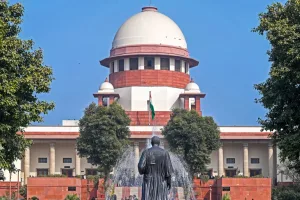
The Supreme Court today granted bail to three persons accused of conspiring in the blood sample tampering of two minor occupants of the Porsche car, other than the alleged minor driver, in the Pune Porsche hit-and-run case. 

Statesman News Service | New Delhi |

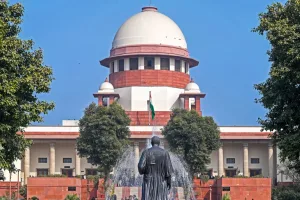
The Supreme Court today granted bail to three persons accused of conspiring in the blood sample tampering of two minor occupants of the Porsche car, other than the alleged minor driver, in the Pune Porsche hit-and-run case.

A Bench of Justices B.V. Nagarathna and Ujjal Bhuyan ordered the release of Ashish Satish Mittal, Aditya Avinash Sood, and Amar Santhosh Gaikwad, after observing that the three accused had been incarcerated for around 20 months.

All three are booked under different provisions of the IPC and the Prevention of Corruption Act for offences like evidence tampering, forgery, and bribery.

In a fatal crash, a Porsche car mowed down two IT professionals, namely Anis Awadhiya and Ashwini Koshta, in Pune’s Kalyaninagar area in the early hours of 19 May 2024. The car was allegedly being driven by a 17-year-old boy under the influence of alcohol at the time of the accident.

While Ashish Satish Mittal is a friend of the father of one of the minors seated in the back of the car, Aditya Avinash Sood is the father of the other minor occupant.

It is alleged that Amar Santhosh Gaikwad had taken three lakh rupees for replacing the blood samples of the two minors.

After granting bail, the Bench of the apex court observed that parents are responsible for handing over the vehicle to children and providing them with sufficient means to have a gala time. The Bench highlighted that the law has to catch up with the people who celebrate on the basis of substance and then go at top speed, killing innocent people on the road.

Notably, a Pune Sessions Court had denied bail to many accused in an earlier hearing. The court had observed that evidence tampering in the case appeared to be “in the genes/DNA of the modus operandi of commission of the crime” and that granting bail would send a “wrong message to society”.

Jaishankar in US for meet on critical minerals

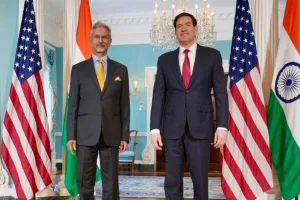
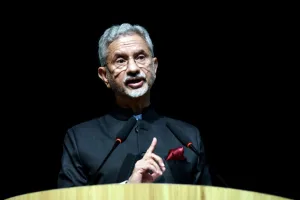
External Affairs Minister S Jaishankar is expected to discuss the broad contours of the Bilateral Trade Agreement (BTA) being discussed with the United States during his three-day visit to America, which began on Monday.

Statesman News Service | New Delhi |

External Affairs Minister S Jaishankar is expected to discuss the broad contours of the Bilateral Trade Agreement (BTA) being discussed with the United States during his three-day visit to America, which began on Monday.

A Ministry of External Affairs press release said Jaishankar will visit the United States from February 2 to 4 to participate in the Critical Minerals Ministerial convened by Secretary of State Marco Rubio.

The ministerial will focus on supply chain resilience, clean energy transitions, and strategic cooperation in critical minerals.
During the visit, the minister will also hold meetings with senior members of the US administration, the release said.

The visit comes at a time when relations between India and the US are under strain in view of a plethora of issues, including the punitive tariffs imposed by President Donald Trump on Indian imports.

President Trump’s repeated claim that he brokered the ceasefire between India and Pakistan in May last year has also upset India, forcing it to clarify time and again that the ceasefire was worked out by the armies of the two countries.

The two countries have been negotiating the BTA since February last year. The Trump administration recently indicated that the two nations are now close to sealing the much-anticipated deal.

Philip Morris India strengthens efforts to counter illicit tobacco trade through intelligence and partnerships

Illegal cigarettes are flooding India, evading taxes and regulations, and threatening public health and the economy. Philip Morris India tackles this with data-driven intelligence, partnerships, and Track & Trace systems to support enforcement and protect consumers.

Statesman News Service | New Delhi | Updated :

Across small shops, border towns, and busy coastal routes, illegal cigarettes are quietly flooding Indian markets. They cost less, skip taxes, and slip past rules. In 2025, Philip Morris India Trading Private Limited (PM India) decided to take the fight straight to the source with data, partnerships, and boots on the ground.

A growing shadow market

Illicit tobacco trade is no longer a hidden problem. It has become serious threat to India’s economy, public health, law enforcement systems. These cigarettes enter the country illegally, avoid taxes. Then they reach consumers at cheaper prices than legal products.

According to Euromonitor International, India is now fourth-largest market for illegal cigarette consumption in the world after China, Brazil and Pakistan. The reason is simple: illegal cigarettes are cheaper, while legal companies face very high taxes. This price gap keeps the black market alive.

Also Read: Budget: Healthcare gets Rs 1.06 lakh crore, 10% rise

Recent public reports suggest that enforcement agencies seized smuggled cigarettes worth around ₹600 crore in FY’25, showing just how big the problem has become.

Mapping the hotspots on the ground

To understand how deep the issue runs, PM India carried out a large intelligence-gathering exercise in 2025. The company engaged with more than 3,000 shops across 10 states. This covered over 500 market clusters. These interactions helped map where illegal cigarettes are most visible and how they move their way through local markets.

The goal was not just observation but building reliable intelligence that could in turn support enforcement agencies and policy discussions.

Also in the meantime, PM India worked closely with authorities to strengthen on-ground capabilities. The company supported capacity-building efforts for over 145 officers from customs and tax departments.

Where the smuggling is coming from

Data from the Directorate of Revenue Intelligence (DRI) points to some clear trends. The North-Eastern region has emerged as the largest hub for cigarette smuggling, accounting for one-third of total seizures. Porous borders make this region especially vulnerable.

Other regions are also becoming key routes. Maharashtra-Goa accounts for about 20% of seizures, followed by Tamil Nadu at 13% and West Bengal at 9%. Coastal and maritime routes are increasingly being used to bring illegal products into the country.

Supporting government reforms

As the Government of India strengthens enforcement, one major reform stands out. It is the rollout of the Track & Trace system for tobacco products. This system digitally monitors cigarette packs and makes it harder for these illegal products to enter the supply chain.

PM India has been supporting this reform with their global experience and best practices. The parent company Philip Morris International (PMI) has already implemented Track & Trace systems in more than 140 markets worldwide.

In regions like the European Union, the UK, Russia, Jordan and GCC, every cigarette pack is digitally tagged and tracked. These systems work in collaboration with national authorities and are adapted to local needs.

According to PMI, such systems have improved visibility, strengthened compliance, and helped reduce illegal trade.

Working together with authorities

Navaneel Kar, Managing Director of Philip Morris India, said the company’s stance on illicit trade has been consistent over the years.

“Illicit tobacco trade is not a new challenge, and neither is our commitment to addressing it. Our endeavor in India combines global expertise with local partnerships to strengthen enforcement, protect consumers, and support national priorities. This year, we engaged with over 50 key stakeholders from the Ministry of Finance, Ministry of Commerce & Industry, DRI, GST, Police, and Customs—deepening collaboration through market intelligence, advanced track-and-trace systems, and collaborative frameworks to curb the inflow of illicit cigarettes. Combating this issue requires sustained, collective action, and we remain committed to working in collaboration with regulators, enforcement bodies, and civil society to build a transparent and compliant tobacco ecosystem for India.”

In 2025 alone, PM India engaged with over 50 key stakeholders, including officials from the Ministry of Finance, Ministry of Commerce & Industry, DRI, GST, Police, and Customs. These interactions focused on market intelligence, Track & Trace systems in addition to collaborative frameworks to curb illegal inflows.

By combining technology, intelligence, and partnerships, PM India aims to help create a more secure and compliant tobacco ecosystem, one that protects consumers, supports enforcement agencies, and safeguards national interests.

Olivia Dean wins a Grammy and lets a Gen Z rebellion slip quietly onto the world’s biggest stage

Olivia Dean didn’t just step onto the Grammy stage to accept an award. She stepped in with intention, carrying the weight of her music, her roots, and her generation.

Statesman News Service | New Delhi |

On Sunday night in Los Angeles, while champagne corks popped and celebrities pretended not to care who won what, Olivia Dean quietly walked onto the Grammy stage and made history. No shock outfits. No viral tantrums. Just a woman with a soft voice, a big heart, and golden gramophone in her hands.

When Dean’s name was announced as Best New Artist, it felt like the ending of a slow, patient love story; the kind she writes songs about.

That made it even sweeter.

Also Read: Sinners music honours Black voices through blues and jazz; what awards mean for artists rising from oppression

From front-runner to winner, and why this win was inevitable

Olivia Dean entered the Grammys as the favourite, but favourites don’t always win. This category has a habit of breaking hearts. This year, the competition was tough, including fellow British singer Lola Young and acclaimed R&B artist Leon Thomas.

Still, when the envelope opened, it was Dean’s name inside.

With that moment, she became the first British artist to win Best New Artist since Dua Lipa in 2019, joining a rare club of UK stars who managed to crack America’s famously difficult pop market.

“I’m a granddaughter of an immigrant”: The speech that stuck

Dean’s acceptance speech was short. But it landed hard.

Standing on one of the biggest stages in music, she reminded the room where she came from. She spoke about being the granddaughter of an immigrant. About bravery. About people who take risks so future generations can dream bigger.

It wasn’t preachy. It felt personal.

Moments after her win, Dean performed “Man I Need”, the song that has quietly taken over radios, playlists, and late-night drives.

The timing couldn’t have been better. That very week, the track climbed to No. 2 on the US Billboard Hot 100, officially confirming what fans already knew: this was no longer a niche favourite. This was pop, with soul.

Passing the torch: Chappell Roan hands over the moment

The award was presented by Chappell Roan, last year’s Best New Artist winner. The symbolism wasn’t lost on anyone watching.

One breakout star passing the torch to another. One year’s voice of vulnerability welcoming the next.

It was less “industry tradition” and more “sisterhood energy.”

Dean’s Grammy moment didn’t come out of nowhere. Her journey has been slow, careful, and sometimes frustrating.

She first caught attention in 2019 with her debut EP ‘OK Love You Bye’. It showed promise but didn’t scream superstardom. For years, Dean experimented. Different sounds, different moods, different ways of telling her story.

She didn’t rush the process. She waited until the music felt like her.

That patience is now paying interest.

Love, Everywhere and all the ways it breaks and builds us

Dean’s latest album, The Art of Loving, is the emotional core of her success. It’s not a loud record. It doesn’t beg for attention. It listens.

The album explores love in all its forms. Romantic, family, fleeting, lasting, hopeful, disappointing. Dean doesn’t pretend to have answers. At 26, she openly admits she’s still figuring it out.

That honesty is the point.

On the closing track, she sings about how love shows up everywhere in films, books, relationships, memories. It’s something that shapes us even when we don’t fully understand it.

And instead of sounding confused, she sounds curious.

Flirting with freedom, not fairytales

One of the album’s standout ideas is Dean’s refusal to romanticise everything.

On “Nice to Each Other,” she sings about keeping things light. No labels. No promises. Just kindness. The music feels playful, but the message is serious. Not every connection needs to become a life plan.

It’s a refreshing take in a pop world obsessed with extremes, either forever or heartbreak.

Dean lives in the middle, and she makes it sound beautiful.

Then there’s “So Easy (To Fall in Love)”, a flirty, glamorous track that feels like it belongs in a classic movie montage. Dean sings with a quiet confidence that doesn’t need to shout.

And “Man I Need”? That’s the anthem.

The song’s charm lies in its simplicity. Dean doesn’t beg for affection. She expects respect. She knows her worth. And she sings it like it’s the most natural thing in the world.

That confidence is magnetic.

The band matters and you can hear it

Dean isn’t a solo act floating above production tricks. Her music breathes because of the band behind her.

Trumpets, saxophones, trombones. They don’t overpower her voice. They move with it. On bluesy tracks like “Close Up,” the arrangements linger. On “Baby Steps,” the sound nods to Motown without copying it.

There’s restraint in the music. Space. Silence. That’s where the emotion lives.

One of the album’s strengths is knowing when ‘not’ to push.

Songs like “Loud” and “Let Alone the One You Love” show Dean at her most vulnerable. These are quiet moments where heartbreak isn’t dramatic. It’s heavy.

The latter track, in particular, feels like a turning point. It places Dean in the lineage of artists like Amy Winehouse and Adele, singers who didn’t just perform sadness, but understood it.

Dean’s 2023 debut album ‘Messy’ earned polite praise but didn’t shake the industry. It did fine. It wasn’t revolutionary.

She did the usual things: TV appearances, holiday covers, soundtrack placements. Respectable moves. But safe ones.

Nothing about that era suggested she would soon be competing with massive global pop moments. ‘The Art of Loving’ changed that narrative.

Teacher suspended for allegedly forcing school children to perform prayers

A serious allegation has been levelled against the headmaster of a primary school in Nauhjheel in the district for allegedly brainwashing young children and forcing them to perform prayers, as well as promoting a particular religion.

Statesman News Service | New Delhi |

A serious allegation has been levelled against the headmaster of a primary school in Nauhjheel in the district for allegedly brainwashing young children and forcing them to perform prayers, as well as promoting a particular religion.

Taking cognisance of the matter, the Basic Education Officer (BSA) of Mathura has suspended the headmaster, considering him prima facie guilty.

In this regard, Durgesh Pradhan, the BJP Bajna Mandal President, submitted a complaint letter to the BSA, alleging that the headmaster, Jan Mohammad, was luring children and influencing them towards Islam, brainwashing them, and forcing them to perform prayers. The complaint also stated that he insulted Hindu deities and made objectionable remarks about Hinduism.

The complaint further mentioned that Tablighi preachers were brought to the school premises in the presence of the headmaster, who pressured the children to convert to Islam. The children were also told that Islam is the best religion in the world.

The most serious allegation is that the national anthem was not sung at the school. If the children tried to sing the national anthem, they were scolded, and the headmaster himself never sang it.

Objections have also been raised regarding his conduct towards women. The complaint stated that women were unable to complain openly due to fear of defamation.

Acting on the complaint letter, the BSA Mathura, based on the report received from the Block Education Officer (BEO), considered Headmaster Jan Mohammad prima facie guilty and suspended him with immediate effect.

He has been attached to Primary School Nagla Humayun, Mant. The BSA has constituted a two-member inquiry committee comprising the BEO Chhata and BEO Mant to conduct a detailed investigation into the entire matter and submit a report soon.

Allahabad HC orders to check teachers who obtained jobs through fake certificates

In a significant decision, the Allahabad High Court has taken a strong stance on the ‘disturbing’ pattern of several assistant teachers in Uttar Pradesh obtaining jobs based on forged and fabricated certificates.

Statesman News Service | New Delhi |

In a significant decision, the Allahabad High Court has taken a strong stance on the ‘disturbing’ pattern of several assistant teachers in Uttar Pradesh obtaining jobs based on forged and fabricated certificates.

The High Court has issued a writ of mandamus to the state government, directing it to conduct a comprehensive investigation across the entire state.

The order was passed by a single bench of Justice Manju Rani Chauhan. The order was loaded today on the Court website. The court directed the Principal Secretary, Basic Education, to complete this task, if possible, within six months.

The court also directed that not only should the illegal appointments be cancelled, but the salaries paid to such teachers should also be recovered, and strict action be taken against the officials involved in the collusion.

The court observed that despite several circulars and directions issued by the state government, the officials responsible for maintaining transparency in the education system have failed to take effective and timely action against such illegal appointments.

The court further commented, “The inaction of the authorities not only encourages fraud but also strikes at the very roots of the education system, causing serious harm to the interests of the students, which is the most important and paramount consideration for this Court.”

The court was hearing a writ petition filed by Garima Singh. The petitioner had challenged the order of the BSA (Basic Shiksha Adhikari) Deoria, cancelling her appointment.

The BSA had passed this order against her after it was discovered that she had forged her educational documents and domicile certificate.

Petitioner claimed that she was appointed as an assistant teacher in July 2010, although the petitioner had served for almost 15 years without any complaint.

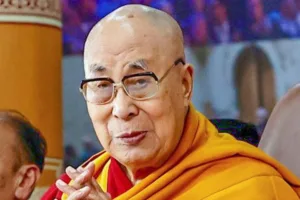
Dalai Lama wins first Grammy, exiled Tibetan community in Dharamshala celebrates

The exiled Tibetan community in Dharamshala is overjoyed as the Dalai Lama wins his first Grammy for ‘Meditations: The Reflections of His Holiness the Dalai Lama’. Leaders and followers celebrate this historic moment.

ANI | New Delhi |

The exiled Tibetan community living in Dharamshala are elated as spiritual leader Dalai Lama earns his first Grammy for the spoken-word album “Meditations: The Reflections of His Holiness the Dalai Lama” on Monday.

Expressing joy, the Deputy speaker of Tibetan parliament in-exile Dolma Tsering said that with this Grammy award the Dalai Lama’s message of “universal brotherhood” and compassion will spread all over the world.

In response to the Dalai Lama’s achievement, Deputy speaker of Tibetan parliament in-exile Dolma Tsering told ANI, “It’s historic moment and it’s a matter of great joy, not only for Tibetans but for the whole humanity. So I also want to express my congratulations to his holiness for winning this Grammy award”

“This is certainly a new platform that he has been able to reach to share his message of universal brotherhood and compassion,” added Tsering.

The album got nomination in the category of Best Audio Book, Narration, and Storytelling Recording, for the 68th Annual Grammy Awards, held on Monday (Local Time). The event took place at Los Angeles.

Also Read: Grammys 2026: All celebs who spoke out against ICE and supported immigrant rights

The Dalai Lama collaborated with sarod maestro Amjad Ali Khan and his sons Amaan Ali Bangash and Ayaan Ali Bangash on this album, which is a combination of spoken words and music to celebrate the values of peace, compassion and hope.

In response to the award the Dalai Lama’s office posted a message from the Spiritual leader saying, “I receive this recognition with gratitude and humility. I don’t see it as something personal, but as a recognition of our shared universal responsibility. I truly believe that peace, compassion, care for our environment, and an understanding of the oneness of humanity are essential for the collective well-being of all eight billion human beings. I’m grateful that this Grammy recognition can help spread these messages more widely.”

Meanwhile, Grammy’s 2026 concluded with Kendrick Lamar and SAZ winning the Record of the Year award while Billie Eilish bagged the Best Song of the year at the prestigious award ceremony.

MP govt to institutionalise ‘garbh sanskaar’

The BJP government in Madhya Pradesh plans to inculcate values in people even before they are born.

Statesman News Service | Bhopal |

The BJP government in Madhya Pradesh plans to inculcate values in people even before they are born.

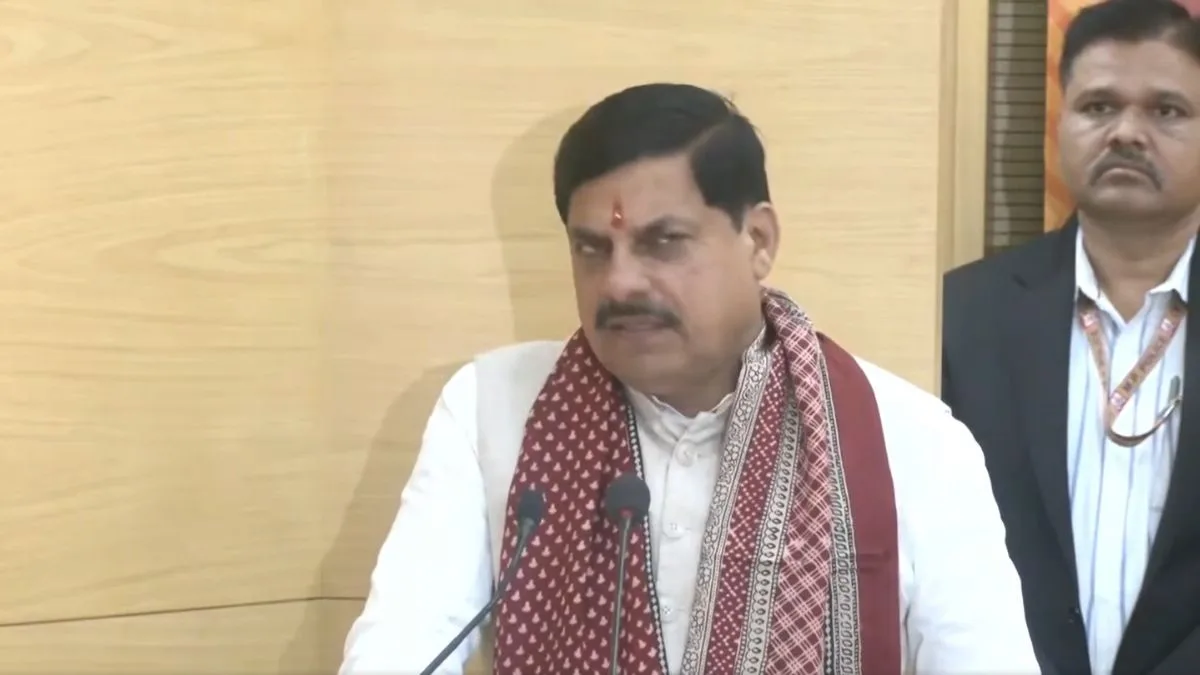
Chief Minister Dr Mohan Yadav has announced that ‘garbh sanskaar’ would be taught in all medical universities of the state and dedicated ‘garbh sanskaar’ rooms would be set up in government hospitals.

‘Garbh Sanskaar’ can be translated to ‘womb education’ or ‘foetal mentoring’.
As per information, ‘garbh sanskaar’ refers to the process of imparting values to an unborn child while in the womb.

It is believed that the Ayurveda-based ancient Indian practice ensures the physical and mental development of the foetus through the pregnant woman’s thoughts, diet, and conduct.

The CM made the announcement while speaking at a programme of the ‘Divya Santaan Prakalp’, an initiative aimed at promoting ‘garbh sanskaar’, in Indore on Sunday. He also released a book focused on the subject.

He asserted that ‘garbh sanskaar’ is a means to empower future generations.
Citing a personal example, the CM noted, “Even allopathy experts are now acknowledging the importance of garbh sanskaar. My daughter herself is a gynaecologist and she too practises garbh sanskaar at her hospital”.

The CM said the state government is moving to institutionalise the practice.
Referring to the mythological figures Abhimanyu and Ashtavakra, Dr Yadav said ‘garbh sanskaar’ has always held special significance in Sanatan culture and can strengthen future generations physically, mentally, and morally.

The CM said arrangements would be made to study ‘garbh sanskaar’ in all medical universities of the state, and a gazette notification would be issued soon.

He added that ‘garbh sanskaar’ rooms would also be set up in government hospitals practising AYUSH and allopathy systems in the future.

Senior Rashtriya Swayamsevak Sangh leader Suresh ‘Bhaiyyaji’ Joshi said young couples, in particular, should study the subject seriously. He stressed the need for a large-scale public awareness campaign so that people could adopt ‘garbh sanskaar’ at the level of conduct.

Chhattisgarh: Communal violence in Gariaband district leaves several cops injured; situation under control

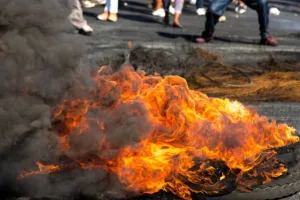
Tension prevailed in Dutkaiyan village under Fingeshwar police station in Gariaband district, Chhattisgarh, following violent clashes between two communities on Sunday evening that left several cops injured.

IANS | New Delhi |

Tension prevailed in Dutkaiyan village under Fingeshwar police station in Gariaband district, Chhattisgarh, following violent clashes between two communities on Sunday evening that left several cops injured.

With heavy police deployment ensuring the situation remains under control, the village is under strict police surveillance.

The violence erupted after three individuals — Arif, Salim, and Imran — recently released on bail in a year-old case involving the alleged vandalism of an idol at a local temple, allegedly assaulted several villagers.

According to police officials and local accounts, the accused, described by officials as serial offenders, targeted 4-6 youths from the village and nearby areas.

The attacks involved rods, stones, and other weapons, leaving the victims seriously injured. Villagers accused the trio of ongoing intimidation and harassment against those who had testified against them in the temple desecration case.

Enraged by the assault, a large group of villagers surrounded the houses belonging to Arif and his aides, setting them ablaze.

Reports indicate that several homes and vehicles were torched during the chaos.

As the situation escalated, stones and bricks were pelted at police personnel attempting to intervene and restore order. At least six police officers sustained injuries in the stone-pelting, with some requiring hospital treatment.

Gariaband Superintendent of Police Vedvrat Sirmour confirmed that the three accused have been rearrested, and multiple cases registered against Arif and others.

The enraged villagers, he said, pelted stones at police and few police personnel received injuries. Additional police forces, including reinforcements, were rushed to the village to prevent further escalation.

On Monday, the village resembled a security camp with police personnel stationed at every corner.

Officials stated that while the situation is now stable and under control, vigilance continues to avoid any recurrence.

Authorities urged residents to cooperate and avoid rumour-mongering to preserve harmony in the rural area.

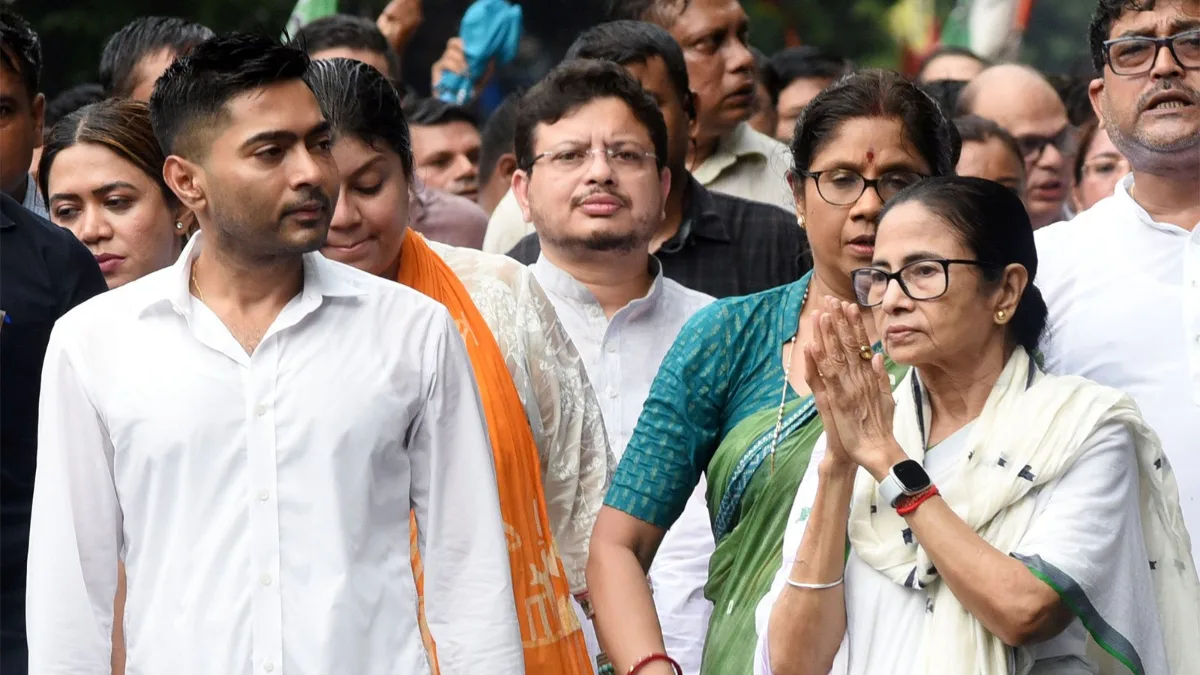
Mamata threatens EC; blames Centre, Delhi Police for atrocities against Bengalis at Banga Bhawan

West Bengal Chief Minister Mamata Banerjee today threatened major institutions of the country, including the judiciary and the Election Commission, saying she could be more dangerous than anyone else if challenged.

Statesman News Service | New Delhi |

West Bengal Chief Minister Mamata Banerjee today threatened major institutions of the country, including the judiciary and the Election Commission, saying she could be more dangerous than anyone else if challenged. She said, “We know there are some institutions, the judiciary, the election commission, where we can raise our voice. And if they challenge like this, then they do not know we are more dangerous than anybody else because we are born and brought up in struggle…”

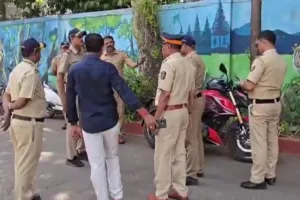
The Chief Minister said this during her visit to Banga Bhawan in the national capital. She also criticised the Delhi Police for using atrocities against the people of Bengal at Banga Bhawan. She said, “When the Home Minister comes to Bengal, we give him the red carpet. But when we come to Delhi, you give us the black carpet… Please restrain yourself from the atrocities, from the torture of the Bengal people who have lost their lives…”

According to Mamata Banerjee, Banga Bhawan has been deployed with central and Delhi Police personnel. She claims, “Police personnel are checking rooms and searching to see who has arrived, which they have no right to do.”

Mamata claims that many family members have come to Banga Bhawan who were shown to be dead to remove them from the voter list and steal their rights. She added, “When an explosion happens in Delhi, where is the Delhi Police then?… When we arrive, Delhi gets scared… If we wanted to, we could bring hundreds of thousands of people. We brought 50 people here who were declared dead in the SIR… The Delhi Police cannot protect anyone. A feudal system is still in operation in Delhi…”

TMC supremo further stressed that she will continue to fight against the atrocities even when nobody raises their voice. She said, “If no one fights in this country, I will fight, our party will fight… There is a press conference in Banga Bhawan… The people of Delhi don’t know what’s happening in Bengal… I just now got the information, and I didn’t change even my clothes…”

Mamata Banerjee is scheduled to meet the Chief Election Commissioner (CEC), Gyanesh Kumar, at the Election Commission of India (ECI) headquarters in Delhi later today at 4 pm. It is primarily related to the ongoing Special Intensive Revision (SIR) in the state. Trinamool Congress General Secretary and the party’s Lok Sabha member, Abhishek Banerjee, will be accompanying the Chief Minister during the meeting.