Logo

Photo

  • img
  • img
  • img
  • img
  • img
  • img
  • img
  • img
  • img
  • img

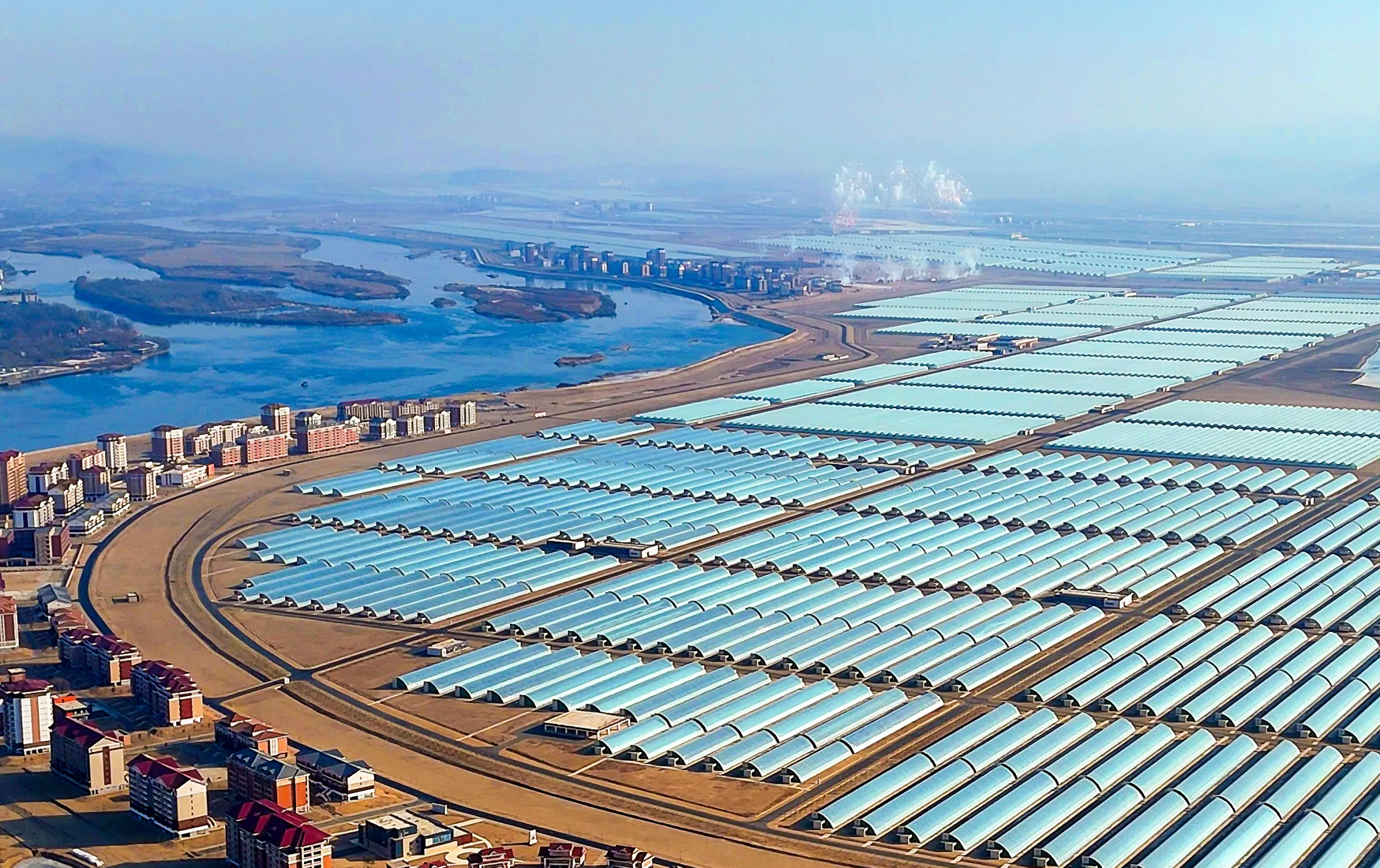
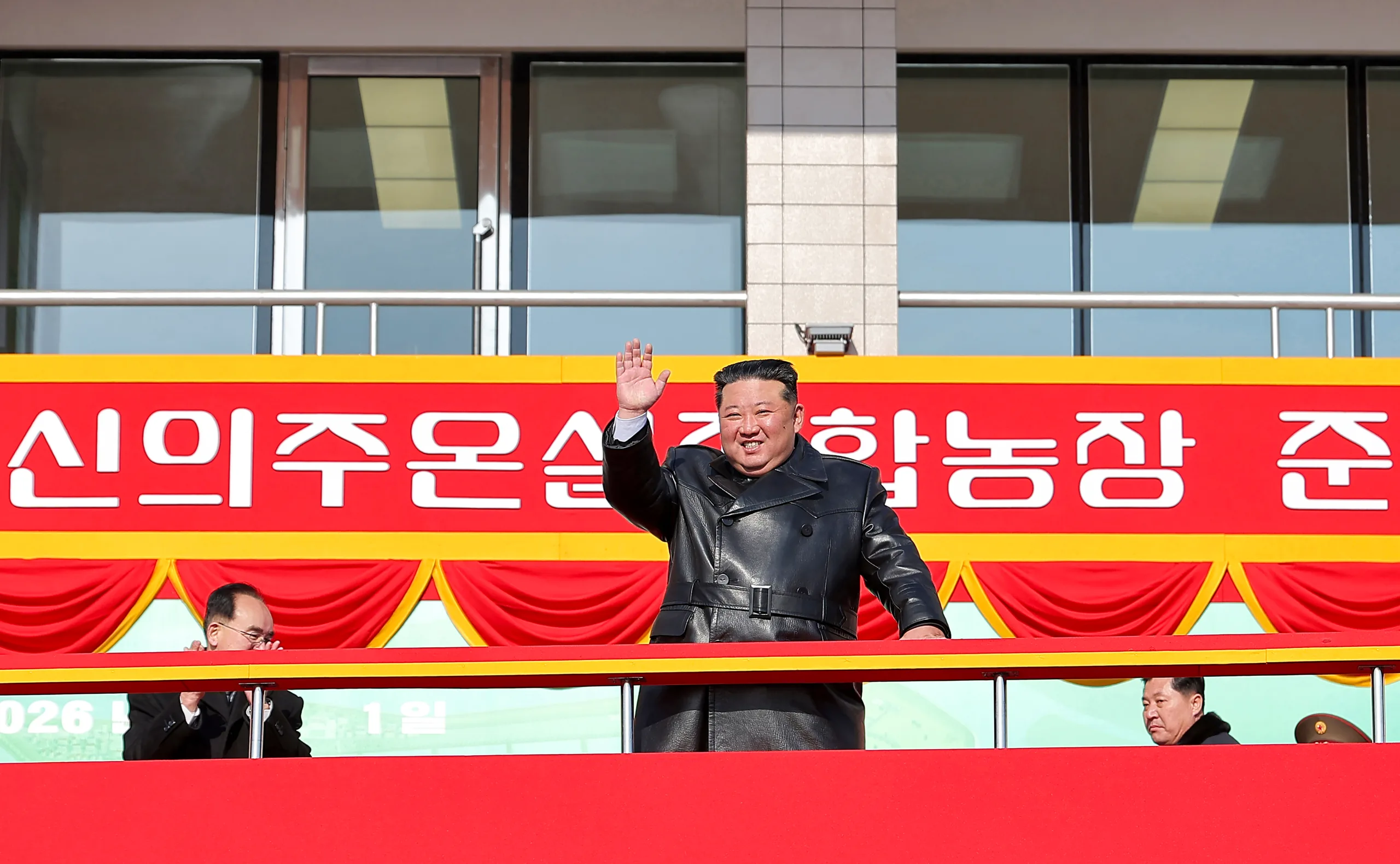
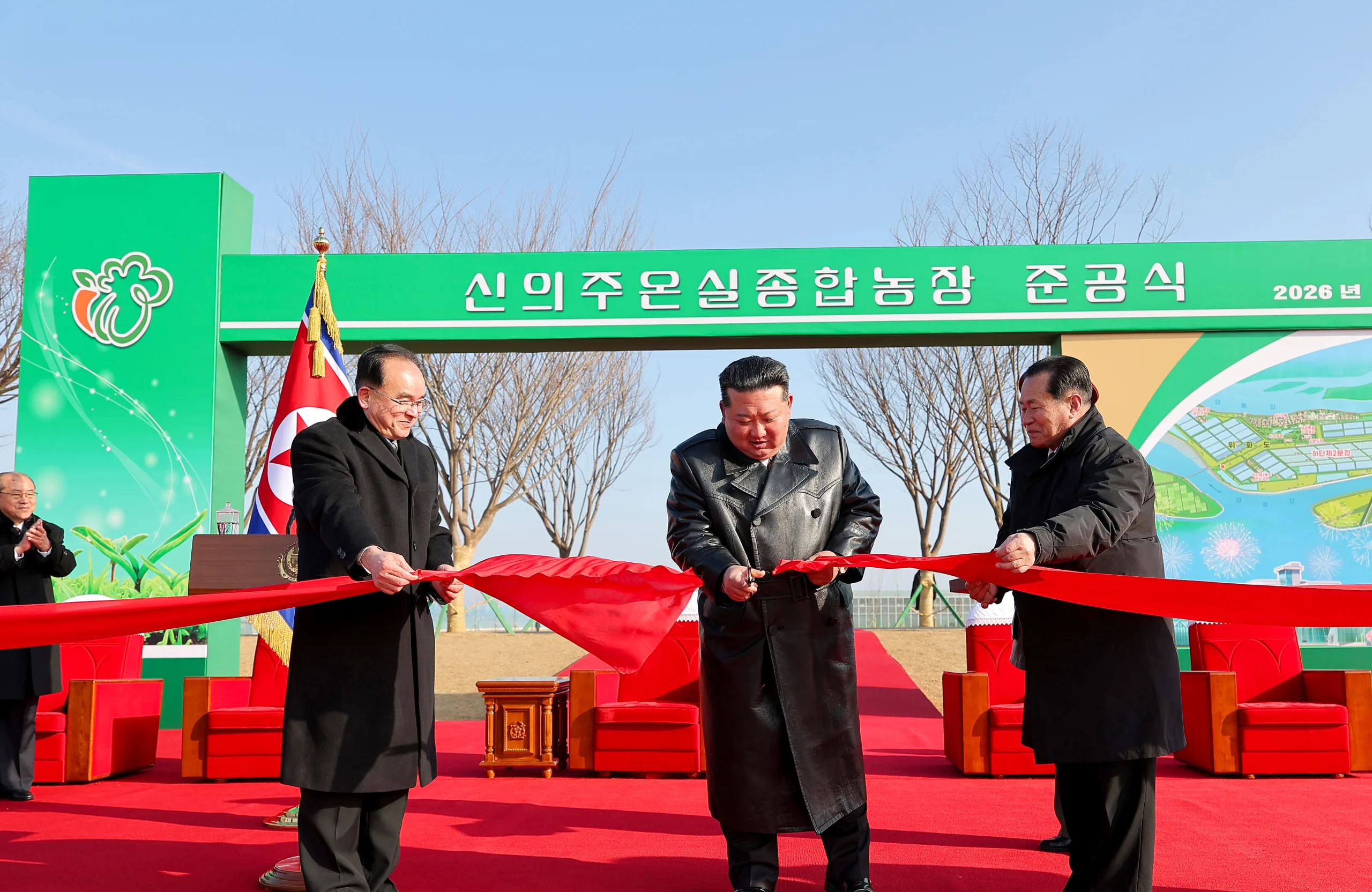
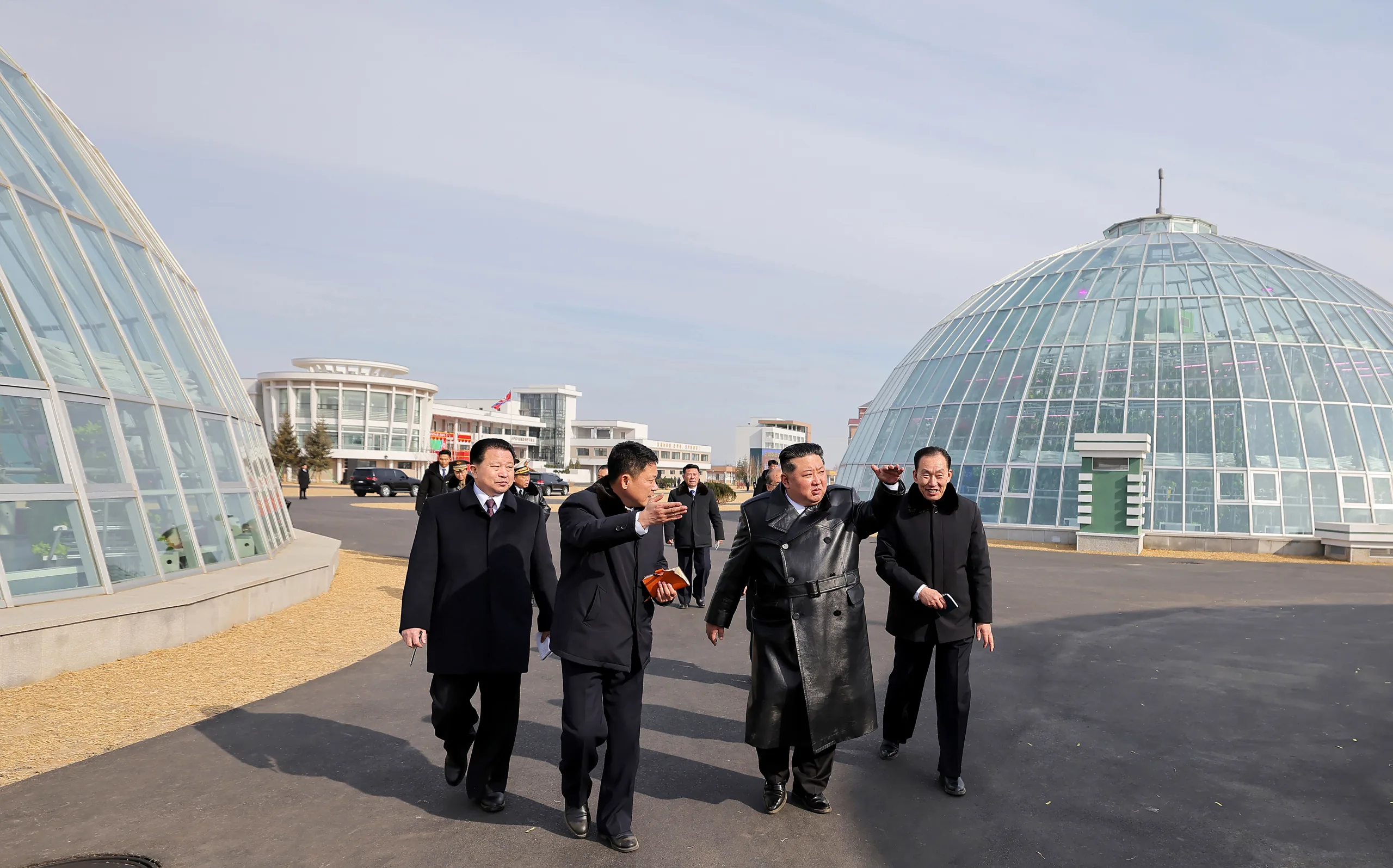
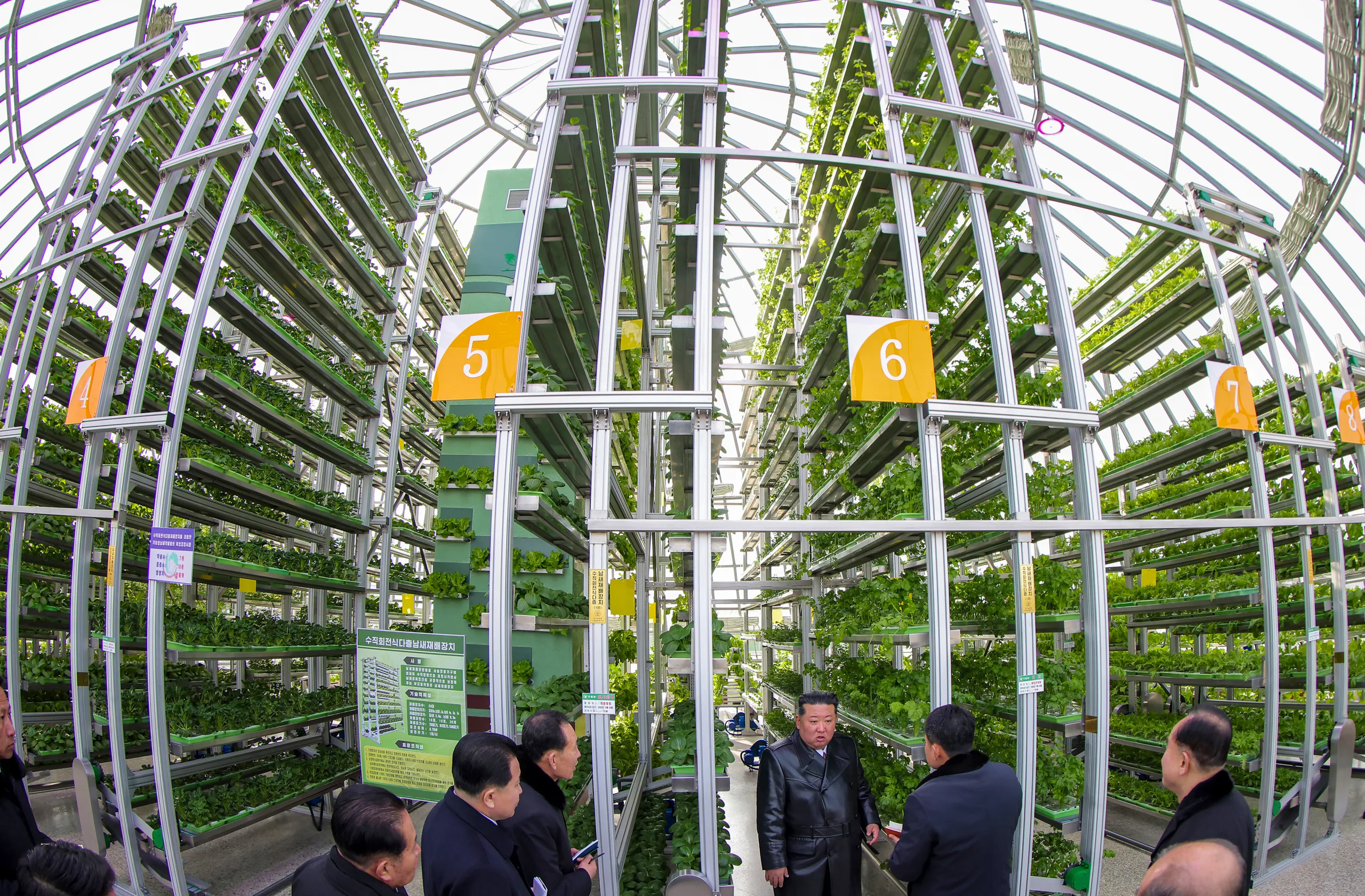
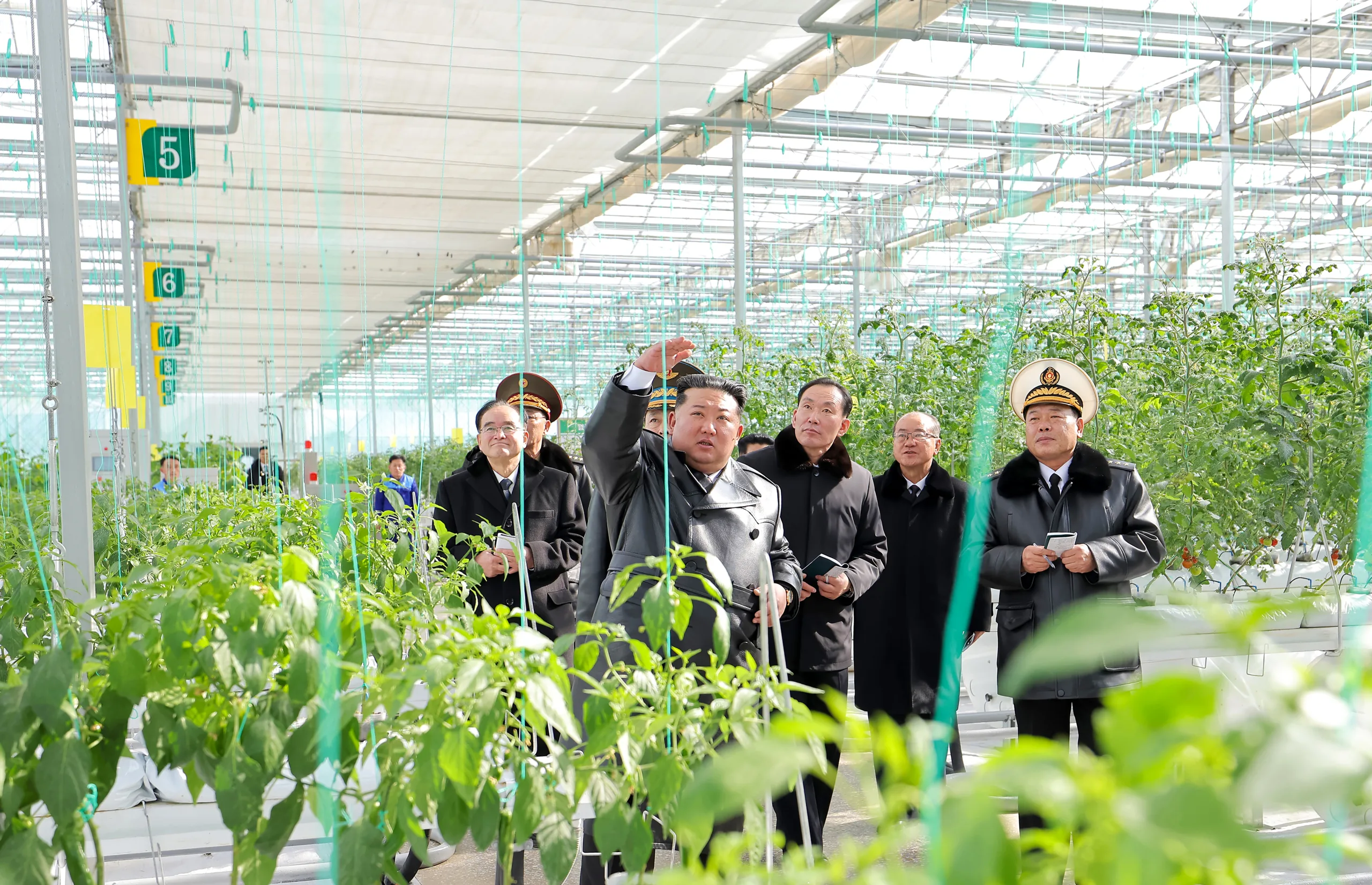
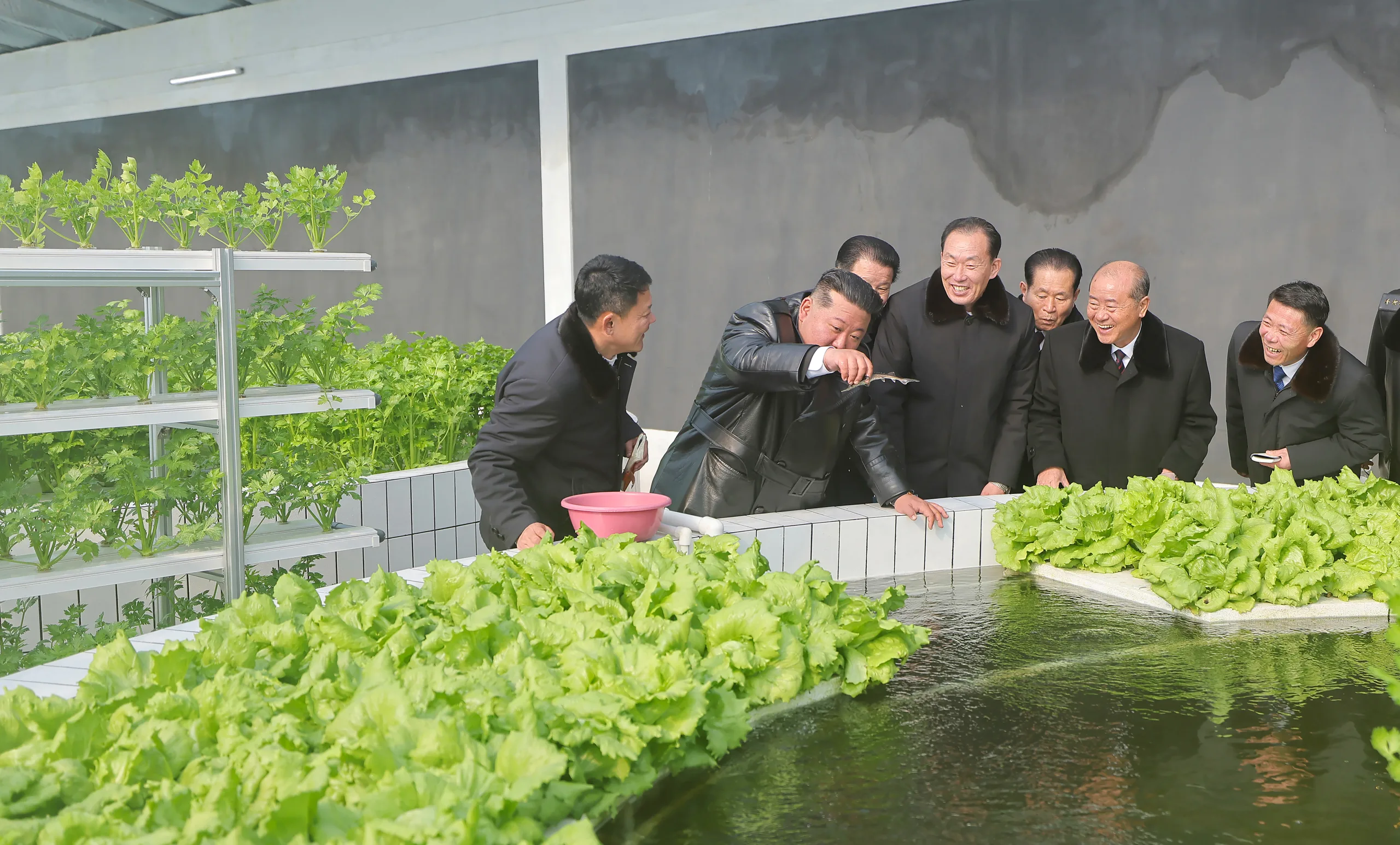
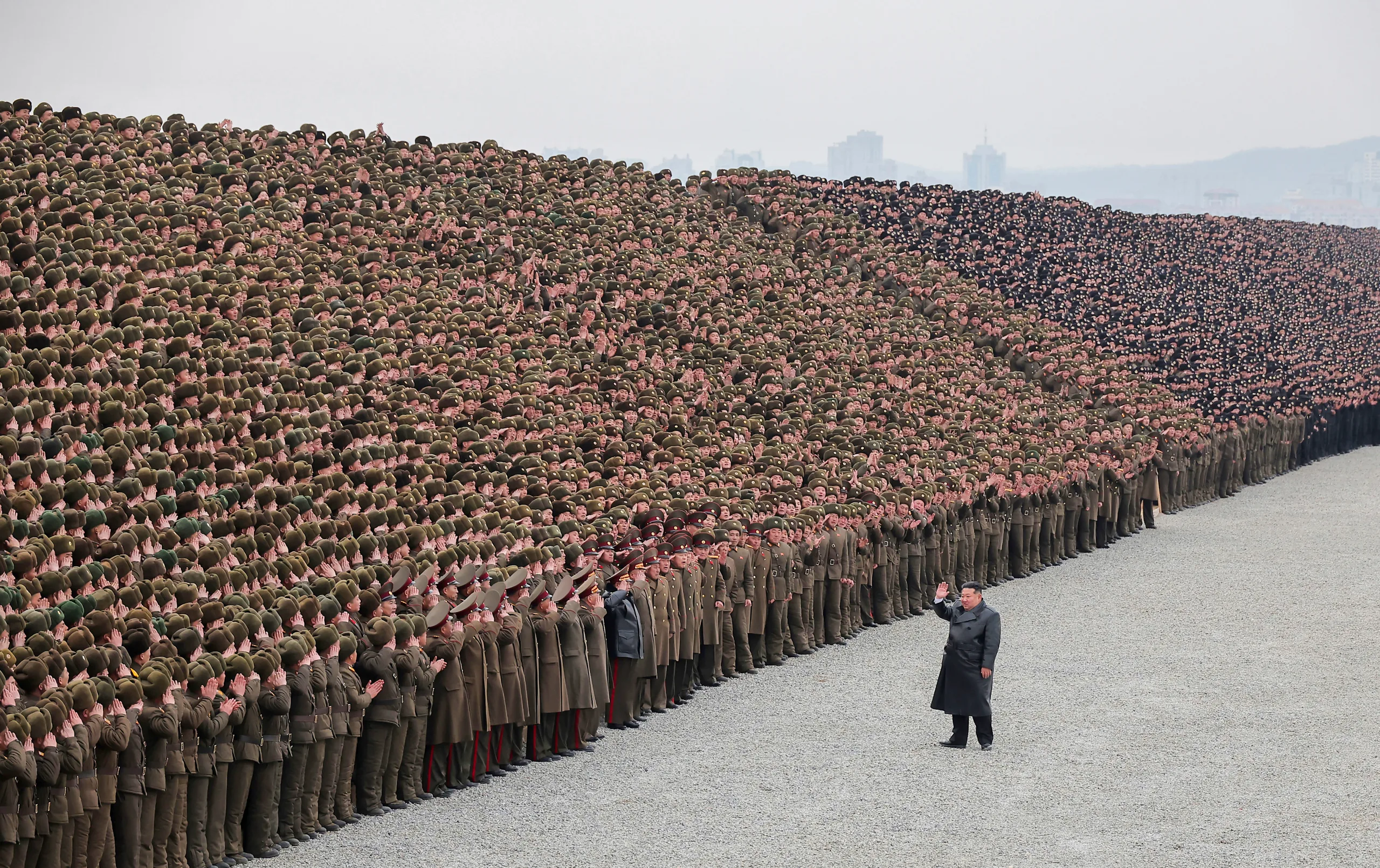
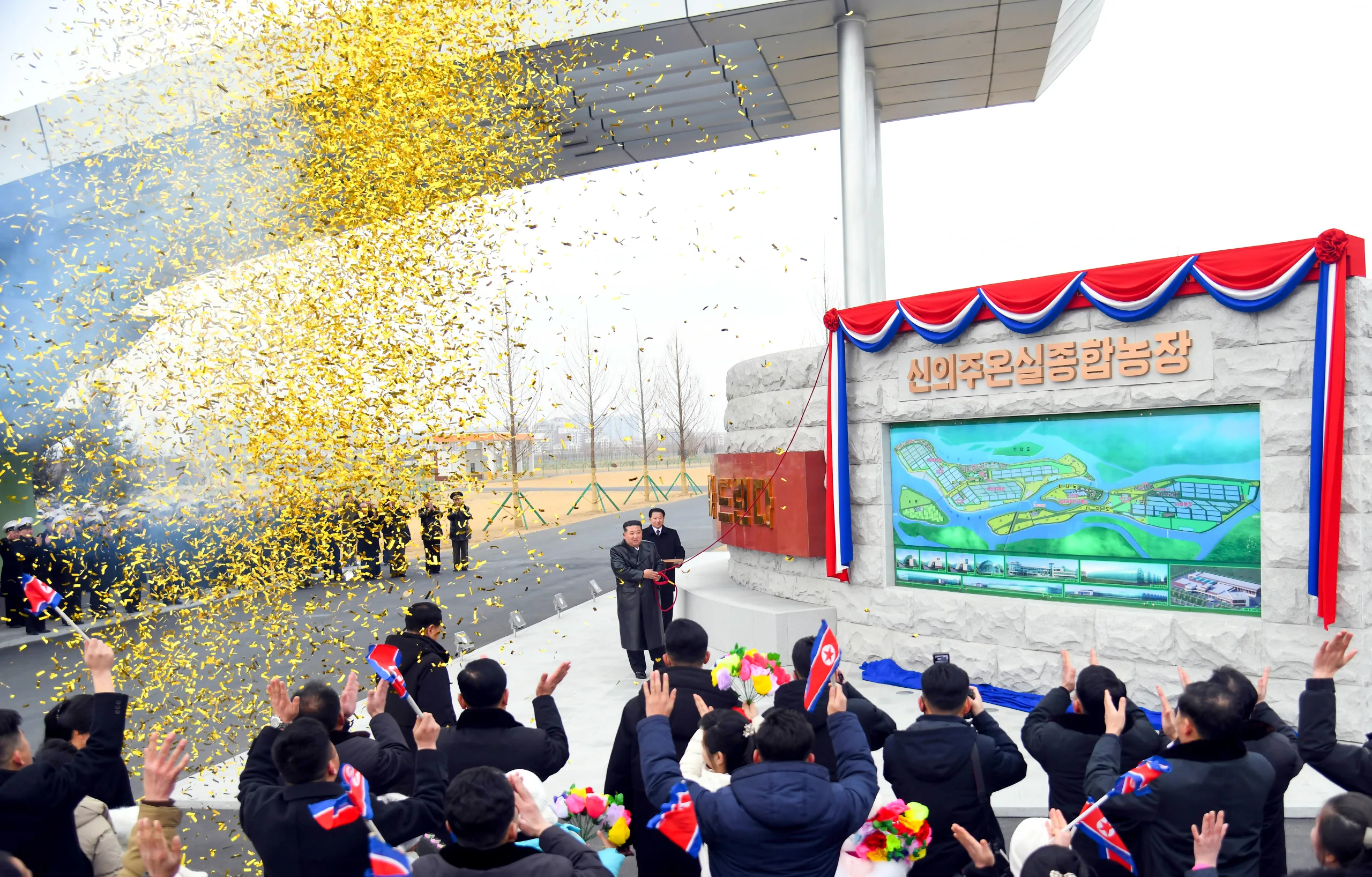
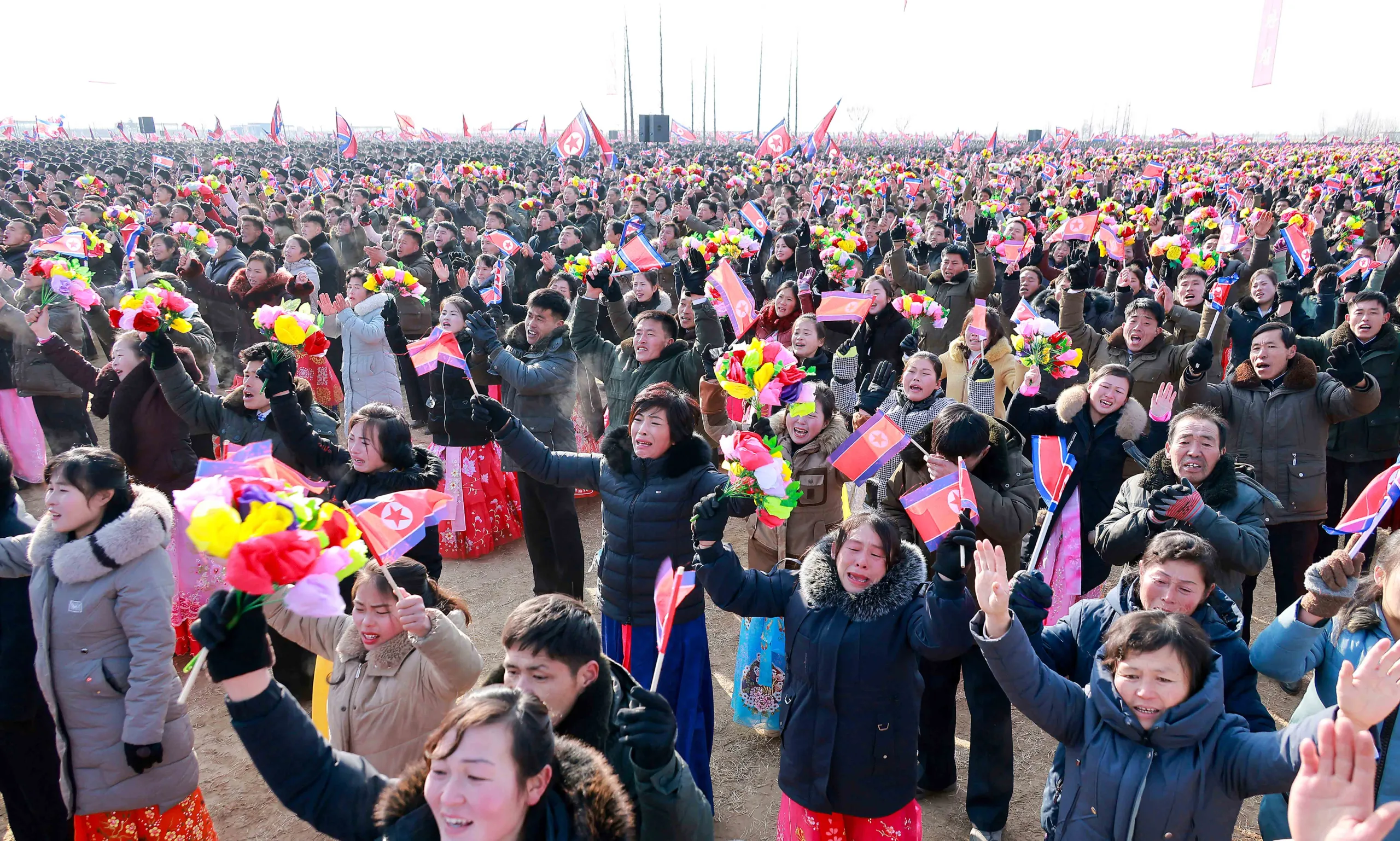
Kim Jong-un marks completion of greenhouse farm in North Korea’s Sinuiju

Kim Jong-un marks completion of greenhouse farm in North Korea’s Sinuiju

MORE Photo STORIES

Rs 10,000 crore push announced in Budget 2026 to make India a global Biopharma hub

The Budget acknowledges the growing burden of non-communicable diseases such as cancer, diabetes and autoimmune disorders, alongside the increasing global reliance on biologic medicines.

Statesman News Service | New Delhi |

The Union Budget 2026–27 has signalled a decisive policy shift by placing biopharmaceuticals at the core of India’s healthcare and manufacturing strategy.

With the announcement of the Biopharma SHAKTI initiative, backed by an outlay of Rs 10,000 crore over five years, the government aims to transform India into a leading global hub for biologics and biosimilars and secure 5 per cent of the global biopharmaceutical market.

The Budget acknowledges the growing burden of non-communicable diseases such as cancer, diabetes and autoimmune disorders, alongside the increasing global reliance on biologic medicines.

By prioritising biopharma, the government is seeking to move India up the pharmaceutical value chain from being primarily a cost-efficient producer of generic drugs to a centre for innovation-driven, high-value therapies.

Under the Biopharma SHAKTI initiative, the government plans to strengthen the entire ecosystem for biologics and biosimilars. This includes support for domestic research, development and manufacturing of complex products such as vaccines, therapeutic proteins, gene therapies and biosimilars, while reducing dependence on imports and enhancing India’s competitiveness in global supply chains.

A key focus area is human resource development. The Budget proposes the establishment of three new National Institutes of Pharmaceutical Education and Research (NIPERs) and the upgradation of seven existing NIPERs to address the rising demand for highly specialised skills in biopharma research, manufacturing, regulation and quality control.

To accelerate innovation and clinical validation, the government has also proposed creating a large-scale clinical research ecosystem, including the development of over 1,000 accredited clinical trial sites across the country.

This move is expected to significantly enhance India’s capacity to conduct advanced clinical trials for biologics and biosimilars and position the country as a preferred global destination for ethical, high-quality and cost-effective clinical research.

Regulatory reforms form another pillar of the Budget’s biopharma strategy. The Central Drugs Standard Control Organisation (CDSCO) will be strengthened through the induction of specialised scientific and technical personnel, with the aim of improving regulatory efficiency, aligning approval timelines with global standards and enabling faster evaluation of complex biopharmaceutical products.

The latest measures build on existing government initiatives such as the National Biopharma Mission (Innovate in India – i3), launched in 2017, which has supported over 100 projects involving more than 150 organisations and multiple MSMEs.

The mission has played a catalytic role in nurturing biotech startups, supporting indigenous development of vaccines, biosimilars, diagnostics and medical devices, and creating jobs and clinical research infrastructure across the country.

The convergence of investments in manufacturing, skilled manpower, clinical research capacity and regulatory credibility reflects a coordinated long-term vision.

As global demand for biologics continues to rise, the Biopharma SHAKTI initiative is expected to improve domestic access to advanced and affordable therapies while reinforcing India’s ambition to emerge as a globally competitive biopharma manufacturing and innovation hub.

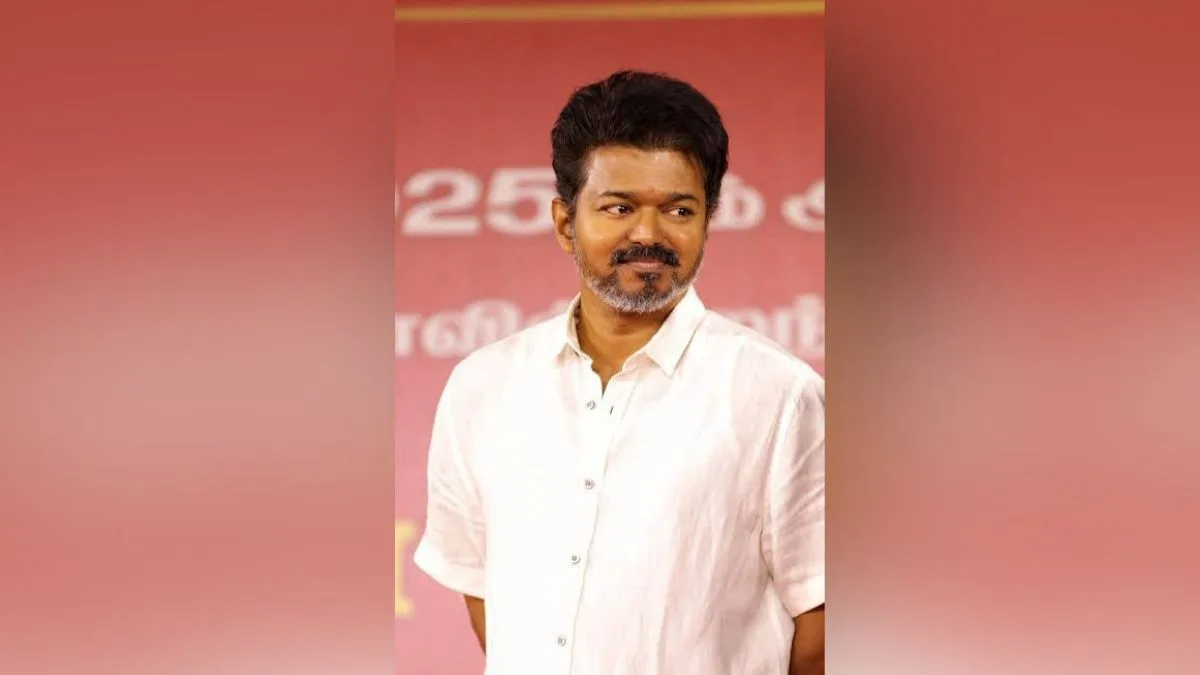
Force of purity, TVK alone capable of defeating ‘evil force DMK’ in assembly poll: Vijay

Continuing his tirade against the ruling DMK, Tamilaga Vettri Kazhagam (TVK) president and film star Vijay on Monday reiterated the claim of the TVK being a force of purity enjoying mass support and asserted that only it could defeat the ‘evil force DMK’ in the coming assembly election.

MC Rajan | Chennai |

Continuing his tirade against the ruling DMK, Tamilaga Vettri Kazhagam (TVK) president and film star Vijay on Monday reiterated the claim of the TVK being a force of purity enjoying mass support and asserted that only it could defeat the ‘evil force DMK’ in the coming assembly election.

“Only a force of purity can defeat an evil force. Whatever might come in our way, whether it is a ‘dabba engine’ or a ‘worn-out engine’, we remain the top engine. It is being said that there is a three-cornered or four-cornered contest in this election. For me, we are the one with people’s support. The others are the DMK front and the one headed by the BJP and others. Whoever comes, only the TVK, which has massive support of the masses, can defeat the DMK,” the actor-turned politician said, addressing party functionaries on the occasion of the TVK’s 3rd foundation day at suburban Panaiyur.

“It is habitual for the DMK to run down anyone who stands up to them in politics and ridicule whether they have experience. They questioned MGR (AIADMK founder and legendary film star) whether he knew the alphabet of politics. They asked whether Kamaraj (Congress veteran and former Chief Minister) knew literature. Now, they are targeting us,” he said, adding, “It is despite these that we have grown up as a major political force.”

He asked the DMK to change its technique of criticism at a time when technology has grown leaps and bounds. “They continue to play with a 50-year-old ‘dabba’. What else does the platinum jubilee baby perform other than this? But, for this, we can’t be charitable towards them. As the sole representative of the people, we will carry on the task of exposing their omissions and commissions,” Vijay said.

“People are in tears that these people are in the place once graced by Kamaraj, Anna (DMK founder and former CM) and MGR. Had sage poet Thiruvalluvar been now, he would have written his first couplet about this evil force thus: ‘Injustice, atrocity, cheating, and so on have sprouted in the world only since the DMK’s advent’,” he claimed.

Responding to criticism that he is yet to come out of his cocoon and comfort of the home, he said, “You are continuously ranting ‘Hey Vijay come out of your house?’ Listen, patently boss. On the date of polling, every Vijay from each house in Tamil Nadu, with the voter ID in hand, will queue up before each booth. Then you will realise why we have asked him so.” On the charge that whatever he speaks has the shade of cinema, he quipped “I have given up films, but it seems they haven’t!”

Dismissing certain pre-poll surveys that discredit the TVK, Vijay said “TVK is there in each house. Even the Chief Minister, who bemoaned that because of certain DMK functionaries, he has lost sleep, would say that he had voted for ‘whistle’ (TVK’s symbol), if woken up when asleep!” Earlier in the day, in a post on ‘X’, he said, “The 2026 election dynamics have changed and acquired a new environment only because of the entry of the TVK, which is the war cry for ensuring political power to the common man.”

Akhilesh questions foreign policy over Pakistan’s statement on T20 World Cup match against India

Speaking to the media outside Parliament on Monday, Akhilesh Yadav said, “The Indian government needs to reconsider its foreign policy and the direction in which it is headed.”

Statesman News Service | Lucknow |

Samajwadi Party national president Akhilesh Yadav has questioned the Central government’s foreign policy after reports emerged that Pakistan is considering boycotting its match against India in the ICC Men’s T20 World Cup 2026.

Speaking to the media outside Parliament on Monday, Akhilesh Yadav said, “The Indian government needs to reconsider its foreign policy and the direction in which it is headed.”

He added that such developments on international platforms affect the country’s global image and diplomatic influence.

It is noteworthy that the Pakistani government has reportedly decided to boycott its match against India in the T20 World Cup 2026. This means that currently, Pakistan’s stance is that they will not play the match against India scheduled for February 15. It is being said that if Pakistan maintains this stance and refuses to play against India, the ICC could take strong action against them.


Naming of Adampur airport after Sant Guru Ravidas is a historic decision: Haryana CM

Speaking to the media at Haryana Bhawan in New Delhi, the Chief Minister said it was a moment of immense pride that on the sacred occasion of Sant Guru Ravidas Ji’s birth anniversary, the Prime Minister announced the renaming of Adampur Airport as Sri Guru Ravidas Maharaj Ji Airport.

Statesman News Service | Chandigarh |

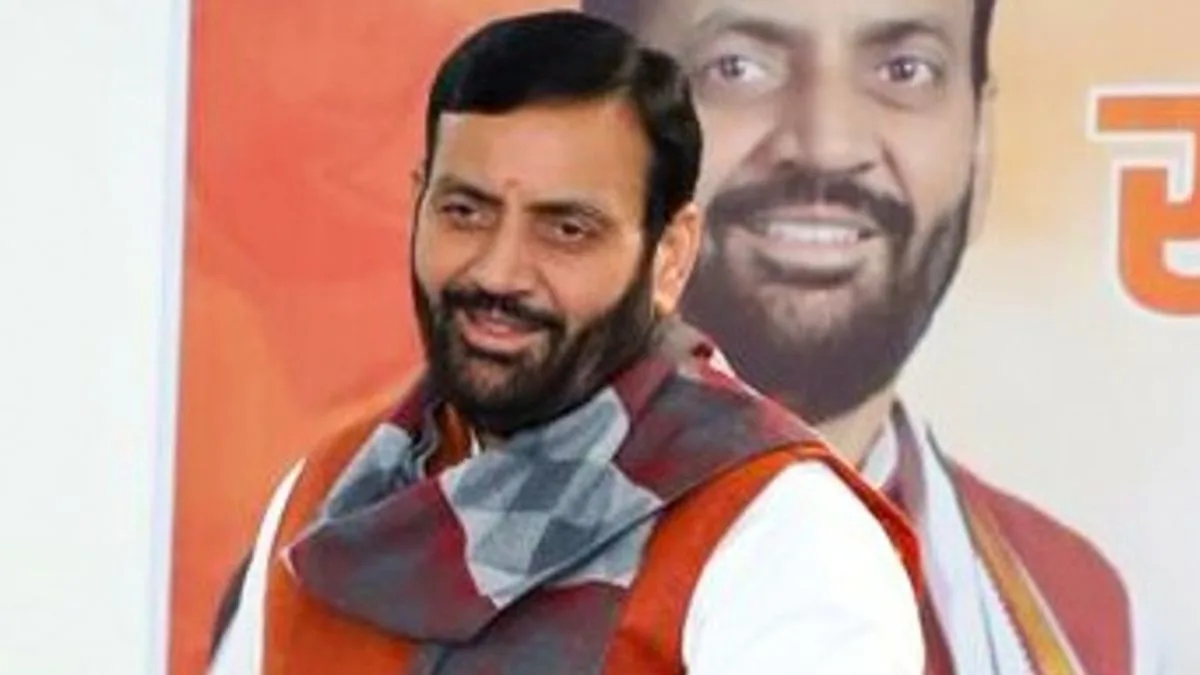
Haryana Chief Minister Nayab Singh Saini on Monday termed the naming of Punjab’s Adampur Airport after Sant Shiromani Guru Ravidas Ji as a historic and visionary decision by Prime Minister Narendra Modi. He expressed gratitude to the Prime Minister, saying the move reflects deep respect for India’s great saints and social reformers.

Speaking to the media at Haryana Bhawan in New Delhi, the Chief Minister said it was a moment of immense pride that on the sacred occasion of Sant Guru Ravidas Ji’s birth anniversary, the Prime Minister announced the renaming of Adampur Airport as Sri Guru Ravidas Maharaj Ji Airport. He described the decision as a true tribute to the timeless ideals of Sant Guru Ravidas Ji.

CM Saini said that the teachings of Sant Guru Ravidas Ji, rooted in equality, compassion and selfless service, continue to inspire society even today. “His message guides us towards building a harmonious, just and humane society. This initiative will not only honour his great thoughts but will also inspire future generations to follow the path shown by him,” he added.

The Chief Minister further said that the decision reflects the government’s commitment to remembering and honouring those great personalities who gave direction to society and worked tirelessly for social harmony and upliftment of the weaker sections.

Highlighting similar initiatives, CM Saini said Prime Minister Narendra Modi has consistently named major national institutions after saints and great personalities as a mark of respect. He cited the recent renaming of Ayodhya Airport after Maharishi Valmiki and the naming of Hisar Airport after Maharaja Agrasen as examples of this inclusive and respectful approach.

Referring to the Union Budget, Saini said it has been presented keeping every section of society in mind, with Haryana receiving special attention. He said key issues such as waterlogged and salinity-affected land have been addressed, while special emphasis has been laid on MSMEs, industry and artificial intelligence, which will directly benefit the state.

Taking a dig at the Congress, the Chief Minister said that despite being in power for 55 years, it failed to present such a comprehensive and people-centric budget. “This budget empowers women, provides employment to youth, strengthens farmers, and fulfils the aspirations of 140 crore Indians, including the poor,” he said.

Responding to a question on Punjab politics, Saini expressed confidence that a Bharatiya Janata Party government will be formed in the state under the leadership of Prime Minister Narendra Modi. He said the people of Punjab have realised that real development is possible only under the BJP rule.

He accused the Congress and Aam Aadmi Party governments of misleading the people with false promises. Referring to recent floods in Punjab, he said farmers suffered heavy losses while the state government engaged only in politics over compensation figures.

CM Saini said Prime Minister Narendra Modi understood the problems of Punjab’s farmers and provided Rs 16,000 crore in assistance, demonstrating the Centre’s commitment to farmers’ welfare.

Intercropping model can multiply sugarcane farmers’ income: Yogi

He said, “This model has the capacity not just to double but to ‘multiply manifold’ the income of sugarcane farmers.”

Statesman News Service | Lucknow |

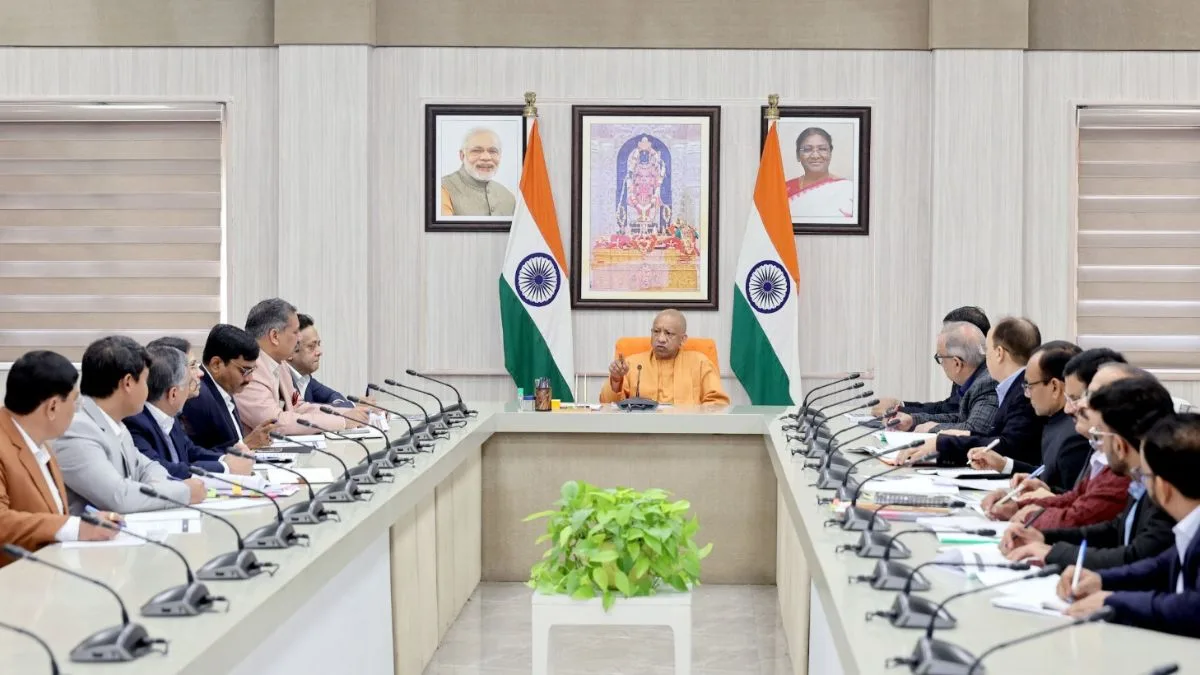
Chief Minister Yogi Adityanath said that the most effective way to give a new leap to the agricultural sector of Uttar Pradesh is to implement ‘oilseed and pulse-based intercropping with sugarcane’ on a large scale.

He said, “This model has the capacity not just to double but to ‘multiply manifold’ the income of sugarcane farmers.”

The Chief Minister was chairing a high-level meeting on this subject on Monday. He said that intercropping high-value crops like mustard, lentil, urad, and moong along with sugarcane provides farmers with additional production, lower costs, and stable income throughout the year, thereby strengthening their economic condition.

The Chief Minister added, “Horizontal expansion of cultivable land in the state is no longer possible; to achieve the target of a trillion-dollar economy, the only way to increase production is to enhance crop output per unit area.”

He said, “Sugarcane-based intercropping is the new model for the agricultural future of Uttar Pradesh. This model provides farmers with higher production, higher income and protection from risk, all at the same time.”

The Chief Minister directed that this plan be implemented in mission mode from 2026-27 to 2030-31. At present, sugarcane is cultivated over 29.50 lakh hectares in the state, which includes 14.64 lakh hectares of newly sown area and 14.86 lakh hectares under ratoon crop.

He said, “Adding oilseed and pulse intercropping in such a large area will lead to a significant increase in production and will also provide new strength to self-reliance in oilseeds and pulses at the state and national level.”

The Chief Minister instructed that the selection of intercrops should be done on scientific and practical grounds through Krishi Vigyan Kendras and Krishi Vishvavidyalaya.

As per the recommendations of IISER, he suggested giving priority to mustard and lentil in the Rabi season and urad and moong in the Kharif season.

The Chief Minister instructed, “Additional crops, additional profit and additional security without affecting sugarcane yield are the greatest strengths of this model. He asked for a year-wise roadmap to be prepared for this plan. ”

The Chief Minister said this additional production will directly increase farmers’ income and make a major contribution to the state’s GVA.

He also added, “The framework for assistance and subsidy should be clearly defined for the successful implementation of the scheme.”

The Chief Minister further added, “Large-scale adoption of intercrops will provide farmers with faster cash flow and reduce the risk of single-crop dependency, making agriculture more stable and sustainable.”

He said that this plan should not be limited to the benefits of farmers associated only with the sugarcane sector but should be implemented as a transformation of the broader agricultural landscape of the state.

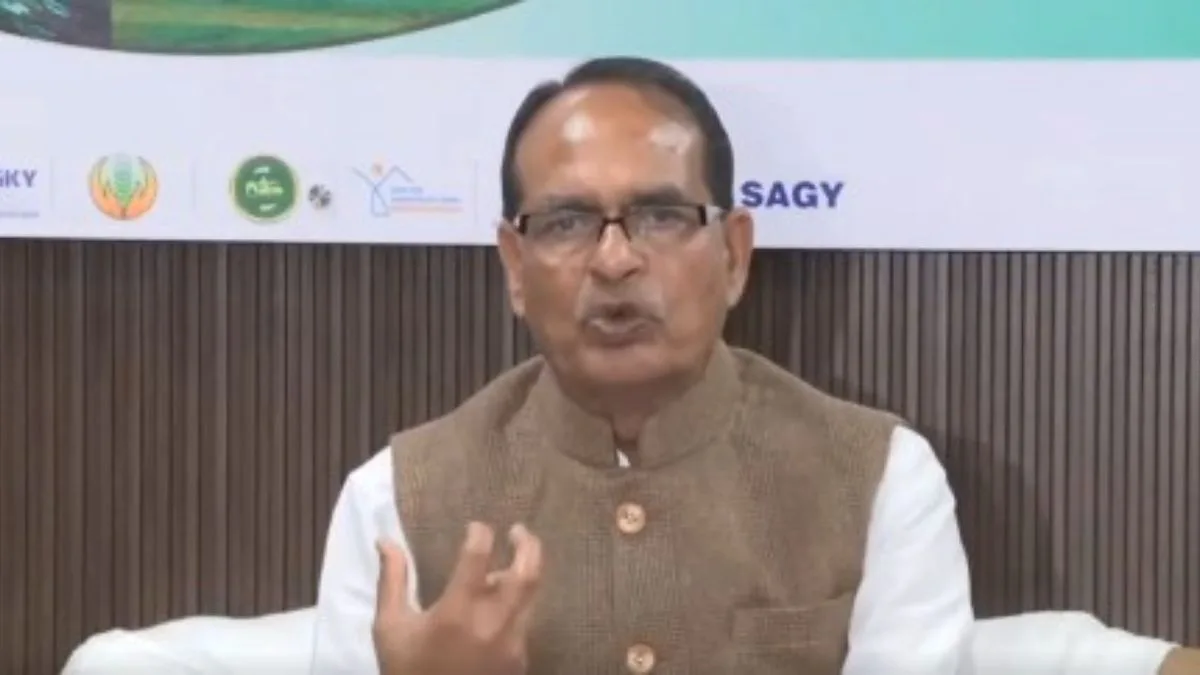
Agri sector records unprecedented growth rate of 4.4 pc over 5 years: Chouhan

“During the decade from financial year 2016 to 2025, the agricultural sector posted a decadal growth rate of 4.45 per cent, the highest compared to previous decades,” Chouhan said while reacting to the Economic Survey.

Statesman News Service | New Delhi |

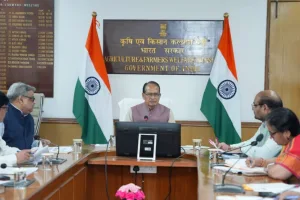
Union Minister for Agriculture and Farmers’ Welfare, and Rural Development, Shivraj Singh Chouhan on Monday said over the past five years, the agriculture and allied sectors have recorded an average annual growth rate of 4.4 per cent at constant prices, which is higher than the global average.

“During the decade from financial year 2016 to 2025, the agricultural sector posted a decadal growth rate of 4.45 per cent, the highest compared to previous decades,” Chouhan said while reacting to the Economic Survey.

Even in the second quarter of financial year 2025–26, the agriculture sector registered a growth rate of 3.5 per cent, reflecting its strength and resilience, he said.

Chouhan said the survey’s data clearly demonstrates that under the leadership of Prime Minister Narendra Modi, the country has made unprecedented progress on both the agriculture and rural development fronts.

The Union Minister said in the financial year 2024–25, the country’s foodgrain production reached a record level of 357.73 million tonnes.

“This increase was primarily driven by improved output of rice, wheat, maize and coarse cereals, including ‘Shree Anna’ (millets). Today, India is not only self-reliant in foodgrain production but is also playing a leading role globally in several crops,” he said.

Chouhan said with nearly a 33 per cent share in agricultural gross value added (GVA), the horticulture sector has emerged as the brightest spot in Indian agriculture.

Horticulture production increased from 280.70 million tonnes in the financial year 2013–14 to 367.72 million tonnes in 2024–25.

During this period, fruit production stood at 114.51 million tonnes, vegetable production at 219.67 million tonnes, and other horticultural crops at 33.54 million tonnes.

The Union Agriculture Minister said India has now become the world’s largest producer of onions, contributing nearly 25 per cent to global onion production. At the same time, India is the world’s second-largest producer of vegetables, fruits and potatoes, with a global share of around 12–13 per cent in each of these categories.

NHPC declares commercial operation of it’s second unit (unit # 3 of 250 MW) of India’s largest hydropower project- 2000 MW Subansiri lower hydroelectric project

The first milestone was the synchronization of the 3rd Unit (Unit #1 of 250 MW) with the National Grid, successfully accomplished at 21:00 hours on 31.01.2026

Statesman News Service | Faridabad |

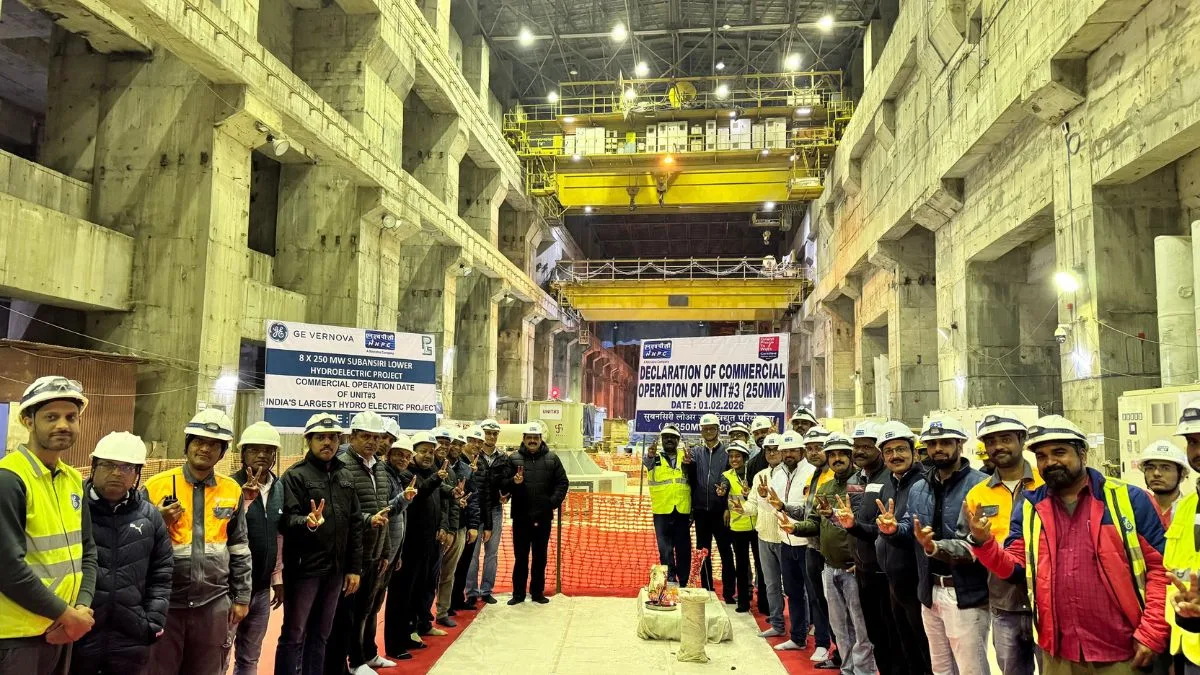
NHPC Limited, a ‘Navratna’ PSU under Ministry of Power, Government of India, achieved two significant milestones during the intervening night of 31st January and 1st February 2026 at its 2000 MW (8×250 MW) Subansiri Lower HE Project in Arunachal Pradesh/Assam, further strengthening India’s energy security, grid stability and clean energy transition.

The first milestone was the synchronization of the 3rd Unit (Unit #1 of 250 MW) with the National Grid, successfully accomplished at 21:00 hours on 31.01.2026. Thereafter, the commercial operation of the second unit (Unit # 3 of 250 MW) was achieved at 00:00 hrs on 01.02.2026, adding another 250 MW of clean hydropower to the National Grid. With this, Subansiri Lower HE Project has contributed 500 MW out of its total 2000 MW capacity, reinforcing hydropower’s role in grid stability, peak power support and integration of renewable energy into the national energy mix.

Shri Bhupender Gupta, CMD, NHPC expressed gratitude to the Ministry of Power, Government of India and the Governments of Arunachal Pradesh and Assam. He praised the dedicated efforts of the Subansiri Lower Project team, led by Shri Rajendra Prasad, Executive Director and all the officials of various departments of NHPC at Corporate Office who contributed for these milestones. He further added that the successful commissioning of these

units demonstrates NHPC’s technical expertise, execution capability and crucial role in ensuring national energy resilience and the Government of India’s vision of a sustainable and self-reliant power sector. Shri Gupta emphasized that these achievements will support the timely commissioning of the remaining units.

Shri Sanjay Kumar Singh, Director (Projects), NHPC congratulated the entire team of NHPC at Site and Corporate Office which contributed to achievement of these milestones.

Shri Rajendra Prasad, Executive Director, Subansiri Lower H.E. Project thanked NHPC management, corporate teams, executing agencies – M/s GE Vernova, M/s BGS-SGS-SOMA, M/s TREL and M/s PEL as well as local stakeholders and communities for their support.

Supreme Court grants bail to SAD leader Bikram Singh Majithia in disproportionate assets case

he Supreme Court today granted bail to Shiromani Akali Dal leader Bikram Singh Majithia in the corruption case involving an alleged accumulation of over Rs.540 crores in disproportionate assets.

Statesman News Service | New Delhi |

The Supreme Court today granted bail to Shiromani Akali Dal leader Bikram Singh Majithia in the corruption case involving an alleged accumulation of over Rs.540 crores in disproportionate assets. The court observed that the petitioner had already been granted bail in the earlier NDPS case in 2022, and the appeal filed by the Punjab government against that order was dismissed in 2025.

A bench of Justices Vikram Nath and Sandeep Mehta granted him bail after noting the facts and circumstances of the case. It was observed that the police had filed its report and that the disproportionate assets case pertained to the period between 2006 and 2017, though the FIR was registered only in 2025.

However, the court clarified that it would be open for prosecution to impress upon the trial court to impose stringent conditions on the petitioner while releasing him on bail as may be necessary.

With the Supreme Court’s order of release for the SAD leader, reactions have poured in from different political parties. Punjab Minister Harpal Singh Cheema has expressed confidence that Majithia will be convicted, claiming that his party has strong evidence against the leader. He said, “Getting bail doesn’t mean he’s gotten off scot-free… We have strong evidence, and when we present it in court, he will surely be convicted.”

Punjab BJP President Sunil Jakhar also reacted to the bail order and called it a failure of the Punjab Police and state government. He referred to the police as a mere tool of extortion of the state government, who lodge false cases just to silence the voices of the press and journalists.

Return of elected Govt in J&K has restored public faith in democracy: LG Sinha

Sinha was addressing the opening of the 27-day budget session of the assembly, spread over three months.

Statesman News Service | Jammu |

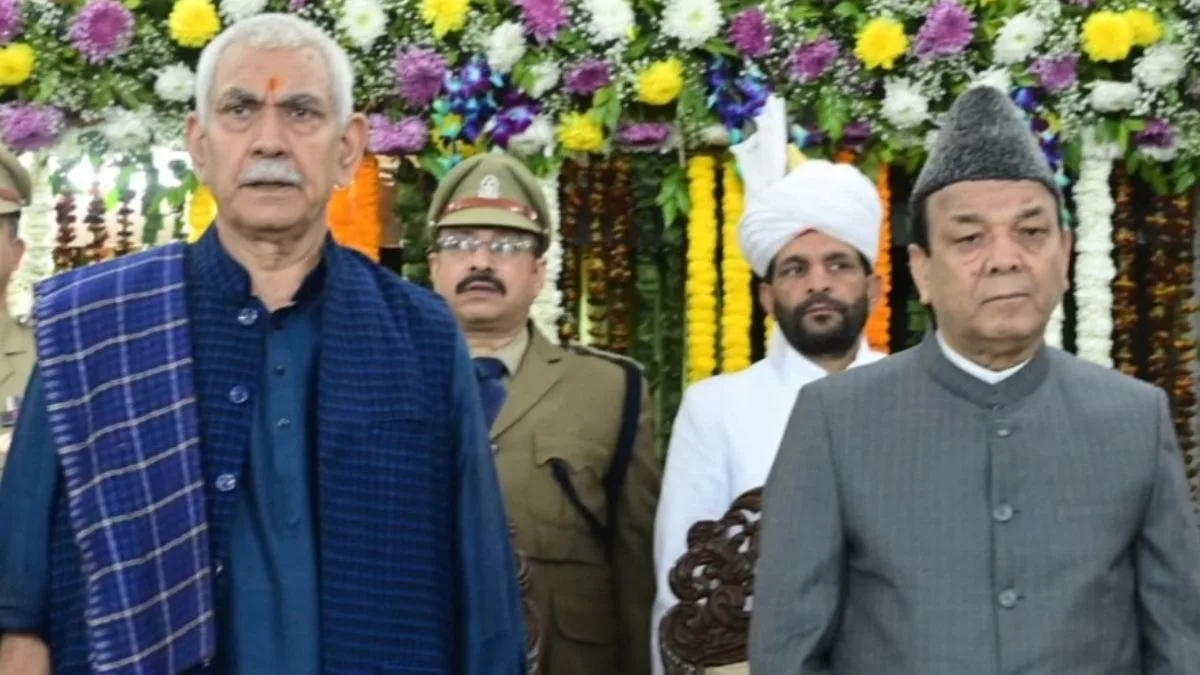
Lt Governor Manoj Sinha on Monday said that the return of an elected government after a gap of several years in Jammu and Kashmir has strengthened public faith in democratic institutions.

Sinha was addressing the opening of the 27-day budget session of the assembly, spread over three months. On his arrival at the assembly complex, the LG was welcomed by Speaker Abdul Rahim Rather. Chief Minister Omar Abdullah was present in the assembly.

“The past year marks a significant milestone in the democratic journey of Jammu and Kashmir with the formation of an elected Government after a gap of several years. This transition to popular governance has strengthened public faith in democratic institutions. My Government has focused on restoring participatory governance, rebuilding public confidence, and ensuring that the voice of every region and community finds expression in policymaking,” he said.

The LG said that “During the last one year, the government has placed renewed emphasis on responsive and people-centric administration. Thousands of grievances have been resolved through time-bound interventions, reinforcing trust between the Government and the people”.

“This session holds special significance as it offers an opportunity to reflect on our collective journey, review our achievements, and chart a clear roadmap for the future. It reaffirms shared commitment to fulfilling the aspirations of the people of Jammu and Kashmir,” the LG said.

He stressed that “Good governance continues to be the cornerstone of the government’s development strategy in Jammu and Kashmir. Sustained reforms in transparency, accountability, digital governance, and citizen-centric service delivery have significantly strengthened public trust and institutional efficiency. The digital transformation has imparted new momentum to development and reinforced corruption-free governance, with over 1,500 public services available online and 391 services integrated with the auto-appeal system to ensure timely delivery”.

“The development trajectory of Jammu and Kashmir continues to be guided by the foundational principles of Economy, Ecology, and Equity. These principles are not merely aspirational, but serve as the guiding framework for policy formulation and implementation”.

Dwelling on the economic growth of the UT, the LG said, “Jammu & Kashmir is one of the fastest-growing States/UTs in the country. GST revenue collection has shown steady growth from Rs 8064 Crore in 2023-24 to Rs 8586 Crore in 2024-25. The tariff from electric power has witnessed a substantial increase of 16 per cent in 2024-25”.

“The economy of Jammu and Kashmir has demonstrated encouraging momentum in recent years. The Union Territory is presently recording an annual nominal growth rate of around 11 per cent (2024-25), reflecting the positive outcomes of sustained policy reforms, enhanced infrastructure development, and proactive investment facilitation. The government remains committed to consolidating this growth trajectory through strengthened fiscal discipline and by creating diversified and sustainable employment opportunities, with particular emphasis on youth and women,” he added.

Hitting out at the government led by Chief Minister Omar Abdullah, Waheed Para, leader of the PDP legislature party, in his reaction said, “The LG address omits statehood. The vision document is drafted and vetted by our elected J&K government”.

Mandaviya launches MY Bharat Budget Quest 2026

The initiative seeks to connect the Union Budget 2026 with the everyday lives of citizens by engaging youth from colleges, institutions, and coaching centres across the country through a structured and participatory framework, the Ministry of Youth Affairs and Sports said on Monday.

Statesman News Service | New Delhi |

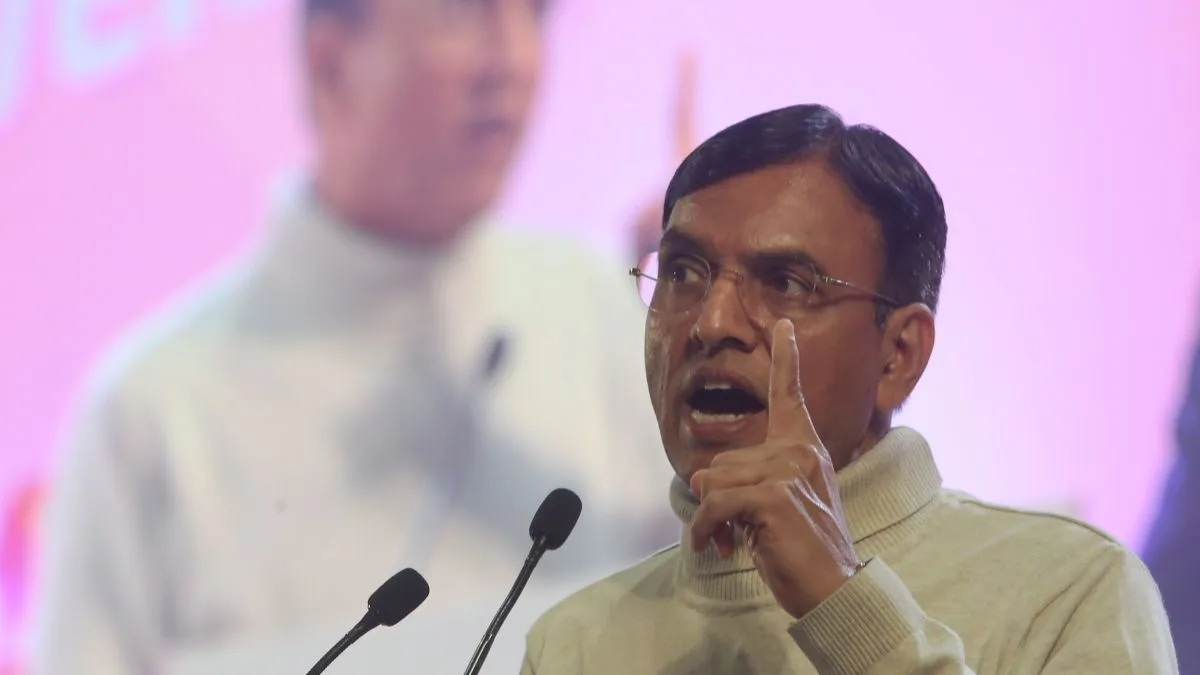
Union Minister for Youth Affairs & Sports, Dr Mansukh Mandaviya, on Monday launched MY Bharat Budget Quest 2026, a nationwide youth-centric initiative aimed at enhancing the understanding of the Union Budget by the youth of the country and making budgetary provisions more accessible, relatable and citizen-centric.

The initiative seeks to connect the Union Budget 2026 with the everyday lives of citizens by engaging youth from colleges, institutions, and coaching centres across the country through a structured and participatory framework, the Ministry of Youth Affairs and Sports said on Monday.

The Union Minister said this competition will start on the MY Bharat platform (https://mybharat.gov.in/) from tomorrow (3rd February). It is a national-level online quiz on the Union Budget 2026, open to youth registered on the MY Bharat portal.

The deadline for participation is 17 February. After this, top performers from each state and union territory will be selected, and they will take part in the second round from 17 February to 3 March, which will be an essay-writing round.

In the essay round, youth will receive 8 topics related to the Union Budget aligned with the vision of Viksit Bharat. The participants will share their views and ideas through essays.

The Union Minister further added that “During the Budget Speech this year, the Hon’ble Finance Minister appreciated the innovative ideas shared by youth during VBYLD and mentioned that some ideas were included in the Union Budget 2026-27. With MY Bharat Budget Quest, we want to continue this spirit and empower young voices once again.”

Evaluation of essays will be undertaken between 3 March and 10 March, and State/UT-wise merit lists will be announced on 10 March 2026.

State and UT-wise winners will subsequently get an opportunity to participate in an interaction with Prime Minister Narendra Modi on the vision of a Viksit Bharat Budget, reinforcing the government’s commitment to informed youth participation in national economic discourse and development priorities.

Upcoming India AI Impact Summit expected to witness participation from over 100 countries

The mega event scheduled to be held in New Delhi from February 16 to 20 is anticipated to be the largest of the four global AI summits hosted to date, reflecting the growing international momentum around responsible, inclusive and impact-driven artificial intelligence.

Statesman News Service | New Delhi |

The upcoming India AI Impact Summit is expected to witness participation from over 100 countries, including 15 to 20 heads of government, more than 50 ministers from various countries, and over 40 CEOs of leading global and Indian companies.

The mega event scheduled to be held in New Delhi from February 16 to 20 is anticipated to be the largest of the four global AI summits hosted to date, reflecting the growing international momentum around responsible, inclusive and impact-driven artificial intelligence.

“The Summit, which has attracted unprecedented interest from the global community with over 35,000 registrations received ahead of the event, will prioritise the translation of vision into execution, with a clear focus on outcomes that matter on the ground,” the Ministry of Electronics and IT said on Monday.

Governments, industry leaders, researchers, civil society organisations and international institutions are set to attend the event to actively participate in shaping the Summit’s agenda.

Around 500 prominent figures from the global AI ecosystem, including innovators, researchers and chief technology officers, are also expected to attend.

Highlighting the depth and diversity of engagement, the Summit will feature a startup showcase of 500+ AI startups and host around 500 sessions alongside the main programme, making it one of the most comprehensive AI-focused global convenings.

The scale of engagement leading up to the Summit has been equally significant. Over 1,300 proposals have been received for pre-Summit events, with more than 500 pre-Summit events conducted so far across sectors and regions in India as well as globally.

The Summit framework also includes seven flagship events, collectively engaging more than 3,00,000 participants, reflecting the wide national and international interest in the AI Impact Summit process.

The global AI summit process has evolved over time, beginning with an initial focus on AI risks at Bletchley Park, progressing to discussions on ethics and inclusion in Seoul, and subsequently moving towards the operationalisation of shared principles in Paris.

The Summit reflects India’s growing role in global AI discussions.

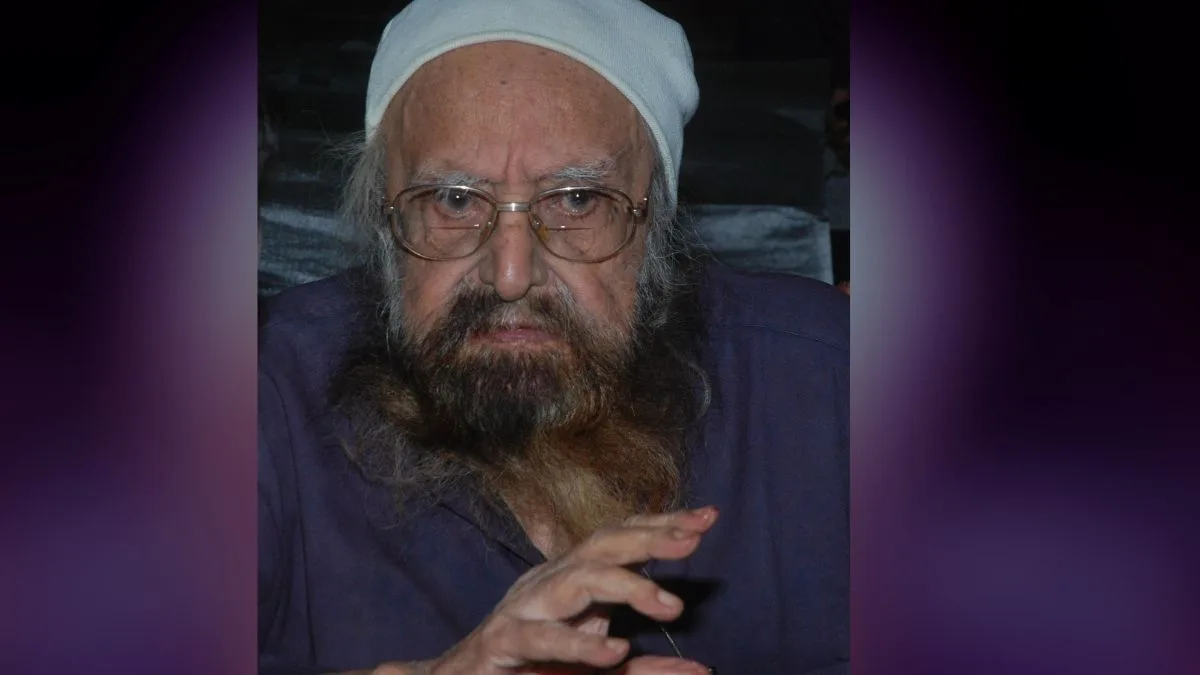
A Brush with the Legend: Meeting Khushwant Singh

In my early days as a journalist, I was brash, chasing interviews for any publication that would have me, full of youthful confidence. But this was different.

Naseem Naqvi | New Delhi |

“Maine Khushwant Singh ko dekha hai.”

(Khushwant Singh adopted 15 August 1915 as his birthday, aligning it with India’s Independence Day, after his grandmother insisted he was born in August, though his father had enrolled him in school with a 2 February birthdate.)

The sign beside the doorbell at Khushwant Singh’s Sujan Singh Park home in New Delhi was blunt as well as quirky, as the man was: “Don’t press the bell unless expected.” Standing there as a young journalist, still trying to find my feet in the world of writing, those words were enough to make my hands tremble. I had an appointment secured over the phone, but being at the doorstep of this literary giant felt completely overwhelming. This wasn’t just another interview. Khushwant Singh was someone I’d looked up to since I was a kid. His novel Train to Pakistan and his fearless columns had sparked my love for storytelling.

In my early days as a journalist, I was brash, chasing interviews for any publication that would have me, full of youthful confidence. But this was different.

Khushwant Singh’s reputation, as a sharp editor, prolific writer, and someone who never minced words, made me genuinely nervous. When I called him (this was before mobile phones, when getting through to someone actually meant something), his voice on the other end was surprisingly simple and direct. My throat went dry, but somehow I managed to fix a time. “Kal 3 baje aaiye” (Come at 3 tomorrow), he said, his tone gruff but not unfriendly.

The wait felt endless. Like those scenes in Mughal-e-Azam where time just stretches and stretches before something momentous happens. Those 24 hours gave me time to obsess over my questions, rephrasing them again and again, trying to match the clarity I admired so much in his writing. To calm my nerves, I actually went to Sujan Singh Park the day before, just to see the neighbourhood where he lived, to absorb the quiet elegance of it all. Like a student checking out the exam hall before the big day.

On the actual day, I made sure to arrive early. Khushwant Singh’s punctuality was legendary; he wrote about it in his memoir On Myself, how he stuck to strict schedules for writing and meetings. At exactly 3:00 p.m., the door opened. And there he was, Khushwant Singh himself. His handshake was firm and warm. “Except for the interview, talk to me in Urdu,” he said, settling into his favourite sofa, stretching his legs out onto a low stool. What followed was pure magic. We talked about Saadat Hasan Manto, Ismat Chughtai, Faiz Ahmed Faiz, Ahmed Faraz, and Firaq Gorakhpuri. His love for Urdu literature just poured out, vivid stories about their lives, beautiful shayari, all delivered with such genuine affection. You could see this love in his translations of Faiz’s poetry, too, which brought the revolutionary poet to so many readers.

The interview itself was a masterclass. His answers were crisp, to the point, completely free of fluff. Ready to type straight away, remember, this was the typewriter era when every word mattered. This precision was vintage Khushwant Singh, something he’d perfected during his years editing The Illustrated Weekly of India. Under his editorship from 1969 to 1978, the magazine became a cultural phenomenon.

Circulation jumped from around 90,000 copies to over 400,000 at its peak. He brought in bold content, sharp film reviews, hard-hitting social commentary, and features that challenged conventional thinking. He particularly enjoyed taking on Bollywood’s biggest stars, holding people like Amitabh Bachchan and Dharmendra to account for their work. His editorials, mixing humour with hard truths, made the Weekly essential reading. In an era of limited media, he shaped how people thought and talked about things.

But Khushwant Singh’s fearlessness went beyond cultural criticism into the dangerous territory of politics. During the Emergency years (1975-1977), he had a complicated relationship with the Gandhi family. He initially supported Indira Gandhi, a stance that earned him a lot of criticism, but later became vocal against her son Sanjay’s authoritarian tactics.

He wrote about this candidly in his 2004 essay ‘Why I Supported the Emergency’. His willingness to take on powerful people, even when it cost him personally, became legendary. Colleagues would later recall how he stood by his principles, completely unfazed by political pressure. This integrity defined his journalism, setting a standard for honesty at a time when censorship was trying to silence dissent. When he finally received the Padma Vibhushan in 2007, India’s second-highest civilian honour, many saw it as long-overdue recognition for someone who’d never courted official favour.

As our interview wrapped up, I couldn’t help myself. “Sir, I’ve looked up to you since I was a child,” I confessed, feeling both vulnerable and in complete awe. His response was warm and generous. “Come back anytime, but call first,” he said with a smile that softened his famously craggy face. That turned out to be our only formal interview, though I spoke to him later over the phone for work, when Qurratulain Hyder passed away in 2007, when Nirad C. Chaudhuri died in 1999, when Amrita Pritam left us in 2005, or when V.S. Naipaul won the Nobel Prize for Literature in 2001. Every conversation was a privilege. His insights were always sharp, always fresh.

Almost three decades have passed since that meeting. Khushwant Singh died on 20 March 2014, just days after what would have been his 99th birthday. The void he left in Indian journalism is impossible to fill. His legacy lives on, novels like the landmark Train to Pakistan and A History of the Sikhs, accessible histories, and countless columns that combined scholarship with earthy wisdom. What struck me most was his simplicity. He stayed in the same Sujan Singh Park flat for decades. He talked to people from all walks of life. This humility stood in such stark contrast to his towering influence. He loved good Scotch whisky (that was well-known), the nuances of Urdu poetry, and honest conversation, three things he pursued with equal passion right until the end.

Today, when corporate speak and sensationalism are eating away at what journalism should be, I miss his voice terribly. In this era that desperately needs integrity and courage, Khushwant Singh would have cut through all the noise with his characteristic wit. His absence hits me as a persistent, quiet ache, a reminder of when journalism was both an art and an act of honourable rebellion, when a columnist could shape national discourse through nothing more than clear prose and unwavering principle.

I keep coming back to Firaq Gorakhpuri’s beautiful couplet: “Aane wali naslen tum pe fakhr karengi hum asron, jab unko maloom hoga tum ne Firaq ko dekha hai” (Future generations will take pride in you, contemporaries, when they learn you witnessed Firaq). With deep respect to the poet, I’ve adapted these lines for myself: “Aane wali naslen tum pe fakhr karengi hum asron, jab unko maloom hoga tum ne Khushwant Singh ko dekha hai.” I met him. I heard that gravelly voice. I felt the force of his presence. For that singular grace, I carry a quiet pride, forever grateful that our paths crossed, however briefly, in this vast and chaotic world.

(Naseem Naqvi is a senior media person.)

Tax relief for some, market pain for many

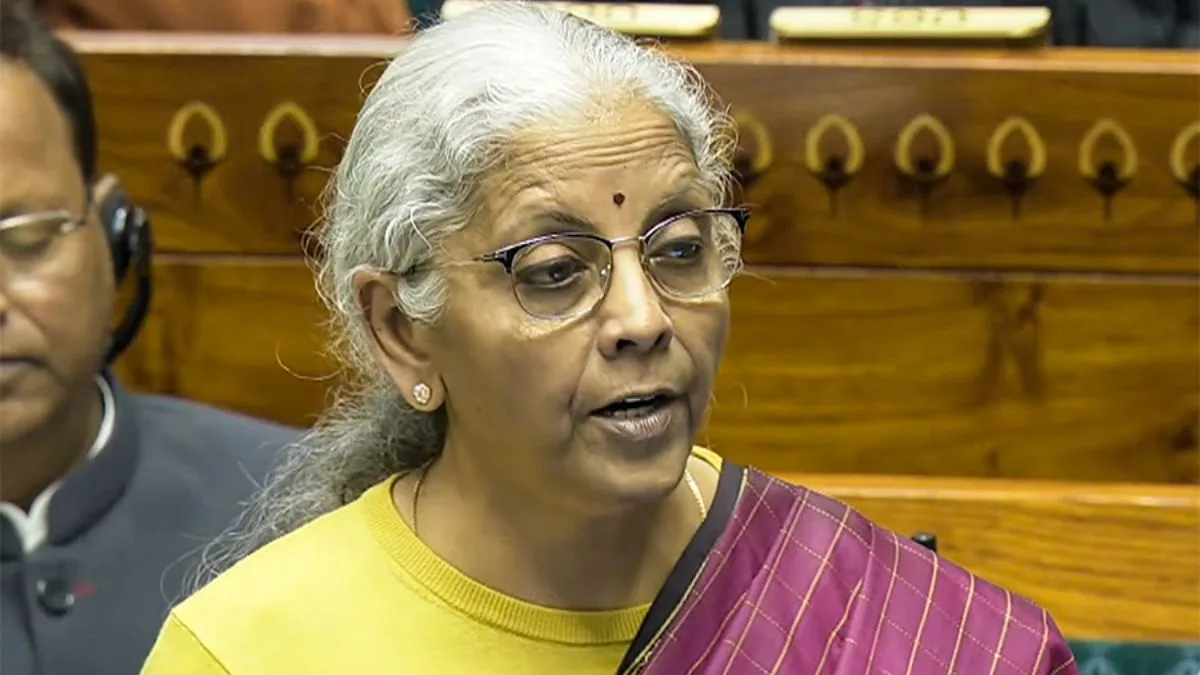
On paper, the Finance Minister has adhered to a fiscally conservative script, protected capital expenditure at a record Rs 12.2 lakh crore, and provided targeted incentives across manufacturing, biopharma, container production, textiles, and MSMEs—clearly indicating its intent to rebuild India’s industrial base amid global supply-chain realignment.

K Giriprakash | New Delhi |

Union Budget 2026 delivered a split verdict for Corporate India, offering measured tax rationalisation and incremental investment incentives while triggering one of the sharpest market corrections in recent memory.

On paper, the Finance Minister has adhered to a fiscally conservative script, protected capital expenditure at a record Rs 12.2 lakh crore, and provided targeted incentives across manufacturing, biopharma, container production, textiles, and MSMEs—clearly indicating its intent to rebuild India’s industrial base amid global supply-chain realignment.

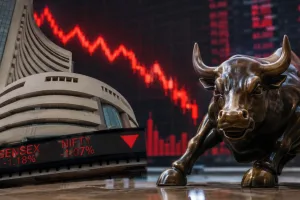
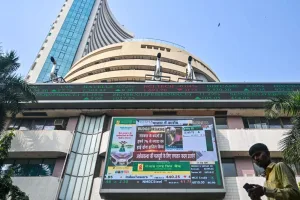
Yet the immediate market reaction told a starkly different story: a steep hike in securities transaction tax on derivatives, the second in 18 months, triggered one of the sharpest post-Budget sell-offs in recent history, wiping out nearly Rs 13 lakh crore in market value and sending brokerage stocks plummeting as much as 17 per cent.

The sell-off overshadowed a more measured rationalisation of buyback taxation and a quiet liberalisation of foreign ownership caps that, while structurally sound, are unlikely to alter near-term capital flows.

The result is a Budget that reassures on macro stability and long-term manufacturing competitiveness, but jars on market microstructure, disappoints on capital gains tax relief that investors had priced in, and offers little immediate solace to equity market participants or corporate treasurers wrestling with tighter liquidity and elevated borrowing costs in an increasingly fragmented global environment.

While industry bodies praised fiscal discipline and targeted manufacturing support, investors reacted negatively to the absence of capital gains tax relief and a steep increase in derivative trading costs—the second such hike in 18 months.

The most immediate and severe market impact came from the government’s decision to substantially increase the securities transaction tax on futures and options trading, effective April 1, 2026. The Finance Minister announced that STT on futures would jump from 0.02 per cent to 0.05 per cent—a 150 per cent increase—while STT on options premium would rise from 0.10 per cent to 0.15 per cent, and on options exercise from 0.125 per cent to 0.15 per cent.

This marked the second consecutive STT hike in 18 months. Budget 2024 had already raised futures STT from 0.0125 per cent to 0.02 per cent and options STT from 0.0625 per cent to 0.10 per cent, effective October 2024. The cumulative impact is substantial: futures STT has quadrupled since mid-2024, while options STT has more than doubled.

Post-budget briefings emphasised that the hike aims to discourage excessive retail speculation, address systemic risk concerns from high turnover and leveraged positions, and generate additional revenue for the government.

The market’s verdict was swift and brutal. Brokerage and exchange stocks, whose business models depend on trading volumes, bore the brunt of the impact. BSE Ltd crashed 13.5 per cent to an intraday low of Rs 2,517.30.

The broader market indices reflected this sentiment. The Sensex fell below 81,000, down over 1,800 points, while the Nifty slipped below 25,000—marking the worst post-budget reaction since 2020, surpassing even the pandemic-era volatility.

One notable tax change from a market perspective was the overhaul of buyback taxation. The Finance Bill 2026 restores a capital gains framework for share buybacks and introduces differential rates for promoters—a nuanced reform that addresses tax arbitrage concerns while providing meaningful relief to retail investors.

The evolution of buyback taxation reflects three distinct regulatory regimes. Prior to October 2024, companies paid a buyback distribution tax, while shareholders received the proceeds tax-free. Budget 2024 shifted this burden entirely to shareholders, treating the entire buyback amount as dividend income taxable at slab rates—potentially reaching 35 per cent for high earners. Companies were required to withhold 10 per cent TDS on payouts to resident investors (payouts above Rs 5,000) and 20 per cent on payouts to non-residents, subject to tax treaties.
Budget 2026 restores the pre-2024 capital gains treatment but with an important modification. Share buyback proceeds will now be taxed as capital gains, with effective rates of about 22 per cent for corporate promoters and 30 per cent for non-corporate promoters, while regular shareholders pay the standard 12.5 per cent long-term capital gains tax or 20 per cent short-term capital gains tax.

The new structure eliminates this double taxation by treating the difference between buyback consideration and acquisition cost as capital gains, while the additional levy on promoters addresses their distinct position and influence in corporate decision-making.

Companies also benefit under the new structure, as they no longer need to pay buyback distribution tax, making buybacks a cleaner and more efficient mechanism for returning surplus cash. This should revive buyback activity, which had slowed sharply under the dividend-based taxation framework introduced in Budget 2024.

The Finance Minister also steered clear of the long-pending request to waive capital gains tax for foreign portfolio investors, in line with global norms; that request was not approved. However, the Budget did raise equity investment limits for persons residing outside India (PROIs).

Individual caps were doubled to 10 per cent from 5 per cent, while the aggregate limit was raised to 24 per cent from 10 per cent. The reforms explicitly permit PROIs,including non-resident Indians, overseas citizens of India, and foreign nationals, to invest in equity instruments of listed Indian companies through the Reserve Bank of India’s Portfolio Investment Scheme. The changes represent a meaningful structural shift in India’s approach to foreign capital.

In effect, Budget 2026 seems to have traded short-term market pain for long-term fiscal credibility — leaving investors to absorb the shock while policymakers bet on stability over sentiment.

(The Author is a senior business journalist. Views are personal)

Grammy Awards 2026 full list of winners: Album, record, song of the year and more

Check out the full list of winners from the 2026 Grammy Awards, including Album, Record and Song of the Year, plus key historic moments.

Statesman News Service | New Delhi |

Grammy Awards (Grammys) 2026 Full List of Winners: The 68th Annual Grammy Awards took place on February 1, 2026, at the Crypto.com Arena in Los Angeles, celebrating excellence across music genres and recognising standout recordings, performances and artists from the eligibility period of August 31, 2024, to August 30, 2025.

Also Read: Grammys 2026: All celebs who spoke out against ICE and supported immigrant rights


View this post on Instagram


A post shared by GRAMMYS (@grammys)

The event was hosted by comedian Trevor Noah for his sixth and final time, bringing energy and commentary to a star-studded evening of performances and awards.


View this post on Instagram


A post shared by GRAMMYS (@grammys)

Historic Album of the Year and top-tier wins

The night’s most prestigious trophy, Album of the Year, was awarded to Bad Bunny for Debí Tirar Más Fotos, a milestone moment as the first fully Spanish-language album to win this category at the Grammys. The win underscores the global reach and impact of Latin music.


View this post on Instagram


A post shared by GRAMMYS (@grammys)

Other major honours

Record of the Year: luther by Kendrick Lamar & SZA

Song of the Year: Wildflower by Billie Eilish & Finneas O’Connell

Best New Artist: Olivia Dean

Best Pop Vocal Album: Mayhem by Lady Gaga

Category-Wise Winners

Album of the Year: Debí Tirar Más Fotos — Bad Bunny

Record of the Year: luther — Kendrick Lamar & SZA

Song of the Year: Wildflower — Billie Eilish

Best New Artist: Olivia Dean

Pop Categories

Best Pop Vocal Album: Mayhem — Lady Gaga

Best Pop Solo Performance: Messy — Lola Young

Best Pop Duo/Group Performance: Defying Gravity — Cynthia Erivo & Ariana Grande

Rap, R&B & Urban

Best Rap Album: GNX — Kendrick Lamar

Best R&B Song: Folded — Kehlani

Best Música Urbana Album: Debí Tirar Más Fotos — Bad Bunny

Alternative & Global

Best Dance/Electronic Album: Eusexua — FKA twigs

Best Alternative Music Performance: Songs of a Lost World — The Cure

Best Global Music Performance: EoO — Bad Bunny

Special Achievement

Best Music Film & EGOT Milestone: Music by John Williams — Steven Spielberg

Genre-by-genre winners

The 2026 Grammys spanned a wide array of categories, rewarding excellence from rock to R&B and beyond:

Rap & Hip Hop

Best Rap Album: GNX — Kendrick Lamar

Best Melodic Rap Performance: luther — Kendrick Lamar with SZA

Pop & Dance

Best Pop Solo Performance: Messy — Lola Young

Best Pop Duo/Group Performance: Defying Gravity — Cynthia Erivo & Ariana Grande

Alternative & Electronic

Best Dance/Electronic Album: Eusexua — FKA twigs

Best Alternative Music Album: Songs of a Lost World — The Cure

R&B & Reggae

Best R&B Album: Mutt — Leon Thomas

Best Reggae Album: Keznamdi

Noteworthy achievements and historic moments

The 2026 Grammy Awards also saw some remarkable accomplishments. Bad Bunny made history with his Album of the Year win, showcasing the increasing influence of non-English music in mainstream categories.

Filmmaker Steven Spielberg achieved EGOT status (Emmy, Grammy, Oscar and Tony) by winning the Grammy for Best Music Film as a producer of Music by John Williams, placing him in a rare and elite group of multi-award winners.

Behind the winners

The 2026 ceremony recognised music released in the year leading up to the awards, with artists from around the world vying for top honours.

Notable nominees who turned their moment into a win included Lady Gaga, who secured multiple trophies for Mayhem and Abracadabra, while Kendrick Lamar solidified his reputation with wins in rap and general categories.

Impact and global trends

The presence of winners in diverse genres from Latin to pop, rap to alternative, highlights the Grammys’ expanding acknowledgement of music’s global evolution. Artists across continents were honoured, reflecting how streaming and cross-cultural collaborations continue to shape the modern music landscape.

Where to Watch the Grammy Awards 2026 in India and how it was broadcast

The ceremony was broadcast live from Los Angeles on CBS and streamed on Paramount+. Indian viewers can watch the Grammy Awards 2026 via Paramount+ on Amazon Prime Video Channels, where the ceremony is available on demand. Highlights, winner announcements, and performances can also be streamed on the Grammys’ official YouTube channel and social media platforms.


View this post on Instagram


A post shared by GRAMMYS (@grammys)

Also Read: Dalai Lama wins first Grammy, exiled Tibetan community in Dharamshala celebrates 

Formulate a modern seed policy to increase per-hectare productivity: UP CM

”As landholdings are continuously shrinking, the focus should not be only on acreage but on increasing ‘per-hectare productivity,'” he pointed out.

Statesman News Service | Lucknow |

Uttar Pradesh Chief Minister Yogi Adityanath Monday said the real strength of agricultural production lies in high-quality, reliable and certified seed and stressed that a new and modern ‘Seed Policy’ is the need of the hour for the state.

”As landholdings are continuously shrinking, the focus should not be only on acreage but on increasing ‘per-hectare productivity,'” he pointed out.

CM Adityanath directed that a seed policy be formulated with priority on the development of high-yielding, disease-resistant, and climate-resilient varieties capable of addressing the agricultural challenges in the coming years.

Discussing the seed policy, the Chief Minister stressed the need to prepare a concrete roadmap for the next five years to take the state’s seed production capacity, quality and availability to a new level. He said, “Maximum use of modern technology is essential across the entire process of seed production, processing and storage, so that there is no shortage of certified seed and farmers are empowered.”

To ensure a reliable seed supply, the Chief Minister directed that ‘end-to-end traceability’ of every seed be made mandatory. He made it clear that no laxity would be tolerated with regard to adulterated or substandard seed. Every seed packet reaching farmers must be certified, tested and fully compliant with prescribed standards.

He emphasised the need to bring agricultural universities, Indian Council of Agricultural Research (ICAR) institutions, Uttar Pradesh Council of Agricultural Research (UPCAR) and the private seed industry onto a common platform to accelerate seed research, innovation and the variety-release process.

To promote crop diversification, the Chief Minister called for a special strategy to ensure the availability of high-quality seed for pulses, oilseeds, maize, pearl millet, sorghum and horticultural crops. In this context, he directed that work be expedited to establish at least ‘Five Seed Parks’ in the state over the next five years. These Seed Parks will be integrated complexes equipped with facilities for production, processing, quality testing, and storage.

The Chief Minister instructed, “All Krishi Vigyan Kendras (KVK) in the state be directly linked with seed development programmes to establish strong coordination between research, training and the dissemination of technology at the field level.”

He further directed that, in line with the state’s nine climatic zones, one KVK in each zone be developed as a ‘Centre of Excellence’ to generate high-quality seed and technical solutions for region-specific crops. He also emphasised involving progressive farmers in seed development programmes to ensure effective integration of local experience with modern technology.

The Chief Minister also stressed enhancing energy efficiency in agriculture. He directed that maximum tubewells be connected with solarisation, reducing irrigation costs for farmers and increasing the use of clean energy in agriculture. Along with this, he instructed that solar panel manufacturing units within the state be given priority, stating that promoting local manufacturing will strengthen employment, investment, and agricultural infrastructure.

‘Political manoeuvring, agenda’ behind Sunetra Pawar’s appointment, claims Shiv Sena (UBT)

. The editorial also claimed the decision was part of a broader agenda to prevent a merger between the two factions of the Nationalist Congress Party (NCP) and to ensure political continuity under the current power structure.

Statesman News Service | New Delhi |

Trinamool Congress (TMC) chief and West Bengal Chief Minister Mamata Banerjee was the first to raise doubts over the death of Maharashtra Deputy Chief Minister Ajit Pawar in a plane crash in Baramati; others are now echoing similar concerns.

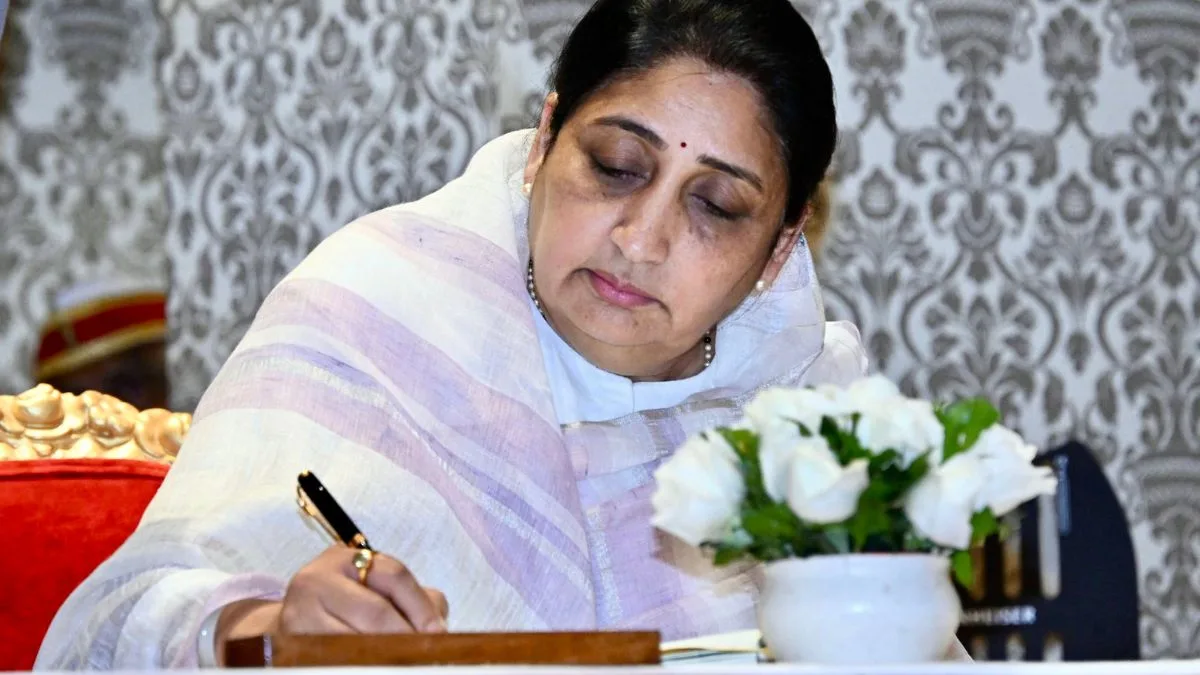
The Shiv Sena (UBT) mouthpiece Saamana on Monday described the appointment of Ajit Pawar’s wife, Sunetra Pawar, as Deputy Chief Minister as a “political manoeuvre” allegedly driven by Union Home Minister Amit Shah and Maharashtra Deputy Chief Minister Devendra Fadnavis. The editorial also claimed the decision was part of a broader agenda to prevent a merger between the two factions of the Nationalist Congress Party (NCP) and to ensure political continuity under the current power structure.

Suggesting the possibility of “foul play”, Banerjee too had alleged that Ajit Pawar was planning to leave the BJP-led alliance and rejoin the NCP faction led by his uncle, Sharad Pawar. The Saamana editorial, which termed Sunetra Pawar’s appointment “hasty” and a “second shock” for Maharashtra, argued that while the state had gained its first woman Deputy Chief Minister, the post was not achieved through “individual administrative merit” but through “political manoeuvres”.

Even before the ashes of Ajit Pawar’s funeral pyre had cooled, Sunetra Pawar was sworn in, it said, raising questions across the state about who orchestrated the move.

Shiv Sena (UBT) MP Sanjay Raut added what he described as the “suspicious” circumstances surrounding Ajit Pawar’s death. Speaking in Delhi, Raut called for a thorough investigation into the plane crash. He claimed that Ajit Pawar had recently expressed a desire to “return home” and reunite the two NCP factions, and subsequently threatened with the reopening of files related to the irrigation scam, also known as the “Sinchan Ghotala”. Ajit Pawar died within ten days of these developments, Raut said, adding that “something happened behind the curtains”.

Raut also claimed that Ajit Pawar had initiated talks with NCP founder Sharad Pawar to reunify the party—a move “opposed by political forces that would have been sidelined by such reconciliation.”

Notably, NCP (SP) chief Sharad Pawar had also stated that he was neither consulted nor informed about the decision to appoint Sunetra Pawar. The buzz also is that Sunetra Pawar’s swift appointment was intended to pre-empt speculation over NCP leadership and stall any momentum towards a merger. Political observers note that both the NCP and the BJP may have pushed for a rapid appointment to contain potential fallout following Ajit Pawar’s death and to assert control before renewed merger talks between the two NCP factions could gather pace.