Logo

SC adjourns ED plea over alleged obstruction during I-PAC raid

A Bench comprising Justice Prashant Kumar Mishra and Justice Vipul M. Pancholi deferred the matter after Solicitor General Tushar Mehta, appearing for the ED, sought time to respond to the counter-affidavit filed by the State of West Bengal earlier in the day.

Statesman News Service | New Delhi |

The Supreme Court on Tuesday adjourned till 10 February the hearing on a plea filed by the Enforcement Directorate (ED) accusing the West Bengal government, Chief Minister Mamata Banerjee, former Director General of Police (DGP) Rajeev Kumar and other officials of obstructing the agency’s search operations at the office of political consultancy firm Indian Political Action Committee (I-PAC) in Kolkata.

A Bench comprising Justice Prashant Kumar Mishra and Justice Vipul M. Pancholi deferred the matter after Solicitor General Tushar Mehta, appearing for the ED, sought time to respond to the counter-affidavit filed by the State of West Bengal earlier in the day.

Mehta submitted that the ED had received the state’s response only on Tuesday and required time to examine it and file a rejoinder. Accepting the request, the Bench listed the matter for further hearing on 10 February.

The ED’s petition arises from searches conducted on 8 January at the I-PAC office and at the residence of its co-founder, Pratik Jain, in connection with the coal scam money-laundering probe.

The agency alleged that its officials were obstructed during the operation and that the Chief Minister, accompanied by senior party leaders, reached the premises and confronted ED officers.

The ED further alleged that certain files were taken away during the raid, which, according to it, impeded the investigation and had an intimidating effect on its officers.

Bridge in Lake Town to ease traffic movement

Garden Reach Shipbuilders and Engineers (GRSE) has set up a double lane modular steel bridge to reduce traffic congestion in areas surrounding Lake Town and VIP Road.

Statesman News Service | Kolkata |

Garden Reach Shipbuilders and Engineers (GRSE) has set up a double lane modular steel bridge to reduce traffic congestion in areas surrounding Lake Town and VIP Road.

The bridge has been constructed for the Kolkata Metropolitan Development Authority (KMDA). The bridge has been constructed within a record span of seven days.

The bridge has a carriageway, which is 7.5 metres wide. This bridge is double the width of an earlier bailey bridge launched by GRSE across Kestopur canal. The galvanised surface finish ensures easier maintenance and longer service life with a load capacity of facilitating vehicular loads up to 100 MT.

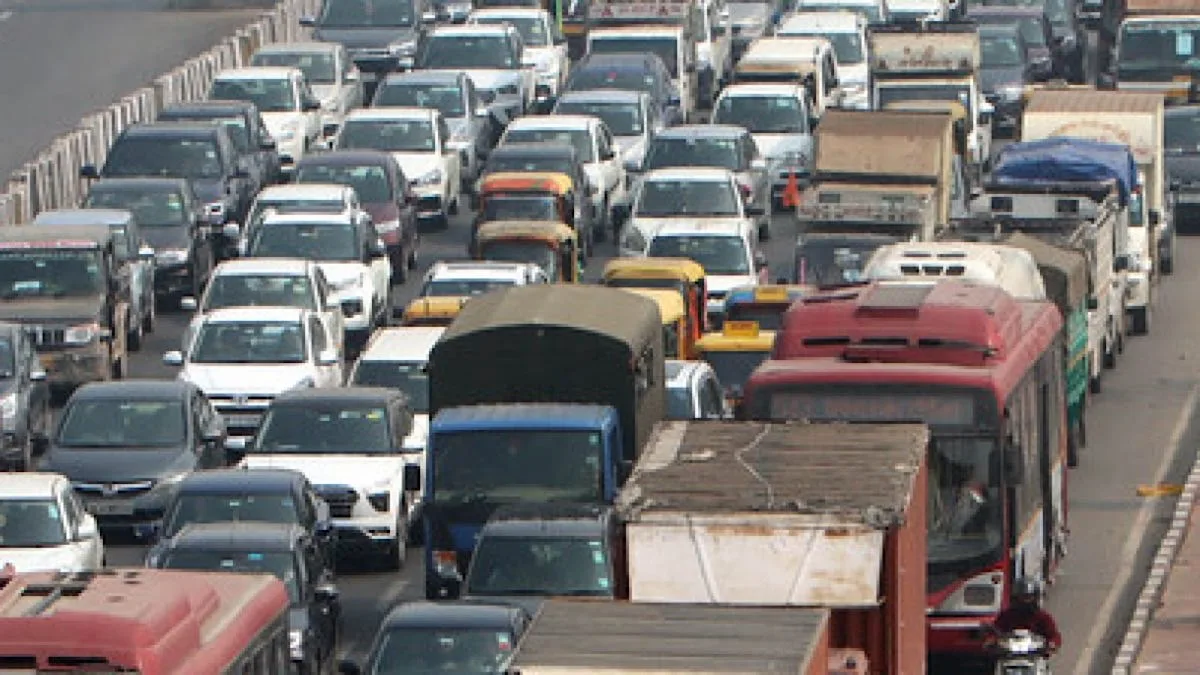
Traffic in areas surrounding Lake Town and VIP Road has become a major problem in the morning and evening office peak hours. A team of GRSE engineers and task force made the design of the bridge and executed the work.

Senior police officers of the traffic department said this will help ease traffic congestion and reduce the harassment of airport-bound traffic.

US Trade Representative echoes Piyush Goyal on agriculture safeguards, claims India cut tariffs on industrial goods to zero

Greer also claimed that India has agreed to eliminate tariffs on industrial goods under the trade agreement with the United States, cutting average levies to zero from the current 13.5 per cent.

Statesman News Service | New Delhi |

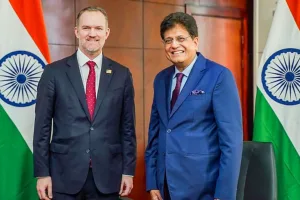
US Trade Representative Jamieson Greer on Tuesday echoed Union Minister Piyush Goyal, noting that New Delhi will maintain certain protections in the agricultural sector.

Greer claimed that India has agreed to eliminate tariffs on industrial goods under the trade agreement with the United States, cutting average levies to zero from the current 13.5 per cent.

Speaking to CNBC news, the US Trade Representative stated that the removal of non-tariff barriers forms a key portion of the deal announced by US President Donald Trump.

He, however, asserted that the US would continue to work on access to certain protected areas of India’s agriculture sector.

Providing further details about the deal, he said that India’s tariffs on a variety of things like wine, spirits, tree nuts, vegetables, and fruits “are going down to zero.”

Earlier in the day, Union Commerce and Industry Minister Piyush Goyal said that the trade deal signed under the leadership of Prime Minister Narendra Modi, will “enhance the future of a strong India”.

He claimed that PM Modi used his “friendship” with Trump to get a deal that every Indian can be proud of.

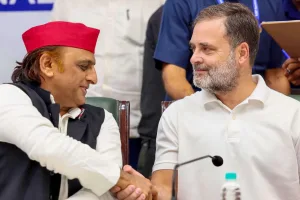
Rahul accuses PM of blocking debate over ‘pressure points’, flags Epstein files, Adani case, US trade deal

While Goyal didn’t share specific details, he assured that the interests of agriculture and dairy sectors were safeguarded.

“PM Modi has always championed both the agriculture and dairy sectors, safeguarding their interests and working tirelessly to ensure a bright future and ample opportunities for the people in these sectors…The sensitive factors of India’s economy, particularly agriculture and dairy, have been protected,” he claimed.

He further asserted that the trade deal will give numerous opportunities to the MEMEs, the manufacturing and textile sectors.

“I believe that through this deal, our MSMEs, our engineering sector, all the players in our engineering sector—whether they manufacture auto components, electrical parts, or work on selling various types of engineering goods in America, or plan to do so in the future—our textile sector, our gems and jewelry sector, our leather goods sector, our marine goods sector, will all get numerous opportunities through this deal…,” the minister added.

Under the deal, US will reduce reciprocal tariffs from 25 per cent to 18 per cent and eliminate the additional 25 per cent duty on Russian oil imports into India.

According to US President Donald Trump, who announced the deal, PM Modi has agreed to stop buying Russian oil. India, Trump said, has also agreed to increase imports from the US by USD 500 billion, covering sectors like energy, technology, agriculture, and defence.

Both countries are also likely to issue a joint statement on the agreement soon.

Initiative to generate awareness on thalassemia, cervical cancer

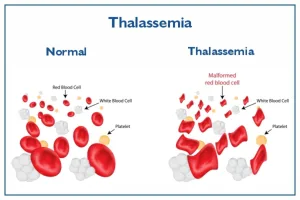
The BDM International Alumni Association, in collaboration with the Rotary Club of Calcutta Endeavour, organised WALKATHON 2026, a large-scale community initiative dedicated to thalassemia and cervical cancer awareness.

Statesman News Service | Kolkata |

The BDM International Alumni Association, in collaboration with the Rotary Club of Calcutta Endeavour, organised WALKATHON 2026, a large-scale community initiative dedicated to thalassemia and cervical cancer awareness.

The walkathon commenced at Ruby General Hospital and concluded at Hiland Park mall, drawing enthusiastic participation from over 400 alumni, educators, healthcare professionals, students, parents, Rotarians, and citizens united by a shared commitment to preventive healthcare and social responsibility.

The programme formally opened with an inspiring address by Madhumita Sengupta, Principal of BDM International, underscoring the role of educational institutions in nurturing socially conscious and responsible citizens.

The event was graced by Dr Ramendu Homchaudhuri, District Governor, RID 3291, as the Chief Guest. In his address, he highlighted Rotary’s sustained commitment to community health, awareness, and preventive action. Medical perspectives were shared by Dr Kunal K Dutta, CMD, Ruby General Hospital, and Dr Partha Mukherjee, head of the department of cancer, Ruby General Hospital.

Air India Boeing 787 to undergo fuel control module replacement; component sent to OEM: Sources

According to a source-based information, the affected Fuel Control Switch module will be sent to the original equipment manufacturer (OEM) for detailed inspection and further checks.

ANI | New Delhi |

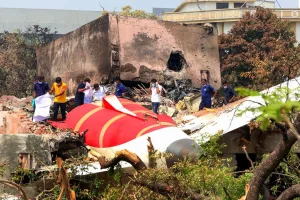
Air India will replace a specific component on one of its Boeing 787 aircraft after an issue was identified with the part, sources said on Tuesday.

According to a source-based information, the affected Fuel Control Switch module will be sent to the original equipment manufacturer (OEM) for detailed inspection and further checks. The component is not currently installed on the aircraft and will be changed as part of the standard corrective process, the sources added.

Sources further stated that the total certified life of the component is 20,000 flight hours. However, the module in question has logged only 3,440 hours so far, accounting for less than 20 per cent of its total life.

The development follows the grounding of an Air India Boeing 787 Dreamliner on Monday after a pilot reported a possible defect in the fuel control switch.

An Air India spokesperson said that one of its pilots had reported a potential issue with the fuel control switch of a Boeing 787-8 aircraft and that the matter has been communicated to the Directorate General of Civil Aviation (DGCA), India’s aviation regulator.

The spokesperson said the airline is engaging the Original Equipment Manufacturer (OEM) to prioritise addressing the pilot’s concerns.
“We are aware that one of our pilots has reported a possible defect on the fuel control switch of a Boeing 787-8 aircraft. After receiving this initial information, we have grounded the said aircraft and are involving the OEM to get the pilot’s concerns checked on a priority basis. The matter has been communicated to the aviation regulator, DGCA. Air India had checked the fuel control switches on all Boeing 787 aircraft in its fleet after a directive from the DGCA, and had found no issues. At Air India, the safety of our passengers and crew remains top priority,” the spokesperson said.

Krishnagar gets infra push with 20 roads under Pathashree-IV

It also launched two new Urban Health and Wellness Centres, signalling a renewed phase of planned urban renewal in the historic town.

Statesman News Service | Kolkata |

In a major push to upgrade civic infrastructure and urban healthcare, the Krishnagar Municipality on Tuesday formally launched construction on 20 roads at a total cost of Rs 4.17 crore under the state-funded Pathashree-IV scheme, marking one of the largest single-phase road infrastructure initiatives undertaken in the town in recent years.

It also launched two new Urban Health and Wellness Centres, signalling a renewed phase of planned urban renewal in the historic town.

The inauguration was attended by minister Ujjal Biswas, district magistrate Aneesh Dasgupta, municipal administrator and SDO Sharadwati Chowdhury, senior officials of the Municipal Engineering Directorate (MED), and other civic functionaries, besides local residents.

Speaking at the event, district magistrate Aneesh Dasgupta said the Pathashree roads were being implemented entirely with state government funds, underscoring the administration’s commitment to improving last-mile connectivity in municipal areas.

“Out of 27 sanctioned roads for Krishnagar Municipality, work on three has already begun earlier. Today, we are initiating construction of 20 more roads under the Pathashree project,” he said, adding that the projects would be completed in a time-bound manner so that residents could benefit at the earliest.

The district magistrate also announced that sanction for two Urban Health and Wellness Centres had been received and that their construction work was being formally initiated from the same platform. The new centres will come up at Ward No. 1 (Yogiraj Shyamacharan Lahiri Urban Health Centre) and Ward No. 24 (Dishari Urban Health Centre), strengthening primary healthcare access in densely populated neighbourhoods.

Minister Ujjal Biswas said Krishnagar was witnessing a visible transformation driven by coordinated administrative efforts and sustained government investment.

Municipal administrator and SDO Sharadwati Chowdhury provided a detailed project briefing, stating that the MED was the implementing agency for all the Pathashree-IV works, with execution under close technical supervision.

She announced that the total project cost for the 20 roads stands at Rs 4.17 crore, covering blacktop and cement concrete roads across 15 municipal wards.

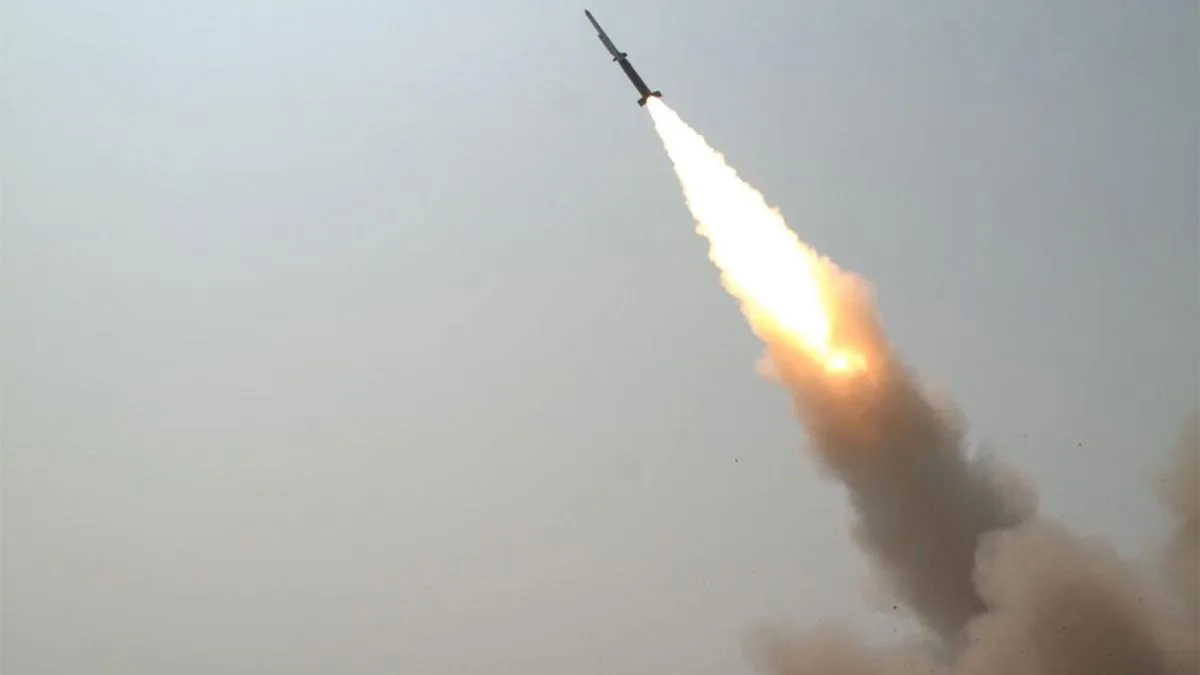
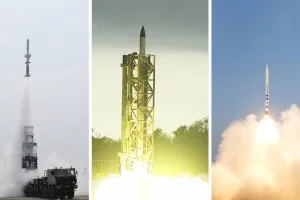
DRDO tests solid fuel ducted Ramjet, paving way for long-range air-to-air missiles

The demonstration places India in an elite league of nations possessing this technology that enables developing long-range air-to-air missiles to give a tactical edge over the adversaries.

UNI | New Delhi |

The Defence Research & Development Organisation (DRDO) carried out a successful demonstration of Solid Fuel Ducted Ramjet (SFDR) technology from the Integrated Test Range (ITR), Chandipur off the coast of Odisha, today.

The demonstration places India in an elite league of nations possessing this technology that enables developing long-range air-to-air missiles to give a tactical edge over the adversaries.

In a statement issued here, the Ministry of Defence stated that all the subsystems, including Nozzle-less Booster, Solid Fuel Ducted Ramjet motor and Fuel Flow Controller, performed as per expectations after being initially propelled by a ground booster motor to the desired Mach Number.

The performance of the system was confirmed by the flight data captured by several tracking instruments deployed by ITR, Chandipur, along the coast of the Bay of Bengal. The launch was monitored by senior scientists from various laboratories of DRDO, including Defence Research & Development Laboratory, High Energy Materials Research Laboratory, Research Centre Imarat and ITR.

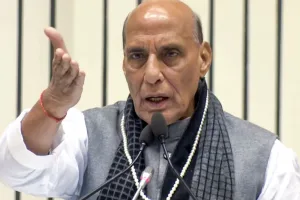
Defence Minister Rajnath Singh complimented DRDO and Industry on the successful demonstration of SFDR technology. Secretary, Department of Defence R&D & Chairman DRDO, Dr Samir V Kamat, congratulated all the teams involved in the successful flight test.

Earlier, on January 11, DRDO’s Defence Research & Development Laboratory, Hyderabad, successfully flight-tested the Third Generation Fire & Forget Man Portable Anti-Tank Guided Missile (MPATGM) with top attack capability against a moving target in KK Ranges, Ahilya Nagar, Maharashtra. The indigenously developed MPATGM consists of state-of-the-art indigenous technologies like Imaging Infrared (IIR) Homing Seeker, all electric Control Actuation System, Fire Control System, Tandem Warhead, propulsion system and high performance sighting system, which are developed by DRDO’s sister laboratories namely Research Centre Imarat, Hyderabad, Terminal Ballistics Research Laboratory, Chandigarh, High Energy Materials Research Laboratory, Pune and Instruments Research & Development Establishment, Dehradun.

The DRDO also successfully conducted a long-duration ground test of an actively cooled, full-scale scramjet engine on January 10. The test, held at the Scramjet Connect Pipe Test (SCPT) facility of the Defence Research & Development Laboratory (DRDL) in Hyderabad, achieved a runtime of over 12 minutes.

Ruckus in Rajasthan Assembly over Rahul Gandhi’s remarks, House adjourned twice

The trouble erupted in the House when Sri Chand Kriplani (BJP), in debate on Vote of Thanks to the Governor for his inaugural speech, made comments against the LoP Gandhi for the latter’s references based on an unpublished book.

Statesman News Service | Jaipur |

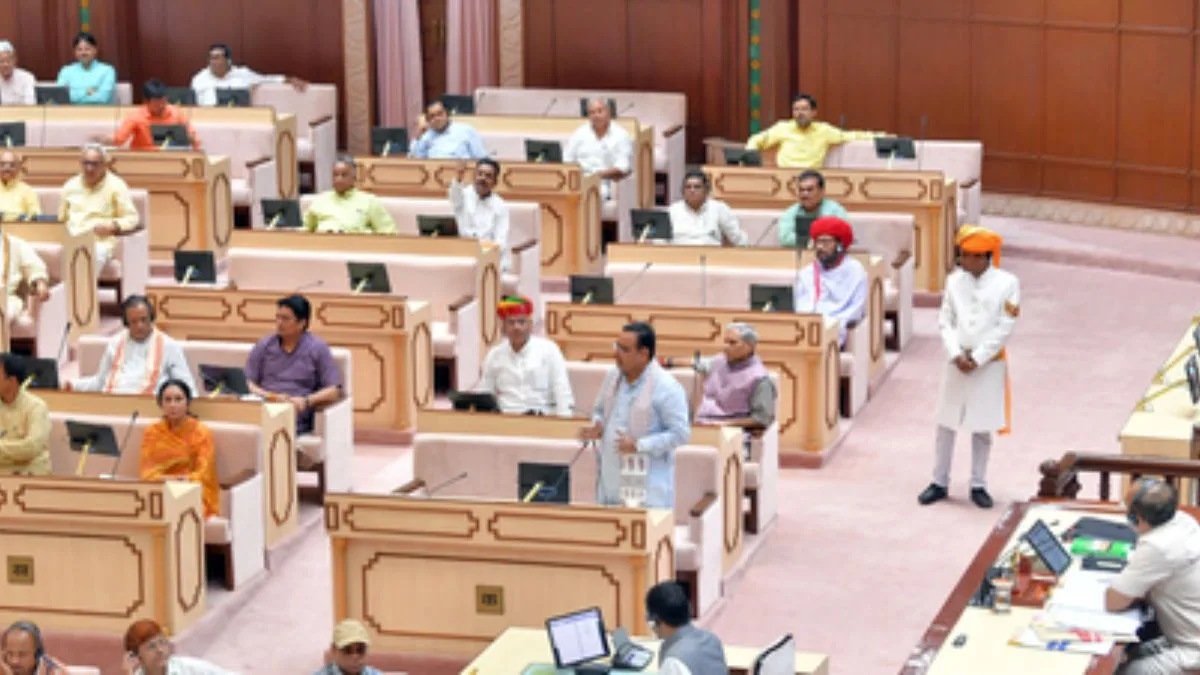
The standoff between the Treasury Benches and the Opposition in the Lok Sabha over LoP Rahul Gandhi’s stance also echoed in the Rajasthan assembly on Tuesday as heated exchanges between the rival blocks forced two adjournments in a row.

The trouble erupted in the House when Sri Chand Kriplani (BJP), in debate on Vote of Thanks to the Governor for his inaugural speech, made comments against the LoP Gandhi for the latter’s references based on an unpublished book.

Amid uproar in the House, LoP Rajasthan Tikaram Jully rose to raise a strong rebuttal on Kriplani. Jully said, “The member can not make a reference against one who is not a member of this house (assembly)”.

However, Kriplani and others of his ruling BJP colleagues did not relent, saying the Congress members also took the approach on previous occasions repeatedly against leaders like Amit Shah.

Kriplani added, “Gandhi did not stop even after repeated rulings by the Chair. The Congress leaders should properly counsel their LoP.”

Jully and the Congress members were also unrelenting and were demanding the expunging of Kriplani’s references against Gandhi’s stance.

The Chairperson, Phool Singh Meena, expunged the remarks against Gandhi. However, heated exchanges between the Treasury and the Congress members continued. Cabinet Minister Avinash Gehlot joined the row and remarked that Rahul Gandhi was not capable of being the LoP. Tika Ram Jully was equally satirical and said, “Rahul Gandhi is the national leader, the BJP and its leaders have no courage to listen to him”.

In this manner, verbal spats between the rival sides forced the Chair to adjourn the. House for 15 minutes.

On reassembly, pandemonium reappeared in the House, forcing the Chair to order another 15-minute adjournment.

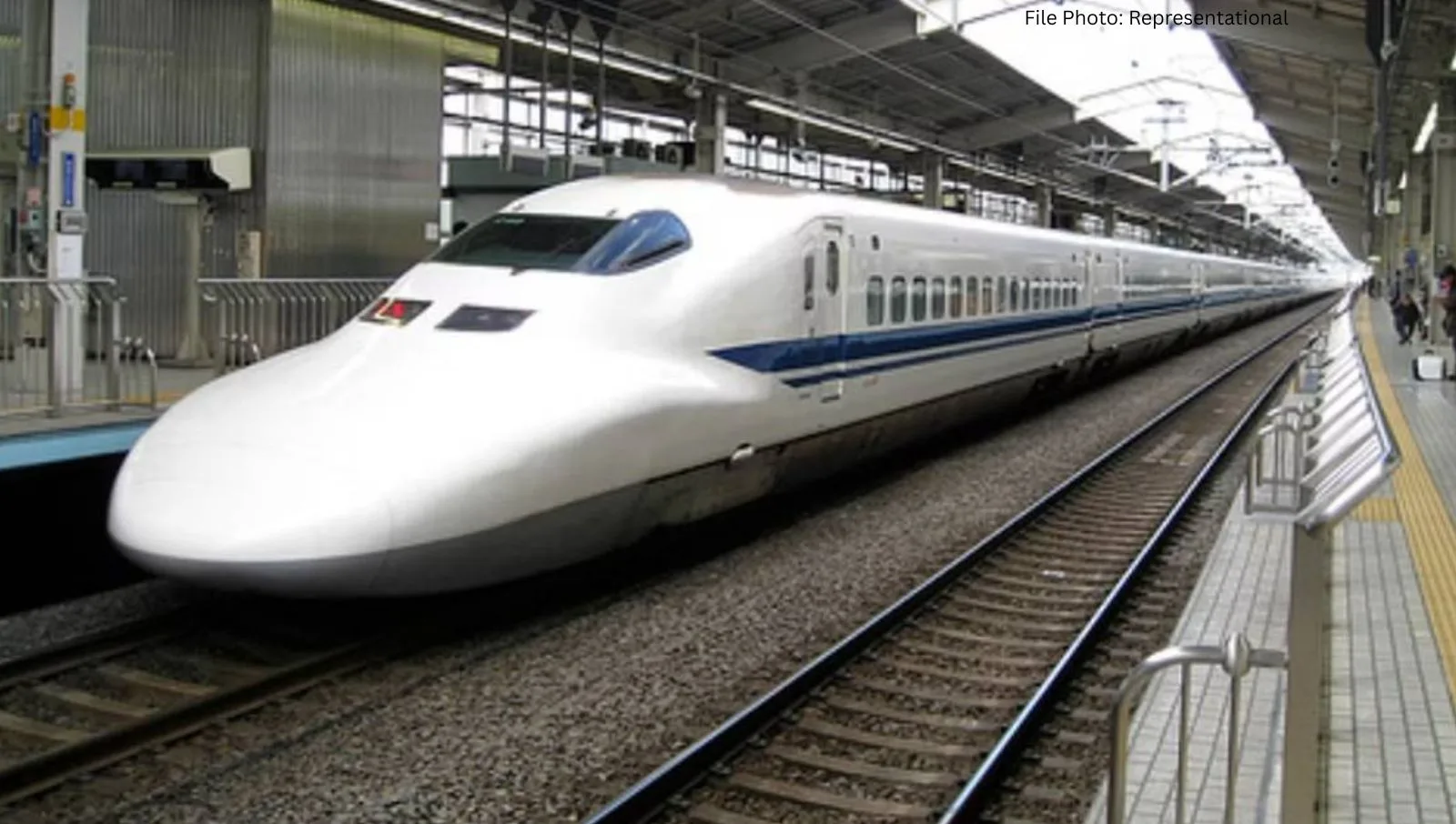
Bullet Train from Siliguri puts ‘Chicken’s Neck’ connectivity on centre stage

Following railway minister Ashwini Vaishnaw’s announcement of a proposed Bullet Train service originating from Siliguri, public excitement has been palpable across north Bengal, particularly in the run-up to the forthcoming West Bengal Assembly elections.

Statesman News Service | Kolkata |

Following railway minister Ashwini Vaishnaw’s announcement of a proposed Bullet Train service originating from Siliguri, public excitement has been palpable across north Bengal, particularly in the run-up to the forthcoming West Bengal Assembly elections.

Addressing the development, Vaishnaw stated: “Congratulations to West Bengal, because Siliguri will be getting the first Bullet Train, which will run from Siliguri to Varanasi via Patna.” The announcement has been widely welcomed, with many residents expressing gratitude for what they see as a renewed focus on railway infrastructure in the state.

In the Union Budget for the financial year 2026-27, the Centre has allocated Rs 14,205 crore for railway projects in West Bengal ~ a significant increase that many view as a major step towards transforming rail connectivity in the region. However, a section of the public has also voiced concerns, citing the alleged slow progress of the Mumbai-Ahmedabad Bullet Train project.

Despite criticism from anti-BJP political groups, enthusiasm among the general public remains strong, particularly in north Bengal, where improved connectivity is seen as a potential economic game changer.

According to the railway minister, the Siliguri-Varanasi Bullet Train corridor will eventually be extended to Delhi, with future plans to connect Guwahati and other parts of the northeast. He also highlighted proposed new rail links from Banarhat in the Dooars to Samtse, Kokrajhar in Assam, and Gelephu in Bhutan. Special emphasis has been placed on the introduction of AI-based intrusion detection systems and cameras to protect elephants and conserve wildlife in North Bengal and the northeast.

Vaishnaw further informed that a total of Rs 11,486 crore has been allocated for Assam and the northeast, while ongoing railway projects in the region amount to Rs 72,468 crore. Surveys for additional new projects are currently underway.

Expressing gratitude on behalf of the people of northern north Bengal, Darjeeling MP Raju Bista thanked Prime Minister Narendra Modi and railway minister Ashwini Vaishnaw for prioritising railway development in the state.

“The game-changing Siliguri-Varanasi Bullet Train via Patna is set to supercharge North Bengal’s economy. This line will further connect to Delhi and, in the future, to Guwahati and the northeast,” Bista said.

He also pointed out that the proposed 40-km underground rail corridor through the Siliguri Corridor would strengthen India’s strategic ‘Chicken’s Neck’ link to the northeast. “Upgrading this stretch to four-line tracks will significantly boost rail connectivity in this strategically critical region,” he added.

Bista further noted that these initiatives would enhance cross-border connectivity and transportation between India and neighbouring countries.

Concluding his remarks, Bista said: “Thanks to Prime Minister Modi’s visionary leadership, the Darjeeling hills, Siliguri, the Terai, Dooars and the entire north Bengal region are now at the forefront of the central government’s developmental priorities.”

Youth stabs quack to death in busy Burdwan area after grandmother’s death

Sensation gripped a crowded market place in Burdwan town this morning after a youth, in an act of vengeance after his grandmother’s death, slaughtered a quack physician and then surrendered at the police station.

Statesman News Service | New Delhi |

Sensation gripped a crowded market place in Burdwan town this morning after a youth, in an act of vengeance after his grandmother’s death, slaughtered a quack physician and then surrendered at the police station.

Raja Bhowmik (45), the murdered quack, was a resident of Baburbagh locality close to the Burdwan University campus. He used to attend his patients at his chamber in crowded Badamtala area, where he was attacked by Jibon Ruidas, a youth from Amrha village in Shaktigarh Police Station area.

Jibon’s grandmother had been suffering from multiple aging difficulties and was a regular patient of Bhowmik. After she died on 31 December, Jibon grew a grudge against Bhowmik on the reasoning that the quack was responsible for his grandmother’s death.

According to the police, Jibon suddenly barged into Bhowmik’s chamber and attacked him with a dagger, stabbing the unprepared quack several times while he was attending a patient. Bhowmik’s head, throat and shoulder suffered grave wounds, killing him instantly, police sources said.

The ‘killer’ youth withdrew from the chamber immediately and made no delay in reaching the Burdwan Police Station soon after, the blood-coverede dagger still in hand. He surrendered the weapon and himself to the police, confessing to the murder.

The police recovered the quack’s body from his chamber and have sent it for post mortem

Microscopic life: From chaos to classification

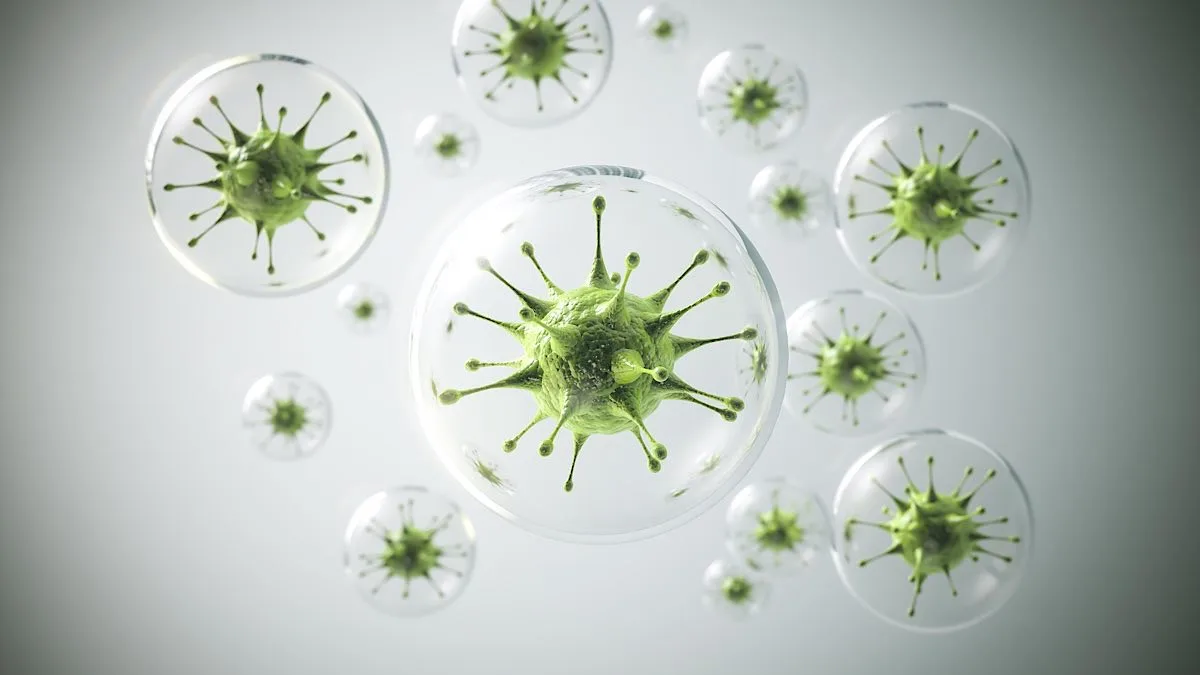
Micro-organisms constitute a very antique group of living organisms which appeared on the Earth’s surface almost 3000 million years ago.

Tapan Kumar Maitra | Kolkata | Updated :

Micro-organisms constitute a very antique group of living organisms which appeared on the Earth’s surface almost 3000 million years ago. The questions arising from the study of the origin and evolution of microorganisms are extremely complex. Some scientists assumed that microbes were the first living organisms on Earth. Others maintained that non-cellular forms of living matter (photobionts, protobionts, etc.) appeared prior to the microbes. It is now generally believed that organisms evolved along the following lines: viruses containing RNA, viruses containing DNA, mycoplasmas, chlamydias, rickettsiae, bacteria, blue-green algae, lower and higher fungi, plants, and animals.

Medical microbiology is mainly concerned with the study of pathogenic bacteria, actinomycetes, spirochaetes, rickettsiae, viruses, fungi, and common protozoa, all grouped under the name of microbes or micro-organisms.

The great majority of microbes are invisible to the naked eye. They comprise multicellular organisms (the blue-green algae, some fungi and chlamydobacteria, possibly some corynebacteria, mycobacteria, cocci), unicellular organisms (bacteria, actinomycetes, spirochaetes, and protozoa), and non-cellular organisms (viruses).

The great Swedish naturalist C. Linnaeus, who had never used a microscope, was unable to identify the numerous and diverse forms in the minute world of micro-organisms, and classified all the microbes into one genus, which he originally named Chaos.

The first attempts to classify microorganisms were based solely on morphological properties. The Danish naturalist O. Miiller (1786) subdivided the bacteria into two genera, Monas and Vibrio.

In 1827, the Russian zoologist A. Lovetsky, while studying different organisms, identified three genera of microbes: Bacillus, Vibrio, and Proteus, and described a number of other bacteria.

In 1838, the German scientist C. Ehrenberg subdivided the micro-organisms into bacteria, vibrios, spirilla, and spirochaetes.

The German botanist F. Cohn in 1854 classified all bacteria as plants.

In 1871, he contributed to the knowledge of microbe taxonomy by adding the genera: micrococci, bacteria, bacilli, vibrios, spirilla, and spirochaetes.

In 1856, L. Tsenkovsky, the father of Russian microbiology, pointed out the similarity between bacteria and blue-green algae, and thus scientifically based the classification of micro-organisms with respect to their evolution

The German botanist C. Nageli in 1857 combined all bacteria into a special group of plant micro-organisms – the class Schizomycetes.

Investigations during the morphological period of the development of microbiology were dominated by a descriptive approach, and microbes were studied without considering their evolution, variations, and relation to environmental conditions. As a result, the investigations in microbiology could not be used in agriculture, industry, or medicine.

A considerable amount of facts concerning the different properties of micro-organisms were accumulated during the 19th century, the list of microbe species gradually increased, and a need for classifying them arose. Even at present, however, this problem has not been completely solved.

K. Lehmann and R. Niemann in 1896 laid the foundations for a scientific approach to the classification of microbes. In their system of classification, all micro-organisms were subdivided into three families: Coccaceae, Bacteriaceae, and Spirillaceae. Eventually, this classification was considerably altered and was supplemented to a large degree, but even this could not satisfy microbiologists. Consequently, it was gradually abandoned in favour of more complete and modern classifications.

In 1923, D. Bergey published the first manual of international determinative bacteriology. Later editions (1938-1974) were prepared by the International Committee for the Systematisation of Bacteria and were called Bergey’s Manual of Determinative Bacteriology.

The definition of a species has always presented a difficult but important problem in the classification of micro-organisms, and many definitions of a species have been proposed.

On the basis of modern practice a microbial species is used to designate a group of related organisms which: (a) have ascended from a common ancestor, (b) are kept intact by factors of selection, (c) are adapted to a particular environment, (d) are similar in manner of metabolism and character of interspecies relations, and (e) are closely related morphologically, physiologically, and genetically. For pathogenic species of bacteria, the ability to produce certain defence substances, antibodies, in the body of animals and man is taken into account.

In the identification of an unknown species, of great importance will be a constant criterion based on the ratio of paired nitrogenous bases in the DNA of bacteria.

The guanine and cytosine (G + C) content in DNA is now determined in moles/per cent.

In order to decide to which species the micro-organism under study should belong, it is necessary first of all to establish its main properties, next to identify it by these properties, and then to determine its position in the classification of microbes according to a key.

In microbiology, the binomial system of nomenclature is accepted, where each species has a generic and a specific name. The generic name is written with a capital letter, and the specific name — with a small letter. For example, the golden pus coccus is called Staphylococcus aureus; ±e anthrax bacillus, Bacillus anthracis; the diphtheria bacillus, Coryne-bacterium diphtheriae; the tubercle bacillus, Mycobacterium tuberculosis; the tetanus bacillus, Clostridium tetani, etc.

If deviations from the typical species properties are found on examination of the isolated bacteria, then the culture is considered a subspecies. Infrasubspecies subdivisions are also distinguished, which are not arranged in the order of the classification ranks but are based on the difference between the organisms in some slight hereditary properties: antigenic — serovar (syn. serotype), morphological—morphovar, chemical — chemovar, biochemical or physiological — biovar, pathogenicity—pathovar, relation to phages — phagovar. Introduction of the suffix ‘var’ instead of ‘type’ makes it possible to avoid misunderstandings because the term type is used as a nomenclature form of the Eucaryotae kingdom.

The term strain designates a microbial culture obtained from the bodies of humans or animals and from the environment.

A mixed culture consists of more than one species of micro-organism isolated from a natural medium (non-sterile body cavities, body tissues, food products, water, air, soil, washings). Pure cultures represent a single species of a particular microorganism.

Following the rapid development of microbial genetics and selection, the concept of population has been introduced; this is an elementary evolutional unit (structure) of a definite species with no noticeable isolation barriers within them between which free crossing occurs. The term clone was applied in microbiology to designate a group of individuals arising from one cell.

(The author is an associate professor (retd.) and former head of the department of botany at Ananda Mohan College.)


Lone photography stall at book fair gets overwhelming response

The lone stall exhibiting photography at the Kolkata International Book Fair has received overwhelming response from the visitors.

Tarun Goswami | Kolkata |

The lone stall exhibiting photography at the Kolkata International Book Fair has received overwhelming response from the visitors.

The exhibition was organised by the Third Eye, engaged in training budding photographers and holding their exhibitions.

Atanu Pal, founder and director of Third Eye, said the organisation had applied for a 400 square feet stall but the Publishers and Booksellers Guild had finally allotted 100 square feet. “If we get more space in future, we can organise a photography exhibition of international standard along with other visual art,” he said.

Mr Pal said: “Third Eye does not only teach photography, it does something different. Our duty is to get our young generation acquainted with global photography and make them aware of the world photography movement represented by great personalities like Henry Cartier-Bresson and Ansel Adams whose photographs are still relevant today.”

Mr Pal, an internationally acclaimed photographer, said the visual culture is not developed and people are not aware about this form of art.”

He said the size of the photographs had to be brought down to accommodate as many photos as possible. “This can at best be called a micro photography exhibition.”

The IKBF is coming to as close tomorrow. The overwhelming response from the visitors has given the impression that younger generation’s love for photography is increasing.

The 49th Kolkata International Book Fair came to a close today. The theme country was Argentina. The Publishers and Book Sellers Guild will constrict Boi Tirth to make the golden jubilee of the KIBF in 2027. The state government has provided Rs 10 crore for the purpose.

More than a dozen books were published on Netaji and the revolutionary movement in Bengal. Young research scholars Saikat Neogy and Soumobrata Dasgupta brought out a Bengali book on Sir Charles Tegart and the revolutionaries of Bengal. Kunal Bose and Jayanta Chowdhury have brought out books on Netaji. There was great enthusiasm to buy old books. The Ramakrishna Vivekananda Vedanta literature has attracted hundreds of people. The centenary of Bhupen Hazarika, Salil Chowdhury, Maheshweta Devi and Uttam Kumar was observed with reverence.

Kerala Government decides to go ahead with RRTS project

The Kerala Transport Department on Tuesday issued orders granting in-principle approval to proceed with the proposed RRTS corridor from Thiruvananthapuram to Kasaragod.

Statesman News Service | Thiruvananthapuram |

Amid what it has described as continued neglect by the Centre towards Kerala’s demands for a high-speed rail project, the LDF government has decided to move ahead with plans to implement a 583-km-long Regional Rapid Transit System (RRTS) as an alternative to the stalled SilverLine project.

The Kerala Transport Department on Tuesday issued orders granting in-principle approval to proceed with the proposed RRTS corridor from Thiruvananthapuram to Kasaragod. The order authorises the department to move forward with preparatory work and submit the proposal to the Central government while initiating necessary consultations to obtain mandatory clearances.

According to the order, the first phase of the project will cover the stretch from Thiruvananthapuram to Thrissur. The total cost of the project is estimated at around ₹1,92,780 crore, though the final cost “can only be determined upon completion of the Detailed Project Report (DPR), finalisation of alignments, technical models, signalling systems and transit-oriented development models”.

The entire 583-km corridor from Thiruvananthapuram to Kasaragod is proposed to be completed over a period of 12 years. Following the completion of the first phase, the line will be extended to Kasaragod in three additional phases.

The order also notes that there are plans to extend the RRTS network to Mangaluru in the north and Kanyakumari in the south. As these extensions involve other states, their feasibility will be examined through consultations and coordination with the respective state governments.

The state government’s decision comes at a time when ‘Metro Man’ E Sreedharan has stated that he has begun working on a high-speed rail project as suggested by the Centre.

After the Centre formally rejected Kerala’s ambitious and long-pending SilverLine project, the state Cabinet last week gave in-principle approval for the 583-km Regional Rapid Transit System corridor, marking a renewed push by the LDF government to establish a modern high-speed rail network in the state.

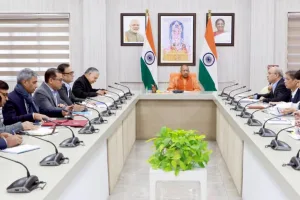
No negligence will be tolerated in irrigation projects: Swatantra Dev Singh

During a high-level review meeting held at the Irrigation Department headquarters in Udayganj on Tuesday, Singh said that if any negligence is found in the work, strict action will be taken against the concerned officers and employees.

Statesman News Service | Lucknow |

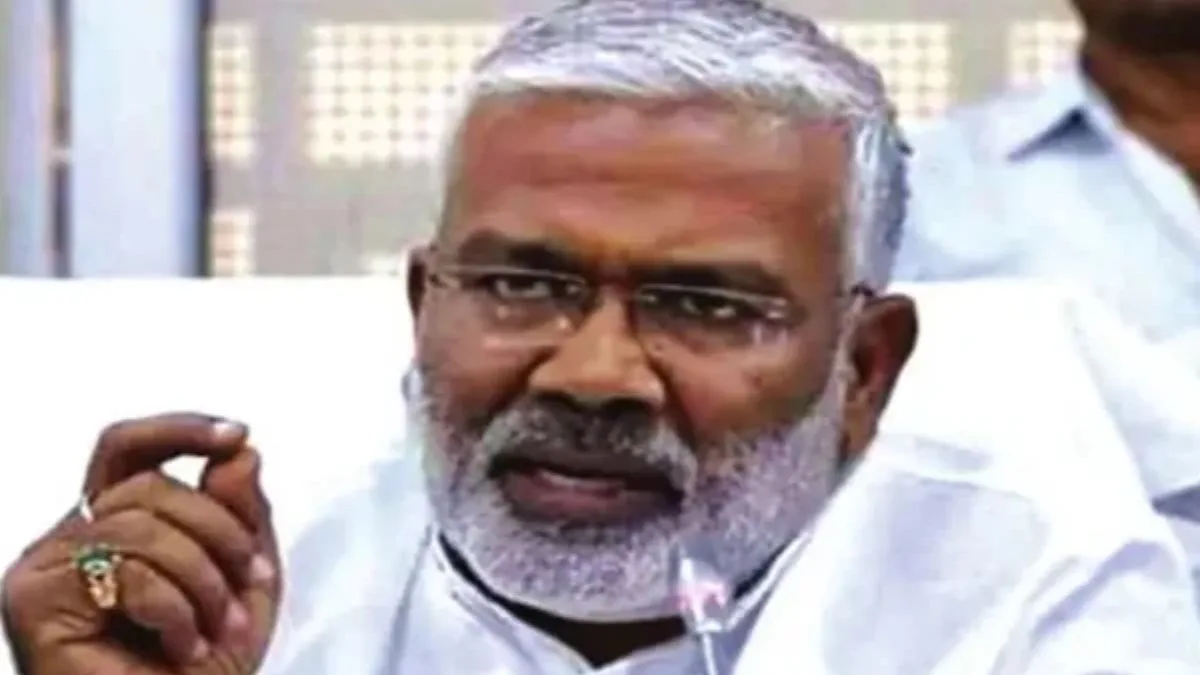
Uttar Pradesh Water Resources Minister Swatantra Dev Singh said that “any kind of negligence, laxity, or irregularity in departmental work will not be tolerated. Officers and employees who perform outstanding work will be rewarded.”

During a high-level review meeting held at the Irrigation Department headquarters in Udayganj on Tuesday, Singh said that if any negligence is found in the work, strict action will be taken against the concerned officers and employees.

While reviewing the progress of ongoing irrigation projects, he instructed that all work should be completed within the stipulated time frame, maintaining quality and adhering to prescribed standards, so that the real benefits of the schemes reach the farmers.

Singh also said that he himself would soon conduct physical inspections of various projects to assess the ground reality. He clarified that the entire process should be transparent, fair, and in accordance with the rules, and there should be no complaints of irregularities at any level.

The Water Resources Minister reiterated that under the leadership of Yogi Adityanath, the Uttar Pradesh government’s top priority is to complete irrigation projects in a timely manner and provide maximum benefits to the farmers of the state.

The Principal Secretary, Chief Engineer, and other senior officers of the Irrigation and Water Resources Department were present at the meeting. The Minister urged all officers to work with honesty, dedication, and accountability.

Receiving Padma Shri Is a Very Special Moment for Me: Rohit Sharma

Terming the recognition a proud milestone in his career, Rohit thanked the Government of India and all those who supported him throughout his cricketing journey.

Statesman News Service | New Delhi |

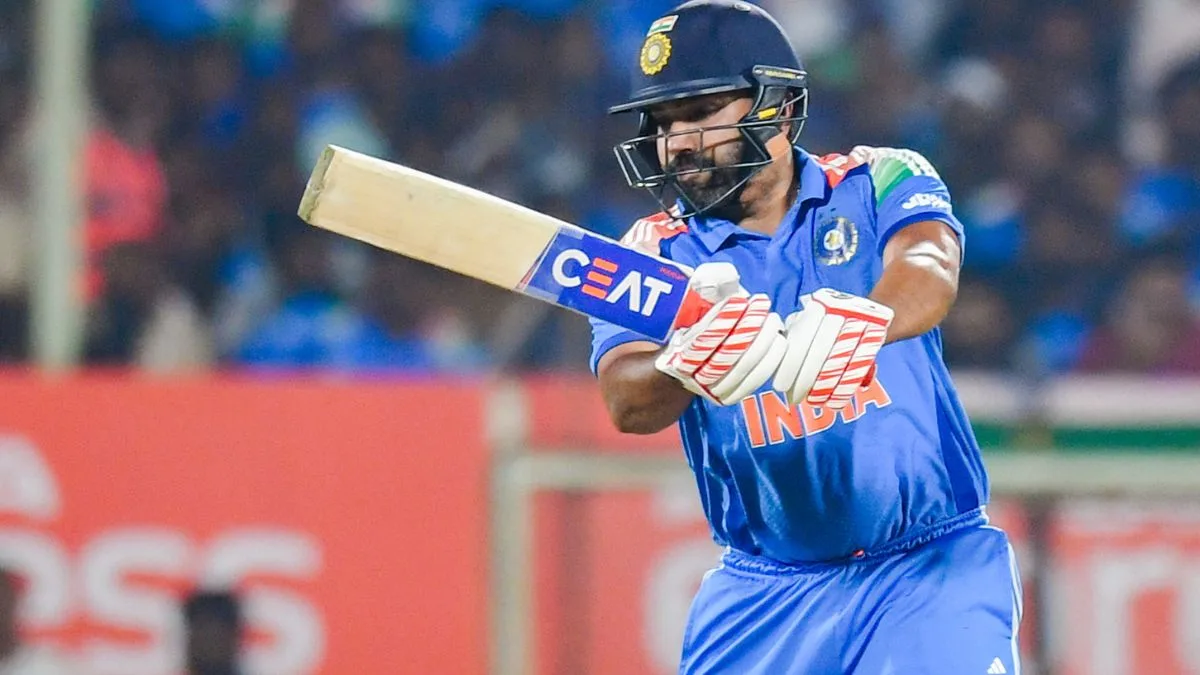
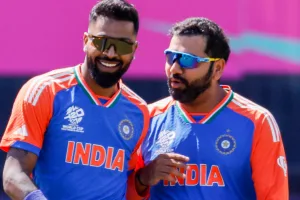
Former India captain Rohit Sharma has expressed heartfelt gratitude after being conferred the Padma Shri, one of the country’s highest civilian honours, calling it a deeply special moment for him and his family. The star cricketer reaffirmed his commitment to continuing to win matches and trophies for India.

Terming the recognition a proud milestone in his career, Rohit thanked the Government of India and all those who supported him throughout his cricketing journey.

“Receiving the Padma Shri is a very special moment for me and my family. I thank the Government of India for this honour. I am also grateful to all those people who have played an important role in my career. My effort to win matches and trophies for my country will always continue. Thank you. Jai Hind,” Rohit said in a video shared by Doordarshan Sports on social media.

Rohit, who made his international debut in 2007, has been one of India’s most consistent and influential cricketers over nearly two decades. He has left a lasting imprint on Indian cricket, excelling both as a batter and as a leader across formats.

India enjoyed significant success under Rohit’s captaincy on the global stage. The standout achievement came in 2024, when India lifted the T20 World Cup after defeating South Africa in the final, ending a long wait for an ICC title in the shortest format.

This was followed by another major triumph in 2025, with India clinching the Champions Trophy, further cementing Rohit’s credentials as a successful captain.

Alongside his leadership accomplishments, Rohit has built an outstanding batting record. In Test cricket, he scored over 4,300 runs in 67 matches, including 12 centuries.

In One-Day Internationals, he has amassed more than 11,500 runs in 282 matches, with 33 hundreds to his name. In T20 Internationals, Rohit scored over 4,231 runs, including five centuries, establishing himself as one of the most prolific batters in the format.

While Rohit has retired from Test and T20I cricket, he continues to represent India in ODIs and remains focused on scoring runs as he targets a place in the squad for the 2027 World Cup.

Yumnam Khemchand Singh elected BJP Legislative Party leader, to be sworn in as new Manipur CM

Following Singh’s election as the leader of the Legislative Party, a meeting of NDA partners in Manipur was also held.

Statesman News Service | New Delhi |

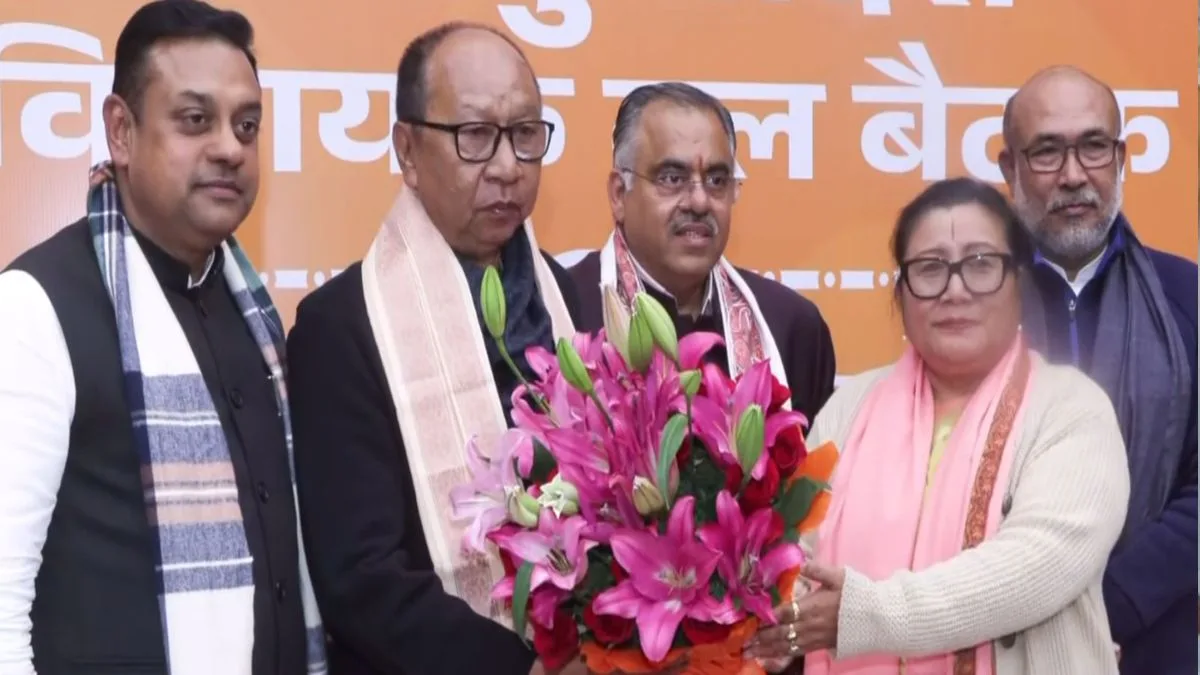
Days ahead of the end of President’s rule in Manipur, the Bharatiya Janata Party (BJP) on Tuesday elected Yumnam Khemchand Singh as its legislature party leader during the Manipur Legislative Party meeting held at the party’s headquarters in Delhi. Singh will be sworn in as the new Manipur government.

Following Singh’s election as the leader of the Legislative Party, a meeting of NDA partners in Manipur was also held. President’s rule was imposed in Manipur on February 13 last year and was later extended by Parliament in August last year for another six months.

Ahead of the meeting, former Manipur CM N Biren Singh said that the government is a continuing process and that he tried his best to change the landscape of Manipur.

Notably, under Biren Singh’s tenure, the state witnessed massive ethnic violence between Meitei and Kuki Zomi communities.

Women were paraded naked and hundreds were killed as the violence continued for around two years. Thousands were rendered homeless as the violence resulted in Biren Singh’s resignation.

President’s Rule was imposed in the northeastern state on February 13, 2025, after Biren Singh stepped down as Chief Minister.

In December last year, the Union Home Ministry gave another extension to the Commission of Inquiry probing the ethnic violence in Manipur, instructing it to submit its report “as soon as possible, but no later than May 20, 2026.”

The commission is tasked with probing the ethnic violence that erupted in Manipur on May 3, 2023, examining its causes as well as the authorities’ response.

India-US trade agreement signals a strategic economic reset: Sanjay Tandon

Senior BJP leader Sanjay Tandon on Tuesday welcomed the agreement, describing it as “a defining moment in the India-US relations and a clear signal of India’s growing stature in the global economic order.”

Statesman News Service | Chandigarh |

In a development that could reshape global trade dynamics, India and the United States have concluded a landmark trade agreement that points towards a new level of strategic trust and economic convergence between the world’s two largest democracies.

Senior BJP leader Sanjay Tandon on Tuesday welcomed the agreement, describing it as “a defining moment in the India-US relations and a clear signal of India’s growing stature in the global economic order.”

“The successful culmination of this trade agreement reflects the strong personal leadership and shared vision of Prime Minister Narendra Modi and US President Shri Donald Trump,” Tandon said. “It demonstrates how decisive leadership, mutual respect and strategic clarity can translate into outcomes that benefit not just two nations, but the global economy at large.”

Reflecting further, Tandon said: “US-India trade deal is a victory of 140 crore people of India, who have reposed their trust and confidence in the tried and tested leadership of our Prime Minister Narendra Modi. This historic deal and one earlier inked with the EU show India’s emergence as the key driver of global economy and shared prosperity.”

Tandon noted that the agreement would significantly strengthen bilateral economic cooperation by expanding market access, improving trade flows and creating new opportunities for enterprises in both countries. He emphasized that the pact would give fresh momentum to the Make in India initiative while simultaneously supporting American businesses and workers through deeper economic integration with one of the fastest-growing major economies in the world.

“This agreement opens wider global pathways for Indian products, particularly benefiting MSMEs, startups, youth and farmers,” he said. “At the same time, US companies gain a reliable and dynamic partner in India, reinforcing supply chains and long-term economic stability,” he added.

Highlighting the broader benefits, Tandon said the agreement was also a powerful endorsement of India’s growth story. “As the Prime Minister has consistently articulated, rising global confidence in India is rooted in policy stability, structural reforms and an unwavering commitment to inclusive development. This agreement is a testament to that confidence and reaffirms the United States as a key and trusted economic partner.”

According to Tandon, the strengthened India–US partnership goes beyond trade and commerce. “It is about building a future-oriented alliance based on leadership, trust and shared democratic values. A robust India–US economic partnership has the potential to drive inclusive growth, foster innovation and contribute to a more prosperous and stable world,” he said.

Concluding his statement, Tandon congratulated both leaders on what he termed a historic achievement. “This milestone will be remembered as a turning point in bilateral relations. I extend my heartiest congratulations to Prime Minister Narendra Modi and US President Donald Trump for steering this agreement with vision and resolve.”