Logo

India–US relations: What Jaishankar discussed with Marco Rubio and Scott Bessent in Washington

External Affairs Minister S Jaishankar met senior US leaders in Washington to review trade, energy, critical minerals and regional cooperation, signalling fresh momentum in India-US relations.

Statesman News Service | New Delhi |

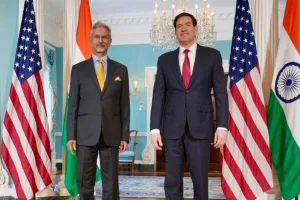
External Affairs Minister S Jaishankar met senior members of the US Cabinet in Washington on Tuesday (local time), signalling fresh momentum in the India-US strategic and economic relationship.

Jaishankar held separate meetings with US Secretary of State Marco Rubio and Treasury Secretary Scott Bessent, with discussions spanning diplomacy, energy security, trade, and emerging technologies.

Posting after his meeting with Rubio, Jaishankar said: “Delighted to meet US @SecRubio this afternoon. A wide-ranging conversation that covered our bilateral cooperation agenda, regional and global issues.”

He added that several pillars of the partnership were reviewed. “Facets of India – US Strategic Partnership discussed included trade, energy, nuclear, defence, critical minerals and technology,” he said, noting that both sides agreed to move quickly on follow-up engagements.

Also Read: ‘Different understanding’: Expert flags gap in India-US messaging on Russian oil after Donald Trump’s claim

Critical minerals, Quad cooperation and economic ties on agenda

As per a US State Department readout, the talks included steps towards formalising cooperation on critical minerals, covering exploration, mining and processing. The sector has emerged as a key area of convergence as both countries push clean energy transitions and advanced manufacturing.

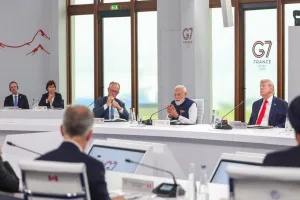
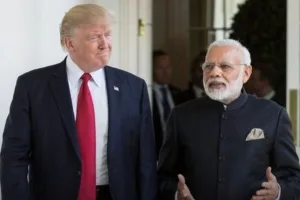
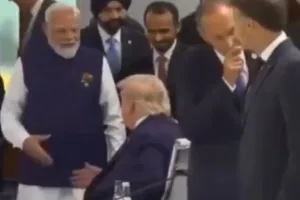
The meeting took place a day after US President Donald Trump and Prime Minister Narendra Modi announced a trade agreement aimed at reducing barriers and expanding market access between the two countries.

Both Rubio and Jaishankar welcomed the deal, stressing the value of closer coordination between the world’s two largest democracies to unlock economic opportunities and strengthen energy security.

There was also a strong focus on regional and multilateral issues. Both leaders emphasised their commitment to a stable and prosperous Indo-Pacific and their commitment to expanding cooperation through the Quad.

Earlier in the day, Jaishankar met Treasury Secretary Bessent, describing the interaction as constructive. “Pleased to meet US Treasury Secretary Scott Bessent in Washington DC today,” he said. “Had a useful discussion on advancement of India – US economic partnership and strategic cooperation.”

Taken together, the meetings reflected the widening scope of India-US engagement, from diplomacy and security to finance and technology. Officials on both sides have said sustained coordination will be crucial to converting political intent into tangible outcomes, as New Delhi and Washington deepen ties across defence, trade and emerging sectors.
Pivotal breakthrough points to lasting ties

The unbreakable and unshakable bond between India and the United States – two great democracies and economies – rooted in shared values, vibrant people-to-people connections and strong strategic alignment has once again proven its power to deliver extraordinary outcomes.

SHEHZAD POONAWALLA | New Delhi |

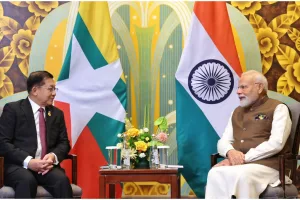
The unbreakable and unshakable bond between India and the United States – two great democracies and economies – rooted in shared values, vibrant people-to-people connections and strong strategic alignment has once again proven its power to deliver extraordinary outcomes. In a defining moment for bilateral ties, Prime Minister Narendra Modi and President Donald Trump have engineered a pivotal trade breakthrough that promises to reshape economic opportunities for both nations.

Through a cordial telephone conversation, the two leaders swiftly resolved long-standing tariff frictions. Effective immediately, the United States has dramatically reduced duties on Indian imports to 18 per cent – a sharp drop from the previous levels that had climbed as high as around 50 per cent combining reciprocal and additional punitive elements. This decisive step, born out of mutual admiration and trust, removes a major barrier that had weighed on Indian competitiveness and burdened American consumers with higher costs. President Trump described Prime Minister Modi as a “true friend” and a highly respected global statesman, emphasizing that their personal rapport and shared commitment to fair, mutually beneficial commerce made this agreement possible.

In response, PM Modi conveyed deep appreciation from India’s 1.4 billion citizens, highlighting how this gesture strengthens the enduring partnership between the world’s two largest democracies and paves the way for greater prosperity on both sides. The ramifications for India’s economy are profound and immediate. Key export sectors – such as textiles and garments, gems and jewellery, pharmaceuticals, chemicals, engineering products and auto components now stand to reclaim lost ground. These industries, many powered by micro, small and medium enterprises (MSMEs), gain a renewed pricing edge, fresh contracts, improved profitability, and stronger momentum for the Make in India initiative.

What once risked becoming a severe handicap has transformed into a powerful tailwind for job creation, manufacturing growth, and export expansion. Financial markets wasted no time in celebrating the news. On 3 February, Indian equities erupted in one of the most explosive single-day performances in years. The BSE Sensex surged dramatically in opening trade, climbing as much as 3,500-4,200 points (over 5 per cent) to touch levels around 85,000+ while the Nifty 50 leaped more than 1,000-1,200 points (approaching 5 per cent) to breach 26,000 in the morning session. Even as the session progressed, benchmarks sustained robust gains with widespread participation across export-oriented, manufacturing and consumption-linked stocks.
This enthusiastic response underscores investor confidence in the deal’s long-term growth impulse. Union Commerce Minister Piyush Goyal who was earlier slated to speak in Parliament about this historic deal lamented how the unruly behaviour of Congress and Opposition MPs prevented him from doing so but in his press interaction he not only spoke on how this was a better deal than any that the competitive nations had got but how sensitive sectors like agriculture and dairy remained fully protected with no concessions, addressing opposition concerns. This US breakthrough arrives amid India’s impressive streak in proactive trade diplomacy.
Under the Modi administration’s strategic vision, the country has rapidly expanded its global footprint through a series of eight high-quality agreements: Most recently, the landmark India-EU FTA, finalized in January 2026, unlocks preferential terms across a massive 27-country bloc representing a combined $24 trillion economy. Mr Goyal highlighted that India has now concluded eight F TAs encompassing 37 developed economies, each carefully designed to protect national priorities while maximizing market access, capital inflows, and employment opportunities. Far from the outdated narratives of cynicism and stagnation peddled by habitual detractors, India’s economy is demonstrably dynamic, resilient, and accelerating as a major global engine of growth.

These trade victories-coupled with the fresh US tariff relief – signal a new era of openness, competitiveness, and confidence. At its core, this moment celebrates the enduring strength of democracy, diplomacy, and friendship between India and the United States. It delivers tangible benefits to workers, businesses and families in both countries, advances equitable trade principles, spurs innovation, and reinforces stability on the world stage. Optimism has prevailed and the future looks brighter than ever for collaborative progress between these two great nations.

(The writer is National Spokesperson of BJP.)

Trade’s New Wall

The conclusion of the India–European Union Free Trade Agreement has been projected as a major diplomatic and economic milestone.

Statesman News Service | New Delhi |

The conclusion of the India–European Union Free Trade Agreement has been projected as a major diplomatic and economic milestone. By sharply reducing tariffs across most traded goods, the deal promises to expand market access, diversify supply chains and deepen strategic ties between two large economic blocs. Yet beneath the celebratory language lies an unresolved contradiction, one that may ultimately shape how meaningful the agreement proves for Indian exporters. That contradiction is carbon.

Even as tariffs fall, Europe’s Carbon Border Adjustment Mechanism (CBAM) remains firmly in place. For Indian producers of emissions-intensive goods such as steel, aluminium, cement and fertilisers, access to the European market will now depend not only on price and quality, but on the carbon footprint embedded in every shipment. In practical terms, this means a new cost layer on Indian exports, even as European goods gain easier entry into India. This creates an asymmetry that free trade agreements are traditionally meant to remove. While customs duties are negotiated and reduced, carbon-linked charges operate outside the tariff framework. They are presented as environmental instruments, yet function economically as trade barriers, especially for developing economies that are still building their clean manufacturing capacity.

India’s discomfort with this approach is not ideological but structural. The principle of “common but differentiated responsibilities” recognises that countries industrialised at different times and under different conditions. Asking emerging economies to match the climate costs of advanced economies risks freezing existing inequalities into global trade rules. The impact is likely to be most severe on India’s micro, small and medium enterprises. Large corporations can absorb the cost of emissions audits, consultants, and compliance systems. Smaller manufacturers, often integrated into global value chains as suppliers, may find the paperwork alone prohibitive.

For them, carbon compliance becomes not an environmental choice, but a gatekeeping mechanism. Climate policy is no longer confined to climate negotiations; it is being embedded directly into market access. This places India at a strategic crossroads. Viewing carbon regulation purely as external coercion may offer short-term political comfort, but it does not address the longer-term shift underway. Competitiveness is gradually being redefined. Efficiency, traceability, and emissions transparency are becoming as important as labour costs once were. The answer does not lie in resisting the transition, but in shaping it.

A credible domestic carbon market, transparent monitoring systems and gradual integration of carbon pricing can protect Indian exporters from double taxation while preserving policy autonomy. Done correctly, this could convert a vulnerability into leverage. The trade agreement, therefore, should be seen neither as a triumph nor a setback, but as a warning signal. Market access in the coming decades will not be decided solely at negotiating tables. It will be determined by how effectively economies adapt to a world where climate policy and commerce have become inseparable.In that world, free trade will no longer mean frictionless trade but trade that is measured, priced and judged by carbon.

Silencing Dissent

The imprisonment of a former Prime Minister would ordinarily dominate political debate in a democracy.

Statesman News Service | New Delhi |

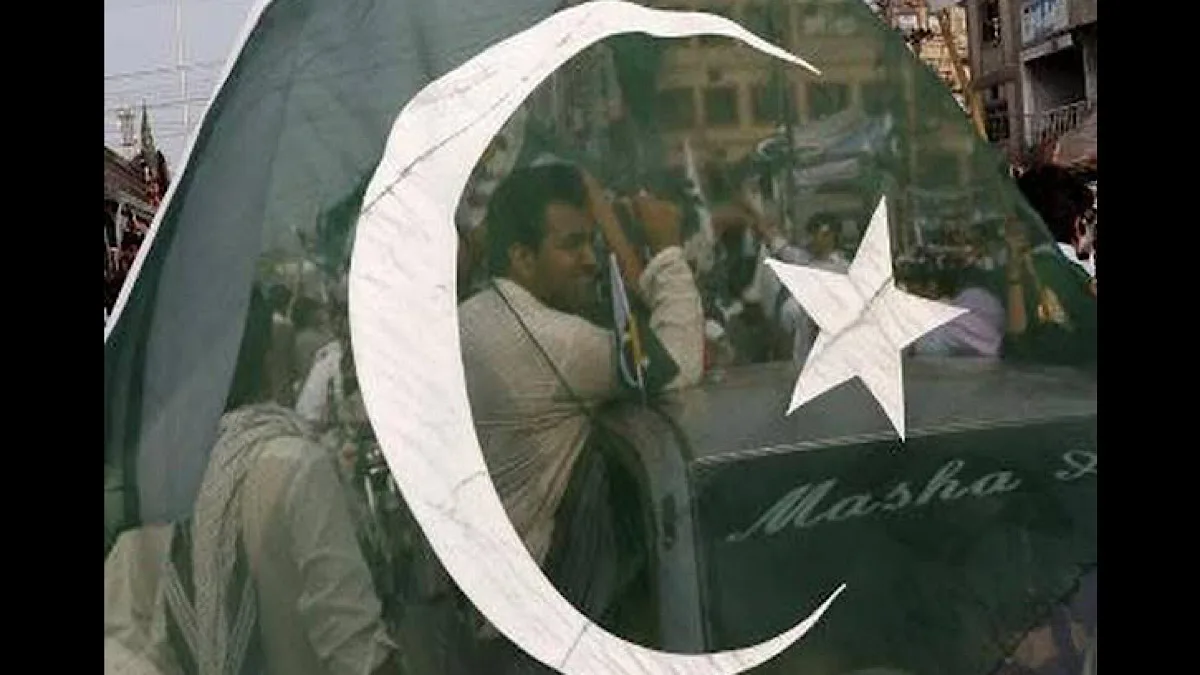
The imprisonment of a former Prime Minister would ordinarily dominate political debate in a democracy. In Pakistan’s case, however, the deeper issue is no longer the fate of former Prime Minister Imran Khan, but the widening machinery that now governs who may speak, what may be said, and at what cost. Mr Khan’s prolonged isolation in jail has become a powerful symbol, but it is only the most visible layer of a broader tightening of political space.

Lawyers, journalists, human rights workers, and online commentators increasingly find themselves navigating a landscape where dissent is treated not as disagreement but as defiance. The consequence is not merely punishment, but deterrence – a quiet recalibration of public behaviour shaped by fear rather than law. What distinguishes the current phase from earlier cycles of repression is its institutional character. Instead of overt censorship or temporary crackdowns, controls are being embedded within legal frameworks. Courts, cyber laws, and regulatory authorities now perform roles once associated with informal pressure.

This shift lends permanence to repression, giving it procedural legitimacy even as its effect narrows democratic life. The expansion of digital offences illustrates this change. Vaguely defined charges related to national interest or online harm allow wide discretion in enforcement. In practice, this ambiguity becomes power. Journalists and analysts are left guessing where the line lies, and uncertainty itself becomes the tool of control. When boundaries shift without notice, silence becomes the safest choice. Equally troubling is the emergence of financial pressure as a disciplining mechanism. Media organisations that resist alignment face sudden revenue disruptions, administrative obstacles, or unexplained regulatory scrutiny.

These methods avoid spectacle, yet achieve compliance more efficiently than bans. Newsrooms respond not with protest, but with self-censorship, a condition far harder to reverse. Pakistan’s military has long been a decisive actor in national politics, but the present moment marks a consolidation rather than an intervention. Authority no longer needs to announce itself; it is embedded across institutions that are formally civilian. This diffusion of power makes accountability elusive, as responsibility dissolves into procedure. For India, the significance lies not in comparison, but in caution. Pakistan’s experience demonstrates how democracies do not always collapse through coups or dramatic ruptures. They erode incrementally, through laws framed as protection, through courts invoked as instruments, and through fear normalised as governance.

The transformation of dissent into a security threat carries long-term risks. When criticism is equated with disloyalty, political systems lose their corrective mechanisms. Errors go unchallenged, institutions weaken internally, and legitimacy slowly drains away. Stability achieved through suppression may endure briefly, but it accumulates pressures that eventually surface elsewhere – in disengagement, radicalisation, or institutional decay. The question confronting Pakistan today is not whether dissent can be silenced as clearly it can. The harder question is what remains when it is. A political order sustained by fear may appear calm, but beneath that calm lies fragility.

Last Bastion Crumbling ~III

Today, Kerala is going back twice as fast than it is surging ahead.

DR. AJAYAKUMAR KODOTH | New Delhi |

Today, Kerala is going back twice as fast than it is surging ahead. The imminent collapse of the Left Front should not, however, give comfort to believers in secular democracy including, one hopes, the Congress which, despite its many failures, enabled India to maintain its identity as a secular, democratic, broadly inclusive India though it can be said to have overcompensated a section of fundamentalists. Therefore, the first submission to both the Congress Party and the Left Front is that they must realize that our country is at the moment undergoing a counter-revolution.

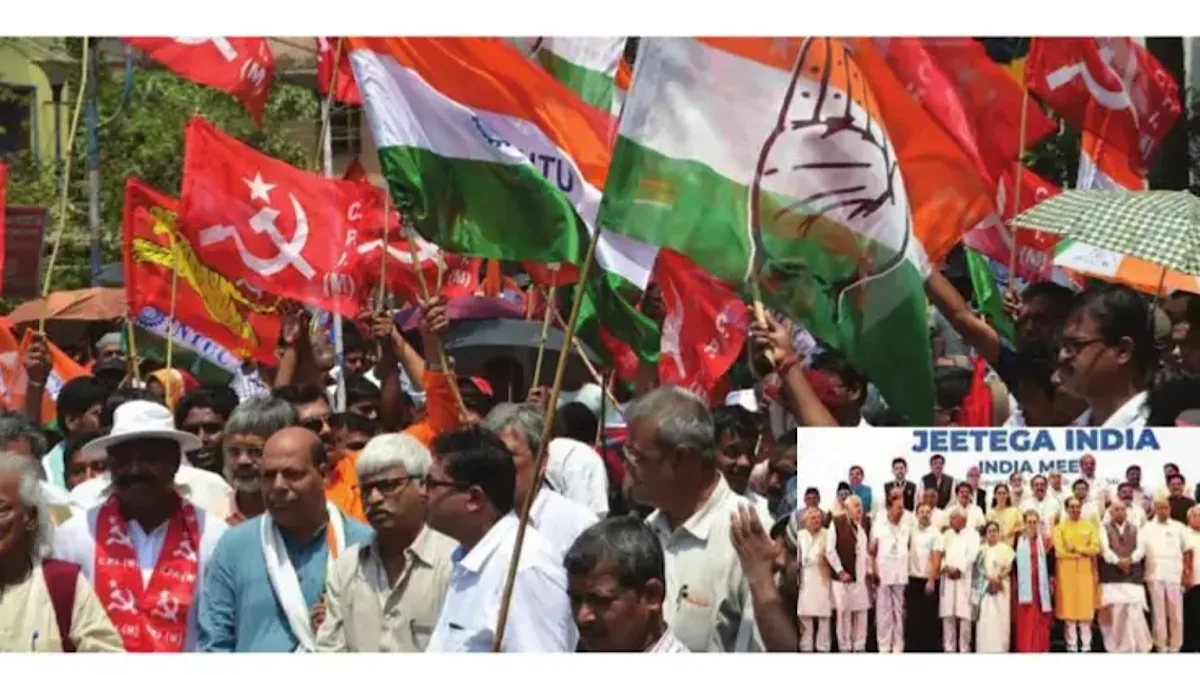
Opposing and resisting it will require a political process that is far more rigorous than that which defeated British colonization. The Congress, in its present condition, does not have the wherewithal to initiate such a process on its own. Instead, it should give shape to a socio-economic and political values-based confederation, not a quick-fix INDIA bloc electoral arrangement. Rather, the proposed confederation must be built on strong foundations which can carry the weight of all the welded parts ~ the Congress, a re-unified Left, former Socialists, Trinamool Congress, NCP, YSR Congress, and all other groups that had quit the Congress at various points in time. This is similar to the strategy adopted by the South African National Congress in its struggle against apartheid, in which the Communist Party was a member. However, the Left Front that holds hands with the Congress should be a partner ~ either in the form of a single party or as a Left bloc that has cast off its Stalinism and democratized itself thoroughly.

It serves the interests of the Congress too to forge cooperation with a Left Front that has completely discarded its Stalinist underpinnings and adopted a national perspective. After all, modern Indian nationalism is a product of our freedom struggle. In this era of nation-states, India should stand as a powerful nation-state. Only a modern Indian nationalism can hold together the India of various languages, cultures, religions and castes. This feat cannot be achieved by means of class ideology, as a left party like the CPI-M ~ that is, Stalinist from top to toe ~ seems to think. This is because class ideology can be effectively applied only in struggles for social justice.

Only an alliance between a Left Front that realizes this fact and a Congress which accepts it can put up a successful resistance against rightwing forces of all descriptions. The Left should also recognize the fact that it was the Congress that succeeded in maintaining India as a single nation post-1947 despite the plurality of languages, races, religions and cultures. Dr Bipan Chandra spoke on precisely this subject (“The Long-Term Dynamics of the Indian National Congress”) in the course of his presidential address at the Amritsar session of the Indian History Congress in 1985.

The vitality of Indian nationalism is the product of such dynamism. But what the extreme rightwing is attempting to build is a nationalism that destroys our plurality. If the politics of the Indian left prevents it from aligning itself with the Congress in order to counter-balance the moves of the extreme right, how can a Stalinist party like the CPI-M continue to exist? This is where the CPI, with its ‘national democratic revolution’ ~ a cause it had espoused for a long time ~ becomes relevant. The downward spiral of the CPI began from the very moment it abandoned this policy.

Even today, the CPI-M believes that, with its “people’s democratic revolution” line, it can establish the dictatorship of the proletariat by sabotaging the government through an armed revolution. Everyone who is aware of the present-day condition of the CPI-M knows that this is nothing short of monumental hypocrisy. When CK Chandrappan forewarned about the imminent fall of the CPI along with the CPI-M, what he had in mind was the hollowness of such political deceitfulness and the inevitability of the fall of the CPI if it chased such a myth in the footsteps of the CPI-M. In 1952, when the first general elections were held, the CPI won nearly 10 per cent of the popular vote and became the main Opposition party in Parliament. The Jan Sangh got a mere 4 per cent.

It was in 1925 that both the CPI and the RSS were born. It is better not to attempt a comparison between the present-day state of these two movements? Whatever happened to the Left Front in Bengal and Tripura after the fall of the CPI-M looks set to be repeated in Kerala. The voters will decide, but the collapse of the left would not be good for the state. It is, however, inevitable. If at all it is to be prevented, the CPI-M should be prepared for an overhaul. But the prospects of that coming to fruition are negligible. The Press conference held by the Kerala Chief Minister after his resounding defeat in the local body elections is proof of it.

If he imagines that the masses or even the self-respecting comrades will endure this continuing Stalinist arrogance, he is mistaken. So, how can the Left Front be rescued? And what can the CPI do in this regard? Well, for starters, the CPI should evolve a policy whereby it will discard its anti-Congress attitude imbibed from the CPI-M and reorganize the party at the national level. It should work towards achieving its long-term goal of Communist reunification. But the CPI-M is scornful of that prospect. Yet, all other left groups in Kerala ~ CMP, RMP, SUCI, and other willing parties ~ can be brought under a single umbrella. This movement should cooperate with secular organizations, including the Congress, in conducting a struggle against the current ruling dispensation. Only then will the CPI regain relevance in Indian politics.

Honest CPI-M comrades will be willing to be part of such a confederation. It is a no-brainer that outdated sectarian, parochial perspectives are the chief reasons behind the stunted growth of the Indian Left. What the left in India needs to realize first and foremost is that it is the direct heir of the nationalist movement. The sacrifices made by the Communist leaders for our freedom are truly invaluable. But the Left could not become part of the national mainstream because of the incorrect approach the hardliners adopted towards Gandhiji and the movement that he headed.

The moot question is whether, during these times when our nation is going through a major crisis, the Left is ready and willing to come out of its Stalinist straitjacket, bring about clarity regarding the democratization of its party system, induct members from the current generation, and transform itself into a New Left movement.

There is little one can hope for from the CPI-M. But the tradition of the CPI is, or at least was, different. In 1960, K. Damodaran, as a representative of the CPI, went to Vietnam and interviewed Ho Chi Minh in Hanoi. One question and its reply are truly memorable: KD: In the 1930s, the revolution conducted by the Vietnamese Communist Party, which was only as large as the Communist Party of India, was successful, whereas that of the CPI failed. Why? HCM: There, you had Mahatma Gandhi. Here, I’m Gandhi!

(The writer, a Left sympathizer, is former member, Kerala Public Service Commission)

‘Different understanding’: Expert flags gap in India-US messaging on Russian oil after Donald Trump’s claim

India and the US have concluded trade talks, but questions remain over India’s Russian oil imports, as New Delhi awaits a joint statement clarifying the final terms.

Statesman News Service | New Delhi |

India and the United States have wrapped up negotiations on a long-awaited trade deal. But a key issue remains unclear – India’s purchase of Russian oil.

The matter gained prominence after US President Donald Trump announced the deal publicly. In his statement, Trump linked the agreement to India stopping imports of Russian oil. He also indicated that India would instead buy more oil from the United States, and possibly Venezuela.

So far, the Indian government has not confirmed any such commitment. Officials say the final details of the agreement are still being worked out. A joint statement from both sides is awaited.

What Trump said, and what India has not yet confirmed

In a post on his social media platform Truth Social, President Trump described his conversation with Prime Minister Narendra Modi and outlined what he said was agreed.

“It was an Honor to speak with Prime Minister Modi, of India, this morning. He is one of my greatest friends and, a Powerful and Respected Leader of his Country. We spoke about many things, including Trade, and ending the War with Russia and Ukraine. He agreed to stop buying Russian Oil, and to buy much more from the United States and, potentially, Venezuela. This will help END THE WAR in Ukraine, which is taking place right now, with thousands of people dying each and every week!”

Despite this assertion, New Delhi has not echoed the claim. There has been no official confirmation that India will fully halt Russian oil imports. Government sources have indicated that the final terms are still under discussion.

Experts see room for differing interpretations

Foreign policy experts suggest that the two sides may not be aligned on the exact scope of India’s commitment.

Lisa Curtis, Director at the Centre for New American Security, said it was possible that Washington and New Delhi were operating with different expectations.

“India clearly is decreasing its level of imports of Russian oil. However, I think we noticed that Prime Minister Modi did not repeat the pledge that President Trump made that India would completely halt Russian oil imports… If President Trump is expecting India to cut off the Russian oil imports completely by a certain time and India maybe has a different understanding of what was committed to… Prime Minister Modi does not want to be seen as caving into US demands regarding its relationship with Russia, which considers a strong historical partner. But he also recognises how important this is to President Trump, who has been very consistent on wanting to see India reduce and eventually halt its Russian oil imports.”

Curtis welcomed the broader trade agreement, calling it a significant step forward for bilateral ties. She noted that several factors may have pushed the deal to the finish line.

“The announcement of the conclusion of the trade deal was very welcome and will provide a major boost to US-India relations… There have been disagreements between the US and India, for example, on the aftermath of the India-Pakistan conflict… In terms of what led to this announcement – it could be many things such as Ambassador Sergio Gor arriving in New Delhi on January 9th, making positive statements over the last several weeks… The second was that India’s imports of Russian oil had been going down, particularly in December, which President Trump noticed. The third point would be the fact that India concluded a free trade agreement with the EU just last week, which shows that India has some options on the table for its goods, which could have prompted the US to want to speed up its own trade agreement with India.”

Government says details will follow

Commerce Minister Piyush Goyal said the agreement was in its final stages and that full details would be shared once technical processes were complete.

“Indians are celebrating a trade deal which is under the final stages of detailing between the negotiating teams of both countries. We will shortly be issuing a joint statement by both countries along with the details, which we will be shortly inking between the United States of America and India. As soon as the final understanding of the deal is inked and the joint statement is finalised, technical processes are completed, full details will be shared.”

Goyal added that the agreement would protect Indian interests and open up new economic opportunities.

For now, the central question remains unanswered: whether India will fully stop buying Russian oil, or whether the understanding is more limited.

Red flowers have a ‘magic trait’ to attract birds and keep bees away

For flowering plants, reproduction is a question of the birds and the bees.

Adrian Dyer and Klaus Lunau | Kolkata |

For flowering plants, reproduction is a question of the birds and the bees. Attracting the right pollinator can be a matter of survival – and new research shows how flowers do it is more intriguing than anyone realised, and might even involve a little bit of magic.

A recently published paper in Current Biology discusses how a single ‘magic’ trait of some flowering plants simultaneously camouflages them from bees and makes them stand out brightly to birds.

How animals see

We humans typically have three types of light receptors in our eyes, which enable our rich sense of colours.

These are cells sensitive to blue, green or red light. From the input from these cells, the brain generates many colours, including yellow, via what is called colour opponent processing.

The way colour opponent processing works is that different sensed colours are processed by the brain in opposition. For example, we see some signals as red and some as green – but never a colour in between.

Many other animals also see colour and show evidence of also using opponent processing.

Bees see their world using cells that sense ultraviolet, blue and green light, while birds have a fourth type sensitive to red light as well.

The problem flowering plants face

So what do these differences in colour vision have to do with plants, genetics and magic?

Flowers need to attract pollinators of the right size, so their pollen ends up on the correct part of an animal’s body, so it’s efficiently flown to another flower to enable pollination.

Accordingly, birds tend to visit larger flowers. These flowers, in turn, need to provide large volumes of nectar for the hungry foragers.

But when large amounts of sweet-tasting nectar are on offer, there’s a risk bees will come along to feast on it – and in the process, collect valuable pollen. And this is a problem because bees are not the right size to efficiently transfer pollen between larger flowers.

Flowers ‘signal’ to pollinators with bright colours and patterns – but these plants need a signal that will attract birds without drawing the attention of bees.

We know bee pollination and flower signalling evolved before bird pollination. So how could plants efficiently make the change to being pollinated by birds, which enables the transfer of pollen over long distances?

Avoiding bees or attracting birds?

A walk through nature lets us see with our own eyes that most red flowers are visited by birds, rather than bees. So bird-pollinated flowers have successfully made the transition. Two different theories have been developed that may explain what we observe.

One theory is the bee avoidance hypotheses where bird pollinated flowers just use a colour that is hard for bees to see.

A second theory is that birds might prefer red.

But neither of these theories seemed complete, as inexperienced birds don’t demonstrate a preference for a stronger red hue. However, bird-pollinated flowers do have a very distinct red hue, which suggests avoiding bees can’t solely explain why consistently salient red flower colours evolved.

A magical solution

In evolutionary science, the term ‘magic trait’ refers to an evolved solution where one genetic modification may yield fitness benefits in multiple ways.

Earlier this month, a team working on how this might apply to flowering plants showed that a gene that modulates UV-absorbing pigments in flower petals can indeed have multiple benefits. This is because of how bees and birds view colour signals differently.

Bee-pollinated flowers come in a diverse range of colours. Bees even pollinate some plants with red flowers. But these flowers tend to also reflect a lot of UV, which helps bees find them.

The magic gene has the effect of reducing the amount of UV light reflected from the petals, making flowers harder for bees to see. But (and this is where the magic comes in) reducing UV reflection from a petal of a red flower simultaneously makes it look redder for animals – such as birds – which are believed to have a colour opponent system.

Birds that visit these bright red flowers gain rewards – and with experience, they learn to go repeatedly to the red flowers.

One small gene change for colour signalling in the UV yields multiple beneficial outcomes by avoiding bees and displaying enhanced colours to entice multiple visits from birds.

We lucky humans are fortunate that our red perception can also see the result of this clever little trick of nature to produce beautiful red flower colours. So on your next walk on a nice day, take a minute to view one of nature’s great experiments on finding a clever solution to a complex problem.

(The writers are respectively Associate Professor, Department of Physiology, Monash University and Professor, Institute of Sensory Ecology, Heinrich Heine Universität Düsseldorf. This article was published on www.theconversation.com.)

How Nano MBAs could democratise business education in India

India’s diversity is its strength, but it also presents challenges in ensuring equitable access to quality education. Nano MBAs have the potential to democratise business education in multiple ways.

Daviender Narang | Kolkata |

Business education in India is at an important inflection point. While traditional MBA and PGDM programmes continue to play a vital role in leadership development, the aspirations, constraints, and learning preferences of today’s learners are far more diverse than before. As an academic leader, I strongly believe that the future of management education lies not in replacing existing models, but in expanding them thoughtfully. One such powerful expansion is the concept of the Nano MBA.

A Nano MBA is a compact, focused business education programme that delivers essential management knowledge in a short duration. Unlike a conventional MBA that offers comprehensive coverage across disciplines, Nano MBAs are modular, outcome-driven, and skill-specific. They are designed to address immediate learning needs, whether it is strategic thinking, business analytics, digital marketing, leadership essentials, or financial decision-making.

India’s diversity is its strength, but it also presents challenges in ensuring equitable access to quality education. Nano MBAs have the potential to democratise business education in multiple ways.

The cost of a full-time MBA often becomes a barrier for talented individuals from economically diverse backgrounds. Nano MBAs, due to their short duration and focused scope, substantially reduce this financial burden while retaining academic rigour. This makes quality business education accessible to first-generation learners, early-career professionals, and aspiring entrepreneurs who may otherwise remain excluded from formal management education.

Equally important is the issue of geographical access. High-quality business education in India is still concentrated in metropolitan cities. Nano MBAs, especially when delivered through online or blended formats, remove the need for physical relocation. Learners from Tier-2 and Tier-3 cities can access structured management education while remaining connected to their local ecosystems. This wider reach not only benefits individuals but also contributes to regional capacity building and more balanced economic development.

Another critical dimension is relevance. The business environment today is shaped by rapid technological change, data-driven decision-making, and constant disruption. Traditional programmes, by their very nature, take time to revise curricula. Nano MBAs allow institutions to design and deploy updated modules quickly, ensuring that learners acquire skills aligned with current and emerging industry needs. This agility makes business education more responsive and outcomes-oriented.

Nano MBAs also encourage a culture of lifelong learning. Careers are no longer linear, and professionals must continuously reskill and upskill to remain relevant. By enabling learners to acquire knowledge in small, meaningful modules over time, Nano MBAs support continuous professional development. Learners can stack multiple modules based on their career stage and aspirations, creating a personalised learning journey rather than a one-time educational event.

From the perspective of executive education, Nano MBAs offer exceptional value. Working professionals and senior executives often do not require broad academic coverage; instead, they seek targeted learning that can be applied immediately. Nano MBAs cater to this need by focusing on specific managerial challenges such as leadership transitions, strategic execution, financial understanding for non-finance roles, or digital transformation. Their time-efficient format respects the constraints of busy professionals while delivering high-impact learning experiences.

For working professionals who aspire to pursue an MBA but are constrained by time, finances, or personal responsibilities, Nano MBAs act as a meaningful bridge. They provide exposure to structured management education, build academic confidence, and create clarity about future learning paths. More importantly, the application-oriented nature of Nano MBAs ensures immediate workplace impact, often leading to visible improvements in performance and career progression. In the long run, these programmes can also serve as pathways to executive MBA or advanced management programmes, making higher education more flexible and inclusive.

Nano MBAs represent a thoughtful evolution in management education—one that places the learner at the centre while responding to the needs of a dynamic economy. As educators, our responsibility is not only to impart knowledge but to enable transformation. By integrating Nano MBAs into the broader educational ecosystem, we can truly democratise business education in India and prepare a wider, more diverse pool of leaders for the challenges and opportunities of the future.

(The writer is the Director, Jaipuria Institute of Management.)

Shaping humans, not just minds

What we need in India today are good human beings with academic brilliance and scientific temper, opined Swami Bodhsaranandaji, an assistant general secretary of Ramakrishna Math and Mission.

Tarun Goswami | Kolkata |

What we need in India today are good human beings with academic brilliance and scientific temper, opined Swami Bodhsaranandaji, an assistant general secretary of Ramakrishna Math and Mission.

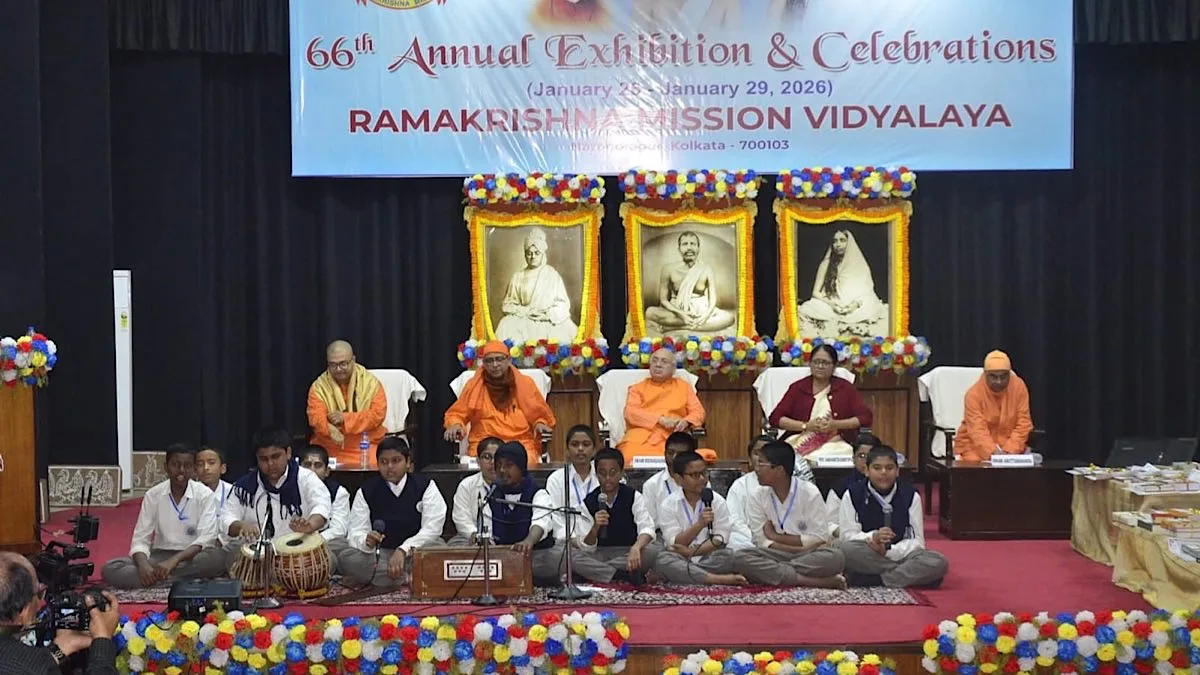
Addressing a gathering in connection with the 66th annual exhibition and celebration at Ramakrishna Mission Vidyalaya in Narendrapur on Thursday, Swami Bodhsaranandaji said the country can make progress only if the people are educated. “Different state governments have been requesting the Ramakrishna Mission for its assistance because it provides the best education to the students, which is value-based. We follow Swami Vivekananda’s man-making character-building education.”

Revered Maharaj, who has travelled extensively in the country and abroad, said, “The students who have passed out from the RKM educational institutions across the country are a real asset to society. They have made us proud. Even in foreign countries, they have left a deep mark on their society with their intellect and hard work.”

He added, “Legendary cricketer Sachin Tendulkar, Bill Gates and Steve Jobs did not follow the path of formal education, but by their sheer hard work and talent, they had reached the top. Work seriously, study hard, and you will reach the top.” At the event, Maharaj gave away prizes to the students who did well in the board examinations as well as school exams.

Prof. Sanghamitra Bandyopadhyay, the former director of the Indian Statistical Institute, a Padmashree and a Shanti Swarup Bhatnagar awardee, who is well known for her pioneering work in computational biology, was the guest of honour. In her words, “India has so far catered to the service sector, but now the time has come when we should concentrate more on the knowledge sector.” According to her, Indian students who study abroad are very hard working and have a sound academic base, but in problem solving, they initially falter, but because of their brilliance, they pick up fast. She pointed out that Artificial Intelligence (AI) should be used judiciously, “We cannot avoid AI. It is helping the academic world, but it should be used rationally. One should be aware of how to use it for our benefit.”

Swami Shastragyanandaji, secretary of Narendrapur Ramakrishna Mission, recalled the vision of Swami Lokeswaranandaji, who had dreamt of Narendrapur and executed it. He said the students who pass out from this institution are an asset to society.

Swami Ishteshanandaji, headmaster of Narendrapur school, read out the annual report. The school has bagged the best school award from the State School Education department.

The annual exhibition of the school is a real marvel. The students make plans for the exhibition and are assisted by the teachers. It is a must-visit for everyone to see what the young generation can do. The students of class VII, under the title Nature Study, made charts to create environmental awareness. They used Rabindranath Tagore’s Sahaj Path to create this awareness. The book will be celebrating its centenary four years later. The students explained how Tagore, who was deeply involved in the preservation of the environment, had written simple poems for children so that they could become aware of the surrounding nature.

The Little Scientists’ section was highly interesting, with the students of class VI who made models that were user-friendly. They made models to show how kitchens can become carbon free and how big earth movers can be made to work by using water power.

The students explained Indian tradition and culture in Sanskrit and Hindi. The four-day exhibition came to a close on Thursday.

Swami Lokeswaranandaji had set up Narendrapur RKM six decades ago. The students were given prizes not only for their academic brilliance but also for co-curricular activities. There were prizes for elocution, storytelling and cracking jokes. The students who had used the school library the most were also rewarded. Narendrapur has become a name in the academic world across the country. Many of the research scholars associated with the famous academic institutions of the country are alumni of RKM schools and colleges.

Reviving lost art of handwriting

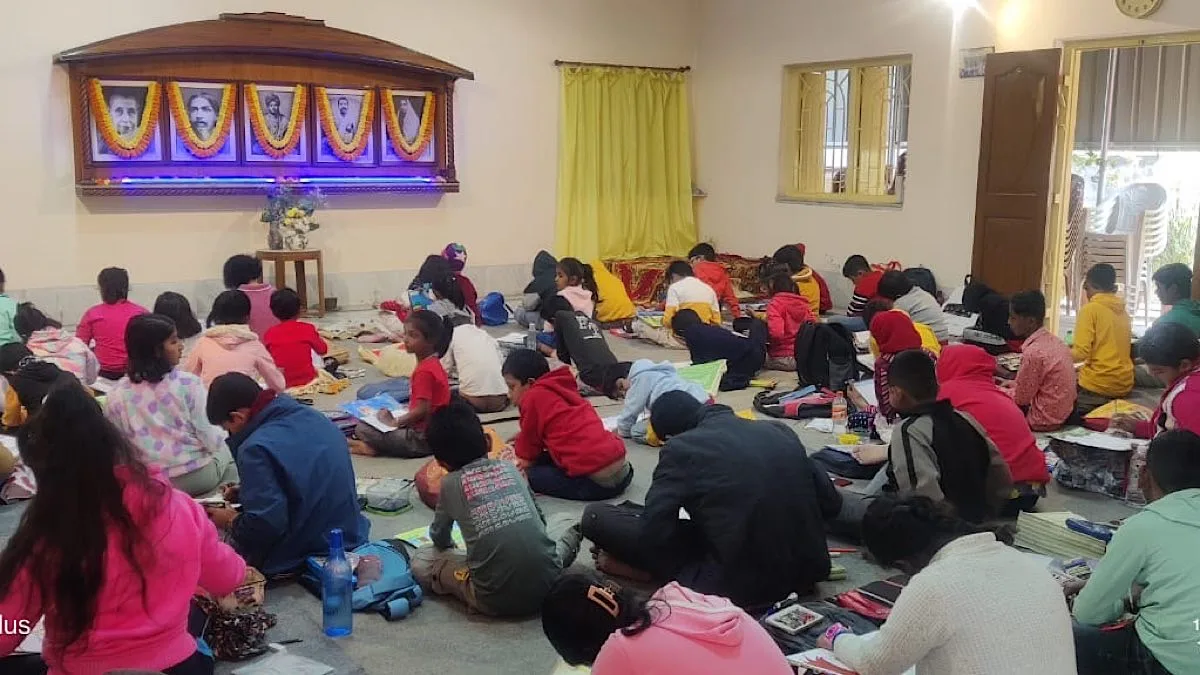
In a bid to encourage students to develop their handwriting, drawing and painting traits, Barasat Gate Cultural Association, Chandannagar, organised a competition recently.

Statesman News Service | Kolkata |

In a bid to encourage students to develop their handwriting, drawing and painting traits, Barasat Gate Cultural Association, Chandannagar, organised a competition recently.

The programme was held at the premises of the association called Sri Ramakrishna Vivekananda Sri Aurobindo Nilay.

160 students took part in the hand writing competition in both English and Bengali. Sanjay Bhattacharya, secretary of the association, announced that the winners will be honoured at a function on 22 February.

According to him, “During our students’ days, special attention was given to handwriting in both English and Bengali. There were workbooks, and the students were given training in cursive writing. There were teachers in our time who had excellent handwriting. However, over the recent years, neither the parents nor the teachers have given stress on the improvement of handwriting.”

He added, “Drawing and poster making have become important co-curricular activities now, and if children can be taught about this from school days, then this is bound to help them in the long run. The association is there to help the students who are in need.” The association organises youth conferences to propagate the message of Sri Ramakrishna, Swami Vivekananda and Sri Aurobindo. Regular lectures are held on their lives and work. The association is one of the first organisations to hold guardians’ meetings to make them aware of the present day education system.

West Bengal SIR case: ‘Justice crying behind closed doors,’ Mamata Banerjee tells SC as court sets joint hearing

The Supreme Court signalled a practical solution in the West Bengal SIR case and set a joint hearing after Mamata Banerjee alleged voter deletions and procedural lapses ahead of elections.

Statesman News Service | New Delhi |

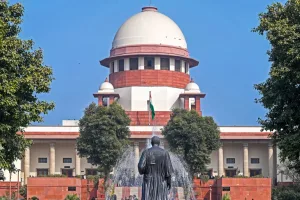
The Supreme Court on Wednesday indicated that a practical solution could be worked out in the challenge to the Special Intensive Revision (SIR) of electoral rolls in West Bengal.

Chief Justice Surya Kant directed the State to furnish, by Monday, a list of Group B officers who could be spared and made available. The direction signalled the Court’s intent to address administrative concerns linked to the revision exercise.

The Bench also ordered that notice be issued in both petitions before it.

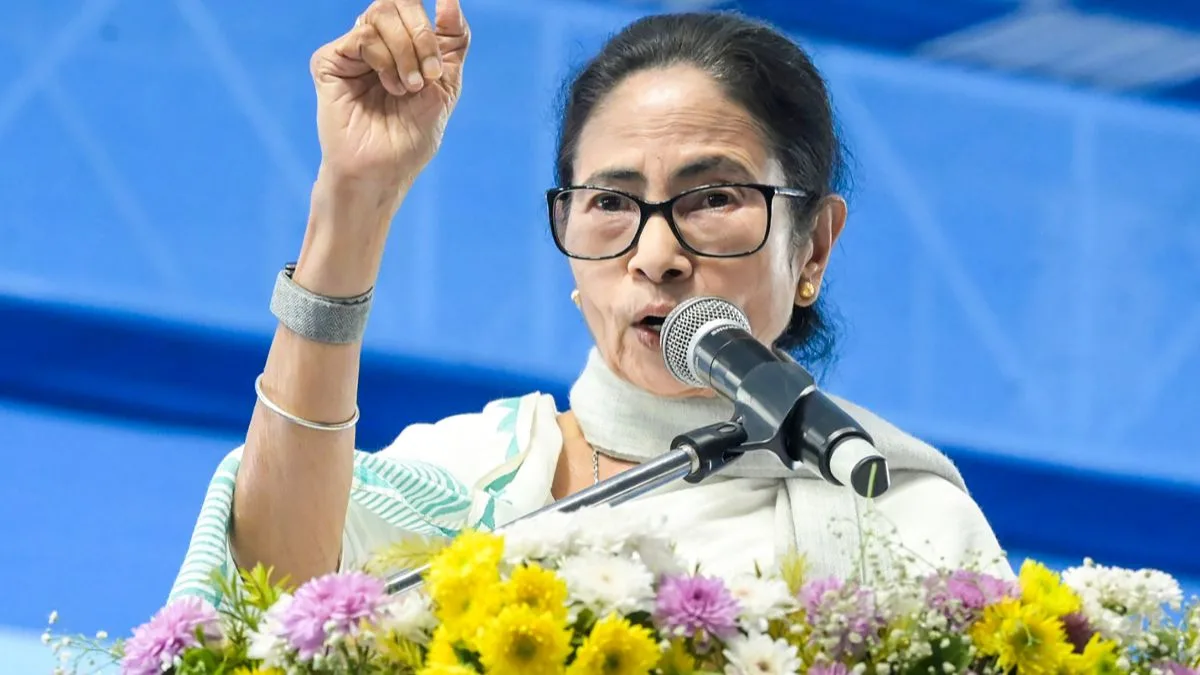
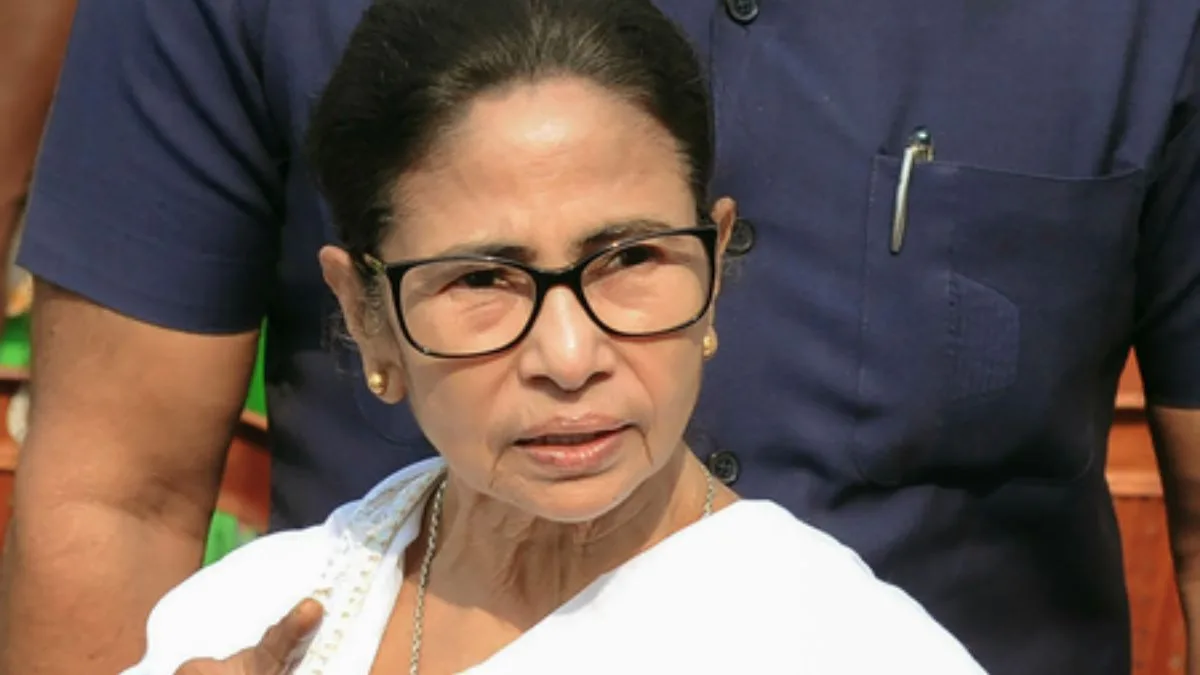
West Bengal Chief Minister Mamata Banerjee, who was present in Courtroom No 1, urged the Court to protect the rights of the people and thanked the Bench for hearing the matter. After the hearing, she left the Supreme Court premises.

Court to hear all connected petitions together

During the hearing, the Solicitor General informed the Court that there was another pending petition in which the Election Commission of India had already filed an affidavit. He submitted that the issues raised in that case would have a bearing on the present proceedings.

Taking note of the submission, the Chief Justice directed that the matter also be listed on Monday. The Court observed that all connected issues relating to the SIR process would be heard together on that day.

The petitions challenge the Special Intensive Revision exercise being carried out in West Bengal, alleging voter deletions and procedural irregularities ahead of elections.

Mamata Banerjee alleges selective deletions and document hurdles

Appearing in person before the Supreme Court, Banerjee alleged that the SIR process was being used primarily to delete names from the electoral rolls.

Addressing the Bench, she said she belonged to the state and was “grateful for the kindness” shown by the Court. She warned that when justice is “crying behind closed doors,” it creates a sense that justice is not being delivered anywhere.

Describing herself as a “bonded labourer,” the Chief Minister told the Court that her fight was not for her political party but for a larger public cause. She said she had written six letters to the Election Commission raising objections to the SIR exercise.

By way of illustration, Banerjee referred to women whose surnames change after marriage. She said questions were being raised over why a woman was using her husband’s surname after moving to her in-laws’ home, leading to deletions from the voters’ list.

She also claimed that poor residents who had purchased flats or shifted residences were being removed from the rolls. Despite this, she alleged, authorities were categorising such cases as “incorrect mapping,” in violation of earlier directions issued by the Court.

Banerjee told the Bench that people in Bengal felt relief after the Court directed that Aadhaar be accepted as one of the valid documents. She pointed out that other states accept documents such as domicile and caste certificates, while Bengal was being singled out on the eve of elections.

Political fallout and background to the dispute

The case stems from Banerjee’s petition under Article 32 of the Constitution, challenging the constitutionality of the SIR process conducted by the Election Commission of India. In her plea, she alleged that the exercise had caused “immense inconvenience” to citizens and raised serious procedural and legal concerns.

The dispute between the Trinamool Congress leadership and the Commission escalated earlier this week after Banerjee walked out of a meeting with Chief Election Commissioner Gyanesh Kumar, accusing him of misconduct. She has also filed a separate case against the Commission and the state’s Chief Electoral Officer.

Banerjee, who holds a law degree and briefly practised as a lawyer until 2003, is currently in New Delhi along with families from West Bengal who claim to have been affected by the SIR process.

Outside the court, political reactions followed. Shiv Sena (UBT) MP Priyanka Chaturvedi criticised the revision exercise, alleging that it was “being done in a one-sided manner” and accused the Election Commission of acting at the behest of the BJP. She said Banerjee was fighting the case “from the front” and warned that continued arbitrariness would be challenged through legal and constitutional means.

Earthquake of magnitude 6.0 strikes Myanmar; strong tremors felt in Kolkata

Strong tremors were also felt in Kolkata and Bangladesh following the earthquake in Myanmar.

Statesman News Service | New Delhi |

An earthquake of magnitude 6.0 struck Myanmar on Tuesday at about 9:04 pm, according to the National Centre for Seismology (NCS). Strong tremors were also felt in Kolkata and Bangladesh.

The earthquake occurred at a depth of 27 km, making it susceptible to aftershocks. The earthquake was felt at a latitude of 20.42 degrees North and a longitude of 93.88 degrees East.

Another earthquake of magnitude 5.3 struck Myanmar at 9:21 pm, according to the National Centre for Seismology (NCS) website.

The earthquake occurred at a depth of 20 km. The earthquake was felt at a latitude of 20.45 degrees North and a longitude of 93.86 degrees East.

Myanmar is vulnerable to hazards from moderate and large magnitude earthquakes and tsunamis along its long coastline. Myanmar is wedged between four tectonic plates (the Indian, Eurasian, Sunda, and Burma plates) that interact in active geological processes.

A 1,400-kilometre transform fault runs through Myanmar and connects the Andaman spreading centre to a collision zone in the north called the Sagaing Fault.

The Sagaing Fault increases the seismic hazard for Sagaing, Mandalay, Bago, and Yangon, which together represent 46 per cent of Myanmar’s population.

Although Yangon is relatively far from the fault trace, it still suffers from significant risk due to its dense population. For instance, in 1903, a magnitude 7.0 earthquake in Bago also struck Yangon.

Will CM Mamata personally attend SIR hearing in SC?

A few days ago, West Bengal Chief Minister Mamata Banerjee had announced that she would appeal to the Supreme Court, if necessary, regarding the SIR case. Speculation was rife in Delhi that Mamata Banerjee might approach the apex court in this regard.

Statesman News Service | Kolkata |

A few days ago, West Bengal Chief Minister Mamata Banerjee had announced that she would appeal to the Supreme Court, if necessary, regarding the SIR case. Speculation was rife in Delhi that Mamata Banerjee might approach the apex court in this regard.

On Tuesday, sources from the Supreme Court revealed that the Chief Minister would personally appear in court on Wednesday, accompanied by her Z-category security. Her security clearance has been passed by the registrar of the highest court, and her personal security clearances are also getting passed.

Can Mamata Banerjee appeal in the Supreme Court? The rules state that only a registered lawyer of the Supreme Court can make an appeal in a case, or the applicant of a case can represent themselves. In Banerjee’s situation, the first possibility is not applicable, as she is not a registered lawyer of the Supreme Court. However, as she filed a case in the Supreme Court against the Election Commission of India and the state’s CEO office regarding the SIR issue, as an appellant, she can be present in the Supreme Court courtroom.

However, no clear message has yet been provided by either the Trinamul Congress or the state administration regarding this matter. At present, Mamata is in Delhi.

Given the current political climate, it is evident from the application for security clearance that the chief minister will be present in the Supreme Court tomorrow as an applicant. It remains to be seen whether she will argue her case in the court as an applicant. Nevertheless, in response to questions from journalists on Tuesday, Mamata chose not to comment on this issue.

Air India, IndiGo planes with passengers collide on ground at Mumbai airport

Both the aircraft were carrying passengers when the incident occured but no injuries were reported.

Statesman News Service | New Delhi |

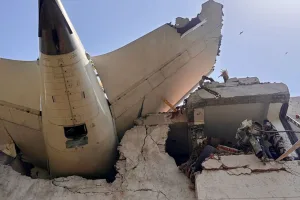
An Air India plane collided with an IndiGo aircraft on ground at Mumbai airport on Tuesday. Both the aircraft were carrying passengers when the incident occured but no injuries were reported.

According to the statements issued by the airlines, Air India flight AI 2732, operating from Mumbai to Coimbatore, was stationary on the runway when IndiGo flight 6E 791, which had arrived from Hyderabad, was taxiing after landing at Chhatrapati Shivaji Maharaj International Airport.

The wingtips of the two aircraft made contact, resulting in damage. Both the planes were grounded after the accident.

“Flight AI2732 operating from Mumbai to Coimbatore on 3 February was delayed after the aircraft scheduled to operate the service came into contact with another airline’s aircraft while waiting on the taxiway prior to take-off. The wingtips of the two aircraft made contact, resulting in damage to our aircraft’s wingtip. As a precautionary measure, the aircraft has been grounded for further technical checks,” an Air India Spokesperson said in a statement.

The spokesperson further stated that all the passengers were safely disembarked and the incident has been reported to the Directorate General of Civil Aviation (DGCA).

“All passengers were safely disembarked, and our ground teams are making alternative arrangements to fly them to their destination at the earliest. The incident has been reported to the regulator,” the spokesperson added.

In a separate statement, IndiGo also confirmed the incident and said that the incident is being investigated.

“We confirm that the wingtip of one of our aircraft operating flight 6E 791 from Hyderabad to Mumbai on 3 February 2026 came in contact with an aircraft of another airline while taxiing, after landing. All passengers are safe and disembarked after parking,” IndiGo said in the statement.

It further added, “The aircraft is undergoing maintenance inspections. In line with established protocols, the relevant authorities were promptly informed and the matter is being investigated.”

IPAC case: Suvendu attacks chief minister

The political slugfest in West Bengal intensified on Tuesday after the Enforcement Directorate (ED) sought time from the Supreme Court to examine the affidavit filed by the state government in connection with the alleged “Green File”.

Statesman News Service | Kolkata |

The political slugfest in West Bengal intensified on Tuesday after the Enforcement Directorate (ED) sought time from the Supreme Court to examine the affidavit filed by the state government in connection with the alleged “Green File”.

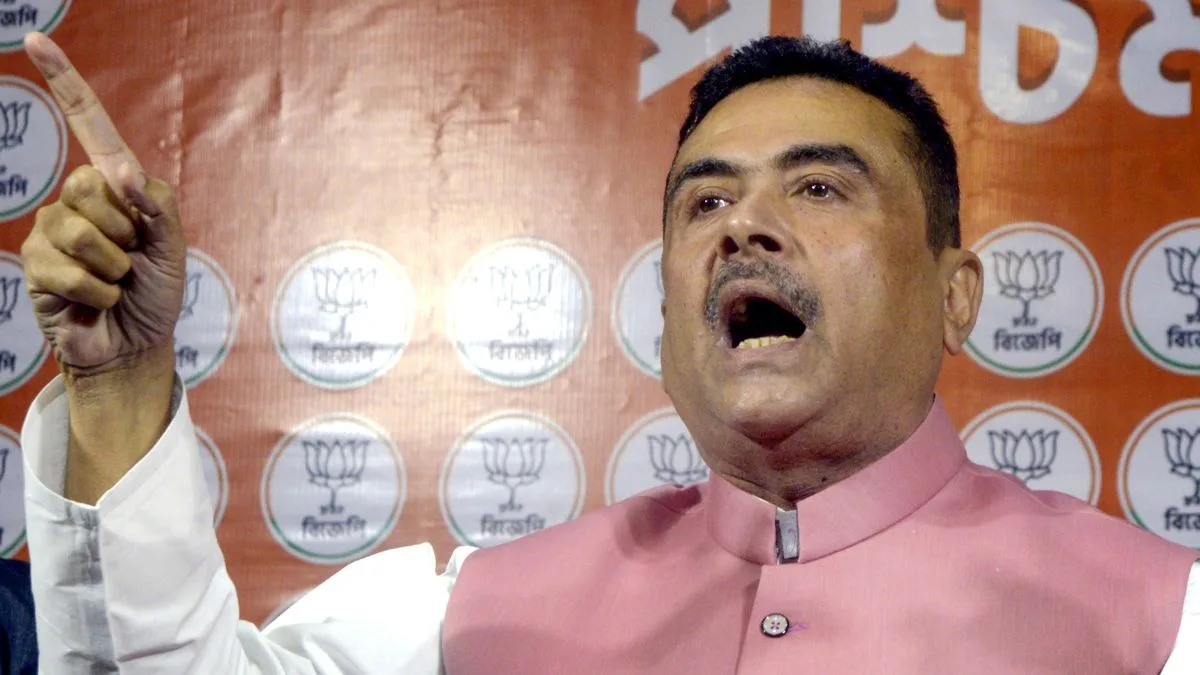
Leader of Opposition in Bengal Assembly Suvendu Adhikari launched a sharp attack on Chief Minister Mamata Banerjee, accusing her of making contradictory statements and misleading the public as well as the court. Addressing the Press, Mr Adhikari alleged that the Chief Minister had “consistently lied” and had now “trapped herself” through her own statements. He pointed out an apparent inconsistency between Ms Banerjee’s affidavit and her public remarks made on 8 January, the day the ED conducted searches at the IPAC office in Kolkata.

According to Mr Adhikari, the Chief Minister stated in the affidavit that she had taken certain documents after speaking to ED officers. However, he recalled that on the day of the raid, Ms Banerjee had emerged from the IPAC office claiming in a triumphant tone that she had taken away all the documents and had not allowed the agency to seize them. “At no point that day did she mention taking permission to collect documents,” he said, describing the act as a “self-declaration”. “The version in the affidavit does not match the statement she made before the media. Anyone, even a child, can understand where the falsehood lies if both are placed side by side,” Mr Adhikari claimed.

Mamata hits back at Shah over infiltration, security & voter rights

Speaking on the infiltration issue, Banerjee questioned the role of central agencies in guarding the border.

Statesman News Service | Kolkata |

Days after Union home minister Amit Shah accused the West Bengal government of obstructing border fencing, Chief Minister Mamata Banerjee on Tuesday mounted a strong counter-offensive, asserting that securing the international border was the Centre’s responsibility and accusing the BJP of spreading misinformation and targeting voters in the state.

Speaking on the infiltration issue, Banerjee questioned the role of central agencies in guarding the border.

“The BSF is deployed at the border. Who is responsible for stopping infiltrators? Who controls the border?” she asked.

Pointing out that Assam and Tripura also share borders with Bangladesh, the chief minister said: “Why is Bengal being selectively targeted?”

Banerjee alleged that the BJP was spreading confusion by showing visuals from Bangladesh and portraying them as scenes from West Bengal.

“You have money for publicity, but not for farmers or women,” she said, accusing the party of prioritising propaganda over welfare.

She also alleged that the BJP was attempting to influence elections by bringing voters from outside the state.

“They are bringing voters from Ghaziabad and snatching away the voting rights of Bengal’s people,” Banerjee claimed.

She said minorities and the Matua community were being targeted, warning against attempts to disenfranchise them.

“There are 33 per cent minorities in Bengal. This is not from today. It is from the time of Independence. Do you want me to throw them out of the country?” she asked.

Strongly criticising what she described as the branding of Bengali-speaking people as “Bangladeshis,” Banerjee said: “If someone speaks Bengali, they are being called Bangladesh. After Partition, Pakistan was formed and later Bangladesh came into existence. Still, Bengalis from West Bengal are being labelled Bangladeshis. How can you insult Bengal?”

She reiterated that while Bengal shared an international border, sanitising and securing it was the responsibility of the central government.

On border fencing, Banerjee rejected allegations of non-cooperation, stating that the state had provided land to central forces, including the BSF, SSB and CRPF.

“We have given land to the BSF but the centre has increased the jurisdiction of the BSF’s jurisdiction from 15 km to 50 km and the force is coming inside the villages and torturing the people,” the chief minister said.

Her remarks came after Amit Shah, addressing a rally in West Bengal on Friday, accused the Trinamul Congress-led government of blocking fencing along the India-Bangladesh border.

Shah alleged that the state was not providing land for fencing, allowing infiltration to continue, and claimed fake documents were being created to enable infiltrators to move freely across the country.

Citing a Calcutta High Court observation, Shah said the court had directed the state government to provide land to the BSF by 31 March, and termed the government “lackadaisical” on the issue. He alleged that infiltration had become the TMC’s “vote bank”.

Shah also promised that if the BJP came to power, border fencing would be completed within 45 days and infiltration would be stopped.

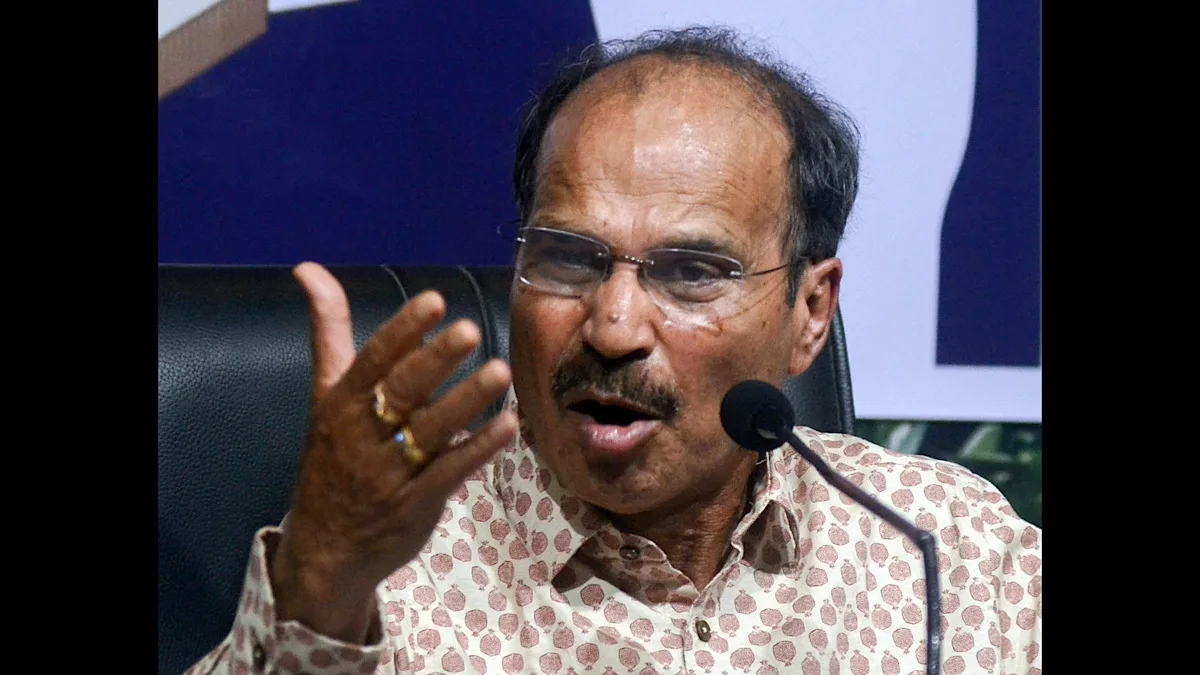
Anandapur fire: Adhir blames TMC, calls it ‘administrative failure’

Senior Congress leader and former West Bengal Pradesh Congress Committee president Adhir Ranjan Chowdhury on Tuesday squarely blamed the ruling Trinamul Congress (TMC) for the devastating fire at Nazirabad in Anandapur, alleging large-scale administrative failure and political patronage behind the tragedy.

Statesman News Service | Kolkata |

Senior Congress leader and former West Bengal Pradesh Congress Committee president Adhir Ranjan Chowdhury on Tuesday squarely blamed the ruling Trinamul Congress (TMC) for the devastating fire at Nazirabad in Anandapur, alleging large-scale administrative failure and political patronage behind the tragedy.

Mr Chowdhury visited the site of the incident and launched a scathing attack on Chief Minister Mamata Banerjee, accusing her of remaining indifferent even after one of the deadliest industrial fires in recent times. “It is impossible for any humane person to stand here without feeling grief,” he said while addressing the media at Nazirabad. “We are hearing that at least 32 people have lost their lives. The responsibility lies entirely with the Trinamul Congress.”

The Congress leader alleged that such factories could not operate without the backing of ruling party leaders. He questioned how a large industrial unit could function without basic fire safety arrangements and why the administration remained unaware of crucial details such as the identity of the factory owner, the number of workers employed, and the legality of the construction. Mr Chowdhury further alleged that the factory had been built on wetlands, raising serious questions about regulatory clearances.

Targeting the Chief Minister directly, Mr Chowdhury said Ms Banerjee should have been the first to visit the site wearing a black badge in mourning. “Instead, she is attending events in Delhi and putting up a spectacle. She is evading responsibility,” he alleged.

Meanwhile, eight days after the incident, a three-member team of the National Human Rights Commission (NHRC) reached the site on Tuesday morning, prompting questions over the delay. The team had arrived in the state on Monday and held a meeting with the South 24-Parganas District Magistrate before inspecting the site at Nazirabad. They were also scheduled to meet the Superintendent of Police of Baruipur Police District.