Logo

Pariksha Pe Charcha 2026: PM Modi urges students to trust their study patterns, manage stress

Prime Minister Narendra Modi interacted with students during Pariksha Pe Charcha 2026, offering practical advice on exams, study habits, stress management and personal growth.

Statesman News Service | New Delhi |

Prime Minister Narendra Modi on Friday interacted with students from across the country during Pariksha Pe Charcha 2026, urging them to stay confident in their own study methods, manage time wisely and not let exam pressure overwhelm them.

The interaction took place with students in Coimbatore, Raipur, Devmogra, Guwahati and at 7, Lok Kalyan Marg in Delhi. During the chat, students asked questions related to academics, mental health, and personal growth, as well as how to handle expectations during exams.

Responding to a question from a student in Gujarat about different study patterns, the Prime Minister said there is no single right way to learn and warned against blindly copying others. “Even after I became Prime Minister, people still keep suggesting to me what to do and how to do it. If you see, at lunch or dinner at your home, everybody has a different pattern. Some people start with vegetables, some with rotis, some mix all of it. But you must be following your pattern, not copying them, right?” he said.

He added that suggestions should be listened to carefully but applied only if they make sense to the individual. “First thing, you should believe in your study pattern. Listen carefully to suggestions and check if it is required or not. Just like in PPC, I have changed my pattern now and extended it to the states.”

‘Teachers should not rush students’: PM Modi on learning speed

On a question from a student named Ayush about maintaining speed in studies, PM Modi said teachers play a key role in ensuring students are not pushed too fast. “Maintaining speed is something teachers should deal with. They should not go ahead of students. The way farmers treat their fields, similarly, a student’s brain should be nurtured,” he said.

The interaction also saw lighter moments. When the Prime Minister asked students how they were coping with the cold weather, they replied, “In the excitement of meeting you, we forgot everything.”

PM Modi later felicitated students with traditional Assamese handwoven scarves and spoke about their cultural value. “This is something that represents women’s empowerment, as women in Assam design and make it at their homes. It gives a very special kind of pride, so I decided to give this to the students today,” he said.

Students described the interaction as special and motivating. Tenzin Choiky, a student from Arunachal Pradesh, said, “I live in a remote border town area and rarely get such opportunities. This was the first such opportunity I received, it was so special, and I was so excited.”

In another informal exchange, a student told the Prime Minister that her birthday falls on the same date as his, prompting a warm and animated response that drew smiles from those present.

Pariksha Pe Charcha is held every year ahead of board examinations and allows students to interact directly with the Prime Minister on issues related to studies, stress and aspirations.

Broken Redactions

The latest mass disclosure of documents linked to Jeffrey Epstein was supposed to answer a long-standing public demand: sunlight, finally, on a case that has come to symbolise elite impunity and institutional failure.

Statesman News Service | New Delhi |

The latest mass disclosure of documents linked to Jeffrey Epstein was supposed to answer a long-standing public demand: sunlight, finally, on a case that has come to symbolise elite impunity and institutional failure. Instead, the release has exposed a different and deeply troubling weakness ~ how easily the machinery of transparency can become a second instrument of harm when it forgets who it is meant to protect. At the heart of the controversy is not the principle of disclosure itself.

Few would argue that a case of this magnitude should remain sealed forever, especially when questions about networks, enablers and missed chances for accountability still linger. But transparency is not a moral absolute; it is a tool. Like any tool, it can be used carefully or carelessly. In this instance, the carelessness has been devastating. Survivors found their identities, contact details, and even images circulating because redactions failed. For people who had already endured exploitation, the state’s promise of protection dissolved in a few keystrokes. The damage is not abstract. Exposure in such cases carries real risks: harassment, threats, social stigma, and the reopening of psychological wounds that many have spent years trying to close.

When officials describe these failures as “technical or human error,” they may be offering an explanation, but they are not offering comfort. The phrase quietly admits that the system designed to safeguard victims was not built with enough redundancy, skepticism, or humility about its own fallibility. The purpose of releasing these records was to strengthen public trust. Yet the result has been the opposite for those most directly affected. For survivors, the message received is brutally simple: even now, even after everything, their safety is still negotiable. This episode also reveals a persistent tension in modern governance. We live in an age that equates data dumps with accountability, volume with virtue.

But justice is not measured in terabytes. It is measured in whether institutions can hold two obligations at once: the public’s right to know and victims’ right not to be harmed again. When those obligations collide, the burden should fall on the state to design processes that err on the side of protection, not speed or spectacle. The controversy has also distracted from the larger, unresolved questions that made these files important in the first place. Who failed, and how?

Which safeguards were ignored, and by whom? What systemic weaknesses allowed a serial abuser to operate for so long while clasping hands with power? Instead of clarifying these issues, the flawed release has shifted the spotlight onto bureaucratic negligence and crisis management. In the end, this is not an argument against disclosure. It is an argument for mature disclosure: slow, audited, and built around the people most likely to be hurt by mistakes. If transparency becomes another way for the vulnerable to pay the price of institutional error, then it stops being a virtue and starts looking like a performance.

Russia-Ukraine talks in UAE end with prisoner exchange, wider peace remains out of reach

Russia and Ukraine ended their latest UAE-hosted talks with a major prisoner exchange, but failed to bridge differences on territory, ceasefire terms and long-term security guarantees.

Statesman News Service | Mumbai |

The second round of US-mediated talks between Russia and Ukraine concluded in the UAE on Thursday with an agreement on a large-scale prisoner exchange, even as the two sides failed to narrow differences on fundamental issues such as territory, a ceasefire, and long-term security arrangements.

The discussions, held in Abu Dhabi, involved delegations from the United States, Russia, and Ukraine and focused on easing humanitarian concerns amid the continuing war. While the prisoner swap was finalised and implemented soon after, the talks did not produce any joint political or security statement, reflecting the lack of progress on broader peace terms.

According to Ukraine, the talks were initially conducted in a trilateral format before moving to group-level consultations. Ukraine’s National Security and Defence Council Secretary Rustem Umerov said the Ukrainian delegation was pushing for a “dignified and lasting peace”, though he did not spell out specific outcomes of the negotiations, Xinhua news agency reported.

Prisoner exchange agreed, but peace terms still distant

US President’s Special Envoy Steve Witkoff described the discussions as “specific and constructive”, saying representatives of the three countries had reached a consensus on a prisoner exchange. He cautioned, however, that much more work would be needed to move towards a comprehensive settlement of the conflict.

Soon after the talks ended, Russia and Ukraine carried out their first large-scale prisoner exchange in nearly five months, with 157 detainees returned by each side. Ukrainian President Volodymyr Zelensky said those freed included both military personnel and civilians.

Earlier, the United Arab Emirates’ Ministry of Foreign Affairs welcomed the cooperation between Moscow and Kyiv on the exchange, saying it underscored the UAE’s role as a trusted mediator working to reduce tensions and encourage dialogue between the two sides.

Despite the humanitarian breakthrough, no timeline was announced for the next round of negotiations, underlining the uncertainty surrounding the peace process. Zelensky said later on Thursday that further talks involving delegations from the US and Russia were expected soon, adding that the next meetings were likely to be held in the United States.

Realistic and achievable?

The Union Budget 2026–27 outlines a reform-oriented and investment-led growth strategy within a framework of fiscal consolidation.

DILIP DATTA and ARPITA SAHA | New Delhi |

The Union Budget 2026–27 outlines a reform-oriented and investment-led growth strategy within a framework of fiscal consolidation. Presented on the auspicious occasion of Magha Purnima and the birth anniversary of Guru Ravidas, the Finance Minister highlighted that this is the first Budget prepared in Kartavya Bhawan and is guided by three foundational Kartavya. The first Kartavya seeks to accelerate and sustain economic growth by enhancing productivity, competitiveness, and building resilience amid a volatile global environment.

The second Kartavya focuses on fulfilling people’s aspirations by strengthening their capacities and enabling them to participate actively in India’s development process. The third Kartavya, aligned with the vision of Sabka Saath, Sabka Vikas, underscores inclusive access to resources, opportunities, and basic amenities across regions, sectors, and social groups. Collectively, these principles reflect the government’s stated commitment to high-growth, inclusive, and resilient economic development. However, while budget speeches articulate policy intent and developmental priorities, the credibility of a budget ultimately hinges on whether its fiscal projections are realistic and achievable in light of historical trends and prevailing macroeconomic conditions.

This raises a fundamental question: Are the figures presented in the Union Budget 2026–27 grounded in fiscal reality, or do they rest on optimistic assumptions that may not materialise? To examine this issue, trend and variance analyses were conducted using data from 2020-21 to 2025-26. These methods help identify structural patterns in revenue, expenditure, and deficits, and form the basis for deriving realistic projections for the current year. The estimates generated through this empirical exercise are then compared with the figures presented in the Union Budget. Trend analysis shows that the Centre’s net tax revenue (NTR) as a percentage of GDP increased from 6.34 per cent in 2020-21 to 7.94 per cent in 2025-26, with a mean value of 7.95 per cent.

Non-tax revenue, however, fluctuated considerably, ranging from a low of 0.92 per cent in 2020-21 to a high of 1.63 per cent in 2025-26, with a mean value of 1.36 per cent. As a result, total revenue receipts (TRR) averaged 9.43 per cent of GDP during the period, while total capital receipts (TCR) averaged 5.95 per cent. This implies that capital receipts amounted to nearly 63 per cent of total revenue receipts. A closer look reveals that debt receipts consistently accounted for about 93 per cent of total capital receipts, indicating a sustained and heavy reliance on borrowings to finance the capital account of the Union Government.

During the pandemic year 2020-21, debt receipts constituted nearly 60 per cent of total receipts, reflecting extraordinary borrowing in response to the Covid-19 shock. Although this share moderated gradually with revenue recovery, it remained elevated at around 45 per cent in 2024-25 and 2025-26 (Budget Estimates), underscoring the structural nature of borrowing dependence. Interest payments as a proportion of revenue expenditure rose from 26 per cent in 2020-21 to 32 per cent in 2025-26. However, higher incremental growth rate of revenue expenditure compared to that of interest payment is a clear symptom of declining debt servicing capacity (DSC) and interest servicing capacity (ISC).

This masks a deeper concern ~ a steady decline in debt servicing capacity (DSC) and interest servicing capacity (ISC). DSC, which measures the government’s ability to service liabilities from its revenue base, declined from around 40 per cent in 2020-21 to nearly 32 per cent by 2025-26. Similarly, ISC, which reflects the ability to meet interest obligations from interest receipts, also exhibited a declining trend. These indicators point to weakening fiscal resilience. Revenue expenditure averaged about 13 per cent of GDP, while capital expenditure increased from 2 per cent to nearly 4 per cent of GDP, with a mean of 3 per cent.

Although the rise in capital expenditure is a positive structural shift, trend analysis shows that both the fiscal deficit and revenue deficit remained persistently high, averaging around 5.7 per cent and 3 per cent of GDP, respectively. A particularly worrying finding is that the average year-on-year growth rate of GDP has remained lower than the growth rate of total expenditure. When expenditure consistently outpaces income, the gap is inevitably financed through additional borrowing, increasing fiscal vulnerability and potentially impairing economic sovereignty. This is an alarming situation. Variance analysis presents a mixed picture. Revenue receipts exhibit a favourable variance, indicating improved tax mobilisation.

Capital receipts, however, show an adverse variance due to shortfalls in non-debt capital receipts, further reinforcing reliance on borrowings. On the expenditure side, total expenditure records an adverse variance, largely driven by higher revenue expenditure, especially interest payments and other committed liabilities. Another area of concern is the Centre’s efficiency in collecting interest on loans extended. The Efficiency Index for Interest Collection (EIIC) – measured as interest received as a percentage of the average outstanding loan stock – has shown a declining trend over the past five years, pointing to weakening recovery performance. Based on empirical trends, the projections for key components of the Union Budget 2026–27 differ significantly from realistic estimates derived through trend analysis.

This assessment is based on a more conservative and realistic assumption of around 7 per cent GDP growth, in contrast to the approximately 10 per cent nominal GDP growth implicitly assumed in the Union Budget 2026–27. Given this divergence, both the revenue deficit and fiscal deficit are likely to exceed the levels projected in the Budget. Financing these higher deficits would require either increased market borrowings or expenditure compression in critical sectors such as education, health, infrastructure, and agriculture ~ each carrying adverse long-term consequences. To conclude, macroeconomic analysis indicates that the Government of India continues to operate under significant fiscal constraints, with borrowing remaining an important component of public finance. Persistently high fiscal and revenue deficits, along with pressures on debt and interest servicing capacities, underline the challenges of maintaining long-term fiscal sustainability.

These risks, if left unaddressed, could potentially heighten inflationary pressures and fiscal vulnerability. At the same time, the Union Budget 2026–27 represents a conscious and calibrated attempt to address these concerns. The Budget signals a renewed commitment to fiscal consolidation and expenditure rationalisation, while preserving the growth impulse through a sustained emphasis on capital formation. Structural measures such as the proposed new Income Tax Act aimed at simplifying compliance, the expansion of high-value manufacturing initiatives including Biopharma SHAKTI and India Semiconductor Mission 2.0, enhanced support for MSMEs, and increased investment in high-speed rail and national waterways are expected to strengthen productive capacity, crowd in private investment, and gradually broaden the tax base.

Higher allocations for healthcare and agriculture further reflect an effort to balance growth objectives with inclusivity and social resilience. Given that many of these initiatives are structural in nature and yield returns over the medium to long term, their full macroeconomic impact will unfold gradually. If effectively implemented, they have the potential to raise productivity, support sustained GDP growth, and improve the Centre’s fiscal capacity over time. In this context, while the fiscal projections of the Union Budget 2026-27 may appear ambitious in the near term, the policy direction embedded in the Budget provides a credible pathway towards strengthening macroeconomic fundamentals and mitigating longer-term fiscal risks.

(The writers are, respectively, Director & CEO, and Research Associate at Sayantan Consultants Pvt. Ltd., Kolkata)

“Yuvraj of Congress, with ‘shaatir dimaag’ called Sikh MP a traitor…his arrogance is at its peak”: PM Modi hits out at Rahul Gandhi

Speaking during the debate in the Upper House, PM Modi referred to the incident involving the Leader of Opposition in the Lok Sabha, Rahul Gandhi, who called Ravneet Bittu a “traitor” outside Parliament after the latter quit the Congress and joined the BJP ahead of the 2024 Lok Sabha elections.

ANI | New Delhi |

Prime Minister Narendra Modi on Thursday launched a sharp attack on the Congress in the Rajya Sabha, taking aim at the party’s “Yuvraj’ over a controversial “traitor” remark made against BJP MP Ravneet Singh Bittu, calling it an insult to the Sikh community and a reflection of Congress’ “arrogance at its peak.”

Speaking during the debate in the Upper House, PM Modi referred to the incident involving the Leader of Opposition in the Lok Sabha, Rahul Gandhi, who called Ravneet Bittu a “traitor” outside Parliament after the latter quit the Congress and joined the BJP ahead of the 2024 Lok Sabha elections.

“What happened yesterday — the ‘Yuvraj’ of Congress, who has a ‘shaatir dimaag’ called a member of this House a traitor. His arrogance is at its peak. He did not call others who left Congress traitors, but he said it to this MP because he is a Sikh. This is an insult to Sikhs, an insult to the Gurus. This shows the hatred Congress carries,” PM Modi said.

The Prime Minister questioned how a political shift could justify branding someone anti-national. “Just because someone changed ideology, he becomes a traitor? This is not a small word. How can the country tolerate a citizen being called a traitor?” he asked, adding that such behaviour would only push Congress further into decline. “Such people will sink Congress,” PM Modi added.

The row erupted after Rahul Gandhi and Union Minister of State for Railways Ravneet Singh Bittu had a verbal exchange near the Makar Dwar of Parliament. Gandhi said, “Here is a traitor walking right by. Look at the face,” and later added, “Hello, brother, my traitor friend. Don’t worry, you will come back.” Bittu refused to shake hands and shot back, calling Gandhi “Desh ke dushman.”

PM Modi further broadened his attack on the Congress, accusing it of betraying farmers, delaying development and lacking the will to implement projects.

“Congress’ working style has been — delay, obstruct, confuse. They only know the jeep and mule model,” he said, referring to outdated decision-making.

The Prime Minister said his government was correcting the damage left behind. “Our considerable energy is going into washing away the image of their era. They left the country in the same condition, and now we are moving forward on policy. The world is trusting India because today the country has boarded the Reform Express,” he told the House.

Highlighting farmer welfare, PM Modi said Congress ignored small farmers despite India having nearly 10 crore cultivators with less than two hectares of land. “We felt their pain, understood the ground realities and brought PM Kisan Samman Nidhi. In a short time, we have transferred ₹4 lakh crore directly into farmers’ accounts,” he said.

On infrastructure, PM Modi cited long-pending projects that were completed under his tenure. Referring to the Sardar Sarovar project on the Narmada, he said, “Sardar Patel envisioned it, Nehru laid the foundation stone, and I inaugurated it decades later. This is the state of Congress — they imagine but cannot implement.” He also pointed to the Bogibeel Bridge in Assam, delayed for years but completed under the Pragati initiative, benefiting the Northeast region.

Expanding his criticism to the other Opposition parties as well, PM Modi said parties like Congress, TMC, DMK and the Left had decades in power but failed to improve citizens’ lives. “They only worked to fill their own pockets. Today they talk about deals with pride, but earlier the country remembered them for deals like Bofors,” he said.

Concluding his remarks, PM Modi asserted that India’s strength lies in its people. “We believe 140 crore Indians are 140 crore solutions. Congress thinks the people themselves are the problem. No matter how many challenges there are, we have the solutions within us,” he said.

Centre, Nagaland Govt & ENPO sign agreement for Frontier Nagaland Territorial Authority: Shah

The initial expenditure for the establishment of the authority and annual budget will be provided by the Ministry of Home Affairs, Shah assured the ENPO during the talks.

UNI | New Delhi |

Home Minister Amit Shah on Thursday said the centre, Nagaland and Eastern Nagaland People’s Organisation have signed a deal to set up a Frontier Nagaland Territorial Authority to ensure eastern Nagaland’s growth and development.

The initial expenditure for the establishment of the authority and annual budget will be provided by the Ministry of Home Affairs, Shah assured the ENPO during the talks.

Shah who was speaking on the occasion of an agreement signed between the centre, Nagaland government and the Eastern Nagaland Peoples Organisation (ENPO) for creation of Frontier Nagaland Territorial Authority in the state, said that that this marks a historic day going ahead in the direction of a dispute-free North- Eastern region.

He added that the agreement is a vital step towards his vision of having a violence free North East. The Minister said that this agreement brings a peaceful closure to a long standing issue.

“Congratulations to all the Eastern Nagaland residents, the ENPO, Nagaland CM, cabinet, as today in the direction of resolving all the issues, we have moved a step ahead, and now there will be no obstacle in the path of development of Eastern Nagaland,” he said.

“This marks a step forward in the direction of having a developed North East,” Shah added.

Shah said during the 2021- 22 assembly elections, he had asked the ENPO representatives to come and meet him, as they had plans to boycott the polls. He had then spoken to them assuring that the PM Modi-led government “believed in finding a solution to every issue”, and had asked them to remain part of the democratic process.

At the current juncture, he expressed satisfaction thatthe long standing issue has been brought to a logical conclusion.

“Earlier, when I had spoken to Nagaland chief minister Neiphiu Rio, he had said that all demands of the ENPO will be heard with an open mind, discussed and also be accepted,” Shah said.

“I thank Rio, as Nagaland government and the cabinet and also the two MPs who have brought the negotiation to a logical end, which is a big thing, and apart from one or two issues, all other matters have been addressed,” Shah added.

Shah said that till date, the government has signed 12 peace accords and other important agreements that include the NLFT (SD) peace agreement, Bodo peace accord, Adivasi Peace Accord and the Karbi-Anglong Peace Accord.

Meanwhile, Nagaland Chief Minister Neiphiu Rio also expressed hope and belief that this agreement will address the aspirations of Eastern Nagaland and also the state at large. “I congratulate our brothers and sisters of Eastern Nagaland on this landmark achievement,” Rio said.

Anti-SIR motion in Bengal Assembly, disallowed later

The Treasury Bench in the West Bengal Assembly today moved a motion condemning the ongoing Special Intensive Revision (SIR) in the state barely an hour before the scheduled presentation of the interim (vote-on-account) Budget.

Statesman News Service | Kolkata |

The Treasury Bench in the West Bengal Assembly today moved a motion condemning the ongoing Special Intensive Revision (SIR) in the state barely an hour before the scheduled presentation of the interim (vote-on-account) Budget.

However, the Speaker of the House, Biman Bandopadhyay, disallowed any discussion on the motion as a crucial hearing in the matter is still pending at the Supreme Court. The next hearing is on Monday.

The Leader of Opposition in the West Bengal Assembly, Suvendu Adhikari, expressed dismay over the development and said that the legislative team of the Bharatiya Janata Party (BJP), as the principal opposition party, should have been informed earlier that there would be no discussion on the motion.

“We came prepared to participate in the debate on the motion. Why were we not informed earlier that there would be no discussion on the motion?” the LoP asked.

Before the motion was moved, Governor CV Ananda Bose gave the customary opening speech for the budget session. However, he did not read out the full speech and left midway, keeping the address incomplete.

Kalyani varsity hosts international dialogue on life, self and autobiography

Inaugurating the seminar, noted expatriate fiction writer Nabakumar Basu set the tone with characteristic candour and irony.

Statesman News Service | Kolkata |

Is autobiography ever the truthful map of a writer’s life, or merely a carefully edited tale shaped by memory, desire and silence? This provocative question lay at the heart of a one-day international seminar organised by the Journalism Certificate Course at the University of Kalyani, which brought together scholars and writers from India and abroad to interrogate the fraught relationship between life and literature in Bengali and world writing.

Inaugurating the seminar, noted expatriate fiction writer Nabakumar Basu set the tone with characteristic candour and irony. “Autobiography in literature is a kind of gulgappo,” he remarked, questioning the very premise of truth in self-writing. “If someone has three love affairs after marriage, will all of them find a place in an autobiography?” he asked, triggering animated debate among students and scholars alike. Basu argued that life-based literature is far rarer and more demanding than commonly assumed, both in India and in the West. Referring to Samaresh Basu’s unfinished attempt to fictionalise the life of sculpture Ramkinkar Baij in Dekhi Nai Phire, he pointed out the immense emotional and temporal cost of such endeavours. “Not everyone bears the responsibility of writing life as literature,” he said, adding that even while living in England, he continues to grapple with this challenge.

The discussion naturally returned to Rabindranath Tagore’s famous assertion — ‘Kobire pabe na tar jiboncharite’ — questioning whether the poet can ever truly be found in the chronicle of his life. If autobiography claims fidelity to lived experience, does it inevitably distort the deeper truth of creativity?

Extending the debate beyond Bengal, professor Barun Jyoti Choudhury of Assam University highlighted that autobiography is not merely a personal ledger but a powerful artistic method of preserving time and society. Drawing from writings rooted in North-East India, he observed that tea gardens, hills and the region’s rugged tranquillity often function not as passive backdrops but as living philosophies. “Alongside personal memory, such narratives emerge as invaluable, living documents of national history,” he said, noting that similar lines of research are currently underway in London.

Reflecting on the waning inclination towards life-based writing, Dr Sumita Chatterjee, Associate Professor at Banaras Hindu University, challenged the notion that autobiography is a Western literary inheritance. She cited Ardhakathanak (1641), the autobiographical verse narrative by Banarasi Das Jain, a merchant from Jaunpur during the Mughal era, as compelling evidence that self-writing is deeply embedded in Indian literary tradition.

The seminar also featured insightful interventions by Professor Nandini Bandyopadhyay, head of the department of Bengali at the University of Kalyani, and Professor Sukhen Biswas, Director of the Journalism certificate course. Nearly 400 students and researchers attended the event, alongside academics including Professor Prabir Pramanik, Dr Tushar Patua, Dr Shyamsree Biswas Sengupta and Dr Piyush Poddar.

By the end of the day, the seminar had firmly established that autobiography, far from being a simple recounting of life, remains one of literature’s most complex and contested forms — suspended between truth and art, memory and imagination.

SC backs WB employees on DA, rejects financial constraints plea

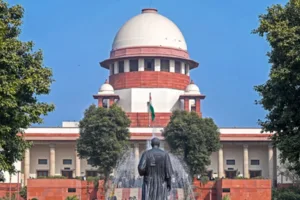
The Supreme Court on Thursday ruled in favour of West Bengal government employees in the long-standing dispute over payment of dearness allowance (DA) arrears for the period 2008-2019, holding that they have a legally enforceable right to DA calculated in accordance with the All-India Consumer Price Index (AICPI).

Statesman News Service | Kolkata |

The Supreme Court on Thursday ruled in favour of West Bengal government employees in the long-standing dispute over payment of dearness allowance (DA) arrears for the period 2008-2019, holding that they have a legally enforceable right to DA calculated in accordance with the All-India Consumer Price Index (AICPI).

However, the court partly allowed the state’s appeal by holding that employees are not entitled to the payment of DA twice a year.

A Bench comprising Justice Sanjay Karol and Justice Prashant Kumar Mishra delivered the verdict in the case between the State of West Bengal & employees bodies including the Confederation of State Government Employees, West Bengal, rejecting the state’s defence that financial constraints prevented adherence to the AICPI-based formula.

“To receive dearness allowance is a legally enforceable right that has accrued in favour of the employees of the state of West Bengal. Given its incorporation in the ROPA Rules, AICPI is the standard to be followed by the appellant state for determining existing emoluments,” the court held, directing payment of DA arrears from 2008 to 2019 in accordance with its judgment.

The court noted that the method of calculating DA with reference to AICPI was consciously adopted by the State in the West Bengal (Revision of Pay and Allowance) Rules, 2009 (ROPA).

Having done so, the state could not deviate from that formula through a series of executive or clarificatory memoranda, the Bench observed.

“In sum, DA by its very nature is non-static, fluid and subject to change. How that change is to be carried out is through AICPI.

Once DA was defined using it, to take a different path would be impermissible,” the court said, terming the state’s deviation as manifestly arbitrary and capricious.

The Bench categorically rejected the state’s plea of financial difficulty, holding that a government cannot shirk statutory obligations of its own creation.

“The least that is expected of a state in a democracy is that it honours its obligations and commitments… It is not open for the appellant-state to avoid paying DA on account of financial difficulty,” the court observed.

The court was also not persuaded by the state’s argument that adopting the AICPI method would impact federalism or violate separation of powers.

It noted that while the state was free to change the method of DA calculation by framing new rules under Article 309 of the Constitution, it chose not to do so and instead issued executive instructions, which could not override statutory rules.

However, the Bench accepted the state’s contention that its employees were not entitled to payment of DA twice a year, as is the case with central government employees.

“The ROPA Rules nowhere provide that DA will be or can be paid twice a year,” the court clarified.

Tracing the litigation history, the court noted that employees had approached the West Bengal Administrative Tribunal in 2016, alleging non-payment of DA in line with the cost-of-living index.

While the tribunal initially dismissed the plea in 2017, the Calcutta High Court set aside that order and remanded the matter.

Subsequently, the tribunal directed the clearance of DA arrears, a decision upheld by the High Court, which termed DA a legally enforceable and even a fundamental right.

The state then moved to the Supreme Court.

While leaving open the broader question of whether the right to DA is a fundamental right, the Supreme Court held that employees had a legitimate expectation of being paid DA as per AICPI once the ROPA Rules were notified.

To ensure compliance, the Court constituted a monitoring panel headed by retired Supreme Court judge Justice Indu Malhotra, along with retired Jharkhand High Court Chief Justice Tarlok Singh Chauhan, retired Chhattisgarh High Court judge Justice Goutam Bhaduri, and the Comptroller and Auditor General of India or a senior nominee.

The panel has been tasked with determining payable amounts and preparing a payment schedule by 6 March, with the first instalment to be paid by 31 March.

The court also directed immediate compliance with its interim order to pay 25 per cent of the DA arrears and clarified that retired employees, dependent on the outcome of the litigation, would also be entitled to benefits in accordance with law.

The matter has been listed on 15 May to review compliance with the court’s directions.

Senior advocates Kapil Sibal, Shyam Divan and Huzefa Ahmadi appeared for the State of West Bengal, while senior advocates Gopal Subramaniam, PS Patwalia, Bikash Ranjan Bhattacharya and Karuna Nundy represented the employees.

Rare courtesy in House as Governor, CM share warm exchange

The Governor reached the Assembly shortly before 12.30 p.m. and paid floral tributes to the statue of Dr BR Ambedkar on the premises. Speaker Biman Banerjee accompanied him during the visit.

Statesman News Service | Kolkata |

In a rare display of courtesy amid a prolonged tussle between the Raj Bhavan and the state government, Governor CV Ananda Bose on Thursday attended the Budget Session of the Assembly, briefly outlining the government’s development roadmap and sharing a warm exchange with Chief Minister Mamata Banerjee and Speaker Biman Banerjee.

The Governor reached the Assembly shortly before 12.30 p.m. and paid floral tributes to the statue of Dr BR Ambedkar on the premises. Speaker Biman Banerjee accompanied him during the visit.

The Chief Minister, who was present in the House after her argument on Special Intensive Revision (SIR) of electoral rolls before the Supreme Court on Wednesday, briefly exchanged pleasantries with the Governor displaying political courtesy which is significantly missing in Bengal politics.

Soon after the national anthem marked the beginning of proceedings, the House witnessed exchange of slogans and counter-slogan between the ruling and opposition Benches.

In contrast, Leader of Opposition Suvendu Adhikari raised slogans of “Bharat Mata Ki Jai,” echoed by BJP legislators, while Trinamul Congress MLAs countered with “Joy Bangla,” underscoring the sharp political divide that continues to dominate Assembly sessions.

Though Governor didn’t read the whole text but in his concise six-minute address he highlighted key aspects of what he described as the state government’s inclusive development agenda.

Stressing social harmony, he said: “The state had taken all necessary steps to maintain communal peace and fraternity” adding that law and order remained under strict control and that Kolkata continued to be regarded as one of the safest cities in the country.

Acknowledging financial constraints and pending dues from the Centre, the Governor said: “The far-sighted leadership of the chief mister, the government is steadfast in its commitment for holistic development of the state and the welfare of the people.”

“The government had launched 94 welfare schemes aimed at improving the quality of life across sections, particularly among marginalised communities,” he said, adding that the state has secured leading positions nationally in areas such as women-led micro, small and medium enterprises, skill development, social welfare indicators and e-governance.

The Governor said the state’s Gross State Domestic Product had grown five-fold since 2010-11, with per capita income registering a more than threefold increase.

“Over 1.7 crore people had been lifted above the poverty line through sustained economic and social progress. Agriculture, irrigation expansion and diversification, along with major infrastructure spending have been the key contributors to growth,” he claimed.

The address also touched upon flagship outreach programmes like ‘Duare Sarkar’ and ‘Amader Para, Amader Samadhan’, which, according to the Governor, reflected the government’s emphasis on participatory governance and last-mile delivery.

Special focus was placed on women-centric schemes such as ‘Lakshmir Bhandar’, ‘Kanyashree and Rupashree’, as well as health sector reforms that ensured free diagnosis, treatment and medicines in government hospitals.

Education, minority welfare and social security for scheduled castes, scheduled tribes and other backward classes were also mentioned, with the Governor highlighting scholarship schemes, institutional expansion and targeted development boards.

He further referred to industrial growth initiatives, proposed economic corridors, port-led development, and large-scale investments in steel, cement, leather and information technology sectors as drivers of employment generation.

Tourism, cultural heritage and inclusive development found mention towards the end of the speech, with references to Durga Puja’s UNESCO recognition, religious tourism circuits and infrastructure projects aimed at boosting connectivity and regional growth.

What stood out, however, was the visible cordiality that followed the address. After concluding his speech, Governor Bose was seen holding a brief, friendly conversation with Chief Minister Banerjee inside the House.

In another notable gesture, the Chief Minister personally accompanied the Governor outside the Assembly, along with the Speaker, before proceedings were adjourned.

The exchange marked a rare moment of civility in an otherwise strained relationship between the constitutional head of the state and the elected government.

ZSI scientists discover 2 marine worm species in coastal Bengal

The discovery, according to the researchers, highlights the rich yet vulnerable marine biodiversity of the northern Bay of Bengal.

Statesman News Service | Kolkata |

In what comes as a significant finding, scientists from the Zoological Survey of India (ZSI), in collaboration with international experts, have discovered two new species of nereidid worms (polychaetes) from the coastal waters of Digha and Bankiput regions of East Midnapore.

The discovery, according to the researchers, highlights the rich yet vulnerable marine biodiversity of the northern Bay of Bengal.

As informed by the ZSI, this finding adds a significant chapter to India’s marine inventory and emphasises the urgent need for systematic exploration of the country’s vast coastline. As these habitats face increasing pressure from anthropogenic activities, the discovery serves as a reminder of the hidden biodiversity that remains to be protected.

The discovery includes two distinct species, each named for their unique biological traits or in honour of scientific leadership. The first discovered species has been named as ‘Namalycastissolenotognatha.’ The name is said to have been derived from the Greek words solenotos meaning channeled and gnatha meaning jaw as the species features specialised jaws with numerous canals emerging from the pulp cavity.

It thrives in extreme environments, including sulfide-rich, malodorous, and organically enriched mudflats, often found among decomposing mangrove wood and hardened clay. The other finding, Nereis dhritiae’ has been named in honour of Dr Dhriti Banerjee, the first women director of the ZSI. This species was discovered dwelling within wooden dock piles on sandy beaches that are submerged during high tide.

According to the researchers, including Jyoshna Pradhan, Dr Anil Mohapatra (ZSI), and Dr Tulio F Villalobos-Guerrero (CICESE, Mexico, Nereidids are vital to coastal health, playing a critical role in nutrient cycling and sediment aeration. Also, these species were found in areas significantly impacted by human activity and pollution.

“The presence of these species in specialised, highly exposed, and even polluted habitats underscores the resilience of polychaetes. These worms may serve as vital bioindicators for monitoring coastal health, though further studies are required to fully understand their potential for conservation,” pointed out the researchers.

The BJP will lose many seats in Bengal: CM Mamata

The BJP will lose many seats in the forthcoming Assembly election, Chief Minister and Trinamul Congress chairperson said in the West Bengal Assembly today.

Statesman News Service | Kolkata |

The BJP will lose many seats in the forthcoming Assembly election, Chief Minister and Trinamul Congress chairperson said in the West Bengal Assembly today.

She was taking part in the debate on the Governor’s speech. This is the last session of the Assembly before the election scheduled to be held soon.

Coming down heavily on the BJP MLAs, she said: “Where were these MLAs when the migrant workers were being abused and assaulted. We won the case in the court of law,” she said.

She said the BJP has targeted Bengal and are engineering attacks against the state. “But they will not be successful. The people of Bengal have watched everything and will give a befitting reply during the election. The BJP is trying to divide the state and disturb the communal peace and harmony. We will fight it out and will give protection and security to the people.”

Chandrima tables vote on accounts, Proposes Rs 4,06,084.17 crore for 2026-27

The recipients of Lakshimir Bhandar will get Rs 500 more per month from February while the state government employees, school and college teachers will get 4 per cent dearness allowance (DA).

Statesman News Service | Kolkata |

The recipients of Lakshimir Bhandar will get Rs 500 more per month from February while the state government employees, school and college teachers will get 4 per cent dearness allowance (DA).

This was announced by Chandrima Bhattacharya, state minister for finance while tabling the vote on accounts in the West Bengal Assembly this afternoon.

For 2026-27 the Budget proposals stands at Rs 4,06,084.17 crore.

She also announced that 1.72 crore people have been brought out of poverty.

The women belonging to the general caste will get Rs 1,500 per month under Laksahmir Bhandar scheme while those belonging to SC and ST categories will get Rs 1,700 per month.

The state government has introduced a scheme for unemployed youths, who have passed Madhyamik or equivalent examination. The scheme, called Banglar Yuba Sathi, will give the unemployed youths Rs 1,500 per month. It will be launched on 15 August. The youths between 21 years and 40 years can apply for the scheme.

Bhattacharya said the agricultural workers will get Rs 4,000 annually payable in two instalments. One instalment will be given during the Rabi season and the other one during the Kharif season.

The youths, between the ages 21 and 40, who have cleared Class X, will get Rs 1,500 per month till they get a job.

The state government has proposed to waive the charges to be paid by the marginal farmers for using tube wells installed by the state government.

The state government has decided to enhance the tariff of the state health scheme giving benefits to the pension holders. It has been proposed to enhance the financial support by 75 per cent if the medical bill crosses Rs 2 lakh in empanelled hospitals. The remuneration for the civic volunteers, ASHA and Anganwadi workers have been increased by Rs 1,000 per month from 1 April.

Coming down heavily on the BJP, Mrs Bhattacharya said the saffron camp has deprived Bengal by not clearing its dues. It has not given a single paisa to set up rural houses, drinking water to rural areas to the workers engaged in 100 days work. The state government is committed to serve the poor irrespective of the support by the centre. “Despite step-motherly attitude towards the state government, it is carrying out more than 65 welfare schemes due to the able leadership of Mamata Banerjee. She makes the planning perfectly and this has helped the state government to carry on with its projects.”
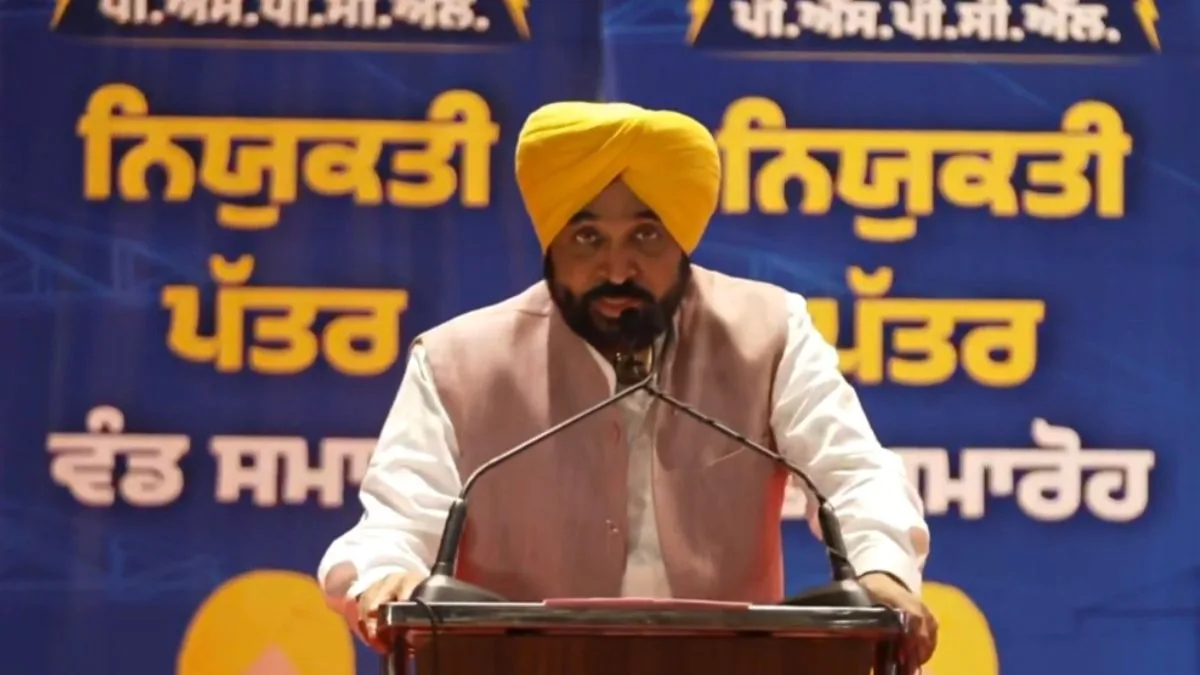
Mrs Bhattacharya said the state government has taken a comprehensive scheme to prevent erosion on the embankment of river Ganga in Malda and Murshidabad.

The state government will set up five industrial clusters and is going to be the industrial hub particularly steel and cement in near future. She said in the IT sector, the state is doing well and it has become an important investment destination. The financial health of the state has become sound due to the pro industry policies taken up by the state government.

‘A government of brutality is in power in Bengal’: PM Modi in RS

The Prime Minister said, “A government of brutality is functioning in Bengal.” Along with the Trinamool Congress, he targeted the Congress party stating, “The term ‘constitution’ does not suit them; they have not hesitated to insult the indigenous President.”

MEENAKSHI BHATTACHARYA | New Delhi |

A day after West Bengal Chief Minister Mamata Banerjee fiercely criticised the Election Commission of India (ECI) during the Supreme Court hearing, Prime Minister Narendra Modi, unable to refrain from commenting in the Lok Sabha, took a jab at the state government in the Rajya Sabha On Wednesday.

The Prime Minister said, “A government of brutality is functioning in Bengal.” Along with the Trinamool Congress, he targeted the Congress party stating, “The term ‘constitution’ does not suit them; they have not hesitated to insult the indigenous President.”

“The second quarter of ‘Vikshit Bharat’ is poised to be very significant; we have reached a crucial chapter. Here, we will not give up but will move forward. This is the best time for India’s progress. In various developed countries around the world, the population of elderly individuals is increasing. In India, however, the number of young people is on the rise. Our youth possesses everything from numbers to the willpower needed to succeed,” he said.

Pointing out that the world is currently growing through various crises, he said, “India has become a beacon of hope for the globe.”

In another context, the Prime Minister remarked, “At the time of independence, India was the 6th largest economy, and the Congress had elevated it to the 11th position. Now, the country is progressing towards becoming the third largest economy in the world.”

Referring to India’s financial agreements with various countries, he noted that “India is a global friend to many nations, and the world is now speaking of the ‘Global South’. Economically, India has emerged as one of the strongest voices of the Global South.”

Criticising the Trinamool Congress, the Prime Minister stated, “Trinamool MPs have made numerous statements in Parliament; before offering us advice, they should reflect on their own situation. The condition in Bengal has deteriorated to the extent possible, and your time has been equally dismal, plunging the future of the people there into darkness. You understand nothing beyond the comfort of being in power. Even developed nations are expelling illegal immigrants, while here, assistance is being provided to them. The Trinamool is exerting pressure on the judiciary. These illegal immigrants are taking away job opportunities from the youth, and those responsible for this will not be forgiven by the young men and women of this country. The land of the poor is being seized, and women have no security. I reiterate, before you offer us advice, bring about a change in the situation of your own state.”

Today, during a session devoid of Opposition, the Prime Minister criticised the Congress party, stating, “From the speech of the Congress Prime Minister at the Red Fort, it is evident that they lacked foresight and willpower.”

“After coming to power, we have spent a considerable amount of time rectifying the mistakes of the Congress. However, the country now operates according to policies, and we are on the path of reform and transformation. The nation is now aboard the reform express, and we have made numerous changes in policies. India is now capable of competing on a global scale. Currently, business organisations hold us in much higher regard than before,” he said.
Prime Minister Narendra Modi commenced his response speech to the President’s speech in the Rajya Sabha, at which point there were loud slogans from the opposition members throughout the House. Nevertheless, amidst the tumultuous atmosphere, Modi began his address. He directed a pointed remark at the Congress leader and senior member Mallikarjun Kharge regarding the slogans being raised. In a sarcastic tone, he reminded him of his age, stating, “You can chant slogans while being seated. I noticed some individuals are already becoming exhausted. However, remember, you too will have to respond to the Country.”


He said, “MSMEs are a vital component of the economy; even if we do not manufacture aircraft, we produce parts for them. The world has acknowledged this transformation in India. There is widespread appreciation for the European Union’s trade deals, which will benefit the youth in both urban and rural areas of the country. The global market has opened up for them, and the nation stands with you. The world is ready to welcome you. There are immense opportunities ahead for India’s professionals.”

Metro rail opens platform screen door model room at Central Park depot

Aiming to improve passenger safety, the Kolkata Metro Railway today inaugurated a Platform Screen Door(PSD) Model Room at Central Park depot campus. The model room was inaugurated by the General Manager of city metro, SS Mishra along with the principal heads of various.

Statesman News Service | Kolkata |

Aiming to improve passenger safety, the Kolkata Metro Railway today inaugurated a Platform Screen Door(PSD) Model Room at Central Park depot campus. The model room was inaugurated by the General Manager of city metro, SS Mishra along with the principal heads of various.

According to the city Metro, the model PSD room is aimed to upscale the knowledge by imparting hands-on training of the system through exhibits and physical simulations practices to the front line and maintenance staff of Green Line. This hands-on training will help to improve the preventive and on-demand maintenance practices. This will also improve response time thereby enhancing the reliability of the PSD system. This is ultimately anticipated to benefit the passengers’ safety and improve travel experiences, according to Kolkata Metro Railway.

11 undergoing eye surgery as Sebaashray follow up

Though the Sebaashray camps in Diamond Harbour have come to an end, people being serviced through the camps still continues, with 11 people undergoing eye surgery.

Statesman News Service | Kolkata |

Though the Sebaashray camps in Diamond Harbour have come to an end, people being serviced through the camps still continues, with 11 people undergoing eye surgery.

Abhishek Banerjee, national general secretary of Trinamul Congress and MP from Diamond Harbour in his X handle wrote “In Diamond Harbour though this chapter of Sebaashray has come to an end, our sacred mission of healing presses onward with unyielding resolve.”

Eleven people were referred to Renuka Eye Institute and all of them went for cataract surgery. They are all keeping well.

Mr Banerjee further tweeted: “Our pledge to good health for every soul remains etched in stone, an unbreakable vow to uplift, to heal and to unite. Together, let us carry this mission forward, illuminating Bengal’s path with empathy and equity.”

Sebaashray camps, one of its kind in the country, was an initiative to provide free medical assistance to the people living in the areas that fall under the Diamond Harbour Lok Sabha seat. Health camps were set up in all the seven Assembly segments. They were Maheshtala, Metiabruz, Budge Budge, Bishnupur, Falta, Satgachia and Diamond harbour. Camps were held for seven days at each constituency. Again follow up camps were held in each constituency. Mr Banerjee had visited the model camps. The visitors were given medicine free of cost. Diagnostic tests were conducted free and in case of emergency they were referred to private or state run hospitals.

Sebaashray camps were first held in 2024 and taking the cue from its success Sebaashray 2 camps were held.

Sabaashray camps have also been held in Nandigram in East Midnapore. The people of the area requested Mr Banerjee to hold the camps. Mr Suvendu Adhikari is the MLA from Nandigram. Mr Banerjee had visited Nandigram and inaugurated the camps.

Amit Shah to review naxal situation in three-day visit to Chhattisgarh from February 7-9

As Chhattisgarh remains one of the most sensitive states affected by Naxal violence, particularly in the Bastar region, the visit assumes significance in view of the Centre’s intensified anti-Naxal operations.

ANI | New Delhi |

Union Home Minister Amit Shah will review the prevailing Naxal situation during his three-day visit to Chhattisgarh from February 7 to 9, in what is being seen as a crucial step towards the Centre’s target of eliminating Naxalism or Left Wing Extremism (LWE) by March 31, 2026.
Shah will arrive in Raipur on the evening of February 7 and hold a meeting with senior officials to assess the overall administrative and security preparedness in the state.

As Chhattisgarh remains one of the most sensitive states affected by Naxal violence, particularly in the Bastar region, the visit assumes significance in view of the Centre’s intensified anti-Naxal operations.

On February 8, the Home Minister will chair a high-level security review meeting on Left Wing Extremism in Raipur. Senior officials from the Ministry of Home Affairs, state government, police and the central armed police forces are expected to participate. The meeting will review the progress of ongoing anti-Naxal operations, inter-agency coordination, intelligence sharing and development initiatives in affected districts.

The Centre has significantly stepped up operations against Naxal groups in recent years, resulting in a steady decline in violence, casualties and the geographical spread of LWE. The government has repeatedly underlined its dual strategy of strong security action coupled with accelerated development in affected areas, including improved road connectivity, mobile networks, banking access and welfare delivery.

Shah has set a clear target of eliminating Naxalism from the country by March 31, 2026. He has asserted on multiple occasions that Naxalism, which has hindered development and claimed thousands of lives over decades, is in its final phase. The upcoming review meeting is expected to assess progress towards achieving this deadline and chalk out the final roadmap.

Later on February 8, Shah will attend a national conclave titled ‘Chhattisgarh @ 25: Shifting the Lens’, organised by Organiser weekly magazine (Bharat Prakashan) in Raipur.

On February 9, the Minister will travel to Jagdalpur in Bastar to attend the closing ceremony of the Bastar Pandum Mahotsav – 2026, a major cultural festival showcasing the rich tribal heritage of the region.

The visit underscores the Centre’s focus on restoring lasting peace, accelerating development and achieving a decisive end to Naxalism within the set timeline.

As per the MHA, the resolute implementation of the ‘National Policy and Action Plan 2015’ has resulted in a consistent decline in violence and contraction of geographical spread.

The ministry said the LWE, which has been a serious challenge to the internal security of the nation, has been significantly curbed in recent times and has been confined to only a few pockets.

A data collated by the MHA mentions that the number of LWE-affected districts has reduced from 126 in 2018 to only eight in December 2025, with only three districts now remaining Most LWE Affected.

The LWE perpetrated violence incidents have come down from a high of 1,936 in 2010 by 88 per cent to 234 in 2025.

Resultant deaths of civilians and security forces have also come down from a high of 1,005 in 2010 by 90 per cent to 100 in 2025. In 2025, security forces neutralised 364 Naxals, arrested 1,022 and facilitated 2,337 surrenders. The number of Police Stations reporting LWE-related violence has significantly reduced from 465 Police Stations in 2010 to 119 Police Stations in the year 2025.

As the security situation is improving and more districts are getting freed from Left Wing Extremism, the government has emphasised sustained socio-economic transformation of these regions. In this context, a new category of districts was introduced in 2024, namely legacy and thrust districts. Though these districts are no longer LWE affected but, support to the States for these districts will continue for consolidating the gains and preventing relapse.

At present, 30 districts fall under this category, and the measures being undertaken are aimed at ensuring long-term stability and inclusive growth in these regions.

As part of its strategy to establish dominance over Naxalism, with the Centre setting March 2026 as the deadline to eliminate the menace, the Central Reserve Police Force (CRPF)–one of the principal forces tasked with countering Left Wing Extremism–has set up a total of 229 Forward Operating Bases (FOBs) across six key Naxal-affected states from 2019 to till date.

The FOBs have been a key component of the government’s security strategy to counter LWE in Naxal-affected regions. These bases are established by central armed police forces, including the CRPF and its specialised units, in remote, forested and insurgency-prone areas that were earlier considered strongholds of Naxal groups.

Out of the total 229 Forward Operating Bases (FOBs), the highest number–59–have been established so far this year, followed by 40 in 2024, 27 in 2023, 48 in 2022, 29 in 2021, 18 in 2020 and eight in 2019. These FOBs have been set up across Chhattisgarh, Odisha, Maharashtra, Madhya Pradesh, Jharkhand and Telangana.

Of the 59 FOBs established this year, Chhattisgarh accounts for the maximum with 32 bases, followed by Jharkhand and Madhya Pradesh with nine each, Maharashtra and Odisha with four each, and one in Telangana.