Universal and equitable access to safe and affordable drinking water for all by 2030 is the norm under UN Sustainable Development Goal 6. According to the Falkenmark Water Stressed Indicator, India is among 31 countries facing a water-stressed situation which is projected to worsen by 2050. Due to hydrological, topographic and other constraints, the utilizable water in India is expected to be 1123 bcm (690 bcm surface water and 433 bcm groundwater).
India has 4 per cent of the world’s water resources and its water quality ranks 120 out of 122 countries. About 70 per cent of water in India is contaminated. The use of groundwater is about 64 per cent in irrigation, about 85 per cent in rural water supply, and about 50 per cent in urban water consumption. Groundwater is replenished annually, but its availability is uneven across different locations at times. Surface water and groundwater are showing deteriorating water quality in India, which impair life of living beings, the economy, livelihoods and the health of ecosystems.
Advertisement
Drinking water resources are highly impacted. Over-extraction of groundwater, poor sanitation practices, disposal of industrial effluents, change in land use, waste disposal practices etc., badly affect water quality. For example, nitrate and pesticides get into aquifers, lakes and rivers, which are an important link in the marine food chains. The main reason for increase of soil salinization is the ingress of saline water into coastal aquifers due to over pumping. Poor disposal of medical waste and indiscriminate antibiotic use lead to micro environments in the aquifers, sewage, and surface water bodies. More than 350 districts in India have fluoride-affected pockets and 150 districts have high arsenic affected areas.
Advertisement
The groundwater contaminants are of two types: anthropogenic and geogenic (natural sources). The former originates from agricultural practices (e.g. nitrogen compound), industrial waste (e.g. lead and chromium), urbanization (e.g. pathogens and toxins entering the aquifer), over-extraction (resulting in salt water intrusion), etc. The geogenic contamination arises due to certain geological formations naturally dissolving unwanted contaminants such as arsenic, fluoride, uranium, iron etc. into the groundwater. Major contaminants in groundwater are, inter alia, Nitrate, Fluoride, and EC (Electrical conductivity).
Nitrate contaminants (anthropogenic) demonstrated the highest frequency of permissible limits (45 mg/litre) in approximately 20.7 per cent of testing samples (CGWB 2025). This contamination in groundwater comes from agricultural practices and improper waste disposal. Exposure to high levels of contaminants poses severe health risks such as thyroid disorders. Infants are vulnerable as high nitrate in drinking water impairs the blood’s ability to carry oxygen causing skin infections and asphyxiation. Prolonged exposure to nitrate-contaminated groundwater in adults is linked to increased risk of stomach cancer and diabetes.
Estimates show that children face up to 1.5 times the chronic health risk compared to adults. Boiling water does not remove nitrates, and it actually concentrates them. Effective filtration methods such as ion exchange and distillation have a positive impact. Elevated fluoride concentrations (exceeding 1.5 mg/liter), were observed in 8.05 per cent samples (CGWB 2025). This contamination is predominantly geogenic (naturally occurring) associated with water-rock interaction in crystalline and hard rock aquifers such as granites. Fluoride contamination of groundwater and its consumption pose several public health risks, causing dental and skeletal fluorosis.
Effective remediation requires targeted water treatment and watershed management. In India, a sizable part of the population is at risk with hotspots in Rajasthan, Telangana, Andhra Pradesh and eastern Karnataka. To avoid this contamination, tapping into deeper uncontaminated aquifers should be adopted. Alternatively, we should utilize surface water reservoirs instead of highfluoride borewells. The EC, an indicator of geogenic contaminants, is acute in arid and semi-arid regions of Northwest India, especially states such as Rajasthan, Delhi, Haryana, Gujarat.
EC directly correlates to concentration of dissolved inorganic ions, salts and heavy metals. Pure water has zero conductivity. Spills in EC typically indicate man-made pollution, such as agri-runoff (Nitrate and Phosphate or industrial discharge). In Gujarat, rising EC is often the sign of salt water entering the fresh coastal aquifers. High water use for irrigation eventually degrades soil quality and harms crop yield. High EC also points to faecal contamination from pit latrines or urban waste. This often leads to gastrointestinal illnesses including cholera.
Sudden increase in EC signals that harmful anthropogenic disturbances or pollutants have entered the aquifers. Geogenic (natural source) contaminants in groundwater are arsenic, uranium, manganese and copper. Arsenic contamination remains a major geogenic concern, especially within the Ganga and Brahmaputra water basins. States such as West Bengal (detected for the first time in 1983), Bihar and UP are affected by arseniccontaminated groundwater. The health impacts of this contamination are oncological (developing cancer of liver, kidney etc.), disrupted endocrines, etc.
For arsenic, India’s permissible water quality regulatory norm is less than 50 micrograms per litre, which is very high compared to the WHO standard of 10 micrograms per litre. To mitigate groundwater contamination and ensure safe drinking water, a combined approach for prevention, treatment and management strategies of groundwater is essential. For example, in fluoride-affected regions, safeguarding of water quality can be done through source selection, blending of high and low fluoride levels, establishment of community-based treatment plants and public awareness frameworks.
For nitrate contamination, measures such as efficient freshwater management, soil testing, appropriate timing of fertilizer application and use of organic fertilizers should be undertaken. In the case of arsenic mitigation, short- and long-term measures are essential. These should include installation of household and community treatment units, prohibition of contaminated wells and consumptive use of surface water and groundwater. For long-term measures, there is a need to develop alternate safe aquifers, rainwater harvesting and deep well construction using scaling techniques. For uranium (geogenic contamination), multiple treatment technologies are available including absorption, coagulation, extraction, RO, and evaporation.
Selection of right methods would depend on cost, efficiency and local conditions. For iron and manganese, remedial options include filtration, use of iron/manganese removal plants and chemical oxidation. To address lead contamination, remedial measures include strict regulation of industrial effluents, lab testing in public buildings, hydro-geochemical mapping, etc. The fortnightly issuance of groundwater quality alerts by the CGWB to the states is a welcome step.
This will help create a real-time early warning system, helping states to undertake regular sampling, issuing advisories and implementing mitigation measures to the stakeholders. However, there is a need to place this information framework in the public domain. The adverse health impacts of geogenic and anthropogenic contaminated groundwater for drinking purposes should be brought into the public domain. An analysis of adverse health impacts due to intake of contaminated groundwater should be brought to the notice of affected stakeholders, policy makers, communities, Gram Panchayat, Nagar Palika, etc.
As a part of water governance reform, the Union government and all state governments should have water quality divisions to be run by professionals covering all relevant disciplines. Sensors for real-time detection of contamination should be deployed. Water quality must form an important part of the agenda for all capacity-building programmes on water resources. Panchayati Raj Institutions should be provided water quality testing kits and they should undertake monitoring and surveillance.
As suggested by the National Environmental Policy 2006, the strategy to control water pollution should include environmental remediation, voluntary compliance and civil and criminal penalties. These guidelines should be strictly followed. The “Polluters Pay Principle” approach should be considered in water quality management. Payment for violations must be high enough to have a deterrent effect on water quality polluters as a part of Extended Producers Responsibility.
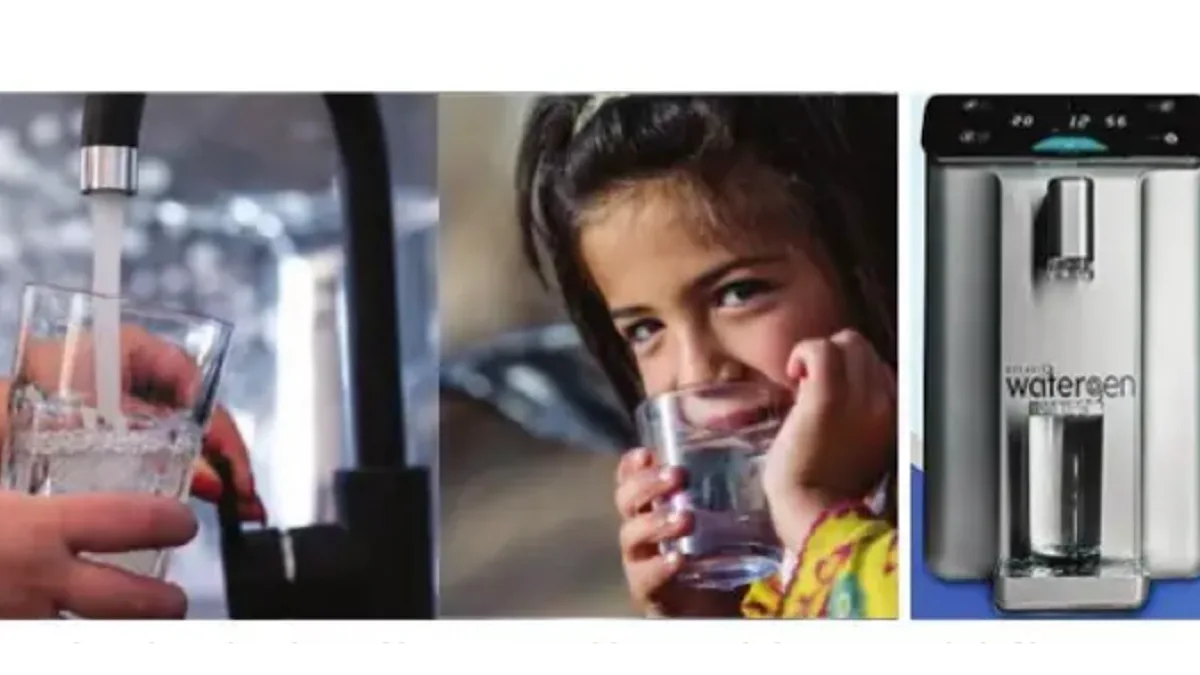
In the case of repeated violations, strong corrective measures should be undertaken. In India, there are areas where groundwater is contaminated and there is no supply of piped water. There exists an innovative technology to resolve this crisis for having potable drinking water. The innovative AWG (Atmospheric Water Generator) technology extracts potable water from ambient air using condensation. There is a need to increase public awareness on the adoption of AWG technology.
(The writer is a Senior Advisor, Water Resources Division, TERI, New Delhi and a former Secretary, Ministry of Water Resources, Govt. of India)
Advertisement