Logo

PM Modi holds massive roadshow in Kochi

The roadshow was organised at the entrance of Jawaharlal Nehru International Stadium in Kochi.

Statesman News Service | Kochi |

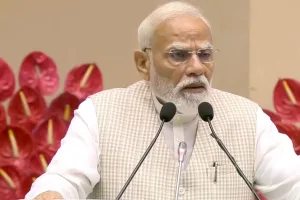
Thousands of people lined up alongside the road at Kallor in Kochi to greet Prime Minister Narendra Modi on Wednesday when he held a massive roadshow. People welcomed him with flowers amid chants of “Modi… Modi…”

The roadshow was organised at the entrance of Jawaharlal Nehru International Stadiumin Kochi. It spanned approximately 300 metres along the road leading to the stadium to serve as a formal launch of the NDA’s election campaign for the upcoming state assembly polls.

The event was held ahead of the inauguration of the developmental projects worth around Rs.10,800 crore by Mr. Modi at Jawaharlal Nehru International Stadium in Kaloor.

After the road show, the Prime Minister inaugurated a six-lane road on the Thalappady-Chengala section of National Highway 66 and the six-lane road on the Vengalam-Ramanattukara section of the Kozhikode Bypass. He also inaugurated the renovated Shoranur Junction, Kuttippuram and Changanassery railway stations included in the Amrit Bharat Station Project and the Shoranur-Nilambur Road Railway Line Electrification Project. The Prime Minister also flagged off a new train service on the Palakkad-Pollachi route.

The PM laid the foundation stone for the Polypropylene unit at the Kochi Refinery of Bharat Petroleum Corporation Limited at a cost of Rs 5,500 crore. He inaugurated 23 rural roads constructed under the Pradhan Mantri Gram Sadak Yojana and laid the foundation stone for 50 MW Floating Solar Project at West Kallada, Kollam.

Speaking on the occasion, Modi said that the Polypropylene unit would be able to produce 4 lakh tonnes of polypropylene per year. The country is making progress in the AI and semiconductor sectors. It is leading in solar energy power. Kerala should also move forward in the solar energy sector.

Earlier in the day, the Prime Minister inaugurated the golden jubilee celebrations of the Dheevara Sabha (Organisation of fishermen) at Marine Drive in Kochi. Speaking on the occasion, he accused the state government of neglecting the fishermen community. He also mentioned the rescue operations carried out by the fishermen during the floods.
 

Security forces exchange fire with Maoists in Chhattisgarh, search operation underway

According to Kanker Superintendent of Police Nikhil Rakhecha, a joint team of the District Reserve Guard (DRG) and other security forces had set out on a combing operation in the dense forests of Koylibeda.

Statesman News Service | Kanker |

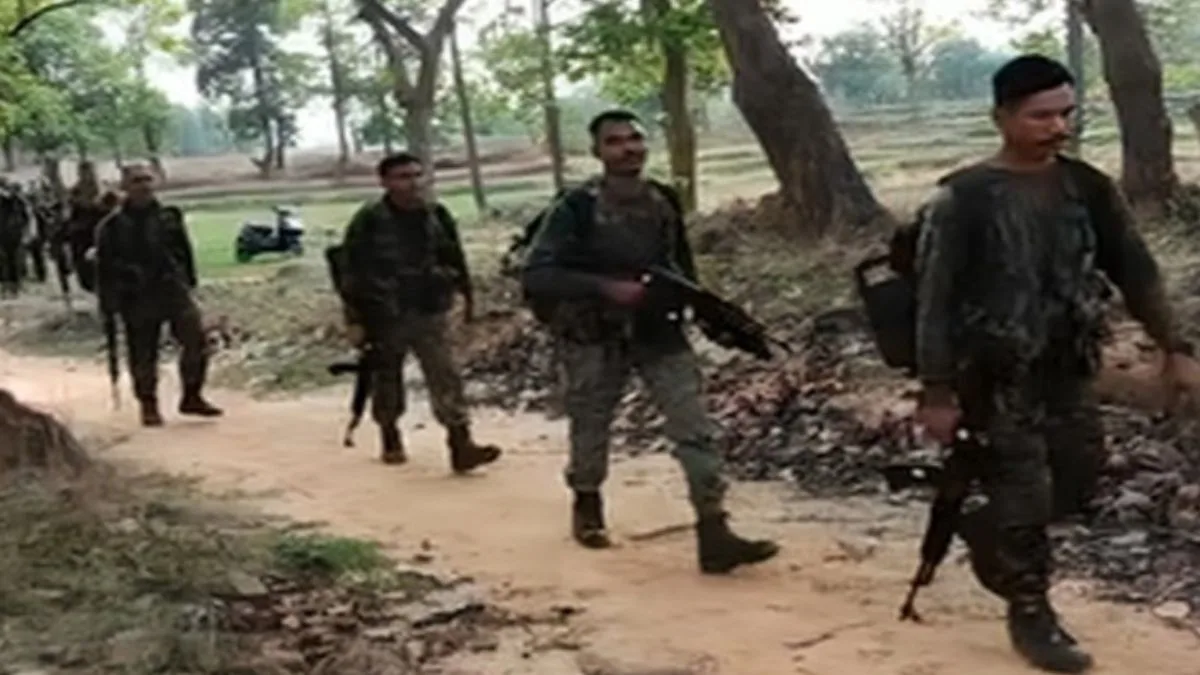
An encounter broke out between security forces and Maoist insurgents in the Koylibeda region of Chhattisgarh’s Kanker district on Wednesday evening. The exchange of fire occurred during a search operation launched by a joint team of security personnel after intelligence inputs indicated the presence of armed Maoist cadres in the area.

According to Kanker Superintendent of Police Nikhil Rakhecha, a joint team of the District Reserve Guard (DRG) and other security forces had set out on a combing operation in the dense forests of Koylibeda. As the forces began cordoning off the suspected location, Maoist cadres allegedly opened fire on the advancing team, triggering a brief gun battle.

Security personnel retaliated in self defence, following which the Maoists managed to escape into the dense forest under the cover of darkness and difficult terrain. Officials confirmed that there were no immediate reports of casualties from either side in the exchange.

During subsequent searches at the encounter site, security forces recovered explosive materials, Maoist literature and items of daily use believed to have been left behind by the fleeing insurgents. Preliminary assessment suggests that the gunfight involved a small Maoist squad active in the region.

SP Rakhecha said security forces have intensified search operations across the surrounding forest area, with additional teams deployed and road blockades strengthened to track down the fleeing Maoists.

The incident comes amid sustained anti Maoist operations across Bastar division, where security forces have stepped up intelligence-led campaigns in recent months. Officials say that with rising surrenders and continued pressure from security operations, Maoist groups are attempting to demonstrate their presence in some pockets.

Authorities maintain that the search operation in the Koylibeda region will continue until the area is fully sanitised. Security forces remain on high alert as they seek to prevent any regrouping of insurgent squads in the sensitive forest belt.


Delhi liquor policy case: Kejriwal, other accused write to Delhi HC Chief Justice, seeks transfer of case from Justice Swarana Kanta Sharma

The AAP leaders, including Kejriwal, sought the transfer of the case to an “impartial” bench, saying if the matter is heard by Justice Sharma, it may not receive an impartial hearing.

Statesman News Service | NEW DELHI |

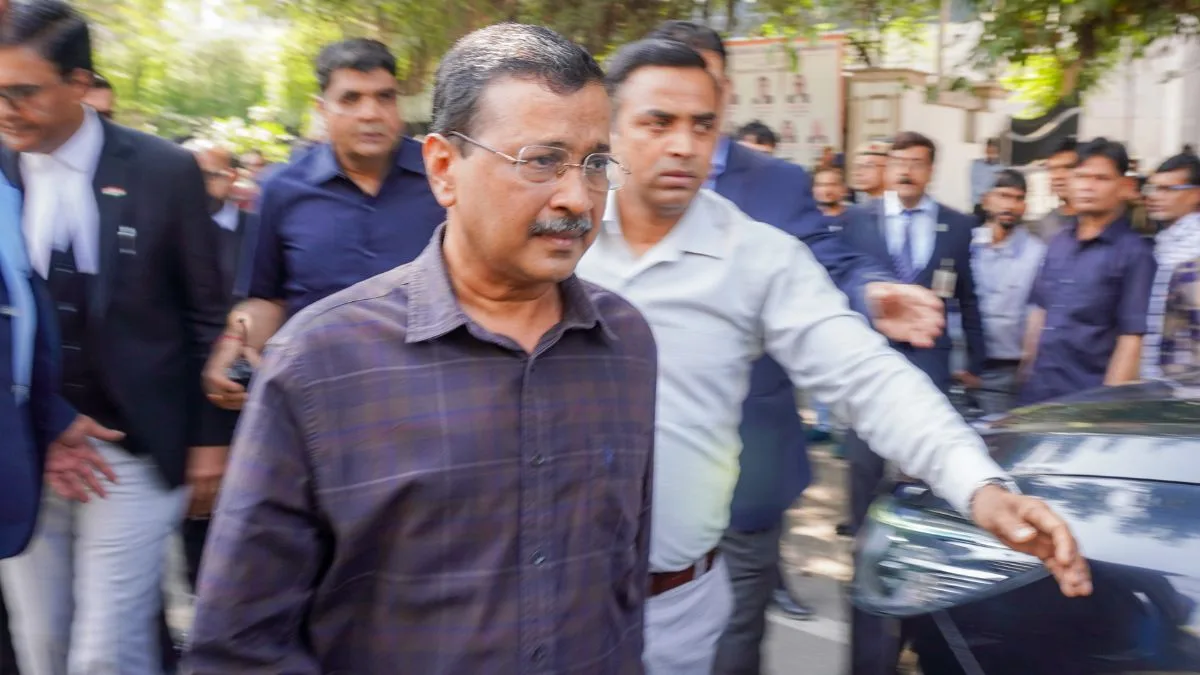
Former Delhi Chief Minister and Aam Aadmi Party (AAP) national convener, Arvind Kejriwal, and Manish Sisodia and other accused in the excise policy scam case on Wednesday wrote to Delhi High Court Chief Justice Devendra Kumar Upadhyaya, urging him to transfer the case from Justice Swarana Kanta Sharma.

The AAP leaders, including Kejriwal, sought the transfer of the case to an “impartial” bench, saying if the matter is heard by Justice Sharma, it may not receive an impartial hearing.

In a written representation made to Delhi High Court Chief Justice Devendra Kumar Upadhyaya, the AAP leaders accused Justice Sharma of “bias”.

The move came days after the CBI moved the High Court against a lower court’s decision to discharge Kejriwal and others in the case.

‘I’m not corrupt; court said Kejriwal and Sisodia are honest’: Ex-Delhi CM as court effectively closes liquor policy case

A Special Court in Delhi had discharged all 23 accused, including Arvind Kejriwal and Manish Sisodia, in the Delhi liquor police case. The court also order an inquiry against the investigation officer.

Earlier on Monday, the Delhi High Court issued a notice to Kejriwal and other accused in the case, seeking their stand on the petition filed by the CBI challenging their discharge by the trial court.

The notice was issued by Justice Swarana Kanta Sharma, who also listed the CBI’s petition for hearing on March 16. Justice Sharma also stayed the lower court’s observation made against the CBI officials investigating the case.

Patanjali inaugurates advanced Zebrafish and Drosophila research lab

This Zebrafish and Drosophila laboratory is a significant achievement in the field of modern biomedical research, which will provide a new direction for the scientific evaluation of medicinal plants and Ayurvedic medicines.

Statesman News Service | NEW DELHI |

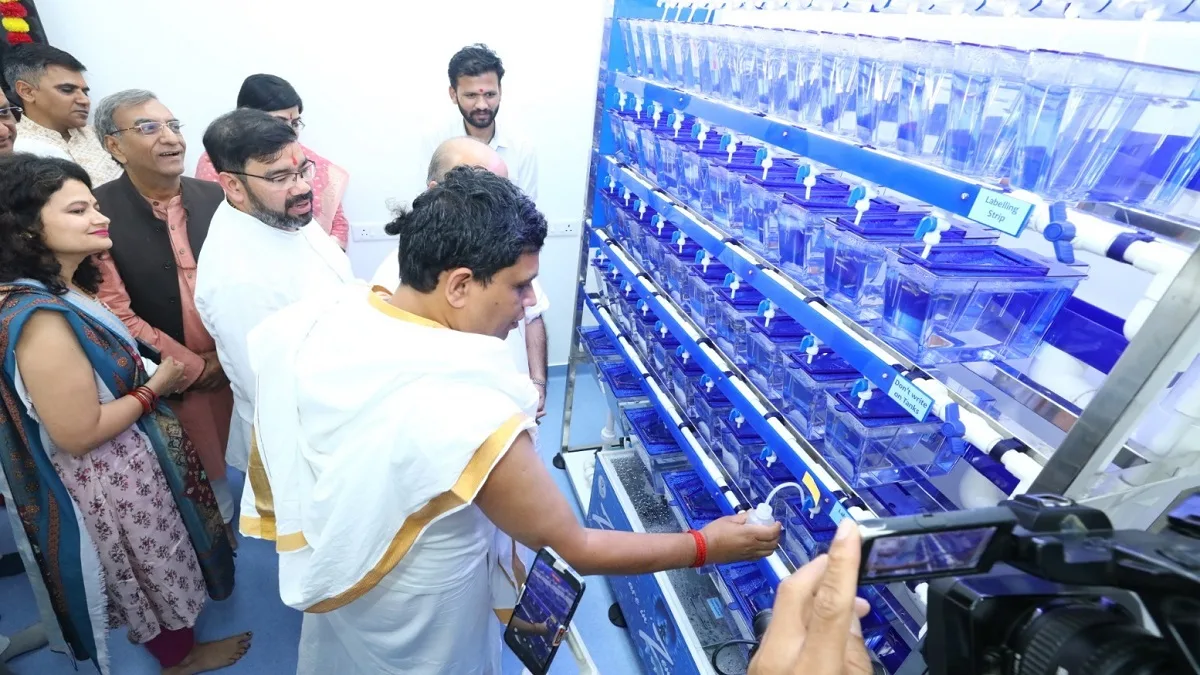
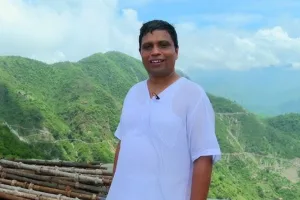
Working with the objective of integrating India’s traditional knowledge system with modern science, the Patanjali Research Institute today achieved an important scientific milestone with the formal inauguration of a state-of-the-art Zebrafish and Drosophila research laboratory. The laboratory was inaugurated by the institute’s mentor, Acharya Balkrishna. The presence of senior scientists, researchers and representatives from various departments of the institute made the occasion even more significant.

This Zebrafish and Drosophila laboratory is a significant achievement in the field of modern biomedical research, which will provide a new direction for the scientific evaluation of medicinal plants and Ayurvedic medicines. Due to their robust research potential, Zebrafish and Drosophila have emerged as powerful model organisms in biological research. The transparent structure of Zebrafish during early development stages and their rapid reproductive capacity, along with the short life cycle of Drosophila flies, make these organisms extremely useful for research in disease mechanisms, toxicology and drug discovery.

Addressing the gathering on this occasion, Acharya Balkrishna said that India’s ancient Ayurvedic tradition possesses an immense repository of knowledge, which needs to be validated through modern scientific methods. He said that Patanjali is working to restore the knowledge of creation, Vedic consciousness and energy, and the golden era of India, and present them before the world with evidence through modern research technologies. Advanced model systems like Zebrafish and Drosophila will provide scientists with an opportunity to understand the effects of medicinal plants and Ayurvedic products at a microscopic level and present them with scientific validation.
He further said that the Patanjali Research Institute has conducted several scientific studies in the past few years which have established that Ayurvedic medicines are not only effective but also safe.

Through this laboratory, Patanjali scientists will get the opportunity to conduct in-depth studies on the effects of Ayurvedic medicines in complex diseases such as metabolic diseases, neurological diseases, inflammation-related problems and cancer. Facilities of this kind will further strengthen India’s position on the global scientific map and inspire young scientists toward innovation and research.

Expressing his views on the occasion, the institute’s senior scientist Dr Anurag Varshney said that Zebrafish and Drosophila models play an extremely important role in modern biomedical research. Their transparent structure provides scientists with the opportunity to directly observe and understand the biological processes occurring inside living organisms.

He said that this new facility will provide a new direction in understanding the biological activities of compounds derived from medicinal plants and the effects of medicines.

Explaining the Zebrafish and Drosophila laboratory, he said that the facility is equipped with advanced technologies and instruments. It includes specially designed aquarium systems with controlled temperature and lighting arrangements that provide the necessary environment for the healthy development of Zebrafish.

Similarly, culture bottles are used for Drosophila, and special arrangements have been made to maintain them at controlled temperatures. In addition, high-resolution microscopy and imaging systems have also been installed, which will help scientists conduct detailed studies of embryonic development, cellular activities and biological processes.

The Patanjali Research Institute is already conducting extensive research using various biological models such as rats, mice, rabbit, hamsters, guinea pigs and C. elegans. The Zebrafish and Drosophila research laboratory will provide a common platform for scientists working in all these areas, enabling comprehensive studies on the effects of Ayurvedic medicines.

Through the establishment of this new Zebrafish and Drosophila research laboratory, Patanjali aims to promote research and innovation at the global level by integrating India’s traditional knowledge with modern science.

Delhi govt exploring possibility of green budget to balance economic growth and environment

In this context, the Delhi government is said to be exploring and examining the possibility of having a green budget that could contribute towards striking a balance between economic growth and protection of the environment in the capital.

Statesman News Service | New Delhi |

With the national capital fighting climate change in the form of rising pollution, along with urbanization at a rapid pace, the need for environmental protection has become an essential part of the governance discourse and core of the development plan.

In this context, the Delhi government is said to be exploring and examining the possibility of having a green budget that could contribute towards striking a balance between economic growth and protection of the environment in the capital.

According to government sources, the primary objective of this kind of budget would be that a significant portion of government’s spending and development initiatives are directed towards environmental priorities.

These will include pollution control, clean energy, water conservation, biodiversity protection, and sustainable development initiatives. Such a budgeting framework will also make it easier to track what all the government is investing towards environmentally focused programs, and also their impact.

Notably, several countries across the globe, as also some of our states have already ventured into the domain of green, or climate budgeting.

These frameworks help governments clearly identify and classify environment-related schemes and projects within their budgets, improving transparency and enabling more efficient use of public resources.

Moving forward, the Delhi government is currently studying such models, to assess how a similar system could be adapted for the national capital, the sources said.

It is said the concept of a green budget is more than just environmental protection alone, and has the potential to open new avenues for economic growth.

Investments across sectors like clean energy, green mobility, waste management, water conservation, and green infrastructure can further boost innovation in technology, and also make space for new employment opportunities.

Meanwhile, the national capital has taken several steps in recent years to address environmental concerns, be it promoting cleaner transportation through Electric Vehicle (EV) policy, or the efforts underway for solar energy expansion, increasing the green cover, and several other such things.

Sources indicate that the state government is consulting experts, environmentalists, policymakers, and various departments concerned to find out as to how the Green Budget concept could be implemented effectively on the ground.

It is believed that this could be a step in the direction towards transformation of Delhi into a cleaner, greener and sustainable city.


IPL 2026: Gujarat Titans bring in former KKR title-winning assistant coach Vijay Dahiya

Vijay Dahiya represented India in 19 ODIs and two tests and enjoyed a successful domestic career with Delhi before transitioning into coaching.

Statesman News Service | New Delhi |

Strengthening their coaching staff further, the Gujarat Titans on Wednesday announced the appointment of former India wicketkeeper-batter Vijay Dahiya as assistant coach ahead of the Indian Premier League (IPL) 2026 season.

His appointment follows the recent addition of former Australia opener Matthew Hayden as batting coach, as the franchise continues to bolster its coaching group ahead of the new campaign.

A respected figure in Indian cricket, Dahiya represented India in 19 One Day Internationals and two Tests and enjoyed a successful domestic career with Delhi before transitioning into coaching. Following his retirement, he built a reputation as a capable mentor and tactician, notably guiding Delhi to the Ranji Trophy title in the 2007–08 season.

Over the years, Dahiya has developed an extensive coaching portfolio, working across domestic cricket and the IPL, serving as assistant coach with the Kolkata Knight Riders, where the franchise won two titles, and with the Lucknow Super Giants, while also working as a talent scout for the Delhi Capitals.

His experience and understanding of the Indian cricketing ecosystem are expected to add depth to the Titans’ support staff as they prepare for the upcoming season.

Since making their debut in 2022, Gujarat Titans have quickly established themselves as one of the most consistent teams in the IPL. The franchise won the title in its inaugural season and has reached the playoffs in three of its first four campaigns, underlining its strong performances in the league.

Meanwhile, the Board of Control for Cricket in India (BCCI) recently announced the schedule for the opening phase of IPL 2026, which will begin on March 28. Defending champions Royal Challengers Bengaluru will host Sunrisers Hyderabad in the tournament opener at the M. Chinnaswamy Stadium in Bengaluru.

With the season approaching, Gujarat Titans will be hoping that their strengthened coaching structure helps them build on their strong record in the competition and mount another serious title challenge.

Row President Murmu’s Bengal visit escalates, Chhattisgarh CM Sai writes to Mamata Banerjee

He remarked that India’s democratic traditions have long been admired for maintaining dignity and civility even in the face of political differences, and warned that any departure from these norms undermines the spirit of constitutional institutions.

Statesman News Service | Raipur |

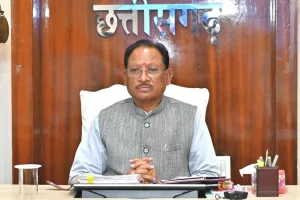
Chhattisgarh Chief Minister Vishnu Deo Sai has written a strongly-worded letter to West Bengal Chief Minister Mamata Banerjee, expressing concern over the alleged disrespect shown to President Droupadi Murmu during her recent visit to the state. He said the episode had raised serious questions about adherence to democratic conventions and constitutional protocol.

In the letter, the Chief Minister said he was compelled to write “with a heavy heart,” urging Banerjee to take cognisance of the issue. He remarked that India’s democratic traditions have long been admired for maintaining dignity and civility even in the face of political differences, and warned that any departure from these norms undermines the spirit of constitutional institutions.

Referring to President Murmu as the country’s first tribal woman to occupy the highest constitutional office, Sai said the alleged incident had deeply hurt the sentiments of millions of people across the country, particularly members of tribal communities. He said the developments appeared to disregard established traditions of protocol and respect associated with the office of the President.

Sai also noted that the controversy had surfaced just ahead of International Women’s Day, calling it particularly unfortunate that a woman President from a tribal background was subjected to what he described as discourteous treatment during an official visit. He added that the incident had drawn attention nationwide and that the response following the episode had further intensified public concern.

In his letter, Sai alleged that basic courtesies expected during the President’s visit were not fully observed, including a change in the venue of a programme organised by members of the tribal community and alleged lapses in arrangements for the visiting dignitary. He said such developments appeared inconsistent with the oath of commitment to the Constitution taken by elected leaders.

The Chief Minister also recalled the earlier controversy related to incidents in Sandeshkhali, stating that concerns regarding the dignity and security of women from marginalised communities had previously been raised. He alleged that repeated controversies had given rise to apprehensions about the treatment of vulnerable sections of society.

Calling for a constructive resolution, Sai urged Banerjee to acknowledge the concerns and extend an apology to the President and the nation. He said such a step would reaffirm respect for constitutional institutions and democratic traditions.

Sanjay Raut takes a dig at PM Modi on generating gas from sewage

Uddhav Thackeray-led Shiv Sena Rajya Sabha MP and chief Sena spokesperson urged Prime Minister Narendra Modi to set up a gas production unit using sewage in Mumbai’s polluted Mithi river to tide over gas shortage due to the Iran war.

Statesman News Service | Mumbai |

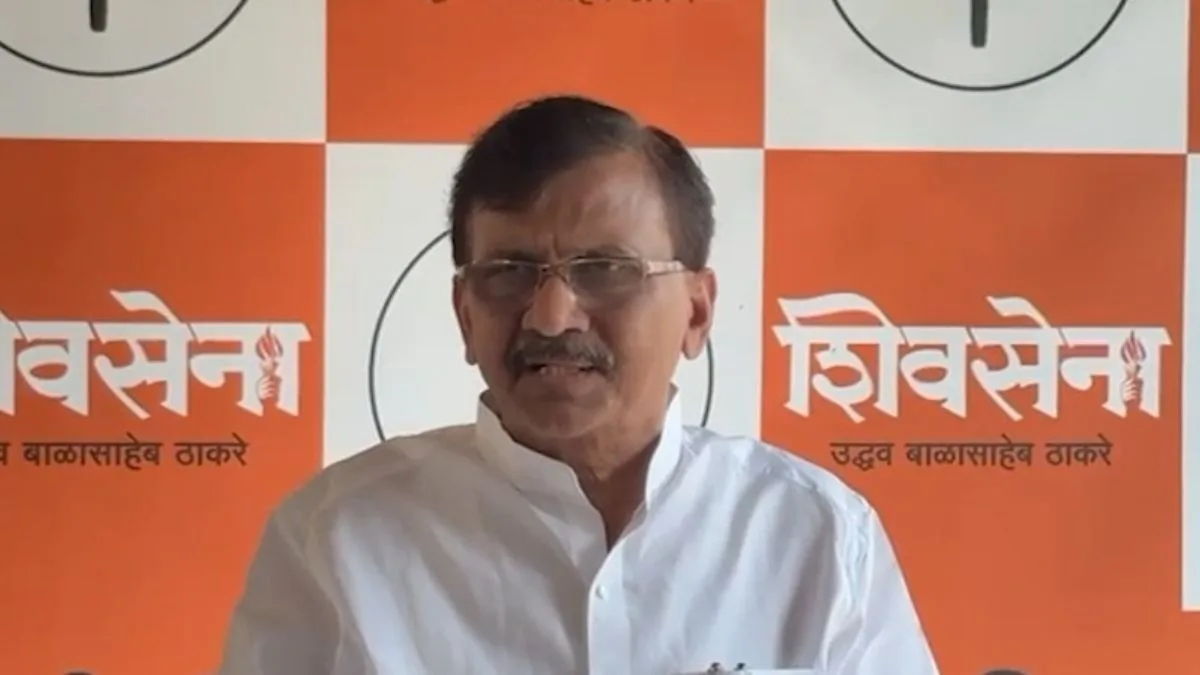
Uddhav Thackeray-led Shiv Sena Rajya Sabha MP and chief Sena spokesperson urged Prime Minister Narendra Modi to set up a gas production unit using sewage in Mumbai’s polluted Mithi river to tide over gas shortage due to the Iran war.

Speaking to media persons here on Wednesday, Sanjay Raut said, “Our Prime Minister Modi is a great research scientist. Several years ago, he had discovered that gas can be produced from sewage in nullahs and drains. Can such a gas production project be established on the banks of the Mithi River in Mumbai based on Modi’s concept? Devendra Fadnavis and the Mayor of Mumbai should invite Narendra Modi to inaugurate it. Taking inspiration from that, many such industries can be set up all over the country ”.

“By Modi’s grace, we can easily overcome the gas shortage caused by the war. He must inaugurate the first such gas unit on the Mithi River in Mumbai. The Shiv Sena is always ready to arrange the pipes required for the project. Also, if any subsidy is required for this project, Chief Minister Devendra Fadnavis should approve it,” Sanjay Raut said, targeting Prime Minister Modi.

“If this experiment is successful, such projects can also be implemented in the Yamuna river. Currently, the fuel situation in Maharashtra is very critical. If a loan is required to set up such a project, Devendra Fadnavis should approve it immediately. If such a project on Mithi river is large enough, I will personally invite Prime Minister Modi to inaugurate it,” Sanjay Raut said.

“US President Donald Trump has announced that Reliance Industries will make a major investment in a petroleum refinery project in Texas, USA. This project is said to be the first Indian petroleum refining project to be set up in the US in 50 years. It seems only a few industrialists will benefit from the trade deal with the US. If a major industrialist from India chooses to invest in the US instead of India, Prime Minister Narendra Modi will have to explain,” he said.

“Why are Indian industries going abroad to invest? Why is it that the investment which should have been made in India and especially in Maharashtra, is being made abroad instead? This is a matter of concern. Why do Indian industrialists feel the need to invest abroad rather than investing in their own country? This is a very unfortunate thing to happen,” Sanjay Raut said.

“The biggest issue in the country is the situation caused due to the Iran war. Our country has started feeling a major shortage of gas. The Modi government had said that this war would not have any impact on India, but this assurance given by the government to the people has turned out to be false. In cities like Mumbai , 30 percent of restaurants and hotels are closed due to gas shortage. The automobile industry has suffered a lot due to the disruption of commercial gas supply. Engineering industries in Satara and Sangli are completely closed. The automobile industry in Chakan is in trouble,” Sanjay Raut said.

“Prime Minister Modi is fulfilling his dream of taking India back by 100 years. His culture is to destroy science and create gas from drains and nullahs,” Sanjay Raut said.


Gehlot charges Modi govt with “collective failure” in assessing LPG crisis

Expressing concerns over the shortage of the LPG supply on Wednesday, Gehlot said in a social media post on X that as usual the Modi government demonstrated carelessness and insensitive attitude.

Statesman News Service | Jaipur |

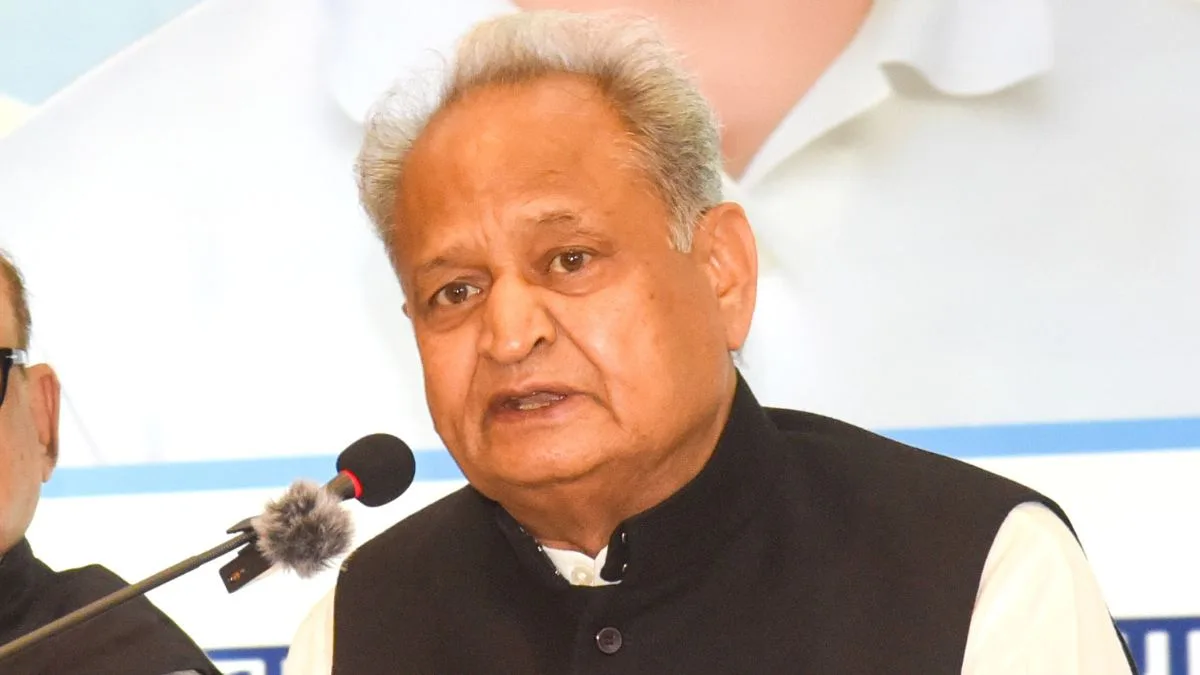
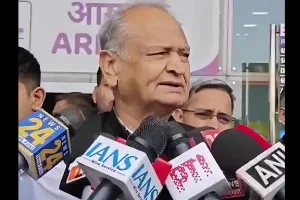
Former Rajasthan Chief Minister Ashok Gehlot has alleged that the Modi government could not sense and assess on time the seriousness of LPG crisis in the wake of the Middle East war which, he said, amounts to “collective failure” of the Centre.

Expressing concerns over the shortage of the LPG supply on Wednesday, Gehlot said in a social media post on X that as usual the Modi government demonstrated carelessness and insensitive attitude.

The senior Congress leader also appealed to the public to observe austerity in use of LPG, petrol, and diesel.

The former CM has also urged the government to pay extra attention in maintaining the LPG supply to Indira Rasoi (Annapurna Rasoi) as the food cooked and served for satiating hunger of lakhs of poor, homeless, and other needy persons.

Meanwhile, the Opposition Congress held demonstrations in Jaipur and some other towns, in protest against the shortage and routine sorts of difficulties in supply.

India’s crude supply secure through diversified procurement despite West Asia crisis: Govt

Sujata Sharma, Joint Secretary in the Ministry of Petroleum and Natural Gas, said India’s current crude procurement volumes exceed the quantity that would normally arrive via the strategically important Strait of Hormuz.

Statesman News Service | New Delhi |

India’s crude oil supply remains secure despite disruptions to global energy routes caused by the ongoing West Asia crisis, a senior government official said on Wednesday, highlighting the country’s diversified sourcing strategy and emergency measures to stabilise fuel availability.

Sujata Sharma, Joint Secretary in the Ministry of Petroleum and Natural Gas, said India’s current crude procurement volumes exceed the quantity that would normally arrive via the strategically important Strait of Hormuz.

“India’s crude supply remains secure. Our daily consumption is about 55 lakh barrels. Through diversified procurement, the volumes we have secured today exceed what would normally have arrived through the Strait of Hormuz during this period,” Sharma said at an inter-ministerial press briefing.

India imports crude oil from around 40 countries, enabling it to mitigate risks arising from geopolitical tensions affecting key shipping routes. Domestic refineries are operating at full capacity and in some cases even above capacity to ensure uninterrupted availability of petroleum products across the country, she added.

The government also announced measures to manage potential supply constraints in liquefied petroleum gas (LPG) and liquefied natural gas (LNG). Sharma said two LNG cargoes procured from new sources are currently en route to India.

“Amid supply pressures linked to the West Asia tensions, the government has absorbed a significant portion of the rise in LPG costs to shield consumers from higher prices. Currently, LPG supplies are being prioritised for domestic households, while non-domestic supplies are being directed towards essential sectors such as hospitals and educational institutions,” she said.

India imports around 60 per cent of its LPG requirement, with nearly 90 per cent of those imports passing through the Strait of Hormuz.

“To strengthen domestic availability, the government has directed refining and petrochemical units to optimise LPG production. As a result, domestic LPG output has increased by about 25 per cent, with the additional supply primarily directed towards household consumers to ensure uninterrupted cooking gas availability,” she added.

Gas supplies are also being prioritised for critical sectors, including fertiliser manufacturing, tea production and gas grid operations.

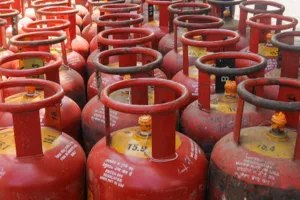
As a temporary demand-management measure, the minimum interval between LPG cylinder bookings has been increased from 21 days to 25 days. Sharma urged consumers not to panic or rush to book cylinders, assuring that supplies remain adequate.

Lok Sabha rejects no-confidence motion against Speaker Om Birla

BJP MP Jagdambika Pal, who was in the Chair, after Birla decided to skip the proceedings, called for a voice vote and said the resolution has been defeated.

Statesman News Service | NEW DELHI |

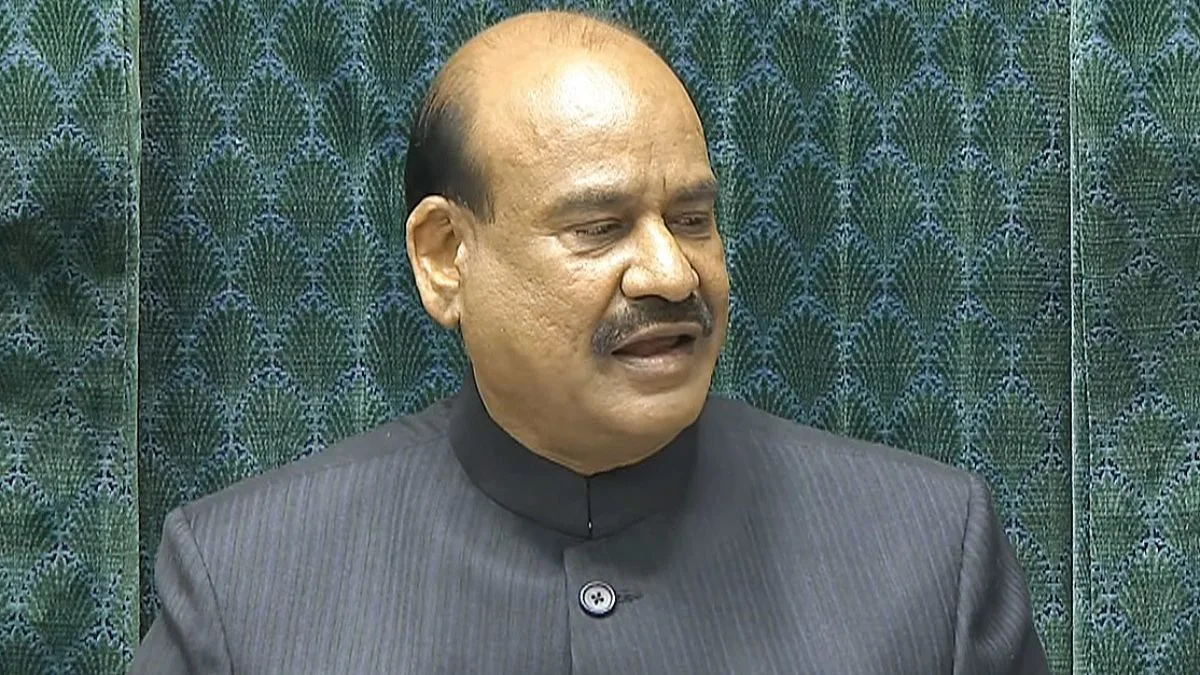
The 18th Lok Sabha on Wednesday dismissed the no-confidence motion against Speaker Birla through a voice vote amid ruckus in the House over Home Minister Amit Shah’s remarks against Congress leader Rahul Gandhi.

Shah, while participating in the two-day debate on the resolution moved by Congress MP Mohammad Jawed, had slammed the Opposition parties for raising questions on India’s democracy by bringing the co-confidence motion against the Speaker.

He also took a veiled jibe at Congress leader Rahul Gandhi, saying that when the time for speaking in the House came, some leaders chose to go to Germany.

BJP MP Jagdambika Pal, who was in the Chair, after Birla decided to skip the proceedings, called for a voice vote and said the resolution has been defeated.

Earlier, Shah said that the House is not a marketplace and that the members are expected to follow the rules.

“According to the established history of this House, its proceedings are conducted on the basis of mutual trust. The Speaker serves as a neutral custodian, representing both the ruling party and the Opposition. Specific rules have been created by this very Lok Sabha to guide how the Speaker should conduct the sessions. This House is not a marketplace; members are expected to speak and participate according to its rules and procedures,” he said.

The Home Minister said that the actions of the Opposition have raised questions about the reputation of India’s democracy.

“The Constitution has given the role of a mediator to the Speaker. You cast suspicions on the mediator. In 75 years, both the Houses have made the foundation of our democracy deeper than ‘paatal’. Opposition has questioned the reputation of that deep foundation,” he said.

He stated that the Bharatiya Janata Party has been in the Opposition for a long time, but the party never brought a no-confidence motion against the Speaker.

“Three times, a no-confidence motion against the Speaker of the Lok Sabha was introduced in the House; however, neither the BJP nor the NDA has ever brought forward such a motion,” Shah added.

RCB to face SRH in IPL 2026 opener as BCCI unveils schedule for first phase till April 12

The first phase of the tournament will be played from March 28 to April 12 and will feature 20 matches across 10 venues — Bengaluru, Mumbai, Guwahati, New Chandigarh, Lucknow, Kolkata, Chennai, Delhi, Ahmedabad and Hyderabad.

Tridib Baparnash | New Delhi |

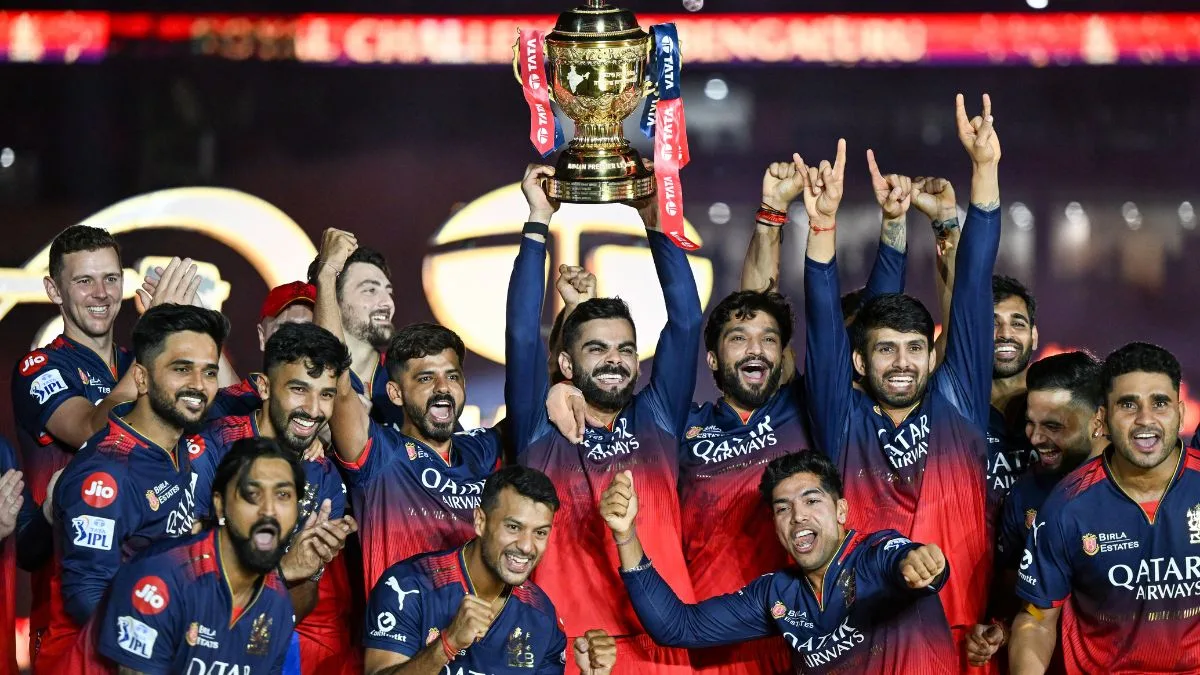
The Indian Premier League will return with its 19th edition from March 28, with defending champions Royal Challengers Bengaluru taking on Sunrisers Hyderabad in the opening match after the Board of Control for Cricket in India (BCCI) unveiled the schedule for the first phase of IPL 2026 on Wednesday.

The first phase of the tournament will be played from March 28 to April 12 and will feature 20 matches across 10 venues — Bengaluru, Mumbai, Guwahati, New Chandigarh, Lucknow, Kolkata, Chennai, Delhi, Ahmedabad and Hyderabad.

The BCCI had delayed the release of the tournament schedule while awaiting clarity on the timeline of state elections before finalising logistical arrangements. BCCI secretary Devajit Saikia had earlier indicated that the schedule would be announced in two phases, keeping in mind the upcoming assembly elections in Assam, West Bengal, Tamil Nadu and Kerala.

RCB will launch their title defence at the M. Chinnaswamy Stadium in a southern derby against Sunrisers Hyderabad. The venue was recently cleared to host IPL matches after months of uncertainty.

Earlier this month, the stadium received permission to stage matches for IPL 2026, bringing an end to the uncertainty that followed a tragic stampede on June 4, 2025, during celebrations of RCB’s maiden IPL title triumph after 18 attempts. The incident had claimed 11 lives and led to a blanket ban on events at the venue.
Since the incident, the stadium had not hosted any major domestic competitions, including the Ranji Trophy, Vijay Hazare Trophy or the Maharaja Trophy KSCA T20.

Following the latest clearances, the stadium is scheduled to host five of RCB’s home matches during IPL 2026, while the remaining two home fixtures will be played at the Shaheed Veer Narayan Singh International Cricket Stadium.

However, the BCCI added a note regarding the Bengaluru fixtures, stating that they remain subject to final inspection by the state authorities.

“The matches scheduled in Bengaluru are subject to clearance from the Expert Committee constituted by the Government of Karnataka. The committee will conduct a meeting and inspection of the M. Chinnaswamy Stadium on March 13, 2026, during which a full-scale mock demonstration of match-day arrangements will be carried out to assess the stadium’s preparedness for hosting IPL matches,” the BCCI said.

During the first phase of the tournament, four double-headers will be played, with afternoon matches starting at 03:30 PM IST and evening matches beginning at 07:30 PM IST.

Following the opening match on Saturday, Mumbai Indians will face Kolkata Knight Riders at the Wankhede Stadium on Sunday.

The first double-header of the season will be held on April 4, when Delhi Capitals take on Mumbai Indians in the afternoon match at the Arun Jaitley Stadium, followed by Gujarat Titans facing Rajasthan Royals at the Narendra Modi Stadium in the evening.
Rajasthan Royals will begin their home campaign in Guwahati, where they are set to host matches against Chennai Super Kings and Mumbai Indians.

Meanwhile, Punjab Kings will play their early home fixtures at the PCA Stadium.

Overall, RCB will play five home matches in Bengaluru and two in Raipur. Punjab Kings are scheduled to play four home games in New Chandigarh and three in Dharamshala, while Rajasthan Royals will host three matches in Guwahati and four in Jaipur.

Households won’t face cooking gas shortage: Union Minister

Speaking to media persons, Mohol said, “Priority is being given to ensure cooking gas is available to households. The government has taken steps to ensure this supply. There is no need to worry.”
Statesman News Service | Mumbai |

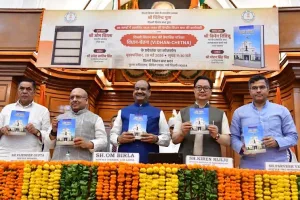
Union Minister of State for Civil Aviation and Cooperation Murlidhar Mohol said in Pune on Wednesday that the Indian government has done everything required to mitigate the shortage of cooking gas.
Speaking to media persons, Mohol said, “Priority is being given to ensure cooking gas is available to households. The government has taken steps to ensure this supply. There is no need to worry.”
“There are reports about black marketing of gas cylinders. The situation has arisen due to the war. It will take some time for the situation to stabilise. However, cooking gas supply to households will not be affected,” Mohol assured.

Replying to a question about a hike in air ticket prices, Mohol said that information about the increase is being collected. “If there is an increase in air ticket prices, it will be corrected,” Mohol said.

However, the local hotel industry has been hit by a gas shortage. In his response to a delegation of city hoteliers, Food & Civil Supplies Minister Chhagan Bhujbal said, “There is a shortage of gas. The central government has sent a letter to the state government as well as gas-producing companies to increase LPG production.”

“The central government has ordered priority in the supply of gas cylinders to households. Therefore, we cannot do anything regarding the hotel business. We had appealed to hoteliers to use kerosene, but they said their machines would have to be replaced. We have instructed all supply officers to prevent black marketing of cooking gas cylinders,” Bhujbal said.

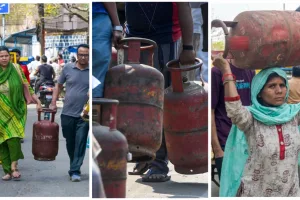
Meanwhile, despite the government’s appeal to citizens not to rush to buy cooking gas, people in Kolhapur queued up at outlets to buy cooking gas cylinders.

Later, Kolhapur District Collector Amol Yedge appealed to citizens that nobody should rush for gas cylinders based on shortage rumours. Yegde warned that strict action will be taken against anyone who tries to hoard additional gas in Kolhapur district.

As per instructions issued by the central government, hospitals and educational institutions are the only non-household establishments that are being supplied with gas on a priority basis.

It is also learnt that people in the Ramwadi area of Solapur lined up to buy cooking gas cylinders, based on rumours of a shortage due to war. Cases of “panic booking” have also come to light. Due to a sudden increase in cooking gas cylinder bookings, the online booking system of a gas supply company suffered a technical failure, according to official sources.

India need to move towards higher scale to achieve USD 350 Billion textile economy: Giriraj Singh

Speaking at an interaction organized by the Confederation of Indian Industry (CII) with senior officials from the Ministry of Textiles and leaders from across the textile value chain, the minister highlighted India’s long-term ambition for the sector.

Statesman News Service | New Delhi |

Union Minister of Textiles Giriraj Singh, on Wednesday, emphasized the need for India’s textile sector to scale up its global presence, saying India must move towards higher scale, higher value manufacturing and year-round garment production to achieve the government’s vision of expanding the textile economy to USD 350 billion and exports to USD 100 billion by 2030-31.

Speaking at an interaction organized by the Confederation of Indian Industry (CII) with senior officials from the Ministry of Textiles and leaders from across the textile value chain, the minister highlighted India’s long-term ambition for the sector.

He said the textile exports must reach USD 100 billion, while India’s share in the global textile trade should increase from the present 4.7% to 14.7%.

He further stressed the need to transform India’s garment manufacturing ecosystem.

“Currently, much of India’s production is oriented towards summer garments, catering to roughly eight months of global demand. Going forward, the industry must expand capabilities to produce garments suitable for all twelve months, enabling India to serve a wider range of international markets and enhance its competitiveness,” the minister said.

Singh also highlighted that the future of textiles will increasingly be driven by sustainability and innovation, and noted that India must also diversify into technical textiles, value-added garments and innovative textile products, where the country has strong potential to become a global leader.

Referring to initiatives aimed at strengthening the sector’s global integration, the Minister highlighted Bharat Tex, scheduled from 14–17 July, which will serve as a global platform connecting Indian manufacturers with international buyers and investors.

Neelam Shami Rao, Secretary, Ministry of Textiles highlighted the need to strengthen raw material availability, manufacturing expansion, infrastructure development and market diversification.

“India’s fibre production, currently around 15 million metric tonnes, would need to increase to nearly 23 million metric tonnes to support future growth, supported by initiatives such as the National Fibre Mission,” Rao said.

The consultation provided an important platform for industry leaders to share inputs that will help shape upcoming policy initiatives aimed at accelerating the growth of India’s textile sector and strengthening its global competitiveness.


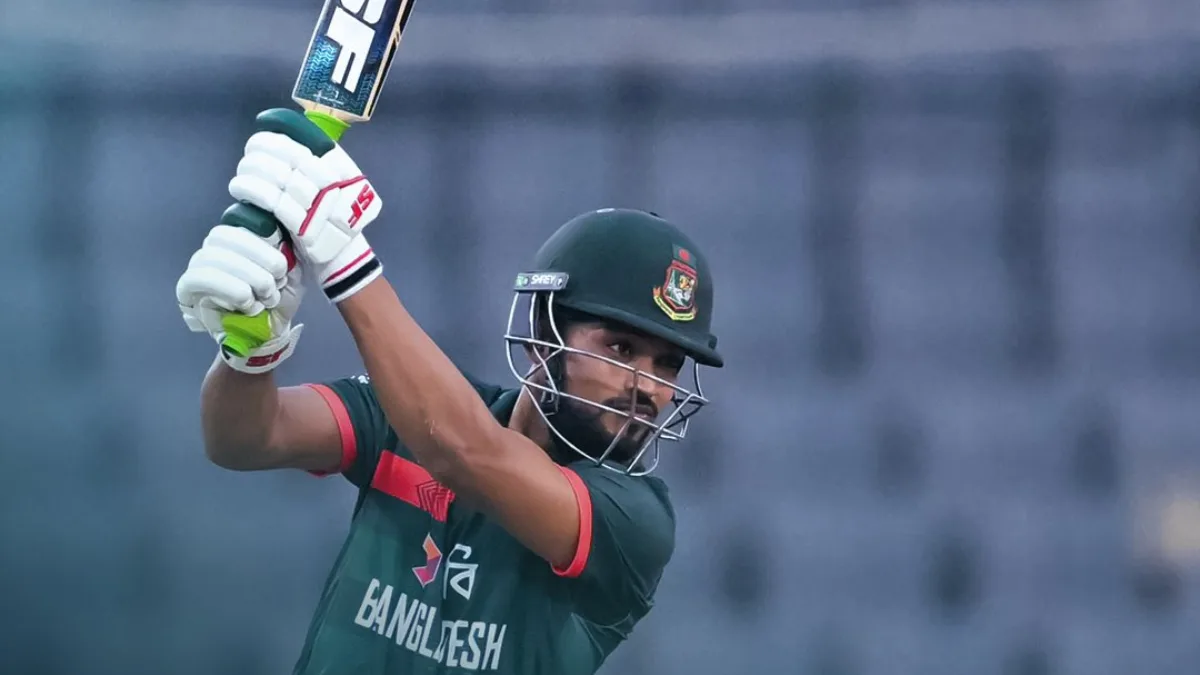
Nahid Rana’s maiden ODI fifer, Tanzid Tamim’s 67 power Bangladesh to 8-wicket win over Pakistan

Bangladesh’s young pacer Nahid Rana dismantled Pakistan’s batting lineup with a sensational spell. The 23-year-old claimed five wickets for 24 runs, registering his maiden five-wicket haul in ODIs.

Statesman News Service | New Delhi |

Bangladesh registered their first ODI win over Pakistan since the 2018 Asia Cup, securing a dominant eight-wicket victory in the opening match of the three-game ODI series at the Shere Bangla National Stadium in Dhaka on Wednesday.

Led by Mehidy Hasan Miraz, the hosts delivered a commanding all-round performance to take a 1–0 lead in the bilateral series.

Chasing a modest target of 115, Bangladesh comfortably reached the total in just 15.1 overs. Opener Tanzid Hasan Tamim starred with the bat, scoring an unbeaten 67 off 42 balls, which included seven fours and five sixes.

Najmul Hossain Shanto also contributed with a quick 27 off 33 balls, striking five boundaries. Pakistan captain Shaheen Shah Afridi picked up the wicket of Saif Hassan, while Mohammad Wasim Jr dismissed Shanto.

Earlier, after opting to bowl first, Bangladesh’s young pacer Nahid Rana dismantled Pakistan’s batting lineup with a sensational spell. The 23-year-old claimed five wickets for 24 runs, registering his maiden five-wicket haul in ODIs.

Pakistan opened the innings with ODI debutants Sahibzada Farhan and Maaz Sadaqat. The pair added 41 runs for the first wicket before Rana dismissed Farhan in the 10th over. Farhan scored 27 off 38 balls, hitting four boundaries in his maiden ODI outing.

Another debutant, Shamyl Hussain, joined Sadaqat at the crease, but both struggled under pressure. Rana struck again in his next over, removing Hussain for four. He then dismissed Sadaqat for 18 in the 14th over, further denting Pakistan’s innings.

Mohammad Rizwan and Salman Ali Agha briefly attempted to stabilise the innings but added only nine runs before Rana had Rizwan caught behind for 10. The young pacer struck again soon after, dismissing Salman Agha to complete his five-wicket haul inside 18 overs.

Wickets continued to tumble at one end, though Faheem Ashraf offered some resistance with an attacking knock. Another debutant, Abdul Samad, fell for a duck, while Shaheen Shah Afridi managed a boundary before being trapped LBW by Miraz.

Taskin Ahmed removed Mohammad Wasim Jr for a duck, and Mustafizur Rahman claimed the final wicket of Ashraf. Ashraf scored 32 and shared a 32-run stand for the last wicket with Abrar Ahmed, helping Pakistan reach 114.

Miraz finished with three wickets, but it was Nahid Rana who led the bowling attack and was named Player of the Match for his match-winning figures of 5/24.

Bangladesh will now take on Pakistan in the second ODI at the same venue in Dhaka on Friday.

‘Disturbed’ by NCERT incorporating ‘Corruption in Judiciary, SC bars authors from educational projects

Stating that it was disturbed by the chapter had been revised without disclosing the identities of those involved in rewriting it, a Bench of Chief Justice Surya Kant, Justice Joymalya Bagchi and Justice Vipul M. Pancholi questioned how such a revision could take place without revealing the experts involved in the exercise and the process followed for its approval.

Parmod Kumar | New Delhi |

While stating that it was “disturbed” by the National Council for Educational Research and Training (NCERT) informing that the controversial chapter on judicial corruption in the Class 8 Social Science book has been “duly rewritten” and that the revised chapter will be incorporated in textbooks for the 2026-27 academic year, the Supreme Court on Wednesday barred the Central and state governments from engaging the authors of the controversial chapter in curriculum development projects or textbook preparation exercises.

Stating that it was disturbed by the chapter had been revised without disclosing the identities of those involved in rewriting it, a Bench of Chief Justice Surya Kant, Justice Joymalya Bagchi and Justice Vipul M. Pancholi questioned how such a revision could take place without revealing the experts involved in the exercise and the process followed for its approval.

The Bench indicated that any revision of such sensitive content should be undertaken only after scrutiny by a committee of domain experts. It directed the Union government to constitute a panel comprising individuals with relevant expertise. The Court clarified that the chapter should not be published or included in textbooks unless it receives the approval of this expert committee.

The Court also took note of the names of individuals who were associated with the preparation of the earlier chapter. It observed that the material in the book appeared to stem either from a lack of adequate knowledge about the judiciary or from a deliberate attempt to create a negative impression among young students and malign the institution.

In view of these concerns, the Bench directed the Central government as well as State governments and public institutions not to involve the authors of the original chapter in any curriculum development projects or textbook preparation exercises funded by public resources.

The Court further asked the Union government to revisit the functioning and composition of the National Syllabus and Teaching Learning Material Committee to ensure proper scrutiny of educational content before it is included in school curricula.

At the same time, the Bench clarified that its directions were “not intended to prevent any healthy and legitimate criticism of the institutional functioning of the judiciary.” It observed that if the judiciary, like any other institution, suffers from deficiencies and an expert committee highlights them, it would be a welcome step for future generations.

The matter will be taken up again after the government submits details regarding the proposed expert committee and the review process.

Bangladesh gets Iran’s waiver in Hormuz Strait as China gets 12 million barrels from Tehran amid war with US

According to reports, the Bangladeshi vessels are mandated to inform the Iranian authorities and identify themselves as such before they enter the strategic waterway that has practically been closed down by Iranian war machinery.

Statesman News Service | NEW DELHI |

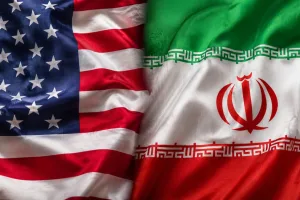
Amid the ongoing war with the US and Israel, Iran on Wednesday said it was extending a waiver from attacks to Bangladeshi oil and LNG vessels passing through the Strait of Hormuz, as Dhaka is scrambling desperately to stabilise its economy against the demand for fuel.

According to reports, the Bangladeshi vessels are mandated to inform the Iranian authorities and identify themselves as such before they enter the strategic waterway that has practically been closed down by Iranian war machinery. The identification is to ensure safe and secure passage.

Iran agreed to let the Bangladeshi tankers pass through the Strait of Hormuz in view of Dhaka’s efforts to bring stability back home and to take care of the critical need for fuel and gas.

Media reports suggested that a shipment of 27,000 tonnes of diesel recently arrived at Chattogram port, with four more vessels on their way. Bangladesh’s Ministry for Power and Energy, reports said, was successful in securing the supply of another 3 lakh tonnes of diesel from other sources.

Meanwhile, China continues to profit from Iranian oil as Tehran has sent close to 12 million barrels of crude to Beijing through the otherwise blockaded Strait of Hormuz since Feb 28, when the war began.

CNBC quoted Samir Madani, co-founder of TankerTrackers, as giving this information. The firm monitors the movement of vessels and tankers using satellite imagery, which enables it to capture the movement of vessels that have switched off their tracking systems.