Logo

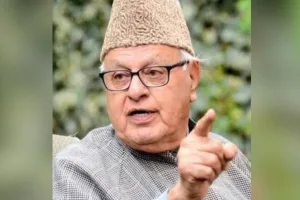
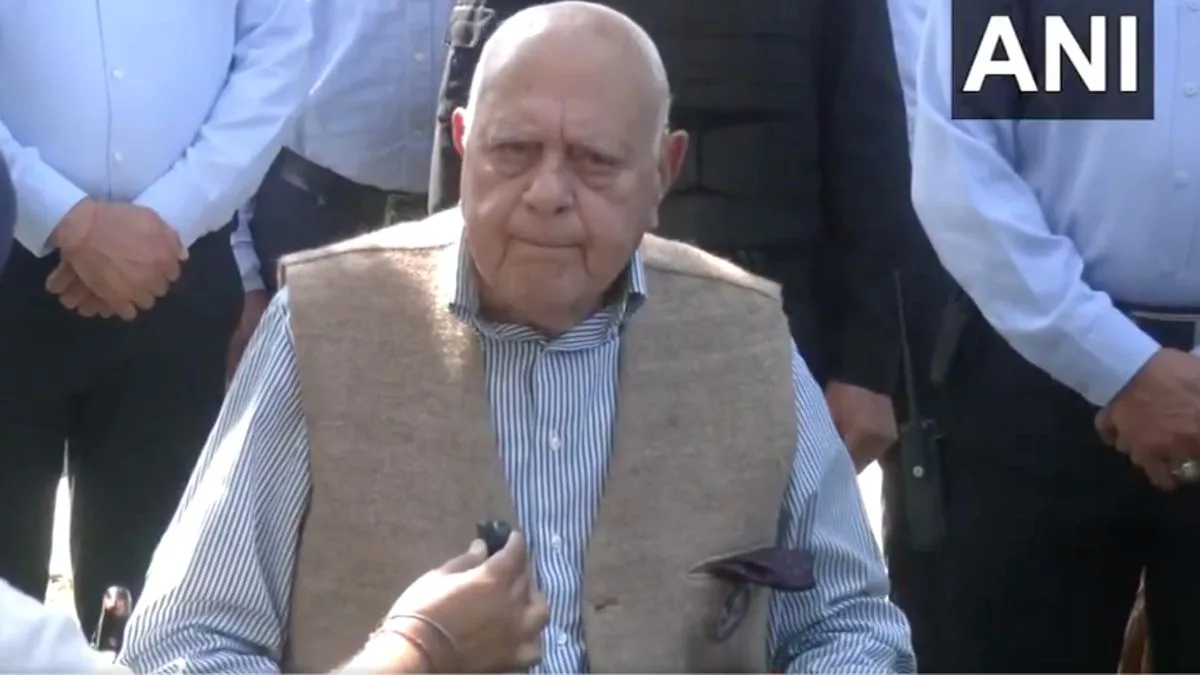
After attack attempt, Farooq Abdullah says ‘killer always has advantage’; asks Centre to review J&K security

Centre orders investigation after an alleged attack attempt on Farooq Abdullah in Jammu, while the National Conference leader questions the security situation and reiterates the demand for restoration of statehood.

Statesman News Service | Mumbai |

National Conference president Farooq Abdullah on Thursday said that even the strongest security arrangements cannot fully eliminate threats, reacting to an alleged attempt to attack him on Wednesday. “No matter how much security you increase, the killer always has an advantage,” he said, adding that terrorism today has taken new forms that are difficult to control.

The remarks come amid political debate over the incident, which the Centre has described as a serious matter. Union Minister JP Nadda told the Rajya Sabha that the government was treating the attack attempt on the former Jammu and Kashmir chief minister with utmost concern and that authorities had launched a detailed investigation.

Abdullah said the episode should prompt both the Central government and the Union Territory administration to reassess the situation in Jammu and Kashmir. “They should examine whether things here have truly improved,” he said, stressing that political disagreements should not prevent cooperation in a democracy.

He also raised the question of powers available to the elected government in the Union Territory. “We may have different views, but we must work together. An elected government without powers cannot continue indefinitely,” Abdullah said, recalling earlier assurances that statehood would be restored to Jammu and Kashmir.

Centre promises probe, political sparring in Parliament

In Parliament, Leader of Opposition Mallikarjun Kharge cited reports of the attack and questioned the security environment in the region. He suggested that the absence of statehood had weakened local administrative arrangements.

Responding to the concerns, Union Minister JP Nadda said the incident involving the senior leader was “extremely serious” and assured the House that a comprehensive probe was underway. All angles related to the attack would be examined, he said.

At the same time, Nadda criticised attempts to link the incident with the restoration of statehood, urging opposition parties not to politicise the issue.

The alleged attack took place during a private event in Jammu on Wednesday evening when Abdullah and other leaders were leaving the venue. According to officials, a suspect identified as Kamal Singh Jamwal fired shots but was quickly restrained by security personnel and taken into custody.

Senior police officers reached the spot soon after and began an investigation to determine the motive and how the accused managed to get close to the venue.

Separately, Abdullah also called on the Central government to use its influence internationally to push for an end to ongoing conflicts abroad. “The government should tell both Donald Trump and Benjamin Netanyahu to stop this war,” he said.
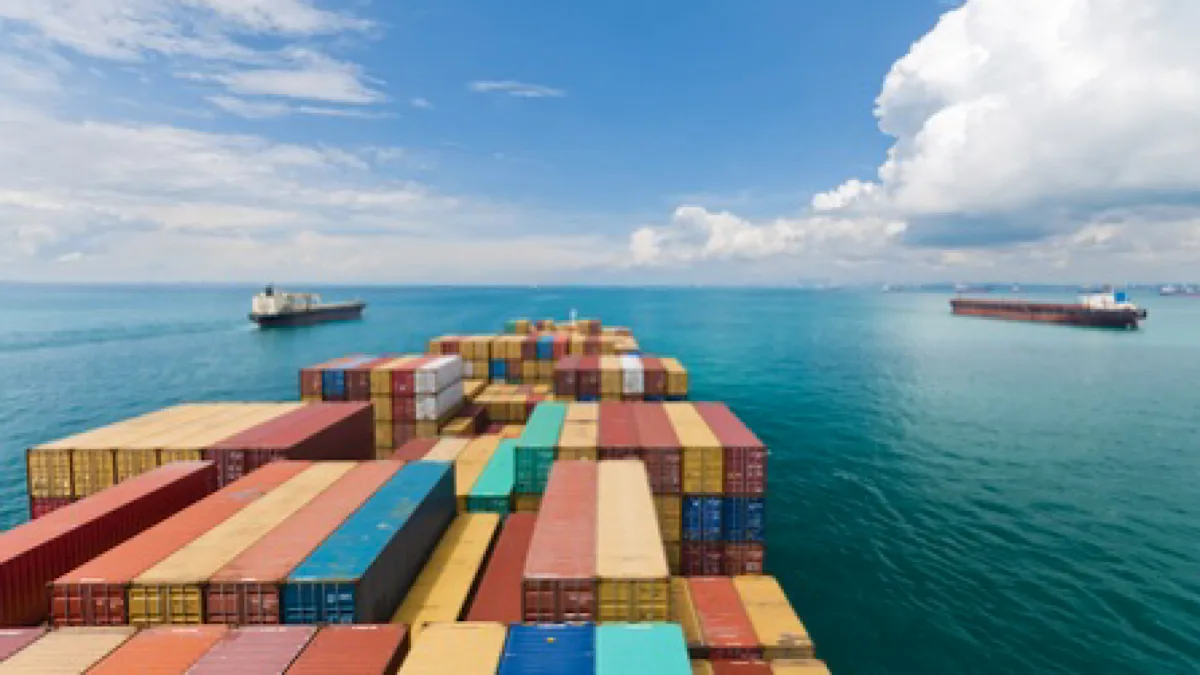
US-China trade falls to 2 pc of global trade as decoupling deepens: Report

Trade between the United States and China has dropped to just 2 per cent of global trade, down from 2.7 per cent in 2024, a new report said on Thursday.

IANS | New Delhi |

Trade between the United States and China has dropped to just 2 per cent of global trade, down from 2.7 per cent in 2024, a new report said on Thursday.

The latest DHL Global Connectedness Report 2026 highlights a continuing decoupling between the world’s two largest economies even as overall globalisation remains strong.

The study, released by DHL in partnership with New York University Stern School of Business, showed that global economic ties remain resilient despite rising geopolitical tensions, tariffs and uncertainty in international trade policies.

According to the report, trade between the United States and China had reached a peak of 3.6 per cent of world trade in 2015.

However, the share has steadily declined in recent years, falling to 2.7 per cent in 2024 and further dropping to about 2 per cent during the first three quarters of 2025.

Cross-border business investment between the two countries is even smaller, accounting for less than 1 per cent of global investment flows.

Despite the weakening ties between Washington and Beijing, the report says globalization overall has remained stable.

The global level of connectedness stood at around 25 per cent in 2025, matching the record level seen in 2022.

The index measures international flows of trade, capital, information and people on a scale from 0 to 100.

John Pearson, CEO of DHL Express, said the findings show that countries and companies are continuing to maintain international ties even during uncertain times.

He noted that major global challenges such as poverty and climate change require cooperation and global thinking.

The report also found that global trade grew faster in 2025 than in any year since 2017, excluding the unusual fluctuations during the Covid-19 pandemic.

Much of the growth was driven by increased shipments ahead of expected tariff hikes in the United States and a surge in demand for artificial intelligence-related products.

According to the World Trade Organisation, AI-related goods accounted for about 42 per cent of global goods trade growth during the first three quarters of 2025.

Looking ahead, the report expects global trade to continue expanding, although at a moderate pace.

Goods trade is projected to grow at an average annual rate of about 2.6 per cent through 2029, broadly in line with growth over the past decade.

Steven A. Altman, director of the DHL Initiative on Globalisation at NYU Stern, said the political debate around globalisation often appears more dramatic than the actual changes in global business flows.

Ground Check | From Cart to Crisis: Induction Cooktops Sold Out, On Top Of India’s Wishlist

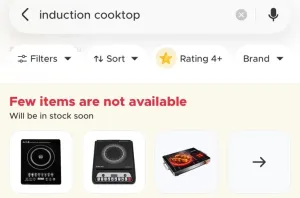
On platforms like Blinkit, Zepto, Swiggy Instamart and BigBasket, search results for induction cooktops in many areas are now showing familiar messages such as “Unavailable” or “Sold out.”

Manisha Gupta | New Delhi |

If you tried searching for an induction cooktop online today, chances are you saw the same thing everyone else did: Out of stock.”

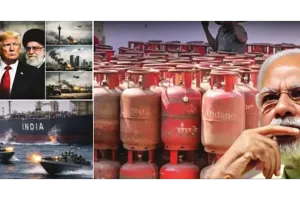
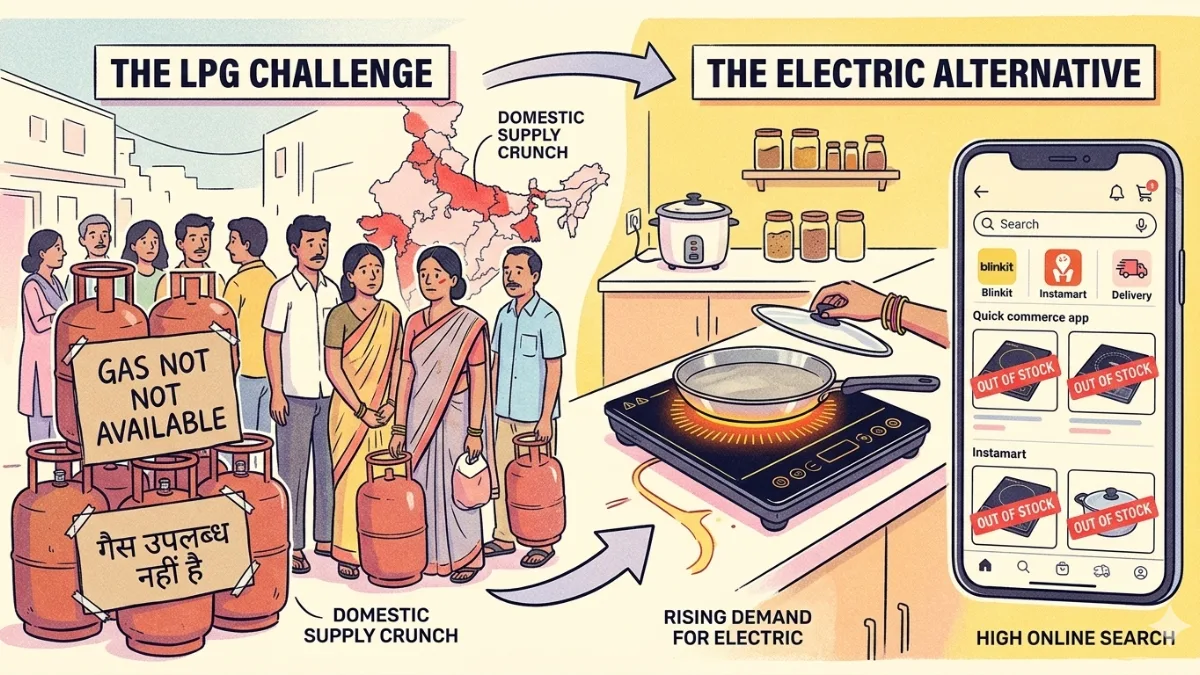
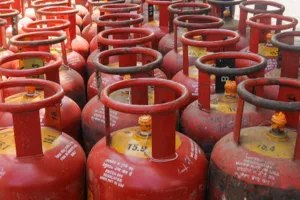
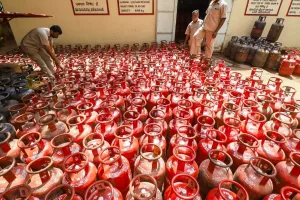
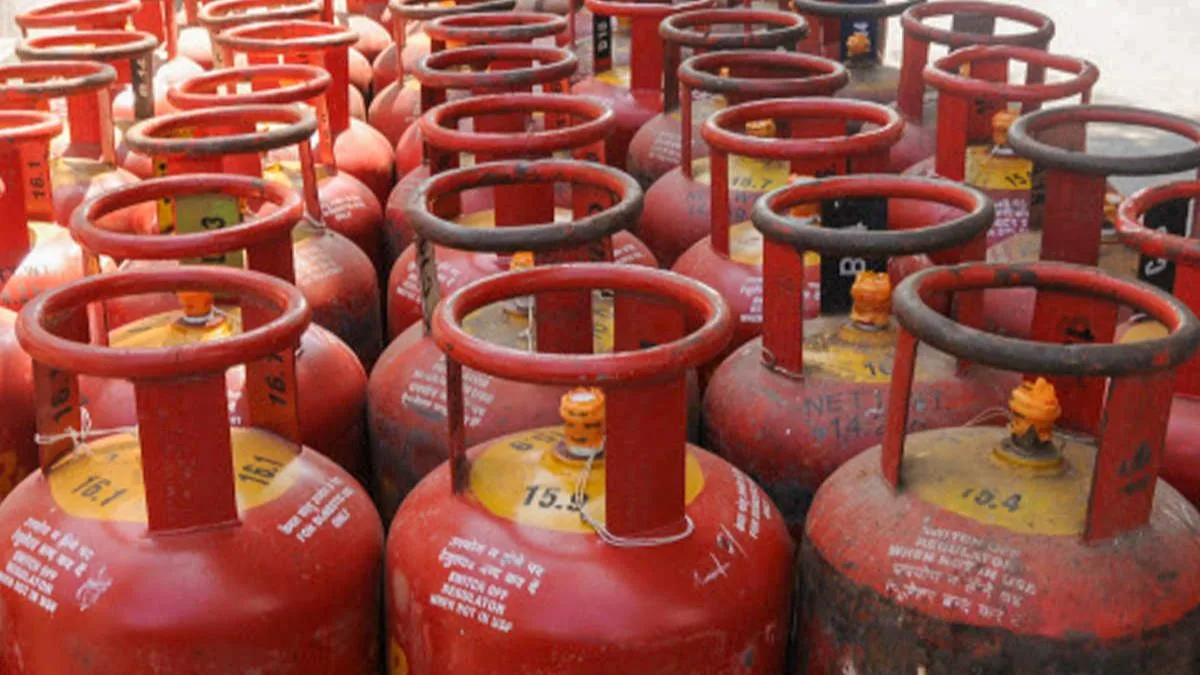
Across Delhi NCR, many households checking quick-commerce apps are finding that induction cooktops have either disappeared completely or are being sold at much higher prices than usual, as concerns grow over a potential LPG supply crunch in India linked to the ongoing tensions in West Asia. The worries stem from possible disruptions along the critical energy route of the Strait of Hormuz, through which a large share of India’s LPG imports travel.

On platforms like Blinkit, Zepto, Swiggy Instamart, and BigBasket, search results for induction cooktops in many areas are now showing familiar messages such as “Unavailable” or “Sold out.”


Panic buying? It’s starting to look like it

There has been a lot of news recently about tensions in West Asia, which could affect energy supplies moving through the very important shipping route called the Strait of Hormuz.

Now here’s the key detail many people noticed: India imports around 60% of its LPG, and a large portion of those shipments pass through that route.

That’s enough to make people think: “What if LPG deliveries slow down?”

And when that thought spreads across millions of households…people start looking for backup cooking options.

That’s where induction cooktops come in.


Also read: LPG Crisis Menu: 20 gastronomic bombshells you can savour without gas this summer

Quick-commerce apps not ready for sudden surge in demand

Quick-commerce apps are built for speed. They deliver groceries in 10-20 minutes. But they’re not built for sudden nationwide appliance demand.

Right now, people are buying induction cooktops for two main reasons: as a backup cooking option and to avoid running out of cooking gas if deliveries slow down.

The result? Stocks on quick-commerce apps are getting wiped out almost instantly.

In some cases, where cooktops are still available, prices have reportedly jumped noticeably.


Also read: Empty cylinders, full comedy: India turns LPG shortage into memes mahotsav

But here’s the calm, important part.

Despite the panic buying, the government has already taken steps to protect household LPG supply. The Ministry of Petroleum and Natural Gas says domestic LPG production has been increased by about 25% after refineries were asked to divert more fuel streams into LPG production.

Even more importantly:

  • Domestic LPG output is being directed mainly toward households
  • Essential services like hospitals and educational institutions are also being prioritized
  • Authorities say the normal delivery cycle is still around 2–3 days

Also read: Adequate stock of LPG and PNG available: Delhi Govt


Audi India to raise car prices by up to 2 pc from April 1

Audi India on Thursday announced that it will increase the prices of its cars by up to 2 per cent starting April 1, 2026.

IANS | New Delhi |

Audi India on Thursday announced that it will increase the prices of its cars by up to 2 per cent starting April 1, 2026.

The German luxury carmaker said the price hike will apply across its entire model range in the country.

The company said the decision has been taken due to rising input costs and fluctuations in currency rates, which have increased overall expenses for the automaker.

According to Balbir Singh Dhillon, Brand Director of Audi India, the company has tried to keep the impact of the price increase as low as possible for customers.

“Due to recent rising input costs and currency fluctuations, we are implementing a price adjustment of up to 2 per cent effective from April 01, 2026. We remain committed to minimising the impact of the price hike on our customers,” Dhillon said.

The price revision will be applicable on the ex-showroom prices of all Audi models sold in India.

The company currently offers a range of luxury sedans and SUVs in the country and regularly reviews prices to offset changes in costs and exchange rate movements.

Meanwhile, the German luxury car manufacturer announced last year that they sold 2,128 units in the country in the January-June period last year.

According to the automaker, ‘Audi Approved: plus’, the pre-owned car business, showed resilience with steady performance and grew by 10 per cent in the January-June period (H1 2025).

The brand currently has 26 pre-owned car facilities and will be adding more facilities this year.

“While H1 2025 presented unique market challenges, we have used this period to strengthen our foundation for sustainable growth. By prioritising a luxury-first approach and delivering exceptional customer experiences, we continue to reinforce brand loyalty,” said Dhillon, Head of Audi India.

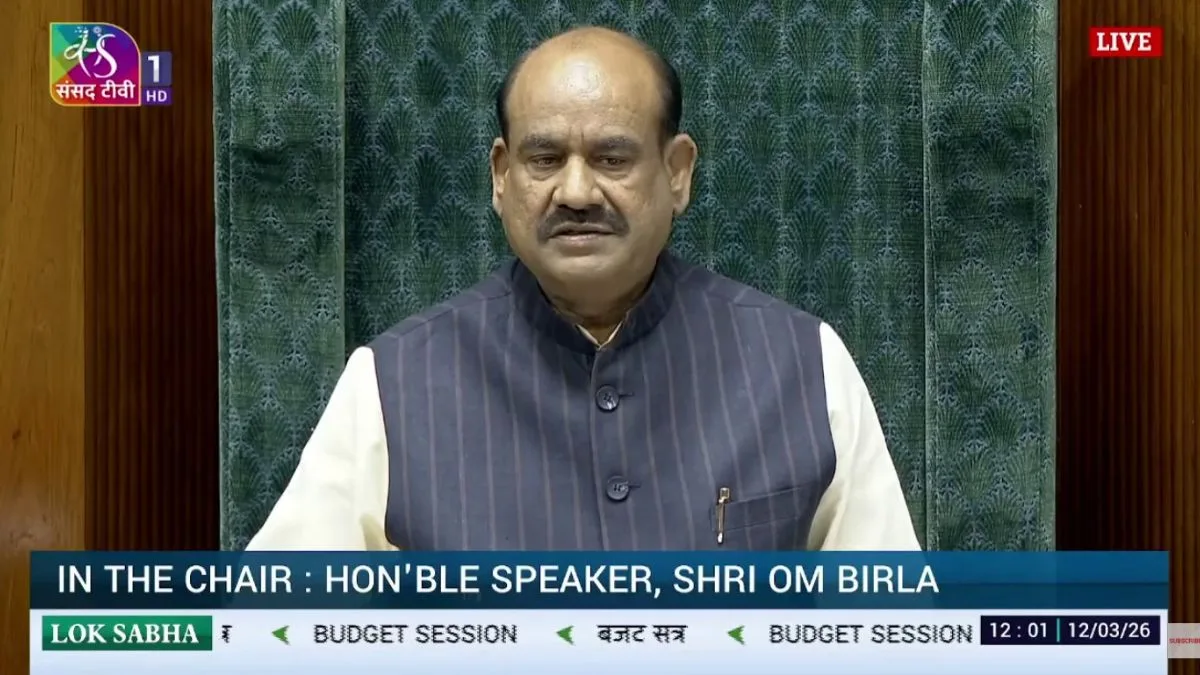
‘I’ve always strived to ensure…’: Om Birla’s first reaction after Lok Sabha defeats no-confidence motion

The no-confidence motion, backed by 118 Opposition MPs and introduced by Congress MP Mohammad Jawed, was rejected after a marathon debate in the Lok Sabha that saw sharp exchanges between the treasury and Opposition benches.

Statesman News Service | New Delhi |

Lok Sabha Speaker Om Birla on Thursday said he has always tried to ensure that every member of the House gets an opportunity to express their views within parliamentary rules, a day after a no-confidence motion moved against him was defeated in the Lok Sabha.

“For the third time in the parliamentary history of independent India, the Lok Sabha discussed a motion of no-confidence. I have always strived to ensure that every member in the House expresses their views on issues within the rules and procedures,” Birla said while reacting to the development.

Expanding on his remarks, Birla said he has consistently tried to conduct the House in a fair and disciplined manner. “I have always tried to ensure that the proceedings of the House are governed by fairness, discipline, and rules. On the 10th, some members of the Opposition submitted a no-confidence motion. During the discussion on the motion as well, I did not attend the proceedings of the House,” he said.
His remarks came after the Lok Sabha rejected the no-confidence motion against him through a voice vote on Wednesday, following a lengthy and often heated debate that stretched for more than 13 hours.

Motion rejected after marathon debate

The motion, moved by Congress MP Mohammad Jawed and backed by several Opposition parties, alleged that the Speaker had shown partisan behaviour and failed to remain impartial while conducting proceedings.

The discussion on the resolution began earlier this week and saw sharp exchanges between the ruling side and the Opposition. Congress MP Gaurav Gogoi opened the debate, saying the move was aimed at protecting the dignity of Parliament rather than targeting Birla personally.

Parliamentary Affairs Minister Kiren Rijiju rejected the allegations and defended the Speaker’s conduct, calling his approach balanced and fair.

Home Minister Amit Shah also criticised the Opposition during the debate, stressing that the Speaker’s office is a respected constitutional position. He pointed out that no-confidence motions against Speakers had also been moved during earlier Congress-led governments by parties that are now aligned with the Opposition.

The voice vote on the motion was conducted by presiding officer Jagdambika Pal amid loud protests in the House. Opposition members raised slogans during Shah’s reply, creating noisy scenes before the motion was eventually defeated.

According to the Opposition, 118 MPs had supported the resolution accusing Birla of failing to maintain neutrality in the House.

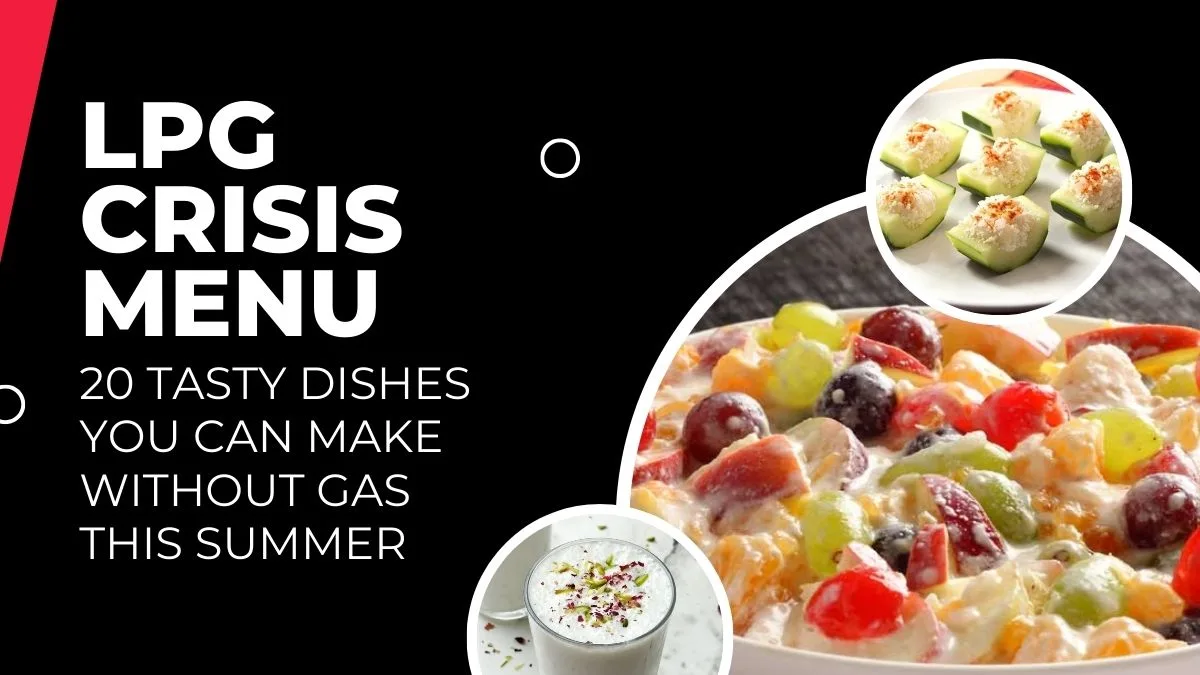
LPG Crisis Menu: 20 gastronomic bombshells you can savour without gas this summer

With LPG cylinders becoming harder to get, many kitchens are suddenly forced to rethink everyday cooking. Here are 20 simple, tasty dishes you can whip up without lighting the stove.

Statesman News Service | New Delhi | Updated :

LPG Crisis Menu: The LPG trouble across parts of the country is slowly turning into a real kitchen crisis. For many families, the daily routine of cooking breakfast, lunch and dinner has suddenly become uncertain as cylinders are delayed and supplies feel tighter than usual.

But while the shortage is creating stress in households, it is also pushing people to get creative. From quick no-flame recipes to clever food hacks, many are now looking for ways to keep meals going even when the gas stove refuses to cooperate.

Also Read: Empty cylinders, full comedy: India turns LPG shortage into memes mahotsav

Here are 20 desi dishes from the LPG crisis menu that can save your hunger in minutes.

1. Sprouts Chaat

This is the healthy snack that still tastes like street food. Just mix soaked sprouts with onions, tomatoes, lemon juice, coriander and chaat masala.

2. Bhel Puri

Take puffed rice, add onions, tomatoes, chutneys and lots of sev. Mix everything quickly and eat before it turns soggy.

3. Sev Puri

Crispy puris become mini flavour bombs with potatoes, chutneys and sev. One bite and you get spicy, tangy and crunchy all together.

4. Dahi Puri

This one is for yogurt lovers. Puri shells filled with potatoes and topped with cold dahi, chutneys and sev.

5. Fruit Chaat

Cut some fruits, sprinkle chaat masala and squeeze lemon juice. That’s it. Suddenly your boring fruit bowl becomes a spicy, tangy snack.

6. Curd Rice

If you already have cooked rice in the fridge, this is the easiest comfort food. Just mix rice with yogurt and a little salt.

7. Dahi Poha

Poha does not always need cooking. Just rinse lightly and mix with yogurt and spices. It becomes soft, creamy and very satisfying.

8. Lemon Poha

Add lemon juice, onions, peanuts and coriander to poha. Give it a quick mix and it is ready to eat. The fresh lemon flavour makes it super refreshing.

9. Moong Dal Kosambari

This South Indian salad is simple and healthy. Soaked moong dal is mixed with cucumber, coconut, lemon juice. It is light, crunchy, full of protein.

10. Chana Chaat

Boiled chickpeas become a tasty snack with onions, tomatoes, lemon and spices. It is filling enough to work as a quick lunch too.

11. Cucumber Raita

Grate cucumber and mix it with chilled yogurt. Add salt and roasted cumin powder. It is cool, refreshing and perfect for hot days.

12. Boondi Raita

Take yogurt and drop in crunchy boondi. Add a little salt and masala. Within minutes you have a creamy snack with tiny bursts of crunch.

13. Kachumber Salad

This is the classic Indian salad seen with almost every meal. Chop cucumber, tomato and onion and squeeze lemon on top.

14. Peanut Salad

Roasted peanuts get a glow-up with onions, green chillies and coriander. Add lemon juice and a pinch of salt.

15. Curd Sandwich

Mix yogurt with chopped veggies and spread it between bread slices. It is creamy, refreshing and perfect for a quick bite.

16. Green Chutney Sandwich

Spread mint-coriander chutney on bread and add cucumber or tomato slices. One bite and you get that classic spicy street-style flavour.

17. Paneer Bhurji Sandwich

If you have paneer ready, crumble it and mix with spices and veggies. Fill it inside bread slices. It turns into a protein-packed sandwich in minutes.

18. Stuffed Cucumber

Cut cucumbers and scoop the centre slightly. Fill them with peanuts, curd mixture or chopped veggies.

19. Lassi

Blend yogurt with sugar for sweet lassi. Or add salt for salty version. It is thick, creamy, instantly refreshing.

20. Masala Chaas

Thin buttermilk mixed with salt, roasted cumin and coriander. Light, cooling and perfect after a heavy snack.

So the next time the LPG cylinder decides to take a break, do not panic. Indian kitchens always have backup snacks ready with zero flame and full flavour.

‘Bihar ranks poorly’: Tejashwi Yadav attacks Nitish Kumar-led govt

Posting on social media platform X, Tejashwi alleged that despite the National Democratic Alliance being in power for many years, Bihar continues to remain the poorest state in the country.

IANS | New Delhi |

Tejashwi Yadav, the leader of the Rashtriya Janata Dal (RJD) and National Working President, on Thursday, launched a pointed criticism of the state government led by Chief Minister Nitish Kumar, asserting that the NDA has let the people down.

Posting on social media platform X, Tejashwi alleged that despite the National Democratic Alliance being in power for many years, Bihar continues to remain the poorest state in the country.

In his post, Tejashwi Yadav listed several indicators claiming that Bihar ranks poorly compared to other states.

According to him, “Bihar has the highest migration rate in the country, the highest crime rate, the highest corruption level, the highest unemployment rate, the highest multidimensional poverty rate, the highest school dropout rate, and others”.

He further claimed that the state ranks lowest in several development indicators, including literacy rate, per capita income, farmers’ income, per capita investment, per capita consumption, computer literacy, electricity consumption, infrastructure development, quality of education, number of industrial units, and availability of computer and ICT labs in schools.

Tejashwi also alleged that residents of Bihar are paying some of the highest prices for essential services, claiming the state leads in purchasing expensive LPG, electricity, petrol and diesel.

He further said that “property and land prices in many areas are higher than those in cities like Delhi and Mumbai”.

Criticising the ruling alliance, Tejashwi said that during 21 years of rule by the National Democratic Alliance, Bihar has lagged behind on various development benchmarks and national indices.

He also alleged that the government has remained in power through administrative “manipulation, misuse of public resources, vote-buying, and caste-based politics”.

Tejashwi Yadav has been critical of the Nitish Kumar government for years. He regularly releases crime bulletins to attack the double-engine government.

The remarks have once again intensified the political debate between the opposition Rashtriya Janata Dal and the ruling NDA in Bihar over development and governance in the state.

What is Trump’s endgame in Iran? Six moments that point in different directions

Trump has warned about the Strait of Hormuz, hinted at talks with Tehran and even commented on Iran’s leadership – even as US officials insist the military campaign is not about regime change.

Statesman News Service | Mumbai |

Ten days after the United States and Israel launched coordinated strikes on Iran, President Donald Trump’s messaging on the conflict has moved in several directions at once. In interviews, briefings, and social media posts, the US leader has offered varying timelines, goals and outcomes for the campaign.

While the White House says the mission has clear objectives, such as weakening Iran’s nuclear programme, reducing support for militant groups and targeting its naval strength, Trump’s own remarks have often suggested something different. Here are six moments that show how the messaging has shifted.

1. From a four-week war to a conflict that could end in days

At the start of the campaign, Trump indicated that the operation might last about four weeks. White House press secretary Karoline Leavitt later said achieving the objectives could take four to six weeks.

More recently, however, Trump suggested the fighting could end in “two or three days”. At the same time, he also said the campaign could continue indefinitely if necessary.

2. ‘Very complete’ vs Pentagon saying ‘just the beginning’

On Monday, Trump told CBS News that the military campaign was “very complete, pretty much”, suggesting there was little left to accomplish militarily.

But the Pentagon posted online the same day that the operation was “just the beginning.”

3. Success declared, but ‘ultimate victory’ still the goal

At one point, Trump described the strikes as a “tremendous success.”

However, he has also said the United States will keep pushing until it achieves what he called “ultimate victory.” Last week, he said nothing short of Iran’s “unconditional surrender” would be acceptable.

4. Tough stance, yet leaving the door open to talks

Despite the hardline rhetoric, Trump has also suggested diplomacy remains possible.

He said it was still “possible” that he might speak directly with Iranian leaders, even as military operations continued.

5. Warning over Strait of Hormuz and oil markets

Trump has repeatedly spoken about the war’s impact on energy markets. He said oil prices had not risen as sharply as expected after the strikes and predicted they would soon fall.

At the same time, he warned Iran that the United States could seize control of the Strait of Hormuz and said Tehran would face consequences “twenty times harder” if the shipping route were closed.

6. Regime change denied, but leadership questioned

Defence Secretary Pete Hegseth has repeatedly said regime change is not the aim of the military campaign.

Trump’s remarks have sometimes suggested otherwise. In one interview, he indicated he might help determine who could lead Iran in the future and described Mojtaba Khamenei as “unacceptable.”

Soon after announcing the strikes, Trump said his ultimate goal was “freedom” for the Iranian people and urged them to “take over” their government after the conflict.

More recently, he said the United States would like to help the Iranian people “if they can behave,” while criticising the current political system in Iran.

Empty cylinders, full comedy: India turns LPG shortage into memes mahotsav

Gas cylinders are suddenly the most valuable thing in Indian kitchens, and everyone is watching the delivery date like a cricket score. While people stand in queues for LPG, the internet is busy cooking up memes faster than Maggi.

Statesman News Service | New Delhi |

The pressure cooker in many Indian kitchens is suddenly facing a different kind of pressure. Across the country, people are lining up for LPG cylinders, refreshing delivery apps, and calling their gas agencies again and again. But while the shortage is causing real stress in homes, the internet is doing what it does best; turning the chaos into comedy.

From viral reels about cooking on “imaginary gas” to memes about switching back to ancient chulhas, Indians are laughing their way through a growing LPG supply crunch that has suddenly become the talk of the town.

For now, households are hoping the supply stabilises soon. Until then, the country’s kitchens may be tense, but the internet’s sense of humour is clearly running on full gas.


View this post on Instagram


A post shared by Rakki Yadav (@rakkiyadav_)


View this post on Instagram


A post shared by Swati Chauhan (@swatic12)


View this post on Instagram


A post shared by Sagar (@sagarcasm)


View this post on Instagram


A post shared by B11 Snaps (@b11snaps)

https://youtube.com/shorts/uu5KwUYEAHU?si=D00hRfxYZ4bshOcC


As always, the internet is trying to deal with the situation in its own funny way. Memes about hiding LPG cylinders like treasure and guarding them like gold are everywhere.

Some videos joke that people will soon start cooking on candles or borrow gas from neighbours like they borrow sugar.

Still, for many homes, LPG is not something people can joke about for long. Families depend on it every day to cook meals. Everyone is hoping the supply improves soon so kitchens can go back to normal.

Until then, people will keep standing in queues, and the internet will keep making memes about it.

Also Read: India steps up LPG production by 25% to secure household supply amid Gulf tensions

Indian killed in Iranian ‘suicide boat’ attack on US-owned tanker Safesea Vishnu in Iraqi waters

Following the incident and other reported attacks on vessels near its waters, Iraq on Thursday suspended operations at its oil ports.

Statesman News Service | New Delhi |

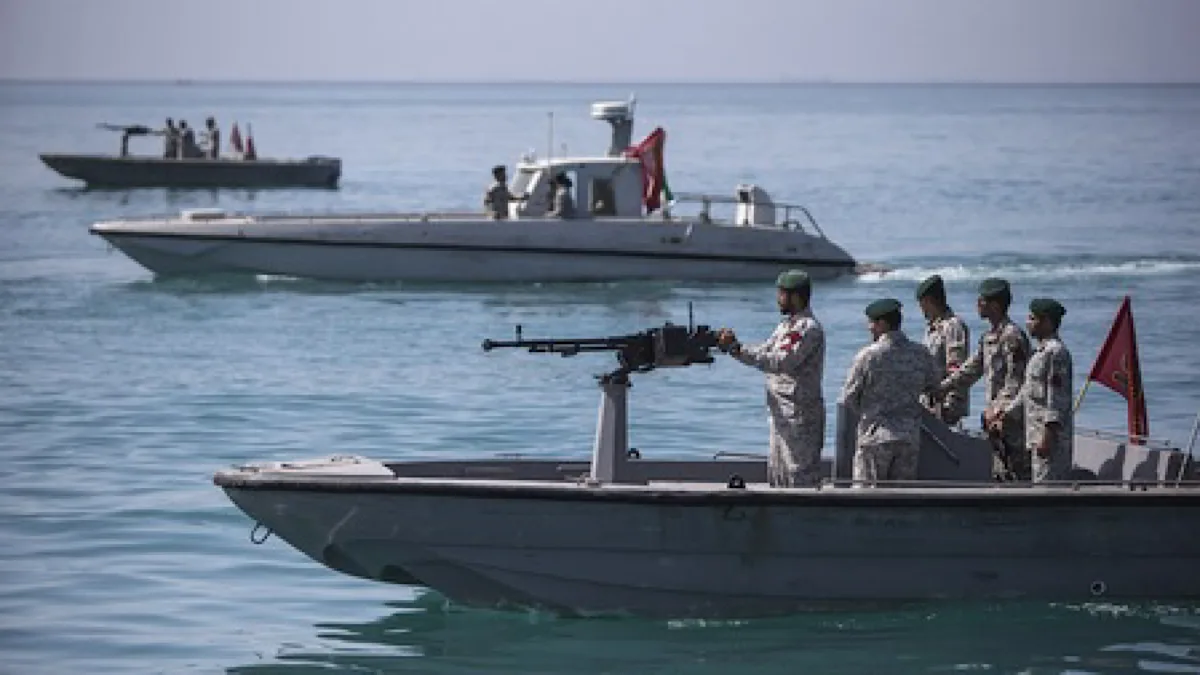
An Indian national has been killed after an Iranian “suicide boat” struck a US-owned oil tanker near Iraq, escalating maritime tensions in the northern Gulf amid the ongoing West Asia crisis.

According to sources, US-owned and Marshal Island-flagged oil tanker Safesea Vishnu came under attack on Wednesday near the port of Khor Al Zubair within Iraqi territorial waters.

The vessel was reportedly hit by an Iranian explosive-laden boat. One Indian crew member was killed in the incident, while the remaining 27 crew and personnel were rescued and taken to Basra, sources said. Authorities have not yet publicly released the identity of the deceased Indian national.

Iraq suspends oil port operations

Following the incident and other reported attacks on vessels near its waters, Iraq on Thursday suspended operations at its oil ports.

Farhan al-Fartousi, Director General of the state-owned General Company for Ports of Iraq, was quoted by the Iraqi News Agency (INA) as saying, “The operation of oil ports has been suspended, commercial ports continue operations.”

Iraq exports the majority of its crude oil through two major offshore terminals, the Al Basrah Oil Terminal and the Khor Al Amaya Oil Terminal, supported by four single-point moorings used for tanker loading. These, along with other commercial ports like Umm Qasr and Khor Al Zubair, manage the country’s maritime oil industry.

UK maritime warning issued

Earlier, the United Kingdom Maritime Trade Operations (UKMTO) issued an urgent “ATTACK” warning after reporting a serious maritime incident involving multiple commercial vessels in the northern Gulf.

In an advisory to shipping companies, UKMTO urged vessels to exercise extreme caution while transiting through the area.

“Vessels are advised to transit with caution and report any suspicious activity to UKMTO,” the agency said.

The incident has heightened fears over the security of vital maritime routes in the Gulf, which handle a significant share of global oil shipments.

After Jaishankar-Araghchi talks, India-bound tanker threads Hormuz chokepoint to reach Mumbai

India’s shipping authorities say several Indian-flagged vessels have moved to safer waters in the Arabian Sea as tensions rise near the Strait of Hormuz, a key route for global oil trade.

Statesman News Service | Mumbai |

In a significant development for India’s energy supplies, a crude oil tanker heading to India has successfully crossed the Strait of Hormuz and reached Mumbai Port, even as maritime movement in the region remains severely disrupted following recent attacks on Iran.

The Liberian-flagged tanker was commanded by an Indian captain.

The ship, Shenlong Suezmax, carried Saudi Arabian crude and became the first tanker bound for India to safely cross the route since maritime traffic slowed sharply following the US and Israeli strikes on Iran.

The vessel had loaded crude oil at Ras Tanura in Saudi Arabia on March 1 and departed two days later. Maritime tracking data from Lloyd’s List Intelligence and TankerTrackers indicated that the tanker was within the Strait of Hormuz on March 8 before continuing its journey towards India.

The passage of the vessel comes after diplomatic engagement between India and Iran aimed at keeping the vital shipping corridor open. According to sources, the issue of ensuring safe movement of tankers through the Strait of Hormuz figured prominently during a recent conversation between External Affairs Minister S Jaishankar and Iran’s Foreign Minister Abbas Araghchi, as tensions in West Asia continue to affect global shipping.

As per sources familiar with the development, India-flagged tankers Pushpak and Parimal have been allowed to pass through the strategic waterway even as vessels from the United States, Europe, and Israel continue to face restrictions in the region.

Why the Strait of Hormuz matters for India

The tanker’s arrival is expected to ease some concerns about India’s energy security. The country depends heavily on shipments that pass through the Strait of Hormuz, with more than half of its crude oil and natural gas imports travelling through the narrow sea passage.

Even so, several Indian vessels remain close to the sensitive maritime corridor.

As per the Directorate General of Shipping, at least 28 Indian-flagged ships have been operating in or near the Strait of Hormuz since tensions escalated in the region.

Officials said eight of these vessels were positioned east of the strait when hostilities began and were later moved to safer areas.

A situation report issued by the Directorate General of Shipping said seven vessels – Swarna Kamal, Jag Viraat, Vishva Prerna, Desh Mahima, Desh Abhiman, Jag Lokesh and LNGC Aseem – have now moved out into the Arabian Sea. Another vessel, Jag Lakshya, has continued its journey towards Angola.

Security risks persist in the Gulf

Despite some ships managing to pass through safely, tensions in the region remain high.

Tensions in the region remain palpable. On March 11, a Thai-flagged cargo ship came under attack near the Strait of Hormuz shortly after leaving the United Arab Emirates, the Royal Thai Navy said.

The vessel, Mayuree Naree, had departed from Khalifa Port and was headed towards Kandla Port in Gujarat when the incident occurred while it was passing through the narrow waterway.

Officials are closely tracking the situation as the Strait of Hormuz remains one of the world’s most critical routes for the movement of oil and other energy supplies.

Massive fire guts nearly 400 slums near Matiala fish market in Delhi

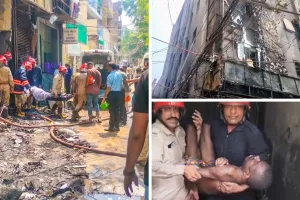
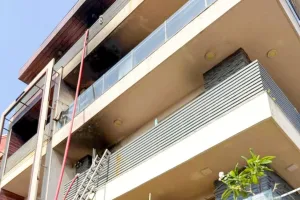
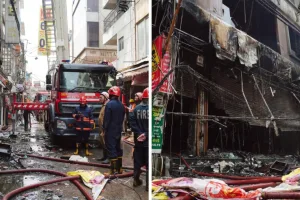
A massive fire broke out near the Matiala fish market in Delhi, engulfing hundreds of slums and triggering panic among residents.

IANS | New Delhi |

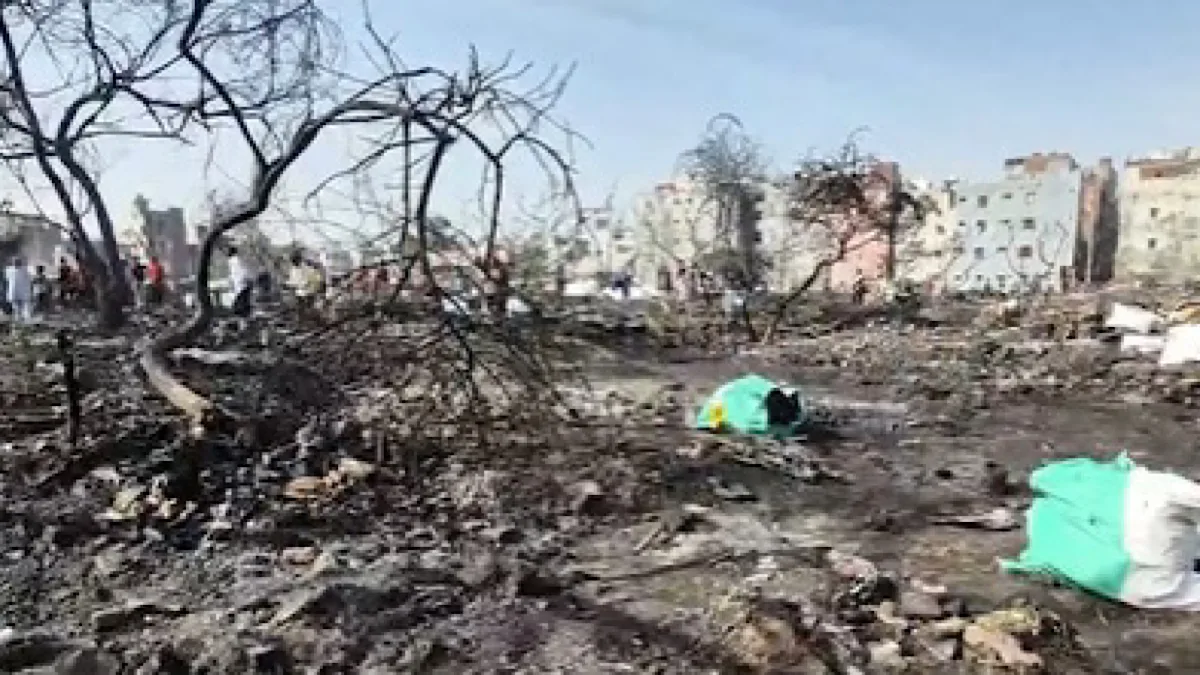
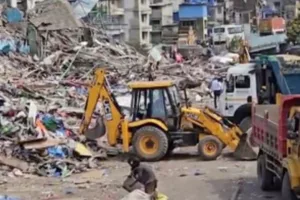
A massive fire broke out near the Matiala fish market in Delhi, engulfing hundreds of slums and triggering panic among residents. The blaze destroyed nearly 300 to 400 slums, leaving several families homeless and prompting urgent calls for assistance from the government.

According to officials, the fire broke out around 11.53 p.m. on Wednesday and quickly spread through the densely populated slum area. The Delhi Fire Service received the emergency call around 11.50 p.m., after which multiple fire tenders were rushed to the spot to control the flames.

A total of 24 fire tenders, along with senior fire officials, were deployed to tackle the blaze, which was classified as a medium-category fire. Firefighters battled the flames for several hours and managed to bring the situation under control by around 4.00 a.m. Cooling operations were later carried out to prevent the fire from reigniting and to ensure the safety of nearby residents.

Officials from the Delhi Fire Service said the fire destroyed between 300 and 400 slum dwellings. Fortunately, no casualties or injuries have been reported so far. Authorities have launched an investigation to determine the exact cause of the fire.

Meanwhile, residents of the affected area were seen searching through the debris in an attempt to salvage whatever belongings they could. Many families claimed they had lost everything in the incident, including household items, documents and food supplies.

Several locals alleged that the fire may have been deliberately set, though these claims have not yet been confirmed by authorities. Residents said they had previously faced pressure to vacate the area.

Some people living in the settlement also claimed that money had been forcibly collected from them in the name of the Delhi Development Authority (DDA). They further stated that a similar fire had occurred in the area just a few days ago, which they also suspected was intentional.

One resident said, “The incident happened around 11.30 p.m., but the fire brigade arrived nearly an hour later. We believe someone set the fire intentionally. A few days ago, there was another fire nearby as well.”

Another resident expressed despair over the loss. “Where will we go now? We have nothing left. No one has even provided us with water. Everything has been destroyed in the fire. We don’t know how we will feed our children,” the resident said.

A third resident said the situation was difficult to control despite the fire brigade’s efforts. “Only the fire brigade came to manage the situation, but the damage was already huge. We have been living here for more than 15 years. Now nothing is left for us.”

Bomb threat issued to Vidhan Bhavan, BSE, HC, Mumbai Metro, says Maha Legislative Council Chairman

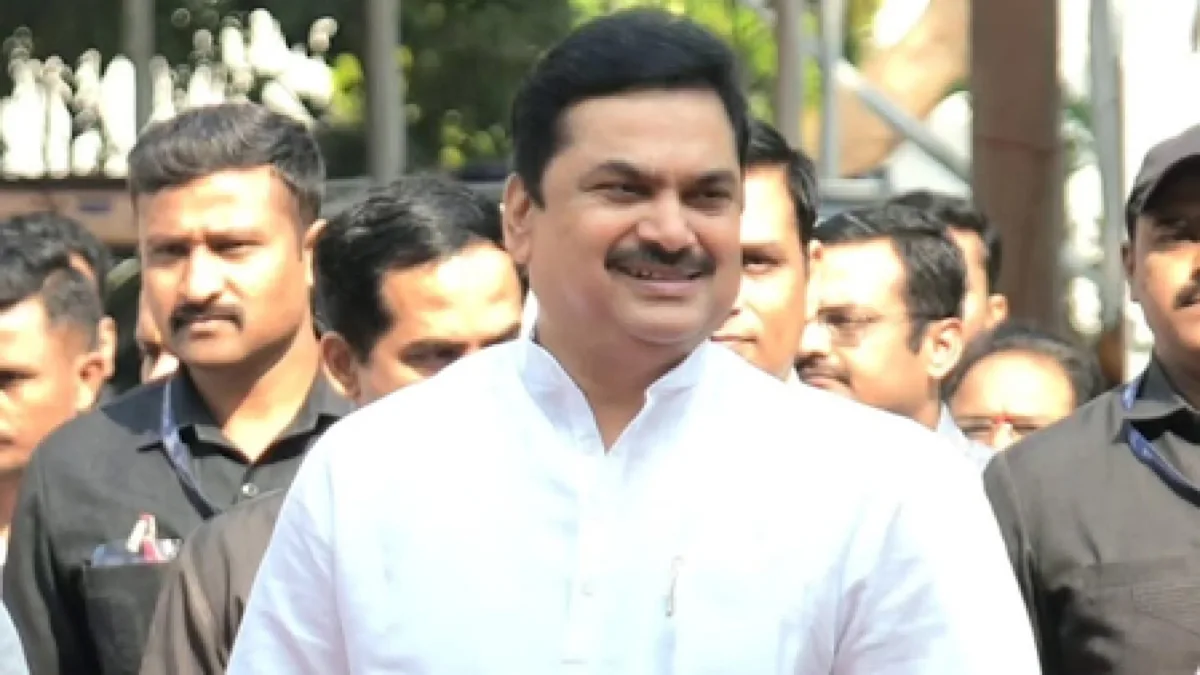
Amid a search operation launched after a bomb threat received in an email at the Vidhan Bhavan during the ongoing budget session, the Maharashtra Legislative Council Chairman Ram Shinde on Thursday said the threat extended beyond the Vidhan Bhavan.

IANS | New Delhi |

Amid a search operation launched after a bomb threat received in an email at the Vidhan Bhavan during the ongoing budget session, the Maharashtra Legislative Council Chairman Ram Shinde on Thursday said the threat extended beyond the Vidhan Bhavan.

According to Chairman Ram Shinde, an email was sent to the Commonwealth Parliamentary Association (CPA) at 6.57 a.m. “Given that the Budget Session is currently underway, the email specifically threatened attacks using bombs and missiles. The threat identified four high-profile targets in Mumbai, including Vidhan Bhavan (State Legislature), Bombay Stock Exchange (BSE), Bombay High Court and Mumbai Metro,” he said.
The Bomb Detection and Disposal Squad (BDDS) and Dog Squads were deployed immediately to conduct a deep sweep of the premises. Security officials and the Home Department issued urgent instructions as soon as the mail was detected, said Chairman Ram Shinde.

“Security officers are taking all necessary precautions, and an investigation is underway. It would not be appropriate to disclose more details at this early stage. Full information will be provided once the inquiry is complete,” he stated.

Preliminary reports suggest that the email threatening the Legislature, Metro, and Stock Exchange may be linked to Khalistani protesters. The sender explicitly mentioned the use of missiles and bombs to target these locations, said the police sources.

While the search operations caused a temporary standstill at the gates, police and security agencies are now working to track the origin of the email and ensure the safety of these critical landmarks during the high-stakes legislative session.

Earlier, a wave of panic struck the Vidhan Bhavan (State Legislature) premises this morning following a bomb threat. An email was received threatening to blow up the Legislature, prompting the police to immediately launch a massive search operation across the entire complex.

Initially, staff members were halted outside; however, after thorough identity checks and security screenings, they were eventually permitted to enter. Following the receipt of the threatening email, Mumbai Police and security agencies acted swiftly to secure the premises.

According to the police sources, all staff members and citizens were immediately escorted out of the building to safety.

“Employees and officials are currently being held outside the gates. Police have stated that no one will be permitted entry until the search operation is fully concluded. Bomb Detection and Disposal Squads (BDDS) and canine units (Dog Squads) have been deployed to comb through every cabin and corner of the complex for suspicious objects,” said police sources.

Cyber police are working to trace the origin of the anonymous email to identify the sender. The incident occurred at a particularly sensitive time. The state is currently holding its Budget Session, a period when the Chief Minister, Deputy Chief Ministers, Cabinet Ministers, and other high-profile VIPs are frequently present on the premises.

Iran allows India-flagged tankers through Hormuz after talks between EAM Jaishankar, Araghchi

According to sources familiar with the developments, Indian tankers ‘Pushpak’ and ‘Parimal’ have been passing safely through the Strait of Hormuz even as ships from the US, Europe and Israel continue to face restrictions in the strategically important waterway.

IANS | New Delhi |

Iran has allowed India-flagged tankers to pass through the Strait of Hormuz following talks between External Affairs Minister (EAM) S. Jaishankar and his Iranian counterpart Abbas Araghchi, with the aim of keeping the critical sea route open for the transportation of crude oil and natural gas.

According to sources familiar with the developments, Indian tankers ‘Pushpak’ and ‘Parimal’ have been passing safely through the Strait of Hormuz even as ships from the US, Europe and Israel continue to face restrictions in the strategically important waterway.

Ensuring the safe navigation of tankers through the Strait of Hormuz figured prominently during a conversation between EAM Jaishankar and Iranian Foreign Minister Abbas Araghchi late on Tuesday (March 10). The two leaders discussed the evolving situation in West Asia, and the issue of maritime movement through the strait was a key point of discussion. This was their third conversation since the outbreak of the Iran war.

In a related development, a Liberian-flagged tanker carrying Saudi Arabian crude oil and captained by an Indian has also successfully crossed the Strait of Hormuz and berthed at the Mumbai port.

The vessel has become the first India-bound tanker to safely pass through the waterway after maritime traffic in the region slowed dramatically following attacks on Iran by the United States and Israel.

The tanker, ‘Shenlong Suezmax’, had loaded crude oil from the Saudi port of Ras Tanura on March 1 and departed two days later.

According to maritime tracking data from Lloyd’s List Intelligence and TankerTrackers, the vessel’s last recorded location before reaching Indian waters showed it inside the Strait of Hormuz on March 8.

The successful passage of the tanker is expected to ease some of the growing concerns in India over possible disruptions in energy supplies. India, which is Asia’s third-largest economy, relies heavily on the Strait of Hormuz as more than half of its crude oil and natural gas imports pass through the narrow maritime corridor.

Despite the safe transit of some vessels, several Indian ships remain in or around the sensitive waterway.

According to the Directorate General of Shipping, at least 28 Indian-flagged vessels have been operating in or near the Strait of Hormuz since hostilities began in the region.

Officials said that eight Indian-flagged ships, which were located east of the Strait of Hormuz when the conflict broke out, have since moved to safer waters.

A situation report released by the Directorate General of Shipping said that over the past few days, seven of these vessels — ‘Desh Mahima’, ‘Desh Abhiman’, ‘Swarna Kamal’, ‘Vishva Prerna’, ‘Jag Viraat’, ‘Jag Lokesh’ and ‘LNGC Aseem’ — have moved out and reached the Arabian Sea. Another vessel, ‘Jag Lakshya’, has sailed onward towards Angola.

Meanwhile, tensions in the region remain high.

On March 11, a Thai-flagged cargo vessel was reportedly attacked near the Strait of Hormuz shortly after it departed from the United Arab Emirates, according to the Royal Thai Navy.

The vessel, identified as ‘Mayuree Naree’, had left Khalifa Port in the UAE and was headed for Kandla Port in Gujarat when it came under attack while transiting through the Strait of Hormuz.

Authorities are continuing to monitor the situation closely as security concerns persist in one of the world’s most critical maritime energy routes.

Gas gone, chulha on: India’s restaurants turn retro to deal with LPG crunch

Restaurants across parts of India are scaling down operations as commercial LPG cylinders run scarce, forcing kitchens to turn to firewood, charcoal and electric stoves to keep food service running.

Statesman News Service | Mumbai |

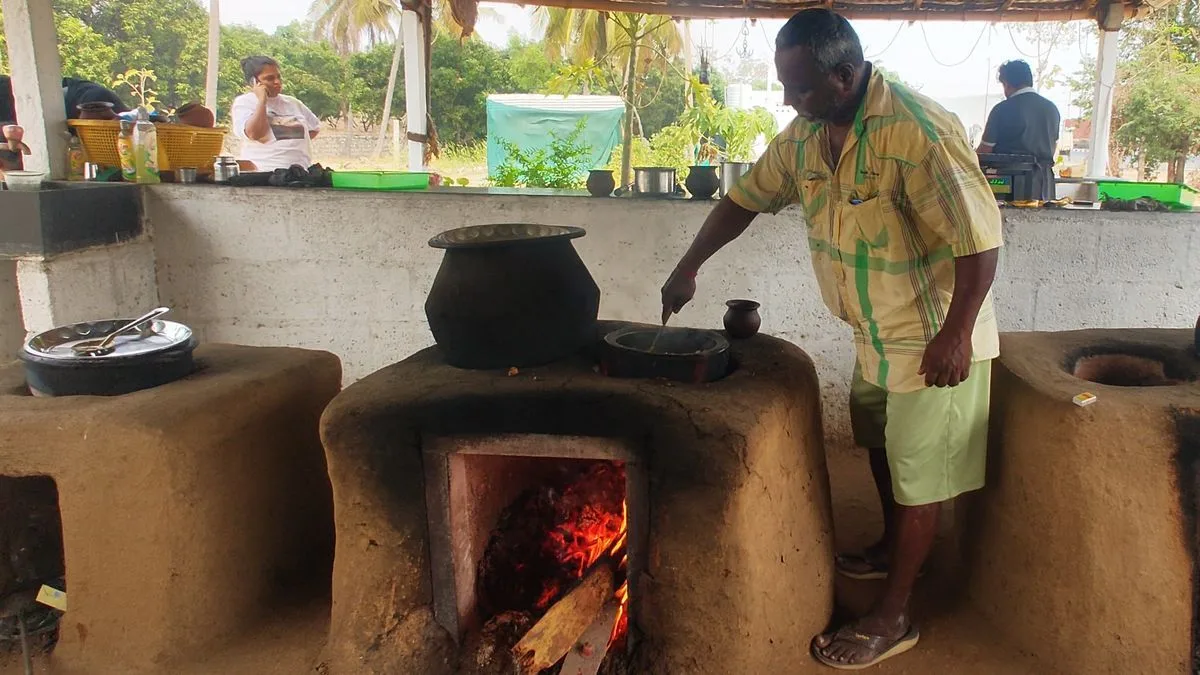
As commercial LPG cylinders run scarce across parts of India, restaurants and tea shops are turning to firewood, charcoal, and electric stoves to keep kitchens running, even as the government prioritises household supply.

A shortage of cooking gas cylinders is beginning to affect daily life in several Indian cities, with restaurants, bakeries, and small eateries cutting down operations or shifting to alternative cooking methods such as firewood and electric stoves.

The problem stems from disruptions in global fuel supply chains linked to the ongoing conflict in West Asia. India relies heavily on imports of liquefied petroleum gas (LPG) and refined crude derivatives from countries including Qatar, Kuwait, and Saudi Arabia. With supply routes under strain, the availability of commercial LPG cylinders has tightened sharply.

Government officials have said domestic households will receive priority access to LPG. Following this, gas companies have reportedly slowed or paused the production of commercial cylinders so that domestic demand can be met.

As a result, restaurants and tea stalls in cities such as Chennai are finding it increasingly difficult to get LPG cylinders. Many kitchens have been running on whatever stock they had left for the past few days, while some have already shut temporarily after their supplies ran out.

In several eateries, the regular spread of dishes has been cut down sharply. Where lunch menus typically include items such as poriyal, sambar, aviyal, rasam, and multiple gravies, many restaurants are currently serving only one gravy and a single chutney.

Notices informing customers about the restricted menu have appeared outside several establishments. Some kitchens have switched to simple dishes such as tomato rice, tamarind rice and lemon rice, which require less fuel to prepare.

A few non-vegetarian restaurants have stopped making omelettes, while tea shops have halted the preparation of snacks like vada and bajji. In areas such as Nungambakkam and Egmore in Chennai, some restaurants have begun cooking using charcoal, firewood or electric stoves.

The sudden shift has also pushed up the demand for firewood. Restaurant owners say the price of firewood has increased by Rs 500 to Rs 1,000 per tonne in recent days.

Hospitality sector warns of prolonged disruption

Industry groups say the problem may not ease immediately. According to the Coimbatore District Hoteliers’ Association, restaurants across the country have been facing difficulties for more than a week due to limited LPG supplies.

“For the past 10–12 days, the whole nation has been facing LPG shortage issues, and our city is facing the same problem. We have no fuel to run the restaurant. The whole of India is troubled by this LPG shortage,” Balachandar Raju, Secretary of the Coimbatore District Hoteliers’ Association, told ANI.

He said the association had approached both the state and central governments, seeking intervention, as hotels rely heavily on LPG cylinders for everyday operations.

According to Raju, officials have indicated that domestic consumers and essential services have been given priority in the current supply situation.

“The government needs to intervene and ensure the supply of LPG for the basic needs of people. We have presented this issue to both the Tamil Nadu government and the central government. Our association has met with ministers to discuss the problem. They have stated that they won’t be able to supply commercial cylinders for commercial purposes and have prioritised domestic use, as well as for hospitals, educational sectors, and crematoriums,” he added.

Raju also warned that the disruption could continue for several weeks because imported shipments and refinery processes take time.

“We hope the issue will be rectified soon. Even though the vessels start from the port now, it might take another 20 days to sail and reach our country. Then, there is a process of converting crude oil to LPG, which will take another week’s time. We expect to face this issue for another 30 days,” he said.

Government prioritises household LPG supply

The Union government has invoked the Essential Commodities Act to ensure a steady supply of LPG for households and essential services.

Oil refineries have been instructed to increase LPG output and divert additional production towards domestic consumption, the Ministry of Petroleum and Natural Gas said.

“In light of current geopolitical disruptions to fuel supply and constraints on the supply of LPG, the Ministry has issued orders to oil refineries for higher LPG production and using such extra production for domestic LPG use,” the ministry said in a statement on X.

The government has also introduced a 25-day inter-booking period for LPG consumers to prevent hoarding and black marketing.

Meanwhile, industry bodies have cautioned that unless commercial cylinder supplies improve soon, many hotels and small eateries could face severe operational disruptions.

India steps up LPG production by 25% to secure household supply amid Gulf tensions

India imports nearly 60 per cent of its LPG needs, with about 90 per cent of those imports passing through the Strait of Hormuz, a route now under strain amid the ongoing regional crisis.

Statesman News Service | New Delhi |

India has ramped up domestic LPG production by 25 per cent and redirected the entire output towards household consumers as the government moves to cushion the country from a potential cooking gas supply crisis triggered by rising tensions in West Asia and disruptions around the vital Strait of Hormuz.

At an inter-ministerial briefing on the recent developments in West Asia held at the National Media Centre on Thursday, officials said the government has taken emergency measures to secure cooking gas supplies. Notably, India imports nearly 60 per cent of its LPG needs, with about 90 per cent of those imports passing through the Strait of Hormuz, a route now under strain amid the ongoing regional crisis.

Senior officers from the Ministry of Petroleum and Natural Gas, the Ministry of External Affairs, the Ministry of Ports, Shipping and Waterways, and the Ministry of Information and Broadcasting briefed the media on the preparedness measures and steps being taken by the Government of India in response to the evolving situation in the region. The briefing provided updates on energy supply preparedness, maritime safety, welfare of Indian nationals abroad and communication measures being undertaken by the Government.

LPG Supply and Availability

  • India imports about 60 percent of its LPG consumption and out of these imports about 90 percent come through the Strait of Hormuz, which has been impacted due to current happenings.
  • On 8 March 2026, the Government issued an order directing refineries and petrochemical complexes to maximise LPG production by diverting propane, butane, propylene and butenes streams to the LPG pool. As a result of these measures, domestic LPG production has increased by about 25 percent and the entire domestic LPG production is being directed towards household consumers.
  • For non-domestic LPG, priority is being given to essential sectors such as hospitals and educational institutions.
  • A three-member committee of Executive Directors from IOCL, HPCL and BPCL has been constituted to review allocations to restaurants, hotels and other commercial users and to ensure fair and transparent distribution of available LPG supplies.
  • The current price of a domestic LPG cylinder in Delhi is ₹913 after a recent ₹60 increase. For PMUY beneficiaries the price remains ₹613 per cylinder.
  • For a PMUY household, the recent increase translates to less than 80 paise per day.
  • Even though the Saudi Contract Price has increased by about 41 percent since July 2023, the PMUY price has fallen by about 32 percent during the same period due to government support.
  • The Government has approved ₹30,000 crore compensation for oil marketing companies for LPG under-recoveries.
  • Field feedback indicates some panic booking and hoarding behaviour. However, the normal delivery cycle for domestic LPG remains about 2.5 days and consumers have been advised not to rush-book cylinders.
  • The Delivery Authentication Code (DAC) system is being expanded to about 90 percent of consumers to prevent diversion at the distributor level.
  • As a temporary demand-management measure, the minimum gap between LPG bookings has been increased from 21 days to 25 days.
  • Oil marketing companies and enforcement teams are coordinating at the field level to clear distributor backlogs and ensure smooth deliveries.

The Government is continuously monitoring the global situation and taking necessary steps to ensure uninterrupted fuel supplies and protect households and priority sectors.


Bomb threat email triggers security sweep at Vidhan Bhavan; BSE, Bombay HC, Mumbai Metro also named

Police teams and bomb disposal experts launched searches at three major Mumbai locations after threatening emails were reported. Authorities tightened security while investigators worked to trace the source.

Statesman News Service | Mumbai |

A bomb threat email naming several major Mumbai landmarks prompted a security search at the Vidhan Bhavan on Thursday.

The alert comes at a particularly sensitive time, with the state legislature currently in session and several senior political leaders, including the Chief Minister and Cabinet ministers, regularly present at the complex.

Speaking in the Legislative Council, Chairman Ram Shinde said the threatening email was received at around 6.57 am by the Commonwealth Parliamentary Association (CPA).

According to him, the message warned of attacks using bombs and missiles and named four prominent locations in Mumbai as targets – Vidhan Bhavan (State Legislature), the Bombay High Court, the Bombay Stock Exchange (BSE), and the Mumbai Metro.

Following the alert, security agencies moved quickly to secure the legislature complex. The Bomb Detection and Disposal Squad (BDDS) and dog squads were rushed to the site to conduct a detailed search of the premises.

“Security officers are taking all necessary precautions, and an investigation is underway. It would not be appropriate to disclose more details at this stage. Complete information will be shared once the inquiry is finished,” Shinde said.
Staff evacuated as police begin investigation

The threat triggered immediate security protocols at the Vidhan Bhavan. Police temporarily halted entry at the gates and began screening the entire complex.

Officials said employees and visitors were escorted outside the building as a precaution while security teams checked every section of the premises. After identity verification and security checks, staff were gradually allowed to enter again.

Police sources said cyber teams are now trying to track the origin of the anonymous email. Preliminary information suggests the message could be linked to Khalistani protesters, though officials have not confirmed this.

Security agencies continue to monitor the situation while ensuring protection at key installations mentioned in the threat.