US claims breakthrough, Iran sets conditions: 10 key developments in the talks
Washington says a deal with Iran is nearing completion, but Tehran insists implementation of an initial understanding will determine whether a final accord is signed.
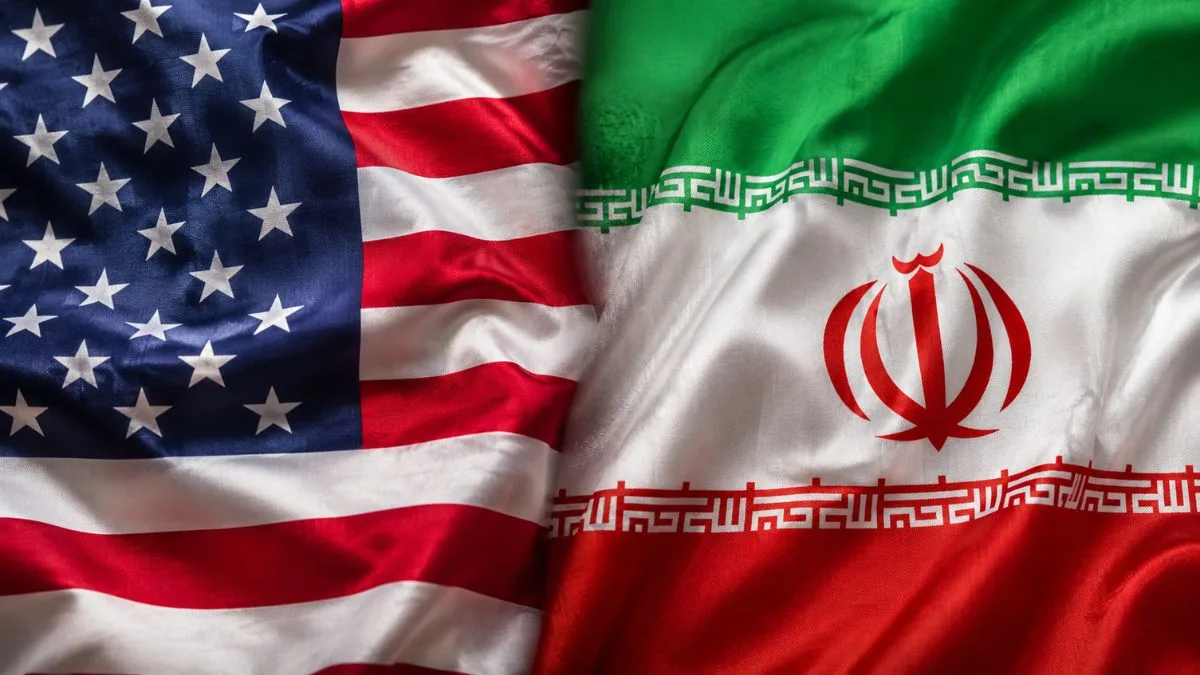
Washington says a deal with Iran is nearing completion, but Tehran insists implementation of an initial understanding will determine whether a final accord is signed.

Iranian Foreign Minister Abbas Araghchi said that Iran has "gained knowledge and learned lessons" and that a return to war will feature many more surprises.
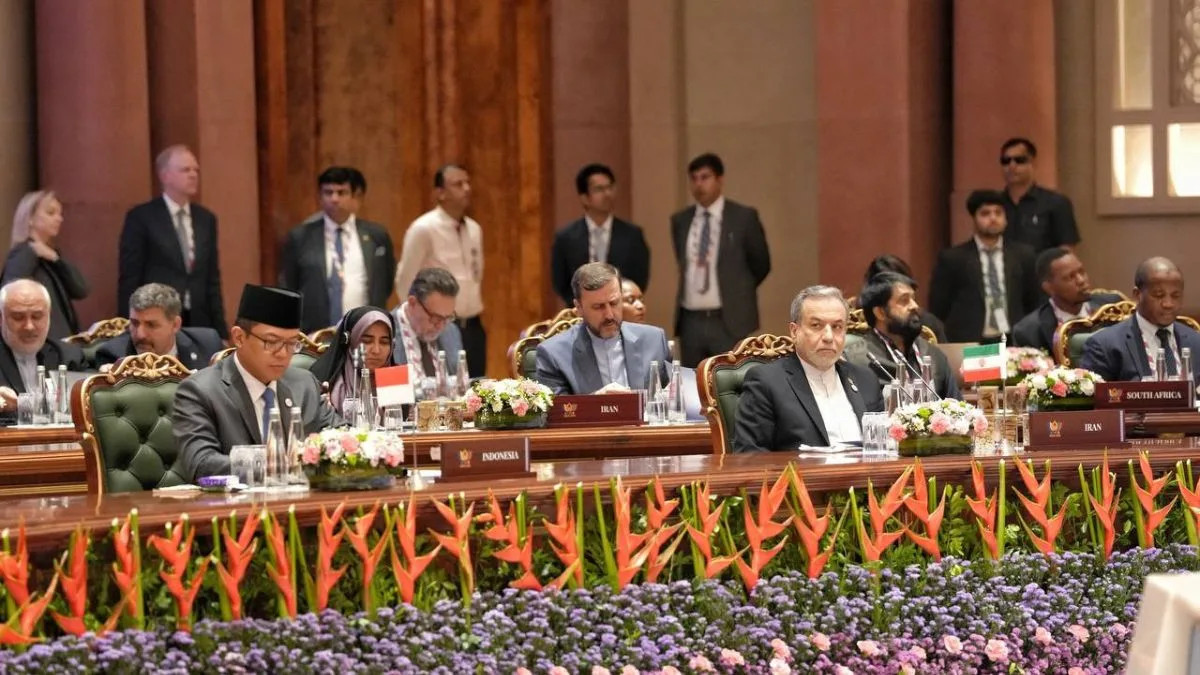
At the BRICS Foreign Ministers’ Meeting in New Delhi, Iran sought stronger international backing while warning that rising regional instability would impact all sides.
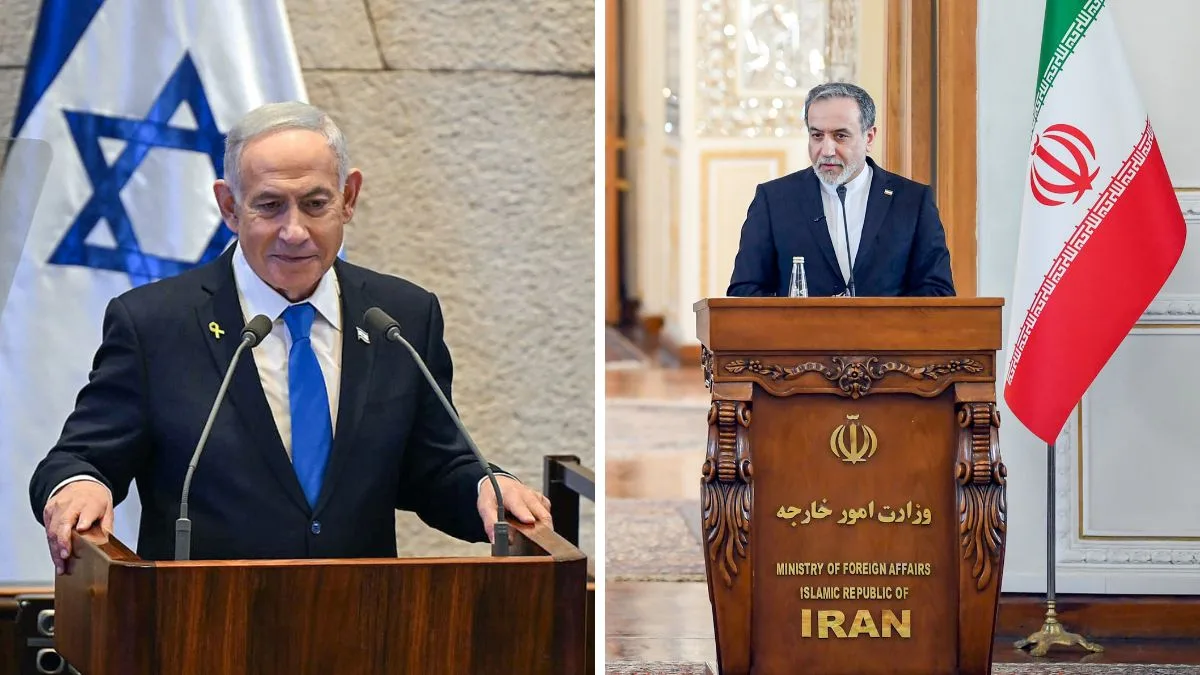
Iran and the UAE traded sharp reactions after Israel claimed Benjamin Netanyahu secretly visited Abu Dhabi during the ongoing military confrontation with Tehran.

Iran ramps up diplomacy across Pakistan and Russia as Washington reviews a proposal to reopen the Strait of Hormuz, signalling a possible shift in the ongoing conflict dynamics.

Araghchi said that Iran has stood up against the world's "greatest superpower", the United States of America, prompting the country to request for negotiations.

Tehran has used Pakistani channels to pitch a phased plan focused on maritime access and ceasefire, while Washington signals reluctance for in-person talks and maintains its nuclear red lines.
A US think tank flags a shift within Iran’s leadership, with hardliners gaining influence just as diplomatic engagement with Washington gathers pace through mediated talks in Islamabad.
Iran has ruled out direct talks with the US during its Pakistan visit, but Washington is pushing ahead with diplomacy through envoys and indirect engagement channels.

Iran rules out US talks during Pakistan visit as Washington pushes diplomacy. Meanwhile, Israel-Hezbollah exchanges continue, raising doubts over the extended Lebanon ceasefire.