Logo

Oil War

The expanding conflict involving Iran, Israel and the United States has already demonstrated a harsh reality about modern warfare: the most immediate battlefield is often the global economy.

Statesman News Service | New Delhi |

The expanding conflict involving Iran, Israel and the United States has already demonstrated a harsh reality about modern warfare: the most immediate battlefield is often the global economy. Within days of military strikes and retaliatory threats across West Asia, energy markets convulsed. Oil prices surged towards $120 a barrel before abruptly retreating below $90 after remarks by US President Donald Trump hinted that the campaign against Iran might not become a prolonged war, and key interventions by Saudi Arabia. Such dramatic swings are not merely the product of speculation.

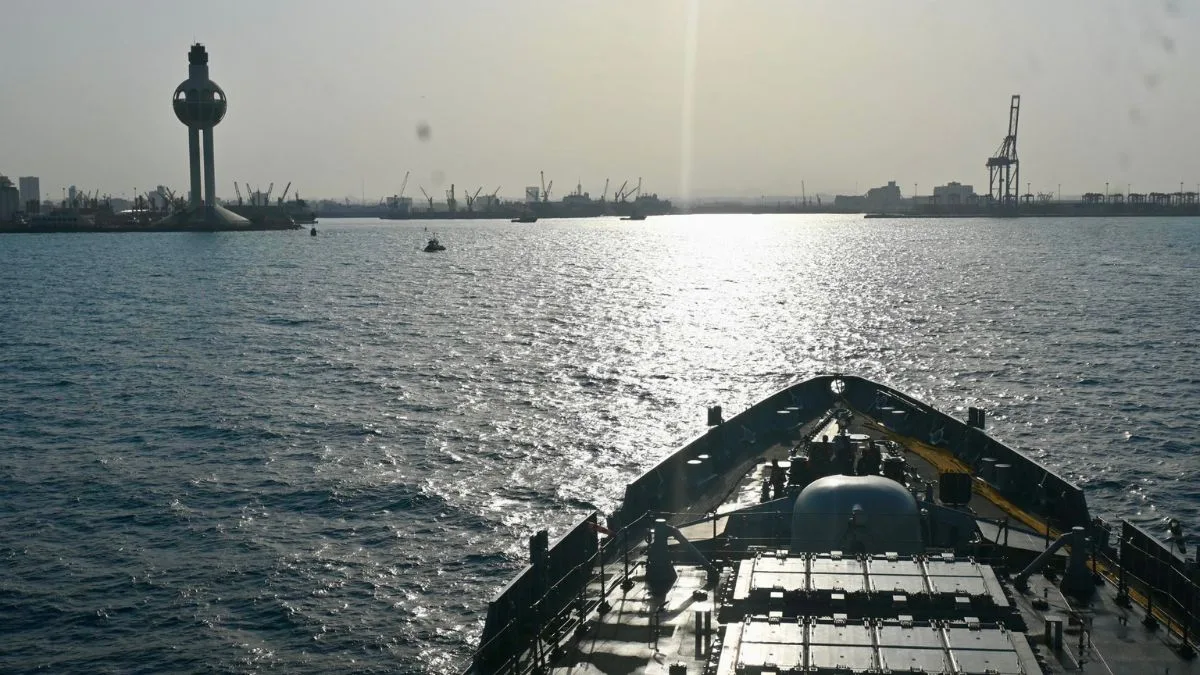
They reflect the extraordinary strategic importance of the Persian Gulf, particularly the Strait of Hormuz, through which roughly a fifth of the world’s oil supply normally flows. When shipping through this narrow waterway slows or stops, the consequences ripple instantly across continents. Tankers hesitate to enter conflict zones. Insurance costs soar. Energy traders price in the risk of further disruption. The result is volatility that affects everything from petrol pumps in Atlanta to fertiliser markets in India and manufacturing costs in East Asia. Governments are scrambling to contain the shock. Finance ministers from the Group of Seven have discussed releasing emergency oil reserves coordinated by the International Energy Agency.

A potential release of hundreds of millions of barrels would represent one of the largest interventions in energy markets since the Russia-Ukraine war disrupted global supplies in 2022. Yet even such a dramatic step would only cover a few days of global consumption. That stark arithmetic explains why markets remain anxious. Strategic stockpiles can calm panic temporarily, but they cannot replace sustained flows of crude from the Gulf. If Iran’s energy infrastructure remains damaged or tanker traffic through the Strait of Hormuz continues to face threats, the global economy may be confronting the largest oil shock in modern history. Political calculations in Washington are therefore colliding with economic realities.

Mr Trump has repeatedly suggested that the campaign against Iran is nearing success, even as officials speak about expanded military operations and new bombing phases. Such mixed signals have unsettled markets but also reveal a deeper constraint: energy prices are among the few global indicators capable of rapidly reshaping domestic politics. In the United States, rising gasoline prices have long been a political danger for any President. With midterm elections approaching and inflation already a sensitive issue, sustained oil price spikes could weaken public support for the war effort and damage economic confidence. Yet the global consequences extend far beyond American politics.

China, India, and South Korea remain among the largest buyers of Gulf energy exports, meaning that prolonged disruption would reverberate through Asian supply chains and global trade. Even if hostilities end quickly, the economic aftershocks will linger. Damaged infrastructure must be repaired, shipping routes restored and insurance markets stabilised. Wars can be halted by political decisions. Energy systems, however, recover far more slowly. That is why the real cost of this conflict will not be measured only in missiles and military targets, but in the fragile stability of the world’s energy lifeline.

Strategic rejig

India’s defence procurement strategy is undergoing a quiet but consequential transformation.

Statesman News Service | New Delhi |

India’s defence procurement strategy is undergoing a quiet but consequential transformation. For decades after independence, New Delhi’s military arsenal bore the unmistakable imprint of Soviet and later Russian hardware ~ from fighter aircraft and tanks to submarines and missile systems. That era is steadily receding. What is emerging instead is a far more diversified network of suppliers, reflecting the geopolitical realities of the twenty-first century.

The shift is neither abrupt nor ideological. It is driven by hard strategic calculation. Russia was once India’s most dependable defence partner, especially during the Cold War when Western countries were reluctant to arm New Delhi. Soviet platforms formed the backbone of the Indian Air Force and Army for generations. Yet the world that produced that relationship has changed profoundly. Two developments in particular have altered India’s defence calculus. The first is Moscow’s growing strategic proximity to Beijing. As China has become India’s primary long-term security challenge ~ visible in repeated tensions along the Line of Actual Control ~ New Delhi can no longer rely exclusively on a supplier whose closest geopolitical partner is its principal rival. The second factor is the changing nature of modern warfare.

Contemporary battlefields depend increasingly on advanced electronics, precision targeting systems, network-centric warfare capabilities, and unmanned technologies. Countries such as France, Israel and the United States have emerged as leaders in these fields. Their growing presence in India’s procurement portfolio reflects the demand for cutting-edge capabilities rather than any abrupt diplomatic realignment. France, for instance, has become a major partner through the acquisition of Rafale fighter jets and deeper aerospace cooperation. Israel has steadily expanded its role in supplying sophisticated surveillance systems, drones, and missile technologies. Meanwhile, American platforms such as the P-8I maritime patrol aircraft strengthen India’s capacity to monitor the Indian Ocean, a region of mounting strategic competition.

At the same time, New Delhi’s ambitions extend beyond merely diversifying suppliers. The long-term objective is technological autonomy. Initiatives such as “Make in India” and the expansion of domestic defence manufacturing aim to reduce reliance on imports altogether. Indigenous projects ~ from the Tejas light combat aircraft to advanced missile systems developed by the Defence Research and Development Organisation ~ reflect this aspiration, even if delays and capability gaps remain persistent challenges. The regional environment reinforces the urgency of this transformation.

Pakistan’s military modernisation increasingly relies on Chinese platforms, while Beijing itself has dramatically expanded its indigenous defence industry. Against this backdrop, India must maintain credible deterrence across two contested fronts. Seen in this light, India’s evolving procurement pattern is less a break with the past than a strategic rebalancing. Diversification reduces vulnerability, expands access to technology, and strengthens diplomatic flexibility. In an era of shifting alliances and uncertain supply chains, spreading risk may be the most prudent defence strategy of all.

The paradox of experience

The architectural integrity of any higher education system rests upon the stability of its teaching workforce.

BHASKAR NATH BISWAL | New Delhi |

The architectural integrity of any higher education system rests upon the stability of its teaching workforce. In recent years, a growing trend has emerged where universities and colleges increasingly rely on ‘guest faculties’ to fill the gaps left by vacant permanent positions. By definition, a guest faculty is a temporary educator engaged on a lecture-wise or monthly basis, theoretically brought in to provide specialized industry knowledge or to cover temporary surges in enrolment. However, what was intended as a flexible, supplementary arrangement has metastasized into a structural dependency. This shift is particularly contentious when it involves the systematic re-engagement of retired professors.

While the impulse to respect and utilize the wisdom of veteran educators is good and intellectually sound, the practical fallout of this policy suggests a troubling disregard for the vitality of the next generation of scholars. The situation in Odisha serves as a stark microcosm of this national crisis. Data reveals a staggering shortfall in the state’s higher education workforce, with nearly 65 per cent of permanent teaching posts lying vacant across 17 state public universities. Out of approximately 2,003 sanctioned permanent positions, only about 782 are currently filled by regular faculty, leaving over 1,200 vacancies. To bridge this massive gap, the state has engaged nearly 1,000 guest faculty members across these universities alone.

The reliance is even more pronounced in newly established or upgraded institutions; for instance, universities like Odisha State Open University and Vikram Dev University in Jeypore have often had to function with zero regular faculty members in core cadres, relying entirely on guest teachers and retired professors. This high-stakes ‘patchwork’ management highlights an urgent need for the state to transition from temporary fixes to sustainable, permanent recruitment. Statistical trends across the global south and various developing economies indicate that the reliance on temporary teaching staff is no longer an anomaly but a standard operating procedure.

In many state-run universities, guest and contractual faculties now comprise nearly 40 to 50 per cent of the total teaching strength. According to recent educational census data, tens of thousands of qualified PhD holders are currently circulating through the system not as tenure-track professors, but as ‘academic migrants’ moving from one temporary contract to another. The sheer volume of these appointments masks a deeper crisis: the stagnation of permanent recruitment.

When institutions choose to re-hire a retired professor rather than opening a fresh vacancy, they are not just filling a seat; they are effectively closing a door on a young aspirant who has spent a decade preparing for that specific role. The arguments in favor of engaging retired teachers often center on the ‘wisdom gap.’ Proponents suggest that a professor with thirty years of experience brings a level of pedagogical mastery and institutional memory that a newcomer cannot replicate. There is also a fiscal argument, as re-engaging retirees often involves a fixed honorarium that is significantly lower than the full salary and benefits package required for a permanent new hire.

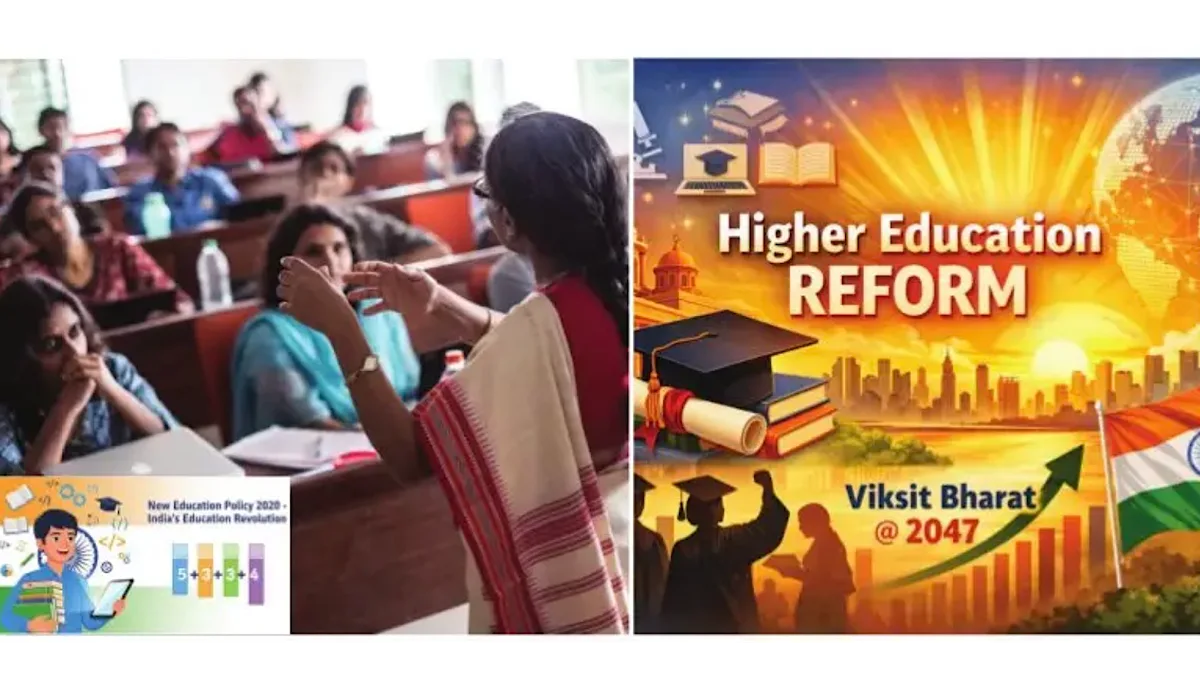
From an administrative lens, this is seen as ‘efficiency.’ Furthermore, in niche scientific fields or ancient languages, there may genuinely be a dearth of qualified young experts, making the veteran’s presence a necessity for the survival of the department. These ‘pros,’ however, are largely short-term fixes for long-term systemic problems. They prioritize immediate budget balancing over the health of the academic ecosystem. The National Education Policy (NEP) 2020 provides a clear, albeit challenging, roadmap for addressing these structural imbalances. It explicitly recommends that the harmful practice of hiring ‘para-teachers’ or those on short-term contracts must eventually be phased out to ensure that teachers are deeply invested in their communities and institutions. The policy envisions a move toward a permanent, tenure-track system where faculty is recruited through a rigorous, merit-based process.

While the NEP 2020 does suggest creating databases of retired scientists and educators to act as mentors or ‘specialized instructors’ for local knowledge, it emphasises that these roles should be supplementary. The core mandate remains the revitalization of the teaching profession by filling vacancies in a time-bound manner and ensuring that the ‘brightest and best’ are incentivized to enter the field through job security and a clear path for career progression. The ‘cons’ of this practice are far more systemic and devastating. The most immediate impact is the creation of a demographic bottleneck. When the top tier of the profession refuses to vacate their positions or is invited back immediately after retirement, the natural flow of the profession is interrupted. For every retired faculty member who returns to the lectern, a young scholar with a fresh PhD and contemporary research insights is pushed into the ‘gig economy’ of academia.

This creates a disillusioned class of young intellectuals who feel the system has betrayed them. If the brightest minds see that the path to a stable career is blocked by those who have already completed their tenure, they will inevitably turn away from teaching. We are currently witnessing a ‘brain drain’ where potential world-class educators are migrating to corporate sectors or foreign universities, not because they lack passion for teaching but because they cannot survive on the crumbs of the guest faculty system. Furthermore, the quality of education suffers under the guest faculty model due to the lack of emotional and professional investment.

A youngster appointed as a guest faculty member lives in a state of perpetual precariousness. They are often paid per lecture, sometimes at rates lower than unskilled manual labor and lack access to health insurance, research grants or even a dedicated office space. It is intellectually dishonest to expect teachers to ‘teach whole-heartedly’ when they are worried about whether their contract will be renewed next month. Teaching is not merely the delivery of content; it requires mentorship, research guidance and participation in the university’s growth.

A guest faculty member, treated as a disposable resource, is rarely motivated to go beyond the syllabus. They become ‘academic delivery agents’ rather than educators, and the students are the ultimate losers in this transaction. This reliance on guest faculties is a plague that threatens the very core of educational quality. It fosters a culture of sycophancy, where young teachers must remain in the good graces of administrators just to keep their temporary jobs, stifling the critical thinking and dissent that are essential to a university environment. The government must recognize that the education sector cannot be run on a ‘rental’ model.

The wisdom of the retired is valuable but it should be channeled through advisory roles or emeritus honors that do not occupy active teaching slots. The priority must shift toward the massive recruitment of permanent, full-time faculty who can build careers, conduct long-term research and provide the stability that students need. To conclude, the current trajectory of engaging retired faculty and temporary guest lecturers is a self-defeating strategy. It might save a few pennies in the annual budget, but it is bankrupting the future of the nation’s intellectual capital.

The government must take a decisive stand to withdraw the systemic reliance on guest faculties and instead invest in robust, transparent and regular recruitment cycles for young teachers. Respect for the elderly should not translate into the disenfranchisement of the young. A healthy education system requires the energy, digital fluency and fresh perspectives of the youth just as much as it requires the guidance of the past. If we do not act now to professionalize the entry-level teaching cadres and provide them with certainty and dignity, we will find ourselves with plenty of classrooms but no one left who is truly inspired to lead them.

(The writer is a former College Principal and founder of Supporting Shoulders)

US-Israel-Iran war LIVE Updates: ‘Oil exports from Kharg Island uninterrupted,’ claims Iran; Israel hits over 100 Hezbollah centres

Missiles fired toward Israel, US bombers deployed and global shipping routes under watch as the Iran-US war intensifies, triggering diplomatic and military responses across West Asia.

Statesman News Service | New Delhi |

The conflict involving the United States, Israel, and Iran, which began on February 28, entered another tense phase as fresh military claims and counterclaims emerged. The latest developments included President Donald Trump’s claim that US forces carried out a major bombing raid on Iran’s Kharg Island, fresh missile launches from Iran towards Israel, and new warnings over shipping through the Strait of Hormuz.

The developments also come amid a wider military build-up under Operation Epic Fury, the US-led campaign against Iran. At the same time, India has remained engaged on the diplomatic front, with top-level conversations focused on shipping safety, energy supplies, and the security of Indian nationals in the region.

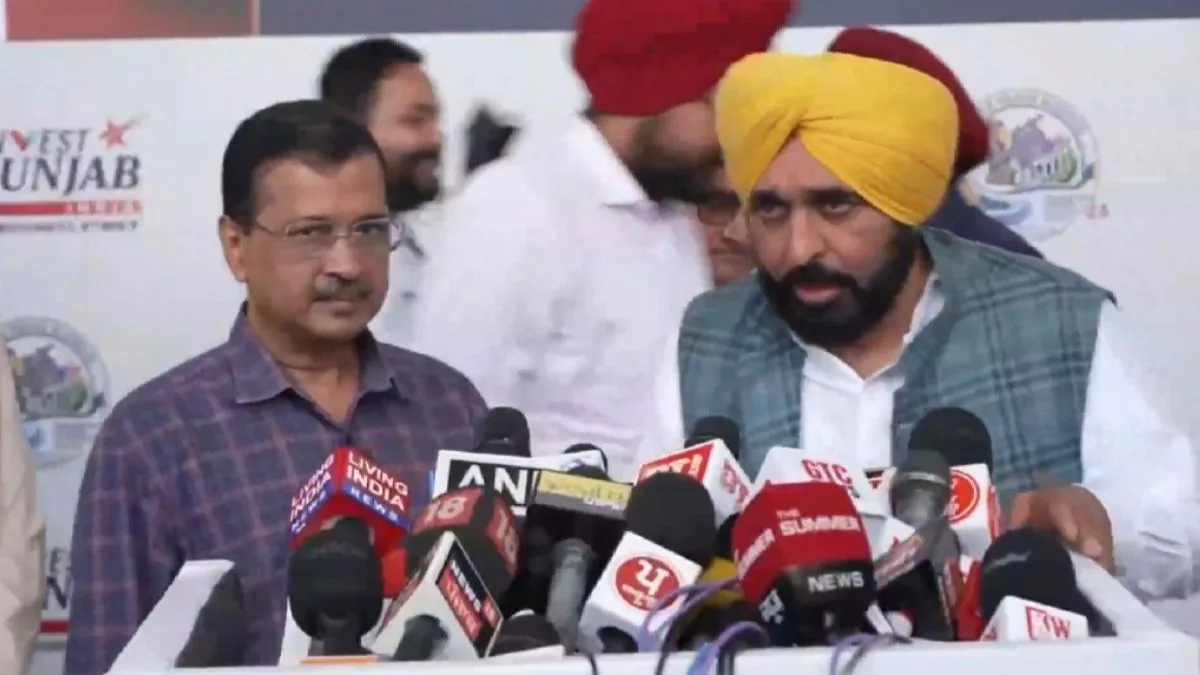
Arvind Kejriwal’s guarantee to industry, AAP Govt will provide every facility in Punjab to compete with China

Addressing investors and industry leaders, AAP National Convenor Arvind Kejriwal said the Punjab government would provide every facility needed for industries to compete with China, asserting that a business-friendly environment had already helped attract ₹1.50 lakh crore in investments in four years.

Statesman News Service | Mohali |

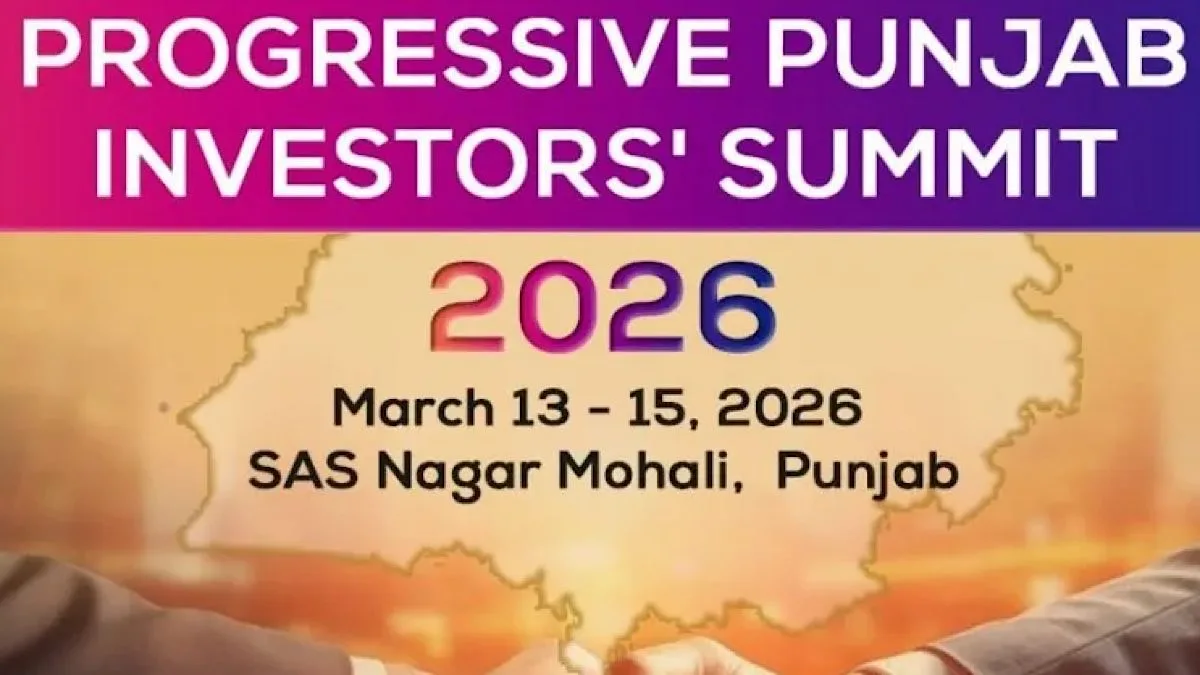
The Progressive Punjab Investors Summit 2026 began on a strong note in Mohali on Friday, with investment commitments worth over ₹10,000 crore on the opening day and major industry leaders announcing expansion plans in the state. Addressing investors and industry leaders, AAP National Convenor Arvind Kejriwal said the Punjab government would provide every facility needed for industries to compete with China, asserting that a business-friendly environment had already helped attract ₹1.50 lakh crore in investments in four years.

The AAP Supremo highlighted how the Bhagwant Mann government has introduced a 45-day single-window clearance system and is building a business-friendly ecosystem focused on human capital, industrial growth and large-scale job creation for youth. Punjab CM Bhagwant Singh Mann said the summit marked the beginning of a new phase of economic growth, employment and industrial expansion, as the state positions itself as a major investment destination with faster approvals, pro-industry policies and a focus on education, healthcare and skilled manpower.

Addressing the Progressive Punjab Investors Summit, Punjab CM Bhagwant Singh Mann stated, “In a major boost to the industrial development of the state, the Punjab government has roped in leading industries to invest in Punjab. It is a matter of immense pride and satisfaction that on the very first day of the Progressive Punjab Investors Summit 2026, the state has secured investments worth more than ₹10,000 crore. Major industry leaders such as HMEL, Tata Steel, JSW, Trident Group, Hero Industries and several others have announced plans to expand and set up their ventures in the state.”

He continued, “Punjabis are known for their entrepreneurial abilities, innovation and problem solving spirit. You will rarely find a Punjabi begging because our people believe in hard work and are doers who can perform even in the most difficult conditions. Punjabis can work for 20 hours a day with unmatched dedication, commitment and resilience. This quality is unparalleled across the world.”

Highlighting the global identity of Punjabis, CM Bhagwant Singh Mann said, “Punjabis are a martial community, courageous and enterprising, and they have excelled in every field across the world. Whenever any tragedy strikes anywhere in the world, Punjabi ‘langar’ is often the first to reach those in need, following the teachings of Sri Guru Nanak Dev Ji of service and humanity. Punjab is also blessed with rich culture, fertile land and strong unity. Everything can grow on the fertile land of Punjab, but the seed of hatred can never take root here. Following the message of Sri Guru Nanak Dev Ji and the great Sikh Gurus, every Punjabi prays for the well being and progress of all. Since 2022, when our government assumed office, Punjab has witnessed remarkable progress across sectors such as power, health, real estate, infrastructure and education.”

Highlighting education reforms, he added, “Today the youth of Punjab are excelling in competitive examinations such as UPSC, JEE, NEET and IIT entrance tests because the state government has significantly strengthened the education sector. Thirty school principals from Punjab are currently in Singapore undergoing advanced training so that their expertise can further benefit students across the state. Punjab currently has operational airports in Mohali, Halwara, Amritsar, Bathinda, Pathankot and Adampur. At the same time, road infrastructure in the state is also developing rapidly. I invite industries to come, invest and work in Punjab so that together we can build a progressive and prosperous state.”

Citing examples of local success stories, he said, “Punjab based enterprises such as Sonalika, Preet Tractors, Duke, Monte Carlo and many others are shining examples of local entrepreneurship. The doors of Punjab are open to all investors and we welcome them with a red carpet. Our policies are flexible and designed to meet the needs of industry. I urge all of you to invest here, create jobs for Punjabis and help Punjab write a new success story. The state government is aligning skill education and training with the needs of industry so that a strong pool of skilled manpower is created in Punjab. Whatever the industry requires, the government will ensure that the youth receive the necessary training. This will create employment opportunities and accelerate economic growth in the state.”

Welcoming business leaders, Bhagwant Mann further said, “I welcome all business tycoons to the land of Gurus and Pirs. We are honoured to have such eminent personalities among us today. Punjab is one of the most favourable investment destinations in the country and we will leave no stone unturned to facilitate investors. Our vision is to build a strong partnership between the government and industry to make Punjab a leading industrial hub.”

Appealing to entrepreneurs, the Punjab CM stated, “Entrepreneurs are a source of inspiration for everyone and represent the opportunities that the youth of Punjab and India aspire to achieve. Whether we work in the public, private or non profit sectors, each one of us has a responsibility to fulfil if we are to realise our hopes and aspirations for our country, society and families. This summit is not merely about signing MOUs but about sharing knowledge, brainstorming and learning from each other.”

Speaking about the future vision, CM Bhagwant Singh Mann shared that ghe state government has chosen a path that will make the future of Punjab bright by accelerating economic growth. I have seen that the young generation of Punjab wants to achieve something big in life. They are natural leaders who cannot live in isolation. I firmly believe that God has given me this opportunity to lead Punjab so that we can bring meaningful change in the lives of our people.”

Highlighting innovation and technology, he continued, “Punjab is now at the threshold of transitioning toward a new culture of innovation and technology driven enterprise. The youth of the state are coming up with new ideas and innovations and it is our responsibility to support them. We are leaving no stone unturned for this noble cause. World class infrastructure, excellent connectivity, premier educational institutions and supportive government policies together make Punjab one of the most preferred investment destinations globally.”

Thanking industry leaders, CM Bhagwant Singh Mann said, “I thank all the business leaders for becoming part of Punjab’s growth story. Our government is committed to transforming Punjab into a major industrial and export hub in the world. Punjab is among the top performing states in the Ease of Doing Business ranking conducted by the Government of India. Invest Punjab, the unified regulator of the Government of Punjab, has been recognised by the Government of India as one of the top performing investment promotion agencies.”

Explaining the governance approach, he added, “Our government seeks holistic economic and financial success for Punjab. I firmly believe that the pillars of our growth are good governance, digitisation, decisiveness, transparency and sensitivity. Combined with Punjab’s rich heritage and culture, these factors create a conducive environment for investors from across the globe to grow exponentially here. Punjab plays a crucial role in strengthening global value chains and supply chains through its manufacturing and infrastructure capabilities. I welcome all captains of industry to invest in Punjab, invest in the best. The world is going through challenging times, but we must recognise that each of us has the ability to contribute positively and that is the objective of this summit.”

Concluding his remarks, CM Bhagwant Singh Mann said, “The future is a shared responsibility for all of us. Punjab is perhaps the only place in the world whose people have a presence across the globe because Punjabis excel wherever they go. Punjabis possess an indomitable spirit to work hard and succeed. Wherever they go they make a mark. Punjab means business and I invite industry leaders to join hands with the government to build a prosperous future together.”

Meanwhile, AAP National Convenor Arvind Kejriwal stated, “Punjab is the land of gurus and pir paigambars who gave such messages that for centuries have inspired not only Punjab, not only the country, but the entire world. Punjab is the land of hardworking people. Whenever the country faced a crisis of food, the hardworking farmers of Punjab ensured that the nation received food through their labour and filled the stomachs of the country.”

He said, “Punjab is also the land of patriots. In the freedom struggle, Punjabis made the highest sacrifices, and even today you will find the largest number of Punjabis serving in our armed forces. Punjab is also the land of entrepreneurs and businessmen. Entrepreneurship runs in the blood here. There is a joke that if one day humans begin living on the moon, the first establishment there will be a ‘Punjabi dhaba’.”

Reflecting on Punjab’s economic history, Arvind Kejriwal continued, “There was a time in the 1980s when Punjab ranked number one in the country in terms of per capita income. Economically, Punjab was the most developed and progressive state in the entire country. But over the last 40 years, Punjab gradually slipped down to the 18th position. When we took charge of the government in 2022, there was a very gloomy atmosphere and industries were leaving Punjab. Industries were moving to Madhya Pradesh, some to Himachal Pradesh, and some to Uttar Pradesh. The economic condition of Punjab was extremely poor and the state was burdened with huge debt. It was in that situation that we took charge of Punjab.”

Explaining the approach taken by his party, the AAP Chief said, “I do not consider the Aam Aadmi Party to be just a party, or a political start up, and in industry language it is a ‘unicorn’. The progress that the Aam Aadmi Party has made in the last few years is remarkable. It has been barely 10 to 12 years, and within this short span Aam Aadmi Party has become a national party. Aam Aadmi Party is a party of youth and educated people. In our party you will find IIT engineers, IIM managers, chartered accountants, people educated at Oxford, lawyers, journalists. Therefore whenever a problem arises, we try to analyse it scientifically.”

“When we took charge of the government in Punjab and saw darkness everywhere, we tried to understand how many countries that were once behind India have progressed so much today. Take South Korea, Japan, Germany, Singapore, or China. Japan and Germany were completely devastated after the Second World War, yet today they are among the most developed countries. When Singapore became independent, it had almost nothing and its condition was extremely poor. At that time Singapore was far behind us, yet today Singapore has one of the highest per capita incomes in the world. South Korea was in terrible condition after the Korean War, but today it is one of the most developed countries. China was far behind India a few decades ago, but today China has become the number one country in the world,” he added.

Highlighting the lessons drawn from these examples, Arvind Kejriwal said that two broad things emerged from studying these countries and we drew inspiration from them. First, they sat down with their industrialists and discussed what needed to be done to achieve large scale industrial development. They asked what industries need, what people need, and what those doing business require. If you want exponential growth in industrial development, not just 4 percent or 5 percent growth, then what needs to be done. The second thing they did was invest in their human capital. Keeping these two points in mind, we followed the same path.

Explaining the consultations held with industry, he continued, “Over the last two to three years, CM Bhagwant Singh Mann and I travelled across Punjab and organised numerous meetings with industrialists, traders, and businesspeople, and listened to them about what they need. If we sit in our air conditioned rooms or if officers sit and think that we know everything, that is not true. We do not have expertise on how the textile industry works, or the hospitality industry or the challenges faced by real estate. What difficulties industries face and what they require can only be understood by listening to them.”

The AAP Supremo shared that after all these meetings one major conclusion emerged. People were unhappy with the government and troubled by government interference. There was only one demand that the government should stop interfering and allow them to do their work and run their businesses. Businesspeople were constantly entangled with government departments, approvals, penalties, threats, and inspections. All businesspersons and entrepreneurs were trapped in this system. Taking inspiration from these discussions, we started several reforms.

He said, “The first step we took was launching the Fast Track Punjab portal in June last year. If you want to set up a new industry or expand an existing one, you will receive approval within a flat 45 days through a single window system. You simply apply online. There is no need to meet anyone and no need to go anywhere. If approval is not granted within 45 days, then on the 46th day the software automatically grants all approvals. You receive deemed approval from all departments automatically and you do not have to go anywhere.”

“Everywhere people claim there is a single window, but in reality it never exists. However Punjab is different. Chief Minister Bhagwant Mann personally monitors it. Cabinet minister Sanjeev Arora personally monitors every proposal. No proposal can go beyond 45 days. Approval is guaranteed within 45 days whether it is a large industry or a small one. I hope that in the coming years we will bring this timeline down to even 10 or 15 days,” he asserted.

Contrasting the new system with the earlier one, Arvind Kejriwal added, “There was a time before our government when unless you paid offerings to some minister or officer, approvals were not granted. It would take months and sometimes years. If you wanted to set up an industry, you needed recommendations and bribes, and even after that the work did not happen. Now that is no longer the case. You simply apply and by the 45th day you will receive approval.”

Explaining relief measures for small businesses, he further added, “Another major step has been taken for MSMEs (Micro, Small and Medium Enterprises). If your investment is up to ₹15 crore, then you do not need any approval at all. You do not even have to wait for 45 days. You simply apply and within 5 days you will receive the letter. We take self certification, as an affidavit from the entrepreneur. I believe that such a facility that provides deemed approvals does not exist anywhere else in the country.”

Arvind Kejriwal said that after this, we started investing in human capital. Because if you do not have educated people, if you do not have healthy people, then who will run the industries and how will the industries function. When we studied other countries we found that Japan, Germany and Singapore invested the most in health and education. I have read Lee Kuan Yew’s book and all these countries invested heavily in these sectors. We did the same first in Delhi and now we have started investing in Punjab. Today I feel extremely happy to say that the Central Government conducted a study of all the states. When we took charge, Punjab ranked 18th in the country in the field of education. Last year Punjab became number one in the entire country in education. In just three years we reached the number one position in education.

Sharing outcomes of education reforms, he continued, “Today the children of Punjab’s government schools, who earlier did not even know what JEE is or what NEET is and were not aware of these exams, have begun achieving remarkable results. Last year, 300 students from government schools cleared JEE and 800 students from government schools cleared NEET. Today teachers from our government schools are being sent to Finland, Singapore and Canada for training. A very positive atmosphere has developed where children also feel that they are receiving a good education.

Speaking about healthcare reforms, Arvind Kejriwal said, “Earlier if someone from a poor family fell ill, it often led to tragedy. One major reason behind farmer suicides was illness in the family, as when someone fell sick they had to take loans, and when they could not repay those loans they ended up committing suicide. Now if someone falls ill they do not have to take such drastic steps. Government hospitals have been significantly improved. Under the new ₹10 lakh scheme, even the biggest hospitals, provide free treatment up to ₹10 lakh to poor farmers and poor labourers, irrespective of the illness. Such universal healthcare and universal security cover is rarely seen anywhere else.”

Connecting reforms to investment inflows, he emphasised, “The results of all these efforts have started showing. In the last four years Punjab has received investments worth ₹1.5 lakh crore. I am not talking about MOUs. I am talking about ₹1.5 lakh crore worth of investments that have already begun. Land has been purchased and projects have started on the ground. These investments will generate 5.5 lakh jobs for our youth.”

Arvind Kejriwal said that our country is a great nation and a very ancient civilisation. God has given everything to this country. When God created the earth, the most prosperous and beautiful land he created was ‘Bharatvarsh’. We have mountains, rivers, medicinal herbs, minerals, iron, coal and countless other resources. God did not leave anything out while giving us these gifts. When God created human beings, he created the most intelligent people in India. Wherever we go in the world, we excel. If you look at global CEOs around the world, you will see that many of them are Indians. The CEOs of Microsoft, Alphabet, IBM, Adobe, Chanel, Novartis, and Palo Alto are of Indian origins.”

“But I feel extremely sad when we import toys from China. We import plastic buckets, stationery, even the plastic containers in which we keep spices in our kitchens are imported from China. We import LED bulbs, decorative lights, electric kettles, wires, mobile phone chargers, alarm clocks, plastic toys and battery operated toys. Even the Lakshmi and Ganesh idols that we worship during Diwali are imported. The list is very long, including even things like Kumbhkaran, Ravan and Meghnath idols. Can we not make these ourselves? Someone told me that Chinese products are cheaper, but why can we not produce cheaper products ourselves? Give Punjabis the opportunity and they will manufacture products cheaper than China and even export to them,” he asserted.

The AAP Chief shared that in the last 75 years the governments of our country have not trusted the talent of our people. But our systems have been so weak that they do not allow anyone to do anything. We must be given opportunities. India must become number one and that we must defeat China. That should be our target. There was a film called Tezaab starring Madhuri Dixit and Anil Kapoor. It had a song that said defeating ordinary opponents means nothing, defeat Dara Singh if you really want to prove yourself. Tell us what you need to defeat China and we will provide it to you in Punjab. CM Bhagwant Singh Mann, the entire Punjab government and I stand with you.

He added, “My blood boils when I see that even after 75 years of independence we import plastic buckets and phone chargers from China. We cannot make our own Lakshmi and Ganesh idols. This is a matter of patriotism. You must do this for the country. Tell us what you need and start exporting to China. Whatever environment you require, we will provide it. This is not a hollow promise. You have already seen that the guarantees given by Arvind Kejriwal before the last elections have been fulfilled. I am giving this guarantee to all industries. If you guide us and tell us what you need, we will provide everything required.”

“The AAP leadership, especially CM Bhagwant Singh Mann, is known to be a very popular people’s leader. He stays among the people and you can meet him anytime, even at midnight or two in the morning. I do not think you will find such a Chief Minister again. Minister Sanjeev Arora has truly won the hearts of the industry. Yesterday an industrialist came to me and said that no one knows when he even sleeps. When we organised meetings with industries across different places earlier, we used to hear many negative things from industrialists and traders. People complained about the difficulties they faced and the number of rounds they had to make to government offices. There was a lot of negativity in the environment. But last night during the dinner with industrialists where CM Bhagwant Singh Mann and I were present, the atmosphere was extremely positive. Many people said that they had never seen a government so positive towards industry,” he shared.

Acknowledging the progress made, Arvind Kejriwal said, “In the journey of any state or country, three or four years is a very small period. But if in four years we have managed to change the direction of the wind and bring new energy and positivity about Punjab, then I believe this is a major achievement of the Punjab government.”


High-tech machines deployed to clean Najafgarh and Pankha Road drains; CM Rekha Gupta flags off operations

Cleaning the Yamuna and freeing Delhi from waterlogging is our commitment, CM Rekha Gupta said.

Statesman News Service | New Delhi |

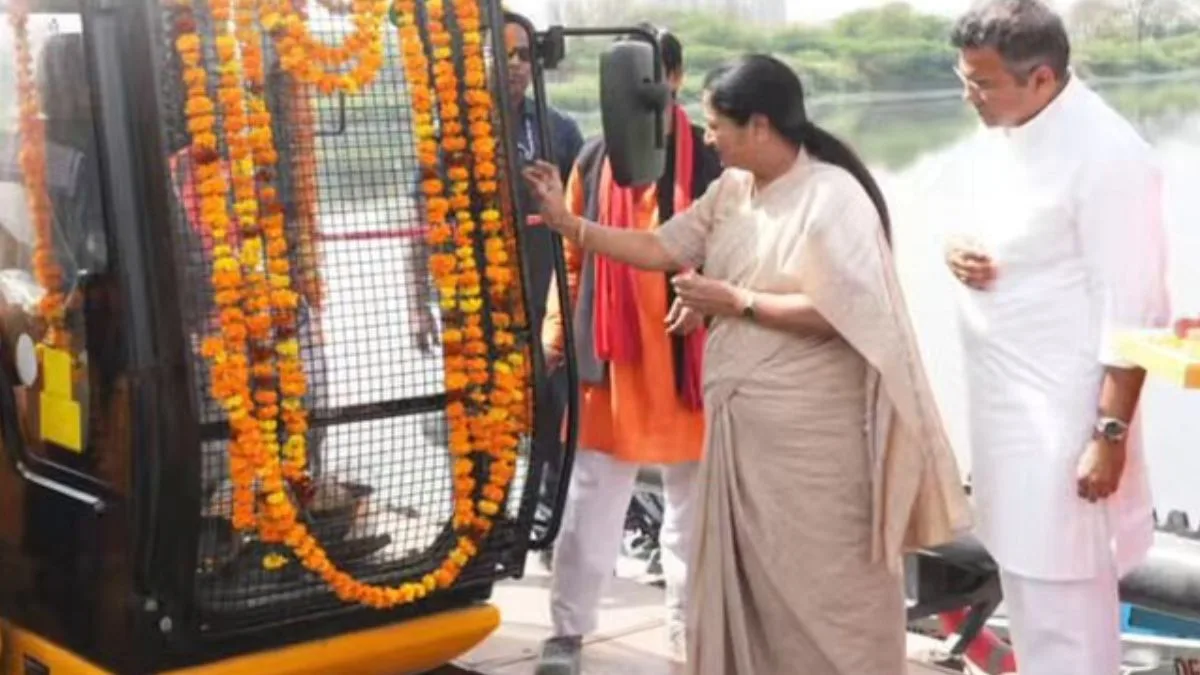
Delhi Chief Minister Rekha Gupta on Friday launched new state-of-the-art amphibious excavator machines (long boom and short boom) at Badusarai Bridge, Najafgarh Drain and Pankha Road Drain to strengthen the cleaning of the city’s drainage network.

These machines will significantly speed up and improve desilting operations, removal of garbage, and clearing of water hyacinth from the drains. The move is expected to improve water drainage capacity and help reduce waterlogging during the monsoon season.

On the occasion, the Chief Minister said the Delhi government is using modern technology with full commitment to clean the city’s drains and restore the Yamuna river.

The event was attended by Delhi Cabinet Ministers Shri Parvesh Sahib Singh and Shri Ashish Sood, along with senior officials of the concerned departments.

The Chief Minister noted that the Najafgarh Drain is the largest drain in Delhi and carries nearly 75 percent of the silt from the city’s drainage system.

She said that removing the massive volume of silt accumulated over the years was earlier considered an extremely difficult task.

However, with the deployment of these modern floating machines, it has now become possible. These machines can reach the middle of the drain and remove silt directly, accelerating the process of clearing long-accumulated sludge.

According to estimates, more than 10 million metric tonnes of silt have accumulated in the Najafgarh Drain. The newly deployed amphibious machines will be used to remove this massive buildup.

The Delhi government has also decided to procure more amphibious machines. One machine had already been brought earlier, while four new machines were flagged off on Friday. The remaining machines will be handed over to the department soon.

The Chief Minister added that the Delhi government is now carrying out desilting work throughout the year, instead of limiting it to the period before the monsoon. This approach aims to more effectively prevent waterlogging during the rainy season.

CM Rekha Gupta also said that under the leadership of Prime Minister Narendra Modi, the Delhi government is committed to using modern technology to clean the Yamuna and the major drains connected to it, with the goal of making the river clean and free-flowing while ensuring that Delhi becomes clean, safe and free from waterlogging.

Speaking on the occasion, Cabinet Minister Parvesh Sahib Singh said the use of advanced amphibious machines to clean the Najafgarh Drain and other connected major drains is an important step by the Delhi government.

With the help of these machines, years of accumulated silt, garbage and water hyacinth can be removed effectively, which will improve the water-carrying capacity of the drains and help reduce waterlogging during the monsoon.

He added that under the leadership of Chief Minister Rekha Gupta, the Delhi government is continuously working to clean the Yamuna and its connected drains using modern technology so that the city can develop a cleaner, safer and more efficient drainage system.

Cabinet Minister Ashish Sood said that during the Assembly elections, one of the major promises made was to beautify Pankha Road, make it clean and garbage-free, and carry out the long-pending cleaning of the Pankha Road drain. For many years, the drain had not been cleaned, causing waterlogging and foul smell during the monsoon, which created difficulties for local residents.

He said that after the government came to power, work has been continuously underway to fulfil this promise. New walls have been constructed along the drain, and within the first 100 days, the initial cleaning of the drain and beautification of a section of it have already been completed.

CM assures resolution of local issues

The Chief Minister also took note of local concerns in the area. She said issues related to high-tension power lines, water supply and other basic civic infrastructure will be discussed with the concerned departments and ministers, and decisions will be taken soon.

She added that water pipelines and sewer lines will be expanded where necessary, and Arogya Mandirs or dispensaries will also be established to strengthen healthcare facilities for residents.

Features of the amphibious excavator machines

The machines have been deployed by the Irrigation and Flood Control (I&FC) Department at several key locations including Badusarai Bridge, Kakrola, Dwarka and Uttam Nagar. The government aims to ensure that desilting of drains continues throughout the year, helping control waterlogging during the monsoon.

The short-boom amphibious machine costs around ₹1.27 crore. It has a boom length of about 6 metres, a bucket capacity of 0.20 cubic metres, and is powered by a 65 HP engine. The machine can operate even in narrow drains about 5 metres wide and is capable of moving directly inside the drain.

It also has a 2.25 cubic metre waste bin. The machine can function in dry, marshy and waterlogged conditions, and can remove silt, garbage, debris, sludge and floating materials such as water hyacinth.

The long-boom amphibious machine costs around ₹3.15 crore. It features a 15-metre boom, a 0.50 cubic metre bucket capacity, and a 135 HP engine. The machine can operate at depths of up to 9 metres and can move both inside the drain and on land.

Like the short-boom variant, it can function effectively in dry, marshy and waterlogged conditions, and is highly efficient in removing silt, garbage, debris and water hyacinth from drains.

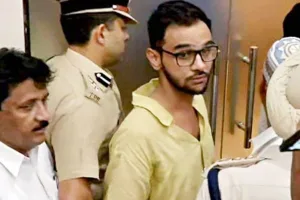
No bail for Delhi riots poster boy Shahrukh Pathan who pointed a revolver at cop

Additional Sessions Judge Sameer Bajpai said that the Delhi High Court had denied bail to Pathan in October last year and that the circumstances had not changed since.

Statesman News Service | New Delhi |

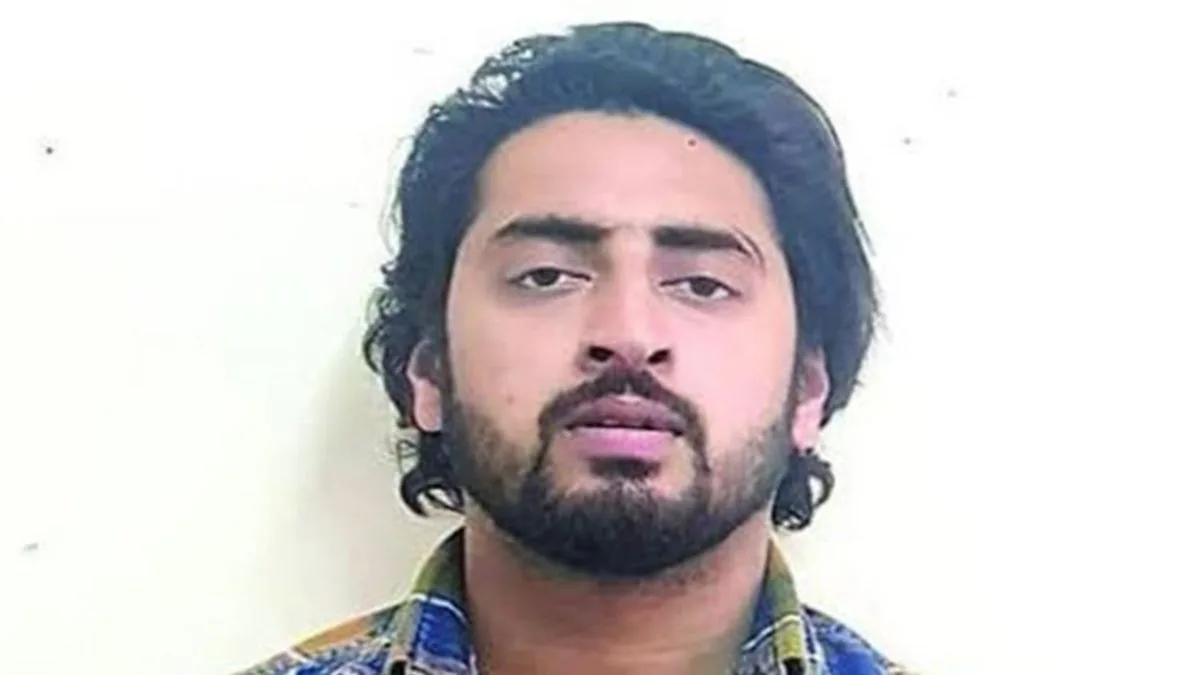
The Karkardooma Court in Delhi has rejected the bail application of Shahrukh Pathan, the “poster boy” of 2020 North East Delhi riots whose picture of pointing a pistol at a policeman during the clashes had gone viral on the internet.

Additional Sessions Judge Sameer Bajpai said that the Delhi High Court had denied bail to Pathan in October last year and that the circumstances had not changed since.

“Accordingly, this Court is of the view that when the Hon’ble High Court has declined bail to the applicant/accused vide order dated 22.10.2024 and the circumstances have not changed, except the fact that almost one and a half years have passed, this Court should not grant bail to him even now,” the court held.

The case pertains to an incident during the 2020 riots in North East Delhi when Pathan was captured pointing what appeared to be a countrymade pistol towards a policeman.

In his bail application, Pathan said that he has been lodged in jail since his arrest in March 2020 and this means he has already undergone more than half of the maximum 10-year sentence prescribed for the offence under Section 307 of the IPC.


However, the prosecution strongly objected to his bail, saying that this is the 11th time the accused has sought bail but all his earlier pleas were rejected.

Prosecution argued that the benefit of bail after undergoing half of the maximum sentence cannot be granted to someone who is facing trial in another case.

The judge admitted this argument and said that Pathan is facing trial in another case linked to Delhi riots and therefore cannot be granted bail under Section 479 of the BNSS.

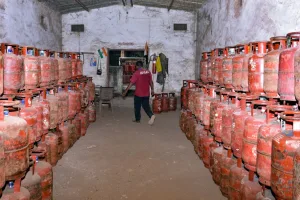
Delhi govt takes steps to ensure uninterrupted supply of LPG, CNG amidst global disruption

Delhi Chief Secretary chaired a meeting with concerned officials toreview the availability of LPG and CNG/PNG in the city amidstdisruptions in the international supply chain, sources said.

Statesman News Service | New Delhi |

Delhi Chief Secretary chaired a meeting with concerned officials to
review the availability of LPG and CNG/PNG in the city amidst
disruptions in the international supply chain, sources said.

Representatives from various departments and oil marketing companies
were present in the meeting. During the meeting, emphasis was laid on
the need for calm and reassurance to avoid panic and rumour-mongering.

Meanwhile, the Centre is making arrangements and reordering priorities
of supplies in the interest of the public.

The CS directed the Food Supplies Department to closely monitor the
situation and coordinate with concerned agencies and keep the public
informed about the situation on a daily basis to counter rumours.

The officials have decided to take stringent action against hoarding,
black marketing, and diversion of essential commodities while the
police and Revenue Department are asked to keep a close watch.

Intelligence inputs will be obtained, and authorities will be notified
for preventive detention if needed, sources said.

Oil and gas companies were directed to provide daily reports on
supplies, stock, and replenishment, and ensure uninterrupted
functioning of call centres, IVRS, and helplines.

The Police and Revenue Departments were asked to keep control rooms
operational round the clock with senior officers to maintain law and
order.

The top official has emphasized the security of gas companies.

ED attaches Anil Ambani Group assets worth ₹581 crore across multiple states

The ED action came after raids were conducted in a separate case related to Reliance Power Ltd. under the provisions of the Foreign Exchange Management Act (FEMA) on March 6.

Statesman News Service | Mumbai |

The Enforcement Directorate (ED) stated in an attachment order issued late Thursday evening that it has provisionally attached 31 immovable properties worth ₹581.65 crore in connection with its investigation into Anil Ambani’s Reliance Home Finance Ltd (RHFL) and Reliance Commercial Finance Ltd (RCFL).

The ED action came after raids were conducted in a separate case related to Reliance Power Ltd. under the provisions of the Foreign Exchange Management Act (FEMA) on March 6.

According to the ED statement, the attached properties mainly consist of land parcels located across several states, including Goa, Kerala, Karnataka, Punjab, Tamil Nadu, Uttar Pradesh, Haryana, Jharkhand, Maharashtra, Delhi, West Bengal, Andhra Pradesh, and Rajasthan.

The ED stated that earlier it had attached properties worth over ₹15,729 crore in bank fraud cases linked to RCFL, RHFL, and Reliance Communications. With the latest action, the cumulative value of assets attached in cases related to the Reliance Anil Ambani Group has reached ₹16,310 crore.

Following searches conducted under the Prevention of Money Laundering Act (PMLA) and FEMA, assets worth ₹2.48 crore in the form of fixed deposits, mutual funds, and cash were frozen or confiscated.

The ED has also seized balances amounting to ₹77.86 crore in 13 bank accounts of Reliance Infrastructure Limited under Section 37A of FEMA, according to its statement.

It may be recalled that RHFL and RCFL had raised public funds from several banks and financial institutions, of which more than ₹11,000 crore eventually turned into non-performing assets, the ED statement said.

The ED’s probe into the Anil Ambani-led Reliance Group began in July 2025 on the basis of multiple FIRs registered by the Central Bureau of Investigation (CBI) under criminal conspiracy and cheating provisions of the Indian Penal Code and the Prevention of Corruption Act.

The FIRs were filed following complaints from Yes Bank, Union Bank of India, as well as the Bank of Maharashtra.

According to the investigation, funds were allegedly diverted to several companies of the group, including Reliance Infrastructure, Reliance Power, Reliance Communications and Reliance Capital Ltd., through multiple shell or dummy entities allegedly controlled by the group.

Investigators claimed that these entities had negligible financial capacity and no significant business operations.

The ED stated that the attached properties represent the value of the alleged proceeds of crime. Further investigation in the case is underway, the statement added.

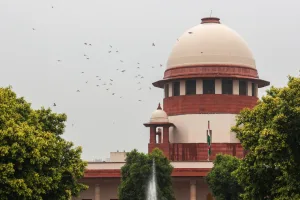
Cash-for-query case: SC to clarify law on sanction under Lokpal Act; probe against TMC MP Mahua Moitra put on hold

A Bench of Chief Justice Surya Kant and Justice Joymalya Bagchi issued notice and sought responses from Mahua Moitra, the Central Bureau of Investigation (CBI), and BJP leader Nishikant Dubey, who had first raised allegations that Moitra allegedly accepted benefits in exchange for raising questions in Parliament.

PARMOD KUMAR | New Delhi |

The Supreme Court on Friday agreed to examine the legal framework governing sanction under Section 20 of the Lokpal and Lokayuktas Act, 2013, which deals with sanction to investigating agencies to file charge sheets and initiate prosecution against public servants accused of corruption. The Court also put on hold the investigation against Trinamool Congress MP Mahua Moitra in the cash-for-query case for now.

A Bench of Chief Justice Surya Kant and Justice Joymalya Bagchi issued notice and sought responses from Mahua Moitra, the Central Bureau of Investigation (CBI), and BJP leader Nishikant Dubey, who had first raised allegations that Moitra allegedly accepted benefits in exchange for raising questions in Parliament.

“We will comprehensively lay down the powers of Lokpal and the statutory restrictions if any,” CJI Surya Kant said, agreeing to examine the issue raised in Lokpal’s petition.

The matter reached the top court after the Lokpal of India challenged a December 2025 Delhi High Court judgment, which had set aside its (Lokpal’s) decision permitting the CBI to file a chargesheet against Moitra. The High Court had held that the Lokpal’s approval was contrary to the procedure prescribed under the Lokpal and Lokayuktas Act and directed the anti-corruption body (Lokpal) to reconsider the question of sanction.

While hearing the Lokpal’s plea seeking clarity on the scope of its powers under Section 20, the Supreme Court indicated that the provision required authoritative interpretation. The Bench observed that it would examine the statutory scheme in detail to determine the extent of the Lokpal’s authority and any limitations placed on it while granting sanction to proceed against public servants.

Until the issue is settled, the Court said it would not permit prosecution to proceed with in Moitra’s case.

The Court also paused the Lokpal from complying with the High Court’s direction to take a fresh decision within a fixed timeline.

The Bench noted that the dispute essentially revolves around the interpretation of the sanction mechanism under the Lokpal Act and how it operates alongside the Prevention of Corruption Act and criminal procedure law.

The case arises from allegations that Moitra received cash and luxury gifts from Dubai-based businessman Darshan Hiranandani in return for raising parliamentary questions. Acting on a complaint made by Dubey, the Lokpal had earlier directed the CBI to investigate the matter and later granted approval for the agency to file a chargesheet.

Moitra challenged the sanction before the Delhi High Court, arguing that the Lokpal had not followed the procedure under Section 20 and had granted approval without properly considering her submissions. The High Court accepted her contention and set aside the sanction order, prompting the Lokpal to approach the Supreme Court.

The petition now before the Court seeks clarity on whether the Lokpal can grant approval for filing a chargesheet after investigation and whether a separate sanction for prosecution is required before trial. The matter will be taken up after the parties file their responses.

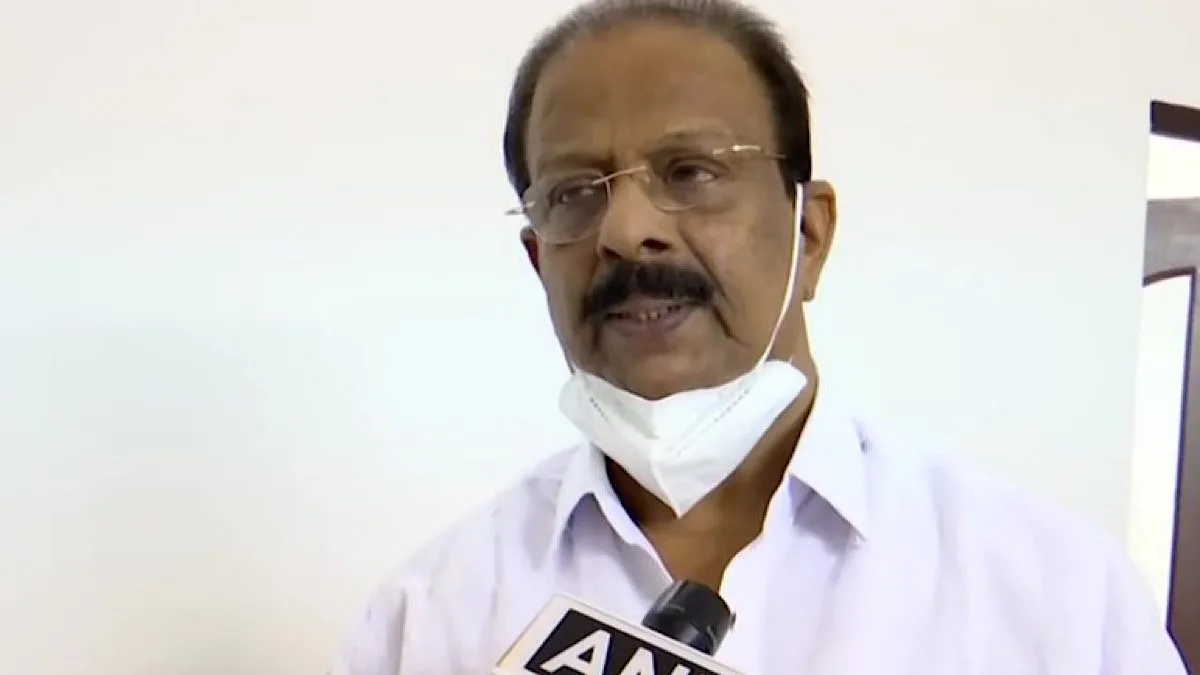
Congress high command moves to persuade former KPCC chief K Sudhakaran to step back from his demand to contest from Kannur

The Congress high command is actively trying to persuade former KeralaPradesh Congress Committee (KPCC) president and sitting Kannur MP K Sudhakaran to step back from his demand to contest the upcoming KeralaAssembly elections from the Kannur constituency.

Statesman News Service | Thiruvananthapuram |

The Congress high command is actively trying to persuade former Kerala
Pradesh Congress Committee (KPCC) president and sitting Kannur MP K
Sudhakaran to step back from his demand to contest the upcoming Kerala
Assembly elections from the Kannur constituency.

Sudhakaran is insisting on contesting from Kannur, stating, “I will
fight the Assembly elections from Kannur.” He reportedly told the
leadership that his presence is necessary in the state legislature.

Reports indicate that the AICC is against allowing sitting MPs to
contest Assembly elections, creating a conflict with Sudhakaran’s
aspirations. Following discussions in Delhi, a frustrated Sudhakaran
returned to Kerala and posted an emotional message on Facebook on
Friday, describing Kannur as his “heart’s blood” and recalling his
sacrifices in defending party workers against the CPM.

KPCC leaders, including KPCC president Sunny Joseph, have met
Sudhakaran to persuade him to fall in line with the party’s official
candidate selection process and avoid public controversy.

Sudhakaran’s supporters have warned the leadership that blocking his
candidacy could backfire, highlighting his popularity in the region.
This conflict has created a significant challenge for the Congress in
Kerala as it attempts to finalize candidates, with concerns that
allowing an exception for Sudhakaran could lead to demands from other
MPs.

It is learnt that Sudhakaran has been called back to New Delhi for
fresh deliberations on Monday following his abrupt return to Kerala,
expressing dissatisfaction over candidate selection and the refusal to
grant him the Kannur seat. Rahul Gandhi personally tried to pacify
him. Both Gandhi and Congress President Mallikarjun Kharge are
expected to engage in further discussions with him as he is expected
to return to Delhi on Monday for these discussions.

In his message on social media, he emphasized his emotional
connection to the Kannur seat and his role in defending the party
there, signaling his resistance to backing down easily. He recalled
the struggles and sacrifices of party workers over the years and said
he has always stood at the forefront to defend and support his
colleagues.

The post reflects on his long political journey in Kannur and his
commitment to the party and its cadre at a time when internal
discussions over candidate selection for the Assembly elections are
underway. Sudhakaran wrote that he had often placed himself on the
frontline to protect Congress workers during periods of political
violence in the district.

Comparing his role with that of a mother shielding her chicks, he said
he could never remain a silent spectator when party workers were
attacked by political opponents.

Describing Kannur as a land shaped by the sacrifices of Congress
workers, Sudhakaran wrote he would always stand at the forefront
carrying the party’s tricolour flag. He added that the district’s soil
carries the blood, sweat and memories of many workers and the grief of
families who lost loved ones in political conflicts.

Reflecting on his decades-long association with the district,
Sudhakaran said he had travelled through every corner of Kannur and
shared deep bonds with its people. The difficult and turbulent paths
the movement had taken, he said, remain vivid memories that will stay
with him for life.

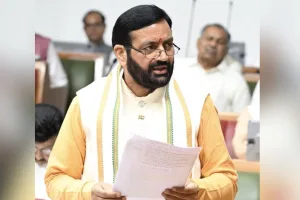
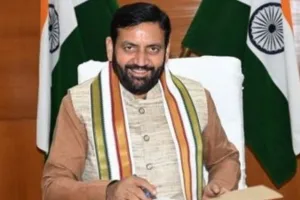
Fuel and LPG supply in Haryana normal, CM urges public not to believe rumours

Haryana Chief Minister Nayab Singh Saini said on Friday that the rumours being spread about disruption in the supply of domestic LPG, petrol and diesel due to war-like situations in the Middle East are completely baseless.

Statesman News Service | Chandigarh |

Haryana Chief Minister Nayab Singh Saini said on Friday that the rumours being spread about disruption in the supply of domestic LPG, petrol and diesel due to war-like situations in the Middle East are completely baseless. He said that the supply of domestic LPG, petrol and diesel in Haryana is completely normal and continuing without interruption.

In this regard, the Chief Minister held a meeting with senior officers of the Food, Civil Supplies and Consumer Affairs Department and representatives of oil companies to review the availability of fuel and gas in the state.

During the meeting, representatives of the oil companies assured the Chief Minister that sufficient stock of petrol, diesel and LPG is available in the state and that the supply of gas is being received continuously.

The Chief Minister said that arrangements have been made to give priority to hospitals, educational institutions and other essential services in the supply of commercial gas cylinders.

Apart from this, oil companies are continuously making efforts to keep the overall supply smooth so that common consumers do not face any inconvenience.

Chief Minister Saini has given clear directions to all Deputy Commissioners and Superintendents of Police in the state to take strict action immediately upon receiving any complaint of theft, black marketing or hoarding.

Appealing to the people of the state, he said that they should not believe in any kind of rumours and should avoid unnecessary panic or excessive storage of fuel and gas.

The Chief Minister said that the state government is vigilant and committed to ensuring an uninterrupted supply of domestic gas to every household.

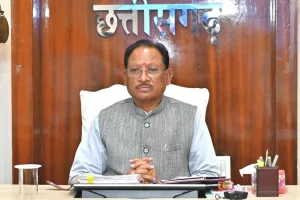
Chhattisgarh carving a new identity in green economy: CM Sai

Chief Minister Vishnu Deo Sai has said that Chhattisgarh is a power engine of the country’s economy and is steadily strengthening its role in the field of green economy.

Statesman News Service | Raipur |

Chief Minister Vishnu Deo Sai has said that Chhattisgarh is a power engine of the country’s economy and is steadily strengthening its role in the field of green economy. He made these remarks while addressing the 2nd Chhattisgarh Green Summit held at the auditorium of Pandit Ravishankar Shukla University in Raipur.

Addressing the gathering, Chief Minister Sai said the relevance of the Green Summit in Chhattisgarh lies in bringing policymakers, industry representatives, academic institutions, researchers and environmentalists onto a common platform to deliberate on important issues. He noted that the climate crisis is intensifying and stressed that it is necessary not only to discuss environmental protection but also to put those ideas into practical action.

Chief Minister said the double-engine government led by Prime Minister Narendra Modi has always supported development while preserving heritage. He said an environmentally responsible lifestyle has been part of India’s tradition for thousands of years, and the government is taking concrete policy measures to protect it.

He further added that Chhattisgarh is a major centre for steel production in the country, and innovations such as green steel are being adopted to reduce the carbon footprint in this sector. Referring to the Indian Forest Survey Report 2023, he said Chhattisgarh has secured the first position in the country in terms of growth in combined forest and tree cover. He added that this achievement reflects not only government policies but also the awareness and environmental responsibility of the people of the state.

Chief Minister Sai said the solar rooftop scheme is enabling consumers to become energy producers, while sectors such as bio-ethanol are opening up significant investment opportunities. He noted that the state government is promoting environmental awareness through campaigns such as “Ek Ped Maa Ke Naam”.

He said that in Indian culture, the Earth is regarded as a ‘Mother’, making it the responsibility of every citizen to protect ecological balance and the planet’s health while using natural resources. He added that the state government has implemented an e-office system across departments, which has reduced paper consumption while saving time and resources.

Chief Minister also noted that Chhattisgarh is a tribal-dominated State with nearly 44 per cent of its area covered by forests. In tribal regions, trees are worshipped as Sarna (sacred deities), and such sacred groves are also recorded as religious sites in revenue records. He said the tribal community offers a natural example of living in harmony with nature and protecting it.

He said the state’s new industrial policy places special emphasis on green initiatives and provides incentives to industries adopting environmentally sustainable practices. At the Chhattisgarh Green Summit, he called upon citizens to actively participate in environmental protection and incorporate such efforts into their daily lives.

On the occasion, the Chief Minister also released three publications related to the summit — “Abstract”, a compilation of research presented at the conference; “Highlights of the Summit”, summarising key discussions; and “Katha Kanthali”, a book based on tribal stories and traditions.

Progressive Punjab Investors Summit-2026 opens with ₹10,000 crore investment commitments on Day One

The Progressive Punjab Investors Summit 2026 began on a strong note inMohali on Friday, with investment commitments worth over ₹10,000 croreannounced on the opening day and major industry leaders unveilingexpansion plans in the state.

Statesman News Service | Mohali |

The Progressive Punjab Investors Summit 2026 began on a strong note in
Mohali on Friday, with investment commitments worth over ₹10,000 crore
announced on the opening day and major industry leaders unveiling
expansion plans in the state.

Addressing investors and industry leaders, Arvind Kejriwal said the
Punjab government would provide every facility required for industries
to compete with China, asserting that a business-friendly environment
had already helped attract ₹1.5 lakh crore in investments over the
last four years.

The AAP National Convenor highlighted how the government led by
Bhagwant Mann has introduced a 45-day single-window clearance system
and is building a business-friendly ecosystem focused on human
capital, industrial growth and large-scale job creation for youth.

Speaking on the occasion, Punjab Chief Minister Bhagwant Singh Mann
said the summit marked the beginning of a new phase of economic
growth, employment and industrial expansion, as the state positions
itself as a major investment destination with faster approvals,
pro-industry policies and a strong focus on education, healthcare and
skilled manpower.

Addressing the summit, he stated, “In a major boost to the industrial
development of the state, the Punjab government has roped in leading
industries to invest in Punjab. It is a matter of immense pride and
satisfaction that on the very first day of the Progressive Punjab
Investors Summit 2026, the state has secured investments worth more
than ₹10,000 crore. Major industry leaders such as HPCL-Mittal Energy
Limited, Tata Steel, JSW Group, Trident Group and Hero Industries,
among others, have announced plans to expand and establish ventures in
the state.”

“Punjabis are known for their entrepreneurial abilities, innovation
and problem-solving spirit. You will rarely find a Punjabi begging
because our people believe in hard work and are doers who can perform
even in the most difficult conditions. Punjabis can work for 20 hours
a day with unmatched dedication, commitment and resilience. This
quality is unparalleled across the world,” he affirmed.

Highlighting the global identity of Punjabis, the Chief Minister said,
“Punjabis are a martial community—courageous and enterprising—and they
have excelled in every field across the world. Whenever tragedy
strikes anywhere in the world, Punjabi ‘langar’ is often the first to
reach those in need, following the teachings of Guru Nanak on service
and humanity. Punjab is also blessed with rich culture, fertile land
and strong unity.”

“Everything can grow on the fertile land of Punjab, but the seed of
hatred can never take root here. Following the message of Guru Nanak
Dev Ji and the great Sikh Gurus, every Punjabi prays for the
well-being and progress of all. Since 2022, when our government
assumed office, Punjab has witnessed remarkable progress across
sectors such as power, health, real estate, infrastructure and
education,” he said.

With no response forthcoming from President, TMC decides to send a third letter to seek her audience

The Trinamool Congress (TMC) sought to present the ‘report card’ on the development of the indigenous people of Bengal to President Droupadi Murmu.

Statesman News Service | Kolkata |

The Trinamool Congress (TMC) sought to present the ‘report card’ on
the development of the indigenous people of Bengal to President
Droupadi Murmu. However, the party has received no appointment from
her as yet.

According to sources, TMC MPs wrote a letter to the President on
Thursday requesting for a meeting on Friday. But since her office, in
a communique, said that ‘the President is busy this week,’ and
therefore, no time can be allocated, the MPs wrote a second letter on
Friday requesting a meeting the following week.

According to the sources, no response has been received from the
President’s Office as yet. ‘The Trinamool does not understand what it
means to stop’. Hence, they are once again preparing to write a third
letter. In the letters, a request was made to meet with the President
with a delegation of 12 to 15 representatives from the Trinamool.
According to the Trinamool sources, the MPs had sent the letter
requesting time to present to President Droupadi Murmu details of what
the West Bengal government has done for the indigenous community.

What is noteworthy here is that last Saturday, the President arrived
in Bengal to participate in an ‘International Indigenous Conference’
organised by a private entity. The venue for her event, which was
initially scheduled to take place in Bidhannagar, Siliguri, was
changed. Due to security concerns, the venue was relocated to Ghoshpur
near Bagdogra. This decision was met with discontent from the
President herself. Upon reaching Bidhannagar, she raised a question,
stating, “I intended to hold the meeting in this area, and there is
ample space available. But why did the state government not allow me
to conduct the meeting here?”

Immediately referring to the Chief Minister as ‘younger sister’,
President Murmu stated, “Perhaps for some reason she is upset with me.
That is why she did not allow the meeting to take place.”

This sparked a veritable controversy. The BJP alleged that the
President was ‘insulted’, and even Prime Minister Narendra Modi, along
with other Central ministers and leaders, endorsed the allegation.

Subsequently, the Chief Minister of Bengal announced at the dharna
stage that he had assigned responsibilities to Lok Sabha MP Sudip
Bandyopadhyay and Rajya Sabha MP Derek O’Brien to present the record
of all developmental work done for the indigenous people of Bengal to
President Droupadi Murmu.

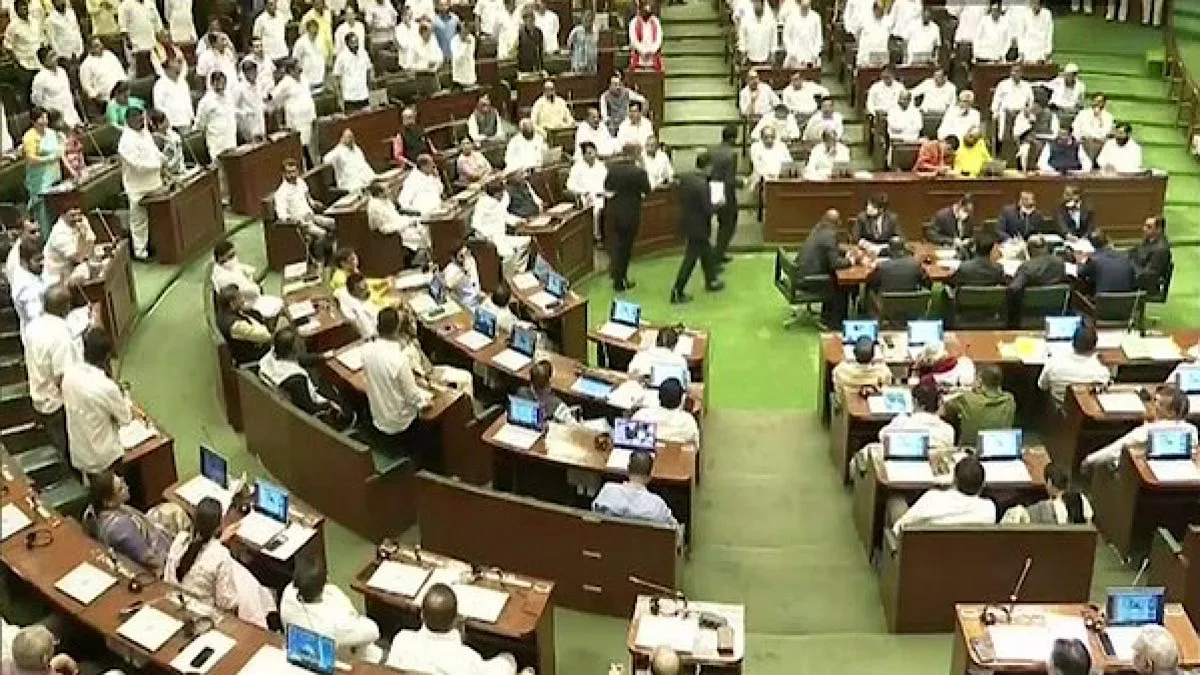
Maharashtra introduces Freedom of Religion Bill, 2026 in Assembly

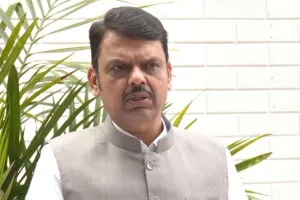
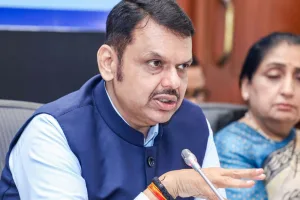
The Devendra Fadnavis government on Friday introduced the ‘Maharashtra Dharma Swatantrya Adhiniyam 2026’, or the Maharashtra Freedom of Religion Bill, 2026, in the Maharashtra Legislative Assembly.

Statesman News Service | Mumbai |

The Devendra Fadnavis government on Friday introduced the ‘Maharashtra Dharma Swatantrya Adhiniyam 2026’, or the Maharashtra Freedom of Religion Bill, 2026, in the Maharashtra Legislative Assembly.

“The objective of the Bill is to protect the right to freedom of religion. It also aims to prohibit unlawful religious conversions carried out through coercion, fraud, inducement or marriage,” Minister of State for Home Pankaj Bhoyar, who introduced the bill in the assembly, said here on Friday.

Unlawful religious conversion has been defined by the Bill as religious conversions induced using force, fraud, misrepresentation, coercion, undue influence, or inducement.

According to the Bill, no person or institution can convert or attempt to convert another person to non-Hindu religions by offering gifts, cash, employment, free education, promise of marriage, better lifestyle, or divine healing, which have been defined as allurement. It will be illegal to use allurement, coercion, deceit or misrepresentation, force or threat, fraudulent means and undue influence. The bill has defined coercion as an act of compelling a person or a group to convert against their will, while mass conversion is the conversion of two or more persons simultaneously.

The Bill allows relatives or close family members of persons in the process of converting to non-Hindu religions to file complaints alleging unlawful conversion, which can trigger police investigations. Offences under the law will be non-bailable, allowing the police to register cases and begin investigations into alleged forced conversions. The Bill makes it mandatory for the officer in charge of the police station to register a complaint made by any person.

Section 14 of the Bill includes legal provisions to ban and penalise organisations found guilty of inducing religious conversions to non-Hindu religions.

Legal provisions included in the Bill, based on similar laws enacted in other states, include requirements for individuals who intend to convert to non-Hindu religions to seek prior permission from a designated government authority, provide an advance notice of 60 days before religious conversion and register any conversion after it takes place. Failure to register religious conversions or comply with procedures could potentially render any religious conversion invalid, according to provisions of the Maharashtra Freedom of Religion Act, 2026.

According to the Bill, those found involved in unlawful conversions on the pretext of marriage will be punished with imprisonment of seven years and shall also be liable to be fined Rs 1 lakh.

Trying to induce religious conversion of a minor, a person of unsound mind, a woman or a person belonging to the Scheduled Caste and the Scheduled Tribe will be punishable with imprisonment of seven years and a fine of Rs 5 lakh.

According to the Bill, those inducing mass conversions will attract a jail term of seven years and a fine of Rs 5 lakh, while repeat individual offenders will get jail sentences of 10 years and a fine of Rs 5 lakh.

Those found guilty of forced conversions will get up to 7 years in prison and will be fined Rs 3 lakh, according to the Bill.

The Fadnavis-led Mahayuti government has maintained that such an anti-conversion law is necessary to protect the vulnerable majority Hindus from predatory conversion rackets masterminded by minorities. The Maharashtra Freedom of Religion Bill, 2026 is based on similar anti-conversion laws in other states like Uttar Pradesh, Madhya Pradesh and Gujarat.

Maharashtra Fisheries & Ports Development Minister Nitesh Rane of the BJP, who has been a strong advocate of such an anti-conversion law against forced conversions, stated that while the Constitution of India guarantees the freedom to practice any religion, it has never granted anybody any right to convert Hindus to minority religions through “misrepresentation, force or allurement”.

However, a coalition of more than 35 civil society organisations, including women’s rights groups, civil liberties organisations, student collectives and minority community bodies, has publicly opposed the proposed anti-conversion Bill, warning that it threatens women’s autonomy, privacy and constitutionally protected freedoms.

Some of the organisations that have protested against the Maharashtra Freedom of Religion Act 2026 are Mumbai for Peace, Association for Protection of Civil Rights, Forum Against Oppression of Women, Bombay Catholic Sabha, Indian Muslims for Secular Democracy, Muslim Satyashodhak Mandal and the Dalit Human Rights Defenders Network, among others.

Civil society representatives have stated that while the legislation is framed as a measure to curb coercive conversions, it is rooted in politically charged allegations of “love jihad” and risks enabling intrusive state oversight over personal choices relating to marriage as well as faith.

As Iran war drags on, US ups rhetoric, claims biggest assault on Tehran since start of war

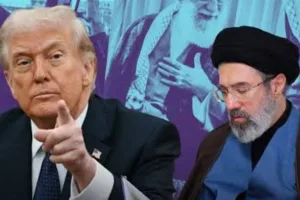
US Defence Secretary Pete Hegseth claimed that Iran’s new Supreme Leader, Mojtaba Khamenei, was “wounded and likely disfigured” in the February 28 strikes on the country that also killed his father and former Iranian Supreme Leader, Ayatollah Ali Khamenei.

Statesman News Service | NEW DELHI |

As the Iran war drags on and pressure mounts on US President Donald Trump, Washington has sharply escalated its rhetoric, claiming that American forces will launch the biggest assault on Tehran since the start of the conflict on February 28.

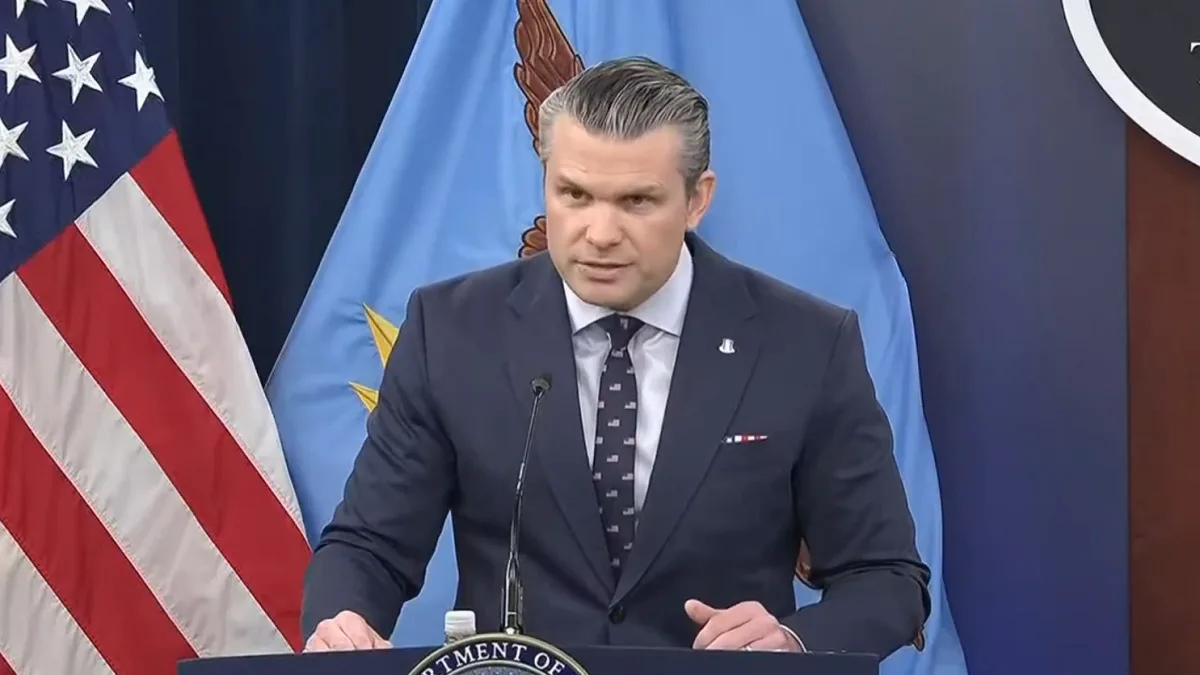
Addressing a Pentagon briefing, US Secretary of Defence Pete Hegseth said that President Trump is firmly “holding the cards” and will determine the pace of the war.

“Today will be the highest volume of US strikes on Iran yet … President Trump holds the cards. He will determine the pace, tempo and timing of this conflict. his hand firmly on the wheel as well as on the throttle…,” he stated.

Hegseth also sought to dismiss concerns over the closure of the Strait of Hormuz after the new Iranian Supreme Leader, Ayatollah Mojtaba Khamenei, vowed to continue the blockade amid the conflict in the Middle East.

“As the world is seeing, they are exercising sheer desperation in the Strait of Hormuz – something we’re dealing with; we have been dealing with it. Don’t need to worry about it.”
“The only thing prohibiting transit in the strait right now is Iran shooting at shipping,” the US Defence Secretary added.

Referring to Khamenei’s threat to use the Hormuz blockade as leverage, Hegseth said that the US has a plan for every action taken by Iran.

“We’ve heard them talk about taking various measures, and we’re planning for all of them. We have a plan for every option here,” he stated.

Hegseth claims ‘Iran Supreme leader wounded, likely disfigured.’

Hegseth also claimed that Iran’s new Supreme Leader, Mojtaba Khamenei, was “wounded and likely disfigured” in the February 28 strikes on the country that also killed his father and former Iranian Supreme Leader, Ayatollah Ali Khamenei.

He said that the new Iranian regime is “desperate and hiding” amid the ongoing conflict. Speaking alongside the Chairman of the Joint Chiefs of Staff, General Dan Caine, Hegseth stated that the new leadership was in “no better shape”.

“Iran’s leadership is in no better shape — desperate and hiding, they’ve gone underground, cowering. That’s what rats do. We know the new so-called not-so-supreme leader is wounded and likely disfigured,” Hegseth said.

He claimed that the Iranian Supreme Leader gave a weak written statement with no audio or video, as he is “injured and scared.”
“He put out a statement yesterday, a weak one actually, but there was no voice, and there was no video… Iran has plenty of cameras and plenty of voice recorders; why a written statement? I think you know why. His father is dead. He’s scared, he’s injured, he’s on the run and he lacks legitimacy. It’s a mess for them,” he added.