Logo

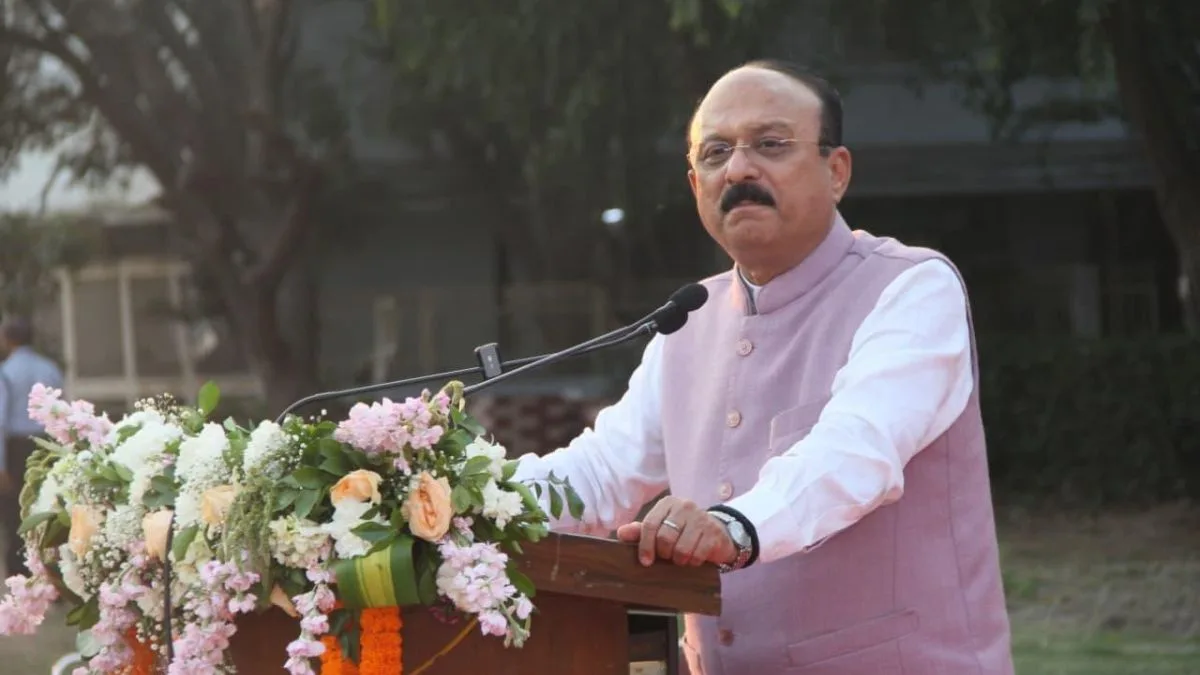
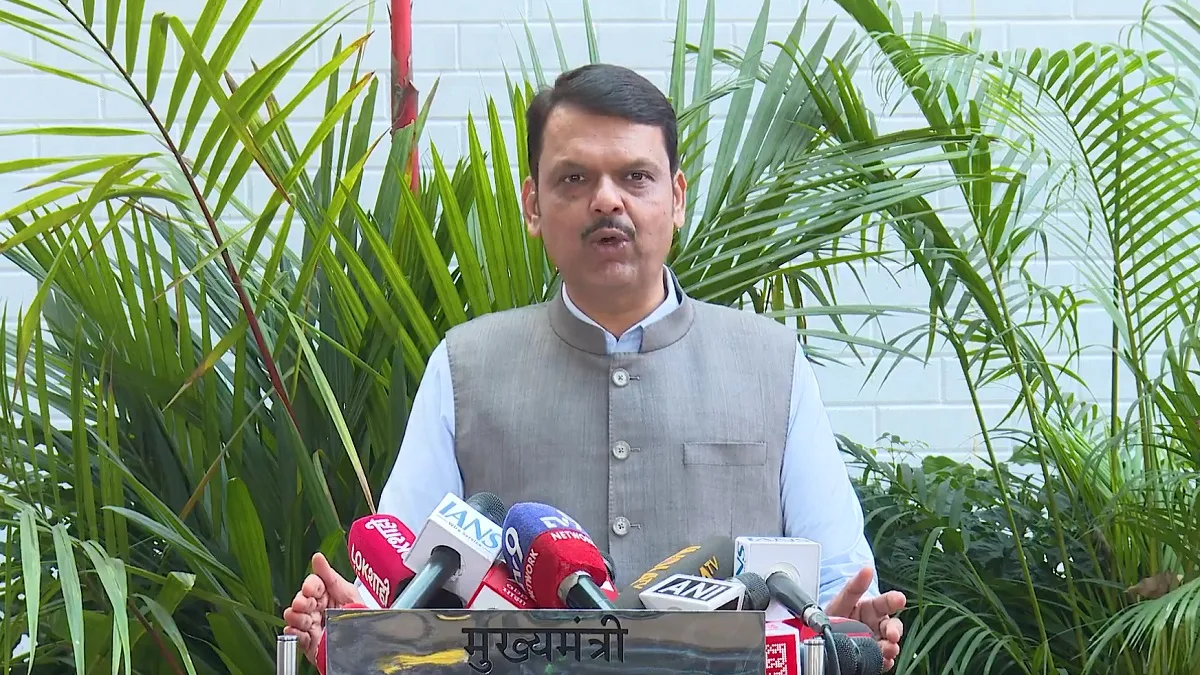
No shortage of cooking gas, opposition spreading fear: Maharashtra CM Devendra Fadnavis

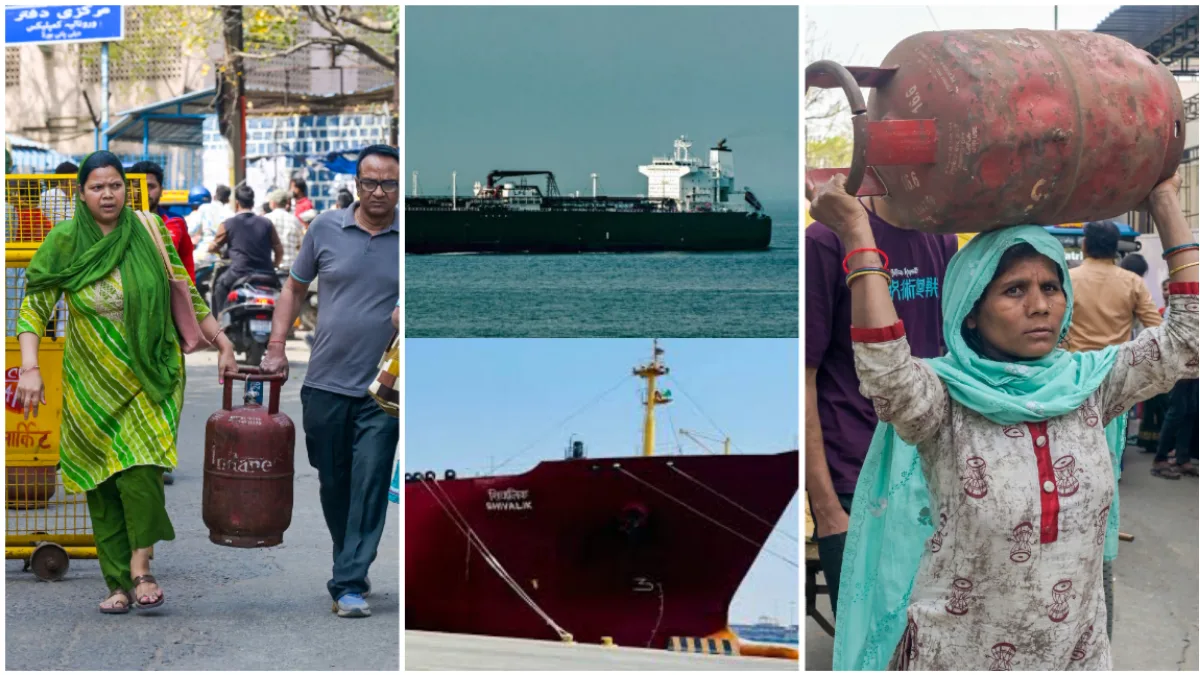
Maharashtra Chief Minister Devendra Fadnavis on Saturday said in Nagpur that there is no shortage of cooking gas in the state and accused the Congress of deliberately spreading fear among the people.

Statesman News Service | Mumbai |

Maharashtra Chief Minister Devendra Fadnavis on Saturday said in Nagpur that there is no shortage of cooking gas in the state and accused the Congress of deliberately spreading fear among the people.

Replying to a question why people are queueing up outside gas distribution and retail agencies, Fadnavis said, “Some parties, especially the Congress party, are deliberately trying to create fear among the people and make them queue up. But the central government, the petroleum companies and the petroleum secretary have clearly stated that there is no crisis of cooking gas cylinders anywhere. We have delivered as many gas cylinders as are required per month. Therefore, there is no reason to worry or queue up unnecessarily. Online booking is happening. The Congress party’s wisdom of creating fear is destructive for the country.”

In a related development, Food & Civil Supplies Minister Chhagan Bhujbal tweeted from his official X account that “Due to the Gulf war, many rumours have spread in the state regarding the supply of gas and fuel in the state of Maharashtra. There is no shortage of LPG in the state. On behalf of the state government, I appeal to the public not to believe any rumours regarding fuel or gas shortages. Also, while the daily demand for domestic LPG in the state is 9,000 metric tonnes, production has been increased to 11,000 metric tonnes. More cylinders are available in the month of March as compared to the last six months. Adequate stocks of petrol and diesel are also available since refineries are operating at full capacity. Therefore, citizens can rest assured that the supply of domestic gas cylinders will continue to be smooth”.

However, Uddhav Thackeray-led Shiv Sena Rajya Sabha MP and chief Sena spokesperson Sanjay Raut lashed out at the BJP government.

“The situation now is ‘Narendra Gaayab Cylinder Gaayab’ (Narendra is missing and gas cylinders are missing). Who is supposed to convene a meeting to address these concerns? The Prime Minister is missing. In my house, my wife has been waiting for gas cylinders for two days. We also need a cooking gas cylinder, just like everyone needs one. I met around 70 people this morning, asking me where to get cooking gas cylinders. This is the situation. Narendra Modi should answer,” Sanjay Raut said.

“The Prime Minister appealed to the people not to be afraid, saying that he will handle this situation as well as he handled the Covid pandemic period. But during the COVID pandemic period, people’s bodies were floating in the Ganga, and even in Gujarat, people did not get space in crematoriums to burn the pyres of those who died. So is he going to handle the cooking gas crisis in the same way? There are huge queues for cooking gas cylinders all over the country. After demonetisation, people are again standing in queues for cooking gas cylinders. This government is anti-people. This situation has been brought upon our country due to the government’s complete failure in international politics. Making people stand in queues and killing people is the hobby of the BJP,” Sanjay Raut said.

“All of this is happening because this government has proven to be a failure in the realm of international politics. With what face do you (PM) intend to engage in dialogue with Iran? It is imperative to adopt a neutral stance and extend moral support to Iran. Our diplomatic ties are not limited merely to facilitating the release of oil tankers. Prime Minister Narendra Modi should publicly thank Iran after it allowed Indian tankers to transit through the Strait of Hormuz, despite India standing with Israel. The PM should acknowledge Iran’s cooperation and humanity toward India,” Sanjay Raut said.

Tweeting a photograph of the highly polluted Mithi river in Mumbai, Sanjay Raut stated, “Modi has sold everything to Adani so far. Only a few rivers, drains and sewers were left. Among them is the Mithi River. The world’s largest natural gas reserves have been found in the Mithi River. The BJP has demanded that it must be immediately declared a ‘national asset’. Now LPG will be available for free. Modi said that gas can be extracted from sewers and used for cooking or making tea. This scheme can be implemented on a large scale on the Mithi river. Wherever there are sewers, their prices have increased. So far, only the price of real estate in Mumbai used to increase, but now, due to Modi’s grace, prices of rivers, drains, sewers and drainages have also shot up. Fadnavis must request the Oil & Natural Gas Corporation (ONGC) to take over the Mithi river and declare it a national asset,” Sanjay Raut said.

“Governments at both the state and centre are spreading rumours that everything is running smoothly. On the other hand, BJP leaders are currently busy with election campaigning in South India. The hotel industry has shut down 40 per cent. Yet, Fadnavis, the Deputy Chief Minister, the Prime Minister and the Home Minister have not uttered a single word regarding this. Hardeep Puri told the Lok Sabha that there is no shortage of fuel in the country and LPG production has been increased by 28 per cent. If that is true, then the Petroleum Minister should answer why there are queues of customers outside gas distribution agencies across the country and why restaurants in the country are closing down,” Sanjay Raut said.

“If LPG stocks are sufficient, why did the government extend the period for booking cooking gas cylinders? Why was a rule made that cooking gas can be booked only after 25 days instead of 21 days in cities, and after a whopping 45 days in rural areas? On the one hand, the government claims that cooking gas cylinder stocks are sufficient. On the other hand, the government claims that gas production has increased, but it has also extended the period for booking gas cylinders. Are these statements not self-contradictory?” Uddhav Thackeray-led Shiv Sena Rajya Sabha MP and chief Sena spokesperson Sanjay Raut said.
Worker’s death in Adani Power plant sparks outrage

According to information, the worker, identified as Lallan Singh from Garhwa district of Jharkhand, died at the plant on Friday night after his health suddenly deteriorated.

Statesman News Service | Bhopal |

The death of an Adani Power plant worker at Badhaura in Singrauli district of Madhya Pradesh on Friday night sparked outrage among other workers on Saturday as they went on the rampage, damaging half a dozen vehicles, including those of the police, and setting fire in a part of the plant.

According to information, the worker, identified as Lallan Singh from Garhwa district of Jharkhand, died at the plant on Friday night after his health suddenly deteriorated.

On Saturday, other workers staged a protest, which soon turned violent. They also damaged and overturned factory vehicles and manhandled some of the staff members.

When the police arrived at the spot, the enraged workers damaged the police jeep as well and broke its windshield and window panes with wooden sticks. A part of the plant was also set on fire.

Officials from the district and police administrations rushed to the spot along with the senior management staff.

The administration has assured that the entire matter will be investigated, and the situation is being continuously monitored.

According to Collector Gaurav Bainal, as per preliminary information, the worker died of a heart attack. With the help of management and police, the body was sent to the Baidhan Trauma Centre for a post-mortem.

Delhi Khel Mahakumbh-2026 concludes with stellar performances; over 23,000 players participate, says Ashish Sood

The Delhi Khel Mahakumbh 2026 concluded on Saturday, with players delivering outstanding performances across various sports competitions during the mega sporting event.

Statesman News Service | New Delhi |

The Delhi Khel Mahakumbh 2026 concluded on Saturday, with players delivering outstanding performances across various sports competitions during the mega sporting event.

The grand finale of the volleyball competition under the Delhi Khel Mahakumbh was held at SKV A Block School in Janakpuri.

Delhi’s Education and Sports Minister Ashish Sood was present on the occasion and extended his best wishes to all the players from the men’s and women’s categories who reached the grand finals.

In the Men’s Open Category final, Masters Academy and LPN Club faced each other in a closely contested match, in which LPN Club delivered an impressive performance to secure victory.

In the Girls’ Open Category final, Jaunti Club faced Tikri Kalan. Jaunti Club secured victory and claimed the first position, while Tikri Kalan finished in second place.

In football, the semifinal match of the Girls’ School Category competition was played between JDMC and Modern School, Vasant Vihar at Kohat Enclave Sports Complex. In this match, the JDMC team displayed excellent gameplay and secured a 3–0 victory to enter the finals.

Another semifinal match was played between JMC and Bharti Public School at Thyagaraj Stadium.

Meanwhile, the final match of the Girls’ Open Category football competition was held at Lok Vihar Sports Complex between HOPS FC and HOPS FA, in which HOPS FA won the title with a 4–1 victory.

In basketball, matches were held at Lok Vihar Sports Complex, Pitampura. In the Men’s College Category, Shri Ram College of Commerce (SRCC) faced St. Stephen’s College, with SRCC securing victory.

In the Women’s College Category final, the teams of SRCC and Lady Shri Ram College for Women (LSR) faced each other. LSR delivered an impressive performance to win the title.

Under Delhi Khel Mahakumbh 2026, wrestling bouts were held across various weight categories, showcasing intense competition among the players.

In the 50 kg and 53 kg weight categories, Aman delivered an outstanding performance to secure first place, while Saurabh finished third.

In the 57 kg category, Venkatesh performed well, while in the 61 kg category, Munendra (Thyagaraj) won the silver medal.

On the occasion, Ashish Sood said that the Delhi Khel Mahakumbh is not just a competition but an important initiative to strengthen the future of players in Delhi.

He stated that the Delhi government is committed to creating a strong sports ecosystem so that the youth of Delhi can perform better on national and international platforms.

The minister also said that during the past month of the Mahakumbh, more than 23,000 players were given the opportunity to participate in different sports.

According to the minister, the objective of the Delhi government is not only to organize competitions but also to prepare athletes for major platforms such as the National Games, Asian Games, and the Commonwealth Games.

LPG consumers struggle to get cylinders in MP

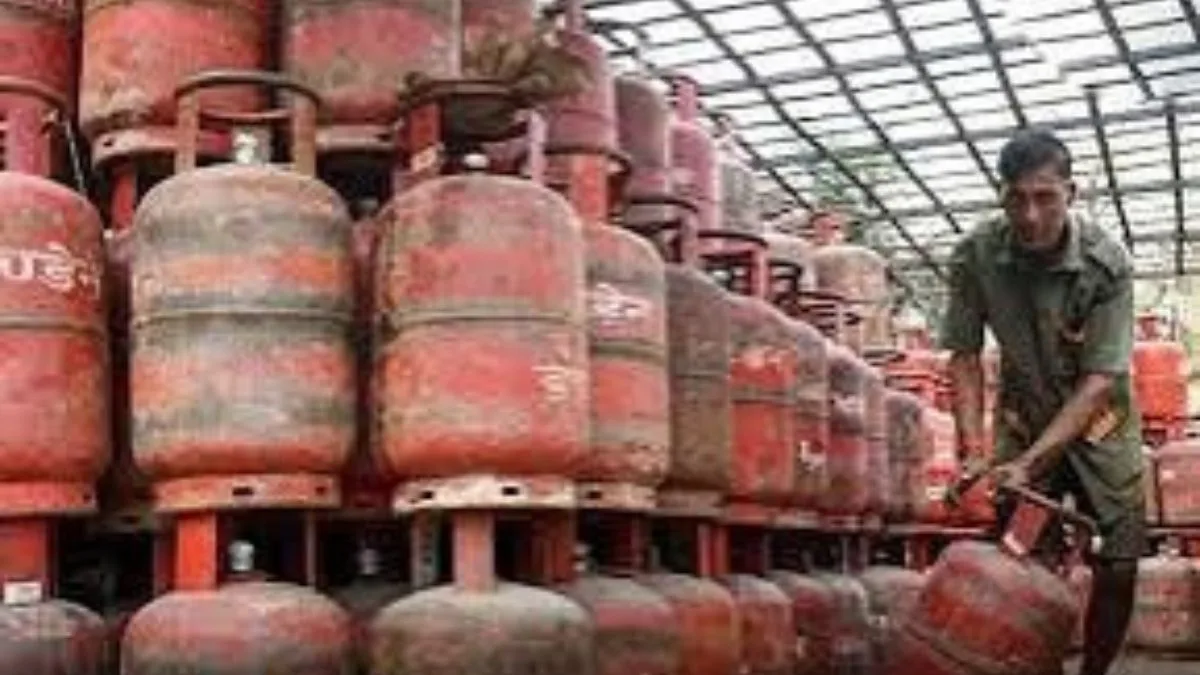
Notwithstanding the government’s repeated claims of sufficient stocks of Liquefied Petroleum Gas (LPG), both domestic and commercial consumers are facing a testing time in receiving gas cylinders in Madhya Pradesh.

Statesman News Service | New Delhi |

Notwithstanding the government’s repeated claims of sufficient stocks of Liquefied Petroleum Gas (LPG), both domestic and commercial consumers are facing a testing time in receiving gas cylinders in Madhya Pradesh.

Amidst the crisis, consumers in Bhopal had a verbal spat with workers of a gas delivery truck in Bhopal, while irate residents staged a road blockade in Raisen district after the doors of a gas agency did not open for delivery to customers waiting in long queues since early morning on Saturday.

In Bhopal, several people were waiting for a gas delivery truck to arrive near the Dusshera Ground in the T T Nagar area. As soon as the vehicle arrived, people rushed to take delivery of gas cylinders before others.

This resulted in a tense situation, and some customers entered into verbal arguments with each other and also with the workers of the gas delivery agency.

In Raisen, hundreds of consumers had been standing in a queue since 5 am outside a gas agency on Sagar Road. When the agency did not open even by 10 am, frustrated residents placed their empty cylinders on the road and staged a blockade, bringing traffic to a halt.

After the road blockade in Raisen, SDM Manish Sharma reached the spot and reprimanded the gas agency operator, ordering the closed agency to be reopened.

Following his instructions, the staff were called to the spot and the agency was reopened immediately by unlocking the premises.

Similar scenes of panic and commotion were witnessed in several other cities of the state, including Gwalior, Jabalpur, Indore, Damoh and others.

Some hotel and eatery owners claimed they have not received commercial gas cylinders for the past five days, and consequently, they are suffering losses in business.

CPI-M opposes Transgender Persons Amendment Bill, seeks immediate withdrawal

The Communist Party of India (Marxist) on Saturday strongly opposed the proposed Transgender Persons (Protection of Rights) Amendment Bill, 2026, alleging that the legislation undermines the constitutional rights of transgender persons and violates the principle of self-determination of gender identity recognised by the Supreme Court.

Statesman News Service | New Delhi |

The Communist Party of India (Marxist) on Saturday strongly opposed the proposed Transgender Persons (Protection of Rights) Amendment Bill, 2026, alleging that the legislation undermines the constitutional rights of transgender persons and violates the principle of self-determination of gender identity recognised by the Supreme Court.

In a statement issued by its Polit Bureau, the party called for the immediate withdrawal of the Bill, arguing that the proposed amendments negate the landmark ruling in National Legal Services Authority v. Union of India, widely known as the NALSA judgment, which affirmed the right of individuals to self-identify their gender.

“The Communist Party of India (Marxist) expresses its strong opposition to the Transgender Persons (Protection of Rights) Amendment Bill, 2026,” the statement said. “These amendments fundamentally negate the principle of self-determination of gender identity affirmed by the Supreme Court in the NALSA v. Union of India (2014).”
The Bill, which seeks to amend the Transgender Persons (Protection of Rights) Act, 2019, was introduced in the Lok Sabha on Friday. The government has stated that the amendment aims to broaden the legal definition of transgender persons and make existing protections more inclusive so that a wider group of individuals can access the benefits and safeguards provided by the legislation.

However, the CPI(M) argued that the proposed changes move in the opposite direction. According to the party, the amendments replace the recognition of self-perceived gender identity with a system that requires certification from a medical board headed by a Chief Medical Officer. It also objected to provisions allowing district authorities to examine such certificates before issuing identity documents.

“Clause 2 omits recognition of self-perceived gender identities and substitutes it with a definition requiring certification by a medical board headed by a Chief Medical Officer,” the statement said. “Section 4 further empowers the District Magistrate to scrutinise these certificates before issuing identity documents, subjecting transgender persons to invasive bureaucratic and medical oversight.”
The party said such provisions could violate fundamental rights guaranteed under the Constitution, particularly the rights to privacy, dignity and personal autonomy under Article 21.

It also criticised what it described as a narrowing of the legal definition of transgender persons. According to the CPI(M), while the 2019 law recognised trans men, trans women, gender-queer persons and individuals with diverse gender identities, the proposed amendment restricts recognition largely to certain socio-cultural communities and persons with intersex variations.

“The definition of transgender persons has been drastically narrowed,” the statement said. “The Statement of Objects and Reasons explicitly disavows any intention to protect persons with self-perceived gender identities. This deliberate exclusion erases trans men, non-binary persons and gender-fluid individuals from the ambit of legal protection.”
The party also criticised the Union government led by Prime Minister Narendra Modi and the ruling Bharatiya Janata Party, alleging that the legislation reflects an attempt to impose a rigid social framework.

Referring to the government’s position before the Supreme Court regarding the ban on blood donations by transgender persons, the CPI(M) termed it discriminatory and indicative of a broader pattern of exclusion.

Calling the proposed amendment “retrograde,” the party said it would replace the limited protections available under the 2019 law with what it described as a regime of state surveillance and bureaucratic control.

“This retrograde amendment systematically dismantles the limited protections enshrined in the 2019 Act and replaces them with a regime of state surveillance, medical gatekeeping and bureaucratic control,” the Polit Bureau said. “This Bill is an assault on the constitutional rights of transgender persons and must be withdrawn forthwith.”

The party also emphasised the need for wider consultations before introducing legislation affecting specific communities. “Legislations that impact the rights and lives of any particular community should not be introduced without prior consultations with stakeholders,” it added.

The debate on transgender rights in India gained prominence after the Supreme Court’s 2014 NALSA judgment recognised transgender persons as a “third gender” and affirmed their fundamental rights.

The 2019 law was later enacted to prohibit discrimination against transgender persons and provide welfare measures, though some of its provisions had also drawn criticism from activists who argued that they diluted the principle of self-identification.

Seat-sharing deadlock in DMK alliance as Left and VCK not prepared to accept reduction in seats

Extending largesse to accommodate new entrants into the alliance by reducing the quota for long-standing allies like the CPI, CPI(M) and the Viduthalai Chiruthaigal Katchi (VCK) has resulted in a deadlock for the ruling DMK in finalising seat-sharing pacts with them.

Statesman News Service | Chennai |

Extending largesse to accommodate new entrants into the alliance by reducing the quota for long-standing allies like the CPI, CPI(M) and the Viduthalai Chiruthaigal Katchi (VCK) has resulted in a deadlock for the ruling DMK in finalising seat-sharing pacts with them.

“Our demand is for more seats than we contested last time. Seats should be allotted in tune with our strength. There is no justification for reducing our share of seats on the pretext of accommodating new entrants,” P Shanmugam, the Marxist party’s state secretary, told reporters.

With the CPI(M) firm on securing its pound of flesh, the second round of talks between the party and the DMK on seat-sharing, scheduled for Saturday, has been postponed. The party, which contested six seats last time like the CPI and VCK, has clearly indicated its intention to contest double-digit seats this time around. “The talks with both the Left parties, now deferred, will resume in a few days,” he hoped, asking, “When can the Congress be allotted more seats? And since media reports say the DMDK (of Premalatha Vijayakanth) is being offered more, how can we be expected to accept a lesser number of seats?”

The CPI too is unhappy with the DMK’s move to scale down its share. “We will consider it, and our party committee, which has been holding talks with the DMK, will take a final call on the offer,” party state secretary M Veerapandian told the media. According to sources, the Marxist party has prevailed upon the CPI not to accept the offer, as it could impact the CPI(M) as well.

While the DMK’s strategy appears to be to complete pacts with smaller parties and the Left ahead of the VCK and the DMDK, VCK president Thol Thirumavalavan, MP, had a meeting with Chief Minister MK Stalin earlier in the day. It is believed that the VCK leader reiterated the demand for double-digit seats to be allocated to the party.

Reacting to the deadlock in the DMK-led alliance, former BJP state president K Annamalai, in an attempt to fish in troubled waters, said, “Crisis is brewing in the DMK front. Brother Thirumavalavan cannot accept anything that does not match the strength of the VCK. He will not stomach fewer seats when the Congress has been given largesse. But I can’t say whether the VCK will desert the alliance. The Left parties too are not happy at their marginalisation.”

The DMK has sealed the deal with the Congress, the MDMK led by Vaiko, and smaller parties like the IUML and the Kongu Nadu Makkal Desiya Katchi (KMDK). While the MDMK will contest one seat on its own symbol, it will fight in three other seats under the DMK’s ‘Rising Sun’ symbol. The KMDK, too, will contest the polls on the DMK’s symbol.

Iran embassy issues bank account details for Indians willing to donate for ‘war affected compatriots’

Amid rising tensions and widening conflict in the Middle East, Iran’s Embassy in New Delhi has reached out to supporters in India with a public appeal. The embassy shared official bank details.

Statesman News Service | New Delhi | Updated :

The official account of the Embassy of the Islamic Republic of Iran in India posted a message on social media asking for help. The tweet said that many kind-hearted people in India had requested a way to send humanitarian support to Iranians affected by the ongoing war.

Responding to these requests, the Embassy in New Delhi announced a bank account where people can send cash donations.

The account details shared were:

– Bank Account Name: Embassy of Iran,

– Bank Account Number: 11084232535,

– IFS Code: SBIN0000691.

The Embassy also said that donors may send a screenshot or payment receipt on WhatsApp to +91 98998 12318.

Backdrop of the appeal

The current crisis escalated sharply on 28 February 2026, when Israel and the United States carried out surprise airstrikes on several locations in Iran.

According to the background details, these strikes resulted in the death of Iran’s Supreme Leader Ali Khamenei along with many other officials. The attacks also destroyed his compound.

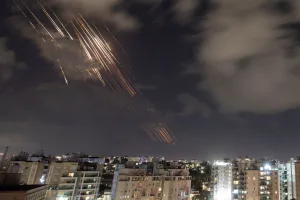
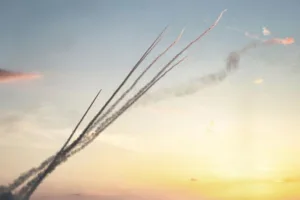
Following this, Iran responded strongly. It launched hundreds of drones and ballistic missiles targeting Israel and US military bases across the region. The strikes reportedly hit American bases in Bahrain, Jordan, Kuwait, Qatar, Saudi Arabia, Turkey, and the United Arab Emirates.

A long chain of clashes since 2023

This war did not start suddenly. The broader Middle Eastern crisis began in 2023. Iran and Israel exchanged missile attacks in 2024. Later, in June 2025, both sides fought what was described as the Twelve-Day War, during which the United States also carried out an airstrike on Iran’s nuclear facilities.

In January 2026, Iran experienced large protests, the biggest since the Islamic Revolution. Iranian security forces reportedly killed thousands of protesters during that period. Around the same time, US President Donald Trump warned of possible military action against the Iranian regime in response to the killings.

Despite rising tensions, Iran and the United States had been holding indirect nuclear talks in February 2026. At the same time, the US had carried out its largest military buildup in the Middle East since the 2003 Iraq invasion.

Civilian impact and regional spread

The latest strikes have caused serious damage. Reports mention civilian casualties in Iran and destruction of schools, hospitals, and cultural heritage sites. One incident involved a school building in Iran that was mistakenly targeted in a US missile strike. The attack reportedly killed more than 100 schoolchildren and between 50 and 100 other people.

The conflict also affected nearby regions. Iran reportedly targeted civilian sites in Azerbaijan, Kurdistan, and Oman. Meanwhile, a drone strike hit Britain’s Akrotiri military base in Cyprus.

Also Read: ‘Big hits, big wins’: Trump says US strikes shattered Iran’s military; Kharg Island bombed

Feasibility report on Sutlej Inland Water Transport project likely by May

A feasibility study report on the development of inland water transport on the Sutlej River in Punjab — National Waterway-98 — is expected to be submitted by May, the Centre informed Parliament.

Statesman News Service | New Delhi |

A feasibility study report on the development of inland water transport on the Sutlej River in Punjab — National Waterway-98 — is expected to be submitted by May, the Centre informed Parliament.

Responding to a question in the Lok Sabha on Friday, Union Minister for Ports, Shipping and Waterways Sarbananda Sonowal said that the feasibility study for National Waterway-98 (NW-98) is currently underway and the report is expected to be completed by May 2026.

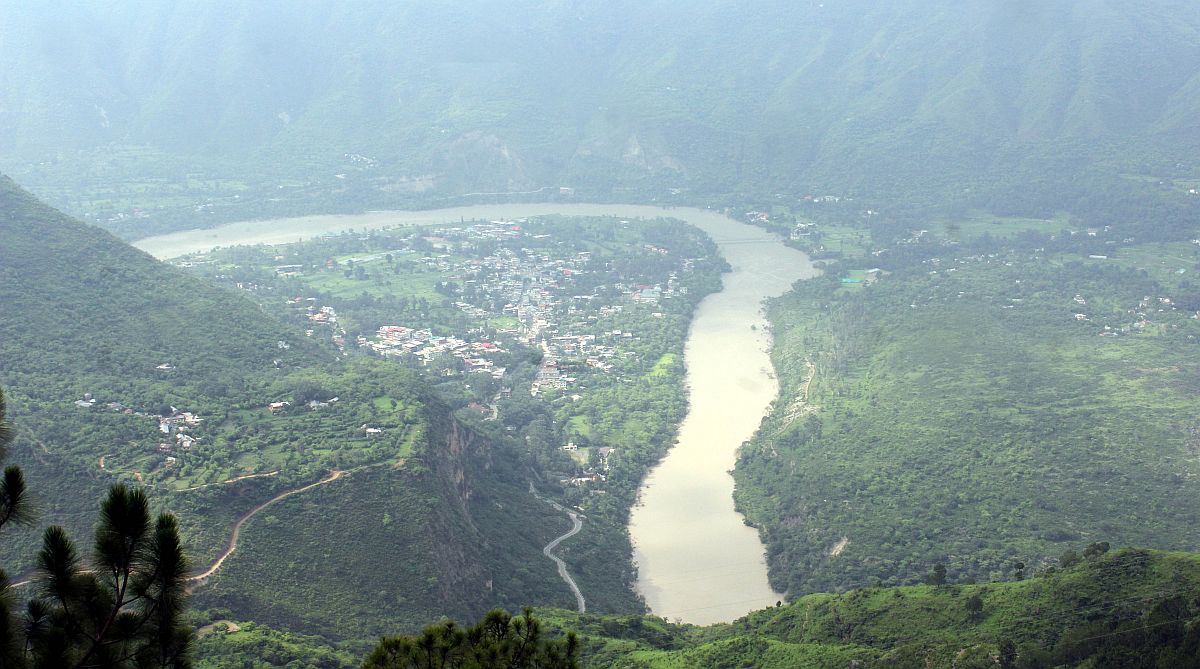
The Sutlej river stretch has been declared as National Waterway-98, extending from the bridge at Sunni in Mandi district of Himachal Pradesh to the Harike Barrage in Punjab, passing through Rupnagar district.

The government has sanctioned an amount of ₹2.82 crore to undertake the feasibility study. The study will assess the potential for inland navigation as well as the development of waterway infrastructure such as jetties and terminals. It will also evaluate technical, hydrological and environmental constraints related to the project.

According to the minister, the preparation of the feasibility report is the first step under the objectives of the Maritime India Vision 2030.

He said that further developmental works will be undertaken based on the findings of the feasibility report. The project is expected to benefit the general public, including micro, small and medium enterprises (MSMEs) and farmers, by improving connectivity and creating new avenues for economic activity in the region.

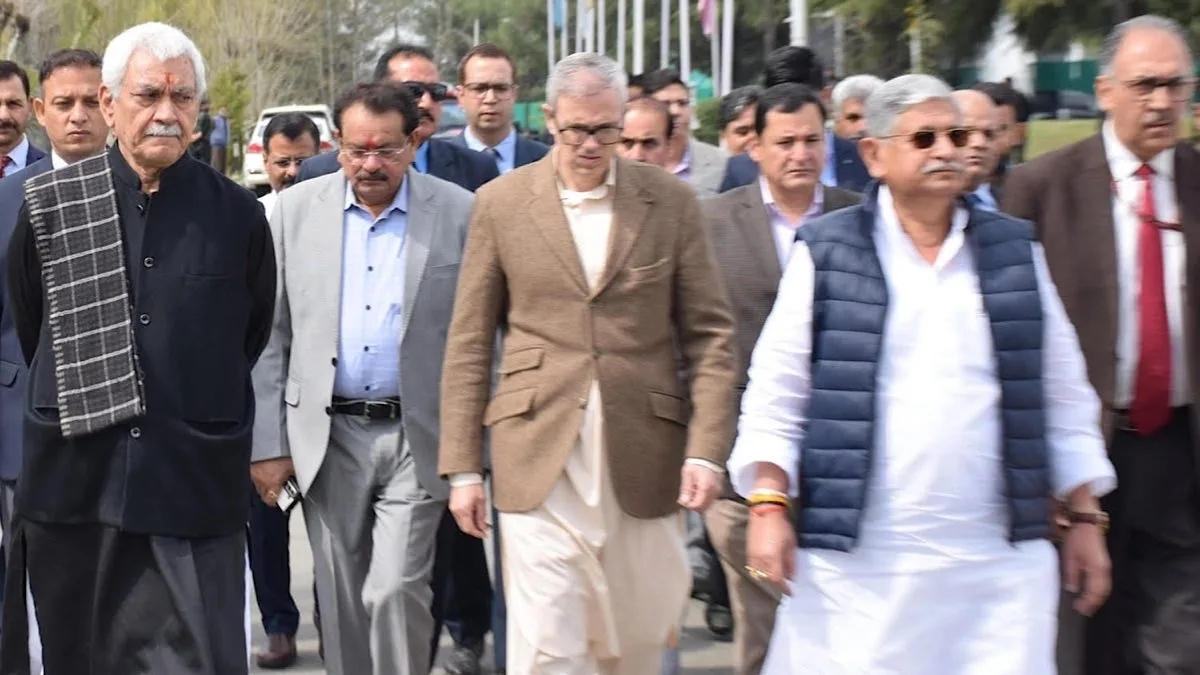
Climate change impacting cold water fishery in J&K: LG Sinha

The LG was addressing the National Conference on Cold Water Fisheries, organised by the Department of Fisheries, Government of India, at Srinagar.

Statesman News Service | Jammu |

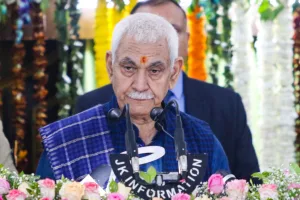
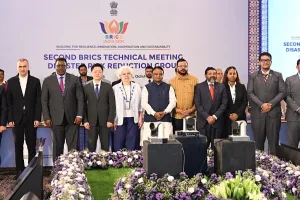
Lieutenant Governor Manoj Sinha on Saturday highlighted the remarkable surge in fish production in Jammu and Kashmir and infrastructure upgrades since 2020, reaffirming the administration’s resolve to empower fish farmers and propel them towards lasting prosperity.

The LG was addressing the National Conference on Cold Water Fisheries, organised by the Department of Fisheries, Government of India, at Srinagar.

Rajiv Ranjan Singh, Union Minister for Fisheries, Animal Husbandry & Dairying (MoFAHD) and Panchayati Raj, was present at the event.

“Jammu and Kashmir holds promise as a national model for integrated fisheries development. The value-chain approach will generate jobs, cut post-harvest losses, and boost fish farmers’ incomes. Our strategic initiatives have positioned J&K as the leader in trout production across all cold-water states. Under the Holistic Agriculture Development Programme (HADP), launched in 2022, Rs 233 crore was allocated for fisheries to incentivise entrepreneurship, establish hatcheries, trout farming & value-added ventures,” the Lieutenant Governor said.

He said that over the recent years, fish production and related infrastructure have seen substantial growth.

“Trout output rose from 1,663 tons in 2021-22 to a record 2,650 tons in 2024-25. Private sector trout units increased from 936 to 1,649; hatcheries from 1 to 9; trout feed mills from zero to 6 by 2024; RAS units from 2 to 9; and biofloc units from 10 to 59,” he said.
The Lieutenant Governor expressed gratitude to the Government of India for sanctioning a Rs 100 crore Integrated Aqua Park Project to be established in District Anantnag. This project will strengthen aquaculture infrastructure, boost cold-water fisheries development, increase fish production and create employment opportunities in the region.
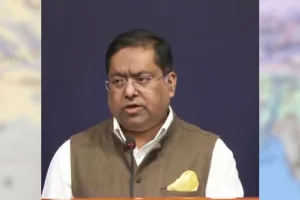
“Under the guidance of Prime Minister Narendra Modi, our focused efforts have made Jammu and Kashmir the top trout producer among India’s cold-water states,” the Lieutenant Governor said.

He said the rapid socio-economic progress of Jammu and Kashmir demands relentless effort from every section of society, especially our farmer brothers.

The Lieutenant Governor observed that the fisheries sector faces challenges like climate change impacts, rising water temperatures, water scarcity, slow growth of native species, and fish health risks.

“To unlock its full potential, we must advance cold-water agriculture scientifically, genetically improve trout and carp breeds, prioritise climate-resilient systems, disease diagnostics, and aquatic health management. Innovation in indigenous feeds and robust seed-feed supply chains are vital for the fisheries sector,” he said.

Model guidelines for the development of cold-water fisheries were released on the occasion. Best FFPOs, progressive fish farmers, and fisheries start‑ups were felicitated. Sanction letters were also handed over to beneficiaries under the Kisan Credit Card and other schemes.

The conference brought together policymakers, experts, researchers and stakeholders from various states and UTs to explore collaborative pathways for sectoral advancement. The discussions centred on sustainably harnessing the potential of India’s cold-water fisheries for long-term growth and prosperity.

Omar Abdullah, J&K Chief Minister; Prof S P Singh Baghel, Union Minister of State for Fisheries, Animal Husbandry and Dairying; Javid Ahmad Dar, Minister for Agriculture Production, Rural Development & Panchayati Raj, J&K; Dr Abhilaksh Likhi, Union Secretary, Department of Fisheries; Dr Ashish Chandra Verma, Additional Chief Secretary, Agriculture Production department, J&K; Sagar Mehra, Joint Secretary, Department of Fisheries, GoI; Dr J.K. Jena, Deputy Director General (Fisheries Science), ICAR; Prof. Nazir Ahmad Ganai, Vice Chancellor, SKUAST-Kashmir, senior officials, policymakers, experts, researchers and stakeholders were present.

Why the impeachment motion against CEC is more about optics, INDIA bloc unity

Just like the Congress’s no-confidence motion against Lok Sabha Speaker Om Birla, the Trinamool Congress (TMC)-led move to bring an impeachment motion against Chief Election Commissioner Gyanesh Kumar is unlikely to succeed.

VIBHA SHARMA | New Delhi |

Just like the Congress’s no-confidence motion against Lok Sabha Speaker Om Birla, the Trinamool Congress (TMC)-led move to bring an impeachment motion against Chief Election Commissioner Gyanesh Kumar is unlikely to succeed. The move, however, scores high on optics and messaging and has also succeeded in bringing an uneasy INDIA bloc alliance onto common ground, again, against the BJP-led NDA government at the Centre.

Under Article 324(5) of the Constitution, the procedure for removing the Chief Election Commissioner is similar to that for the impeachment of a Supreme Court judge. A motion seeking removal must be signed by at least 100 members of the Lok Sabha or 50 members of the Rajya Sabha. Once the notice is submitted, the Lok Sabha Speaker or the Rajya Sabha Chairperson decides whether to admit the motion after examining the available material and consulting experts. A three-member committee is also formed to investigate the charges.

The motion is debated and passed in both Houses of Parliament by a special majority — a majority of the total membership of the House and a two-thirds majority of members present and voting.

The fact is that the Opposition does not have the numbers required to push the motion through Parliament if it reaches the voting stage. Even before that, the presiding officers of the two Houses have to admit the motion.

Opposition leaders acknowledge that the initiative is intended to place their objections on record in Parliament.

Not just that, the notice against Kumar — the first such move against a sitting Chief Election Commissioner — also marks an escalation in tensions between the Opposition and the government, much like the motion against Birla. It is meant to send a broader political message ahead of the upcoming Assembly elections. Opposition leaders said, “It is only after challenging the SIR politically and legally that we have now raised the issue in Parliament.”

As in the case of the no-confidence motion against Birla, the issue has also helped bring Opposition parties together on a common platform.

Citing charges including “partisan and discriminatory conduct” and “obstruction of investigation into electoral fraud and SIR”, the TMC on Friday submitted notices in both Houses of Parliament for an impeachment motion against the Chief Election Commissioner to corner the Narendra Modi government. The party also succeeded in bringing the broader Opposition INDIA bloc — including the Congress, the Samajwadi Party, the DMK and Sharad Pawar’s NCP — on board, along with the Aam Aadmi Party (AAP), even though it considers itself outside the alliance.

We have sufficient supply of crude, our refineries operating at full capacity: Govt

The government on Saturday expressed serious concern over instances of panic booking of LPG across the country, reassuring the people that no stock-outs of the LPG supply has been reported so far in the wake of the ongoing conflict in West Asia.

Statesman News Service | New Delhi |

The government on Saturday expressed serious concern over instances of panic booking of LPG across the country, reassuring the people that no stock-outs of the LPG supply has been reported so far in the wake of the ongoing conflict in West Asia.

At an inter-ministerial briefing on the situation arising from the conflict, Sujata Sharma, Joint Secretary (Marketing & Oil Refinery) in the Ministry of Petroleum & Natural Gas, said, “As far as crude oil and refineries are concerned, we have a sufficient supply of crude, and our refineries are operating at full capacity. No instances of stock-outs have been reported at retail outlets; ample petrol and diesel are available. We produce sufficient petrol and diesel domestically to meet our requirements; consequently, we have no need for imports.’’

Regarding the LPG supply, Sharma acknowledged that the issue remains a matter of concern in light of the prevailing geopolitical situation. ‘’However, no stock-outs have been reported thus far. I would like to re-emphasise one specific point: instances of panic booking remain excessively high. The figure I shared with you yesterday—approximately 7.5 to 7.6 million bookings—has now risen to nearly 8.8 million,” she said.

She said that as far as natural gas is concerned, the government’s objective is that wherever commercial consumers are facing difficulties or disruptions in their LPG supply, they should be transitioned to PNG connections. ‘’In furtherance of this objective, GAIL (Gas Authority of India Limited) held a meeting with various CGD operators and advised them to expedite the provision of PNG connections to all eligible commercial consumers wherever feasible,‘’ she added.

Addressing the media, Rajesh Kumar Sinha, Special Secretary in the Shipping Ministry, said, “All Indian seafarers in the Persian Gulf region are safe, and no untoward incidents involving them have been reported over the last 24 hours. There were 24 Indian-flagged vessels in the Persian Gulf, situated to the west of the Strait of Hormuz. Among these, two vessels— Shivalik and Nanda Devi, (both LPG carriers)– have safely transited the Strait of Hormuz late last night/early this morning and are now proceeding towards India. These vessels are carrying approximately 92,700 metric tons of LPG; their ports of arrival will be Mundra and Kandla, with expected arrival dates of March 16 and March 17, respectively. Consequently, there are now 22 Indian-flagged vessels remaining in the Persian Gulf, carrying a total of 611 seafarers.”

BRICS balkanised on Iran war, India pushes for common ground, unified stand

India is working to bring BRICS members onto a shared diplomatic position as the West Asia conflict deepens and divides the bloc. According to Randhir Jaiswal, consultations are continuing through the Sherpa channel.

Statesman News Service | New Delhi | Updated :

“Some BRICS countries are directly involved in the current situation in West Asia. Because of this, it has been difficult to build a common BRICS position on the conflict,” said Randhir Jaiswal, spokesperson of India’s Ministry of External Affairs, while briefing the media on Saturday.

Jaiswal explained that India, which is currently chairing BRICS, has been trying to facilitate discussions among member nations through diplomatic channels known as the Sherpa process. A virtual meeting of BRICS Sherpas was held on March 12 to discuss the evolving situation.

Also Read: In the thick of Iran War: Kim Jong-Un is needling Trump with his missiles, but US Prez is desperate to woo him

However, because several member countries are directly connected to the crisis, reaching a shared position has proven complicated. He added that India’s leadership is also speaking with different BRICS capitals and will continue engaging with them in the hope of eventually shaping a collective stance.

Iranian naval ship still docked in Kochi

Amid the growing regional tensions, Jaiswal also confirmed that the Iranian naval vessel IRIS Lavan remains docked at Kochi.

The ship had earlier requested docking support from India after developing technical issues while operating in regional waters. Iran formally approached New Delhi on February 28 asking for urgent assistance. India granted approval on March 1, allowing the vessel to dock safely.

Since March 4, IRIS Lavan has been stationed at Kochi port while technical matters related to the vessel are addressed.

The ship had been sailing in the region as part of Iran’s naval presence during the International Fleet Review 2026, held from February 15 to 25. It also had association with MILAN 2026, a major international naval gathering.

Crew members leave India on charter flight

While the ship itself remains in India, several members of its crew have already left the country.

According to the MEA, Iranian authorities organised a special charter flight from Kochi to bring back their citizens stranded in India. The aircraft carried non-essential crew members from IRIS Lavan as well as other Iranian nationals who had been unable to travel due to widespread flight disruptions caused by the conflict.

Jaiswal said the travel disruptions had left many Iranians stuck in India, prompting Tehran to arrange the chartered evacuation flight.

Only the essential crew required to manage the ship remain on board in Kochi.

A troubling incident at sea

The situation surrounding the Iranian vessel gained greater attention after a dramatic maritime incident involving another Iranian ship.

Reports said that IRIS Dena sunk on March 4 after a torpedo launched from a United States submarine struck it. The attack reportedly took place around 20 nautical miles west of Galle.

The incident came during a rapidly escalating confrontation in West Asia and raised fears about the safety of naval vessels operating across the Indian Ocean region.

Although IRIS Lavan had no involvement in that attack, the episode highlighted how tense the maritime environment has become.

India calls for de-escalation

During the briefing, Jaiswal said India has been consistently urging all sides to reduce tensions.

New Delhi has repeatedly called for dialogue and diplomacy instead of military escalation. India has also emphasised the need to protect civilian infrastructure, including energy facilities, as attacks on such targets could trigger wider global consequences.

According to Jaiswal, the effects of the conflict are already showing up across the world, particularly in trade and energy markets.

Energy security at the centre of concern

One of the biggest worries for many countries is the disruption of shipping routes that carry oil and gas supplies.

The Strait of Hormuz is critical passage connecting Persian Gulf to Arabian Sea. A significant portion of the world’s energy shipments passes through this narrow waterway.

Because of the conflict, Iran has effectively restricted movement through the strait by creating serious concerns about energy supply chains and shipping safety.

For country like India which depends heavily on imported energy, any disruption in this route could have major economic consequences.

Indian ships cross the strait

Despite the tense conditions, some Indian vessels have successfully navigated the region.

Jaiswal said that INS Shivalik and INS Nanda Devi have already crossed the Strait of Hormuz and are currently on their way to Indian ports.

At the same time, several other ships remain on standby in the Gulf region while authorities continue to monitor the security situation.

Diplomatic outreach across capitals

India has also intensified its diplomatic engagement over the past several days.

According to the MEA, New Delhi has been in contact with multiple countries, including members of the Gulf Cooperation Council, as well as Iran, the United States and Israel.

The goal of these discussions has been to convey India’s concerns about energy security and to encourage measures that keep maritime trade routes open.

India trying to develop BRICS position on conflict in W Asia: MEA

Admitting that BRICS has not been able to forge a common position on the war in West Asia because some of its members are directly involved in it, India on Saturday confirmed that it is continuing discussions with member countries of the grouping to develop a common position on the conflict.

Statesman News Service | New Delhi |

Admitting that BRICS has not been able to forge a common position on the war in West Asia because some of its members are directly involved in it, India on Saturday confirmed that it is continuing discussions with member countries of the grouping to develop a common position on the conflict.

At an inter-ministerial briefing on the situation arising from the conflict, Ministry of External Affairs spokesperson Randhir Jaiswal said, ‘’Some members of BRICS are directly involved in the current situation…this has obviously impacted forging a common BRICS position on the conflict’’

He said India as the Chair of the BRICS has been facilitating discussions among members of the 11-nation grouping through the ‘’Sherpa’’ channel. The last meeting of the BRICS ‘’Sherpas’’ was held virtually on 12 March.

The spokesperson said India has been trying its best to develop a common position but because of differing positions, a consensus has eluded the grouping so far. ‘’In addition, our leadership is in talks with BRICS member countries…we will continue to remain engaged with BRICS members to arrive at a common position.’’

The spokesperson’s remarks are significant since Iranian Foreign Minister Abbas Araghchi, during a telephonic conversation with External Affairs Minister S Jaishankar on Thursday night, demanded that BRICS condemn the US-Israel attack on the Islamic nation.

BRICS is a major intergovernmental organisation that brings together 11 emerging economies: Brazil, Russia, India, China, South Africa, Egypt, Ethiopia, Iran, Saudi Arabia, the UAE and Indonesia. The grouping is struggling to issue a joint statement on the conflict due to internal divisions between Iran and the Gulf states (Saudi Arabia and the UAE), leaving it paralysed on taking a unified position. Tehran wants condemnation of the strikes while Gulf nations suffer from retaliatory strikes by Iran, creating sharp, contradictory internal pressure.

Delhi CM launches drain remodelling projects to curb waterlogging in Shalimar Bagh

Delhi Chief Minister Rekha Gupta on Saturday inaugurated several key development projects in the Shalimar Bagh Assembly constituency and carried out surprise inspections of ongoing works in the area, directing officials to ensure quality and timely completion.

Statesman News Service | New Delhi |

Delhi Chief Minister Rekha Gupta on Saturday inaugurated several key development projects in the Shalimar Bagh Assembly constituency and carried out surprise inspections of ongoing works in the area, directing officials to ensure quality and timely completion.

The Chief Minister said these initiatives would help reduce waterlogging during the monsoon while strengthening roads and surrounding infrastructure.

Among the projects launched was the remodelling of the stormwater drain on Haiderpur Main Road, stretching from the bus stand to DA Block in Shalimar Bagh.

The work is being carried out under the New Master Drain Plan 2025 and involves the construction of RCC drains to improve the area’s drainage system. The project aims to prevent waterlogging and address sanitation-related issues.

Gupta also reviewed the progress of several infrastructure development projects during the visit, including drainage systems and public amenities.

She said drainage improvement works have also been initiated on Road No. 319, RUB Shalimar Bagh, Chaudhary Mehr Chand Marg, Road No. 320 and Swami Shraddhanand Saraswati Marg in the area.

To streamline traffic movement, the Chief Minister also launched the construction of a slip road at Shalimar Chowk and the development of a U-turn facility near the Railway Under Bridge.

These initiatives are expected to ease traffic pressure in the area and provide smoother movement for residents and commuters.

CM Gupta also inaugurated an Ayushman Arogya Mandir at the Sahipur village chaupal.

The centre is expected to effectively provide primary healthcare services to residents and improve access to basic medical facilities at the local level.

The projects are expected to further strengthen the drainage system in the area and reduce problems during the rainy season.

The Chief Minister also conducted a surprise inspection of the ongoing road widening and drainage improvement works at Singalpur Labour Chowk in Shalimar Bagh.

During the inspection, Gupta sought detailed updates from officials present at the site and directed them to ensure quality, transparency and timely execution of the development works.

She emphasised that along with road widening, a strong drainage system is essential to provide a permanent solution to waterlogging in the area.

Gupta also instructed officials to ensure that the convenience of local residents remains a top priority during construction and that all works are completed within the stipulated timeframe.

She reiterated that the Delhi government is committed to strengthening roads, drainage systems, traffic management and healthcare facilities across every part of the capital.

Ladakh LG welcomes Centre’s decision to release Wangchuk from NSA detention; stresses dialogue to settle issues

Ladakh Lieutenant Governor Vinai Kumar Saxena on Saturday welcomed the Union Home Ministry’s decision to revoke the detention of social activist Sonam Wangchuk and said that it was a positive step by the central government towards fostering an environment of peace, harmony, stability and mutual trust in the region.

Statesman News Service | Jammu |

Ladakh Lieutenant Governor Vinai Kumar Saxena on Saturday welcomed the Union Home Ministry’s decision to revoke the detention of social activist Sonam Wangchuk and said that it was a positive step by the central government towards fostering an environment of peace, harmony, stability and mutual trust in the region.

The Lieutenant Governor emphasised that Ladakh has always been known for its patriotic spirit, nationalism, and the peaceful nature of its people. He observed that these values are deeply embedded in the culture and traditions of the region and have played a vital role in maintaining harmony and social cohesion.

Saxena stated that all concerns and issues can be resolved amicably through constructive dialogue and mutual understanding. He underlined that there is no place for agitation, bandhs, or violence in Ladakh and stressed that such actions do not contribute to meaningful progress. Instead, he said, the path of cooperation and peaceful engagement should be followed to achieve lasting solutions.

The Lieutenant Governor also remarked that Ladakh has consistently demonstrated unity and maturity in dealing with challenges, and that the people of the region have always prioritised national interest and social harmony.

He reiterated that the administration is committed to engaging with all stakeholders in a spirit of openness and cooperation.

Saxena further expressed hope that with the continued support and cooperation of the people of Ladakh, the Union Territory would witness sustained peace and accelerated development.

He stated that the administration looks forward to working together with all sections of society to transform Ladakh into one of the most developed and progressive Union Territories in the country.

The Lieutenant Governor reiterated that the UT Administration remains committed to inclusive development, good governance, and constructive dialogue with all stakeholders to ensure peace, stability, and prosperity in Ladakh.

Hormuz to Home: LPG tankers ‘Shivalik’ & ‘Nanda Devi’ getting refills for 65 lakh cylinders!

When the total cargo of 92,700 metric tons of LPG is divided, the shipment translates into millions of cylinders that will ensure gas supply to lakhs of households for weeks across the country.

Statesman News Service | New Delhi |

Two Indian-flagged LPG carriers, carrying 92,700 metric tons of LPG equivalent to gas refills for 65 lakh cylinders, have successfully crossed the strategically important Strait of Hormuz and are now on their way to India. This and many more crucial shipments are en route to India, as the Government of India today ensured the safety of Indian vessels and uninterrupted energy flows amid escalating tensions in West Asia.

The two ships, Shivalik and Nanda Devi, together are carrying a massive shipment of liquefied petroleum gas (LPG) of about 92,700 metric tons of LPG. When converted into standard household cylinders, this shipment is equivalent to around 65 lakh cylinders, as a typical domestic LPG cylinder in India contains 14.2 kg of gas. When the total cargo is divided by this amount, the shipment translates into millions of cylinders that will ensure gas supply to lakhs of households for weeks across the country.

This highlights the scale of energy transport through global maritime routes and how important such shipments are for India’s domestic fuel needs.

The development comes at a time when tensions in West Asia have raised concerns about energy supply routes and maritime safety.

Critical Shipment for India

The safe passage of the LPG carriers underscores the importance of secure maritime routes for India’s energy supply. With thousands of metric tons of LPG, the arriving shipment will play a vital role in supporting domestic demand and maintaining supply stability.

Rajesh Kumar Sinha, Shipping Ministry, further shared details of the 22 Indian-flagged vessels remaining in the Persian Gulf. He stated that there are 6 LPG tankers, 1 LNG carrier, 4 crude oil tankers, 1 chemical products tanker, 3 container ships, 2 bulk carriers, and 1 dredger. He also said that there is one empty ballast and three dry docks. At empty ballast, they are not carrying cargo, and dry docks mean under repair and maintenance, regular periodic maintenance.

As geopolitical tensions continue in the region, authorities remain focused on ensuring the safety of Indian vessels and uninterrupted energy flows.

The Expected Arrival

According to the Ministry of Ports, Shipping, and Waterways, the two vessels safely transited the Strait and are now heading towards India. The ships are expected to arrive at the following ports:

  • Mundra Port – Expected arrival: March 16
  • Kandla Port – Expected arrival: March 17

Both vessels departed from the Persian Gulf region and successfully navigated the narrow but critical maritime passage.

Iran Assures Safe Passage for Indian Ships

Abdul Majid Hakeem Ilahi, representative of Ali Khamenei in India, reaffirmed that Indian vessels would be allowed to pass through the Strait of Hormuz despite tensions in the region.

He indicated that Iranian authorities were aware of India’s energy needs and acknowledged the support expressed by people in India during the ongoing conflict.

According to Ilahi, the Iranian leadership has been informed about public solidarity in India and remains mindful of India’s fuel requirements.

Government Monitoring 24*7

The Directorate General of Shipping is closely monitoring the situation round the clock in coordination with ship owners, maritime agencies, and Indian diplomatic missions.

Over the past 24 hours alone, the DG Shipping communication centre received 312 phone calls and 460 emails. These communications came from seafarers, their families, and other maritime stakeholders seeking updates and support.

Over the past 15 days, the centre has handled more than 2,500 phone calls and 5,000 emails. Officials say every query has received a response as authorities maintain constant communication with ships in the region.

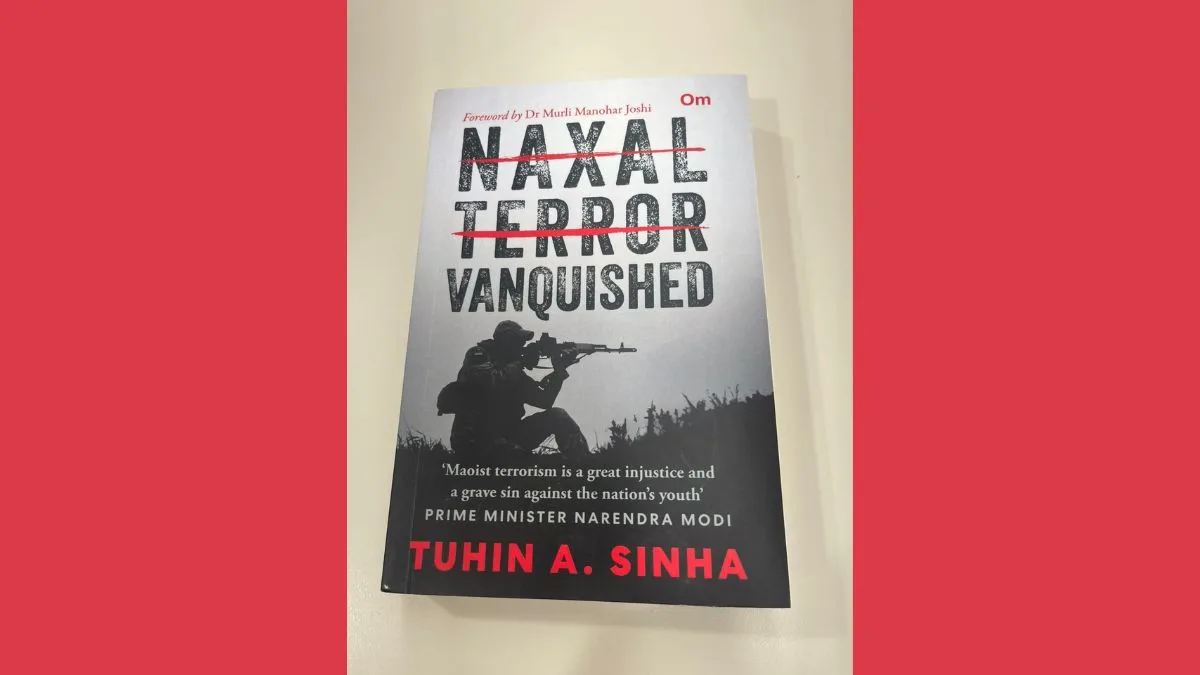
‘Naxal Terror Vanquished’: Cover of Tuhin A. Sinha’s new book on India’s fight against Naxalism unveiled

The upcoming book traces how decades of Maoist insurgency across India’s Red Corridor gradually weakened through coordinated security operations, governance reforms and development efforts.

Statesman News Service | New Delhi |

The cover of Naxal Terror Vanquished, the forthcoming book by author, political commentator and policy analyst Tuhin A. Sinha, has been officially unveiled, offering a sweeping account of how India dismantled one of its longest-running internal security challenges — the decades-long Maoist insurgency.

The book traces the arc of Left Wing Extremism from the ideological uprising at Naxalbari in 1967 to the steady decline of insurgent networks across the once-formidable Red Corridor stretching through large parts of central and eastern India. Drawing on political developments, security operations and grassroots transformation across affected regions, Naxal Terror Vanquished documents how coordinated governance, development and security initiatives reshaped the landscape of insurgency.

Author’s Perspective

“A Naxal free Bharat marks the victory of the political will power of Prime Minister Narendra Modi and Home Minister Amit Shah. This historic achievement reflects years of determined leadership, coordinated security operations and development initiatives that have restored hope and opportunity to regions once trapped in cycles of violence. Naxal Terror Vanquished seeks to chronicle this remarkable national journey and the resilience of the people who lived through it,” said author Tuhin A. Sinha.

Publisher’s Statement

According to publisher Ajay Mago, the book arrives at a significant moment in India’s internal security narrative.

“Naxal Terror Vanquished is not just a political chronicle but an important historical document of India’s journey towards peace in regions once dominated by Maoist violence. Tuhin Sinha combines rigorous research with compelling storytelling to present how governance, security and development together transformed the trajectory of these regions. It is a story of resilience, state capacity and the triumph of democratic institutions,” said Ajay Mago.

Praise for the Book

Leaders from states once deeply affected by Left Wing Extremism have welcomed the book for documenting the transformation that has taken place across their regions.

Devendra Fadnavis, Chief Minister of Maharashtra, said:

“The liberation of Gadchiroli from the shadow of Naxal terror marks a transformative chapter for Maharashtra. Tuhin Sinha’s book powerfully chronicles this triumph and the courage of those who worked tirelessly to restore peace and development.”

Mohan Yadav, Chief Minister of Madhya Pradesh, noted:

“A Naxal-free Madhya Pradesh, particularly in the vulnerable Balaghat region and tribal belts, has unlocked immense potential for development and inclusive growth. Tuhin A. Sinha’s meticulous account deserves wide readership for highlighting this defining success.”

Vishnu Deo Sai, Chief Minister of Chhattisgarh, added:

“The eradication of Naxalism from Bastar has brought a new dawn to Chhattisgarh’s tribal heartland. Tuhin Sinha’s book is an authoritative and inspiring record of this extraordinary journey towards lasting peace.”

A Defining National Story

Combining reportage, political analysis and accounts from regions once at the epicentre of the insurgency, Naxal Terror Vanquished offers readers a detailed look at how the Maoist movement, which once affected dozens of districts across India, gradually lost ground between 2014 and 2026.

The book chronicles the transformation of districts that were once synonymous with conflict — including parts of Maharashtra, Madhya Pradesh and Chhattisgarh — into regions witnessing renewed governance, infrastructure development and economic opportunity.

For policymakers, scholars, security analysts and general readers alike, Naxal Terror Vanquished provides an important narrative of how India confronted and overcame one of its most persistent internal conflicts.

About the Author

Tuhin A. Sinha is an author, political commentator and columnist who writes extensively on governance, policy and contemporary politics. His previous works explore the intersection of politics, public policy and national transformation.

The book will be released in April 2026.