Logo

Bomb threat to Weights and Measures Department Office in Bhopal turns out hoax

The bomb threat, however, turned out to be a hoax, much to the relief of employees who resumed work from around 1.30 pm.

Statesman News Service | Bhopal |

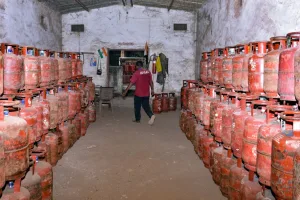
The Weights and Measures Department Office in Bhopal, which is already facing a challenging situation due to the LPG crisis, received a bomb threat too on Monday, resulting in panic amongst staffers and the evacuation of the premises for about three hours.

The bomb threat, however, turned out to be a hoax, much to the relief of employees who resumed work from around 1.30 pm.

According to the superintendent of the department’s office located at M P Nagar area, Shyamu Solanki, he noticed the bomb threat in one of the emails received on the department’s account.

He said that the email threatened that cyanide bombs were placed inside 16 LEDs. The mail further said that the bombs would explode at 1 pm.

He said he contacted his seniors and immediately the police were informed.
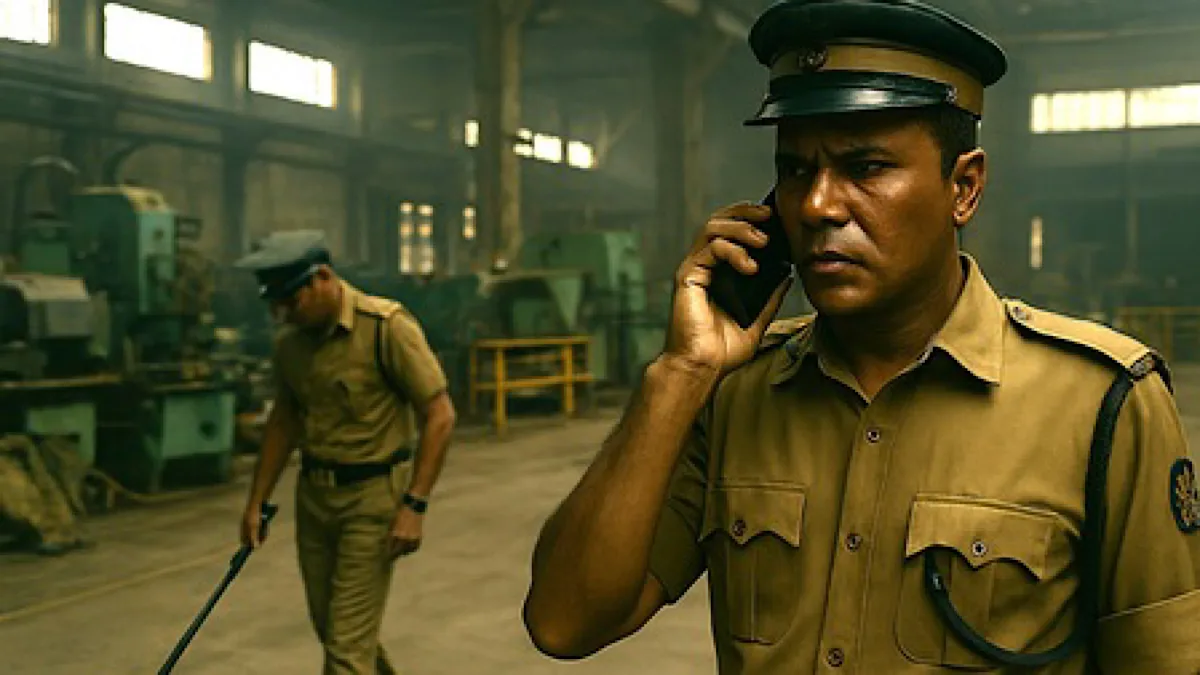
Bomb disposal squad personnel and police teams with sniffer dogs rushed to the spot and launched a search operation.

Authorities got the office evacuated as a precaution.

Solanki said that police did not find any cyanide or explosives in the office.

Bhopal City Zone 2 Deputy Commissioner of Police (DCP) Vivek Singh said that investigations are on to track down the person or persons who sent the email.

Sanjay Tandon chides MP Manish Tewari for running down Chandigarh, highlights city’s achievements

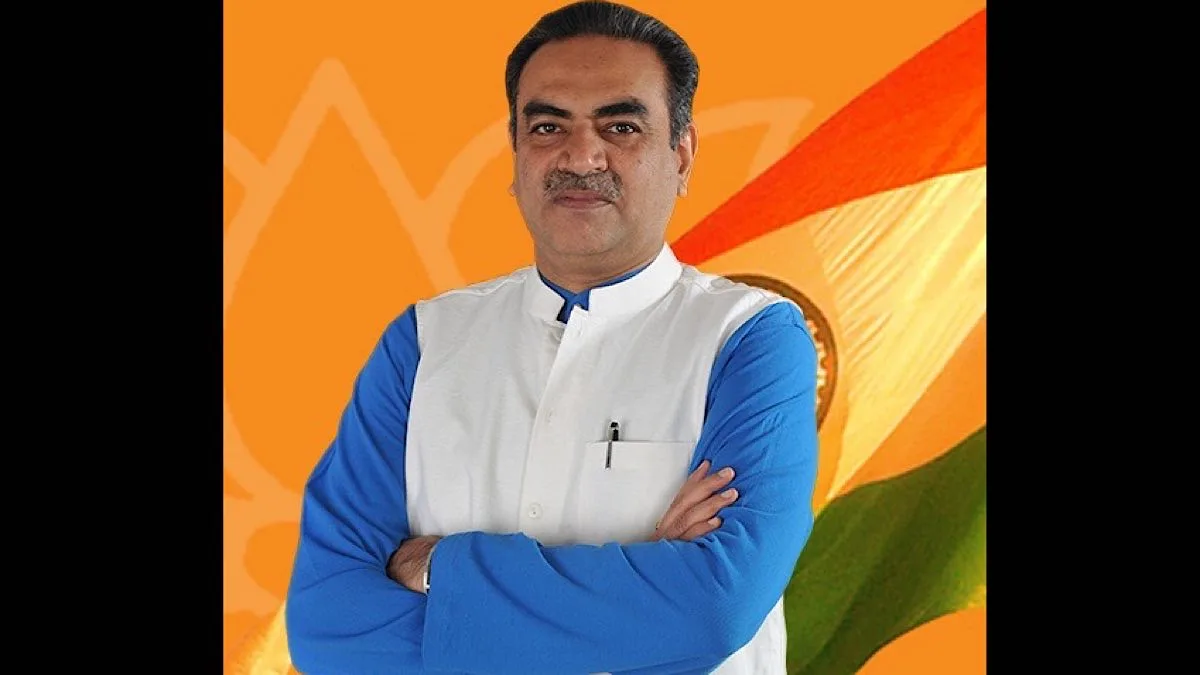
Senior BJP leader and National Council member Sanjay Tandon strongly countered remarks made by Chandigarh Member of Parliament Manish Tewari during a recent meeting of the Administrator’s Advisory Council (AAC) held at Hotel MountView.

Statesman News Service | Chandigarh |

Senior BJP leader and National Council member Sanjay Tandon strongly countered remarks made by Chandigarh Member of Parliament Manish Tewari during a recent meeting of the Administrator’s Advisory Council (AAC) held at Hotel MountView. The meeting was chaired by Gulab Chand Kataria, the UT Administrator and Governor of Punjab.

Reacting to Tewari’s observation that more than a decade ago Chandigarh used to be the main city while Mohali and Panchkula were considered suburbs, but that the scenario has now completely changed, Tandon took exception to the MP for portraying Chandigarh in a poor light while ignoring its many achievements.

“Much has been said about the shortcomings of this city. However, there are many positive aspects that make Chandigarh one of the most loved places to live,” Tandon remarked.

In a pointed response, Tandon asked Tewari whether he would prefer to leave his residence in Sector 4 and shift to Mohali if given the option. “The answer would probably be no,” he said, adding that even when Tewari was elected as MP from Anandpur Sahib, he chose to continue living in Chandigarh—something that itself reflects the quality of life the city offers.

Tandon emphasized that Chandigarh has several achievements that deserve recognition. He pointed out that the city has among the lowest property tax rates in the country, was home to India’s first dedicated cycle track, and boasts one of the highest literacy and education standards. Government schools in the city, he noted, are among the best performing in the country.

Calling for a strategic approach to the city’s development, Tandon said that being a landlocked Union Territory, Chandigarh must focus on emerging as a hub for tourism, sports, education and information technology.

Referring to his tenure overseeing sports initiatives, Tandon said that significant progress was made within a year by studying sports policies from 28 states and incorporating the best practices into Chandigarh’s own policy.

However, he expressed concern that many talented athletes from the city are forced to represent neighbouring states such as Punjab and Haryana due to a lack of job opportunities locally.

Highlighting the success of young cricketer Kashvee Gautam, he stressed the need to provide job security to emerging sports persons so that their talent benefits the city itself.

Tandon also shared that the World Skate Asia team recently visited Chandigarh and decided to host the upcoming Asian Championship in the city—an event expected to bring athletes from 22 countries and place Chandigarh firmly on the international sporting map.

On urban mobility, Tandon underlined the need for long-term planning, stating that a metro system should be considered with a 25-year perspective in mind.

He further suggested that whenever a government scheme is announced, the date of its inauguration should also be declared to ensure accountability and timely implementation.

Tandon also advocated expanding the domicile policy so that children from Chandigarh can apply for government jobs across the entire Union of India rather than being restricted to the Union Territory.

FB post on Operation Sindoor: Haryana tells SC it will not prosecute Ashoka University professor

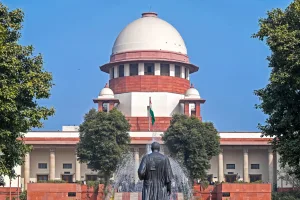
The Haryana government on Monday informed the Supreme Court that it has decided not to grant sanction to prosecute Ashoka University professor Ali Khan Mahmudabad over his social media posts relating to Operation Sindoor, India’s cross-border military action following the April 2025 Pahalgam terror attack.

Parmod Kumar | New Delhi |

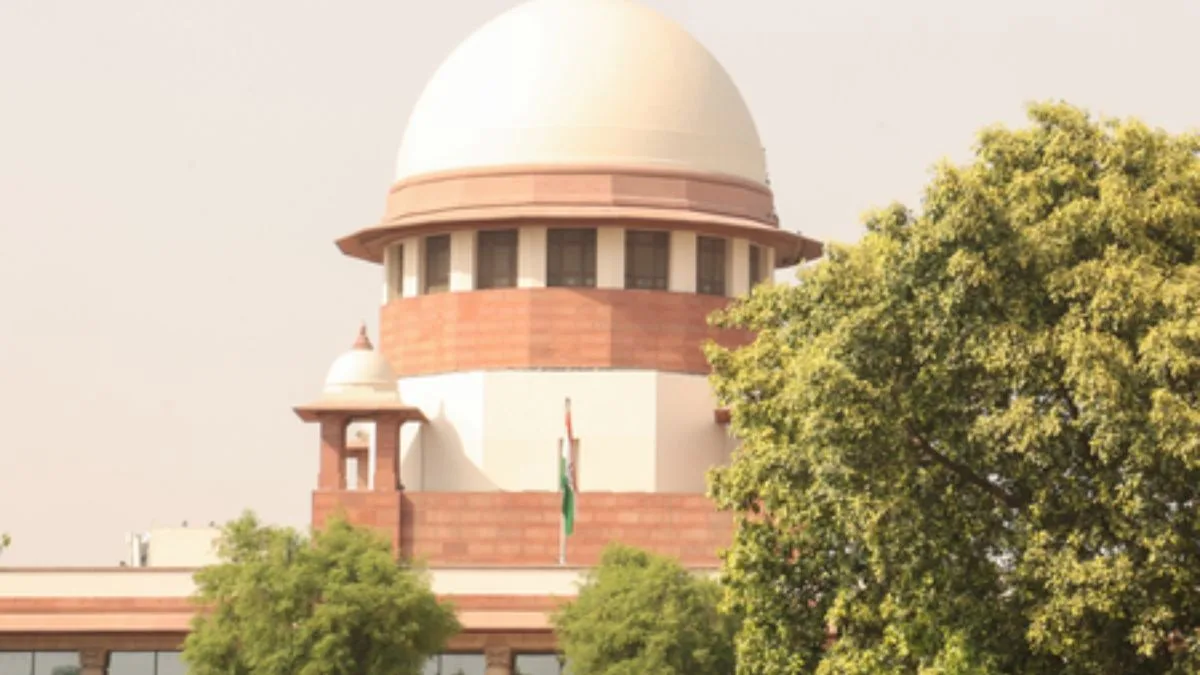
The Haryana government on Monday informed the Supreme Court that it has decided not to grant sanction to prosecute Ashoka University professor Ali Khan Mahmudabad over his social media posts relating to Operation Sindoor, India’s cross-border military action following the April 2025 Pahalgam terror attack.

Taking note of the State’s stand that it will not grant sanction for the prosecution of Prof. Mahmudabad, a bench comprising Chief Justice Surya Kant and Justice Joymalya Bagchi recorded that the issue would not proceed further, though it advised the professor to exercise greater caution in his public remarks in future.

The Bench was told by Additional Solicitor General S.V. Raju, appearing for the Haryana government, that it has taken a decision on March 3 not to approve prosecution. The State described its decision as a one-time gesture of magnanimity and said that the matter should now be treated as closed.

Senior Advocate Sidharth Luthra, appearing for Mahmudabad, expressed gratitude to the Court after the State clarified its position. While acknowledging the government’s decision, the Bench observed that public discourse on sensitive national issues requires restraint and responsibility. The Court remarked that comments made indirectly or ambiguously can sometimes create unnecessary controversy and advised the professor, being an academic, to act prudently in the future.

The case stemmed from Facebook posts made by Mahmudabad commenting on Operation Sindoor. In his remarks, he criticised Pakistan-sponsored terrorism and also cautioned against war. Referring to the widespread praise received by Colonel Sofiya Qureshi of the Indian Army, who had led the official press briefing on the operation, he had suggested that such recognition should also translate into addressing issues such as mob violence within the country.

Following these posts, two FIRs were registered against him in Haryana. One complaint alleged offence relating to promoting enmity and actions prejudicial to national integration, while another complaint filed by the Chairperson of the Haryana Women’s Commission invoked additional provisions relating to public mischief and insult to modesty.

Mahmudabad was subsequently arrested by the Haryana Police and later granted interim bail by the Supreme Court in May 2025. The Court had also ordered that the investigation be carried out by a Special Investigation Team and later stayed the trial proceedings.

During earlier hearings, the State had informed the Court that sanction to prosecute had not yet been granted for certain offences, which prevented the trial from progressing. The Supreme Court had then directed the State to take a decision on sanction within three months.
With the Haryana government now declining to grant sanction, the prosecution cannot proceed, effectively bringing the matter to a close.

Yogi hits hard at evil of casteism, divisive politics

Uttar Pradesh Chief Minister Yogi Adityanath, during his 2-day visit to Rajasthan, kept hitting hard at the evils of casteism and divisive politics asserting “both do weaken the nation”.

Statesman News Service | Jaipur |

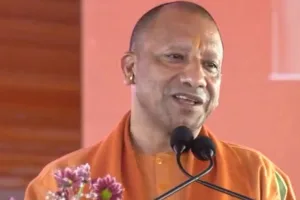
Uttar Pradesh Chief Minister Yogi Adityanath, during his 2-day visit to Rajasthan, kept hitting hard at the evils of casteism and divisive politics asserting “both do weaken the nation”.

Speaking at the Jauhar Smriti Samaroh in the fort town of Chittorgarh on the first day on his visit on Sunday Yogi attacked the Opposition dispensation, particularly the Congress, retorting-“They are confronting an existential crisis and in desperation are weakening the nation by divisive casteist tactics”.

However, speaking at the 375th anniversary ancient Ratneshwar Mahadev shrine in the “Sire Dham” in Jalore today sought direct dialogue with the masses calling on the audience to rise above the(narrow) casteism and divisive social order and contribute in building a strong nation.

He said that casteism is detrimental to the unity in the society (samaj) whereas the very strength of India (Bharat) is vested in her cultural unity that rests on tenets of spirituality and religious practices. These cultural features enable us to withstand tough phases in time during all crises, the visiting Chief Minister said.

Hence, cultural unity is the strongest tool that keeps us united in tough times and we ought to preserve it, Yogi said.

When we are a united society(including all strata), all matters and disputes protracted for as long as 500 years (Ram Mandir) can be solved, he said, crediting Prime Minister Narendra Modi for paving the way for this.

Yogi said that contrary to the stance of the Modi Government, previous regimes and rulers used to ridicule our faith (Astha) as superstition and orthodox mindset.

They even negated the existence (incarnation) of Lord Ram and Lord Krishna, now their (political) existence has been negated by people”, the UP CM has made a barb to target his party’s arch rival.

On Sunday too, Yogi did tear into the Congress, in Chittorgarh, without naming it and saying “Just try to recall and recognise who are those people, who are dividing the society (samaj) on the basis of castes and dharma, who are those rumour mongers creating a crisis of trust and faith among the masses; or those who are creating situations in which India (Bharat) feared to lose the glorious image and reputation,” he said.

Jammer vehicle missing for six months, J&K Deputy CM flags motorcade security risks

The Jammu and Kashmir Deputy Chief Minister Surinder Chaudhary has sought an urgent review of his security arrangements, raising serious concerns over the non-availability of a bullet-resistant vehicle, a jammer and other key components of the official motorcade.

Statesman News Service | Jammu |

The Jammu and Kashmir Deputy Chief Minister Surinder Chaudhary has sought an urgent review of his security arrangements, raising serious concerns over the non-availability of a bullet-resistant vehicle, a jammer and other key components of the official motorcade.
In a communication addressed to the Senior Superintendent of Police (Security), the Deputy Chief Minister’s office stated that a bullet-resistant Toyota Fortuner had been requested for inclusion in the motorcade during the Deputy CM’s scheduled visit to the border constituency of Nowshera on 15 March. However, despite the request being made through an official tour programme dated 13 March, the vehicle was not provided.

The request, the letter noted, was made in view of the prevailing security situation and a recent firing incident targeting Farooq Abdullah, a Z+ NSG protectee, at Royal Park in Greater Kailash, Jammu. The Deputy Chief Minister was present at the location and in close proximity to the senior leader during the incident, heightening security concerns.
The communication also highlighted that the jammer vehicle in the Deputy CM’s motorcade has remained withdrawn for nearly six months on the “pretext” of repairs and has yet to be restored. In addition, the bulletproof vehicle, pilot vehicle, and scout vehicles currently deployed were described as mechanically unreliable, with the letter claiming that their condition has led to serious and near-fatal incidents in the recent past.
Despite repeated requests from the Deputy CM’s office for reviewing the security arrangements and replacing the aging vehicles, the letter stated that no effective corrective action has been taken so far.

Given the sensitive security environment in Jammu and Kashmir and the Deputy Chief Minister’s frequent visits to far-flung and vulnerable areas, the office warned that movement without a complete and reliable security cover poses a significant risk.
The Deputy Chief Minister has also reportedly expressed displeasure over the non-serious manner in which earlier requests were handled.
The letter has once again urged authorities to immediately review and restore the complete security arrangement, including replacing old vehicles and inducting a bullet-resistant Fortuner into the Deputy Chief Minister’s motorcade for movements both within and outside the Union Territory.

Copy of the letter has also been sent to the office of the Lt. Governor Manoj Sinha who directly controls the security set up and police in the union territory.
It is worth mentioning that Chaudhary had won the Assembly election from the border constituency of Nowshera in the Rajouri district.

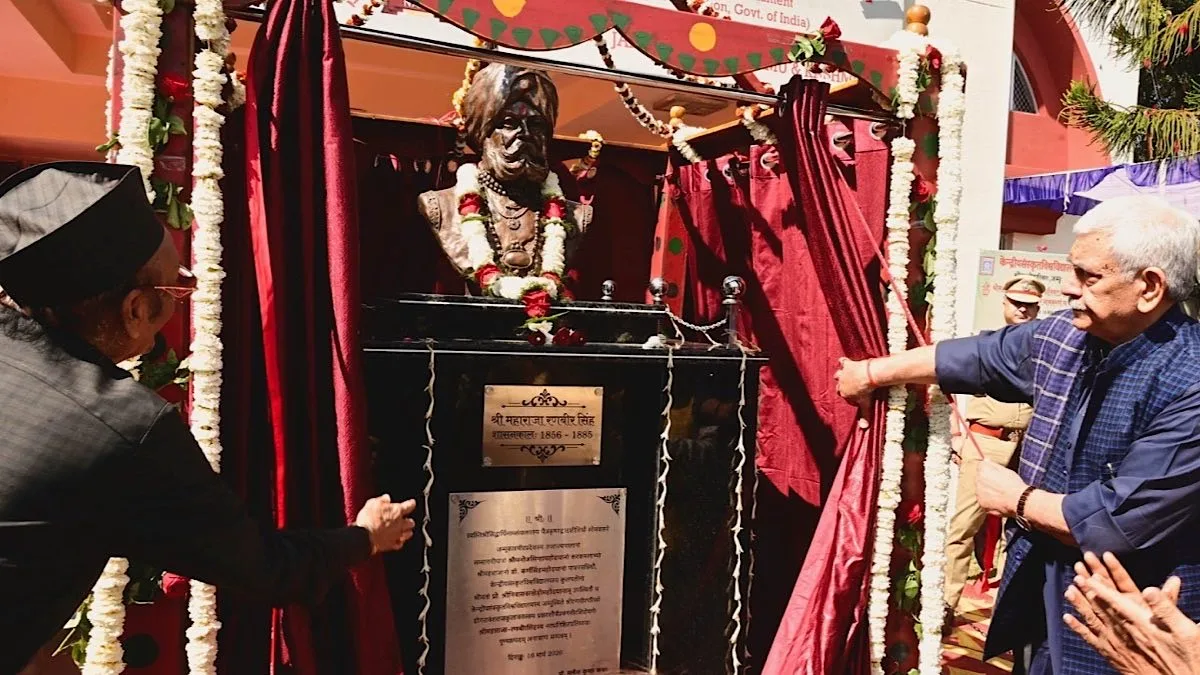
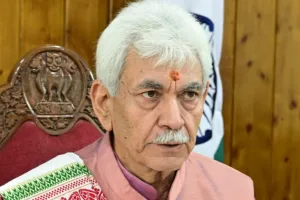
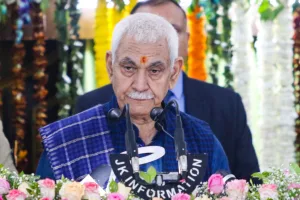
LG Manoj Sinha unveils bust of Maharaja Ranbir Singh at Central Sanskrit University

Lieutenant Governor Manoj Sinha on Monday said that the nation owes Maharaja Ranbir Singh, the Dogra ruler of J&K, a profound debt for his reforms, building vibrant culture and forging a robust and thriving Jammu Kashmir.

Statesman News Service | Jammu |

Lieutenant Governor Manoj Sinha on Monday said that the nation owes Maharaja Ranbir Singh, the Dogra ruler of J&K, a profound debt for his reforms, building vibrant culture and forging a robust and thriving Jammu Kashmir.

“Maharaja Ranbir Singh saw Jammu Kashmir as a living entity-not mere land, but a vibrant structure where culture breathed life and reforms channelled energy. For him, its soul resided not just in mountains and rivers, but in intellectual and spiritual values,” the Lieutenant Governor said.

The Lieutenant Governor was speaking at the unveiling ceremony of the bust of Maharaja Ranbir Singh at the Central Sanskrit University, here and renaming of the University’s Jammu Campus as ‘Shri Maharaja Ranbir Singh Campus’. Scion of the Dogra royal family Dr. Karan Singh was present on the occasion.
The Lieutenant Governor said that Maharaja Ranbir Singh did not merely rule Jammu Kashmir but he bestowed it a new vision, restructured it, illuminated it with knowledge, adorned it with cultural abundance, and left a legacy for generations which is rich on material, intellectual, and spiritual planes.

“Renaming of Central Sanskrit University’s Jammu Campus proves that the consciousness Maharaja Ranbir Singh ignited continues, 150 years on, to guide Jammu and Kashmir’s society,” the Lieutenant Governor said.
The Lieutenant Governor observed that the youth must lead the path of principles, building a safer and prosperous Jammu Kashmir.

“Our Youth now bear the duty to embrace his expansive, humane values and contribute to nation-building. As today’s Jammu Kashmir embodies Maharaja Ranbir Singh’s foresight, this campus must reflect his ideals,” the Lieutenant Governor said.
The Lieutenant Governor emphasised on building a society technologically potent yet humanely sensitive. He called upon the Youth to enrich not just India but global intellectual and moral consciousness.

The Lieutenant Governor said that ancient India’s journey was never one-sided: one hand held science, the other culture.
“We emphasized personalities blending Brahmagupta’s intellect and Buddha’s wisdom. This campus must nurture such souls,” he further said.
The Lieutenant Governor also assured financial assistance for the establishment of Gurukul, Sanskrit Pathshala, or Ved Pathshala in the region.

IndiGo inks deal with Adani Airports to reward BluChip duty-free shoppers

IndiGo has announced that its IndiGo BluChip members can now earn rewards on duty-free shopping at select airports managed by AAHL.

Statesman News Service | Mumbai |

IndiGo has announced a partnership with Adani Group’s Adani Airport Holdings Ltd (AAHL) to allow its loyalty programme members to earn IndiGo BluChips on duty-free purchases at select airports in India aimed to make airport shopping more convenient for travellers while offering rewards for their spending.

“The partnership will integrate IndiGo BluChip with the Adani platform, enabling travellers to pre-order duty-free products and collect them at the airport,” both the companies announced here on Monday, in a joint statement.

IndiGo has announced that its IndiGo BluChip members can now earn rewards on duty-free shopping at select airports managed by AAHL. IndiGo customers can log in through a dedicated portal, link their membership ID and receive their earnings within 24 to 48 hours based on their spending.

Currently, participating duty-free stores are at Mumbai, Ahmedabad, Thiruvananthapuram, Jaipur, Mangaluru and Lucknow airports. The program will soon expand to Lokapriya Gopinath Bordoloi International Airport in Guwahati and the new Navi Mumbai International Airport, the statement informed.

Under the partnership, IndiGo BluChip members will earn five BluChips for every Rs 100 spent on duty-free products booked through the Adani platform. IndiGo BluChip is IndiGo’s loyalty programme which rewards frequent flyers. Under this programme, members earn BluChips on every flight based on their spending.

Commenting on the development, IndiGo Chief Digital and Information Officer Neetan Chopra, “At IndiGo, we are continuously striving to enhance the value proposition of our loyalty program. This partnership with Adani Duty Free strengthens our commitment to offering meaningful rewards beyond flights, making every step of the journey more beneficial for our customers. By combining IndiGo’s extensive network with Adani’s premium duty-free experience, we are delighted to bring greater convenience, choice, and value to millions of travellers across India”.

AAHL CEO Suchit Bansal said, “We are transforming how travellers shop at airports by integrating digital discovery, pre-order convenience and seamless collection through the Adani platform. Our partnership with IndiGo brings together India’s largest airline and the country’s largest private airport operator to deliver a more connected and rewarding travel retail experience”.

Dhangar candidate likely to contest Baramati bypoll against Sunetra Pawar

The development came even as the Election Commission of India announced the schedule of by-elections for two assembly constituencies in Maharashtra, namely Rahuri in Ahilyanagar district, and Baramati in Pune district.

Statesman News Service | Mumbai |

Dhangar community leader Bapurao Solankar announced on Monday that his community is likely to put up a candidate to contest the by-poll for the crucial Baramati assembly seat, from which Deputy CM Sunetra Pawar had hoped to win uncontested, since it used to be represented by her late husband Ajit Pawar.

The development came even as the Election Commission of India announced the schedule of by-elections for two assembly constituencies in Maharashtra, namely Rahuri in Ahilyanagar district, and Baramati in Pune district.

According to the schedule announced by the EC, voting will be held on April 23, 2026, and counting of votes will be done on May 4, 2026. Both the Maharashtra Legislative Assembly seats fell vacant after the deaths of Rahuri Rahuri MLA Shivaji Bhanudas Kardile and Baramati MLA, late Deputy CM Ajit Pawar.

The Dhangar community is likely to put up a candidate against Deputy CM Sunetra Pawar from Baramati, because it is upset about the Maharashtra state government’s decision to rename the Punyashlok Ahilyadevi Holkar Medical College in Baramati after the late Ajit Pawar.

The Dhangar community opposed this renaming decision and a protest was held in Baramati on March 9 in the presence of OBC leader Laxman Hake after which Dhangar leader Bapurao Solankar warned that if the Maharashtra government does not withdraw its ordinance regarding renaming of the hospital, then the Baramati by-election will not be allowed to go unopposed. Descendants of the Holkar family had also requested that the name of the Punyashlok Ahilyadevi Holkar Medical College remain unchanged.

After the late Ajit Pawar’s demise in the January 28 air crash, the Maharashtra government decided to name the government general hospital attached to the Government Medical College in Baramati and the Government Ayurvedic College at Medad after late Deputy Chief Minister Ajit Pawar. The decision was formalised through a notification issued by the state government’s Medical Education and Drugs Department.

As per the Maharashtra government notification, the medical college in Baramati will continue to be known as Punyashlok Ahilyadevi Holkar Government Medical College, but the hospital attached to it is now called Swargiya Ajitdada Pawar General Hospital. Similarly, the Government Ayurvedic College at Medad could be renamed as Swargiya Ajitdada Pawar Government Ayurvedic College & Hospital.

Reacting to the Dhangar community’s warning that Deputy CM Sunetra Pawar will not be allowed to win unopposed from the Baramati assembly, Baramati Taluka NCP President Sandeep Bandhal said, “This is not the time for politics. Neither Baramati nor Maharashtra has yet recovered from the shock of Ajit Pawar’s accidental death. The state government has decided to name the hospital in Baramati after Ajit Dada. Therefore, I appeal to the Dhangar community that we should all come together and stand by Sunetra Pawar”.

However, Maharashtra Chief Minister Devendra Fadnavis said, “We will try to ensure that both the Baramati and Rahuri by-elections are held unopposed. However, if an election is imposed on us, we are fully ready to contest the election”.

According to the interim voter list released by the Election Commission, there are more than 3 lakh 80 thousand voters in Baramati. Around 70,000 to 75,000 voters are from the Dhangar community.

However, political circles have speculated that the chances of a candidate put up by the Dhangar community getting a majority from the Baramati assembly seat are rather slim.

Class 12 Hindi paper alleged leak sparks uproar in Chhattisgarh Assembly, probe ordered

Congress MLA Devendra Yadav raised the matter in the House, expressing concern over reports that some questions related to the Hindi paper had circulated on social media before the examination.

Statesman News Service | Ranchi |

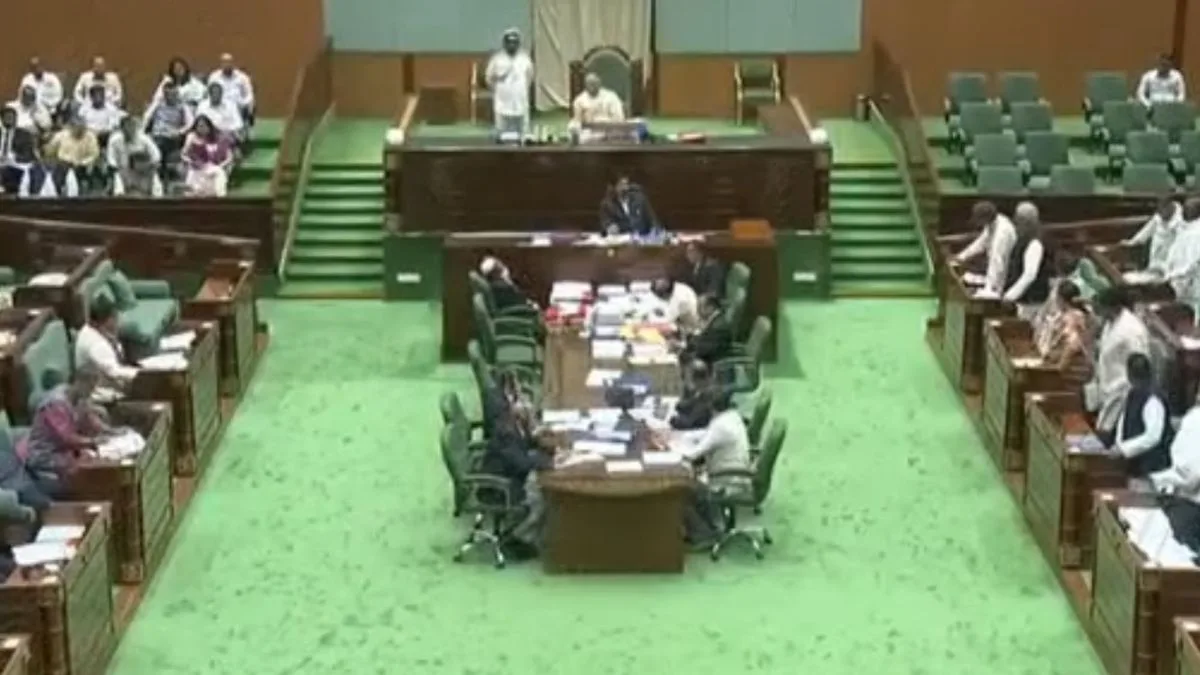
The Chhattisgarh Assembly on Monday witnessed heated exchanges, allegations and counter allegations between ruling BJP and Opposition Congress party leaders after the alleged leak of the Class 12 Hindi board examination question paper was raised during the ongoing Budget Session. The Opposition questioned the credibility of the state’s school education system and demanded a thorough investigation. The government has ordered a probe to investigate the case.

Congress MLA Devendra Yadav raised the matter in the House, expressing concern over reports that some questions related to the Hindi paper had circulated on social media before the examination. Speaking to reporters, he said that the emergence of a possible paper leak had shaken public confidence in the state’s school education system, which was already facing criticism. He urged the government to immediately register an FIR and ensure a transparent investigation so that those responsible could be punished.

Devendra Yadav said that had the question paper indeed been circulated prior to the exams, it could have given an unfair advantage to some candidates. This raised serious concerns about the integrity of the examination process. The government must act swiftly and ensure strict action against those involved, he said.

However, School Education Minister Gajendra Yadav rejected the allegation of a paper leak. Responding to the issue in the Assembly, he said no such incident had been confirmed anywhere in the state. The minister said that a student organisation had circulated a few questions in WhatsApp groups late at night before the exam, which led to confusion and speculation.

The minister revealed that the Chhattisgarh Board of Secondary Education (CGBSE) had been asked to examine the matter thoroughly. If any irregularities are found during the investigation, strict action will be taken against those responsible, he added.

Sources suggest that some questions began circulating on social media and messaging platforms late on the night of 13 March, just hours before the Class 12 Hindi examination held on 14 March across the state. The messages quickly spread among students and parents, leading to speculation about whether the exam paper had been leaked. The discussions regarding the alleged paper leak intensified on social media as some users claimed that a few of the viral questions resembled those in the actual question paper.

Members of the National Students’ Union of India (NSUI) staged a demonstration outside the office of the Chhattisgarh Board of Secondary Education on Monday. The protesting students demanded a fair investigation and strict action against those responsible.

Meanwhile, the Board has lodged an FIR with the police and the cyber cell following the emergence of the controversy. A statement issued through the state’s public relations department on the social media platform X said that the matter is being investigated to determine the source and authenticity of the viral questions.

Chhattisgarh Congress president Deepak Baij has also criticised the government over the alleged paper leak case. He stated that while the administration claims to have strengthened the examination system, incidents like this raise serious questions about transparency and accountability. Meanwhile the Police and cyber experts are examining digital trails to trace where the viral messages originated from.

Delhi: Barapullah phase III, MB Road elevated corridor gets cabinet nod, delays to be probed by ACB

Chief Minister Rekha Gupta said that the projects would bring relief to millions of commuters and help make the national capital’s road network more modern and efficient.

Statesman News Service | New Delhi |

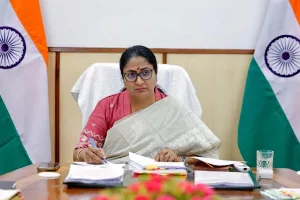
In a step towards reducing traffic congestion and making commute easier, the Delhi Cabinet has approved two key infrastructure projects, including the Barapullah Phase- 3 elevated corridor, and a six- lane elevated corridor with underpasses on the Mehrauli Badarpur Road.
Chief Minister Rekha Gupta said that the projects would bring relief to millions of commuters and help make the national capital’s road network more modern and efficient.

She added that these initiatives are important steps towards building a developed Delhi, and will also contribute to realizing Prime Minister Narendra Modi’s vision of a ‘Viksit Bharat.’

Both the projects were approved during a Cabinet meeting chaired by CM Gupta on Monday.
The government has cleared a revised cost of Rs 1,635.03 crore for the construction of the Barapullah Phase-III elevated road over the Barapullah drain, connecting Sarai Kale Khan to Mayur Vihar.

This project is an extension of the existing Barapullah elevated corridor, and once completed, it will provide direct, signal-free connectivity from Mayur Vihar in East Delhi to AIIMS in South Delhi.
According to the CM, the project is expected to reduce travel time for the lakhs of commuters who travel daily between East and Southern parts of the capital.

It is also expected to ease congestion around Sarai Kale Khan, Ring Road, the DND Flyway and NH-24, and the target set for completing the project if by June 30, this year.
The CM has said that the government has taken serious note of the unnecessary delays that occurred during the tenure of the previous regime, and also announced that the matter has been referred to the Anti-Corruption Branch (ACB) for an in depth probe for determining why the project was delayed, and what were the reasons behind it.
According to the CM, the current government is moving ahead with the project with clear financial planning and accountability.

She also announced that the cabinet has given its go ahead to the six-lane elevated road along with underpasses on MB Road, stretching from Saket’s G-Block to Pul Prahladpur.
The estimate for the project is around Rs 1,471.14 crore and will be executed by the Delhi Metro Rail Corporation (DMRC), and will be implemented in two phases.
In the first phase, a double-decker integrated structure will be built between Saket G-Block and Sangam Vihar, which will have a six-lane elevated flyover, a six-lane underpass at Saket G-Block, an elevated ramp connecting the BRT corridor to the flyover, and a two-lane underpass linking MB Road with the BRT corridor.

In the second phase, a nearly 2.48-kilometre-long six-lane elevated flyover will be constructed from Maa Anandmayee Marg to Pul Prahladpur.
Notably, this will improve traffic flow in the areas like Saket, Ambedkar Nagar, Khanpur, Sangam Vihar and Pul Prahladpur.

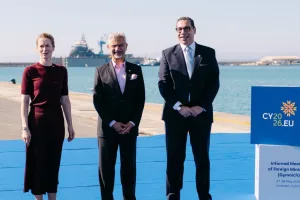
Jaishankar discusses with top EU officials implementation of FTA

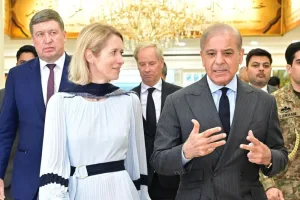
External Affairs Minister S Jaishankar on Monday discussed with top European Union officials the next steps in the implementation of the Free Trade Agreement (FTA) which was finalised by the two sides in January.

Statesman News Service | New Delhi |

External Affairs Minister S Jaishankar on Monday discussed with top European Union officials the next steps in the implementation of the Free Trade Agreement (FTA) which was finalised by the two sides in January.

After her meeting with Jaishankar, President of the EU Commission Ursula von der Leyen said, “Good meeting with @DrSJaishankar today.’’

In a social media post on ‘X’, she noted that the two sides concluded FTA ‘’the mother of all deals’’ in January and also signed a security and defence partnership. ‘’Now we are focused on efficient implementation, to deliver for the people of Europe and India as soon as possible,’’ she added.

The EU official said she also discussed developments in West Asia and in Ukraine. ‘’De-escalation, stability and energy security are our shared objectives,’’ she added.

Jaishankar, in his post on ‘X’, said, ‘’A pleasure to call on President @EU_Commission Ursula von der Leyen this afternoon. Her highly successful State visit to India this January marks a turning point in our ties. We are following up vigorously on it. Appreciate her insights on contemporary global developments. ‘’

The FTA will now undergo legal scrubbing, translation into 24 languages, and ratification by the EU Council, the European Parliament, and India. It is expected to come into force in January 2027.

Jaishankar also met Belgium Foreign Minister Maxime Prevot and discussed intensifying bilateral cooperation in trade and investment, semiconductors, health, technology & innovation.’’ The two sides agreed to establish a strategic dialogue.

India’s diplomacy pays off as tankers clear Strait of Hormuz

The dependence is even sharper in natural gas. Qatar, one of the world’s largest LNG exporters, supplies roughly half of India’s imported liquefied natural gas. Nearly all of it moves through Hormuz.

Jayanta Roy Chowdhury | New Delhi |

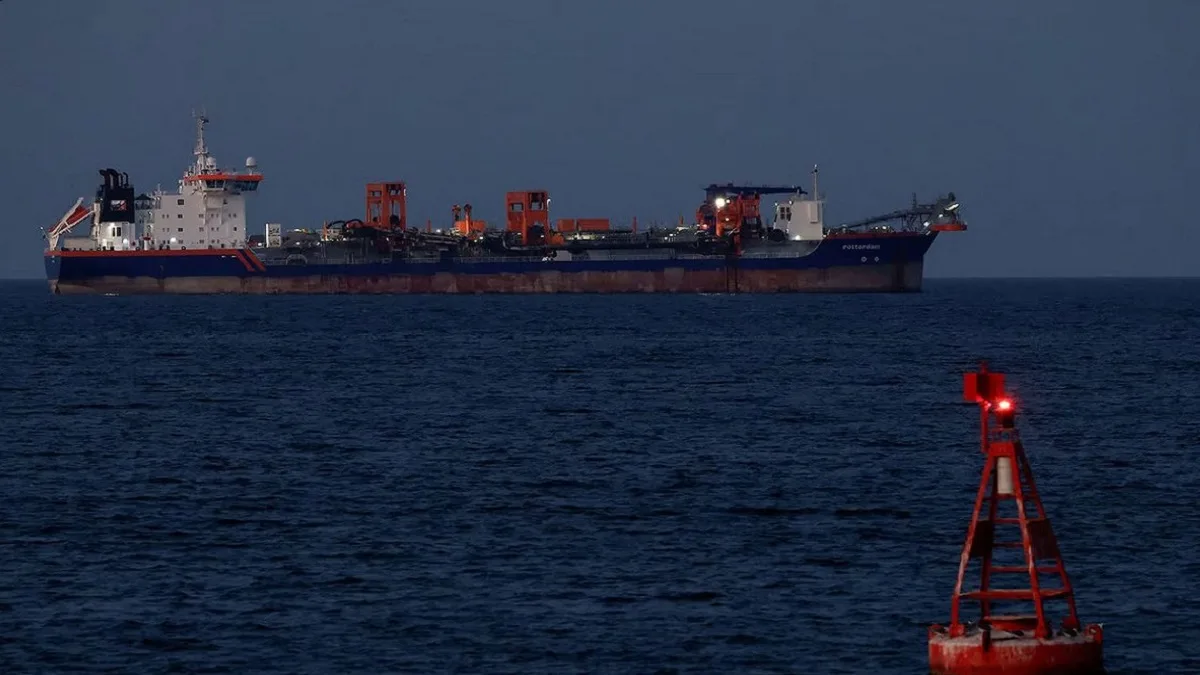
As the first of three Indian flagged vessels, Shivalik, carrying precious oil and gas for Indian shores, berthed at Gujarat’s Mundra port on Monday after safely crossing the gauntlet of the Strait of Hormuz, Indian officials who were monitoring the situation heaved a sigh of relief.

This was the first of what they hope will be a fleet of tankers which will come through the Strait. Another ship, Nandadevi, which also crossed the Strait of Hormuz safely, is expected to arrive at Kandla Port on Tuesday, while ‘Jag Laadki’ is expected to follow suit.

“Some two dozen Indian flagged ships and tankers are operating in Gulf area right now and of these three ships have crossed the Straits without any mishap … we are working on and hoping for more to follow,” said Pinak R Chakravarty, former Secretary (Economic Relations) in the Ministry of External Affairs.

Indian diplomats have been burning the hotline with Teheran to get ships through. External Affairs Minister S Jaishankar told a newspaper earlier, “I am at the moment engaged in talking to them and my talking has yielded some results.” The career diplomat turned politician, however, has said there were no “blanket arrangements” for all Indian vessels.

“We have been also quietly cooperating with Iran, which has been a long-standing partner for us … two Iranian naval ships were docked here after the conflict broke out and the crew was repatriated,” pointed out Chakravarty.

Saudi Arabia already has an East West pipeline which takes crude from its eastern provinces near Qatar to the Red Sea coast at Yanbu and is believed to be transferring significant oil through that route too.

Earlier on Sunday, US President Donald Trump said that some seven nations had been approached to help safeguard commercial vessels passing through the narrow waterway.

Though Trump did not name the countries, a day earlier, in a social media post, he had said that he hopes countries like “China, Japan, South Korea and the UK and others that are affected by this artificial constraint, will send ships” to patrol the crucial Strait.

However, Japan has already indicated that it may not be willing to help patrol the Strait.

“On a map, the Strait looks deceptively modest but it’s the world’s most effective chokepoint. We should for the long run convince the Gulf Cooperation Council with whom we have a trade pact to build a pipeline to the Omani coast bypassing the Strait,” said Chakravarty who was involved in India’s economic diplomacy.

The Strait stretches roughly 104 miles, narrowing at points to little more than 20 miles across. For the world, this confined maritime channel flows roughly one-fifth of the world’s traded oil.

Tankers moving from the energy-rich states of the Gulf, Saudi Arabia, Iraq, Kuwait, Qatar, and the United Arab Emirates, must squeeze through shipping lanes just a few miles wide before entering the open waters of the Arabian Sea.

The scale of traffic is staggering. Around 20 million barrels of oil and petroleum products pass through the Strait every day, along with a substantial share of the world’s liquefied natural gas exports. It is, quite literally, the artery of global energy.

Few major economies are as exposed to this chokepoint as India.

“India is the world’s third-largest consumer of oil and a significant portion of that supply originates in the Gulf and must travel through Hormuz before reaching Indian ports, that is why the Indian navy has given a lot of importance to that area at all times,” explained Commodore Ranjit Rai, former Director of Naval Intelligence.

Roughly two to three million barrels of crude oil per day transit the Strait on their way to refineries along India’s western coast.

The dependence is even sharper in natural gas. Qatar, one of the world’s largest LNG exporters, supplies roughly half of India’s imported liquefied natural gas. Nearly all of it moves through Hormuz.

In other words, a disruption in the Strait would not merely affect global markets. It would quickly touch the daily functioning of the Indian economy, fuelling cars, powering factories, and sustaining electricity generation.

Recognising this vulnerability, India has quietly worked to diversify its energy sources. In recent years it has sharply increased crude imports from Russia, which are transported by sea routes that do not pass through Hormuz.

Yet geography imposes limits on diversification. The Gulf remains the world’s densest cluster of low-cost oil producers, and for India it will likely remain the most important supplier for years to come.


West Bengal Assembly Elections 2026: High-octane battle brews in Bengal as BJP fields Suvendu Adhikari from Mamata’s Bhabanipur

Adhikari will also contest from Nandigram, where he defeated CM Banerjee in the 2021 Assembly Elections.

Statesman News Service | NEW DELHI |

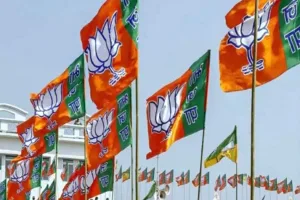
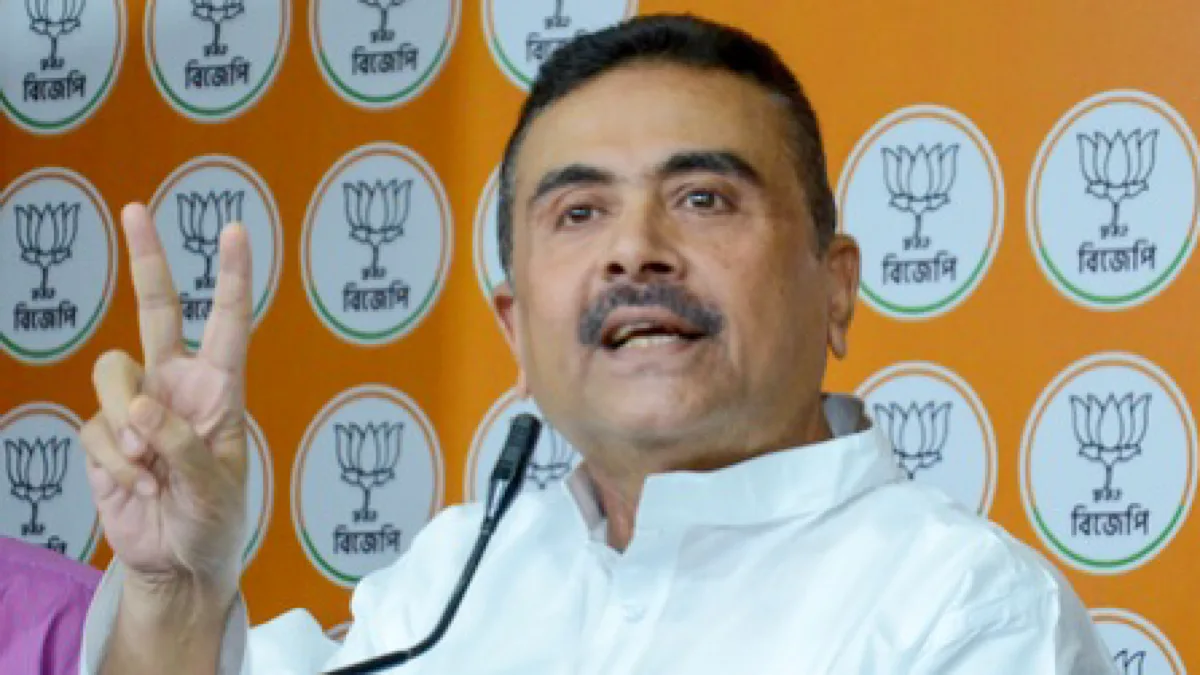
The Bharatiya Janata Party (BJP) on Monday announced its first list of candidates for the forthcoming West Bengal Assembly Elections, fielding Leader of Opposition Suvendu Adhikari from Bhabanipur, a high-profile constituency currently represented by Chief Minister Mamata Banerjee.
Adhikari will also contest from Nandigram, where he defeated CM Banerjee in the 2021 Assembly Elections. After losing Nandigram to Adhikari, Mamata Banerjee won the Bhabanipur Assembly bypoll.
The BJP’s move to field Adhikari, who was once a close aide of Mamata Banerjee, signals the party’s aggressive strategy against Banerjee, who has been ruling the state since 2011. It could also pave the way for another high-octane political battle, provided Ms Banerjee once again decides to contest from Bhabanipur.

Senior leader Dilip Ghosh will contest from Kharagpur Sadar and Biman Mahto from Salboni in West Medinipur district. The BJP has fielded Sawapan Gasgupta from the Rasbehari seat in South Kolkata.

Sumita Sinha from Kanthi Uttar in East Medinipur district, Biman Ghosh from Pursurah in Hooghly district, Madhavi Mahalder from Kultali in South 24 Parganas district, Bapan Ghosh from Kaliganj, Dipak Kumar Halder from Diamond Harbour, Agnimitra Paul from Asansol Dakshin, Krishnendu Mujhkerjee from Asansol Uttar, Nikhil Banerjee from Hansan, Sukumar Roy from Coochbehar Uttar, and Shankar Ghosh from Siliguri are the other prominent leaders who featured in the BJP’s first list of 144 candidates.

Check the full list below

West Bengal Assembly Elections 2026: Schedule

The BJP’s first list of candidates came just a day after the Election Commission of India announced the dates for the 2026 Assembly elections in West Bengal, Assam, Tamil Nadu, Kerala, and Puducherry. Voting in four states and a Union Territory will be held between April 9 and April 29, with the counting of votes taking place on May 4.

While elections in three states – Assam, Kerala, Tamil Nadu – and the Union Territory of Puducherry will be held in a single phase, the Election Commission has announced a two-phase polling schedule for the West Bengal Assembly Elections 2026.

In the first phase, polling will be held in 152 Assembly Constituencies on April 23. The gazette notification for the first phase will be issued on March 30, with the last date for filing nominations on April 6, scrutiny on April 7, and the last date for withdrawal of candidature on April 9.

The second phase will see the remaining 142 Assembly Constituencies go to the polls on April 29. The gazette notification for this phase will be issued on April 2, the last date for filing and withdrawing nominations will be April 9, and April 13, respectively.

The counting of votes for both phases will take place on May 4, and the results are also likely to be announced the same day.

BJP fields Suvendu Adhikari from Bhabanipur and Nandigram, sets stage for possible showdown with Banerjee

In a significant political move, the BJP on Monday fielded Leader of the Opposition in the outgoing West Bengal Assembly Suvendu Adhikari from Bhabanipur — the constituency currently represented by Chief Minister Mamata Banerjee.

Statesman News Service | New Delhi |

In a significant political move, the BJP on Monday fielded Leader of the Opposition in the outgoing West Bengal Assembly Suvendu Adhikari from Bhabanipur — the constituency currently represented by Chief Minister Mamata Banerjee. He will also contest from Nandigram, where he defeated Banerjee in the 2021 Assembly elections, according to the BJP’s first list of candidates for 144 seats in the upcoming two-phase West Bengal polls.

Both constituencies are politically very important and Adhikari in the fray sets the stage for a possible face-off between him and Banerjee once again.

Besides Adhikari, the list includes several senior party leaders: Dilip Ghosh from Kharagpur Sadar, sitting MLA Agnimitra Paul from Asansol Dakshin and former Rajya Sabha MP Swapan Dasgupta from Rashbehari. Actor-turned-politician Rudranil Ghosh has been fileded from Shibpur and religious leader Swami Mangalananda Puri Maharaj will contest from Uluberia Dakshin.

The list was released a day after the Election Commission announced that the West Bengal Assembly polls will be held in two phases—April 23 and April 29.

Regarding the decision to conduct the elections in just two phases, down from eight in 2021, Chief Election Commissioner Gyanesh Kumar on Sunday said the Commission held detailed deliberations before finalising the schedule. “In our considered opinion, it was necessary to reduce the number of phases to a level that is administratively feasible and convenient for voters and officials,” he said.

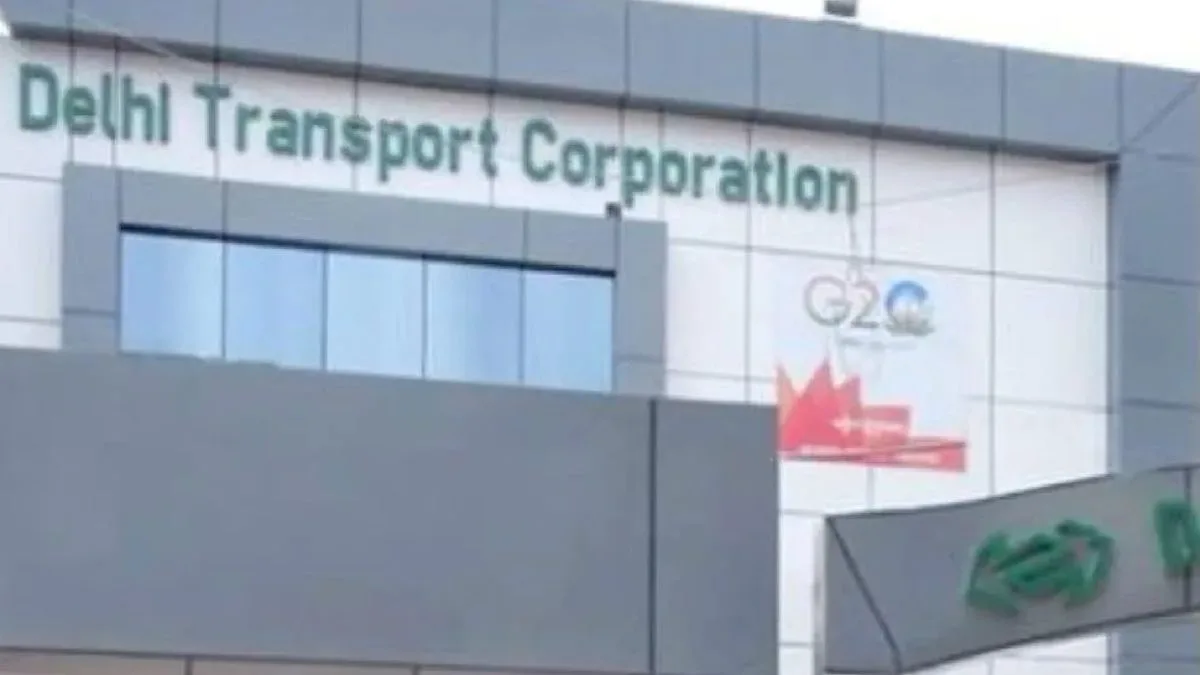
DTC to add 50 eco-friendly buses to its fleet, explore Delhi-Bihar route

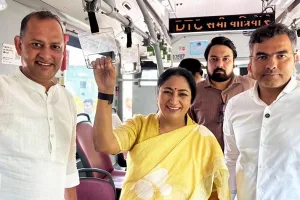
To further enhance public transport and connectivity for the people of the national capital, the Delhi Transport Corporation (DTC) will soon step up inter-state connectivity with the introduction of around 50 environment-friendly air-conditioned 12-meter-long buses on 17 routes.

Statesman News Service | New Delhi |

To further enhance public transport and connectivity for the people of the national capital, the Delhi Transport Corporation (DTC) will soon step up inter-state connectivity with the introduction of around 50 environment-friendly air-conditioned 12-meter-long buses on 17 routes.

These buses will operate on the basis of the benchmark rates prescribed by the Association of State Road Transport Undertakings (ASRTU), officials said.
As part of the these ongoing expansions of interstate transport services, the DTC has already commenced operations of electric buses on key routes including Delhi-Baraut (Uttar Pradesh), Delhi-Sonipat (Haryana), Delhi-Dharuhera (Haryana), and Delhi-Panipat (Haryana), improving connectivity between Delhi and neighbouring regions.

More expansion is also planned via several additional interstate routes, including Nanaksar Delhi-Ghaziabad Bus Terminal, Delhi-Rewari, Delhi-Karnal, Delhi-Rohtak, Delhi-Alwar, and Delhi-Jewar, which are expected to enhance accessibility for daily commuters and regional travelers.

Speaking on the development, Delhi transport Minister Dr Pankaj Kumar Singh said CM Rekha Gupta-led government in the national capital is also working to facilitate religious tourism through improved bus connectivity.
In this regard, new bus services are being planned from Delhi to major religious destinations such as Katra (Vaishno Devi), Khatu Shyam, and Ayodhya, allowing devotees to travel conveniently and safely, Singh added.

Dr Singh also informed that the government is exploring interstate bus connectivity between Delhi and Bihar, keeping in mind the large Poorvanchali population residing in the national capital.

A Memorandum of Understanding (MoU) is expected to be signed soon to operationalise these services and strengthen connectivity between the two regions, he added.
“The Delhi Government is committed to strengthening interstate connectivity and ensuring comfortable and affordable travel for citizens. At the same time, we are expanding bus services to important religious destinations so that devotees from Delhi can travel conveniently to places of faith across the country,” Dr Singh said.

This initiative is part of the broader effort by the state government aimed to strengthen public transport infrastructure, expand interstate mobility, and provide reliable and affordable travel options for all the citizens.

Jharkhand launches AI training programme for rural development staff

Jharkhand’s Rural Development Department has launched an artificial intelligence (AI) training initiative for its officials and employees in a move aimed at strengthening administrative efficiency and digital governance.

Statesman News Service | Ranchi |

Jharkhand’s Rural Development Department has launched an artificial intelligence (AI) training initiative for its officials and employees in a move aimed at strengthening administrative efficiency and digital governance.

The initiative, introduced under the leadership of Rural Development, Rural Works and Panchayati Raj Minister Dipika Pandey Singh, seeks to integrate modern technology into administrative processes to improve transparency, monitoring and decision-making.

As part of the programme, the department established a Rural AI Support Cell on October 17, 2025, to institutionalise the use of AI and digital tools in governance.

Between January and February 2026, the department organised six training sessions in which more than 40 officials and staff members participated. The participants included computer operators, data entry personnel, section officers, assistant officers and officials up to the under-secretary level.

During the training, employees were introduced to the practical use of AI tools in administrative work, including drafting official notes and letters, summarising documents, analysing data, preparing dashboards and generating reports.

Officials were also trained in the use of modern AI platforms such as Claude AI, Microsoft Copilot, Power BI, Perplexity AI and Gamma.

The department plans to develop live dashboards for monitoring schemes such as Pradhan Mantri Awas Yojana-Gramin (PMAY-G) and is also working on creating an Integrated Rural Data Hub to consolidate data from multiple programmes.

An AI-based chatbot is also being planned to help rural citizens access information about government schemes and the status of their applications.

The department said the AI training initiative would be expanded in the next phase to include district and block-level officials as well as personnel from agencies such as the Rural Engineering Organisation (REO) and the Jharkhand State Livelihood Promotion Society (JSLPS).

CM Rekha Gupta honoured with floral fan at ‘Phool Walon Ki Sair’ festival

The melodies filled in vibrancy in the environment and the spirit of Delhi’s cultural legacy and communal harmony reflected all around.

Statesman News Service | New Delhi |

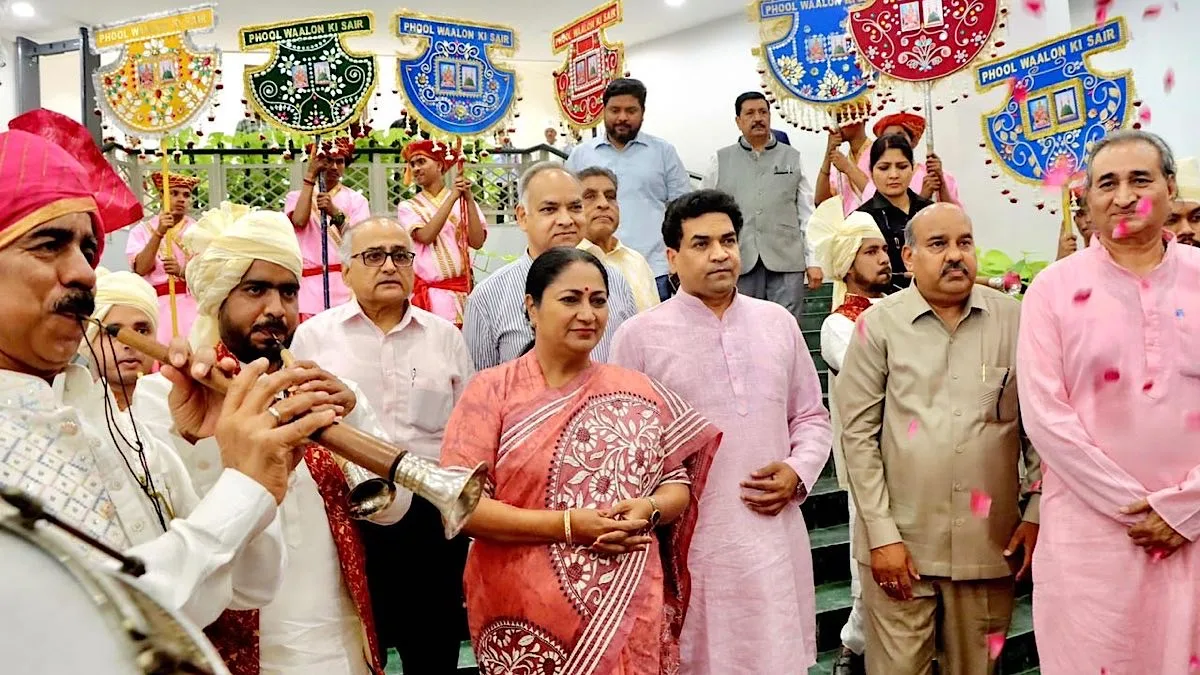
In a special ceremony held at the Delhi Secretariat on Monday to mark the historic “Phool Walon Ki Sair” festival, the premises came alive with the sound of the Shehnai, with celebrations symbolizing the national capital’s rich culture and Ganga-Jamuni ethos.

During the event, members of Anjuman Sair-e-Gul Faroshan extended a traditional welcome to Chief Minister Rekha Gupta amid live Shehnai, they honoured the CM presenting here with a customary floral fan, a long-standing tradition associated with the festival.

The melodies filled in vibrancy in the environment and the spirit of Delhi’s cultural legacy and communal harmony reflected all around.

Delhi Cabinet Minister Kapil Mishra, and several other dignitaries were also present on the occasion.

Speaking at the event, CM Gupta said that the Phool Walon Ki Sair is far more than a festival, it represents a remarkable example of Delhi’s shared cultural heritage and the spirit of harmony that defines the city. According to her, the tradition serves as a reminder that unity and brotherhood have always remained central to India’s diverse cultural fabric.

She reiterated that the Delhi government is committed to preserving and promoting the capital’s historical traditions and cultural events.

Such celebrations, she noted, help connect younger generations with their cultural roots while strengthening mutual respect and social harmony.
Speaking on the occasion, Art, Culture, Language and Tourism Minister Kapil Mishra said the festival plays an important role in reinforcing the city’s shared cultural legacy.

He described Phool Walon Ki Sair as a historic tradition that conveys a message of harmony, unity and brotherhood, which also gives an opportunity for the younger generation to experience Delhi’s rich cultural heritage.

This year, ‘Phool Walon Ki Sair 2026’ is being organised from March 15 to March 21, during which a series of cultural, religious and social programmes are being held across the city.