Logo

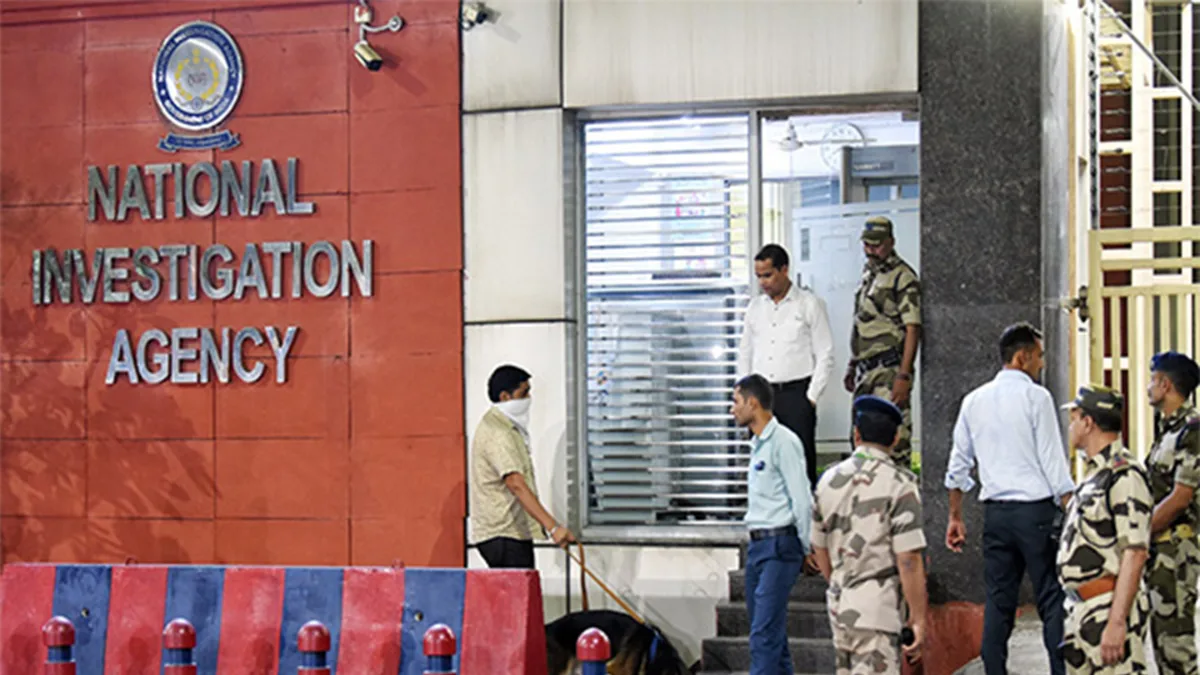
NIA to set up dedicated police station in Bengal

The police station is expected to provide the central anti-terror agency with a dedicated permanent establishment in the state.

Statesman News Service | Kolkata |

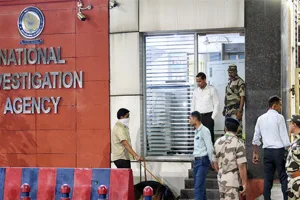
The West Bengal government has approved a proposal to set up a dedicated police station of the National Investigation Agency (NIA) in the state, state Urban Development Minister Agnimitra Paul said after a cabinet meeting on Wednesday.

The police station is expected to provide the central anti-terror agency with a dedicated permanent establishment in the state, which was earlier reliant on local police units in Bengal.

In another development, the Bengal cabinet has also approved several proposals involving the permanent transfer or direct purchase of land for border fencing, border outposts and other security infrastructure along the India-Bangladesh border.

The border districts where the land is being processed for handover to the security agencies include North Dinajpur, Nadia, Malda, Murshidabad and Jalpaiguri.

It has also been decided to hand over land to construct a new steel bridge over a river in Jalpaiguri requested by the Border Security Force (BSF).

CJP protest: Tear gas shells fired, internet cut as fresh violence erupts near Jantar Mantar; ACP among cops injured

According to the preliminary reports, crowd allegedly turned violent and chased a policeman near Park hotel.

Statesman News Service | New Delhi |

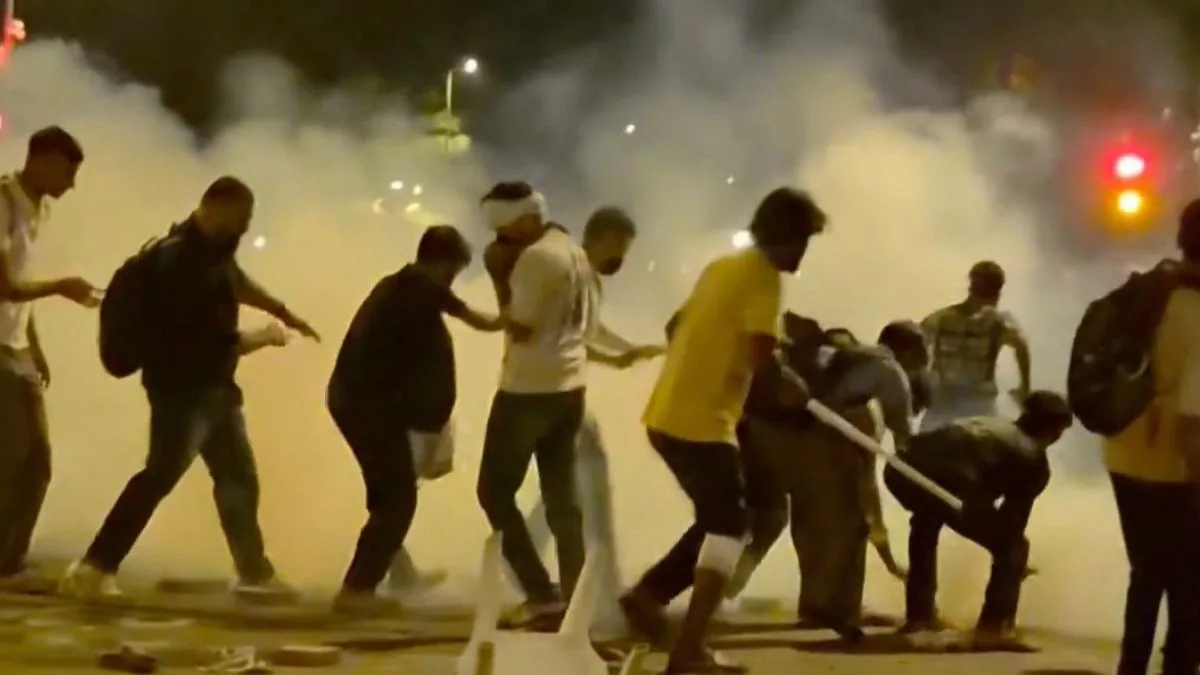
Fresh violence erupted near Delhi’s Parliament street on Wednesday evening, prompting police to fire tear gas shells and cut internet in the area.

According to the preliminary reports, crowd allegedly turned violent and chased a policeman near Park hotel.

Two cops are reportedly injured in the violence while the number of protesters injured were not immediately known.

Following the incident, Delhi Police Commissioner Anurag Kumar reached Parliament Street police station to take stock of the situation.

According to Delhi Police, the violence erupted at around 8:30 pm, near Tolstoy Marg in Connaught Place, when some miscreants attacked the police with stones and bottles, injuring ACP Connaught Place Vivek Bhagat.

Videos being circulated on social medua showed protesters snatching batons from cops and assaulting them.

Warning: Videos below contains explicit language.

Meanwhile, AAP national convener and former Delhi Chief Minister Arvind Kejriwal warned the government against any misadventure.

Expressing fears of a crackdown on the protesters, Kejriwal said, “I have been hearing that internet was snapped near Jantar Mantar, I have also been hearing that security has been beefed up, paramilitary forces have come, people have doubt about possible crackdown.

In a self-made video, the AAP leader went on: “I want to say to Modiji, don’t do any misadventure, you thought, the protest would be over after lifting of Sonam Wangchuk, but it strengthened, you thought, after lathi-charge, tear-gassing, the students would get intimidated, but the protest became even bigger, these are Gen Z people, they are not afraid of anyone, the more you will suppress them, they will become more brazen, please there should be no crackdown.”

The concerning developments comes amid calls of a “Nepal treatment” by some if the protesters.

In a purported video that has surfaced on social media, a protester is hears telling Dipke that it is time to give the government a “Nepal treatment” in response to the alleged police brutality during Monday’s Parliament march.

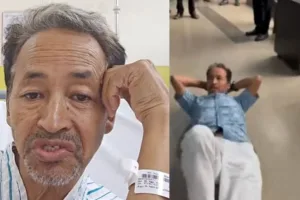
However, the CJP founder dismissed the idea and invoked Mahatma Gandhi to urge the protesters to remain peaceful.

Death toll in NHPC tunnel disaster rises to 15 as three more bodies recovered

Of the 25 personnel trapped inside the tunnel, 13 bodies have been recovered so far, while efforts are underway to evacuate the remaining personnel.

Statesman News Service | Kolkata |

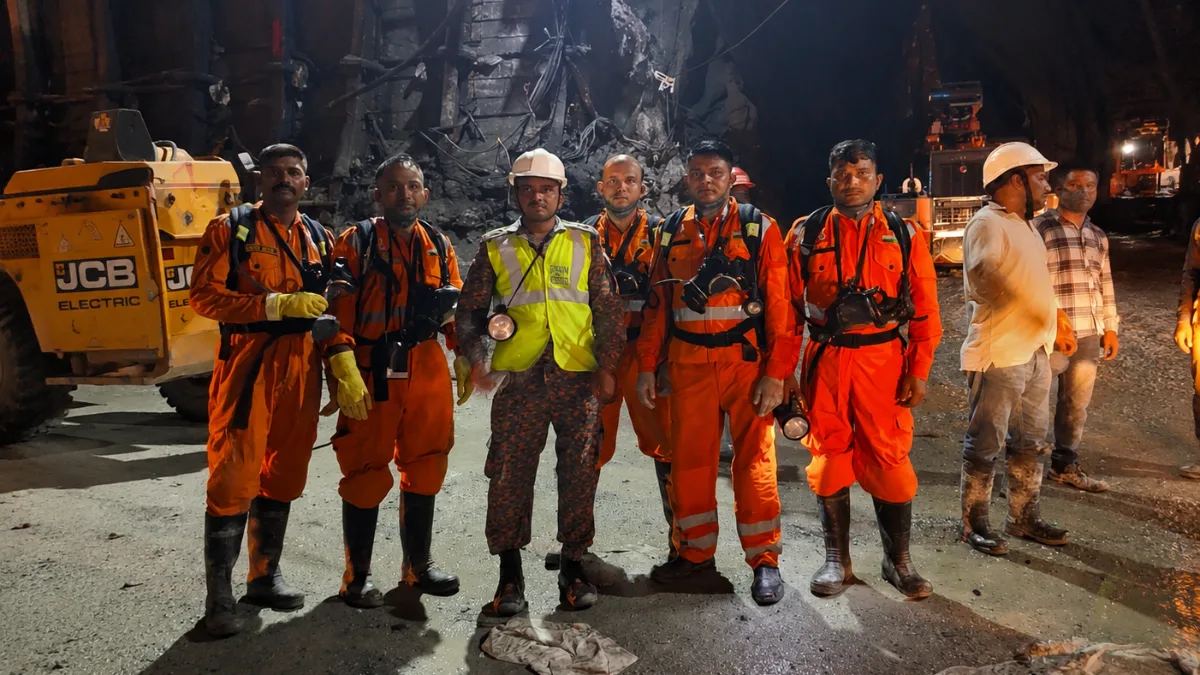
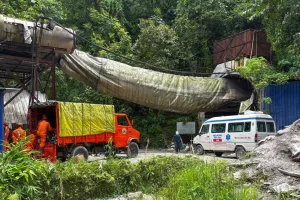
The death toll in the NHPC tunnel disaster at Samardung in South Sikkim’s Namchi district rose to 15 on Wednesday evening after rescue teams recovered three more bodies from the collapsed tunnel.

Speaking to The Statesman, Namchi Superintendent of Police Sonam D. Bhutia confirmed that, as of 6.30 p.m. on Wednesday, three additional bodies had been recovered, taking the total number of fatalities to 15.

The tragedy unfolded on Monday afternoon when a section of the under-construction NHPC tunnel collapsed, trapping several workers inside. Sixteen injured workers were rescued on Monday late evening.

Rescue teams recovered the first seven bodies during the early hours of Tuesday. By the end of the day, the number of bodies recovered had risen to 12. However, persistent heavy rainfall and severe waterlogging inside the tunnel forced authorities to suspend the rescue operation as conditions became too hazardous for personnel.

Fresh rescue operations resumed after noon on Wednesday.

Teams comprising personnel from the National Disaster Response Force (NDRF), specialised mining rescue experts from Asansol, and other agencies re-entered the tunnel. During the operation, three more bodies were recovered one after another, raising the confirmed death toll to 15.

A medical officer in Sikkim said the post-mortem examination confirmed that the four workers whose bodies were recovered from the collapsed tunnel in Namchi district died due to asphyxia and burn injuries.

Rescue operations are continuing to trace the remaining missing workers as specialised teams battle difficult conditions inside the tunnel, Bhutia said.

NHPC has announced an ex-gratia payment of Rs 5 lakh to the next of kin of each worker who lost their life in the tragic tunnel collapse at its under-construction Teesta Stage-VI Hydroelectric Project in South Sikkim.

In a press statement issued on Wednesday, NHPC said rescue operations at the Head Race Tunnel (HRT) are continuing round the clock in coordination with the district administration, NDRF, SDRF, Patel Engineering Limited, Eastern Coalfields Limited, Western Coalfields Limited and other agencies.

Of the 25 personnel trapped inside the tunnel, 13 bodies have been recovered so far, while efforts are underway to locate and evacuate the remaining personnel. NHPC’s top management is present at the site to monitor and coordinate the rescue operations.

Expressing profound grief over the tragedy, the company conveyed its deepest condolences to the bereaved families and announced the Rs 5 lakh ex-gratia compensation for the next of kin of each deceased worker.

West Bengal Minister of State for Home and Hill Affairs Bishal Lama on Wednesday said the state government will provide Rs 5 lakh as ex-gratia to the family of each worker from West Bengal who died in the NHPC tunnel collapse in South Sikkim.

Lama said that 15 bodies have been recovered so far. Of them, seven are from West Bengal—one from Falakata in Alipurduar district and six from Nagrakata and Meteli in Jalpaiguri district.

He said 11 of the trapped workers are believed to be from West Bengal, while rescue operations are continuing to trace the remaining missing workers.

Authorities have started separate inquiries into the tragic incident at the under-construction NHPC Head Race Tunnel (HRT) of the Teesta Stage-VI Hydroelectric Project to ascertain its exact cause.

The 1.5-km-long tunnel posed immense challenges for rescue teams. Personnel could reach only about one kilometre by vehicle and had to cover the remaining 500 metres on foot. According to senior police officials, the tunnel was filled with carbon monoxide and other hazardous gases, making rescue operations extremely difficult.

Officials said the exact cause of the incident is yet to be established. However, workers reportedly heard a loud explosion-like sound before the tunnel became inundated with toxic gases, suspected to include methane.

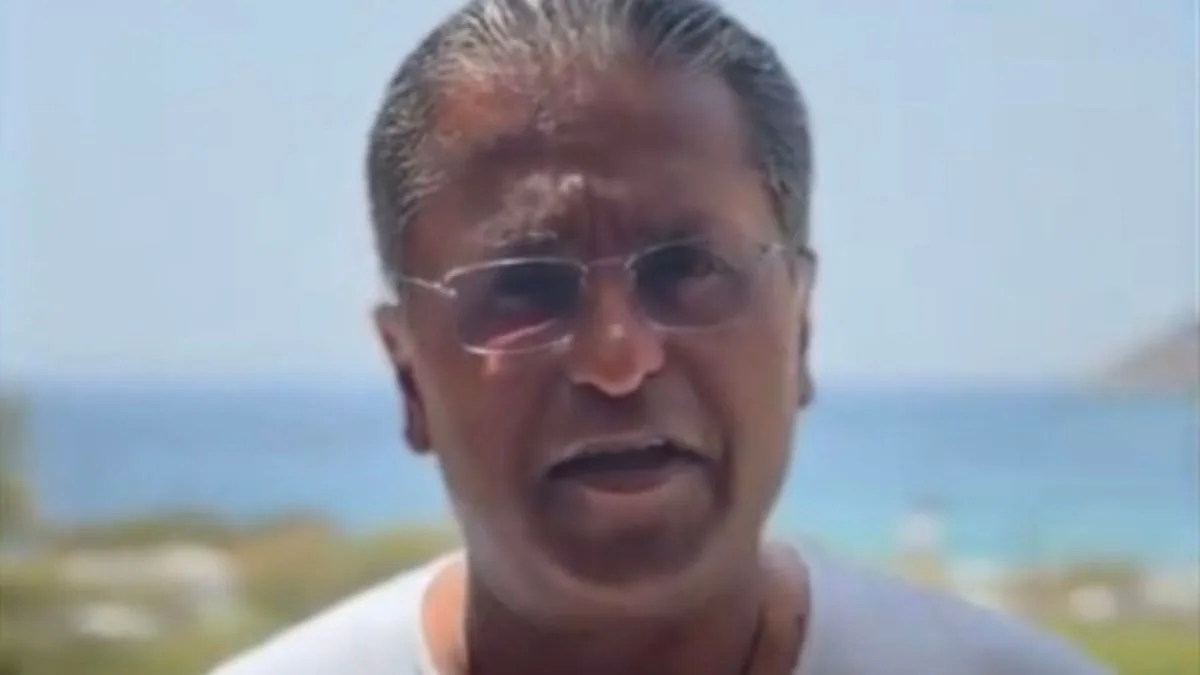
Lalit Modi plans India return after tribunal relief in 2009 IPL FEMA case

Speaking a day after the tribunal’s verdict, Lalit said the ruling brought an end to a legal battle that had lasted 16 years and vindicated his stand on the decisions taken during the 2009 IPL season.

Statesman News Service | New Delhi |

A day after receiving major relief from the Appellate Tribunal under the Smugglers and Foreign Exchange Manipulators (Forfeiture of Property) Act (SAFEMA) in the long-running FEMA case linked to the 2009 IPL in South Africa, former IPL chairman Lalit Modi plans to return to India by the end of this year or early next year.

Speaking a day after the tribunal’s verdict, Lalit said the ruling brought an end to a legal battle that had lasted 16 years and vindicated his stand on the decisions taken during the 2009 IPL season.

“I’m really happy with the verdict yesterday. It’s really been a great day. Sixteen years I have fought and whatever I have been saying to the media and to everybody has finally emerged as the truth,” he said.

“I’m really happy that the tribunal has ruled in my favour. I was only concerned with the well-being of the IPL and nothing and nothing at all. That is the most dear to me,” he added.

Lalit also said he now hopes to return to India after spending years abroad. “Now that chapter is behind me, I’m going to move on in my life and I’m looking forward to coming back to India. I will come back probably end of this year or early next year. My daughter is due with my grandson in October and hopefully everything will be well and I’ll be back in India,” he said.

Tribunal grants major relief

The Appellate Tribunal under SAFEMA has rejected most of the Enforcement Directorate’s findings and penalties against the BCCI and its office-bearers – N Srinivasan, MP Pandove and Lalit Modi, the secretary, treasurer and vice-president, respectively, at that time.

The case dates back to the BCCI’s decision to shift the 2009 IPL season to South Africa because of security concerns during India’s general elections.

The Enforcement Directorate had alleged that foreign exchange worth USD 49.86 million (more than Rs 243 crore at current value) was transferred outside India without prior approval from the Reserve Bank of India. It issued FEMA show-cause notices in 2011 and later passed penalty orders in 2018 against Lalit, former BCCI officials and others, who subsequently challenged the orders before the SAFEMA Appellate Tribunal.

In its 105-page order dated July 16, a division bench comprising Chairman Justice Munishwar Nath Bhandari and Member Rajesh Malhotra held that Lalit was not responsible for the alleged FEMA violations.

The tribunal observed that Lalit was “not in-charge of the affairs and otherwise he has been framed in the case without any material showing his responsibility.”

It further ruled: “The penalty imposed on Shri Lalit Modi is wholly erroneous is thus interfered.”

The tribunal also rejected the Enforcement Directorate’s primary argument, holding that the foreign remittances related to the 2009 IPL were current account transactions rather than capital account transactions. It further concluded that Lalit was neither responsible for BCCI’s FEMA compliance nor vested with the financial authority alleged by the agency.

Following the verdict, Lalit issued a statement through his lawyer on Tuesday welcoming the order, saying, “The Tribunal has rejected the central premise on which the Enforcement Directorate’s case against me had been built. It held that the principal foreign remittances relating to the staging of IPL 2009 in South Africa were current account transactions, not capital account transactions, thereby overturning the foundation of the earlier findings.”

“The Tribunal also found that I was neither responsible for BCCI’s statutory FEMA compliance nor vested with the financial authority alleged by the Enforcement Directorate, and it has set aside the penalties imposed on me in the principal proceedings. This marks the conclusion of what has been the single most significant legal matter arising from the 2009 South Africa IPL. For over sixteen years I have consistently maintained one simple position: I acted in good faith, in the best interests of Indian cricket and the IPL, and committed no personal wrongdoing.”

Reflecting on the decision to move the league to South Africa, he said, “The decision to move the tournament to South Africa in 2009 was taken under extraordinary circumstances when India’s general elections made it impossible to host the tournament at home. The successful staging of that season ensured that the IPL survived and ultimately became one of the world’s most valuable sporting properties.”

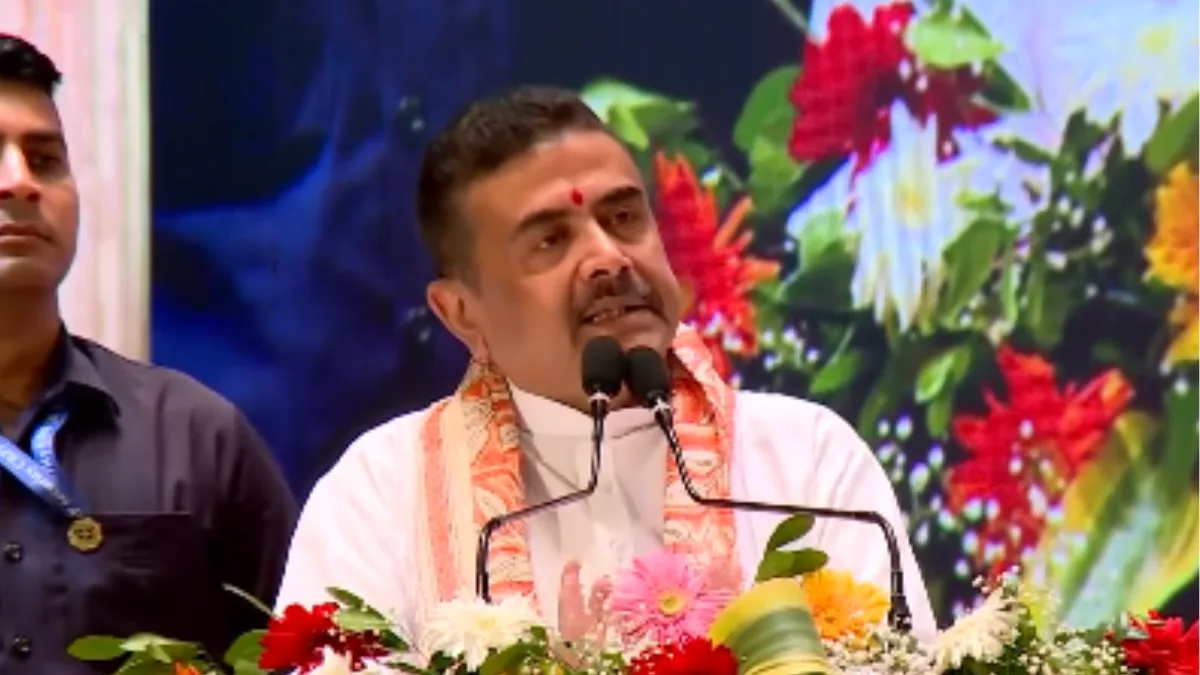
Bengal suffered due to TMC’s anti-industry policies: Suvendu at Rozgar Mela

Suvendu Adhikari said West Bengal has one of the country’s best human resources and stressed the need to harness that talent through skill development.

Statesman News Service | Kolkata |

West Bengal Chief Minister Suvendu Adhikari alleged that the state’s employment situation had deteriorated under the previous Trinamool Congress government because of its “anti-industry” policies.

The chief minister said that the BJP government is now focusing on skill development, industrial growth and transparent recruitment to generate jobs.

“For years, industries did not come to Bengal and, as a result, ancillary industries also failed to develop. Sectors like MSMEs and food processing, despite their immense potential, were neglected,” Adhikari said while addressing a Rozgar Mela on Wednesday.

“We are trying to create an industry friendly atmosphere so that industries come to Bengal. We are also focussing on skill development and a transparent recruitment process,” the chief minister said.

The Chief Minister said West Bengal has one of the country’s best human resources and stressed the need to harness that talent through skill development.

He said the state government would establish more technical institutions and strengthen high-skill and semi-skilled training, noting that conventional academic education alone cannot meet the demands of the job market.

Adhikari alleged that investors had turned away from Bengal during the previous regime, resulting in poor industrial investment.

Referring to the Centre’s Vishwakarma Yojana, he said around 8.65 lakh applications had remained pending as the state had not participated in the scheme earlier, adding that the BJP government had forwarded all the applications after assuming office.

The chief minister also announced plans to upgrade the state’s polytechnic institutions and said private educational institutes would be held to higher standards of accountability and transparency.

Alleging excessive commercialisation in the sector, he said institutions could no longer operate on a “collect fees and issue certificates” model.

Calling the youth the leaders of a “Viksit Bharat”, Adhikari said the government would make recruitment to bodies such as the School Service Commission and College Service Commission free from political influence by following the standards adopted by the Union Public Service Commission and the Centre’s employment system.

Reading between the lines: Is Opposition’s protest on paper leaks also linked to Delimitation Bill?

As the Narendra Modi government works to secure the two-thirds majority in the Lok Sabha required for constitutional amendments, is the Opposition sensing an opportunity in the NEET-UG paper leak issue to stall any move to introduce legislation linked to delimitation?

Vibha Sharma | New Delhi |

As the Narendra Modi government works to secure the two-thirds majority in the Lok Sabha required for constitutional amendments, is the Opposition sensing an opportunity in the NEET-UG paper leak issue to stall any move to introduce legislation linked to delimitation?

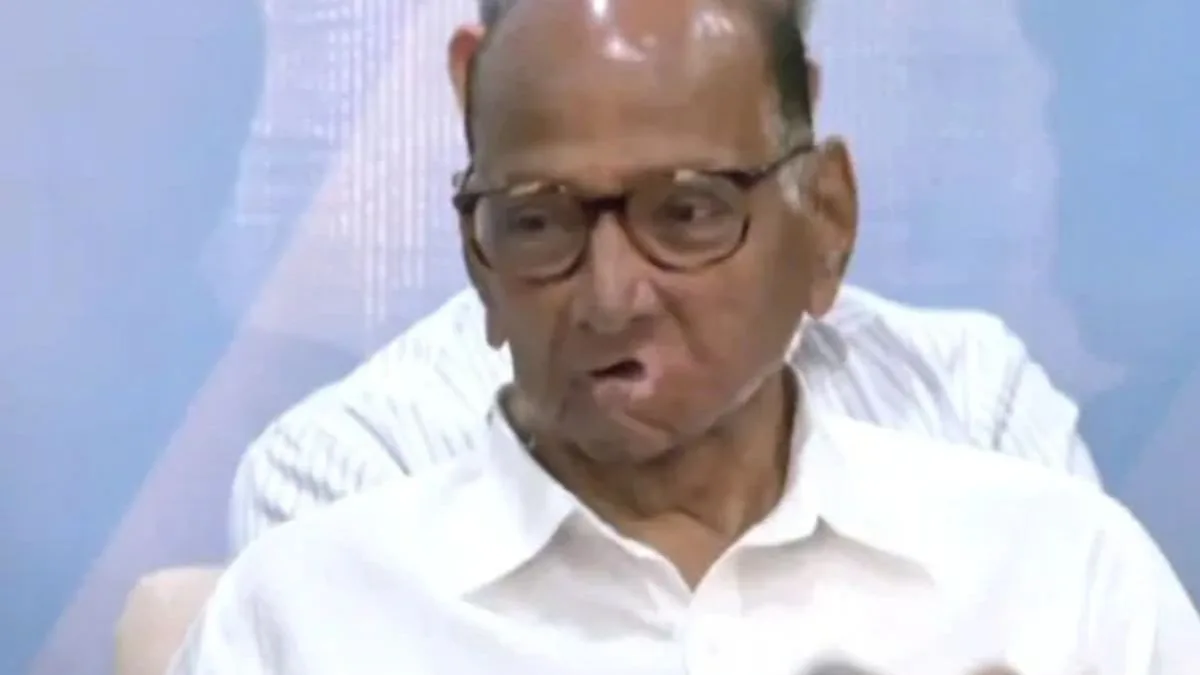
On Wednesday, NCP chief Sharad Pawar and his daughter, MP Supriya Sule, met Prime Minister Narendra Modi, triggering fresh speculation on shifting political equations. The meeting followed indications that Opposition parties such as the NCP (SP) and the DMK might extend conditional support to the government’s delimitation proposal, thus strengthening the BJP-led NDA’s prospects of securing the numbers needed for constitutional amendments in the ongoing Monsoon Session.

Political observers believe this may be the Congress’ best opportunity to slow the BJP-led government’s attempt to redraw Lok Sabha constituencies.

A constitutional amendment requires passage in both Houses of Parliament by a special majority—more than half of the total members in each House and a two-thirds majority of those present and voting. Crucially, the House must be functioning normally at the time of voting.

The government has an ambitious legislative agenda for the ongoing session, including several key Bills. While it is unlikely to face difficulty passing ordinary legislation with the support of allies and smaller parties, constitutional amendments present a more complex challenge.

The Opposition’s arithmetic has also changed since the last Parliament session. Parties such as the Trinamool Congress and the Shiv Sena (UBT), weakened by defections and internal rebellions over the past three months, may find it harder to back the INDIA bloc in blocking major legislative initiatives.

If parties such as the NCP (SP) or the DMK either support the government or abstain during voting, the government’s task could become significantly easier. Since constitutional amendments require the support of two-thirds of members present and voting—not the total strength of the House—abstentions, absences, or walkouts by Opposition parties would reduce the effective threshold, improving the government’s chance of securing passage.

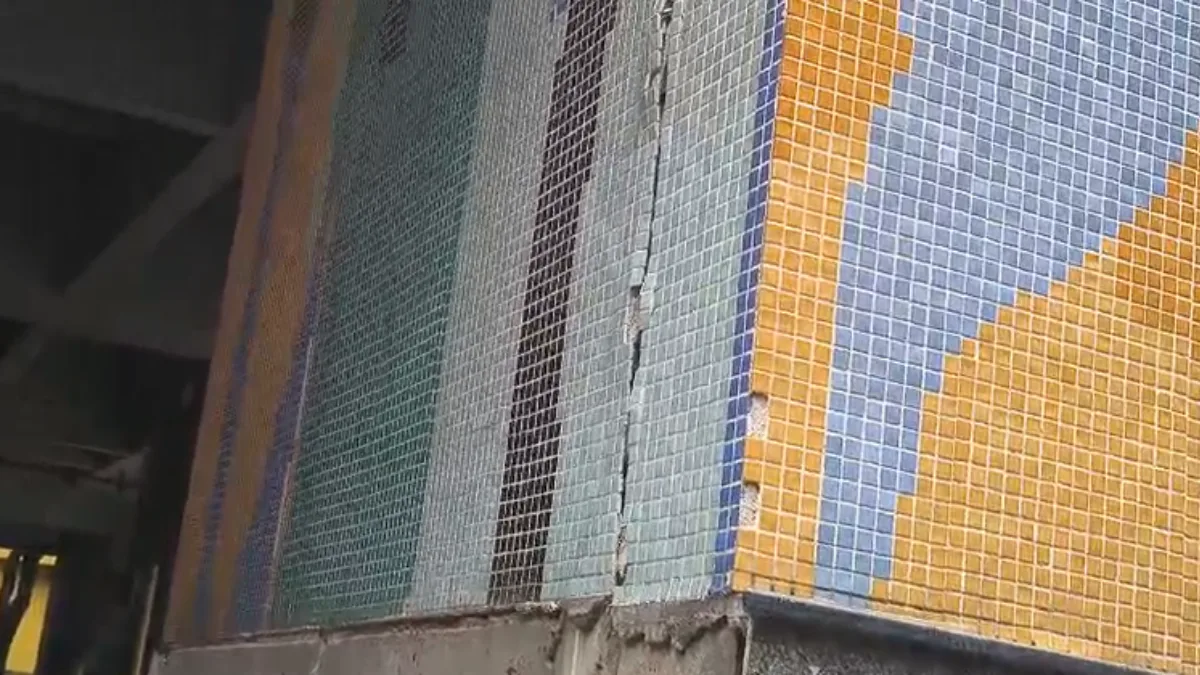
Cracks spotted at pillar of Kolkata’s City Centre metro station | Watch

City Centre metro station is a part of the new corridor of the Green Line that spans from Howrah Maidan to Salt Lake Sector V.

Statesman News Service | Kolkata |

A year after cracks in platform columns at Kavi Subhash Metro station in Kolkata, fissures were observed on the pillars of City Centre Metro Station in the city on Wednesday.

City Centre metro station is a part of the new corridor of the Green Line that spans from Howrah Maidan to Salt Lake Sector V. The cracks were reportedly first observed on the pillar of the metro station were visibly deep.

To examine the cracks, a team consisting chief engineer, structural engineers and other senior officials of the Kolkata Metro Railway reached the spot. According to the city metro railway office, a team of engineers started a technical study and other examinations of the cracks.

The revealation triggered apprehension among sections of daily commuters who anticipated a similar situation like Kavi Subhash Metro Station.

Ruling out any such possibilities, the Kolkata Metro Railway office said the City Centre Metro station is completely safe for operations.

“Preliminary report indicated that what was observed on Wednesday can be described as cladding, commonly referred to an external crack, that has not affected the main structure and the station is fully safe,” the chief public relations officer of Kolkata Metro Railway, S.S. Kanan said.

“Metro services are normal. The cladding crack as per the preliminary report shall be attended to,” he added.

Earlier on 28 July, 2025 cracks were observed in four columns of the platform of Kavi Subhash Metro station, prompting the authorities to suspend commercial services as a precautionary measure.

The cracks were suspected to have resulted from uneven settlement of the platform due to heavy rains that the city had witnessed in July 2025. Later, the metro authorities decided to repair and reconstruct the affected parts of Kavi Subhash Metro Station.

Sindhu advances, Ayush stuns World No. 11 to reach China Open pre-quarters

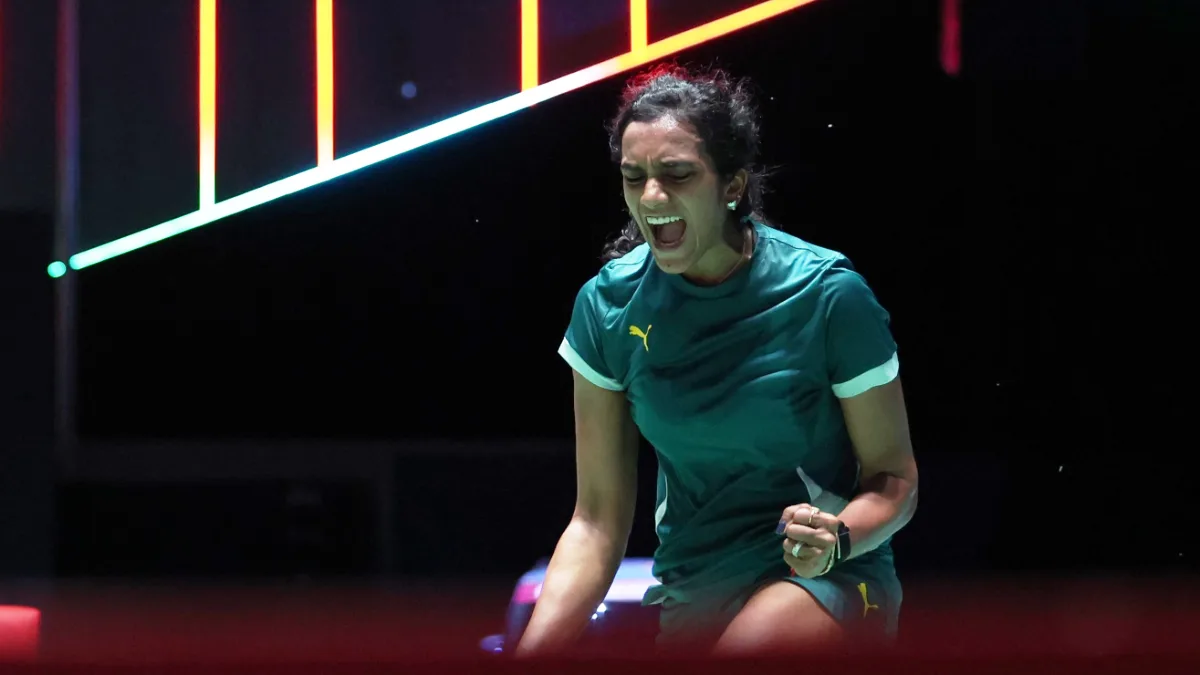
Fresh from ending her title drought by winning the Japan Open on Saturday, PV Sindhu continued her impressive run of form with a hard-fought first-round win at the China Open, while Ayush Shetty pulled off one of the biggest upsets of the day by defeating Indonesia’s World No. 11 Alwi Farhan to reach the men’s singles pre-quarterfinals in Changzhou on Wednesday.

Statesman News Service |

Fresh from ending her title drought by winning the Japan Open on Saturday, PV Sindhu continued her impressive run of form with a hard-fought first-round win at the China Open, while Ayush Shetty pulled off one of the biggest upsets of the day by defeating Indonesia’s World No. 11 Alwi Farhan to reach the men’s singles pre-quarterfinals in Changzhou on Wednesday.

The two-time Olympic medallist defeated fellow Indian Unnati Hooda 21-14, 9-21, 21-10 in a 56-minute contest. The victory also gave Sindhu a measure of revenge after Hooda had knocked her out of the China Open last year. Although the Hyderabadi shuttler lost the second game, she bounced back strongly in the decider to seal her place in the second round.

Sindhu will next face a tough challenge against fourth seed and former Olympic champion Chen Yufei of China. The Indian will head into the match with confidence after beating Chen during her title-winning run at the Japan Open.

Ayush Shetty also enjoyed a memorable day, defeating former World Junior champion Alwi Farhan 21-17, 5-21, 21-17 to book his place in the last 16.

The win was particularly satisfying for Shetty, who had lost to Farhan in the semifinals of the 2023 World Junior Championships. After taking the opening game, the Indian struggled in the second as Farhan fought back strongly. However, Shetty regained control in the decider and held his nerve to register one of the biggest wins of his senior career.

India’s doubles campaign, however, ended in disappointment.

In mixed doubles, Rohan Kapoor and Ruthvika Shivani Gadde lost in straight games to top seeds Yan Zhe Feng and Dong Ping Huang. Dhruv Kapila and Tanisha Crasto also bowed out after suffering a defeat against China’s Xin Wa Guo and Fang Hui Chen.

In men’s doubles, M.R. Arjun and Hariharan Amsakarunan were beaten by fourth seeds Wei Keng Liang and Chang Wang, ending India’s challenge in the discipline.

Later on Wednesday, Lakshya Sen was scheduled to begin his men’s singles campaign against Japan’s Yushi Tanaka.

Glasgow 2026 gets underway on Thursday as India eye strong start in lawn bowls

The 2026 Commonwealth Games get underway in Glasgow on Thursday, with around 3,000 athletes from 74 nations and territories competing across 10 sports. A total of 215 gold medals will be up for grabs during the Games.

Statesman News Service | New Delhi |

The 2026 Commonwealth Games get underway in Glasgow on Thursday, with around 3,000 athletes from 74 nations and territories competing across 10 sports. A total of 215 gold medals will be up for grabs during the Games.

India will be making its 19th appearance at the Commonwealth Games, having first competed in 1934. This year, a 124-member Indian contingent will take part across eight able-bodied sports and five para-sports.

Glasgow stepped in only after Australia’s Victoria state withdrew from hosting because of spiralling costs, forcing organisers to rethink the event.

The result is a significantly scaled-back Games featuring just 10 sports – the fewest since the 1994 edition – spread across four venues: the Scottish Event Campus, Glasgow Arena, Scotstoun Stadium, and Tollcross International Swimming Centre.

India’s campaign begins with lawn bowls, the sport that produced one of the country’s most memorable moments at the 2022 Commonwealth Games in Birmingham, where they returned with 61 medals.

Four years ago, the Indian women’s fours team of Lovely Choubey, Pinki, Nayanmoni Saikia and Rupa Rani Tirkey scripted history by defeating South Africa to win the gold medal. It was India’s first-ever Commonwealth Games medal in lawn bowls, a sport that has featured in every edition of the Games since 1930, except in 1966.

India also enjoyed success in the men’s competition, with Sunil Bahadur, Chandan Singh, Navneet Singh and Dinesh Kumar winning the silver medal in the men’s fours event. The men’s pairs team also narrowly missed out on a podium finish.

The Indian lawn bowls squad will now look to build on that success when competition begins in Glasgow. The opening ceremony will be held at the OVO Hydro, one of Glasgow’s most iconic indoor arenas, from 10:30 PM IST.

After England snub, Kuldeep lands Yorkshire county deal

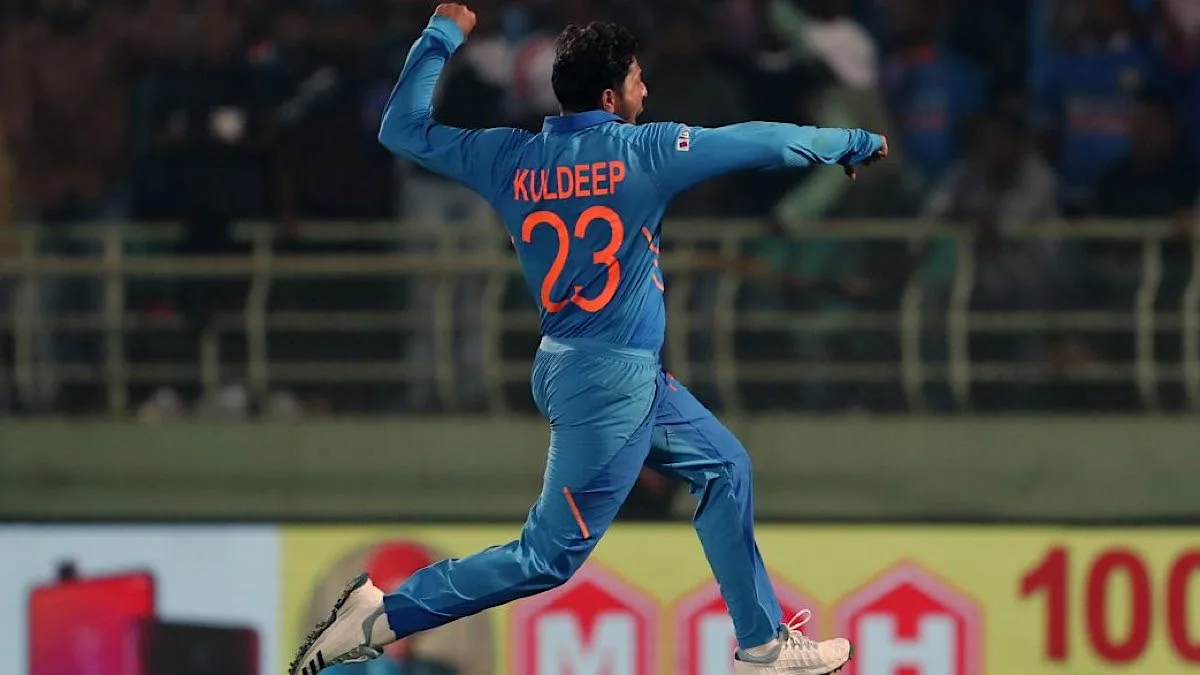
India left-arm wrist-spinner Kuldeep Yadav is set to make his debut in English county cricket after signing for Yorkshire for two separate spells during the ongoing domestic season.

Statesman News Service | New Delhi |

India left-arm wrist-spinner Kuldeep Yadav is set to make his debut in English county cricket after signing for Yorkshire for two separate spells during the ongoing domestic season.

Kuldeep will first feature in five One-Day Cup matches between July 24 and August 2 before returning to India for the two-Test tour of Sri Lanka in August, where he is expected to be part of the squad. He will then rejoin Yorkshire in September for the club’s final three County Championship matches of the season.

The move comes just days after Kuldeep went through India’s entire white-ball tour of Ireland and England without playing a single match. His omission from all 10 white-ball games, even after Washington Sundar was ruled out through injury, drew widespread attention.

Speaking after completing the deal, Kuldeep said he was looking forward to testing himself in English conditions.

“I’ve always enjoyed the challenge of playing in English conditions and after speaking with the management, I became really excited to join up with the team,” Kuldeep said. “I’m looking forward to making a positive contribution during my time at Headingley.”

Kuldeep has toured England three times with India but has played only one Test in the country. He featured in Lord’s Test in 2018, where he bowled just nine overs.

The 30-year-old last played red-ball cricket in the one-off Test against Afghanistan in June. He has taken 79 wickets in 18 Tests at an average of 22.35, while his ODI record stands at 194 wickets from 121 matches, including a career-best 6 for 25. Kuldeep has also been part of India’s two T20 World Cup-winning squads.

Yorkshire General Manager Gavin Hamilton believes the spinner will strengthen the side during the closing stages of the season.

“Kuldeep is an accomplished, international quality player who will add incredible strength to our lineup for these blocks of fixtures,” Hamilton said. “Given the dry summer we’ve experienced, we expect spin to play an important role during the closing stages of the season. Kuldeep gives us another dimension with his left-arm wristspin and brings a wealth of experience at the highest level.”

Kuldeep becomes the second active Indian spinner to feature in the County Championship this season after left-arm spinner Manav Suthar, who is currently representing Warwickshire.
When he makes his Yorkshire debut against Glamorgan on Friday, Kuldeep will also become the fifth Indian to play for the county after Sachin Tendulkar, Yuvraj Singh, Cheteshwar Pujara and Mayank Agarwal. Ruturaj Gaikwad had signed for Yorkshire in 2025 but later withdrew for personal reasons.

Jaishankar, Rubio agree on importance of Indo-US interim trade deal, discuss defence pacts

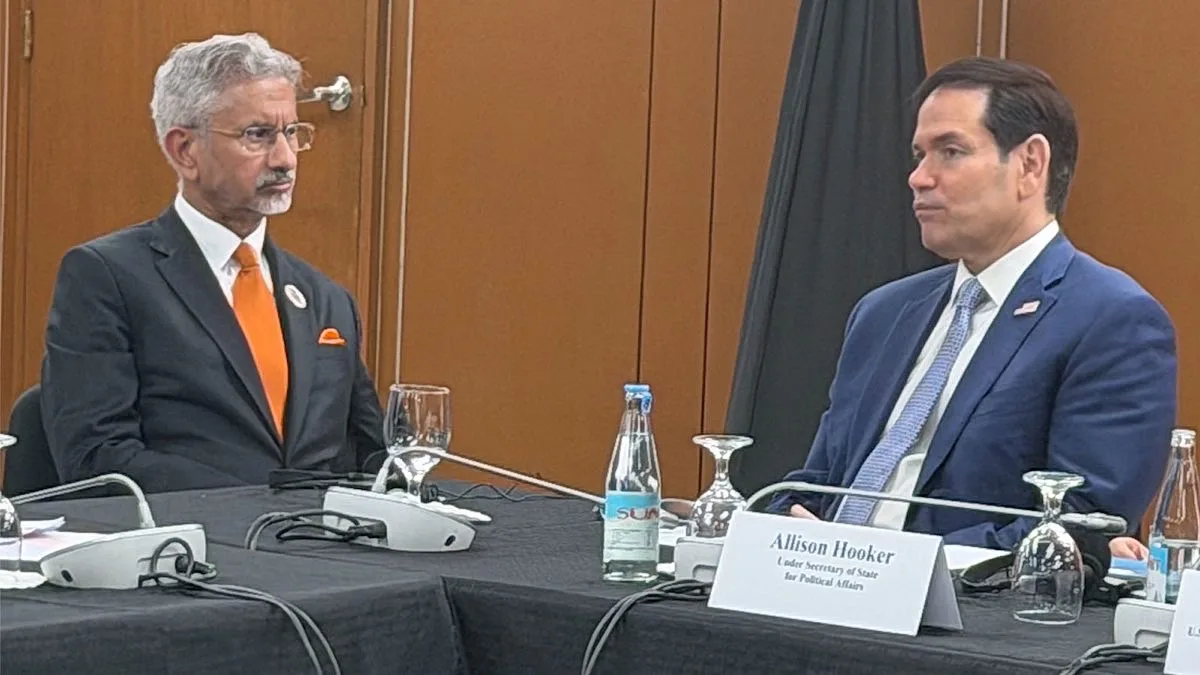
External Affairs Minister S Jaishankar and US Secretary of State Marco Rubio on Wednesday agreed on the importance of finalising an interim trade deal between the two countries which is almost complete.

Statesman News Service | New Delhi |

External Affairs Minister S Jaishankar and US Secretary of State Marco Rubio on Wednesday agreed on the importance of finalising an interim trade deal between the two countries which is almost complete.

The two leaders also discussed finalising bilateral defence agreements in fulfillment of commitments made between Prime Minister Narendra Modi and President Donald Trump last year.

Meeting in Manila on the margins of ASEAN engagements, they also reviewed recent developments in West Asia, including the ongoing war, and the Indo-Pacific, the US Department of State said in a press release.

In a social media post on X, Jaishankar said, ‘’Pleased to meet @SecRubio of the USA Here in Manila. Our meeting focused on areas which are priority for the Indo-US Comprehensive Global Strategic Partnership, including trade & tariffs, energy, defence & security, critical minerals & artificial intelligence. We also exchanged quick perspectives on regional, global and multilateral issues of mutual interest.’’

Book shops at College Street will not be razed, assures Agnimitra; shares vision on Boipara

The plan is inspired by international models such as London’s Oxford Street and aims to create a modern, pedestrian-friendly public space that encourages reading.

Statesman News Service | Kolkata |

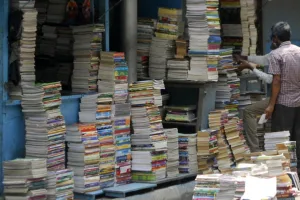
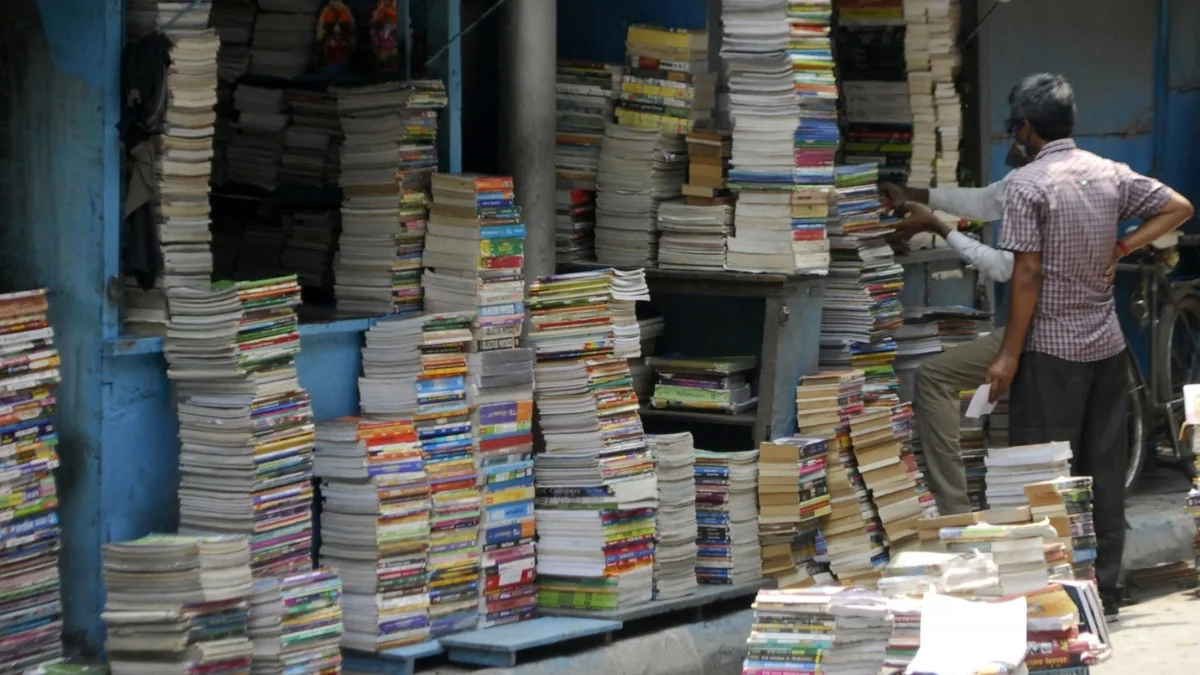
Kolkata’s College Street widely-known for its iconic ‘Boipara’ will not be turned into an entirely vehicle-free zone and its pavement book shops will not be razed, Bengal Urban Development and Municipal Affairs Minister Agnimitra Pal assured on Wednesday.

Paul, who conducted a survey of College Street along with Kolkata Municipal Corporation’s (KMC) Commissioner Smita Pandey and senior officials from the urban development dpeartment, mentioned that only selected stretches would be made vehicle-free, with provisions for cycle tracks and battery-operated vehicles.

The minister said the proposed redevelopment would seek to preserve College Street’s historic identity while making it cleaner, more organised and attractive to visitors.

The plan is inspired by international models such as London’s Oxford Street and aims to create a modern, pedestrian-friendly public space that encourages reading, particularly among younger generations who are mostly hooked to smartphones and social media platforms.

Paul said the state government is mulling to have uniform, specially designed stalls for traders selling books, notepads and related stationery items. The aim is to organise the area without affecting the livelihoods of the small traders who have operated from the pavements for decades.

“We want to have a uniform design theme for the book stalls and those that sell stationary items in the area. This will give a cleaner look to College Street that has been a favourite desitination for generations, particularly students,” Pal told The Statesman on Wednesday.

She added that visitors would be able to access bicycles within the area, while battery-operated vehicles would be available for senior citizens and people with mobility challenges.

The broader proposal includes heritage-themed trams, uniform bookshops, vintage-style lamp posts, seating areas and free Wi-Fi, with the aim of creating a relaxed environment where visitors can browse books, read and spend time in the historic spot.

However, Paul clarified that the main connecting road through College Street would not be affected by the proposed changes for now, given its importance as a major traffic corridor.

During her visit, the minister interacted with pedestrians and pavement traders before holding discussions with officials on the proposed redevelopment and beautification plans.

Paul also visited multiple pavement stretches in the Park Street area and asked hawkers to keep pavements clear for pedestrians. She said she would return to inspect the area and check compliance.

The government is also considering a similar international-standard reading and recreational space in Asansol, along the stretch between Bhutaberia and Chhat Ghat on the Damodar riverfront in Asansol South.

DMRC’s engineering feat: Steel span placed across NH-9, Meerut E-Way without disturbing traffic

The Delhi Metro Rail Corporation (DMRC) achieved an engineering milestone by successfully placing a mammoth 58-metre span across the NH-9, and the Delhi-Meerut Expressway, just after the Noida Electronic City Metro station on the Blue Line.

Statesman News Service | New Delhi |

The Delhi Metro Rail Corporation (DMRC) achieved an engineering milestone by successfully placing a mammoth 58-metre span across the NH-9, and the Delhi-Meerut Expressway, just after the Noida Electronic City Metro station on the Blue Line.

According to DMRC, this is perhaps the first occasion when the Metro viaduct has crossed over an operational expressway.

A reversal facility is being constructed for the Metro trains after the Noida Electronic City station so that trains can smoothly reverse after completing their trips.

This section involves the erection of two special steel spans of 58 metres and 73 metres, both of which will cross the National Highway- 9, and the Delhi– Meerut Expressway.

While the 58-metre span (58.216 metres) has now been installed between Piers 384 and 385, the other span shall be erected within the next few months of this year.

The civil work for this reversal facility shall be completed by the end of the year, after which other components such as track laying and electrification shall be carried out.

Interestingly, this was a major engineering feat for the Delhi Metro engineers, since traffic on the busy highway and expressway below was not disrupted for even a single day.

Trussles (structural framework composed of interconnected elements), were erected at specific places on the highway, and the expressway, on which beams were put, and then special pre-cast steel span was pulled using machinery called the ‘Winch’.

The span was put on the beam from the Indirapuram side and pulled slowly towards the Noida city site safely crossing the highway and expressway below.

The entire operation was monitored closely by DMRC’s engineers round the clock, and the entire operation was executed by continuously working round-the clock for two consecutive days, 20 July (afternoon) to 22 July (early morning) (Monday afternoon to Wednesday early morning), that too when traffic was continuously moving throughout the day.

Adani Dharavi SPV launches 24-hour interactive AI helpline for residents

Adani Navbharat Developers Private Limited (ANDPL), the special purpose vehicle (SPV) company undertaking the Dharavi Redevelopment Project (DRP), officially announced here on Wednesday that it has launched an Artificial Intelligence (AI) platform called ‘Dharavi Didi’, which will act as a 24×7 interactive AI companion answering all questions from Dharavi slum dwellers regarding the project’s redevelopment and rehabilitation.

Statesman News Service | Mumbai |

Adani Navbharat Developers Private Limited (ANDPL), the special purpose vehicle (SPV) company undertaking the Dharavi Redevelopment Project (DRP), officially announced here on Wednesday that it has launched an Artificial Intelligence (AI) platform called ‘Dharavi Didi’, which will act as a 24×7 interactive AI companion answering all questions from Dharavi slum dwellers regarding the project’s redevelopment and rehabilitation.

The ‘Dharavi Didi’ interactive AI platform, which is accessible through video calls, voice calls and WhatsApp, will interact in Hindi, Marathi and English, according to the ANDPL statement, adding that the platform will provide similar support in Tamil, Telugu as well as Gujarati in the coming months, reflecting Dharavi’s cultural and linguistic diversity.

However, there was no mention of Odiya language or Bengali language support on the ‘Dharavi Didi’ interactive AI platform.

“The initiative reflects ANDPL’s evolving engagement with Dharavi residents, pairing its extensive on-ground outreach with technology to make official information more accessible, transparent and inclusive. ‘Dharavi Didi’ extends that engagement beyond the field, ensuring trusted information is available whenever residents need it,” according to the statement.

The 24×7 interactive ‘Dharavi Didi’ AI companion will give residents instant access to official information on surveys, eligibility, documentation, rehabilitation and every stage of the redevelopment journey, according to the ANDPL statement.

“Whether residents want to understand surveys, eligibility, required documents or project updates, ‘Dharavi Didi’ is available round the clock to provide clear answers in a simple and conversational manner. Alongside our ongoing Information, Education and Communication (IEC) initiatives, this is another step towards making authentic information easily accessible to every Dharavikar. Residents no longer have to wait for office hours to receive answers from official sources,” according to the statement.

The Adani Group’s SPV Adani Navbharat Developers Private Limited (ANDPL) is a joint venture between the Government of Maharashtra and the Adani Group. It is executing the Dharavi Redevelopment Project (DRP), which is said to be ‘the largest urban rejuvenation project in the world’ and ‘the first step towards making Mumbai slum-free’.

It may be recalled that the Adani Group emerged as the winning bidder for the Dharavi Redevelopment Project (DRP) in November 2022, pledging an initial investment of Rs 5,069 crore to kickstart the long-awaited transformation of one of Asia’s largest slum clusters.

The ANDPL has a 7-year deadline to construct the homes required for rehabilitation, while the government has set an overall 17-year timeline to complete the full redevelopment of Dharavi. About 1.25 lakh to 1.5 lakh new homes will be constructed to rehabilitate about 10 lakh residents of Dharavi, according to the deal with the Maharashtra government.

“Our objective is to ensure that every resident has direct access to accurate and verified information. ‘Dharavi Didi’ is designed to answer questions with clarity, build confidence through transparency and help residents make informed decisions throughout the redevelopment journey,” according to the company statement.

According to the company statement, the ‘Dharavi Didi’ interactive platform is built with simplicity in mind and is designed to be accessible even for first-time digital users. By making official information readily accessible, Dharavi Didi helps residents better understand the redevelopment process and navigate each stage with confidence.

“As the redevelopment unfolds, ‘Dharavi Didi’ will continue to evolve with new information and services, helping residents stay informed and navigate every milestone with confidence. For a project that will transform one of the world’s largest informal settlements, earning trust through transparent communication is every bit as important as building new homes,” the company statement added.

Four Delhi Metro stations near Jantar Mantar closed as CJP protest at Jantar Mantar enters 32nd day

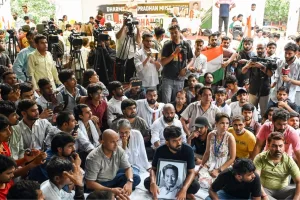
Heavy security was deployed in and around Jantar Mantar as the Cockroach Janata Party’s (CJP’s) protest entered its 32nd day on Wednesday, with demonstrators continuing to demand the resignation of Union Education Minister Dharmendra Pradhan over the alleged irregularities in the NEET examination.

Statesman News Service | New Delhi |

Heavy security was deployed in and around Jantar Mantar as the Cockroach Janata Party’s (CJP’s) protest entered its 32nd day on Wednesday, with demonstrators continuing to demand the resignation of Union Education Minister Dharmendra Pradhan over the alleged irregularities in the NEET examination.

The CJP has been protesting at Jantar Mantar since June 20. The party is demanding Pradhan’s resignation over the alleged irregularities in the NEET examination. It has also called for reforms to the examination system and action against those responsible for the alleged paper leaks.

Speaking to reporters, CJP National Spokesperson Ashutosh Ranka said, “This is the biggest movement in India’s post-Independence history…We have made it very clear: what happened on the 20th was just a trailer. If the government does not agree to our demands, millions more will come to Delhi because this time we will neither hold back nor remain silent.”

“The government really needs to get its act together; otherwise, the youth of this country will hold it accountable. A narrative is being built that we will not remain peaceful, but we are. The march on the 20th was peaceful too, but chaos erupted only after the police allegedly used force and beat up students,” he said.

“The youth have been sitting here peacefully for 31 days because we follow the principles of Gandhi and Ambedkar,” he added.

“We have placed a very clear demand, and Abhijeet Dipke has spoken about it. We will not allow any FIR including any future FIR, to be lodged against any protester. The protest will not end until that demand is met. As far as our leadership is concerned, we are not afraid of any FIR. We have been ready from day one to be arrested under the UAPA and the NSA,” the CJP national spokesperson said.

“Jail is a small price to pay for our fight. Regardless of political affiliation, even people from the BJP should come together because this is a massive movement and the demand is genuine. We welcome everyone,” he added.

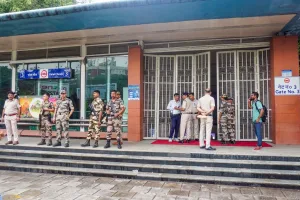
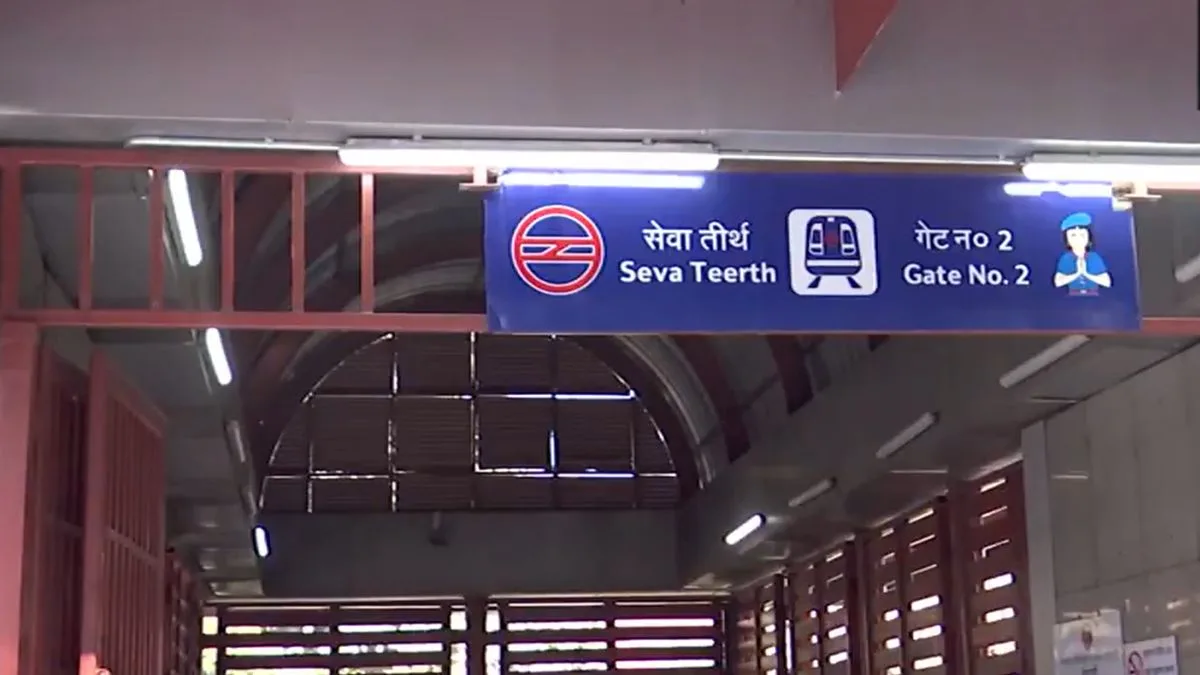
Meanwhile, amid the ongoing protest, the Delhi Metro Rail Corporation (DMRC) closed Janpath, Rajiv Chowk, Patel Chowk, and Central Secretariat Metro stations on Wednesday for security reasons.

“Due to security reasons, Janpath, Rajiv Chowk, Patel Chowk, and Central Secretariat Metro stations have been closed until further instructions. The interchange facility remains available at Rajiv Chowk and Central Secretariat,” the DMRC said.

Bengal’s tribal schools move to CBSE, Ramakrishna Mission-run Jhargram ERMS awaits clarity

Admissions will be made through a common entrance examination, bringing West Bengal in line with the national EMRS model.

Biswabrata Goswami | Kolkata |

West Bengal’s eight Eklavya Model Residential Schools (EMRS) are set for a major structural overhaul, bringing their administration under the National Education Society for Tribal Students (NESTS). This ushers in CBSE education, entrance-based admissions, centralised recruitment and a sharp increase in per-student funding starting from the 2027-28 academic session.

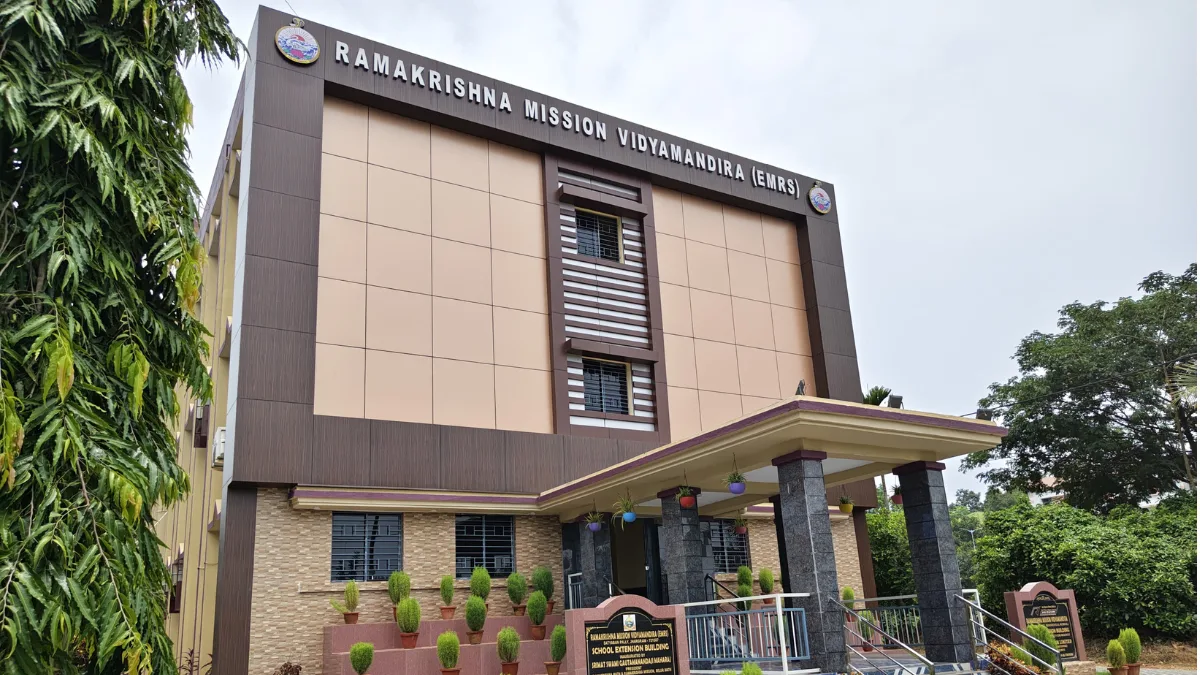
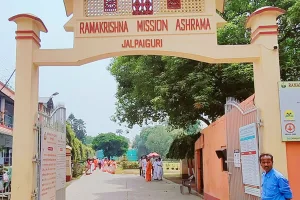
The transition process has begun following the signing of a Memorandum of Understanding (MoU) between the West Bengal Tribal Welfare and Education Society and NESTS, an autonomous body under the Union Ministry of Tribal Affairs. While officials expect the move to align West Bengal’s EMRS network with the national model, it has also raised questions over the future administrative structure of the Ramakrishna Mission-run EMRS at Jhargram—the only such school in the state managed by the Mission.

Unlike the remaining seven EMRS institutions, which the state government runs directly, the Jhargram school has been administered by the Ramakrishna Mission since 2016 under an agreement with the West Bengal government. Although funded by the government, the Mission has so far exercised control over teacher recruitment, financial management and day-to-day administration.

Speaking to The Statesman, Swami Bedpurushananda Maharaj of Ramakrishna Mission, Jhargram, said the institution has not yet received any official communication on how the new arrangement under NESTS will affect its existing administrative autonomy.

“We have an agreement with the state government under which teacher recruitment, financial control and internal administration remain with the Ramakrishna Mission. As of now, there has been no communication from the department regarding any change. Until such instructions are issued, we expect the existing arrangement to continue,” he said.

The monk added that discussions, if required, would take place at the level of the Ramakrishna Mission headquarters at Belur Math and the government.

“The earlier agreement was signed by Belur Math. Any future decision regarding our role under NESTS will also be taken at that level. No discussion has yet been held,” he said.

One of the biggest changes under the new system will be the admission process. At present, students are selected through a lottery. Under the NESTS framework, admissions will be made through a common entrance examination, bringing West Bengal in line with the national EMRS model.

The proposal has drawn mixed reactions. Some educationists have expressed concern that students from remote tribal areas, including those belonging to Particularly Vulnerable Tribal Groups (PVTGs)—many of whom are first-generation learners—may find an entrance examination more challenging than the existing lottery system.

Swami Bedpurushananda, however, dismissed the apprehension, saying tribal students in several other states have already adapted successfully to the system.

“Odisha has around 125 EMRS institutions and Jharkhand has nearly 80. They follow the CBSE curriculum, English-medium education and entrance-based admissions. If tribal students there can succeed, there is no reason why students in West Bengal cannot,” he said.

He pointed out that the EMRS scheme is intended to provide quality residential education to talented children from economically weaker Scheduled Tribe families. “There are income criteria. The objective is to identify bright students from poor tribal families and provide them with the best possible education,” he added.

The transition will also significantly enhance government support. The annual allocation per student is expected to increase from around Rs 61,000 to nearly Rs 1.47 lakh, enabling better academic and residential facilities.

However, uncertainty remains over the future of contractual and guest teachers currently serving in the schools. According to the Mission, no decision has yet been conveyed on whether existing staff will be retained after NESTS assumes control.

“Under the new system, teachers are expected to receive salaries broadly comparable to Central government scales. But there is still no clarity on whether the present contractual and guest teachers will continue,” Swami Bedpurushananda said.

He also argued that West Bengal has considerable scope to expand its EMRS network. Under NESTS norms, blocks with more than 50 per cent tribal population are eligible for EMRS institutions.

“In districts like Jhargram, several blocks satisfy this criterion. More schools would mean more tribal children receiving quality education and enjoying the same opportunities already available to students in other states,” he said.

From the 2027-28 academic session, all EMRS institutions in West Bengal will shift to the CBSE curriculum, marking the state’s full integration into the national EMRS framework administered by NESTS.


With China in mind, Quad nations call for free and open Ino-Pacific

The meeting was attended by External Affairs Minister of India S Jaishankar, Australian Foreign Minister Penny Wong, Japan Foreign Minister Toshimitsu Motegi and US Secretary of State Marco Rubio.

Statesman News Service | New Delhi |

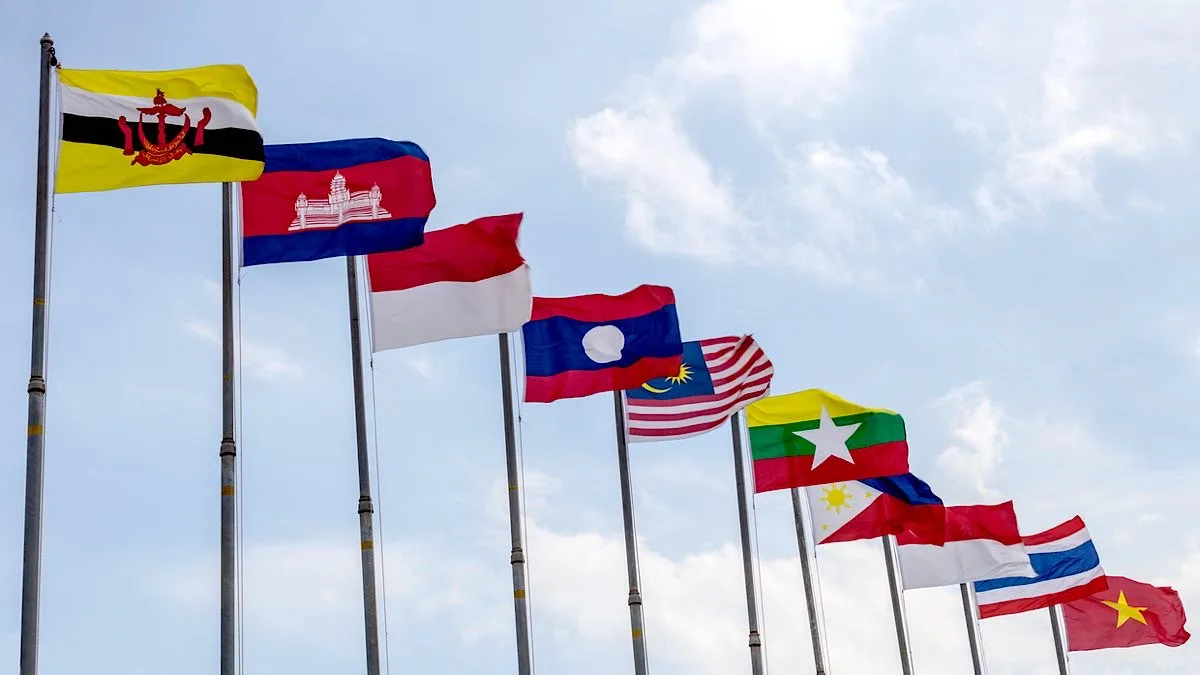
With an eye on China’s aggressive posturing on maritime issues, the four Quad countries, at their meeting in Manila on the sidelines of ASEAN engagements, on Wednesday reaffirmed their commitment to strengthening a free and open Indo-Pacific and their unwavering support for ASEAN unity and centrality.

The meeting was attended by External Affairs Minister of India S Jaishankar, Australian Foreign Minister Penny Wong, Japan Foreign Minister Toshimitsu Motegi and US Secretary of State Marco Rubio.

In a joint statement, the Quad nations said they are deeply invested in the region’s success and in cooperating with ASEAN and its member states.

‘’We discussed regional challenges and opportunities to strengthen our support for the practical implementation of the ASEAN Outlook on the Indo-Pacific (AOIP) through our shared priorities of maritime and transnational security, economic prosperity and security, critical and emerging technologies and humanitarian assistance and emergency response,’’ the statement said.

The four nations said they are united in their conviction that peace and stability in the Indo-Pacific maritime domain underpin the security and prosperity of the region.