Logo

Odisha assures COVID preparedness

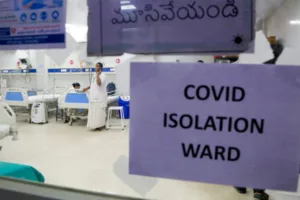
The Odisha Health and Family Welfare Department on Wednesday assured that the State is fully prepared to tackle any possible resurgence of COVID-19, while urging the public not to panic over recent reports on the disease.

Statesman News Service | Bhubaneswar |

The Odisha Health and Family Welfare Department on Wednesday assured that the State is fully prepared to tackle any possible resurgence of COVID-19, while urging the public not to panic over recent reports on the disease.

The department said independent assessments by the Integrated Disease Surveillance Programme (IDSP) and the Indian Council of Medical Research (ICMR), based on data shared by the Centre, indicate that the current level of COVID-19 activity remains very low.

It said regular disease surveillance and clinical monitoring are continuing in accordance with the protocols issued by the Union government.

A senior health official said Odisha has put in place all necessary preparedness and contingency measures and is maintaining close coordination with the Union Ministry of Health and Family Welfare to ensure a swift and effective response to any eventuality. The department reiterated that there is no cause for alarm and appealed to people to remain vigilant without panicking.

BJP and Congress in Rajasthan attempt to gherao each other’s headquarters; police use water cannons

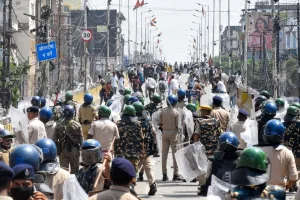
In an unusual show of political street power in Jaipur, the ruling BJP and the Congress on Wednesday held protest marches to gherao each other’s state headquarters, forcing the police to use water cannons and mild force to prevent the protesters from advancing.

Statesman News Service | Jaipur |

In an unusual show of political street power in Jaipur, the ruling BJP and the Congress on Wednesday held protest marches to gherao each other’s state headquarters, forcing the police to use water cannons and mild force to prevent the protesters from advancing.

The ruling BJP was offended by the dharna led by Leader of the Opposition (LoP) in the Lok Sabha Rahul Gandhi outside the Prime Minister’s residence in New Delhi on Tuesday.

The saffron party was also upset over the Congress’ move to express solidarity with Rahul Gandhi by burning effigies of Prime Minister Narendra Modi in Jaipur and at several district headquarters on Tuesday evening.

Accordingly, the ruling BJP organised the march in response to the nationwide call given by the party leadership in New Delhi to lay siege to Congress offices on Wednesday morning. In response, the Congress also decided to hold a counter-march to the BJP state headquarters later in the afternoon.

A large number of BJP workers gathered at the party office, from where they began their march towards the Congress headquarters under the leadership of state BJP president Madan Rathore. They raised slogans in support of Prime Minister Narendra Modi, including “Narendra Modi Zindabad”, and against Rahul Gandhi, chanting “Rahul Gandhi Sharm Karo”.

The BJP protesters were stopped at Shaheed Smarak, in front of the Jaipur Police Commissionerate. While some protesters attempted to move ahead, the police used water cannons to stop them. This triggered an immediate reaction from the Congress, as a large number of party leaders and workers, including several MLAs, assembled at the party headquarters to launch a retaliatory march.

The Congress march, led by former Chief Minister Ashok Gehlot and Rajasthan Congress president Govind Singh Dotasra, began later in the afternoon. The police had erected heavy barricades at three locations to prevent any direct confrontation between the two rival parties.

The Congress workers raised slogans against Prime Minister Narendra Modi and Union Education Minister Dharmendra Pradhan. They crossed the first barricade near the party office but were stopped at the second barricade erected by the police near the Shaheed Smarak roundabout. As they attempted to push through, the police used mild force and water cannons to disperse them.

Former Chief Minister Ashok Gehlot alleged that the Congress was holding a peaceful demonstration and raising democratic slogans, but the police, acting under pressure from the ruling party, unnecessarily used force and water cannons.

Rajasthan Congress president Govind Singh Dotasra said, “The police discriminated against our workers and acted atrociously towards us. The government’s high-handed behaviour against the people and the Congress will cost the BJP dearly. The party will lose power in the state in the 2028 Assembly elections.”

SC seeks Speaker Om Birla’s response on recognising merger of six Sena (UBT) MPs with Sena (Shinde)

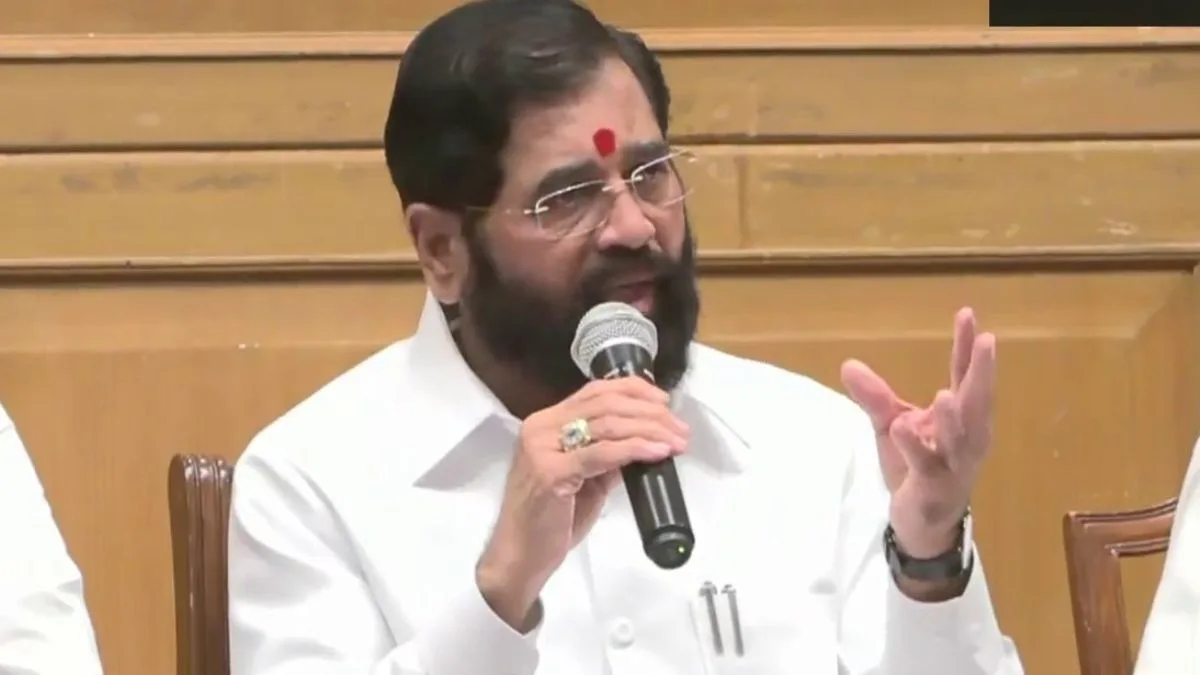
The Supreme Court on Wednesday issued a notice on a petition filed by Shiv Sena (Uddhav Balasaheb Thackeray) challenging Lok Sabha Speaker Om Birla’s decision recognising the merger of its six MPs with the Shiv Sena led by Maharashtra Deputy Chief Minister Eknath Shinde.

Parmod Kumar | New Delhi |

The Supreme Court on Wednesday issued a notice on a petition filed by Shiv Sena (Uddhav Balasaheb Thackeray) challenging Lok Sabha Speaker Om Birla’s decision recognising the merger of its six MPs with the Shiv Sena led by Maharashtra Deputy Chief Minister Eknath Shinde.

The Court issued the notice to Speaker Birla, the Joint Secretary of the Lok Sabha Secretariat (who issued the impugned circular), as well as Bhausaheb Wakchaure, Nagesh Patil Ashtikar, Omprakash Raje Nimbalkar, Sanjay Bandu Jadhav, Sanjay Deshmukh and Sanjay Dina Patil—the six MPs who merged with the Shiv Sena (Shinde) Parliamentary Party.

Issuing the notice on the plea seeking to quash the July 18, 2026 circular that recognized the crossing over of the six Lok Sabha members from Shiv Sena (UBT) to Shiv Sena (Shinde) and listed them as members of the Shiv Sena (Shinde) Parliamentary Party, a Bench of Justice Pamidighantam Sri Narasimha and Justice Alok Aradhe also issued notice on the prayer seeking an interim stay of the circular.

Seeking an interim stay of the July 18 circular, the petitioner submitted, “… if the interim relief is refused, it will result in an irreparable injury to the democratic fabric, the electoral process, and the Shiv Sena (Uddhav Balasaheb Thackeray) Political Party, which cannot be compensated or undone by any subsequent final relief.”

The Court, however, declined to stay the circular under challenge.

The matter was posted for hearing on August 10, 2026, including on the prayer for interim stay of the July 18 circular,

Shiv Sena (UBT) leader in the Lok Sabha, Arvind Ganpat Sawant, has approached the top court challenging the July 18, 2026 circular.

At the outset of the hearing, senior advocate Devadatt Kamat, appearing for the writ petitioner Arvind Ganpat Sawant, urged the Court to list the matter next week, submitting, “All these processes get defeated with the lapse of time. Time is the essence.”

The July 18 circular issued by the Lok Sabha Secretariat, which has been challenged, states: “Consequent upon change in party affiliation of 6 members of Shiv Sena (UBT) in Lok Sabha, revised Party Position in Eighteenth Lok Sabha as on 18.07.2026 is enclosed.” The revised list showed that the strength of Shiv Sena (Shinde), which initially had seven members, increased to 13.

Senior advocate Devadatt Kamat told the Bench that the petition “raises important question of constitutional morality and propriety that goes to the heart of parliamentary democracy. Six MPs out of 9 chosen on my party symbol; no disqualification proceedings are pending. Question on merger has not arisen as what (Supreme Court) in Subhash Desai (case judgment) … whole thing is orchestrated only for the purpose of this session (of parliament).”

Senior advocate Neeraj Kishan Kaul, appearing for Shiv Sena (Eknath Shinde), opposed the Shiv Sena (UBT)’s plea.

Terming the July 18 circular as “unconstitutional, illegal and perverse”, the petition by Shiv Sena (UBT) stated, “Such attempt at merger through unilateral claims of legislators, in defiance of their parent political party is without any constitutional or legal sanction. Such action is a blatant affront to the very concept of parliamentary democracy enshrined in the Constitution which is based on the functioning of political parties.”

Urging the Court to quash the circular, the petition stated that the “circular amounts to a constitutional hara-kiri, and weakens the very foundation of our parliamentary democracy. In fact, the present case is a stark example of the prevailing constitutional crisis surrounding the functioning of political parties in Parliament and in State Legislative Assemblies.”

Underscoring that parliamentary democracy is a part of the basic structure of the Constitution, the petition stated that it is imperative for the Court, as the sentinel on the qui vive, to save democracy from the political machinations of the respondents.

It further stated, “It is imperative for this Court, in discharge of its role as the guardian of the Constitution to issue effective directions striking down the impugned circular and nullify the attempts of Respondent Nos. 3 to 8 (6 MPs) to undermine the democratic framework by functioning in the House in collusion with rival political parties.”


WII scuttles Uttarakhand govt’s 22 km road widening plan on high altitude of Chamoli

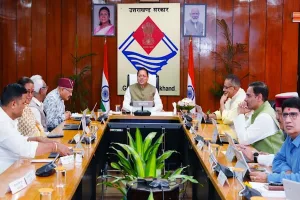
The Wildlife Institute of India (WII)’s study report has scuttled the Uttarakhand government’s plan to widen the 22-kilometre Pipalkoti–Pashulok Barrage road citing the presence of tigers and other wildlife wealth in the area.

Prithviraj Singh | Dehradun |

The Wildlife Institute of India (WII)’s study report has scuttled the Uttarakhand government’s plan to widen the 22-kilometre Pipalkoti–Pashulok Barrage road citing the presence of tigers and other wildlife wealth in the area. The institute has submitted a report to Uttarakhand government forbidding Public Works Department (PWD) from implementation of road widening project in the high altitude of district Chamoli.

The WII report, prepared at the request of the Pushkar Singh Dhami government, rejected the widening of the Pashulok Barrage to Garud Chatti and Pipalkoti Road. According to WII, road widening cannot take place because the road passes through the Rajaji Tiger Reserve (RTV). It’s notable that approval of this road construction was given in 1987 when the Rajaji Tiger Reserve was not in existence. Currently, the road is single-lane and PWD was directed by the state government to prepare a road widening project in order to meet the challanges of increasing traffic pressure on this track.

Proposal to widen the road was submitted to the State Wildlife Board in 2025. The Board had decided to forward the project to WII with recommendation for a study should first be conduct. WII has now handed over its study report to the Public Works Department (PWD).
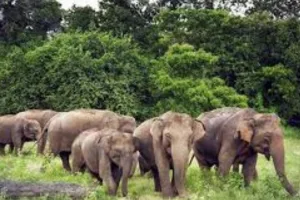
Officials of the state forest department informed that report categorically denied the implementation of the road widening plan for the presence of substantial wildlife including tigers in the area. Officials have stated that WII report is accompanied with multiple photographs of wildlife wealth captured in camera traps installed there.

Following WII’s negative report against the road widening project PWD has also started exploring possibility of other options like construction of elevated roads or underpasses. Department has requested WII to conduct fresh study for construction of elevated roads or underpasses along Pipalkoti–Pashulok Barrage in order to ease traffic movement with minimal environmental damage and without impacting wildlife movements.

Another reason for WII’s disapproval for the road widening project was inclusion of proposal to fell more than 3813 trees on the track. WII report stated that felling of more than 3800 trees in the area will lead to massive environmental loss.

PWD departmental head Rajesh Chandra Sharma confirmed the media that WII has been asked to explore the possibility of new options. PWD executive engineer Nirbhay Singh said that WII has now been requested to re-study and look into the feasibility of elevated road or an underpass. “If an elevated road or underpasses will reduce the distance by more than two kilometers and prevent tree felling while wildlife movements will too remain unaffected,” said Singh.

As Wangchuk eases terms for ending hunger strike, CJP expands its list of demands

The CJP has refused to go to JP Nadda’s residence and asked the minister to either come to Jantar Mantar or to a neutral venue for talks.

Statesman News Service | New Delhi |

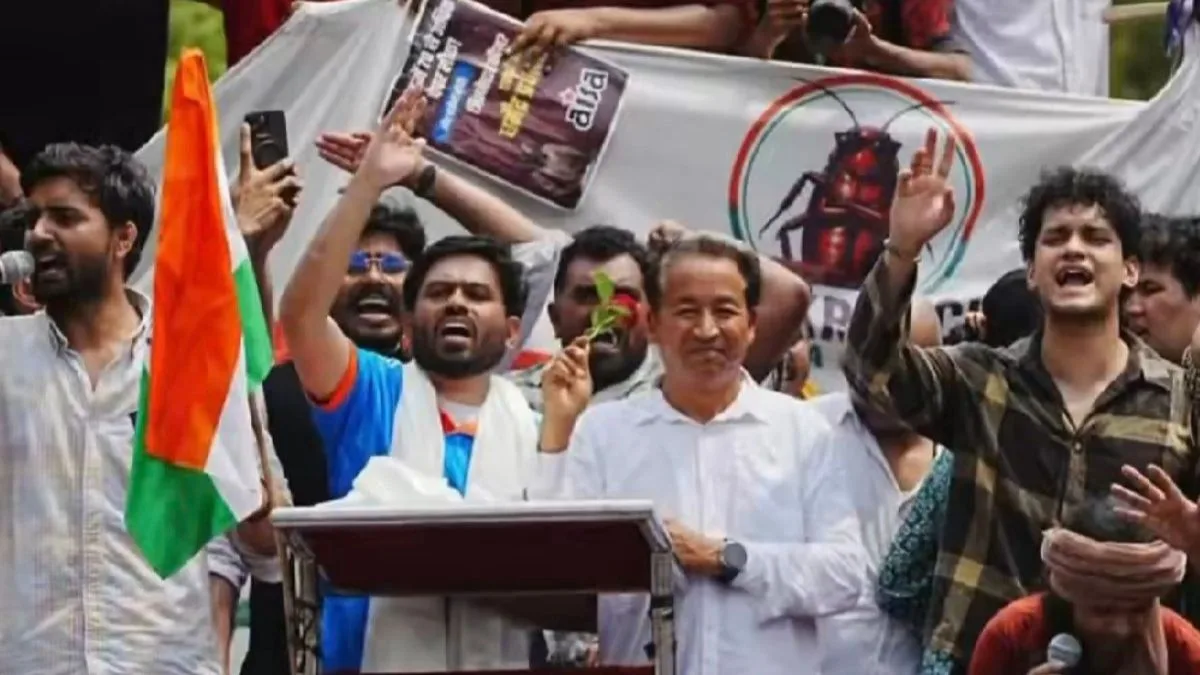
As climate activist Sonam Wangchuk eased his terms for ending his hunger strike as it entered its 24th day, the Cockroach Janta Party on Wednesday toughened its demands and expanded them with a fresh one – action against police officials involved in atrocities against protesters.

Following his meeting with Union Minister JP Nadda and Minister of State (MoS) Dr Jitendra Singh at Medanta Hospital where he was shifted from Safdarjung Hospital, Wangchuk said that he will end his hunger strike if the government assures him that no legal action would be taken against the protesting students.

The language of his appeal to the government also reflected his softened stance as he went from seeking Dharmendra Pradhan’s resignation to adjusting for the government’s “consideration” of it.

However, shortly after Sonam Wangchuk said he was ready to end his hunger strike if the government assured him that no legal action would be taken against the protesting students demanding accountability over the NEET-UG paper leak.

“CJP will continue its protests until the Government accepts its demands for: 1. Dharmendra Pradhan’s resignation 2. Rs 1 crore compensation for families of children who died by suicide 3. NO PROSECUTION OF PEACEFUL PROTESTERS,” the CJP said on X.

The outfit also made another addition to its list of demands – “All police officials involved in committing atrocities must be prosecuted.”

This comes after Union Minister JP Nadda invited CJP leaders for talks at his residence.

However, the protest leaders refused to go to his residence and instead asked the minister to either come to Jantar Mantar or to a neutral venue.

“A “janta darbar” is being held at Jantar Mantar. If ministers want to talk, they must come to the people…We are not going to anyone’s closed doors or private homes. If security is a concern, we are open to a neutral venue near Jantar Mantar,” said the CJP.

The talks between the protesters and the government could not be held today.

Jammu witnesses BJP-Congress showdown over Rahul’s detention, student protest

They also accused the BJP of indulging in “hooliganism” and raised questions on the authorities allowing the saffron party to hold a demonstration outside the Congress office here.

Statesman News Service | Jammu |

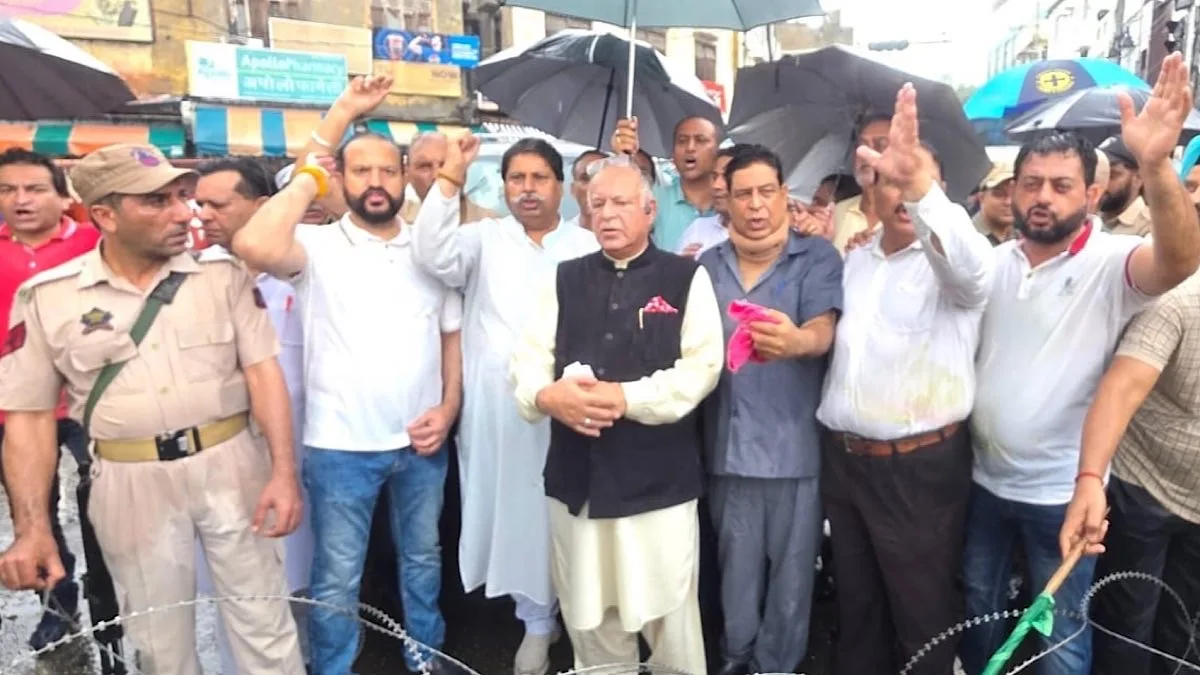
JKPCC President Tariq Hameed Karra along with working president Raman Bhalla and other senior leaders led a strong protest here on Wednesday to press for the resignation of Union Education Minister Dharminder Pradhan and extend solidarity to Rahul Gandhi, who was detained in New Delhi.

They also accused the BJP of indulging in “hooliganism” and raised questions on the authorities allowing the saffron party to hold a demonstration outside the Congress office here.

Leader of the Opposition and BJP leader Sunil Sharma led a protest outside the Congress office at Shahidi Chowk here slamming the Congress leadership for “deliberately trying to create political instability, misleading the youth, and attempting to weaken India’s democratic institutions for narrow political interests”.

Congress leaders Karra, Bhalla and Ravinder Sharma were among those detained last evening while protesting outside the Lok Bhavan against forceful eviction of Rahul Gandhi and Priyanka Gandhi from outside the PM’s residence in New Delhi where they were demonstrating in support of Pradhan’s resignation.

JKPCC President Tariq Hameed Karra challenged the protesting BJP activists and leaders to attack Congress office here and described it as open “dictatorship and goondaism” of BJP against the Opposition. “Their attempt to attack Congress office is a clear indication of their dictatorial policy and hooliganism of, both in government and outside. He questioned the logic behind the ruling BJP’s attack and protest outside Congress office that proves that in power they indulge in dictatorship and outside they resort to hooliganism against the Opposition”.

Karra criticised the BJP government for the merciless lathicharge by police on the agitating youths in Delhi.

He extended full support to the cause of agitating students and demanded immediate resignation of Dharmender Pradhan and then full fledged debate on the irregularities and commercialization of education.

Raman Bhalla termed the BJP’s protest outside the congress office as an open hooliganism of the ruling party and described it as a result of “dictatorial attitude and mindset of BJP”.

The police had a tough time in controlling the situation as the BJP and Congress virtually came face to face outside the Congress office.

Addressing the BJP activists, Sunil Sharma said “Unable to digest India’s unprecedented progress and growing global stature under Prime Minister Narendra Modi, the Congress leadership is resorting to politics of disruption. Their only agenda is to create unrest, spread misinformation and weaken public confidence in democratic institutions”.

Protesters in Mumbai detained after demanding Modi, Pradhan’s resignation

The Mumbai Police detained protesters at suburban Chembur on Wednesday after they raised slogans against PM Modi, saying, “Jab jab Modi darta hai, police ko aage karta hai” (whenever Modi gets scared, he deploys the police).

Statesman News Service | Mumbai |

The Mumbai Police detained protesters at suburban Chembur on Wednesday after they raised slogans against PM Modi, saying, “Jab jab Modi darta hai, police ko aage karta hai” (whenever Modi gets scared, he deploys the police).

Despite heavy police deployment, close to 300 individuals including students, parents, youngsters and senior citizens gathered near Dr Babasaheb Ambedkar Garden in Chembur in Mumbai around 1 pm and began chanting slogans demanding the resignations of PM Modi and Union Education Minister Dharmendra Pradhan.

According to the police, the protestors in Chembur, who were not led by any political party, carried placards reading, “Anpad government kya jaane education ka swaad” (What does an illiterate government know about education) and ‘Jaldi resign lo kal savere Panvel bhi jaana hai’ (Please resign quickly as we are heading for Panvel tomorrow), among others.

The protesters also stamped over photos and images of Modi and Pradhan until the police rushed to the spot, detained several protesters, and dragged them away on the road.

After detaining the protesters in Chembur, the police dispersed the remaining protestors from the Ambedkar Garden protest venue. However, undeterred by the police action, protesters returned to the ground and restarted the demonstration, though with fewer participants. Some alleged that they were stopped on their way to Ambedkar Garden.

The protesters said that the demonstrations will continue until demands of the Cockroach Janta Party, which has been protesting at Jantar Mantar, are met.

“We are demanding accountability from the government,” said one of the protesters.

After news spread about the Chembur protest, the Uddhav Thackeray-led Shiv Sena issued a statement that if any protesters supporting the NEET student protestors face any kind of legal action during the protest, they should reach out to the party through shivsenaubtlegal@gmail.com or contact the party through its WhatsApp numbers as well as telephone numbers.

The support by the Uddhav Thackeray-led Shiv Sena follows the arrest of around 900 individuals from Shivaji Park on Tuesday, who were demanding the resignation of Union Minister Dharmendra Pradhan.

After the police detained protestors from Shivaji Park, 12 First Information Reports (FIRs) have been registered against the protesters, and investigation is on, the police said.

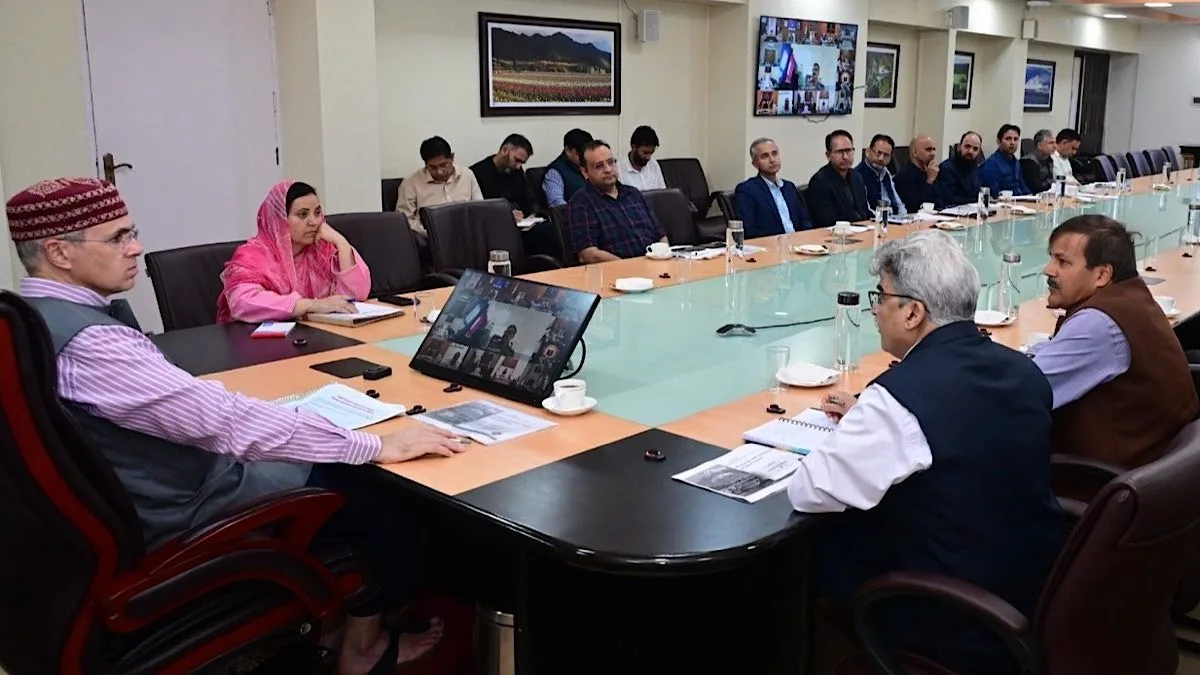
1017 vulnerable villages identified across J&K as CM Omar Abdullah reviews flood preparedness

As flood risks mount due to continuing rainfall, authorities in Jammu and Kashmir have identified 654 vulnerable villages housing nearly 7.22 lakh people in the Kashmir Valley.

Statesman News Service | Jammu , Jammu and Kashmir , flood |

As flood risks mount due to continuing rainfall, authorities in Jammu and Kashmir have identified 654 vulnerable villages housing nearly 7.22 lakh people in the Kashmir Valley.

Reviewing the situation at a high-level meeting on Wednesday, Chief Minister Omar Abdullah said protecting lives and restoring essential services remain the government’s top priorities.

As a precautionary measure, 1,505 people from vulnerable areas have already been shifted to designated rescue centres, while evacuation plans remain in place for other vulnerable locations.

Officials informed that 744 rescue centres, 108 SDRF boats, 25 Army boats, 98 satellite phones, 102 identified helipads and adequate emergency response funds have been kept ready to strengthen rescue and relief operations. District Emergency Operations Centres and the State Emergency Operations Centre are functioning round the clock to monitor the situation and coordinate response measures.

The Chief Minister reviewed the restoration works, relief measures and overall flood preparedness across Jammu and Kashmir that have arisen due to incessant rains and flash floods.

The meeting was attended by Minister for Health and Education Sakeena Itoo, Chief Secretary Atal Dulloo, Administrative Secretaries, the Divisional Commissioner, Kashmir, and other senior officers.

Regarding flood preparedness in Jammu, the Divisional Commissioner, Jammu, informed that comprehensive preparedness measures have been put in place across the Jammu Division to deal with adverse weather conditions and flash floods.

He also informed that a total of 363 vulnerable locations have been identified, 142 mock drills conducted, and 138 functional helipads earmarked for emergency operations. Adequate SDRF funds, trained volunteers, and emergency response equipment have also been kept in readiness.

The Chief Minister stressed the need to maintain a high state of preparedness to effectively deal with flood-like situations arising from erratic weather patterns.

He emphasised the importance of adopting long-term flood mitigation measures, noting that recurring flood-like events necessitate sustained planning and resilient infrastructure.

The Chief Minister also reviewed the rescue and relief operations in the flood-affected districts of Poonch and Rajouri. He directed the district administrations to ensure that all relief camps are adequately equipped with essential food, drinking water and medical facilities for the affected population.

He directed the concerned officers to intensify efforts for the restoration of electricity supply in the worst-affected districts of Poonch and Rajouri, observing that the restoration of drinking water supply schemes is largely dependent on the timely restoration of power. He instructed the Power Development Department to complete the restoration works within the stipulated timeline and ensure that any remaining issues are resolved without delay so that essential public services, particularly water supply, are fully restored at the earliest.

The wild is coming home: India’s evolving human-wildlife challenge

India’s wildlife revival is a conservation success, but rising human-animal conflicts reveal the urgent need for smarter land planning, connected habitats, and community-led solutions.

Brand Post | New Delhi |

According to Amit Patjoshi, CEO, Palladium India, India’s conservation record over the past few decades is genuinely impressive. Tiger numbers are up. Asian elephant populations have held steady or grown in many pockets. These aren’t small wins. They’re the product of years of policy, funding, and on-ground effort. But success has a flip side nobody talks about enough: more animals means more chances for animals and people to cross paths, and lately those crossings are happening far more often.

Where wildlife is showing up now

Forests aren’t the only place you’ll hear about elephants, leopards, or tigers anymore. Reports are coming in from farmland, highways, railway lines, and even the edges of towns. It’s not a coincidence—it’s what happens when conservation works but the space around it doesn’t grow to match. Habitat fragmentation, roads cutting through corridors, and expanding human settlements are pushing animals into places they wouldn’t normally go.

What the numbers are telling us

Government data and state-level reports point in the same direction: conflict incidents are climbing. Wildlife populations in protected areas have grown, sure, but the connective tissue between those areas; the corridors animals rely on to move safely hasn’t kept pace. So animals end up wandering into human-dominated land simply because the old pathways are blocked, built over, or shrinking.

Who actually pays the price

It’s rural households that bear the brunt of this. Damaged crops, dead or injured livestock, and in the worst cases, threats to human life. These aren’t abstract statistics. They’re real losses for families who depend on farming to get by. Any serious response has to protect both the animals and the people living alongside them, not one at the expense of the other.

Technology is helping, but it’s not the whole answer

States have started leaning on smarter tools to manage this: AI-based surveillance, drones, sensor networks, and apps for real-time reporting are all being rolled out to catch conflict situations earlier and respond faster. Compensation schemes still play a role too, helping cushion the financial blow for affected families.

That said, technology can only do so much. The bigger fix lies in how land gets planned and used — restoring wildlife corridors, designing infrastructure with animal movement in mind, and keeping habitats connected so animals don’t need to wander into villages and fields in the first place.
Financial protection mechanisms are also evolving. Under the Pradhan Mantri Fasal Bima Yojana, wildlife damage is now recognized as an insurable risk. Farmers can report losses through mobile applications, with drone-based verification significantly reducing payout timelines from years to weeks. Compensation frameworks, too, have been recalibrated. As per MoEFCC mandates, ex-gratia compensation for loss of life now stands at ₹10 lakh, marking a 100% increase over the past decade.
These measures represent a decisive shift. But they remain, at their core, reactive — focused on managing conflict after it occurs rather than preventing it at scale.

Rethinking the approach

One idea gaining traction is smart bio-fencing — planting crop varieties near forest edges that animals aren’t drawn to, while still giving farmers a source of income. It’s a simple shift that could cut down on crop-raiding without costing communities their livelihoods.

Second, infrastructure must become wildlife-compatible by design. Highways and railways should be mandated to include permeability measures, from large overpasses to AI-triggered speed regulation in sensitive corridors.

Third, and perhaps most critically, India must invest in a “guardian economy.” Forest-fringe communities should not merely bear the cost of conservation — they should be its primary beneficiaries. Formalizing their role as Conservation Guardians, with assured incomes, insurance, and stakes in carbon and ecosystem service markets, can fundamentally shift incentives away from retaliation and toward stewardship.

None of this works, though, without the people who live closest to wildlife. Local communities shouldn’t be treated as bystanders or obstacles. They need to be partners with real stakes in conservation through jobs tied to ecosystem restoration and sustainable resource use.

CPI-M’s MA Baby accuses Centre of crushing dissent, demands Dharmendra Pradhan’s removal

Communist Party of India (Marxist) General Secretary M A Baby on Wednesday alleged that the BJP-led Centre was trying to stifle democratic dissent by closing Metro stations around Jantar Mantar in the wake of continuing student protests over alleged examination irregularities.

Statesman News Service | New Delhi |

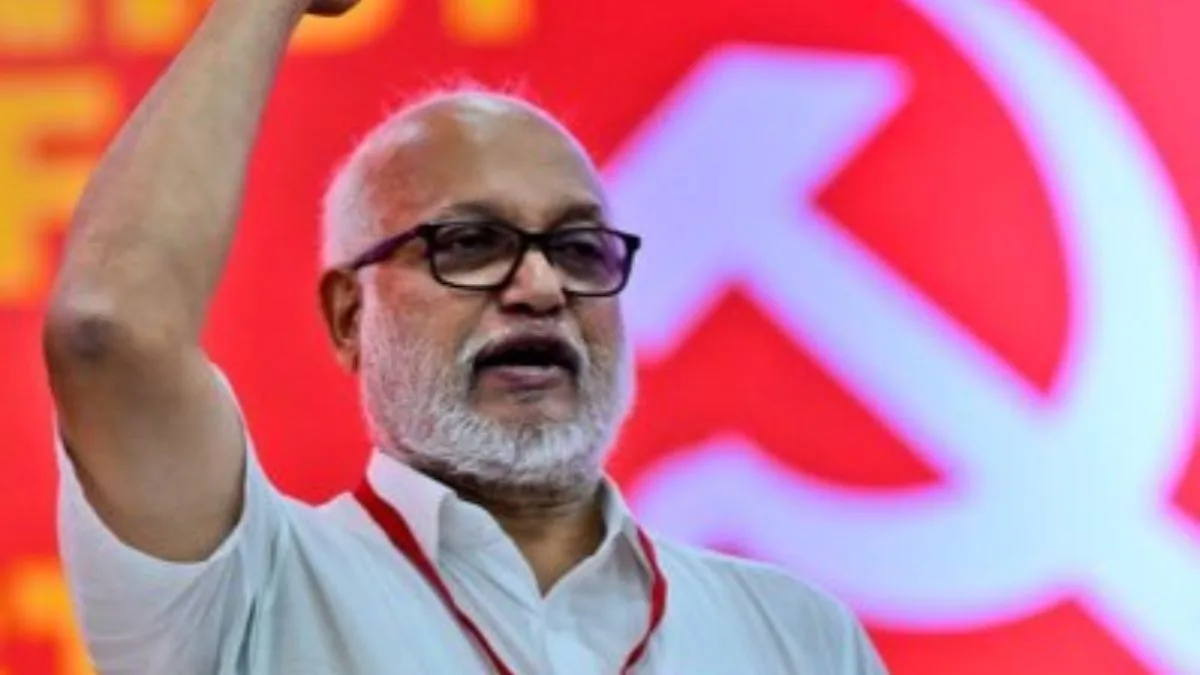
Communist Party of India (Marxist) General Secretary M A Baby on Wednesday alleged that the BJP-led Centre was trying to stifle democratic dissent by closing Metro stations around Jantar Mantar in the wake of continuing student protests over alleged examination irregularities. He asserted that such measures would not weaken the agitation.

In a post on social media platform X, Baby criticised the reported closure of 16 Metro stations in and around Jantar Mantar, saying the move infringed upon citizens’ constitutional right to freedom of movement guaranteed under Article 19(1)(d).

“Freedom of movement is a fundamental right guaranteed under Article 19(1)(d) of the Constitution of India, yet 16 Metro stations in and around Jantar Mantar have been shut down by the BJP government in an attempt to suppress dissent. It will not succeed,” he said.

Backing the student movement, the CPI(M) leader claimed that the protesters would not be intimidated despite facing police action during the demonstrations.

“The students and youth who braved lathis, tear gas, smoke bombs, and worse will not yield to the cowardly repressive measures of this fascistic regime,” Baby said.

He also reiterated the Opposition’s demand for the removal of Union Education Minister Dharmendra Pradhan, alleging that the Centre had failed to safeguard the country’s education system.

“This government will be forced to remove Union Education Minister Dharmendra Pradhan and fix accountability for the complete failure of the education system. Our students and youth will settle for nothing less,” he said.

Baby’s remarks came amid an escalating political confrontation over the alleged police action against student protesters and the controversy surrounding alleged irregularities in competitive examinations. The Congress, the Left parties, and other INDIA bloc constituents have stepped up their campaign against the government, demanding Pradhan’s resignation and accusing the Centre of mishandling the education system while resorting to excessive force against protesting students.

The Centre has rejected the Opposition’s allegations, maintaining that law enforcement agencies acted in accordance with the prevailing security situation. It has also asserted that the government remains committed to ensuring transparency and fairness in public examinations. The issue has triggered repeated disruptions in both Houses of Parliament during the ongoing Monsoon Session, as Opposition parties continue to press for a discussion on the matter.

Raj CM Sharma performs groundbreaking for Rs 13,037-crore Jaipur Metro Rail Phase-2 project

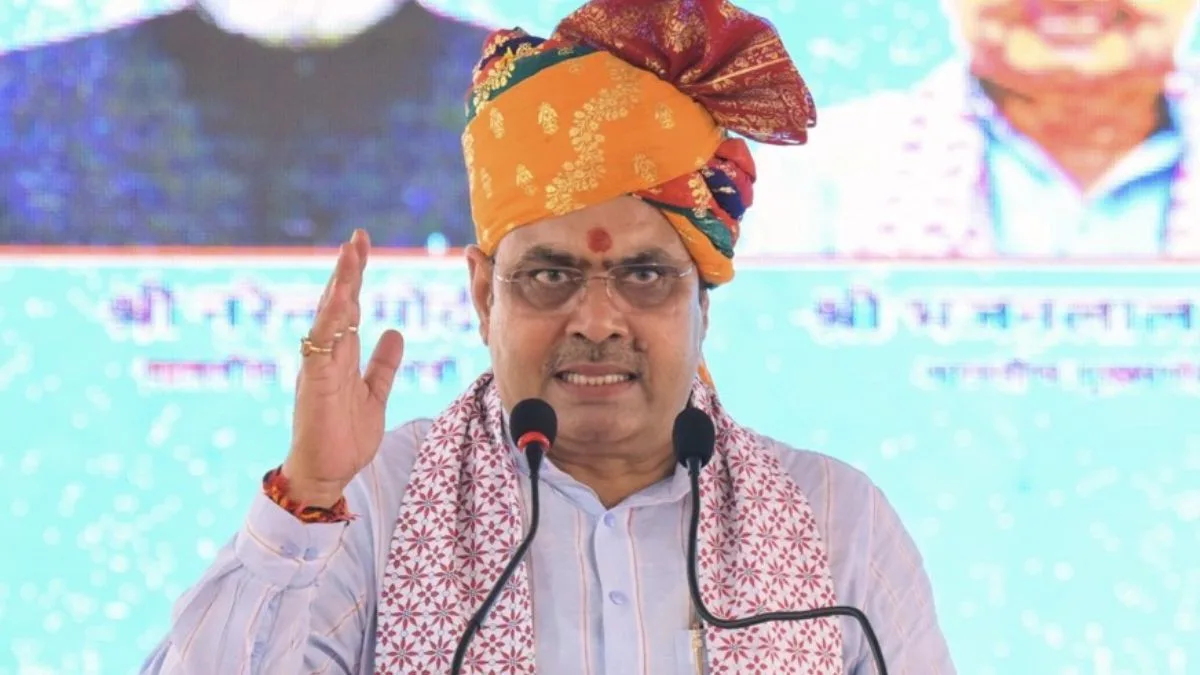
Rajasthan Chief Minister Bhajanlal Sharma on Wednesday performed the groundbreaking (Bhumi Pujan) ceremony marking the launch of civil construction work on the Rs 13,037-crore Jaipur Metro Rail Phase-2 project.

Statesman News Service | Jaipur |

Rajasthan Chief Minister Bhajanlal Sharma on Wednesday performed the groundbreaking (Bhumi Pujan) ceremony marking the launch of civil construction work on the Rs 13,037-crore Jaipur Metro Rail Phase-2 project.

Chief Minister Sharma performed the Bhumi Pujan amid Vedic chants on Wednesday afternoon at the Metro Depot site in Sitapura. Urban Development Minister Jabbar Singh Kharra, Chief Secretary V Srinivas, and officials of the state government and the Jaipur Metro Rail Corporation were present at the function.

The CM also laid the foundation stone and formally launched construction work on the 41-km corridor from Prahladpura to Todi, which will connect the Sitapura Industrial area along Tonk Road at one end with the VKI area along Sikar Road at the other.

Along this corridor — whose foundation stone was laid by Prime Minister Narendra Modi on July 4 — the metro will traverse through key venues, including Sanganer airport, Gandhi Nagar, Rambagh, Khasa Kothi, Amba Bari and Vidhyadhar Nagar.

The first of the four packages, between Prahladpura and Pinjarapol Gaushala, is targeted for completion within the next two years, while the entire proposed metro corridor is expected to become operational by 2031.

After participating in the groundbreaking ceremony, Sharma travelled from Mansarovar Metro Station to Chhoti Chaupar by metro. He also visited the site of the proposed Khasa Kothi Metro Station, which will serve as an interchange station linking the upcoming Phase-2 corridor with the already operational Phase-1 corridor between Mansarovar and Badi Chaupar.

Punjab: Congress stages protest against paper leaks, police brutality on students

Party demands resignation of Union and Punjab Education Ministers over examination irregularities.

Statesman News Service | Chandigarh |

Congress leaders and workers staged a protest at Congress Bhawan here on Wednesday against repeated paper leaks across the country and the alleged police brutality against peacefully protesting students in Delhi.

The protest countered the allegations made by Punjab BJP president Kewal Singh Dhillon during his visit to the Congress Bhawan. It questioned the BJP regarding repeated examination irregularities.

The Congress leaders demanded the resignation of Union Education Minister Dharmendra Pradhan and Punjab Education Minister Harjot Singh Bains, holding them accountable for repeated paper leaks and their failure to protect the interests of students.

Addressing the gathering, the Congress leaders said there had been repeated paper leaks in competitive examinations and a complete failure in the management of the education system. They also alleged that students had suffered due to errors in CBSE evaluation while the government remained indifferent to their concerns.

The leaders condemned the alleged use of force against students protesting peacefully in Delhi, saying that instead of taking action against those responsible for the paper leaks, the BJP-led Central Government had resorted to suppressing students’ voices. They accused the Union Government of crushing democratic dissent rather than addressing the concerns of the youth.

The Congress leaders also questioned the Aam Aadmi Party (AAP) government in Punjab for demanding accountability from the Centre while shielding its own Education Minister despite repeated paper leaks in the state.

They pointed out that major examination irregularities, including the Pharmacist Recruitment Examination and the Punjab School Education Board (PSEB) Class XII English examination, had taken place under the Bhagwant Mann government, yet no meaningful accountability had been fixed.

They said that both the BJP-led Central and AAP governments in Punjab had failed the country’s youth by allowing repeated examination irregularities and denying deserving students a fair opportunity.

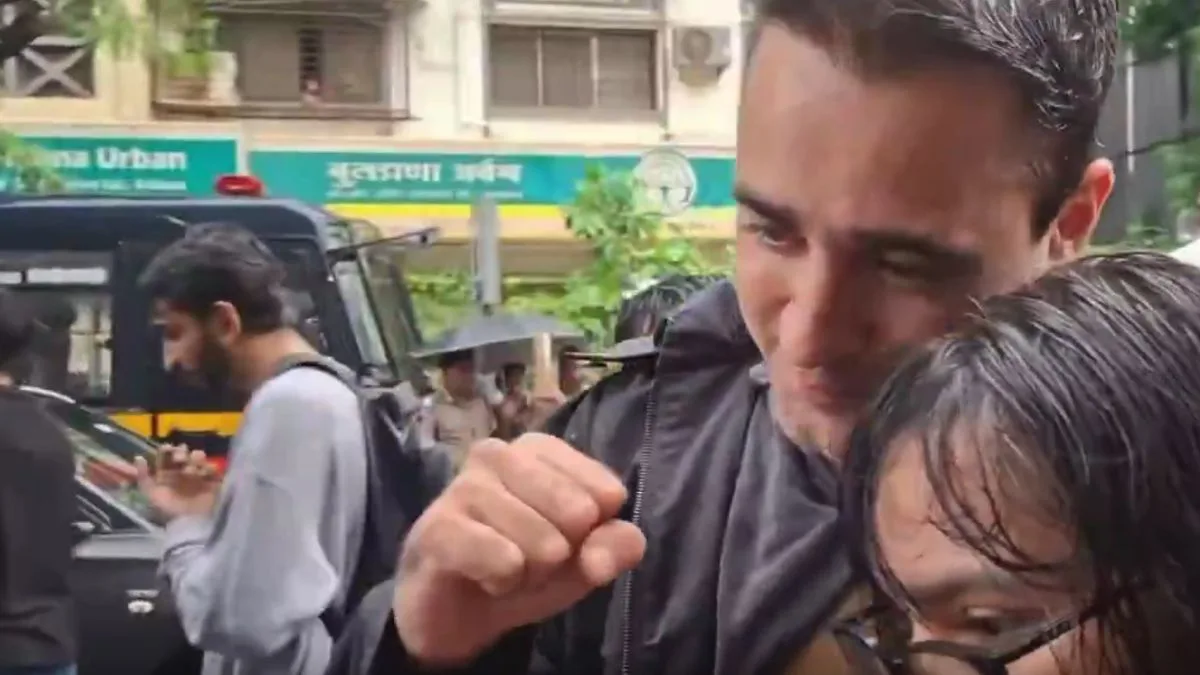
Aamir Khan’s nephew Imran Khan joins CJP protest in Mumbai; viral video shows him marching with students

Celebrity support for the student protests is growing with each passing day. After several actors voiced their support, a video shared by the CJP now shows Imran Khan also joined the march in Mumbai.

Statesman News Service | New Delhi |

A post on the Cockroach Janta Party’s X account shows Bollywood actor Imran Khan in protest in Mumbai on Wednesday. The caption says, “Bollywood actor Imran Khan marches with the CJP protesters in Mumbai.”

This is all tied to a protest movement that’s been building since May. It started after Chief Justice Surya Kant called unemployed youth “cockroaches” and “parasites.” Young people turned that insult into a name for their movement, and it stuck. What began as memes and jokes online turned into real crowds on real streets.

The anger is mostly about the NEET-UG 2026 exam. Students say the paper was leaked and the whole process was rigged. They want Education Minister Dharmendra Pradhan to quit and want someone to actually answer for what went wrong.

On Monday, over 10,000 people tried to march on Parliament in Delhi. Police hit them with tear gas and baton charges. Close to 180 people got hurt in the clash. Activist Sonam Wangchuk has been refusing food for more than three weeks now, sitting in support of the same students.

Mumbai has its own protest scene going

It’s not just Delhi. Mumbai has had its own protests all week. On Wednesday, actress Ayesha Khan got picked up by police at a protest in Dadar. She says she was just standing there quietly when they put her in a police van. She’s since asked publicly why she was even detained.

Actors Gurfateh Singh Pirzada and Pratibha Ranta showed up at a Mumbai protest the same day. Pirzada posted pictures afterward and said he was scared to go but felt good about it once he did.

A few other names have spoken up too. Sonakshi Sinha and Hrithik Roshan have both called out how police have handled the protesters. Naseeruddin Shah went further, comparing the police crackdown to how ICE agents operate in the US.

‘I’d rather lose my career than lose my spine’: Dhurandhar actor Ayesha Khan detained during CJP protest in Mumbai

The actor alleged she was taken into custody before any slogans were raised, saying she was only standing with friends outside the protest venue. Her defiant social media message has since gone viral.

Statesman News Service | New Delhi |

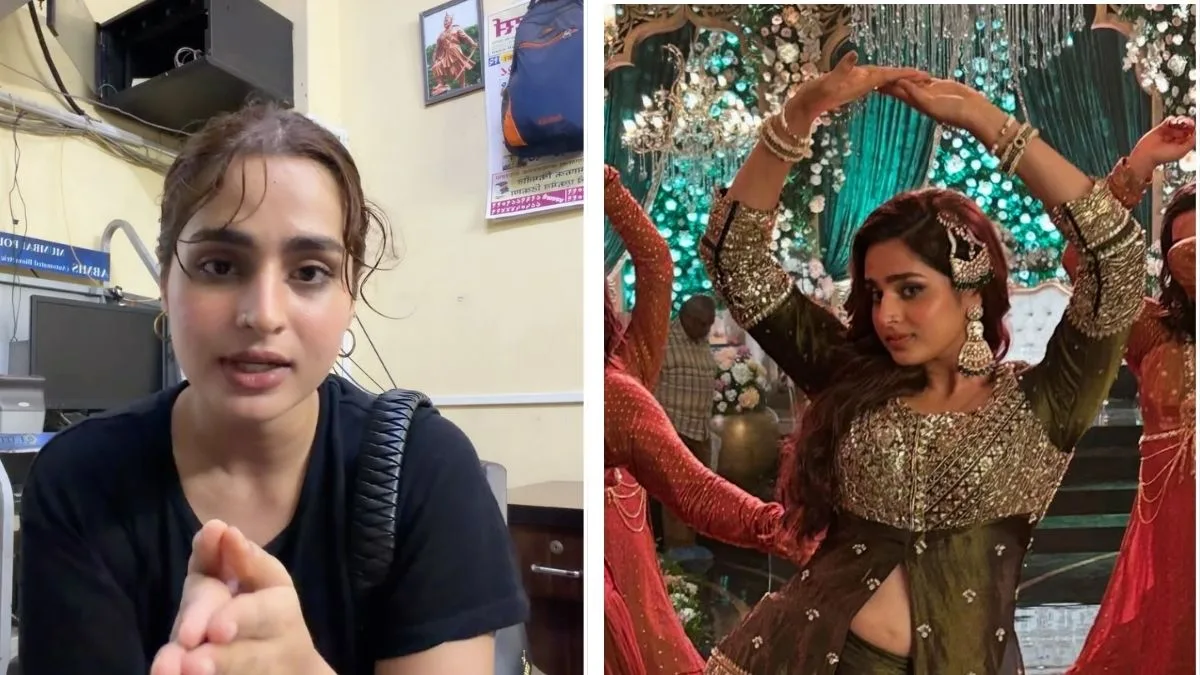
Actor Ayesha Khan, who gained popularity after appearing in the song ‘Shararat’ from the film ‘Dhurandhar’, was detained by Mumbai Police on Wednesday, July 22, while trying to take part in a protest supporting students demanding educational reforms.

The demonstration was held in solidarity with the ongoing movement led by the Cockroach Janata Party (CJP). What began as a student protest in Delhi has now expanded to several cities across the country, with gatherings being organised in support of the students’ demands.

Also Read: FTII students mock chairman R Madhavan over silence on NEET protest; ‘NEET for sale’ poster goes viral

Actor says she was standing quietly when police detained her

Soon after being detained, Ayesha shared a series of videos on her Instagram Stories from inside a police van and later from Worli Police Station.

Looking visibly upset in the videos, the actor said she had reached the protest site around 4 pm only to express support for the students. According to her, she was standing on the roadside with two female friends after her brother and some male friends had already been taken into a police vehicle.

Ayesha claimed that they had not started protesting, had not raised any slogans and were not carrying placards. She maintained that they were simply standing on the road when police officers approached them.

Videos show actor questioning the reason for detention

One of the videos shared by Ayesha shows police personnel escorting her into a police van while she repeatedly asks why she is being detained.

Speaking in another clip, she said her hands were shaking because she could not understand why action had been taken against her.

She stated that she had remained silent throughout and insisted that neither she nor her friends had participated in any protest activities before being taken into custody.

Claims around 15 officers surrounded her and her friends

Ayesha alleged that around 15 police personnel, including women officers, surrounded her and the two women accompanying her before asking them to board the police van.

According to the actor, she repeatedly questioned the officers about the reason for the detention but did not receive any explanation.

She also posted another video asking police where they were taking the detained individuals. In a separate clip, she requested officers not to push her while she was being escorted. She later alleged that she and her friends were forcibly taken to Worli Police Station.

Shares message about choosing principles over career

Ayesha Khan on Instagram

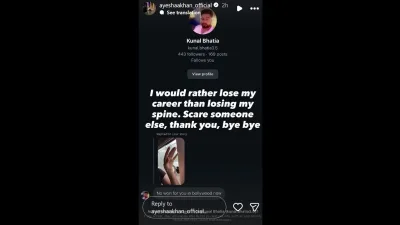
Among her Instagram Stories, Ayesha also uploaded a screenshot of a message in which she responded to someone by writing, “I would rather lose my career than losing my spine. Scare someone else, thank you, bye bye.”
Questions police action despite polite behaviour at station

After reaching Worli Police Station, Ayesha said the officers there behaved politely. However, she criticised the conduct of the personnel present at the protest site.

She alleged that she and her friends were pushed during the detention and questioned what law they had violated. She further claimed that only the three of them were standing together and argued that the restrictions cited by police had not yet come into force when they were detained.

NIA to set up dedicated police station in Bengal

The police station is expected to provide the central anti-terror agency with a dedicated permanent establishment in the state.

Statesman News Service | Kolkata |

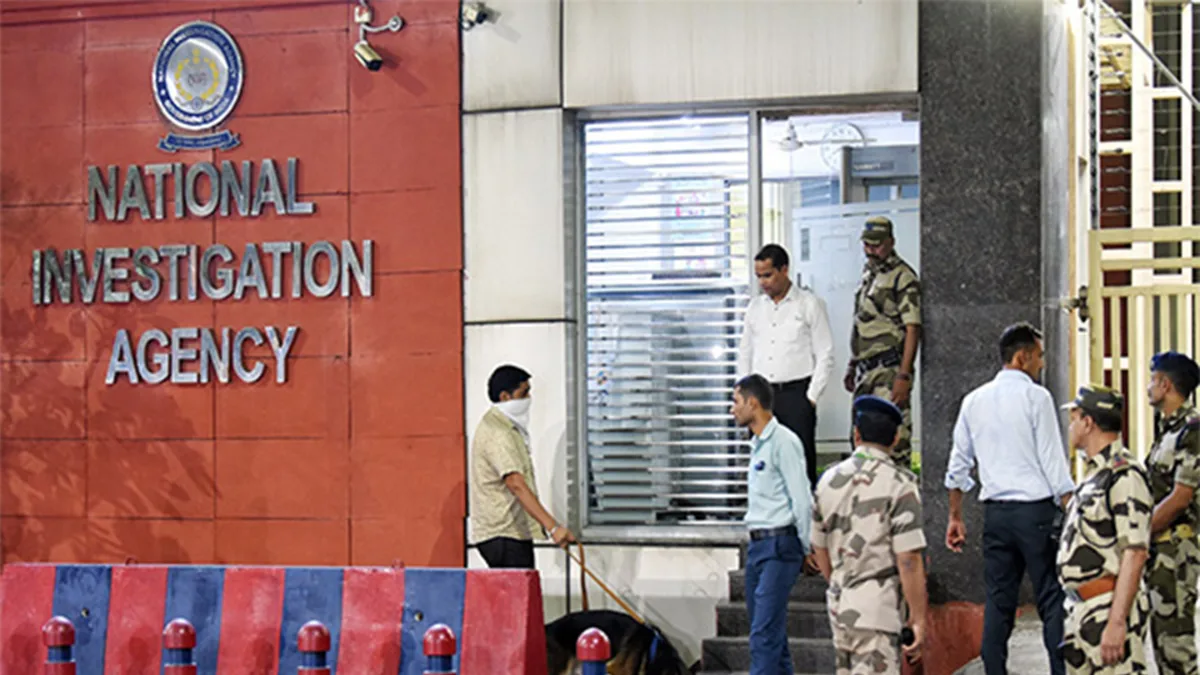
The West Bengal government has approved a proposal to set up a dedicated police station of the National Investigation Agency (NIA) in the state, state Urban Development Minister Agnimitra Paul said after a cabinet meeting on Wednesday.

The police station is expected to provide the central anti-terror agency with a dedicated permanent establishment in the state, which was earlier reliant on local police units in Bengal.

In another development, the Bengal cabinet has also approved several proposals involving the permanent transfer or direct purchase of land for border fencing, border outposts and other security infrastructure along the India-Bangladesh border.

The border districts where the land is being processed for handover to the security agencies include North Dinajpur, Nadia, Malda, Murshidabad and Jalpaiguri.

It has also been decided to hand over land to construct a new steel bridge over a river in Jalpaiguri requested by the Border Security Force (BSF).

CJP protest: Tear gas shells fired, internet cut as fresh violence erupts near Jantar Mantar; ACP among cops injured

According to the preliminary reports, crowd allegedly turned violent and chased a policeman near Park hotel.

Statesman News Service | New Delhi |

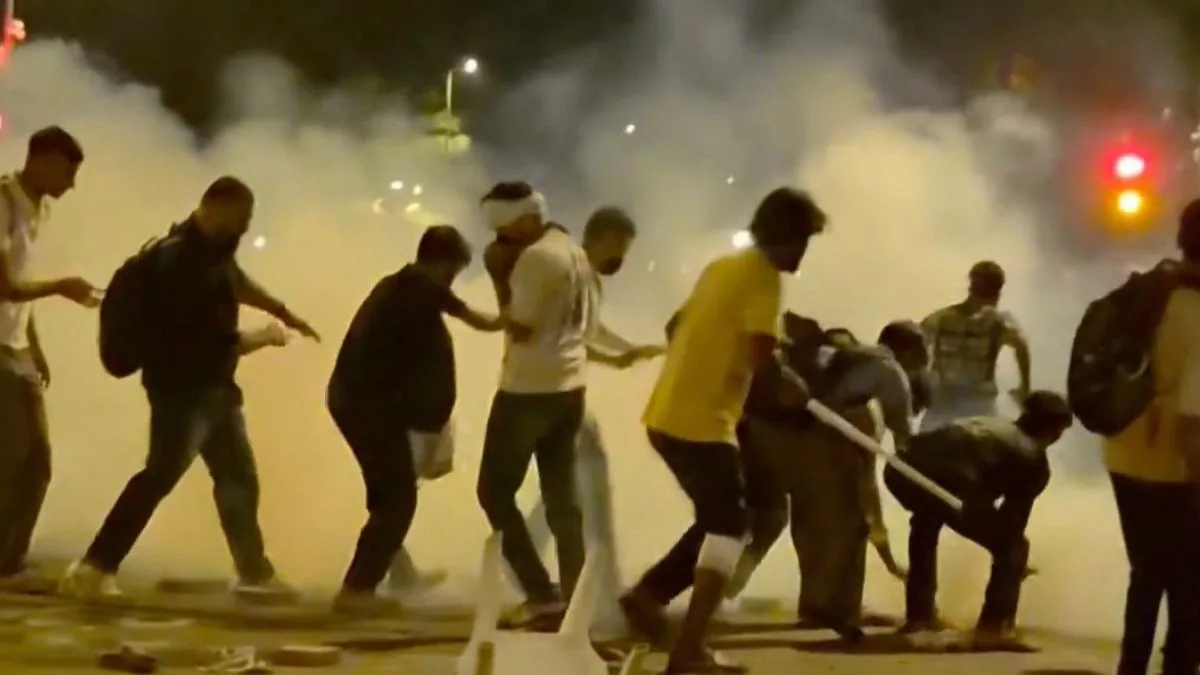
Fresh violence erupted near Delhi’s Parliament street on Wednesday evening, prompting police to fire tear gas shells and cut internet in the area.

According to the preliminary reports, crowd allegedly turned violent and chased a policeman near Park hotel.

Two cops are reportedly injured in the violence while the number of protesters injured were not immediately known.

Following the incident, Delhi Police Commissioner Anurag Kumar reached Parliament Street police station to take stock of the situation.

According to Delhi Police, the violence erupted at around 8:30 pm, near Tolstoy Marg in Connaught Place, when some miscreants attacked the police with stones and bottles, injuring ACP Connaught Place Vivek Bhagat.

Videos being circulated on social medua showed protesters snatching batons from cops and assaulting them.

Warning: Videos below contains explicit language.

Meanwhile, AAP national convener and former Delhi Chief Minister Arvind Kejriwal warned the government against any misadventure.

Expressing fears of a crackdown on the protesters, Kejriwal said, “I have been hearing that internet was snapped near Jantar Mantar, I have also been hearing that security has been beefed up, paramilitary forces have come, people have doubt about possible crackdown.

In a self-made video, the AAP leader went on: “I want to say to Modiji, don’t do any misadventure, you thought, the protest would be over after lifting of Sonam Wangchuk, but it strengthened, you thought, after lathi-charge, tear-gassing, the students would get intimidated, but the protest became even bigger, these are Gen Z people, they are not afraid of anyone, the more you will suppress them, they will become more brazen, please there should be no crackdown.”
The concerning developments comes amid calls of a “Nepal treatment” by some if the protesters.

In a purported video that has surfaced on social media, a protester is hears telling Dipke that it is time to give the government a “Nepal treatment” in response to the alleged police brutality during Monday’s Parliament march.

However, the CJP founder dismissed the idea and invoked Mahatma Gandhi to urge the protesters to remain peaceful.

Death toll in NHPC tunnel disaster rises to 15 as three more bodies recovered

Of the 25 personnel trapped inside the tunnel, 13 bodies have been recovered so far, while efforts are underway to evacuate the remaining personnel.

Statesman News Service | Kolkata |

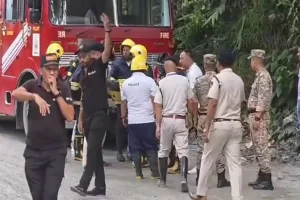
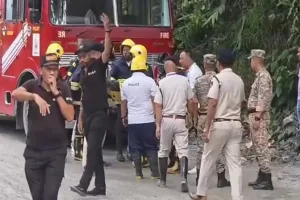
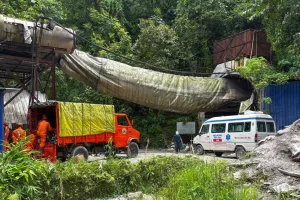
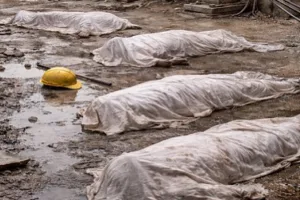
The death toll in the NHPC tunnel disaster at Samardung in South Sikkim’s Namchi district rose to 15 on Wednesday evening after rescue teams recovered three more bodies from the collapsed tunnel.

Speaking to The Statesman, Namchi Superintendent of Police Sonam D. Bhutia confirmed that, as of 6.30 p.m. on Wednesday, three additional bodies had been recovered, taking the total number of fatalities to 15.

The tragedy unfolded on Monday afternoon when a section of the under-construction NHPC tunnel collapsed, trapping several workers inside. Sixteen injured workers were rescued on Monday late evening.

Rescue teams recovered the first seven bodies during the early hours of Tuesday. By the end of the day, the number of bodies recovered had risen to 12. However, persistent heavy rainfall and severe waterlogging inside the tunnel forced authorities to suspend the rescue operation as conditions became too hazardous for personnel.

Fresh rescue operations resumed after noon on Wednesday.

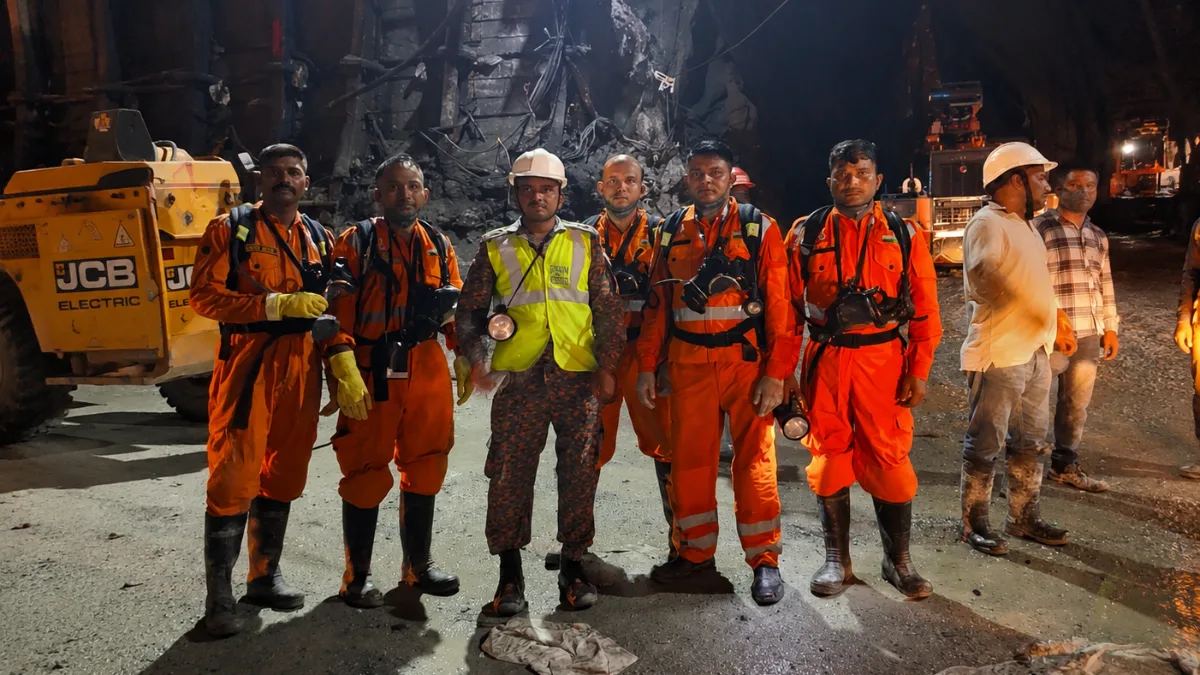
Teams comprising personnel from the National Disaster Response Force (NDRF), specialised mining rescue experts from Asansol, and other agencies re-entered the tunnel. During the operation, three more bodies were recovered one after another, raising the confirmed death toll to 15.

A medical officer in Sikkim said the post-mortem examination confirmed that the four workers whose bodies were recovered from the collapsed tunnel in Namchi district died due to asphyxia and burn injuries.

Rescue operations are continuing to trace the remaining missing workers as specialised teams battle difficult conditions inside the tunnel, Bhutia said.

NHPC has announced an ex-gratia payment of Rs 5 lakh to the next of kin of each worker who lost their life in the tragic tunnel collapse at its under-construction Teesta Stage-VI Hydroelectric Project in South Sikkim.

In a press statement issued on Wednesday, NHPC said rescue operations at the Head Race Tunnel (HRT) are continuing round the clock in coordination with the district administration, NDRF, SDRF, Patel Engineering Limited, Eastern Coalfields Limited, Western Coalfields Limited and other agencies.

Of the 25 personnel trapped inside the tunnel, 13 bodies have been recovered so far, while efforts are underway to locate and evacuate the remaining personnel. NHPC’s top management is present at the site to monitor and coordinate the rescue operations.

Expressing profound grief over the tragedy, the company conveyed its deepest condolences to the bereaved families and announced the Rs 5 lakh ex-gratia compensation for the next of kin of each deceased worker.

West Bengal Minister of State for Home and Hill Affairs Bishal Lama on Wednesday said the state government will provide Rs 5 lakh as ex-gratia to the family of each worker from West Bengal who died in the NHPC tunnel collapse in South Sikkim.

Lama said that 15 bodies have been recovered so far. Of them, seven are from West Bengal—one from Falakata in Alipurduar district and six from Nagrakata and Meteli in Jalpaiguri district.

He said 11 of the trapped workers are believed to be from West Bengal, while rescue operations are continuing to trace the remaining missing workers.

Authorities have started separate inquiries into the tragic incident at the under-construction NHPC Head Race Tunnel (HRT) of the Teesta Stage-VI Hydroelectric Project to ascertain its exact cause.

The 1.5-km-long tunnel posed immense challenges for rescue teams. Personnel could reach only about one kilometre by vehicle and had to cover the remaining 500 metres on foot. According to senior police officials, the tunnel was filled with carbon monoxide and other hazardous gases, making rescue operations extremely difficult.

Officials said the exact cause of the incident is yet to be established. However, workers reportedly heard a loud explosion-like sound before the tunnel became inundated with toxic gases, suspected to include methane.