Logo

‘Democracy is above royalty’

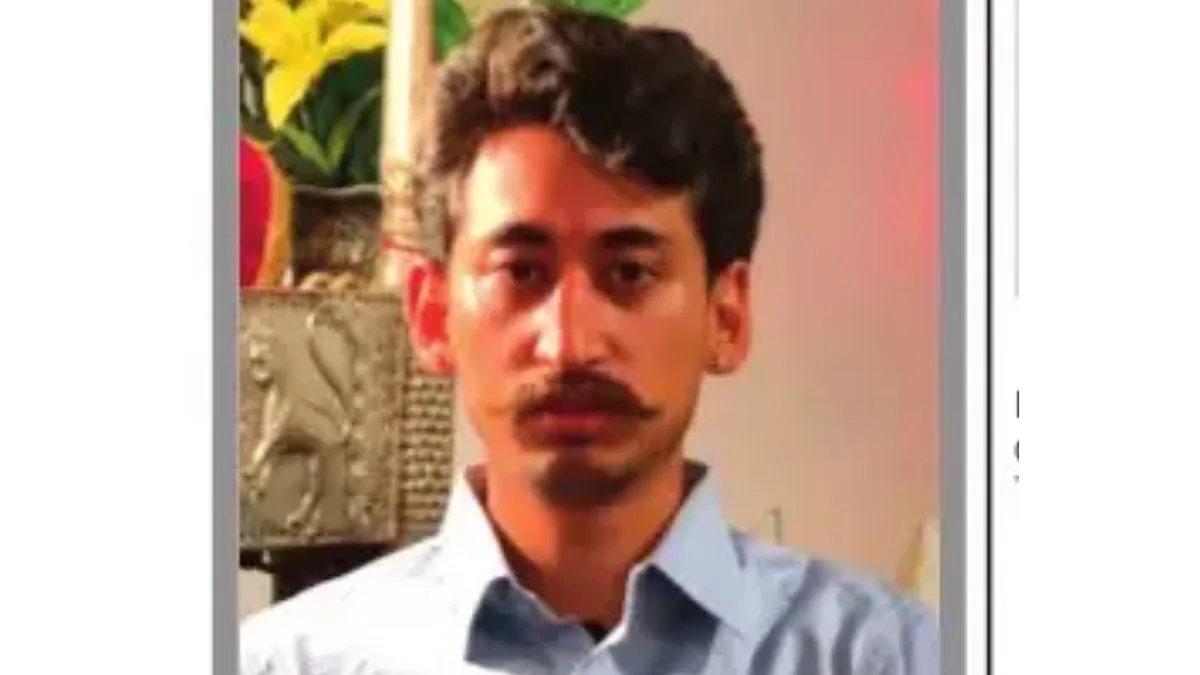
Khush Vikram Sen has emerged as one of the most talked-about young political faces in Himachal Pradesh following his emphatic victory in the recently concluded Panchayati Raj elections.

Statesman News Service | New Delhi |

Khush Vikram Sen has emerged as one of the most talked-about young political faces in Himachal Pradesh following his emphatic victory in the recently concluded Panchayati Raj elections. At just 29, the BJP-backed candidate secured a resounding mandate from the Chamiyana Zila Parishad ward in Shimla district, polling 13,752 votes and defeating his nearest rival, Congress-backed Bhupendra Singh, former Block President of the Kusumpti Assembly constituency, by an impressive margin of 9,981 votes.

A scion of the erstwhile Keonthal princely state and the royal family of Junga, Khush Vikram Sen is the son of the late Veer Vikram Sen. While his royal lineage has naturally attracted public attention, his decision to enter grassroots politics reflects a conscious shift from legacy to public service.

His victory assumes added significance as Chamiyana is the Zila Parishad ward from which Congress leader and Rural Development and Panchayati Raj Minister Anirudh Singh launched his political career. Political observers believe Sen’s decisive victory has established him as one of the BJP’s emerging leaders in Shimla district and a potential future contender from the Kusumpti Assembly constituency. In his interview with Bhawani Negi, he speaks about his motivation for entering public life, his vision for grassroots development, and the challenges and opportunities that lie ahead.

Q: You come from the historic Junga-Keonthal royal family. How has this legacy influenced your approach to public service and politics?

A: While I am proud of my family’s historical legacy, I firmly believe that in today’s India, democracy governs the country and stands above royalty. I am here because of the people’s mandate, and that is what truly matters. Our family’s tradition has always been one of public service, whether in power or out of power, and that commitment continues to guide me. Public service today is not about lineage; it is about accountability, hard work, and earning the trust of the people through honest performance and an unwavering dedication to the welfare of every citizen.

Q: What motivated you to enter grassroots politics and contest the Zila Parishad election from Chamiyana ward?

A: My decision to enter grassroots politics was driven by my desire to serve people, where governance has the most direct impact on their daily lives. Hailing from the area, I understand the aspirations as well as the challenges faced by rural communities, which I have witnessed firsthand. Equally important, the people of Chamiyana wanted me to represent them, and it was at their insistence that I decided to contest the election. The Zila Parishad provides an opportunity to bring about meaningful development at the grassroots level. It is the institution where decisions directly influence people’s lives. I wanted to be part of that process and contribute to improving the lives of the people in my area. Public service has also been a long-standing tradition in my family. My late grandfather, Raja Hitendra Sen Bahadur, was the first MLA from the Kusumpti Assembly constituency, elected as an Independent in the inaugural Himachal Pradesh Assembly elections in 1952. He was instrumental in establishing institutions such as a school and a hospital, which continue to serve the people even today. That legacy has reinforced my belief that public life is about service.

Q: Your victory margin was significant. What do you believe were the key factors behind the support you received from voters?

A: My victory is not mine alone – it belongs to every voter who placed their trust in me. I believe the people wanted change. Rising above party lines, they voted for and supported me, which became evident from the election results. I am also grateful to the dedicated BJP workers, the party leadership, and every volunteer whose tireless efforts made this victory possible.

Q: What are the most pressing issues facing the people of Chamiyana ward, and how do you plan to address them?

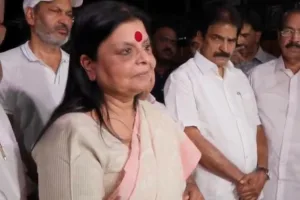
A: From my own experience, the priorities of the Chamiyana ward are better road connectivity, quality healthcare, improved schools, strengthening Koti College, and greater support for farmers. Despite being close to Shimla, the area still has tremendous scope for development, particularly in basic infrastructure and public services. Another key priority is greater community engagement and the resolution of long-pending civic issues that have remained unaddressed for years. One such issue is the establishment of a fire station, which was sanctioned by the Central Government through the efforts of my mother, Vijay Jyoti Sen, a senior BJP leader. Unfortunately, it has yet to become operational despite several devastating fire incidents that have destroyed people’s homes and lifelong savings. Similarly, although we have a hospital, it does not have an ambulance service. I will make every effort to ensure that the hospital is equipped with at least two ambulances so that people have timely access to emergency medical care. I will take up these and other important issues with the state government and work closely with the authorities concerned to ensure their early resolution and the timely implementation of development projects.

Q: Youth engagement was a major theme of your campaign. What specific initiatives would you like to undertake for young people in the area?

A: Youth were at the heart of my campaign because they are the driving force behind the future of Chamiyana and Himachal Pradesh. My priority is to create an environment where young people have opportunities to learn, grow, and contribute meaningfully to society. First and foremost, I want to bring quality higher education closer to their doorsteps so that they do not have to move away in search of better educational opportunities. My second priority is to create employment opportunities that encourage the ‘ghar wapsi’ of our youth by enabling them to return home and build successful careers in their own villages and communities. Another important initiative is to establish libraries at the Gram Panchayat level, making books more accessible and providing dedicated study spaces where students can prepare for competitive examinations. I believe that investing in education, skills, and employment will empower our youth and strengthen the future of our villages.

Q: Himachal Pradesh faces challenges such as unemployment, migration from villages and infrastructure gaps. What solutions do you propose to tackle these issues?

A: These challenges are interconnected and require a long-term, integrated approach. To reduce migration from villages, we must ensure that rural areas have quality roads, healthcare, education, digital connectivity, and reliable basic services so that young people can build their future without leaving their homes. To address unemployment, we need to promote self-employment and entrepreneurship while creating opportunities in sectors such as horticulture and tourism. Sustainable development at the grassroots level is the key to overcoming these challenges.

Q: Will you contest Assembly elections in 2027 from Kusumpti Assembly constituency on BJP ticket?

A: At this stage, my complete focus is on fulfilling the mandate that the people of the Chamiyana ward have given me. They have elected me to serve them, and I want to justify their trust through sincere work on the ground. As far as the 2027 Assembly elections are concerned, that decision rests with the party leadership. As a dedicated BJP worker, I will always abide by the party’s decision.
Broken Chain

Prime Minister Narendra Modi’s promise of fast-track courts for paper-leak cases is an acknowledgement that India’s examination crisis can no longer be answered with arrests and assurances alone.

Statesman News Service | New Delhi |

Prime Minister Narendra Modi’s promise of fast-track courts for paper-leak cases is an acknowledgement that India’s examination crisis can no longer be answered with arrests and assurances alone. Swift trials are desirable. But speed in court addresses only the final stretch of a much longer journey to justice. If investigations are flawed or prosecutions falter, a faster trial may merely deliver failure sooner. The record warrants such caution. The NEET-UG paper leak of 2024 led to an extensive CBI investigation and multiple charge sheets involving dozens of accused.
Yet, two years later, the case has not produced final judicial accountability. An alleged key conspirator secured statutory bail after investigators failed to file a charge sheet against him within the prescribed period. Such a lapse cannot be attributed to judicial delay. Other examination scandals reveal an even deeper malaise. In the Karnataka pre-university chemistry paper leak case of 2016, all 19 accused were eventually acquitted after serious deficiencies emerged in the investigation.

A fast-track court cannot manufacture evidence, repair a botched investigation or cure a defective prosecution. Effective deterrence requires competence at every stage ~ from securing examination systems and tracing criminal networks to gathering admissible evidence, filing timely charges and sustaining cases through trial. The political argument surrounding the present protests risks obscuring this institutional problem. Rahul Gandhi’s claim of 152 paper leaks affecting 7.5 crore candidates over a decade requires independent substantiation, while his assertion of zero convictions is too sweeping.
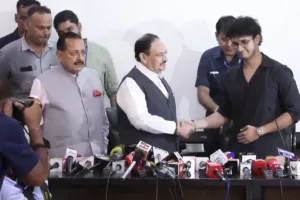
A detailed examination of 45 major leaks over more than two decades led to 18 convictions in only two cases. But that correction hardly offers reassurance: some convictions arrived 14 or even 23 years after the offences. Union minister and former BJP president J.P. Nadda is right that paper leaks are not peculiar to BJP governments. Congress and other parties have governed states where serious examination scandals occurred. His attempt to invoke a 2022 Jammu and Kashmir leak against the present National Conference-Congress dispensation, however, ignores that the Union Territory was then under central rule. More importantly, competitive blame cannot become collective absolution.

A systemic problem remains the responsibility of whichever government controls the institution that fails. That is why the agitation now confronting the government cannot be understood merely as anger over one compromised examination. For young Indians, competitive examinations represent years of preparation, family sacrifice and often scarce opportunities for mobility. When a paper leaks, the injury is immediate; when accountability takes years, distrust becomes institutional. Fast-track courts can therefore be part of the answer, but not its substitute.

The government must explain how investigations will improve, prosecutors will be held accountable and examination systems made harder to corrupt. The real test is not how quickly another promise is announced after public anger erupts. It is whether those who steal opportunities from millions are identified, successfully prosecuted and punished before another generation sits for the next examination. Ultimately, it is about whether leaks can be plugged.

Field Marshal State

There is no officially published change in the numerical position of Pakistan’s Asim Munir in the Warrant of Precedence by virtue of his elevation to the rank of Field Marshal.

BHOPINDER SINGH | New Delhi |

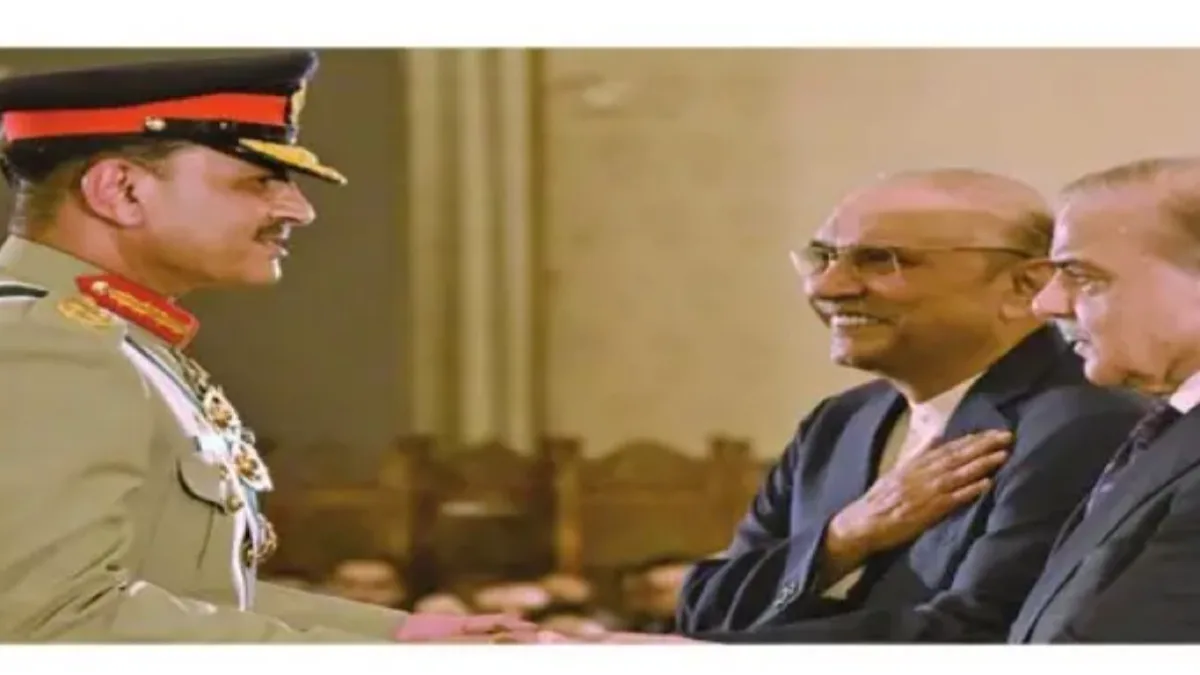
There is no officially published change in the numerical position of Pakistan’s Asim Munir in the Warrant of Precedence by virtue of his elevation to the rank of Field Marshal. Since the position of Field Marshal is honorary, the Government of Pakistan has stated that Munir would continue to serve as the Chief of the Army Staff, indicating that the promotion itself did not create a new constitutional or protocol office. While it remains the highest military rank in the Pakistan Army, it does not, by itself, confer any constitutional, extraconstitutional, or civilian role in the governance of the state.

It affords military stature and distinction alone. Any authority exercised by a Field Marshal derives from the office held under the Constitution or applicable law – not from the rank itself. Accordingly, the rank cannot legitimise an expansion into civilian domains or alter the constitutional distribution of executive authority. However, in practical terms, the Pakistan military has historically exercised significant de facto influence over the country’s political system, often extending beyond its formal, functional, and constitutional mandate.

This distinction between formal legal authority and practical political influence remains central to understanding civil-military relations in Pakistan. The infamous remark attributed to General Zia-ul-Haq when questioned about constitutional limits remains telling: “The Constitution is only a booklet. I can tear it up and say that tomorrow we shall live under a different system. Is there anybody to stop me?” That same sentiment was echoed decades later by General Pervez Musharraf, who rationalised his 1999 seizure of power with the cold assertion: “What is the Constitution? It is but a piece of paper to be thrown into the dustbin.”

Today, Pakistan appears to be witnessing a similar expansion of military influence under Field Marshal Munir, who is publicly seen undertaking a range of activities extending beyond the traditional responsibilities of a military commander. These include engagements with foreign heads of government, visits to foreign capitals, meetings with diplomatic and economic stakeholders, participation in discussions on national economic priorities, and involvement in matters of domestic political and governance significance.

His engagements with international leaders and officials, including interactions in Tehran, Washington, and Gulf capitals, have placed him in a role resembling that of a strategic national representative or negotiator rather than solely that of a military commander. In yet another unusual assignment for a Field Marshal, the Pakistani federal government has now involved Munir in efforts to curb the country’s population growth rate. The rationale offered by Federal Health Minister Syed Mustafa Kamal for inducting the Field Marshal into this effort rests on the argument that the immense challenge of population management requires both government action and public participation.

Yet how a serving military commander fits into either of these civilian domains remains unclear. Population stabilisation typically requires expanding access to voluntary family planning, improving female education, enhancing women’s economic opportunities, reducing child mortality, strengthening healthcare systems, delaying marriage and first childbirth, addressing poverty and economic insecurity, conducting public awareness campaigns, and implementing carefully designed social and economic incentives. None of these interventions naturally require the expertise or participation of the head of a nuclearpowered military.

The Pakistani government may argue that population growth has broader national-security implications: unemployment, resource pressures, urbanisation, migration, education deficits, and social instability can all affect internal security. However, extending national security reasoning to justify military involvement in every major civilian challenge risks stretching the concept beyond meaningful limits.

While the military does possess a nationwide organisational structure, medical facilities, logistical networks, and administrative capacity that governments may utilise during emergencies or national campaigns, invoking this infrastructure for the purpose of reducing population growth is a striking example of expanding the military footprint into an essentially civilian policy domain. More importantly, such involvement symbolically normalises the expansion of the military’s role into virtually every field ~ whether directly related to defence or not ~ within what is commonly referred to as Pakistan’s “establishment” (read: the military).

It reinforces the perception that civilian institutions and democratically elected leaders are incapable of addressing national challenges without military intervention. Over time, the military risks becoming viewed as the ultimate problem-solver for every national issue, whether involving international mediation, diplomacy, economic management, or domestic governance. Such a pattern gradually blurs the constitutional distinction between defence responsibilities and civilian administration, creating expectations and preferences for direct military intervention.

Many critics argue that the current civil–military arrangement represents a favourable position for Field Marshal Munir: a situation in which he occupies a position of exceptional influence, with visibility across diplomatic, economic, security, and governance forums, while remaining formally outside direct civilian accountability mechanisms. From this perspective, military leadership can shape major national decisions without bearing the full political consequences of policy failures, as responsibility for unpopular outcomes may ultimately rest with the elected civilian government.

The civilian government, weakened by its dependence on institutional support, remains unable to act independently or attribute failures to the military establishment, even as critics argue that Munir exercises decisive influence over the political landscape. For many dissenting voices in Pakistan, the space for opposition has narrowed considerably. Some resort to armed resistance against the state, as seen with militant groups such as Tehreek-e-Taliban Pakistan (TTP) and separatist organisations such as the Balochistan Liberation Army (BLA), while the principal political challenger, Imran Khan, remains imprisoned.

Khan has used the phrase “Asim Law” to describe what he sees as governance by an individual rather than by constitutional institutions. He argues that Pakistan is moving toward a system in which military authority overrides civilian institutions. Following Munir’s elevation to Field Marshal, Khan sarcastically remarked that the title of “King” would have been more appropriate, arguing that the promotion symbolised excessive personal authority rather than merely a military distinction. The fundamental issue is not that a Field Marshal advises the government; such interaction between civilian leadership and military command is normal in any state.

The problem arises when the adviser becomes the expanded and ultimate decision-maker without corresponding constitutional accountability. History has repeatedly demonstrated that when civilian governments surrender institutional space to the military ~ whether voluntarily or under pressure ~ the consequences for democratic governance can be profound. Therefore, the involvement of a serving Field Marshal in efforts to control population growth is neither constitutionally warranted, healthy for democratic development, nor surprising within Pakistan’s broader civil-military trajectory. It is both a symptom and an indicator of a deeper institutional imbalance.

(The writer is Lt Gen PVSM, AVSM (Retd), and former Lt Governor of Andaman & Nicobar Islands and Puducherry)

Elite Warning

For more than two decades, Vladimir Putin’s compact with Russia’s business elite was straightforward: accumulate wealth, but leave politics to the Kremlin.

Statesman News Service | New Delhi |

For more than two decades, Vladimir Putin’s compact with Russia’s business elite was straightforward: accumulate wealth, but leave politics to the Kremlin. That bargain makes billionaire industrialist Andrey Melnichenko’s unusually public reflections on Russia’s future significant. They do not amount to rebellion against President Putin. They may, however, reveal something potentially more consequential ~ anxiety within the system about whether Putinism can survive its own consequences.

Melnichenko belongs firmly to the establishment. His industrial empire has operated within Russia’s wartime economy, and he neither denounces the invasion of Ukraine nor calls for Putin’s removal. Yet the futures he envisages for Russia are uniformly troubling: subordination to China, impoverished isolation, fragmentation into competing centres of power, or transformation into a permanently militarised fortress. His preferred alternative is a sovereign but more open and institutionally governed Russia, capable of restoring prosperity and normal relations abroad.

The contradiction is revealing. Such a Russia would require stronger institutions, predictable laws, greater economic openness and some dispersal of political authority. These are precisely what increasingly personalised rule has eroded. Putin has concentrated decision-making around the presidency, subordinated political institutions and tied national legitimacy ever more closely to military power and confrontation with the West. Reforming that system without challenging its organising principle may prove impossible. The timing matters because prolonged war alters elite calculations. Economic resilience can conceal accumulating costs, but sanctions, technological constraints and dependence on Beijing steadily narrow Russia’s choices.

A system built on stability becomes more vulnerable when those who prospered under it begin questioning where it is heading. This does not make Melnichenko a Russian Nelson Mandela ~ or even an Alexei Navalny. Russia’s liberal opposition has been crushed, exiled or, in Navalny’s case, extinguished. Any eventual change may therefore emerge not through a democratic uprising but through shifting calculations among industrialists, technocrats, bureaucrats and security elites who conclude that preserving the state requires altering the regime. Russian history offers warnings against confident predictions. Defeat by Japan in 1905 exposed the weaknesses of tsarist autocracy and forced Nicholas II into limited reforms, which he subsequently undermined.

Twelve years later, the monarchy collapsed. Today’s Kremlin possesses vastly stronger instruments of surveillance and coercion, making imminent upheaval unlikely. Yet authoritarian systems can appear immovable until elites cease believing that the existing order protects their interests. There is also a fundamental omission in prescriptions for a more acceptable Russia. Moscow cannot demand respect for its “sovereignty” while denying the same principle to Ukraine and other neighbours. No durable reintegration with Europe is conceivable without resolving that contradiction.

The significance of Melnichenko’s intervention, therefore, lies less in whether he is challenging Putin than in the possibility that influential beneficiaries of Putinism are beginning to contemplate what must follow it. Russia’s next political alternative may emerge neither from liberal revolution nor popular revolt, but from insiders seeking to save the state from the system that enriched them.

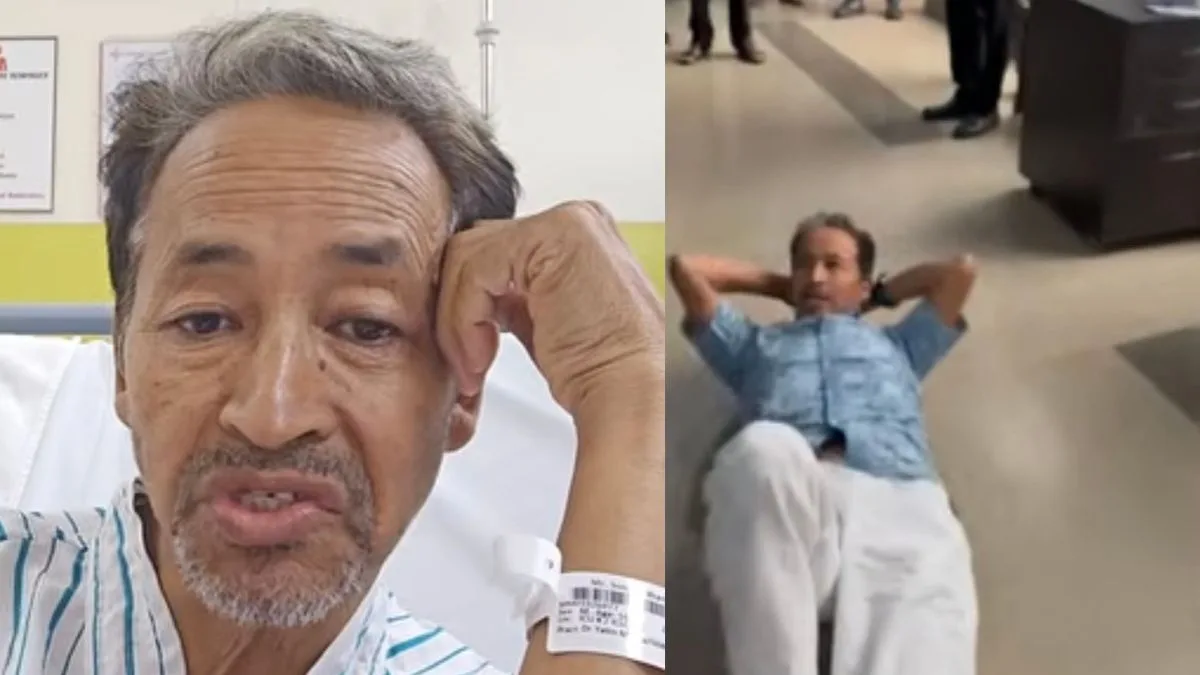
Sonam Wangchuk slams critics, explains ending hunger strike despite no Pradhan resignation; recounts ‘North Korea-like’ hospital ordeal

Wangchuk said that those raising the questions were unaware of his “North Korea-like detention” at Safdarjung Hospital.

Statesman News Service | New Delhi |

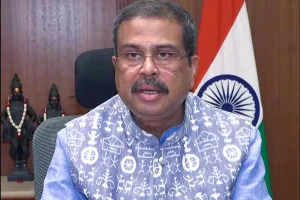
Climate activist Sonam Wangchuk on Friday slammed critics for questioning his decision to end his 26-day hunger strike despite no resignation by Union Education Minister Dharmendra Pradhan, while also recounting his “North Korea-like” hospital “detention”.

In a video statement posted on YouTube, Wangchuk said that he was “hurt and angry” to see that some people were raising questions about why he chose to break his fast in front of two Union Ministers and not students and Cockroach Janata Party leaders.

Wangchuk said that those raising the questions were unaware of his “North Korea-like detention” at Safdarjung Hospital.

He said the government kept him under a tight vigil, and no one except three relatives was allowed to meet him. He said that he somehow managed to communicate from the government hospital.

Wangchuk alleged that despite the Delhi High Court order, he was not allowed to be shifted to Medanta Hospital for close to five hours as officials claimed they had not received the order.

He also released purported footage in which he is seen confronting a Delhi Police official over not being allowed to leave the hospital despite the High Court’s order.

At one stage, he is seen lying on the floor of the hospital corridor in protest while asking the policemen to arrest him.

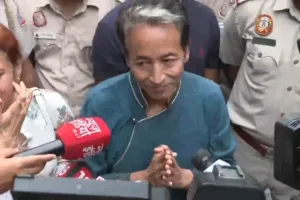
Explains why he agreed to end hunger strike despite no resignation

Wangchuk also explained his rationale behind his decision to agree to end his indefinite fast despite no assurance from the government over his key demand for Union Education Minister Dharmendra Pradhan’s resignation.

Wangchuk said that not taking Pradhan’s resignation is already hurting the government and that, sooner or later, the minister will have to step down.

He further stated that the government agreed to two of his demands — compensation for suicide victims and a detailed discussion on the issue in Parliament.

However, he said, the government wasn’t ready to give written assurances on not taking any legal action against Cockroach Janata Party protesters.

“I didn’t want the CJP leaders and students to face legal troubles. So I insisted on not ending my hunger strike without assurance of no legal action against protesters… By not taking the resignation (of Dharmendra Pradhan), the government was facing nationwide anger and hatred. Moreover, I knew that the protest would not end with me breaking the fast. The students will take the resignation anyway… So I focused more on protecting the students from legal action than on resignation,” he added.

The climate activist also cited the chances of violence as another key reason behind his decision to break the fast.

His reaction came amid allegations by certain politicians that he has made a “secret deal” with the BJP.

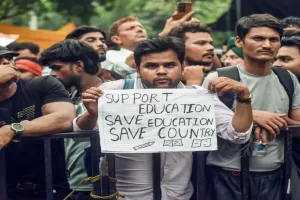
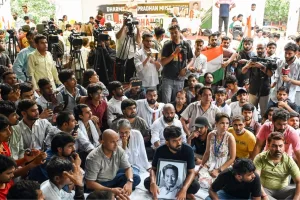
Wangchuk had sat on an indefinite hunger strike at Jantar Mantar in support of CJP’s protest against Union Education Minister Dharmendra Pradhan over paper leaks.

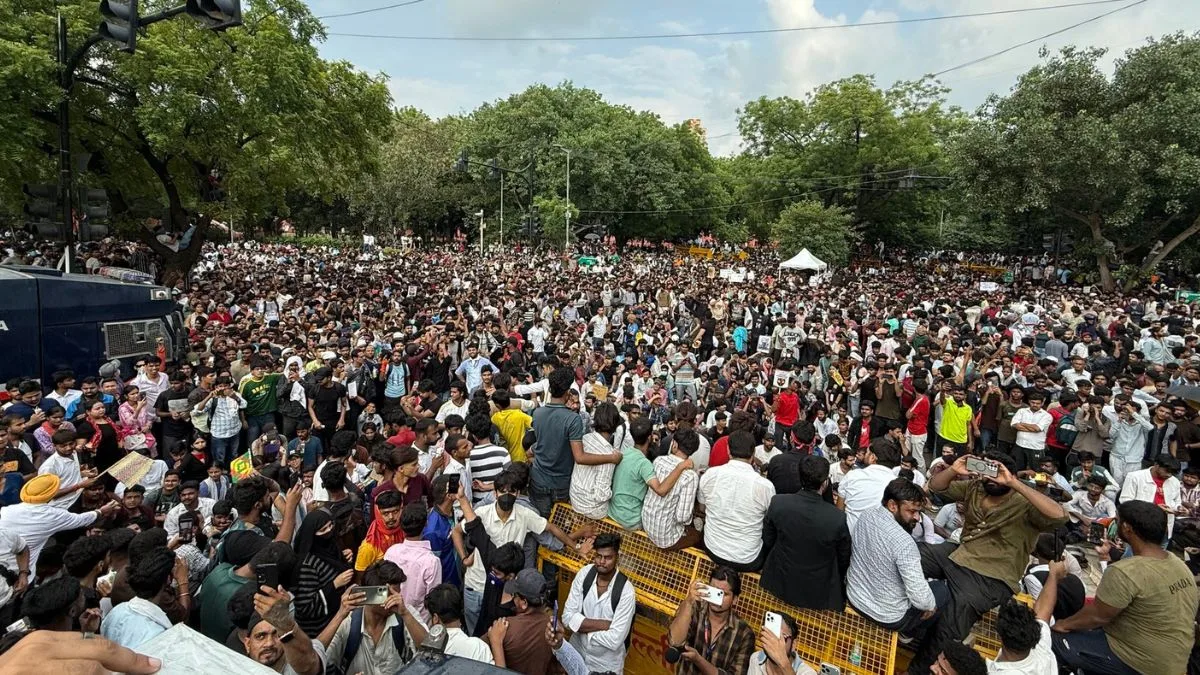
As his fast entered its 21st day, he was forcibly removed from the protest site and shifted to Safdarjung Hospital. This worked in favour of the CJP as their protest broadened and a massive crowd gathered at Jantar Mantar for the July 20 march to Parliament.

The brutal police crackdown on students during the march also backfired as the protests spread across the country.

The government is currently engaged in negotiations with the protesters. The CJP has made it clear that the protest will continue until Pradhan’s resignation.

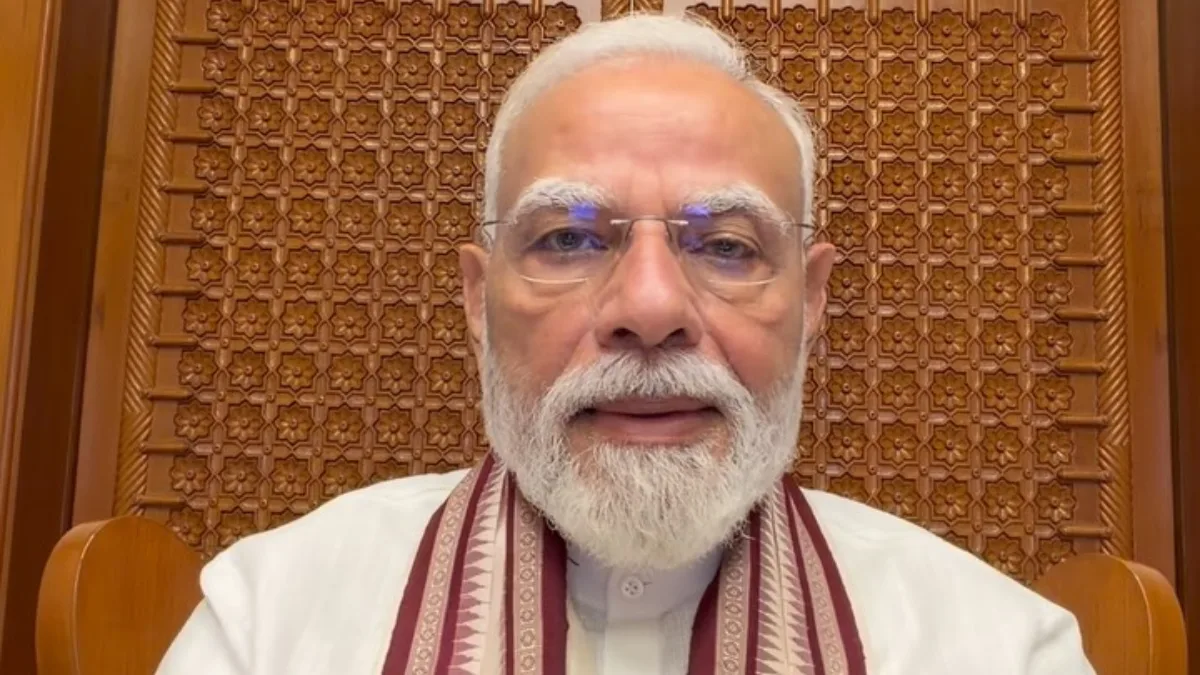
‘Yeh aapka pyaar bana rahega’: PM Modi thanks ‘friends’ in new video, a day after his midnight selfie reel breaks the internet

PM Modi posted the reel on Instagram, a platform with a large youth user base in India. The video followed his earlier midnight selfie reel, which had already drawn wide public attention.

Statesman News Service | New Delhi |

Prime Minister Narendra Modi posted a fresh video on Instagram, a day after his midnight selfie video went viral online. In the new reel, the Prime Minister thanked young users for watching his earlier video and for sharing their feedback on it.

In the video, Modi said, “maine jo video post kiya thaa, usko jis prakaar se aapne respond kiya, sakaratmak sujhaav diye, thanks to everybody. Yeh aapka pyaar bana rahega. Hamaara naata aur adhik sakriyata se judta rahega. Thank you. Thank you, doston.”

Roughly translated, he thanked people for their positive suggestions on his earlier post and said their affection would continue. He added that his connection with them would grow stronger through more active engagement.


View this post on Instagram


A post shared by Narendra Modi (@narendramodi)

Backdrop of student protests

The new reel comes at a time when the Modi government is under pressure from students across the country. The protests began after the NEET 2026 exam paper was allegedly leaked, a claim that has triggered anger among aspirants and their families.

NEET, the National Eligibility cum Entrance Test, is the single entrance exam for admission to medical colleges in India. Any leak in the paper directly affects lakhs of students who prepare for years to get a seat.

CJP demands minister’s resignation

Students and supporters of the Cockroach Janata Party (CJP) have joined the protests, demanding the resignation of Union Education Minister Dharmendra Pradhan. They argue that the alleged leak points to a failure in conducting the exam fairly and that the minister should take responsibility.

Despite the protests, Modi has kept up his social media activity, using short reels to ‘connect’ with a younger audience.

Also Read: ‘Be active on Instagram’: PM Modi asks Union ministers to connect with India’s Gen Z, share more reels on government schemes

Chaos near Kerala CM’s residence: Water cannons fired as Yuva Morcha protests Kerala PSC irregularities

Protesters carried placards of the Chief Minister and raised slogans criticising his recent participation in a protest outside the Prime Minister’s residence.

Statesman News Service | New Delhi |

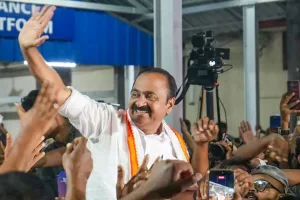
A protest march taken out by the Bharatiya Janata Yuva Morcha (BJYM), the youth wing of the BJP, to Cliff House, the official residence of Kerala Chief Minister VD Satheesan, turned violent at the Devaswom Board Junction on Friday, prompting the police to use multiple rounds of water cannons.

The BJP’s youth wing organised the march to protest alleged irregularities and systemic anomalies in recruitment examinations conducted by the Kerala Public Service Commission (PSC).

Activists alleged that the latest irregularities stemmed from at least 10 examination questions that were reportedly left completely unevaluated during the scoring process.

Protesters carried placards of the Chief Minister and raised slogans criticising his recent participation in a protest outside the Prime Minister’s residence.

Satheesan had recently joined a high-profile Congress agitation led by Rahul Gandhi outside the Prime Minister’s residence over alleged irregularities in the NEET examination.

BJYM leaders said that while the Chief Minister actively champions students’ rights on national platforms, he has failed to take concrete and transparent action to address serious administrative failures in his own state’s recruitment examinations. They accused Chief Minister V.D. Satheesan of political hypocrisy.

The peaceful march escalated into a confrontation when the police stopped the procession with heavy barricading at the Devaswom Board Junction. Refusing to disperse, several protesters attempted to climb over the barricades. Despite repeated use of water cannons, the demonstrators continued their protest and occupied the intersection for a considerable period.

The situation was eventually brought under control after senior BJP leaders, including BJP Parliamentary Party leader B.B. Gopakumar and BJP State General Secretary S. Suresh, addressed the protesters.

The march is widely viewed as part of the BJP and BJYM’s broader strategy to counter the opposition INDIA bloc and highlight what they describe as its “double standards” on youth-related issues. It is also seen as an attempt to shift the political narrative.

Nationally, opposition parties, including the Congress-led INDIA bloc, have been actively supporting youth-led protests in New Delhi over the NEET paper leak controversy. By staging protests in Kerala, the BJYM seeks to argue that the INDIA bloc is vocal about youth grievances at the Centre but has failed to address similar concerns in states it governs.

The central theme of the BJYM’s campaign was the alleged hypocrisy of Chief Minister V.D. Satheesan. Protesters pointed out that Satheesan travelled to New Delhi to join Congress leader Rahul Gandhi in a protest outside the Prime Minister’s residence over alleged examination irregularities at the national level, while his own administration is facing a Crime Branch Special Investigation Team (SIT) probe into the On-Screen Marking (OSM) software and allegations that answer sheets were left unevaluated.

By taking the protest directly to the Chief Minister’s official residence, the BJYM sought to convey that the INDIA alliance is selective in addressing allegations of irregularities in recruitment processes. The BJP’s political strategy appears to focus on shifting attention from alleged lapses in centrally conducted examinations to administrative failures at the state level, arguing that the opposition lacks the moral authority to champion students’ rights nationally while ignoring alleged PSC irregularities in Kerala.

Nieva backs Lovlina to turn favourable draw into Commonwealth gold

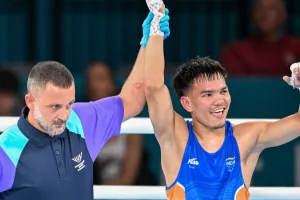
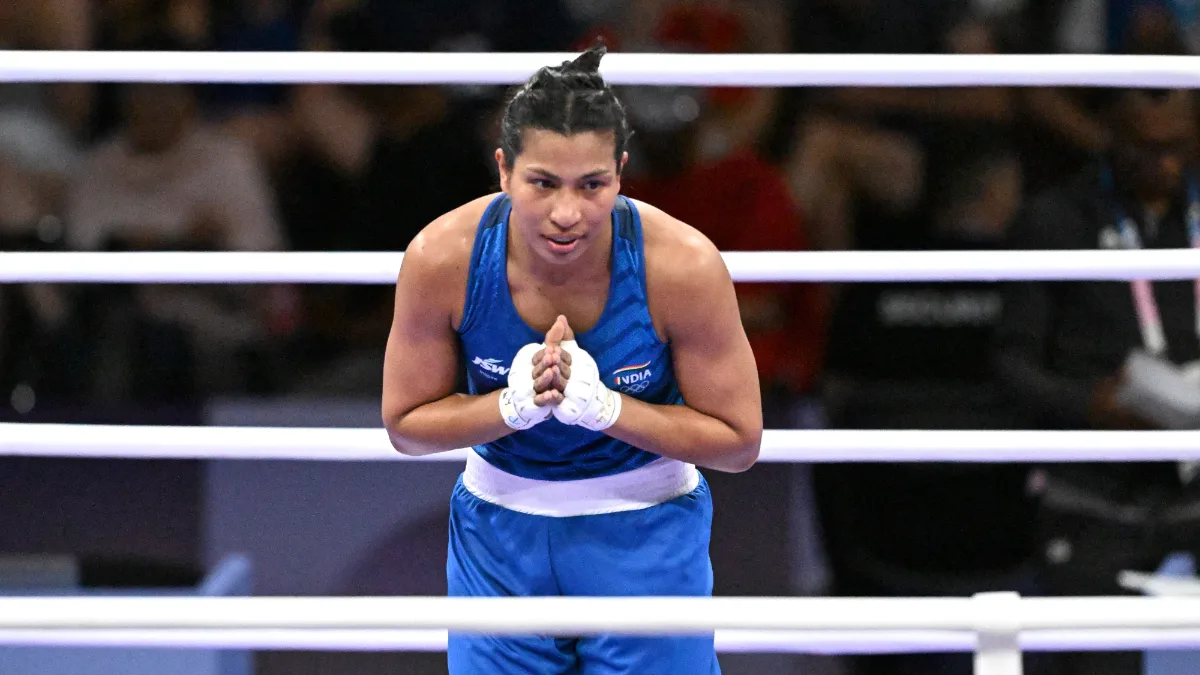
India’s medal campaign at the 2026 Commonwealth Games has got an early boost, with Olympic bronze medallist Lovlina Borgohain assured of at least a bronze medal in the women’s 75kg boxing event.

Statesman News Service | New Delhi |

India’s medal campaign at the 2026 Commonwealth Games has got an early boost, with Olympic bronze medallist Lovlina Borgohain assured of at least a bronze medal in the women’s 75kg boxing event. However, head coach Santiago Nieva said the team is focused on going all the way rather than just settling for a place on the podium.

Lovlina advanced straight to the semifinals after receiving a bye in a five-boxer draw. She will take on Tarona Khanum Badi Pasoni Taafaki of Tuvalu on July 31 for a place in the final.

“We’ve received the draw, and in Lovlina’s weight category there are five boxers. She has a favourable draw and will go directly into the semifinals, where she will face Tuvalu.

“They have sparred before in Belfast, and we’re confident that Lovlina is operating at a higher level. That said, she’s a tough opponent and a southpaw, so we need to be fully prepared and perform at our best. On paper, our main rivals England and Australia are on the other side of the draw and will face each other in the semifinals. While the draw is favourable for us, achieving our goal will require us to beat whoever comes our way,” Nieva told BFI.

With only five boxers in the women’s 75kg category, three athletes received direct entry into the semifinals. Along with Lovlina, Australia’s Emma-Sue Greentree and Tuvalu’s Tarona Taafaki also progressed without playing a quarterfinal. England’s Mary-Kate Smith and Nigeria’s Patricia Mbata will contest the lone quarterfinal, with the winner meeting Greentree in the last four.

The semifinal will be Taafaki’s first appearance at a major international event. Her brother, Pasoni Taafaki, is also representing Tuvalu in the men’s 70kg competition.

For Lovlina, the Glasgow Games also present a chance to make up for the disappointment of the 2022 Commonwealth Games in Birmingham, where she suffered a narrow defeat to Wales’ Rosie Eccles to miss out on a medal. However, with that baggage off her back, the Assam boxer will look to turn that guaranteed medal into silver or, ideally, Commonwealth Games gold.

Mamata Banerjee slams Centre over student protest crackdown, says nation stands with youth

She accused the Union government of attempting to crush a peaceful democratic movement by imposing restrictions around the protest site.

Statesman News Service | New Delhi |

Trinamool Congress chief and former West Bengal chief minister Mamata Banerjee on Friday strongly condemned the alleged police crackdown on students protesting against the NEET paper leak controversy, accusing the Centre of suppressing democratic dissent instead of addressing the concerns of lakhs of aspirants affected by examination irregularities.

In a post on her WhatsApp channel, Banerjee reiterated her unwavering support for the student movement, describing it as a fight not only against the alleged NEET scam but also for safeguarding the future of India’s youth.

“I have stood firmly with the students and their movement from the very beginning. Their fight is not just for justice in the NEET scam. It is a fight to protect the future of every young Indian,” she said.

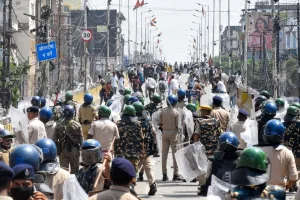
Referring to the July 20 “Sansad Chalo” march in New Delhi, Banerjee alleged that the Delhi Police used excessive force against peaceful demonstrators demanding accountability for repeated examination paper leaks.

“The brutal crackdown by the Delhi Police on peaceful protesters is deeply disturbing and utterly unacceptable. Students were mercilessly beaten, lathi-charged, fired upon with pellet guns and subjected to tear gas simply for demanding accountability,” she alleged.

Banerjee further accused the Union government of attempting to crush a peaceful democratic movement by imposing restrictions around the protest site.

“So fearful is the Union Government of a peaceful democratic movement that it reportedly suspended internet services in and around Jantar Mantar and invoked the draconian National Security Act (NSA) to carry out preventive detentions of students — the very future of our nation,” she said.

Questioning the Centre’s commitment to tackling corruption in examinations, the Trinamool Congress chief referred to the Central Bureau of Investigation’s reported findings in the 2024 NEET paper leak case and asked why those allegedly responsible had not been brought to justice.

“The Prime Minister speaks of zero tolerance towards corruption and promises strict accountability. Yet, only yesterday, the CBI stated that it found no evidence against the alleged kingpin in the 2024 NEET paper leak case. If those accused of destroying the future of lakhs of students continue to escape accountability, who is the government really protecting? Why is it so desperate to shield the Education Minister instead of answering the questions being raised by students across the country?” she said.

Expressing solidarity with the protesting students, Banerjee said the entire Opposition and the country stood behind them.

“The entire Opposition, along with the entire nation, stands firmly with our students and youth. I salute every young Indian for their indomitable spirit, unwavering courage, and refusal to bow before lathis, intimidation or the abuse of state power. India is proud of you all,” she said.

The remarks came amid escalating political tensions over the alleged NEET-UG paper leak and irregularities in other competitive examinations, which have triggered widespread student protests across the country.

The July 20 “Sansad Chalo” march witnessed thousands of students attempting to march towards Parliament to demand reforms in the examination system and action against those responsible for repeated paper leaks. The protest ended in clashes after police stopped demonstrators from proceeding towards Parliament.

The Opposition has accused the government of using excessive force against peaceful protesters and has demanded the resignation of Union Education Minister Dharmendra Pradhan, while also seeking a discussion on the issue in Parliament.

The government has defended the police action as necessary to maintain law and order and has denied allegations that pellet guns were used against demonstrators, maintaining that strict steps are being taken to curb examination malpractices. The controversy has continued to disrupt proceedings in both Houses during the ongoing Monsoon Session of Parliament.

Five-time world champion Anand to lead FIDE on interim basis

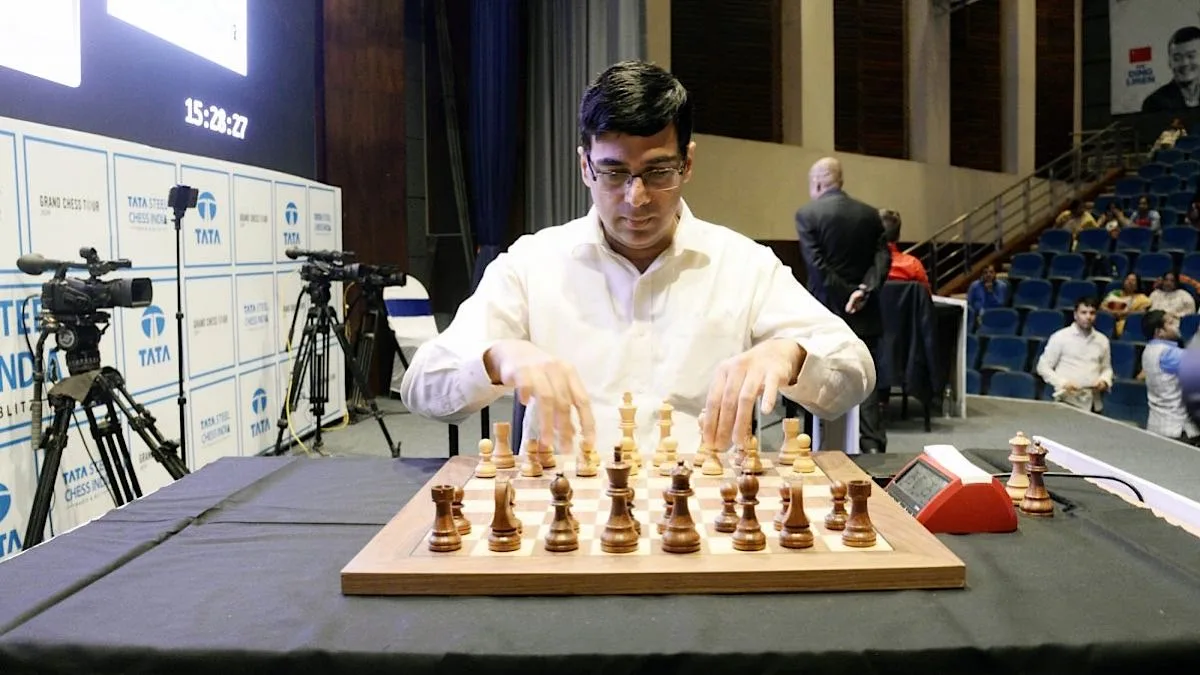
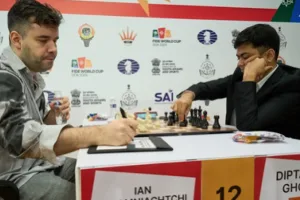
Five-time world champion Viswanathan Anand has been appointed interim president of the International Chess Federation (FIDE) after president Arkady Dvorkovich temporarily stepped aside following his inclusion in the European Union’s latest sanctions list linked to the ongoing Russia-Ukraine war.

Statesman News Service | New Delhi |

Five-time world champion Viswanathan Anand has been appointed interim president of the International Chess Federation (FIDE) after president Arkady Dvorkovich temporarily stepped aside following his inclusion in the European Union’s latest sanctions list linked to the ongoing Russia-Ukraine war.

Dvorkovich, who is from Russia, said he would challenge the EU’s decision through legal channels. The sanctions could result in the freezing of his assets and restrictions on his travel. Anand, who has served as FIDE Deputy President since 2022, will now lead the governing body until the matter is resolved.

Announcing the decision, FIDE said, “The FIDE Council accepts and ratifies the decision of Mr Arkady Dvorkovich to suspend the exercise of his rights, duties and prerogatives as President of the FIDE.”

“In accordance with article 19.2 of the FIDE Charter, Mr Anand Viswanathan, Deputy President of FIDE, shall act as Interim President as long as Mr Dvorkovich is subject to the restrictive measures provided by the Swiss and EU laws and regulations in force,” the statement added.

In a separate statement, Dvorkovich said he believes the sanctions are unjustified and confirmed that he will contest them.

“Today, the EU decision to include my name in the 21st sanctions list was published. I want to state unequivocally that I consider this decision unlawful and unfair, and this decision will be immediately challenged by all possible means. I am confident that justice will prevail.

“However, given that until a formal court decision is rendered and/or such decision is cancelled or amended, these sanctions could hinder the stable functioning of FIDE, I have decided to voluntarily suspend the exercise of my powers and duties as FIDE President with immediate effect and for as long as I remain subject to sanctions under the EU and Swiss laws and regulations.

“In accordance with the FIDE Charter, the duties of the President will be assumed by the FIDE Deputy President, the 15th World Champion, Viswanathan Anand,” said Dvorkovich.

Delhi Mayor’s office received another bomb threat, says MCD

Upon receiving the information, the Delhi Police and the security agencies concerned carried out a thorough and extensive search of the Mayor’s Office premises.

Statesman News Service | New Delhi |

The Mayor’s Office of the Municipal Corporation of Delhi (MCD) received another bomb threat on Friday morning.

“Considering the seriousness of the incident, the Mayor’s Office immediately informed the security agencies and the Delhi Police, following which the security apparatus was activated and necessary action was initiated,” the MCD said in a statement.

“According to official information from the Mayor’s Office, an email from an unidentified source was received at 10:23 am today, threatening to carry out a bomb blast at 1:11 pm. Acting without delay, the Mayor’s Office informed the concerned, the Delhi Police and the security agencies concerned carried out a thorough and extensive search of the Mayor’s Office premises,” the statement said.

During the operation, every sensitive area of the office, including all entry and exit points and other critical locations, was carefully inspected. The security agencies conducted a meticulous examination of the entire premises and ensured that all prescribed, the office had also received bomb threats.

Treating these repeated threats as a matter of serious concern, the Mayor’s Office had earlier sent a formal letter to the Commissioner of Delhi Police, requesting a detailed investigation and the Delhi Police to ensure that all necessary security measures were put in place in time.

Upon receiving the information, the Delhi Police and the security agencies concerned carried out a thorough and extensive search of the Mayor’s Office premises.

During the operation, every sensitive area of the office, including all entry and exit points and other critical locations, was carefully inspected. The security agencies conducted a meticulous examination of the entire premises and ensured that all prescribed security protocols were followed.

The Mayor’s Office clarified that this was not the first time such a threat had been received.

On three to four previous occasions, the office had also received bomb threats. Treating these repeated threats as a matter of serious concern, the Mayor’s Office had earlier sent a formal letter to the Commissioner of Delhi Police, requesting a detailed investigation into these incidents, the identification of those responsible, and strict and effective legal action against them.

“The Mayor’s Office stated that repeated threats targeting public institutions and offices associated with constitutional authorities are a matter of grave concern. It emphasised that those responsible must be identified at the earliest and dealt with firmly under the law to effectively deter such malicious and fear-inducing acts in the future,” the statement added.

Cricket Australia open to hosting an Ashes Test in India: Greenberg

Cricket Australia chief executive Todd Greenberg says he is open to the possibility of staging an Ashes Test in India if it helps grow interest in Test cricket, although he made it clear there are no such plans at the moment.

Statesman News Service | New Delhi |

Cricket Australia chief executive Todd Greenberg says he is open to the possibility of staging an Ashes Test in India if it helps grow interest in Test cricket, although he made it clear there are no such plans at the moment.

Speaking on the BBC’s Stumped podcast, Greenberg said Cricket Australia would be willing to consider the idea in the future.

“Our relationship with the ECB but also the BCCI is very strong, and clearly there are opportunities in India to put more content into certain areas,” Greenberg said.

“It’s not something we’re currently planning, but it would be certainly open to consideration. I think Test cricket between us, England and India is still very strong, probably bucking the trend as to other parts of the world. So we want to make sure we continue to grow it and strengthen it,” he added.
His comments come just days after Cricket Australia confirmed that the Big Bash League (BBL) will begin its 2026 season in India, with the opening match between the Melbourne Renegades and Perth Scorchers set to be played at Chennai’s MA Chidambaram Stadium.

Greenberg, however, admitted that fitting additional matches into an already crowded international calendar would be a major challenge.

“The challenge for all of us in global cricket is there’s only 365 days in a schedule and we probably need another month or two [to] generate some of the content that we’re trying to,” he said.

The Ashes is the oldest rivalry in Test cricket, with Australia and England first meeting in 1877.
Earlier this week, the schedule for the 2027 men’s and women’s Ashes was announced, with both series set to be played simultaneously in England. The first-ever Mixed Disability Ashes will also be held during the same period.

Uttarakhand police constable at Jantar Mantar says he wanted to shoot security man who hit protesting girl

Amidst the ongoing student protest at Jantar Mantar in Delhi over the NEET paper leak, an Uttarakhand police constable surprised his colleagues here by stating he wanted to shoot a security official, who manhandled a protesting girl, with AK47.

Prithviraj Singh | Dehradun |

Amidst the ongoing student protest at Jantar Mantar in Delhi over the NEET paper leak, an Uttarakhand police constable surprised his colleagues here by stating he wanted to shoot a security official, who manhandled a protesting girl, with AK47.

Identified as Sher Singh, the Uttarakhand cop iwas conspicuously missing from his duty for more than 25 days. His presence at the protest site came to light after a video clip of him at Jantar Mantar supporting the anti-government agitation went viral on social media. The viral video shows the constable saying hundreds of policemen in the state are ready to resign and join the movement at Jantar Mantar. No nation can progress if its youth are beaten on the streets like that.

“At a time when the youth were being lathi-charged, I was deployed on duty protecting corrupt politicians. When I saw a protesting sister being beaten with batons, my first thought was to shoot him down with an AK-47,” Singh said in his viral video.

He also said to have stated that question papers are easily available at Pan Shops in Uttarakhand.

Responding to a query, IG Kumaon Nivedita Kukreti said the Uttarakhand police constable in question had been absent from his duty in Pithoragarh since June 28. “He was also served a notice for his absence. After this, he was suspended on July 20 for no reapon4 to the departmental notices issued to him. The suspended constable has a prior criminal history too as he and an associate jad nexus with several notorious criminals like Praveen Valmiki. They used to intimidate and threaten people to usurp their land. A case was registered against him in Haridwar. He spent several months in jail. Fresh action will be initiated against him for his participation in Jantar Mantar Protest.”

The IG Kumaon said appropriate action will also be taken against him regarding the allegations the constable is making.

Just backed my strengths: Sooryavanshi reflects on dream knock at Harare

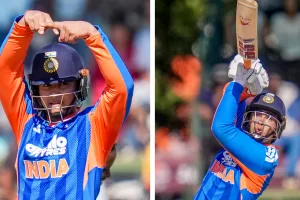
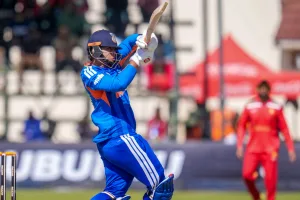
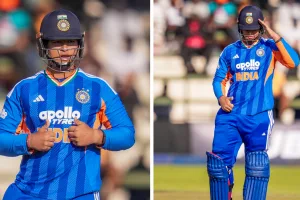
India opener Vaibhav Sooryavanshi says his confidence has grown after becoming the youngest player to score a half-century in international cricket during the first T20I against Zimbabwe in Harare on Thursday.

Statesman News Service | New Delhi |

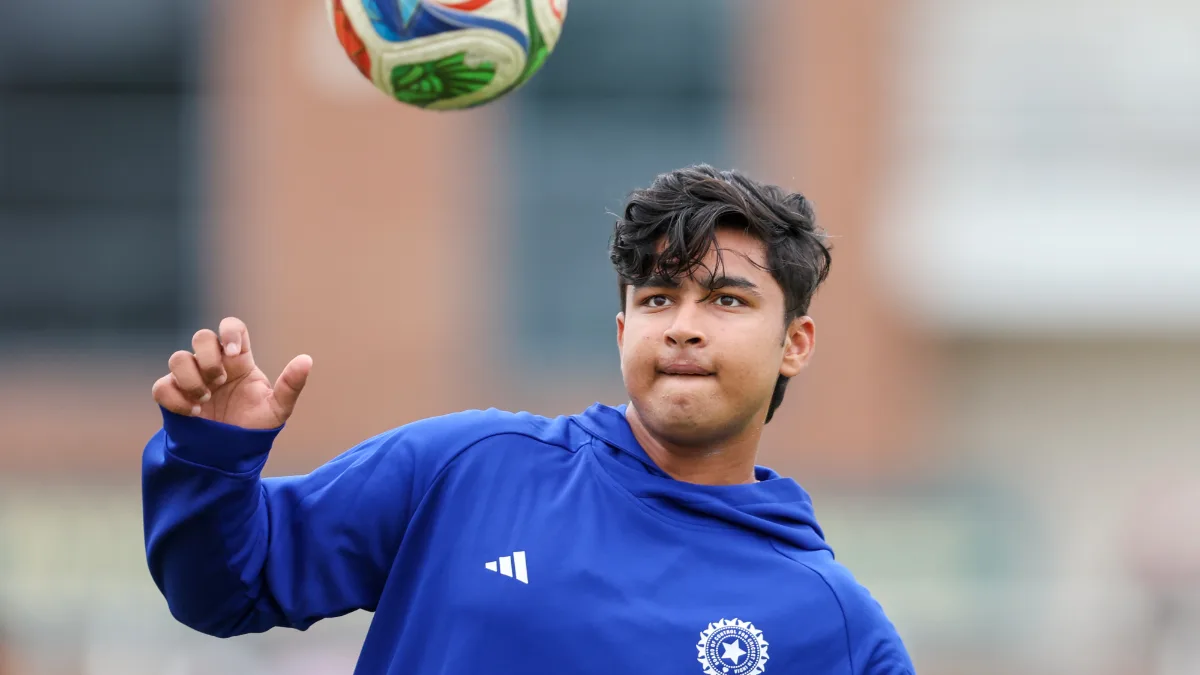
India opener Vaibhav Sooryavanshi says his confidence has grown after becoming the youngest player to score a half-century in international cricket during the first T20I against Zimbabwe in Harare on Thursday.

The 15-year-old produced a sensational knock of 50 off just 19 balls, reaching the milestone in only 18 deliveries. His innings included four fours and four sixes and laid the foundation for India’s comfortable victory in the series opener.

Speaking after the match, Sooryavanshi said getting such an innings early in his international career has given him a big confidence boost.

“When it’s the starting phase of your career, and you get these kinds of innings early on, and you perform well, it builds confidence for the upcoming matches,” Sooryavanshi told BCCI.tv.

“It felt like I was in my zone and I just backed my strengths. That was all,” he added.

The young batter also dedicated his maiden international fifty to the people who have supported him throughout his journey.

“I would like to dedicate this (fifty) to my family, my coaches, and to everyone who has supported me along my journey, through every good and bad phase,” he said.

The Bihar teenager also explained the celebrations he performed after reaching the landmark.

“I did that celebration for my mum, and the other one was based on a conversation with Rinku (Singh) bhaiya,” he revealed.

Harare has quickly become a happy hunting ground for the left-hander. Earlier this year, at the same venue, he smashed a record-breaking 175 off just 80 balls to guide India to the ICC Men’s Under-19 World Cup title.

Asked about his success at the Harare Sports Club, Sooryavanshi admitted he enjoys batting there but insisted his focus remains on contributing to the team wherever he plays.

“You could say that I like the vibe here,” he said.

“There are some grounds where you just love scoring runs. I’m not taking this for granted at all. I’m just trying to give my best, contribute to the team, perform well wherever I play,” he added.

India will take on Zimbabwe in the second T20I at the Harare Sports Club on Saturday, with Sooryavanshi hoping to continue his impressive start to international cricket.

Tahura chases Olympic dream after historic World U20 qualification

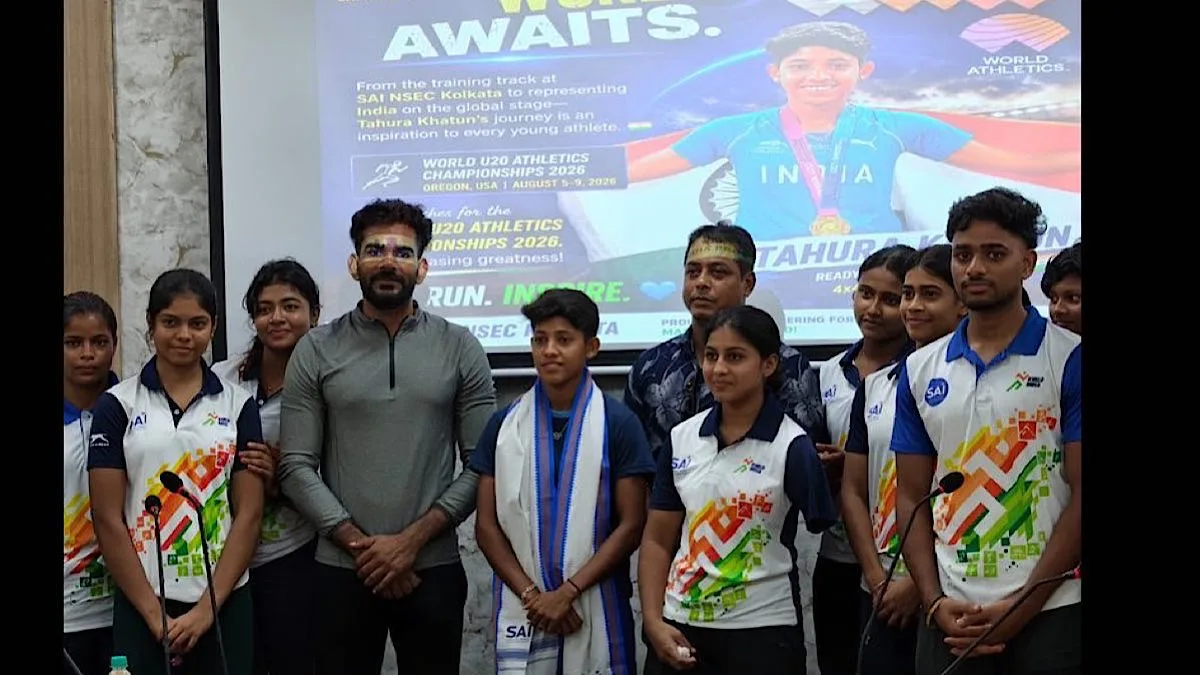
After becoming the first athlete from Bengal to qualify for the World U20 Athletics Championships, Tahura Khatun is now chasing even bigger goals. The 19-year-old will compete at the World U20 Championships in Oregon, USA, but says her ultimate ambition is to one day stand on top of the Olympic podium.

Statesman News Service | Kolkata |

After becoming the first athlete from Bengal to qualify for the World U20 Athletics Championships, Tahura Khatun is now chasing even bigger goals. The 19-year-old will compete at the World U20 Championships in Oregon, USA, but says her ultimate ambition is to one day stand on top of the Olympic podium.

“My ultimate goal is to win gold at the Olympics. For now, I am totally focused on the World U20 Athletics Championships. I will compete in the mixed 4x400m relay, which will require a collective effort from the entire team in order to win a medal. However, I will put in my best effort and will do my best to make the country proud,” Tahura said before leaving for the United States.

Tahura trains at the Sports Authority of India (SAI) Eastern Centre under chief coach Sanjoy Ghosh and assistant coach Jaspal Singh Pannu. She earned her place at the World Championships after winning gold in the women’s 4x400m relay at last month’s Asian U20 Athletics Championships.

The success has brought greater expectations, but the young runner believes she is ready for the challenge.

“There have been a lot of changes in my life after my success at the Asian U20 event. The expectations are greater now. However, I am in good form now and have won gold at the recent state meet, where I created a new meet record. I am aiming to carry this form into the World U20,” she said.

Tahura comes from Phulbari village in South 24 Parganas district. Before taking up athletics, she spent her childhood playing football and cricket with boys in her village.

She credits SAI and her coaches for changing her life and helping her pursue athletics professionally.

“I have been training at SAI for the last five years, and I owe all my achievements to the coaches and support staff over here. They look after all my requirements, including training, diet etc,” she said.

“When I started my journey in athletics, I faced a lot of difficulties since my family was finding it tough to fund my training. But after I was selected to train at SAI, my life has changed, and I hope to achieve greater glory under the guidance of my SAI coaches Sanjoy sir and Jaspal sir,” she added.

“I hope my achievements will inspire the youth of West Bengal to take up athletics in bigger numbers.”

Despite her achievements, one memory still stays with her.

“When I returned after the Asian U20, there was no one to receive me at the airport. I aim to change that by winning medals at the world level,” she said.

Chhattisgarh set to introduce UCC bill in Winter Session, expert panel starts deliberations

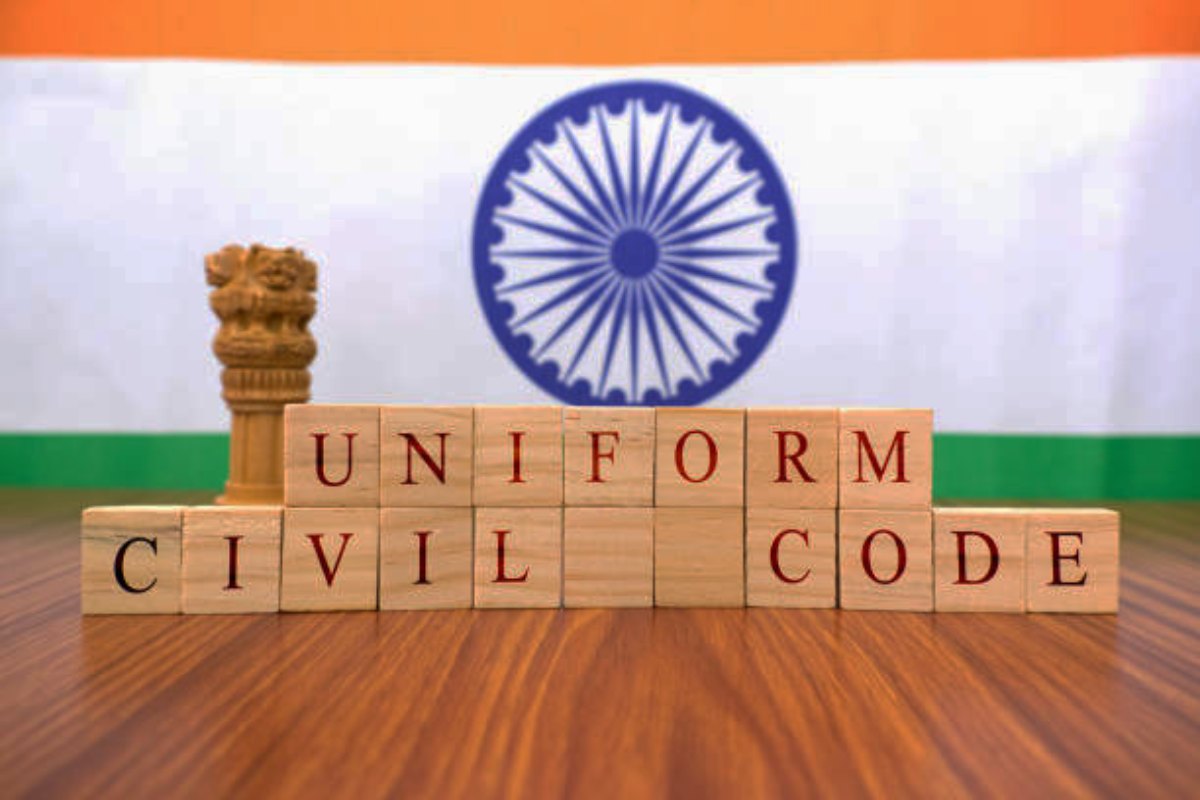
Chhattisgarh has moved closer to introduce the Uniform Civil Code (UCC), with the state government’s high-level committee holding its first meeting on Friday.

Statesman News Service | Raipur |

Chhattisgarh has moved closer to introduce the Uniform Civil Code (UCC), with the state government’s high-level committee holding its first meeting on Friday. The meeting, chaired by former Supreme Court judge Justice Ranjana Prakash Desai, lasted for more than two hours. Officials described it as an introductory session to discuss the proposed legal framework and chart the process for preparing the draft.

Justice Desai joined the meeting through video conferencing from New Delhi. The meeting, held at the Chief Secretary’s office in Raipur, was attended by committee members former Uttarakhand IAS officer Shatrughan Singh, M.K. Raut, senior advocate Mohan Pawar and retired principal Jyoti Rani Singh.

One of the key decisions taken during the meeting was to seek public participation before finalising the committee’s recommendations. A dedicated portal, cgucc.com, will be launched to invite claims, objections and suggestions from citizens on the proposed law.

The state government has constituted a five-member committee to prepare the draft of the Uniform Civil Code. Besides Justice (Retd.) Ranjana Prakash Desai as chairperson, the panel comprises Shatrughan Singh, M.K. Raut, Mohan Pawar and Jyoti Rani Singh.

Earlier, Chief Minister Vishnu Deo Sai said that the state government intends to introduce the UCC Bill during the upcoming Winter Session of the Assembly after the committee submits its recommendations. Speaking to reporters before leaving for Karnataka, Sai said the panel would complete its deliberations before submitting its report, after which the government would complete the necessary formalities to place the Bill before the House.

If the legislation is passed, Chhattisgarh will become the fifth state in the country to move ahead with the Uniform Civil Code after Uttarakhand, Gujarat, Assam and Madhya Pradesh, which have either implemented or initiated the process.

Responding to recent protests by the Congress party, the Chief Minister said that peaceful protest is a democratic right, but no one is allowed to take the law into their own hands. Alleging that Congress workers had resorted to stone-pelting “like in Kashmir”, he said those responsible for disturbing law and order would face action in accordance with the law.

The Uniform Civil Code seeks to establish a common legal framework for civil matters such as marriage, divorce, inheritance, adoption and property for all citizens, irrespective of religion.

The government claims that the proposed law is intended to bring greater uniformity in civil laws, simplify legal procedures and promote gender equality. In tribal-majority Chhattisgarh, however, In tribal-majority Chhattisgarh, however, it remains to be seen whether the tribal community will be kept outside the scope of the proposed legislation.

Kerala govt suspends ADGP M R Ajith Kumar for allegedly pressuring officers in assault case

The Kerala government on Friday placed senior IPS officer and Additional Director General of Police (ADGP) M R Ajith Kumar under suspension, holding that the allegations against him were supported by the statements of multiple investigating officers and that his continuance in service could affect the fairness of the inquiry.

Statesman News Service | Thiruvananthapuram |

The Kerala government on Friday placed senior IPS officer and Additional Director General of Police (ADGP) M R Ajith Kumar under suspension, holding that the allegations against him were supported by the statements of multiple investigating officers and that his continuance in service could affect the fairness of the inquiry.

Chief Secretary Bishwanath Sinha on Friday issued the suspension order, a day after approving disciplinary proceedings against him for alleged interference in the probe into the assault of Youth Congress workers in Alappuzha. The order invokes Rule 3(1) of the All India Services (Discipline and Appeal) Rules, 1969, citing that his continuation in service would compromise the fairness of the ongoing inquiry.

The disciplinary action is based on a damning report by the Special Investigation Team (SIT) led by SP Shoukath Ali. The investigation revealed that Ajith Kumar used his official position to derail the case involving the brutal assault of Youth Congress and KSU workers by the personal security staff of former Chief Minister Pinarayi Vijayan during the Nava Kerala Sadas in 2023.

According to the order, the progress report submitted by the Special Investigation Team (SIT), headed by Crime Branch SP Shoukath Ali, revealed that the former ADGP (Law and Order) heavily pressured previous investigators.

“The office of the then ADGP (Law and Order), M R Ajith Kumar, IPS, had influenced the course of the investigation and shaped it in a way that ultimately resulted in the case being closed with a refer report. The earlier investigating officers alleged that they had been pressured to steer the case towards such a report,” the suspension order said.

The order noted that allegations of undue influence were not isolated. They are heavily corroborated by written statements from multiple investigating officers, including Inspector KP Tomson and Deputy SPs Arun KS and Sunil Raj.

Rejecting the defence presented by Ajith Kumar, the government noted that the supervisory powers granted to officers under Section 36 of the Code of Criminal Procedure must be exercised lawfully and strictly to ensure justice.

“Under Section 36 of the Code of Criminal Procedure, a supervisory officer may intervene in an investigation by exercising the powers of the Station House Officer. Such intervention should be lawful and to ensure justice. Here, the intervention by Ajith Kumar, IPS, was not in accordance with law and, more importantly, it led to injustice to the victims and protection for the accused from legal action,” the order said.

The Special Investigation Team (SIT) found that Ajith Kumar actively undermined the investigation. He summoned the investigating officers to his office and forced them to manipulate the case diaries. Additionally, key evidence, including forensic data and witness statements, was altered to shield the accused security personnel from accountability. The SIT report concluded that his intervention was a deliberate attempt to weaken the prosecution’s case before it reached the court.

The decisive suspension order comes just days before July 31, 2026, when Ajith Kumar was scheduled to be promoted to the prestigious rank of DGP. Under standard service rules, active disciplinary proceedings automatically freeze career advancements

At the time of suspension, he was serving as the Managing Director of the Kerala State Beverages Corporation (BEVCO), a post he was moved to after being sidelined from law and order duties.

During the 2023 Nava Kerala Yatra in Alappuzha, Youth Congress and KSU activists held a black-flag protest. Members of then Chief Minister Pinarayi Vijayan’s security team allegedly stepped out of their escort vehicles and brutally assaulted the protesters, who included current Alappuzha MLA A D Thomas and Youth Congress leader Ajay Juel Kuriakose, with lathis.

Pinarayi Vijayan defended the security team, publicly claiming their aggressive actions were a vital “rescue operation” to safeguard his life. The Special Investigation Team (SIT), constituted after the UDF government assumed power to reinvestigate the case, has in its report thoroughly rejected this defence, stating local police had already successfully cordoned off and contained the protesters, leaving the CM’s personal security personnel with absolutely no operational justification to intervene.

The SIT concluded that the accused personnel were explicitly unauthorised to carry or use lathis, and that hitting protesters on the head constituted a clear intent to commit murder.

Though the Alappuzha Magistrate Court had ordered a re-investigation on November 8, 2024, rejecting a Crime Branch report clearing the accused gunmen, the previous administration left the file untouched. The new UDF government has decided to re-investigate the incident, known as the “rescue operation”. Accordingly, the Kerala Police has constituted a six-member Special Investigation Team (SIT) led by Alappuzha Crime Branch Superintendent of Police (SP) A P Shoukath Ali, to re-investigate the ‘rescue operation’ that took place in Alappuzha during the Nava Kerala Sadas.