Logo

Soak, drink, chew: Acharya Balkrishna’s easy fenugreek routine for diabetes care

A humble spoon of fenugreek seeds, soaked overnight, might be doing more than most people realize. Acharya Balkrishna revives this old morning ritual, tying it to blood sugar control and eye health for diabetics.

Statesman News Service | New Delhi | Updated :

Patanjali Yogpeeth’s managing director Acharya Balkrishna recently shared a health tip on Facebook that’s worth paying attention to if diabetes runs in your family or you’re managing it yourself. The spice in question is one that’s probably sitting in your kitchen right now — fenugreek seeds, or methi dana.

According to Balkrishna, these small, bitter seeds can help lower blood sugar levels in people with diabetes. And that’s not all — he also mentioned that using them regularly may help prevent cataracts, a complication that’s fairly common among long-term diabetics.

He even laid out a simple method for using them. Soak one teaspoon of fenugreek seeds in half a cup of water overnight. The next morning, drink the water on an empty stomach and chew the softened seeds thoroughly. Nothing fancy, nothing expensive — just a habit that takes maybe two minutes of effort.

What research actually says about fenugreek and blood sugar

This isn’t just something passed around in family WhatsApp groups either — there’s genuine research behind it. Fenugreek seeds contain a soluble fibre called galactomannan, and this compound essentially slows down how quickly sugar gets absorbed in the digestive tract. The practical effect? Fewer sudden blood sugar spikes after meals.

Multiple clinical studies have looked into fenugreek’s role in diabetes management over the years. Some trials have found modest but real reductions in fasting blood sugar, along with improved glucose tolerance in people who took fenugreek consistently. Scientists have also zeroed in on a specific amino acid in the seeds, 4-hydroxyisoleucine, which appears to help stimulate insulin secretion in the body.

Why diabetes and cataracts are often linked

The cataract connection Balkrishna mentioned isn’t random either. Diabetes is a well-established risk factor for cataracts. Over time, consistently high blood sugar levels can affect the lens of the eye, causing clouding and gradually worsening vision. This specific type is often referred to as diabetic cataract, and it’s something eye specialists watch for closely in long-term diabetes patients.

Some lab-based studies have explored fenugreek’s antioxidant properties and whether they help reduce the oxidative stress that contributes to diabetic complications, including these eye issues. It’s worth noting though, this area of research is still developing, and results haven’t been entirely consistent across studies.

What’s actually inside these seeds

Nutritionally, fenugreek seeds aren’t just about blood sugar. They’re a decent source of fibre, protein, iron, and manganese too. That slightly bitter, almost nutty taste is something most Indian households are deeply familiar with, whether it’s used as a cooking spice or as part of an old family remedy passed down from grandparents. Most people either soak the seeds first or dry-roast them before use, depending on the recipe or remedy.

In Ayurveda, fenugreek is classified as having warming properties, and it’s traditionally been used to support both digestion and blood sugar balance, which lines up fairly well with what modern research is now confirming.

Why soaking overnight actually matters

The whole soak-overnight, drink-in-the-morning routine isn’t just tradition for tradition’s sake. It’s believed that soaking makes the nutrients in the seeds easier for the body to access and digest. Chewing the softened seeds afterward is considered just as important a part of the process, not an optional extra.

This has been a household practice across generations in India, especially for people trying to manage blood sugar naturally or simply keep their digestion in check.

A word of caution worth remembering

That said, health experts are pretty consistent on one point: anyone managing diabetes should keep following their doctor’s guidance alongside any dietary changes they make. Blood sugar levels don’t behave the same way for everyone — they shift based on individual health conditions, medications, and overall diet, which is why regular monitoring still matters so much.

Fenugreek, in that sense, works best as a complementary habit alongside prescribed treatment, not as a replacement for it. It’s a helpful addition to the routine, not a substitute for actual medical care.


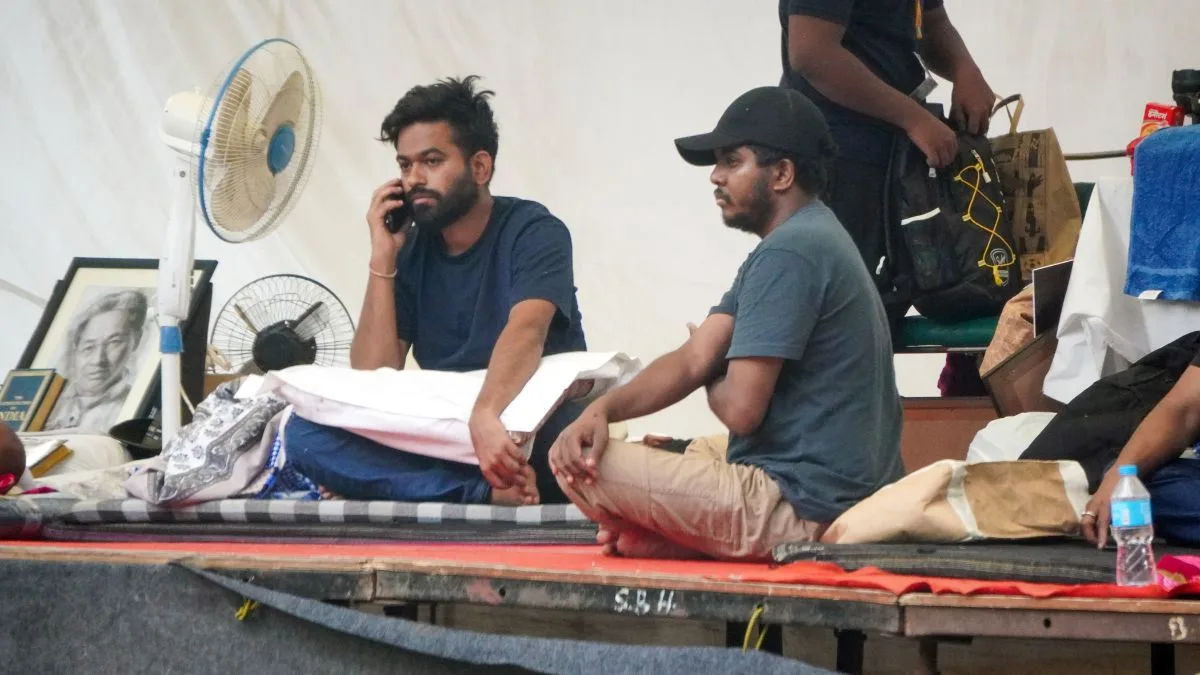
‘Fight will go on’: CJP’s Abhijeet Dipke diagnosed with typhoid, vows to continue protests for Pradhan’s resignation

Abhijeet Dipke thanked supporters for holding peaceful demonstrations nationwide as the CJP continued to insist that further government negotiations be conducted at a neutral venue.

Statesman News Service | New Delhi |

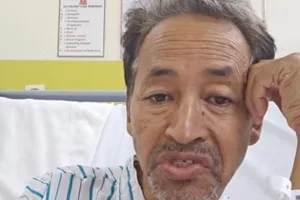
Nationwide demonstrations demanding Union Education Minister Dharmendra Pradhan’s resignation will continue, Cockroach Janta Party founder Abhijeet Dipke said on Saturday as he disclosed that he had been diagnosed with typhoid.

Dipke used a video message to assure supporters that his illness would not change the CJP’s principal demand or bring its continuing agitation to a halt.

‘Fight will go on until Dharmendra Pradhan resigns’

“Have been diagnosed with typhoid, but the fight will go on until Dharmendra Pradhan resigns,” Dipke said.

The announcement followed an earlier spell of fever that had left the CJP founder physically weak while the organisation continued its demonstrations.

Dipke did not provide further details about his medical condition in the message.

Dipke thanks CJP supporters across India

The CJP founder thanked supporters who participated in demonstrations across the country and praised them for keeping the protests peaceful.

“I really want to thank all the cockroaches protesting peacefully nationwide, and congratulations to all for making this movement a success,” he said.

The organisation has maintained that the protests will continue until its demand concerning Pradhan is accepted.

CJP seeks neutral venue for government talks

Dipke had on Friday said that any further negotiations with the Centre must be held at a neutral location.

“Our demonstration will go on until Dharmendra Pradhan steps down. Any meeting must take place at a neutral location or venue. Nothing less than the resignation of Dharmendra Pradhan will be accepted,” he said.

CJP representatives held a nearly two-hour meeting with Union ministers JP Nadda and Jitendra Singh. The organisation said the government sought time until Saturday afternoon to consider its demand for Pradhan’s resignation.

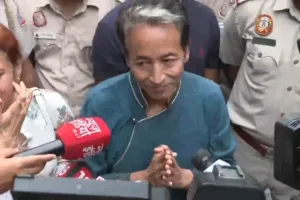
Sonam Wangchuk ends 26-day hunger strike

Dipke’s health update came a day after social activist Sonam Wangchuk ended his 26-day hunger strike.

Wangchuk stopped fasting after receiving written assurances from the Union government concerning the NEET examination controversy and changes to the competitive testing system.

Dipke welcomed the decision while insisting that the wider protest would continue.

“Our protest will continue until Dharmendra Pradhan resigns. We are very happy and relieved that Sonam sir has ended his hunger strike, as it had been over 26 days. His life is extremely precious to this country,” Dipke said.

Wangchuk later responded to people questioning why he had ended his fast. He said he had initially received verbal assurances but waited two more days for a formal document before withdrawing the hunger strike.

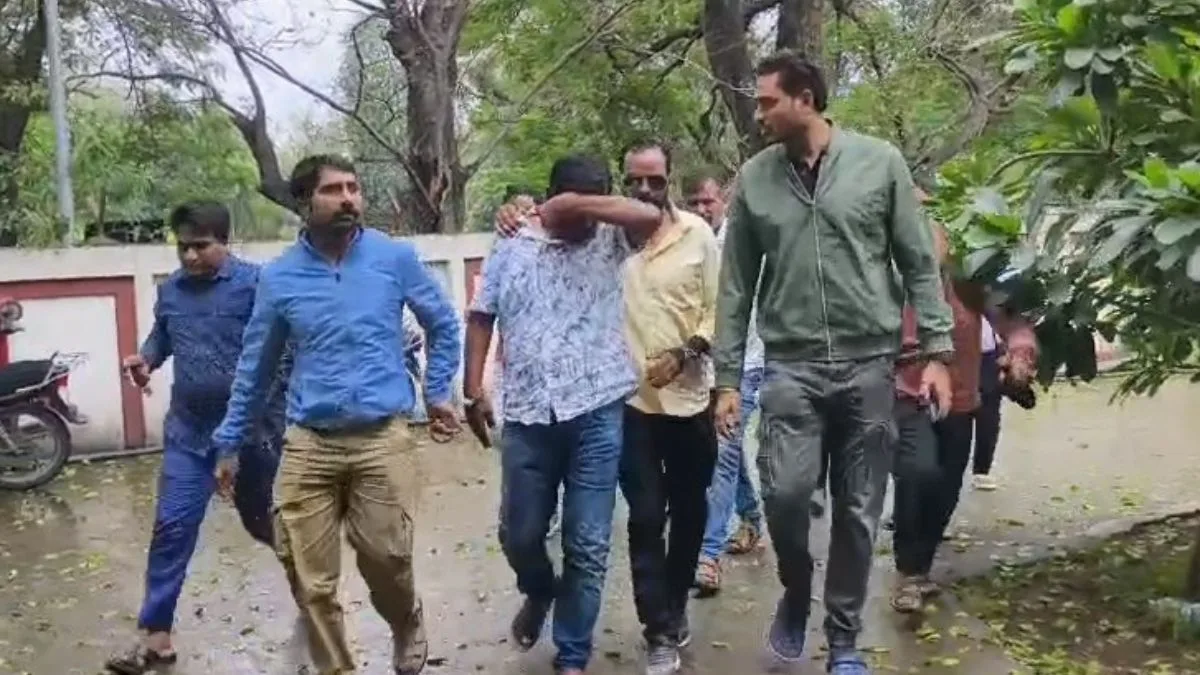
Maharashtra TET paper leak: Alleged mastermind Bijendra Kumar Gupta arrested in Patna, brought to Bhiwandi

Bijendra Kumar Gupta’s wife and several other suspects were arrested earlier as investigators widened their inquiry into the network’s possible financial and interstate connections.

Statesman News Service | New Delhi |

The man police accuse of operating the Maharashtra Teacher Eligibility Test paper leak network has been arrested in Patna after evading investigators for nearly a month.

Bhiwandi Police arrested Bijendra Kumar Gupta along with his alleged associate, Indrajeet Singh alias Piku. The latest operation has taken the total number of arrests in the case to 14.

Gupta was flown to Pune Airport before being taken under police protection to Bhiwandi. Both accused were brought to the office of the Deputy Commissioner of Police, Zone 2, for questioning.

Intelligence operation ends Bihar search

Police said a special Bhiwandi team located Gupta and Singh in Patna after receiving specific intelligence.

Gupta had remained out of reach despite repeated raids in Bihar and search operations across different locations.

Investigators describe him as a central figure in the alleged paper leak syndicate. They are expected to produce him before a court and seek his custody for further interrogation.

Probe turns to paper leak network and money trail

Police hope the questioning will reveal how the Maharashtra TET paper was obtained and circulated.

Investigators are also seeking information about other people involved, their respective roles and the geographical reach of the alleged network.

The financial side of the operation is another focus of the investigation. Police are tracing the movement of funds, suspected financial backers and channels through which money may have been transferred.

Investigators believe the money trail could lead them to additional collaborators and beneficiaries.

Police are also examining Gupta’s suspected involvement in other examination paper leak cases. These alleged links remain under investigation.

Gupta’s wife among those arrested earlier

Several accused had been taken into custody before the Patna operation, including Gupta’s wife.

Police suspect she was connected to the financial operations of the alleged network. Gupta, however, had continued to evade arrest until Saturday.

The arrest of Gupta and Singh has raised the number of people held in the Maharashtra TET investigation from 12 to 14.

Maharashtra TET was scheduled across 1,028 centres

The Maharashtra TET was scheduled to take place on June 28 across 1,028 examination centres. The state examination council postponed the test after police investigating activity in Bhiwandi received information that some people allegedly possessed material connected to the question paper.

Leader of the Opposition in the Lok Sabha Rahul Gandhi had criticised the delay in announcing a fresh examination date and said around six lakh candidates had been left uncertain about their future.
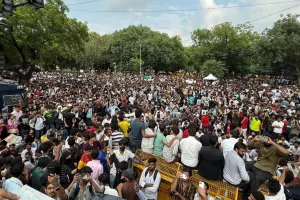
“Maharashtra TET paper leaked, exam cancelled. 6 lakh candidates left in limbo. Two weeks have passed, no trace of a new date. The leakers roam free, the system remains spotless, and the one paying the price is the one who toiled with honesty,” Gandhi wrote on X.
The examination council’s public notice described the test as postponed, rather than cancelled.

Gandhi asked Maharashtra Chief Minister Devendra Fadnavis to announce a fresh examination schedule, ensure strict action against those responsible and provide age relaxation to candidates affected by the postponement.

Army officer’s son, 20, killed after car falls into drain near Delhi’s Vasant Kunj; DDA ignored complaints, say residents

Yashvendra and the surviving passenger studied at the same US institution. Police said the vehicle belonged to the passenger, who cited the slippery road in her statement.

Statesman News Service | New Delhi |

Repeated complaints about an accident-prone open drain allegedly went unanswered before a car overturned into it near Delhi’s Vasant Kunj, killing a 20-year-old student, according to residents.

The accident occurred near the Nangal Dewat traffic signal on Friday morning. Police said the car lost control while negotiating a sharp turn and entered the drain. The surviving passenger later attributed the crash to the slippery road.

Car overturns in drain near Nangal Dewat

The victim, identified as Yashvendra, was driving towards Vasant Kunj with a female friend when the accident occurred.

Police said the car skidded near the sharp turn, fell into the drain and overturned. Yashvendra suffered serious injuries and died during treatment.

A PCR call reporting a fatal road accident was received at Vasant Kunj South police station. Officers subsequently reached the crash site and began legal proceedings.

The vehicle belonged to the co-passenger but was being driven by Yashvendra, according to police.

Residents allege repeated complaints to DDA were ignored

Residents said the open drain had been involved in several accidents and claimed that requests to have it covered produced no action from the Delhi Development Authority.

“Accidents happen here regularly. Yesterday, these youngsters, aged around 20 to 25 years, were travelling through this stretch when their vehicle fell into an open drain. One of the youngsters unfortunately lost his life,” an eyewitness said.

“This open drain has long been an accident-prone spot, and it is the responsibility of the DDA.”

Another part of the eyewitness account alleged that residents had raised the matter during several meetings.

“We have repeatedly raised this issue with the DDA and have held several meetings, urging them to cover the drain, but no action has been taken, and today, one life was lost due to this,” the resident said.

The DDA’s response to the residents’ allegations was not available.

Passenger cites slippery road as cause of crash

The co-passenger told investigators that the vehicle lost control because the road was slippery.

Police have not announced a final cause of the accident. Investigators are examining the circumstances in which the car left the road and entered the drain.

Yashvendra and the passenger were pursuing higher education at the same institution in the United States. Police said Yashvendra was the son of an Indian Army officer.

Further investigation is underway.

Floodwater shuts Ahmedabad-Viramgam highway; police say vehicle movement unsafe

Gujarat Deputy Chief Minister Harsh Sanghavi inspected flood-hit Umargam as the administration prepared household damage surveys and assistance for eligible residents.

Statesman News Service | New Delhi |

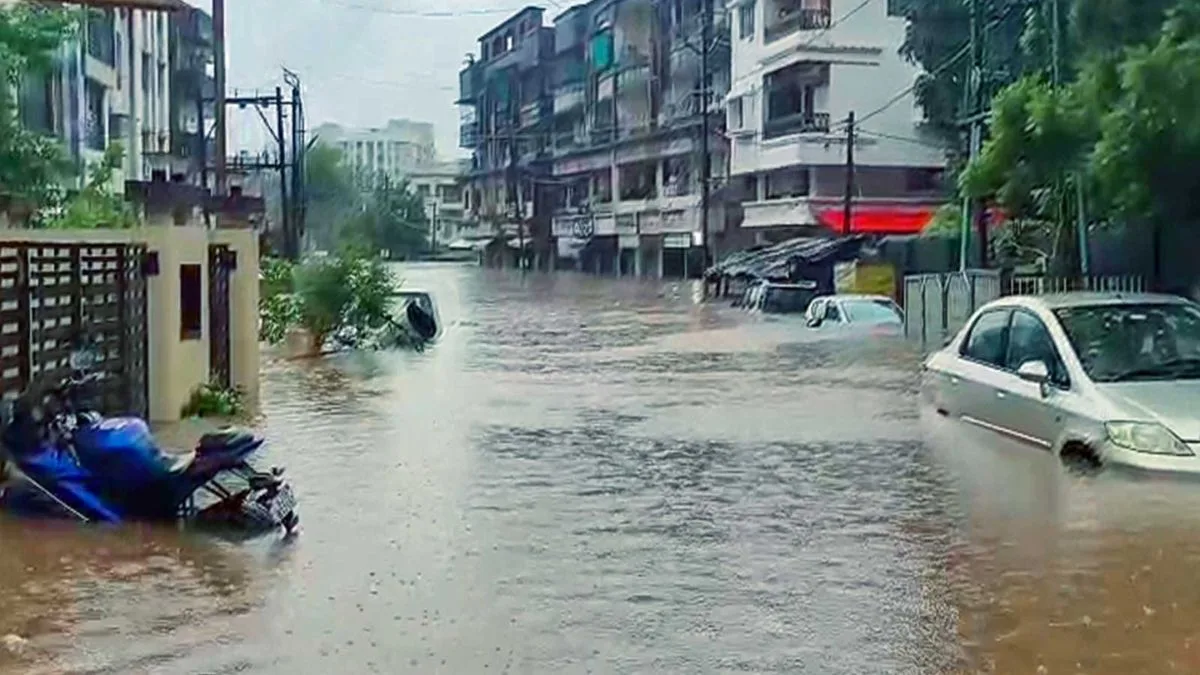
Traffic between Sanand and Viramgam was stopped in both directions on Saturday after floodwater made the Ahmedabad-Viramgam highway unsafe for vehicles.

The closure came as authorities continued evacuations in Ahmedabad district, where around 840 people were moved from vulnerable areas over two days. An official said the situation remained under control, although waterlogging persisted and a red alert for heavy rain was in force.

Ahmedabad-Viramgam highway closed to all vehicles

Ahmedabad District Police announced the complete temporary closure after excessive water began flowing over the road.

“No vehicle from Sanand to Viramgam and Viramgam to Sanand is safe to ply over it. We are closing the entire highway for the time being,” the district police said.

No reopening time was announced. The closure affects traffic travelling in either direction between Sanand and Viramgam.

Around 840 people evacuated and relocated

Ahmedabad District Collector Bhavya Verma said 440 people had been evacuated a day earlier. Around 400 more were relocated from Viramgam taluka as a precaution.

Authorities also rescued 40 people, including six who had become trapped in floodwater.

“These individuals were rescued with the help of the SDRF team, police, and local administration,” Verma said.

Personnel from the State Disaster Response Force, police and local administration were involved in the operations.

Army and SDRF deployed along Ahmedabad-Rajkot highway

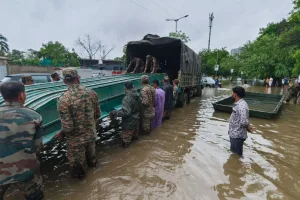
Indian Army and SDRF teams were also stationed along the Ahmedabad-Rajkot highway as the administration watched areas exposed to further flooding.

“The situation is currently under control, though waterlogging persists in several areas. All administrative and rescue teams are actively deployed on the ground,” the collector said.

Dholka and Viramgam recorded the district’s highest rainfall during the preceding 24 hours, according to Verma. He said the administration was exercising additional caution in both areas.

There had been no rain in Dholka and Viramgam for eight hours before his briefing, offering some respite to response teams.

Harsh Sanghavi inspects flood-hit Valsad

Gujarat Deputy Chief Minister Harsh Sanghavi inspected flood-affected parts of Umargam in Valsad district on Friday.

He met residents and reviewed rescue work while asking people to follow official instructions and avoid rumours.

Valsad BJP MP Dhaval Laxmanbhai Patel said more than 12,000 people had been rescued and provided shelter, food and other essential assistance. He also said food kits were delivered to people stranded in villages.

Patel claimed that parts of Valsad had received 46 inches of rain, which he described as the third-highest rainfall recorded in India’s history.

Damage surveys and cash assistance planned

The next stage of the response will include visits to affected homes, healthcare assistance and surveys of flood damage, according to Patel.

“The survey process is beginning immediately, and after it is completed, we will provide cash assistance to every eligible beneficiary,” he said.

Heavy rainfall has disrupted roads and inundated several parts of Gujarat. The Ahmedabad administration said rescue personnel would remain on the ground while the red alert continued.

Bank of Baroda Marks 119th Foundation Day with Comprehensive Suite of Digital, Retail and MSME Initiatives

Bank of Baroda inaugurated AAROHAN GCIC – its Global Capability Innovation & Transformation Centre.

Statesman News Service | New Delhi |

Bank of Baroda, one of India’s leading public sector banks, observed its 119th Foundation Day by reaffirming its commitment to trust, innovation and sustainable growth. The theme for the Bank’s 119th year, ‘Leading with Trust’, reflects its vision to lead with integrity, innovation and inclusion, while ensuring that trust remains the foundation of every customer relationship and the cornerstone of its future growth. To mark the occasion, the Bank unveiled a comprehensive suite of initiatives spanning Technology & Digital Innovation, Retail & MSME Banking, Sustainable Finance and Financial Inclusion.

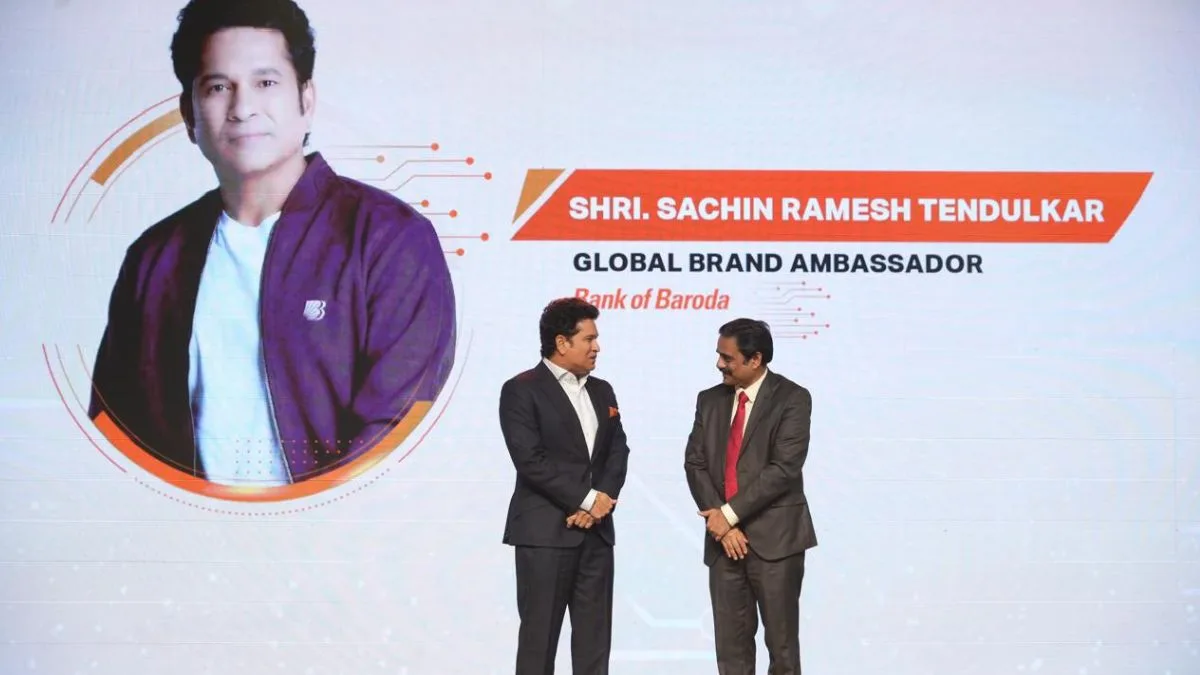
Sachin Tendulkar, Bank of Baroda’s Global Brand Ambassador and the Guest of Honour at the Foundation Day celebrations, unveiled the new bob World – the Bank’s mobile banking platform, reimagined to deliver a more intelligent, intuitive, secure and hyper-personalised banking experience. The Bank also inaugurated AAROHAN GCIC – its Global Capability, Innovation & Transformation Centre, a strategic hub for technology, research, digital transformation and innovation that will accelerate the Bank’s technology-led transformation and develop future-ready banking solutions. The Bank also unveiled ADITI 2.0, its Intelligent Virtual Front Office, bringing multilingual, voice-enabled conversational banking to customers through natural interactions.

Among the other key product launches were the bob Elev8 Home Loan, the bob Green PLUG lending scheme for financing EV charging stations & battery-swapping infrastructure, and the bob Agniveer MSME financing scheme, along with several other initiatives. Reinforcing its commitment to Financial Inclusion, the Bank also inaugurated 119 new Business Correspondent (BC) outlets across the country, expanding access to banking services in rural and underserved areas.

Speaking on the occasion, Dr. Debadatta Chand, Managing Director & CEO, Bank of Baroda said, “The theme for our 119th Foundation Day, ‘Leading with Trust’, reflects the values that have guided Bank of Baroda for well over a century. As we continue our journey of consistent and responsible growth, we remain focused on strengthening customer trust, driving innovation, advancing sustainability and creating long-term value for all our stakeholders. Trust will continue to be the foundation on which we build our future.”

Key Initiatives and Product Launches

I. Technology & Digital

  • AAROHAN GCIC: Bank of Baroda inaugurated AAROHAN GCIC – its Global Capability Innovation & Transformation Centre. Conceived as a strategic hub for technology, research, digital transformation, and innovation, the Centre will bring together talent, emerging technologies, and collaborative thinking to develop and scale future-ready banking solutions. AAROHAN GCIC will leverage the Bank’s Capability Maturity Model Integration (CMMI) Level 3-appraised development and service practices to strengthen delivery discipline, quality, and institutional capability. The Centre will accelerate enterprise-wide transformation and foster a culture of innovation aligned with the Bank’s vision of shaping the future of financial services.
  • Reimagined bob World: Bank of Baroda unveiled the new app, built on a modern, scalable digital architecture. Designed around the evolving needs of customers, the platform delivers a smarter, more intuitive and secure banking experience with AI-powered capabilities, hyper-personalised experiences, conversational banking, multilingual accessibility, enhanced security through advanced authentication and fraud protection features and an integrated bouquet of offerings. It also introduces Personal Finance Management, enabling customers to gain a comprehensive view of their finances, track spending patterns and plan their financial goals. To ensure a seamless transition, customer onboarding to the new app will be undertaken in a phased manner.
  • ADITI 2.0: Bank of Baroda unveiled ADITI 2.0, its Intelligent Virtual Front Office, representing the next evolution of its AI-powered Virtual Relationship Manager. Powered by an advanced multilingual, voice-enabled conversational AI engine, ADITI 2.0 enables customers to interact with the Bank through natural conversations in their preferred language. Beyond helping customers discover products and services, it also empowers them to independently complete a wide range of banking transactions through an intuitive conversational interface. ADITI 2.0 delivers personalised, contextual and always-available assistance, enhancing customer engagement by making it more inclusive, accessible and convenient.
  • UPI Global – Enabling International QR Payments: Bank of Baroda has introduced UPI Global Reverse Acceptance, enabling international tourists, overseas Indians and foreign wallet users from eligible countries to make seamless payments at Bank of Baroda UPI QR merchants across India using their home-country banking or fintech apps. This initiative enhances payment convenience for international visitors, creates new business opportunities for merchants and reinforces the Bank’s commitment to innovation and strengthening the digital payments ecosystem.
  • ATM NFC-based Tap & Transact: As part of its digital transformation initiatives, Bank of Baroda is enabling NFC functionality on its newly installed ATMs and Cash Recycler Machines (CRMs), making it the first bank in the industry to introduce this capability. Once implemented, customers will be able to complete ATM transactions by simply tapping their NFC-enabled debit card on the machine’s reader, eliminating the need to insert the card. This contactless functionality will offer customers faster, more convenient and secure transactions.

II. Retail Lending

  • bob Elev8 Home Loan: Bank of Baroda has introduced the bob Elev8 Home Loan, a specialised home loan scheme for young salaried professionals. Recognising the future earning potential of young professionals, the scheme addresses the affordability gap between current income and rising property prices through a structured step-up EMI repayment mechanism, enabling customers to access higher loan eligibility while progressively aligning repayments with their expected growth in income over time.
  • bob Swabhoomi Home Loan for Residential Plots from Private Builders: Bank of Baroda has introduced bob Swabhoomi, a dedicated home loan scheme for customers looking to purchase residential plots from private builders and developers. Applicable only to RERA-approved projects, the scheme offers customers a structured financing solution with flexible repayment options and stage-wise disbursements linked to project progress.
  • bob PAL (Portfolio-backed Approved Limit): Bank of Baroda has introduced bob PAL, a digitally-enabled overdraft facility against eligible securities, offering customers funding of up to ₹5 crore. Available against shares, mutual funds, bonds, debentures and Sovereign Gold Bonds, the facility enables customers to quickly access funds for short-term personal or business requirements while allowing them to retain their investment portfolio and continue to enjoy dividend and bonus benefits.

III. MSME and Supply Chain Finance

  • bob Agniveer Scheme: Bank of Baroda has introduced the bob Agniveer Scheme, a MSME financing programme for retired Agniveers under the Agnipath Scheme. The scheme extends need-based credit of up to ₹5 crore for setting up new enterprises, expanding existing businesses, or meeting working capital needs. With attractive concessions, backed by CGTMSE/NCGTC support and simplified collateral norms, the scheme seeks to empower ex-Agniveers through entrepreneurship, while contributing to employment generation and strengthening the MSME ecosystem.
  • Corporate Invoice Financing: Strengthening its Supply Chain Finance offerings, Bank of Baroda has launched Corporate Invoice Financing for MSMEs with an annual turnover of up to ₹500 crore, providing faster access to working capital. The solution enables anchor corporates to offer their suppliers and vendors access to invoice-based financing, improving liquidity, optimising working capital and ensuring timely payments across the supply chain. The initiative supports stronger business partnerships while enhancing access to finance for MSMEs.

IV. Green Financing

  • bob Green PLUG – Financing India’s EV Infrastructure: Bank of Baroda has launched bob Green PLUG, an MSME lending scheme to finance the establishment and expansion of EV charging stations, battery swapping infrastructure and allied facilities across the country. The scheme also supports renewable energy-integrated charging infrastructure, including rooftop solar-powered charging stations. With financing of up to ₹5 crore, bob Green PLUG supports India’s growing EV ecosystem, promotes sustainable mobility and reinforces the Bank’s commitment to sustainable finance.

V. Business Banking

  • Masterstroke Current Account: Bank of Baroda is introducing the Masterstroke Current Account, a premium current account for businesses that offers enhanced banking and transaction capabilities, including free cash deposits of up to ₹1 crore per day, complimentary Soundbox QR and POS solutions, collateral-free overdraft facilities of up to ₹2 crore through bob Digi Udyam, Personal Accident Insurance cover of up to ₹2 crore for the key business person, a premium debit card with exclusive benefits including domestic and international lounge access, and preferential pricing on select banking products and services, making it a comprehensive banking solution for growing businesses.

VI. Financial Inclusion

  • 119 Business Correspondent (BC) Outlets: To mark its 119th Foundation Day, Bank of Baroda inaugurated 119 new Business Correspondent (BC) Outlets across the country, further strengthening its financial inclusion network. The new BC Outlets will expand access to essential banking services in rural, remote, unbanked and underbanked areas, reinforcing the Bank’s commitment to inclusive banking and supporting the Government’s vision of inclusive growth.
  • Multilingual WhatsApp Banking for PMJDY Customers: As part of its commitment to digital financial inclusion, Bank of Baroda launched Multilingual WhatsApp Banking for Pradhan Mantri Jan Dhan Yojana (PMJDY) accounts. This initiative will enable customers, particularly those residing in rural, semi-urban, unbanked and underbanked areas, to conveniently access banking services through WhatsApp in their preferred regional language, thereby enhancing accessibility and customer experience.

‘Conversation has stopped within families’: RSS chief Mohan Bhagwat urges parents to explain, engage with children

A two-day Vishwa Mangalya Sabha meeting brought women together to discuss motherhood, changing social realities and the preservation of India’s family system.

Statesman News Service | New Delhi |

Parents must devote more time to explaining decisions and answering questions instead of expecting unquestioning obedience, RSS chief Mohan Bhagwat has said, as he raised concern over diminishing communication within Indian families.

Bhagwat said young people now seek reasons behind what they are told. Families must respond with affection, patience and meaningful engagement to preserve trust between generations, he added.

‘New generation asks questions,’ says Mohan Bhagwat

“When we were young, it was an era of obedience. That’s not the case anymore. The new generation asks questions. We have to explain the reasoning to them,” Bhagwat said.

“We need to give them a lot of affection. We need to spend time with them. We need to communicate with them. Nowadays, conversation has stopped even within families.”

The RSS chief was addressing the concluding session of a two-day Vishwa Mangalya Sabha meeting on “Contemporary Motherhood” at the Dr Ambedkar International Centre in New Delhi.

Children learn more from conduct than instructions

Bhagwat said parents should answer their children’s questions patiently and continue expanding their own knowledge.

He also urged adults to lead by example, arguing that children absorb more from the conduct they observe at home than from verbal instructions.

Stronger communication within households was essential for sustaining family relationships and helping younger people understand the reasoning behind values and traditions, he said.

Mother is a child’s first teacher, Bhagwat says

Turning to the central theme of the programme, Bhagwat described motherhood as indispensable to the creation, care and continuity of human life.

“The creation, nurturing and continuity of life are impossible without motherhood,” he said.

A mother is a child’s first teacher and remains a powerful source of emotional strength throughout life, Bhagwat added. While human beings possess the ability to think, he said, mothers play a crucial role in directing that thought.

Bhagwat acknowledged that inviting a man to speak about motherhood presented “a paradox” because the experience naturally belongs to women.

He referred to the writings of Swami Vivekananda, Mahatma Gandhi and Rabindranath Tagore while discussing the place of motherhood in society.

Bhagwat cautions against unthinking lifestyle choices

The RSS chief also urged families to retain confidence in India’s cultural heritage, historical knowledge and social institutions.

He described unity amid diversity as central to the Indian worldview and cautioned against adopting lifestyles without examining their effect on family and social relationships.

Bhagwat said misconceptions surrounding Indian traditions should not weaken confidence in the country’s civilisational foundations.

Women discuss contemporary motherhood and social change

The Vishwa Mangalya Sabha held the meeting on July 23 and 24 under the theme “Nation Building through Motherhood”.

Around 280 women from different parts of the country participated in deliberations on contemporary motherhood, changing social conditions and the role of mothers in preserving the family system.

More than 900 women leaders and other participants attended the concluding session. Organisers said between 2,000 and 2,500 women had registered for the dialogue.

‘Maliciously doctored’: Piyush Goyal alleges AI deepfake falsely showed him threatening students; FIR registered

The Union minister urged India’s “tech-savvy” youth to rely on verified information as the government reiterated its commitment to action against paper leaks.

Statesman News Service | New Delhi |

A video at the centre of the student protest controversy has led to a police case, with Union Commerce and Industry Minister Piyush Goyal alleging that his remarks outside Parliament were manipulated using artificial intelligence.

Goyal said the doctored video was designed to spread misinformation. An FIR was registered at Delhi’s Chanakyapuri Police Station at 4.35 am on Saturday following his complaint.

FIR registered over Piyush Goyal deepfake video

“My remarks to the media outside Parliament have been maliciously doctored using AI to create and circulate a deepfake video in an attempt to spread misinformation,” Goyal wrote on X.

The minister said legal action would extend beyond those accused of creating the video to people involved in its circulation and amplification.

“The irresponsible misuse of artificial intelligence to mislead the public cannot and will not be tolerated,” he said.

Goyal did not identify any individual or organisation as responsible for the video in his post.

Government says video falsely portrayed threat to students

The government had on Friday rejected the circulating clip as fake and AI-generated. The video purportedly showed Goyal making threatening remarks about students protesting in Delhi.

Government fact-checkers said Goyal had made no such statement about the demonstrations.

The minister urged social media users to verify the authenticity of information before accepting or circulating it.

“I have complete faith that India’s aware and tech-savvy citizens, especially our youth, will not fall prey to such misinformation,” Goyal said.

Deepfake row erupts amid student protests

The manipulated-video controversy has emerged amid continuing protests over alleged examination paper leaks and demands for changes to the competitive testing system.

Social activist Sonam Wangchuk ended his 26-day fast on Friday after receiving assurances from the government. Union ministers JP Nadda and Jitendra Singh met him at Medanta Hospital in Gurugram.

Goyal said Wangchuk’s decision reflected his trust in the government’s commitment to students.

“Sonam Wangchuk ji has ended his fast after my colleagues, Shri @JPNadda ji and Shri @DrJitendraSingh ji met him at Medanta Hospital, Gurugram, and assured him of the government’s commitment to address the concerns. Wangchuk ji’s decision to end his fast reflects his trust in the Modi government’s commitment to students’ interests,” he wrote.

Goyal also reiterated the government’s position that it would take action against examination paper leaks and pursue reforms.

“The government has time and again reiterated its resolve to act firmly against paper leaks and strengthen examination reforms. The interests of the nation’s youth remain a top priority for the government,” he said.

CJP demands ‘yes or no’ on Dharmendra Pradhan’s resignation as third round of talks with Centre looms

Ashutosh Ranka defended Sonam Wangchuk against online attacks and rejected Congress MP Imran Masood’s allegation that the activist had struck a personal deal with the government.

Statesman News Service | New Delhi |

The Cockroach Janta Party has demanded a definitive answer from the Centre on whether it will seek Union Education Minister Dharmendra Pradhan’s resignation, turning the unresolved issue into the central test for another round of negotiations.

CJP national spokesperson Ashutosh Ranka said the government had offered a meeting window between 3.30 pm and 4 pm on Saturday. The venue, however, was yet to be finalised. Two other demands have received in-principle approval and now require written confirmation.

CJP awaits written confirmation on two demands

Ranka said there was little room for further discussion over the demand concerning Pradhan.

“They had given us the time for 3.30-4 pm today. The location has not been finalised yet. Discussions are very clear. We should get written confirmation for the two demands on which there has been in-principle agreement. So that they can be closed,” he said.

“We need clarity over Dharmendra Pradhan: whether they will seek his resignation or not. We want an answer in Yes or No because there is not much scope for deliberation over this.”

Ranka had earlier said discussions with Union ministers JP Nadda and Jitendra Singh produced a positive response on compensation and legal matters. He warned that the CJP could adopt a “tough stance” if the government continued to avoid a clear answer on Pradhan.

Dharmendra Pradhan’s resignation remains sticking point

The CJP has maintained that accountability for alleged examination paper leaks must extend to the Union Education Minister.

Ranka said the group would examine reports of action against 47 National Testing Agency officials. He insisted that such measures would not settle its principal demand.

“Ultimate accountability lies with the Education Minister, who is directly responsible for the paper leaks and the resulting student suicides. He must resign,” Ranka said.

Ranka defends Sonam Wangchuk over online attacks

Ranka also defended social activist Sonam Wangchuk after the latter issued a video message explaining his decision to end a 26-day hunger strike.

“There can be nothing more shameful than this. A man who did hunger strike for 26 days and risked his life, he did so much for the future of the country. Right wing is trolling him. There can be nothing more shameful than this,” Ranka said.

Wangchuk ended his fast after receiving a written assurance from the Union government over issues connected with the NEET controversy and reforms to the competitive examination system.

CJP rejects Imran Masood’s ‘personal deal’ charge

Congress MP Imran Masood had described Wangchuk as “Anna part two” and alleged that he had struck a personal deal with the government.

Ranka rejected the criticism and said Wangchuk’s contribution should not be questioned.

“We don’t know what Congress is thinking. But he has done a lot, he has also done negotiations that there should not be a legal case and they should get a compensation. It is not right to question Sonam ji,” he said.

NTA overhaul begins amid NEET protests

The NTA has advertised senior professional positions at the level of general manager. It has also opened applications for 16 Young Professionals through the Union Public Service Commission’s Pratibha Setu portal.

The agency described the recruitment as the first concrete step in an institutional overhaul based on recommendations from the high-level committee led by K Radhakrishnan.

The Union Cabinet has also approved amendments to the Public Examinations (Prevention of Unfair Means) Act, 2024. The changes are intended to strengthen provisions against examination paper leaks.

The measures have yet to break the political deadlock. For the CJP, the next decision rests on whether the government puts its two agreed commitments in writing and gives an unambiguous answer on Pradhan.

Delhi Metro travel alert: 18 stations shut until further notice, Airport Line curtailed

Interchange remains available at Rajiv Chowk, Mandi House and Central Secretariat, although passengers cannot enter or leave through these stations.

Statesman News Service | New Delhi |

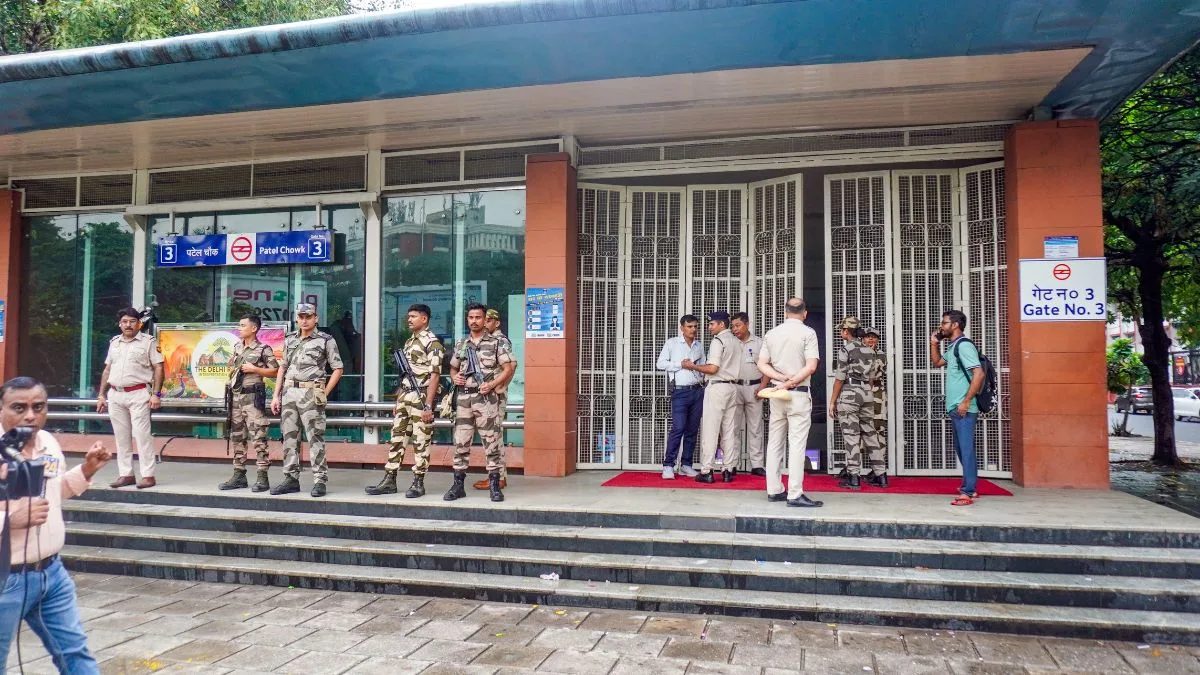
Commuters travelling through central Delhi face major disruption on Saturday after the Delhi Metro Rail Corporation ordered the closure of 18 stations from 7.30 am until further instructions.

The Airport Express Line has also been curtailed. Trains will operate only between Dhaula Kuan and Yashobhoomi Dwarka Sector 25 while the restrictions remain in force.

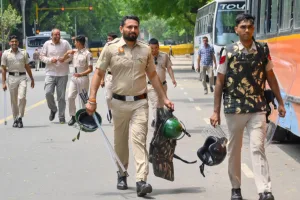
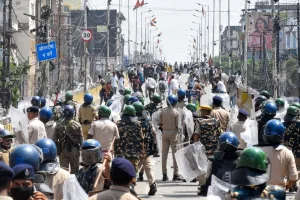
DMRC cited operational reasons for the closures. The advisory comes amid continuing student demonstrations at Jantar Mantar over the NEET paper leak controversy and heightened security across central Delhi.

Interchange allowed at Rajiv Chowk, Mandi House and Central Secretariat

Rajiv Chowk, Mandi House and Central Secretariat are included among the 18 closed stations, but passengers already travelling on the Metro can continue to change lines at these three hubs.

Entry and exit will not be permitted at the stations.

The arrangement is intended to preserve connectivity between Metro corridors while restricting movement into sensitive areas of central Delhi.

Delhi Metro stations closed on July 25: Full list

The following stations will remain closed from 7.30 am until further instructions:

  1. Lok Kalyan Marg
  2. Rajiv Chowk
  3. Patel Chowk
  4. Ramakrishna Ashram Marg
  5. Barakhambha Road
  6. Supreme Court
  7. Seva Teerth
  8. Janpath
  9. Mandi House
  10. Central Secretariat
  11. ITO
  12. Delhi Gate
  13. Indraprastha
  14. Khan Market
  15. Jor Bagh
  16. Shivaji Stadium
  17. Jhandewalan
  18. New Delhi

DMRC regretted the inconvenience and advised passengers to plan their journeys according to the revised arrangements.

Airport Express services restricted on July 25

Services on the Airport Express Line will be available only between Dhaula Kuan and Yashobhoomi Dwarka Sector 25.

The restriction affects passengers travelling towards the central Delhi end of the Airport Express corridor.

Commuters have been advised to check the latest DMRC updates before beginning their journeys because the restrictions will remain in force until further notice.

Student protests trigger heightened security in central Delhi

The Metro restrictions come as students, parents and activists continue demonstrations at Jantar Mantar over alleged irregularities in the NEET examination.

Protesters have been demanding accountability and broader reforms in the examination system.

Jantar Mantar is located near several of the affected Metro stations. Large crowds at the protest site have led to increased security and measures to regulate public movement through nearby areas.

Officials said the Metro restrictions were intended to assist with crowd control and maintain law and order in sensitive parts of the capital.

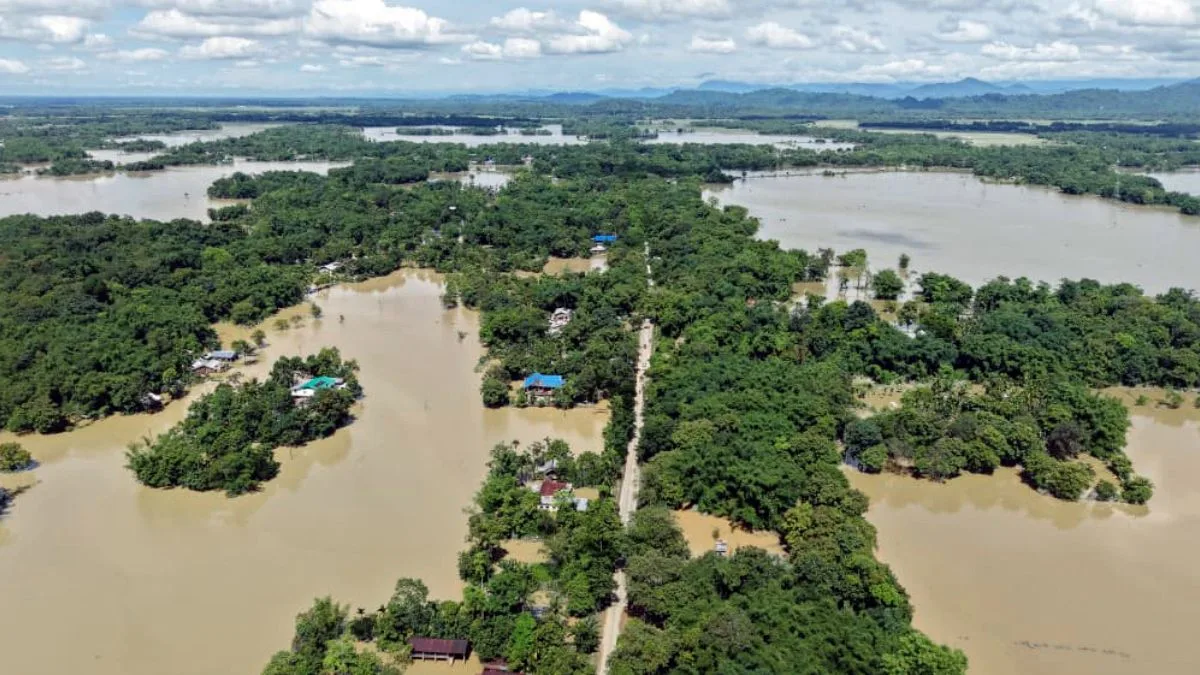
Assam flood toll rises to 61 after 14 deaths in 24 hours; Central team to assess damage

Sivasagar alone accounts for nearly 3.49 lakh affected residents, while a multidisciplinary Central team will evaluate losses and recommend financial assistance.

Statesman News Service | New Delhi |

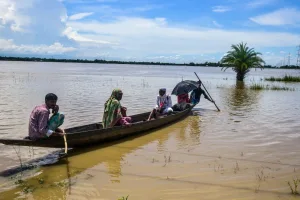
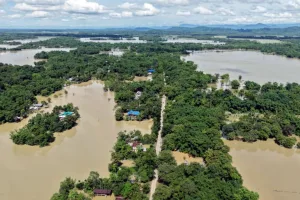
Fourteen flood-related deaths within 24 hours have pushed Assam’s toll to 61 as rising rivers continue to inundate villages, farmland and residential areas across the state.

More than 7.05 lakh people are affected in 12 districts, according to the latest Assam State Disaster Management Authority report. Over 3.15 lakh people are staying in relief camps or receiving assistance through distribution centres.

The Centre will send a multidisciplinary team to assess the damage and determine further financial assistance for relief, rehabilitation and restoration work.

Seven deaths in Charaideo, six in Sivasagar

Of the 14 latest deaths, seven were recorded in Charaideo district and six in Sivasagar. One person died in Jorhat.

The victims included 11 men and three women, according to the ASDMA bulletin. One person remains missing in Sivasagar.

Assam Chief Minister Himanta Biswa Sarma had warned during a visit to a relief camp in Dergaon on Thursday that the toll could increase. He described the situation as “serious”.

Sarma attributed flooding in several districts to a cloudburst in neighbouring Nagaland.

Water levels in the Brahmaputra and several tributaries continued to rise at multiple locations following incessant rainfall.

Sivasagar worst hit as Assam floods affect 7.05 lakh

Sivasagar remains the worst-affected district, with 3,48,555 people hit by the floods.

Charaideo has reported 1,88,404 affected residents, followed by Jorhat with 1,26,793.

The other affected districts are Golaghat, Dibrugarh, Hojai, Nagaon, Biswanath, Dhemaji, Sonitpur, Kamrup Metropolitan and Karbi Anglong.

Floodwaters have entered 856 villages spread across 37 revenue circles.

The administration has opened 363 relief camps and distribution centres across the affected districts.

Teams from the National Disaster Response Force, State Disaster Response Force and local administration evacuated nearly 1,000 people from marooned areas on Friday.

Over 56,600 hectares of crops remain submerged

The floods have submerged more than 56,600 hectares of agricultural land, causing extensive damage to the rural economy.

Livestock losses have also mounted. The ASDMA recorded 17,107 livestock and poultry washed away during the latest 24-hour reporting period.

More than 3.34 lakh animals and poultry remain affected by the floodwaters.

Central team to assess Assam flood damage

Union Ports, Shipping and Waterways Minister Sarbananda Sonowal said the Centre had assured the Assam government of all possible assistance.

“The Centre and the Assam government stand firmly with every citizen affected by the floods. We pray for those who lost their lives, and rescue agencies are continuing efforts to trace those who are still missing,” Sonowal said.

He said the Assam flood situation was reviewed at a Union Cabinet meeting chaired by Prime Minister Narendra Modi on Friday.

The Centre has remained in contact with the state government and has assured Chief Minister Himanta Biswa Sarma of assistance with rescue, relief and rehabilitation, Sonowal said.

Officials from multiple Central ministries will visit the affected areas and hold discussions with the Assam government before submitting their assessment.

“Based on the team’s assessment, the Union government will extend special financial assistance to Assam for relief, rehabilitation and restoration work,” Sonowal said.

He said ministers, MPs, legislators, panchayat representatives and district administrations were coordinating relief operations.

Sonowal also appealed to voluntary organisations, social groups and citizens to support families affected by the disaster.

“This is a time for compassion, collective responsibility and solidarity. Together, we can overcome this disaster, and the Central government will continue to extend every possible support for relief, rehabilitation and recovery in Assam,” he said.

‘Thank you, friends’: PM Modi’s paper-leak reel draws 303 million views in 24 hours as protests continue

The late-night video reportedly delivered nearly one million new followers overnight after Modi outlined plans for fast-track courts and tougher penalties.

Statesman News Service | New Delhi |

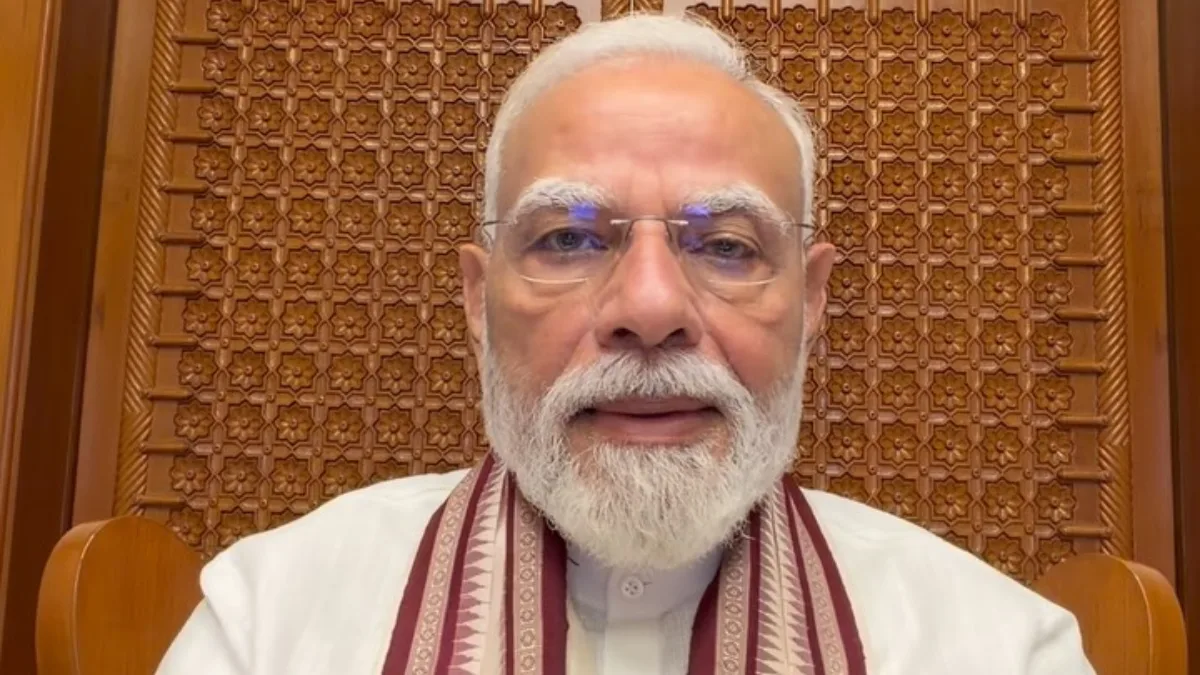
A late-night selfie video in which Prime Minister Narendra Modi promised tougher action against examination paper leaks crossed 303 million views on Instagram within 24 hours, according to an IANS report.

The video gained traction as thousands of students continued demonstrations at Jantar Mantar in New Delhi over recent irregularities in competitive examinations.

IANS reported that the reel had surpassed an earlier 24-hour benchmark of 300 million views.

PM Modi thanks viewers after reel crosses 303 million views

PM Modi returned to Instagram with a follow-up message after the video’s rapid rise in viewership.

“Thank you, friends,” the Prime Minister said at the beginning of the message.

He acknowledged the response from young viewers and thanked them for offering positive suggestions on the examination controversy.

“This love of yours will remain, and our bond will continue to connect with even more vibrancy,” PM Modi said.

The original reel also reportedly brought nearly one million new followers to his Instagram account overnight.

Late-night video addresses examination paper leaks

PM Modi had posted the first video late at night to address concerns among students and parents over examination paper leaks.

He said the government considered examination malpractice a serious issue and assured students that those responsible would face strict action.

The Prime Minister also outlined steps taken by the administration over the preceding two and a half months.

He said the immediate priority had been to prevent students from losing an academic year. This required the authorities to coordinate and conduct fresh examinations within a limited period.

PM Modi also said the Union Cabinet would move ahead with a stringent legal framework against examination paper leaks.

The proposed measures included fast-track courts and severe penalties for individuals and organised groups found involved in leaking examination papers.

Student protests continue at Delhi’s Jantar Mantar

The videos were released against the backdrop of sustained student demonstrations at Jantar Mantar.

Thousands of students and young protesters have gathered at the site to demand accountability and institutional reforms following irregularities in competitive examinations, according to IANS.

The demonstrations have placed the government under growing political pressure over its handling of the controversy.

PM Modi’s direct-to-camera message sought to reach young people through Instagram while assuring them that the government was acting on their concerns.

His second video focused on the public response to that outreach and the suggestions received from viewers.

Jana Nayak: Vijay’s Whammy Of A Swan Song

Is Vijay really retiring from movie acting (and I say that deliberately, as acting on the Parliamentary floor is a different ballgame altogether)? Nah.

SUBHASH K JHA | Kolkata |

Is Vijay really retiring from movie acting (and I say that deliberately, as acting on the Parliamentary floor is a different ballgame altogether)? Nah. Can’t be! He is so in form here, and the chap is truly having fun with the larger-than-life proclivities of a part that is constructed as a pre-emptive projection of the star as the man of the masses. Vijay is in terrific form as Thalapathy Vetri Kondan, a feral forerunner to his Chief Ministership.

Although the film was meant to be released before his CM’s career began, there are unmistakable templates, stormy and deliberate, to indicate that Vijay is up for the Chair. Yup, the man is in-charge even when the plot goes South, if you will pardon the pun. The actor gives his all to a sharply cut tailormade part where the Man of the Masses rises to the occasion repeatedly in an uninterr up ted torrent of self-referential heroics. However to look at Jana Nayak as simply celluloid hagiography is doing injustice to a film that is all about justice for the masses.

Not all the heroic glorification fits in. But none of it is the least apologetic about its intentions. Some of the electoral battle-cry is designed so blatantly to project Vijay as the prolific messiah that it becomes hard not to giggle in polite acquiescence. I was specially kicked by this one episode where Thelapathy (Vetri to friends, I guess) takes his daughter Viji (Mamatha Vaiju) to an army training centre, where the boxing trainer gives the worst possible performance of a misogynist.

Vijay fixes him with his cold stare and trenchant rebuke. But that’s not the real issue here. Suddenly in the middle of this pointedly anti-sexist sequence, a little girl appears. She has been abused. What is she doing there? It is time for the hero to lecture the crowd on ‘good touch bad touch’ with details on which part of the anatomy is hands-off. None of this unapologetic lionization is the least offensive. The purpose of the project is never hidden from our view. Writer-director H Vinoth tells it like it is. His is writing which is full of feisty flourishes, bomb blasts (clumsily staged, but who cares) and ther manmade atrocities are only a part of the game plan to bring the hero in at just the right moment for the audience to experience a collective emotional orgasm.

Vijay is a self aware presence. He knows where to push, and how far, and when to stop. Sometimes in the middle of the calibrated mayhem he stops to give one of those Vijay looks that his audience recognizes. Luckily for the script, he has a worthy opponent in Bobby Deol who plays a rogue cop wired to destroy the world. Didn’t he play something similar in Alpha recently? Bobby is at the risk of burn-out. He doesn’t have the native charm and the ingrained where withal of Vijay to do the same thing differently in each film. Deol’s character named, don’t laugh, Himler is specially awkward going through a yin and yang dual with his twin where he seems to be crying for direction.

Prakash Raj plays a rogue politician for the umpteenth time. How does he do it without falling asleep? Although some of his character’s more heinous confessions of wrongdoing are muted, his malignity is so Tamil Cinema it feels like self-mockery (which it isn’t). The female characters except Mamitha Baiju in the father-daughter plot, come and go. Barring Raichal Rabecca Philip who makes a strong impact midway as woman protesting on the streets (rings a bell?), they are there for the same reason that the Himalaya exists: so that Edmund Hillary could one day scale it. Vijay’s presence rationalizes the rush-hour traffic of characters. But only till a point. In the end Vijay is shown combating with robots. They look artificial to the core. But Vijay is on top of it. Always.

(THE REVIEWER IS A VETERAN FILM CRITIC. VIEWS EX- PRESSED ARE PER- SONAL)

The Journey of Master Ankan Mallick

For most teenagers, balancing school, examinations, sports and friendships can already feel demanding.

VEDANTA DASGUPTA | Kolkata |

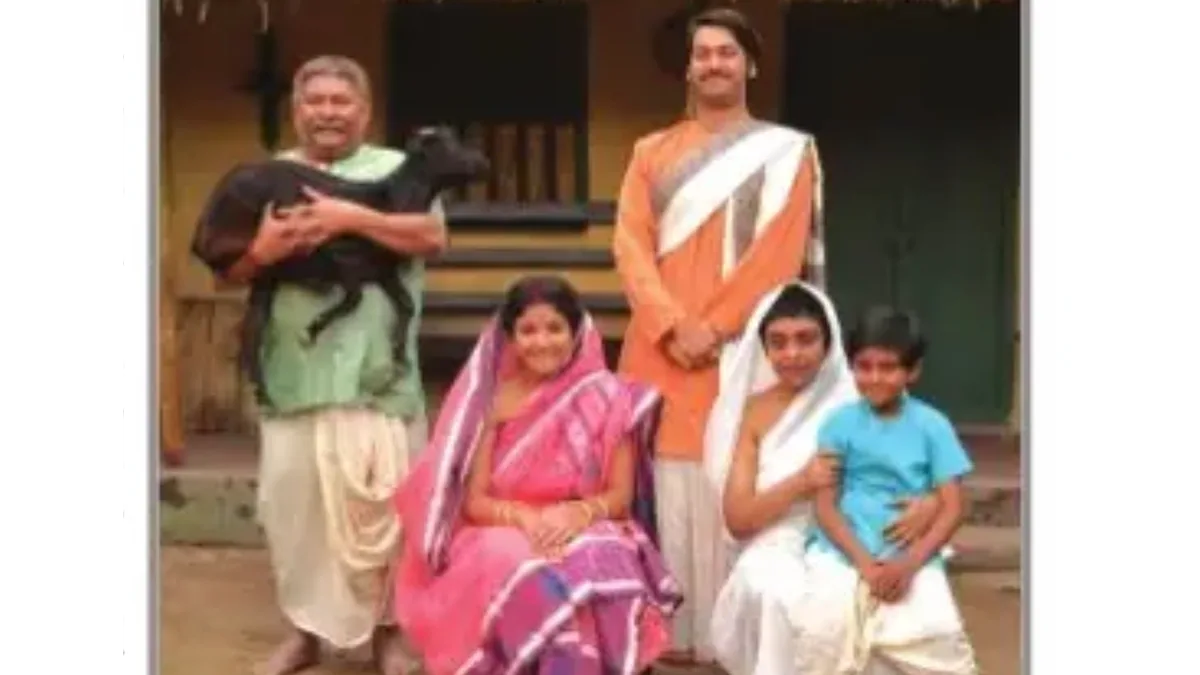
For most teenagers, balancing school, examinations, sports and friendships can already feel demanding. For Master Ankan Mallick, those responsibilities exist alongside film shoots, modelling assignments, music videos and red-carpet appearances. Yet despite growing up in the public eye, he remains remarkably grounded, moving comfortably between classrooms and camera sets. Actor, model, performer and student, Ankan has already worked alongside acclaimed names such as Victor Banerjee, Soumitra Chatterjee, Anurag Kashyap and Rituparna Sengupta.

Over the years, he has built an impressive body of work across Bengali and Hindi entertainment. But behind that journey stands a strong support system shaped by both his parents, each contributing in their own way to his growth. According to his mother, Ankan’s boundless energy was evident from an early age. Doctors reportedly advised the family to keep him constantly engaged, as sitting idle simply was not in his nature. Instead of restricting that energy, his parents encouraged him to explore different interests while teaching him the importance of commitment. “I always told him that whatever he does, he must give his hundred percent,” his mother says.

“If he chooses something, he has to do it properly.” His entry into the entertainment industry was never part of a carefully designed plan. Small opportunities appeared naturally during childhood and gradually led to auditions, advertisements, serials and later films. One of his earliest recognised appearances came in Rosogolla, after which he went on to feature in projects such as Akarik and Basuri. These experiences introduced him to larger cinematic spaces and allowed him to learn from some of the industry’s most respected performers. Despite his growing professional commitments, academics have remained a priority within the family.

Currently pursuing Science with Physics, Chemistry, Mathematics and Biology, Ankan hopes to appear for NEET and eventually pursue MBBS. Institutions such as AIIMS feature prominently among his aspirations. For him, studies and acting are not competing worlds. “When I study, I focus only on studies. When I act, my entire concentration goes there,” he says. Much of this balance has been possible because of the support he receives both at home and at school. Shoots are often planned around academic schedules, while teachers and school authorities have consistently encouraged him to pursue both passions. Ankan’s father has played an equally significant role in shaping his outlook. Quietly supportive and constantly present, he has remained one of the strongest guiding influences in his son’s life.

Rather than pushing him aggressively towards success, he believe s in offering encouragement while allowing him the freedom to discover his own path. During a conversation, he reflected on a lesson from the Ramayana that continues to influence his approach to parenting. He spoke about Hanuman, who had forgotten his own powers until Jambavan reminded him of his strength and potential. “Everyone needs a Jambavan in their life,” he says. “Someone who reminds them of their worth when they begin to forget it themselves.” In many ways, that philosophy has guided his relationship with his son. Whether accompanying him through auditions, helping him navigate challenges, or supporting his academic ambitions, he has chosen to be a steady presence rather than a demanding one. Beyond films and studies, Ankan remains actively involved in sports.

A passionate basketball player, he regularly represents his school in competitions and enjoys spending time with teammates and friends. These experiences provide a sense of normalcy that helps him remain connected to everyday teenage life. As he grows older, Ankan is also transitioning into more mature and emotionally layered roles. His upcoming projects reflect a shift from child-centric performances to stories exploring the experiences and emotions of adolescence. Yet even as his career evolves, he continued to approach new opportunities with the same discipline and enthusiasm that characterised his early years. What ultimately makes Ankan’s story compelling is not simply the number of projects he has completed or the celebrated actors he has worked alongside.

It is the balance he has managed to maintain. He speaks passionately about cinema , but equally passionately about medicine. He enjoys performing before audiences, yet values school life, sports and friendships just as deeply. Somewhere between science textbooks, basketball courts, film sets and future aspirations, Master Ankan Mallick is quietly proving that success does not have to be defined by a single dream. Instead, it can emerge from the determination to pursue many passions while remaining firmly grounded in the values that shape them.

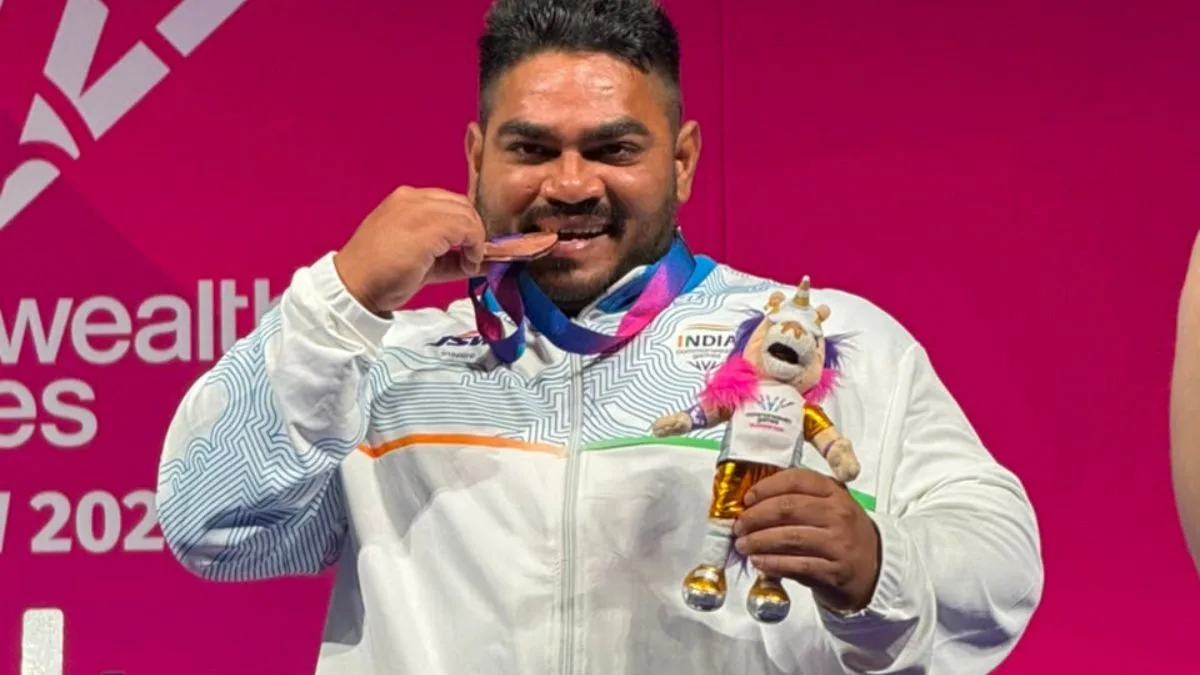
Bihar’s Jhandu Kumar, a polio survivor, wins para powerlifting bronze to open India’s CWG 2026 tally in Glasgow

The Bihar para powerlifter said he felt as if he was “flying”, while coach Rajinder Singh Rahelu blamed a miscommunication and calculation error for the narrow miss.

Statesman News Service | New Delhi |

India’s wait for its first medal at the Commonwealth Games 2026 ended early Saturday (IST) when Jhandu Kumar claimed bronze in the men’s heavyweight para powerlifting final in Glasgow.

A successful 190kg lift gave the Indian 130.9 points. He finished only 0.1 points behind England’s Matthew Harding in the battle for silver.

Jhandu remained in contention for a higher place until his third attempt. He went for 196kg, a lift that would have broken the Commonwealth Games meet record set at Birmingham 2022, but could not complete it.

Nigeria’s Riluwan Idris secured gold with 132.8 points. Harding took silver with 131.0, leaving Jhandu 1.9 points behind the champion.

Jhandu Kumar briefly leads after successful 190kg lift

Jhandu opened the competition with a successful lift of 181kg, worth 124.7 points. He raised the bar to 190kg on his second attempt and moved briefly to the top of the standings.

He finished first in Group B with 130.9 points. Uganda’s Dennis Mbaziira followed with 114.1, while Australia’s Ben Wright recorded 110.9.

The medals were decided after the results from both groups were combined.

“I feel as if I’m flying. This is my first medal. Only one thing was going through my mind: that I have to win the medal. Just have to win,” Jhandu told ANI after the final.

He thanked his family and coaches for supporting his training and promised to improve further.

Jhandu also credited the Target Olympic Podium Scheme and the Sports Authority of India for providing training support.

“I’m extremely grateful to them. We practice there, and this medal belongs to them, in a way,” he said.

Coach blames miscommunication for missed CWG gold

Jhandu’s coach, Rajinder Singh Rahelu, said the team had entered the competition with its calculations in place and had targeted gold.

“We already knew, we had done the calculations. We had targeted gold, but for some reason, it was missed,” Rahelu told ANI.

He attributed the narrow miss to a communication problem and an error while calculating the required lift.

“The competition for gold was very tough, as we saw. But it wasn’t that; it was just miscommunication. I was a bit far, and there was some difficulty in calculation. As you saw, the medal was missed by just two points,” he said.

Rahelu explained that such a points difference could amount to only a few kilograms on the bar.

“Two points means 2-3 kilograms. But considering how the body performs in such close calls, there was a slight error in calculation. But it’s okay, we have a medal, and we’ve opened India’s account, which is a very good thing,” he said.

Indian para powerlifting coach Jitender Pal Singh also said Jhandu had been in the race for gold before the final attempt went wrong.

“At one point, we were contenders for gold, but the third lift got a bit messed up; that lift was touched. If that lift had been confirmed, we would have had a gold medal today,” Singh told ANI.

From para athletics to Commonwealth Games podium

Born on January 1, 1997, in Harnaut in Bihar’s Nalanda district, Jhandu has lived with the effects of polio since birth. His father worked as a vegetable vendor.

Jhandu entered competitive sport in 2017 through para athletics. He competed in the F55 shot put and discus throw events and won medals at district and state competitions.

His interest in powerlifting developed during strength-training sessions at the gym. A recommendation made at a state championship later prompted him to switch sports.

That decision eventually took him to the Commonwealth Games podium in Glasgow.

Ashok Malik finishes fourth in men’s lightweight final

India had narrowly missed a medal earlier in the men’s lightweight para powerlifting event.

Ashok Malik lifted a personal-best 200kg and scored 143.8 points, but finished fourth. Malaysia’s Bonnie Bunyau Gustin secured bronze with 153.5 points.

England’s Mark Swan won gold with 153.9 points following a best lift of 222kg. Nigeria’s Roland Ezuruike also scored 153.9 but took silver after the countback.

Parmjeet Kumar finished seventh for India with a best lift of 176kg and 135.6 points.

In the women’s lightweight competition, Jaspreet Kaur finished sixth after lifting 100kg for 96.4 points. Suman Devi placed seventh with a 100kg lift and 88.4 points.

Kasthuri Rajamani failed to register a valid lift in the women’s heavyweight final after three unsuccessful attempts.

Relive composer & singer Pankaj Mallick’s journey through some memorabilia

The City of Joy is a treasure trove, we all know.

ASHOK CHATTERJEE | Kolkata |

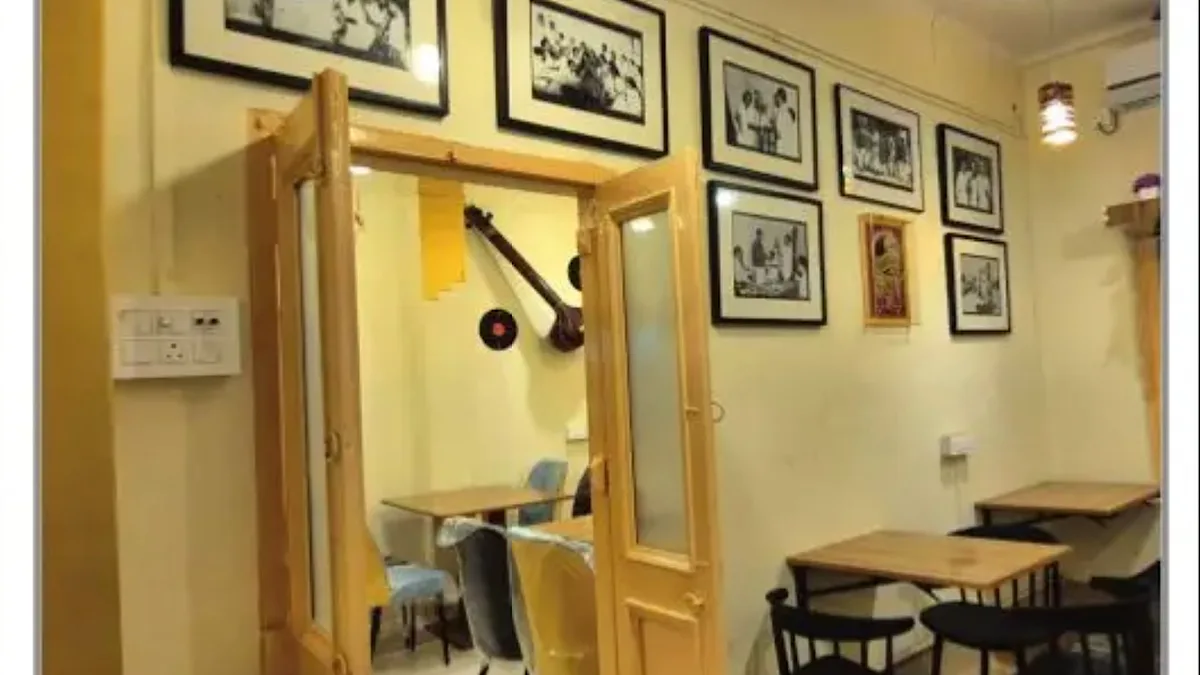
The City of Joy is a treasure trove, we all know. Most of us have heard of the great Indian music composer, singer and actor Pankaj Mallick, who not only enthralled the audiences in Bollywood but also in Bengal with his enormous talent. But very few know that the great composer-actor spent a good part of his life in Kolkata. The legend’s footprint has been now highlighted through his nearly century-old house. The building, designed in Art Deco style, has been converted into a unique cultural hub and café by his grandson, Rajib Gup ta and granddaughter-in-law Jhinuk Gupta.

A portion of the house near Hazra Road in Ballygunge, where he lived, has been metamorphosed into a heritage hub and café, reminding everyone walking into it as testament to the city’s rich cultural past. Named Legend and Legacy, the café is an effort to pay homage to Pankaj Mullick and also to preserve and promote his invaluable contributions. The hub also hosts regular workshops, events and cultural programmes, as well as has exclusive merchandise for the interested. Since it is an eating joint with lots of ‘adda’, the café offers delectable, pocket-friendly multi-cuisine fare and an array of hot and cold brews, informs the designers. A specially curated section of the menu will feature Pankaj Mullick’s favourite dishes.

The space blends nostalgia with modern comforts, including free Wi-Fi and curated entertainment. Supported by the Pankaj Mullick Music and Art Foundation, the legend’s grandson, Rajib Gupta, says the place is cultural space, where heritage, conversation, and cuisine come together. Rajib says he has developed one wing of the house for the café. “There are two houses side by side and the cafe is on the first house where my grandfather first came and stayed in South Kolkata.” Rajib, who is an educationist, used to have my own printing unit once as he is a designer by choice and a chartered accountant by qualification.

His wife Jhinuk is a lawyer at Calcutta High Court, and a singer. Talking about the conception of the heritage hub and café, Rajib said: “This cafe is part of the journey we have been taking about for a long time. In 2005, we establish the Pankaj Mullick Music and Art Foundation to mark the birth centenary. It was also to archive my grandfather’s works. During our shows and interactions with people, we were constantly asked if they could come and see the great composer’s artefacts. So, it was always at the back of our mind to create a space, where people can come and see. It is also our way to pay homage to the composer.” Recalling his childhood days when Rajib would have regular interactions with the legendary singer-composer, the grandson said: “I saw my grandfather till I was six. At that age, I had no knowledge of his fame.

To me he was just my grandpa; very strict yet loving. I remember him driving me around the city and buy me clothes. He would also correct my pronunciations and taught me the basics of intonations. To me he was incomparable composer. His ‘Mahisasura Mardini’ is unparalleled.” The grandson says if he has to rate Pankaj Mallick, then it is in the order of: “composer, singer and then an actor”. Rajib reminisces how the composer had to give tunes to Tagore’s poems. “Pankaj Mullick is the only composer, who was allowed by Rabindranath Tagore to set times to his poems.

‘Diner sheshe, ghumer deshe’ being one of the notable songs. It was used in a film called ‘Mukti’ in 1937 after taking formal permission. The then Bangladesh Prime Minister Mujibur Rahman had once asked Pankaj Mullick to set tunes to two of Tagore’s songs. Also, during the start of Jalpaiguri All India Radio he had set tunes to ‘Oi shona jai akashbani’, which ultimately led to the naming of Akashvani. All such songs were compiled into a CD. There are still a few more, which we could not publish till now,” says the grandson.

World needs compassion more than ever before

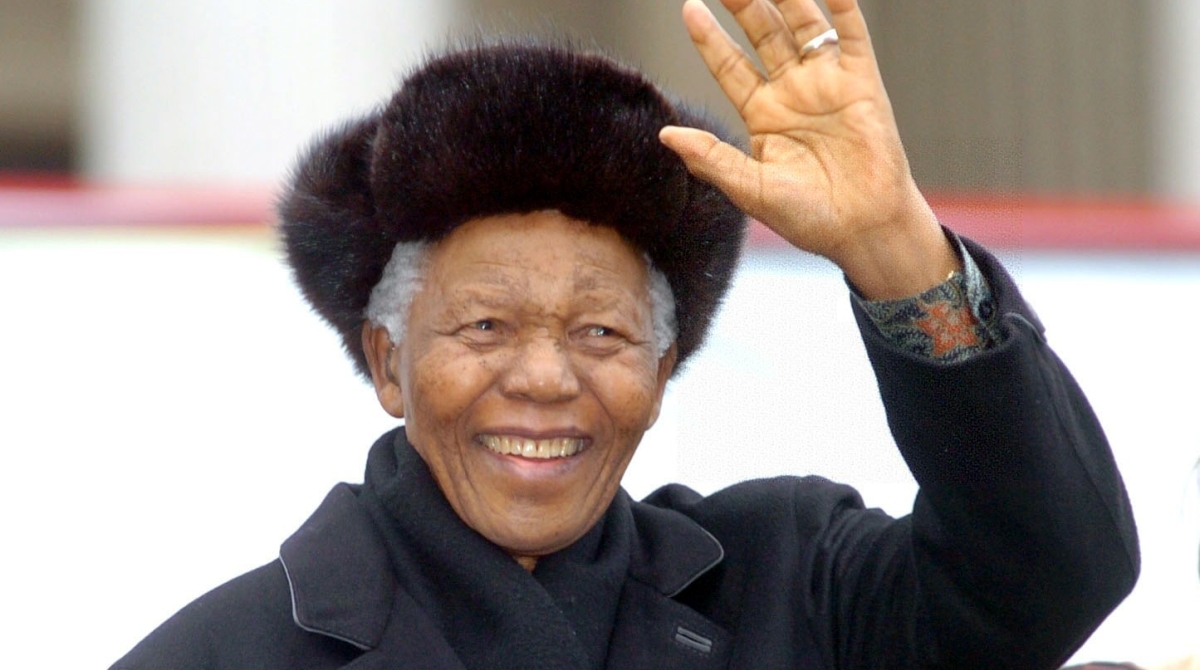
On July 18, the world observed Nelson Mandela International Day, marking the 108th birth anniversary of ‘Madiba’.

RAJDEEP PATHAK | New Delhi |

On July 18, the world observed Nelson Mandela International Day, marking the 108th birth anniversary of ‘Madiba’. Amid rising global discord, conflict, and a deficit of compassion, the official theme – “It is still in our hands to combat poverty and inequity” – stands as both a powerful reminder and a pointed rebuke. Declared by the UN General Assembly in November 2009, the day honours Mandela’s enduring legacy as a moral compass in an era of social fragmentation, political polarisation, war, and deepening inequality.

The theme serves as an urgent global call to action, urging individuals, communities, and governments to unite towards reducing poverty, tackling inequality, and fostering more inclusive, just, and compassionate societies. Despite some progress, far greater efforts are still required to advance social justice and equal opportunity for all. Each year, Mandela Day calls on individuals to devote 67 minutes of service, symbolising the 67 years Madiba spent fighting for justice, equality, and human dignity. This small yet symbolic act represents a global invitation, not merely to remember Mandela, but to embody his values: compassion, empathy, reconciliation, and selfless service.

Across the world, from Johannesburg to New York, communities are mobilising under this call. The United Nations has arranged volunteer efforts in New York to support food-insecure populations, echoing Mandela’s conviction that “it is in your hands to make our world a better one for all, especially the poor, vulnerable and marginalised.” In South Africa, walks, runs, art exhibitions, and dialogues are held to honour his spirit of nation-building. While a campaign cannot dismantle deep structural inequality in a little more than an hour, the ritual functions as a moral prompt, reminding individuals of their capacity to act for the common good.

Schools, corporations, NGOs and citizens use it to feed the hungry, clean public spaces, mentor youth, and support shelters. Though symbolic, these collective acts build civic momentum and awareness that can spur longer-term commitments toward systemic change. Yet, critics argue that such symbolic gestures can inadvertently depoliticise inequality. In a July 2025 op-ed by Cassandra Potgieter, titled “Transforming Mandela Day into a catalyst for education equity,” published on (https://www.bizcommunity.com/ article/transforming-mandela-day-into-acatalyst-for-education-equity-145816a), the author writes that “Symbolic gestures aren’t enough to repair our country’s systemic fractures.”

When service replaces structural reform, it can create the illusion of progress without addressing root causes – such as unequal access to education, healthcare, housing, and economic opportunity. In South Africa, for example, 67 minutes of volunteering cannot compensate for decades of policy failure, corruption, or economic exclusion. As President Cyril Ramaphosa acknowledged in his 2026 Mandela Day message, “Overcoming poverty is not an act of charity, but an act of justice.” The challenge, critics further argue, then, is not to discard the 67-minute tradition, but to reframe it.

Rather than viewing it as a standalone solution, it should be seen as a catalyst for deeper engagement. When paired with advocacy, policy reform, and long-term investment, 67 minutes can become a gateway to systemic change. The 67 minutes become not just an act of service, but an act of consciousnessraising, drawing attention to the conditions that make such service necessary in the first place. Mandela himself cautioned against conflating charity with justice. He believed that true liberation required not only individual goodwill but collective action and institutional transformation. This insight is echoed by contemporary scholars and activists who argue that symbolic service must be linked to structural advocacy. Beyond material outcomes, 67 minutes of service has profound psychological and cultural effects.

It fosters a sense of shared responsibility, breaks down social barriers, and cultivates empathy. In a world increasingly marked by alienation and distrust, these intangible benefits are not trivial. For young people especially, participation in Mandela Day can be transformative. It offers a tangible way to engage with social issues, develop civic identity, and connect with communities beyond their immediate circles. In contemporary times, these observances risk becoming performative rituals rather than catalysts for genuine transformation. Events worldwide, such as community service drives, leadership forums like the Nelson Mandela Global Leadership Forum in New York, concerts, and educational programmes, highlight Mandela’s enduring symbolism.

However, they also expose the widening chasm between his ideals and the fractured reality of 2026. Madiba’s life, forged in the crucible of apartheid, imprisonment on Robben Island, and eventual presidency that championed reconciliation, stands in stark contrast to today’s escalating conflicts and societal discord. The world in 2026 is confronted with deeper and unprecedented conflicts. Armed conflicts have reached record levels since World War II, with ongoing wars in Iran, Ukraine, Sudan, Myanmar, and the Sahel, alongside fragile ceasefires in Gaza.

These conflicts have killed millions, displaced millions, exacerbated humanitarian disasters, and normalized violence as a tool of statecraft. Data from organizations like the Uppsala Conflict Data Program and ACLED (Armed Conflict Location & Event Data) paint a grim picture – over 130 active armed conflicts, with battle-related deaths soaring and entire generations knowing nothing but war. This violence is not confined to battlefields. It permeates societies by deepening political polarization and affective divides, in which citizens view opponents not as fellow humans with differing views but as existential threats.

In many democracies, empathy appears in sharp decline, replaced by anger, tribalism, and hostility amplified by social media echo chambers. Studies indicate a measurable drop in empathetic responses, correlating with rising loneliness, political violence, and a reluctance to engage across divides. The ‘age of anger’ manifests in everyday discourse, where nuance is sacrificed for outrage, and compassion is dismissed as weakness. Mandela’s journey offers a powerful counter-narrative. Imprisoned for 27 years, he emerged not seeking revenge but advocating forgiveness and unity. His concept of ‘Ubuntu’ – the African philosophy that “I am because we are”–emphasized interconnectedness, empathy, and collective humanity.

As South Africa’s first democratically elected president in 1994, he steered the nation away from civil war toward the ‘Rainbow Nation,’ establishing the ‘Truth and Reconciliation Commission’ to confront past atrocities without perpetuating cycles of hatred. This was not naive idealism but pragmatic statesmanship rooted in profound moral courage. Socially, the erosion of understanding is equally alarming. Polarization has fractured families, workplaces, and communities. Online hostility outpaces offline civility, with algorithms rewarding division. A 2026 study on political discussions notes increased aggression in digital spaces, particularly in polarized environments.

This lack of compassion fuels policy failures on issues like climate displacement, inequality, and migration, where ‘others’ are dehumanized rather than supported. Why, then, is it vital to reflect on lives like Mandela’s for future generations? His story imparts timeless lessons in resilience, ethical leadership, and the power of forgiveness. Mandela taught that courage lies not just in fighting oppression but in building bridges afterward. He demonstrated that unity in diversity is not a slogan but a survival imperative. For youth navigating a world of AI-driven misinformation, economic precarity, and climate anxiety, Mandela’s example counters cynicism with hope grounded in action. Mandela’s legacy is not a monument to be preserved, but a conversation to be continued. In an age of anger, alienation, and authoritarianism, his life is a reminder that peace is possible, but never easy; that justice requires both courage and compromise; and that the future is still, as he said, “in our hands.” The writer is Programme Executive, Gandhi Smriti and Darshan Samiti.