Logo

PM Modi highlights Piyush Goyal’s vision on India-New Zealand Free Trade Agreement

In his write-up, Minister Goyal elaborates that India’s FTAs are now a pivotal tool for inclusive growth, extending benefits across various segments of society.

Statesman News Service | New Delhi |

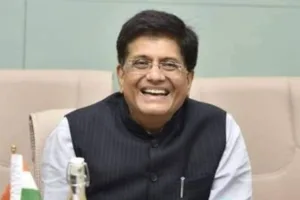
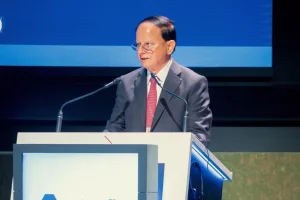
Prime Minister Narendra Modi on Tuesday drew attention to a comprehensive article by Union Minister Piyush Goyal that sheds light on the expanding role of India’s Free Trade Agreements (FTAs) in driving economic growth and improving the lives of millions.

“In this insightful article, Union Minister Shri Piyush Goyal explains that India’s FTAs today go well beyond tariff reductions, forming part of a broader mission to strengthen the economy and improve the lives of millions,” PM Modi said in a post on the social media platform X.

In his write-up, Minister Goyal elaborates that India’s FTAs are now a pivotal tool for inclusive growth, extending benefits across various segments of society. He highlighted the India-New Zealand FTA as a landmark achievement, noting it as India’s first women-led FTA, with nearly the entire negotiating team composed of women.

Calling the #IndiaNZFTA “a win-win deal,” Goyal wrote, “This trade deal marks a significant leap in PM Narendra Modi ji’s trade diplomacy. By creating greater opportunities for small businesses, students, women, farmers, and youth across India, the FTA will open new avenues for growth and cooperation.”

The India-New Zealand Free Trade Agreement represents a strategic effort to deepen bilateral trade, promote sustainable development, and empower historically underrepresented groups in the economy. It is expected to ease market access, boost exports, and encourage innovation and entrepreneurship.

Prime Minister Modi’s endorsement of Goyal’s article signals the government’s dedication to trade policies that strengthen economic ties while fostering social inclusion and gender representation in critical negotiations.

As India broadens its global trade engagement, the India-New Zealand FTA sets a precedent for future agreements that balance economic advancement with inclusive development.

Acharya Balkrishna says ‘Swadeshi is way of life’; hails PM Modi’s commitment

Acharya Balkrishna highlights the importance of Swadeshi as a way of life at the National Swadeshi Mahotsav 2025, promoting self-reliance, cultural pride, and support for local artisans across India.

IANS | New Delhi | Updated :

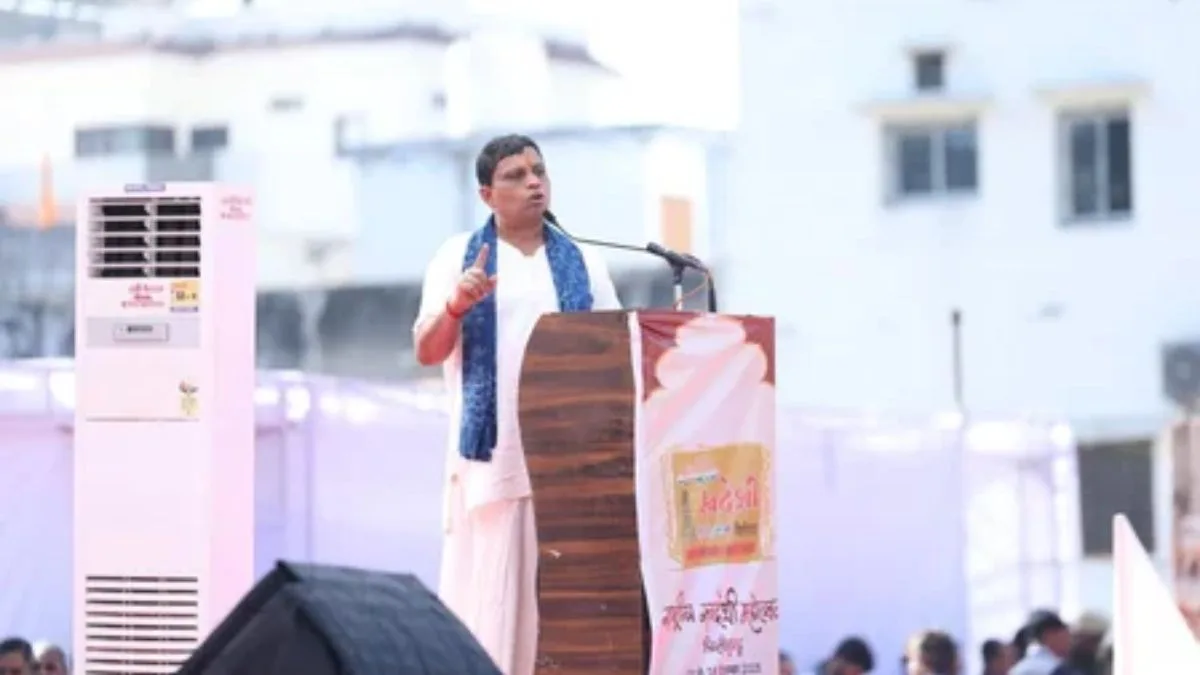
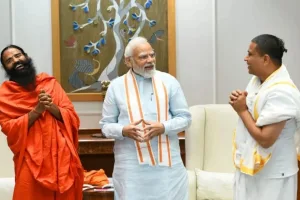
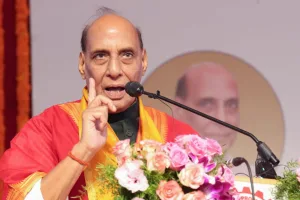
Patanjali Ayurved Limited founder Acharya Balkrishna said on Tuesday that “Swadeshi is not merely an idea but a way of life”.

He asserted that the growing global influence of Indian culture is the result of Prime Minister Narendra Modi’s strong commitment to the Swadeshi movement.

Participating in the National Swadeshi Festival in Rajasthan’s Chittorgarh, Acharya Balkrishna said that artisans from Uttar Pradesh to Tamil Nadu and Jammu and Kashmir to Himachal Pradesh have come to the fair with their unique products, showcasing the strength, diversity, and unity of Swadeshi.

He emphasised that the dream of building an “Aatmanirbhar Bharat” (self-reliant India) cannot be achieved without wholeheartedly adopting the concept of Swadeshi.

Also Read: Sustainable farming inspired by nature can transform rural India: Acharya Balkrishna

He also urged people to avoid foreign-made goods, especially where advanced technology is not required, and to take a firm resolve to support indigenous products.

“Once the market for Swadeshi goods grows, local businesses in small towns will also get a boost, thereby promoting local ecomony. This helps in growing self-respect and promote the idea of nation-buiding. Swadeshi idealogy helps in growth of artisans and small businesses spread across small towns and villages in the country,” he added.

With swadeshi promotion, our values are retained and our cultural legacy goes strong, he said, adding that therefore the concept of ‘Swadeshi’ is important.

“Where there is ‘swadeshi’, there is self-respect and where there is self-respect, there is a prosperous nation and hence to make a prosperous nation, there is a need for swadeshi goods,” Acharya Balkrishna added.

Taking to his official X account, Acharya Balkrishna said: “Today, on the occasion of the inauguration of the “National Swadeshi Mahotsav 2025” organised at Veerbhumi Chittorgarh, in the auspicious conjunction of sacred festivals like ‘Kisan Diwas’ and ‘Surya Uttarayan’, I was fortunate to participate in this great yajna of Swadeshi consciousness.”

Also Read: Sustainable farming inspired by nature can transform rural India: Acharya Balkrishna

“Swadeshi is not merely an alternative, but a strong foundation for India’s economic, cultural, and health-related self-reliance. Swadeshi is a resolve, Swadeshi is a sentiment, Swadeshi is a lifestyle, and Swadeshi is our very life breath. The grandeur and flag of Indian Sanatan culture that is waving across the world today is rooted in the unwavering resolve and continuous efforts of the Honorable Prime Minister Ji towards Swadeshi.”

“The National Swadeshi Mahotsav is an important link in this series, which is a powerful endeavour to give the emotion, consciousness, and awakening of Swadeshi a broad form of public awakening,” he added in an X post.

“With the cooperation of the entire country and as a result of the penance, perseverance, and tireless dedication of Swami Ramdev Ji, the Swadeshi brand in the form of Patanjali has not only hoisted its flag in the country but across the entire world. This is a powerful symbol of Swadeshi capability and self-reliant India.”

On this dignified occasion, Rajasthan Governor Haribhau Bagde Ji and C. P. Joshi Ji ,Lok Sabha MP and Chittorgarh Petition Committee Chairman, along with many other distinguished personalities, were present at the event.

Court frames charges against Karti Chidambaram, others in Chinese Visa scam

The court has charged Karti P Chidambaram for Criminal Conspiracy and for the offence of corruption under the Prevention of Corruption (PC) Act. The court has also charged Chartered Accountant (CA) Bhaskar Raman in the matter.

ANI | New Delhi |

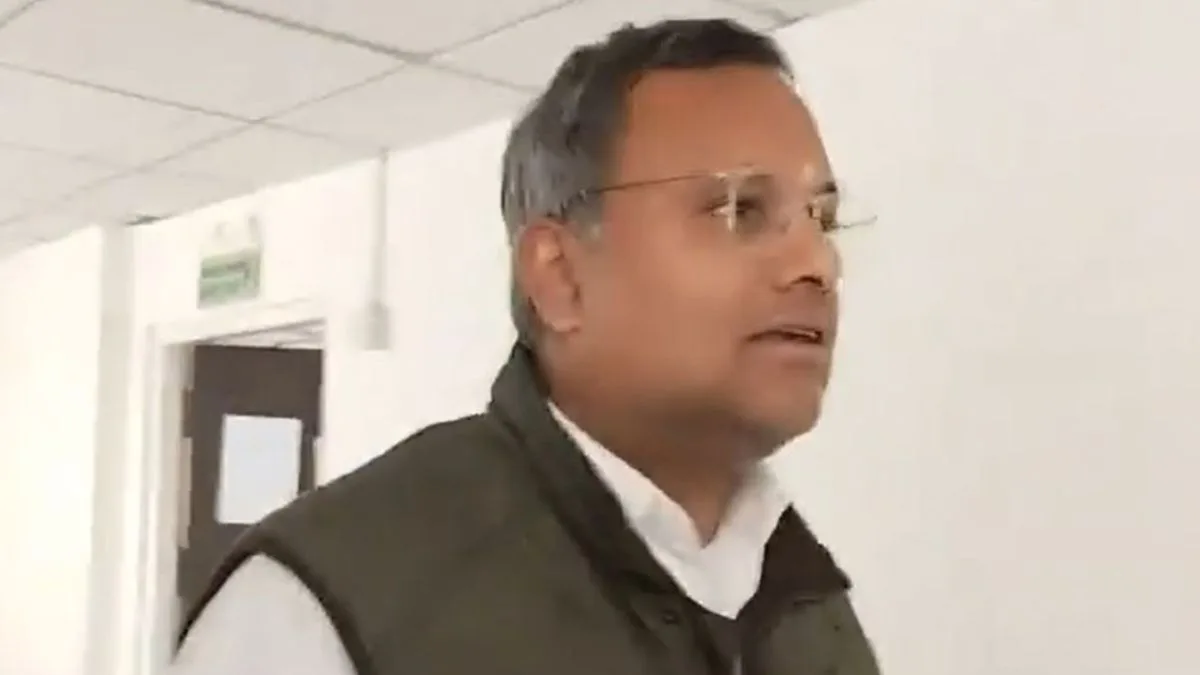
The Rouse Avenue court framed charges against Congress MP Karti Chidambaram and other accused persons in connection with the Chinese visa scam case. The case pertains to an FIR registered by the Central Bureau of Investigation (CBI).

The court has charged Karti P Chidambaram for Criminal Conspiracy and for the offence of corruption under the Prevention of Corruption (PC) Act. The court has also charged Chartered Accountant (CA) Bhaskar Raman in the matter.

The case relates to an alleged conspiracy and corruption in the renewal of visas issued to Chinese officials.

Special Judge (CBI) Dig Vinay Singh framed the charges against Karti Chidambaram and other accused persons. The court stated that a detailed order on the framing of charges will be uploaded by the evening.

There were 8 accused in this case, including two firms. One accused, Chetan Shrivastava, has been discharged by the court.

This case pertains to alleged corruption in the renewal of Visas for 263 Chinese officials. It is alleged that a gratification of Rs. 50 lakh was paid by an accused firm to renew visas previously issued to Chinese officials.

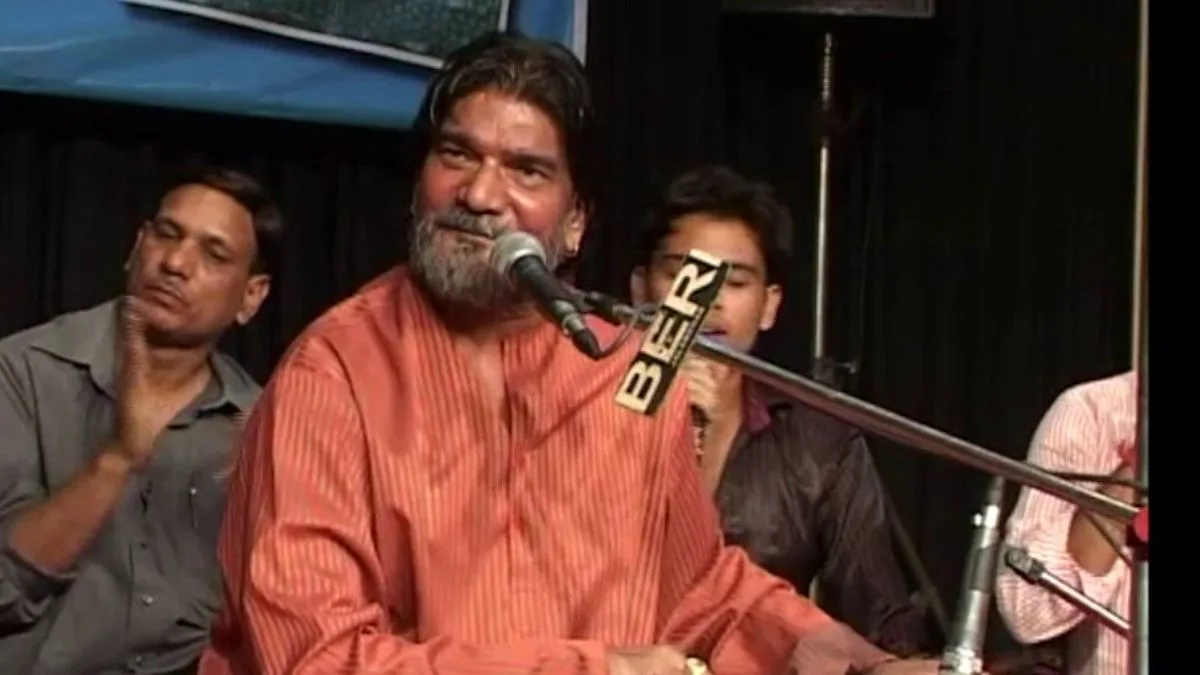
Ustad Puran Shah Koti, Punjabi music legend passes away; Diljit Dosanjh, Guru Randhawa honour his legacy

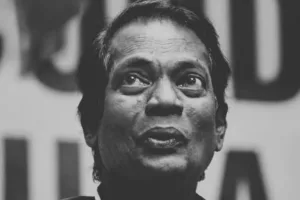
Ustad Puran Shah Koti, the legendary Punjabi musician and teacher, passed away at 72, leaving behind a timeless legacy. Stars like Guru Randhawa and Diljit Dosanjh paid heartfelt tributes, remembering his unmatched contribution to music.

Statesman News Service | New Delhi |

One powerful voice that carried music in its each breath is no longer among us. Ustad Puran Shah Koti, legendary musician and teacher, passed away at the age of 72. He had been battling illness for months.

The teacher who shaped generations

In a small space far away from big stages and bright lights of cities, Ustad Puran Shah Koti quietly shaped future of Punjabi music in a way. In very, very humble setting, he guided young voices that would later become household names.

Hans Raj Hans, Jasbir Jassi, and Sabar Koti are among the many artists who found direction under his guidance.

Music beyond the body

Deepak Bali, Advisor for Culture and Tourism to the Punjab Government, remembered meeting the maestro in the early 1990s. He described Ustad Puran Shah Koti as someone who could both teach and perform with equal brilliance.

Bali recalled listening to him sing live and feeling a deep calm wash over room. The maestro once said that even silence cannot stop music because melody lives beyond sound. That belief stayed with him till the very end.

Tributes from the music world

As news of his passing spread, heartfelt tributes poured in. Popular singer Guru Randhawa shared an old clip of a jam session. There the legend sat at harmonium filling the room with warmth and melody.


View this post on Instagram


A post shared by Guru Randhawa (@gururandhawa)

Singer Diljit Dosanjh also shared emotional words, saying the maestro gave his entire life to music and left behind a loss Punjabi music can never fully recover from.

A son’s farewell and a city’s goodbye

Ustad Puran Shah Koti’s son, Master Saleem, himself a respected name in the music industry, announced a prayer meeting in Jalandhar to honour his father’s memory. It was a moment for family, students, and admirers to come together.

Also Read: Vince Zampella, ‘Call of Duty’ co-creator and gaming visionary, dies in California car crash at 55

Vinoba Bhave University must reflect its reformist roots: Governor

Addressing the university’s 10th convocation ceremony, the Governor said institutions named after great social reformers carried a special responsibility to translate those ideals into academic culture and public engagement.

Statesman News Service | Hazaribagh |

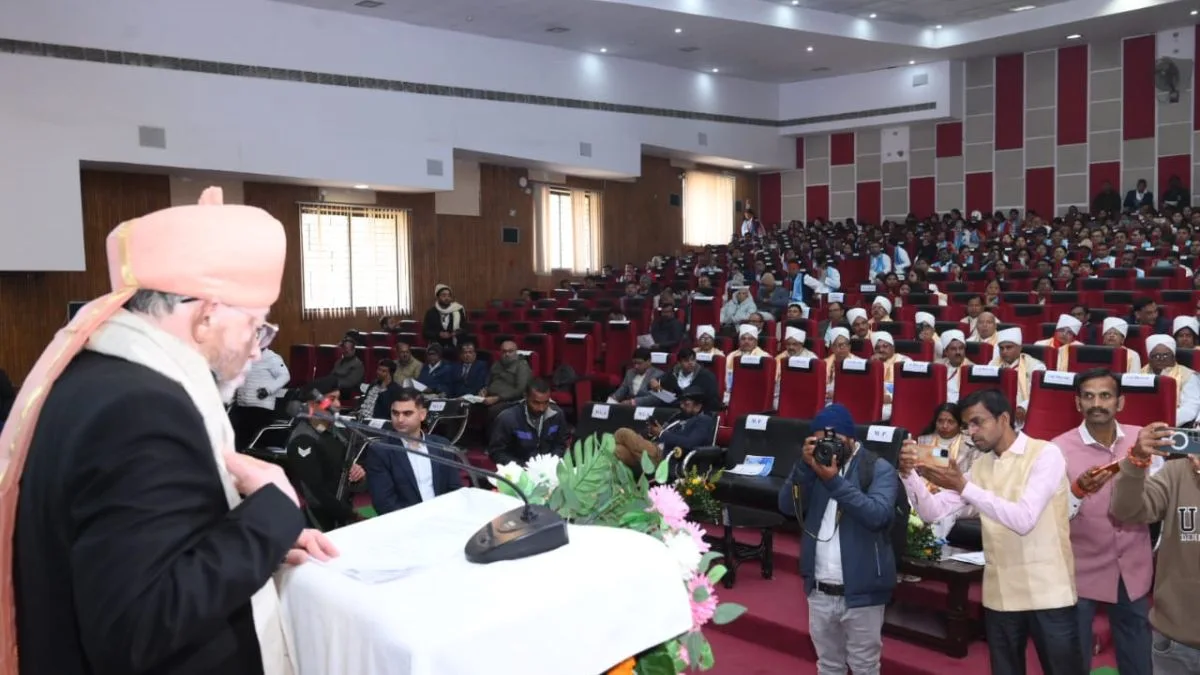
Emphasising the reformist legacy associated with its name, Governor and Chancellor of state universities Santosh Kumar Gangwar on Tuesday said Vinoba Bhave University must remain guided by the values of social justice, ethical conduct, and public service championed by Vinoba Bhave.

Addressing the university’s 10th convocation ceremony, the Governor said institutions named after great social reformers carried a special responsibility to translate those ideals into academic culture and public engagement. A convocation, he said, was not merely a ceremonial occasion for awarding degrees, but a recognition of years of discipline, perseverance, and learning, and a transition into a phase where education must be applied for the larger good of society and the nation.

Recalling the life and work of Vinoba Bhave, the Governor said Bhave had devoted himself to social reform and the Bhoodan movement, offering a model of selflessness and moral leadership. These values, he said, remained relevant and should be reflected in the conduct and professional lives of graduating students. Education, he added, was not meant only for earning a livelihood but for shaping sensitive, responsible, and duty-conscious citizens.

Linking higher education with national priorities, the Governor referred to the vision of ‘Viksit Bharat @2047’ and the goal of building an empowered and self-reliant India. He called upon students to contribute to these objectives with honesty, hard work, and ethical commitment. Referring to the National Education Policy 2020, he said the policy sought to make education more inclusive, value-based, and socially relevant, while preparing the younger generation to shoulder responsibilities along with opportunities.

Stressing the broader social role of educated youth, the Governor said the importance of education should not be confined to individual advancement. He observed that if every educated person took responsibility for the education of even one child, illiteracy could be addressed at the grassroots level. Education, he said, formed the foundation of a strong and equitable society.

The Governor also underlined the need to strengthen academic quality, research, and social engagement in state universities. Universities, he said, must function as centres of thought, character, and awareness rather than institutions focused only on awarding degrees. He laid emphasis on improving placement systems and making placement centres more effective in the interest of students.

Advising students on life beyond the campus, the Governor said identity was shaped not by degrees but by actions. Success and failure, he said, were natural parts of life, and lasting achievement came to those who learned from setbacks and moved forward with determination. He urged graduates to remain socially responsible, uphold human values, and contribute positively wherever they worked or lived.

Earlier, the Governor paid floral tributes to the statue of Vinoba Bhave on the university campus.

ISRO’s LVM3 Mission to launch with BlueBird-6 Satellite tomorrow – details

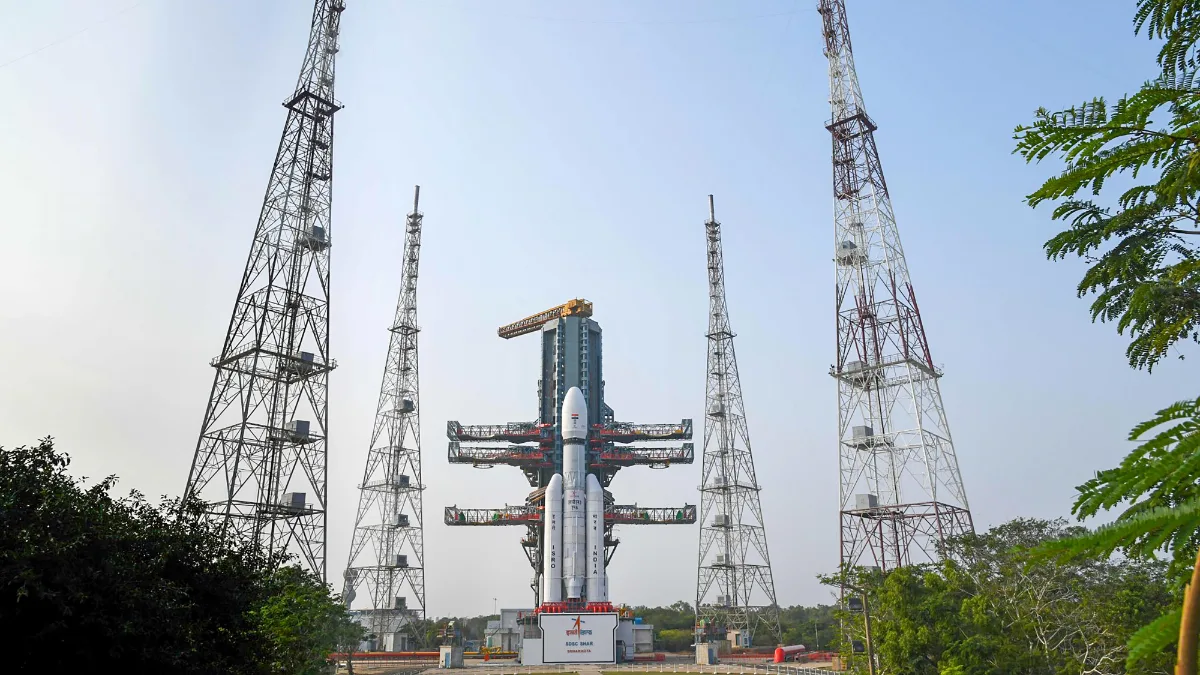
ISRO has started the countdown for the LVM3-M6 launch carrying AST SpaceMobile’s BlueBird-6 satellite. The mission marks the sixth operational flight of LVM3 and aims to deploy the largest commercial communications satellite into low Earth orbit.

Statesman News Service | New Delhi |

The Indian Space Research Organisation (ISRO) has begun the countdown for LVM3 launch around 8:55 am today ahead of its scheduled liftoff on Wednesday morning. The LVM3-M6 rocket carries Nasdaq-listed AST SpaceMobile Inc’s 6.5-ton BlueBird Block-2 satellite and this launch will mark the 6th operational flight of ISRO’s LVM3 heavy-lift rocket.

LVM3, or the Launch Vehicle Mark-3 is ISRO’s most powerful launch vehicle which can carry heavy satellites into space. Standing 43.5 metres tall, the rocket will reach the orbit in three stages – two solid boosters that provide the initial thrust followed by liquid and cryogenic stages to guide the BlueBird Block-2 satellite into Low Earth orbit (LEO) – the region of space where satellites orbit closest to the Earth’s crust.

The satellite is expected to be placed in the orbit 16 minutes after the lift-off after which it will separate from the launch vehicle. BlueBird-6 satellite belongs to a new generation of satellites designed to provide space-based cellular broadband and connect directly with standard smartphones without any need of specialized hardware. It is both the largest commercial communications satellite ever to be placed in LEO and the heaviest payload to be launched by LVM3 from India.

The mission is scheduled to be launched at 8:54 am on December 24 in Andhra Pradesh from the Satish Dhawan Space Centre in Sriharikota. It will also be live on ISRO’s official YouTube channel for people all across the globe to witness this historic moment.

The BlueBird-6 satellite will mark the debut of AST SpaceMobile’s next-generation satellite fleet. According to the company, once deployed, it will be the largest commercial phased-array antenna, covering nearly 2,400 sq ft and offering ten times the data capacity of earlier BlueBird satellites.

AST SpaceMobile Inc. is a US based, publicly traded company that designs and manufactures satellites, with its headquarters in Midland, Texas. With the deployment of the satellite, AST will be the first and only company that built space-based cellular broadband system capable of direct smartphone connectivity. The launch contract for BlueBird 6 was secured through NewSpace India Ltd, the commercial arm of India’s Department of Space.

Higher capex, controlled spending improve quality of govt finances: RBI

The review notes that the Centre collected nearly half of its budgeted receipts during April–September 2025, while keeping total expenditure below 50 per cent of the annual budget estimates

Statesman News Service | New Delhi |

The fiscal position of both the Centre and the States remained resilient in the first half of 2025–26, with governments containing revenue expenditure while sustaining capital spending, according to a half-yearly review published in the Reserve Bank of India (RBI) Bulletin for December 2025.

The review notes that the Centre collected nearly half of its budgeted receipts during April–September 2025, while keeping total expenditure below 50 per cent of the annual budget estimates.

This balance, supported by strong non-tax revenues and non-debt capital receipts, helped offset a moderation in tax collections.

The Union Budget 2025–26 reaffirmed the government’s commitment to fiscal consolidation, with capital expenditure pegged at Rs 11.2 lakh crore, or 3.1 per cent of GDP.

Effective capital expenditure was budgeted higher at 4.3 per cent of GDP, reflecting a continued push towards infrastructure-led growth.

As a result, the Centre’s gross fiscal deficit (GFD) reached 36.5 per cent of its budget estimate in the first half, higher than last year, largely due to accelerated capital spending.

On the revenue front, direct tax collections grew modestly, led by income tax, while indirect tax receipts were supported by strong goods and services tax (GST) collections in the first quarter.

Gross GST collections for the Centre and States together stood at Rs 11.9 lakh crore in the first half, marking a year-on-year growth of 9.8 per cent, aided by ongoing digital and compliance reforms.

State finances also showed stability, though with some pressure on receipts. States’ total revenue receipts grew by 6.3 per cent in the first half, weighed down by slower growth in State GST and a decline in grants from the Centre.

Despite this, States maintained their spending patterns, utilising about 38 per cent of their budgeted expenditure, while keeping capital expenditure growth marginally positive.

The consolidated fiscal deficit of States stood at 37.6 per cent of their budget estimates in the first half, slightly higher than a year ago, primarily due to subdued revenue growth. Nevertheless, states continued to prioritise capital outlays alongside steady revenue expenditure.

Overall, the RBI review highlights an improvement in the quality of public spending, with a lower revenue expenditure-to-capital outlay ratio for both the Centre and the States.

The report concludes that continued focus on capital expenditure, coupled with prudent fiscal management, will be critical for supporting medium-term growth while adhering to fiscal consolidation targets in the second half of the financial year.

Congress Leader KC Venugopal condemns BJP over alleged religious intolerance against Christians

“This is the true face of BJP’s rabid hatred towards Christianity,” Venugopal said in a statement. “Their leaders will go to any lengths to insult minorities in India, even if that means attacking a blind lady.”

Statesman News Service | New Delhi |

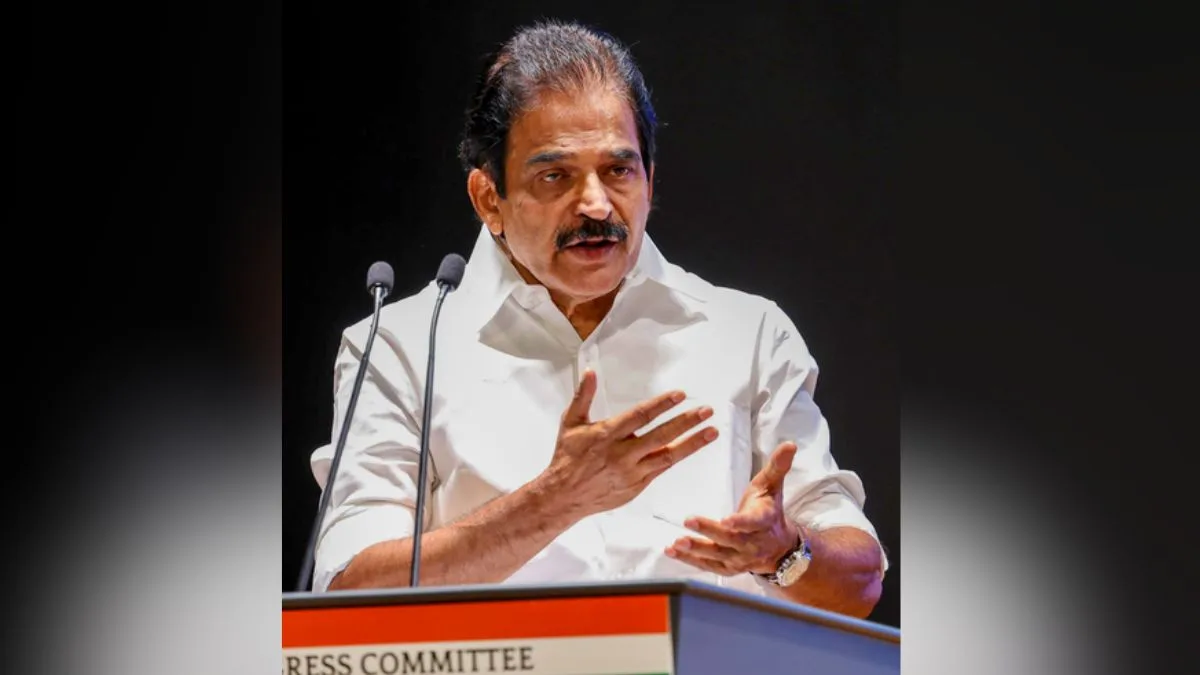
Congress leader KC Venugopal on Tuesday strongly condemned the BJP for what he described as the party’s growing hostility and intolerance towards Christians in India. He accused BJP leaders of deliberately targeting minorities, citing a recent incident involving a visually impaired Christian woman.

“This is the true face of BJP’s rabid hatred towards Christianity,” Venugopal said in a statement. “Their leaders will go to any lengths to insult minorities in India, even if that means attacking a blind lady.”

The accusation centres on an incident on December 22 at a church in Jabalpur, Madhya Pradesh, where Anju Bhargava, a BJP district vice president, allegedly mistreated a visually impaired Christian woman. Reports claim Bhargava, along with members of the Hindu Raksha Dal, disrupted the church service and harassed Christian women. The episode quickly spread on social media platforms like Facebook, drawing sharp criticism from opposition parties and civil society groups alarmed by rising religious intolerance and threats to freedom of worship.

Venugopal accused the BJP and its affiliate organisations, including the Sangh Parivar, of orchestrating systematic attacks on Christians, often with the tacit approval of the ruling regime. He referenced similar incidents reported in BJP-ruled states such as Delhi, Chhattisgarh, and Odisha.

He also highlighted an attack in Palakkad, Kerala, where RSS members reportedly targeted a children’s carol choir, describing it as an example of the BJP’s true nature. “PM Modi has been playing a facade of affection for Christians for years, but his party and its affiliates reveal their real character time and again,” Venugopal said.

Warning about the broader implications, Venugopal stated, “Venom and hatred are the BJP’s gifts during Christmas. This is a warning to all minorities that the BJP’s parochial, hate-filled agenda cannot tolerate India’s pluralism and will relentlessly attack everyone who does not fit their narrow worldview.”

The incident and subsequent statements have intensified the ongoing debate about religious freedom and minority rights in India amid rising communal tensions.

Mouni Roy turns her kitchen into a Bengali food festival with dimer jhal, aloo sheddo and ghee rice

Mouni Roy left fans guessing before finally revealing her homemade Bengali feast on Instagram. From dimer jhal to aloo sheddo and ghee rice, the actress turned her kitchen into a comfort food dream.

Statesman News Service | New Delhi |

Mouni Roy and her love for Bengali food: The smell of dimer jhal, the comfort of aloo sheddo, and the richness of ghee rice filled Mouni Roy’s home, and soon, her Instagram too. Before fans could even guess what was cooking, the actress had already turned her kitchen into a mini gossip hub.

One look at her stories and everyone knew something tasty was on the way.

A teasing start in the kitchen

Mouni loves keeping her Insta fam guessing, and this time, she did it with a spatula in hand. She first shared a photo from her kitchen hinting that she was cooking after a long break.

“After ages x, guess the dish?” she wrote.

As if that wasn’t enough, she followed it up with a short video showing something sizzling and exciting.

The big reveal: A Bengali feast

Soon after, Mouni Roy dropped the final bombshell, a full video of her homemade Bengali food spread. On the menu were dimer jhal, aloo sheddo, and ghee rice, all cooked by her.

mouni roy bengali food
Image Source: Instagram

Mouni Roy on the work front

While Mouni was busy winning hearts in the kitchen, her work front is heating up too. She will soon be seen in a new OTT thriller alongside Nimrit Kaur Ahluwalia and Shaheer Shaikh.

A source close to the project revealed that the show has already created strong buzz behind the scenes. The source said Nimrit’s role has deep emotional layers.

The shoot is already wrapped up and was filmed across Mumbai and Punjab. For now, the story and release date remain a secret.

Mouni’s plate is full, both literally and professionally. She will also appear in David Dhawan’s romantic comedy ‘Hai Jawaani Toh Ishq Hona Hai’ featuring a big star cast including Varun Dhawan, Mrunal Thakur, Pooja Hegde, and many more.

Adding to that, she plays a key role in Madhur Bhandarkar’s intense drama ‘The Wives’.

Also Read: Big B in Gen Z crash course: Amitabh Bachchan tackles ‘benching’, ‘situationship’, ‘friend zone’ on KBC

India’s REIT market surpasses Hong Kong at Rs 2.3 lakh crore

India’s Real Estate Investment Trust (REIT) market has officially arrived on the global stage, surpassing Hong Kong in size and performance despite being just six years old.

Statesman News Service | New Delhi |

India’s Real Estate Investment Trust (REIT) market has officially arrived on the global stage, surpassing Hong Kong in size and performance despite being just six years old.

According to ANAROCK Capital’s latest report, India’s REIT is taking a stride; the domestic REIT ecosystem now commands a gross asset value (GAV) of Rs 2.3 lakh crore and a listed market capitalisation of Rs 1.66 lakh crore, making it larger than Hong Kong’s REIT market, even though only 32 per cent of India’s REIT-ready commercial stock is currently listed.

The report underscores that India’s REIT sector has moved well beyond its experimental phase to become a structural investment powerhouse.

Across five listed REITs, Embassy Office Parks REIT, Mindspace Business Parks REIT, Brookfield India REIT, Nexus Select Trust, and the 2025 entrant Knowledge Realty Trust, India has outperformed mature Asian peers such as Singapore, Japan, and Hong Kong on key metrics including price performance, yields, occupancies, and Environmental, Social, and Governance (ESG) scores.

India’s REIT index has delivered a five-year annualised price return of approximately 8.9 per cent, significantly outperforming several Asian REIT markets that have posted flat or even negative returns over the same period.

Mandatory distribution of at least 90 per cent of net distributable cash flows has transformed REITs into efficient yield vehicles, offering both high-net-worth individuals and retail investors access to Grade-A commercial real estate without the illiquidity and opacity of direct ownership.

Since listing, unit prices of the first four REITs have risen between 25 per cent and 61 per cent, while Knowledge Realty Trust has already gained around 12 per cent since its August 2025 debut. These gains are complemented by steady income streams, with trailing 12-month distribution yields remaining in the attractive 5.1–6.0 per cent range.

India’s listed REIT portfolios now span around 176 million sq ft of Grade-A office and retail space, along with over 2,000 hospitality keys across major markets, including Bengaluru, Mumbai MMR, NCR, Pune, Hyderabad, Chennai, and emerging Tier-II cities. Committed occupancies stand at a robust 90–96 per cent, among the highest globally, with re-leasing spreads of 20–36 per cent and mark-to-market rental upside of 15–24 per cent.

Financially, the sector remains conservatively positioned, with AAA credit ratings across all REITs, leverage levels between 18 per cent and 31 per cent, low-cost debt at 7.4–7.5 per cent, and long maturity profiles with only 38 per cent of debt due over the next four years.

The report also highlights the sector’s growing importance to India’s office market, with REITs accounting for over 20 per cent of pan-India gross office leasing in Q2 FY26. Embassy and Knowledge Realty Trust alone leased approximately 2.5 million sq ft during the quarter.

On the ESG front, Indian REITs rank among the world’s top performers. All five listed REITs hold 5-star GRESB ratings, score in the low-to-mid 90s, use 38–74 per cent green energy, and have committed to net-zero targets between 2030 and the early 2040s.

A key regulatory catalyst is set to further accelerate growth. From January 1, 2026, SEBI will reclassify REITs as ‘equity-related instruments’, moving them out of debt and hybrid categories.

This change is expected to enable index inclusion from mid-2026, allow higher mutual fund and PMS allocations, deepen domestic investor participation, and reduce volatility through improved liquidity.

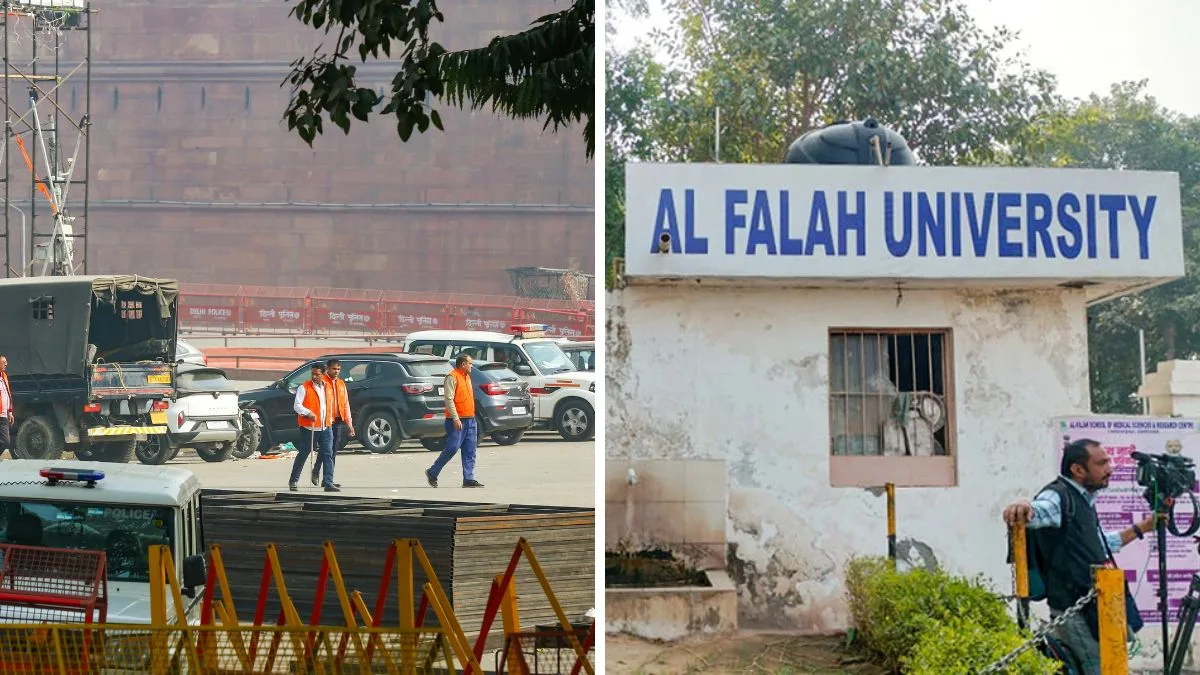
Red Fort blast 2025: How an explosion unravelled a larger plot and wider terror network

The November 10 Red Fort car bomb was followed by sweeping raids in Faridabad and scrutiny of Al-Falah University, revealing a wider terror network.

Statesman News Service | New Delhi |

When a car bomb went off near the Red Fort in Delhi on November 10, 2025, killing at least 15 people, it appeared at first to be a sudden and shocking breach of security in the heart of the capital.

But the explosion did not come out of nowhere.

By the time the blast took place, security agencies had already spent weeks tracking a Jaish-e-Mohammad-linked network, making arrests and seizing weapons and explosives across Jammu and Kashmir, Haryana, and Uttar Pradesh. Investigators now believe the blast came as that network was being dismantled.

The blast and the hours before it

The explosion occurred at around 6.50 pm on Netaji Subhash Marg, close to the Red Fort complex. As it was a peak traffic time, the impact was felt across central Delhi, triggering immediate alerts and the deployment of multiple security agencies.

CCTV footage later showed the Hyundai i20 used in the blast entering the Sunehri Masjid parking area near the Red Fort at around 3.19 pm. The car remained in the vicinity for nearly three hours and exited shortly before the explosion.

What the driver, identified as Dr Umar Mohammad alias Umar-un-Nabi, did during this period became a key question. Police later traced his movements through CCTV cameras placed across the area. Investigators believe he spent time in a mosque on Asaf Ali Road, close to Ramlila Maidan, before driving towards the Red Fort stretch where the blast occurred.

How the investigation had already begun

The chain of events leading to November 10 began much earlier.

On October 19, police in Srinagar registered an FIR after posters linked to Jaish-e-Mohammad appeared in areas under the Nowgam police post. The probe led to arrests between October 20 and 27, including Maulvi Irfan Ahmed Waghe from Shopian and Zameer Ahmed from Ganderbal.

From there, the investigation widened quickly.

On November 5, Dr Adeel was arrested in Saharanpur. Two days later, an AK-56 rifle and ammunition were seized from an Anantnag hospital. On November 8, raids at Al-Falah Medical College in Faridabad led to the recovery of weapons and 358–360 kg of explosive material and the arrest of Dr Mujammil Shakeel, who hailed from Jammu and Kashmir’s Pulwama.

Faridabad seizures tighten the net

On November 9, another suspect, named Madrasi, was detained in Faridabad’s Dhauj, which is around 45 km from Delhi. The following day, hours before the Red Fort blast, police seized 2,563 kg of explosives from the house of Mewat-resident Hafiz Mohammad Ishtiaq, who was holding the post of Imam at Al-Falah Mosque in Faridabad’s Dhera Colony.

In total, security agencies seized close to 3,000 kg of explosives from locations linked to the module.

Officials said the explosive material used in the Red Fort blast was from the same stock that had been assembled in Faridabad.

Umar changes location

As arrests mounted and recoveries were made, Dr Umar, who worked at Al-Falah Medical College and was part of the same network, changed locations.

CCTV footage later confirmed that he was driving the car that exploded near the Red Fort.

Planning, money and coordination

The probe showed that the module operated through encrypted messaging platforms, with different members handling recruitment, finances, and logistics.

Investigators traced a hawala-linked money trail, including a transfer of about Rs 20 lakh. Officials said the money was used to buy fertiliser-grade material that was later processed into explosives.

Forensic tests indicated the use of ammonium nitrate–based explosives, pointing to a vehicle-borne blast. Investigators also recovered digital data, handwritten notes, and weapons during the raids, which suggested that the planning had been underway for several months.

Missed timelines and internal strain

Investigators said there were signs of disagreement within the group. Proposed attack dates were discussed and postponed, from August 15 to December 6, with January 26 also featuring in conversations.

Some officials believe the November 10 blast did not follow the original plan and took place as the network began to collapse following the Faridabad seizures.

Institutions under scrutiny

As the probe widened, Al-Falah University came under scrutiny because several accused were linked to it.

The Delhi Police Crime Branch registered two FIRs against the institution under cheating and forgery provisions. The Association of Indian Universities suspended its membership, and the NAAC issued a show-cause notice over accreditation-related claims.

The university said it had only a professional association with the accused doctors and expressed anguish over the developments.

Foreign links under probe

By mid-November, investigators began examining possible links outside India.

Agency reports referred to contacts in Afghanistan and Turkey, suggesting that handlers may have operated from abroad to avoid a direct trail. One alleged handler, Faisal Iqbal, was named in agency inputs, while Mufti Irfan Ahmed was identified as a local facilitator involved in recruitment and logistics.

A Red Corner Notice was sought against one accused believed to be abroad. Turkey has denied that its territory was used for radicalisation activities.

Arrests towards year-end

The investigation continued into December. On December 18, the National Investigation Agency arrested Yasir Ahmad Dar, described as the ninth accused in the case, under the UAPA and BNS.

Earlier arrests included Dr Bilal Naseer Malla, and searches across Jammu and Kashmir, Uttar Pradesh, and Haryana led to the seizure of digital devices and other material.

Where the case stands

As the year ends, investigators no longer see the Red Fort blast as an isolated act.

They describe it as part of a wider network involving recruitment, funding, logistics, and alleged foreign guidance. What remains to be established in court is whether the November 10 explosion was meant to be the final act or whether it happened as the plot began to unravel under sustained pressure from security agencies.


Akhilesh Yadav’s PDA is an alliance of dynastic parties: UP BJP Prez Pankaj Chaudhary

The Samajwadi Party chief has coined the abbreviation PDA for pichde (backward classes), Dalits, and alpsankhyak (minorities) and has been using the expression as a political plank to gain votes.

Statesman News Service | Lucknow |

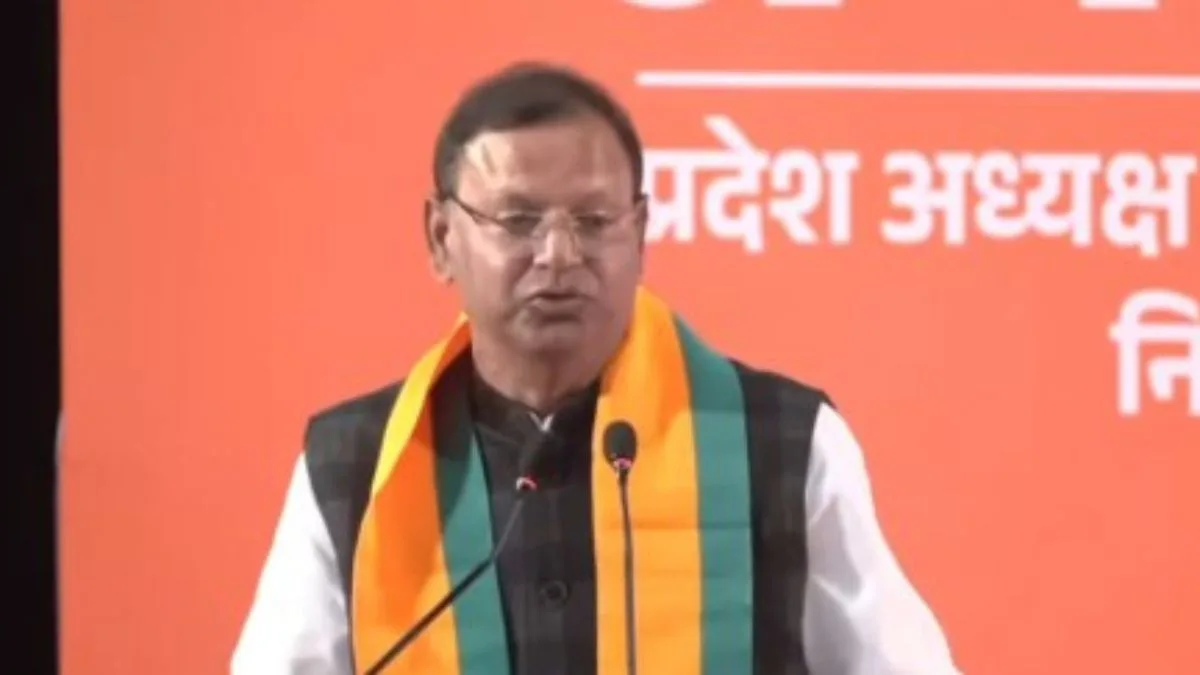
The Uttar Pradesh unit president of the Bharatiya Janata Party (BJP), Pankaj Chaudhary, on Tuesday targeted former Chief Minister and Samajwadi Party (SP) national president Akhilesh Yadav, saying that his PDA mantra is nothing more than a dynastic alliance.

The Samajwadi Party chief has coined the abbreviation PDA for pichde (backward classes), Dalits, and alpsankhyak (minorities) and has been using the expression as a political plank to gain votes.

Addressing his maiden press conference at the party headquarters here, Chaudhary, while describing Uttar Pradesh politics as the centre of national politics, said that he has 35 years of political experience and is committed to taking everyone along. He said that party workers are paramount and continuous work will be done for their respect and interests.

He stated that the Atal Centenary celebrations will be held on December 25, the birth anniversary of former Prime Minister Atal Bihari Vajpayee. Good Governance Day programmes will be organised across the state from this day until December 31. Atal Smriti Sammelans (memorial conferences) will be held in all assembly constituencies, he said.

Chaudhary said that Prime Minister Narendra Modi will inaugurate ‘Prerna Sthal’ on December 25, while Veer Bal Diwas (Valiant Children’s Day) will be celebrated on December 26.

Regarding the Special Intensive Revision (SIR), he clarified that the party and the government are fully committed, and everyone has been assigned their responsibilities in this connection.

Targeting the opposition, he said that PDA stands for ‘Pariwarwadi Dalon ka Gathbandhan’ (Alliance of Dynastic Parties), the form of which can be seen in Uttar Pradesh as well as in other states. He said that the BJP gave big responsibilities to Kalyan Singh earlier and currently to Narendra Modi, which is proof that party workers and leaders are respected in the party.

He said that the BJP is the only organisation where democracy is fully established. Teams are formed as needed, and responsibilities are given to workers according to the party’s requirements.

He reiterated that the BJP’s core mantra is ‘Sabka Saath, Sabka Vikas’ (Together with all, development for all), and work is done under this principle. The party focuses on the balanced development of the entire state and the country, rather than strengthening any one particular region.

Left-wing-extremism close to eradication: Prez Murmu

President Droupadi Murmu on Tuesday declared that left-wing extremism is close to total eradication, pointing out that intensive action by forces and agencies engaged in the sphere of internal security has been a key element behind the near-eradication of the menace.

Statesman News Service | New Delhi |

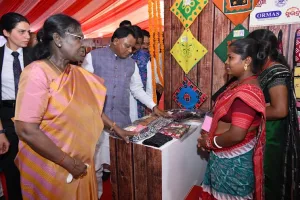
President Droupadi Murmu on Tuesday declared that left-wing extremism is close to total eradication, pointing out that intensive action by forces and agencies engaged in the sphere of internal security has been a key element behind the near-eradication of the menace.

She noted that a holistic approach was adopted to win the trust of communities through several initiatives. Promoting socio-economic inclusion in tribal and remote areas has proved effective against exploitation of the people by left-wing extremists and insurgent groups, she added.

The President was addressing the IB Centenary Endowment Lecture on the subject ‘People-Centric National Security: Community Participation in Building Viksit Bharat’ in New Delhi.

Appreciating the stellar role played by IB in providing security to the people of India and assuring the unity and integrity of the nation, President Murmu said civil police and internal security agencies in the country have to work with the spirit of serving the people. This spirit of service will build trust among the people. This trust is a precondition of developing a people-centric national security strategy in which community participation will be a key element.

She noted that India has been facing multi-dimensional security challenges and threats. Tensions in the border areas, terrorism and militancy, insurgency, and communal radicalisation have been traditional areas of security concern. In recent years, cybercrimes have emerged as a substantial security threat.

She underlined that the lack of security in any part of the country has an economic impact that goes beyond the affected area. Security is among the key drivers of economic investment and growth. Building ‘Surakshit Bharat’ is necessary for building ‘Samriddh Bharat’, the President added.

She said that social media has transformed the world of information and communication. It has the potential for both creation and destruction. Protecting people from misinformation is a very challenging task. This task must be carried out continuously and very effectively.

The President said that the most complex challenges to national security are non-traditional and digital in nature. Most of these problems originate from cutting-edge technologies. The growing problem of digital fraud requires vigilance at the household, institutional, and community levels. Digital platforms can empower citizens to report phishing, digital fraud, and online abuse, she added.

IAF’s Shubhanshu Shukla recognized as ‘Man of the Year’ for Axiom-4 Mission to ISS

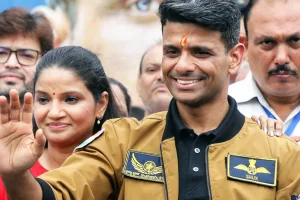
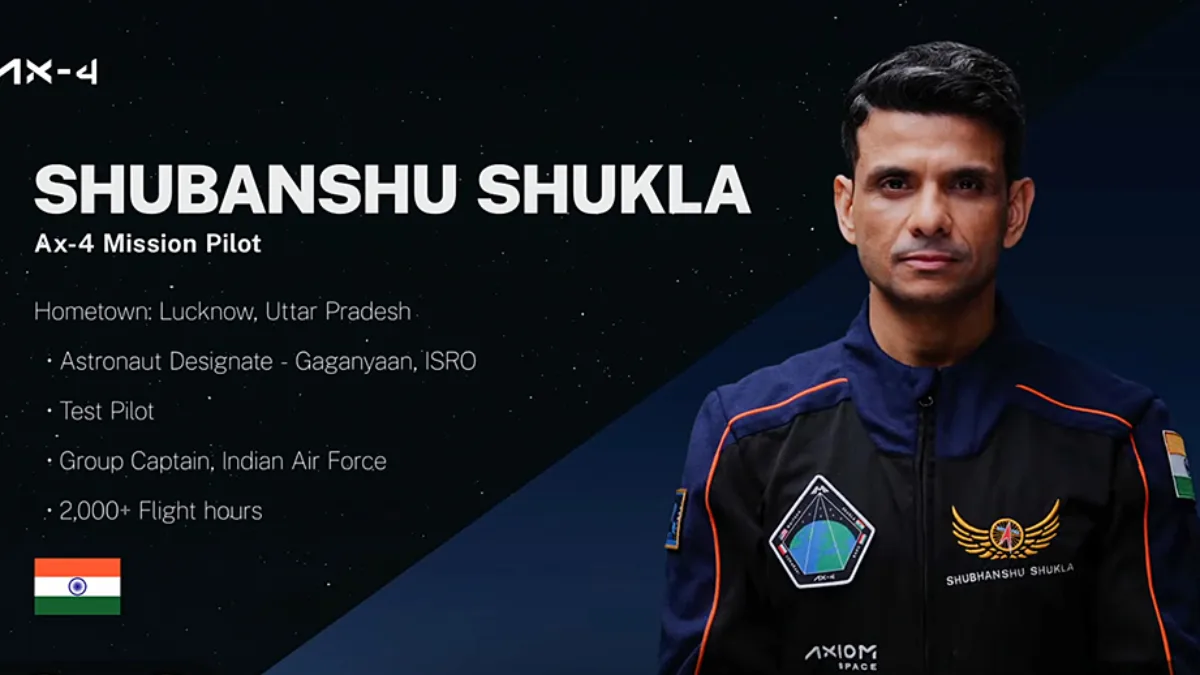
Group Captain Shubhanshu Shukla of the Indian Air Force has been honoured as Man of the Year by The Week for his role as mission pilot of Axiom-4, marking a milestone in India’s human spaceflight journey.

Statesman News Service | New Delhi |

The Indian Air Force congratulated Group Captain Shubhanshu Shukla on being honoured as the “Man of the Year” by ‘The Week’ magazine in its 21 December 2025 edition, celebrating his historic achievement as the mission pilot of AXIOM-4 (Ax-4).

The Axiom in Axiom-4 represents the private astronaut mission that is carried out by privates US company Axiom Space in collaboration with NASA and SpaceX and the number 4 stands for the 4th edition of this mission to the International Space Station (ISS). The Ax-4 was embarked by 4 astronauts – Shubhanshu Shukla (India), Peggy Whitson (USA), Sławosz Uznański (Poland), and Tibor Kapu (Hungary) – marking each nation’s first mission to the ISS in history.

Launched in June 2025 aboard the SpaceX Crew Dragon spacecraft, Axiom-4 made Shukla the first Indian astronaut to visit the ISS and only the second Indian to travel to space after Wing Commander Rakesh Sharma in 1984.

Initially planned for 14 days, the mission ended up being 18 days long, where Shukla carried out various STEM experiments, documented the daily life of astronauts aboard and engaged with students and young scientists back home to inspire them and spark their interests in science and exploration. His safe return showcased not just his personal dedication and skill but also India’s growing presence in space.

Being part of Axiom-4 Mission, India has once again positioned itself as an active contributor to global human spaceflight aligning with plans for Bharatiya Antariksh Station, with focus on India’s broader spaceflight ambitions, including the ongoing Gaganyan programme.

22 armed Maoists surrender in Odisha: Govt to provide Rs 1.84 crore reward to ultras as per revised policy

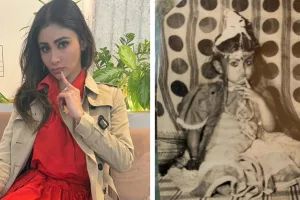
In a step towards making southern Odisha free from Naxal violence, the police in Malkangiri district managed to stitch a truce with red rebels ensconced along the hilly terrains and forest region, resulting in the surrender of 22 underground cadres of the outlawed CPI (Maoist) outfit, police said on Tuesday.

Statesman News Service | Bhubaneswar |

In a step towards making southern Odisha free from Naxal violence, the police in Malkangiri district managed to stitch a truce with red rebels ensconced along the hilly terrains and forest region, resulting in the surrender of 22 underground cadres of the outlawed CPI (Maoist) outfit, police said on Tuesday.

The development is a major blow to the banned outfit. Of the 22 underground cadres who shunned the path of violence to join the mainstream, one was a senior functionary of Divisional Committee Member (DVCM) rank, and six were Area Committee Members (ACMs).

The cadres also laid down nine firearms, including an AK-47 rifle, two INSAS rifles, one SLR rifle, three .303 rifles, and two single-shot rifles in the presence of Yogesh Bahadur Khurania, Director General of Police, Odisha.

The surrendered cadres pledged to renounce violence, sever all links with ultras, and opt to join the mainstream of society, expressing faith in the democratic process, police said.

As part of the surrender process, the cadres handed over nine firearms and 150 live rounds of ammunition of various calibres, 9 magazines, 20 kg of explosives, 13 improvised explosive devices, gelatin sticks, codex wire, Maoist literature, and other articles.
Constant appeals made by Chief Minister Mohan Charan Majhi, State Police leadership, urging CPI (Maoist) cadres to return to the mainstream by abandoning the violence and participating in the development and welfare of the state and its people have paid positive dividends.

Increased and sustained pressure by Security Forces, disillusionment with the ideology, a leadership vacuum, lack of local support, new Surrender-cum-Rehabilitation Policy of the Odisha government—the combined effect of these factors drove cadres to sever their association with the CPI (Maoist) organisation. This decision reflects a deliberate and pragmatic acceptance of the government’s surrender and rehabilitation policy and a clear renunciation of violent extremism in favour of development, peace, and a law-abiding life, added the police.

As per the Odisha’s Government’s Rehabilitation Policy, surrendered cadres would receive an amount based on their ranks. Today’s surrender of 22 Maoist cadres along with weapons carries the total reward amount of Rs 1,84,25,000.

An interim relief of Rs 25,000 each has now been handed over to all 22 surrendered cadres.

As per the government policy, each of the surrendered Naxals is entitled to the provision of a house under Antyodaya Gruha Yojana (AG), one-time marriage incentive of Rs 25,000.

Those red rebels who surrendered will be enrolled free of cost in short-term skill development programmes. A stipend of Rs 10,000 per month will be provided for a maximum period of 36 months. Besides, they will be provided with Health Cards under the policy of the state government or the central government.

The surrenderer will be provided with the free ration / subsidised ration under Pradhan Mantri Garib Kalyan Anna Yojana (PMGKAY), Antyodaya Anna Yojana, or any other similar policy.

The Odisha State Police Department assures that all entitled benefits will be provided promptly, enabling the surrendered cadres to rebuild their lives with dignity and security.

Thai military continues to strike multiple targets in Cambodian territory: Defence Ministry

Thai military forces continued to use artillery and tank-mounted machine guns to fire at multiple targets in Cambodian territory as of Tuesday morning, a Cambodian defence spokesperson said on Tuesday.

Thailand and Cambodia conflict | New Delhi |

Thai military forces continued to use artillery and tank-mounted machine guns to fire at multiple targets in Cambodian territory as of Tuesday morning, a Cambodian defence spokesperson said on Tuesday.

The civilian death toll in Cambodia has increased to 21, as border conflict with Thailand has entered its 17th day, Defence Ministry’s Undersecretary of State and Spokesperson Lt. General Maly Socheata said.

“The Thai military had attacked locations where Cambodian civilians resided, resulting in 21 civilian deaths, including one infant, and injuries to 83 others as of 6 pm on December 22,” she said at a press briefing.

The Cambodia-Thailand border conflict has reignited since December 7, and both sides have accused the other of initiating the attack, Xinhua News Agency reported.

According to the latest figures released by the Cambodian Ministry of Interior, the conflict has so far forced about 545,000 Cambodians to flee their homes for safe shelters.

The Foreign Ministers of Association of SouthEast Asian Nations (ASEAN) member countries, who held a ‘special meeting’ in Malaysia’s Kuala Lumpur on Monday to address the current situation between Cambodia and Thailand, have urged both countries to exercise restraint and take immediate steps for the cessation of all forms of hostilities.

The meeting reaffirmed the commitment to ASEAN unity and solidarity as well as ASEAN Centrality in ensuring regional peace, security, stability and prosperity, in accordance with the ASEAN Charter. The participants of the meeting voiced serious concerns about the continued tensions and hostilities, which have caused significant casualties, damage to civilian infrastructure, and displacement of people on both sides of the border, according to the statement released by the ASEAN Chair.

The members urged Thailand and Cambodia to ensure that civilians residing in the affected border areas are able to return, without obstruction and in safety and dignity, to their homes and normal livelihoods as they existed prior to the outbreak of hostilities.

The statement said, “The Meeting urged Cambodia and Thailand to exercise maximum restraint and take immediate steps towards the cessation of all forms of hostilities. The Meeting called on both countries to restore mutual trust and confidence, and to return to dialogue, including through bilateral mechanisms as well as making use of the good offices of the ASEAN Chair, revive cooperation on humanitarian demining and implement military de-escalation along their shared border under the observation of the AOT, and to uphold the principles of international law, peaceful co-existence, and multilateral cooperation in the pursuit of a peaceful and durable resolution to the situation.”

India-New Zealand FTA set to facilitate banks’, insurers’ institutional presence

The recently signed India-New Zealand Free Trade Agreement (FTA) is expected to facilitate increased bilateral investment, institutional presence, and services delivery, the Ministry of Finance stated on Tuesday.

Statesman News Service | New Delhi |

The recently signed India-New Zealand Free Trade Agreement (FTA) is expected to facilitate increased bilateral investment, institutional presence, and services delivery, the Ministry of Finance stated on Tuesday.

Currently, two Indian banks, namely Bank of Baroda and Bank of India, maintain subsidiary operations in New Zealand, with a combined total of four branches. In contrast, New Zealand has no banking or insurance presence in India, and no Indian insurance companies have established operations in New Zealand.

This FTA, by establishing clear market access commitments, regulatory transparency, and bilateral cooperation frameworks, will facilitate increased bilateral investment, institutional presence, and service delivery, the Ministry of Finance said.

The agreement will serve as an important catalyst for broadening India’s financial services presence in New Zealand and welcoming New Zealand financial institutions to India’s growing and dynamic financial services markets.

The schedules of specific commitments reflect progressive collaboration among both sides, with comprehensive commitments on Market Access and National Treatment in key Banking and Insurance Sectors and Subsectors.

“India’s sectoral offers represent a forward-looking liberalization approach, featuring enhanced Foreign Direct Investment (FDI) limits in banking and insurance, alongside a liberalised bank branch licensing framework allowing up to 15 bank branches to be established over a four-year period. This is a significant expansion from the previously offered GATS limits of 12 branches,” according to a Ministry statement.

These offers will enable Indian financial service suppliers to expand operations into New Zealand, strengthening India’s position in financial services exports and cultivating progressive sectoral growth.

They also position New Zealand’s financial institutions competitively in India’s dynamic and rapidly expanding financial services market, while simultaneously reflecting India’s commitment to progressive market liberalisation in consonance with its broader strategic objectives.

It further highlighted that Indian financial institutions are cushioned from arbitrary or discriminatory credit assessment practices in the New Zealand market.

The provision of credit rating will ensure parity of treatment with New Zealand domestic institutions, facilitate market access for Indian banks, insurance companies, and other financial service suppliers, and prevent discriminatory regulatory treatment that could restrict Indian financial institutions’ operational capabilities, it said.

The annex also places strong emphasis on financial technology and regulatory innovation. India and New Zealand have agreed to collaborate through regulatory and digital sandbox frameworks, facilitating cross-border fintech experimentation and positioning India as a potential fintech hub within the bilateral partnership.