Maha Budget: CM Fadnavis announces loan waiver for farmers, infrastructure projects
The loan waiver scheme will be applicable to farmers with outstanding debts of up to Rs 2 lakh and whose crop loans have arrears till September 30, 2025.

The loan waiver scheme will be applicable to farmers with outstanding debts of up to Rs 2 lakh and whose crop loans have arrears till September 30, 2025.

The report suggested that to achieve the Viksit Bharat goal by 2047, India may need to significantly increase its tax-to-GDP ratio, primarily through improved tax compliance, as major tax reforms have already been undertaken.
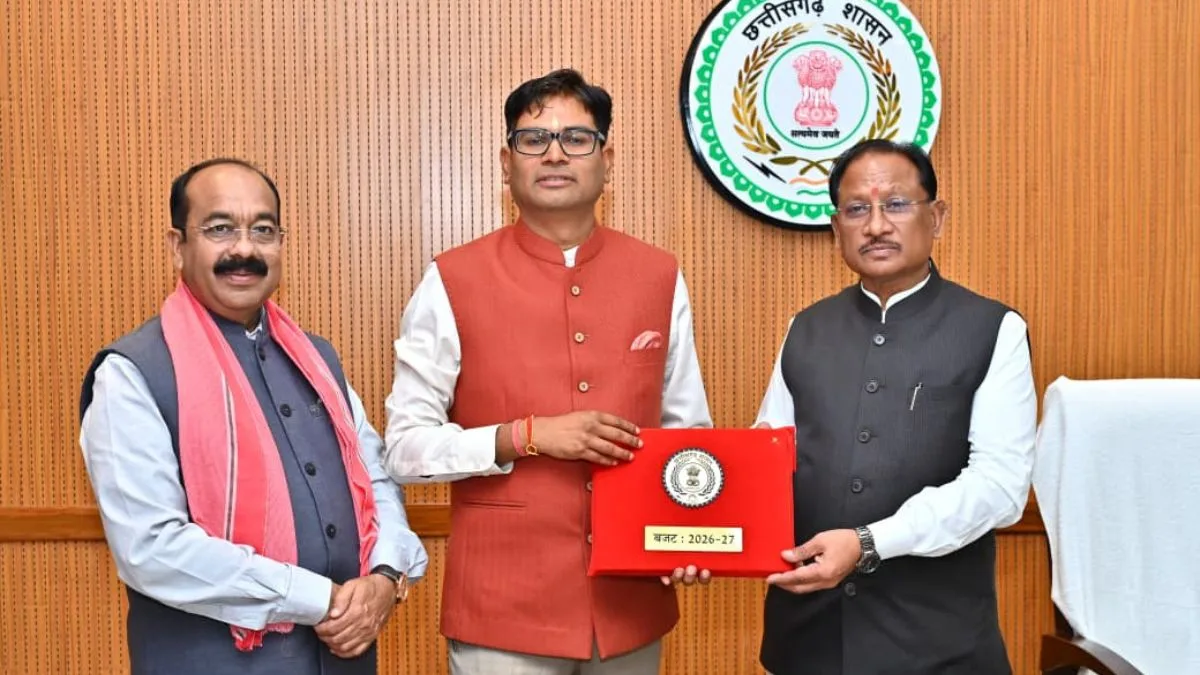
The Budget size rises from ₹1.65 lakh crore in 2025-26 to ₹1.72 lakh crore this year. Capital expenditure has been pegged at ₹26,500 crore, reaffirming the state’s emphasis on asset creation and long-term economic capacity.
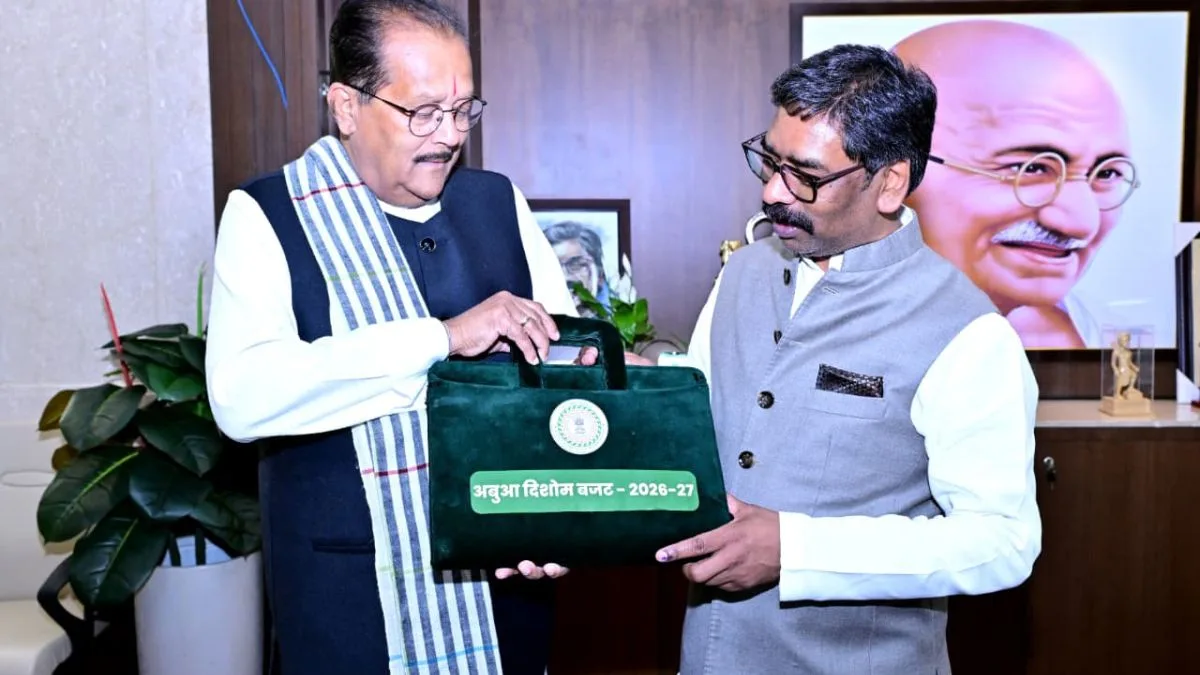
The fiscal deficit has been projected at ₹13,595.96 crore, amounting to 2.18 per cent of the estimated Gross State Domestic Product, comfortably within the 3 per cent ceiling prescribed under the Fiscal Responsibility and Budget Management framework.

The revenue deficit was estimated at Rs 22,002 crore, and the fiscal deficit was projected at Rs 75,868 crore, which amounts to 3.84 per cent of the Gross State Domestic Product (GSDP).

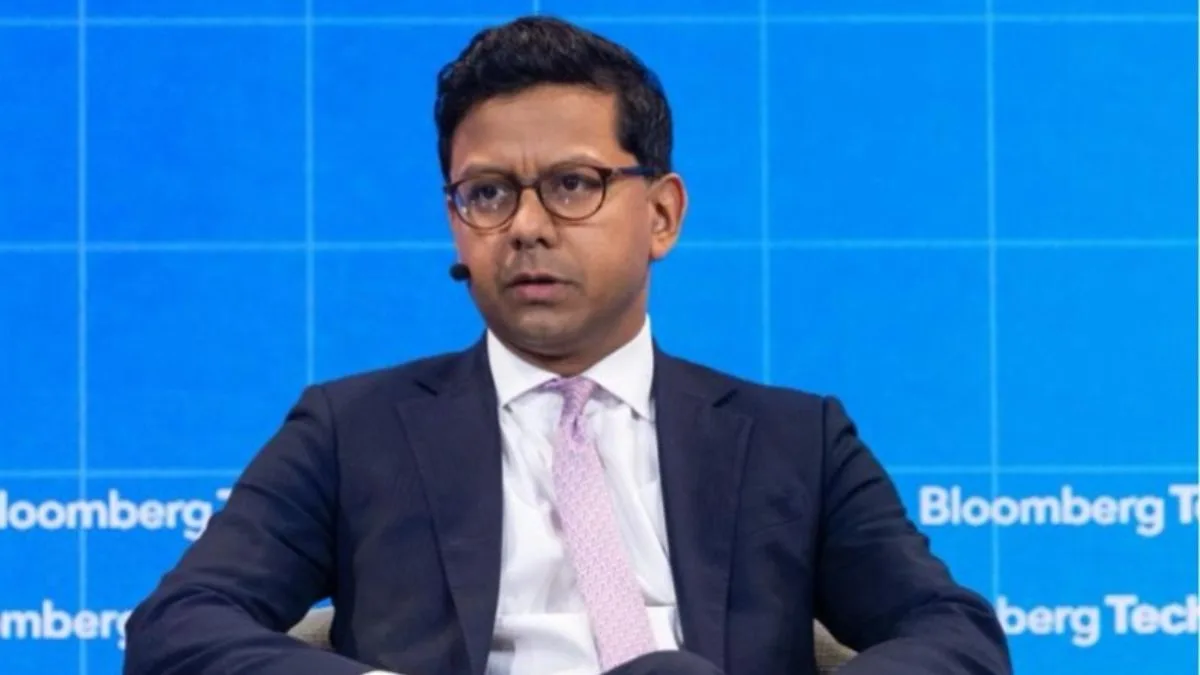
While giving a detailed presentation on the Economic Survey, CEA said the Real GDP growth has improved steadily, rising from an average of 6.4 per cent during FY12-FY20 to 6.5 per cent in FY25, and is projected to accelerate further to 7.4 per cent in FY26.
SBI Research projects nominal GDP growth of around 10.5–11 per cent for FY27, factoring in the potential spillover of higher global commodity prices into wholesale inflation.
In its “Prelude to Union Budget 2026–27”, SBI Research projects India’s fiscal deficit at around 4.2 per cent of GDP in FY27, supported by nominal GDP growth of 10.5–11 per cent, despite potential inflationary pressures from global commodities.
CII noted that India’s real GDP grew by 8.0 per cent in the first half of FY26, while inflation remained well anchored, reflecting proactive fiscal policy and prudent macroeconomic management by the government.
The review notes that the Centre collected nearly half of its budgeted receipts during April–September 2025, while keeping total expenditure below 50 per cent of the annual budget estimates