Logo

Bihar Cabinet clears Son river water-sharing agreement with Jharkhand

Under the Bansagar Agreement of 1973 among Bihar, Uttar Pradesh, and Madhya Pradesh, the then undivided Bihar had been allocated 7.75 million acre-feet (MAF) of water.

Imran Mojib | Patna |

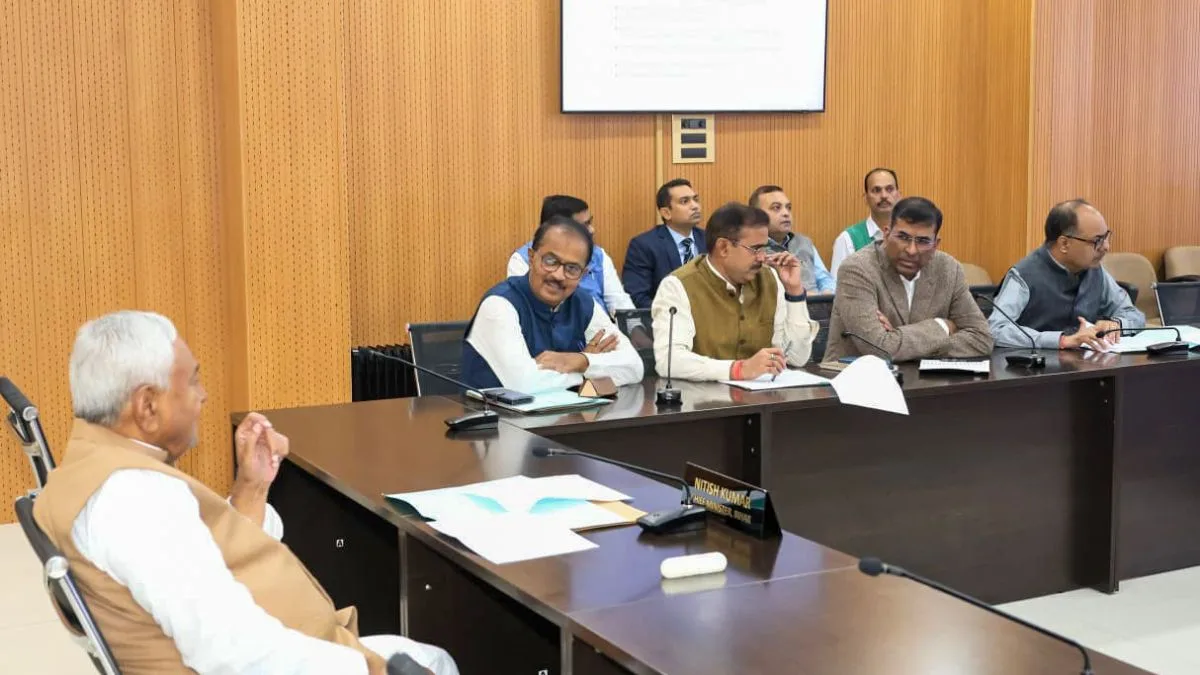
The Bihar Cabinet on Tuesday approved the draft agreement for the long-pending water-sharing arrangement of the Son River between Bihar and Jharkhand.

The dispute over the sharing of the Son River water between the two states was resolved at the 27th meeting of the Eastern Zonal Council, held in Ranchi on July 10, 2025, chaired by Union Home Minister Amit Shah. Bihar Deputy Chief Minister Samrat Chaudhary and Water Resources Minister Vijay Kumar Choudhary had strongly presented Bihar’s case.

Under the Bansagar Agreement of 1973 among Bihar, Uttar Pradesh, and Madhya Pradesh, the then undivided Bihar had been allocated 7.75 million acre-feet (MAF) of water.

Since the bifurcation of Bihar in 2000, Jharkhand has repeatedly raised demands for a share of the water between the two states.

After deliberations at the 27th Eastern Zonal Council meeting, it was agreed that out of the 7.75 MAF allocated to undivided Bihar, 5.75 MAF would be allotted to Bihar and 2.00 MAF to Jharkhand.

Following the Cabinet’s approval, the concerned departments of both states will explore ways to ensure the early execution of the agreement.

The decision is expected to pave the way for the implementation of the long-pending Indrapuri Reservoir Project, which will help ensure sustainable irrigation facilities in the districts of Bhojpur, Buxar, Rohtas, Kaimur, Aurangabad, Patna, Gaya, and Arwal.

Healthcare transformation redefines medical access in J&K

Large-scale healthcare infrastructure projects and systematic upgradation of services at the grassroots level have played a pivotal role in redefining the healthcare landscape of Jammu & Kashmir, an official said on Tuesday.

Statesman News Service | Jammu |

Jammu & Kashmir is witnessing a far-reaching transformation in the healthcare sector, marked by massive infrastructure development, unprecedented expansion in medical education, and sustained support from the Government of India.

Strategic investments made over the past several years by the Ministry of Health & Family Welfare (MoHFW) have fundamentally reshaped healthcare delivery across the Union Territory (UT), ensuring that quality medical services are accessible not only in urban centres but also in rural, border and geographically challenging areas.

Large-scale healthcare infrastructure projects and systematic upgradation of services at the grassroots level have played a pivotal role in redefining the healthcare landscape of Jammu & Kashmir, an official said on Tuesday.

These initiatives have not only enhanced the quality of medical services but have also ensured their availability closer to the doorsteps of people residing in far-flung and remote regions of the UT.

A cornerstone of this transformation is the establishment of two All India Institutes of Medical Sciences (AIIMS) in Jammu & Kashmir—an achievement that has elevated the UT’s healthcare ecosystem to national and global standards. AIIMS Jammu, now fully operational, is providing world-class tertiary and super-specialty healthcare services.

Equipped with advanced diagnostic, surgical and critical care facilities, the institute has significantly reduced the need for patients to seek specialized treatment outside the UT. Beyond patient care, AIIMS Jammu has also emerged as a centre of excellence for medical education and research, contributing substantially to capacity building and the advancement of medical knowledge in the region.

AIIMS Kashmir, sanctioned by the Government of India and nearing completion, is expected to become operational by the end of the year. Once functional, it will play a transformative role in strengthening advanced healthcare services in the Valley, particularly in super-specialties such as oncology, cardiology and neurology. Together, the two AIIMS represent a long-term investment in equitable, high-quality healthcare for the people of Jammu & Kashmir.

Another major milestone in the UT’s healthcare journey has been the rapid expansion of Government Medical Colleges, which has significantly strengthened both district-level healthcare delivery and medical education.

From just four medical colleges a few years ago, Jammu & Kashmir now has twelve medical colleges, including newly established institutions in underserved districts. This expansion also includes AYUSH institutions such as the Government Ayurvedic College, Government Unani College at Ganderbal, and the Government Homeopathic College at Kathua, thereby strengthening traditional systems of medicine and offering diverse, affordable healthcare options to the public.

These institutions have improved access to specialist doctors, diagnostics and emergency services while simultaneously functioning as teaching hospitals, substantially enhancing local healthcare capacity.

The expansion of healthcare infrastructure has been complemented by a historic increase in medical education capacity, ensuring the long-term sustainability of healthcare services in the UT. MBBS seats have increased from 500 to 1,725—an addition of over 1,200 seats—addressing the long-standing shortage of doctors. Postgraduate and super-specialty seats have risen from 513 to 802, strengthening specialist availability across disciplines. DNB seats have witnessed an exponential increase from 20 to 438, enabling in-service doctors to receive advanced training within the UT itself.

Recognising the critical role of allied health professionals, Jammu & Kashmir has also seen a major push in nursing, paramedical and pharmacy education. B.Sc. Nursing seats have increased from 685 to over 3,000, while B.Sc. Paramedical seats have jumped from just 78 to nearly 1,900. B-Pharmacy seats have increased from 33 to 373.

Several large-scale healthcare infrastructure projects supported by the Government of India are currently at advanced stages of development. These include a 243-bedded modern Labour Block at SMGS Hospital, Jammu, aimed at strengthening maternal and neonatal care, and a 100-bedded Mother & Child Hospital at Lamberi in Rajouri, catering to border and rural populations.

Under PM-ABHIM, 17 Critical Care Blocks—comprising 15 blocks of 50 beds each and two blocks of 100 beds each—are being established to enhance emergency and critical care services. These state-of-the-art facilities are designed to decentralize critical healthcare services and ensure timely access to life-saving care closer to communities.

At the grassroots level, Government of India-supported initiatives have transformed primary healthcare delivery. The number of Health & Wellness Centres has increased from 130 to 3,166, ensuring comprehensive primary healthcare services at the village level. These interventions have brought healthcare closer to the people, reduced out-of-pocket expenditure, and strengthened preventive and early diagnostic care.

Specialized healthcare services have been further reinforced with the operationalization of State Cancer Institutes in Jammu and Srinagar, Bone & Joint Hospitals in Jammu and Srinagar, and a fully functional 500-bedded Pediatric Hospital in Srinagar equipped with allied super-specialties.

The cumulative impact of these reforms is reflected in improved health indicators across the UT. The Infant Mortality Rate has declined from 22 to 14, while the Sex Ratio at Birth has improved from 927 to 976, underscoring significant progress in maternal and child healthcare.


SC delivers split verdict on constitutionality of prior sanction to probe public servants under Section 17A of PC Act

While Justice B.V. Nagarathna held the provision to be arbitrary, Justice K.V. Viswanathan ruled that it is constitutionally valid, subject to the condition that instead of the Central or the State government, the prior sanction to proceed against a public servant would depend on the recommendation of the Lokpal or the Lokayukta (in the case of States).

Parmod Kumar | New Delhi |

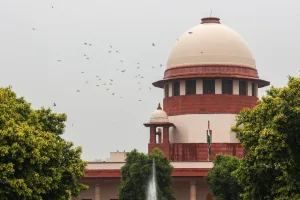
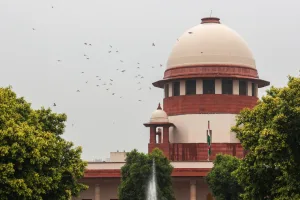
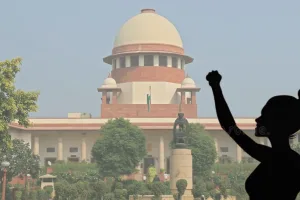
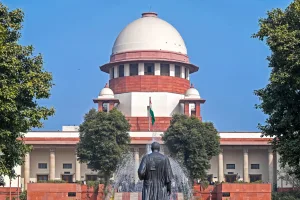
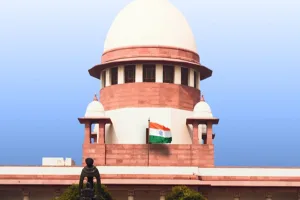
The Supreme Court on Tuesday delivered a split verdict on a plea by the Centre for Public Interest Litigation (CPIL) challenging the constitutional validity of Section 17A of the Prevention of Corruption (PC) Act, which mandates prior sanction of the Central government or the State government, as the case may be, to inquire or investigate allegations of wrongdoing by a public servant in the discharge of official duties.

While Justice B.V. Nagarathna held the provision to be arbitrary, Justice K.V. Viswanathan ruled that it is constitutionally valid, subject to the condition that instead of the Central or the State government, the prior sanction to proceed against a public servant would depend on the recommendation of the Lokpal or the Lokayukta (in the case of States).

In view of the split verdict, the matter will now be placed before the Chief Justice of India for the constitution of an appropriate Bench for fresh consideration of the issues. The Court ordered:

“Having regard to the divergent opinions expressed by us, we direct the Registry to place this matter before the Hon’ble Chief Justice of India for constituting an appropriate Bench to consider the issues which arise in this matter afresh.”

Stating that in today’s era of intense public scrutiny driven by social media, even the arrest and court appearance of an honest person can cause irreversible damage to reputation and family honour, Justice Viswanathan observed that subsequent exoneration cannot undo such harm. He therefore issued directions introducing certain safeguards that would not only “strengthen the hands of honest officers but will also ensure that the corrupt are brought to book.”

Holding that Section 17A of the PC Act is constitutionally valid, subject to the condition that grant or refusal of approval by the competent authority would depend on the recommendation of the Lokpal or Lokayukta (in the case of States), Justice Viswanathan laid down a structured mechanism.

The Central or State government and the competent authorities, upon receipt of information regarding an alleged act of wrongdoing by an officer, shall refer the matter to the Lokpal or Lokayukta, which would hold an inquiry and, based on its findings, make recommendations to the concerned authority. The authority shall be bound to act on such recommendation for the grant or refusal of permission under Section 17A of the PC Act.

Directing that the Lokpal or Lokayukta, while making recommendations, shall set out reasons for the same, Justice Viswanathan said that the time limit stipulated under Section 17A must be scrupulously adhered to in all cases.

In a divergent view, striking down Section 17A, Justice Nagarathna held:

“Section 17A of the Act is struck down as it violates Article 14 of the Constitution inasmuch as it seeks to protect only those public servants who have the responsibility of making a recommendation or taking a decision in the discharge of their official duties, which are limited to the officers above a particular level, whether in the Union or State Governments …”

Stating that Section 17A protects only a certain class of officers and not those below them, Justice Nagarathna said: “Hence, it protects only a class of public servants inasmuch as prior approval is mandated …, whereas for all other public servants, it does not do so. Thus, in substance, the classification based on the nature of duties is illegal and therefore violates Article 14 of the Constitution of India for reasons analogous to those in Subramanian Swamy and Vineet Narain (case judgments).”

In a significant observation, Justice Nagarathna said:

“Section 17A is merely an attempt to reintroduce in a different form Single Directive 4.7(3) as well as Section 6A of the DSPE Act, 1946, which have been struck down as being unconstitutional in Vineet Narain and Subramanian Swamy, which are three-Judge and five-Judge Bench decisions of this Court respectively and are binding on this (two-judge) Bench.”

Consequently, Justice Nagarathna held that Section 17A is liable to be struck down for attempting to override earlier binding decisions of the Supreme Court.

Terming Section 17A as arbitrary, she further observed:

“Section 17A is invalidated by the arbitrariness in its manner of operation, by foreclosing the possibility of even a bare inquiry/enquiry/investigation without prior approval, under the garb of being prejudicial, leading to the likelihood of corrupt public servants of a particular level and higher being shielded, which is impermissible and contrary to the objects of the Act as well as the rule of law.”

She added: “In my view, prior approval being required for the purpose of protecting honest officers is not a valid reason for saving the provision from being declared unconstitutional, as a regime of prior approval at the stage of inquiry/enquiry/investigation is fundamentally opposed to the objects and purpose of the Act and hence has to be struck down on that ground also.”

Reliance denies bottlenecks, confirms that battery manufacturing is on track

The Mukesh Ambani-led group, which planned to begin cell manufacturing in 2026, was in discussions with Chinese firm Xiamen Hithium Energy Storage Technology to license battery cell technology, but as a recent report had claimed that these plans were put on hold after the talks failed.

Statesman News Service | Mumbai |

Reliance Industries has officially announced that its plans to manufacture lithium-ion battery cell storage in India remain unchanged and are progressing in line with target timelines, in response to reports in a section of the media that the company has backtracked from plans announced earlier after it failed to secure Chinese technology.

The Mukesh Ambani-led group, which planned to begin cell manufacturing in 2026, was in discussions with Chinese firm Xiamen Hithium Energy Storage Technology to license battery cell technology, but as a recent report had claimed that these plans were put on hold after the talks failed.

The report had suggested that negotiations came to a standstill after Xiamen withdrew from the proposed partnership in response to China’s restrictions on knowledge transfers abroad in important areas.

However, it has now emerged that Reliance is in a position to draw upon the expertise of its US subsidiary Lithium Werks, which is well versed in LFP (lithium-iron-phosphate) batteries, as well as its UK subsidiary Faradion, to manufacture higher-performance lithium-ion automotive batteries.

“We would like to categorically affirm that there has been no change in our plans for creating a world leading battery storage manufacturing ecosystem from cell to containerised ESS, and they are progressing well in line with our target timelines,” according to a statement issued by a company spokesperson.

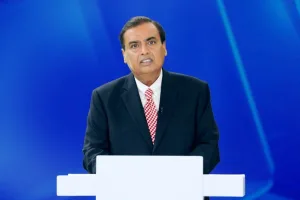
Previously, Reliance had indicated 2026 as the target when it would begin manufacturing battery cells in India after Reliance Industries Chairman & Managing Director Mukesh Ambani told shareholder in August 2025 that Reliance’s battery giga factory would start in 2026, that it would begin with a 40 GWh per year capacity and then expand it to 100 GWh per year.

“You will note that BESS manufacturing, battery pack manufacturing and cell manufacturing have always been part of our energy storage plans, and we are progressing well in their execution, as already shared earlier,” according to the Reliance spokesperson.

Reliance has committed Rs 75,000 crore to establish an integrated manufacturing ecosystem for the solar value chain, battery energy storage systems (BESS) and electrolysers at Jamnagar, Gujarat at its Dhirubhai Ambani Green Energy Giga Manufacturing Complex. The facility is what Reliance says is the world’s largest, most modern, modular and integrated manufacturing ecosystem at a single site.

3-time CPM MLA Aisha Potty joins Congress ahead of Kerala assembly polls

Aisha Potty had been keeping a distance from the CPI(M) for some time. Ahead of the local body elections, there were rumours that she would join the Congress.

Statesman News Service | Thiruvananthapuram |

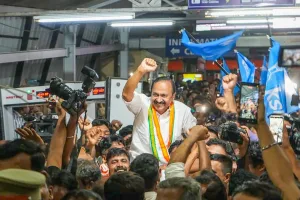
In a setback to the ruling CPI(M) in Kerala ahead of the Assembly elections, senior party leader and three-time Kottarakkara MLA Aisha Potty joined the Congress on Tuesday. She accepted Congress membership from KPCC president Sunny Joseph at the venue of a day-and-night protest organised by the Kerala Pradesh Congress Committee (KPCC) in front of the Lok Bhavan in Thiruvananthapuram.

Aisha Potty had been keeping a distance from the CPI(M) for some time. Ahead of the local body elections, there were rumours that she would join the Congress. She is reportedly set to be the United Democratic Front (UDF) candidate for the Kottarakkara constituency, a seat she represented for 15 consecutive years and which is currently held by Finance Minister K.N. Balagopal. The CPI(M) had fielded Balagopal from the constituency in 2021 after denying Potty a ticket.

Potty had emerged as a “giant killer” for the CPI(M) in the 2006 Assembly elections when she defeated prominent Kerala Congress (B) veteran R. Balakrishna Pillai on his home turf of Kottarakkara. Pillai had held the seat almost uninterrupted since 1977, and her victory was considered one of the biggest upsets in Kerala’s political history. In the 2011 and 2016 Assembly elections, Potty retained the seat for the CPI(M).

Addressing the media following her induction into the Congress, a visibly emotional Potty revealed that she had faced significant hardships within the CPI(M). She said that during her tenure as an MLA, she never relied on public relations campaigns or image-building exercises. Anticipating backlash from the Left, she remarked, “I am prepared to be called a vargavanchaka (class traitor) by those I left behind, but my priority is to continue working for the common man.”

Her joining the Congress has drawn sharp criticism from her former party colleagues. Senior CPI(M) leader and former minister J. Mercykutty Amma publicly labelled Aisha Potty a vargavanchaka, stating that her actions were driven by a greed for positions and titles, and added that the party would face this “betrayal” with composure.
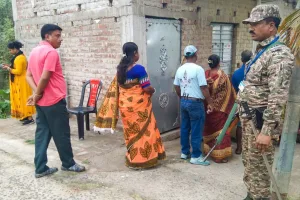
With the entry of the “giant killer” who famously defeated Balakrishna Pillai in Kottarakkara into its fold, the Congress is expected to bolster its prospects in Kollam district ahead of the 2026 Kerala Assembly elections.

Uttarakhand seeks ₹15,000 crore from Centre in its first PDNA report

The USDMA report presented to the NDMA has assessed damages caused by the natural disasters occurring in the state in the year 2025.

PRITHVIRAJ SINGH | Dehradun |

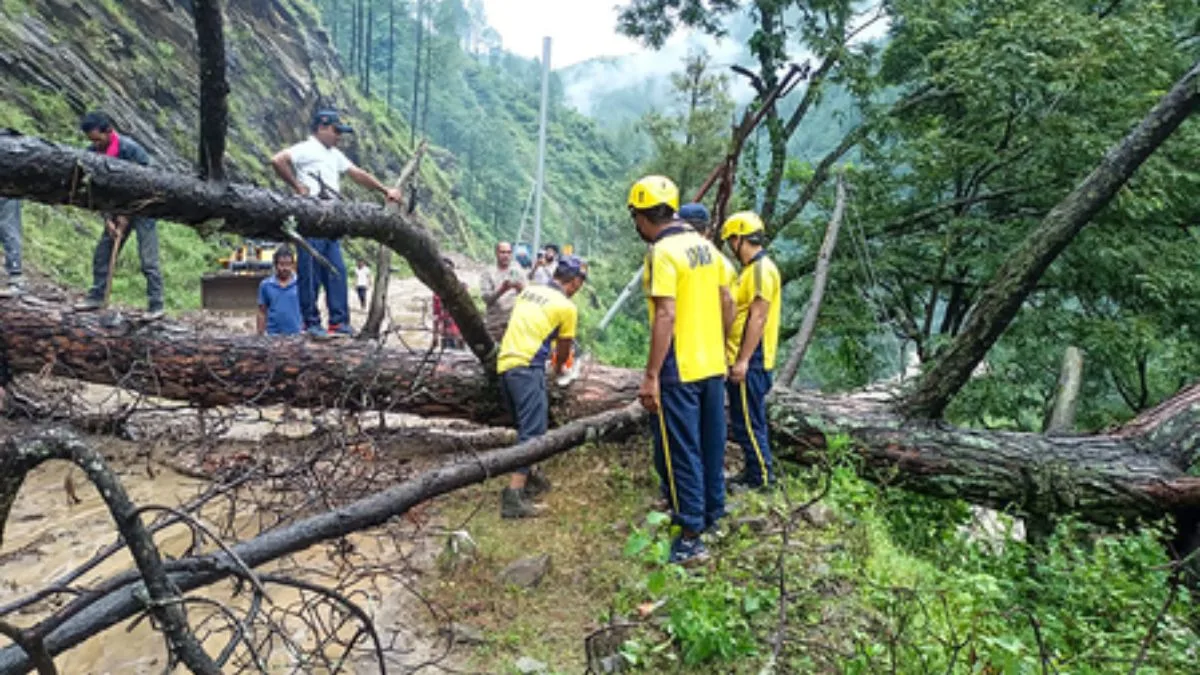
The Uttarakhand government has asked the Centre for more than ₹15,000 crore to compensate the losses incurred during 2025 natural disasters in the Post Disaster Needs Assessment (PDNA) prepared recently. The first PDNA report prepared by any state government in the country was submitted to the National Disaster Management Authority (NDMA) by Uttarakhand State Disaster Management Authority (USDMA).

The USDMA report presented to the NDMA has assessed damages caused by the natural disasters occurring in the state in the year 2025. It provided a detailed, sector-wise assessment of losses, damages, rehabilitation and reconstruction needs across the social, infrastructure, productive and cross-cutting sectors in the state.
The USDMA’s assessment report stated that a total economic impact of ₹15,103.5 crore was witnessed in different sectors owing to natural disasters in 2025. This included direct property damages worth ₹3,792.38 crore and complete losses of ₹312.19 crore.
Besides, recovery and reconstruction impact with Build Back Better approach has been to the tune of ₹10,998.95 crore.

Talking about sectoral need assessments and findings, the USDMA report stated that the social sector recorded a net economic impact of ₹4,966.8 crore of which housing, education and health were the most affected aspects in 2025 natural disasters. The health sector alone had a financial impact of ₹2,579.4 crore while housing accounted for ₹2,005.4 crore.
On the other hand, the economic impact owing to infrastructural loss was estimated to be nearly ₹6,225.69 crore. Water supply was hit with a loss of ₹4,048.88 crore, roads recorded a lost impact of ₹1,963.29 crore and the power sector ₹213.52 crore.

As for the production sectors, agriculture, horticulture, animal husbandry, fisheries, tourism and forestry witnessed an impact worth ₹893.94 crore. However, tourism was the most affected in this category recording a loss of ₹744.94 crore.
Under the Disaster Risk Reduction (DRR), the PDNA report expressed a requirement of nearly ₹3,017 crore for reconstruction and strengthening of infrastructure to mitigate the impact of future disasters.

“PDNA report has been prepared keeping in view the state’s geographical and topographical sensitivities, hill conditions and impacts of climate change. The objective of the report is not just to assess damage, but to present a roadmap for planned rehabilitation and reconstruction to build a more resilient, safe, and disaster-proof Uttarakhand” said secretary state disaster management department, Vinod Suman speaking about the report.

Suman said that necessary financial assistance will be sought from the Central government based on this report. It will help the state in speedy restoration of the disaster affected areas, safeguarding livelihoods and strengthening of infrastructure in tune with the principle of ‘Build Back Better’.

BJP writes history of Kozhikode Corporation winning post of chairperson of tax affairs standing committee

The saffron party chlinched this victory through a draw held after an LDF member abstained from voting

Statesman News Service | Kozhikode |

For the first time in the history of Kozhikode Corporation, the BJP has won the post of chairperson of an important standing committee. BJP’s councilor from the Civil Station ward has been elected as the chairperson of the corporation’s standing committee on taxation.

The saffron party chlinched this victory through a draw held after an LDF member abstained from voting. In the nine-member standing committee on taxation, the party has four and the UDF has an equal number of members while the LDF has one.

As an LDF member abstained the voting, the votes were divided between the BJP and UDF equally. Hence, a draw of lots was used to determine the winner which went in favour of the BJP candidate.

Of a total of eight standing committee chairpersons, six are LDF members, one is a member of UDF while another belongs to the BJP. The Welfare Affairs Committee was captured by UDF after ten years.

Raj Thackeray attacks Adani as Fadnavis defends him while BJP points at old Raj-Adani photograph

“I want to tell the Chief Minister that this issue is not about whose business grew, but about how that growth took place. It is necessary to understand how only one industrialist is growing. It is necessary for the people to understand this growth,” Raj Thackeray said.

Statesman News Service | Mumbai |

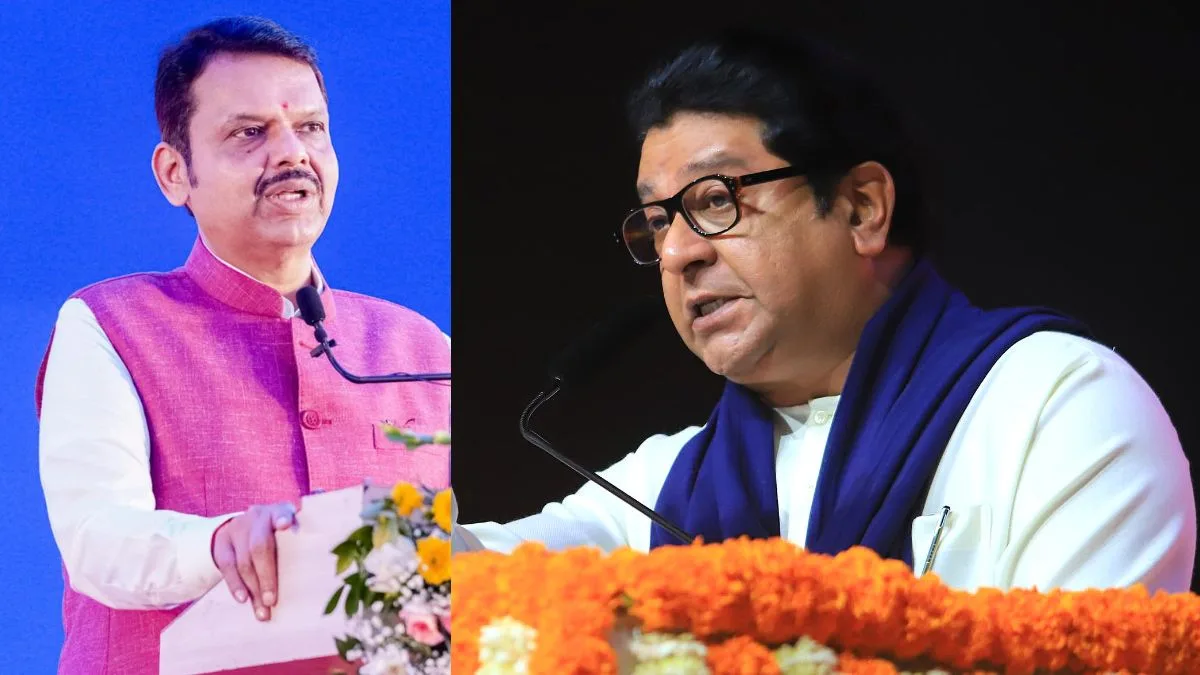
Maharashtra Navnirman Sena (MNS) president attacked industrialist Gautam Adani again on Tuesday, while speaking to media persons at his ‘Shivtirth’ residence in Dadar West.

“Adani purchased ports and other assets from others at gunpoint. In a business like cement where Gautam Adani was never present, he is now number two. Birla is number one. Adani is next. He has bought up Ultratech and Ambuja as well as a few other companies and has reached number two position. In the last 10 years, this person has gone from zero to number two. He has reached number two by taking over other people’s businesses. Many industries like power and steel are also in the same position,” MNS founder Raj Thackeray said.

“I want to tell the Chief Minister that this issue is not about whose business grew, but about how that growth took place. It is necessary to understand how only one industrialist is growing. It is necessary for the people to understand this growth,” Raj Thackeray said.

Citing the example of Indigo growing into a monopoly, Raj Thackeray alleged that “Tomorrow, this one man (Adani) can take over the entire country. The best example of this is the recent Indigo case. It brought the entire country to a standstill. All the airports were closed. The Chief Minister needs to understand this threat. Who provided financial assistance to Adani while he was acquiring industries? Which banks gave him loans? Which other institutions were made to provide financial assistance? If things collapse tomorrow, jobs will not only be lost, the entire country will be ruined,” Thackeray said.

“It is necessary for every citizen to understand how the Adani group’s growth happened. The Modi government has a big hand behind Gautam Adani’s growth. The issue is how did a businessman become so big in merely 10 years, when the Tatas and Ambanis took decades to grow,” Thackeray said.

Shortly after Raj Thackeray attacked Adani, Maharashtra Chief Minister Devendra Fadnavis told media persons that Chief Ministers of other states, including the Congress, had benefited from Adani’s investments.

“Raj Thackeray has claimed that after 2014, Adani’s net worth increased due to Prime Minister Modi. I am not an advocate for Adani, but one thing should be kept in mind that in 2014, India was the 11th largest economy in the world and now in 2026, India is heading towards becoming the third largest economy in the world. Naturally, after the economy grew, many new entrepreneurs were created across the country. Due to Prime Minister Modi, companies which could not be listed in the capital market earlier managed to get listed. Established industrial groups in the country also grew enormously,” Fadnavis said.

“After 2014, the income of Tata Group increased by 664 per cent, HDFC Bank’s income grew by 377 per cent, Adani Group grew by 686 per cent, Infosys by 280 per cent, Aditya Birla Group grew by 566 per cent, Bharti Group grew by 266 per cent, Sun Pharma frew by 152 per cent and the Hinduja Group grew by 376 per cent,” Fadnavis said.

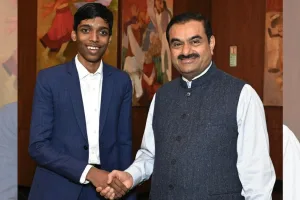
Later, BJP spokesperson Avadhoot Wagh circulated an old photograph taken at Raj Thackeray’s residence showing him with industrialist Gautam Adani, on social media and reminded Raj Thackeray of his meeting with Adani.

“I want to make it clear through this post that Adani is not the son-in-law of the BJP. If any Indian industrialist makes progress at the international level and adds value to the Indian economy, we as Indians should be proud of him,” Wagh told media persons.

“If Adani becomes big, how does it hurt Raj Thackeray’s health? Why the Thackeray brothers, who do not do any business anywhere, are simply jealous of Adani, is beyond my imagination,” Wagh said.

Reacting to BJP spokesperson Wagh’s statement, Uddhav Thackeray-led Shiv Sena Rajya Sabha MP and chief Sena spokesperson Sanjay Raut said, “Raj Thackeray said that if somebody visits my house, even if he is my friend, I will never cover up his sins. I will expose his sins. That takes courage. Does the BJP have such courage? If they have that courage, they should speak up. Gautam Adani has become your father. Now you are trembling in front of your father. There will be no airport in Mumbai anymore, because it is an international city, right? The plot of Mumbai airport is going to be given to Adani”.

BLOs to read out draft electoral rolls across UP on January 18

He directed that on January 18, 2026, BLOs should be present at their respective polling booths and read out the draft electoral rolls to voters to ensure the success of the programme.

Statesman News Service | Lucknow |

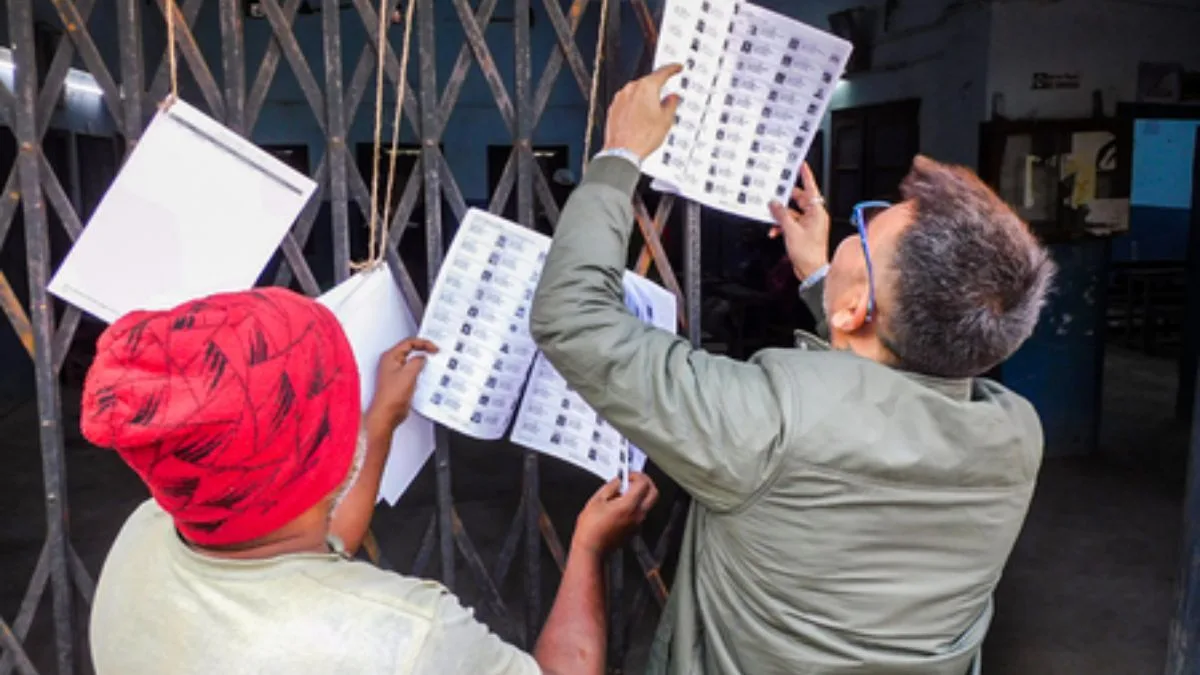
The Election Commission of India (ECI) has instructed all Booth Level Officers (BLOs) in Uttar Pradesh to read out the draft electoral rolls prepared under the Special Intensive Revision (SIR) to voters at all polling booths across the state in a mission mode on January 18.

Uttar Pradesh Chief Electoral Officer Navdeep Rinwa issued these instructions while reviewing the work related to the Special Intensive Revision (SIR) of electoral rolls with all District Election Officers, Deputy District Election Officers and Electoral Registration Officers of the state through video conferencing.

He directed that on January 18, 2026, BLOs should be present at their respective polling booths and read out the draft electoral rolls to voters to ensure the success of the programme. The exercise is to be carried out with the cooperation of Booth Level Agents (BLAs) appointed by political parties and the concerned ward members or village heads.

Rinwa said that no negligence would be tolerated in this work and that extensive publicity should be undertaken to create voter awareness about the programme. He also stressed that BLOs must ensure the availability of a sufficient number of Form 6 (including declaration forms), Form 7 and Form 8.

The CEO instructed that while filling Form 6 offline, the voter’s name, address and other details should be entered in both English and Hindi in the presence of the voter to avoid spelling errors. Similarly, in the case of online Form 6, the BLO should ensure during verification that the voter’s name is also entered in Hindi by the concerned voter.

He reviewed cases pending for more than 48 hours under the “Book a Call with BLO” facility, assembly constituency-wise. Instructions were issued to seek explanations from the Electoral Registration Officers of eight assembly constituencies—Moradabad Rural, Shikohabad, Garhmukteshwar, Chayal, Madhuban, Kundarki, Mankapur and Moradabad City—where more than 10 cases were pending beyond the 48-hour timeline.

The CEO further directed that all Electoral Registration Officers should regularly review booth-wise data and ensure that no case remains pending for more than 48 hours under any circumstances. He also instructed all District Election Officers to provide timely and factual responses to voters’ queries and complaints received through social media, so that there is no confusion among voters.

WPL: Mumbai Indians opt to bowl against Gujarat Giants; Hayley Matthews returns

“We’re going to bowl first. I believe in dew, and especially when you’re playing late games, chasing is always a better option,” Harmanpreet said at the toss.

Neha Buswal | New Delhi |

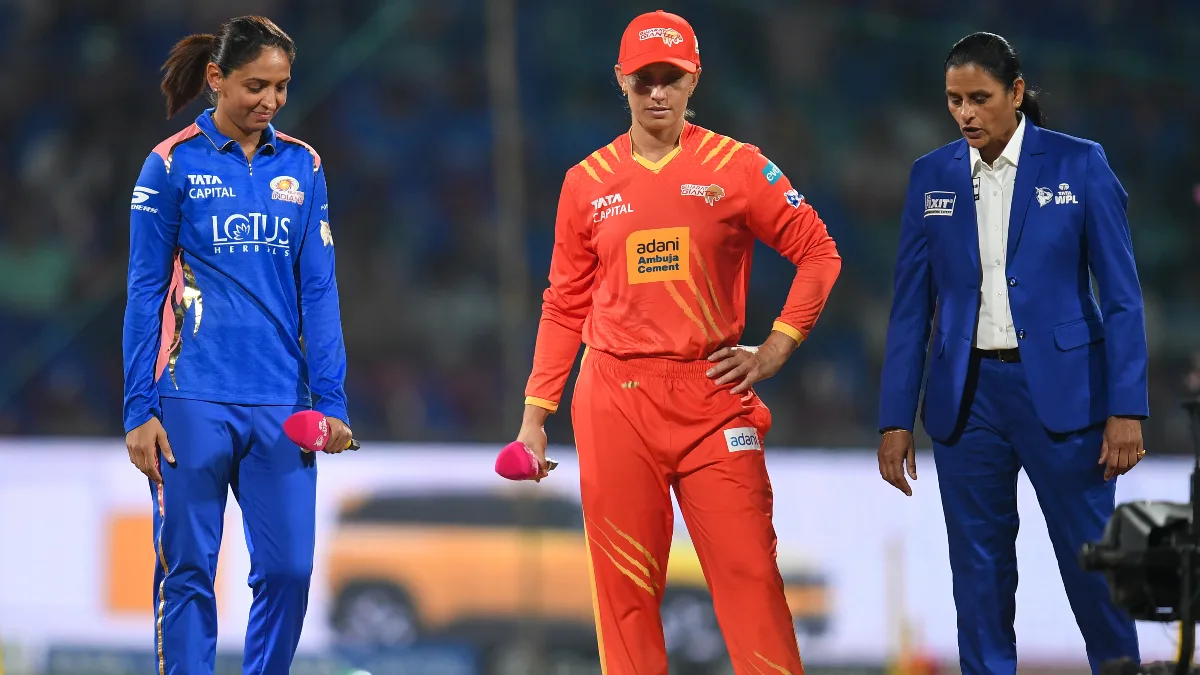
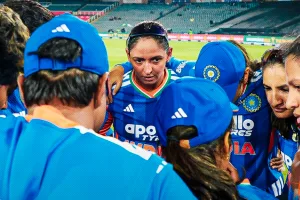
Mumbai Indians captain Harmanpreet Kaur won the toss and elected to bowl first against Gujarat Giants in their Women’s Premier League clash at the DY Patil Stadium in Navi Mumbai, citing the impact of dew in evening games.

“We’re going to bowl first. I believe in dew, and especially when you’re playing late games, chasing is always a better option,” Harmanpreet said at the toss. She added that MI’s bowlers have been executing their plans well and stressed the importance of a positive approach in the powerplay. “Now Hayley’s back and she’s fit, so hopefully we’ll click in that area as well,” she said, while confirming that Nat Sciver-Brunt missed out due to injury.

Mumbai were bolstered by the return of Hayley Matthews, who is making her first appearance of the season and replaces Sciver-Brunt in the XI.

Gujarat Giants captain Ashleigh Gardner, who lost the toss, said her side was prepared for the challenge of batting first on a ground known to favour chasing teams. “The powerplay has been huge for us. Sophie and Moons have so much experience batting together, and it’s been really pleasing to see that combination work,” Gardner said.

Gardner also highlighted the importance of Indian players stepping up during the tournament. “Overseas players add a lot of experience, but the Indian players are the ones who win you tournaments. They’ve been fantastic for us,” she added. Gujarat were forced into one change, with Anushka Sharma ruled out due to injury and Ayushi Soni handed her WPL debut.

With both teams boasting strong line-ups and multiple match-winners, the contest promises an exciting clash as Mumbai look to build momentum and Gujarat aim to continue their impressive run.

WPL 2026: MI vs GG playing XIs

Mumbai Indians: Hayley Matthews, G Kamalini(w), Amelia Kerr, Harmanpreet Kaur(c), Nicola Carey, Sajeevan Sajana, Amanjot Kaur, Sanskriti Gupta, Poonam Khemnar, Shabnim Ismail, Triveni Vasistha

Gujarat Giants: Beth Mooney(w), Sophie Devine, Ashleigh Gardner(c), Georgia Wareham, Bharti Fulmali, Ayushi Soni, Kanika Ahuja, Kashvee Gautam, Tanuja Kanwar, Rajeshwari Gayakwad, Renuka Singh Thakur

Stock market ends lower, Nifty slips below 25,750

Selling pressure was seen in auto, consumer durables, pharma, and realty stocks.

Statesman News Service | New Delhi |

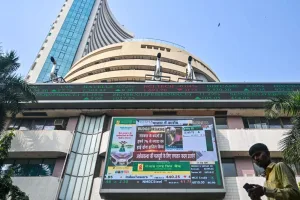
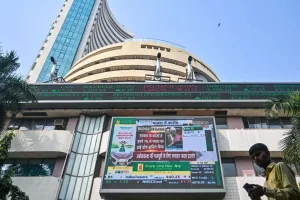
The stock market ended lower on Tuesday in another volatile session, with the Nifty slipping below 25,750.

Selling pressure was seen in auto, consumer durables, pharma, and realty stocks.

At the close, the Sensex fell 250.48 points, or 0.30 percent, to 83,627.69, while the Nifty dropped 57.95 points, or 0.22 percent, to 25,732.30.

The BSE Midcap index slipped 0.16%, while the Smallcap index outperformed strongly, rising 0.46%.

On the sectoral front, IT, media, PSU banks, and metals ended in the green. On the other hand, FMCG, capital goods, consumer durables, pharma, and realty fell between 0.3% snd 0.5%.

On the Nifty, Eternal, ICICI Bank, and Tech Mahindra ended as the top gainers, while Trent, Larsen and Toubro, and Reliance were the top laggards.

The rupee settled at 90.19 per dollar, marginally weaker than its close at 90.1625 in the previous session.

Over 220 stocks hit their 52-week low on the BSE, including Dixon Technologies, Cohance Life, Trent, Godrej Properties, BASF, Whirlpool, ITC, Happiest Minds, IRCTC, Cera Sanitaryware, and Signature Global India, among others.

Among the auto stocks, Maruti Suzuki, Mahindra & Mahindra (M&M), and TVS Motor Company shares fell over 1% each. Tata Motors Passenger Vehicles and Hero MotoCorp shares also fell nearly 1%.

Notably, the Foreign Institutional Investors (FIIs) have sold over Rs 15,000 crore worth of Indian stocks so far in January.

‘Wasting the Court’s time’: SC declines to hear PIL seeking removal of Savarkar’s portraits

A Bench comprising Chief Justice Surya Kant, Justice Joymalya Bagchi, and Justice Vipul M. Pancholi was hearing the PIL filed by retired Indian Revenue Service Officer B Balamurugan

Parmod Kumar | New Delhi |

The Supreme Court on Tuesday declined to entertain a public interest litigation (PIL) seeking the removal of portraits of Hindutva ideologue Vinayak Damodar Savarkar from Parliament and other public places, warning the petitioner that exemplary costs would be imposed for wasting judicial time.

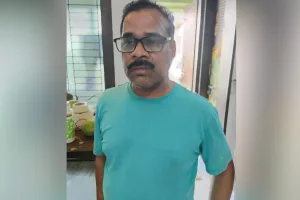
A Bench comprising Chief Justice Surya Kant, Justice Joymalya Bagchi, and Justice Vipul M. Pancholi was hearing the PIL filed by retired Indian Revenue Service Officer B Balamurugan. It ultimately permitted the petitioner to withdraw the plea after strongly cautioning him. “We’d like to impose exemplary costs on you. What do you think of yourself?” the Court remarked during the hearing, before the petitioner sought permission to withdraw the case.

Dismissing the petition as withdrawn, CJI Kant added, “Please don’t indulge in all this. Enjoy your retirement now. Have some constructive role in society.”

The petition had sought directions for the removal of Savarkar’s portrait from the Central Hall of Parliament as well as from other public places, including official accommodations. It also urged the Court to restrain the government from honouring individuals who had been charge sheeted for heinous offences such as assassination or anti-national activities, and who have not been honourably acquitted.

When the matter was taken up, the Chief Justice questioned the petitioner about his service record, asking about his last posting prior to retirement and whether he had faced any corruption allegations. Balamurugan responded that no such allegations existed and stated that departmental action had been initiated against him after he undertook a hunger strike in 2009 seeking “peace in Sri Lanka.”

Responding to this, CJI Kant observed, “I think this kind of frivolous petitions, (it shows) your mindset.”

The Bench also took note of the fact that the petitioner, who wished to argue the case in person, was not physically present in court and had instead sought to address the Bench via video conferencing from Chennai. Balamurugan cited financial difficulties as the reason for not travelling to Delhi.

“You were in the IRS. You can afford to come to Delhi and show yourself and argue. We’d like to impose exemplary costs on you. What do you think of yourself?” the Chief Justice remarked.

When Balamurugan insisted that the petition was filed “for public interest,” the Court responded sharply.

“You deposit ₹1 lakh, so we can impose costs (if dismissed).. Then we will tell what is the meaning of public interest. You are wasting the time of the courts. What do you want? You want us to impose costs or you want to withdraw silently?” CJI Kant asked.

Following this exchange, the petitioner opted to withdraw the plea, upon which the Court closed the matter.

3 killed after coal mine collapses in West Bengal’s Asansol

According to Poddar, a landslide was reported in the mining area 12 BCCL border patch at around 7.45 am in the morning.

Statesman News Service | New Delhi |

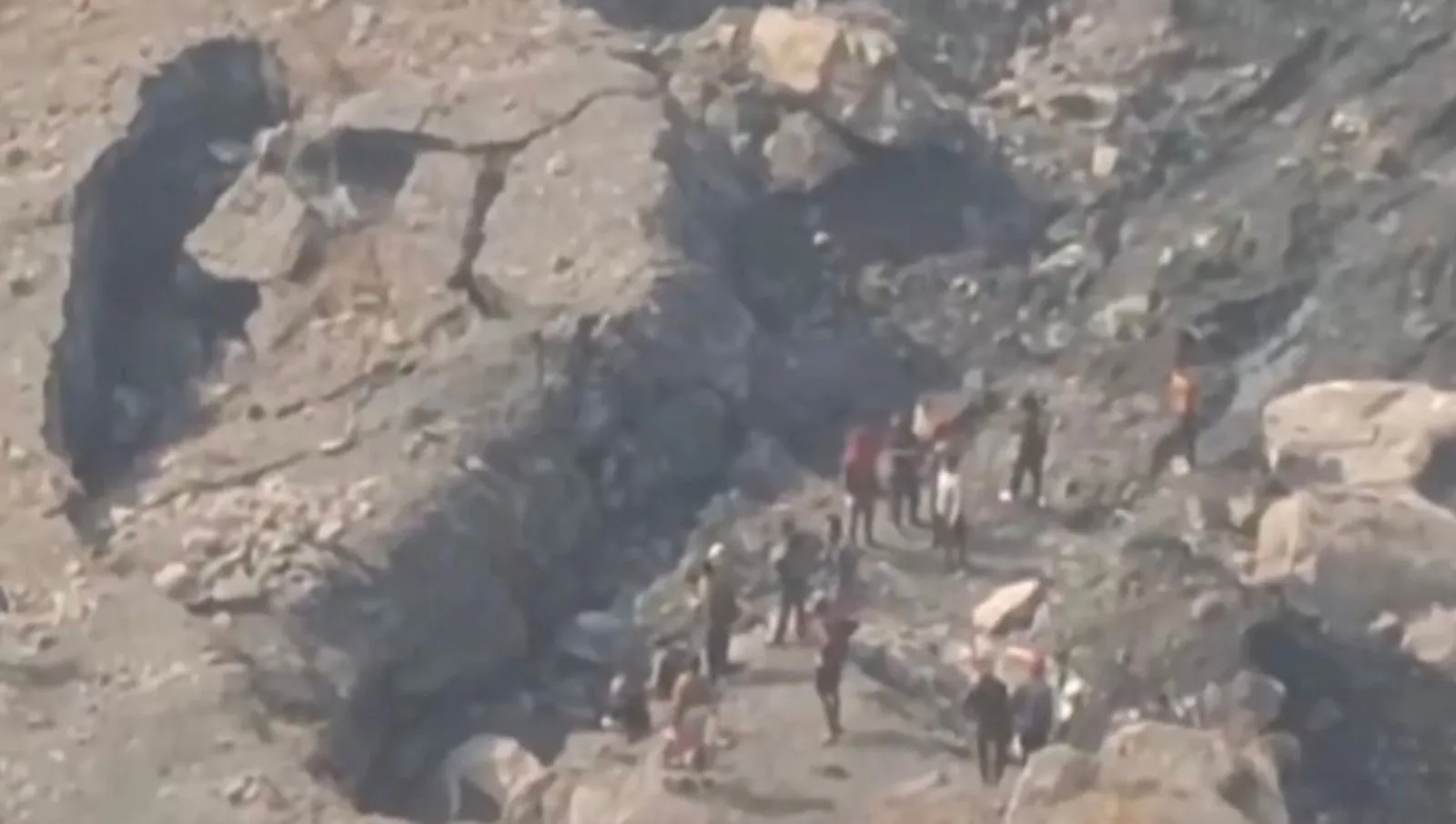
At least three people were killed while two others were safely evacuated after a coal mine collapsed in West Bengal’s Asansol, BJP MLA Ajay Poddar said on Tuesday.

According to Poddar, a landslide was reported in the mining area 12 BCCL border patch at around 7.45 am in the morning.

At least five people were trapped but two were rescued. Tragically, three others cpuld not be saved and their bodies were later recovered from the site.

“Today, a landslide was reported in the Area 12 BCCL border patch at around 7:45 AM. Five people were reported trapped. Two have been rescued and sent to the hospital, while one person has died…,” he said.

The BJP leader claimed that coal was being extracted from a rathole and alleged the involvement of mafia.

“They were extracting coal from rathole. This is a syndicate. Central force, Police and mafia is involved. It is the villagers who die. This is prevalent across Bengal…,” he alleged.

ED moves SC seeking CBI probe against Mamata for obstructing I-PAC raids

The incident comes dyas after the Enforcement Directorate conducted raids in connection with a 2020 case of alleged coal smuggling.

The ED carried out searches at the office of political consultancy firm I-PAC, co-founded by TMC IT cell head Pratik Jain.

The raids resulted in a massive political row after West Bengal Chief Minister Mamata Banerjee reached the raid site and removed some documents.

The ED moved the Supreme Court seeking a CBI probe against what the agency claimed was an attempt to intervene and obstruct its investigation.

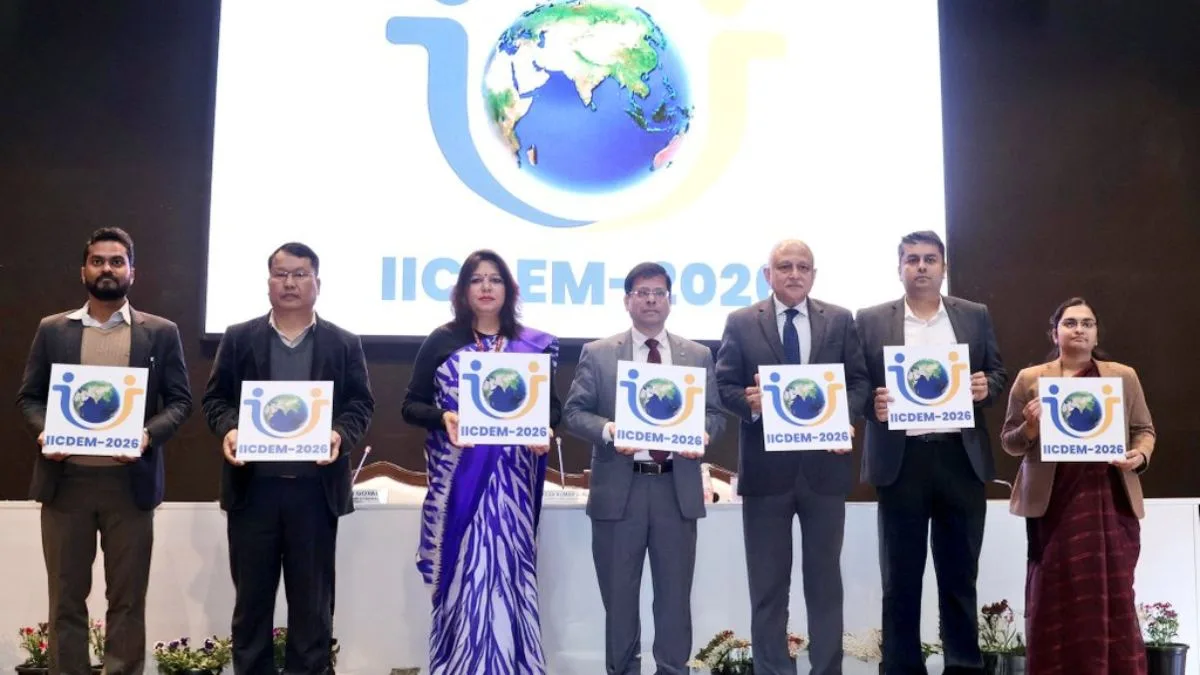
India to host IICDEM 2026, a landmark global summit on democracy and election management

The IICDEM 2026 aims to serve as a premier global platform, bringing together electoral leaders, experts, and scholars to exchange best practices, tackle emerging challenges, and strengthen international cooperation in election management.

Statesman News Service | New Delhi |

The Election Commission of India (ECI) has announced it would organize a major three-day international conference, IICDEM 2026, from January 21 to 23, at the prestigious Bharat Mandapam in New Delhi.

The IICDEM 2026 aims to serve as a premier global platform, bringing together electoral leaders, experts, and scholars to exchange best practices, tackle emerging challenges, and strengthen international cooperation in election management.

The conference is expected to welcome nearly 100 international delegates representing 42 Election Management Bodies (EMBs) from around the world, along with 20 prominent national and international academic experts. This unique blend of practitioners and scholars underscores India’s effort to connect theoretical insights on democracy with the practical realities of conducting massive, inclusive elections.

The event arrives at a pivotal moment when electoral systems worldwide face growing pressures from technological evolution, misinformation, and the need for greater transparency. As the world’s largest democracy—often hailed as the “Mother of Democracy”—India continues to lead in forums like the Association of World Election Bodies (A-WEB).

Through IICDEM 2026, the ECI seeks to showcase India’s proven expertise in managing one of the planet’s most complex and diverse electorates, while fostering dialogue on universal values such as inclusivity, transparency, and voter participation.

The conference aligns with India’s 2026 chairship of the Council of Member States of International IDEA, under the inspiring theme: “Democracy for an inclusive, peaceful, resilient and sustainable world.”

This landmark summit promises to be the largest of its kind ever hosted by India in the field of election management and democratic governance.

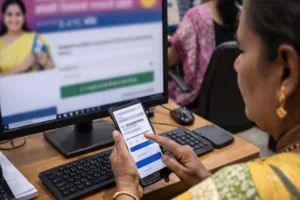
Samsung certifies 1,750 students in UP under Innovation Campus programme

The certification ceremony was held at the City Group of Institutions in Lucknow, in the presence of Rajni Tiwari, UP Minister of Higher Education, along with academic leaders and programme partners.

Statesman News Service | Lucknow |

Samsung, India’s largest consumer electronics brand, on the occasion of National Youth Day, announced the certification of 1,750 students in Uttar Pradesh under its flagship Samsung Innovation Campus (SIC) programme, marking a significant milestone in the company’s youth-skilling efforts in the state.

The certification ceremony was held at the City Group of Institutions in Lucknow, in the presence of Rajni Tiwari, UP Minister of Higher Education, along with academic leaders and programme partners.

With this cohort, the total number of students trained under Samsung Innovation Campus in Uttar Pradesh has reached 3,900, making it one of the fastest-growing states under the programme.

Samsung announced its intent to skill 5,000 youth in Uttar Pradesh, as part of its broader national target of upskilling 20,000 students, a six-fold increase over the previous year. The programme is currently operational across 10 states.

Under the Lucknow initiative, students received industry-aligned training in emerging technologies, including Artificial Intelligence (950 students), Coding & Programming (550 students), Big Data (150 students), and Internet of Things (100 students).

“At Samsung, our firm belief is that the future of India will be defined by its youth. Samsung Innovation Campus is designed to bridge the gap between education and industry by providing hands-on training in future-tech courses such as AI, IoT, or Big Data and Coding. The certification of 1,750 students in Lucknow underscores our commitment to support the Government of India’s skilling vision and empower young learners across Uttar Pradesh with industry-relevant capabilities. Samsung Innovation Campus is our flagship programme designed to empower the next generation and make them job-ready for the fourth Industrial revolution”, said Shubham Mukherjee, Head, CSR & Corporate Communications at Samsung Southwest Asia in a statement on Tuesday.

Tiwari said, “As higher education evolves, it is essential that learning outcomes remain aligned with emerging economic and technological needs. Samsung Innovation Campus adds significant value by exposing students to advanced digital disciplines and experiential learning. Such collaborations strengthen our institutions and help create a knowledge-driven, competitive workforce for Uttar Pradesh. I commend Samsung’s commitment to empowering our youth and supporting the state’s vision of building a future-ready, skilled workforce. Our young people are the foundation of Uttar Pradesh’s progress and the driving force behind India’s growth story.”

Launched in India in 2022, Samsung Innovation Campus focuses on expanding access to future-tech education, particularly in underserved and semi-urban regions. The programme is implemented in collaboration with the Electronics Sector Skills Council of India (ESSCI) through accredited training partners.

Raj CM unveils recruitment calendar for 2026, job-seekers express gratitude

Chief Minister Bhajan Lal Sharma on Monday unveiled the calendar featuring the tentative schedules of recruitment examinations for 44 service cadres or categories, including RAS and Allied state services.

Statesman News Service | Jaipur |

The Rajasthan government has announced the calendar of key recruitment examinations to be conducted in 2026 to enable youths seeking employment to plan and prepare well for the careers of their choice.

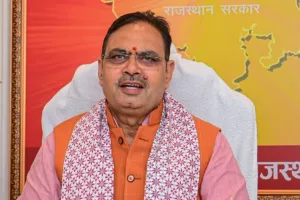
Chief Minister Bhajan Lal Sharma on Monday unveiled the calendar featuring the tentative schedules of recruitment examinations for 44 service cadres or categories, including RAS and Allied state services.

These recruitment programmes and examinations, announced in the calendar, will fill around one lakh posts.

Of these, the RAS and Subordinate Services (Common) examinations will be held in May to fill 500 posts. Likewise, the MO recruitment examination to select 600 medical officers will be held in December 2026.

Similarly, the examination for the recruitment of 5,449 Level-1 primary school teachers, and for filling around 2,000 posts of Level-2 and Level-3 teachers, will be held in January 2026. The recruitment tests to fill 10,000 posts across various categories in the Education Department are scheduled between January and March this year.

As many as 10,644 Clerk-II posts will be filled in July, while recruitment for 24,749 sanitation workers (Safai Karmi) will be conducted in October this year.

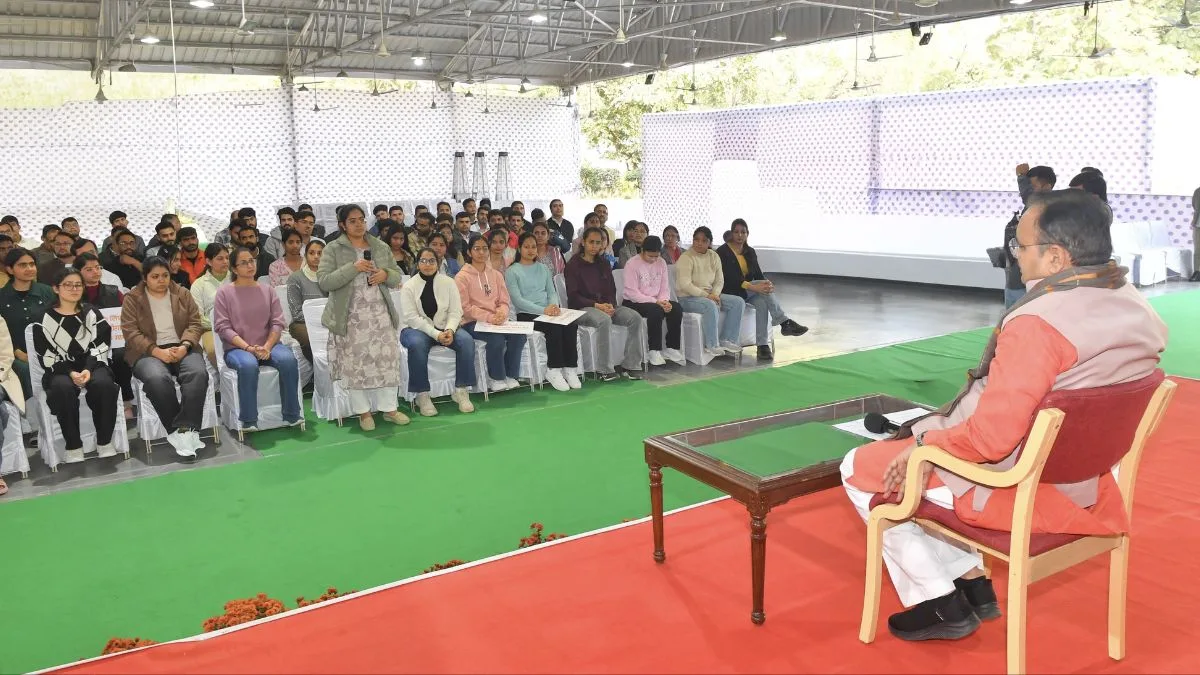
Meanwhile, students and job-seeking youths from various districts of the state, who have been preparing for competitive exams, gathered at the Chief Minister’s official residence in the Civil Lines here to meet CM Sharma and express their gratitude for the timely unveiling of the exam calendar.

The Chief Minister greeted the students and wished them good luck in their exams.

WII gets National River Centre to generate quality knowledge on riverine, freshwater ecosystems

After inaugurating the National River Research Centre, CR Patil said the objective of the centre would be to “strengthen scientific knowledge related to rivers and freshwater ecosystems in India and to promote their conservation.”

PRITHVIRAJ SINGH | Dehradun |

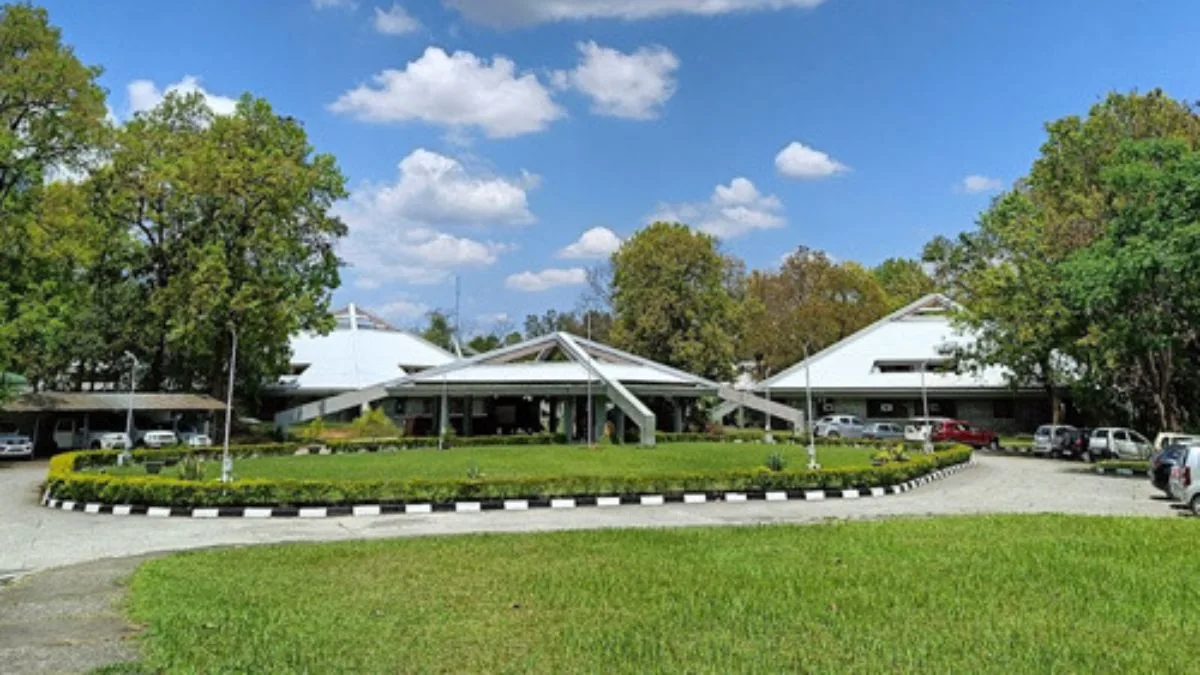
Wildlife Institute of India (WII) has now been equipped with a specialised National River Research Centre (NRRC) to strengthen scientific knowledge on rivers and freshwater ecosystems and promote their conservation in the country. Union Minister of Jal Shakti CR Patil formally inaugurated the centre on Tuesday at WII campus in Dehradun.

After inaugurating the National River Research Centre, CR Patil said the objective of the centre would be to “strengthen scientific knowledge related to rivers and freshwater ecosystems in India and to promote their conservation.”

He shared that NRRC at WII will have the facilities of ecotoxicological analysis, spatial ecology and aquatic ecology to generate high-quality scientific knowledge on riverine and freshwater ecosystems. The information created by NRRC will apply for evidence-based policy making as to river rejuvenation, water-resource development and biodiversity conservation.

Patil stated that the centre’s key functions would be river health and ecological monitoring, biodiversity assessments, applied research and capacity building of institutions and stakeholders engaged in river conservation.

Apart from this, the centre will strengthen community and institutional involvement in protecting rivers and associated freshwater ecosystems through participatory research, stakeholder engagement and livelihood-linked conservation initiatives.

Other responsibilities bestowed upon the centre will be to provide scientific and technical advice to support national and state-level decision-making on river basin management. A strong outreach and awareness programme will be led by the centre to highlight the ecological, social and economic importance of rivers and freshwater biodiversity.

Interestingly, about 100 researchers are presently working in the centre that runs MSc courses in Freshwater Ecology and Conservation.