Logo

Halle Berry on ageing, menopause and Hollywood: ‘I refuse to be erased

From Hollywood ageism to menopause advocacy, Halle Berry explains why she’s embracing her most powerful chapter yet.

Statesman News Service | New Delhi |

Halle Berry isn’t interested in fading into the background, not in Hollywood, and not in life. As conversations around ageism continue to surface in the entertainment industry, the Oscar-winning actress is making it clear that turning 60 won’t silence her voice or shrink her presence.

Also Read: Halle Berry refuses to be age-shamed, says she feels ‘more valuable than ever’

Halle Berry on Visibility, Aging and Owning Her Second Act

Speaking recently about her role in the upcoming film Crime 101, Berry reflected on how closely the character resonated with her own experiences. “There comes a point where you feel like you’re being pushed aside,” she said.

“You feel it professionally, you feel it socially, like your value is being quietly questioned.”

Also Read: Sabrina Carpenter criticised by animal rights group PETA after dove appearance during Grammy performance

A Role That Hits Close to Home

In Crime 101, Berry stars opposite Chris Hemsworth as Sharon Coombs, a seasoned insurance broker who navigates elite circles and billionaire clients, leveraging both her intelligence and appearance to close high-stakes deals. The role, Berry admits, mirrors a reality many women face as they age.

“There’s this unspoken shift,” she explained. “You’re suddenly treated differently, even though you’re more experienced than you’ve ever been.”


View this post on Instagram


A post shared by Crime 101 (@crime101film)

Refusing to Be Erased

Rather than retreating, Berry says she’s choosing to be louder. “I have adamantly decided that I’m not going to allow myself to be erased,” the 59-year-old actress told The Cut, as reported by People. “This is why I’m on my menopause mission. I’m speaking up more than I ever have.”

Also Read: Elon Musk criticises casting of Black star Lupita Nyong’o in ‘The Odyssey’: ‘Chris Nolan has lost his integrity’

Berry, who turns 60 this August, has increasingly used her platform to advocate for women’s health — particularly around menopause, a topic she feels is still unfairly treated as taboo.

Normalising the Conversation Around Menopause

“More than 60 percent of women experience it as they age,” Berry said candidly. “Everything changes — everything gets dry. If we can talk about it openly and even laugh about it, the shame disappears.”

For Berry, honesty is power. She believes these conversations are long overdue and essential to dismantling stigma around aging women’s bodies.

Also Read: Halle Berry gets real about menopause, intimacy, and love after 50

A New Chapter, On Her Terms

Berry describes this phase of her life as her “second act”, one driven by purpose rather than pressure. “I’m almost 60, and fighting for women’s health feels like a cause worth committing to,” she said.

Last year, the actress marked her 59th birthday with a playful post on X (formerly Twitter), sharing a photo of herself on vacation in a gold bikini with the caption, “this is 59,” punctuated by a white heart emoji. The image, confident, joyful, unapologetic and it quickly went viral.


From Beauty Queen to Hollywood Trailblazer

Berry’s journey in the spotlight began decades ago, long before her historic Oscar win. She started out as a model, earning the title of Miss Ohio in 1986 and later finishing as first runner-up in Miss USA, before placing sixth at Miss World the same year.

Her breakout film role came in 1992 with Boomerang, starring alongside Eddie Murphy. That success paved the way for roles in The Flintstones, Bulworth, and eventually a career that would redefine representation for women of colour in Hollywood.

Now, as she steps into a new decade, Berry is clear about one thing: she’s not done and she’s not going quietly.

Also Read: Ariana Grande admits she’s ‘not used to taking breaks’ after 15 nonstop years

What the India-US Trade Deal Really Changes

The India-US trade agreement that lowers American tariffs on Indian exports from a penal 50 per cent to 18 per cent is a breakthrough which has come about after chiselling on an agreement for over a year, in which the world trading and political order has faced turbulent waters many times over.

Jayanta Roy Chowdhury | New Delhi |

The India-US trade agreement that lowers American tariffs on Indian exports from a penal 50 per cent to 18 per cent is a breakthrough which has come about after chiselling on an agreement for over a year, in which the world trading and political order has faced turbulent waters many times over.

It is better understood as a stabilisation measure, an effort to arrest a downward spiral in economic and political ties rather than a decisive leap toward a new era of integration.

That distinction matters. For much of the past year, the trajectory of India-US trade relations had become increasingly untenable.

Escalating tariff threats, mixed political signalling, and widening distrust were beginning to exact a visible cost on market sentiment and strategic confidence.

Against that backdrop, the emergence of a deal was less a surprise than a necessity for both.

The alternative, allowing the relationship to drift toward open economic confrontation, would have been profoundly damaging to both sides.

In that sense, the agreement is unequivocally positive. It halts the free fall, restores a degree of predictability, and signals that Washington and New Delhi remain willing to negotiate rather than litigate their differences through punitive trade measures.

For supporters of the bilateral relationship, that alone is cause for cautious relief.

Credit is also due to recent diplomatic efforts to reset the tone. Since arriving in New Delhi, America. Ambassador Sergio Gor has worked to re-establish channels of communication and inject momentum into a relationship that had grown tense and transactional.

The deal reflects that quieter but consequential repair work, to some extent nudged by India’s movement towards closer relations with Russia on the one hand and the European union on the other.

Policy makers in both capital seem to have realise that a deal was essential to arrest the drift.

Yet perspective is essential. An 18 per cent tariff is “better than 50 percent,” but it is still high by historical standards, and far higher than what would have been considered acceptable only a few years ago.

More importantly, tariff levels in the Trump era have proven to be fluid, contingent not just on trade balances but on a wide array of political considerations, ranging from where a nation buys its energy from to counter-narcotics cooperation, foreign policy alignment, regulatory disputes, treatment of US companies, supply-chain choices, and even unrelated geopolitical disagreements.

Past experience with partners such as South Korea and Canada underscores a central risk: today’s tariff truce can become tomorrow’s renewed standoff.

For India, however, the agreement offers a form of relative advantage. If elevated US tariffs are becoming a structural feature of the global trading system, what matters is not absolute levels but comparative positioning.

At 18 per cent, India now sits slightly below many ASEAN competitors, most of which face tariffs around 19 percent, while Vietnam reportedly stands near 20 percent. Nearer home textiles out of Bangladesh and Sri Lanka stand at 20 percent cent.

That margin is small, but in manufacturing and export-oriented sectors, small margins influence big investment decisions. In this narrow but meaningful sense, the deal improves India’s competitiveness.

China, meanwhile, looms over the entire equation. Beijing is unlikely to secure a return to pre–trade war tariff levels, but it does not need to. If China can narrow the gap between its tariff rate and those applied to India and Southeast Asia, it can complicate “China-plus-one” strategies that have guided corporate planning for nearly a decade.

With multiple US-China leader-level engagements reportedly on the horizon plus an American president who has repeatedly signalled interest in striking a deal with Beijing, such convergence is a distinct possibility.

Some headline numbers circulating around the agreement warrant scepticism. Projections that India could soon purchase $500 billion worth of US goods and services sit uneasily alongside current realities: total US exports of goods to India in 2024 were roughly $42 billion. If service exports are added, Washington sold $ 83 billion to New Delhi in the last calendar year.

Structural bottlenecks, regulatory frictions, and sectoral constraints will limit how quickly trade volumes can scale. The most consequential details may also be the least visible. It remains unclear how far India is willing, or politically able, to make explicit commitments related to farm goods imports.

While fruits, vegetables, high end dairy are another matter. The basic markets of wheat, rice and milk, which support tens of millions of small farmers will probably remain protected in some form or the other.

The fine print of the deal is also unlikely to touch sensitive third-country relationships, particularly concerning Russian energy. The earlier suggestion of penalties tied to such ties set an uncomfortable precedent, one that risks reopening a longstanding fault line in the relationship.

India has offered instead to limitations on import from any one country in writing and perhaps verbal deals on temporary weaning away from “some sources of energy supply,” in the words of one former Secretary in the Ministry of External Affairs.

That leads to the deeper issue the deal does not resolve — politicisation. For much of the past two decades, India-US relations benefited from a rare degree of bipartisan insulation on both sides.

Even when Washington objected to India’s ties with Iran, Myanmar, or Russia, and New Delhi bristled at Washington’s courting of China or Pakistan, leaders worked hard to prevent those differences from contaminating the core partnership.

Recent months have eroded that firewall. Trade disputes have become entangled with domestic political narratives in both countries, and trust levels have taken a hit.

History suggests three uncomfortable truths, domestic politics almost always outranks foreign policy, foreign policy arguments succeed only when anchored in domestic constituencies, and trust is far easier to lose than to rebuild.

But the structural questions about tariff stability, third-country linkages, China’s positioning, and the long-term de-politicisation of the relationship, remains unresolved.

The relationship is in a better place than it was several months ago. That is no small achievement. Still, a measure of restraint is warranted. The deal stabilises the floor, but it does not raise the ceiling.

Where India-US economic ties go from here will depend less on this single agreement than on whether both sides can rebuild confidence that future disagreements will be managed, not weaponised.

Alld HC expresses displeasure on demolitions of buildings, even after SC ruling

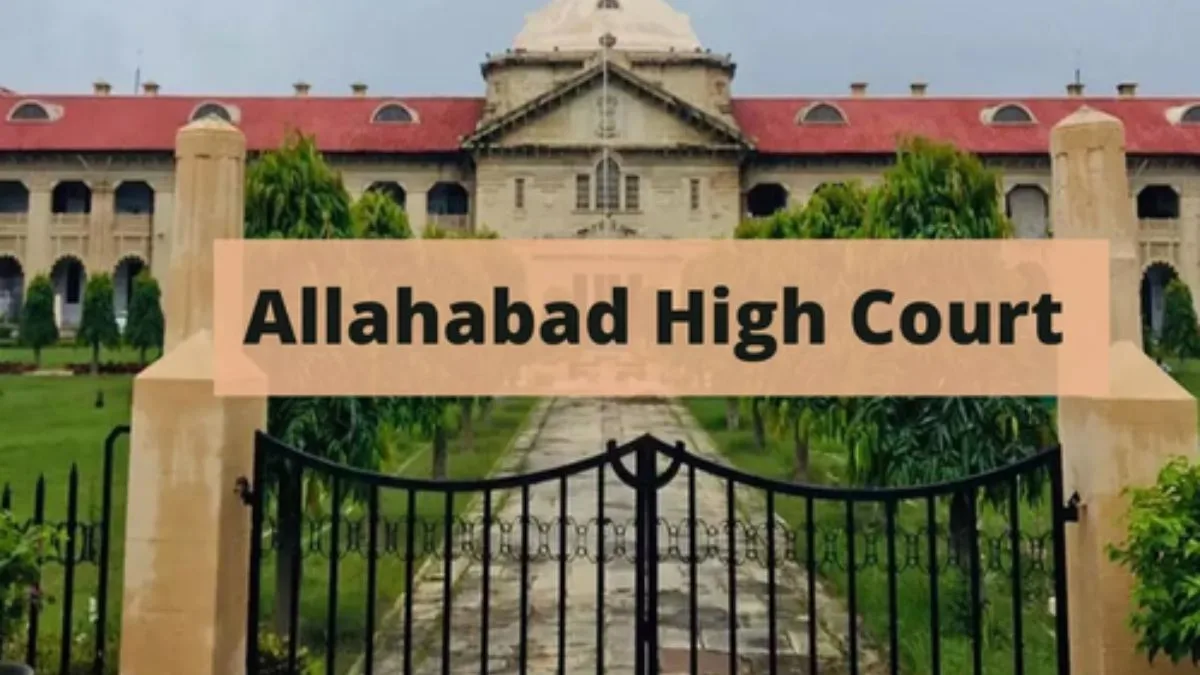
The Allahabad High Court on Tuesday expressed displeasure over the punitive demolitions of structures continuing to take place in the state despite the Supreme Court’s November 2024 decision in ‘Bulldozer Justice’.

Statesman News Service | Prayagraj |

The Allahabad High Court on Tuesday expressed displeasure over the punitive demolitions of structures continuing to take place in the state despite the Supreme Court’s November 2024 decision in ‘Bulldozer Justice’.

The Court expressed strong displeasure and made sharp remarks while hearing a petition filed by petitioners from Hamirpur seeking protection of their properties from bulldozer action.

The remarks were made by a division bench of Justices Atul Sreedharan and Siddharth Nandan while hearing a petition filed by Faimuddin and two others.

The petitioners have sought judicial intervention from the court to prevent the potential destruction of their properties. Hearing the case, the High Court observed that punitive demolitions are continuing in UP despite the Supreme Court’s ruling.

The court stated that it has witnessed several cases where, immediately after a crime is committed, a demolition notice is issued to those occupying a residential property. Subsequently, the property is demolished under the guise of fulfilling legal requirements.

The court, citing the Supreme Court’s judgment, said that demolitions are continuing despite the order, even though the Supreme Court had upheld the principle that punitive demolition of structures is violative of the separation of powers, as the authority to punish is vested with the judiciary.

ICC, PCB in ‘back-channel talks’ as Pakistan boycotts India T20 WC match: Report

The move has reportedly triggered “back-channel talks” between the International Cricket Council (ICC) and the Pakistan Cricket Board (PCB), amid growing concerns over the financial fallout.

Statesman News Service | New Delhi |

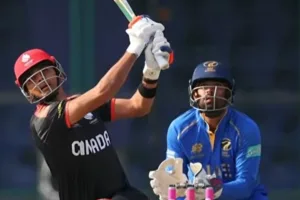
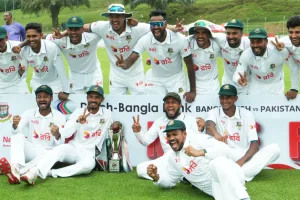
Pakistan’s decision to boycott its T20 World Cup clash against India has been framed as an act of solidarity with Bangladesh, who were replaced by Scotland in the tournament. However, the move has reportedly triggered “back-channel talks” between the International Cricket Council (ICC) and the Pakistan Cricket Board (PCB), amid growing concerns over the financial fallout.

The boycott decision was announced by the Pakistan government on Sunday through official social media handles, stating that the team will not take the field for the group-stage fixture against India at Colombo’s R. Premadasa Stadium on February 15.

The India-Pakistan rivalry is widely regarded as the biggest match in the cricket world in terms of viewership and commercial value. Reports suggest that if the fixture does not take place, it could cost world cricket more than $250 million in losses.

According to a report in Dawn, several other cricket boards have also backed the ICC in its attempt to reach an understanding with the PCB. The report added that multiple stakeholders have raised contradictions that undermine Pakistan’s reasoning behind the move.

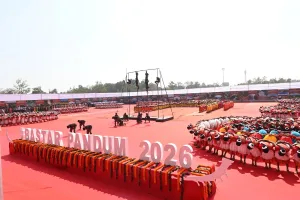
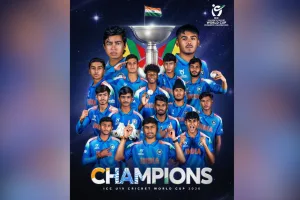
One of the key questions being raised is why the boycott stance is limited to the men’s World Cup fixture. India recently played Pakistan in a U19 match, which India won, and there was no boycott or protest over that contest. Additionally, Pakistan Women’s A are still scheduled to play India A on February 15, the same day as the men’s World Cup clash in the Rising Stars Asia Cup 2026 in Bangkok, with no indication of a withdrawal.

Further, with the men’s match scheduled in Colombo, Sri Lanka, which is a neutral venue, the “security concerns” cited by Bangladesh regarding travel to India have no logical application in Pakistan’s case.

As of now, the PCB has not officially communicated the decision to the ICC. It also remains unclear whether Pakistan will face sanctions, with the ICC urging the board to consider the long-term consequences of the boycott.

In response to Pakistan’s announcement, the ICC issued a strong statement on Sunday, warning that selective participation undermines the integrity of a global event and calling on the PCB to find a mutually acceptable solution.

“While the ICC awaits official communication from the Pakistan Cricket Board (PCB), this position of selective participation is difficult to reconcile with the fundamental premise of a global sporting event where all qualified teams are expected to compete on equal terms per the event schedule,” the ICC said.

“The ICC hopes that the PCB will consider the significant and long-term implications for cricket in its own country, as this is likely to impact the global cricket ecosystem, which it is itself a member and beneficiary of,” it added.

Pakistan are placed in Group A alongside India, Namibia, the Netherlands and the United States of America (USA). Notably, all of Pakistan’s matches are scheduled to be played in Sri Lanka, which is co-hosting the tournament with India.

India-US deal: NDA felicitates PM Modi

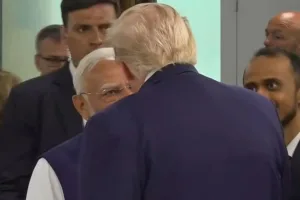
“The developed countries want to work in partnership with India,” PM Modi said, addressing the NDA parliamentary party meeting.

Statesman News Service | New Delhi |

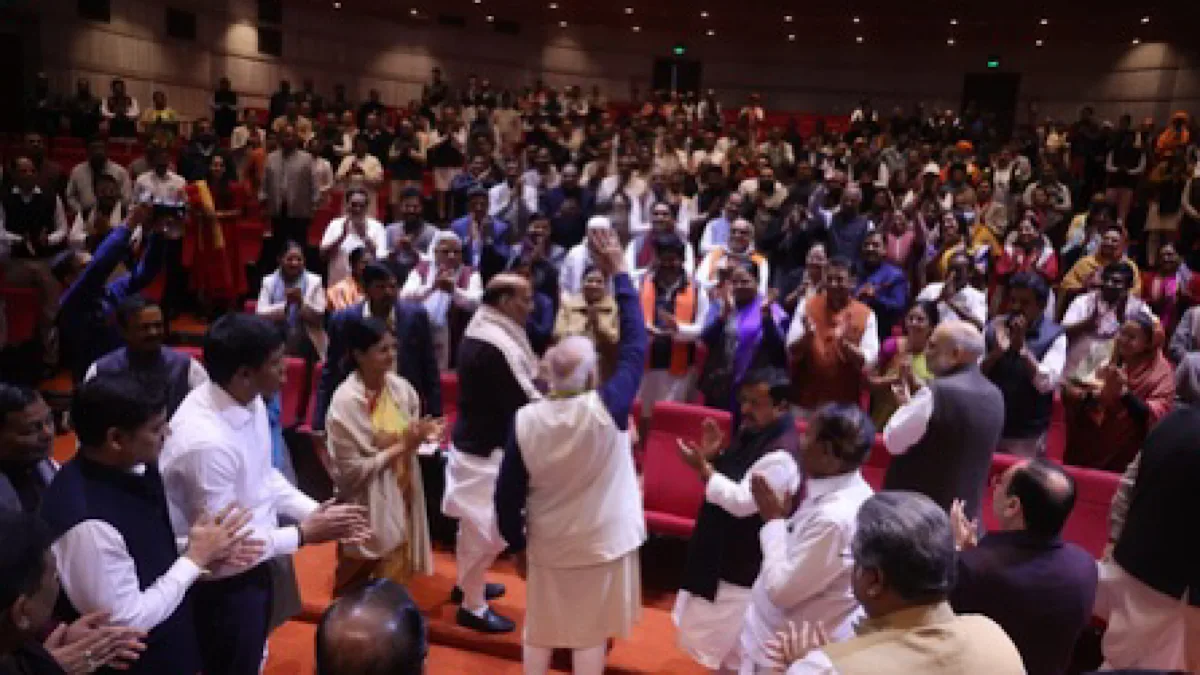
Prime Minister Narendra Modi on Tuesday told NDA MPs that India has emerged as a central force on the global stage and is playing a key role in shaping the world order. He was referring to recent trade agreements with several countries, including the newly announced India–US and India–EU deals.

“The developed countries want to work in partnership with India,” PM Modi said, addressing the NDA parliamentary party meeting.

PM Modi was felicitated by NDA leaders for the successful conclusion of trade agreements with 39 countries. According to those present at the meeting, the Prime Minister said these deals demonstrate India’s ability to showcase its strength despite global uncertainty. “PM Modi called it a milestone that had created a better environment for bilateral relations. He acknowledged the challenges during negotiations, saying that critics had doubts, people were criticising but patience paid…the world order is changing,” they said, referring to PM’s speech

Quoting the PM, Parliamentary Affairs Minister Kiren Rijiju said there was enthusiasm among MPs over the trade agreements concluded under PM Modi’s leadership. “The trade deals have been signed with a total of 39 countries. This is historic. All these 39 countries are developed countries…This is historic. There has been a very good atmosphere in the country,” he said.

LJP leader and Union minister Chirag Paswan praised the PM, saying that “India has the capability to emerge as a global manufacturing hub. How MPs can promote different verticals in the export sector and how this opportunity can be availed were all discussed (in the NDA Parliamentary Party meeting).

The Prime Minister also warned NDA leaders against complacency after recent electoral successes.

According to Rijiju, the PM said that these NDA’s victories in various elections were the result of people-friendly policies and sustained hard work.

The Prime Minister urged NDA MPs not to rest on their laurels following wins in polls, including local body elections, saying that the coalition has been winning various elections due to its people-friendly policies, he said. “The NDA is winning one election after another because of its good work. Elections cannot be won without being on the ground. We must remain connected to the people and work for their welfare,” Rijiju said, quoting PM Modi.

At the meeting—the first of the Budget session—the Prime Minister also praised the Union Budget presented by Finance Minister Nirmala Sitharaman, calling it “futuristic” and a “Vision for 2047” that lays the foundation for a Viksit Bharat.

Rijiju said the Prime Minister gave broad guidelines to Lok Sabha and Rajya Sabha MPs on parliamentary and welfare-related work and urged them to take the message to the grassroots.

Newly elected BJP president Nitin Nabin was also present at the meeting. “His tenure has begun with a big bang,” PM Modi is believed to have said. MPs from the BJP, TDP, JD(U), LJP (R), Shiv Sena, JD(S), and other NDA constituents attended the meeting.

President offers prayers at 12th Century Shakthi shrine in Odisha

President Droupadi Murmu, who is on a six-day visit to Odisha, offered prayers at the 12th-century Shakthi shrine, Maa Biraja temple, in Jajpur on Tuesday.

Statesman News Service | New Delhi |

President Droupadi Murmu, who is on a six-day visit to Odisha, offered prayers at the 12th-century Shakthi shrine, Maa Biraja temple, in Jajpur on Tuesday.

Later, the President, who arrived here on Monday, will perform religious rituals at Navi Gaya, a sacred river ghat, for offering puja in honour of ancestors.

The President is also scheduled to grace the convocation ceremony of Fakir Mohan University at Balasore and inaugurate its newly constructed auditorium.

On February 4, the President will unveil the statue of Bhanjbir Sunaram Soren and interact with students at Government Girls’ Higher Secondary School, Mahuldiha, Rairangpur.

She will also inaugurate and lay foundation stones for various projects such as the Government Ayurveda Medical College and Hospital, Odisha University of Agriculture Technology Campus, Archery Centre, City beatification and drainage upgradation projects, various CSR projects and the MSCB University Information Technology Campus at Rairangpur.

On February 6, the President will interact with women and youth of tribal communities at Simlipal. She will also grace the ‘Black Swan Summit, India’ being organised by the Government of Odisha in collaboration with Global Finance and Technology Network, at Bhubaneswar.

A tight security net was thrown around the temple in view of the President’s visit.

SP Venkatesh, creator of timeless Malayalam film scores and hits like ‘Devasuram’, passes away at 70

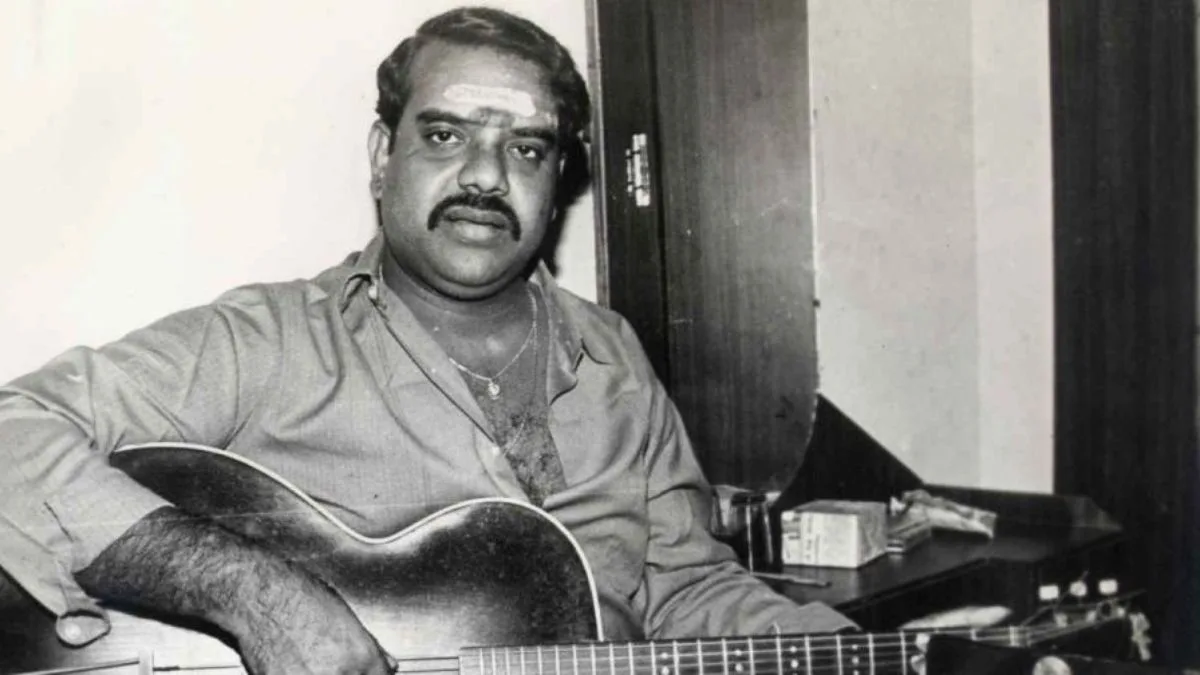
Veteran Malayalam music director SP Venkatesh has passed away at the age of 70 in Chennai. Known for iconic hits like ‘Rajavinte Makan’, ‘Kilukkam’, and ‘Minnaram’, his melodies defined an era of cinema.

Statesman News Service | New Delhi |

Legendary music director SP Venkatesh passed away at his home at the age of 70, according to Onmanorama. Fans and the film fraternity are mourning the loss of a maestro whose tunes defined Malayalam cinema for decades. His final journey will be held tomorrow at Alapakkam, Chennai.

Also Read: Abhijit Majumdar, Odia music composer, dies at 54 after prolonged illness at AIIMS Bhubaneswar

SP Venkatesh: From strings to spotlight

Venkatesh’s musical journey began humbly in 1971. A gifted guitarist, he started his career working with renowned music director Vijayabhaskar.

By 1975, he was stepping into world of Kannada cinema as an assistant music director learning the ropes and sharpening his skills. His first independent venture came in 1981 with the Telugu film ‘Prema Yuddham’. This marked the start of career that would span over four decades.

Malayalam cinema finds its musical voice

Though he cut his teeth as an assistant under composers like Raghavan Master and contributed to background scores for AT Ummar, it was the 1986 film ‘TP Balagopalan MA’ where Venkatesh’s talent began catching attention.

With guidance from filmmakers Dennis Joseph and Thampi Kannanthanam, he soon rose to become a leading music director in Malayalam cinema.

The game-changer came with Thampi Kannanthanam’s ‘Rajavinte Makan’. Its songs and background score became chartbusters. From that point, Venkatesh became the go-to composer for the 1990s Malayalam film scene.

A hit factory of the 90s

The 1990s were golden years for Venkatesh. His compositions for films like ‘Vilambaram’, ‘Vazhiyorakazhchakal’, ‘Douthyam’, ‘Bhoomiyile Rajakumaaran’, ‘Vyooham’, ‘Kuttettan’, ‘Minnaram’, ‘Kilukkam’, ‘Johnnie Walker’, ‘Devasuram’ (background score), ‘Dhruvam’, ‘Valsalyam’, ‘Paithrukam’, ‘Sainyam’ became unforgettable.
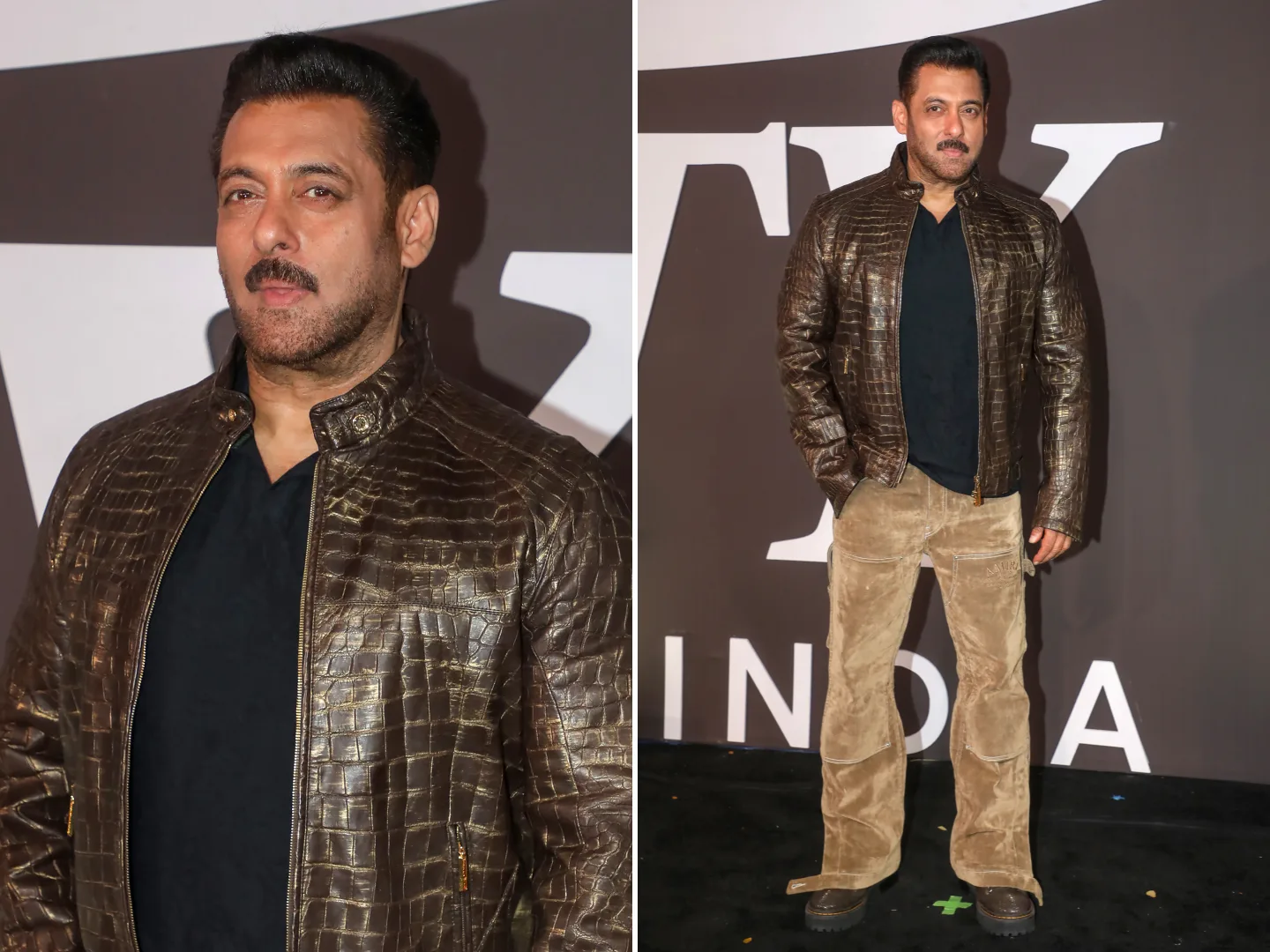
Known for his mastery over instruments like the mandolin, guitar, banjo, Venkatesh’s background scores often elevated the films themselves. He also orchestrated music for other composers and scoring for few Bollywood and Bengali films.

Family, early training, and musical roots

Music ran in Venkatesh’s veins. His father Pazhani was an accomplished mandolin player, and young Venkatesh followed in his footsteps picking up multiple instruments and working as an assistant to Shyam and Raveendran.

Dennis Joseph formally introduced him to Malayalam cinema and his collaboration with Thampi Kannanthanam turned into a long series of hits that still resonate today.

Awards, records, legendary feats

Venkatesh’s work did not go unrecognised. He won the Kerala State Film Award for Best Music Director in 1993 for ‘Paithrukam’ and ‘Janam’ along with the Filmfare Award for ‘Paithrukam’. In 1999, he reportedly recorded nine songs in a single day for the unreleased Tamil film ‘Ithu Mudivithillai’.

SP Venkatesh leaves behind a treasure trove of melodies and background scores that shaped the soundscape of Malayalam cinema.

Liverpool fetch Jeremy Jacquet from Stade Rennais in 60 mn pound deal

Liverpool have reached an agreement for the transfer of Jeremy Jacquet from Stade Rennais, with the defender set to join the club ahead of the 2026-27 season, subject to a work permit and international clearance, the Premier League club said on Tuesday.

IANS | New Delhi |

Liverpool have reached an agreement for the transfer of Jeremy Jacquet from Stade Rennais, with the defender set to join the club ahead of the 2026-27 season, subject to a work permit and international clearance, the Premier League club said on Tuesday.

Liverpool have agreed to pay a fixed fee of 55 million pounds plus a potential 5 million in performance-related add-ons.

“The Reds have secured a deal for the 20-year-old that will see him complete the remainder of the current campaign in Ligue 1 and move to Anfield in the summer on a long-term contract,” Liverpool said in a statement.

The young French defender had been on Chelsea’s radar for the latter part of the January transfer window. Liverpool joined the race late and secured a 60 million pound deal.

Jacquet, who has five caps for France U21s, has made 18 appearances for Rennes in his country’s top flight so far this season. Overall, the centre-back has figured on 31 occasions for Rennes since making his debut in January 2024.

He also gained Ligue 1 experience during a loan spell with Clermont Foot. In 2024, Jacquet helped France to the final of the U19 European Championship, during which he was named in the Team of the Tournament.

Earlier, Harvey Davies returned from his loan spell at Crawley Town. He penned a new deal with the Reds before completing his temporary switch to Crawley.

The goalkeeper is back at Liverpool after making 19 appearances across all competitions for the League Two side during the first half of the season. He spent the 2023-24 campaign on loan in the same division at Crewe Alexandra, where he appeared 32 times.

Davies joined Liverpool at U9 level and has advanced through the Academy ranks to be involved in the senior team’s matchday squad on 18 occasions to date.

Photo

  • img
  • img
  • img
  • img
  • img
  • img
  • img
  • img
  • img
  • img
  • img

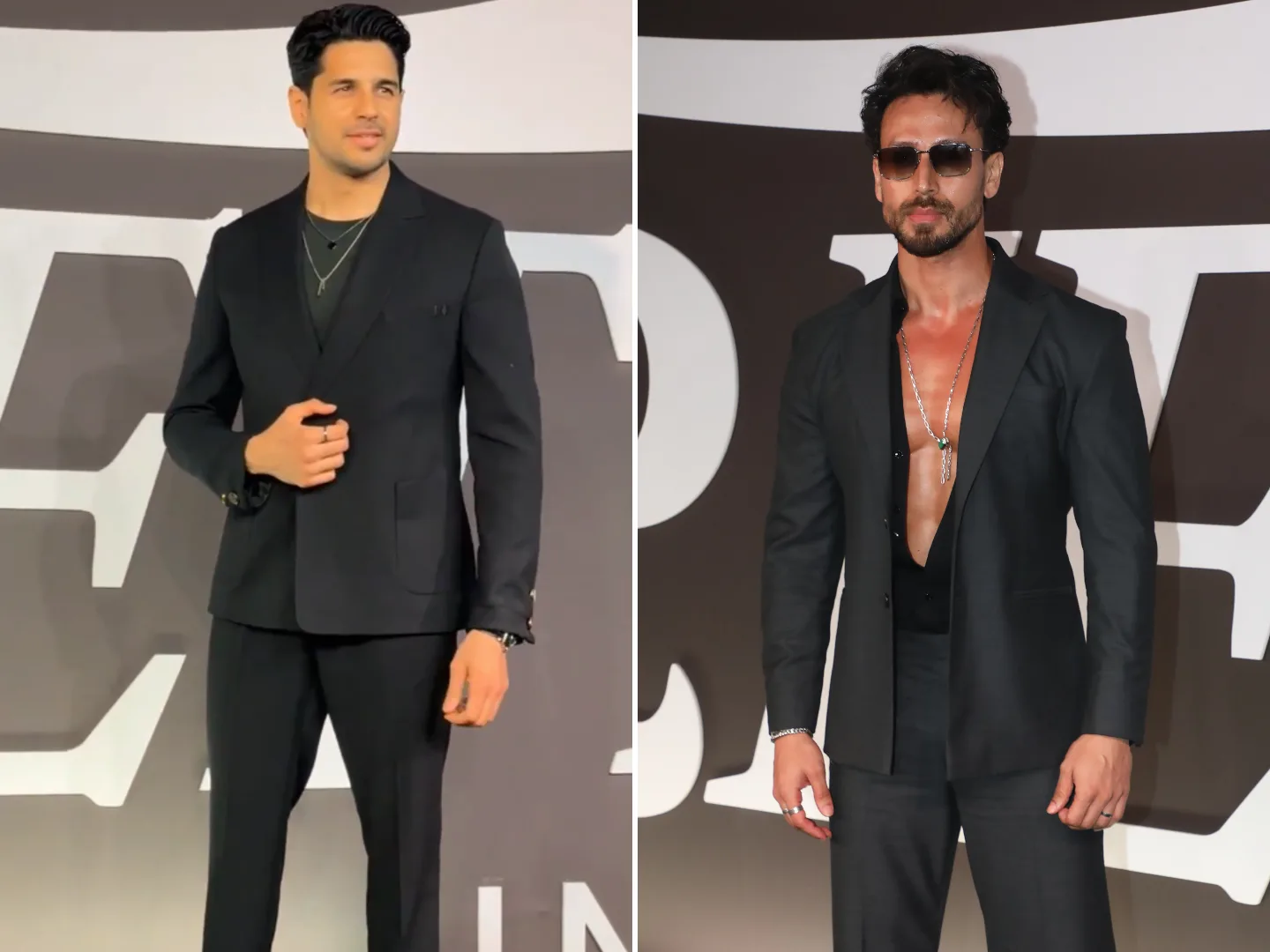
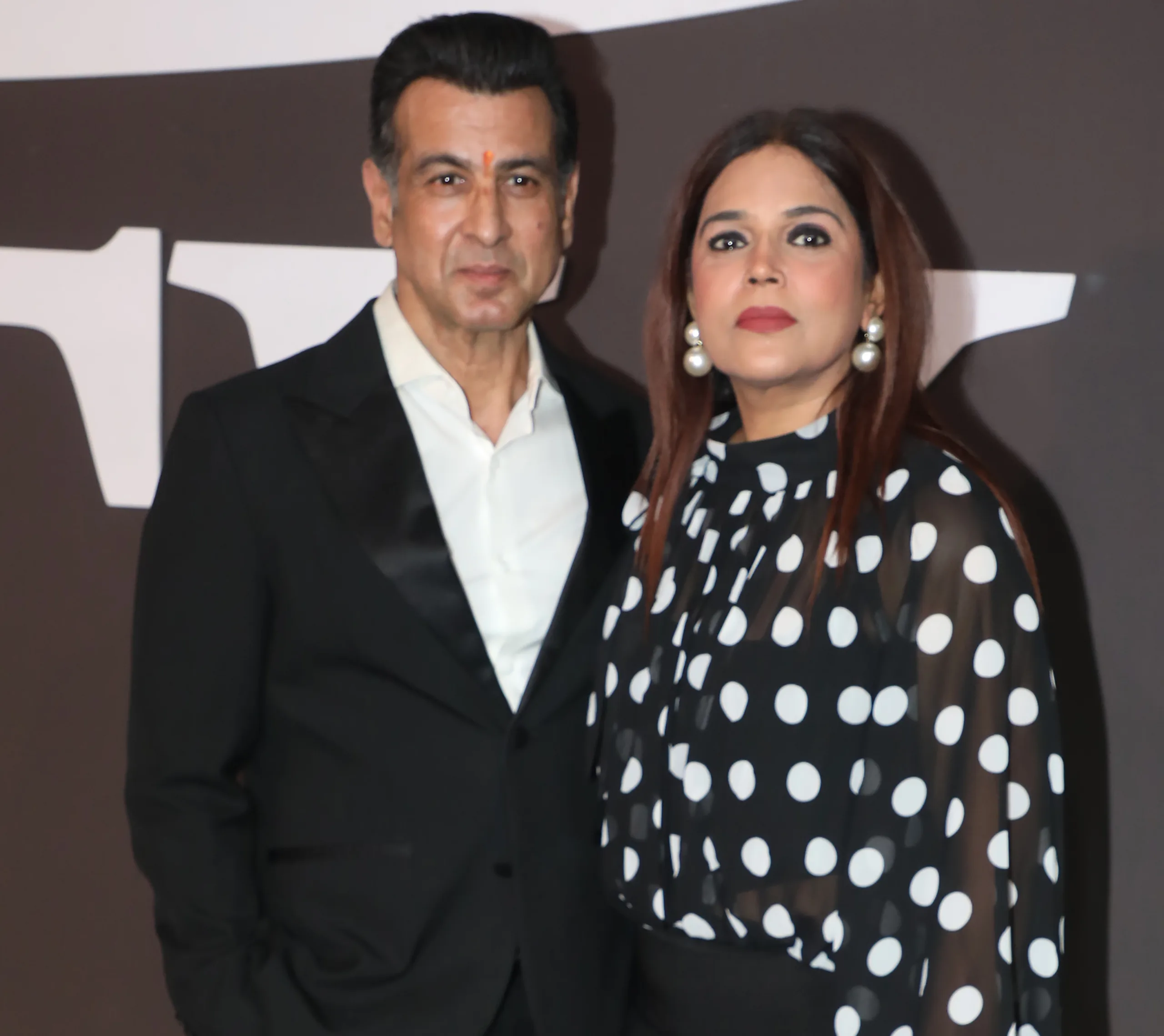
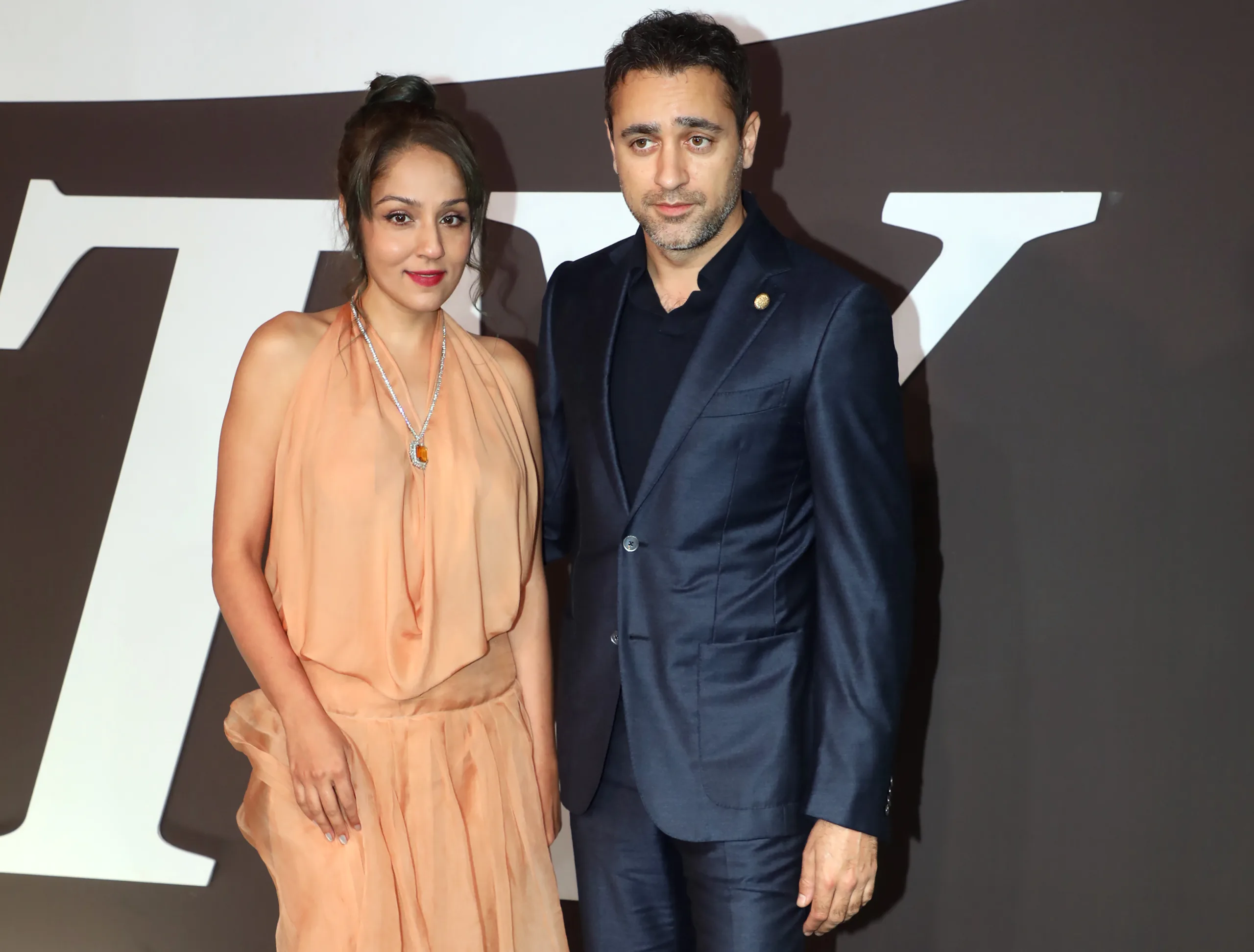
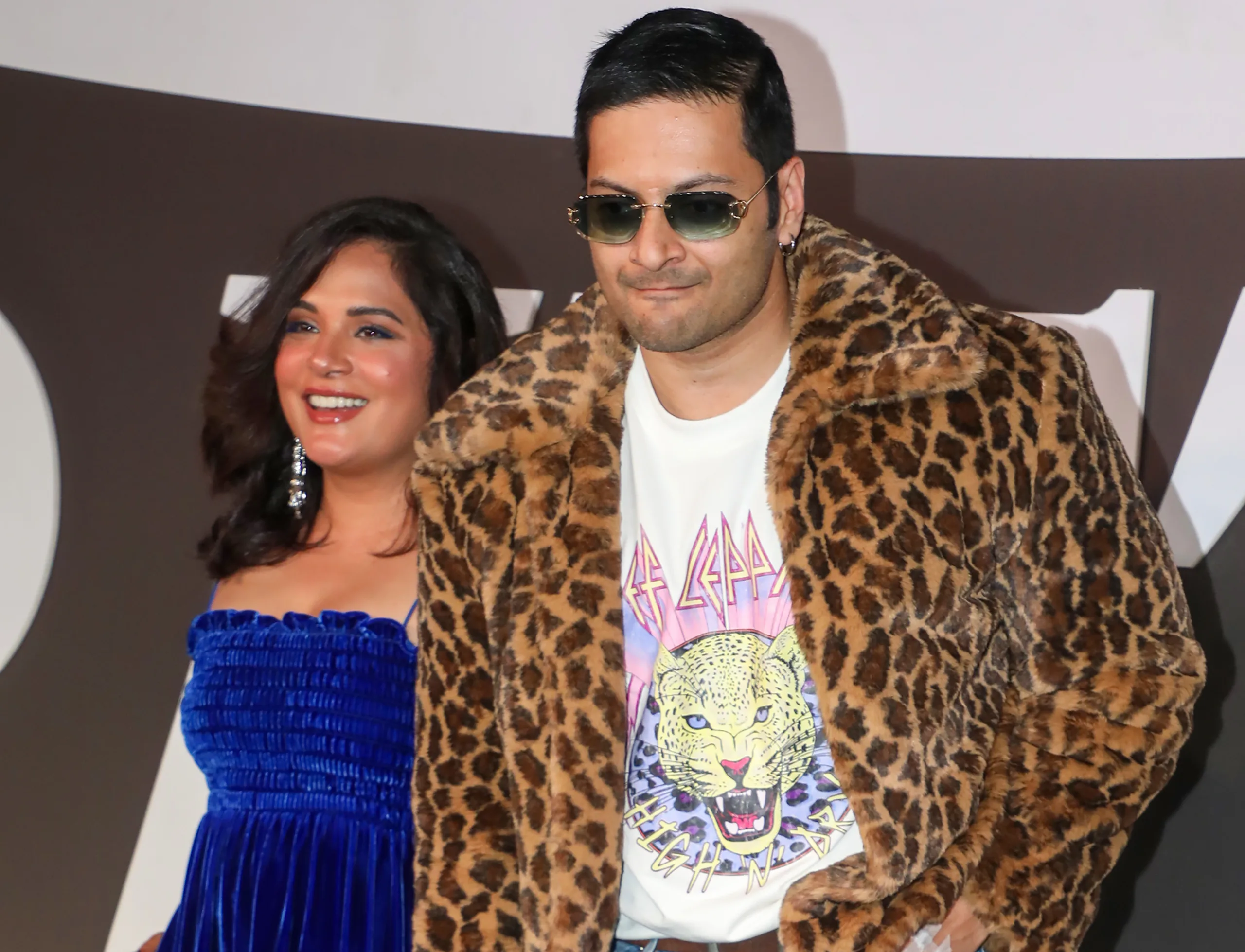
A Night of Stars: Celebs Shine at Variety’s India Debut

A Night of Stars: Celebs Shine at Variety’s India Debut

MORE Photo STORIES

‘Kohrra 2’ creator Sudip Sharma on blending memes with murder mysteries

Sudip Sharma opens up about weaving meme references into Netflix’s ‘Kohrra 2’, reflecting Punjab’s wit even amid darkness.

Statesman News Service | New Delhi |

As Kohrra returns with a darker, more layered second season, creator Sudip Sharma says one element audiences may find surprising but completely authentic, is the presence of humour and meme culture within the show’s intense crime narrative.

Also Read: Mona Singh on 21 years of change: ‘I’ve evolved with the industry’

According to Sharma, comedy isn’t something that needs to be forcefully injected into stories set in Punjab, it exists naturally, even in the bleakest circumstances.


View this post on Instagram


A post shared by Netflix India (@netflix_in)

‘Humour is impossible to avoid in Punjab’

Speaking to IANS, Sharma explained that Punjab’s cultural texture is inherently infused with wit, regardless of how grim the situation might be. “It’s impossible not to find comedy in Punjab. It’s just there everywhere — you just have to look around,” he said, adding that even serious moments are often expressed in ways that carry an undercurrent of humour.

“The Punjabi language and Punjabis as a community are very funny. Even the most serious things are often said in a very funny way. I tried to tap into that.”

Also Read: Amaal Mallik reveals how ‘Sooraj Dooba Hai’ changed his career, and why he lost 45 films thereafter

Memes as cultural shorthand

Season 2 of Kohrra subtly weaves popular meme references into its storytelling, a choice Sharma says was entirely intentional. “It was a conscious decision,” he admitted, noting that meme culture is deeply embedded in everyday conversations, especially among the show’s creators and cast.

Also Read: Grammy Awards 2026 red carpet: Bold fashion hits and misses that stole the show

Sharma shared that writers and actors often exchange jokes and memes while working together, interactions that organically influence the tone of the series.

“When Gunjit, Mona Singh, Barun, and I sit together, those jokes keep flowing. We forward memes to each other all the time. So if you’re making something about Punjab, even a serious subject, these things will come in naturally.”

Balancing darkness with levity

Rather than diluting the seriousness of the narrative, Sharma believes humour helps ground the show in reality.
“These moments don’t break the tension,” he said.

“They reflect how people actually speak, cope, and connect, even when they’re dealing with trauma or violence.”

What to expect from Season 2

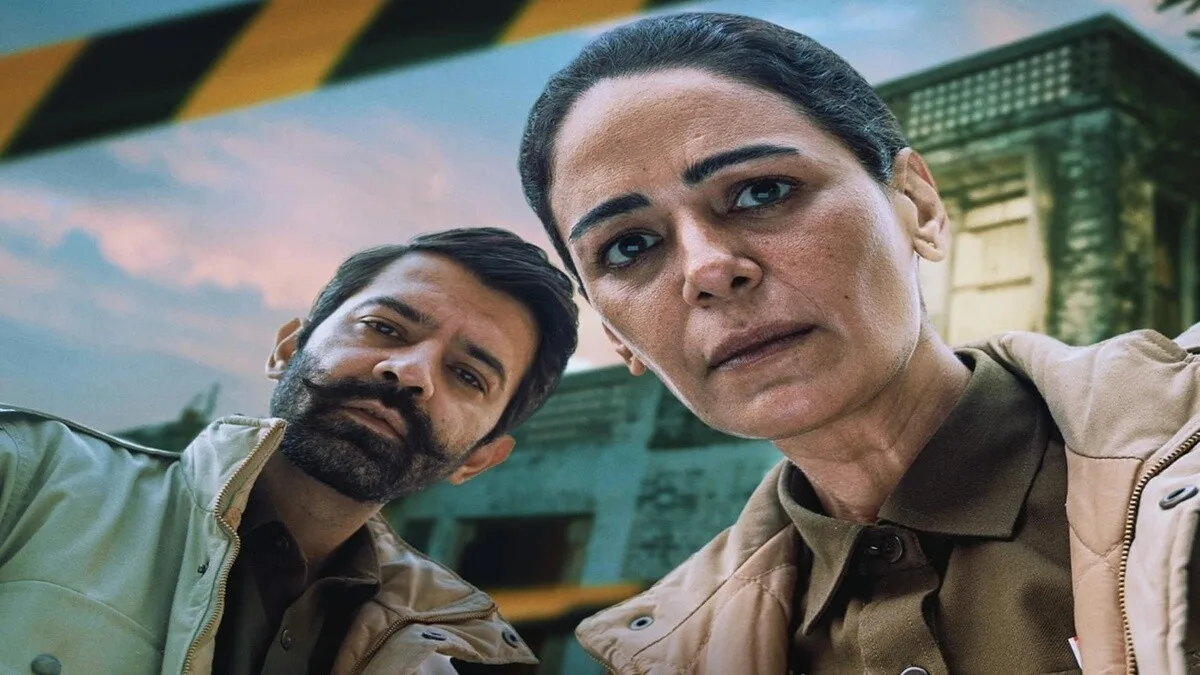
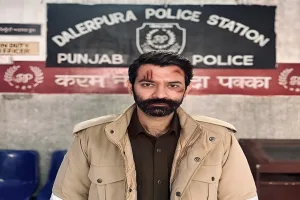
Kohrra 2 features Barun Sobti returning as sharp-witted investigator Amarpal Garundi, this time paired with a new character played by Mona Singh. Together, they investigate a chilling murder involving a woman, set against Punjab’s stark, wintry landscape.

Also Read: Grammy Awards 2026 full list of winners: Album, record, song of the year and more

Rannvijay Singha also joins the cast in a pivotal role.

Created and written by Sudip Sharma, Gunjit Chopra, and Diggi Sisodia, the new season brings a fresh case and a new dynamic while retaining the show’s signature moody realism.


View this post on Instagram


A post shared by Netflix India (@netflix_in)

Streaming details

Produced by Film Squad in association with Act Three, Kohrra 2 is backed by Saurabh Malhotra, Sudip Sharma, Manuj Mittra, and Tina Tharwani. The series is set to premiere on Netflix on February 11.


View this post on Instagram


A post shared by Netflix India (@netflix_in)


Also Read: Sinners music honours Black voices through blues and jazz; what awards mean for artists rising from oppression

Road to LA 2028 begins in Delhi: India to host Asian Rifle/Pistol C’ship 2027 with 8 quotas at stake

For India, the 2027 event could prove crucial as the country begins shaping its campaign for Los Angeles 2028.

Statesman News Service | New Delhi |

India will host the Asian Rifle/Pistol Championship in 2027, a key Olympic qualifying event that will offer eight quota places for the LA 2028 Games, the Asian Shooting Confederation (ASC) confirmed on Monday. The competition will be held from December 1 to 10 at the Dr Karni Singh Shooting Range in New Delhi.

“The Asian Rifle/Pistol Championship 2027 will be organised by the National Rifle Association of India (NRAI) from 01 to 10 December 2027 at the Dr. Karni Singh Shooting Ranges in New Delhi, India,” the ASC said in a release.

“The championship will hold added significance as eight Asian continental quota places for the LA Olympic Games 2028 will be distributed during the event.”

The quotas will be allocated to National Olympic Committees (NOCs), except those obtained through the Olympic Ranking or universality places, which are awarded to athletes by name.

For India, the 2027 event could prove crucial as the country begins shaping its campaign for Los Angeles 2028. Hosting an Olympic qualifying tournament at home not only provides familiarity with conditions but also offers key advantages such as crowd support, reduced travel fatigue and logistical comfort, factors that can make the difference in high-pressure qualification events.

India had enjoyed a strong qualification cycle ahead of Paris 2024, securing the maximum possible 16 Olympic quotas, eight each in rifle and pistol, in shooting qualifying events. The contingent size also underlined the growth of the sport in the country, with India sending a record 21 shooters to the Paris Olympics, a significant rise from the 15 who competed in Tokyo.

However, despite winning three medals in Paris, all bronze, shooting remains “unfinished business” for India. The 2027 Asian Championship, with Olympic quotas on the line, will be seen as a major opportunity to strengthen the pipeline and build momentum towards improving the colour of those medals in LA.

The hosting rights also reinforce the growing importance of the Dr. Karni Singh Shooting Range as a consistent global venue, strengthening India’s shooting ecosystem and long-term high-performance setup.

Meanwhile, India are already eyeing home success with New Delhi set to host the Asian Shooting Championship (Rifle/Pistol) from February 2 to 14. The hosts have assembled the largest contingent with 118 athletes, over a third of the total 311 shooters entered for the competition.

Kazakhstan is the second-largest contingent with 35 athletes, while Iran has registered 28. Regional powerhouses Korea, Iran and Japan have also fielded strong squads, with Chinese Taipei, Vietnam and Hong Kong expected to produce competitive performances.

In total, the championship will feature athletes from 20 countries, with 564 starts across the competition.

Air India begins Boeing 787 fuel switch inspections after pilot flags possible defect

Air India has begun precautionary inspections of fuel control switches across its Boeing 787 fleet after a pilot reported a possible defect on one aircraft.

Statesman News Service | New Delhi |

Air India has begun a precautionary inspection of fuel control switches across its Boeing 787 Dreamliner fleet after a pilot reported a possible defect on one aircraft.

The Tata Group-owned airline started checks on Tuesday. About half the fleet has already been inspected, with no technical issues found so far, news agency ANI mentioned sources as saying. Inspections of the remaining aircraft are still underway.

The move follows the grounding of an Air India Boeing 787-8 after a pilot flagged a potential problem with the fuel control switch during operations.

Checks underway; matter escalated to Boeing and DGCA

Sources said the airline has escalated the issue to Boeing for priority evaluation. No adverse findings have emerged during the ongoing fleet-wide re-inspection of fuel control switches, they added.

An Air India spokesperson confirmed that the issue was reported to the Directorate General of Civil Aviation (DGCA) and that the aircraft manufacturer is being involved to examine the concern at the earliest.

“We are aware that one of our pilots has reported a possible defect on the fuel control switch of a Boeing 787-8 aircraft. After receiving this initial information, we have grounded the said aircraft and are involving the OEM to get the pilot’s concerns checked on a priority basis. The matter has been communicated to the aviation regulator, DGCA. Air India had checked the fuel control switches on all Boeing 787 aircraft in its fleet after a directive from the DGCA, and had found no issues. At Air India, the safety of our passengers and crew remains top priority,” the spokesperson said.

Pilots’ body flags past incidents, seeks investigation

Following the development, the Federation of Indian Pilots (FIP) has urged both the DGCA and the Aircraft Accident Investigation Bureau (AAIB) to examine the issue more closely.

FIP president Captain CS Randhawa said this was the third known instance involving uncommanded movement of fuel control switches on a Boeing 787 aircraft.

Speaking to ANI, he said: “The first incident on the Boeing 787-800 aircraft took place on 17 February 2019 at Osaka on an ANA flight, which was landing at Osaka, where both fuel control switches on touchdown, when the throttles were brought to idle position, both these switches went to cutoff position automatically due to an electrical malfunction of the TCMA. We have been relating the same theory for the Air India 171 crash on 12th June at Ahmedabad. This is the third incident where there has been an uncommanded movement of the fuel control switches on the Boeing 787 aircraft.”

Air India has not reported any disruption to flight operations so far. Inspections are continuing as a precaution.

SC slams Meta and WhatsApp over privacy policy, sharing of data

The Supreme Court questioned the validity of consent, stating users were effectively forced to accept the privacy policy on a “take it or leave it” basis.

Statesman News Service | New Delhi |

The Supreme Court on Tuesday came down heavily on Meta Platforms and WhatsApp LLC over their privacy policy, stating the tech giants will not be allowed to exploit the personal data of Indian citizens.

Expressing serious concern about their practices, the top court dubbed them a “mockery of constitutionalism”.

“We will not allow you to share a single piece of information. You can’t play with the right to privacy in this country,” a Supreme Court bench led by Chief Justice of India Surya Kant said, as per ANI news agency. The bench also comprised Justice Joymalya Bagchi and Justice Vipul Pancholi.

The court made the remarks while hearing a batch of appeals filed by Meta Platforms and WhatsApp LLC challenging a judgment of the National Company Law Appellate Tribunal (NCLAT) that had upheld the Competition Commission of India’s (CCI) order imposing a Rs 213.14 crore penalty on Meta for WhatsApp’s 2021 “take it or leave it” privacy policy.

The court also heard a separate appeal filed by the CCI challenging one of the NCLAT findings that there was no abuse of dominance by the two companies, and its move to allow them to share users’ data for advertising purposes.

The Supreme Court questioned the validity of consent, stating users were effectively forced to accept the privacy policy on a “take it or leave it” basis.

Justice Joymalya Bagchi pointed out that the companies’ practices amounted to obtaining “manufactured consent” from users.

“You are making a mockery of the constitutionalism of this country. We will dismiss it right away. How can you play with the right to privacy of people like this? Consumer has no choice, you have created a monopoly,” the CJI said, as per the LiveLaw website.

Solicitor General of India Tushar Mehta, during the hearing, said the personal data is not only sold, but also commercially exploited.

Justice Bagchi said the Court would like to look into how WhatsApp “rented out” the data.

“Every silo of data, irrespective of privacy, has a value, we would like to examine, what is the rent sharing of data…we are concerned about how our behaviour is utlitsed and monetised for trends. You are using the data for the purpose of targeted online advertising,” Justice Bagchi reportedly said.

The court has adjourned the matter till February 9, granting Meta and WhatsApp time to file affidavits.

‘Dhurandhar 2: The Revenge’ teaser X (Twitter) reactions – fans say ‘chuna laga diya’ as video reuses part 1 montage

Fans are reacting to the ‘Dhurandhar 2: The Revenge’ teaser on Twitter, with many joking “chuna laga diya” as it reuses footage from the first film. Ranveer Singh’s clean-shaven Hamza and the action montage still have everyone buzzing ahead of the March 19 release.

Statesman News Service | New Delhi |

Dhurandhar 2 Teaser Reactions: Ranveer Singh is back, and Hamza Ali Mazari is ready to make your jaw drop. The teaser for ‘Dhurandhar 2’ landed on Tuesday, and X (Twitter) is full of fans laughing, crying, roasting the clip all at once.

X (Twitter) reactions on ‘Dhurandar 2’ teaser: “Chuna laga diya”

Not everyone was thrilled. Many fans expected brand-new footage, only to get a reminder of the first film’s post-credit montage. Tweets ranged from playful disappointment to full-on memes.

It seems the teaser split the internet. Half rolling their eyes, half already counting days to March 19.

What the teaser shows (Hint: mostly familiar)

Also Read: ‘Dhurandhar 2: The Revenge’ teaser OUT: Clean-shaven Ranveer Singh returns as Hamza Ali Mazari in blood-soaked action montage

Before the teaser went live, Ranveer kept fans glued to their screens with a tweet promising the drop at 12:12 pm Tuesday. Earlier that morning, a blood-soaked poster hit social media showing Hamza drenched in rain and rage, a man on a mission for revenge against Pakistan’s crimes.

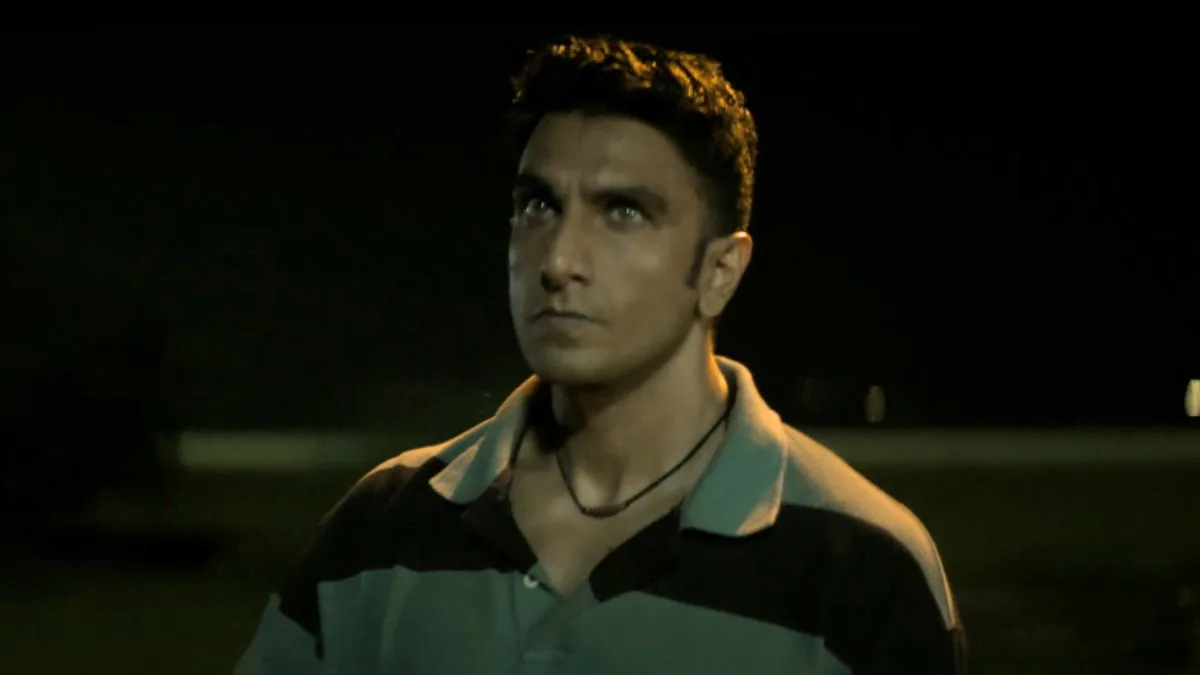
The teaser itself is mostly a throwback. It’s the end-of-movie montage from ‘Dhurandhar’, featuring Night Rider-style music and flashbacks of Ranveer’s journey from a clean-shaven young man to the feared Dhurandhar we all know. The official logline reads: “Yeh naya Hindustan hai. Yeh ghar mein ghusega bhi aur maarega bhi.”

The first ‘Dhurandhar’ smashed records. The film crossed ₹1,000 crore at the Indian box office and later moved to Netflix, which director Aditya Dhar called a “new chapter” for the franchise.

Since its theatrical release on December 5, the film kept pulling in audiences, cementing its place as the highest-grossing single-language Hindi film in India.

Co-stars like Akshaye Khanna, R Madhavan, Sanjay Dutt, Arjun Rampal, Sara Arjun, and Rakesh Bedi only added to the star power.
‘Dhurandhar 2: The Revenge’ release date

March 19 isn’t just Hamza’s day. It’s a full-blown Bollywood clash. ‘Dhurandhar 2’ will go up against Yash’s ‘Toxic: A Fairy Tale for Grown-Ups’ and ‘Dacoit’, starring Adivi Sesh and Mrunal Thakur.

Moviegoers will have a tough choice, and the box office is expected to light up like fireworks.
‘Dhurandhar 2: The Revenge’ teaser OUT: Clean-shaven Ranveer Singh returns as Hamza Ali Mazari in blood-soaked action montage

The ‘Dhurandhar 2: The Revenge’ teaser is out, giving fans their first glimpse of Ranveer Singh as Hamza in Aditya Dhar’s high-octane spy thriller. The film is set for a worldwide release on March 19, 2026.

Statesman News Service | New Delhi |

If you thought the first ‘Dhurandhar’ was intense, brace yourself because Ranveer Singh is back, and he’s not holding anything back. The teaser for ‘Dhurandhar 2’ dropped on Tuesday. Fans are already buzzing about the action-packed, high-octane world of Hamza Ali Mazari, Ranveer’s character.

Also Read: Dhurandhar 2 first look: Ranveer Singh unveils intense avatar as Hamza, sequel titled ‘Dhurandhar: The Revenge’

Catch the ‘Dhurandhar 2’ teaser here

Before the teaser hit, Ranveer kept fans on the edge of their seats, tweeting Monday that it would arrive at exactly 12:12 pm on Tuesday. Early morning, a blood-soaked poster appeared on social media showing Hamza drenched in rain and fury; a man on a mission to avenge Pakistan’s crimes against India.

The teaser itself, however, doesn’t reveal anything new. It’s essentially the end-of-movie montage from the first ‘Dhurandhar’ complete with Night Rider-style background music and flashbacks of Ranveer’s journey from a clean-shaven young man to the feared Dhurandhar we know.

The official logline says: “Yeh naya Hindustan hai. Yeh ghar mein ghusega bhi aur maarega bhi.”

Dhurandhar box office to streaming success

The first ‘Dhurandhar’ wasn’t just a crowd-puller; it was a record-breaker. After raking in over ₹1,000 crore in theatres, the film moved to Netflix on Friday, marking what director Aditya Dhar called a “new chapter” for the franchise.

The movie kept drawing audiences long after its December 5 release becoming the highest-grossing single-language Hindi film in India.

And for those who can’t get enough of Ranveer and his co-stars Akshaye Khanna, R Madhavan, Sanjay Dutt, Arjun Rampal, Sara Arjun, and Rakesh Bedi. The film is also available in Tamil and Telugu.

Sequel buzz and CBFC nod

Fans are already hyped for ‘Dhurandhar 2’, set to hit theatres on March 19. The second teaser has received an A (Adults Only) certificate from the CBFC.

After the jaw-dropping success of the first film, expectations for Hamza’s return are sky-high.

What films will clash with Dhurandhar 2

March 19 is shaping up to be a big day for Bollywood. ‘Dhurandhar 2’ won’t just have fans. It’ll face stiff competition from Yash’s ‘Toxic: A Fairy Tale for Grown-Ups’ and ‘Dacoit’, starring Adivi Sesh and Mrunal Thakur.

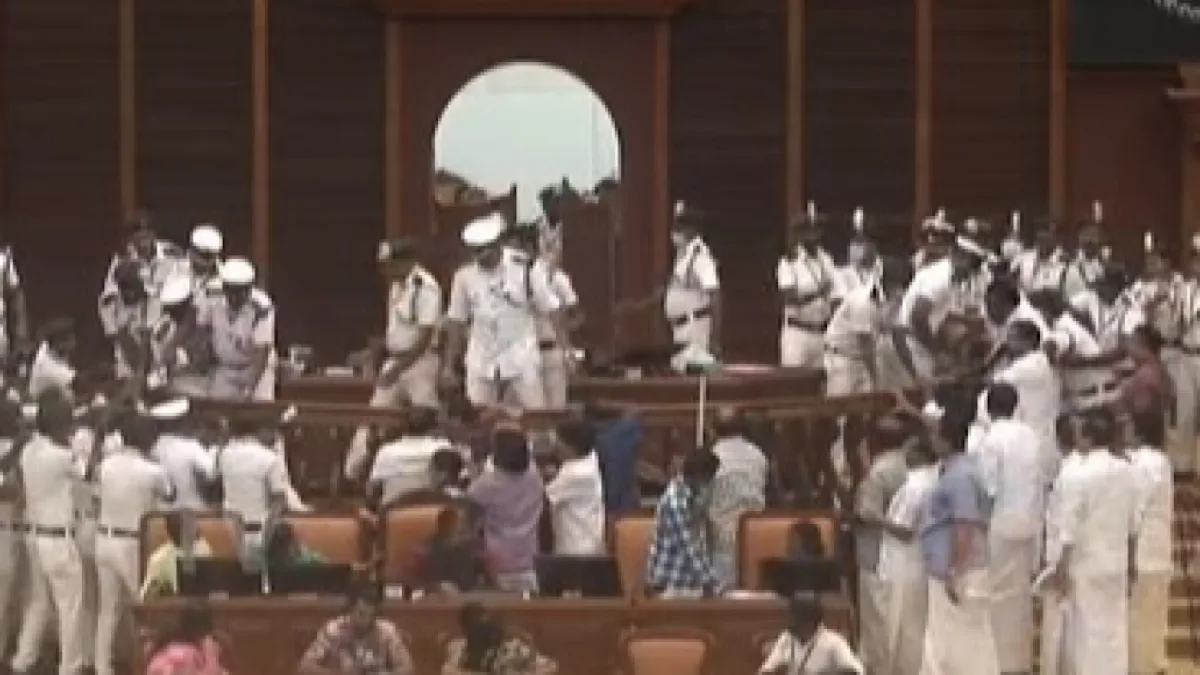
Ruckus in Kerala Assembly; shouting matches, physical jostling over Sabarimala case

Intense protests by the opposition forced repeated adjournments, turning the House into a scene of shouting matches, physical jostling and unprecedented disorder.

IANS | New Delhi |

The Kerala Assembly was thrown into chaos on Tuesday as the ruling front and the opposition clashed sharply over allegations that the investigation into the Sabarimala gold smuggling case was being deliberately derailed, and the protest ended with Leader of Opposition (LoP) V.D. Satheesan leading the entire opposition out of the house for the day.

Intense protests by the opposition forced repeated adjournments, turning the House into a scene of shouting matches, physical jostling and unprecedented disorder.

The trouble began when opposition members boycotted the Question Hour and descended into the well of the House holding placards and banners, accusing the government of sabotaging the probe.

As the protest escalated, a group of opposition MLAs led by Anvar Sadath attempted to rush towards the Speaker’s dais and later tried to enter the Speaker’s chamber.

Watch and Ward personnel intervened, leading to pushing and shoving inside the House.

Amid the mounting uproar, Speaker A.N. Shamseer rose from his chair and walked out, forcing a temporary suspension of proceedings.

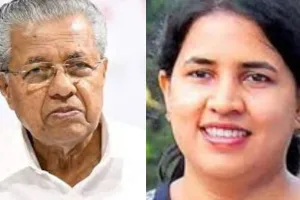
LoP V.D. Satheesan alleged that the Special Investigation Team (SIT) probing the Sabarimala gold smuggling case had reached a dead end due to interference from the Chief Minister Pinarayi Vijayan’s office.

He accused the police of facilitating default bail for all high-profile accused and claimed that the prime accused, Unnikrishnan Potti, would walk free soon.

According to Satheesan, pressure from the Chief Minister’s Office had shaped the course of the investigation.

Declaring that the opposition could not cooperate with Assembly proceedings under such circumstances, he announced that protests would be intensified both inside and outside the House.

As opposition MLAs continued their demonstration in the well, Speaker Shamseer warned that the banners must be lowered or they would be forcibly removed.

The ruling front responded aggressively. Minister M.B. Rajesh dismissed the protest, alleging that the opposition was “suffering from a lack of issues” and did not even have an adjournment motion to move.

He accused the opposition of insulting democratic institutions and mocked it for venting frustration in the Assembly after setbacks in the High Court in cases, including Sprinklr.

Ruling front members moved close to the well of the House and raised slogans against the opposition, further inflaming tempers.

Despite the House reconvening later in the morning, the din continued, forcing another adjournment.

The bitter war of words and physical confrontations underscored the deepening political fault lines, with the Sabarimala gold smuggling case emerging as a flashpoint that paralysed the Assembly and set the tone for an increasingly confrontational session.

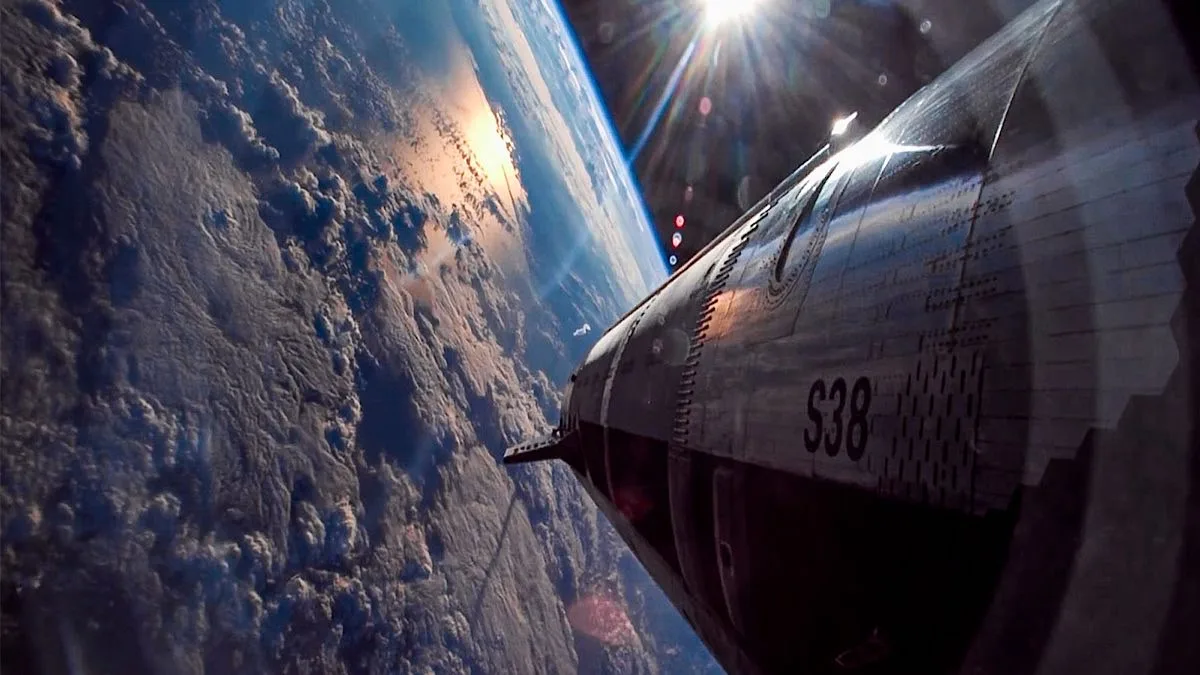
Elon Musk confirms SpaceX is acquiring xAI

Elon Musk’s aerospace company SpaceX has acquired his artificial intelligence (AI) start-up xAI, the billionaire entrepreneur said.

ANI | New Delhi |

Elon Musk’s aerospace company SpaceX has acquired his artificial intelligence (AI) start-up xAI, the billionaire entrepreneur said.
Musk’s note about the deal to acquire xAI was posted by the rocketmaker and shared on his social media platform X.

Musk’s xAI owns and operates his social network X after he merged those two entities last year.
According to a Bloomberg report the combined company of SpaceX and xAI has a valuation of USD1.25 trillion, and SpaceX plans to Initial Public Offering (IPO) later this year.
A CNBC report said that the merger deal between SpaceX and xAI was completed on Monday.
Musk had expanded xAI by merging it with his social network X, which used to be known by the name Twitter. Incidentally, xAI’s main product Grok is under investigation in the EU over its AI image generation feature, with concerns that it was used to create sexualised images. xAI has stated that it has imposed restrictions on Grok users that limit image editing.
Meanwhile, in his note on the SpaceX and XAI merger, Musk said the combination would form an “innovation engine” putting AI, rockets, space-based internet, and media under one roof.
This marks not just the next chapter, but the next book in SpaceX and xAI’s mission: scaling to make a sentient sun to understand the Universe and extend the light of consciousness to the stars!” Musk said.
According to the SpaceX press release, the merger will eventually allow placing AI data centres in space, powered by solar energy.

Musk said, “My estimate is that within 2 to 3 years, the lowest cost way to generate AI compute will be in space. This cost-efficiency alone will enable innovative companies to forge ahead in training their AI models and processing data at unprecedented speeds and scales, accelerating breakthroughs in our understanding of physics and invention of technologies to benefit humanity.”
“This new constellation will build upon the well-established space sustainability design and operational strategies, including end-of-life disposal, that have proven successful for SpaceX’s existing broadband satellite systems.”
The merger follows after SpaceX last week filed an official request with the US Federal Communications Commission (FCC) to deploy and operate a constellation of up to one million satellites designed as orbital data centres with unprecedented computing power for advanced AI models and applications.