Logo

Hormuz Bargain

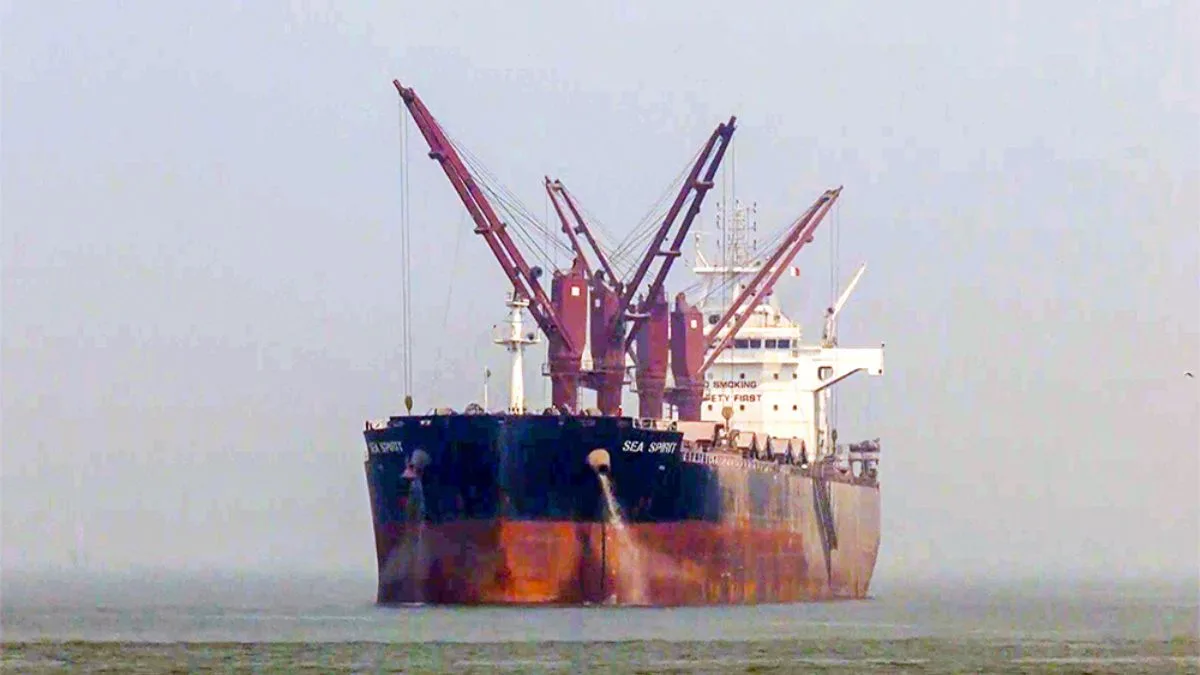
India’s maritime dilemma in the Strait of Hormuz has exposed a familiar but uncomfortable truth: in geopolitics, principle often yields to necessity

Statesman News Service | New Delhi |

India’s maritime dilemma in the Strait of Hormuz has exposed a familiar but uncomfortable truth: in geopolitics, principle often yields to necessity. As tensions escalate following military actions involving the United States and Israel against Iran, New Delhi finds itself navigating not just contested waters, but a layered negotiation where energy security, legal enforcement, and diplomatic signalling intersect. At the heart of the issue lies India’s dependence on Gulf energy flows.

Nearly 90 per cent of its liquefied petroleum gas imports originate from this region, making uninterrupted passage through Hormuz less a strategic preference and more an economic imperative. With over 600 Indian seafarers and more than 20 Indian-flagged vessels caught in a volatile corridor, the stakes are not abstract ~ they are immediate and human. Yet India is not merely a passive actor seeking safe passage. The detention of three tankers ~ linked to Iranian oil networks and accused of identity manipulation and illicit ship-to-ship transfers ~ signals New Delhi’s willingness to enforce maritime norms, even when doing so complicates its diplomatic equations.

The involvement of entities allegedly connected to figures like Jugwinder Singh Brar, who has been flagged by the US Treasury for facilitating Iranian oil transport, further internationalises what might otherwise have remained a bilateral irritant. New Delhi must also weigh reputational risk: appearing susceptible to coercion could unsettle partners like Saudi Arabia and the UAE, whose cooperation remains vital to India’s long-term energy diversification strategy. Iran, for its part, is leveraging geography with calculated precision. The Strait of Hormuz has long been Tehran’s most effective pressure point, and in the current conflict environment, it is using selective permission ~ allowing certain vessels through while threatening others ~ as a tool of negotiation.

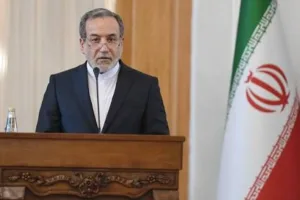
Its reported demands, including the release of detained tankers and access to critical medical supplies, reflect both economic strain and strategic opportunism. What emerges is not a formal agreement but a pattern of reciprocal adjustment. External Affairs Ministry spokesperson Randhir Jaiswal’s insistence that “nothing is being exchanged” sits uneasily alongside the observable sequencing of events: Indian vessels are allowed passage; Iranian-linked assets remain under Indian custody; discussions continue behind closed doors. This is diplomacy conducted in increments, not declarations.

For India, the challenge is to maintain credibility on maritime enforcement without jeopardising its energy lifelines. For Iran, the objective is to extract concessions without provoking broader escalation. Neither side can afford rigidity; both are operating within constraints imposed by larger geopolitical forces, including sanctions regimes and regional military dynamics.

This episode underscores a broader shift in international relations, where middle powers like India are increasingly compelled to engage in situational bargaining rather than adhere to fixed alignments. The Strait of Hormuz, once merely a chokepoint for oil, has become a theatre for calibrated negotiation ~ where passage is permission, and permission is power. In such a landscape, India’s response will likely remain deliberately ambiguous: firm enough to signal sovereignty, flexible enough to secure survival.

Code Collapse

For three decades, India’s rise as a technology powerhouse has rested on a simple proposition: scale.

Statesman News Service | New Delhi |

For three decades, India’s rise as a technology powerhouse has rested on a simple proposition: scale. From the glass towers of Bengaluru to the satellite hubs in Hyderabad and Gurugram, millions of graduates were absorbed into an export machine that sold reliability, cost efficiency, and human bandwidth to the world. Companies such as Infosys and Tata Consultancy Services became symbols of a new middle-class India. That model is now under quiet but decisive strain. The disruption is not merely technological; it is architectural.

Generative AI systems developed by firms such as OpenAI and Anthropic are not just improving productivity ~ they are redefining what counts as “work” in software services. Tasks that once justified billing hours ~ testing code, maintaining legacy systems, processing compliance workflows ~ are increasingly executed by machines in seconds. This is not automation at the margins. It strikes at the core of India’s outsourcing logic: labour arbitrage. For decades, the industry functioned like a pipeline. Engineering colleges fed entry-level programmers into firms that scaled through volume. Clients paid for time, not outcomes. The more people deployed, the higher the revenue.

It was a model perfectly suited to a country with a vast, educated workforce and relatively low wages. AI breaks that equation. When a single engineer, augmented by intelligent tools, can do the work of five, scale becomes a liability rather than an advantage. The pyramid narrows. The base – the fresh graduates who once formed the backbone of the industry – begins to erode. This is where the real risk lies, not in corporate earnings but in social mobility. The IT sector has been India’s most reliable engine of white-collar employment, lifting families into home ownership, consumption, and financial security. A slowdown in entry-level hiring does not merely affect balance sheets; it reshapes aspirations. Yet it would be a mistake to read this moment as decline.

What is collapsing is not the industry itself, but its oldest habit. Large enterprises ~ from global banks to energy majors ~ do not run on generic software. They depend on deeply customised, mission-critical systems built over decades. These cannot simply be replaced by off-the-shelf AI. They must be integrated, adapted, secured, and continuously managed. This is where Indian IT firms retain an edge. The future, therefore, is not about writing more code. It is about orchestrating complexity. Indian firms are likely to evolve into intermediaries between powerful AI tools and equally complex enterprise systems.

Their value will lie in implementation, governance, and trust ~ areas where human oversight remains indispensable. Billing will shift from hours to outcomes, from manpower to expertise. But this transition comes with a trade-off. Higher-value work employs fewer people. India is thus entering a more difficult phase of its technology story ~ one where efficiency rises even as employment elasticity falls. The challenge is no longer to produce engineers at scale, but to produce the right kind of engineers. The age of abundance is ending. What follows will demand precision

Trump’s new trade gambit

The latest round of tariff threats issued by Donald Trump once again illustrates how central protectionist trade policies have become to his economic and political strategy.

ANAND KUMAR | New Delhi |

The latest round of tariff threats issued by Donald Trump once again illustrates how central protectionist trade policies have become to his economic and political strategy. Over the past few years, tariffs have been one of the most visible instruments through which the United States has attempted to reshape the global trading system. Now, after a legal setback from the Supreme Court of the United States, the Trump administration has found a new pathway to sustain that pressure.

By launching investigations into the trade practices of sixteen countries under Section 301 of the Trade Act of 1974, Washington has effectively revived the tariff threat against a wide group of trading partners, including India, China, Japan, South Korea, and Mexico. The move comes in the wake of an important legal challenge to the administration’s earlier trade measures. The Supreme Court recently struck down a set of global tariffs imposed by the Trump administration, ruling that the government had exceeded its authority in implementing them. That decision created a complicated situation for Washington. Several countries had already entered into negotiations with the United States or were in the process of finalising trade arrangements aimed at avoiding higher tariffs.

When the court invalidated those measures, the credibility of Washington’s tariff leverage was suddenly weakened. In response, the administration appears to have chosen a familiar strategy ~ using investigations as a prelude to potential tariffs. Section 301 of the Trade Act of 1974 has long been one of the most powerful tools available to American trade policymakers. It allows the Office of the United States Trade Representative to investigate alleged unfair trade practices by foreign governments and to impose retaliatory measures if such practices are confirmed. In the past, this instrument has been used to address issues ranging from intellectual property violations to industrial subsidies.

Under the current initiative, however, the focus appears to be on what the United States describes as “structural excess capacity” in several economies. According to American officials, many of the countries under investigation have maintained large trade surpluses with the United States, reflecting policies that allegedly favour domestic producers while disadvantaging American manufacturers. The list of countries being examined is extensive. Apart from major economic powers such as China, Japan and India, the investigation also includes economies like Vietnam, Thailand, Malaysia, Indonesia, Cambodia, Bangladesh, Singapore, Switzerland, Norway, and Taiwan.

Together, these economies represent a substantial share of global manufacturing and trade. The fact that they are being scrutinised simultaneously suggests that Washington’s concerns go beyond any single bilateral dispute. Instead, the administration appears to be addressing what it sees as a broader imbalance in the global trading system. Interestingly, one major trading partner is absent from the list ~ Canada. Given that Canada is among the United States’ largest trading partners, its exclusion has raised questions about the political and strategic considerations behind the investigations. The decision may reflect the relatively integrated nature of the North American economy and the continuing importance of regional supply chains.

It may also indicate that Washington is focusing its attention on countries with persistent trade surpluses rather than those with more balanced trade relationships. The administration has made it clear that these investigations could lead to the imposition of new tariffs by the summer of 2026. Officials have outlined a relatively swift timeline, with public comments to be submitted by April and hearings scheduled for early May. If the investigations conclude that unfair trade practices exist, tariffs could be introduced before July, when the temporary measures imposed earlier under Section 122 of the Trade Act of 1974 are set to expire. In other words, the current process appears designed not only to investigate but also to ensure that the United States retains the option of imposing tariffs without interruption.

For countries such as India, the development introduces a new layer of uncertainty into ongoing economic engagement with Washington. In recent months, New Delhi and Washington have explored the possibility of expanding bilateral trade cooperation and resolving long standing disputes over tariffs and market access. However, the renewed threat of tariffs could complicate those discussions. While the investigations do not automatically result in punitive measures, they nonetheless create an atmosphere of pressure that may influence the negotiating positions of both sides. From Washington’s perspective, the strategy is straightforward.

The Trump administration believes that previous trade arrangements allowed other countries to benefit from access to the American market while maintaining policies that protected their own industries. By using tariffs or the threat of tariffs, the administration hopes to push trading partners toward agreements that would reduce trade imbalances and open foreign markets to American goods. This objective has been repeatedly emphasised by American officials, who argue that protecting domestic manufacturing and reducing the trade deficit are essential for long-term economic stability. Yet the broader implications of this approach remain uncertain. Tariffs can sometimes provide short-term relief to domestic industries, but they also risk triggering retaliation from other countries.

In an interconnected global economy, such actions can disrupt supply chains and increase costs for businesses and consumers alike. Moreover, the perception that the United States is using tariffs primarily as a negotiating tool may erode trust among its trading partners. If countries begin to view trade agreements as temporary arrangements subject to sudden policy shifts, the stability of the global trading system could be undermined. Another dimension of the current initiative is its geopolitical context.

The announcement of the investigations comes at a time when senior American officials are expected to engage in discussions with representatives from China in Paris, potentially paving the way for a meeting between Trump and Chinese President Xi Jinping. Trade tensions have long been a defining feature of the relationship between the two countries, and any new tariffs could further complicate an already delicate diplomatic balance. At the same time, the administration’s decision to include multiple Asian economies in the investigation reflects broader concerns about manufacturing competition in the region.

Ultimately, the new investigations reveal a consistent pattern in the Trump administration’s trade policy. Rather than abandoning tariffs after the court’s ruling, Washington has simply shifted to a different legal mechanism that allows it to pursue the same objective. By invoking Section 301, the administration has effectively restored its ability to threaten tariffs while maintaining the appearance of a structured legal process. The message to trading partners is clear: negotiations with the United States will continue under the shadow of potential tariffs. Whether this strategy succeeds in reshaping global trade patterns remains to be seen. Some countries may choose to accelerate negotiations with Washington in order to avoid punitive measures. Others may resist what they perceive as unilateral pressure and seek alternative economic partnerships.

What is certain, however, is that the latest tariff initiative marks another chapter in the evolving debate over how the United States should engage with the global economy. For countries like India and many others on the investigation list, the coming months will be crucial. The outcome of the Section 301 probes could determine not only the trajectory of bilateral trade relations with the United States but also the broader stability of international trade rules. As the summer deadline approaches, governments around the world will be watching closely to see whether the investigations lead to compromise, confrontation, or yet another cycle of tariffs and counter-tariffs. In that sense, Trump’s latest tariff threat is not merely a domestic economic policy; it is a signal that the contest over the future of global trade is far from over.

(The writer is Associate Fellow, Manohar Parrikar Institute for Defence Studies and Analyses)

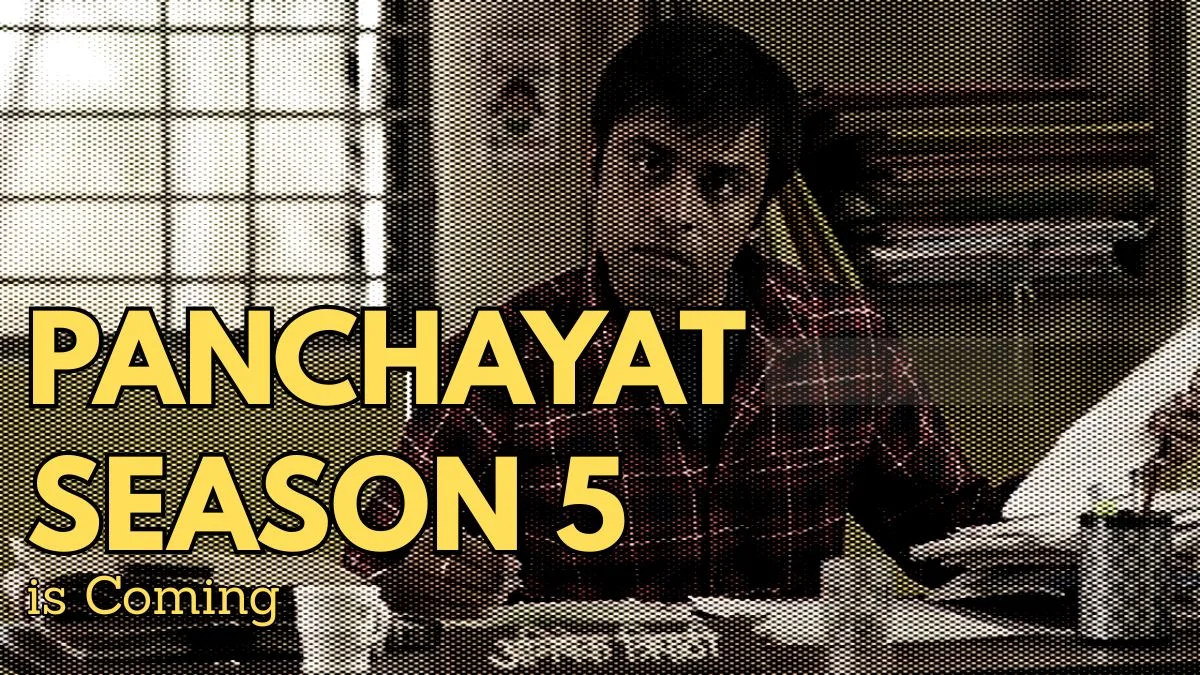
Panchayat Season 5 is here: Abhishek faces deadly work pressure, village conflicts, and race towards MBA dreams

Life in Phulera is about to get even messier. Abhishek juggles village troubles, new challenges at work, and his ambitions in the upcoming season.

Statesman News Service | New Delhi |

If you’ve been binge-watching the ‘Panchayat’ series on repeat and secretly wondering when life in Phulera will unfold again, it’s time to cheer. The makers have finally given fans the green light: Season 5 is happening!

The big reveal came during Prime Video’s 2026 release slate event in Mumbai. And the excitement is very, very real (as real as Sachiv ji’s feelings for Rinki).


View this post on Instagram


A post shared by prime video IN (@primevideoin)
Abhishek’s new challenges await

Panchayat Season 5 promises to take Abhishek and the quirky residents of Phulera on a fresh rollercoaster. The young Panchayat secretary is set to face a tough work environment under a new, vengeful leadership.

But don’t worry. Abhishek’s dreams aren’t on hold. As he gears up to chase an MBA, the village still has some unfinished business he needs to settle first.

Fans can expect the perfect mix of humour here. And, there are life lessons and village drama that has made Panchayat such a hit.

The usual gang is back

True to form, The Viral Fever is producing the series, with Deepak Kumar Mishra directing and Chandan Kumar penning the story. And yes, the fan-favourites are returning.

Jitendra Kumar reprises his role as Abhishek, while Raghubir Yadav, Neena Gupta, Faisal Malik, Chandan Roy, Saanvika, Durgesh Kumar, Ashok Pathak, and Sunita Rajwar are all back in pivotal roles.

The chemistry, the laughs, and the heartfelt moments, everything fans loved.

A quick look back

For those who need a refresher: Season 4 landed on Prime Video on June 24 last year, following the third season that dropped in May.

Season 4 explored the everyday struggles of Phulera villagers from village politics, elections, and yes, the never-ending saga of building a proper road.

Beyond the humour, it touched on themes like grief, unity, true spirit of community life. Fans fell in love all over again.

Now, the buzz is all about when we’ll see Abhishek tackle new challenges and when Phulera will be back on our screens.

While the makers haven’t revealed the release date yet, the announcement has already sent fans into a frenzy.

Also Read: Dhurandhar 2 breaks all records: Day 1 box office over Rs 100 crore, leaves ‘Animal’, ‘Jawan’ in dust

Web-slinging history: ‘Spider-Man: Brand New Day’ trailer is the most-watched trailer ever, leaving ‘Deadpool 3’ behind

Tom Holland is back as Spider-Man, and fans are losing it. ‘The Brand New Day’ trailer has smashed every viewing record, promising action, mystery, and a darker, grown-up Peter Parker.

Statesman News Service | New Delhi |

Move over, ‘Deadpool’. Step aside, GTA VI. ‘Spider-Man’ has swung into the digital world and absolutely ‘crushed’ it. Sony Pictures dropped the trailer for ‘Spider-Man: Brand New Day’ on Wednesday morning, and fans couldn’t get enough. In just 24 hours, the trailer racked up a mind-blowing 718.6 million views, making it the biggest trailer in history.

Yes, you read that right. ‘Spider-Man’ just shattered all records.

Breaking records like they’re glass

Previously, ‘Deadpool and Wolverine’ held the crown with 365 million views. But ‘Spider-Man: Brand New Day’ hit 373 million views in only eight hours, already surpassing ‘Deadpool 3’, which had made headlines when it released during the 2024 Super Bowl.

Also Read: ‘Spider-Man: Brand New Day’ trailer breakdown: New suit, new enemies, and a life nobody remembers

And if you thought ‘Spider-Man: No Way Home’ was unbeatable with 355.5 million views in its first day, think again. Holland’s latest Spidey adventure has rewritten history.

Even video games weren’t safe: last year, the trailer for Grand Theft Auto VI broke the video trailer record with 475 million views in 24 hours. Spider-Man just ‘webbed’ that record too.

Sony knew fans were hungry for new Spidey content, teasing tiny snippets a day before the full release.

Tom Holland is back, and he’s not the same

It’s been four years since ‘No Way Home’, the blockbuster that brought together Tobey Maguire, Andrew Garfield, and Holland himself in a universe-crossing spectacle. Holland’s back in the iconic red-and-blue suit. But the stakes are higher than ever.

According to the logline, “Peter is now an adult living entirely alone, having voluntarily erased himself from the lives and memories of those he loves.”

Crime-fighting in a New York that doesn’t even know him, Peter dedicates himself fully to protecting the city. But the pressure triggers a surprising physical evolution that could threaten his very existence.

Add a mysterious new crime wave, and fans are in for one of Spider-Man’s toughest battles yet.

A star-studded cast

The new film doesn’t just bank on nostalgia. It brings together a powerhouse cast. Alongside Holland, we have Zendaya, Sadie Sink, Jacob Batalon, Jon Bernthal, Tramell Tillman, Michael Mando, and Mark Ruffalo.

With Destin Daniel Cretton at the helm as director and a script from Chris McKenna and Erik Sommers, it promises action.

On the production side, heavyweights like Kevin Feige, Amy Pascal, Avi Arad, and Rachel O’Connor are producing, with Louis D’Esposito and David Cain as executive producers.

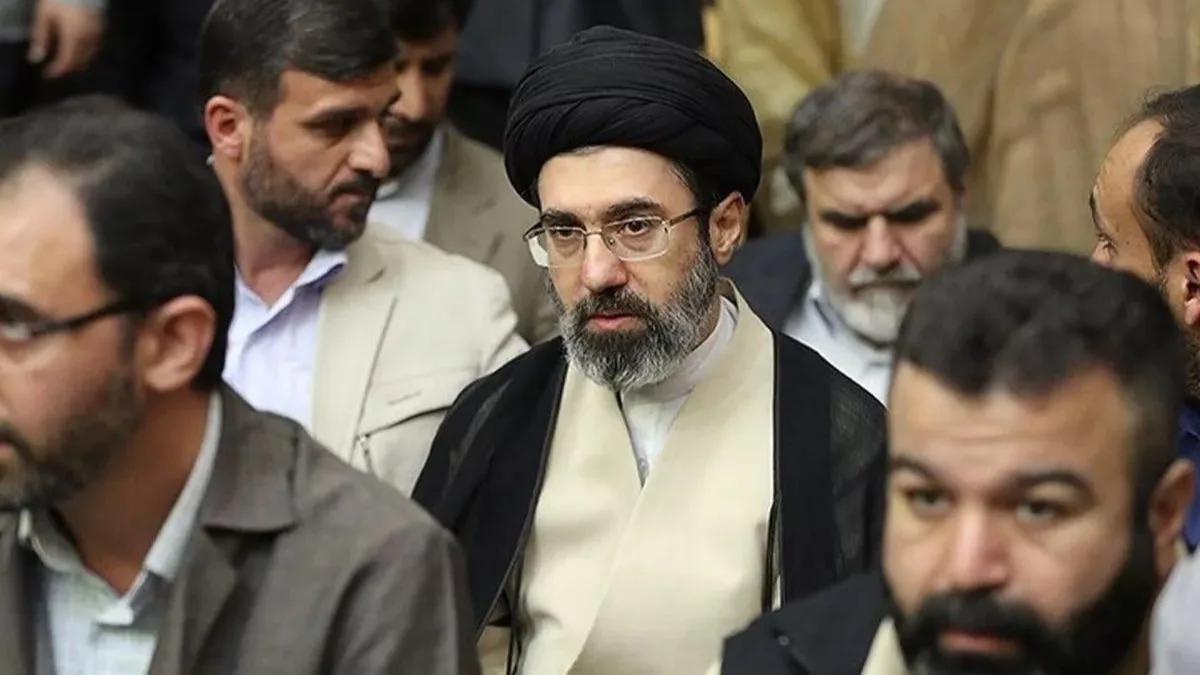
US-Israel-Iran War: In Nowruz message, Mojtaba Khamenei hails ‘resounding triumphs’ achieved by Iran in war

Fresh strikes, rising Hormuz tensions and widening global reactions have pushed the Iran-Israel conflict into a more dangerous phase, with energy security now firmly at the centre.

Statesman News Service | New Delhi |

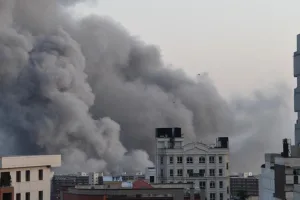
The conflict in West Asia took another dangerous turn on March 20, with Iran launching fresh strikes and Israel putting its defences on high alert. Overnight, missile alerts were sounded in parts of Israel, while leaders on both sides hardened their positions, making it clear that the crisis is still moving in the wrong direction.

What began on February 28 has now grown far beyond a three-country confrontation. The fighting is hitting energy routes, dragging in regional powers, and forcing countries like India, Japan, and the UK to respond to the fallout. With the Strait of Hormuz under strain and oil markets already reacting, the war is no longer just a battlefield story; it is now a global one.

Dhurandhar 2 breaks all records: Day 1 box office over Rs 100 crore, leaves ‘Animal’, ‘Jawan’ in dust

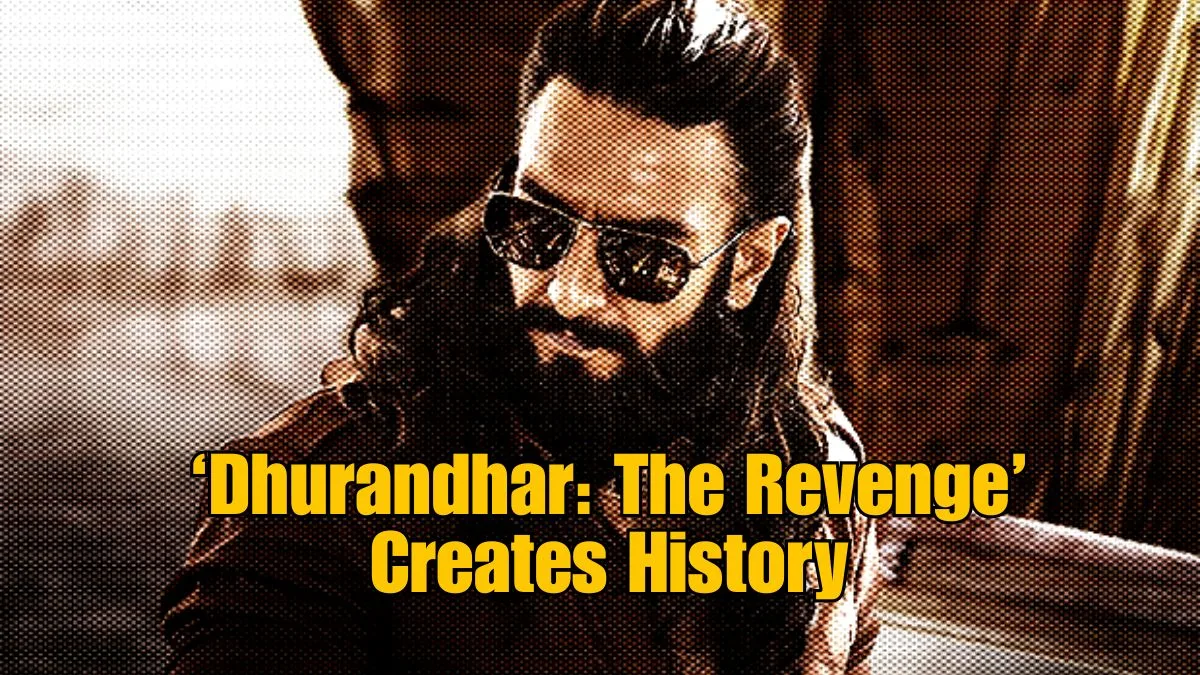
Fans poured into theatres across India as ‘Dhurandhar: The Revenge’ opened to massive crowds and packed shows. With over Rs 100 crore earned on its first day, Ranveer Singh’s spy thriller is already setting new box office records.

Statesman News Service | New Delhi |

It’s raining cash and screams of excitement at cinemas across India! Ranveer Singh’s latest, ‘Dhurandhar: The Revenge’, hit big screens on March 19. Early morning shows saw packed houses, selfies at theatre entrances, and cheers that made it feel more like festival than movie release. Directed by Aditya Dhar, the film was already buzzing online. But nothing prepared anyone for the kind of frenzy it created on Day 1.

Opening day record: Rs 100 crore and counting

According to industry tracker Sacnilk, ‘Dhurandhar 2’ raked in over Rs 100 crore nett on its first day in just India alone. The numbers are jaw-dropping, and while official confirmations are yet to come, insiders are already calling it one of Bollywood’s biggest opening days ever.

Also Read: Why Yalina feels so powerless in ‘Dhurandhar 2’ despite Sara Arjun’s strong build-up in part one?

What’s more, the paid previews on March 18 had already earned around Rs 43 crore, making it one of the highest preview collections in Indian cinema history.

Adding the opening day’s collections, the total domestic earnings have already crossed Rs 145 crore in just two days.

Outshining recent blockbusters

It’s not just about the numbers; it’s about who it beat. ‘Dhurandhar: The Revenge’ has topped the opening day collections of recent hits like Jawan, Pathaan, Stree 2, and Animal in the Hindi market.

Across all Indian releases, it’s now reportedly the second-highest opening ever, just behind ‘Pushpa 2: The Rule’.

Here’s a fun twist: when looking at the Hindi version of ‘Pushpa 2’, Dhurandhar actually did even better. While ‘Pushpa 2’ earned Rs 70.30 crore in the Hindi belt, Dhurandhar minted a whopping Rs 99 crore.

Even with a runtime of 3 hours and 49 minutes, the film hasn’t lost steam. Reports from major cities suggest that theatres remained full from morning to night.

Water, lift and security issues continue to plague Noida Supertech Ecociti amid builder-AOA tussle

Security arrangements in the society have been hit, with the AOA vice president alleging that the builder had removed most of the guards a day after the Red Fort bomb blast in December last year.

Shashikant Sharma | New Delhi | Updated :

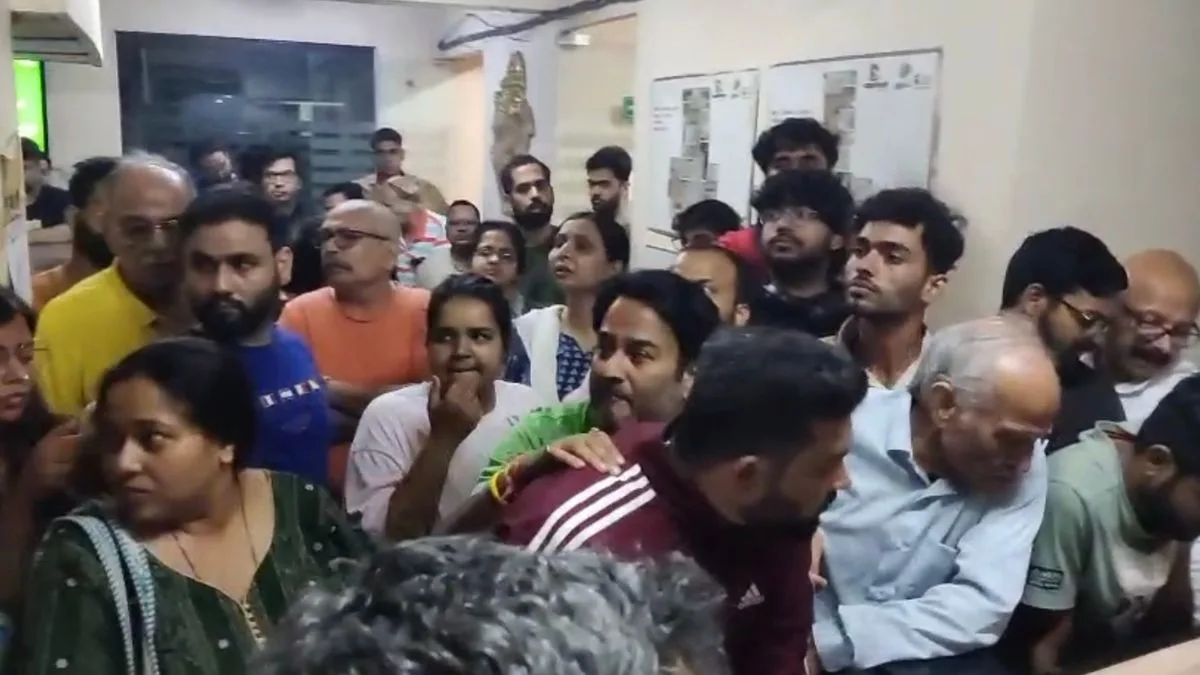
Electricity supply through diesel generators (DG), which was disrupted on Wednesday, was restored at Noida’s Supertech Ecociti in Sector 137, after senior police officials intervened. However, residents say issues likey water supply, lift maintenance and security continue to plague the society amid the ongoing tussle between the builder and the Apartment Owners’ Association (AOA).

Following Wednesday’s late-night drama, diesel generator (DG) recharge amounts have now been credited to the accounts of residents by the builder and emergency power supply has stabilised for the time being.

In order to maintain the order, police personnel have also been deployed at the housing society till March 25.

However, residents alleged that several essential services, inckuding water supply, lift maintenance and security have deteriorated in the last couple of weeks following the National Company Law Appellate Tribunal (NCLAT)’s order that maintenance and day-to-day operations in Supertech Ecociti and one other society be handed over to registered AOAs within 30 days of the order dated February 23.

Speaking to the Statesman, Om Dutt Sharma, Vice President of the AOA, alleged that the builder has been “creating disruptions” and the handover process has not started despite the tribunal’s order.

“Electricity issue resolved for now after higher officials from police intervened. Police deployed till 25th. On paper builder says I will continue till 25th, but disruptions have increased in the last 15 days,” Sharma said.

On the issue of water supply, Sharma said that the AOA was froced to arrange tankers after water pumps were allegedly damaged by the builder.

“Water issues… AOA had to bring tankers. Builder broke motors, we arranged repairs. Some water pumps are missing, we have bought new motors. We are trying to manage the situation on our own as vendors have also refused to come till March 25,” he said.

Gaurav, a resident of the society, also flagged the issue of lifts, alleging that maintenance has been neglected and lifts are not working properly for the past several days.

“Lift issues remain. AOA is trying to manage, but builder is neither doing it himself and vendors are reluctant to help the AOA,” Sharma said, adding the association has done a tie-up with a firm for the maintenance of lifts.

‘Builder removed gaurds a day after Red Fort bomb blast’

Security arrangements in the society have been hit, with the AOA vice president alleging that the builder had removed most of the guards a day after the Red Fort bomb blast in December last year.

“Builder removed guards the next day of the Red Fort blast. Security is still with the builder. Guards have been reduced to 40 per cent, and housekeeping to 30 per cent. AOA has arranged 12 guards for critical points,” he said.

Sharma also claimed that the builder is not helping with the handover process despite NCLT order. “They have not given any documents so far for the handover… they should have done that in the first week after the NCLT order as AOA would also need some time to understand the process and manage day-to-day operations.

The Statesman tried to contact Nitish Arora, CEO of YG Estates, and Ritesh Sharma, Manager, but they didn’t respond to our calls.

Congress high command ignores K Sudhakaran, decides not to field him from Kannur seat

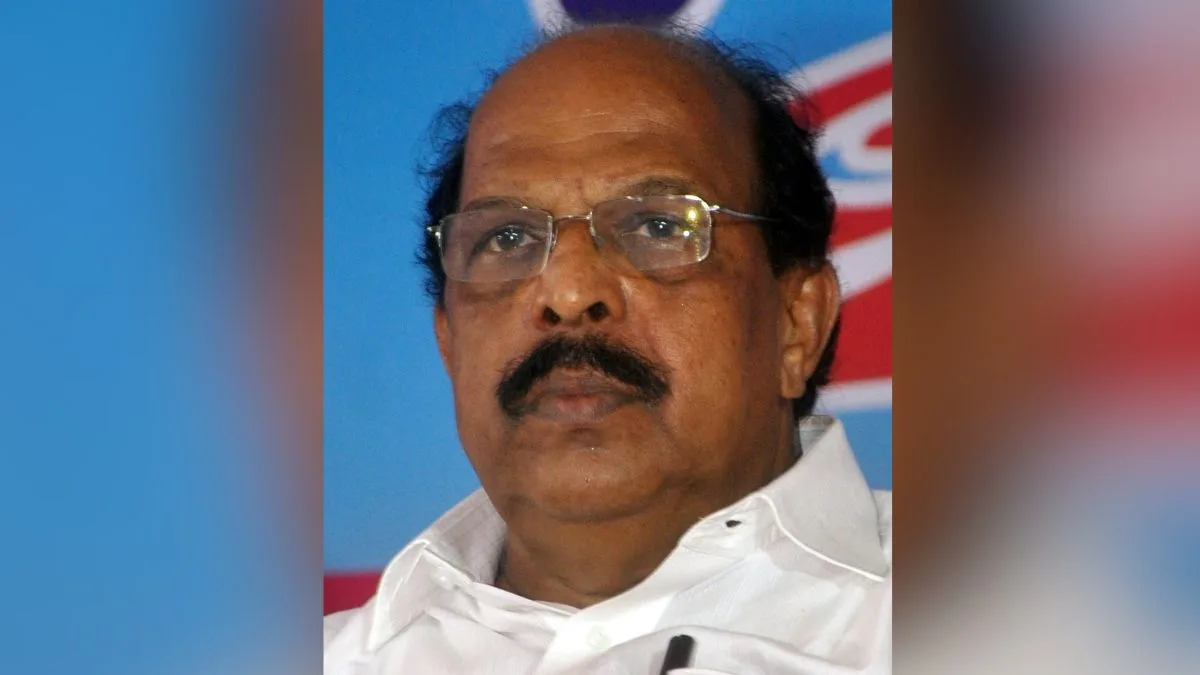
Though there were indications on Thursday morning that the Congress high command had yielded to pressure from former KPCC president K Sudhakaran and that he would be allowed to contest Assembly polls from Kannur seat, latest information is that his name is missing from the party’s list of candidates for the Assembly elections.

Statesman News Service | Thiruvananthapuram |

Though there were indications on Thursday morning that the Congress high command had yielded to pressure from former KPCC president K Sudhakaran and that he would be allowed to contest Assembly polls from Kannur seat, latest information is that his name is missing from the party’s list of candidates for the Assembly elections.

Reports say that Rahul Gandhi has taken a firm stand that there is no need to compromise with Sudhakaran. It is reported that the Congress high command has cleared the name T O Mohanan for the Kannur constituency. With this, there are also indications that Sudhakaran may contest as an independent candidate from the constituency.

Earlier on Thursday morning, there were indications that the Congress high command had caved in to Sudhakaran’s pressure. It has been reported that senior Congress leader A K Antony stepped in to defuse a brewing crisis within the Congress, persuading K. Sudhakaran, to stay back after he was on the verge of quitting the party.

It has also been reported that Sudhakaran was even exploring the possibility of floating a new party and contesting independently, a move that could have significant impact on the winning chances of the UDF.

Sources said Antony apprised the high command of the political risks involved, particularly in Malabar region, where Sudhakaran remains one of the Congress’ most influential figures and a key opponent to the CPM.

Following Antony’s interference, it has been reported that the Congress high command has relented, agreeing to field Sudhakaran from the Kannur Assembly seat.However, latest reports say that the Congress high command has decided not to grant exemption to former KPCC president K Sudhakaran MP to contest the upcoming Kerala assembly elections
The Congress leadership in Kerala had recommended to the high command that sitting MPs should not be fielded in the Assembly elections.

BJP releases second list of candidates for Kerala assembly polls; Kummanam, B Gopalakrishnan among nominees

The BJP on Thursday released its second list of candidates for the Kerala assembly polls to be held on April 9.

Statesman News Service | Thiruvananthapuram |

The BJP on Thursday released its second list of candidates for the Kerala assembly polls to be held on April 9. As per the list, which features candidates for 39 constituencies, former Mizoram Governor and party national executive member Kummanam Rajasekharan will contest from Aranmula while CC Mukundan, former CPI MLA, who joined the party recently, is the party’s candidate from the Nattika constituency.

BJP state vice-president B Gopalakrishnan, who had begun his preliminary poll campaign in Kodungallur, has now been fielded from Guruvayur. Cardiologist Dr N Prathap Kumar, chairman and managing director of Meditrina Hospital group is BJP’s candidate from Kollam.
Reality show star Robin Radhakrishnan will be fielded from the Kundra constituency. BJP Kasaragod district president Ashwini M L, who had reportedly expressed disagreement over former state president K Surendran’s candidature from Manjeshwar, will be fielded from the Kasaragod seat.

However, the names of senior party leader M T Ramesh and former Governor P S Sreedharan Pillai, who were tipped to contest the assembly elections, were missing from the second list as well.

The BJP on Monday released its first list of candidates for 47 seats, including its state president Rajeev Chandrasekhar, who has been fielded from the Nemom constituency in Thiruvananthapuram.

European nations, Japan say ‘ready to join appropriate efforts’ to secure Strait of Hormuz as energy crisis deepens

In a joint statement, Britain, France, Germany, Italy, the Netherlands and Japan expressed their “readiness to contribute to appropriate efforts to ensure safe passage through the Strait”.

Statesman News Service | New Delhi |

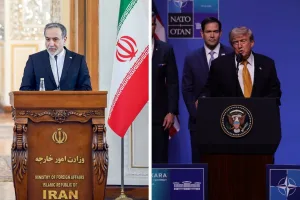
As the global energy crisis triggered by US and Israel’s war against Iran deepens and crude and gas prices soar, several European nations and Japan on Thursday said that they are ready to join “appropriate efforts” to reopen the Strait of Hormuz, a key shipping route in the Persian Gulf that has been blocked by Iranian military forces.

In a joint statement, Britain, France, Germany, Italy, the Netherlands and Japan expressed their “readiness to contribute to appropriate efforts to ensure safe passage through the Strait”.

Their statement comes a day after Israeli strikes on Iran’s South Pars gas field and the latter’s attacks on energy sites in several Gulf countries in retaliation dramatically escalated the Middle East conflict.

The European nations and Japan also promised to take “other steps to stabilise energy markets, including working with certain producing nations to increase output”.

However, their statement didn’t offer any further details or clarify if they were willing to join US President Donald Trump’s proposed coalition of naval forces to reopen the Strait of Hormuz.

The development comes a day after Israel attacked Iran’s South Pars gas field. The attack was condemned by Qatar and US President Donald Trump said that he had no prior information about it.

In retaliation, Iran attacked Qatar’s Ras Laffan Industrial City, which processes about a fifth of the world’s liquefied natural gas. Iranian missiles also targeted energy sites in a few other Gulf countries.

Oil and natural gas prices soared after the tit-for-tat strikes on energy plants, adding to the global energy crisis triggered by the closure of the Strait of Hormuz.

Brent crude rose to near USD 114 per barrel, up from around USD 73 per barrel on February 27, a day before the Iran war’s start. Similarly, natural gas prices in Europe traded 24 per cent higher on Thursday.

Uttarakhand govt to hold ‘Pravasi Panchayats’ to boost reverse migration from hill villages

The Uttarakhand government will organise a series of Pravasi Panchayats (Migrants’ Conclave) to initiate its long-term goal of reverse migration in the state’s hill villages.

PRITHVIRAJ SINGH | Dehradun |

The Uttarakhand government will organise a series of Pravasi Panchayats (Migrants’ Conclave) to initiate its long-term goal of reverse migration in the state’s hill villages. The Uttarakhand Rural Development and Migration Prevention Commission (URDMPC) has readied an action plan to organise a congregation of migrants in all 13 districts of the state between April and November 2026.

For the first time, the URDMP has prepared an action plan for the “Pravasi Panchayats”, with the first such gathering scheduled in Tehri on April 24. According to SS Negi, who heads the URDMPC, the primary goal of the conclave of non-resident natives of the state will be to facilitate direct interaction with the migrants willing to return to their ancestral villages in the hill areas. Significantly, the URDMPC has been striving to devise measures to prevent migration from the state’s hill villages and rehabilitate those who have settled in other parts of the country for the past seven to eight years.

Over 1,000 hill villages in Uttarakhand have become depopulated over the past 25 years, turning into ghost villages, while around 1500 more are on the verge of facing a similar fate. The decline has been driven mainly by a lack of employment opportunities, as well as inadequate health and educational facilities.

To address this, the URDMPC’s plan for “Pravasi Panchayats” aims to encourage migrants living in other parts of the state and the country to return to their ancestral villages. According to Negi, migrants attending the conclave will be informed about government schemes and facilities to promote self-employment, skill utilisation, and the development of both their communities and personal livelihoods. The Pravasi Panchayats will be held in every district of the state, beginning with Tehri on April 24.

Commission officials stated that the inspiration to organise the Migrants’ Conclave came from the large number of migrants who returned to their native places during the COVID-19 period. These returnees successfully engaged in developmental activities, applying the skills and experiences they had gained at their workplaces. According to URDMPC vice chairman SS Negi, many of them are now excelling in sectors such as agriculture and horticulture, including spice cultivation, aromatic crops, floriculture, and mushroom production.

Several returnees are also involved in agri-allied activities such as beekeeping, animal husbandry, and dairy farming, while others have ventured into operating homestays, hotels, and restaurants. During the Migrants’ Conclaves, successful individuals will share their experiences and insights in self-employment to inspire others. The blueprint for the Pravasi Panchayats has been finalised, and by November, these conclaves will be held across all districts of the state. At the district level, departmental officers will provide detailed information about government self-employment schemes to help participants plan their return to their native villages, Negi said.

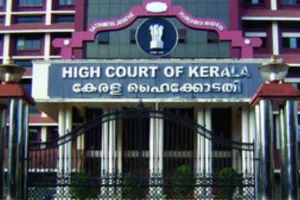
Kerala HC restrains appointment of new SNDP directors

The Kerala High Court on Thursday passed an interim order directing the state government against taking further steps for the nomination of new directors for the Sree Narayana Dharma Paripalana Yogam (SNDP Yogam).

Statesman News Service | Kochi |

The Kerala High Court on Thursday passed an interim order directing the state government against taking further steps for the nomination of new directors for the Sree Narayana Dharma Paripalana Yogam (SNDP Yogam).

A Division Bench comprising Chief Justice Soumen Sen and Justice Syam Kumar V M, while considering a batch of appeals filed by Vellappally Natesan, his son Thushar Vellappally, and other SNDP directors challenging a single-judge Bench ruling that declared them disqualified from directorship and ordered their removal, ordered status quo to be maintained with respect to the nomination of directors for the Sree Narayana Dharma Paripalana Yogam (SNDP Yogam). Effectively, the state has been directed not to take further steps for the nomination of new directors to replace Natesan and others, for now.

The interim direction was issued after the Division Bench was informed by the counsel for the appellants, as well as the State government’s counsel, that the government had not compiled a list of nominees for appointment as the new directors of SNDP Yogam.

The Kerala High Court on March12 ordered removal of Vellappally Natesan as the General Secretary of the Sree Narayana Dharma Paripalana Yogam (SNDP Yogam) after finding that the organisation failed to submit its financial statements within the stipulated time as per law.

The court also ruled that SNDP Yogam President MN Soman, Vice President Thushar Vellappally and Devaswom Secretary Arayakandi Santhosh are also not entitled to continue in their positions. The court has ordered that all four be removed from their posts and a new board of directors be formed in their place by conducting elections as per the law. The Court also directed the government to nominate directors to manage the administration of the SNDP meeting until the elections are completed.

A single bench of Justice TR Ravi while ordering the removal of the SNDP Yogam office-bearers from their posts observed that Section 164(2)(a) of the Companies Act disqualifies a person from being a director if financial statements or annual returns of a company are not filed for a continuous period of three years.The Court passed the order in a series of petitions, including one filed by noted writer professor late MK Sanu challenging the continuation of SNDP Yogam office bearers in their positions on the ground that financial filings had not been made for several years.

Chhattisgarh cadre IAS officer Ravi Mittal appointed Deputy Secretary in PMO

Chhattisgarh cadre IAS officer Ravi Mittal (2016-batch) has been appointed as Deputy Secretary in the Prime Minister’s Office (PMO).

Statesman News Service | Raipur |

Chhattisgarh cadre IAS officer Ravi Mittal (2016-batch) has been appointed as Deputy Secretary in the Prime Minister’s Office (PMO). The appointment was approved by the Appointments Committee of the Cabinet (ACC) headed by Prime Minister Narendra Modi.

Mittal, who is currently serving as Public Relations Commissioner in Chhattisgarh, will now move to Delhi to take up his new assignment. The order issued by the Department of Personnel and Training (DoPT) states that his tenure in the PMO will be for four years from the date he takes charge, or until further orders.

The Deputy Secretary position in the PMO is considered extremely crucial from an administrative standpoint. The role involves coordinating policies and facilitating decision-making processes at the highest level of governance. Officers posted here get a ringside view of how the central government functions and are often involved in handling some of the most sensitive and important tasks.

Mittal, known among his colleagues as a soft-spoken yet efficient officer, has had a steady rise through the ranks. Before his current posting, he served as Collector of Jashpur district, where he earned a reputation for his administrative skills and hands-on approach. His work in the tribal dominated district, particularly in areas of development and public welfare, was well-regarded.

As news of his appointment spread through bureaucratic circles in the capital, phones buzzed with colleagues and well-wishers reaching out to congratulate him. Mittal, true to his nature, was not available for comment, but those close to him said he was focused on the new challenge ahead.

SIR: First supplementary list to be released today may exclude 8 lakh voters

With barely 21 days left for the assembly elections in five states people across the country have started asking how many voter disputes remain unresolved in West Bengal and whether the Election Commission of India (ECI) will be able to publish the supplementary list in time.

MEENAKSHI BHATTACHARYA | New Delhi |

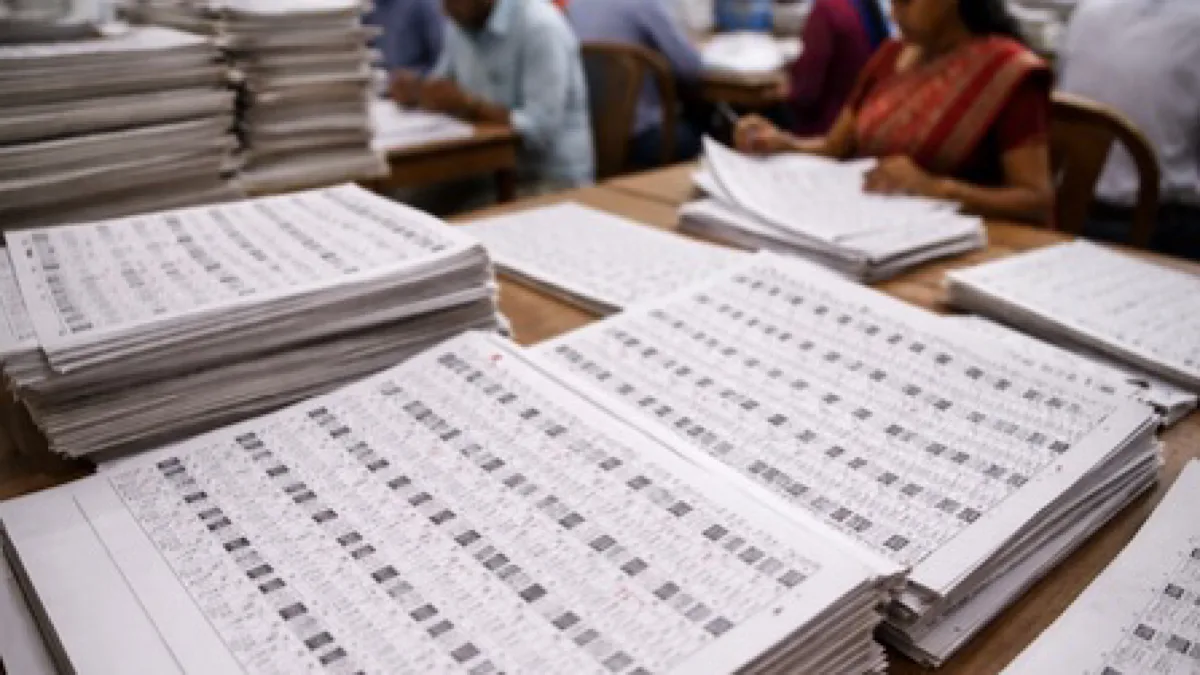
With barely 21 days left for the assembly elections in five states people across the country have started asking how many voter disputes remain unresolved in West Bengal and whether the Election Commission of India (ECI) will be able to publish the supplementary list in time.

According to sources, the first supplementary list of disputed voters may be released on Friday excluding the names of approximately 8 lakh voters. ECI sources indicate that as of yesterday, resolutions have been made for 2,330,000 names in dispute. The first list is expected to see about 40 per cent of names excluded. Based on this calculation, it appears 800,000 names will be omitted from the total of 2,330,000.

The list under consideration includes nearly 6 million voters. According to the court’s directive, the supplementary list will be released in phases until the final day for submitting nomination papers. The deadline for submitting nominations is April 9, which leaves only 21 days remaining. This raises the question: Will the commission be able to publish the supplementary list in time?

The sources in the commission indicate that on an average 200,000 names are being processed daily. As of March 18, over 2.3 million names have already been processed. However, 3.7 million names are pending and the commission believes it is feasible to consider these 3.7 million voters’ names within the remaining 21 days.

The ECI has reported that in West Bengal SIR, a total of 6.1 million voters have been excluded so far, with 60,000 names under consideration and over 2.3 million resolved. The question arises: if 800,000 names are omitted, how many names could potentially be removed from the voter list? If 40 per cent of the names are excluded, approximately 2.5 million names could be removed from the 6 million under consideration. In total, it is estimated that between 8.5 and 8.6 million names could be removed from the voter list in the state. The question remains what will the excluded voters do? They can appeal to the tribunal.

It has been reported that a software has been developed by the commission to be provided to the judicial officers. Through this software, the names that have been resolved will be compiled into a list and displayed at each booth. The names of those who will be added to the voter list and those who will be excluded will be included in the supplementary list.

According to the sources, the commission is not specifying the reasons for the exclusion of names. This process is taking a considerable amount of time. If the judicial officers are able to complete their work by today, they will inform the commission. Only then will the commission publish the supplementary list within six hours.

The sources indicate that the software has already been completed, and if everything goes well, the list may be published by Friday or Saturday.

Fulton backs India to rise to tough World Cup group challenge

Indian men’s team head coach Craig Fulton said his side will focus on detailed and tailored preparations after the pool draw for the FIH Men’s Hockey World Cup 2026 placed them in a challenging group alongside strong opponents.

Statesman News Service | New Delhi |

Indian men’s team head coach Craig Fulton said his side will focus on detailed and tailored preparations after the pool draw for the FIH Men’s Hockey World Cup 2026 placed them in a challenging group alongside strong opponents.

India have been drawn in Pool D with top-seeded England, traditional rivals Pakistan and an improving Wales team. All of India’s group-stage matches will be played at the Wagener Hockey Stadium in Amstelveen.

“We’re excited. It’s a strong group, but that’s exactly what you want at a World Cup, to be tested against the best,” Fulton said. “The mood in the camp is very positive. The players are motivated and hungry, and knowing our opponents now gives us real clarity and focus going into our preparation.”

Fulton noted that each of the three opponents brings a different tactical challenge, making adaptability crucial for the team.

“England are a well-organised, physical side who are also top seed in our pool. Pakistan bring flair, unpredictability, and a rich hockey tradition, never a side to take lightly. Wales are making their mark on the international stage and will be full of energy and determination,” Fulton explained.

“We respect every opponent in this pool, but we back ourselves against all of them,” he pointed out.

India will begin their campaign against Wales on August 15, a date that coincides with Independence Day, and Fulton said preparations will be carefully planned in the lead-up to the tournament.

“We’ll be working hard on our structure, our press, and our finishing, the fine margins that decide games at this level,” Fulton noted.

“Every opponent in this pool has different strengths, so our preparation will be tailored and detailed. The next few months are about peaking at exactly the right moment.”

Looking ahead to the tournament, Fulton also called on supporters to rally behind the team.

“We want to go out there and make India proud. The players know what this shirt means and what the fans expect. My message to the supporters is simple — get behind us, one game at a time. Chak de India!”

NDA in Puducherry on verge of collapse as CM Rangasamy snubs BJP, leaves on pilgrimage

Ahead of Mandaviya’s arrival from New Delhi, the Chief Minister left for Madurai and Tiruchendur to worship Goddess Meenakshi and Lord Murugan. After having darshan at the Meenakshi Amman temple in Madurai, he proceeded to the coastal town of Tiruchendur, home to the Murugan temple, one of the six abodes of the deity.

Statesman News Service | Chennai |

In a snub to a desperate BJP striving to save the alliance with its coalition partner, the All India NR Congress (AINRC), led by Chief Minister N Rangasamy, the latter left Puducherry on a pilgrimage on Thursday, boycotting for the second time a meeting with the delegation of the saffron party headed by Union Minister Mansukh Mandaviya.

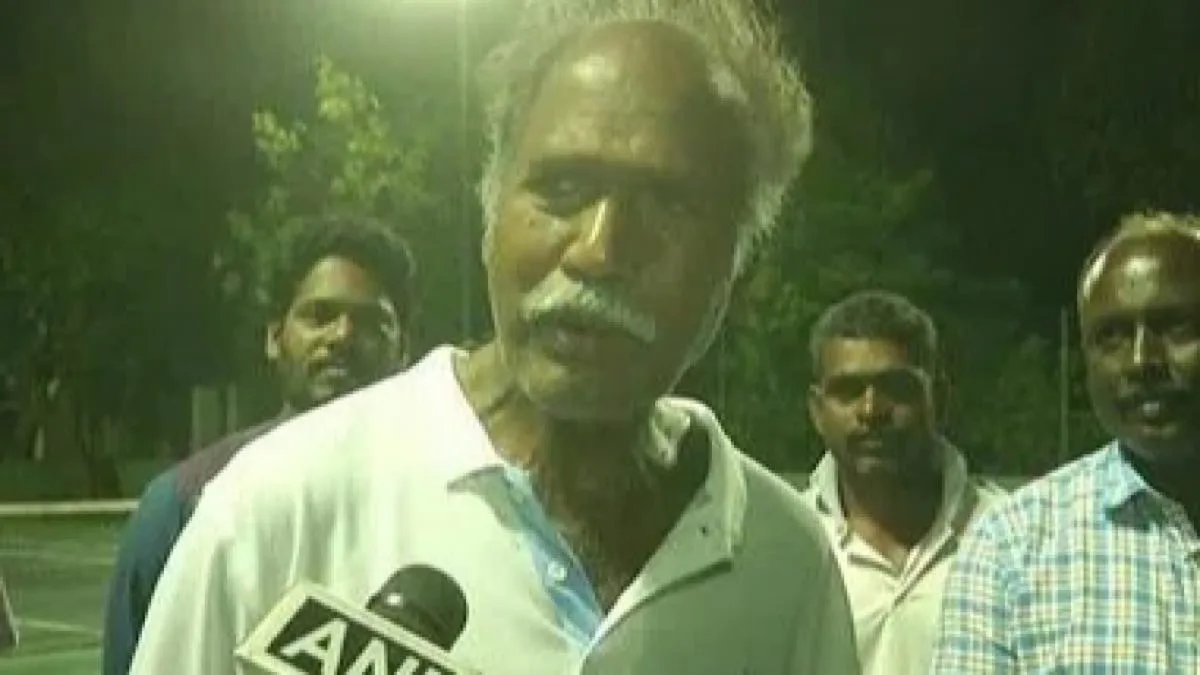
Ahead of Mandaviya’s arrival from New Delhi, the Chief Minister left for Madurai and Tiruchendur to worship Goddess Meenakshi and Lord Murugan. After having darshan at the Meenakshi Amman temple in Madurai, he proceeded to the coastal town of Tiruchendur, home to the Murugan temple, one of the six abodes of the deity.

Carrying a message from the BJP national leadership to assuage the ruffled feelings of Rangasamy on admitting the fledgling Latchiya Jananayaga Katchi (LJK) of Jose Martin, son of lottery baron Santiago Martin, Mandaviya is returning from the national capital. He had been directed to convince Rangasamy that the BJP would take care of new entrants. This comes after Rangasamy had boycotted the earlier meeting on Tuesday, keeping Mandaviya and the BJP team for hours together, forcing the latter to get instructions from Delhi.

While the BJP is keen on accommodating the LJK in the NDA, the AINRC is opposed to it and is reportedly engaged in exploring the possibility of teaming up with actor Vijay’s Tamilaga Vettri Kazhagam (TVK) for the assembly election to the Union Territory. The AINRC deserting the NDA and possibly joining hands with the TVK has rattled the saffron party. The BJP has not given any assurance on the AINRC’s demand for full statehood to Puducherry.

Prime Minister Narendra Modi had touted Puducherry as heralding Congress-mukt Bharat after toppling the Congress government of V Narayanasamy, and the AINRC-BJP coalition won the 2021 election to the 30-member Territorial Assembly. AINRC sources maintain that Rangasamy is not interested in continuing the alliance with the BJP for this election since he thinks the saffron party, without any solid base, is trying to ride on his shoulders. If the AINRC pulls out of the NDA, the BJP would have to resurrect the NDA with the AIADMK and the LJK.