Logo

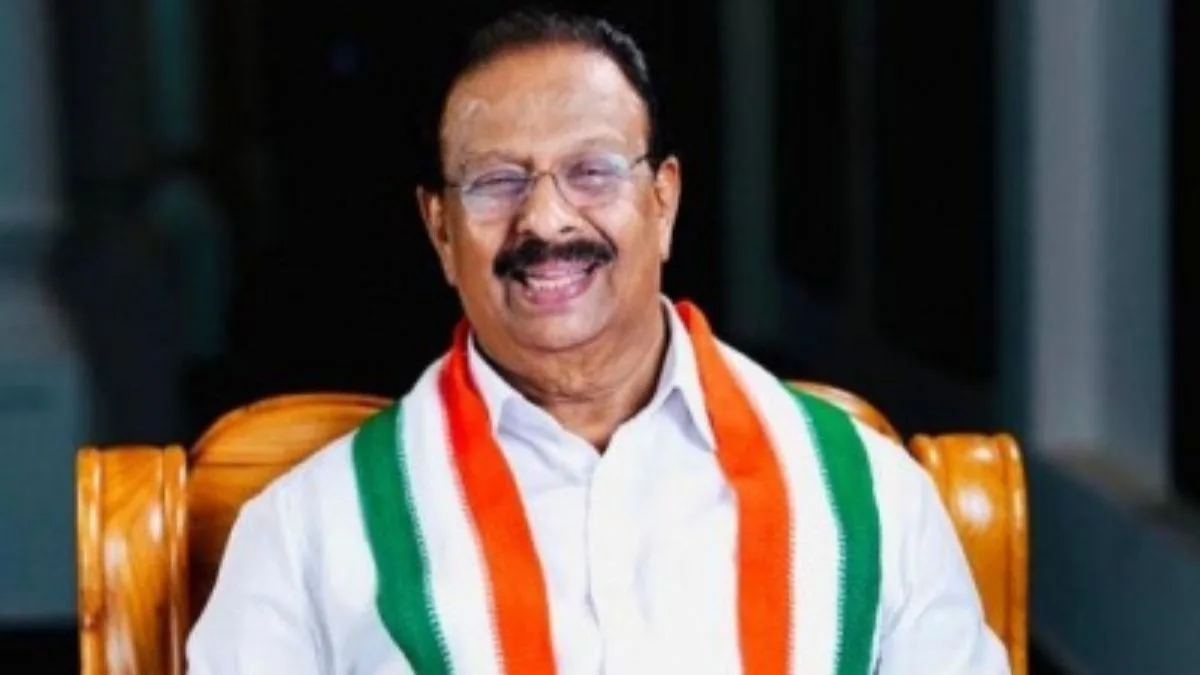
‘The party is much bigger:’ Congress MP K. Sudhakaran dismisses reports of contesting election as an independent candidate in Kerala Assembly election

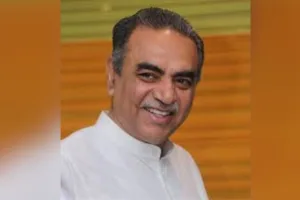
Congress MP K. Sudhakaran dismissed rumours of him contesting as an independent candidate from Kannur, declaring that he plans to remain within the party and move forward with new initiatives and activities under its banner.

ANI | New Delhi |

Congress MP K. Sudhakaran dismissed rumours of him contesting as an independent candidate from Kannur, declaring that he plans to remain within the party and move forward with new initiatives and activities under its banner.

Speaking to reporters in Delhi, the Congress MP asserted that he has no intention of challenging the organisation, as the party is much bigger than him and he is merely a small part of it.

“My stand is to continue within the party. I will move forward with new initiatives and activities for the party. Where else will I go without being in the party? Just because I was denied a candidature does not mean I have been expelled. I am not contesting now. If the party gives me approval, I will contest; otherwise, I will not. I have no intention of challenging the party. The party is much bigger, and I am just a small part of it. My decision is to remain committed to the party, and I will move forward accordingly,” said Sudhakaran.

These remarks came after Senior Congress leader AK Antony urged K Sudhakaran to stand by party decisions, stressing the need to prevent a third consecutive term for the Left Democratic Front (LDF) in the state.
“I had a detailed discussion with K Sudhakaran. He is someone who has fought against the Marxist party in Kannur, even risking his life,” Antony said. He added that Sudhakaran must remain committed to the party line despite challenges.
“I told him very clearly that under no circumstances should there be a situation that allows a third term for the Marxists to come to power. I requested him that, whatever difficulties he may face, he should stand by the party’s decision,” he said, urging party leaders to prioritise collective goals over differences.
Antony further noted, “A person like Sudhakaran, who has struggled and fought against the Marxist party at great personal risk, must endure any hardship and remain committed to the party line to ensure that a third term for the Marxist government does not happen.”
Antony’s remarks come amid internal discussion over leadership and candidate selection ahead of the Kerala Assembly elections.

Earlier, CPI (M) State Secretary MV Govindan launched a sharp attack on the Congress-led United Democratic Front (UDF), alleging internal discord in its candidate selection process ahead of the Assembly elections, while backing a third term for the Left Democratic Front (LDF)

.He said the Opposition’s early confidence has weakened due to unresolved issues within its own ranks.
“The Indian National Congress and the United Democratic Front had approached the upcoming election with a lot of confidence. They believed they would be able to put up a strong fight, especially based on their assessment of strength at the local body elections. However, with the candidate selection process, they have now realised that their problems lie within their own camp,” Govindan said.
He pointed to delays in accommodating senior leader K Sudhakaran, stating, “It took them so long to decide on accommodating K Sudhakaran, and even now, reports suggest he continues to maintain a firm stand. This round of candidate selection will only deepen the crisis within the Congress.”

Govindan further asserted that the third term of the LDF is now essential in Kerala’s political context, as it aims to serve the people and continue the development trajectory of the state.

“At a time when people across the state are strongly accepting the Left Democratic Front’s journey towards a third consecutive term, it must be understood that this is not about any individual Chief Minister, minister, or MLA. A third term for the LDF is something that has become essential in Kerala’s political context, as it is aimed at serving the people and continuing the development trajectory. In this election backdrop, the LDF will be able to achieve significant political gains and further strengthen its position among the people,” he said.

Struggling with screen fatigue? Acharya Balkrishna’s secret eye-care tips will make your eyes thank you!

Endless screen time leaving your eyes exhausted? Acharya Balkrishna shares simple tricks like palming, eating greens, and staying hydrated to give your eyes the relief they need.

Statesman News Service | New Delhi |

If your eyes feel tired after endless hours on your laptop, phone, or tablet, you are definitely not alone. Acharya Balkrishna recently shared some surprisingly simple yet effective tips on Facebook that fans are calling a “game-changer” for eye health.

One of the highlights from Acharya Balkrishna’s post is palming. It is a technique where you cover your eyes with your palms and relax for a few moments. It may sound basic, but according to him, this method can give your eyes the rest they desperately need after staring at screens for long hours.

Fans quickly responded, saying they tried it during work breaks, and it “really works to soothe eye strain.”

Balkrishna didn’t stop at simple exercises. He also reminded his followers that what you eat matters. Leafy green vegetables, carrots, and papayas are excellent for keeping your eyes strong and healthy.

Nutrition experts back this up, saying that foods rich in vitamins A and C support vision and overall eye function.

Another quick tip from Acharya Balkrishna? Drink plenty of water. He recommends 8-10 glasses a day. Hydration, he says, is essential not just for your body but for your eyes too, helping prevent dryness and irritation that comes with long hours of screen time.

Social media followers are already praising Balkrishna for making eye care ‘so easy’. Many commented that they usually ignore eye health while working long hours but will now start practicing palming and adding more greens and water to their daily routine.

Also Read: Navratri health hack! Acharya Balkrishna’s buckwheat (kuttu) tips could change your fasting forever

Indian Railways takes strict action against non-performing officers; six compulsorily retired

In a decisive move to strengthen accountability and performance oversight, Indian Railways has compulsorily retired six officers from service under Rule 1802(a) of the Indian Railway Establishment Code (IREC), Volume 2.

ANI | New Delhi |

In a decisive move to strengthen accountability and performance oversight, Indian Railways has compulsorily retired six officers from service under Rule 1802(a) of the Indian Railway Establishment Code (IREC), Volume 2.

Retiring officers held positions including CME/Project/HQ, Northern Railway; NF-HAG/IRSME, SWR; SAG/ISRE, SECR; SAG/IRSSE, ER; Grade-1 (Under Secretary/Deputy Director), RBSS; and PPS, RBSSS
This decisive action reflects Railways’ firm commitment to maintaining operational efficiency and accountability within its ranks. Rule 1802(a) empowers the administration to retire officials in the public interest, and this move signals that non-performance and inefficiency will not be tolerated at any level of the organisation.

Railway officials and employees are expected to take serious note of this development, as the administration reaffirms its zero-tolerance stance toward those failing to meet required service standards.

Earlier, Indian Railways is actively enhancing its safety and operational efficiency through the deployment of advanced Artificial Intelligence (AI) and Machine Learning (ML) devices and smart monitoring systems.

Key initiatives include the development of the TRI-Netra system by the Research Designs and Standards Organisation (RDSO) to assist loco pilots in foggy and adverse weather conditions, and the installation of 24 Wheel Impact Load Detectors (WILD) systems and 25 Online Monitoring of Rolling Stock (OMRS) systems for real-time monitoring of wheel and bearing health. This system comprises optical cameras, infra-red camera and ranging devices (e.g. Radar/Lidar) & AI to create a real-time, enhanced vision system for assisting Loco pilots.

Machine Vision Inspection Systems (MVIS) and Integrated Track Monitoring Systems (ITMS) are also being utilised on a pilot basis for detecting defects in moving trains and railway tracks, respectively. The goal is to leverage technology for better track maintenance planning, improved reliability of assets, and overall operational efficiency.

MVIS is an Artificial Intelligence (AI)/ Machine Learning (ML) based system which generates alerts on detecting any hanging, loose or missing components of moving trains. Three (03) MVIS have been installed in Northeast Frontier Railway, two (02) in Dedicated Freight Corridor Corporation of India Limited (DFCCIL) and one (01) in South East Central Railway on a pilot basis for freight stock. Further, an MoU has been signed between IR and DFCCIL to induct four (04) MVIS over the IR network for freight stock. Also, the Research Designs and Standards Organisation (RDSO) has taken up the development of MVIS for rolling stock in collaboration with the industry through an Expression of Interest (EoI).

Along with that, 3 Integrated Track Monitoring Systems (ITMS) were deployed for AI-based Inspection and Monitoring of Track Components.

Iranian state media releases undated video of Iran’s Supreme Leader Mojtaba Khamenei

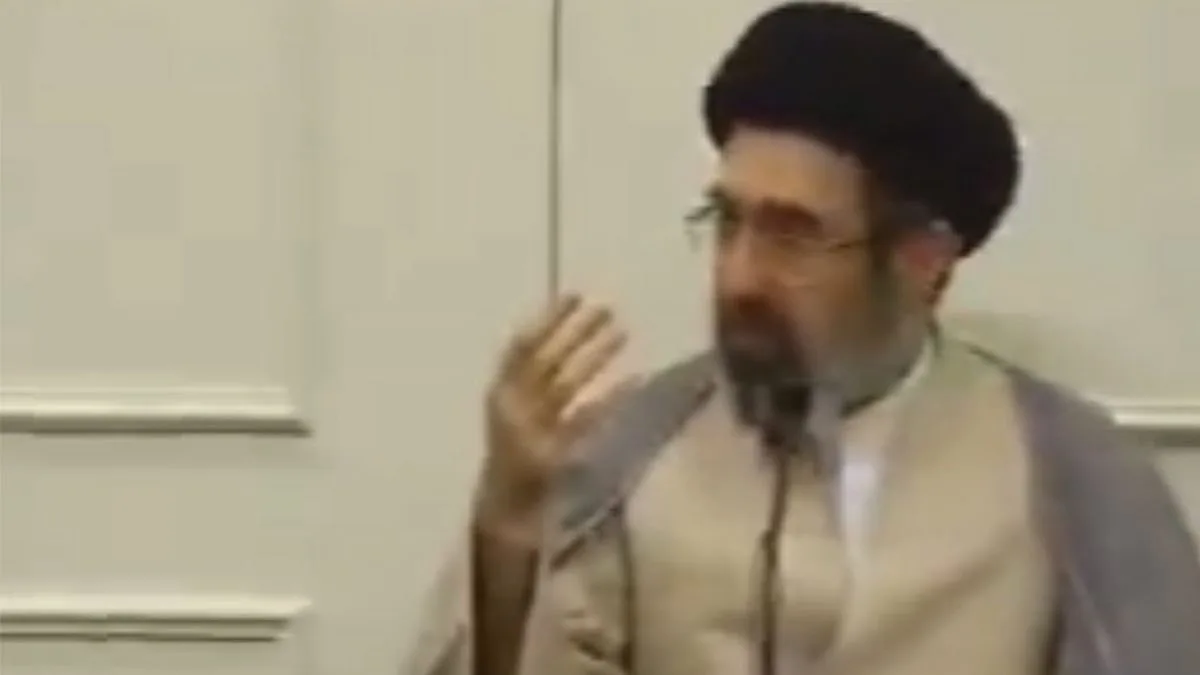
Iranian state media, Islamic Republic of Iran Broadcasting (IRIB) has released what appears to be an archived video of the Supreme Leader Mojtaba Khamenei.

ANI | New Delhi |

Iranian state media, Islamic Republic of Iran Broadcasting (IRIB) has released what appears to be an archived video of the Supreme Leader Mojtaba Khamenei. The date of the video is unknown. In the video, the supreme leader can be seen teaching religious science to a bunch of pupils who are listening attentively.

The IRIB said that the video of Ayatollah Mojtaba Khamenei was published for the first time.

Mojtaba Khamenei took over as the Supreme Leader after his father Ayatollah Ali Khamenei, who was 86, was killed in an American strike on February 28. In recent strikes, National Security Advisor Ali Larijani and Minister of Intelligence Esmail Khatib were also eliminated.

The US-Israel and Iran conflict is about to enter its fourth week.
Earlier, the United Arab Emirates President Mohamed bin Zayed Al Nahyan and US President Donald Trump discussed regional developments and their impact on global peace during a phone call, Al Jazeera reported, citing the state-run WAM news agency.

According to Al Jazeera, the two leaders also reviewed what were described as “blatant and continuous Iranian aggressions against the United Arab Emirates and other countries in the region, which target civilians, civilian facilities, and infrastructure, representing a violation of the sovereignty of these countries and international laws.”

President Trump condemned the attacks and reaffirmed the “United States’ solidarity with the UAE and the countries of the region, and its full support for them in defending their territories, stability, and security,” Al Jazeera reported, citing the WAM report.
Before this, Iran’s Islamic Revolutionary Guard Corps (IRGC) said its latest wave of strikes targeted areas in central and southern Israel, including Tel Aviv, as well as US military bases across the region, Al Jazeera reported, citing the IRGC-linked Fars news agency.
The Israel Defense Forces (IDF) confirmed that missiles were launched from Iran towards Israeli territory, prompting the activation of air defence systems to intercept the incoming threats.
In a post shared on X, the IDF said on Friday, “The IDF has identified that a short while ago, missiles were launched from Iran toward the territory of the State of Israel. The defense systems are operating to intercept the threat.”
Authorities also issued emergency alerts to civilians in affected areas. The Home Front Command sent preliminary directives directly to mobile phones, urging residents to immediately move to protected spaces.
“The defense systems are operating to intercept the threat. In the last few minutes, the Home Front Command has issued a preliminary directive directly to mobile phones in the relevant areas. The public is requested to exercise responsibility and act in accordance with the directives–they save lives,” the post further read.
The IDF added that civilians should not leave protected areas until an explicit directive is given.
“One must enter protected spaces upon receiving the alert and remain in them until a new announcement. Exit from the protected space will be permitted only after receiving an explicit directive; continue to act in accordance with the Home Front Command’s directives,” it added.

Missile attacks cut Qatar LNG output by 17%; India faces risk with 47% import dependence

India is likely to be among the most affected countries, given its heavy dependence on Qatari LNG. Data from India’s energy and commerce agencies shows that Qatar accounts for nearly 47% of India’s LNG imports.

Statesman News Service | New Delhi |

Missile strikes on Qatar over the past two days have inflicted significant damage on critical energy infrastructure, severely impacting the country’s production capabilities. The attacks on Ras Laffan Industrial City have disrupted global energy supply chains, cutting Qatar’s liquefied natural gas (LNG) export capacity by 17% and triggering concerns among heavily import-dependent countries, including India.

In a statement, QatarEnergy said the scale of the damage is substantial, with repairs likely to take up to five years. The company has also invoked long-term force majeure on select LNG contracts, indicating prolonged supply constraints.

The financial impact is expected to be severe, with losses estimated at around $20 billion annually due to reduced output.

Minister of State for Energy Affairs and QatarEnergy President and CEO Saad Sherida Al-Kaabi said, “The missile attacks reduced Qatar’s LNG export capacity by 17 per cent and caused an estimated loss of USD 20 billion in annual revenue. Extensive damage to our production facilities will take up to five years to repair and will compel us to declare long-term force majeure.”

India Faces Energy Security Concerns

India is likely to be among the most affected countries, given its heavy dependence on Qatari LNG. Data from India’s energy and commerce agencies shows that Qatar accounts for nearly 47% of India’s LNG imports.

In 2024, India imported approximately 27.8 million metric tonnes (MMT) of LNG, of which 11.3 MMT came from Qatar, valued at $6.4 billion. The Gulf nation continues to remain India’s largest gas supplier in 2025-26 as well, as per the Petroleum Planning & Analysis Cell (PPAC) and the Ministry of Commerce.

The sudden reduction in supply could tighten availability and push up domestic gas prices, posing risks to industries and power generation. The ongoing geopolitical tensions could further exacerbate India’s energy vulnerability.

Global Impact

The disruption is not limited to India. Major LNG importers including China, South Korea, Italy, and Belgium are also expected to feel the impact. With Qatar being one of the world’s largest LNG exporters, any prolonged outage is likely to ripple across global energy markets.

Minister Al-Kaabi said: “The damage sustained by the LNG facilities will take between three to five years to repair. The impact is on China, South Korea, Italy and Belgium. This means that we will be compelled to declare force majeure for up to five years on some long-term LNG contracts.”

Damage to Major Assets

Key LNG infrastructure, including production Trains 4 and 6, has been severely impacted, cutting output by 12.8 million tonnes per annum, roughly 17% of the nation’s total exports.

Train 4 is a joint venture between QatarEnergy (66 per cent) and ExxonMobil (34 per cent), and Train 6 is a joint venture between QatarEnergy (70 per cent) and ExxonMobil (30 per cent), further highlighting the global implications of the disruption.

The missile strikes also hit the Pearl GTL facility, operated by Shell. The plant converts natural gas into cleaner fuels and high-value petroleum products such as lubricants and waxes.

“The damage caused to one of the two trains at Pearl GTL is being assessed and is expected to be offline for a minimum of one year” Minister Al-Kaabi added.

With repair timelines stretching up to five years and force majeure clauses invoked, the crisis underscores the fragility of global energy supply chains.

For impacted countries like India, the disruption highlights the urgent need to diversify energy sources and reduce reliance on a single supplier.


5 K-Dramas every Bridgerton fan needs to watch for royal romance and scandal

From secret identities to amnesiac princes and feisty heroines, these K-dramas turn palace life into a playground of romance, scandal, and heartbreak. If Bridgerton left you wanting more, your next obsession is just a click away.

Statesman News Service | New Delhi |

What if you could have a Bridgerton-style drama, romance, royal intrigue with a twist of history? Enter the world of K-dramas, where hanboks flutter in the wind, princes brood in candlelit chambers, and mistaken identities turn everyday life into a rollercoaster of love and heartbreak.

Here’s a curated list of five K-dramas that fans of ‘Bridgerton’ absolutely shouldn’t miss.

1. The Red Sleeve

If you’re in the mood for slow-burning romance and palace politics, ‘The Red Sleeve’ delivers in every way. Crown Prince Yi San (Lee Junho) is set to inherit the throne after a ruthless king’s death.

Unlike his grandfather, Yi San dreams of ruling with compassion and reform, but the palace is anything but forgiving.

Enter Sung Deok Im (Lee Se Young), a smart, spirited court lady. Yi San falls for her immediately, asking her to become his concubine. But Deok Im is hesitant. Palace life is tricky, and advances from a prince are never simple.

2. Love in the Moonlight

Take a classic palace romance and toss in a gender-bender twist, and you get ‘Love in the Moonlight’. Hong Ra On (Kim Yoo Jung) disguises herself as a eunuch to repay debts and enters a royal academy. There, she meets the playful Crown Prince Lee Young (Park Bo Gum), who is immediately intrigued by the tiny, feisty eunuch.

Lee Young has a complicated past. He resents his father for his mother’s death. But he can’t help being drawn to Eunuch Hong, not realising she’s actually a woman. The tension is adorable, the misunderstandings keep you laughing, and the palace setting is breathtaking.

3. 100 Days My Prince

What if a crown prince loses his memory and ends up living as a commoner? That’s the premise of ‘100 Days My Prince’, and it’s delightful. Crown Prince Lee Yul (Doh Kyung Soo) hates the rigid royal life, trapped in a loveless marriage, and haunted by the girl he loved as a child, Yi Seo (Nam Ji Hyun).

When an assassination attempt goes wrong, he wakes up in a village with no memory of who he is. Enter Hong Shim, the local healer, unbeknownst to him, she is Yi Seo. A marriage arranged under these quirky circumstances sets the stage for palace intrigue.

4. Princess Hours

If you like a twist on tradition, ‘Princess Hours’ is your jam. The story unfolds in an alternate modern Korea that still has a royal family. Art student Shin Chae Kyung (Yoon Eun Hye) is suddenly forced to marry Crown Prince Lee Shin (Ju Ji Hoon), fulfilling a promise made by their grandfathers.

Chae Kyung has no royal ambitions, and Lee Shin is initially cold and distant. But as the pair navigate palace protocols, scheming courtiers, and their own feelings, romance blossoms in the most charming way.

Ju Ji Hoon’s brooding prince and Yoon Eun Hye’s clumsy, relatable heroine make this a classic modern fairy tale.

5. Sungkyunkwan Scandal

Let’s step away from princes and concubines for a moment. ‘Sungkyunkwan Scandal’ is about brains, courage, and a heroine who refuses to be silenced.

Kim Yoon Hee (Park Min Young) disguises herself as a man to work as a book transcriber and secretly enrolls at Sungkyunkwan University, which is strictly off-limits to women.

The academic setting turns into a playground for romance and rivalry. Yoon Hee finds herself entangled with three different young men: charming Goo Yong Ha (Song Joong Ki), rebellious Moon Jae Shin (Yoo Ah In), and upright Lee Seon Joon (Park Yoochun).

Also Read: Seven years, seven voices, one comeback: BTS drop powerful trailer for ‘BTS: The Return’ documentary

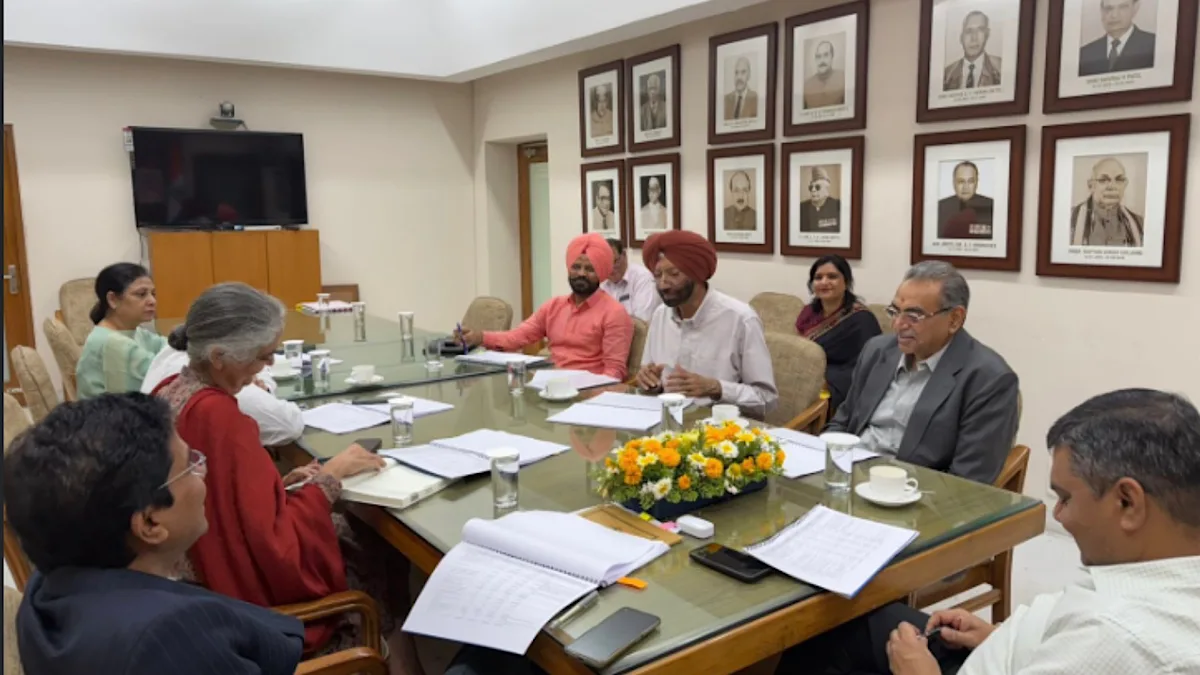
Sanjay Tandon attends Finance Committee meeting of Punjab State Branch of Red Cross Society

As a member of the Finance Committee, Tandon participated in detailed deliberations on key public welfare initiatives and financial matters concerning the Red Cross Society in Punjab.

Statesman News Service | Chandigarh | Updated :

As a member of the Finance Committee, Tandon participated in detailed deliberations on key public welfare initiatives and financial matters concerning the Red Cross Society in Punjab.

According to him, one of the major decisions taken during the meeting was to intensify efforts to open more Jan Aushadhi Kendras across the state. The initiative aims to ensure that the general public has access to affordable medicines, in line with the Government of India’s push to promote cost-effective generic drugs. Emphasis was also laid on encouraging the use of generic medicines for the common man.

The committee also appreciated the proactive outreach undertaken by Punjab Governor Gulab Chand Kataria, who has been visiting districts across Punjab, particularly in the border belt, to raise awareness about the growing drug menace and to educate people on preventive measures and control mechanisms.

Another significant point of appreciation during the meeting was the commendable role played by the Punjab Red Cross Society in providing relief and assistance during the recent floods in the state.

Speaking after the meeting, Tandon highlighted the importance of coordinated efforts in healthcare accessibility and social awareness, reaffirming the commitment to public welfare and community support initiatives in Punjab.

War rattles markets, US turns to Russian oil with 30-day waiver to cool prices

Washington has moved to ease pressure on energy markets by allowing limited Russian oil transactions, as conflict-driven disruptions raise concerns over global supply stability.

Statesman News Service | New Delhi |

The United States has issued a fresh 30-day waiver allowing limited transactions involving Russian-origin crude oil, as it looks to ease pressure on global energy prices amid escalating tensions in West Asia.

The US Treasury Department released the updated general license on Thursday, replacing an earlier approval granted on March 12. The new waiver will remain in effect until April 11 and applies to shipments of Russian oil that were already loaded onto tankers as of March 12.

The move comes as the fighting in the region starts to shake energy markets, with oil and gas prices climbing on worries that supplies might get disrupted.

What the new waiver allows and excludes

According to a Reuters report, the revised license largely retains the conditions of the earlier approval but introduces specific exclusions. Transactions linked to North Korea, Cuba, and Crimea are not permitted under the updated waiver.

Officials say the decision is part of a broader attempt by the Donald Trump administration to keep energy prices from spiralling further.

US Treasury Secretary Scott Bessent indicated that Washington is also reviewing other supply options, including the possible release of Iranian oil currently at sea.

“In the coming days, we may un-sanction the Iranian oil that’s on the water. It’s about 140 million barrels,” Bessent said in an interview with Fox News, adding that such a move could temporarily ease supply pressures.

He added that this volume represents approximately “10 days to 2 weeks of supply, that the Iranians had been pushing out, that would have all gone to China.”

“In essence, we will be using the Iranian barrels against the Iranians to keep the price down for the next 10 or 14 days as we continue this campaign,” said Bessent.

He suggested that these reserves could be used strategically to stabilise prices in the short term as the conflict continues.

War-driven volatility shakes global energy markets

The waiver comes at a time when energy supply chains are under strain due to intensifying hostilities in West Asia.

An Israel-linked strike on Iran’s South Pars gas field, followed by Iranian attacks on Qatar’s LNG infrastructure, has heightened fears of a wider disruption.

Qatar, one of the world’s largest LNG exporters, had already halted production earlier this month after drone strikes hit key industrial facilities.

With nearly a fifth of global LNG shipments tied to Qatar, according to Kpler, the developments have added to concerns over a potential supply crunch.

Oil benchmarks, including Brent crude, have climbed in recent days, while natural gas prices have also surged as markets react to the uncertainty.

Navratri health hack! Acharya Balkrishna’s buckwheat (kuttu) tips could change your fasting forever

Discover the health benefits of buckwheat (kuttu) this Navratri. Boost heart, blood, and bone health with vitamins, minerals, and antioxidants in this fasting-friendly superfood.

Statesman News Service | New Delhi |

Navratri is here. And many of us are scrambling to figure out what to eat while keeping our vrat (fast) rules in mind. Enter buckwheat, or kuttu, the grain that’s suddenly stealing the spotlight, and not without reason. Acharya Balkrishna recently shared on Facebook how this little seed packs a nutritional punch that can boost your health in more ways than one.

Here’s why you might want to make buckwheat your Navratri star.

Also Read: From farm to family glass: How Patanjali’s Samriddha Gram plans to transform India’s dairy system

A treasure trove of vitamins and minerals

Buckwheat is not just another fasting-friendly ingredient. It is loaded with essential nutrients that your body will thank you for. Among the vitamins, it’s rich in:

– Vitamin K – great for healthy bones and blood clotting

– Choline – supports liver and brain function

– Niacinamide – helps convert food into energy

When it comes to minerals, buckwheat is a powerhouse:

– Manganese – strengthens bones and helps your metabolism

– Copper – supports heart health in small amounts

– Magnesium – may lower your risk of diabetes and heart disease

– Iron – crucial for blood health and preventing anemia

– Phosphorus – vital for tissue growth and repair

Plant compounds that work wonders

The magic of buckwheat isn’t limited to vitamins and minerals. It also contains potent plant compounds like rutin, quercetin, vitexin, and D-chiro-inositol. These antioxidants are more than just fancy names. They can help:

– Reduce inflammation

– Keep your blood pressure in check

– Lower the risk of heart disease

In fact, rutin is particularly interesting because it may prevent blood clots, reduce inflammation, and help protect your heart.

Researchers are still exploring all its benefits, but early results are promising.

Good fasting option

Worried about blood sugar spikes while fasting? Buckwheat has you covered. With a low to medium glycemic index, it won’t send your blood sugar soaring. Over time, this can reduce the risk of type 2 diabetes and help maintain steady energy levels.

Buckwheat’s combination of fiber, magnesium, copper, and proteins makes it a friend for your heart. Regular consumption could contribute to better heart health, and the antioxidants may help reduce cholesterol and blood pressure naturally.

For those who love their heart as much as their festive treats, buckwheat is a winner.

A word of caution

Before you rush to make kuttu ke pakode or pancakes, note that buckwheat can trigger allergic reactions in some people.

Symptoms can include skin rashes, facial swelling, or even breathing difficulties. Those allergic to latex or rice are more likely to be sensitive. But it can happen even without prior allergies.

Always test in small amounts if you’re trying it for the first time.

Setback in the skies: Iran hits ‘invincible’ US F-35, Pentagon left red-faced

A US stealth fighter jet was forced to divert mid-mission in West Asia, as competing claims from Washington and Tehran raise fresh questions about the evolving conflict.

Statesman News Service | New Delhi |

A US F-35 stealth fighter jet was forced to make an emergency landing in West Asia after a combat mission over Iran, with Tehran claiming it had struck the aircraft – a claim that, if confirmed, would mark a first in combat.

The US military has not confirmed that the jet was hit. However, US Central Command (CENTCOM) acknowledged that the aircraft was on an operational mission over Iran when it had to divert. The pilot is safe, and the incident is under investigation.

The episode has quickly become a flashpoint in the ongoing conflict, as it raises a larger question: can one of the world’s most advanced stealth jets be tracked and targeted in active combat?

Iran claims ‘first strike’, US urges caution

Iran’s Islamic Revolutionary Guard Corps (IRGC) said its air defence systems targeted the F-35 over central Iran around 2:50 am local time. In a statement, it described the strike as a breakthrough, claiming the aircraft may have been critically damaged.

These claims have not been independently verified.

A CNN report, citing US defence officials, said the jet may have been caught in a surface-to-air missile barrage. But officials stopped short of confirming a direct hit.

CENTCOM spokesperson Capt Tim Hawkins told CNN that the aircraft “landed safely” and that the pilot was “in stable condition”. He added that the cause of the incident is still being examined.

Why this incident matters

The F-35 Lightning II is one of the most advanced fighter jets in the world- and a key part of how the US fights its wars in the air. Priced at over $100 million, it is designed to evade detection and operate in contested airspace.

More than 19 countries either operate or are preparing to deploy the aircraft, making any vulnerability a matter of global interest.

If Iran’s claim is proven correct, it would be the first known instance of an F-35 being successfully hit during combat since it entered service.

War losses and rising pressure

The incident comes as fighting in West Asia enters its third week, with both sides reporting losses.

According to reports, the US has lost multiple aircraft during the conflict, including drones and crewed platforms. Not all losses have been due to enemy action. Three F-15 jets were reportedly downed in a friendly fire incident involving Kuwaiti air defences, while a KC-135 refuelling aircraft crash in Iraq killed all six crew members on board.

Iran, meanwhile, has said its air defence systems have intercepted over 100 drones in recent days – a claim that remains unverified.

Despite these developments, senior US officials continue to maintain that the broader military campaign is progressing as planned. Defence Secretary Pete Hegseth said the US is “winning decisively” and claimed Iran’s air defence network has been significantly weakened.

Conflict shows no sign of slowing

Even as both sides push their narratives, the situation on the ground remains fluid. The US is reportedly moving additional forces into the region, including a Marine Expeditionary Unit, as concerns grow over a wider escalation.

The USS Tripoli, part of an amphibious ready group, has also been seen moving through the region.

For now, what happened to the F-35 remains unclear. But the competing claims around it have already added a new layer to a conflict that is expanding both militarily and in perception.

Obscene, vulgar, and haram: Nora Fatehi faces fatwa over ‘Sarke Chunar Teri’ music video

Nora Fatehi is in the eye of a storm after religious authorities slammed her latest music video. The song ‘Sarke Chunar Teri’ from KD: The Devil has been declared haram in a fatwa, igniting nationwide debate.

Statesman News Service | New Delhi |

Fatwa against Nora Fatehi: Bollywood is once again in the eye of a storm. The ‘Sarke Chunar Teri Sarke’ track from the upcoming film ‘KD: The Devil’, featuring Sanjay Dutt and Nora Fatehi, has become the center of a raging controversy. Now, the authorities and religious bodies have joined the debate in full force.

Chief Mufti Maulana Ebrahim Hussain of the Muslim Personal Darul Ifta in Aligarh didn’t hold back. In a strongly worded statement, he declared that the visuals and lyrics of the song are objectionable under Islamic teachings.

According to the cleric, the use of explicit “real” visuals makes the content haram, forbidden, and a gunah-e-kabira, or a grave sin. He warned that both participating in and promoting such material goes against religious principles.

The fatwa adds fuel to already heated discussion. The song’s allegedly obscene lyrics and provocative dance moves have drawn criticism from multiple quarters. There are worries about its influence on young viewers and societal norms.

Government steps in

The controversy escalated quickly. Reports confirm that Central Government has already banned the song following public backlash.

Also Read: Nora Fatehi-Sanjay Dutt song row explodes in parliament; Ashwini Vaishnaw says ‘freedom of speech cannot be absolute’

According to ANI, the Muslim Personal Darul Ifta described the track as containing “obscene dance moves and vulgar content.” In a statement, Maulana Chaudhary Ifraheem Hussain from Uttar Pradesh expressed disappointment over the track, emphasising that such songs violate moral values. The fatwa also urged audiences to boycott the song and appealed to filmmakers and performers to present entertainment responsibly.

NCW summons the stars

The National Commission for Women (NCW) has now entered the fray. The NCW issued summons to both Nora Fatehi and Sanjay Dutt regarding the allegedly obscene content. The Commission took suo motu cognisance of the song by pointing out that it may promote obscenity and vulgarity, potentially violating the Bharatiya Nyaya Sanhita, the Information Technology Act, 2000, and the Protection of Children from Sexual Offences Act, 2012.

But it’s not just the actors. The NCW has also summoned lyricist Raqueeb Alam, producer Venkat K Narayana, and director Kiran Kumar. All parties are expected to appear before the Commission on March 24 at 12:30 pm with strict warnings about consequences if they fail to comply.

Sky Is The Limit : Rise of Women Leaders

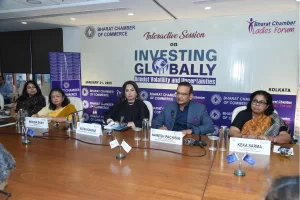
To mark International Women’s Day 2026, the Bharat Chamber of Commerce, in partnership with the Bharat Chamber Ladies Forum, organized a special panel session titled ‘Women Leading the Future: Innovation, Industry and Impact’.

Statesman News Service |

To mark International Women’s Day 2026, the Bharat Chamber of Commerce, in partnership with the Bharat Chamber Ladies Forum, organized a special panel session titled ‘Women Leading the Future: Innovation, Industry and Impact’. The session brought together distinguished women leaders from entrepreneurship, public sector enterprises, hospitality, academia and international diplomacy, offering a multidimensional perspective on women’s evolving role in shaping the economy.

The session was addressed by Guest-in-Chief, Her Excellency Mrs. Barbara Voss, Consul General of Germany in Kolkata, along with Guests of Honour—Ms. Soma Das Mitra, IPS, Deputy Inspector General of Police, Criminal Investigation Department, West Bengal; Ms. Aishwarya Biswas, Founder and Managing Director, AULI – Active Ayurveda; Mrs. Debasree Roy Sarkar, Managing Director, Peerless Hotels Limited; and Mrs. Sunmeet Kaur Sachdeva, General Manager, National Insurance Company Limited. On the occasion, two young achievers were honoured—Ms. Snigdha Bhaumik, the first research scholar from West Bengal to participate in the 12th Indian Southern Ocean Expedition, and Ms. Taniya Sanyal, the first woman aviation firefighter of the Airports Authority of India.

The deliberations underscored a decisive shift from participation to leadership, highlighting how women are no longer confined to traditional roles but are actively redefining industry landscapes. A central idea that resonated throughout the session was that women today are not merely entering industries but defining and reshaping them, signaling a broader transition towards inclusive, innovation-led growth. Providing an international perspective, Mrs. Barbara Voss referred to the long-standing diplomatic ties between India and Germany and emphasized the need for inclusive progress. She stressed that women’s voice s must b e heard, their contributions valued, and leadership nurtured and supported.

She further observed that women are increasingly leading innovation across sectors such as technology, healthcare, finance and manufacturing, driven by resilience, patience and the ability to rebuild. Ms. Soma Das Mitra brought a cultural and philosophical perspective, drawing from literature and personal experience. She noted that a successful woman serves as an inspiration to her family and community and possesses the power to reshape societal norms. Emphasizing financial independence, she highlighted its importance in enabling informed life choices and meaningful societal contribution. She also raised a critical question on policy frameworks—why women-centric laws are necessary when the Constitution guarantees equality—thereby underlining the need for both legal provisions and effective implementation.

Speaking on entrepreneurship, Ms. Aishwarya Biswas shared her journey as a first- generation entrepreneur who built a successful pan-India skincare brand. Reflecting candidly, she spoke of learning from mistakes and becoming stronger and more resilient through them. She emphasized that entrepreneurship is rooted in passion and perseverance, urging individuals to move beyond hesitation and remain committed to their goals. She also highlighted the importance of innovation, community engagement and consumer insight, noting that direct interaction with consumers and product trials are key to building a sustainable brand.

Ms. Sunmeet Kaur Sachdeva shared an inspiring account of her professional journey, rising from the clerical cadre to the position of General Manager. She attributed her success to hard work, determination and the desire to achieve something meaningful, encouraging younger generations to remain steadfast, as persistence and ambition can lead to the pinnacle of success. Highlighting sectoral transformation, Mrs. Debasree Roy Sarkar spoke about the evolving role of women in the hospitality industry, noting their increasing presence in leadership, strategy and board-level positions. She observed that women have moved beyond traditional roles such as housekeeping and front office to positions of decision-making authority. Emphasizing inherent strengths, she pointed to women’s ability to balance multiple responsibilities while enhancing guest engagement, even as representation at senior leadership and CEO levels continues to grow.

Alia Bhatt is playing boss now! Outsiders get their break, Karan Johar is ‘so proud’

Alia Bhatt is stepping into the producer’s shoes and giving fresh talent their big break. Karan Johar couldn’t stop praising her during the launch of ‘Don’t Be Shy’.

Statesman News Service | New Delhi |

Bollywood’s sweetheart Alia Bhatt is not just acting her way to stardom anymore. She is stepping into the producer’s shoes and making waves. The actress recently revealed she will be launching outsiders through her upcoming production.

The big announcement came during the launch of her new film ‘Don’t Be Shy’ at the Prime Video Play slate event on Thursday. Alia shared the stage with her mentor Karan Johar.

KJo couldn’t help but tease her, saying, “You’ve truly mastered the art of being a season producer already, Alia, because your answers seem beautifully independent of my questions for some reason.”

Alia laughed it off and responded, “Yes Karan, because there is a way to launch actors.”

Also Read: Love triangles, ex-husband drama, and career chaos: Ananya Panday returns in ‘Call Me Bae Season 2’

The veteran producer playfully shot back, “And clearly I wouldn’t know that, would I? I’ve never done something like that,” referring to how he introduced Alia to the world in ‘Student of the Year’.

Alia added, “Well, what can I say? We’ve learnt from the best. And the best have always taught us that there is a timing for everything.”

The moment turned fun when KJo asked the crucial question: “Are they outsiders?” Alia confirmed with a smile, “Yes.” Without missing a beat, Karan Johar said, “I’m so proud of you.”

What ‘Don’t Be Shy’ is about

The film ‘Don’t Be Shy’ follows the story of Shyamili ‘Shy’ Das, a 20-year-old girl who thinks she has her life perfectly planned. But when her carefully crafted plans spiral out of control, Shy has to navigate chaos, heartbreak, surprises along the way.

The movie is jointly produced by Eternal Sunshine Production and Chalkboard Entertainment.

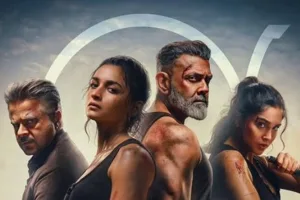
While she’s busy producing, Alia isn’t stepping away from acting. She is gearing up for ‘Alpha’, a female-led action film in the YRF spy universe, co-starring Sharvari.

Deadly Measles Raises Complication Alarm

The first sign came when Deepanwita Dasgupta was 5 and started stumbling more while playing at her home in Bangalore in southern India.

RAE ELLEN BICHELL | Kolkata |

The first sign came when Deepanwita Dasgupta was 5 and started stumbling more while playing at her home in Bangalore in southern India. The girl was always up to something, so her parents figured extra bumps and bruises were just symptoms of an active childhood. Maybe, they thought, it was ill-fitting shoes. Relatives described the unicorn-loving child as smart, affectionate, and occasionally rascally.

Before she learned the alphabet, she had figured out how to find her favorite show, Blippi, on a phone. She was known to sneak butter from the fridge to enjoy a few finger licks. But then her limbs started jerking. A spinal tap revealed measles in her cerebrospinal fluid. The virus she probably had as an infant had secretly made its way to her brain. Now 8 years old, Deepanwita is paralyzed, unable to talk. Measles causes complications — ranging from diarrhea to death — in 3 in 10 infected people, according to the Infectious Diseases Society of America. Some are immediate, while others take weeks or months to appear. The one Deepanwita is experiencing, subacute sclerosing panencephalitis, or SSPE, typically takes years to rear its head.

“People think, ‘Oh, you know, if we get measles, then we’ll be fine, because I know my neighbor had it and they’re fine,’” said Yasmin Khakoo, who leads the national Child Neurology Society but spoke to KFF Health News in her capacity as a New York City doctor with expertise in neurologic conditions. Measles, though, can be dangerous: A 7-year-old in South Carolina will have to relearn how to walk after enduring one of the more immediate complications, brain swelling. And every so often, the virus plants a ticking time bomb in the nervous system. A person can recover from measles and continue life as usual, no longer contagious and without any identifiable symptoms — sometimes for a decade or more — before problems appear. While some patients end up severely disabled for a while, Khakoo said, the condition is almost always fatal.

Before the advent of widespread and effective vaccines, the complication occurred enough in the U.S. that in the 1960s a doctor created a national registry of SSPE patients. Researchers now estimate about 1 in 10,000 people who get measles will develop SSPE, but the risk is significantly higher for those who contract measles before age 5. Populous nations where the virus is endemic, including India, see cases routinely. Now, doctors and researchers fear that as vaccination rates drop and measles spreads in the U.S., cases of this debilitating complication will also rise here. Since the start of 2025, the Centers for Disease Control and Prevention has recorded over 3,500 measles cases — more than in the entire preceding decade — mostly people who were unvaccinated. Many were children.

Last year, Connecticut doctors diagnosed a 6-year-old with SSPE, and in California, a school-age child who’d had measles as an infant died of it. “We are likely to see SSPE cases going forward, especially if we don’t get this under control,” said Adam Ratner, a member of the American Academy of Pediatrics’ Committee on Infectious Diseases and author of the book Booster Shots. Concern about SSPE was great enough that in January, the Child Neurology Society published a video to educate U.S. clinicians about the condition, and doctors who have seen such cases are warning their peers.

“We don’t have a way of knowing who’s going to get it, and we don’t have a way of very effectively treating it,” said Aaron Nelson, a professor of neurology with the New York University Grossman School of Medicine. “The one best thing that we can do, ideally, is to prevent children from having to go through it in the first place.” The recommended two – dose measles vaccine slashes an exposed person’s risk of getting the contagious virus from 90% to 3% — and thus reduces the chance of SSPE. The vaccines carry small risks of febrile seizure and a bleeding condition, but measles itself has a higher risk of causing both.

CASES IN THE U.S.

A 2017 study of California children who developed SSPE after a measles outbreak there years ago determined that 1 case is diagnosed for about every 1,400 known cases of measles in children under age 5, and 1 for every 600 infected babies. The researchers also found that, over the years, doctors had missed some cases among patients who had died with undiagnosed neurologic illness. The possibility that future cases could go undiagnosed spurred Nava Yeganeh and her colleagues to publish a news release in September when a Los Angeles County child died of SSPE. “We’ve had very few cases of measles in the last 25 years in this country,” said Yeganeh, who is the medical director with the Vaccine Preventable Disease Control Program at the Los Angeles C ounty public health department and has had two patients with SSPE. “Unfortunately, that’s changing, and so we wanted to make sure that everyone was aware of this long-term complication.” The California child who died had gotten measles as an infant, Yeganeh said, before the child could receive the vaccine. Measles is highly contagious, so at least 95% of the population must be immune to it to protect vulnerable people — including babies too young to vaccinate and people who are immunocompromised — from infection. “This is an example of someone who did everything right, wanted to protect their child against this infection, and unfortunately ended up losing their child because we didn’t have herd immunity for them,” Yeganeh said. Shortly after Yeganeh’s group published the news release in California, Nelson was working to get the word out, too. He had recently seen a 5-year-old whose family had traveled to the U.S. for medical care after the child started stumbling, jerking, hallucinating about bugs and animals, and having seizures. The child had contracted measles as an infant and had been too young to be vaccinated. Nelson diagnosed the child with SSPE. “Imagine that: Having a child who is healthy and happy, moving to talking less and less, eventually not able to walk,” Nelson said. “It’s a very sad thing.” He thought he would encounter the condition only in medical school textbooks, as a relic of the past. Instead, in October he found himself presenting the case at the Child Neurology So ciety’s national conference and participating in the society’s video about the condition. “I’ve now seen something I shouldn’t have ideally seen ever in my career,” he said.

WARNING SIGNS FROM INDIA

Globally, the number of measles outbreaks has increased in recent years, and physicians in places including the U.K. and Italy have recently seen clusters of SSPE. The high human cost of measles’ spread is especially evident in India. While total cases aren’t tracked, about 200 families caring for people with SSPE, including Deepanwita’s, are in a single chat group in the Bangalore area. In New Delhi, Sheffali Gulati studies SSPE and sees about 10 new patients a year with the condition, what she calls the “delayed echo” of measles outbreaks. The youngest she has seen was 3 years old. “The ages are coming down, and a death or a vegetative state can develop as soon as in six months to five years of onset,” said Gulati, who leads the pediatric neurology program at the All India Institute of Medical Sciences and until recently led India’s Association of Child Neurology. Gulati hasn’t found any treatments that reverse SSPE’s course, only some that slow its progress. She’s found herself counseling parents: It’s catastrophic, it’s not their fault, and they can do nothing but accept it. Deepanwita’s relatives try to find joy where they can. They think they noticed the girl smiling when her favorite cousin called recently. Anindita Dasgupta, her mother, said Deepanwita moves her hands and feet on her own and sometimes turns her head, especially when her father enters the room. The girl communicates with her parents through her eyes and a few sounds. But it’s far from where she was in 2022: At a cousin’s birthday, a few months before noticeable symptoms started, Deepanwita started the birthday song and sang the loudest. At her own 8th-birthday gathering last year, Deepanwita, wearing a pink eyelet dress and a nasal tube, could only blink and move her eyes as she sat propped up before two cakes that she would not be able to eat. She can no longer swallow, so her mom dabbed a bit of icing on her tongue.

RESEARCH THAT SHOULDN’T BE NEEDED

Roberto Cattaneo, a molecular biologist at the Mayo Clinic in Rochester, Minnesota, has been studying SSPE for years. He recently used postmortem brain tissue to map how the measles virus can spread from the frontal cortex to colonize the entire brain. Still, he said it’s a “black box” what exactly measles is doing in those dormant years between the initial infection and when the symptoms of neurologic damage crop up. It’s possible the virus replicates in the brain that whole time, undetected, killing off neurons. But with so many neurons in the human brain — 10 times as many as people living on the planet — the brain may find a way to adjust, Cattaneo said, until finally it can’t anymore. He’s applying for funding to continue research on the disease and possible treatments, though ultimately, he wishes he didn’t have to. The tools to obliterate the condition already exist. “The problem could be solved with vaccination,” Cattaneo said. The U.S. should have no cases of SSPE, he said. “It’s just painful.”

(PREVIOUSLY PUBLISHED BY KFF HEALTH NEWS AND ABC NEWS)

‘We are winning’: Israeli PM Netanyahu says Iran’s missile, nuclear capability crippled after strikes

Israel’s Prime Minister says Iran’s military and industrial strength has been severely hit after weeks of strikes, while uncertainty remains over political outcomes and global energy risks.

Statesman News Service | New Delhi |

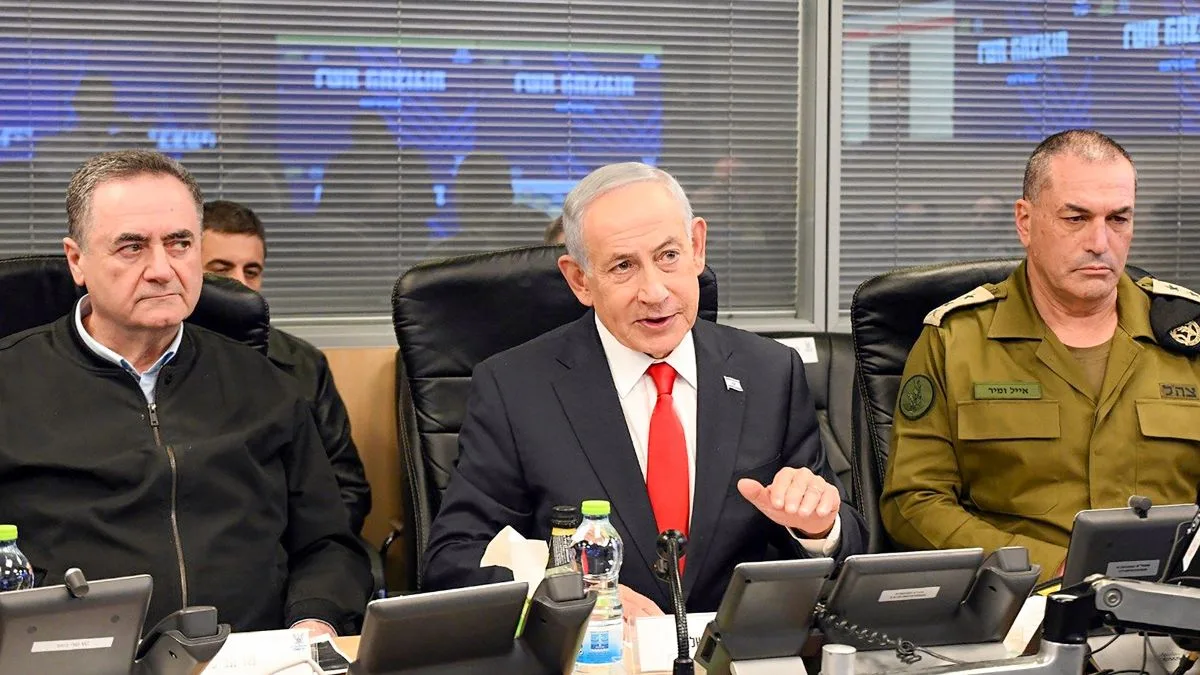
Israeli Prime Minister Benjamin Netanyahu on Thursday (local time) said Iran’s ability to enrich uranium and build ballistic missiles has been significantly weakened after nearly three weeks of joint military action by Israel and the United States.
Speaking to reporters, Netanyahu said the initial phase of the operation focused on destroying missile stockpiles and damaging Iran’s nuclear and drone infrastructure. He added that the current phase is aimed at crippling the factories and systems that allow Iran to rebuild those capabilities.

“We are winning, and Iran is being decimated. Iran’s missile and drone arsenal is being massively degraded and will be destroyed. Hundreds of their launchers have been destroyed, their stockpiles of missiles are being hit hard, and so are the industries that produce them. That’s important. In Rising Lion, we destroyed the missiles, and we destroyed a lot of the infrastructure. What we are destroying now are the factories that produce the components that make these missiles. We are wiping out their entire industrial base that we didn’t before.”

He described the campaign as a success so far, saying large numbers of missile launchers have been destroyed and production networks are being targeted. However, he did not present independent evidence to support these claims, according to reports by CNN.

The remarks come as tensions remain high in the region, with Israel, the United States, and Iran locked in an ongoing confrontation that has also raised concerns over global energy supply and stability in West Asia.

Focus shifts from weapons to production systems

Netanyahu said recent strikes have gone beyond hitting weapons and are now focused on dismantling the broader industrial base that supports Iran’s defence capabilities.

He claimed Iran’s air defences have been neutralised, parts of its naval fleet damaged, and its command systems disrupted. According to him, the aim is to weaken Iran’s military structure in a way that prevents quick recovery.

At the same time, he said Israel and the US were working to secure global energy routes, particularly the Strait of Hormuz. Efforts to keep this route open, he added, could help stabilise oil prices.

Uncertainty over political outcome in Iran

While outlining military gains, Netanyahu said it was still unclear how the situation inside Iran would evolve politically. He said any major change would depend on the Iranian people themselves, even as external pressure continues.

He cautioned that leadership change cannot be achieved through air strikes alone and would require developments on the ground. Israel, he said, is trying to create conditions that could lead to change, but the outcome remains uncertain.

“It’s up to the Iranian people to… choose the moment and to rise to the moment. We can create the conditions, but they have to exploit those conditions,” he said.

On coordination with Washington, Netanyahu said Israel and the United States are closely aligned, particularly on preventing Iran from advancing its nuclear programme. He also dismissed suggestions that Israel had drawn the US into the conflict.

“I didn’t have to convince President Trump about the need to prevent Iran from developing its nuclear program, putting it underground, and being able to launch nuclear-tipped missiles at the United States. He understood that. He explained it to me. I didn’t explain it to him,” Netanyahu said, adding, “Our partnership is the only way to avoid this catastrophic development.”

Separately, Netanyahu clarified that a recent strike on Iran’s Assaluyeh gas facility was carried out by Israel alone. He added that US President Donald Trump had asked Israel to avoid further such attacks, and that request is being followed.

“Fact number one: Israel acted alone against the Assaluyeh gas compound. Fact number two: President Trump asked us to hold off on future attacks, and we’re holding off.”

He also pointed to signs of internal strain within Iran, though he stopped short of predicting a collapse of the current leadership. Even if the regime remains in place, he said, it would emerge weakened after the ongoing conflict.

Framing the situation more broadly, Netanyahu said the campaign was not only about Israel’s security but also about countering a wider threat. He warned that Iran’s actions, including attempts to disrupt key maritime routes, could affect global stability.

“In partnership with our American allies, we can do amazing things… It’s the two most amazing air forces in the world… the two most amazing intelligence services in the world,” he said.

He expressed confidence that the conflict may not drag on as long as many expect, though fighting continues across multiple fronts in the region.

Can ‘dharma diplomacy’ offer a solution to war?

On the night of 2 August 1990, Saddam Hussein unleashed nearly 150,000 troops – backed by tanks, armoured vehicles, and missile launchers – across the Kuwaiti border.

SANTHOSH MATHEW | New Delhi |

On the night of 2 August 1990, Saddam Hussein unleashed nearly 150,000 troops – backed by tanks, armoured vehicles, and missile launchers – across the Kuwaiti border. Within two days, the small and militarily weak Kuwait collapsed. As Iraqi forces closed in on Dasman Palace, Emir Jaber Al-Ahmad Al-Sabah fled toward Saudi Arabia, while his brother Sheikh Fahad was killed and his body desecrated in a chilling display of power.

Kuwait was swiftly annexed into Iraq’s Basra province under a puppet regime. The world responded. The United Nations Security Council demanded Iraq’s unconditional withdrawal. When Saddam refused, a deadline was set – 15 January 1991. Defiance continued. On 17 January, U.S.-led coalition forces began massive missile strikes, marking the beginning of the Gulf War. In a desperate gamble, Saddam launched missiles at Israel, hoping to fracture the Arab coalition and rally regional support.

As later revealed by his foreign minister Tariq Aziz, Saddam believed attacking Israel would ignite pan-Arab solidarity. It failed. Arab states like Saudi Arabia, Bahrain, and others, fearing Saddam’s expansionism, backed the U.S.-led coalition. By 21 February, ground operations began, and within a week, Saddam conceded defeat. But retreat came with destruction – Kuwait’s oil wells were set ablaze, trig gering one of the worst environmental and energy crises of the century. Oil prices surged, echoing the shocks of the 1970s. The consequences were not confined to West Asia.

The ripple effects reached India, then teetering on the brink of economic collapse. Foreign reserves had dwindled to barely two weeks’ worth of imports. Political instability compounded the crisis, with fragile coalition governments and shifting alliances. In a historic moment, India pledged gold to the Bank of England to stave off default. What followed reshaped the nation. Under Prime Minister P. V. Narasimha Rao and Finance Minister Manmohan Singh, India abandoned its rigid command economy and embraced liberalization. The crisis became the crucible of modern India’s economic transformation.

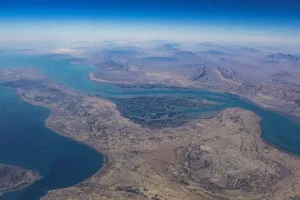
From a struggling state, India emerged as a rising global power – proof that wars, though destructive, can trigger constructive shifts. Fast forward to today, and history seems to echo with greater intensity. The ongoing tensions involving Iran, Israel, and the United States are not just military confrontations – they are battles of narratives, perception, and information warfare. Iran, a 5000-year-old civilization, geographically vast – almost half the size of India and comparable to the combined territories of France, Spain, Germany, and the UK – stands at the centre of a volatile geopolitical storm.

Recent developments suggest a dangerous escalation. Following Israeli strikes on Iran’s South Pars gas field – the world’s largest – Tehran has warned of retaliatory attacks on oil installations across Saudi Arabia, UAE, Qatar, and Kuwait, and carried out some. Such a move could trigger a global energy catastrophe far exceeding previous oil shocks. Compounding fears, statements from Donald Trump and Marco Rubio hint at imminent escalation. Trump has claimed Iran could assemble a crude nuclear weapon within days using enriched uranium stored in deep underground facilities near Isfahan.

He has even suggested the possibility of a commando-style operation – akin to the U.S. raid that killed Osama bin Laden – to neutralize the threat. But this is not merely a war of missiles; it is a war of information. Competing narratives, psychological operations, and propaganda shape global perception. Each side seeks legitimacy while delegitimizing the other. Social media amplifies fear, half-truths, and strategic leaks. In such an environment, truth becomes the first casualty.

The International Atomic Energy Agency has already warned of potential radiation risks following strikes near Iran’s Bushehr nuclear facility. Meanwhile, Iran’s Revolutionary Guards reportedly possess thousands of missiles, now increasingly under the control of hardline factions after the elimination of moderate leadership. This unfolding crisis fits eerily into the framework of the Thucydides Trap – where a rising power challenges an established one, often leading to inevitable conflict. Iran’s regional ambitions and America’s strategic dominance create a classic case of this ancient geopolitical pattern. Yet, amid this chaos, there is space for an alternative path.

Narendra Modi’s concept of “dharma diplomacy” offers a framework ro o te d in balance, moral pragmatism,and civilizational wisdom. It recognizes a fundamental truth: nations have no permanent friends or enemies, only permanent interests – but those interests must align with a broader vision of global well-being. War, as history shows, is both destructive and transformative.

The Gulf War reshaped global energy politics and catalyzed India’s economic rise. The current crisis, if unchecked, could devastate economies, disrupt energy supplies, and destabilize entire regions. But if navigated wisely, it could also redefine global alliances and diplomatic norms. As missiles fly and rhetoric intensifies, the real battlefield lies in perception. Whoever controls the narrative may not just win the war – but shape the world that emerges after it.

(The writer is Professor, Centre for South Asian Studies, Pondicherry Central University.)

Love triangles, ex-husband drama, and career chaos: Ananya Panday returns in ‘Call Me Bae Season 2’

Bella ‘Bae’ Chowdhary’s life is about to get a whirlwind of emotions. Between her new news show, a surprise ex, and a charming boss, chaos is guaranteed!

Statesman News Service | New Delhi |

Hold on to your popcorn, folks! Bella ‘Bae’ Chowdhary is making her grand comeback. Yes, you heard it right. Ananya Panday is all ready to reprise her fan-favorite role in ‘Call Me Bae’ Season 2, and things are about to get spicy.

The news dropped on Thursday during Prime Video’s star-studded slate event in Mumbai.


View this post on Instagram


A post shared by prime video IN (@primevideoin)

Bae’s new adventure: Fame, fun… and drama

Season two promises a rollercoaster ride for Bae. This time, she’s not just any socialite. She is the host of her very own news show!

Spotlight shines brighter than ever. Fame doesn’t come without its hurdles. Between juggling her blossoming career and navigating personal challenges, Bae will have her hands so, so full.

The drama heats up when Bae’s ex-husband makes unexpected return. This then stirs up old memories. To add more confusion, her charming boss enters the picture, and let’s just say sparks, or at least butterflies, are not in short supply.

Meanwhile, her squad of loyal friends isn’t safe either. A mysterious “Nayi Behen” joins their circle. And tensions rise as relationships are tested.

Who’s behind the show?

The starry project is backed by some of the biggest names in the industry. Karan Johar, Adar Poonawalla, and Apoorva Mehta are producing the series.

At the helm is director Collin D’Cunha, with a writing team featuring Ishita Moitra, Samina Motlekar, and Rohit Nair.

Fans will be happy to know that many familiar faces are returning. Alongside Ananya, Vir Das, Shruti Haasan, Gurfateh Pirzada, Varun Sood, Vihaan Samat, Muskkaan Jaferi, Niharika Lyra Dutt, and Lisa Mishra are back to keep the fun rolling.

A quick throwback

For those who need a refresher, Season 1, released in September 2024, introduced us to Bae; a rich, stylish young woman whose world turns upside down when she’s cut off from her wealthy family.

Moving to Mumbai, Bae learns to stand on her own feet, build friendships, rediscover herself. Her journey of independence, love, laughter quickly won hearts.

So gear up now, because Bae is back!

Also Read: Panchayat Season 5 is here: Abhishek faces deadly work pressure, village conflicts, and race towards MBA dreams