Logo

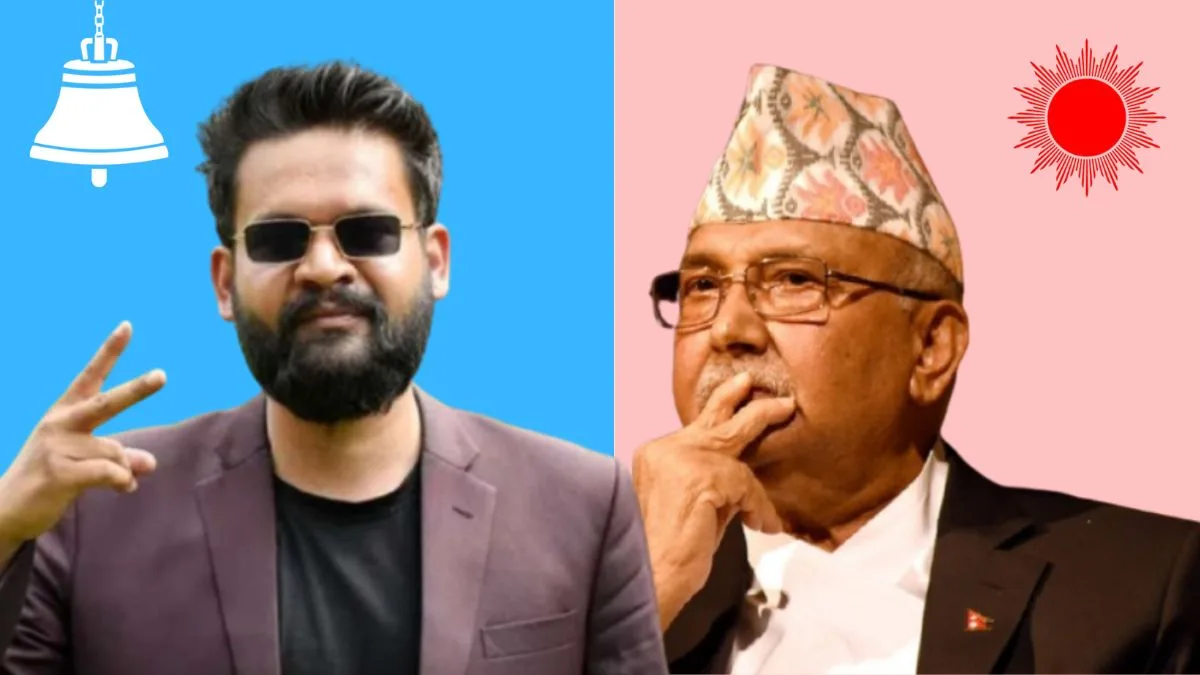
The bell rings, the sun sets: After years of easy victories in Jhapa, KP Sharma Oli faces defeat at the hands of Balen Shah

The district that sustained KP Sharma Oli’s long political career has now become the stage for his most dramatic electoral defeat. Balen Shah’s victory in Jhapa-5 marks a striking break with the region’s decades-long voting pattern.

Statesman News Service | Kathmandu |

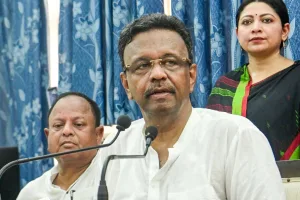
Nepali politics has always been a drama, but the 2026 elections gave the country a plot twist worthy of a Netflix political thriller. From Kathmandu to Jhapa, the name on everyone’s lips is Balen Shah, the independent-turned-Rastriya Swatantra Party (RSP) firebrand who unseated former Prime Minister KP Sharma Oli, a man who had dominated eastern Nepal for decades. This is not just a local upset; it’s a seismic shift, a wake-up call to the old political order, and a moment that has political gossip buzzing from tea shops to social media threads.

Also Read: Explained: Who are Nepal’s RSP? Rabi Lamichhane’s scandal-shadowed Rashtriya Swatantra Party with Balen Shah hovering nearby

Balen’s rise is the story of a man who went from rapper and architect to Kathmandu mayor, to national political contender in record time. Oli, a seasoned political titan and former Prime Minister, faced defeat in Jhapa-5, a constituency that was effectively his electoral fortress.

In 2026, Balen received 68,348 votes for his election symbol, the bell, while Oli got 18,724 votes for the sun.

Previous Jhapa-5 election in numbers

The 2022 general election results from Jhapa-5 tell a story of change:

– KP Sharma Oli (CPN-UML): 52,319 votes (55.74%)

– Khagendra Adhikari (Nepali Congress): 23,743 votes (25.29%)

– Suresh Kumar Pokharel (Rastriya Swatantra Party): 11,759 votes (12.53%)

At first glance, Oli appears to maintain a majority. But compared with his 2017 tally of 57,139 votes, the decline is evident. The Nepali Congress also lost some ground, while the newly formed RSP disrupted traditional voting patterns.

The emergence of RSP energised anti-establishment voters, particularly young voters dissatisfied with mainstream parties. In a constituency that had been practically synonymous with Oli, this result was a shock.

Few politicians in Nepal have dominated as long or as decisively as Oli. His career in Jhapa is a story of near-unbroken electoral success:

1991, House of Representatives, Jhapa-6: 21,049 votes – Elected

1994: 18,861 votes – Elected

1999: 23,749 votes – Elected

Jhapa-2: 18,909 votes – Vacated

2008, Constituent Assembly, Jhapa-7: 14,959 votes – Lost

2013: 19,287 votes – Elected

2017, House of Representatives, Jhapa-5: 57,139 votes – Elected

2022, House of Representatives, Jhapa-5: 52,319 votes – Lost

Oli had mastered the art of Nepali politics: mega-rallies, personal branding, strategic party control. His campaigns didn’t require door-to-door canvassing; voters came to him. He wasn’t just a candidate. He was an institution. Until Balen Shah arrived on the scene.

Oli’s strategy and the Gen Z protests

Oli’s 2022 campaign was heavily influenced by his stance on the September 8-9 Gen Z protests. These protests demanded transparency, accountability, justice. They mobilised thousands of young voters. Oli and the CPN-UML positioned themselves firmly against the movement, framing it as foreign-influenced and destabilising.

Inside the party, Oli reinforced discipline. Dissenters were marginalised and even branded as foreign agents. His narrative emphasised stability versus chaos, “country builders” versus “country burners”.

This approach alienated young voters. It failed to address widespread dissatisfaction with corruption, unemployment, governance failures. The electorate was shifting. And Oli’s old formula was losing traction.

Balen Shah as Kathmandu’s maverick mayor

He first made national headlines as Kathmandu’s mayor in 2022, where he won against experienced politicians:

Balen Shah (Independent): 61,767 votes (38.6%)

– Sirjana Singh (Nepali Congress): 38,341 votes (24%)

– Keshav Sthapit (CPN-UML): 38,117 votes (23.8%)

Shah’s style was unapologetically bold. He bulldozed illegal structures, rerouted waste management, and publicly criticised government inefficiency.

But it wasn’t just his governance style that made him a sensation. It was his personality, social media presence, and ability to challenge authority directly.

In November, he posted on Facebook: “F*** America, F*** India, F*** China, F*** UML, F*** Congress, F*** RSP, F*** RPP, F*** Maobaadi. You guys all combined can do nothing.”

The post was deleted in less than half an hour, but it captured the essence of his political style. Controversial and unfiltered. For young voters disillusioned with bureaucracy and traditional politics, he became a figure of hope and rebellion.

Then from mayor to Prime Ministerial candidate

After resigning as mayor, Balen joined the Rastriya Swatantra Party (RSP), forming a political alliance with Rabi Lamichhane. They announced a seven-point agreement to contest elections as a united anti-establishment front:

1. Balen Shah as the prime ministerial candidate.

2. Lamichhane retaining his role as RSP chairman.

3. A roadmap for governing Nepal for the next decade.

4. Anti-corruption, accountability, and transparency as central campaign themes.
5. Prioritisation of youth, innovation, reform.

6. Engagement with Gen Z voters and grassroots movements.

7. Promotion of a non-ideological, cooperative approach to governance.

Balen’s past controversies

Balen’s career is punctuated by headline-making controversies:

Traffic Confrontation: Stopped by police while his wife was in an official vehicle, he threatened to “set Singha Durbar on fire” if government vehicles were impeded again.

Nationalist Gesture: Displayed a “Greater Nepal” map in response to India’s “Akhand Bharat” mural. This caused diplomatic ripples.

Cultural Protectionism: Banned Indian films that misrepresented Sita’s birthplace.

Urban Governance Activism: Bulldozed illegal structures, rerouted waste, and publicly criticised government failures.

Critics called him reckless, supporters called him decisive. For young voters frustrated with bureaucracy and corruption, Balen’s audacity was quite appealing.

Oli’s legacy: Controversies and achievements

While Balen rose, Oli’s decades-long career faced increasing scrutiny:

– Four terms as Prime Minister in ten years.

– Internal party disputes often framing dissenters as foreign agents.

– Governance challenges including corruption allegations and failure to maintain two-thirds parliamentary majority.

– Constitutional crisis in 2020, when he dissolved the House of Representatives.

– Public perception as authoritarian and disconnected from youth and grassroots movements.

Oli’s strategy of central control and discipline which was effective in the past failed to resonate with a younger, more demanding electorate.

What role Gen Z protests played in Balen’s victory

The September 8-9, 2022 protests were turning point. Youth mobilised against corruption, demanding transparency. Balen aligned himself with these sentiments. He positioned himself as new voice for accountability and change.

Oli’s opposition to the movement and emphasis on stability alienated young voters turning elections into referendum on generational priorities.


Delhi Tourism organises first double-decker bus tour to witness Change of Guard Ceremony at Rashtrapati Bhavan

“Delhi Tourism extends its special thanks to the authorities of Rashtrapati Bhavan for their support and coordination, which made it possible to organise this tour and facilitate visitors in witnessing the grand ceremonial tradition,” an official from the Delhi Tourism said.

Nikhil Vyas | New Delhi |

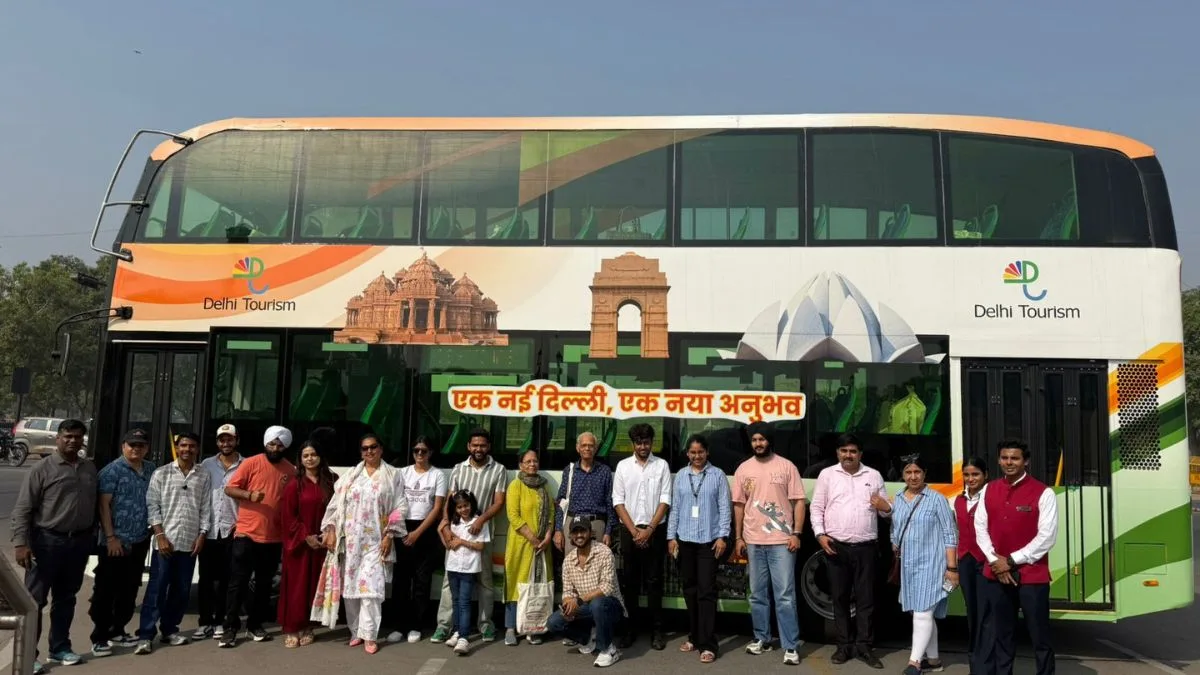
Offering tourists and residents a unique opportunity to experience one of India’s most iconic ceremonial traditions, Delhi Tourism on Saturday organised the first double-decker bus tour to witness the famous Change of Guard Ceremony at Rashtrapati Bhavan.

“Delhi Tourism extends its special thanks to the authorities of Rashtrapati Bhavan for their support and coordination, which made it possible to organise this tour and facilitate visitors in witnessing the grand ceremonial tradition,” an official from the Delhi Tourism said.

The special tour will operate every Saturday at a reasonable cost, enabling visitors to comfortably witness the Change of Guard Ceremony at Rashtrapati Bhavan, which showcases the discipline, tradition, and ceremonial splendour of the President’s Bodyguard.

The inaugural tour was also attended by media representatives, influencers, and vloggers, who joined the experience and will help showcase this unique initiative to a wider audience.

The tour is being conducted using a double-decker electric bus powered by zero-emission technology, reflecting the Government of Delhi’s commitment to sustainable mobility and green tourism.

Equipped with modern amenities, advanced safety features, and a panoramic upper deck, the bus offers visitors a comfortable and immersive sightseeing experience.

In addition to this, Delhi Tourism has also introduced the “Dekho Meri Dilli” Double Decker Bus sightseeing circuit (full day), which will be operated Tuesday to Friday and Sunday, starting from Dilli Haat INA and covering key landmarks such as the National Museum, the National Gallery of Modern Art, the Pradhanmantri Sangrahalaya, and the National War Memorial, before returning to Dilli Haat INA.

“Tickets can be booked through the official Delhi Tourism website, www.delhitourism.gov.in, or from Delhi Tourism Information Counters. For further information, visitors may contact 011-23365358 / 011-23363607,” the official added.

Delhi Tourism is taking innovative steps towards promoting experiential tourism, enabling residents and visitors to engage more closely with the heritage, culture, and ceremonial traditions of India’s capital.

MP Govt announces ₹600 per quintal bonus on urad, extends wheat procurement incentive

Addressing a meeting with representatives of the Bharatiya Kisan Sangh at Samatva Bhavan, the Chief Minister’s residence in Bhopal, Yadav said the government has also extended the benefit of bonus to wheat growers, as in previous years.

Statesman News Service | Bhopal |

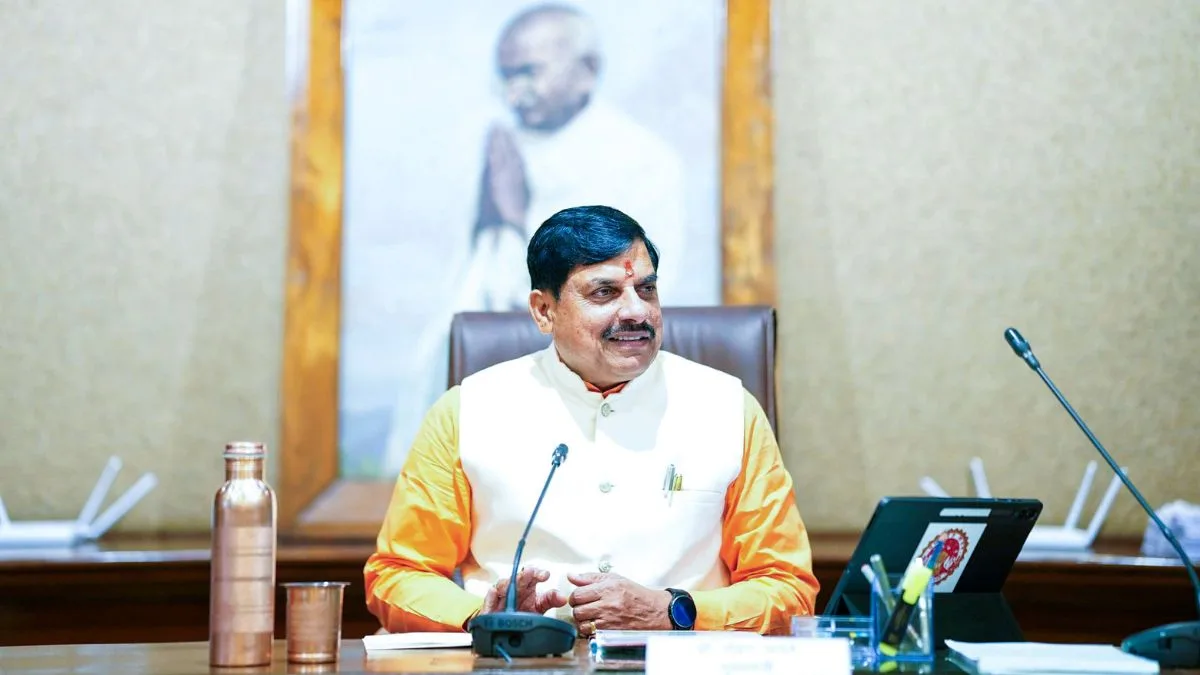
Chief Minister of Madhya Pradesh Dr Mohan Yadav on Saturday said the state government is working actively to enhance farmers’ prosperity during the Krishi Kalyan Year 2026, announcing a bonus of ₹600 per quintal on urad procurement to ensure that farmers receive fair prices for their produce.

Addressing a meeting with representatives of the Bharatiya Kisan Sangh at Samatva Bhavan, the Chief Minister’s residence in Bhopal, Yadav said the government has also extended the benefit of bonus to wheat growers, as in previous years.

For the 2026–27 marketing season, the state government will provide a bonus of ₹40 per quintal over the Minimum Support Price (MSP) of wheat. With this incentive, farmers will receive ₹2,625 per quintal for wheat. The state government has also committed in its resolution document to procure wheat at ₹2,700 per quintal by 2028.

Yadav said Madhya Pradesh is regarded as the country’s food basket, producing large quantities of pulses, oilseeds and vegetables. He added that the government is continuously taking farmer-friendly decisions to ensure the progress and prosperity of farmers in the state.

In view of difficulties faced by farmers at some places in the registration process for wheat procurement, the Chief Minister announced that the last date for registration has been extended from March 7 to March 10.

He also said that electricity would be supplied to farmers during daytime hours for irrigation, enabling them to avoid the risks associated with irrigating fields at night.

Dr Yadav assured that the state government would also consider the suggestions received from the Bharatiya Kisan Sangh in the interest of farmers.

Northern Command hosts synergy conference with ITBP, BSF to boost security coordination

The conference served as a platform for deliberations on the evolving security landscape in the region.

Statesman News Service | Jammu |

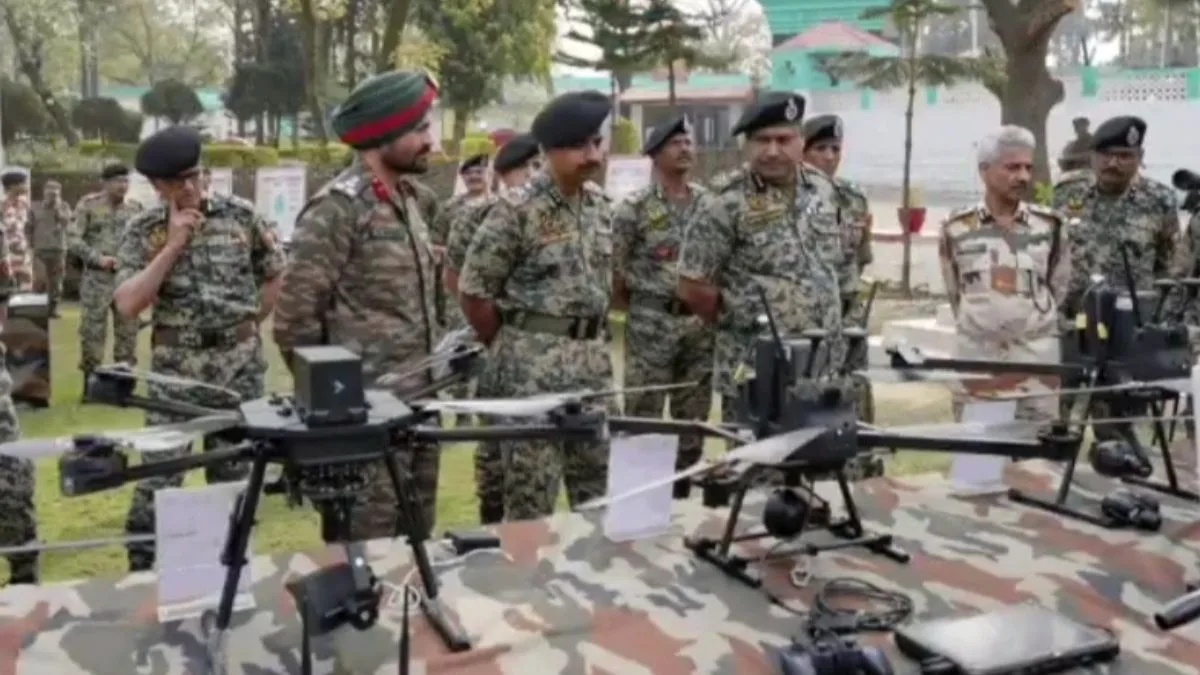
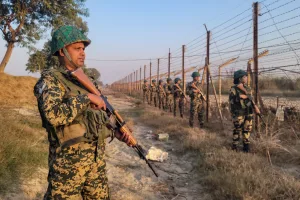
With a view to keeping the forces future-ready, the Northern Command of the Indian Army on Saturday hosted a synergy conference to strengthen coordination and operational cooperation between the Indo-Tibetan Border Police (ITBP) and the Border Security Force (BSF).

The conference served as a platform for deliberations on the evolving security landscape in the region. Senior officers discussed the operational framework of the forces and exchanged insights to better align strategies, resources and capabilities to effectively address emerging security challenges.

The participants focused on sharing insights into the operational construct and aligning strategies and capabilities to surmount emerging security challenges.

During the interaction, General Officer Commanding-in-Chief, Northern Command, Lt. General Pratik Sharma, commended the participants for their dedicated and resolute approach during operations.

The deliberations reinforced the spirit of synergy and trust, strengthening the collective resolve towards a safer and stronger Nation.

An equipment display was also organised at the venue to showcase newly inducted technologies aimed at ensuring future readiness.

Meanwhile, the Director General of Police, J&K, Nalin Prabhat, chaired a comprehensive review meeting to assess the overall security scenario, counter-terror (CT) operations—both kinetic and non-kinetic—and the law and order situation in Police District Awantipora.

He was accompanied by Special DG (Coordination), PHQ J&K, S.J.M. Gillani, Inspector General of Police Kashmir Zone, V.K. Birdi, and DIG SKR Javid Iqbal Matoo.

During the meeting, the DGP took a detailed review of the prevailing security situation with special focus on ongoing counter terrorist operations, both kinetic and non-kinetic. He also reviewed measures being taken to curb drug abuse and other criminal activities across Police District Awantipora.

The DGP emphasised the need to further intensify the drive against anti-national elements, drugs and crime. He directed officers to take strict and effective action against those involved in such unlawful activities and urged them to remain vigilant, disciplined and proactive in their respective areas of responsibility.

He stressed strong coordination, intelligence-based operations, and proactive policing to maintain peace and stability. The DGP appreciated the efforts of officers and jawans and urged all ranks to remain alert, disciplined, and mission-oriented.

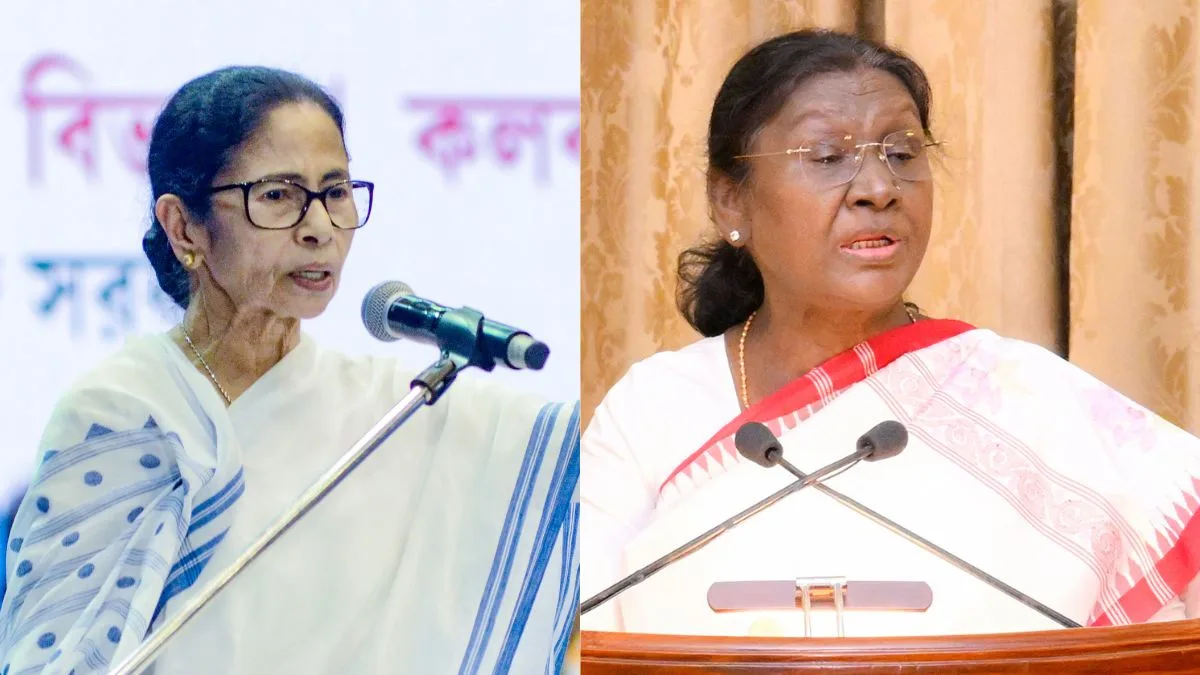
Murmu mauls Mamata, stops short of saying West Bengal CM tried to sabotage global Santhal conclave

The event, initially slated to be held in Bidhannagar, was shifted to a smaller venue in Goshaipur near the Bagdogra airport, something that did not miss the President’s eyes.

Statesman News Service | New Delhi |

West Bengal Saturday got embroiled in yet another controversy when the President of India, Droupadi Murmu, lashed out at chief minister Mamata Banerjee allegedly for disregarding protocol and even trying to sabotage Murmu’s participation in the 9th International Santhali Conclave.

The event, initially slated to be held in Bidhannagar, was shifted to a smaller venue in Goshaipur near the Bagdogra airport, something that did not miss the President’s eyes. Murmu, irrespective of venue change, went to Bidhannagar and addressed a large crowd.

“Today, at the International Santhali Conclave. It seems some people are stopping Santhali brethren from attending the event. Is this the venue for International Santhali Council meet? It doesn’t seem so. Some people don’t want the Santhals to unite and develop, that they become strong and educated But I know that Santhals have given their lives for this nation,” Murmu said.

“When I came here, where initially the event had to happen, I realised that this is quite a big field and it should have happened here only. I don’t know what the administration wanted, but I was told that this place is congested. But, I came very easily and I can see that 5lakh people can gather here,” the President of India added.

Murmu also pointed to the breach of protocol for her visit. She said the chief minister should have come when the President of India was there, but nobody turned up.

Meanwhile, BJP jumped into the fray to take pot-shots at Mamata Banerjee. “The events in West Bengal today point to a complete collapse of the constitutional framework under the Mamata Banerjee government. In a rare and unprecedented development, the Hon’ble President of India, Smt Droupadi Murmu, openly expressed displeasure over the lack of preparation and protocol during her visit to Siliguri,” Amit Malviya posted on X/Twitter.


“Even more shocking, the state government denied permission for the International Santhali Conclave, where the President herself was the Chief Guest.

When a state government begins to disregard the dignity of the office of the President of India, it reflects not just administrative failure but a breakdown of constitutional propriety and governance. This is not merely discourtesy. It is institutional disrespect and another reminder of how governance in Bengal has descended into chaos.”

BJP spokesperson Shehzad Poonalwalla too accused the Mamata Banerjee disoensation of having disrespected the position of the President of India and Droupadi Murmu, who was the first Adivasi head of the state. “The West Bengal government has been completely wanting in fulfilling protocol… no one from Mamata Banerjee’s cabinet was there to receive the President of India at the International Santhal Conclave. There was lack of preparedness… the venue had been changed,” Poonawalla quipped.


‘Today, Iran will be hit very hard’: Trump warns ‘complete destruction and certain deaths’

Trump claimed that Iran’s apology to its Middle East neighbours was only made because of the relentless US and Israeli attack on Iran.

Statesman News Service | New Delhi |

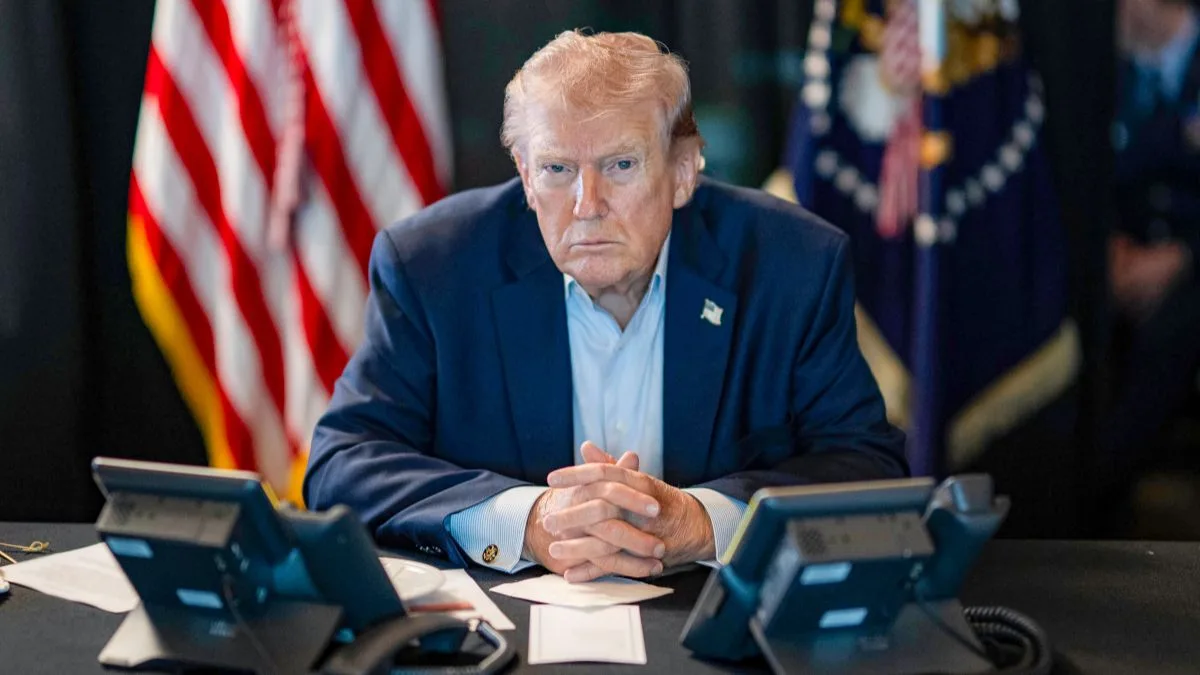
In his latest post on Truth Social, US President Donald Trump today asserted that Iran will be hit very hard today. He warned that, because of Iran’s bad behaviour, the United States is considering ‘complete destruction of areas and certain death of groups of people’ that were not considered for targeting until this moment in time.

On Iranian President Masoud Pezeshkian’s apology to its neighbouring countries, US President Donald Trump claimed that this surrender to its Middle East neighbours was only made because of the relentless US and Israeli attack on Iran. Earlier today, Pezeshkian had apologized to the neighbouring countries, saying Iran had no intention of invading other countries. The temporary leadership council announced yesterday that there will be no more attacks on neighbouring countries and no missile launches, unless attacks originate from those countries against Iran.

Trump says Iran being beaten to hell, no longer bully of Middle East

The US President said that Iran is being beaten to HELL and therefore, it has apologized. He claimed that the country was planning to take over and rule the Middle East. However, it is the first time that Iran has ever lost, in thousands of years, to surrounding Middle Eastern Countries, according to Trump.

Trump further said that Iran is no longer the “Bully of the Middle East,” they are, instead, “THE LOSER OF THE MIDDLE EAST,” and will be for many decades until they surrender or, more likely, completely collapse!

Also read: Iran threatens US: ‘Before escorting ships through Hormuz, remember 1987 Bridgeton’

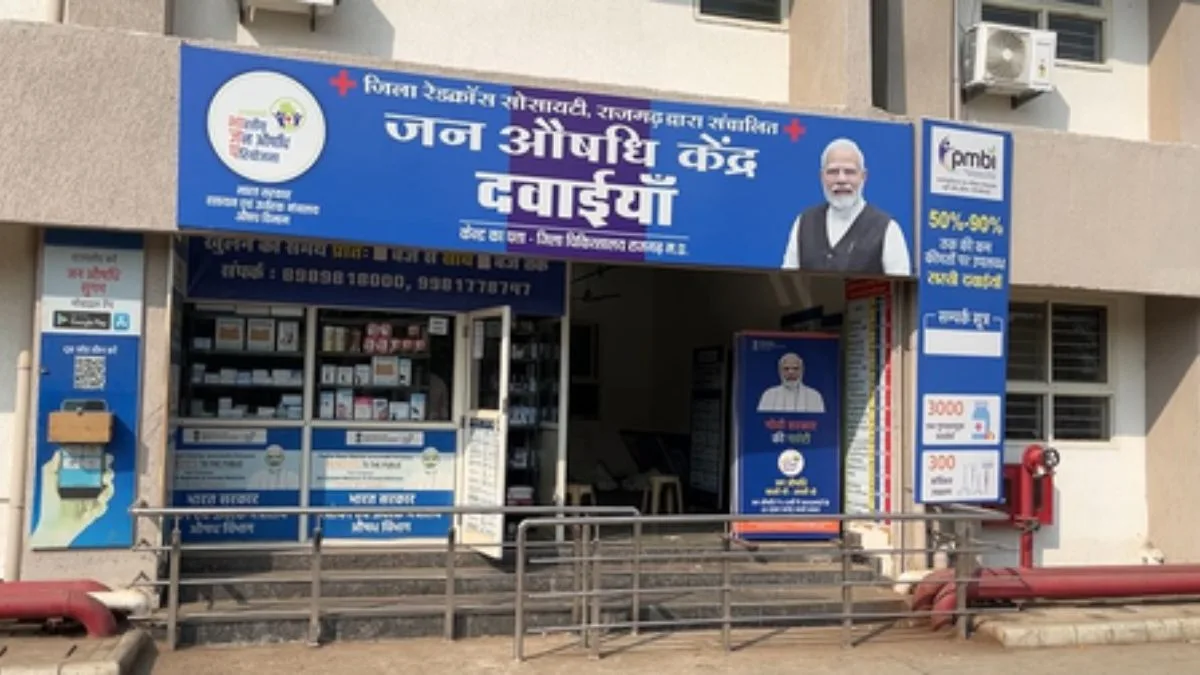
Govt aims to open 25,000 Jan Aushadhi Kendras by March 2027

The scheme seeks to provide quality-assured generic medicines at significantly lower prices through an expanding network of dedicated Jan Aushadhi Kendras (JAKs) across the country, thereby strengthening the affordability and access to generic pharmaceuticals.

Statesman News Service | New Delhi |

The Pradhan Mantri Bhartiya Janaushadhi Pariyojana (PMBJP) has become a key pillar in advancing affordable and equitable healthcare in India by ensuring widespread access to quality generic medicines at substantially lower prices.

The scheme seeks to provide quality-assured generic medicines at significantly lower prices through an expanding network of dedicated Jan Aushadhi Kendras (JAKs) across the country, thereby strengthening the affordability and access to generic pharmaceuticals.

“Under the scheme, over 18,000 Jan Aushadhi Kendras (JAKs) are operational. The scheme’s product portfolio includes 2,110 medicines, 315 surgical items, medical consumables, and devices spanning 29 therapeutic categories, including anti-infectives, anti-diabetics, cardiovascular drugs, anti-cancer medications, and gastrointestinal treatments,” the government said on Saturday.

On average, about 10 to 12 lakh persons visit these Kendras daily and avail quality medicines at affordable prices across the country, including in rural and remote areas.

The maximum retail prices (MRPs) of medicines available under the PMBJP are generally 50-80 per cent lower than those of comparable branded medicines, significantly reducing rural households’ healthcare expenditure.

By June 2025, Jan Aushadhi medicines with an aggregate MRP value of Rs 7,700 crore have been sold, generating estimated savings of approximately Rs 38,000 crore for citizens compared to equivalent branded alternatives.

The government has set a target to open 25,000 Jan Aushadhi Kendras under the scheme by March 2027. To achieve this target, a franchise-based model has been adopted.

Online applications are invited from individual entrepreneurs, non-governmental organisations, societies, trusts, firms, and private entities through the official portal of the Pharmaceuticals and Medical Devices Bureau of India (PMBI), www.janaushadhi.gov.in.

This inclusive framework supports the establishment of JAKs across urban, rural, and remote areas, including blocks and tehsils, helping to ensure wider access to affordable, quality-assured generic medicines for all.

Through a steadily expanding network of Jan Aushadhi Kendras, robust quality assurance mechanisms, and digital tools that enhance transparency and convenience, the scheme has helped reduce households’ financial burden of medical expenses nationwide.

By promoting inclusive entrepreneurship and introducing citizen-focused initiatives such as affordable sanitary products and nationwide awareness campaigns, PMBJP goes beyond cost reduction to foster accessibility, trust, and empowerment.

As the programme continues to expand its reach, it reinforces the government’s commitment to delivering reliable, affordable healthcare for all.

West Asia crisis unites INDIA bloc ahead of stormy second phase of Budget Session

Sources said the All India Trinamool Congress (AITC) has agreed to support the opposition’s no-confidence motion against the Lok Sabha Speaker.

VIBHA SHARMA | New Delhi |

The escalating crisis in West Asia appears to have brought the otherwise fragile opposition alliance, the INDIA Bloc, onto a common platform on several issues including the impending no-confidence motion against Lok Sabha Speaker Om Birla, ahead of the second phase of the Budget Session 2026, which resumes on Monday.

Sources said the All India Trinamool Congress (AITC) has agreed to support the opposition’s no-confidence motion against the Lok Sabha Speaker.

The second half of the session is expected to witness heated exchanges in both the Lok Sabha and the Rajya Sabha, with the united Opposition demanding a full-fledged discussion on the West Asia conflict and seeking to corner the government over its foreign policy.

Leaders of the opposition alliance have alleged that India’s global standing has “shrunken and diminished by playing second fiddle” to the United States and Israel, taking a unified stance against the handling of the crisis by the Bharatiya Janata Party-led government.

The criticism intensified after reports that a US submarine sank an Iranian frigate in the Indian Ocean. This development, along with the US decision to grant India a 30-day waiver to import Russian oil, prompted Jairam Ramesh of the Indian National Congress to sharpen his attack on Prime Minister Narendra Modi, calling the “permission” to India an insult to the country’s sovereignty.

Opposition parties are expected to meet ahead of Monday’s sitting to finalise a collective floor strategy. Several parties are demanding a discussion on the implications of the high-level conflict for India, arguing that it reflects a decline in the country’s global influence.

“Not just the West Asia issue, the INDIA bloc is united on a majority of issues in the second phase, including the no-confidence motion against Birla. After initially refusing to sign the notice in February, the TMC has shifted its stance in view of the current situation,” sources said.

While earlier concerns such as the proposed India-US trade deal and its possible impact on farmers remain on the agenda, the evolving geopolitical situation and India’s oil imports from Russia have led the Congress and other opposition parties to seek greater accountability from the government through a detailed parliamentary debate.

They argue that suo motu statements by the government are insufficient as they do not allow opposition leaders to raise questions or voice concerns.

Meanwhile, Akhilesh Yadav, chief of the Samajwadi Party, questioned the government’s silence over incidents in the Indian Ocean and urged it to clearly articulate India’s position while pushing for a diplomatic solution to prevent further global instability.

Leader of Opposition Rahul Gandhi also criticised the Prime Minister’s “moral cowardice and silence” over the assassination of Iran’s Supreme Leader Ali Khamenei and raised concerns about the safety of nearly one crore Indians living in the region.

Left parties have condemned the alleged US-Israeli strikes on Iran as a “flagrant violation of international law” and criticised Prime Minister Modi’s February 2026 visit to Israel, calling it a departure from India’s traditional foreign policy stance on Palestine.

The Aam Aadmi Party has also expressed concern about the conflict spilling into South Asian waters, referring to the sinking of an Iranian vessel that had earlier visited Visakhapatnam.

The second phase of the Budget Session follows a highly disruptive first phase marked by protests over the India-US interim trade deal and other issues, including the suspension of eight opposition MPs in the Lok Sabha.

The session is scheduled to conclude on April 2.

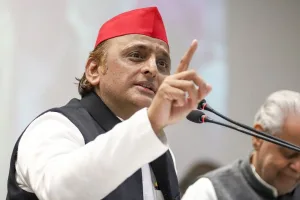
Akhilesh Yadav slams BJP over rising inflation and LPG price hike

Speaking to reporters at the party office in Lucknow, Yadav alleged that inflation continues to rise while the government is burdening the public through higher taxes.

Statesman News Service | Lucknow |

Former Uttar Pradesh Chief Minister and Samajwadi Party (SP) national president Akhilesh Yadav on Saturday targeted the BJP governments at the Centre and in the state over rising inflation and the recent increase in LPG cylinder prices.

Speaking to reporters at the party office in Lucknow, Yadav alleged that inflation continues to rise while the government is burdening the public through higher taxes.

He said the price of LPG cylinders had been increased by around ₹60. “The government claims that prices are raised due to certain circumstances and will be reduced later. But once something becomes expensive, it rarely becomes cheaper again,” he remarked.

The SP chief alleged that people are facing hardships in states governed by the Bharatiya Janata Party. He said heavy taxation was a major reason behind the rising prices of vehicles, claiming that taxes in some cases reach up to 50 percent.

“We understand only one thing— inflation will go away only when the BJP leaves,” he said.

Yadav also accused the BJP of attempting to defame the Samajwadi Party and repeatedly trying to portray the party in a negative light. Referring to the recently viral song “Katta,” he alleged that it was an attempt to tarnish the SP’s image.

He said an FIR would be filed against the song and warned that if no action was taken, the BJP would be held responsible.

Highlighting the achievements of the previous SP government, Yadav said it had undertaken major development projects in the state, including the construction of expressways, the Lok Bhavan, and the Gomti Riverfront project.

He claimed that the largest number of thermal power plants in the state were installed during the SP government and several major infrastructure projects were initiated.

Meanwhile, leaders from other parties continue to join the Samajwadi Party ahead of the upcoming Uttar Pradesh Assembly elections.

Congress leader and former Lok Sabha candidate from Sant Kabir Nagar, Rohit Pandey, joined the SP at an event in Lucknow on Saturday. Several others, including DNNS Yadav and former police officer Rajiv Gupta, also joined the party.

Speaking on the occasion, Pandey alleged that the BJP was taking the country backwards, while Akhilesh Yadav had a clear vision for development.

He also claimed that the perception that upper-caste voters only support the BJP had been challenged by the Samajwadi Party’s performance in the recent Lok Sabha elections.


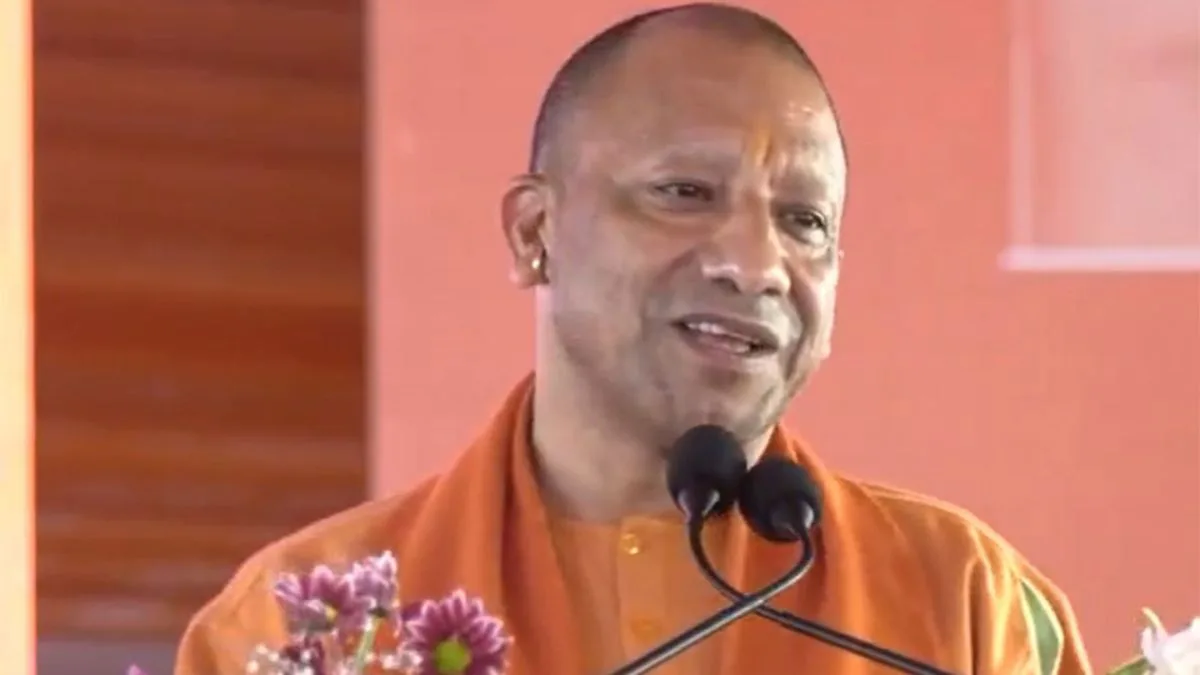
UP now has ‘One District, one Medical College’, not ‘One District, One Mafia’: CM Yogi

CM Yogi made this comment after inaugurating the Yatharth Hospital here on Saturday.

Statesman News Service | Agra |

Uttar Pradesh Chief Minister Yogi Adityanath, without naming the Samajwadi Party government, said that previously there was a system of “One District, One Mafia,” but now we have established “One District, One Medical College.”

CM Yogi made this comment after inaugurating the Yatharth Hospital here on Saturday.

He stated that before 2017, there were only 17 medical colleges in the state, but now 81 such colleges are in operation.

“The state government will provide assistance to any private medical college. The central government has taken significant steps in the medical field. Previously, there was only one AIIMS. During the Atal Bihari Vajpayee government, six AIIMS were established, and now, under the Modi government, 23 are operating across the country. In Uttar Pradesh, AIIMS operates in Rae Bareli and Gorakhpur,” he said.

CM Yogi said, “The double-engine government has provided health insurance coverage to everyone. There are 5.60 lakh Golden Cards, and this number will soon reach 10 crore. Additionally, Rs 1,300 crore has been allocated for healthcare from the Chief Minister’s Relief Fund. The state government is always ready to ensure proper treatment for every person in the state.”

Earlier, Chief Minister Yogi Adityanath was welcomed at the airport and proceeded to Hotel Amar, where he attended a meeting with BJP and RSS officials.

At the RSS meeting, strategies for the 2027 assembly elections were discussed. Chief Minister Yogi Adityanath attended the nearly one-and-a-half-hour meeting. No outsiders were allowed in.

Delhi institutions boost India Semiconductor Mission with Chip Design Training

Leading educational institutions in Delhi are actively contributing to the India Semiconductor Mission by training students in semiconductor design, testing, and validation, the Ministry of Electronics and Information Technology said on Saturday.

Statesman News Service | New Delhi |

Leading educational institutions in Delhi are actively contributing to the India Semiconductor Mission by training students in semiconductor design, testing, and validation, the Ministry of Electronics and Information Technology said on Saturday.

Key institutions involved in the initiative include Indian Institute of Technology Delhi, National Institute of Technology Delhi, Indraprastha Institute of Information Technology Delhi, Delhi Technological University, Netaji Subhas University of Technology, Jawaharlal Nehru University, Indira Gandhi Delhi Technical University for Women, Vivekananda Institute of Professional Studies, and DV2JS Innovation LLP.

Using advanced Electronic Design Automation (EDA) tools and modern training infrastructure, students at these institutions are designing real semiconductor chips, helping India build a strong talent base for its semiconductor ecosystem.

The Government of India, through the Semicon 2.0 programme, is committed to promoting semiconductor design, manufacturing, and innovation across the country, with the aim of establishing India as a global hub for semiconductor talent and manufacturing.

Highlighting the government’s focus on talent development through training, upskilling, and workforce development programmes under the Chips to Startups (C2S) programme of the India Semiconductor Mission, Union Minister for Railways, Information and Broadcasting, and Electronics and IT Ashwini Vaishnaw said India has made significant progress in the last four years toward its 10-year target of training 85,000 engineers in semiconductor design.

Vaishnaw said world-class EDA tools supported by Synopsys, Cadence, Siemens, Renesas, Ansys, and AMD have been made available in 315 academic institutions across the country.

With the help of these tools, students are gaining practical experience in designing semiconductor chips. These chips are being fabricated and tested at the Semiconductor Laboratory in Mohali, giving students hands-on experience across the entire process—from design to fabrication, packaging, and testing.

The initiative has evolved into the world’s largest open-access EDA programme, with more than 1.85 crore hours of EDA tool usage recorded for chip design training so far, and the number continues to grow.

The minister highlighted that students from universities across the country—from Assam to Gujarat and from Kashmir to Kanyakumari—are actively participating in semiconductor design.

Under Semicon 2.0, the programme will be expanded from 315 universities to 500, creating a strong base of skilled engineers across the country.

Vaishnaw also noted that as the global semiconductor industry grows to around USD 2 trillion, nearly two million skilled professionals will be required, opening up unprecedented job opportunities for India’s youth.

A number plate pricier than the car itself: Chandigarh’s CH01-DD-0001 shatters records with ₹53.88 lakh bid

A three-day online auction for fancy vehicle numbers in Chandigarh turned into a high-stakes bidding battle. One VIP number alone shattered records and proved that for some buyers, a special number plate is priceless.

Statesman News Service | New Delhi |

In Chandigarh, car lovers do not just chase luxury vehicles. Sometimes, the real trophy is the number plate. On Friday, former Chandigarh mayor and senior Bharatiya Janata Party (BJP) leader Davesh Moudgil stunned everyone by paying ₹53.88 lakh for the VIP registration number CH01-DD-0001 during an e-auction conducted by the Registering and Licensing Authority (RLA).

Also Read: Honest intent, transparent governance, public interest in every decision becoming Delhi’s identity: Rekha Gupta

The number will go on his Toyota Fortuner Legender, a premium SUV that itself costs around ₹50 lakh. In other words, the number plate alone costs more than the car.

For Moudgil, however, the purchase was not about money. It was about passion. As he put it simply: “You can’t put a price on passion.”

Record-breaking bid in Chandigarh

The winning bid for CH01-DD-0001 has now become the highest price ever paid for a vehicle registration number in Chandigarh since fancy numbers began being auctioned in 2002.

The reserve price for the number was only ₹50,000, but intense competition among bidders pushed the final price to ₹53.88 lakh.

It was clear that the number 0001 was the ultimate prize in the new CH01-DD series.

City’s love affair with fancy numbers

Chandigarh has long history of obsession with stylish registration numbers. Every auction organised by the RLA attracts huge attention from car owners eager to grab a unique identity for their vehicles.

On average, the authority earns around ₹12 crore every year through these auctions.

Typically, each auction brings in nearly ₹3 crore.

But the latest bidding round broke expectations.

Three-day auction brings record revenue

The recent e-auction ran from March 4 to March 6, allowing participants to bid digitally through an online system.

During the three-day process, 591 registration numbers underwent auction. Numbers 0001 to 9999 from the new series were offered. Unsold special numbers from earlier series were also included

By the end of the auction, the RLA collected ₹4.48 crore, making it the highest revenue ever generated in a single auction by the authority.

Officials said the strong response once again proved how popular the system has become among vehicle owners.

Other fancy numbers that triggered big bids

While 0001 grabbed the spotlight, several other numbers also fetched impressive amounts.

Some of the most expensive bids included:

Registration Number Final Bid Price
CH01-DD-0003 ₹32.32 lakh
CH01-DD-0005 ₹17.50 lakh
CH01-DD-0009 ₹14.40 lakh
CH01-DD-0007 ₹14.22 lakh
CH01-DD-1000 ₹9.19 lakh
CH01-DD-0006 ₹8.50 lakh
CH01-DD-0008 ₹8.24 lakh
CH01-DD-0002 ₹7.25 lakh
CH01-DD-0100 ₹6.23 lakh

The man behind the winning bid

Moudgil is no stranger to public life in Chandigarh.

He served as Chandigarh mayor in 2018 and currently works as an advocate at the Punjab and Haryana High Court. A member of the BJP for nearly 30 years, he has also held positions such as deputy mayor and senior deputy mayor in the city administration.

Interestingly, this is not his first brush with fancy numbers. He says many of his vehicles already carry special registration plates.

His choices, he admits, are sometimes on influence of astrological advice.

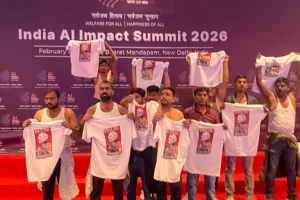
Court orders release of AI Summit protest’s ‘collar commander’ Siddharth Avdhoot from prison

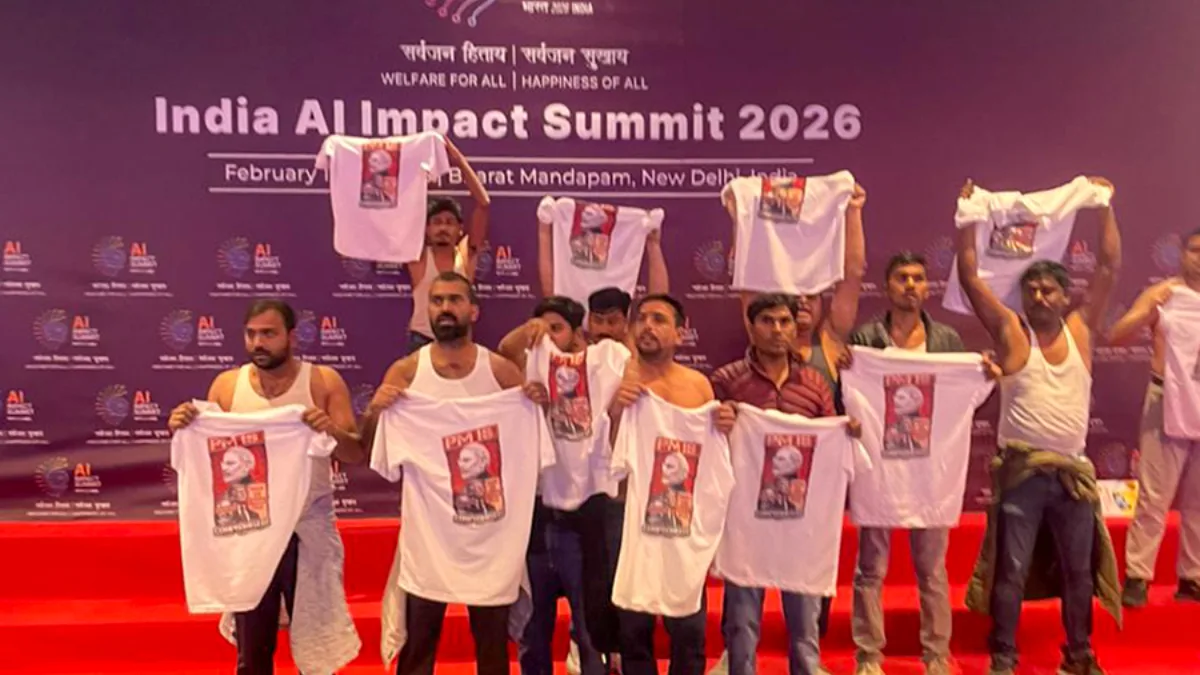
Siddharth was accused of designing and printing the protest T-shirt for the AI Summit shirtless protest.

Statesman News Service | New Delhi |

Patiala House Court today ordered the release of Indian Youth Congress (IYC) worker Siddharth Avdhoot, arrested during the AI Summit shirtless protest. The court issued the release order after verifying bail bonds. Siddharth was granted bail on March 5 by the Court on a bail bond of ₹50,000. Ten others were also granted bail in the case.

Siddharth was arrested by the Delhi Police from Shimla for his involvement in a protest during the AI Summit. He was accused of designing and printing the protest T-shirt for the AI Summit demonstration.

On the Court’s bail order, Avdhoot’s lawyer Roopesh Bhadouria had said, “Bail has been granted, but the very important point to understand is that all the arguments presented were essentially the same copy-paste arguments…”


Life Transformation Centre, First of Its Kind in higher education, to Be Inaugurated on March 12

The centre is based on the concept of connecting the human spirit with nature and soil, aiming to foster holistic development among students.

UNI | Pune |

A first-of-its-kind initiative in the field of higher education in India, the Life Transformation Centre (LTC), has been established at Boribel in Daund taluka of Pune district.

The centre is based on the concept of connecting the human spirit with nature and soil, aiming to foster holistic development among students.

The Life Transformation Centre, built in memory of late Urmila V. Karad, will be inaugurated on Thursday, March 12.

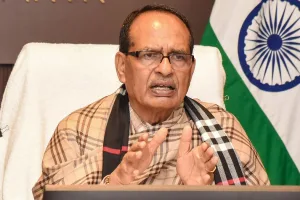
Union agricultural Minister Shivraj Singh Chouhan will attend the event as the chief guest. The programme will be chaired by MIT World Peace University Founder-president Prof. Dr. Vishwanath D. Karad. The information was shared by Dr. Rahul V. Karad, youth education expert and the conceptualiser and creator of the LTC, during a press conference.

He said that Founder of Patanjali Yogpeeth and spiritual leader Swami Ramdev, along with Maharashtra Deputy Chief Minister Sunetra Ajit Pawar, will attend the event as special distinguished guests. Lt Gen Dhiraj Seth (PVSM, AVSM), General Officer Commanding-in-Chief, Southern Command, and Rajiv Gandhi Khel Ratna awardee Ranjan Sodhi will also be present as guests.

MLA Shrikant Bharatiya, MLA Adv. Rahul Kul, Latur Rural MLA Ramesh Karad, Sarpanch Nandkishor Pachpute, Maharashtra State Gram Panchayat Officers’ Union president Sanjeev Nikam, and Padma Shri Popatrao Pawar are also expected to attend the ceremony.

Elaborating further, Rahul Karad stated that he centre is built around five core pillars: Agriculture and Nature, Physical Fitness and Sports, Team Building and Leadership, Patriotism and Nation Building, and Spirituality and Peace.

The initiative aims to nurture students’ physical, intellectual, and mental well-being while also shaping their outlook towards life. It is considered a milestone experiment in the education sector, he added.

Dr. Rahul Karad has established the centre on over 150 acres of land at Boribel in Daund taluka, with the objective of bringing transformation in youth and contributing towards building a stronger India and a better world.

The centre offers an environment designed to support holistic development and encourage self-discovery among students, based on the philosophy of reconnecting the soul with the soil, he informed.

The key feature of the centre is its experience-based learning approach. Training programmes will focus on understanding real-life challenges and will follow a problem-based learning model. The aim is to develop responsible citizens while promoting environmentally conscious education.

In the modern world, individuals are heavily influenced by mobile phones and social media, leading to a fast-paced lifestyle and increasing stress. The centre promotes the principle of “minimalism”, encouraging simple living and helping individuals focus on essential aspects of life by reducing unnecessary distractions, he said.

In today’s digital era, rapid lifestyles, constant information overload, and competitive pressure have distanced many young people from nature, society, and their inner selves. Against this backdrop, the Life Transformation Centre seeks to encourage youth to pause, reflect, and develop a balanced perspective towards life. Through practical experiences, the centre aims to instill values of simplicity, moderation, and mindful living.

MIT World Peace University Vice-Chancellor Dr. R. M. Chitnis, along with Dr. Datta Dandage and Dr. Shruti Nigudkar, were also present during the press conference.

Assam’s massive faith upgrade: 22,923 mandirs and namghars revamped with ₹433 crore investment, says CM Sarma

Officials said the works include renovation of structures, improved basic facilities and maintenance support for religious institutions across multiple districts of Assam.

Statesman News Service | New Delhi |

Faith and culture often live quietly in small community spaces. In Assam, those spaces are the Mandirs and Namghars that bring people together for prayer, discussions, festivals and traditions. Now, thousands of these sacred places across the state are getting a new life through a large government initiative.

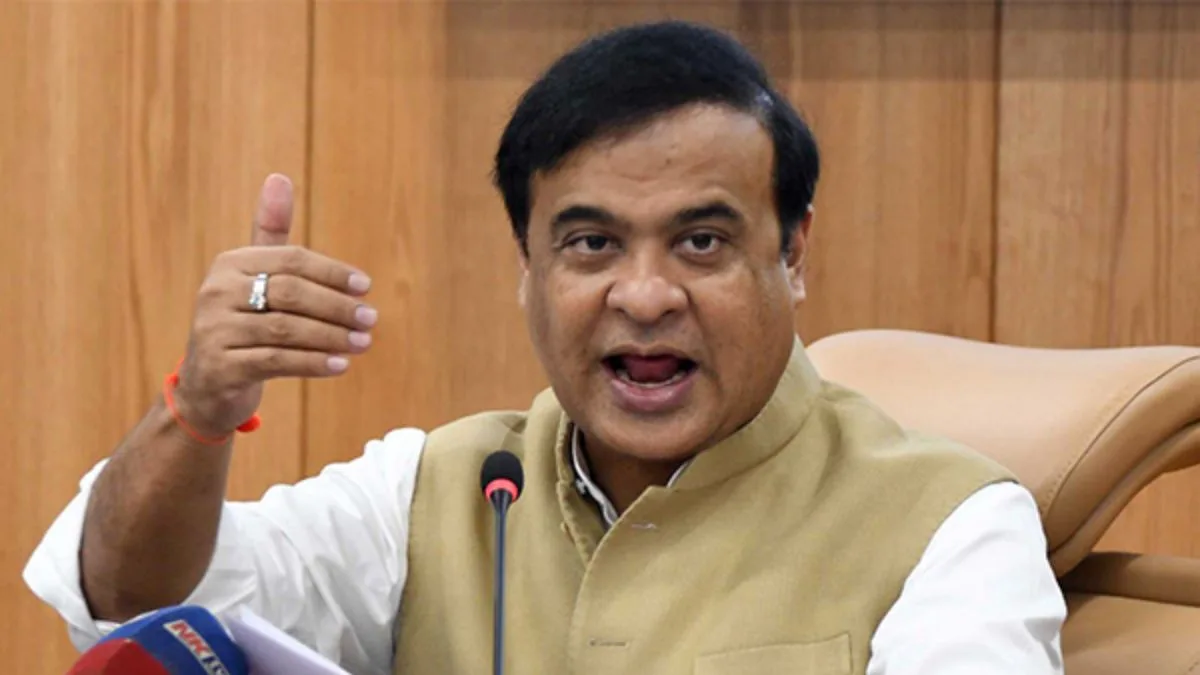
On Saturday, Assam Chief Minister Himanta Biswa Sarma announced that infrastructure at 22,923 Mandirs and Namghars has been upgraded across the state.

Also Read: Assam accounts for 90 pc of India’s Muga silk production: CM Sarma

Massive investment in religious and community spaces

According to the Chief Minister, the Assam government has spent ₹433 crore to improve facilities in these religious institutions.

Sharing the update on social media platform X, Sarma said the project focuses on strengthening spaces that play a major role in both spiritual life and community bonding.

The work includes renovation of buildings, improvement of basic facilities, and maintenance support. Officials say the goal is to make these institutions more accessible, functional and comfortable for the people who visit them regularly.

More than just places of worship

While Mandirs are widely known Hindu temples, Namghars hold a unique place in Assam’s cultural history. They are community prayer halls where people gather not only for religious rituals but also for social and cultural activities.
Sarma highlighted that in Assam these spaces represent much more than worship. They often serve as community centres where villagers meet, celebrate festivals, organise cultural events and discuss local matters.
“For us in Assam, Mandirs and Namghars are not just places of worship; they are the heart of our communities and the soul of our traditions,” the Chief Minister wrote.
Legacy of a historic spiritual movement

The tradition of Namghars goes back to the Neo-Vaishnavite movement started by the 15th-century saint-reformer Srimanta Sankardeva.

Through this movement, Sankardeva encouraged spiritual gatherings and community prayer spaces that would unite people beyond social barriers. Over centuries, Namghars became an essential part of Assamese village life.

Even today, they remain places where devotional singing, storytelling, cultural performances and social meetings regularly take place.

Work across rural and urban Assam

Government officials said the infrastructure upgrade programme is being carried out in multiple districts across the state, covering both villages and towns.

The effort focuses on preserving the traditional identity of these institutions while improving physical infrastructure around them.

Renovation projects include repairing structures, strengthening buildings, improving basic amenities, ensuring long-term maintenance support so that institutions can continue serving local communities effectively.

Preserving culture for future generations

The Assam government says the project is part of a broader mission to protect the state’s religious and cultural heritage.

Sarma noted that strengthening Mandirs and Namghars is also about protecting the traditions that define Assam’s social life.

“By renewing and strengthening these sacred spaces, we are honouring the values passed down to us and ensuring that our faith, culture and way of life remain strong for generations to come,” he said.

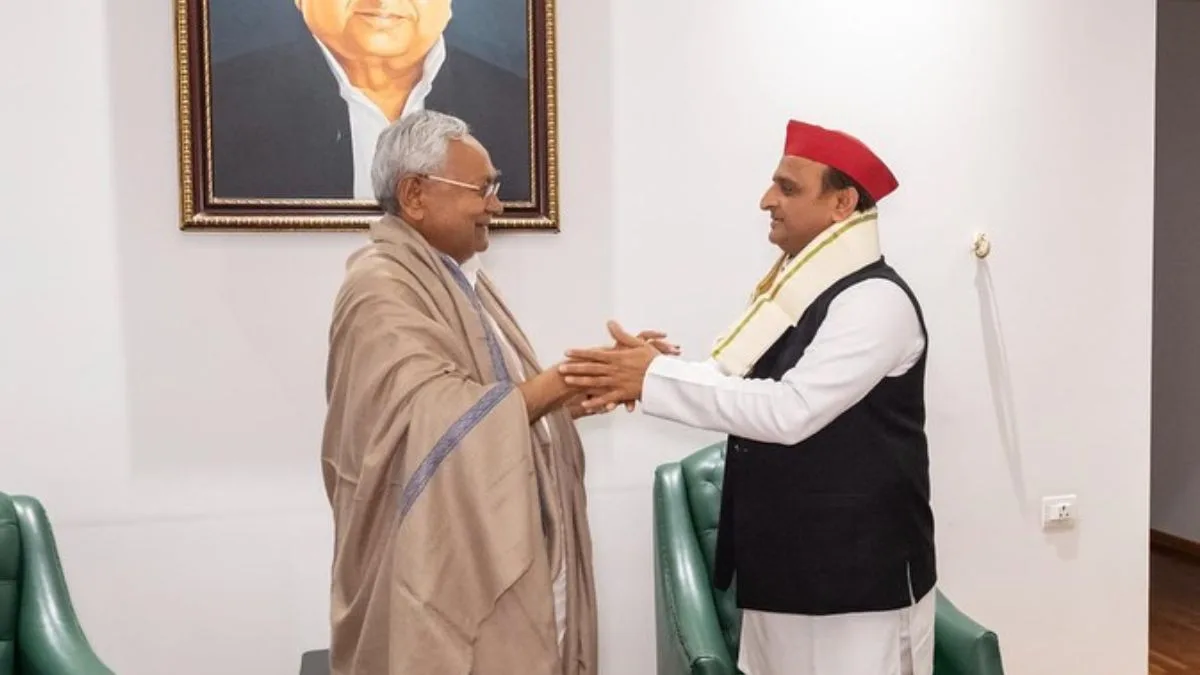
Akhilesh Yadav mocks Nitish Kumar’s Rajya Sabha shift, says BJP reduced him from PM hopeful to retirement candidate

The BJP’s political strategy has drawn attention after Nitish Kumar filed his nomination for the Rajya Sabha, marking a significant shift in his political role. The move comes after his return to the NDA ahead of the 2024 general elections.

Statesman News Service | New Delhi |

Politics in Bihar took another dramatic turn this week as Chief Minister Nitish Kumar filed his nomination for the Rajya Sabha elections 2026. The decision quickly triggered reactions from across the political spectrum, with Samajwadi Party chief Akhilesh Yadav launching a sharp attack on the BJP and mocking Nitish Kumar’s political future.

While supporters of Nitish Kumar say the move is a strategic decision, critics believe it signals the end of a long and influential political chapter.

Akhilesh Yadav takes a swipe

Speaking to reporters on Friday, Akhilesh Yadav did not hold back his criticism. According to him, the BJP’s political playbook was predictable.

He said that anyone who understands politics could already guess what the BJP would do next. Akhilesh Yadav added that he once hoped Nitish Kumar would retire as the Prime Minister of India, but the situation has now changed.

Instead, he sarcastically remarked that Nitish Kumar would now retire as a Rajya Sabha member.

From opposition face to NDA ally

Nitish Kumar’s political journey over the last few years has been full of twists.

Before the 2024 General Elections, he was one of the founding figures of the INDIA opposition alliance. Many of his supporters even projected him as a possible prime ministerial candidate who could challenge the BJP at the national level.

However, the situation changed dramatically when Nitish Kumar decided to return to the National Democratic Alliance (NDA) ahead of the elections. His move surprised many political observers and reshaped alliances in Bihar.

Now, with his nomination to the Rajya Sabha, another major shift in his political path appears to be unfolding.

JD(U) workers initially upset

Inside Nitish Kumar’s own party, the decision caused mixed emotions.

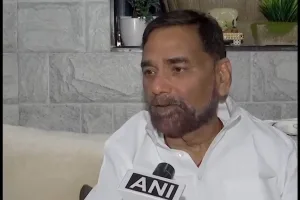
Bihar minister Shravan Kumar admitted that many Janata Dal (United) workers were upset when they first heard that the chief minister planned to move to the Rajya Sabha.

However, he said that Nitish Kumar explained the reasoning behind the decision during a meeting with party leaders on Friday.

According to Shravan Kumar, the chief minister made it clear that this was his personal political decision. Even though party workers felt emotional about it, they ultimately agreed to support him.

He said that once a leader takes a political decision, it becomes the responsibility of supporters and party members to stand by that choice.

JD(U) rejects pressure from BJP

Opposition leaders have suggested that the BJP might have pressured Nitish Kumar to move to the Centre.

Shravan Kumar strongly denied these allegations.

He argued that if there had been any pressure, Nitish Kumar would have openly said so. Instead, the chief minister explained that he wanted to experience the “fourth House” in his long political career.

Nitish Kumar has already served in the Bihar Vidhan Sabha, Bihar Legislative Council, and Lok Sabha. According to the JD(U), the Rajya Sabha was the only parliamentary institution he had not yet been part of.

New political entry for Nishant Kumar

The political developments in Bihar may also mark the beginning of a new chapter for the Nitish Kumar family.

Shravan Kumar welcomed the idea of Nishant Kumar, Nitish Kumar’s son, entering active politics.

He said party members had earlier suggested that Nishant Kumar should step forward because he is young and capable. With the changing political situation, leaders now believe it is the right time for him to play a role.

The JD(U) has confirmed that Nishant Kumar will officially join the party on Sunday.

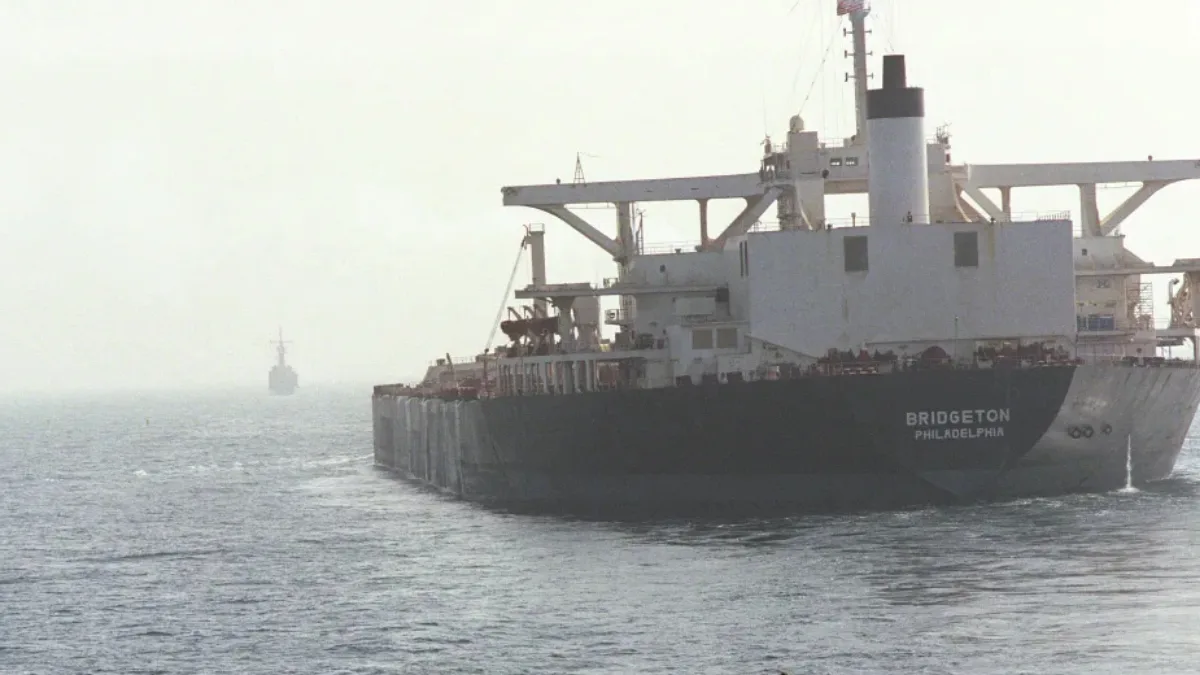
Iran threatens US: ‘Before escorting ships through Hormuz, remember 1987 Bridgeton’

Iran’s Islamic Revolutionary Guard Corps (IRGC) has issued a warning to the United States amid rising tensions, invoking the 1987 mining of the supertanker Bridgeton as a reminder of past confrontations in the region.

Statesman News Service | New Delhi |

Iran’s Islamic Revolutionary Guard Corps (IRGC) has issued a warning to the United States amid rising tensions, invoking the 1987 mining of the supertanker Bridgeton as a reminder of past confrontations in the region.

The IRGC, said Iran was waiting for the United States to escort commercial ships through the Strait of Hormuz, one of the world’s most strategically important maritime chokepoints.

“We are waiting for their presence,” Guards spokesman Ali Mohammad Naini said, responding to comments from the US energy secretary that the US Navy was preparing to escort vessels through the strait once conditions allowed.

The IRGC also warned the US to recall the events of 1987. “We recommend that before making any decision, the Americans remember the fire of the American supertanker Bridgeton in 1987 and the oil tankers that were recently targeted,” he said, according to Iran’s news agency.

The warning comes as maritime traffic through the Strait of Hormuz remains constrained amid an ongoing regional conflict. The narrow waterway between Iran and Oman handles a significant portion of the world’s oil shipments, making it a focal point of geopolitical tensions.

Inside 1987 Bridgeton incident

The Bridgeton incident occurred during the “Tanker War” phase of the Iran-Iraq War in the 1980s, when both sides targeted oil shipping in the Gulf.

In 1987, Kuwait, whose tankers were transporting Iraqi oil, requested military protection from both the United States and the Soviet Union after repeated attacks on its shipping. Washington responded with Operation Earnest Will, under which Kuwaiti tankers were reflagged under the U.S. flag and escorted by American naval vessels.

On July 21, 1987, the 414,000-ton supertanker Bridgeton and the gas carrier Gas Prince departed the Gulf of Oman under the protection of three US warships in the first Earnest Will convoy. The group passed through the Strait of Hormuz without incident despite being approached by Iranian fighter jets.

Three days later, however, the convoy encountered danger near Farsi Island in the Persian Gulf. Iranian Revolutionary Guard naval forces had secretly laid a line of nine sea mines in the shipping channel after abandoning plans for a direct speedboat attack.

On July 24, 1987, the Bridgeton struck one of the mines about 13 miles west of Farsi Island. The explosion caused a large dent in the tanker’s outer hull but did not disable the vessel, which continued its journey.

Following the blast, US warships repositioned themselves behind the tanker, allowing the massive double-hulled ship to act as a pathfinder through the suspected minefield.

Although the ship completed its voyage, the incident was widely seen as a propaganda victory for Iran. At the time, Iranian Prime Minister Mir-Hossein Mousavi called it “an irreparable blow to America’s political and military prestige.”

Renewed tensions in strategic waterway

The Strait of Hormuz remains one of the world’s most critical energy routes, with a significant share of global oil exports passing through the narrow passage each day.

Iran’s latest remarks signal the possibility of renewed confrontation if the United States proceeds with naval escort operations similar to those conducted during the 1980s tanker war.

Analysts say any escalation in the Strait could have major implications for global energy markets and regional security.