Logo

Akshay Kumar’s candid confession: ‘When a wife enters the house, everything changes; Lakshmi arrives too’

Akshay Kumar shared funny yet heartfelt thoughts about married life on television. From skincare routines to home food, the actor says life truly changes after a wife enters the house.

Statesman News Service | New Delhi |

Bollywood star Akshay Kumar is known for action, discipline, and early morning routines. But on a recent television appearance, the actor revealed that there is one thing that can completely shake up a man’s life: marriage.

In a fun and candid conversation on the quiz reality show “Wheel of Fortune,” Akshay spoke about how life quietly transforms when a wife enters the picture.

Also Read: Kajol says marriages should come with an expiry date and an option for renewal

“When a wife comes home, everything changes”

During the show, Akshay reflected on how a partner can bring surprising changes to everyday life from habits to routines and even the food people eat.

Sharing his thoughts, he said with a smile, “Lekin kamaal hai yaar, biwi ghar par aati hai, sab kuch badal jaata hai. Aadmi jo istemaal karta tha aur kya istemaal karne lag jaata hai. Kya khata tha, phir ek settlement aa jaati hai.”

In simple words, the actor meant that once a wife enters the home, a man’s lifestyle changes in ways he never expected. The products he uses change, the things he eats change, and gradually life finds a new balance.

According to Akshay, married life often brings a sense of stability that single life rarely has.

“Good food automatically starts at home”

The actor also spoke warmly about how marriage improves life at home especially when it comes to food and comfort.

He joked that once a wife enters the household, the atmosphere changes for the better.

“Ghar mein apne aap achha khana banna shuru ho jaata hai,” he said, adding that people often say Goddess Lakshmi enters the home when a wife arrives, and he believes that saying is absolutely true.

“Biwi ke aane se… jab kehte hai Lakshmi ghar mein aati hai, wo sahi kehte hain. Jab biwi aati hai tab Lakshmi aati hai.”

Influencer Viraj Ghelani shares his “marriage shock”

The conversation became even more entertaining when influencer Viraj Ghelani, who recently got married, spoke about how his daily routine has dramatically changed since tying the knot.

Viraj revealed that his grooming routine has become far more complicated.

“I have a separate soap for my forehead, a separate shampoo for my hair, a separate soap for my elbows, and a separate soap for my knees,” he joked.

Akshay looked shocked and quickly responded, laughing, “Why is that? I also don’t have such richness.”

Sunscreen, skincare and new rules at home

Viraj continued describing how his wife introduced him to an entirely new world of skincare and routines.

He explained that his wife insists on using sunscreen regularly, even before bedtime.

“I applied sunscreen before going to sleep,” Viraj said. “When I was about to sleep, she told me to wash my feet first. I told her I’ve been sleeping like this since childhood.”

But that was not the end of it.

He added that she also made him apply skincare products like niacinamide and salicylic acid, which he admitted are quite expensive.

Hearing this, Akshay burst out laughing and said, “Bhagwan kasam, humko toh yeh pata hi nahi hai abhi tak.”

Akshay Kumar and Twinkle Khanna: A 26-year love story

While joking about married life, Akshay also has plenty of personal experience to draw from.

The actor married former actress, author and interior designer Twinkle Khanna in January 2000 after dating for a few months.

Over the years, their relationship has become one of Bollywood’s most stable and admired marriages.

The couple share two children; their son Aarav and daughter Nitara.

Govt invokes Essential Commodities Act to secure domestic gas supply amid West Asia conflict

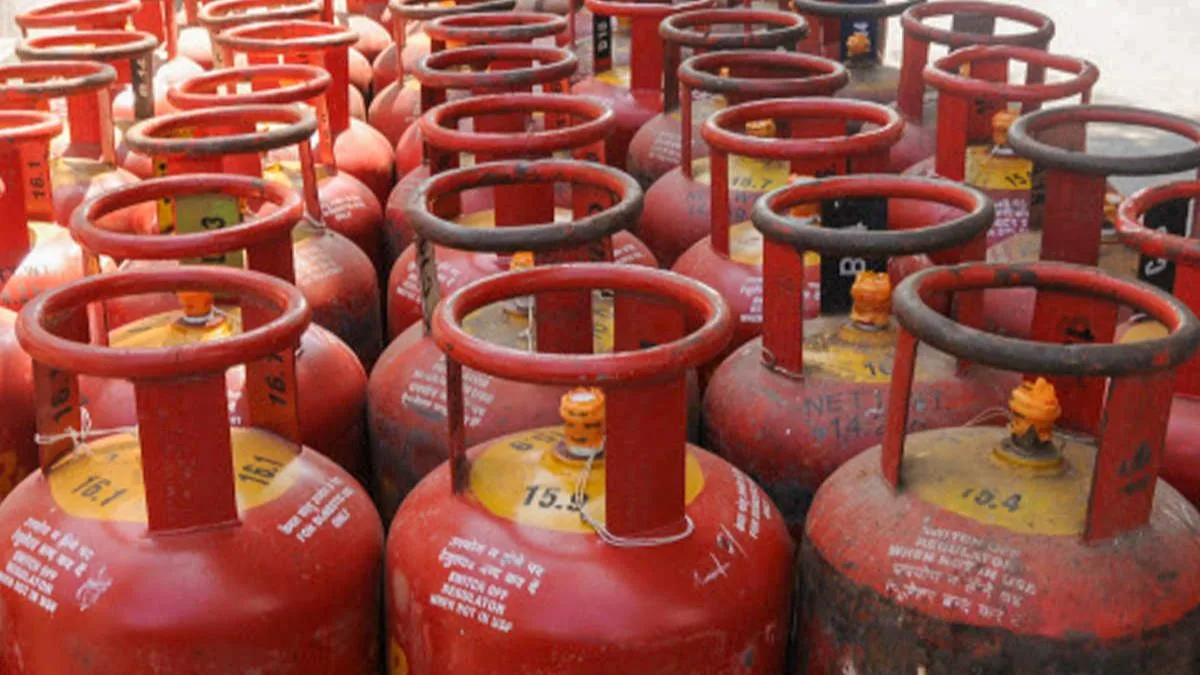
According to the Ministry of Petroleum and Natural Gas, the government has issued a control order directing refineries and petrochemical units to maximise the production of liquefied petroleum gas (LPG) and divert key hydrocarbon streams to the LPG pool.

Statesman News Service | New Delhi |

Amid rising pressure on global fuel supplies due to the ongoing conflict in West Asia, the Union Government has invoked the Essential Commodities Act (EC Act) to safeguard India’s domestic energy market and ensure the uninterrupted availability of cooking gas.

According to the Ministry of Petroleum and Natural Gas, the government has issued a control order directing refineries and petrochemical units to maximise the production of liquefied petroleum gas (LPG) and divert key hydrocarbon streams to the LPG pool.

The move aims to maintain a steady supply of cooking gas across the country. The ministry said that invoking the EC Act establishes a clear priority framework for natural gas distribution in order to manage the current supply constraints.

Under the new mandate, domestic piped natural gas (PNG) for households and compressed natural gas (CNG) for vehicles will receive 100 per cent assured supply.

Other sectors, however, will face calibrated supply limits based on their average consumption over the past six months. Industrial and commercial natural gas consumers will receive 80 per cent of their six-month average supply, while fertiliser plants have been allocated 70 per cent of their previous supply levels as part of the government’s resource rebalancing strategy.

To facilitate the shift in supply priorities, the Petroleum Ministry confirmed a 35 per cent reduction in natural gas allocation to refineries and petrochemical plants. The measures come as India navigates supply challenges triggered by geopolitical tensions in West Asia.

India typically sources around 30 per cent of its natural gas through the Strait of Hormuz, making the route critical for the country’s energy imports. To offset the current shortfall, the ministry said India is actively procuring natural gas through alternative trade routes to maintain national energy security.

Meanwhile, the ministry has also constituted a committee to assess LPG requirements for restaurants, automobiles, and other sectors, and to explore ways to provide them with limited volumes.

The government has prioritised domestic LPG supply to households to ensure energy security for citizens amid volatility in global oil and energy markets caused by the West Asia crisis.

“In light of current geopolitical disruptions to fuel supply and constraints on LPG availability, the ministry has issued orders to oil refineries to increase LPG production and utilise the additional output for domestic consumption,” the Ministry of Petroleum and Natural Gas said in a statement posted on X.

To manage the current supply situation and prevent hoarding or black marketing, the ministry has also introduced a 25-day inter-booking period for LPG consumers.

The steps form part of the government’s broader strategy to stabilise the domestic energy market while global supply chains remain under pressure.

Indian men’s basketball team heads home after 10-day stranding in Doha amid regional airspace restrictions

The Indian basketball contingent had travelled to Doha for the FIBA Basketball World Cup 2027 Asian Qualifiers but was stranded in the Qatari capital due to ongoing geopolitical tensions in the region.

Statesman News Service | New Delhi |

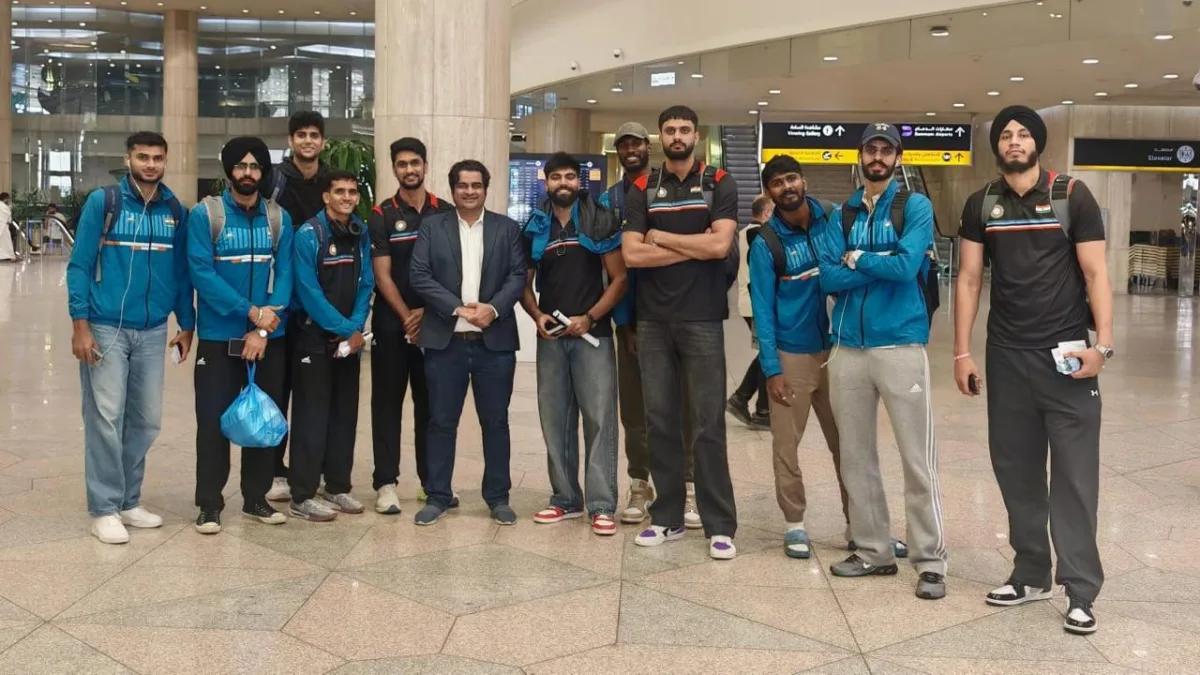
The Indian men’s basketball team is finally on its way back home after being stranded in Doha for 10 days, the Basketball Federation of India (BFI) said on Tuesday.

The Indian basketball contingent had travelled to Doha for the FIBA Basketball World Cup 2027 Asian Qualifiers but was stranded in the Qatari capital due to ongoing geopolitical tensions in the region. The situation escalated following airstrikes and missile attacks involving the United States, Israel, and Iran, which disrupted international airspace and flight operations.

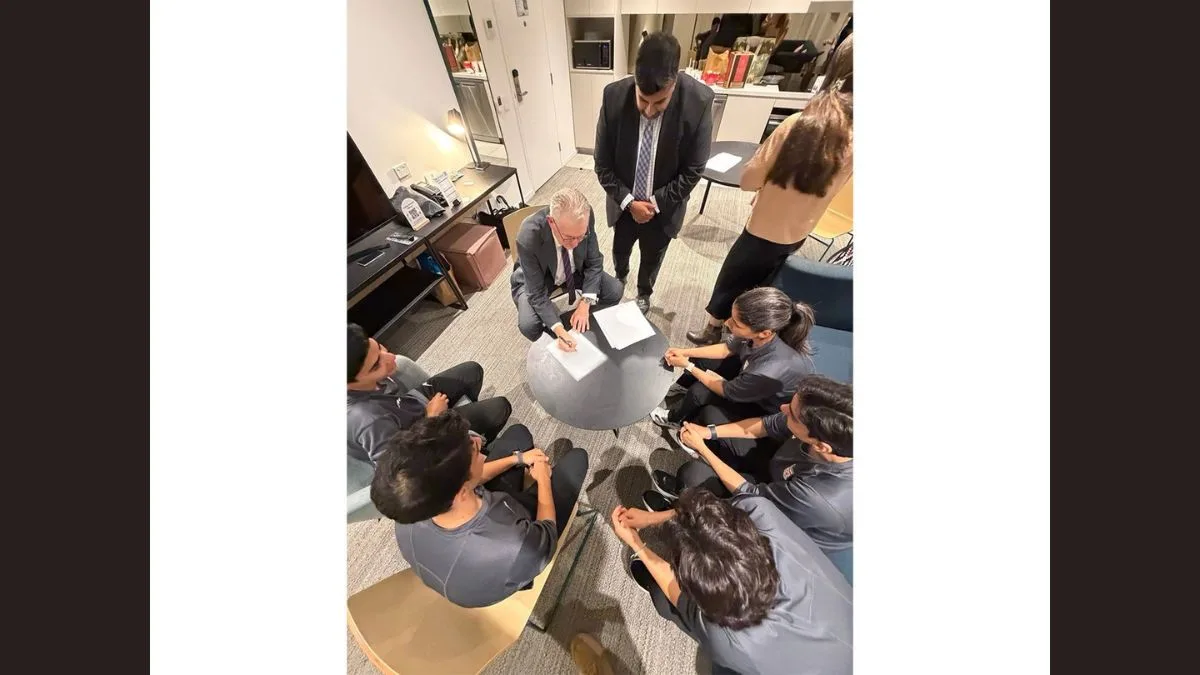
During the period, the Qatar Basketball Federation arranged hotel accommodation and provided logistical support for the Indian contingent, ensuring the safety and security of the players and staff until the Embassy of India facilitated their return.

On March 8, the team travelled by road from Doha to Dammam in Saudi Arabia. Due to limited flight availability, the delegation was split into two groups for their journey back to India.

“One group travelled via Dammam → Jeddah → Mumbai (landing at 12:05 AM), while the other group flew Dammam → Lucknow (landing at 5:15 AM),” the BFI said in a statement.

According to the federation, its president and secretary general remained in constant contact with the FIBA Asia office, the Government of India, and the Embassy of India in Doha to ensure the safe return of the team.

“The President and Secretary General remained in constant touch with the FIBA Asia office, the Government of India, and the Embassy of India to ensure the safe return of the team. The safety and well-being of the players remained the highest priority throughout,” it added.

The federation also expressed gratitude to FIBA Asia, the Qatar Basketball Federation, the Embassy of India in Doha, and the Embassy of India in Saudi Arabia for their support and assistance during the challenging period.

“We extend our heartfelt gratitude to the FIBA Asia office, the Qatar Basketball Federation, the Embassy of India in Doha, Qatar, and the Embassy of India in Saudi Arabia for their invaluable support and assistance during these challenging times,” the statement read.

UAE consulate in Iraq damaged in drone attack; Saudi Arabia condemns targeting of diplomatic premises

The UAE’s Ministry of Foreign Affairs strongly denounced the strike, calling it a “dangerous escalation” that threatens regional peace and stability.

Statesman News Service | New Delhi |

A diplomatic mission of the United Arab Emirates (UAE) in Iraq was struck by a drone attack early Tuesday, just hours after the Gulf nation expressed concern about being “unfairly targeted” in the ongoing Middle East conflict.

The drone strike hit the UAE consulate in Iraq’s Kurdish region, causing structural damage to the building. Officials confirmed that no injuries or fatalities were reported in the incident.

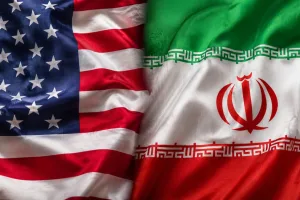
The attack comes against the backdrop of rapidly intensifying regional hostilities that began after coordinated military operations by the United States and Israel against Iran on February 28. The conflict has now stretched beyond ten days, though US President Donald Trump has suggested that the military campaign could soon wind down.

UAE, Saudi condemn attack on diplomatic mission

Reacting to the incident, the UAE’s Ministry of Foreign Affairs strongly denounced the strike, calling it a “dangerous escalation” that threatens regional peace and stability. In an official statement, the ministry stressed that attacks on diplomatic facilities represent a clear violation of international law and diplomatic conventions. While condemning the assault, UAE authorities did not identify who launched the drone or specify where it originated.

The strike occurred a day after the UAE complained that it was being targeted “in an unwarranted manner” despite not participating in military operations against Iran. It has repeatedly stated that it seeks to avoid participation in the ongoing conflict.

Saudi Arabia has also issued a strong condemnation following the assault on the United Arab Emirates’ Consulate General in Iraq. The Saudi Ministry of Foreign Affairs expressed its firm disapproval of the strike, characterising the “repeated targeting” of diplomatic premises as a “clear violation” of international law.


Australia steps in with defensive support for UAE

Amid growing security concerns, Australia has announced that it will deploy military assets to help strengthen the UAE’s defensive capabilities.

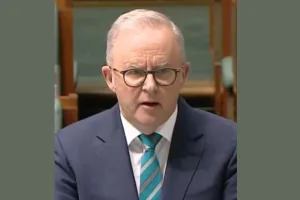
Australian Prime Minister Anthony Albanese confirmed that the country would send aircraft and missile systems to the region as a precautionary measure.

“Our involvement is purely defensive,” Albanese said, adding that the deployment aims to protect Australians in the region and support partners in the United Arab Emirates.

As part of the move, Australia will dispatch a Boeing-built E-7A Wedgetail airborne early warning and control system aircraft, which will operate over the Gulf for an initial four-week period to monitor airspace and provide early threat detection.

Australia will also supply advanced medium-range air-to-air missiles to the UAE. The decision follows a high-level phone conversation between Albanese and UAE President Mohammed bin Zayed Al Nahyan, during which both leaders discussed regional security concerns.


‘Kashmir should be core theatre of Jihad’: Al Qaeda tries to revive Article 370 debate through Iran war narrative

The latest messaging from AQIS highlights how extremist groups often attempt to capitalise on global conflicts to push their agendas locally.

Statesman News Service | New Delhi |

As tensions rise in the Middle East, extremist groups are attempting to exploit the situation for propaganda and recruitment. One such effort has emerged from Al-Qaeda in the Indian Subcontinent (AQIS), which is reportedly using the ongoing Iran-related conflict to spread its messaging and attract recruits in Jammu and Kashmir.

Security agencies say the group is trying to reshape the narrative around the region by calling upon the local youth to join extremist causes while reviving debates around Article 370.

Exploits Iran conflict in propaganda

According to intelligence inputs, AQIS has been portraying the current geopolitical tensions as part of a larger campaign against Islam. In its propaganda magazine’s March edition, it has laid out a detailed roadmap as to how the youth of Kashmir must prioritise religion over development.

It listed several countries, including India, the United States, Israel, the United Kingdom, France and Spain, as enemies of Islam.

Through this narrative, the organisation calls on young people in Kashmir to unite and begin the battle against these nations from Kashmir. The terror group says that Kashmir should be the core theatre of Jihad.

The publication encourages youth in Kashmir to place religion above economic development and social progress. The magazine also expresses dissatisfaction that there was no widespread uprising after the Government of India scrapped Article 370.

Security officials say the messaging attempts to undermine the Centre’s development initiatives in the region by portraying them as distractions from religious identity.

‘Youth must not be distracted by GoI’

The propaganda material also criticises the government’s push for infrastructure and economic growth in Jammu and Kashmir, claiming that young people should remain focused on religious causes instead.

However, intelligence officials point out that AQIS has struggled to gain a foothold in the region since its formation in 2014. The group was formed in Afghanistan with the primary intention of waging a battle in Jammu and Kashmir.

It also cites the Taliban example, which fought against global powers on several occasions. Kashmir must be the gateway to Jihad, and this movement must spread across India, the AQIS said.

According to investigators, the organisation frequently invokes the concept of Ghazwa-e-Hind or the destruction of India in Jammu and Kashmir.

Signs of desperation within AQIS

Security agencies believe the group’s renewed messaging reflects a sense of frustration over its limited success.

Despite attempts to establish networks in different locations, AQIS has failed to build strong local support. Officials say the group is now trying to leverage the Iran conflict to present it as an anti-Islam campaign, hoping the narrative will resonate with potential recruits.

The broader aim, authorities believe, is to make Kashmir the centre of its activities and eventually expand its influence across other parts of India.

Attempt to revive Article 370 debate

Investigators say a key part of AQIS’s strategy is to reignite discussions around Article 370 and encourage a revival of separatist sentiment.

Following the revocation of the provision in 2019, security agencies implemented extensive measures to prevent unrest and curb militant networks that had long operated in the region.

Officials now warn that extremist groups are attempting to use propaganda to bring back the same mindset that fuelled earlier separatist movements.

Monitoring extremist narratives

Authorities say they are closely tracking online and offline propaganda linked to AQIS. The concern is not only about recruitment but also about attempts to influence public opinion through misinformation.

Security agencies note that groups such as Hizbul Mujahideen, Jaish-e-Mohammed and Lashkar-e-Taiba have tried to exploit unrest in the Valley.

However, officials say that in recent years these organisations have struggled to regain the level of influence they once had. As a result, propaganda campaigns aimed at reviving separatist sentiment are increasingly being used as an alternative strategy.

The bigger picture

The latest messaging from AQIS highlights how extremist groups often attempt to capitalise on global conflicts to push their agendas locally. While security agencies say the threat is being monitored closely, they emphasise that vigilance against online radicalisation remains crucial.


‘Govt responsible for LPG shortage’: Gas squeeze hits hotels, crematoriums; Opposition attacks Centre

Government directs refineries to increase LPG output and channels imported gas to essential sectors as industry groups and Opposition leaders question supply conditions during the ongoing energy market disruption.

Statesman News Service | Mumbai |

The Centre has increased the minimum waiting period for booking a domestic LPG refill from 21 days to 25 days after authorities noticed a surge in demand linked to fears of supply disruption during the ongoing West Asia conflict.

Officials said bookings had risen by nearly 15-20 per cent as households began ordering cylinders earlier than usual. The government maintains that LPG supply in the country remains adequate and that the move is meant to prevent hoarding and manage inventory.

The decision comes as the conflict in West Asia continues to affect global energy markets and shipping routes, raising concerns about fuel availability and supply chains.

Govt pushes higher LPG production

The Ministry of Petroleum and Natural Gas has asked oil refineries to increase LPG output and divert additional production for household consumption.

“In light of current geopolitical disruptions to fuel supply and constraints on the supply of LPG, the Ministry has issued orders to oil refineries for higher LPG production and using such extra production for domestic LPG use,” the ministry said on X.

To manage demand, the government has also introduced the 25-day inter-booking rule.

“The ministry has prioritised domestic LPG supply to households and introduced 25 day inter- booking period to avoid hoarding/black marketing,” the ministry said.

Imported LPG meant for commercial consumption is being directed to essential services first.

“Non domestic supplies from imported LPG is being prioritised to essential non domestic sectors such as Hospitals and Educational institutions,” the ministry said.

A three-member panel of oil marketing company executives has also been set up to examine requests from restaurants, hotels and other industries.

“For LPG supply to other non-domestic sectors, a committee of three EDs of OMCs have been constituted to review the representations for LPG supply to restaurants/hotels/other industries,” the ministry added.

Officials said unusual booking behaviour had triggered the move.

“There were instances that people who were earlier booking LPG cylinders in 55 Days have started booking cylinders in 15 days,” sources said.

Political reactions and industry concerns

The issue has sparked sharp political reactions.

Congress MP Pramod Tiwari blamed the government for the situation.

“First, this government increases the prices of commercial and domestic LPG. The war has been going on for nine or ten days, and there is a gas shortage. Along with this, there is an instruction that domestic gas will not be booked before 25 days in cities. For this shortage, the Petroleum Ministry of the Government of India is entirely responsible,” he told ANI outside Parliament.

Congress MP Manickam Tagore said the government had ignored warnings about energy risks.

“We wanted a discussion on this in the Parliament yesterday. Rahul Gandhi clearly said that energy security will be under huge crisis. The ruling is instead blaming the opposition. The government is not able to understand the impact of the West Asia crisis. This needs a concrete action, but the whole world is acting, except India,” he said.

Karnataka Deputy Chief Minister DK Shivakumar said the matter should be debated in Parliament. “The govt should discuss this issue in Parliament. Because the government is not giving time to discuss this issue, all INDIA alliance MPs are protesting. What are they (govt) fearing? On the occasion of Women’s Day, gas prices were increased. No (BJP) MPs spoke about it or protested on this issue.”

Shiv Sena (UBT) MP Arvind Sawant criticised the situation, saying supply is tightening even as prices rise. “Domestic LPG prices have gone up, and its availability is also going down. There is a need to invoke it (Essential Commodities Act, 1955) against this government.”

Another Shiv Sena (UBT) MP, Priyanka Chaturvedi, criticised the government’s claims about stock levels.

“We were lied to that we have sufficient stock reserves. The situation today shows that this government is running on God’s grace. They just talk big while the common people are the ones facing the troubles. Within a week, you’ve increased the gas prices even though you said we won’t burden the citizens, but the first thing you did was exactly that…”

Congress MP Rajani Patil also raised concerns about rising costs.

“…The price of the LPG cylinder has been increased by Rs 60, which is a huge burden on the pocket, and inflation is rising. If commercial cylinders do not come to the market, then how will the students living in hostels manage? The ground reality is different from what the govt is saying.”

JMM MP Mahua Maji claimed people in Ranchi were already facing difficulties.

“Long queues can be seen for LPG and petrol in Ranchi, and the public is troubled, thinking what will happen in future,” she said.

She added that despite government assurances, uncertainty remains because of the ongoing conflict.

“There is no guarantee when the conflict will stop. The government should clarify its foreign policy.”

Samajwadi Party MP Neeraj Maurya also raised questions over the reports.

“If this is true, then is the news of shortage false? If yes, then action should be taken against it.”

“If there is a shortage, then it should be immediately resolved wherever the issue is arising,” he said.

Samajwadi Party MP Awadhesh Prasad warned that shortages could worsen.

“Their (govt) panel (three-member panel to examine supply issues) will not be able to prevent this. It will increase day by day, and the shortage of LPG cylinders will affect our economy, inflation will rise badly, and the government will become helpless. They are incapable of doing anything.”

Concerns emerge in cities

In Bengaluru, BJP MP Tejasvi Surya wrote to Union Petroleum Minister Hardeep Singh Puri after hotels raised concerns about possible disruption in commercial LPG supply.

“The reports of a shortage of LPG cylinders and its possible disruption to the hotel industry have been communicated to Hon. Minister Shri @HardeepSPuri Ji. The Minister has constituted a high priority panel to ensure LPG supply is uninterrupted to non-domestic users, including hotels,” Surya wrote on X.

In Pune, authorities have temporarily stopped using LPG-based cremation furnaces to conserve gas supply.

Municipal Commissioner Naval Kishor Ram said the city has 27 crematoriums and LPG is used in 18 of them.

“Crematorium systems have not been disturbed, or there are no breaks in this… We have around 27 crematoriums in the city, with all the facilities. LPG is used in 18 of them… Due to the break in the supply, we are discouraging the use of commercial LPG in these 18 places to prevent the shortage. But we do have other facilities,” he said.

In Mumbai, Sujit, who runs Marathi Tadka hotel in Dadar, said the situation is already affecting restaurants. “Currently, we are facing LPG shortage because of the conflict, which is affecting our business. The vendors who used to supply us with LPG gas are now saying that it is not available… How will we run our business in this situation?… We are discussing it, but we request the government to come up with some solution…”

Meanwhile, the Madhya Pradesh government has called a review meeting to examine fuel availability and food supply in case tensions in West Asia continue.

Despite the concerns, Union Petroleum Minister Hardeep Singh Puri said India’s energy imports remain stable.

“Energy imports into the country are in full flow from all Non-Hormuz routes. The energy requirements of our citizens are being fully met. India is in a comfortable position. There is no room for anxiety or speculation in this regard,” he said earlier on X.


Known for determination, dedication, CISF plays vital role in safeguarding critical infrastructure across nation: PM Modi

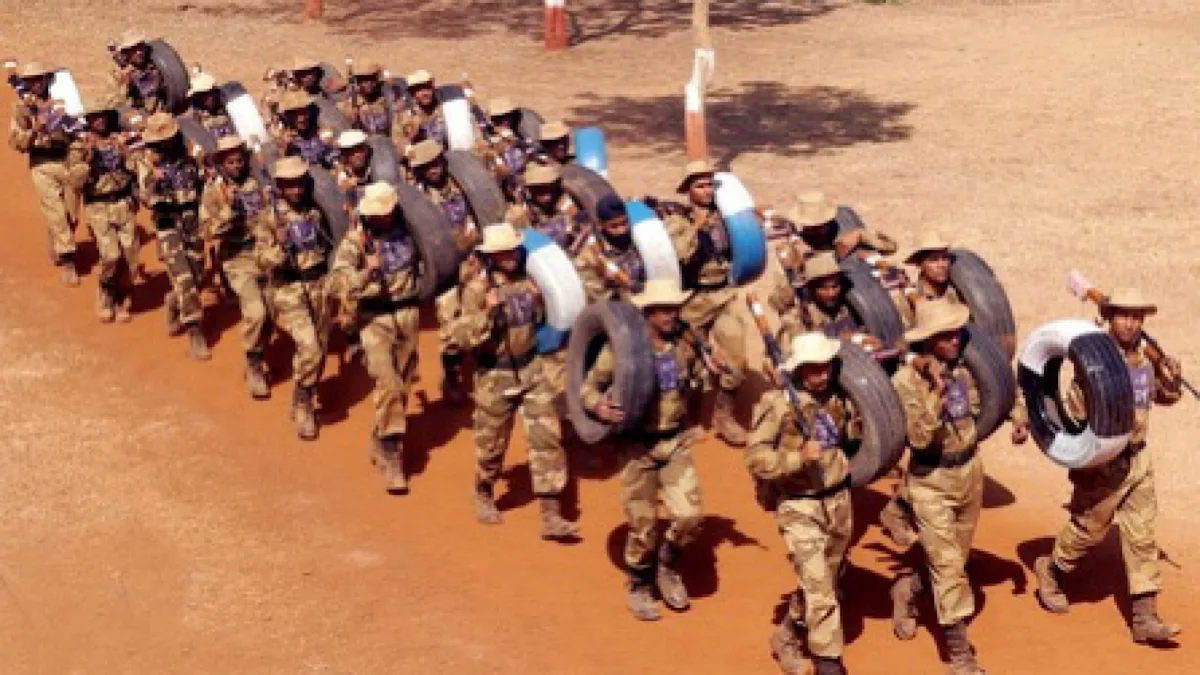
Prime Minister Narendra Modi on Tuesday extended warm greetings to all personnel of the Central Industrial Security Force (CISF) on their Raising Day and said that, known for their determination, discipline and dedication, CISF plays a vital role in safeguarding critical infrastructure across the nation.

IANS | New Delhi |

Prime Minister Narendra Modi on Tuesday extended warm greetings to all personnel of the Central Industrial Security Force (CISF) on their Raising Day and said that, known for their determination, discipline and dedication, CISF plays a vital role in safeguarding critical infrastructure across the nation.

PM Modi took to his social media ‘X’ and said, “Warm greetings to all personnel of the Central Industrial Security Force on their Raising Day. Known for their determination, discipline and dedication, the CISF plays a vital role in safeguarding critical infrastructure across the nation. Their unwavering commitment to duty contributes greatly to India’s security and progress.”

Earlier in the day, Union Home Minister Amit Shah also extended greetings to the personnel of the CISF on the occasion of its Raising Day, praising the force for its commitment, professionalism and patriotic service to the nation.

In a post on X, HM Shah conveyed his wishes to the personnel of the force and acknowledged their dedication to performing challenging security duties across the country.

“Greetings to the CISF personnel on Raising Day. Whether safeguarding the nation’s vital installations or shielding the nation during crises, their dedication reflects true spirit of patriotism and professionalism. Tributes to martyrs who made supreme sacrifice for the country,” the Home Minister wrote.

The nation celebrates the CISF Raising Day. The day honours and pays gratitude towards CISF forces and their incredible contribution in safeguarding the industrial undertakings across the country. It was today that the CISF was formally established in 1969 under an Act of the Parliament of India.

Initially armed with protective resources for only the industries wholly owned by the Central Government, the CISF now also safeguards joint-venture enterprises in which the Central Government has a stake. The body operates under the Ministry of Home Affairs and its regulations.

It was after the extremely challenging 1965 India-Pakistan war that the nation recognised the need to have a specialised force like CISF. During the war, the security of India’s public sector institutions and undertakings, including economically crucial oil refineries and power plants, was put under a major threat.

The government of India then laid the foundation for the CISF on March 10, 1969, assigning the force the important task of protecting these institutions with their specialised forces and ensuring their 24×7 smooth functioning. The CISF today acts as a shield for India’s PSUs and other critical infrastructure installations, including airports, seaports and major industrial plants.

Kavitha continues indefinite fast after police shifts her to Hyderabad

Police forcibly shifted her to Hyderabad but she continued the fast at Telangana Jagruthi office.

Statesman News Service | New Delhi |

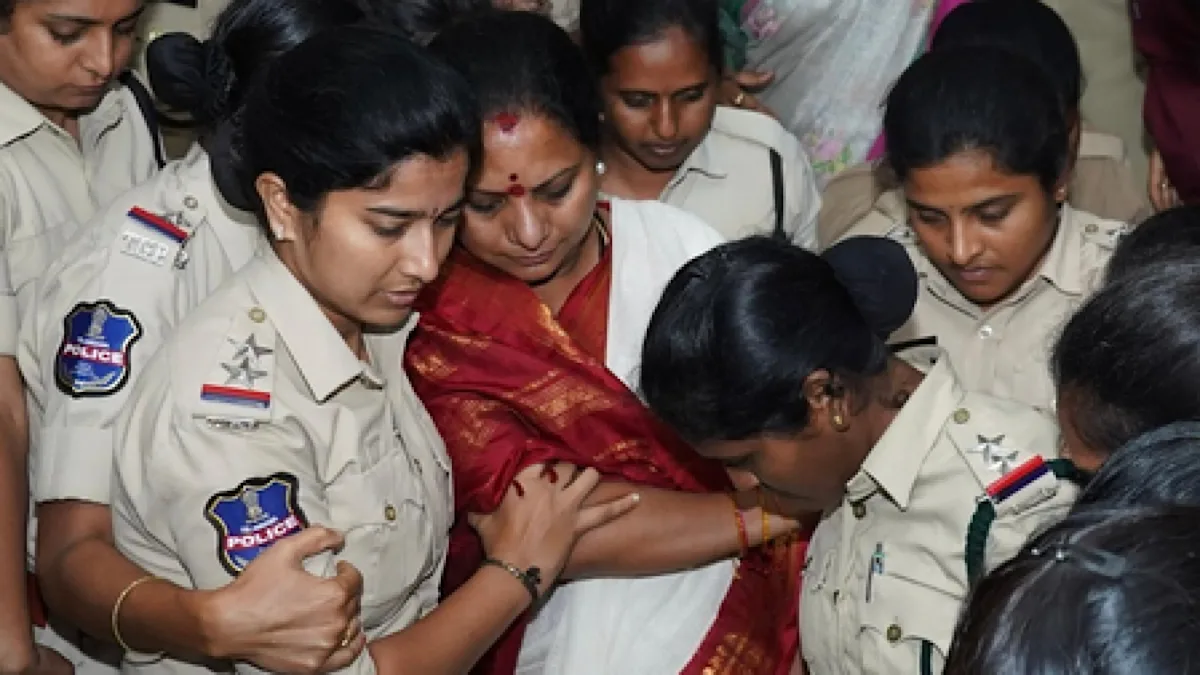
Police in Telangana’s Khammam town on Tuesday detained Telangana Jagruti president K Kavitha, who has been on an indefinite fast since Monday night, demanding justice for families displaced from a land parcel in the town.

Police forcibly shifted her to Hyderabad but she continued the fast at Telangana Jagruthi office.

She declared that she would continue the fast till justice is done to the affected families.

Kavitha alleged that several poor families were forcibly evicted by authorities in Velugumatla area in Khammam without issuing any notice to them.

She said that the land from where the outstees were evicted from a ‘Bhoodan’ (donated by others in the past) land.

Stating that it is not a government land, she questioned the action of local authorities. The former MP told media persons that she would write a letter to Congress leader Rahul Gandhi to bring the issue to his notice. She said, if necessary, they will approach the High Court.

She demanded that the District Collector give an assurance that the oustees would be given ‘pattas’ in the same land.

Kavitha had reached Khammam on Monday and staged dharna along with local leaders at ZP Center. She also visited the affected families in Velugumatla and interacting with the victims. She stated that their pain and suffering were deeply disturbing.

Kavitha demanded that the government build new houses for the victims at the same place where their homes were demolished

She said the demolitions had taken place during a sensitive time when children were preparing for Intermediate and Class 10 examinations.

Police had detained Kavitha, BC SC ST JAC chairman Visharadhan Maharaj and several Jagriti activists and shifted them to Khammam Three Town police.

After the release, Kavitha and others launched an indefinite fast at Ambedkar Bhavan, demanding justice to the victims.

“My indefinite hunger strike will persist until the displaced families of Velugumatla are allotted plots and sanctioned fully-built houses at the very locations from which they were forcefully evicted,” she posted on ‘X’.

A day before SC hearing, NCERT issues public apology over Class 8 textbook chapter on judiciary

The National Council of Educational Research and Training (NCERT) on Tuesday tendered an unconditional and unqualified public apology over the controversial chapter referring to corruption in the judiciary in its now-withdrawn Class 8 Social Science textbook.

IANS | New Delhi |

The National Council of Educational Research and Training (NCERT) on Tuesday tendered an unconditional and unqualified public apology over the controversial chapter referring to corruption in the judiciary in its now-withdrawn Class 8 Social Science textbook.

Ahead of the Supreme Court hearing scheduled for Wednesday, NCERT said in a press release shared on the social media platform X that the textbook titled ‘Exploring Society: India and Beyond,’ Grade 8 (Part II), included Chapter IV, ‘The Role of Judiciary in Our Society.’

“The Director and Members of NCERT hereby tender an unconditional and unqualified apology for the said Chapter IV. The entire book has been withdrawn and is not available,” the statement said.

“We sincerely regret the inconvenience caused and appreciate the understanding of all stakeholders. NCERT remains committed to maintaining the highest standards of accuracy, sensitivity, and responsibility in educational content,” it added.

The development comes in the backdrop of strong observations made by the Supreme Court last month while taking suo motu cognisance of the contents of the textbook.

In an order passed on February 26, a Bench headed by Chief Justice of India (CJI) Surya Kant ordered the immediate nationwide withdrawal of the book and imposed a complete blanket ban on its publication, reprinting and digital dissemination.

The Bench, also comprising Justices Joymalya Bagchi and Vipul M. Pancholi, observed that references in the chapter to “corruption in the judiciary” prima facie reflected a “discernible underlying agenda to undermine the institutional authority and demean the dignity of the judiciary”.

The apex court observed that although the chapter purported to discuss the role of the judiciary, it appeared to disregard the “illustrious history associated with the Supreme Court, the High Courts, and the District Courts” and “conspicuously omits the substantive contributions made by these institutions towards the preservation of our democratic fabric”.

At the same time, the Supreme Court clarified that the proceedings were not intended to stifle legitimate criticism of institutions.

“We do not propose to initiate the suo moto proceedings to stifle any legitimate critique or to bring to task any individual or organisation exercising their right to scrutinise public institutions, including the Judiciary,” the order said, adding that dissent, deliberation and rigorous discourse remain essential to a vibrant democracy.

However, the CJI Kant-led Bench cautioned that exposing young students to a “biased narrative” at a formative stage could erode the sanctity of the judicial institution in public perception.

Observing that the wording of the chapter “may not be a simpliciter inadvertent or bona fide error,” the top court cautioned that if the publication was found to be deliberate, it could fall within the ambit of criminal contempt under the Contempt of Courts Act, 1971.

While noting that NCERT had halted the distribution of the book and expressed regret, the Supreme Court said the genuineness of the apology would be examined at an appropriate stage.

“The question as to whether the apology has been tendered genuinely with a view to purging the prima facie contempt, or whether it is merely a ruse to evade the consequences, particularly when substantial irreversible damage has already been done, is a matter that we will consider at an appropriate stage,” the CJI Kant-led Bench said.

It had also issued show-cause notices to the Secretary of the Department of School Education and Literacy in the Ministry of Education and NCERT Director Professor (Dr.) Dinesh Prasad Saklani, asking them to explain why action under the Contempt of Courts Act or other penal provisions should not be initiated against them or those responsible for introducing the “offending chapter”.

The apex court also asked the NCERT Director to furnish a comprehensive list of members of the National Syllabus and Teaching Learning Material Committee who approved the chapter, the names and credentials of the Textbook Development Team responsible for drafting it, and the minutes of meetings where the chapter was deliberated and finalised.

Meanwhile, Union Education Minister Dharmendra Pradhan had earlier expressed deep regret over the controversy and announced the immediate recall of all printed copies of the textbook.

Pradhan said the government had taken the issue seriously and directed the Central Board of Secondary Education to recall the copies without delay.

“The judiciary is a vital pillar of Indian democracy and maintaining its dignity is the government’s foremost responsibility. People have unwavering faith in the judiciary. We will not allow the reputation of any constitutional institution to be tarnished,” the Minister said.

He added that a detailed enquiry had been ordered into the matter and assured that stronger pre-publication review and editorial mechanisms would be put in place to prevent similar lapses in the future.

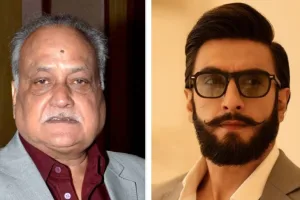
Ranveer Singh’s Jaskirat Singh Rangi vs Hamza Ali Mazari looks set internet on fire in ‘Dhurandhar 2’ poster

Ranveer Singh has intensified the excitement around ‘Dhurandhar: The Revenge’ by unveiling a striking new poster featuring his two powerful characters.

Statesman News Service | New Delhi |

The countdown has officially begun. And if the internet buzz is anything to go by, Ranveer Singh is ready to set the big screen on fire again. Just days before release of his upcoming action film ‘Dhurandhar: The Revenge’, the actor dropped powerful new poster that instantly grabbed attention. Fans noticed something unusual right away; Ranveer appears in two completely different avatars in the film.

Also Read: Advance booking frenzy for ‘Dhurandhar 2’: Over 1.2 lakh tickets sold as Ranveer Singh film crosses ₹13 crore pre-release

And yes, the hype is very real.

With the film scheduled to hit theatres on March 19, 2026, the new poster has pushed excitement to another level.

Ranveer Singh’s double role sends fans into frenzy

On March 9, Ranveer Singh shared a striking poster from the film on social media. The image shows the actor in two intense characters: Jaskirat Singh Rangi and Hamza Ali Mazari. Both looks are dramatically different.


View this post on Instagram


A post shared by Ranveer Singh (@ranveersingh)

Ranveer accompanied the poster with a dramatic caption: ‘“THE WRATH OF GOD IS COMING #DhurandharTheRevenge Releasing In Cinemas Worldwide on 19th March 2026 in Hindi, Telugu, Tamil, Kannada & Malayalam.”’

The phrase immediately sparked curiosity online.

Trailer promises bigger, darker action

Just two days before the poster drop, the makers released the film’s trailer on March 7. The preview gave audiences their first real glimpse of what the sequel has in store.

The trailer also hinted that the sequel will expand the world created in the original film.

The story behind the Dhurandhar universe

The first ‘Dhurandhar’ introduced viewers to espionage story. The plot followed an undercover Indian intelligence officer who enters Karachi to infiltrate dangerous criminal and political networks.

His mission was to stop a terror operation targeting India. The film blended spy missions, intelligence warfare and action-heavy storytelling.

The success of the first film laid the foundation for the sequel.

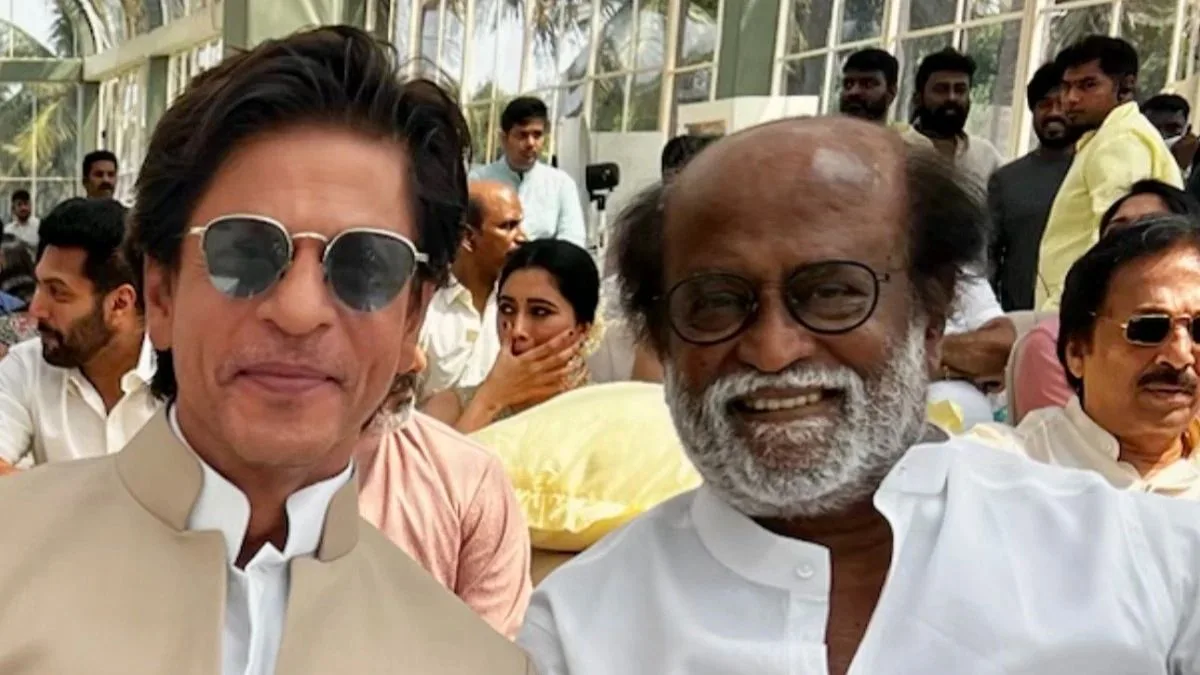
Shah Rukh Khan-Rajinikanth mega crossover? Sources hint at a short but explosive cameo in ‘Jailer 2’

Fresh industry buzz suggests Shah Rukh Khan may appear in ‘Jailer 2’ in a brief but powerful role. The Bollywood superstar is reportedly expected to shoot his scenes in March, potentially wrapping up the film’s production.

Statesman News Service | New Delhi |

Bollywood’s King Khan and Tamil cinema’s Thalaivar in the same film? Fans are buzzing with excitement after fresh industry whispers suggested that Shah Rukh Khan may appear in Rajinikanth’s upcoming action spectacle ‘Jailer 2’. And if the latest chatter from film circles is anything to go by, SRK might be stepping into the shoes of a cop for this much-awaited sequel.

Also Read: ‘Bollywood would literally give their right arm for Shah Rukh Khan!’ Saurabh Shukla talks about the superstar

While the makers have not officially confirmed the casting twist yet, sources close to the project claim that Shah Rukh’s role will be a powerful extended cameo; brief but impactful. If true, the film could deliver one of the biggest star crossovers in Indian cinema.

Shah Rukh Khan’s rumoured cop role

According to insiders, Shah Rukh Khan is expected to appear as a police officer in ‘Jailer 2’. The role may not run throughout the film, but it is believed to be an extended cameo designed to leave a strong impression.

Earlier reports had already hinted that the Bollywood superstar had a small but crucial part in the movie. Sources had also said that only Shah Rukh’s portions remained to be filmed.

The actor is reportedly scheduled to shoot his scenes in March, and the filming will likely take seven to eight days. Once those scenes are completed, the entire film is expected to wrap up production.

Why ‘Jailer 2’ is already creating massive buzz

The sequel is directed by Nelson Dilipkumar, who also helmed the first film. Expectations are sky-high because ‘Jailer’ turned out to be massive blockbuster.

The original film was packed with action, humour and stylish storytelling; a combination that audiences loved. The movie went on to collect around ₹650 crore worldwide, making it one of the biggest hits of Rajinikanth’s career.

Sources close to the unit say ‘Jailer 2’ is being developed on the same exciting lines as the first film, which is another reason for the growing hype.

Record-breaking opening of ‘Jailer’

When ‘Jailer’ released, it started its theatrical run with impressive numbers. The film opened to positive reviews and strong audience response.

International distributor Ayngaran International revealed that the movie earned ₹33 crore worldwide on its very first day overseas. This marked the highest opening day collection in Rajinikanth’s career at the time.

That record-breaking start eventually helped the film grow into a global blockbuster.

Rajinikanth clebrated his 75th birthday on set

The journey of ‘Jailer 2’ has already seen memorable moments. Last year, Rajinikanth celebrated his 75th birthday on the film’s set, making the occasion extra special for the team.

The sequel began its shooting schedule in Chennai, with production house Sun Pictures officially announcing the start of filming on March 10 last year.

Since then, the project has continued to gather attention from fans across India.

‘Jab Koi Baat Bigad Jaye’ proves real music never ages: Kumar Sanu celebrates the timeless love for his 1990 hit

More than three decades after its release, the melody from ‘Jurm’ continues to find new listeners. Kumar Sanu says the song’s message of standing by someone in tough times still resonates just as strongly today.

Statesman News Service | New Delhi |

More than three decades after its release, ‘Jab Koi Baat Bigad Jaye’ continues to tug at heartstrings. And its voice, veteran playback singer Kumar Sanu, says the love for the song still surprises him even today.

The singer recently shared an emotional moment on Instagram. In a short video, Sanu stitched together two timelines: a clip of him singing the song back in the 1990s and another of him performing the same melody in 2026.

And according to Sanu, the affection people still have for the track deeply moves him.

Kumar Sanu reflects on the song’s timeless appeal

Along with the video, Sanu wrote a heartfelt caption about the song’s journey through generations.

“Decades have passed, but the love for this melody remains timeless,” he wrote.


View this post on Instagram


A post shared by Kumar Sanu (@kumarsanuofficial)

The singer added that it makes him happy to see younger listeners discovering the song and connecting with it in their own way.

“It warms my heart to see every generation find a piece of themselves in this song,” he said.

Also Read: ‘Mujhko Yaad Sataye Teri’ turns 20: Himesh Reshammiya revisits the song that became a ‘Phir Hera Pheri’ cult favourite

Sanu also highlighted the emotional core of the track; companionship during difficult times.

Even today, he believes the song’s message remains relevant.

“Even after all these years, the message remains the same: ‘Jab koi baat bigad jaye, jab koi mushkil pad jaye… tum dena saath mera.’ Thank you for walking this musical journey with me,” he added.

The song that became a romantic classic

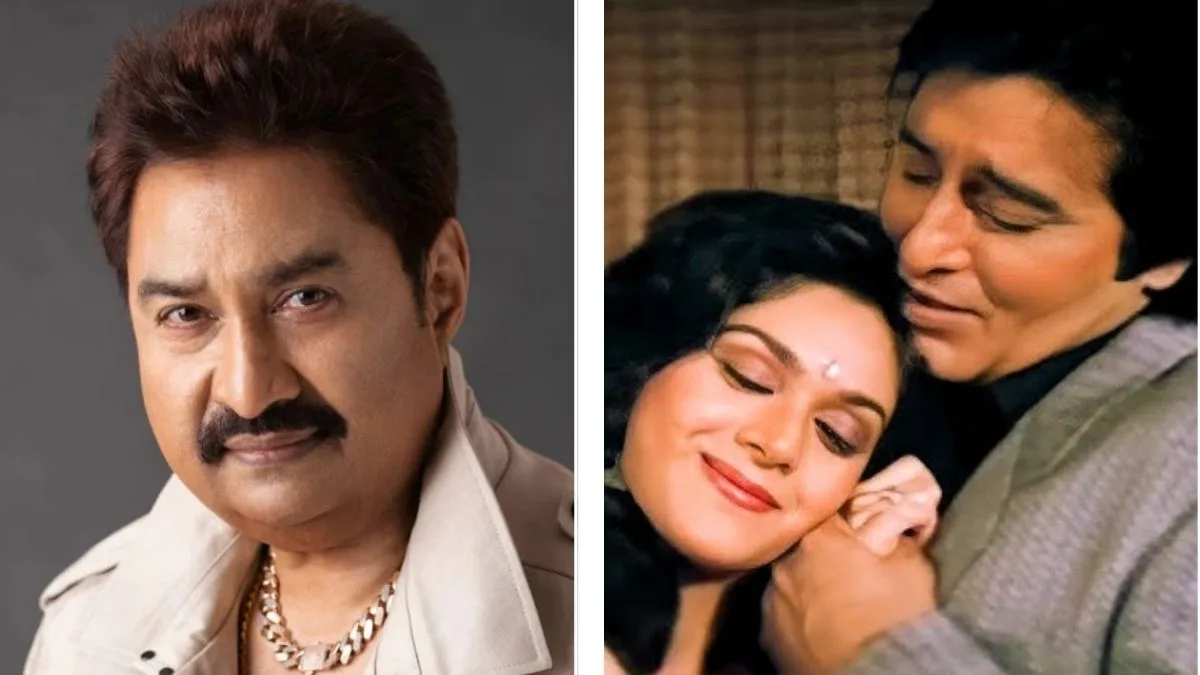
This track comes from the 1990 film ‘Jurm’. The romantic number was sung by Kumar Sanu and Sadhana Sargam.

On screen, the song featured actors Vinod Khanna and Meenakshi Sheshadri.

The film itself was directed by Mahesh Bhatt and produced by his brother Mukesh Bhatt. Apart from Khanna and Sheshadri, the movie also starred Sangeeta Bijlani.

Interestingly, the story of ‘Jurm’ was inspired by the 1987 Hollywood film ‘Someone to Watch Over Me’.

A melody with global roots

While the song became a huge romantic favourite in India, its inspiration goes even further back.

‘Jab Koi Baat Bigad Jaye’ was influenced by the English folk song ‘500 Miles’. The track became widely popular across the United States and Europe during the folk revival of the 1960s.

The original song tells the story of a traveler who is far away from home, broke, and too embarrassed to return.

WATCH | IAF’s rapid response might: Deploys Mi-17 to tackle Arunachal forest fire, drops 66,000 litres of water

According to officials, the helicopter carried out multiple sorties over the affected region, releasing around 66,000 litres of water to control the spreading flames and safeguard nearby habitations.

Statesman News Service | New Delhi |

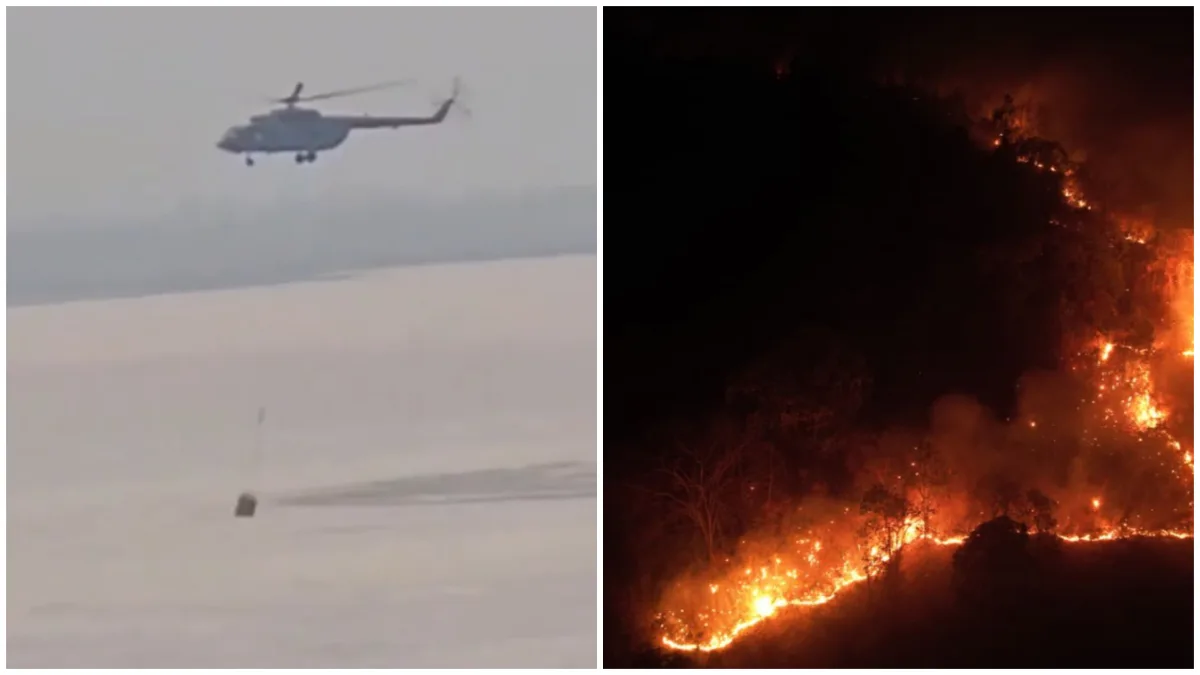
The Indian Air Force (IAF) mounted a rapid response operation to combat a major forest fire in the Mebo and Sigar areas of Pasighat in Arunachal Pradesh, deploying a Mil Mi‑17V5 helicopter to help contain the blaze.

According to officials, the helicopter carried out multiple sorties over the affected region, releasing around 66,000 litres of water to control the spreading flames and safeguard nearby habitations.


In a post on X, the IAF shared images and videos of the wildfire and the aerial firefighting efforts. The force highlighted the swift response and operational precision demonstrated during the mission.

“IAF demonstrated rapid response and operational precision in Arunachal Pradesh, deploying a Mi-17 V5 helicopter to battle a major forest fire in the Mebo and Sigar areas of Pasighat. Over multiple sorties, 66,000 litres of water were released to contain the blaze and protect nearby habitations,” the post said.

IAF’s disaster support role

The operation comes weeks after the IAF carried out another firefighting mission in the Northeast. On February 18, IAF helicopters tackled major wildfires at Walong in Arunachal Pradesh under challenging terrain and difficult flying conditions.

During that operation, helicopters dropped nearly 139,800 litres of water to extinguish the blaze in the affected region successfully.

Joint exercise with Army

Separately, the Indian Air Force and the Indian Army conducted a joint exercise on March 8 over Tehri Lake to demonstrate their operational capabilities.


The drill featured combat-free-fall and static-line para-drops from IAF aircraft, highlighting coordination and interoperability between the two forces.

The exercise showcased “seamless inter-service synergy and operational capability,” the IAF said, underscoring the armed forces’ readiness to conduct complex joint operations.

‘They are safe here’: Australia grants humanitarian visas to five Iranian women footballers

Australia granted humanitarian visas to five Iranian women footballers who sought protection during the AFC Women’s Asian Cup, after fears they could face punishment if forced to return home.

Statesman News Service | Mumbai |

Five members of Iran’s women’s national football team have been allowed to remain in Australia after being granted humanitarian visas, following fears they could face punishment if they returned home.

The development comes amid growing concern about the safety of Iranian athletes and women activists, particularly those who have publicly challenged state authority.

According to news agency ANI, the players – Zahra Sarbali, Fatemeh Pasandideh, Atefeh Ramezanizadeh, Zahra Ghanbari, and Mona Hamoudi – sought help from Australian authorities after leaving their team supervisors at a hotel on the Gold Coast. They had travelled to Australia for the 2026 AFC Women’s Asian Cup.

Officials later moved them to a secure location.

Australia’s Home Affairs Minister Tony Burke said the government approved humanitarian visas after an overnight process.

“I signed off last night for their applications to go onto humanitarian visas and a little bit after 1.30 am this morning the processing was completed by the Department of Home Affairs,” Burke said.

Prime Minister Anthony Albanese said the women were now safe in the country.

“Australians have been moved by the plight of these brave women. They’re safe here, and they should feel at home here,” Albanese said.

Anthem protest and safety fears triggered crisis

Concerns about the players’ safety surfaced during the tournament when the Iranian team did not sing the national anthem before their opening match against South Korea. The move was widely seen as a sign of protest.

Iranian state media reportedly criticised the players and called them “traitors”.

The tension appeared to escalate after the team’s final group-stage match against the Philippines. Reports said some players signalled distress as their bus departed the stadium.

Activists and members of the Iranian diaspora in Australia urged authorities to protect the players, warning they could face serious consequences if forced to return to Iran.

International pressure and political attention

As a result, the situation attracted global attention.

US President Donald Trump urged Australia to grant asylum to the athletes. In a post on Truth Social, he warned that sending them back could endanger their lives.

“Australia is making a terrible humanitarian mistake by allowing the Iran National Women’s Soccer team to be forced back to Iran, where they will most likely be killed. Don’t do it. Mr. Prime Minister, give ASYLUM. The US will take them if you won’t. Thank you for your attention to this matter,” Trump wrote.

He later praised the Australian government after learning that visas had been granted.

“Five have already been taken care of, and the rest are on their way,” he wrote, adding that some players may still choose to return because of fears for their families in Iran.

The episode has renewed international scrutiny over the risks faced by Iranian sportswomen and activists during a period of political tension involving Iran.

‘Mujhko Yaad Sataye Teri’ turns 20: Himesh Reshammiya revisits the song that became a ‘Phir Hera Pheri’ cult favourite

Himesh Reshammiya revisited one of his most loved songs with a nostalgic Instagram video that also featured a glimpse of his wife, Sonia. The track from ‘Phir Hera Pheri’ continues to live.

Statesman News Service | New Delhi |

Some songs simply refuse to grow old. No matter how many years pass, one tune is enough to send fans straight back in time. For many Bollywood lovers, “Mujhko Yaad Sataye Teri” is exactly that kind of song. And now, singer-composer Himesh Reshammiya is celebrating a big milestone, the track has officially completed 20 years.

Himesh Reshammiya recently marked two decades of the beloved track from the 2006 comedy film ‘Phir Hera Pheri’. The musician shared a special video on Instagram where he is seen singing the song again, reminding fans why it became such a memorable hit.

Also Read: Reshoots, rising budget, delays: What’s really happening with Ranbir-Alia-Vicky’s ‘Love & War’

The clip also included a glimpse of his wife Sonia Kapoor.


View this post on Instagram


A post shared by Himesh Reshammiya (@realhimesh)

In the caption, Himesh wrote that despite having “thousands of blockbuster hits,” this particular song remains special to him.

He wrote: “Thousands of blockbuster hits but this is special. 20 years of Mujhko Yaad Sataye Teri. Just spreading some music and smiles today.”

He also used the occasion to wish fans on International Women’s Day.

The film behind the song

The song originally appeared in the 2006 comedy film ‘Phir Hera Pheri’, directed by Neeraj Vora. The movie was a sequel to the hit film ‘Hera Pheri’ and brought back the iconic trio of Akshay Kumar, Suniel Shetty, Paresh Rawal.

The film featured a large ensemble cast including Bipasha Basu, Rimi Sen, Sharat Saxena, Johnny Lever, Rajpal Yadav, Milind Gunaji, Manoj Joshi, and Razak Khan.

The story continues the chaotic adventures of Raju, Shyam and Baburao. After finally becoming rich, their lives take a disastrous turn when they are cheated by a fraudster named Anuradha. The trio then struggles to repay money they borrowed from a dangerous gangster named Tiwari.

Rs 30 cr makeover for Bally station planned

Bally station in Howrah district is soon to have a makeover at the cost of Rs 30 crores under the Indian Railways Amrit Bharat Station Scheme.

Statesman News Service | Kolkata |

Bally station in Howrah district is soon to have a makeover at the cost of Rs 30 crores under the Indian Railways Amrit Bharat Station Scheme.

In terms of rail connectivity, Bally is a unique milestone. Bally, Bally Ghat, and Rajchandrapur, woven in a parallel rhythm of iron, are like a magical junction that has tied this ancient settlement of Bengal with the thread of North India’s Himachal to the seashores of South India. The geographical location of Bally has made it an inseparable junction between Howrah and Kolkata. Vivekananda Setu (Bally Bridge) and Nivedita Setu – these two pairs of pillars act as a crucial link between these twin cities.

Even as the station connected the two main branches of Sealdah and Howrah, it was somewhat lagging behind in terms of modernization, according to the Eastern Railway. Eliminating the long-standing dilapidation, the crucial railway junction of Howrah district is headed for a transition with modern infrastructure costing about Rs 30 crore, including a foot over bridge. In addition, a host of new services are being added to make the movement of passengers at Bally station more accessible and comfortable.

ECL celebrates the final day of Annual Mines Safety Week

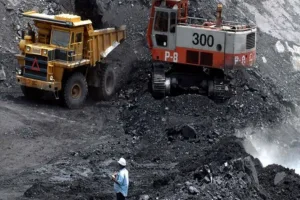
Eastern Coalfields Limited (ECL), a subsidiary of Coal India Limited (CIL), organised the Final Day Celebration of the Annual Mines Safety Week – 2025 at the Ramakrishna Mission Ashrama, Asansol, reaffirming its unwavering commitment to building a safer and more responsible mining ecosystem.

Statesman News Service | Kolkata |

Eastern Coalfields Limited (ECL), a subsidiary of Coal India Limited (CIL), organised the Final Day Celebration of the Annual Mines Safety Week – 2025 at the Ramakrishna Mission Ashrama, Asansol, reaffirming its unwavering commitment to building a safer and more responsible mining ecosystem.

The occasion celebrated the collective dedication of mining professionals towards safety excellence. Winners from various categories of mines, PME Centres, and VT Centres of ECL, along with private mines operated by WBSEDCL, SAIL, CESC, and DPL, were honoured for their outstanding performance during the Annual Mines Safety Week – 2025 held from 17th to 22nd November 2025. The awards recognised exceptional contributions towards strengthening safety practices and promoting sustainable mining operations.

The event was graced by Ujjwal Tah, Director General (DG), Directorate General of Mines Safety (DGMS), while Satish Jha, Chairman-cum-Managing Director, ECL, presided over the function