When allies ignore allies
The current Middle East crisis demonstrates that American power has not vanished, but rather that dominant powers struggle to enforce their will in a fractured global landscape.
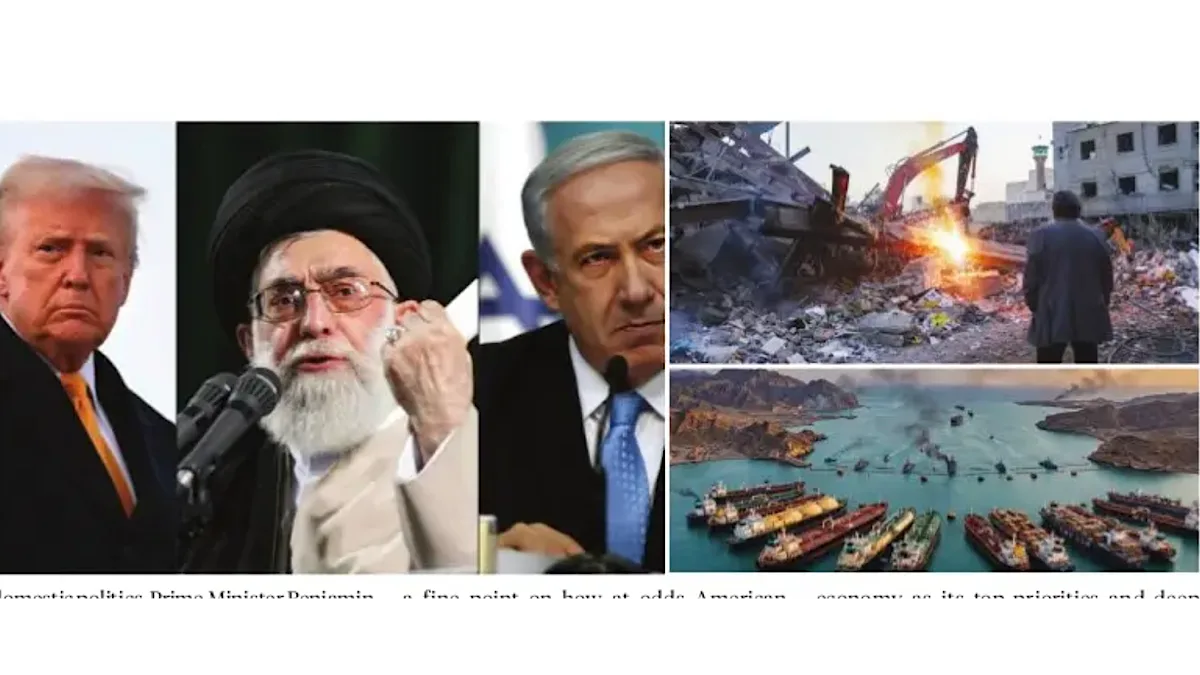
The current Middle East crisis demonstrates that American power has not vanished, but rather that dominant powers struggle to enforce their will in a fractured global landscape.
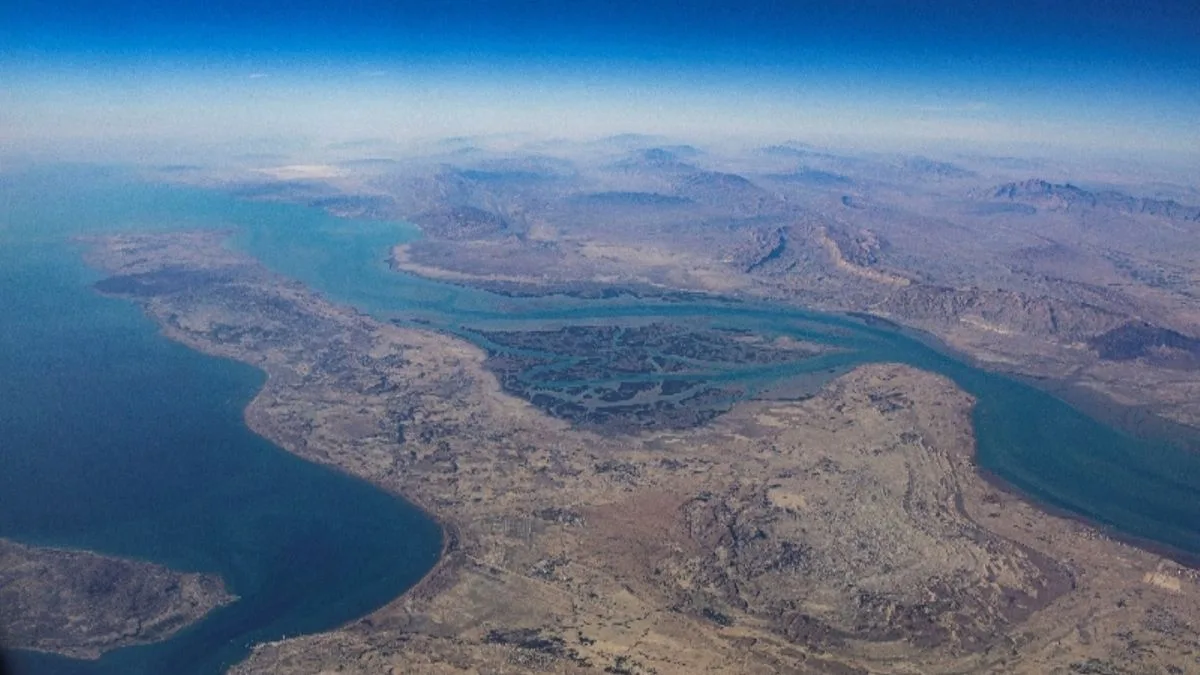
Emergency alerts echoed across the Gulf as Kuwait and Bahrain responded to missile and drone threats, while the US and Iran traded sharply differing accounts of the escalating confrontation.
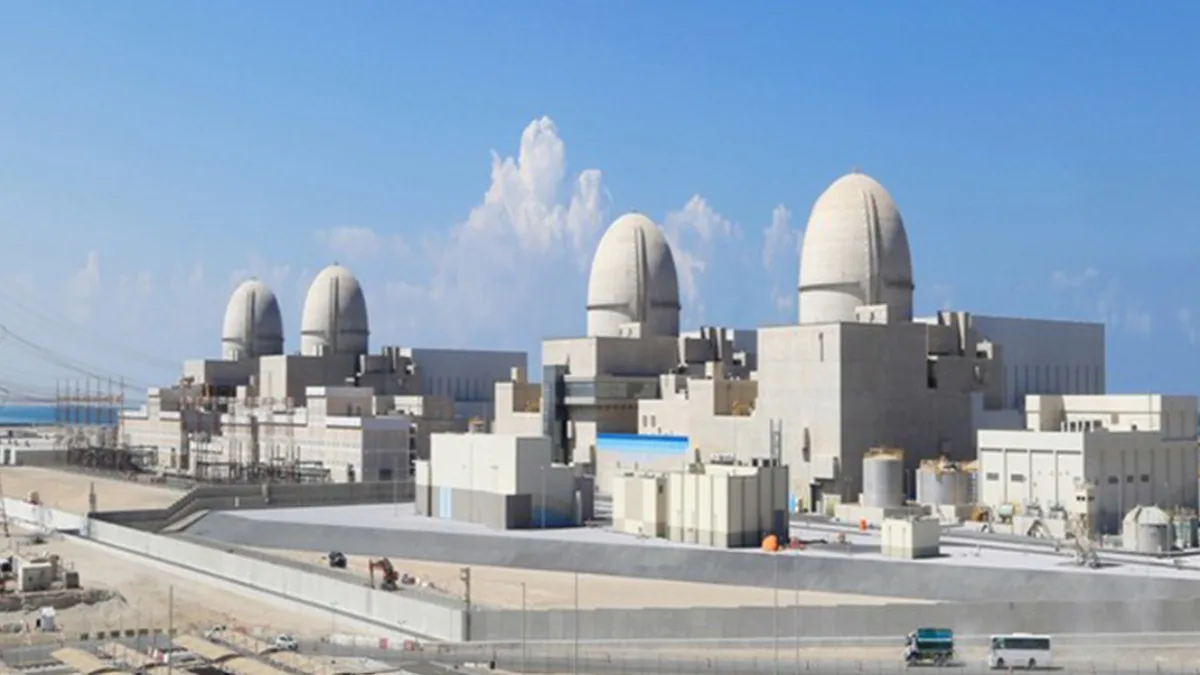
Built by the UAE in collaboration with South Korea at a cost of nearly USD 20 billion, the nuclear power plant holds strategic significance as the first and only operational nuclear energy facility on the Arabian Peninsula.

Air India has reduced frequencies on several international routes for three months as rising fuel costs and geopolitical tensions increase pressure on airline operations globally.

A CBS report alleging Iran parked military aircraft at a Pakistani airbase has triggered political reactions in Washington and renewed scrutiny of Islamabad’s regional role.

Ceasefire holds but pressure builds as US keeps blockade in place, Iran signals hesitation on talks, and Hormuz disruption continues to rattle global energy markets.
Backchannel diplomacy between the US and Iran faces uncertainty as Tehran denies Islamabad talks, even as Pakistan mediation continues and ceasefire tensions deepen.
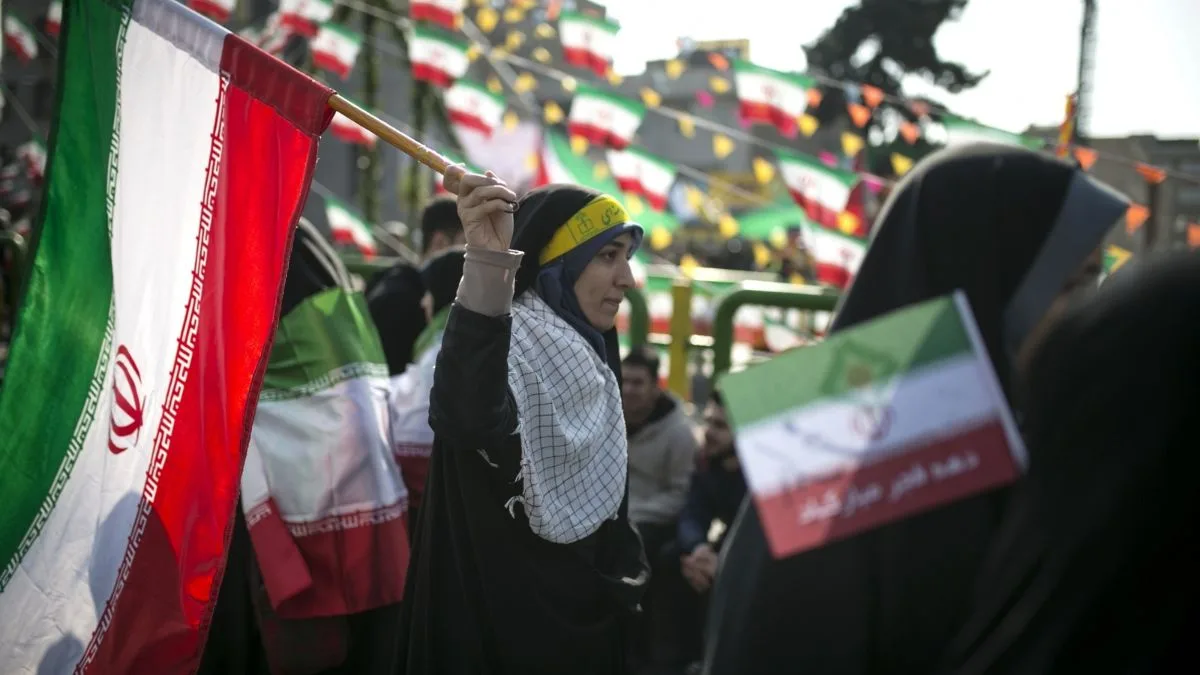
Iran’s use of capital punishment rises amid conflict, with authorities citing espionage and unrest cases, even as international rights groups question trial fairness and due process.

India flags concern over attacks on merchant ships as Washington and Tehran trade accusations, dispute fresh talks, and push the Gulf crisis closer to another dangerous turn.

Iran signals a reversal on Hormuz access, linking stricter control to US actions, raising concerns over maritime movement and energy supply routes in a volatile region.