Logo

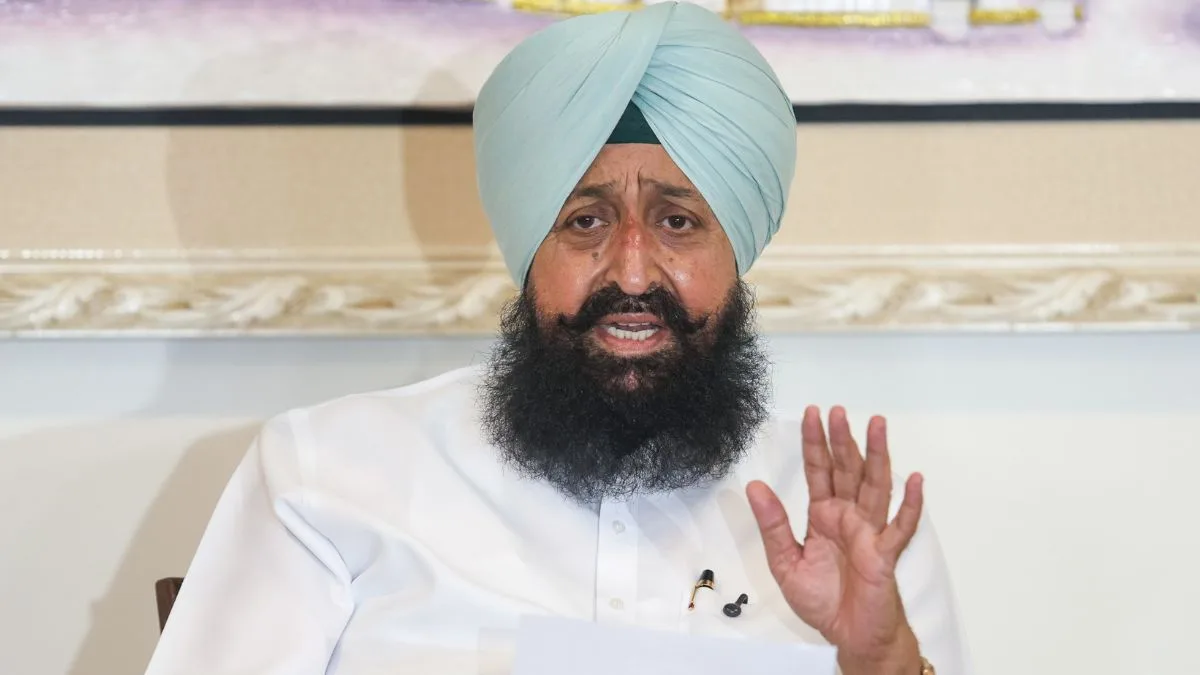
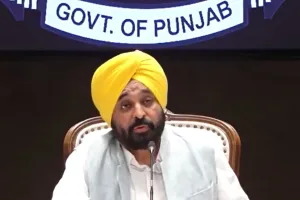
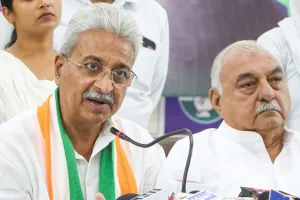
Punjab LoP Bajwa seeks to quash FIR over bomb remarks, High Court to hear plea

Partap Singh Bajwa has asked the High Court to set aside the FIR lodged by the Punjab Police, arguing that the prosecution lacks legal merit and should not be allowed to continue.

Neeraj Bali | Chandigarh |

A fresh legal battle over controversial remarks made by Punjab Leader of Opposition Partap Singh Bajwa is set to unfold in the Punjab and Haryana High Court on Tuesday, where the senior Congress leader has challenged the criminal case registered against him over his claims relating to alleged bomb threats in the state.

Bajwa has asked the High Court to set aside the FIR lodged by the Punjab Police, arguing that the prosecution lacks legal merit and should not be allowed to continue. The petition will also test the continuation of the interim protection from arrest that the court granted him during the previous hearing.

The High Court had earlier issued notice to the Punjab government, seeking its response to Bajwa’s plea, while directing that no coercive action be taken against him until further orders. At the same time, the court advised the Congress legislator not to make any public comments on the issue while the matter remains under judicial consideration.

The controversy arose after Bajwa, during a television interview, claimed that around 50 bombs had reached Punjab, alleging that 18 had already exploded while several others were yet to go off. These statements have sparked discussion in political circles. The police state that such statements, made without evidence, can create panic and disrupt law and order; for this reason, the Punjab Police have initiated criminal proceedings.

Based on the complaint, the Cyber Crime Police Station in Mohali registered an FIR against the Congress leader under provisions of the Bharatiya Nyaya Sanhita (BNS), including charges relating to the alleged circulation of false information affecting national security and public harmony.

As part of the investigation, Bajwa appeared before the Mohali police after being summoned and was questioned for nearly six hours. Emerging from the interrogation, he said he had fully cooperated with investigators and answered all questions put to him.

The Congress veteran has consistently denied any wrongdoing, contending that the criminal case was initiated for political reasons. He has accused the Aam Aadmi Party (AAP)-led Punjab government of attempting to target opposition voices through legal action, an allegation the ruling party has dismissed.

On the other hand, the Punjab government has stated that statements concerning public security especially those linked to alleged terror threats carry serious implications and therefore require verification.

Explained: Why JP Nadda has become the Centre’s face to deal with CJP agaitation

Government sources said JP Nadda’s selection reflected both his stature and his reputation as a consensus-builder capable of handling sensitive situations.

Vibha Sharma | New Delhi |

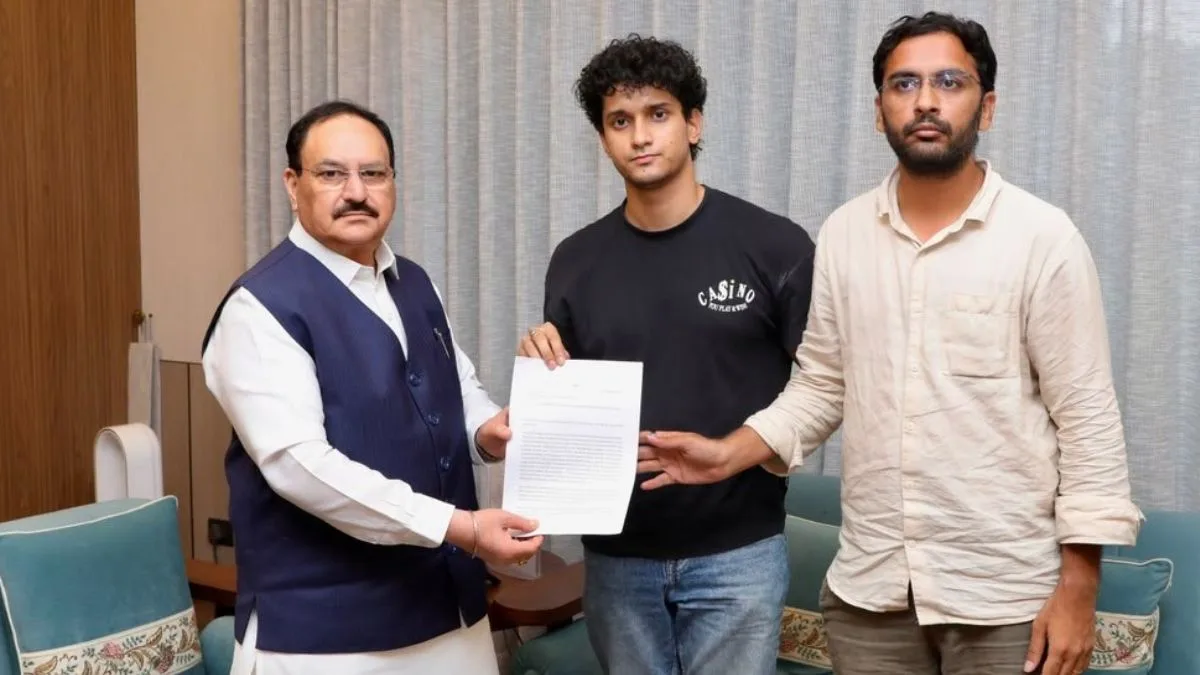
Union Health Minister J.P. Nadda has emerged as the Narendra Modi government’s face in reaching out to the Cockroach Janta Party (CJP) after nearly three weeks of protests at Jantar Mantar and activist Sonam Wangchuk’s hunger strike. On Tuesday, Nadda visited Delhi’s Ram Manohar Lohia (RML) Hospital to meet those injured during the police action following the CJP protest march to the Parliament.

On Monday, after the government received what Nadda described as a “proposal for dialogue” from the CJP, he was entrusted with leading the talks. “This morning, for the first time, a proposal came from the protesters to hold talks with the government, and our discussions have been ongoing since 11.50,” Nadda had posted on X.

Government sources said Nadda’s selection reflected both his stature and his reputation as a consensus-builder capable of handling sensitive situations. As the Union Health Minister and former BJP national president, his involvement conveyed that the Centre was taking the protests seriously.

The CJP was unwilling to engage with lower-level functionaries, making a senior Cabinet minister the preferred interlocutor. With protesters demanding the resignation of Education Minister Dharmendra Pradhan, the Education Ministry could not credibly lead the dialogue.

Therefore Nadda, as Health Minister, offered a relatively neutral face while also being directly connected to concerns involving medical students.

Sources said deploying Nadda was also a part of the broader strategy to project a conciliatory approach amid criticism over the police’s use of lathi-charge and tear gas against protesters. His visit to injured protesters at RML Hospital after the meeting was intended to demonstrate the government’s concern and willingness to engage.

Despite opening a channel of communication, the talks yielded no assurance on the protesters’ key demands. “The meeting with Naddaji was meant to hear the students’ concerns. No assurance was given that the government would accept or consider their demands,” sources said.

After the meeting, CJP leader Saurav Das also said that when he and Ranka met Nadda at his residence from noon onward and conveyed their demands, including the immediate resignation or dismissal of Education Minister Dharmendra Pradhan, no commitments were made. “The Minister assured us he would raise the matter at the appropriate level. However, no commitments have been made so far. The peaceful protesters will not rest until the demand is met,” he said

BJP sources acknowledged that the government decision to engage with the protesters after the issue escalated on the opening day of Parliament’s Monsoon Session, creating “bad optics” for the government. In other words, the government cannot be seen as insensitive to protesting students.

Addressing NDA law makers on Tuesday, Prime Minister Narendra Modi said those arrested in the NEET-UG paper leak case should face the toughest punishment. While defending the government’s response, he stressed the need to restore the trust of the youth, ensure no injustice is done to students, treat the issue as a national concern rather than a political one, and establish a foolproof nationwide system to prevent future examination paper leaks.

Punjab Police bust alleged terror module, foil train attack plot; 17 arrested, UK-based handler under scanner

Police said the investigation indicated that members of the network had allegedly planned to plant an IED on the Ferozepur-Jammu train.

Neeraj Bali | Chandigarh |

Punjab Police on Tuesday claimed to have dismantled an alleged terror network with the arrest of 17 people and said investigators had uncovered a suspected conspiracy to target a passenger train running between Ferozepur and Jammu using an improvised explosive device (IED).

The arrests emerged from an investigation into the grenade attack on the Sadar police station in Moga earlier this month, which police said was not an isolated incident but part of a larger network allegedly operating with the support of an overseas-based handler.

Addressing the media, Faridkot Range Inspector General of Police (IGP) Neelambari Jagadale Vijay said investigators had traced the operation to Iqbal Singh alias Ravi Dhaliwal, a native of Punjab who is currently residing in the United Kingdom. According to the police officer, the accused allegedly coordinated the activities of the module from abroad while local operatives were tasked with carrying out attacks in Punjab.

Police said the investigation indicated that members of the network had allegedly planned to plant an IED on the Ferozepur-Jammu train. Officials maintained that the plot was detected at an early stage and neutralised before any explosive device could be placed on the railway route, preventing what they described as a potentially serious security incident.

The probe was launched after unidentified persons allegedly hurled a low-intensity grenade inside the premises of the Sadar police station in Moga at around 3.15 a.m. on July 8. While the explosion caused concern, it also prompted an extensive investigation involving intelligence gathering, technical surveillance and coordinated field operations across multiple locations.

Police said the inquiry eventually led investigators to three alleged executors of the grenade attack. Gagan alias Kali, Rajesh alias Khanna and Shubham alias Bhinder. Their questioning, officials said, helped investigators piece together the wider network and identify several others suspected of providing logistical assistance, shelter and operational support.

During the course of the investigation, police arrested a total of 17 suspects. Among those whose alleged roles surfaced during the probe are Kuljit Kaur, Lazar alias Aman and Praveen Kaur, while investigators said further inquiries are underway to establish the full extent of the network and identify any additional associates.

Officials said several exhibits believed to be linked to the case were recovered during the operation, including an improvised explosive device (IED), a 9 mm Glock pistol with a magazine and a Hero Splendor motorcycle allegedly used by members of the module. The recovered material has been sent for forensic examination, while investigators are analysing digital and technical evidence collected during the raids.

Police have invoked provisions of the Bharatiya Nyaya Sanhita (BNS), the Explosive Substances Act and the Unlawful Activities (Prevention) Act (UAPA) against the accused. All 17 arrested persons have been produced before the court, and police have obtained custodial remand to continue questioning them regarding the alleged conspiracy, funding channels, communication links and possible cross-border or overseas connections.

The police said the investigation remains in progress and is focused on determining whether the alleged module had planned additional attacks or maintained links with other operatives. Officials added that further arrests and recoveries could not be ruled out as investigators continue to examine evidence gathered during the operation.

The development comes as Punjab Police has intensified its crackdown on organised crime and terror-linked networks under its ongoing campaign against gangsters and extremist elements, with investigators increasingly examining the role of overseas-based handlers in directing criminal and terror-related activities within the state.

Haryana blocks Punjab farmers’ Delhi march over proposed US trade deal; BJP says no agreement yet

Farmers began assembling early in the day at the Shambhu border on the Patiala-Ambala route and the Khanauri border connecting Sangrur and Jind, with plans to proceed to Delhi’s Kisan Ghat.

Neeraj Bali | Chandigarh |

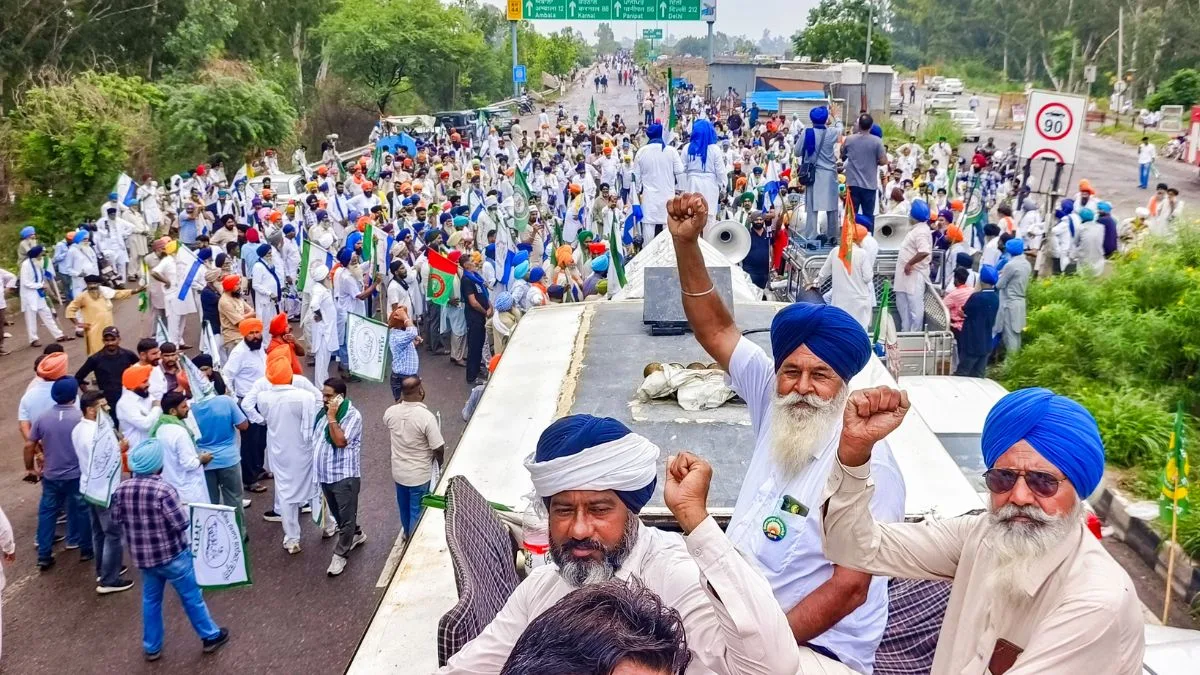
Punjab farmers attempting to march towards Delhi on Tuesday to protest the proposed India-US trade deal were stopped at the Shambhu and Khanauri border points after Haryana authorities sealed both entry routes and deployed heavy security, leading to a fresh standoff between protesters and the administration.

Farmers began assembling early in the day at the Shambhu border on the Patiala-Ambala route and the Khanauri border connecting Sangrur and Jind, with plans to proceed to Delhi’s Kisan Ghat. Anticipating the march, Haryana Police strengthened barricading at both locations, preventing the protesters from moving forward. Security personnel, along with earthmoving machinery, were stationed at the sites to prevent the establishment of any permanent or temporary protest structures.

With their movement halted, several farmers remained at the borders and indicated they were preparing to continue their agitation from the spot. The protest is being led by Kisan Mazdoor Morcha (KMM) coordinator Sarwan Singh Pandher, who has been coordinating with farmer organisations present at the protest sites.

The administration imposed prohibitory restrictions under Section 163 near the Shambhu border, warning demonstrators not to approach within 100 metres of the barricades. The renewed closure of the Shambhu crossing also disrupted traffic on the Jalandhar-Delhi stretch of National Highway-44, prompting Haryana Police to divert vehicles and issue traffic advisories. Authorities asked commuters to contact the emergency helpline in case of difficulty.

The protest has been organised against the proposed trade arrangement between India and the United States, which farmer groups believe could adversely affect the agricultural sector if it results in greater access for imported farm and dairy products. Farmer organisations have demanded wider consultations with stakeholders before any such agreement is finalised.

Following a meeting with Haryana Agriculture Minister Shyam Singh Rana, Pandher said the minister had conveyed that detained farmer leaders would be released soon. He also said efforts were being made to facilitate talks between farmer representatives and Union Agriculture Minister Shivraj Singh Chouhan within the next several days. According to Pandher, the next course of the agitation would be decided after the release of farmer leader Gurnam Singh Chaduni and consultations with other organisations. He added that the proposed trade agreement would also be a key subject during future discussions with the Centre.

The Shambhu border has once again emerged as a flashpoint after remaining closed for more than 13 months during the previous farmers’ agitation. The crossing, which had been sealed in February 2024 and reopened in March 2025 following judicial intervention, has now been shut again as authorities seek to prevent protesters from entering Haryana and proceeding towards the national capital.

Security arrangements were tightened across several districts of Haryana, particularly along routes leading to Delhi. Police conducted intensive vehicle checks at multiple entry points, including the Kundli-Singhu border, where long traffic congestion was reported due to enhanced security screening. In some districts, police also detained or restricted the movement of farmer leaders travelling towards the protest venue.

Reacting to the demonstrations, Punjab BJP spokesperson Anil Sareen questioned the basis of the protest, stating that no final trade agreement had yet been concluded or made public. He argued that opposing a proposal whose details were yet to emerge was premature and alleged that certain groups were attempting to create unnecessary unrest.

The Aam Aadmi Party, however, backed the farmers’ right to protest. Party leader Baltej Pannu said farmers feared that an eventual free trade agreement could expose Indian agriculture and dairy producers to increased foreign competition, affecting their livelihoods. He urged the Centre to allow peaceful demonstrations in Delhi and called for dialogue instead of restrictions on movement.

Separately, Bhim Sena chief and Samvidhan Suraksha Party president Nawab Satpal Tanwar announced a nationwide Bharat Bandh on July 27, citing alleged human rights violations, corruption and other public issues, although the call was made independently of the farmers’ protest.

The situation remained tense but peaceful till the filing of this report, with security forces maintaining a strong presence at key border points while farmer organisations held consultations on their next course of action.

Municipal employees, councillors worked in tandem with Sona Pappu: ED

The group was involved in illegal land and property grabbing, real estate development and extortion.

Statesman News Service | Kolkata |

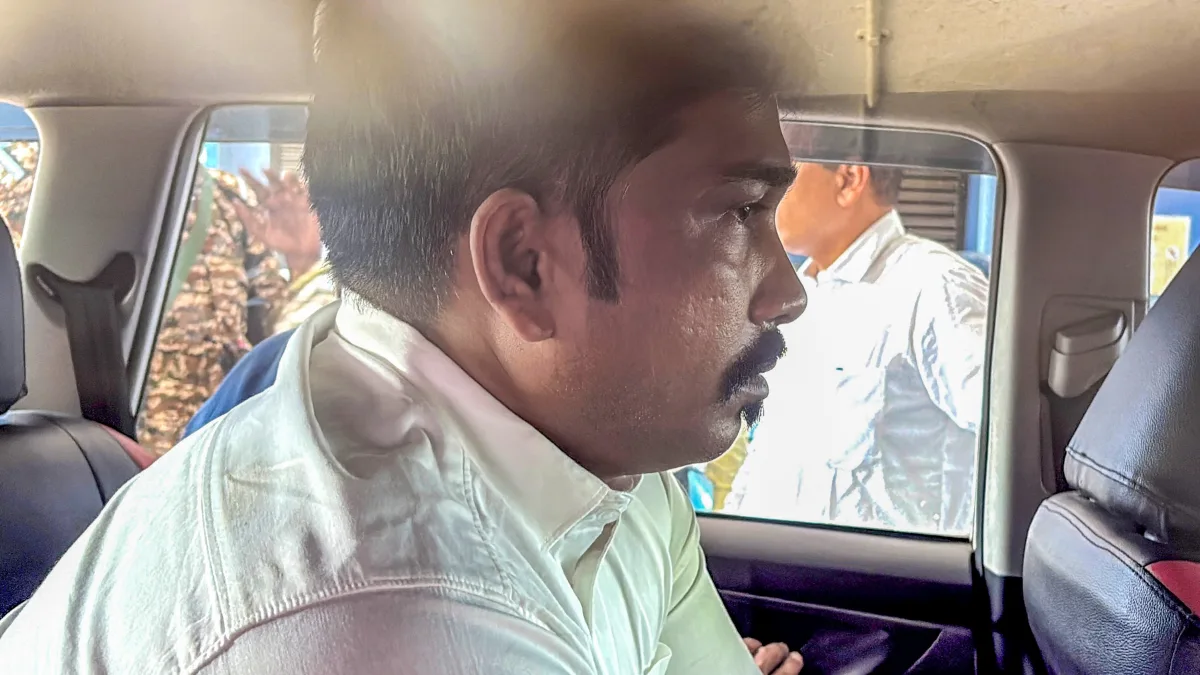
A section of municipal employees and former councilors are purportedly involved in the alleged land scam spearheaded by strongman Biswajit Poddar alias Sona Pappu, former Kolkata Police Deputy Commissioner of Police Shantanu Sinha Biswas, and real estate developer Joy Kamdar, an Enforcement Directorate (ED) report submitted to the court mentioned.

The activities ranged from land grabbing, evictions, illegal name transfers and misappropriation of properties to serve the business interests of the accused, the report mentioned.

The central investigating agency further claimed that some councillors were involved in these operations.

According to the anti-money laundering agency, Sona Pappu ran the racket in collusion with Sinha Biswas and Kamdar. The group was involved in illegal land and property grabbing, real estate development and extortion.

Earlier, the ED filed its first supplementary chargesheet against Sinha Biswas in a land grab and financial irregularities case, accusing him of having colluded with Pappu and Kamdar in running a land grabbing network spread across various parts of the city.

Investigators alleged that the accused had pressurised and harassed land owners by filing false complaints against them at several police stations. The chargesheet also states that the accused used his influence in the police administration to carry out the scam.

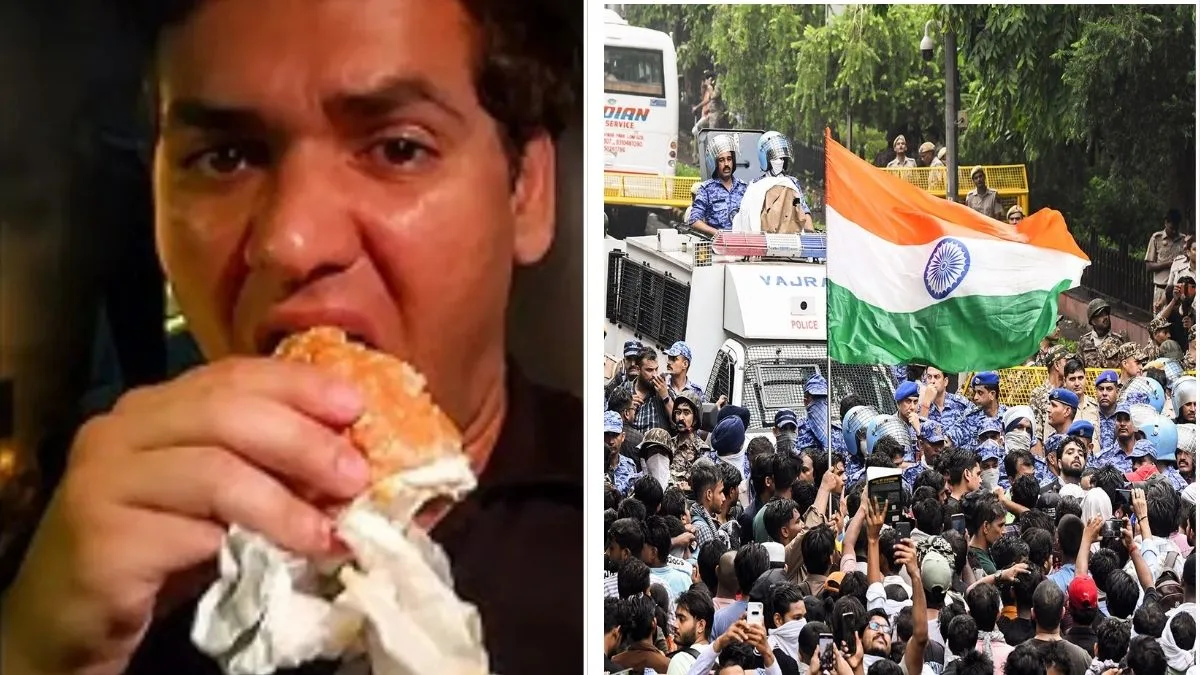
Burger Bawal at CJP Protest: Netizens slam spokesperson Vijeta Dahiya for ‘skipping’ protest to eat burger; he defends

A burger, a mall, and a full-blown internet meltdown. While the streets outside were tense with protest and police, one video turned attention to a quieter corner altogether. What followed was backlash and a defence.

Statesman News Service | New Delhi |

A video is causing a stir online. It appears to show Cockroach Janta Party (CJP) spokesperson Vijeta Dahiya at a Burger King outlet near the site of his party’s Delhi protest. The clip has spread fast on social media. Many users are asking why he was at a mall while supporters were still out on the streets.

The video’s exact timing has not been confirmed. Nobody has verified when it was filmed or what happened right before or after.


View this post on Instagram


A post shared by Vijeta Dahiya (@vijetadahiya1)

The protest behind the row

The controversy started during CJP’s ‘Chalo Sansad’ march in Delhi. The march drew a large crowd. It also led to clashes with security personnel.

As protest visuals spread online, this second video began circulating too. It shows a group confronting Dahiya and asking why he wasn’t with the demonstrators. That exchange quickly became its own talking point.

Why people are angry

Some users were harsh in their criticism. They said protesters were facing police action while a party leader sat in a mall eating fast food. Others pushed back. They said the video alone doesn’t prove Dahiya skipped the protest.

The debate has stayed online for now. Neither side has fully backed down.

Dahiya responds

Dahiya posted an Instagram video to answer his critics. He said he had worked for the movement for about one and a half months. He claimed he had barely slept in the past two nights.

Also, he asked why eating a burger had become such a big deal.

His explanation shifted partway through. First he said there was nothing wrong with eating when hungry. Later he said he chose not to eat the burger once he learned it had refined flour and trans fats.

That answer split opinion further. Some defended him. They said nobody should be judged for grabbing food during a long day. Others felt the explanation made things worse, not better.

“Nobody pays me”

Dahiya also addressed criticism about his conduct at protests. Some people had objected to him dancing or wearing bright clothes during demonstrations. He said this kind of criticism pulls focus from the real issues the movement is raising.

He said he took part in the march and left only after it ended.

“Nobody pays me to participate in the protest,” he said. He added that he does this for the country.

No apology for the burger

Dahiya refused to say sorry for the burger.

“Yes, I will eat the burger,” he said.

That one line has become the most talked about part of his response.

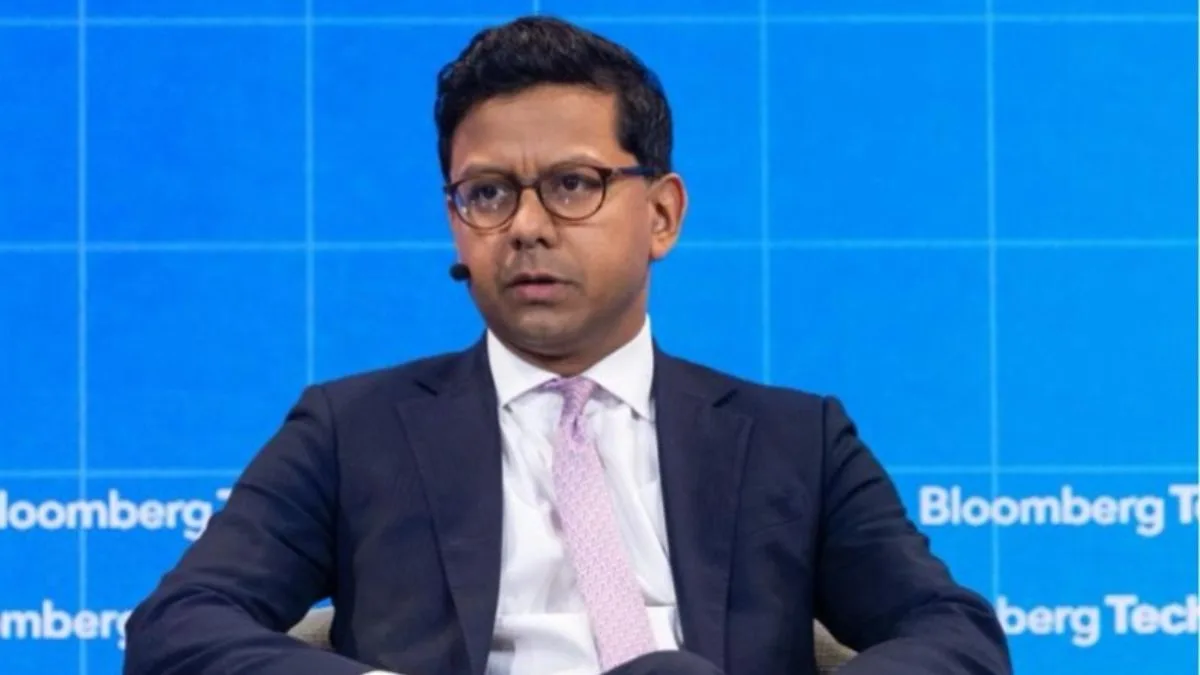
Bihar-born Kanishka Narayan becomes UK’s first Cabinet-level AI minister

The Vale of Glamorgan MP previously handled AI and online safety as a junior minister and will now help steer Britain’s technology, infrastructure and digital-security policies.

Statesman News Service | New Delhi |

Indian-origin Labour MP Kanishka Narayan has been elevated to Britain’s Cabinet as Minister for Artificial Intelligence, giving the rapidly developing technology a dedicated place at the highest level of the UK government.

Prime Minister Andy Burnham announced the appointment on Monday as he began forming his government after succeeding Keir Starmer.

The decision makes AI policy a Cabinet-level responsibility in Britain for the first time and signals Burnham’s intention to place technology, industrial growth and digital security at the centre of his administration.

Narayan promoted from junior ministerial role

Narayan previously served as Parliamentary Under-Secretary of State for AI and Online Safety in the Department for Science, Innovation and Technology.

He was appointed to that position in September 2025 under the Keir Starmer government. The junior ministerial role covered areas including AI opportunities, the AI Security Institute, semiconductors, technology-led growth and online safety.

Burnham has now promoted Narayan while restructuring the technology portfolio and removing several senior ministers associated with the previous administration.

Narayan has described AI as potentially “the most significant technology in human history”.

He is expected to help shape policies aimed at using AI to strengthen public services, improve national security and support the reindustrialisation of Britain, while addressing concerns over disruption to jobs.

Who is Kanishka Narayan?

Narayan was born in India’s Bihar and moved to Cardiff with his family when he was 12.

He later attended Eton College on a scholarship before studying Philosophy, Politics and Economics at the University of Oxford. He subsequently completed an MBA at Stanford University.

Narayan was elected Labour MP for the Vale of Glamorgan in July 2024.

Before entering Parliament, he worked on economic policy and public-service reform and was associated with several social-policy and research organisations.

He served as Parliamentary Private Secretary in the Department for Environment, Food and Rural Affairs between July 2024 and September 2025.

Work in social mobility and public policy

Narayan co-founded Attain Wales, a non-profit initiative focused on education and social mobility in South Wales.

He also founded the “Help Your High Street” campaign following the announcement of the Covid-19 lockdown and previously served as a trustee of a Citizens Advice bureau.

His other roles included work with the foreign-policy think tank Chatham House and the Centre for Cities, which focuses on urban economies.

Britain seeks stronger position in global AI race

Narayan’s elevation comes as Britain faces pressure to strengthen its position in the global contest over artificial intelligence.

The UK is home to Google DeepMind and several growing AI companies, including ElevenLabs and autonomous-driving technology developer Wayve. It also has an established pool of researchers, engineers and technology investors.

However, successive British governments have faced criticism over changes in technology policy and insufficient investment in computing capacity, energy infrastructure and data centres.

High electricity costs and planning constraints have also complicated efforts to expand the infrastructure required to develop and operate advanced AI systems.

Burnham had signalled plans to create a Cabinet-level AI position as part of his first government changes. The move followed criticism from technology leaders over reports that the separate Department for Science, Innovation and Technology could be reorganised or abolished.

Narayan’s elevation gives him a wider platform to determine how Britain approaches AI investment, regulation, infrastructure, employment disruption and international partnerships.

SC asks AIIMS to form medical board to examine convicted rape accused Asaram’s health for bail plea

With the Centre questioning his health claims, the Supreme Court has called for an AIIMS medical evaluation before deciding on Asaram’s request for interim bail.

Statesman News Service | New Delhi |

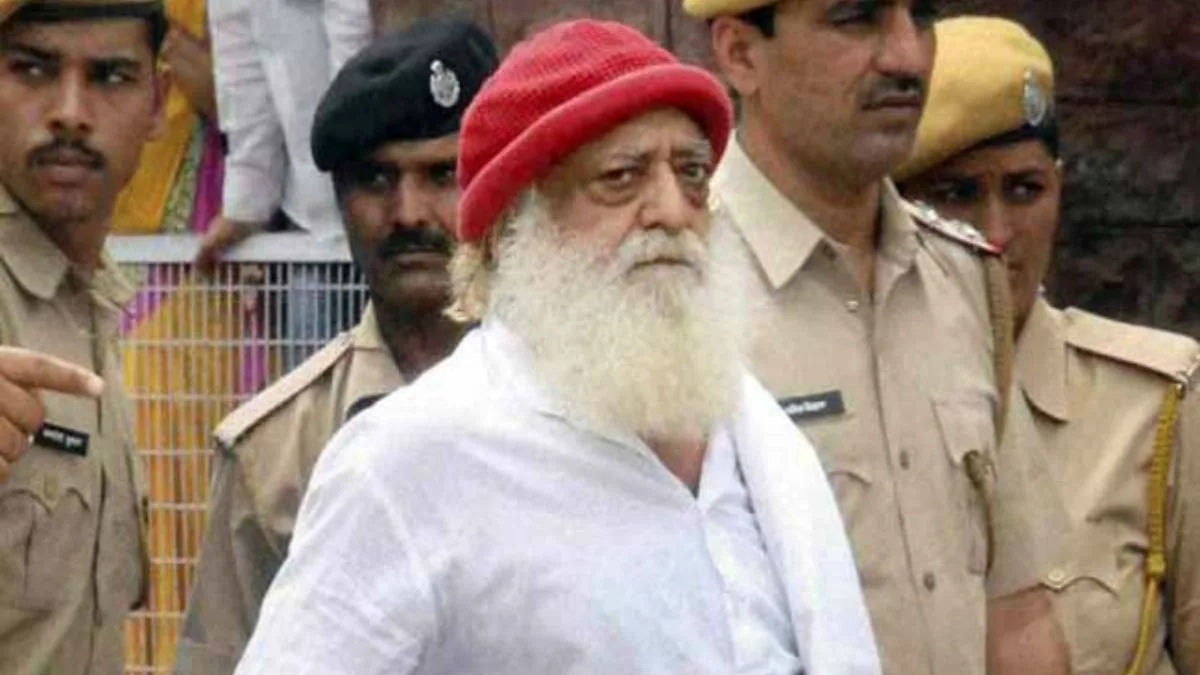
The Supreme Court on Tuesday directed the Director of AIIMS to set up a medical board to examine the health of self-styled godman Asaram, who has approached the court seeking interim bail on medical grounds. The top court said it would take a decision only after receiving an independent medical assessment.

A bench comprising Justices M M Sundresh and P B Varale asked the medical board to complete its examination and submit its report within one week.

Court wants independent medical opinion

The case came up after Asaram requested interim bail, claiming that his health condition required medical attention. During the hearing, his lawyer suggested that the AIIMS Director should form a team of specialist doctors to carry out a detailed examination.

The counsel also requested that the doctors determine whether Asaram’s condition requires hospital admission. The Supreme Court accepted the suggestion and ordered the constitution of the medical board.

The bench made it clear that it had no inclination to grant regular bail at this stage. The judges said any relief would depend entirely on medical necessity.

“We are not granting regular bail except if we are satisfied it is required on a medical ground. Let the report come,” the bench observed.

Centre questions medical bail claim

Representing the Centre, Solicitor General Tushar Mehta opposed the plea and questioned the basis of Asaram’s request for medical relief.

Mehta told the court that only a few months ago Asaram had travelled to religious places, including Kashi Vishwanath and Ayodhya.

“He got the bail on the ground that he was in vegetative state. But now he is roaming around,” Mehta argued, suggesting that the recent travel raised doubts about the seriousness of his medical condition.

The Supreme Court, however, decided to wait for an expert medical report before taking any further decision on the interim bail plea.

Rajasthan High Court had upheld life sentence

The latest hearing comes after the Rajasthan High Court, on May 27, upheld Asaram’s conviction and life imprisonment in a 2013 rape case involving a minor.

While confirming the life sentence, the High Court acquitted him of charges related to alleged gangrape and penetrative sexual assault under the erstwhile Indian Penal Code and the Protection of Children from Sexual Offences (POCSO) Act.

However, it upheld his conviction under Section 376(2)(F) of the IPC, which deals with the rape of a minor, allowing the life sentence awarded by the trial court to remain in force.

Convictions under multiple laws remain

Apart from the rape conviction, the High Court also upheld several other findings against Asaram. These include convictions under IPC provisions related to wrongful confinement, trafficking, criminal intimidation, insulting the modesty of a woman and sexual harassment.

The court also retained his convictions under Sections 7 and 8 of the POCSO Act and Section 23 of the Juvenile Justice Act.

Asaram was originally convicted by the trial court on April 25, 2018, for sexually assaulting a minor student at his ashram. He got life imprisonment under multiple provisions of the IPC, the POCSO Act and the Juvenile Justice Act. The Supreme Court will now consider his request for interim medical bail after receiving the AIIMS medical board’s report.

Delhi HC allows Sonam Wangchuk to be shifted to Medanta Hospital

The Division Bench was hearing the appeal filed by Sonam Wangchuk’s wife, Gitanjali J Angmo, challenging the single-judge’s order refusing to direct that Wangchuk be shifted from Safdarjung Hospital to Medanta Hospital in Gurugram.

Statesman News Service | New Delhi |

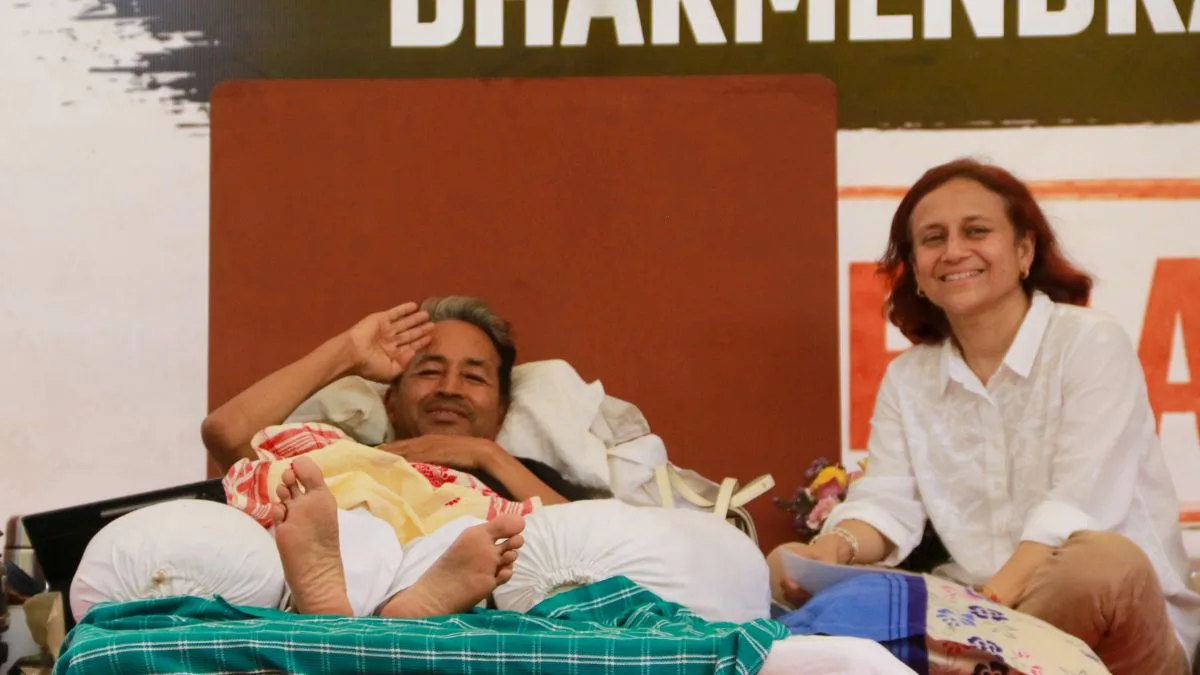
The Delhi High Court on Tuesday, July 21, allowed activist Sonam Wangchuk, who remains on hunger strike in solidarity with the Cockroach Janata Party (CJP) protest at Jantar Mantar, to be shifted to a hospital of his choice.

“What we propose to do is get him shifted to the hospital of his choice, that is Medanta. He will be treated by the Medanta doctor. All the treatment details at Safdarjung Hospital will be supplied to Medanta immediately and he will be treated there. A panel of doctors to be formed by the director Medanta,” the Bench of Chief Justice Devendra Kumar Upadhyaya and Justice Tejas Karia said, according to Bar and Bench.

Further, the court noted that an order in this regard will be passed after the lunch break.

The Division Bench was hearing the appeal filed by Sonam Wangchuk’s wife, Gitanjali J Angmo, challenging the single-judge’s order refusing to direct that Wangchuk be shifted from Safdarjung Hospital to Medanta Hospital in Gurugram.

While appearing for Angmo, Senior Advocate Akhil Sibal submitted a letter by the doctor treating Wangchuk at the time of protest. While appearing for the central government, Additional Solicitor General (ASG) Chetan Sharma also handed over documents.

After taking note of the medical reports, Justice Karia stated that the activist’s potassium levels had dipped.

“Clinical observation is generally more acceptable than the reports,” Solicitor General Tushar Mehta, also appearing for the Centre, stated.

After the hearing, Angmo wrote on X, “My heartfelt thanks to the Hon’ble #delhihighcourt for passing favourable order of discharge of @Wangchuk66 to #medanta, the hospital of our choice! My heartfelt thanks also to @SibalAkhil and Bahuli Sharma and their teams for this win against unbelievable odds in record time!!”

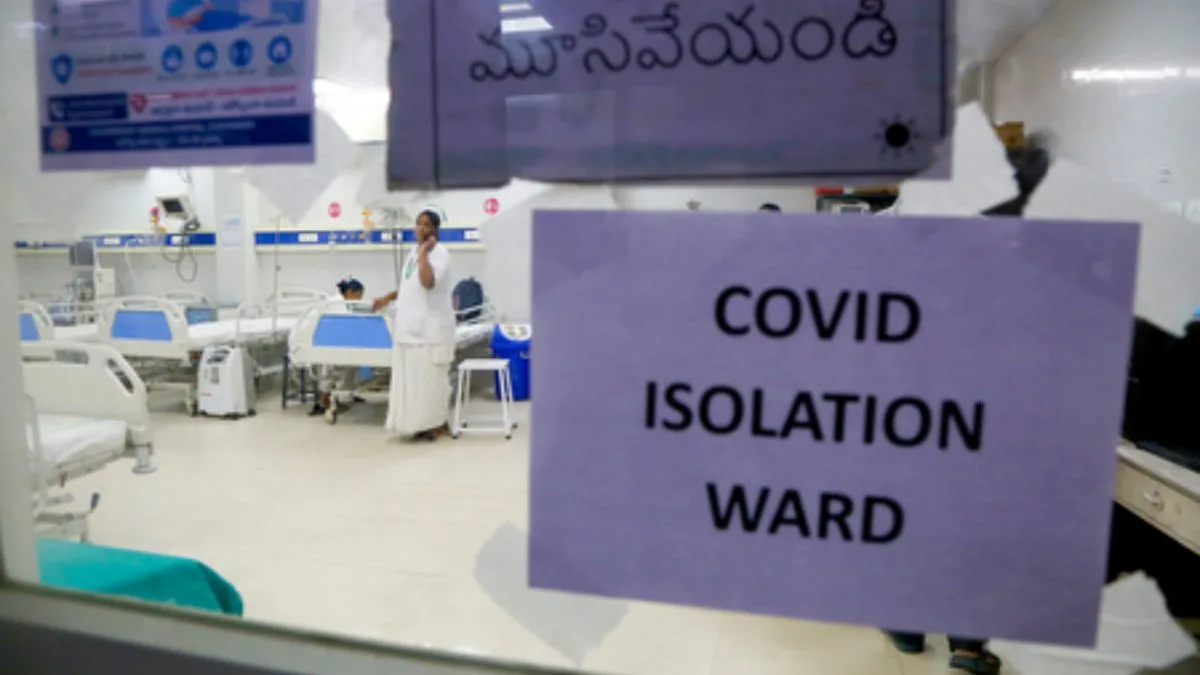
Kolkata reports four Covid-19 patients in private hospitals; doctors urge caution, not panic

Doctors in Kolkata say current Covid-19 infections largely resemble the Omicron pattern, with mild symptoms in most cases, though elderly people and those with underlying illnesses remain vulnerable.

Statesman News Service | Kolkata |

Four people, including a 10-year-old boy, are undergoing treatment for Covid-19 at private hospitals in Kolkata, doctors said, as they advised the public to remain vigilant amid a rise in seasonal viral infections.

Three Covid-19 patients are currently admitted to one private hospital, while the child is being treated at another facility after testing positive earlier this month.

Two patients required ICU care

Dr Subhajit Sen, Consultant Pulmonologist and Critical Care Specialist at the hospital treating the three patients, said one patient has recovered and is being discharged.

The other two patients required admission to the intensive care unit because of low oxygen levels but have responded well to treatment and are now stable, he said.

According to Sen, the current Covid-19 infections resemble the Omicron wave, with most patients reporting mild upper respiratory symptoms such as fever, sore throat, cough and body aches.

However, he said elderly people and those with underlying medical conditions remain at greater risk of developing severe illness.

“There is no need to panic, as most patients recover well with timely medical care,” Sen said, advising people to wear masks in crowded places, maintain hand hygiene, avoid unnecessary gatherings during periods of increased viral transmission and seek medical attention if symptoms worsen.

Child admitted after testing positive

On July 18, a 10-year-old boy from Kolkata’s Garia area was admitted to a private hospital with fever, cough and shortness of breath.

Doctors conducted a swab test after suspecting Covid-19 infection, and the result came back positive. The child was later shifted to the ICU isolation unit for treatment.

Covid-19 cases reported in other states

Health authorities have also reported fresh Covid-19 infections in other parts of the country.

According to the IANS report, Andhra Pradesh recorded 12 Covid-19 cases between June 26 and July 16. Four patients with underlying medical conditions also died during the period.

Doctors have also reported new Covid-19 cases in Pune over the past 10 days after a gap of nearly three years, though they said most patients have mild symptoms while urging continued caution.

Calcutta High Court seeks report from police on vandalism at TMC’s July 21 rally venue

Justice Bhattacharya said any breach of peace after the court’s directions was unacceptable.

Statesman News Service | Kolkata |

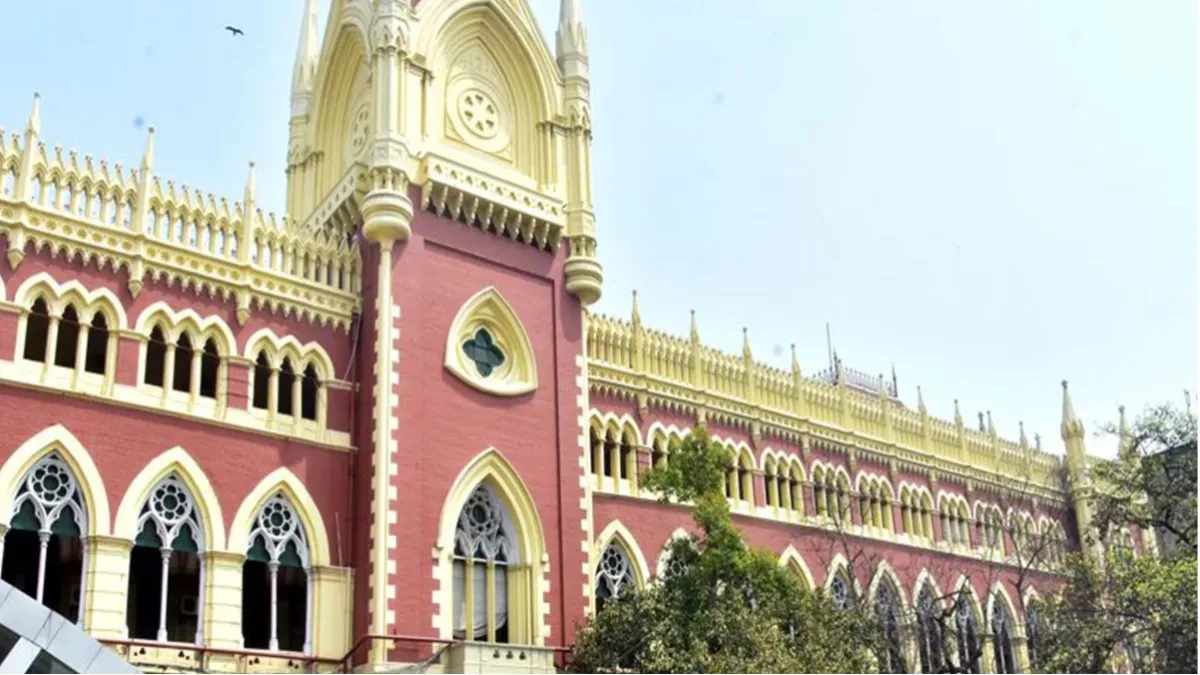
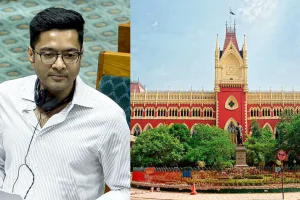
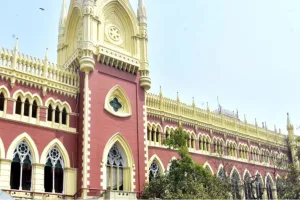
The Calcutta High Court has sought a report from the police on the action taken over allegations of vandalism at the Trinamool Congress’ (Kalighat faction) Martyrs’ Day rally venue on the eve of its July 21 programme in Kolkata on Tuesday.

The matter was mentioned before Justice Sougata Bhattacharya by counsel Arka Nag, appearing for the Kalighat TMC, who informed the court that a complaint had been emailed to Chief Justice Tapobrata Chakraborty on Monday night after the alleged attack on the stage.

Referring to its earlier order directing the police to maintain law and order in view of multiple political rallies in the city on July 21, the court questioned why such an incident had occurred despite prior instructions.

Justice Bhattacharya said any breach of peace after the court’s directions was unacceptable and asked the police to submit a detailed report on the steps taken by the police.

The Joint Commissioner of Police was also instructed to ensure adequate security at the rally venue to prevent any untoward incident.

The Kalighat TMC alleged that a group of miscreants vandalised its stage near Birla Planetarium on Monday night, tearing banners and posters, damaging the sound system and cutting electrical and microphone cables.

The faction also claimed that workers engaged in setting up the venue were assaulted and later threatened while dismantling equipment after the programme.

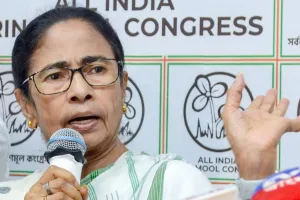
Former chief minister Mamata Banerjee visited the venue shortly after midnight following reports of the alleged vandalism.

“We had to guard the rally area the whole night. I am thankful to all the supporters and colleagues who stayed with me the whole night so that we can conduct the meeting in the morning,” Mamata Banerjee said.

She accused the BJP of attempting to disrupt the Martyrs’ Day observance and alleged that supporters were being prevented from attending the rally.

She also claimed that families of those commemorated on the occasion were being intimidated by the police.

Addressing the gathering on Tuesday, Banerjee thanked the Calcutta High Court for directing the police to ensure security around the rally venue. “They were stopping us from doing our programme. I want to thank the Calcutta High Court for allowing us to conduct the rally,” she said.

Mamata pays tribute to July 21 martyrs amid observances by multiple factions

Mamata Banerjee’s message came as the TMC observed one of its most politically significant dates under dramatically altered circumstances.

Statesman News Service | Kolkata |

Former West Bengal chief minister and Trinamool Congress chief Mamata Banerjee on Tuesday paid homage to the martyrs of the July 21, 1993 firing on Monday.

In a post on X, Banerjee urged members of the “Maa-Mati-Manush” family to remain committed to the fight for democracy, justice and people’s rights.

“I pay my heartfelt tributes to the martyrs who tragically lost their lives in 1993. May this day strengthen the resolve of every member of the Maa-Mati-Manush family to uphold democracy, justice, and the rights of the people. Their sacrifice continues to inspire us, and their legacy will forever remain at the heart of our movement,” the TMC president wrote.

Her message came as the Trinamool observed one of its most politically significant dates under dramatically altered circumstances following its loss of power in West Bengal.

For the first time in decades, the traditional July 21 Martyrs’ Day programme was split into two parallel gatherings in Kolkata amid the party’s internal divide.

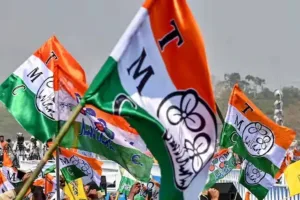
While Banerjee’s supporters organised a rally on Cathedral Road near Birla Planetarium, the rebel faction led by Ritabrata Banerjee held a separate programme on Mayo Road.

Tension prevailed at the Cathedral Road venue on Monday night after Banerjee’s camp alleged that BJP workers attacked the meeting site, tore down banners and assaulted party supporters.

Following the allegations, Mamata Banerjee and Abhishek Banerjee visited the venue shortly before midnight, accompanied by senior party leaders, and remained there through the night before returning home on Tuesday morning.

NEET paper leak row: Rahul, Kejriwal visit injured protesters; Opposition demands Parliament debate

Opposition leaders visited injured protesters, staged demonstrations in Parliament and demanded that Delhi Police disclose all FIRs and detentions linked to Monday’s march.

Statesman News Service | New Delhi |

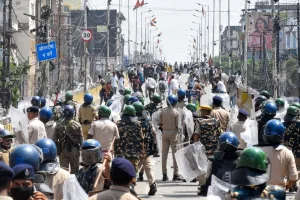
Opposition leaders on Tuesday stepped up pressure on the Centre over the alleged NEET-UG paper leak and the police action during the Cockroach Janata Party’s march towards Parliament, demanding a debate in both Houses and information about protesters allegedly detained after Monday’s violence.

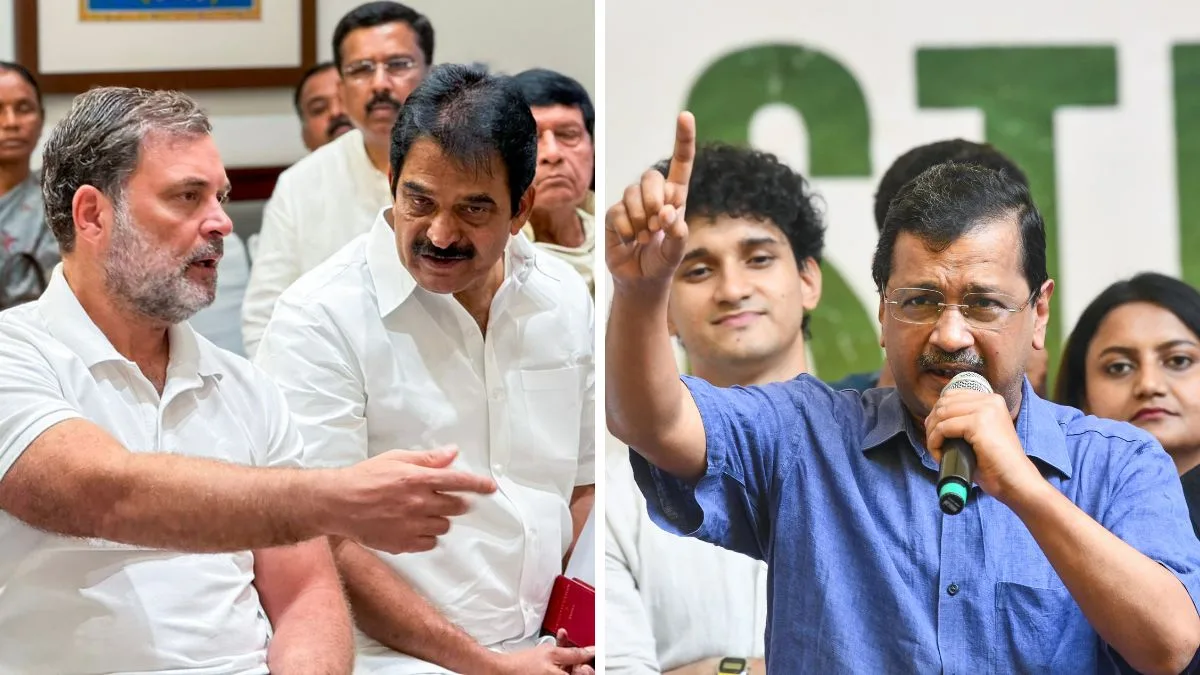
Congress leader Rahul Gandhi, AAP national convener Arvind Kejriwal and other Opposition leaders visited injured protesters at Ram Manohar Lohia Hospital, while MPs raised the issue inside and outside Parliament.

The Delhi Police have said more than 118 personnel were injured after protesters allegedly breached barricades, pelted stones and damaged vehicles and public property. Around 60 protesters were also reported injured.

Rahul Gandhi seeks Parliament debate

Leader of Opposition in the Lok Sabha Rahul Gandhi said students had been “beaten for asking legitimate questions about their own future” and demanded a detailed discussion on the examination crisis and the police action.

Gandhi said Opposition MPs met Lok Sabha Speaker Om Birla and sought dedicated time to discuss the issue during the Monsoon Session.

“If Parliament cannot discuss the future of India’s youth, what is it for?” he said in a post on X.

Speaking later at Parliament, Gandhi alleged that the country’s examination system had been “hollowed out by termites” and accused the government of avoiding accountability.

He claimed competitive examinations were among the few remaining avenues available to young people seeking opportunities and said repeated irregularities had damaged their faith in the system.

Gandhi also demanded the resignations of Union Education Minister Dharmendra Pradhan, Union Home Minister Amit Shah and Prime Minister Narendra Modi.

He later visited RML Hospital along with Congress MP Priyanka Gandhi Vadra to meet protesters injured during Monday’s clashes.

Kejriwal visits injured protesters

Former Delhi chief minister Arvind Kejriwal also visited RML Hospital and accused the Centre of carrying out a “barbaric attack” on unarmed students.

Kejriwal said he was informed that all but one of the injured protesters admitted to the hospital had been discharged. He met the family of the remaining student and said he prayed for her recovery.

The AAP leader later went to the Parliament Street police complex along with party colleagues, including Rajya Sabha MP Sanjay Singh and Delhi Assembly Leader of Opposition Atishi.

Kejriwal demanded that the police release the complete list of FIRs registered in connection with the protest and disclose the names and locations of students allegedly detained without an FIR.

He assured the families of protesters that the Opposition would seek information about their whereabouts.

AAP MPs protest outside Parliament

AAP MPs staged a demonstration outside Makar Dwar in Parliament, raising slogans demanding a discussion on the alleged paper leak and answers over the police action.

Sanjay Singh accused the authorities of carrying out a “brutal lathi charge” against young protesters and alleged that some of those involved in the action were not wearing nameplates.

“In a democracy, dialogue works, not the rule of the baton,” Singh said.

He compared the violence to the Jallianwala Bagh massacre and questioned why the government had not held talks with climate activist Sonam Wangchuk, who remains under treatment at Safdarjung Hospital after a prolonged hunger strike.

Singh also questioned the investigation into the 2024 NEET controversy and accused the government of failing to act against those responsible.

Kharge alleges Opposition was silenced

Congress president and Leader of Opposition in the Rajya Sabha Mallikarjun Kharge alleged that he was not allowed to raise the issue in the Upper House.

Kharge said his microphone was switched off soon after he began speaking and questioned whether the Opposition would be permitted to discuss the concerns of students in Parliament.

“We want a discussion on this issue. Following the discussion, the Home Minister should make a statement,” he said.

Kharge, who turned 84 on Tuesday, said he had decided not to celebrate his birthday in protest against the use of force on students.

He alleged that lathis and tear gas were used against protesters seeking answers over examination irregularities.

Venugopal moves adjournment notice

Congress general secretary KC Venugopal accused the Centre of being “anti-student” and held the Prime Minister responsible for Monday’s police action.

Venugopal submitted an adjournment motion notice in the Lok Sabha seeking suspension of the day’s business to discuss alleged leaks in competitive examinations and the crackdown on protesters.

He said the Opposition would also demand an explanation from Education Minister Dharmendra Pradhan on the floor of the House.

The Congress leader said students had gathered to raise concerns about the NEET and CBSE examination systems and questioned why a peaceful protest had been met with force.

Sanjay Raut calls July 20 a ‘Black Day’

Shiv Sena (UBT) MP Sanjay Raut described Monday as a “Black Day” for Indian democracy and said July 20 should be observed as “Coward’s Day”.

Raut accused the police of using excessive force, tear gas and batons against young protesters.

He said he remained in touch with protest leaders through the night and planned to visit the agitation site.

Police cite stone-pelting and vandalism

The Delhi Police have said Monday’s march turned violent after protesters attempted to cross barricades and move towards Parliament despite restrictions.

According to police, stones and other objects were thrown at personnel, while police and government vehicles were vandalised.

FIRs have been registered against unidentified persons at Parliament Street and Connaught Place police stations over alleged rioting, stone-pelting, obstruction of public servants and damage to public property.

The police have also released footage that they said showed protesters throwing stones near Connaught Place.

CJP presses three demands

The Cockroach Janata Party has demanded Pradhan’s resignation, compensation of Rs 1 crore each for the families of NEET aspirants whom it says died amid the examination crisis, and the immediate release of Sonam Wangchuk.

A CJP delegation met Union Health Minister JP Nadda on Monday to present its demands.

Nadda, who is also Leader of the House in the Rajya Sabha, said the government remained open to dialogue and appealed to protesters to end their sit-in.

CJP leaders, however, have vowed to continue the protest until Pradhan resigns.

Wangchuk remains under treatment

Sonam Wangchuk remains admitted to Safdarjung Hospital under the supervision of a multidisciplinary medical team.

According to the latest hospital bulletin cited in the source material, his vital parameters were stable, though his blood sugar remained low and his serum potassium level was recorded at 3.2 mEq/L.

The hospital said he was receiving oral rehydration therapy and potassium supplements but continued to decline intravenous fluids and glucose despite medical advice.

Wangchuk was taken to the hospital by Delhi Police on July 18 after continuing his hunger strike at Jantar Mantar.


Messi absent as Argentina receive heroes’ welcome after FIFA World Cup heartbreak

Argentina’s FIFA World Cup runners-up received a heroes’ welcome in Ezeiza with a red carpet, military band and thousands of fans, while captain Lionel Messi was absent from the returning squad.

Statesman News Service | New Delhi |

Argentina’s FIFA World Cup runners-up received an emotional welcome on their return home on Monday, with a red carpet reception, a military band and thousands of supporters turning out to honour Lionel Scaloni’s side despite their heartbreaking defeat in the final.

Argentina’s hopes of retaining the World Cup ended on Sunday after Ferran Torres scored an extra-time winner to seal a 1-0 victory for Spain at the MetLife Stadium in New Jersey.

Grand homecoming in Ezeiza

The squad landed at Ministro Pistarini International Airport in Ezeiza, where members of the Grenadier Regiment welcomed the players on a red carpet while performing the iconic anthem Muchachos. The team’s aircraft was directed to the private FBO terminal to facilitate the delegation’s arrival.

Thousands of supporters had gathered outside the Argentine Football Association (AFA) headquarters near the airport, waving flags, beating drums and chanting in appreciation of a team that reached a second consecutive World Cup final.

Messi absent from travelling squad

Many fans arrived wearing Lionel Messi’s iconic No. 10 jersey, hoping to catch a glimpse of the captain. However, the 39-year-old was not part of the travelling delegation after the AFA announced that several players would return separately.

Messi, who described the defeat as causing “immense pain” in a social media post, is widely expected to have played his final FIFA World Cup match, although he has not announced his retirement from international football.

Fans salute the runners-up

Among the players who returned to Argentina were Emiliano Martinez, Nicolas Otamendi, Lisandro Martinez, Alexis Mac Allister, Leandro Paredes, Giovani Lo Celso, Gonzalo Montiel, Nicolas Tagliafico, Exequiel Palacios, Thiago Almada and Juan Musso, among others.

The players and coaching staff then boarded an open-top bus and travelled under heavy security to the Lionel Andres Messi Training Centre, acknowledging supporters who had lined the route for hours.

Families, children and fans waving Argentina flags cheered the squad throughout the journey before the delegation was welcomed by AFA officials at the national team’s training complex, bringing the homecoming to a close.

‘Don’t drag court into all this’: Delhi HC declines urgent hearing of plea on police brutality on CJP protesters

The petitioner had earlier mentioned the plea before the bench for an urgent hearing. It was claimed that Delhi Police personnel used “excessive force” on the protesters.

Statesman News Service | New Delhi |

The Delhi High Court on Tuesday, July 21, declined to urgently list a petition concerning the use of “excessive force” by police officials against students who took part in the ‘Chalo Sansad’ march of the Cockroach Janta Party (CJP) on July 20.

“Don’t drag the court into all this,” Chief Justice DK Upadhyaya said in response to a petitioner’s request to list a plea alleging excessive use of force by Delhi Police against the protesting students on Monday.

The bench stated that the matter will be listed for hearing on Wednesday.

The petitioner had earlier mentioned the plea before the bench for an urgent hearing. It was claimed that Delhi Police personnel used “excessive force” on the protesters.

On Monday, thousands of students from various cities took part in the ‘Chalo Sansad’ march of the Cockroach Janta Party (CJP) to demand the resignation of Union Education Minister Dharmendra Pradhan over alleged examination irregularities.

The CJP later accused Delhi Police of using excessive force against protesters to prevent them from reaching the Parliament. They further claimed that several students were injured and activist Sonam Wangchuk’s wife Gitanjali J Angmo was pushed around.

Throat feeling blocked? Acharya Balkrishna shares simple ginger, lemon and salt water fix

Somewhere between grandmother’s kitchen and modern research, this warm glass of water keeps finding believers. Whether it clears your throat or just your doubts about trying it, the answer might be in the sipping.

Statesman News Service | New Delhi |

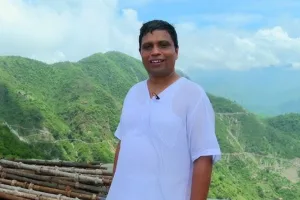
Patanjali co-founder Acharya Balkrishna posted a home remedy on Facebook for a blocked or sitting throat. He suggested taking half a cup of lukewarm water and adding half a teaspoon each of ginger juice and lemon juice, along with a pinch of salt. According to his post, drinking this mixture opens up a blocked throat and makes the voice more pleasant.

What each ingredient is known for

Ginger has long been used in traditional remedies for throat and respiratory issues. Research points to its anti-inflammatory and antimicrobial properties, which are commonly cited as reasons it may ease throat irritation and reduce swelling in the throat lining.

Also Read: Acharya Balkrishna says don’t throw away rice water, here’s what you’re losing every time you drain it

Lemon is often added to warm water remedies for its vitamin C content, which is linked to general immune support. Salt water gargles are one of the more studied home remedies for throat discomfort. A study covering nearly 400 healthy participants found that gargling salt water at least three times a day helped ease symptoms of laryngitis and upper respiratory infections.

What science says about voice recovery

While these ingredients are widely used for a sore or irritated throat, the picture is different when it comes to actually improving voice quality. Speech pathology researchers point out that the vocal folds sit behind the epiglottis, which closes over them during swallowing. This means liquids, including ginger, lemon, or honey drinks, do not make direct contact with the vocal cords themselves.

Because of this, experts say home remedies like warm lemon and ginger water may soothe a sore throat temporarily but do not directly reduce hoarseness or restore vocal clarity. Some studies estimate that close to 30 percent of people experience some form of voice disorder during their lifetime, and much of the popular advice circulating for it lacks strong scientific backing.

A word of caution on lemon

Nutrition experts also flag that lemon is acidic. In people prone to acid reflux, frequent consumption of acidic drinks can trigger reflux that travels back up the food pipe, which may irritate the throat further instead of helping it.

Practical takeaway

Doctors generally recommend simple measures for voice or throat issues, such as resting the voice, staying hydrated, and using a humidifier in dry environments. Warm salt water gargles remain one of the more evidence backed home options for throat discomfort specifically, separate from voice hoarseness.

‘Unfinished business’: Sajan Prakash targets CWG, Asian Games podium after burnout comeback

Indian swimmer Sajan Prakash says learning the importance of recovery helped him return from post-Paris Olympics burnout as he targets podium finishes at the Commonwealth Games and Asian Games.

Statesman News Service | New Delhi |

Nearly two years after battling severe burnout in the aftermath of the Paris Olympics, veteran Indian swimmer Sajan Prakash believes learning when to stop has been just as important as learning how to push harder.
Now back in competition and with the Commonwealth Games in Glasgow and the Asian Games in Aichi-Nagoya on the horizon, the 32-year-old says he still has one major goal left to achieve, standing on the podium at a multi-sport event.
Prakash has qualified for both the Commonwealth Games, which begin in Glasgow on Thursday, and the Asian Games in September after meeting the Swimming Federation of India qualifying standard in the men’s 200m butterfly. He recently arrived in Scotland following training camps in Edinburgh and Sierra Nevada, Spain.

The two-time Olympian admitted that taking a break after Paris helped him realise the importance of recovery, something athletes often overlook while chasing success.

“Athletes train really hard and put their heart and soul into performing, but they become very tolerant to pain and don’t always understand recovery,” Prakash said during a virtual interaction organised by the Sports Authority of India (SAI), while responding to a question from IANS.

“Recovery and rest are part of training. It’s not always about pushing hard. When I took the break, I realised my body was in a big shock and needed that recovery.”

He believes that understanding his body’s changing needs has been crucial to extending his career.

“As you age and evolve, rest becomes a crucial part of training. That helped me come back because all I think about is swimming. I find my inner strength in competing.”

‘There is unfinished business’: Sajan Prakash

Despite competing at the highest level for more than two decades, Prakash feels there is still plenty left to accomplish.

“There is so much unfinished business. I’ve always wanted to stand on the podium at the Commonwealth Games and the Asian Games. I just want to give my best effort, irrespective of the result. If I do that, I’ll fulfil my dream.”

Having spent more than 26 years in the pool, Prakash says his training has evolved significantly from his early twenties.

“What I did 10 years ago is very different from what I do now. The endurance base is already there. Now it’s about understanding my weaknesses and becoming more specific to the 200m butterfly.”

He knows the margins at the Commonwealth Games will be razor-thin.

“At the Commonwealth Games, it will be only fractions of a second that decide whether I’ll be on the podium. Those are the challenges we’re working towards.”

Prakash’s comeback has also seen him reunite with former teammate and Asian Games medallist Sandeep Sejwal, who is now coaching him.

The veteran swimmer said Sejwal’s experience has been invaluable in designing a programme tailored exclusively to the 200m butterfly.

“He’s been in Indian sport for many years and understands the challenges we face. My training is completely different now. It’s focused only on the 200m butterfly and is much more technical.”

Asked whether the Commonwealth Games and Asian Games could be his final major competitions, Prakash chose not to look too far ahead.

“I had a tough time with fatigue and burnout, but I’m in a much better place now, both physically and mentally.”

“I don’t want to think beyond these competitions. I want to take one step at a time, see how the Commonwealth Games and Asian Games go, and then decide. Whenever I make my final push, I want to give it everything.”