Logo

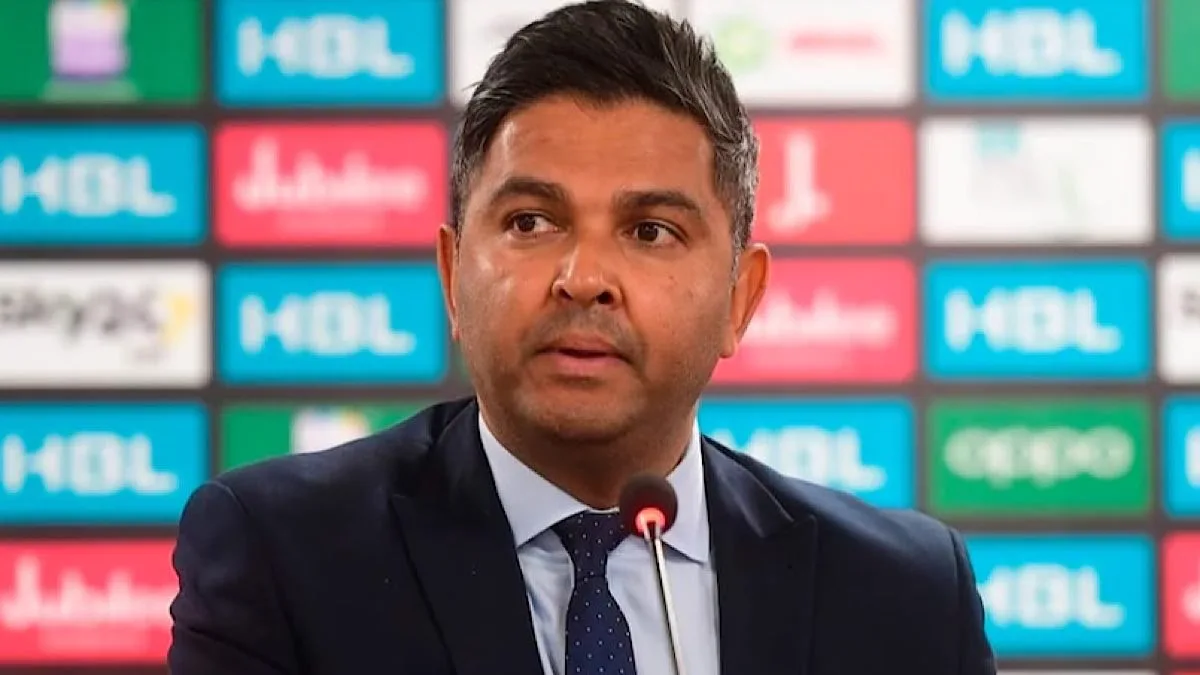
Wasim Khan to step down as ICC general manager

Khan is set to step down as the ICC’s General Manager, Cricket, bringing an end to his four-year stint in the role.

Statesman News Service | New Delhi |

Khan is set to step down as the ICC’s General Manager, Cricket, bringing an end to his four-year stint in the role. He took over the position in May 2022, replacing Geoff Allardice after the latter moved into the CEO role at the ICC.

Before joining the global body, Wasim had spent nearly three years as the CEO of the Pakistan Cricket Board (PCB), where he played a key role in the board’s administration.

Wasim’s journey in cricket began as a player. He was the first British-born Muslim to feature in county cricket, representing Warwickshire in the mid-to-late 1990s. A left-handed batter, he played 58 first-class matches and 30 List A games across stints with Warwickshire, Sussex and Derbyshire.

One of the highlights of his playing career was being part of Warwickshire’s County Championship-winning side in 1995, where he averaged close to 50 during the season. After his playing days, Wasim built a strong reputation in cricket administration. He served as CEO of Leicestershire County Cricket Club and also held a leadership role at the Cricket Foundation.

During his time there, he was instrumental in developing ‘Chance to Shine’ into one of the leading cricket charities in the United Kingdom, helping to grow the game at the grassroots level.
During his tenure at the ICC, one of the key challenges Wasim had to navigate was the increasingly congested global cricket calendar.

The rise of franchise-based T20 and T10 leagues has put pressure on the international schedule, making it more difficult to balance bilateral series with league commitments. Despite this, the most recent Future Tours Programme (FTP) for the 2023–27 cycle, finalised during his time, actually saw an increase in the volume of international cricket being played. The period also marked a significant milestone with the introduction of the first-ever women’s FTP, aimed at providing greater structure and opportunities in the women’s game.

Wasim is set to officially step down at the end of June and is expected to take up a new role from July. His departure comes amid a broader wave of changes within the ICC’s senior leadership over the past couple of years. Former CEO Geoff Allardice has already moved on and has been replaced by Sanjog Gupta. Chris Tetley, who previously headed events, has been succeeded by Gaurav Saxena, while Alex Marshall, who led the ICC’s anti-corruption unit, has been replaced by Andrew Ephgrave.
Harbhajan backs Ishan Kishan to continue as SRH captain

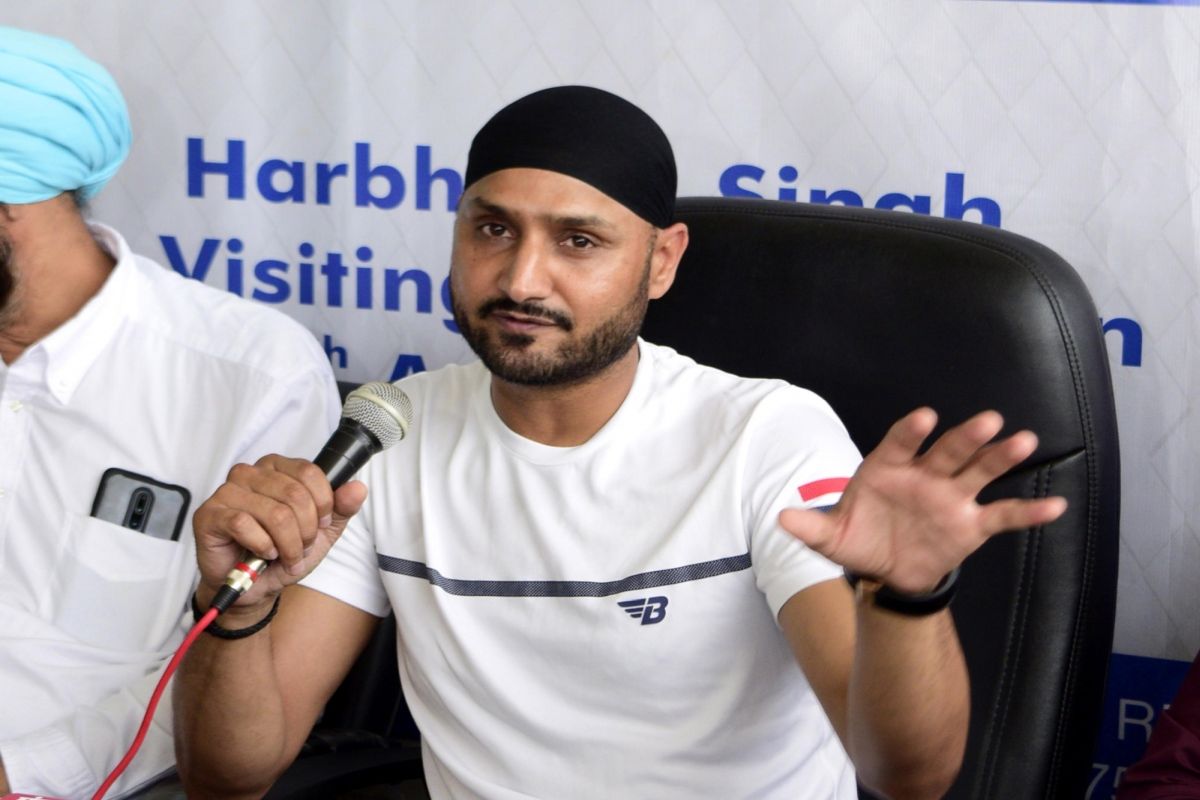
Former India off-spinner Harbhajan Singh has praised Ishan Kishan’s captaincy for Sunrisers Hyderabad and believes the franchise should continue backing the young wicketkeeper-batter as leader, even with Pat Cummins set to return to the side.

Statesman News Service | New Delhi |

Former India off-spinner Harbhajan Singh has praised Ishan Kishan’s captaincy for Sunrisers Hyderabad and believes the franchise should continue backing the young wicketkeeper-batter as leader, even with Pat Cummins set to return to the side.

Sunrisers Hyderabad recorded their third straight win in IPL 2026 with a convincing 47-run victory over Delhi Capitals at the Rajiv Gandhi International Cricket Stadium. The result further strengthened their position in the points table and highlighted their recent turnaround under Kishan’s leadership.

The win was set up by a brilliant, career-best century from Abhishek Sharma, who powered SRH to a commanding 242 for 2. The bowlers then delivered a disciplined performance, with Eshan Malinga leading the attack as they restricted Delhi Capitals to 195 for 9 to seal a comprehensive victory.

Sharing his views on SRH’s leadership, Harbhajan said the team has developed a strong understanding under Kishan, and continuity would help maintain that momentum. “Ishan Kishan should continue as Sunrisers Hyderabad captain even if Pat Cummins returns. It is a debatable call, but if the team has backed a young leader, they should stick with him. Cummins helped Hyderabad reach the final in 2024, no doubt. But the side is doing well under Kishan’s leadership. The bowlers and other players have built good coordination with him. Keeping Ishan as captain will benefit Sunrisers Hyderabad,” Harbhajan told Jio Hotstar.

Kishan had taken over as stand-in captain at the start of the season, with regular skipper Cummins expected to miss the initial matches due to a back injury. The Australian all-rounder has now been declared fit and is likely to return for SRH’s upcoming match against Rajasthan Royals on April 25.

SRH’s campaign under Kishan began on a difficult note with a loss to Royal Challengers Bengaluru. They responded with a strong win over Kolkata Knight Riders but then slipped again, suffering back-to-back defeats against Lucknow Super Giants and Punjab Kings.

However, after managing just one win in their first four matches, SRH have turned things around impressively. They have now registered three consecutive victories against Rajasthan Royals, Chennai Super Kings and Delhi Capitals, climbing to third place in the standings. The team also holds a healthy net run rate of +0.820, reflecting their dominant performances during this phase.

Khandelwal alleges Opposition conspiracy in defeat of women’s quota Bill

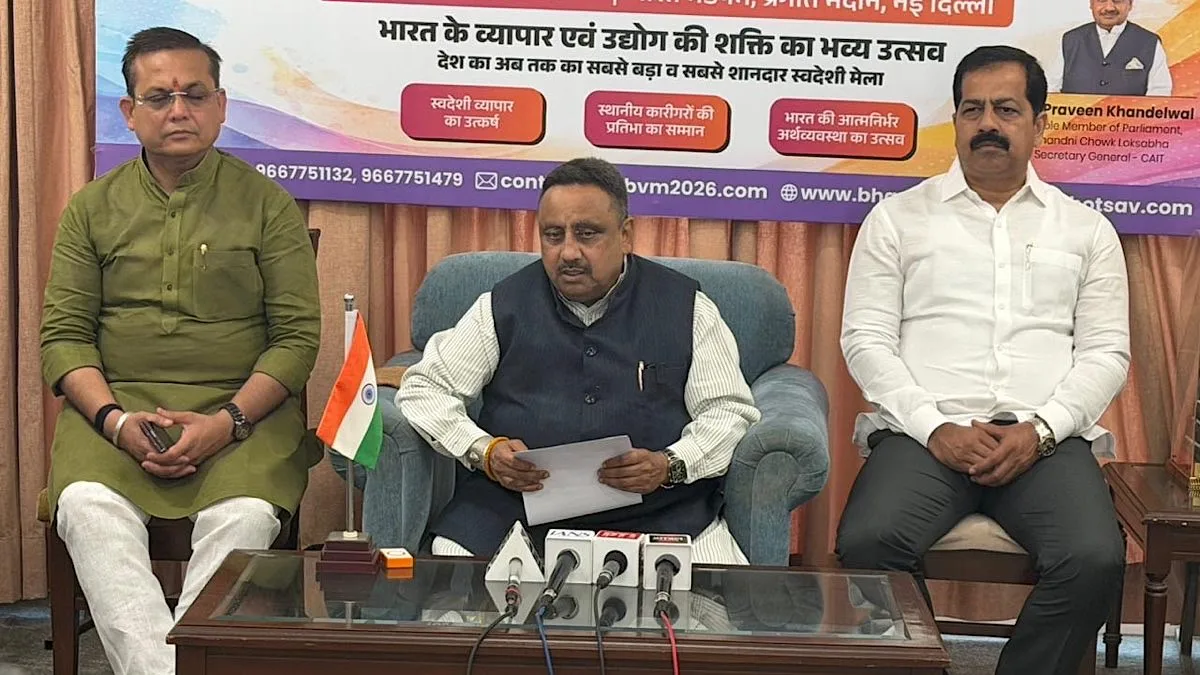
Member of Parliament from the Chandni Chowk parliamentary constituency in Delhi Praveen Khandelwal on Wednesday described the failure to pass the Women’s Reservation Bill in Parliament as a “dark chapter” in the history of India’s democracy.

Statesman News Service | New Delhi |

Member of Parliament from the Chandni Chowk parliamentary constituency in Delhi Praveen Khandelwal on Wednesday described the failure to pass the Women’s Reservation Bill in Parliament as a “dark chapter” in the history of India’s democracy.

Launching a sharp attack on the Congress, Rahul Gandhi, and the entire Opposition during a press conference here, , Khandelwal said this is not just the defeat of a Bill, but a betrayal of the rights, dignity, and future of women in country.
Chandni Chowk District BJP President Arvind Garg, and Keshavpuram District BJP President Ajay Khatana were also present in the press conference.

Khandelwal alleged that under the leadership of Rahul Gandhi, the Congress and its allied parties, the TMC, DMK, SP, and Aam Aadmi Party, have collectively and deliberately conspired to bring down this historic legislation. He accused Rahul Gandhi of opposing the Bill due to personal and political interests, which, he said, had become the biggest obstacle in the path of women’s empowerment. “This conduct reflects a failure of leadership, lack of foresight, and insensitivity toward women’s dignity,” the Chandni Chowk MP said.

Khandelwal remarked that the very Lok Sabha where Rahul Gandhi dared to defeat the Women’s Reservation Bill will, in the future, correct this historic wrong and script a new chapter by granting women their due rights. Had the Bill been passed, Congress leader Priyanka Gandhi Vadra would have emerged as a more powerful and influential leader within the grand old party.

According to Khandelwal, Rahul and the Opposition, driven by narrow political interests, have crushed the aspirations of the women in the country, which the nation is not going to forget. He accused the Congress of historically treating women as a mere “vote bank,” and that delaying this crucial issue for decades and opposing it when the time came for implementation exposes their double standards, opportunistic politics, and anti-women mindset.

He added that the women’s reservation in governance is not just about political representation, but a cornerstone of social justice, equal opportunity, and national development.

EC issues notice to Kharge over ‘terrorist’ remark on PM Modi, seeks his explanation within 24 hours

The poll body has taken a serious note of Kharge’s remarks and asked him to explain his stand within 24 hours.

Statesman News Service | New Delhi |

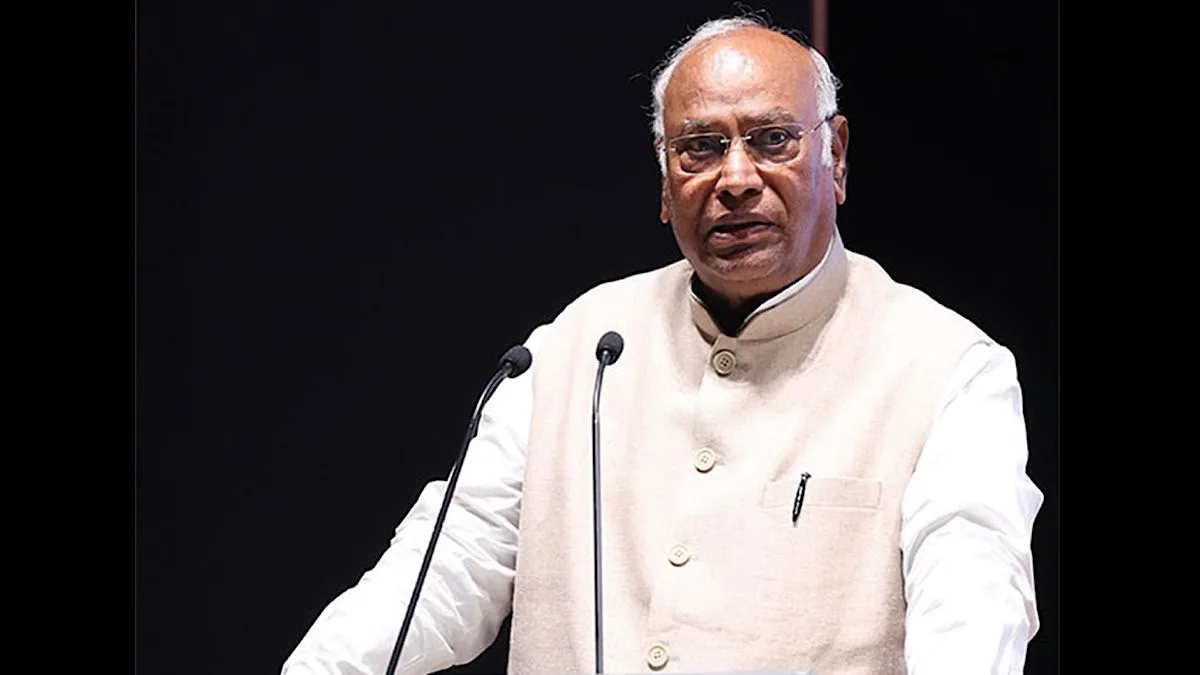
The Election Commission of India on Wednesday issued a notics to Congress National President Mallikarjun Kharge over his “terrorist” remark on Prime Minister Narendra Modi, reported news agency ANI.

According to the agency, the poll body has taken a serious note of Kharge’s remarks and asked him to explain his stand within 24 hours.

The development comes hours after a BJP delegation met the poll panel and lpdged a formal complaint against Kharge.

What Kharge had said on Modi?

Addressing a press conference in Chennai, Kharge said, “How these AIADMK people, who themselves put the photo of Annadurai, how can they join Modi? He is a terrorist.”

When the Congress chief was asked to put his statement in context, he clarified, “He (PM Modi) is terrorising people and political parties. I never said he is a terrorist.”

“What I mean, I want to clarify, is that Modi always threatens. The institutions like ED, I-T and CBI are in his hands. He wants to take delimitation also into his hands. Therefore I said , in that context, he is terrorising people and political parties. I never said he is a terrorist,” Kharge added.

Seeing his remarks snowballing into a major controversy ahead of polling in West Bengal and Tamil Nadu, Kharge issued a clarification, saying he meant the Prime Minister was “trying to silence people” and didn’t intend to call him a terrorist literally.

“I did not speak against the PM. The PM is terrorising politicians, candidates and regarding this, I said that tax terrorism is happening, ED is conducting raids, Income Tax Dept is conducting raids, and CBI is conducting raids. This terrorism is being facilitated by the PM. I did not call him a terrorist; he is facilitating terrorism to scare people. He is trying to silence people through raids and attempting to defeat them in elections. This is what I said in Chennai,” Kharge told reporters in Karnataka’s Kalaburagi.

Nitish Kumar announces new JD(U) executive; his son, Nishant, left out

JD(U) National President Nitish Kumar has announced the party’s new national executive committee, comprising 24 leaders.

Imran Mojib | Patna |

JD(U) National President Nitish Kumar has announced the party’s new national executive committee, comprising 24 leaders.

His close associate and Rajya Sabha MP, Sanjay Kumar Jha, will continue as the party’s National Working President. Senior party leader and former Jehanabad MP Chandreshwar Prasad Chandravanshi has been appointed National Vice President, while Alok Kumar Suman will serve as Treasurer.

Several senior leaders have been assigned key responsibilities, including the appointment of 12 National General Secretaries. These include Manish Kumar Verma, Afaq Ahmad Khan, Shyam Rajak, Ashok Choudhary, Ramesh Singh Kushwaha, Ram Sevak Singh, Kahkashan Parveen, Kapil Harishchandra Patil, Raj Singh Mann, Sunil Kumar alias Engineer Sunil, Harshvardhan Singh, and Maulana Ghulam Rasool Baliyawi.

Rajiv Ranjan Prasad, Ravindra Prasad Singh, Vidya Sagar Nishad, Dayanand Rai, Sanjay Kumar, Mohammad Nisar, Ruhi Tagung, and Nivedita Kumari have been appointed as National Secretaries.

Rajiv Ranjan Prasad will continue as the JD(U)’s National Spokesperson as well.

However, Nitish Kumar’s son, Nishant Kumar, has not been included in the new executive committee.

Earlier, when Nitish Kumar announced his decision to step down as Bihar Chief Minister and move to the Rajya Sabha, Nishant Kumar was widely seen as a potential Deputy Chief Minister in the new government. However, he declined the opportunity and instead chose to enter active politics.

On March 8, Nishant formally joined the party founded by his father and has since been actively involved in its affairs. Over the past weeks, he has held a series of meetings with party spokespersons, senior leaders, youth leaders, and other office-bearers from across the state.

He has also announced plans for a statewide tour aimed at strengthening the party organisation. The tour is scheduled to begin on May 3 from West Champaran district. While the detailed programme is yet to be released, he is expected to visit all 38 districts and interact directly with party workers and the public.

His growing involvement had fuelled speculation that he might be given a significant organisational role within the JD(U). However, his exclusion from the new executive committee raises questions about whether Nitish Kumar is seeking to avoid perceptions of promoting dynastic politics.

Real estate sector records 72% growth in capital inflows to $5.1 billion in 2026

The real estate sector has witnessed a record surge in the capital inflows in the first quarter of 2026, with the investments rising 72% year-on-year to $5.1 billion.

Statesman News Service | New Delhi |

The real estate sector has witnessed a record surge in the capital inflows in the first quarter of 2026, with the investments rising 72% year-on-year to $5.1 billion.

As per CBRE’s latest market monitor report, these inflows, the highest in any quarter ever, were primarily led by developers, closely followed by Real Estate Investment Trusts (REITs).

The period also witnessed a significant 53% quarter-on-quarter (Q-o-Q) investment surge from $3.3 billion in Q4 2025, reflecting a sustained institutional investor confidence in the fundamentals of the country’s real estate sector, it said.

Bengaluru, Mumbai, and Delhi-NCR cumulatively accounted for around 65% of the total investment share. Notably, capital from Singapore and Canada comprised ~72% and ~27%, respectively, of total foreign inflows.

During Q1 2026, the investment momentum was mainly led by substantial inflows into built-up office assets and continued activity in land/development site acquisitions, which together commanded more than 90% of the overall equity investment flows.

The report highlighted that the developers constituted 42% of the total capital inflows, closely followed by REITs at 40%.

Investments by REITs surpassed $2 billion, reflecting a multi-fold increase from the previous quarter and representing a substantial share of the total investment pie.

The report also outlined that a significant portion of this capital was directed towards land acquisitions.

Over 73% of the funds dedicated to site acquisitions were deployed for mixed-use and residential projects, with the rest committed to office, warehousing, and hospitality developments.

The investment activity in Q1 2026 was largely driven by domestic investors, who accounted for 96% of total inflows.

Developers led the market with a 42% share while REITs followed closely at 40%, with investments crossing $2 billion.

Textile exports rise 2.1% to Rs 3.16 lakh crore in FY26; Ready-Made Garments leads

India’s textile sector sustained its growth momentum in global markets in the Financial Year 2025–26, with total exports, including handicrafts, rising 2.1% year-on-year to Rs 3,16,334.9 crore from Rs 3,09,859.3 crore in the previous fiscal, reflecting steady global demand and competitiveness across segments.

Statesman News Service | New Delhi |

India’s textile sector sustained its growth momentum in global markets in the Financial Year 2025–26, with total exports, including handicrafts, rising 2.1% year-on-year to Rs 3,16,334.9 crore from Rs 3,09,859.3 crore in the previous fiscal, reflecting steady global demand and competitiveness across segments.

As per the sectoral information shared by the Ministry of Textiles, Ready-Made Garments (RMG) of all textiles remained the largest contributor to textile exports, rising from Rs 1,35,427.6 crore to Rs 1,39,349.6 crore, an increase of 2.9%.

Cotton yarn, fabrics, made-ups and handloom products recorded exports of Rs 1,02,399.7 crore in FY 2025–26 as against Rs 1,02,002.8 crore in FY 2024–25, reflecting stable growth of 0.4%.

Man-made yarn, fabrics and made-ups posted a stronger growth of 3.6%, with exports increasing from Rs 41,196.0 crore to Rs 42,687.8 crore.

Handicrafts, excluding handmade carpets, recorded the highest growth among major categories, rising by 6.1% from Rs 14,945.5 crore to Rs 15,855.1 crore.

The export expansion was geographically broad-based, with growth reported in more than 120 destinations during April 2025 to February 2026. A notable growth has been observed in key markets such as UAE (22.3%), UK (7.8%), Germany (9.9%), Spain (15.5%), Japan (20.6%), Egypt (38.3%), Nigeria (21.4%), Senegal (54.4%), and Sudan (205.6%).

The government extended export promotion measures such as the Rebate of State and Central Taxes and Levies (RoSCTL) Scheme and the Remission of Duties and Taxes on Exported Products (RoDTEP) Scheme beyond March 31, 2026, providing continued cost competitiveness to exporters.

India’s FTA agenda also saw major progress during 2025–26, with important implications for the textile and apparel sector. The India–EFTA TEPA entered into force on 1 October 2025; the India–UK CETA was signed in July 2025; the India–Oman CEPA in December 2025; the India–New Zealand FTA was announced on 22 December 2025; and the India–EU FTA was concluded on 27 January 2026.

LG Manoj Sinha inaugurates Rs 200-cr Eveready battery unit in J&K’s Samba

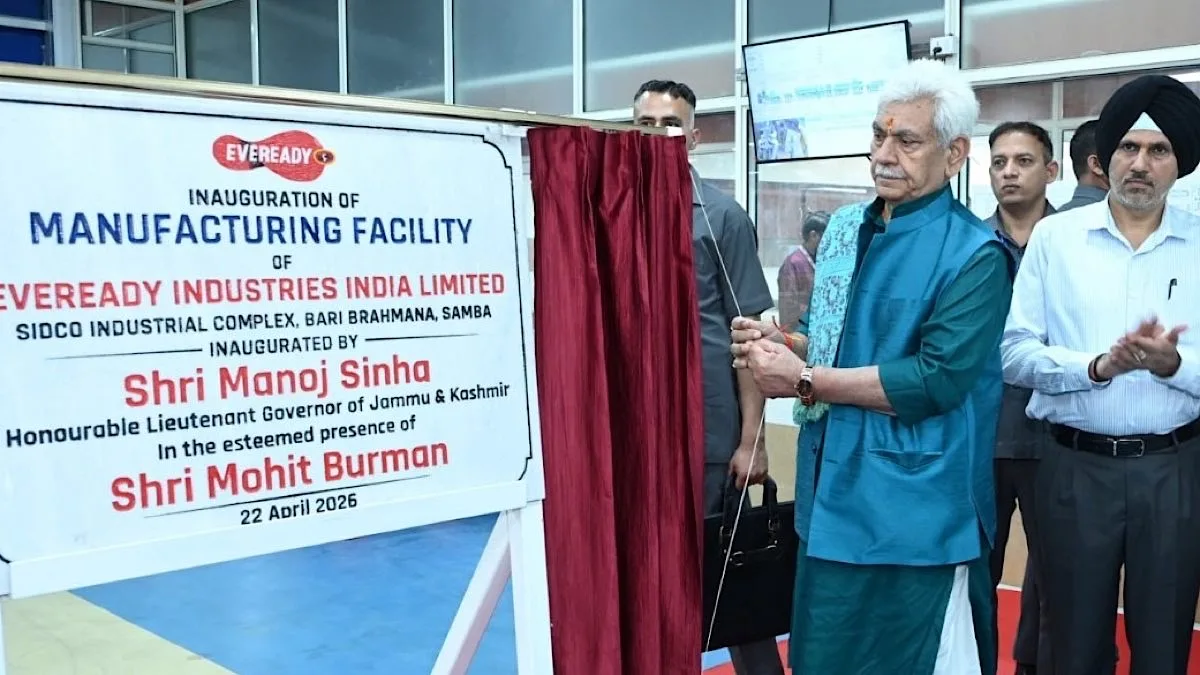
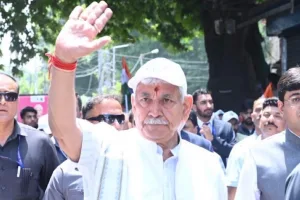
In a major boost to industrial growth in Jammu and Kashmir, Lieutenant Governor Manoj Sinha on Wednesday inaugurated a Rs 200-crore alkaline battery manufacturing unit of Eveready Industries India Ltd at Samba, significantly strengthening domestic production capacity and employment potential.

Statesman News Service | Jammu |

In a major boost to industrial growth in Jammu and Kashmir, Lieutenant Governor Manoj Sinha on Wednesday inaugurated a Rs 200-crore alkaline battery manufacturing unit of Eveready Industries India Ltd at Samba, significantly strengthening domestic production capacity and employment potential.

The new manufacturing plant boasts a robust annual peak production capacity of approximately 360 million alkaline batteries with an annual installed capacity of 456 million. Marking a significant scale-up in the industry’s production capabilities, Eveready’s Jammu facility will give an impetus to India’s domestic manufacturing while catering to the country’s growing demand for high-performance power solutions.

The plant is expected to provide direct and indirect employment to about 500 people.
Sinha said that the inauguration of Eveready’s plant, along with the changed atmosphere in the Union Territory, reflects the sustained efforts of Prime Minister Narendra Modi, under whose leadership a new destiny has been written for Jammu Kashmir. His vision has turned the dream of a prosperous Jammu Kashmir into reality.

He observed that across Samba, Kathua, Jammu and many parts of Kashmir, the industrial revolution we are witnessing today is a living symbol of a new era for Jammu Kashmir. He said in the past 5 years, the scale of industrial development has moved beyond mere economic figures and become the most powerful medium of transformation across Union Territory.

The Lieutenant Governor shared significant figures to highlight industrial transformation of Jammu Kashmir after the New Industrial Policy was launched in 2021. He said in the financial year 2025-26 alone, Jammu Kashmir attracted investment of Rs. 5,824 crore—more than 13 times the average investment recorded before 2021. In FY 2022-23 investment was Rs. 2,153 crore, in FY 2023-24 Rs. 3,389 crore, and in FY 2024-25 Rs. 4,145 crore. In addition, half the preliminary work has already been completed on 312 units worth Rs. 7,864 crore, with production expected to begin in FY 2026-27.

Jammu Kashmir has also seen, for the first time, the establishment of several units with investments exceeding Rs. 500 crore, including Chiripal Polyfilms (Rs. 1,215 crore), Kandhari Beverages (Rs. 830 crore), and Aegios (Rs. 666 crore). Three more units are expected to start production in FY 2026-27.

The Lieutenant Governor said through today’s inauguration, we have also sent a message to the whole world that while our neighbouring country continues to run factories of terrorism, India is building factories of progress and success.

“Today we have told the world that while our neighbour’s factories churn out terrorists, India’s factories are engaged in nation building. We are also conveying that the economic potential, industrial energy and inclusive development of Jammu Kashmir are advancing with a new sense of pride,” the Lieutenant Governor said.

Mohit Burman, Non-Executive Director, Eveready Industries India Limited said that the state-of-the-art greenfield facility will generate around 500 direct and indirect employment opportunities at full scale in the region. He said the company also aims to contribute to ‘Aatmanirbhar Bharat’ vision.

India’s marine exports hit record Rs 72,326 crore in FY26 despite US tariffs, West Asia disruptions

India’s marine product exports touched an all-time high of Rs 72,325.82 crore ($8.28 billion) in FY 2025–26, overcoming geopolitical tensions in West Asia, tariff pressures in the United States and volatile global trade conditions.

Statesman News Service | New Delhi |

India’s marine product exports touched an all-time high of Rs 72,325.82 crore ($8.28 billion) in FY 2025–26, overcoming geopolitical tensions in West Asia, tariff pressures in the United States and volatile global trade conditions.

According to provisional data released by the Marine Products Export Development Authority (MPEDA), the country exported 1.93 million tonnes of seafood during the fiscal, marking a record in both value and volume.

The strong performance comes amid multiple global headwinds, including shipping disruptions linked to the prolonged West Asia crisis, elevated freight costs and uneven demand across key markets.

Frozen shrimp once again emerged as the undisputed engine of India’s seafood export growth.

The segment contributed Rs 47,973.13 crore ($5.51 billion), accounting for more than two-thirds of the country’s total marine export earnings. Shrimp exports also rose 4.6 per cent in volume and 6.35 per cent in value.

Southeast Asia emerged as another major growth centre, registering an increase of 36.1 per cent in value and 28.2 per cent in volume.

Japan also remained a stable market, with imports rising 6.55 per cent in value. In contrast, exports to West Asia saw a marginal decline of 0.55 per cent, largely attributed to regional instability and logistical uncertainties during the fag end of the financial year, the MPEDA said in a statement.

The United States (US) retained its position as India’s largest seafood market, importing marine products worth $2.32 billion, exports to the country registered a decline of 19.8 per cent in volume and 14.5 per cent in value due to the impact of reciprocal tariff measures and changing buying patterns. However, exporters were able to offset the slowdown in the American market through stronger penetration into other regions.

Exports to China, the second-largest destination, recorded impressive growth, with imports from India rising 22.7 per cent in value and 20.1 per cent in volume. The European Union also posted robust gains, with exports jumping 37.9 per cent in value and 35.2 per cent in volume, indicating stronger demand recovery and widening acceptance of Indian seafood products.

Exports of frozen fish, squid, cuttlefish, dried marine items and live products registered positive growth, beyond shrimp.

Surimi, fishmeal and fish oil also reported improved performance. However, chilled products witnessed a decline, likely due to shorter shelf-life constraints and higher transportation costs, the MPEDA said.

Notably, imposition of a 50 per cent tariff by the United States since August 2025 on Indian seafood imports had posed a significant challenge to the sector.

As per the data, in FY25, India exported 3,46,868 tonnes of seafood worth $2.71 billion to the US, accounting for 36.4 per cent of total seafood exports. The steep tariff had created a substantial duty disadvantage for Indian exporters, especially in comparison to key competitors such as Ecuador, Indonesia, Thailand and Vietnam.

‘Pappu Yadav should first ask his wife before commenting on others’: JDU MLA Anant Singh on Bihar leader’s ‘women face exploitation in politics’ remark

JDU MLA Anant Kumar Singh launched a personal attack on Pappu Yadav over his ‘exploitation of women politicians’ claim, saying the Purnia leader should “first ask his own wife” before commenting on others.

Statesman News Service | New Delhi |

The controversy over Independent MP Pappu Yadav’s remarks claiming that women who enter politics face sexual exploitation has refused to die down, with JDU MLA Anant Kumar Singh launching a personal attack on the Bihar leader, asking him to “first ask his own wife” before commenting on women politicians.

Speaking to reporters in Patna, Anant Singh said, “Pappu Yadav has gone mad. Where is his own wife?… His own wife is also a leader, he should ask her as well before speaking about someone else.”

What Pappu Yadav said on women in politics?

Addressing reporters in Purnia this week, Yadav flagged the alleged deep-rooted discrimination against women in public life, questioning the gap between symbolic reverence and real power.

He further blamed the system and society for the perceived situation of women and went on to claim that 90 per cent of them have to enter the room of (male) politicians.

“In India, women are called goddesses, but they will never be respected here. System and society are responsible for this…90% of women cannot do politics without entering the room of politicians,” he said.

His remarks triggered an uproar, with several NDA leaders, including the ruling BJP, slamming him for making what they called derogatory remarks against women.

However, Yadav defended his remarks and doubled down on his claim, insisting that women face systemic exploitation within politics. He also cited sexual exploitation cases against male politicians.

“I had said that male politicians do not let women enter politics without exploiting them. Is that incorrect?…I am fighting women’s fight…They exploit women…There is sexual exploitation against 755 male politicians and there are chargesheets against 155.”

Yadav added, “The whole of India is tainted. If I speak of male politicians, why are they (Women’s Commission) troubled?…These politicians exploit women and then they speak of the Women’s Reservation Bill.”

Tamil Nadu, West Bengal Phase 1: ‘Zero’ assets to Rs 500 to Rs 5,868 crore; hundreds of candidates test luck

At the top of the rich list in West Bengal is TMC’s Jangipur candidate Jakir Hossain, with declared assets of about Rs 133 crore, according to the Association for Democratic Reforms (ADR) and West Bengal Election Watch.

VIBHA SHARMA | New Delhi |

From ‘zero-asset’ to having just about Rs 500 to billionaires — such as AIADMK’s Lalgudi candidate Leema Rose Martin with declared assets of over Rs 5,868 crore — Thursday’s elections will seal the fate of around 4,023 candidates from different political parties and economic background in 234 Tamil Nadu constituencies and 1,478 candidates in Phase-I elections in West Bengal on 152 seats.

At the top of the rich list in West Bengal is TMC’s Jangipur candidate Jakir Hossain, with declared assets of about Rs 133 crore, according to the Association for Democratic Reforms (ADR) and West Bengal Election Watch. Meanwhile, Rubiya Begam in Durgapur Purba from the Aam Janata Unnayan Party has just around Rs 500 in her account.

While the average assets per candidate in West Bengal stand at Rs 1.34 crore, of the 1,475 candidates analysed by ADR, 309 (21%) are crorepatis. In comparison, the average assets per candidate in Tamil Nadu are Rs 5.17 crore; the combined net worth of the top three is around Rs 7,000 crore. In the 2021 Tamil Nadu Assembly elections, the average assets per candidate were Rs 1.72 crore, says the ADR.

In absolute terms, Leema Rose Martin, wife of lottery baron Santiago Martin, is the wealthiest candidate in Tamil Nadu, and possibly across all four states and one Union Territory polling this 2026 season. In the neighbouring Puducherry, which voted a few days earlier, Martin’s son Jose Charles Martin, founder of the Latchiya Jananayaga Katchi (LJK), had declared net assets of Rs 597 crore, making him the richest candidate in the Union Territory.

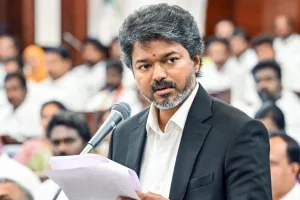
In Tamil Nadu, Leema Rose Martin is followed by actor-turned-politician Joseph Vijay of Tamilaga Vettri Kazhagam (TVK), contesting from Chennai Perambur and Tiruchirappalli (East), with assets exceeding Rs 648 crore. He is followed by Aadhav Arjuna, contesting from Chennai’s Villivakkam constituency, with declared assets above Rs 534 crore.

Among Tamil Nadu candidates with assets exceeding Rs 100 crore are two (7%) of 28 Congress candidates analysed by ADR, seven (4%) of 175 from the DMK, three (2%) of 170 from the AIADMK, one (6%) of 18 from the Pattali Makkal Katchi, one (9%) of 11 from the Amma Makkal Munnetra Kazhagam, and eight (3%) of 231 from the Tamilaga Vettri Kazhagam, says ADR

Money power remains a common feature of elections across India, but states such as Tamil Nadu, Andhra Pradesh, Telangana, Maharashtra, and Karnataka seem to lead the trend. While a key factor is the rising cost of elections, which pushes parties to select candidates who can finance their campaigns and help others as well, economic development and strong business sectors also produce more affluent political aspirants, and parties, too, view wealthy candidates as resourceful and influential, say sources

In the South specifically, a factor is the close link between politics and sectors such as real estate, construction, transport and cinema. Several candidates come from these sectors—where wealth accumulation is already high and political entry is often seen as a way to expand influence or protect business interests. Strong family-based political networks and entrenched local leadership structures further ease the entry of affluent candidates, but this holds true everywhere.

Observers say that regional parties, in particular, tend to prefer candidates who can fund their own campaigns, creating an informal bias towards wealthier contenders, especially in closely contested constituencies, And as ADR notes, “the role of money power in our elections is evident from the fact that all major political parties give tickets to wealthy candidates,” underscoring a trend that cuts across ideological lines and reinforces the dominance of high-net-worth individuals in the electoral landscape.

National Institute of Tuberculosis and Respiratory Diseases officially recognised as Zero Waste to Landfill

In a significant step toward sustainable urban development, the National Institute of Tuberculosis and Respiratory Diseases (NITRD), under the Municipal Corporation of Delhi, has been officially recognised as Zero Waste to Landfill.

Statesman News Service | New Delhi |

In a significant step toward sustainable urban development, the National Institute of Tuberculosis and Respiratory Diseases (NITRD), under the Municipal Corporation of Delhi, has been officially recognised as Zero Waste to Landfill.

“This achievement establishes NITRD as a benchmark for responsible and environmentally conscious waste management in India’s healthcare sector,” the Ministry of Housing and Urban Affairs said on Wednesday.

The initiative was executed by the Why Waste Wednesdays Foundation through its flagship program, Swachh Sankalp, showcasing how structured planning and collective action can drive meaningful change.

Spanning a sprawling 27-acre campus, the National Institute of Tuberculosis and Respiratory Diseases (NITRD) generates approximately 1 to 1.2 tons of waste daily, including 500–650 kgs of wet waste. Operating under the Ministry of Health and Family Welfare, it has emerged as a healthcare institution to achieve full compliance in the Bulk Waste Generator category under the 2026 Solid Waste Management Guidelines. This recognition underscores NITRD’s pioneering commitment to sustainable practices, setting a benchmark for responsible waste management in India’s healthcare sector.

The project adopted a comprehensive and structured approach to sustainable waste management, beginning with an in-depth waste audit and baseline survey to map all existing waste streams, evaluate current practices, and identify critical gaps in operations. This diagnostic phase provided a clear understanding of the institute’s waste generation patterns and informed the design of targeted interventions.

Building on these insights, the initiative launched an intensive awareness and capacity-building campaign, conducting nearly 50 customized sessions aimed at hospital staff, administrators, and support personnel. These sessions not only educated participants on best practices in waste segregation, recycling, and composting, but also fostered a culture of accountability and environmental responsibility. By ensuring active engagement across all levels of the institution, the program achieved widespread participation, instigated measurable behavioural change, and laid the foundation for the long-term success of the zero-waste initiative.
Building on this strong foundation, the project established a robust on-ground infrastructure to manage waste effectively and sustainably. A Wet Waste Composting Centre has been set up to process biodegradable waste, while a Dry Waste Resource Centre has been strengthened for efficient sorting, aggregation, and channelization of recyclable materials, ensuring maximum recovery and diversion from landfills.

Dedicated Horticulture Waste Management Systems has also been implemented to handle garden and landscaping residues, ensuring that every type of waste generated on the campus was efficiently processed.

To further enhance the institute’s waste processing capacity, 40 Gaia composting bins have been strategically installed across the campus, complemented by two horticulture waste shredders to streamline the treatment of larger green waste materials.

In addition, a dedicated monitoring station is established to oversee operations in real-time, supported by a consumables management space to track, manage, and optimize resource usage.
Together, these infrastructure components create a seamless, integrated system that not only ensures operational efficiency but also guarantees the long-term sustainability of NITRD’s zero-waste ecosystem, setting a replicable model for other healthcare institutions.
The South Zone team of the Municipal Corporation of Delhi (MCD) inaugurated 40 Aerobin composting units at the National Institute of Tuberculosis and Respiratory Diseases in Mehrauli Ward.

This achievement represents a major milestone in advancing environmentally responsible practices within the healthcare sector. By seamlessly integrating comprehensive waste management systems with continuous awareness programs, staff training, and strategically developed infrastructure, NITRD has demonstrated how large-scale healthcare institutions can operate sustainably without compromising efficiency or patient care.

Beyond its operational success, this accomplishment establishes a national benchmark, showing other hospitals and healthcare facilities across India that zero-waste practices are both feasible and impactful.

The NITRD initiative under Swachh Bharat Mission Urban 2.0 serves as a compelling example of how collective action, visionary leadership, and meticulous, structured implementation can drive systemic change.

It underscores the power of institutional commitment to sustainability, inspiring a cleaner, greener, and more responsible future for healthcare and urban development nationwide.

Prompted by Delhi Assembly Speaker’s intervention, DMRC prepares proposal for FOB

The proposal for the project has been submitted to the Public Works Department (PWD) for necessary approvals.

Statesman News Service | New Delhi |

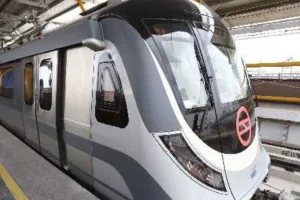
The Delhi Metro Rail Corporation (DMRC) has prepared a feasibility proposal for construction of a Foot Over Bridge (FOB) across the Outer Ring Road to improve access to the Pitampura–Prashant Vihar Metro Station.

The proposal for the project has been submitted to the Public Works Department (PWD) for necessary approvals.

Notably, the development follows an intervention of Delhi Assembly Speaker Vijender Gupta, who took up the matter after receiving representations from several Residents’ Welfare Associations (RWAs), including the Senior Citizens Welfare Association, Prashant Vihar.
The complaints highlighted the lack of safe and direct access to the metro station from the Prashant Vihar side, particularly along the Majlis Park–Deepali Chowk corridor.
In a letter to the DMRC, Gupta had requested urgent action to address the issue, pointing out that currently, access to the station is available only from the Pitampura side, forcing residents to travel long distances.

This not only caused significant inconvenience for the general public, but particularly for senior citizens, persons with disabilities, and patients.
Gupta had urged safe, direct
, and barrier-free connectivity to be provided on priority basis.
Responding to Speakers’ communication, the DMRC stated that the proposal for the FOB is under consideration and requires certain road design adjustments to meet safety and technical standards, including compliance with headroom requirements under the existing PWD flyover in accordance with IRC and NBC norms, necessitating modifications to road geometry.
The proposal is currently with the PWD and construction will be undertaken subject to receipt of the requisite approvals.
The DMRC has also indicated additional pedestrian-friendly measures, including an at grade zebra crossing near Entry/ Exit 1, and improved access arrangements, where a lift facility from ground level to the concourse level is already available.
These measures form part of the station’s multi modal integration framework, which has been submitted to the Unified Traffic and Transportation Infrastructure Planning and Engineering Centre (UTTIPEC) and will be implemented by the concerned road owning agency following approval.

Reacting to the development, Gupta has said that while the proposed steps are welcome, it is important to ensure comprehensive and user-friendly infrastructure.
He emphasized that public transport must be accessible to all, especially senior citizens, and that last-mile connectivity should be treated as a priority.
Gupta has urged agencies concerned to expedite the process so that residents, particularly elderly citizens, can benefit from safe and convenient access to the metro station.

Atal Pension Yojana crosses historic milestone

The Atal Pension Yojana (APY), a flagship social security scheme of the Government of India administered by the Pension Fund Regulatory and Development Authority (PFRDA), has achieved a historic milestone by surpassing total gross enrolments of nine crore subscribers on 21April,

Statesman News Service | New Delhi |

The Atal Pension Yojana (APY), a flagship social security scheme of the Government of India administered by the Pension Fund Regulatory and Development Authority (PFRDA), has achieved a historic milestone by surpassing total gross enrolments of nine crore subscribers on 21April,

In a further testament to the scheme’s growing outreach and impact, gross enrolments during the Financial Year 2025–26 have crossed 1.35 crore subscribers, marking the highest-ever enrolments recorded in a single financial year since the inception of the scheme, an official press release said on Wednesday.

Launched on May 9, 2015, with the vision of establishing a universal social security system for all Indians, APY is a voluntary, contributory pension scheme primarily focused on the poor, the underprivileged, and workers in the unorganized sector.

Over the past decade, the scheme has witnessed remarkable growth, driven by sustained efforts of Banks (PSBs/RRBs/Private Banks/SFBs/Co-operative banks), SLBCs/UTLBCs/LDMs, the Department of Posts (DoP) and continuous support from the Government of India.

PFRDA has played a proactive role in expanding the scheme’s footprint across all states and districts in the country, through extensive outreach initiatives, capacity-building programs, multilingual awareness materials, media campaigns, and regular performance reviews.

APY is designed to provide a ‘Sampurna Suraksha Kavach’ (Complete Security Shield) by ensuring the following triple benefits: – First, a guaranteed monthly pension ranging from ₹1,000 to ₹5,000 for subscribers after attaining 60 years of age; Second, same pension continues to the spouse after the subscriber’s demise and third, the return of the corpus accumulated till the age of 60, to the nominee after the death of both. The scheme is open to all Indian citizens between the age of 18 and 40 years, except those who are or have been income tax payers.

Delhi govt permanently implementing decision of ‘no-fuel’ to vehicles without valid PUC

The Delhi Government has taken a call to strictly implement the decision not to allow petrol, diesel, and CNG to the vehicles without a valid “Pollution Under Control” Certificate at the fuel stations.

Statesman News Service | New Delhi |

The Delhi Government has taken a call to strictly implement the decision not to allow petrol, diesel, and CNG to the vehicles without a valid “Pollution Under Control” Certificate at the fuel stations. The decision aims at ensuring control over vehicular pollution across the national capital.

Chief Minister Rekha Gupta said her government was committed to ensuring a clean and healthy environment and improving Delhi’s air quality through sustained and comprehensive measures. “Tackling air pollution requires firm and effective interventions. This decision is a crucial step in that direction,” she added, underlining the need for strict compliance.

Under Rule 115 (sub-rule 7) of the Central Motor Vehicles Rules, 1989, every vehicle must carry a valid PUC certificate after one year of registration and produce it on demand. However, it has been observed that a large number of vehicles continue to operate without valid certification, significantly aggravating pollution levels across the city.

CM Gupta pointed out that the Commission for Air Quality Management in Delhi and NCR region (CAQM), in its revised Graded Response Action Plan (GRAP), has also mandated strict enforcement of PUC norms. According to her, the framework provides for stringent action against polluting vehicles, including seizure and the imposition of maximum penalties.
Going by the new directive, fuel will be supplied strictly and exclusively to vehicles holding a valid PUC certificate. Accountability has been clearly fixed across all concerned agencies to ensure zero tolerance in implementation. Hence, all the petrol pumps and gas outlets have been directed to comply with the order in letter and spirit, while all the departments concerned, including the civic body and the police have been tasked with ensuring rigorous enforcement of the directive.

Authorities have been warned that any lapse or negligence will invite strict action.
Emphasising that the government is pursuing a multi-pronged strategy to combat pollution, CM Gupta had said that controlling vehicular emissions remains a key priority, while she also urged residents to keep their PUC certificates updated at all times.

Viral for all the wrong reasons: Jharkhand man allegedly kills snakes and wildlife for social media fame, case registered

Disturbing videos circulating online have triggered outrage after allegedly showing the killing of protected wildlife in Jharkhand. Authorities have stepped in following complaints from activists and begun a formal investigation into the matter.

Statesman News Service | New Delhi |

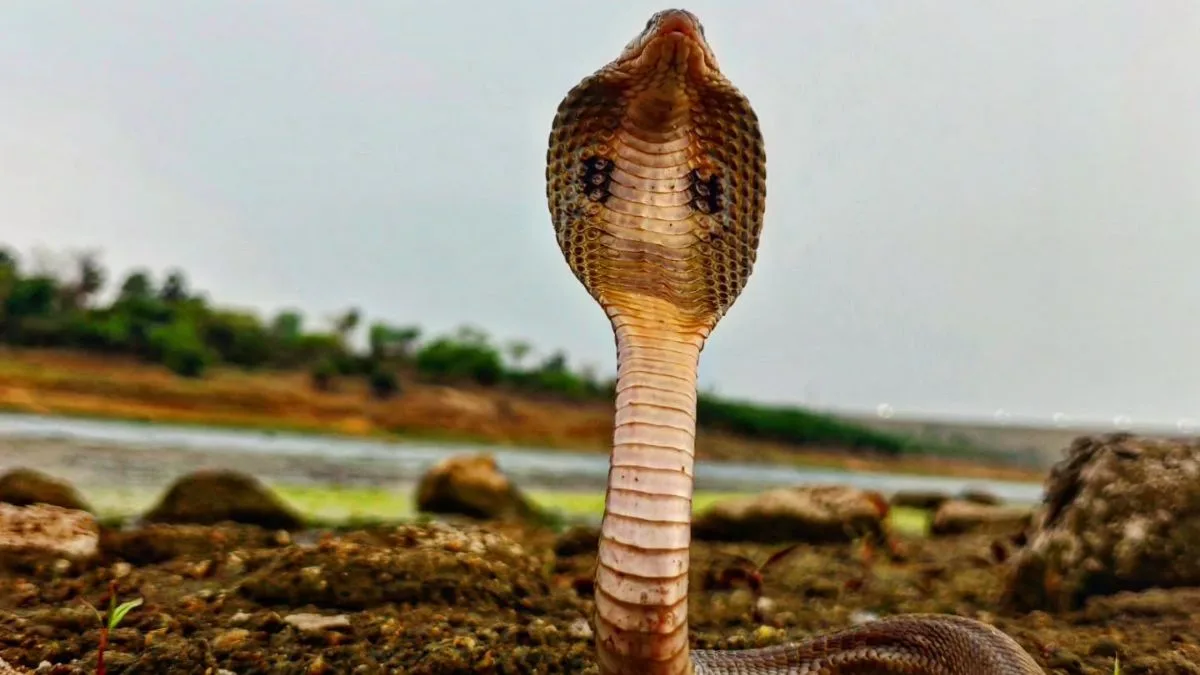
A young man from Khunti district in Jharkhand has been accused of killing snakes and wild animals and turning acts into online content for attention.

The story came out after several clips began circulating widely online, showing brutal scenes of animals being captured and killed. The Forest Department soon stepped in, registering a case and starting a detailed probe into what many are calling a dangerous chase for social media fame.

Viral videos expose shocking animal killings in Khunti

According to officials, the trouble began when an Instagram account started posting disturbing videos on a regular basis. The clips allegedly showed a youth catching and killing wild animals, including a Russell’s viper, which is known as one of the most venomous snakes in India.

The videos also reportedly featured the Indian rock python and several protected bird species.

The content did not stop at killing. Some of the videos also showed the accused cooking and eating the animals’ meat, making the situation even more serious for authorities.

Repeated posting of such content raised red flags among viewers and eventually reached animal rights activists.

Concerned by nature of videos, activists filed formal complaints with both the Khunti police and Forest Department. Following complaints and verification, officials identified accused as Lutar Purti.

Also Read: ‘Spiked drink, no Wi-Fi for 3 days’: US tourist alleges sexual assault at Coorg homestay; 2 arrested

Case was registered against him and he was taken into custody for questioning by Forest Department officials.

Authorities confirmed that several animals shown in videos fall under protected categories under Indian wildlife laws. Hunting, killing, harming such species is considered serious legal offence, and strict punishment can follow under wildlife protection rules.

Officials also said that the investigation is ongoing and further action will be taken based on evidence collected.

Family claims mental illness as investigation continues

As the case gained attention, the family members of Lutar Purti approached the Forest Department with a different explanation. They claimed that he is mentally disturbed and requested leniency.

The family also said that after consuming snake meat, he had fallen seriously ill. Along with their appeal, they submitted an apology on his behalf and asked for medical treatment instead of strict punishment.

After initial questioning, the youth was released on a bond. However, officials made it clear that he must cooperate with the investigation and will have to appear whenever summoned by authorities.

Meanwhile, animal rights activists have strongly reacted to the incident. They said treating the killing of animals as entertainment for likes and views is not only disturbing but also a dangerous sign of how social media obsession can go too far. According to them, such acts promote cruelty and encourage illegal wildlife harm under the guise of online popularity.

Forest Department officials have stated that the matter is being taken very seriously. They assured that the investigation will continue and that action will be taken strictly according to the law.

With inputs from IANS.

PM Modi pays tribute to Pahalgam victims, reasserts India’s unyielding stand against terror

Prime Minister Narendra Modi on Wednesday commemorated the victims of the Pahalgam terror attack on its anniversary, honouring those who lost their lives and reaffirming India’s steadfast resolve to combat terrorism.

Statesman News Service | New Delhi |

Prime Minister Narendra Modi on Wednesday commemorated the victims of the Pahalgam terror attack on its anniversary, honouring those who lost their lives and reaffirming India’s steadfast resolve to combat terrorism.

In a message shared on X, the Prime Minister said, “Remembering the innocent lives lost in the gruesome Pahalgam terror attack on this day last year. They will never be forgotten. My thoughts are also with the bereaved families as they cope with this loss.”

Reflecting the nation’s collective grief and determination, he added, “As a nation, we stand united in grief and resolve. India will never bow to any form of terror. The heinous designs of terrorists will never succeed.”

The Pahalgam terror attack last year had sent shockwaves across the country, claiming several innocent lives and drawing condemnation from leaders across the political spectrum. The attack, which targeted civilians in the popular tourist hub of Jammu and Kashmir, had raised fresh concerns over security in the region and led to intensified counter-terror operations.

In the aftermath, the government has consistently underscored its zero-tolerance approach to terrorism, with a focus on dismantling terror networks and strengthening security mechanisms, particularly in sensitive areas like Jammu and Kashmir.

On the anniversary, tributes poured in from across the country, as leaders and citizens alike remembered the victims and stood in solidarity with their families. The Prime Minister’s message captured the shared sentiment of remembrance while reinforcing India’s firm resolve to counter terrorism in all its forms.